
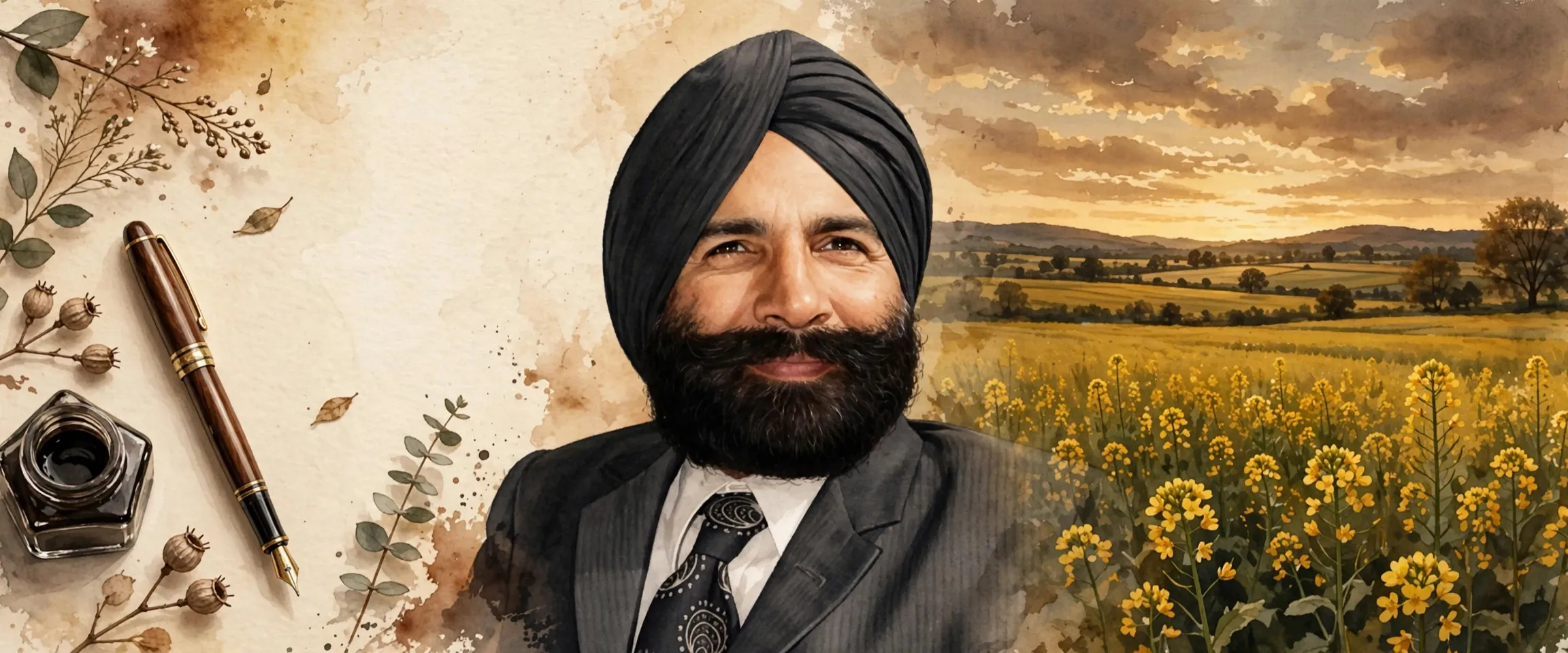
Kulwant Singh Virk (1921–1987) was a Punjabi short-story writer counted among the masters of the Punjabi kahani. His collection Nave Lok won the Sahitya Akademi Award in 1968, and his stories were translated into Russian, Japanese and other languages.
- Facts
- Born
- 20 May 1921, Phularwan, Sheikhupura district (now Pakistan)
- Died
- 24 December 1987, Toronto, Canada
- Wrote in
- Punjabi, English
- Known for
- Nave Lok (1967); ‘Khabbal’
- Honours
- Sahitya Akademi Award (1968); Language Department Punjab (1959); Punjab Arts Council (1981); Shiromani Sahityakar (1985)
Early life
Kulwant Singh Virk was born on 20 May 1921 in the village of Phularwan in Sheikhupura district, in the Punjab of British India — a region that now lies in Pakistan. He grew up in the Punjabi countryside, among the fields and village lanes that would later fill his fiction. A bright student, he took his master's degree in English from Khalsa College, Amritsar, in 1940 and then studied law at Lahore, though he never practised as a lawyer. The English literary tradition stayed with him all his life: he went on to write extensively in English as well as Punjabi.
Soldier, then civil servant
In 1942 Virk joined the army, serving as a King's Commissioned Officer during the Second World War. The Partition years found him working as a liaison officer — duty that took him across the new border in a time of terrible upheaval, an experience that left its mark on stories like ‘Khabbal’. In 1949 he joined the Punjab civil services as a public relations officer. He edited two government journals, Advance in English and Jagriti in Punjabi, and later served as joint director of the communication centre at Punjab Agricultural University in Ludhiana and as press secretary to the Punjab chief minister. He was, in other words, a working journalist and administrator who wrote his fiction alongside a full public life.
The master of the Punjabi short story
Virk is counted among the great masters of the Punjabi kahani, alongside Sujan Singh and Kartar Singh Duggal. His stories are fast-moving, tightly trimmed and modern — realistic portraits of rural and small-town Punjab drawn with a psychological depth that was new to the form. Collections followed steadily: Chhah Vela (1950), Dharti te Akash (1951), Dudh da Chhappar (1958), Gola (1961) and Nave Lok (1967), among others. His characters — peasants, soldiers, clerks, villagers caught between tradition and change — are rendered with sympathy rather than judgment. Several of his stories, including Dudh da Chhappar and Khabbal, were later dramatized for television, and his work was translated into Russian, Japanese and other languages, carrying the Punjabi village to readers around the world.
Honours and legacy
Recognition came early and kept coming. His first award arrived in 1958 for Dudh da Chhappar, and the Language Department of Punjab honoured him as an eminent writer in 1959. In 1968 his collection Nave Lok won the Sahitya Akademi Award, presented by President Zakir Hussain. Later honours included the Punjab Arts Council award (1981), recognition by the Literary Forum of Canada (1984), the title of Shiromani Sahityakar (1985) and acclaim from the Punjab Sahitya Academy (1986). After retirement he moved to Canada for a time and then returned to Punjab; a stroke in 1987 took him back to Canada for treatment, and he died in Toronto on 24 December 1987, aged 66. In 2003 the Sahitya Akademi published Ajeet Cour's full-length critical study, Kulwant Singh Virk — a measure of the place he holds in Punjabi letters.
What is Kulwant Singh Virk known for?
He is known as one of the masters of the Punjabi short story. His collections, above all Nave Lok, brought psychological realism and modern craft to Punjabi fiction, and stories such as ‘Khabbal’ remain landmarks of Partition literature.
Which book won Kulwant Singh Virk the Sahitya Akademi Award?
His 1967 short-story collection Nave Lok (New People) won the Sahitya Akademi Award in 1968. The award was presented to him by the President of India, Dr. Zakir Hussain.
ਮੁੱਢਲਾ ਜੀਵਨ
ਕੁਲਵੰਤ ਸਿੰਘ ਵਿਰਕ ਦਾ ਜਨਮ 20 ਮਈ 1921 ਨੂੰ ਬਰਤਾਨਵੀ ਭਾਰਤ ਦੇ ਪੰਜਾਬ ਦੇ ਸ਼ੇਖੂਪੁਰਾ ਜ਼ਿਲ੍ਹੇ ਦੇ ਪਿੰਡ ਫੁਲਰਵਾਨ ਵਿੱਚ ਹੋਇਆ ਇਹ ਇਲਾਕਾ ਹੁਣ ਪਾਕਿਸਤਾਨ ਵਿੱਚ ਹੈ ਉਹ ਪੰਜਾਬੀ ਪੇਂਡੂ ਇਲਾਕੇ ਵਿੱਚ ਵੱਡਾ ਹੋਇਆ, ਜਿਨ੍ਹਾਂ ਖੇਤਾਂ ਅਤੇ ਪਿੰਡ ਦੀਆਂ ਗਲੀਆਂ ਨੇ ਬਾਅਦ ਵਿੱਚ ਉਸ ਦੀਆਂ ਕਹਾਣੀਆਂ ਨੂੰ ਭਰ ਦਿੱਤਾ ਉਹ ਹੋਣਹਾਰ ਵਿਦਿਆਰਥੀ ਸੀ 1940 ਵਿੱਚ ਅੰਮ੍ਰਿਤਸਰ ਦੇ ਖ਼ਾਲਸਾ ਕਾਲਜ ਤੋਂ ਅੰਗਰੇਜ਼ੀ ਵਿੱਚ ਐਮਏ ਕੀਤੀ ਅਤੇ ਫਿਰ ਲਾਹੌਰ ਵਿੱਚ ਕਾਨੂੰਨ ਦੀ ਪੜ੍ਹਾਈ ਕੀਤੀ, ਹਾਲਾਂਕਿ ਉਸ ਨੇ ਕਦੇ ਵਕਾਲਤ ਨਹੀਂ ਕੀਤੀ ਅੰਗਰੇਜ਼ੀ ਸਾਹਿਤਕ ਪਰੰਪਰਾ ਉਸ ਦੇ ਨਾਲ ਸਾਰੀ ਉਮਰ ਰਹੀ ਬਾਅਦ ਵਿੱਚ ਉਸ ਨੇ ਪੰਜਾਬੀ ਦੇ ਨਾਲ-ਨਾਲ ਅੰਗਰੇਜ਼ੀ ਵਿੱਚ ਵੀ ਖ਼ੂਬ ਲਿਖਿਆ
ਫ਼ੌਜੀ, ਫਿਰ ਸਰਕਾਰੀ ਅਧਿਕਾਰੀ
1942 ਵਿੱਚ ਵਿਰਕ ਫ਼ੌਜ ਵਿੱਚ ਭਰਤੀ ਹੋ ਗਿਆ ਅਤੇ ਦੂਜੇ ਵਿਸ਼ਵ ਯੁੱਧ ਦੌਰਾਨ ਕਿੰਗਜ਼ ਕਮਿਸ਼ਨਡ ਅਫ਼ਸਰ ਵਜੋਂ ਸੇਵਾ ਨਿਭਾਈ ਵੰਡ ਦੇ ਸਾਲਾਂ ਵਿੱਚ ਉਹ ਲਾਇਜ਼ਨ ਅਫ਼ਸਰ ਵਜੋਂ ਕੰਮ ਕਰਦਾ ਰਿਹਾ ਇਹ ਡਿਊਟੀ ਉਸ ਨੂੰ ਭਿਆਨਕ ਉਥਲ-ਪੁਥਲ ਦੇ ਸਮੇਂ ਨਵੀਂ ਬਣੀ ਸਰਹੱਦ ਪਾਰ ਲੈ ਗਈ, ਜਿਸ ਤਜਰਬੇ ਦੀ ਛਾਪ ‘ਖੱਬਲ’ ਵਰਗੀਆਂ ਕਹਾਣੀਆਂ ’ਤੇ ਪਈ 1949 ਵਿੱਚ ਉਹ ਪੰਜਾਬ ਸਿਵਲ ਸੇਵਾ ਵਿੱਚ ਲੋਕ ਸੰਪਰਕ ਅਧਿਕਾਰੀ ਵਜੋਂ ਆ ਗਿਆ ਉਸ ਨੇ ਸਰਕਾਰ ਦੇ ਦੋ ਰਸਾਲਿਆਂ — ਅੰਗਰੇਜ਼ੀ ਵਿੱਚ ‘ਐਡਵਾਂਸ’ ਅਤੇ ਪੰਜਾਬੀ ਵਿੱਚ ‘ਜਾਗ੍ਰਿਤੀ’ — ਦਾ ਸੰਪਾਦਨ ਕੀਤਾ ਅਤੇ ਬਾਅਦ ਵਿੱਚ ਲੁਧਿਆਣਾ ਦੀ ਪੰਜਾਬ ਖੇਤੀਬਾੜੀ ਯੂਨੀਵਰਸਿਟੀ ਵਿੱਚ ਸੰਚਾਰ ਕੇਂਦਰ ਦਾ ਸੰਯੁਕਤ ਨਿਰਦੇਸ਼ਕ ਅਤੇ ਪੰਜਾਬ ਦੇ ਮੁੱਖ ਮੰਤਰੀ ਦਾ ਪ੍ਰੈੱਸ ਸਕੱਤਰ ਰਿਹਾ ਦੂਜੇ ਸ਼ਬਦਾਂ ਵਿੱਚ, ਉਹ ਇੱਕ ਕੰਮਕਾਜੀ ਪੱਤਰਕਾਰ ਅਤੇ ਪ੍ਰਸ਼ਾਸਕ ਸੀ ਜਿਸ ਨੇ ਆਪਣਾ ਗਲਪ ਭਰਪੂਰ ਜਨਤਕ ਜੀਵਨ ਦੇ ਨਾਲ-ਨਾਲ ਲਿਖਿਆ
ਪੰਜਾਬੀ ਨਿੱਕੀ ਕਹਾਣੀ ਦਾ ਮਾਹਰ
ਵਿਰਕ ਦੀ ਗਿਣਤੀ ਪੰਜਾਬੀ ਕਹਾਣੀ ਦੇ ਮਹਾਨ ਮਾਹਰਾਂ ਵਿੱਚ ਹੁੰਦੀ ਹੈ — ਸੁਜਾਨ ਸਿੰਘ ਅਤੇ ਕਰਤਾਰ ਸਿੰਘ ਦੁੱਗਲ ਦੇ ਨਾਲ ਉਸ ਦੀਆਂ ਕਹਾਣੀਆਂ ਤੇਜ਼ ਰਫ਼ਤਾਰ, ਕੱਸੀਆਂ ਹੋਈਆਂ ਅਤੇ ਆਧੁਨਿਕ ਹਨ — ਪੇਂਡੂ ਅਤੇ ਛੋਟੇ ਸ਼ਹਿਰੀ ਪੰਜਾਬ ਦੇ ਯਥਾਰਥਵਾਦੀ ਚਿੱਤਰ, ਜਿਨ੍ਹਾਂ ਵਿੱਚ ਮਨੋਵਿਗਿਆਨਕ ਗਹਿਰਾਈ ਹੈ ਜੋ ਇਸ ਵਿਧਾ ਲਈ ਨਵੀਂ ਸੀ ਸੰਗ੍ਰਹਿ ਲਗਾਤਾਰ ਆਉਂਦੇ ਰਹੇ ਛਾਹ ਵੇਲਾ (1950), ਧਰਤੀ ਤੇ ਅਕਾਸ਼ (1951), ਦੁੱਧ ਦਾ ਛੱਪੜ (1958), ਗੋਲਾ (1961) ਅਤੇ ਨਵੇਂ ਲੋਕ (1967), ਹੋਰਨਾਂ ਸਣੇ ਉਸ ਦੇ ਪਾਤਰ — ਕਿਸਾਨ, ਫ਼ੌਜੀ, ਕਲਰਕ, ਪਰੰਪਰਾ ਅਤੇ ਬਦਲਾਅ ਵਿਚਕਾਰ ਫਸੇ ਪਿੰਡ ਵਾਸੀ — ਨਿਰਣੇ ਦੀ ਥਾਂ ਹਮਦਰਦੀ ਨਾਲ ਉਲੀਕੇ ਗਏ ਹਨ ਉਸ ਦੀਆਂ ਕਈ ਕਹਾਣੀਆਂ, ਜਿਨ੍ਹਾਂ ਵਿੱਚ ਦੁੱਧ ਦਾ ਛੱਪੜ ਅਤੇ ਖੱਬਲ ਸ਼ਾਮਲ ਹਨ, ਬਾਅਦ ਵਿੱਚ ਟੈਲੀਵਿਜ਼ਨ ਲਈ ਨਾਟਕੀ ਰੂਪ ਵਿੱਚ ਪੇਸ਼ ਕੀਤੀਆਂ ਗਈਆਂ, ਅਤੇ ਉਸ ਦੀ ਰਚਨਾ ਦਾ ਰੂਸੀ, ਜਾਪਾਨੀ ਅਤੇ ਹੋਰ ਭਾਸ਼ਾਵਾਂ ਵਿੱਚ ਅਨੁਵਾਦ ਹੋਇਆ, ਜਿਸ ਨੇ ਪੰਜਾਬੀ ਪਿੰਡ ਨੂੰ ਦੁਨੀਆ ਭਰ ਦੇ ਪਾਠਕਾਂ ਤੱਕ ਪਹੁੰਚਾਇਆ
ਸਨਮਾਨ ਅਤੇ ਵਿਰਾਸਤ
ਮਾਨਤਾ ਛੇਤੀ ਮਿਲੀ ਅਤੇ ਮਿਲਦੀ ਰਹੀ 1958 ਵਿੱਚ ਦੁੱਧ ਦਾ ਛੱਪੜ ’ਤੇ ਉਸ ਨੂੰ ਪਹਿਲਾ ਇਨਾਮ ਮਿਲਿਆ 1959 ਵਿੱਚ ਪੰਜਾਬ ਦੇ ਭਾਸ਼ਾ ਵਿਭਾਗ ਨੇ ਉਸ ਨੂੰ ਪ੍ਰਮੁੱਖ ਲੇਖਕ ਵਜੋਂ ਸਨਮਾਨਿਤ ਕੀਤਾ 1968 ਵਿੱਚ ਉਸ ਦੇ ਸੰਗ੍ਰਹਿ ਨਵੇਂ ਲੋਕ ਨੇ ਸਾਹਿਤ ਅਕਾਦਮੀ ਪੁਰਸਕਾਰ ਜਿੱਤਿਆ, ਜੋ ਰਾਸ਼ਟਰਪਤੀ ਜ਼ਾਕਿਰ ਹੁਸੈਨ ਨੇ ਪ੍ਰਦਾਨ ਕੀਤਾ ਬਾਅਦ ਦੇ ਸਨਮਾਨਾਂ ਵਿੱਚ ਪੰਜਾਬ ਆਰਟਸ ਕੌਂਸਲ ਦਾ ਇਨਾਮ (1981), ਕੈਨੇਡਾ ਦੇ ਸਾਹਿਤਕ ਮੰਚ ਵੱਲੋਂ ਮਾਨਤਾ (1984), ਸ਼੍ਰੋਮਣੀ ਸਾਹਿਤਕਾਰ ਦਾ ਖ਼ਿਤਾਬ (1985) ਅਤੇ ਪੰਜਾਬ ਸਾਹਿਤ ਅਕਾਦਮੀ ਵੱਲੋਂ ਸਨਮਾਨ (1986) ਸ਼ਾਮਲ ਹਨ ਸੇਵਾ-ਮੁਕਤੀ ਤੋਂ ਬਾਅਦ ਉਹ ਕੁਝ ਸਮੇਂ ਲਈ ਕੈਨੇਡਾ ਚਲਾ ਗਿਆ, ਫਿਰ ਪੰਜਾਬ ਪਰਤ ਆਇਆ 1987 ਵਿੱਚ ਸਟ੍ਰੋਕ ਹੋਣ ’ਤੇ ਉਹ ਇਲਾਜ ਲਈ ਮੁੜ ਕੈਨੇਡਾ ਗਿਆ ਅਤੇ 24 ਦਸੰਬਰ 1987 ਨੂੰ 66 ਸਾਲ ਦੀ ਉਮਰ ਵਿੱਚ ਟੋਰਾਂਟੋ ਵਿੱਚ ਉਸ ਦਾ ਦੇਹਾਂਤ ਹੋ ਗਿਆ 2003 ਵਿੱਚ ਸਾਹਿਤ ਅਕਾਦਮੀ ਨੇ ਅਜੀਤ ਕੌਰ ਦੀ ਪੁਸਤਕ ‘ਕੁਲਵੰਤ ਸਿੰਘ ਵਿਰਕ’ ਪ੍ਰਕਾਸ਼ਿਤ ਕੀਤੀ — ਇਹ ਉਸ ਸਥਾਨ ਦਾ ਪ੍ਰਮਾਣ ਹੈ ਜੋ ਉਹ ਪੰਜਾਬੀ ਸਾਹਿਤ ਵਿੱਚ ਰੱਖਦਾ ਹੈ
ਕੁਲਵੰਤ ਸਿੰਘ ਵਿਰਕ ਕਿਸ ਲਈ ਜਾਣਿਆ ਜਾਂਦਾ ਹੈ?
ਉਹ ਪੰਜਾਬੀ ਨਿੱਕੀ ਕਹਾਣੀ ਦੇ ਮਾਹਰਾਂ ਵਿੱਚੋਂ ਇੱਕ ਵਜੋਂ ਜਾਣਿਆ ਜਾਂਦਾ ਹੈ ਉਸ ਦੇ ਸੰਗ੍ਰਹਿਆਂ, ਖ਼ਾਸ ਕਰਕੇ ਨਵੇਂ ਲੋਕ ਨੇ ਪੰਜਾਬੀ ਗਲਪ ਵਿੱਚ ਮਨੋਵਿਗਿਆਨਕ ਯਥਾਰਥਵਾਦ ਅਤੇ ਆਧੁਨਿਕ ਕਲਾ ਲਿਆਂਦੀ, ਅਤੇ ‘ਖੱਬਲ’ ਵਰਗੀਆਂ ਕਹਾਣੀਆਂ ਵੰਡ ਦੇ ਸਾਹਿਤ ਦੀਆਂ ਮੀਲ-ਪੱਥਰ ਹਨ
ਕੁਲਵੰਤ ਸਿੰਘ ਵਿਰਕ ਨੂੰ ਸਾਹਿਤ ਅਕਾਦਮੀ ਪੁਰਸਕਾਰ ਕਿਸ ਪੁਸਤਕ ’ਤੇ ਮਿਲਿਆ?
ਉਸ ਦੇ 1967 ਦੇ ਕਹਾਣੀ-ਸੰਗ੍ਰਹਿ ਨਵੇਂ ਲੋਕ ਨੂੰ 1968 ਵਿੱਚ ਸਾਹਿਤ ਅਕਾਦਮੀ ਪੁਰਸਕਾਰ ਮਿਲਿਆ ਇਹ ਪੁਰਸਕਾਰ ਭਾਰਤ ਦੇ ਰਾਸ਼ਟਰਪਤੀ ਡਾ ਜ਼ਾਕਿਰ ਹੁਸੈਨ ਨੇ ਪ੍ਰਦਾਨ ਕੀਤਾ ਸੀ