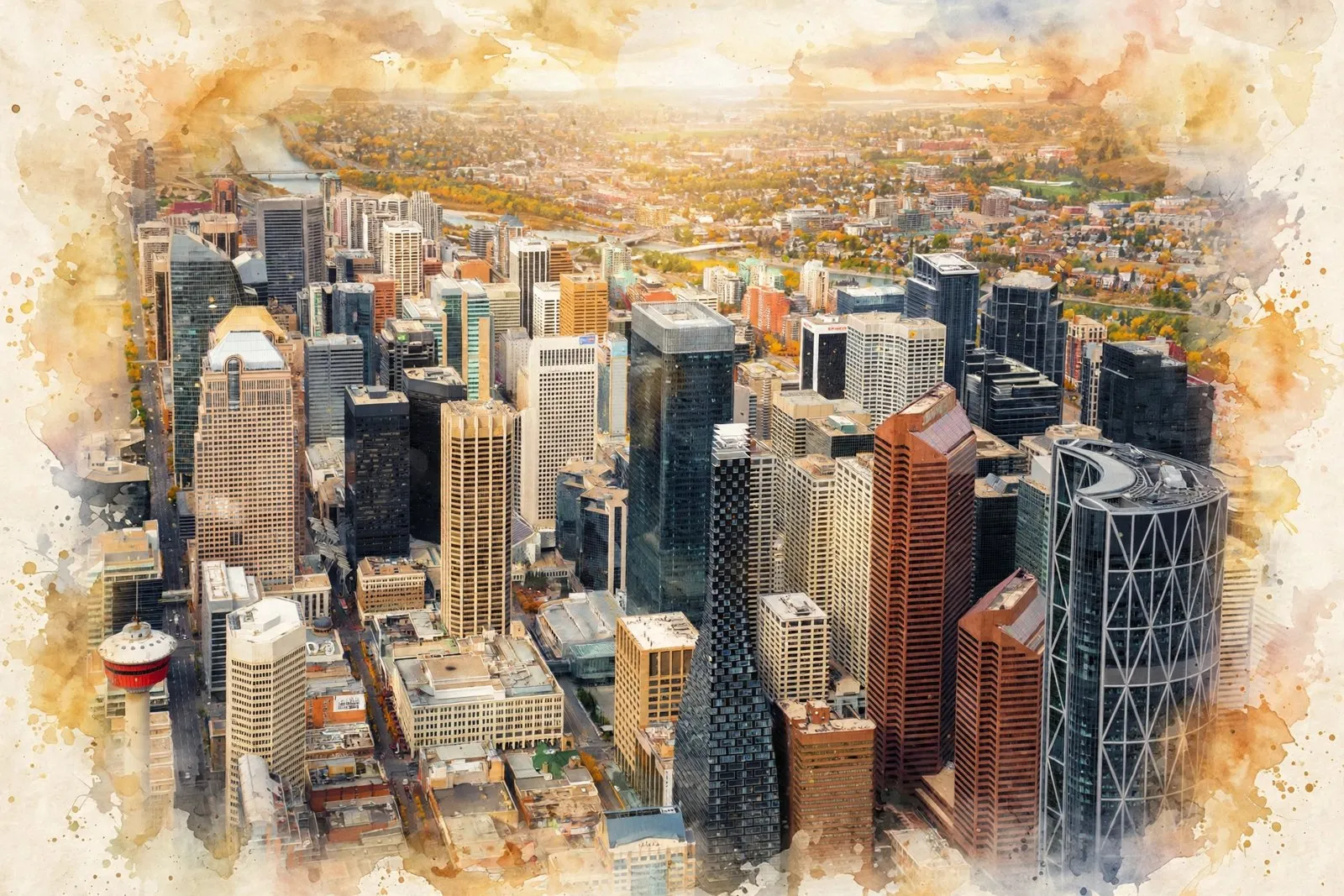
Calgary is a city in Alberta, Canada, and the centre of the Punjabi community on the Canadian Prairies. The first Sikh family settled in the area in 1910, the Sikh Society of Calgary opened the city's first gurdwara in 1979, and the 2021 census counted 49,465 Sikhs, 4 per cent of the city, with Punjabi ranked as its most common non-official mother tongue. The community's heart is the northeast, around the Dashmesh Culture Centre in Martindale.
- Punjabi name
- ਕੈਲਗਰੀ
- Type
- City
- Country
- Canada
- Province
- Alberta
- Population
- 1,306,780 (2021 census)
- Sikh population
- 49,465 (4% of the city, 2021 census)
All 9 facts
- Punjabi language
- Most common non-official mother tongue in Calgary (2021 census)
- Known gurdwaras
- Dashmesh Culture Centre, Martindale; Sikh Society of Calgary
- Known for
- Northeast Calgary Punjabi community; Dashmesh langar and food bank
History at a glance
Calgary is a city in Alberta, Canada, and the centre of the Punjabi community on the Canadian Prairies. The first Sikh family settled here in 1910, the community opened its first gurdwara in 1979, and the 2021 census counted 49,465 Sikhs in the city, 4 per cent of its population. Its Punjabi heart is the northeast, around the Dashmesh Culture Centre in Martindale, where Punjabi ranked first among the city's non-official mother tongues in 2021.
Where is Calgary, and why do Punjabis live there?
Calgary is the largest city in Alberta, in the foothills country of southern Alberta where the Bow and Elbow rivers meet. The City of Calgary's analysis of the 2021 census put its population at 1,306,780, up 5.5 per cent from 2016, with immigrants forming 33.3 per cent of residents. Work in construction, transport, health care and the energy economy drew Punjabi families first from Punjab and later from British Columbia and Ontario, and family networks did the rest.
India was the second-largest source of Calgary's recent immigrants: of the people who arrived between 2016 and 2021, 14,070 came from India, 17 per cent of all recent arrivals, behind only the Philippines. Many of those newcomers settled in the city's northeast, where the census found the highest numbers of recent immigrants and multigenerational households, and where a new arrival could find a gurdwara, a Punjabi grocery and a landlord from home within a few streets.
A pioneer community, 1910 to 1979
Calgary's Sikh history begins in 1910, when Sardar Harnam Singh Hari made his home in the area with the first Sikh family in the Calgary region. A second family, Sardar Berama Singh and Sardarni Dhun Kaur, arrived from Pincher Creek in the early 1930s. For decades the community was small enough to gather in private homes, as it did through the 1950s and 1960s, holding its first public Diwan at the Jubilee Auditorium in 1967 to mark the Gurpurab of Guru Nanak Dev Ji.
On 18 March 1968 the community registered its society, first called the Singh Society, with one main goal: a gurdwara of its own. The society bought five acres in 1972, began building in August 1976, and completed the gurdwara in late 1978. It opened officially on 13 April 1979, and in October 1979 the organization took its present name, the Sikh Society of Calgary. Its gurdwara still serves the city from 81st Street in the southwest.
What do the census numbers say?
The 2021 census counted 49,465 Sikhs in Calgary, 4 per cent of the city's population, making Sikhs the fourth-largest religious group in the city after Christians, people of no religion and Muslims. Punjabi itself ranked first among Calgary's non-official mother tongues in both 2016 and 2021, ahead of Tagalog, Cantonese and Mandarin, and it was also the non-official language spoken most often at home. No other language group outside English shapes daily life in the city as visibly.
Those numbers describe a young, family-centred community. Areas on the edges of Calgary, particularly the northeast, recorded the most multigenerational households in 2021, a pattern that fits Punjabi families who pool incomes across grandparents, parents and children to buy houses in new subdivisions. Citywide, about six in ten Calgarians in 2021 were immigrants or the children of immigrants.
Northeast Calgary and the Dashmesh Culture Centre
The community's centre of gravity is the Dashmesh Culture Centre, the gurdwara at 135 Gurdwara Sahib Boulevard NE in Martindale, established in 1984. Its langar hall is one of the busiest in Canada: the kitchen serves more than 2,000 people on a weekday and around 5,000 on weekends, rising to 15,000 on major Gurpurabs, and its food bank hands out 200 to 300 hampers a day, many of them to international students far from home.
Around the gurdwara, the northeast districts of Martindale and Saddle Ridge and the newer suburbs beyond them hold Calgary's densest Punjabi settlement: Punjabi signage, sweet shops and grocery stores, wedding halls and driving schools. The annual Nagar Kirtan procession, which the community has helped organize since the late 1990s, draws the whole northeast together each spring.
Gurdwaras and community institutions
Calgary has two historic anchor institutions. The Sikh Society of Calgary, founded in 1968, serves the southwest from the gurdwara it opened in 1979. The Dashmesh Culture Centre serves the northeast from Martindale, and its family of organizations includes the Dashmesh Culture Seniors Society on Martindale Drive, which runs programs for Punjabi elders. Between them they cover the two poles of the community: the pioneer families of the southwest and the fast-growing suburbs of the northeast.
Seva, selfless service, runs through both institutions. Their kitchens feed anyone who walks in, their volunteers support city food banks, and their halls host Punjabi classes, seniors' programs and the weddings and funerals of three generations. For many Punjabi Calgarians, the gurdwara is not only a place of worship but the address where the community itself lives.
Calgary's Punjabi community today
A century after one family arrived in 1910, Calgary's Punjabis number in the tens of thousands and work across the city's economy, from construction and transport to health care and professional services. The community that began with farm and railway work now builds houses across the northeast and sends its children to the University of Calgary. What has not changed is the pattern set in 1968: when Calgary's Punjabis need something, they organize, build it themselves and open the doors to everyone. Calgary is one of the cities on the map of Punjabi places in Canada.
ਕੈਲਗਰੀ ਕੈਨੇਡਾ ਦੇ ਅਲਬਰਟਾ ਸੂਬੇ ਦਾ ਇੱਕ ਸ਼ਹਿਰ ਹੈ, ਅਤੇ ਕੈਨੇਡੀਅਨ ਪ੍ਰੇਰੀਆਂ ਵਿੱਚ ਪੰਜਾਬੀ ਭਾਈਚਾਰੇ ਦਾ ਕੇਂਦਰ ਹੈ ਪਹਿਲਾ ਸਿੱਖ ਪਰਿਵਾਰ ਇੱਥੇ 1910 ਵਿੱਚ ਵਸਿਆ, ਭਾਈਚਾਰੇ ਨੇ 1979 ਵਿੱਚ ਆਪਣਾ ਪਹਿਲਾ ਗੁਰਦੁਆਰਾ ਖੋਲ੍ਹਿਆ, ਅਤੇ 2021 ਦੀ ਜਨਗਣਨਾ ਨੇ ਸ਼ਹਿਰ ਵਿੱਚ 49,465 ਸਿੱਖ ਗਿਣੇ, ਜੋ ਇਸ ਦੀ ਆਬਾਦੀ ਦਾ 4 ਫ਼ੀਸਦੀ ਹੈ ਇਸ ਦਾ ਪੰਜਾਬੀ ਦਿਲ ਉੱਤਰ ਪੂਰਬ ਹੈ, ਮਾਰਟਿਨਡੇਲ ਵਿੱਚ ਦਸ਼ਮੇਸ਼ ਕਲਚਰ ਸੈਂਟਰ ਦੇ ਆਲੇ ਦੁਆਲੇ, ਜਿੱਥੇ 2021 ਵਿੱਚ ਪੰਜਾਬੀ ਸ਼ਹਿਰ ਦੀਆਂ ਗੈਰ ਸਰਕਾਰੀ ਮਾਤ ਭਾਸ਼ਾਵਾਂ ਵਿੱਚ ਪਹਿਲੇ ਸਥਾਨ ਉੱਤੇ ਸੀ
ਕੈਲਗਰੀ ਕਿੱਥੇ ਹੈ, ਅਤੇ ਪੰਜਾਬੀ ਉੱਥੇ ਕਿਉਂ ਰਹਿੰਦੇ ਹਨ?
ਕੈਲਗਰੀ ਅਲਬਰਟਾ ਦਾ ਸਭ ਤੋਂ ਵੱਡਾ ਸ਼ਹਿਰ ਹੈ, ਦੱਖਣੀ ਅਲਬਰਟਾ ਦੇ ਪਹਾੜੀ ਪੈਰਾਂ ਵਾਲੇ ਇਲਾਕੇ ਵਿੱਚ ਜਿੱਥੇ ਬੋ ਅਤੇ ਐਲਬੋ ਦਰਿਆ ਮਿਲਦੇ ਹਨ ਕੈਲਗਰੀ ਸ਼ਹਿਰ ਦੇ 2021 ਦੀ ਜਨਗਣਨਾ ਦੇ ਵਿਸ਼ਲੇਸ਼ਣ ਅਨੁਸਾਰ ਇਸ ਦੀ ਆਬਾਦੀ 1,306,780 ਸੀ, ਜੋ 2016 ਨਾਲੋਂ 5.5 ਫ਼ੀਸਦੀ ਵੱਧ ਹੈ, ਅਤੇ ਵਸਨੀਕਾਂ ਵਿੱਚ 33.3 ਫ਼ੀਸਦੀ ਪਰਵਾਸੀ ਹਨ ਉਸਾਰੀ, ਢੋਆ ਢੁਆਈ, ਸਿਹਤ ਸੇਵਾਵਾਂ ਅਤੇ ਊਰਜਾ ਆਰਥਿਕਤਾ ਦੇ ਕੰਮਾਂ ਨੇ ਪੰਜਾਬੀ ਪਰਿਵਾਰਾਂ ਨੂੰ ਪਹਿਲਾਂ ਪੰਜਾਬ ਤੋਂ ਅਤੇ ਫਿਰ ਬ੍ਰਿਟਿਸ਼ ਕੋਲੰਬੀਆ ਅਤੇ ਓਨਟਾਰੀਓ ਤੋਂ ਖਿੱਚਿਆ, ਅਤੇ ਬਾਕੀ ਕੰਮ ਪਰਿਵਾਰਕ ਸੰਪਰਕਾਂ ਨੇ ਕੀਤਾ
ਭਾਰਤ ਕੈਲਗਰੀ ਦੇ ਤਾਜ਼ਾ ਪਰਵਾਸੀਆਂ ਦਾ ਦੂਜਾ ਸਭ ਤੋਂ ਵੱਡਾ ਸੋਮਾ ਸੀ: 2016 ਤੋਂ 2021 ਦੇ ਵਿਚਕਾਰ ਆਉਣ ਵਾਲੇ ਲੋਕਾਂ ਵਿੱਚੋਂ 14,070 ਭਾਰਤ ਤੋਂ ਆਏ, ਜੋ ਸਾਰੇ ਤਾਜ਼ਾ ਆਉਣ ਵਾਲਿਆਂ ਦਾ 17 ਫ਼ੀਸਦੀ ਹੈ, ਅਤੇ ਇਹ ਸਿਰਫ਼ ਫਿਲੀਪੀਨਜ਼ ਤੋਂ ਪਿੱਛੇ ਹੈ ਇਨ੍ਹਾਂ ਵਿੱਚੋਂ ਬਹੁਤ ਸਾਰੇ ਨਵੇਂ ਆਉਣ ਵਾਲੇ ਸ਼ਹਿਰ ਦੇ ਉੱਤਰ ਪੂਰਬ ਵਿੱਚ ਵਸੇ, ਜਿੱਥੇ ਜਨਗਣਨਾ ਨੂੰ ਤਾਜ਼ਾ ਪਰਵਾਸੀਆਂ ਅਤੇ ਕਈ ਪੀੜ੍ਹੀਆਂ ਵਾਲੇ ਘਰਾਂ ਦੀ ਸਭ ਤੋਂ ਵੱਧ ਗਿਣਤੀ ਮਿਲੀ, ਅਤੇ ਜਿੱਥੇ ਨਵਾਂ ਆਉਣ ਵਾਲਾ ਕੁਝ ਗਲੀਆਂ ਦੇ ਅੰਦਰ ਹੀ ਗੁਰਦੁਆਰਾ, ਪੰਜਾਬੀ ਕਰਿਆਨਾ ਅਤੇ ਘਰ ਵਾਲੇ ਇਲਾਕੇ ਦਾ ਮਕਾਨ ਮਾਲਕ ਲੱਭ ਸਕਦਾ ਸੀ
ਇੱਕ ਮੋਢੀ ਭਾਈਚਾਰਾ, 1910 ਤੋਂ 1979
ਕੈਲਗਰੀ ਦਾ ਸਿੱਖ ਇਤਿਹਾਸ 1910 ਤੋਂ ਸ਼ੁਰੂ ਹੁੰਦਾ ਹੈ, ਜਦੋਂ ਸਰਦਾਰ ਹਰਨਾਮ ਸਿੰਘ ਹਰੀ ਨੇ ਕੈਲਗਰੀ ਇਲਾਕੇ ਦੇ ਪਹਿਲੇ ਸਿੱਖ ਪਰਿਵਾਰ ਨਾਲ ਇੱਥੇ ਆਪਣਾ ਘਰ ਬਣਾਇਆ ਦੂਜਾ ਪਰਿਵਾਰ, ਸਰਦਾਰ ਬੇਰਾਮਾ ਸਿੰਘ ਅਤੇ ਸਰਦਾਰਨੀ ਧੁੰਨ ਕੌਰ, 1930ਵਿਆਂ ਦੇ ਸ਼ੁਰੂ ਵਿੱਚ ਪਿੰਚਰ ਕਰੀਕ ਤੋਂ ਆਇਆ ਦਹਾਕਿਆਂ ਤੱਕ ਭਾਈਚਾਰਾ ਇੰਨਾ ਛੋਟਾ ਸੀ ਕਿ ਇਹ ਨਿੱਜੀ ਘਰਾਂ ਵਿੱਚ ਇਕੱਠਾ ਹੁੰਦਾ ਸੀ, ਜਿਵੇਂ ਇਹ 1950ਵਿਆਂ ਅਤੇ 1960ਵਿਆਂ ਵਿੱਚ ਕਰਦਾ ਰਿਹਾ, ਅਤੇ 1967 ਵਿੱਚ ਇਸ ਨੇ ਗੁਰੂ ਨਾਨਕ ਦੇਵ ਜੀ ਦਾ ਗੁਰਪੁਰਬ ਮਨਾਉਣ ਲਈ ਜੁਬਲੀ ਆਡੀਟੋਰੀਅਮ ਵਿੱਚ ਆਪਣਾ ਪਹਿਲਾ ਜਨਤਕ ਦੀਵਾਨ ਕੀਤਾ
18 ਮਾਰਚ 1968 ਨੂੰ ਭਾਈਚਾਰੇ ਨੇ ਆਪਣੀ ਸੋਸਾਇਟੀ ਰਜਿਸਟਰ ਕੀਤੀ, ਜਿਸ ਦਾ ਪਹਿਲਾ ਨਾਂ ਸਿੰਘ ਸੋਸਾਇਟੀ ਸੀ, ਅਤੇ ਇਸ ਦਾ ਇੱਕੋ ਮੁੱਖ ਮਕਸਦ ਸੀ: ਆਪਣਾ ਗੁਰਦੁਆਰਾ ਸੋਸਾਇਟੀ ਨੇ 1972 ਵਿੱਚ ਪੰਜ ਏਕੜ ਜ਼ਮੀਨ ਖਰੀਦੀ, ਅਗਸਤ 1976 ਵਿੱਚ ਉਸਾਰੀ ਸ਼ੁਰੂ ਕੀਤੀ, ਅਤੇ 1978 ਦੇ ਅੰਤ ਵਿੱਚ ਗੁਰਦੁਆਰਾ ਮੁਕੰਮਲ ਕਰ ਲਿਆ ਇਹ 13 ਅਪ੍ਰੈਲ 1979 ਨੂੰ ਅਧਿਕਾਰਤ ਤੌਰ ਉੱਤੇ ਖੁੱਲ੍ਹਿਆ, ਅਤੇ ਅਕਤੂਬਰ 1979 ਵਿੱਚ ਸੰਸਥਾ ਨੇ ਆਪਣਾ ਮੌਜੂਦਾ ਨਾਂ, ਸਿੱਖ ਸੋਸਾਇਟੀ ਆਫ਼ ਕੈਲਗਰੀ, ਰੱਖ ਲਿਆ ਇਸ ਦਾ ਗੁਰਦੁਆਰਾ ਅੱਜ ਵੀ ਦੱਖਣ ਪੱਛਮ ਵਿੱਚ 81ਵੀਂ ਸਟ੍ਰੀਟ ਤੋਂ ਸ਼ਹਿਰ ਦੀ ਸੇਵਾ ਕਰਦਾ ਹੈ
ਜਨਗਣਨਾ ਦੇ ਅੰਕੜੇ ਕੀ ਕਹਿੰਦੇ ਹਨ?
2021 ਦੀ ਜਨਗਣਨਾ ਨੇ ਕੈਲਗਰੀ ਵਿੱਚ 49,465 ਸਿੱਖ ਗਿਣੇ, ਜੋ ਸ਼ਹਿਰ ਦੀ ਆਬਾਦੀ ਦਾ 4 ਫ਼ੀਸਦੀ ਹੈ, ਅਤੇ ਇਸ ਨਾਲ ਸਿੱਖ ਸ਼ਹਿਰ ਦਾ ਚੌਥਾ ਸਭ ਤੋਂ ਵੱਡਾ ਧਾਰਮਿਕ ਸਮੂਹ ਬਣਦੇ ਹਨ, ਈਸਾਈਆਂ, ਕੋਈ ਧਰਮ ਨਾ ਮੰਨਣ ਵਾਲਿਆਂ ਅਤੇ ਮੁਸਲਮਾਨਾਂ ਤੋਂ ਬਾਅਦ ਪੰਜਾਬੀ ਆਪ 2016 ਅਤੇ 2021 ਦੋਹਾਂ ਵਿੱਚ ਕੈਲਗਰੀ ਦੀਆਂ ਗੈਰ ਸਰਕਾਰੀ ਮਾਤ ਭਾਸ਼ਾਵਾਂ ਵਿੱਚ ਪਹਿਲੇ ਸਥਾਨ ਉੱਤੇ ਰਹੀ, ਟੈਗਾਲੋਗ, ਕੈਂਟੋਨੀਜ਼ ਅਤੇ ਮੈਂਡਰਿਨ ਤੋਂ ਅੱਗੇ, ਅਤੇ ਇਹ ਘਰ ਵਿੱਚ ਸਭ ਤੋਂ ਵੱਧ ਬੋਲੀ ਜਾਣ ਵਾਲੀ ਗੈਰ ਸਰਕਾਰੀ ਭਾਸ਼ਾ ਵੀ ਸੀ ਅੰਗਰੇਜ਼ੀ ਤੋਂ ਬਾਹਰ ਕੋਈ ਹੋਰ ਭਾਸ਼ਾ ਸਮੂਹ ਸ਼ਹਿਰ ਦੇ ਰੋਜ਼ਾਨਾ ਜੀਵਨ ਨੂੰ ਇੰਨਾ ਸਪੱਸ਼ਟ ਰੂਪ ਨਹੀਂ ਦਿੰਦਾ
ਇਹ ਅੰਕੜੇ ਇੱਕ ਜਵਾਨ, ਪਰਿਵਾਰ ਕੇਂਦਰਿਤ ਭਾਈਚਾਰੇ ਦਾ ਵੇਰਵਾ ਦਿੰਦੇ ਹਨ ਕੈਲਗਰੀ ਦੇ ਕਿਨਾਰਿਆਂ ਵਾਲੇ ਇਲਾਕਿਆਂ ਵਿੱਚ, ਖਾਸ ਕਰਕੇ ਉੱਤਰ ਪੂਰਬ ਵਿੱਚ, 2021 ਵਿੱਚ ਕਈ ਪੀੜ੍ਹੀਆਂ ਵਾਲੇ ਘਰ ਸਭ ਤੋਂ ਵੱਧ ਦਰਜ ਹੋਏ, ਜੋ ਪੰਜਾਬੀ ਪਰਿਵਾਰਾਂ ਨਾਲ ਮੇਲ ਖਾਂਦਾ ਹੈ ਜੋ ਦਾਦਾ ਦਾਦੀ, ਮਾਪਿਆਂ ਅਤੇ ਬੱਚਿਆਂ ਦੀ ਆਮਦਨ ਇਕੱਠੀ ਕਰਕੇ ਨਵੀਆਂ ਬਸਤੀਆਂ ਵਿੱਚ ਘਰ ਖਰੀਦਦੇ ਹਨ ਸਾਰੇ ਸ਼ਹਿਰ ਵਿੱਚ, 2021 ਵਿੱਚ ਲਗਭਗ ਹਰ ਦਸ ਕੈਲਗਰੀ ਵਾਸੀਆਂ ਵਿੱਚੋਂ ਛੇ ਪਰਵਾਸੀ ਸਨ ਜਾਂ ਪਰਵਾਸੀਆਂ ਦੇ ਬੱਚੇ ਸਨ
ਉੱਤਰ ਪੂਰਬੀ ਕੈਲਗਰੀ ਅਤੇ ਦਸ਼ਮੇਸ਼ ਕਲਚਰ ਸੈਂਟਰ
ਭਾਈਚਾਰੇ ਦਾ ਕੇਂਦਰ ਦਸ਼ਮੇਸ਼ ਕਲਚਰ ਸੈਂਟਰ ਹੈ, ਜੋ ਮਾਰਟਿਨਡੇਲ ਵਿੱਚ 135 ਗੁਰਦੁਆਰਾ ਸਾਹਿਬ ਬੁਲੇਵਾਰਡ ਐਨਈ ਵਿਖੇ ਗੁਰਦੁਆਰਾ ਹੈ ਅਤੇ 1984 ਵਿੱਚ ਬਣਿਆ ਇਸ ਦਾ ਲੰਗਰ ਹਾਲ ਕੈਨੇਡਾ ਦੇ ਸਭ ਤੋਂ ਰੁਝੇਵਿਆਂ ਵਾਲੇ ਹਾਲਾਂ ਵਿੱਚੋਂ ਇੱਕ ਹੈ: ਰਸੋਈ ਹਫ਼ਤੇ ਦੇ ਦਿਨ 2,000 ਤੋਂ ਵੱਧ ਲੋਕਾਂ ਨੂੰ ਅਤੇ ਹਫ਼ਤੇ ਦੇ ਅੰਤ ਵਿੱਚ ਲਗਭਗ 5,000 ਲੋਕਾਂ ਨੂੰ ਖਾਣਾ ਦਿੰਦੀ ਹੈ, ਜੋ ਵੱਡੇ ਗੁਰਪੁਰਬਾਂ ਉੱਤੇ 15,000 ਤੱਕ ਪਹੁੰਚ ਜਾਂਦਾ ਹੈ, ਅਤੇ ਇਸ ਦਾ ਫੂਡ ਬੈਂਕ ਹਰ ਰੋਜ਼ 200 ਤੋਂ 300 ਟੋਕਰੀਆਂ ਵੰਡਦਾ ਹੈ, ਜਿਨ੍ਹਾਂ ਵਿੱਚੋਂ ਬਹੁਤੀਆਂ ਘਰੋਂ ਦੂਰ ਅੰਤਰਰਾਸ਼ਟਰੀ ਵਿਦਿਆਰਥੀਆਂ ਨੂੰ ਜਾਂਦੀਆਂ ਹਨ
ਗੁਰਦੁਆਰੇ ਦੇ ਆਲੇ ਦੁਆਲੇ, ਮਾਰਟਿਨਡੇਲ ਅਤੇ ਸੈਡਲ ਰਿਜ ਦੇ ਉੱਤਰ ਪੂਰਬੀ ਇਲਾਕੇ ਅਤੇ ਉਨ੍ਹਾਂ ਤੋਂ ਅੱਗੇ ਦੀਆਂ ਨਵੀਆਂ ਬਸਤੀਆਂ ਕੈਲਗਰੀ ਦੀ ਸਭ ਤੋਂ ਸੰਘਣੀ ਪੰਜਾਬੀ ਵਸੋਂ ਰੱਖਦੀਆਂ ਹਨ: ਪੰਜਾਬੀ ਬੋਰਡ, ਮਿਠਾਈ ਦੀਆਂ ਦੁਕਾਨਾਂ ਅਤੇ ਕਰਿਆਨੇ ਵਾਲੇ, ਵਿਆਹ ਹਾਲ ਅਤੇ ਡਰਾਈਵਿੰਗ ਸਕੂਲ ਸਾਲਾਨਾ ਨਗਰ ਕੀਰਤਨ, ਜਿਸ ਦਾ ਪ੍ਰਬੰਧ ਕਰਨ ਵਿੱਚ ਭਾਈਚਾਰਾ 1990ਵਿਆਂ ਦੇ ਅੰਤ ਤੋਂ ਮਦਦ ਕਰਦਾ ਆ ਰਿਹਾ ਹੈ, ਹਰ ਬਸੰਤ ਸਾਰੇ ਉੱਤਰ ਪੂਰਬ ਨੂੰ ਇਕੱਠਾ ਕਰਦਾ ਹੈ
ਗੁਰਦੁਆਰੇ ਅਤੇ ਭਾਈਚਾਰਕ ਸੰਸਥਾਵਾਂ
ਕੈਲਗਰੀ ਦੀਆਂ ਦੋ ਇਤਿਹਾਸਕ ਮੁੱਖ ਸੰਸਥਾਵਾਂ ਹਨ 1968 ਵਿੱਚ ਬਣੀ ਸਿੱਖ ਸੋਸਾਇਟੀ ਆਫ਼ ਕੈਲਗਰੀ ਦੱਖਣ ਪੱਛਮ ਦੀ ਸੇਵਾ ਉਸ ਗੁਰਦੁਆਰੇ ਤੋਂ ਕਰਦੀ ਹੈ ਜੋ ਇਸ ਨੇ 1979 ਵਿੱਚ ਖੋਲ੍ਹਿਆ ਸੀ ਦਸ਼ਮੇਸ਼ ਕਲਚਰ ਸੈਂਟਰ ਮਾਰਟਿਨਡੇਲ ਤੋਂ ਉੱਤਰ ਪੂਰਬ ਦੀ ਸੇਵਾ ਕਰਦਾ ਹੈ, ਅਤੇ ਇਸ ਦੀਆਂ ਸੰਸਥਾਵਾਂ ਵਿੱਚ ਮਾਰਟਿਨਡੇਲ ਡਰਾਈਵ ਉੱਤੇ ਦਸ਼ਮੇਸ਼ ਕਲਚਰ ਸੀਨੀਅਰਜ਼ ਸੋਸਾਇਟੀ ਸ਼ਾਮਲ ਹੈ, ਜੋ ਪੰਜਾਬੀ ਬਜ਼ੁਰਗਾਂ ਲਈ ਪ੍ਰੋਗਰਾਮ ਚਲਾਉਂਦੀ ਹੈ ਦੋਵੇਂ ਮਿਲ ਕੇ ਭਾਈਚਾਰੇ ਦੇ ਦੋਵੇਂ ਸਿਰੇ ਢਕਦੀਆਂ ਹਨ: ਦੱਖਣ ਪੱਛਮ ਦੇ ਮੋਢੀ ਪਰਿਵਾਰ ਅਤੇ ਉੱਤਰ ਪੂਰਬ ਦੀਆਂ ਤੇਜ਼ੀ ਨਾਲ ਵਧਦੀਆਂ ਬਸਤੀਆਂ
ਸੇਵਾ, ਨਿਰਸਵਾਰਥ ਸੇਵਾ, ਦੋਹਾਂ ਸੰਸਥਾਵਾਂ ਵਿੱਚ ਚਲਦੀ ਹੈ ਉਨ੍ਹਾਂ ਦੀਆਂ ਰਸੋਈਆਂ ਅੰਦਰ ਆਉਣ ਵਾਲੇ ਹਰ ਕਿਸੇ ਨੂੰ ਖਾਣਾ ਦਿੰਦੀਆਂ ਹਨ, ਉਨ੍ਹਾਂ ਦੇ ਸਵੈ ਸੇਵਕ ਸ਼ਹਿਰ ਦੇ ਫੂਡ ਬੈਂਕਾਂ ਦੀ ਸਹਾਇਤਾ ਕਰਦੇ ਹਨ, ਅਤੇ ਉਨ੍ਹਾਂ ਦੇ ਹਾਲਾਂ ਵਿੱਚ ਪੰਜਾਬੀ ਕਲਾਸਾਂ, ਬਜ਼ੁਰਗਾਂ ਦੇ ਪ੍ਰੋਗਰਾਮ ਅਤੇ ਤਿੰਨ ਪੀੜ੍ਹੀਆਂ ਦੇ ਵਿਆਹ ਅਤੇ ਅੰਤਿਮ ਸੰਸਕਾਰ ਹੁੰਦੇ ਹਨ ਬਹੁਤ ਸਾਰੇ ਪੰਜਾਬੀ ਕੈਲਗਰੀ ਵਾਸੀਆਂ ਲਈ, ਗੁਰਦੁਆਰਾ ਸਿਰਫ਼ ਪੂਜਾ ਦੀ ਥਾਂ ਨਹੀਂ ਹੈ, ਸਗੋਂ ਉਹ ਪਤਾ ਹੈ ਜਿੱਥੇ ਭਾਈਚਾਰਾ ਆਪ ਰਹਿੰਦਾ ਹੈ
ਅੱਜ ਕੈਲਗਰੀ ਦਾ ਪੰਜਾਬੀ ਭਾਈਚਾਰਾ
1910 ਵਿੱਚ ਇੱਕ ਪਰਿਵਾਰ ਦੇ ਆਉਣ ਤੋਂ ਇੱਕ ਸਦੀ ਬਾਅਦ, ਕੈਲਗਰੀ ਦੇ ਪੰਜਾਬੀਆਂ ਦੀ ਗਿਣਤੀ ਹਜ਼ਾਰਾਂ ਵਿੱਚ ਹੈ ਅਤੇ ਉਹ ਸ਼ਹਿਰ ਦੀ ਆਰਥਿਕਤਾ ਦੇ ਹਰ ਖੇਤਰ ਵਿੱਚ ਕੰਮ ਕਰਦੇ ਹਨ, ਉਸਾਰੀ ਅਤੇ ਢੋਆ ਢੁਆਈ ਤੋਂ ਲੈ ਕੇ ਸਿਹਤ ਸੇਵਾਵਾਂ ਅਤੇ ਪੇਸ਼ੇਵਰ ਸੇਵਾਵਾਂ ਤੱਕ ਜਿਸ ਭਾਈਚਾਰੇ ਨੇ ਖੇਤ ਅਤੇ ਰੇਲਵੇ ਦੇ ਕੰਮ ਨਾਲ ਸ਼ੁਰੂਆਤ ਕੀਤੀ ਸੀ, ਉਹ ਹੁਣ ਸਾਰੇ ਉੱਤਰ ਪੂਰਬ ਵਿੱਚ ਘਰ ਬਣਾਉਂਦਾ ਹੈ ਅਤੇ ਆਪਣੇ ਬੱਚਿਆਂ ਨੂੰ ਕੈਲਗਰੀ ਯੂਨੀਵਰਸਿਟੀ ਭੇਜਦਾ ਹੈ ਜੋ ਨਹੀਂ ਬਦਲਿਆ, ਉਹ 1968 ਵਿੱਚ ਬਣਿਆ ਢੰਗ ਹੈ: ਜਦੋਂ ਕੈਲਗਰੀ ਦੇ ਪੰਜਾਬੀਆਂ ਨੂੰ ਕਿਸੇ ਚੀਜ਼ ਦੀ ਲੋੜ ਹੁੰਦੀ ਹੈ, ਉਹ ਸੰਗਠਿਤ ਹੁੰਦੇ ਹਨ, ਉਸ ਨੂੰ ਆਪ ਬਣਾਉਂਦੇ ਹਨ ਅਤੇ ਦਰਵਾਜ਼ੇ ਹਰ ਕਿਸੇ ਲਈ ਖੋਲ੍ਹ ਦਿੰਦੇ ਹਨ ਕੈਲਗਰੀ ਕੈਨੇਡਾ ਵਿੱਚ ਪੰਜਾਬੀ ਥਾਵਾਂ ਦੇ ਨਕਸ਼ੇ ਉੱਤੇ ਇੱਕ ਸ਼ਹਿਰ ਹੈ