
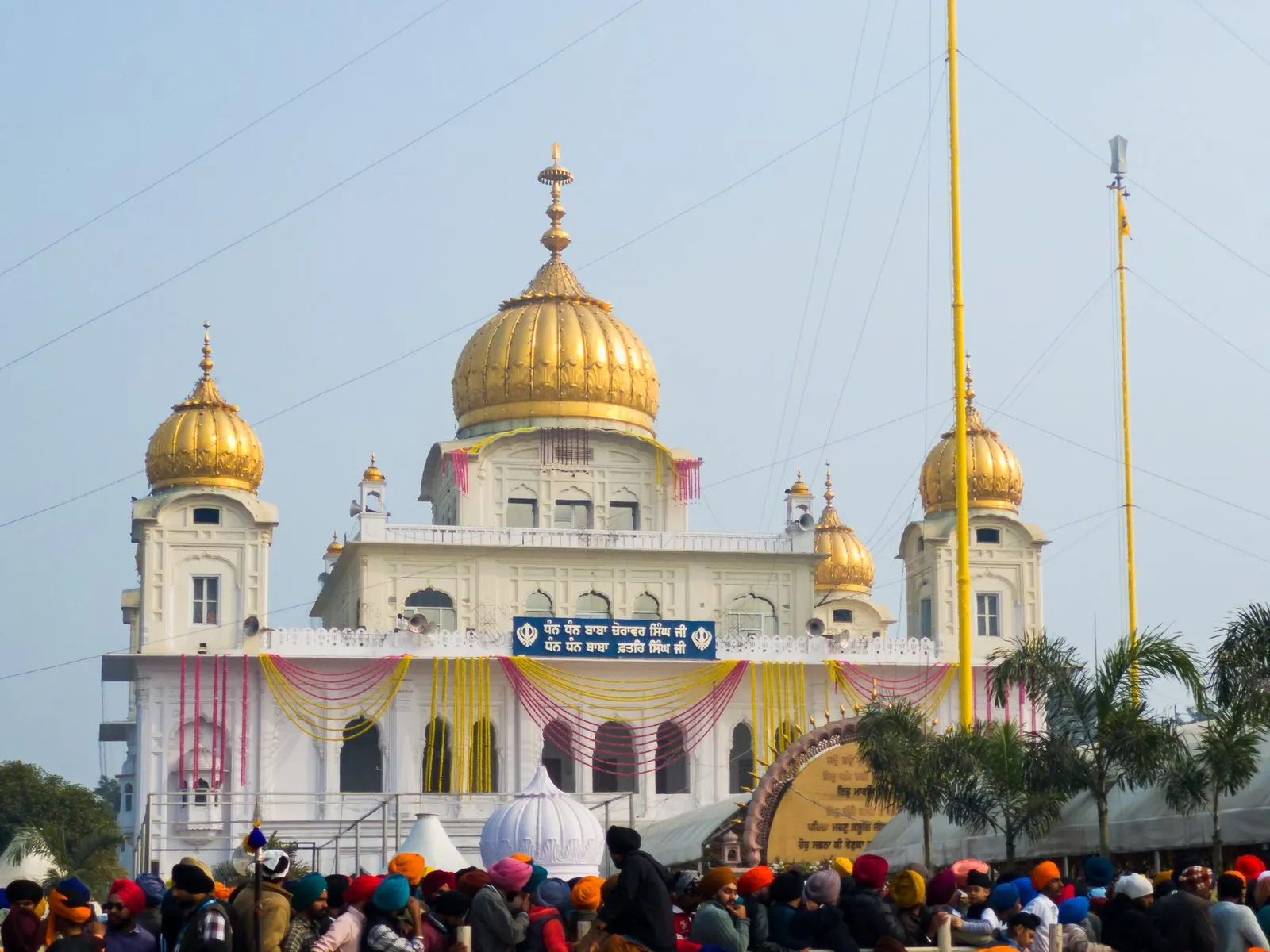
Fatehgarh Sahib is a town in the Malwa region of Punjab where the two younger sons of Guru Gobind Singh Ji, Zorawar Singh (9) and Fateh Singh (7), were martyred in December 1704. The town is named for the younger boy, Fateh Singh.
- Facts
- Type
- Town
- Where
- Fatehgarh Sahib district
- Region
- Malwa
- District
- Fatehgarh Sahib
The martyrdom
In December 1704, after the evacuation of Anandpur Sahib, the two younger sons of Guru Gobind Singh Ji, Sahibzada Zorawar Singh, aged nine, and Sahibzada Fateh Singh, aged seven, were separated from their father while crossing the flooded Sirsa river. With their grandmother Mata Gujri, they were betrayed and handed to the Mughal governor of Sirhind, Wazir Khan.
Brought before Wazir Khan, the boys were pressed to renounce their faith and accept Islam in exchange for their lives. They refused. On 26 December 1704 the governor ordered them to be bricked alive, and they died reciting their prayers. Their grandmother Mata Gujri, held in the cold tower of the fort, died of shock on hearing the news. The town's name, Fatehgarh, the fort of victory, honours the younger boy, Fateh Singh.
The town that grew around the shrine stands on the edge of old Sirhind, once one of the great Mughal cities of the Punjab and the provincial capital from which Wazir Khan ruled. Sirhind's fortunes collapsed after the Sikh misls sacked it in 1764, and today its ruined mosques and tombs stand in the fields around Fatehgarh Sahib, a ghost city beside a living shrine.
The gurdwaras
Gurdwara Fatehgarh Sahib stands on the spot where the two younger Sahibzade were martyred. Nearby, Gurdwara Jyoti Saroop marks where Diwan Todar Mal, a court official, cremated the three bodies after buying the land for the pyre at an infamous price: Wazir Khan demanded gold coins spread over every inch of the ground. Gurdwara Thanda Burj, the cold tower, marks where Mata Gujri was imprisoned.
The complex is one of the most visited pilgrimage sites in Punjab. The walls that enclosed the boys are preserved within the shrine, and pilgrims file past them in silence, many of them bringing their own children to stand where the Sahibzade stood.
Remembering
Every year from 25 to 27 December the Shaheedi Jor Mela, the martyrdom fair, draws hundreds of thousands of pilgrims to Fatehgarh Sahib for three days of prayer and remembrance. The Government of India observes 26 December as Veer Bal Diwas, the day of the brave children, in honour of the two boys.
Beyond the shrine complex, Fatehgarh Sahib is a quiet district town of colleges and wheat fields, on the highway between Ludhiana and Patiala. But every December the town is transformed, and the roar of the Jor Mela reminds every visitor why this small place carries one of the biggest names in Sikh history.
The town that grew around the shrine gave its name to the district, created in 1992. For Sikhs, Fatehgarh Sahib is what it has always been: the place where two children chose their faith over their lives, and where their courage is remembered as without parallel.
ਸ਼ਹਾਦਤ
ਦਸੰਬਰ 1704 ਵਿੱਚ, ਅਨੰਦਪੁਰ ਸਾਹਿਬ ਖਾਲੀ ਕਰਨ ਤੋਂ ਬਾਅਦ, ਗੁਰੂ ਗੋਬਿੰਦ ਸਿੰਘ ਦੇ ਦੋ ਛੋਟੇ ਸਾਹਿਬਜ਼ਾਦੇ, ਸਾਹਿਬਜ਼ਾਦਾ ਜ਼ੋਰਾਵਰ ਸਿੰਘ, ਨੌਂ ਸਾਲ ਦੇ, ਅਤੇ ਸਾਹਿਬਜ਼ਾਦਾ ਫ਼ਤਿਹ ਸਿੰਘ, ਸੱਤ ਸਾਲ ਦੇ, ਹੜ੍ਹ ਆਏ ਸਿਰਸਾ ਦਰਿਆ ਨੂੰ ਪਾਰ ਕਰਦਿਆਂ ਆਪਣੇ ਪਿਤਾ ਤੋਂ ਵਿੱਛੜ ਗਏ। ਆਪਣੀ ਦਾਦੀ ਮਾਤਾ ਗੁਜਰੀ ਸਮੇਤ, ਉਨ੍ਹਾਂ ਨਾਲ ਧੋਖਾ ਹੋਇਆ ਅਤੇ ਉਨ੍ਹਾਂ ਨੂੰ ਸਰਹਿੰਦ ਦੇ ਮੁਗ਼ਲ ਸੂਬੇਦਾਰ ਵਜ਼ੀਰ ਖ਼ਾਨ ਦੇ ਹਵਾਲੇ ਕਰ ਦਿੱਤਾ ਗਿਆ।
ਵਜ਼ੀਰ ਖ਼ਾਨ ਦੇ ਸਾਹਮਣੇ ਪੇਸ਼ ਕੀਤੇ ਜਾਣ ਉੱਤੇ, ਬੱਚਿਆਂ ਉੱਤੇ ਆਪਣਾ ਧਰਮ ਤਿਆਗਣ ਅਤੇ ਜਾਨਾਂ ਬਦਲੇ ਇਸਲਾਮ ਕਬੂਲਣ ਲਈ ਦਬਾਅ ਪਾਇਆ ਗਿਆ। ਉਨ੍ਹਾਂ ਨੇ ਇਨਕਾਰ ਕਰ ਦਿੱਤਾ। 26 ਦਸੰਬਰ 1704 ਨੂੰ ਸੂਬੇਦਾਰ ਨੇ ਉਨ੍ਹਾਂ ਨੂੰ ਜਿਉਂਦਿਆਂ ਕੰਧ ਵਿੱਚ ਚਿਣਵਾਉਣ ਦਾ ਹੁਕਮ ਦਿੱਤਾ, ਅਤੇ ਉਹ ਆਪਣੀਆਂ ਅਰਦਾਸਾਂ ਕਰਦਿਆਂ ਸ਼ਹੀਦ ਹੋ ਗਏ। ਉਨ੍ਹਾਂ ਦੀ ਦਾਦੀ ਮਾਤਾ ਗੁਜਰੀ, ਜੋ ਕਿਲ੍ਹੇ ਦੇ ਠੰਢੇ ਬੁਰਜ ਵਿੱਚ ਕੈਦ ਸਨ, ਖ਼ਬਰ ਸੁਣ ਕੇ ਸਦਮੇ ਨਾਲ ਚਲਾਣਾ ਕਰ ਗਈਆਂ। ਕਸਬੇ ਦਾ ਨਾਮ, ਫ਼ਤਿਹਗੜ੍ਹ, ਜਿੱਤ ਦਾ ਕਿਲ੍ਹਾ, ਛੋਟੇ ਬੱਚੇ ਫ਼ਤਿਹ ਸਿੰਘ ਦਾ ਸਨਮਾਨ ਕਰਦਾ ਹੈ।
ਅਸਥਾਨ ਦੇ ਆਲੇ-ਦੁਆਲੇ ਵੱਡਾ ਹੋਇਆ ਕਸਬਾ ਪੁਰਾਣੇ ਸਰਹਿੰਦ ਦੇ ਕਿਨਾਰੇ ਉੱਤੇ ਖੜ੍ਹਾ ਹੈ, ਜੋ ਕਦੇ ਪੰਜਾਬ ਦੇ ਮਹਾਨ ਮੁਗ਼ਲ ਸ਼ਹਿਰਾਂ ਵਿੱਚੋਂ ਇੱਕ ਸੀ ਅਤੇ ਉਹ ਸੂਬਾਈ ਰਾਜਧਾਨੀ ਸੀ ਜਿੱਥੋਂ ਵਜ਼ੀਰ ਖ਼ਾਨ ਰਾਜ ਕਰਦਾ ਸੀ। 1764 ਵਿੱਚ ਸਿੱਖ ਮਿਸਲਾਂ ਵੱਲੋਂ ਲੁੱਟੇ ਜਾਣ ਤੋਂ ਬਾਅਦ ਸਰਹਿੰਦ ਦੀ ਕਿਸਮਤ ਡੁੱਬ ਗਈ, ਅਤੇ ਅੱਜ ਇਸ ਦੀਆਂ ਖੰਡਰ ਮਸਜਿਦਾਂ ਅਤੇ ਮਕਬਰੇ ਫ਼ਤਿਹਗੜ੍ਹ ਸਾਹਿਬ ਦੇ ਆਲੇ-ਦੁਆਲੇ ਖੇਤਾਂ ਵਿੱਚ ਖੜ੍ਹੇ ਹਨ, ਇੱਕ ਜਿਉਂਦੇ ਅਸਥਾਨ ਦੇ ਨਾਲ ਇੱਕ ਭੂਤ-ਸ਼ਹਿਰ।
ਗੁਰਦੁਆਰੇ
ਗੁਰਦੁਆਰਾ ਫ਼ਤਿਹਗੜ੍ਹ ਸਾਹਿਬ ਉਸ ਥਾਂ ਉੱਤੇ ਖੜ੍ਹਾ ਹੈ ਜਿੱਥੇ ਦੋ ਛੋਟੇ ਸਾਹਿਬਜ਼ਾਦੇ ਸ਼ਹੀਦ ਹੋਏ ਸਨ। ਨੇੜੇ ਹੀ, ਗੁਰਦੁਆਰਾ ਜੋਤੀ ਸਰੂਪ ਉਸ ਥਾਂ ਨੂੰ ਚਿੰਨ੍ਹਿਤ ਕਰਦਾ ਹੈ ਜਿੱਥੇ ਦੀਵਾਨ ਟੋਡਰ ਮੱਲ, ਇੱਕ ਦਰਬਾਰੀ ਅਧਿਕਾਰੀ ਨੇ ਤਿੰਨਾਂ ਲਾਸ਼ਾਂ ਦਾ ਸਸਕਾਰ ਕੀਤਾ, ਚਿਤਾ ਲਈ ਜ਼ਮੀਨ ਇੱਕ ਬਦਨਾਮ ਕੀਮਤ ਉੱਤੇ ਖਰੀਦ ਕੇ: ਵਜ਼ੀਰ ਖ਼ਾਨ ਨੇ ਜ਼ਮੀਨ ਦੇ ਹਰ ਇੰਚ ਉੱਤੇ ਫੈਲਾਏ ਸੋਨੇ ਦੇ ਸਿੱਕੇ ਮੰਗੇ ਸਨ। ਗੁਰਦੁਆਰਾ ਠੰਢਾ ਬੁਰਜ, ਠੰਢਾ ਮੀਨਾਰ, ਉਸ ਥਾਂ ਨੂੰ ਚਿੰਨ੍ਹਿਤ ਕਰਦਾ ਹੈ ਜਿੱਥੇ ਮਾਤਾ ਗੁਜਰੀ ਕੈਦ ਸਨ।
ਕੰਪਲੈਕਸ ਪੰਜਾਬ ਦੇ ਸਭ ਤੋਂ ਵੱਧ ਵੇਖੇ ਜਾਂਦੇ ਤੀਰਥ-ਸਥਾਨਾਂ ਵਿੱਚੋਂ ਇੱਕ ਹੈ। ਜਿਨ੍ਹਾਂ ਕੰਧਾਂ ਨੇ ਬੱਚਿਆਂ ਨੂੰ ਘੇਰਿਆ ਸੀ ਉਹ ਅਸਥਾਨ ਦੇ ਅੰਦਰ ਸੰਭਾਲੀਆਂ ਹੋਈਆਂ ਹਨ, ਅਤੇ ਯਾਤਰੀ ਉਨ੍ਹਾਂ ਦੇ ਸਾਹਮਣਿਓਂ ਚੁੱਪ-ਚਾਪ ਲੰਘਦੇ ਹਨ, ਜਿਨ੍ਹਾਂ ਵਿੱਚੋਂ ਬਹੁਤੇ ਆਪਣੇ ਬੱਚਿਆਂ ਨੂੰ ਉੱਥੇ ਖੜ੍ਹਾ ਕਰਨ ਲਿਆਉਂਦੇ ਹਨ ਜਿੱਥੇ ਸਾਹਿਬਜ਼ਾਦੇ ਖੜ੍ਹੇ ਸਨ।
ਯਾਦ
ਹਰ ਸਾਲ 25 ਤੋਂ 27 ਦਸੰਬਰ ਤੱਕ ਸ਼ਹੀਦੀ ਜੋੜ ਮੇਲਾ, ਸ਼ਹਾਦਤ ਮੇਲਾ, ਤਿੰਨ ਦਿਨਾਂ ਦੀ ਅਰਦਾਸ ਅਤੇ ਯਾਦ ਲਈ ਲੱਖਾਂ ਯਾਤਰੀਆਂ ਨੂੰ ਫ਼ਤਿਹਗੜ੍ਹ ਸਾਹਿਬ ਖਿੱਚਦਾ ਹੈ। ਭਾਰਤ ਸਰਕਾਰ 26 ਦਸੰਬਰ ਨੂੰ ਵੀਰ ਬਾਲ ਦਿਵਸ, ਬਹਾਦਰ ਬੱਚਿਆਂ ਦਾ ਦਿਨ, ਦੋਵਾਂ ਬੱਚਿਆਂ ਦੇ ਸਨਮਾਨ ਵਿੱਚ ਮਨਾਉਂਦੀ ਹੈ।
ਅਸਥਾਨ ਕੰਪਲੈਕਸ ਤੋਂ ਪਰੇ, ਫ਼ਤਿਹਗੜ੍ਹ ਸਾਹਿਬ ਕਾਲਜਾਂ ਅਤੇ ਕਣਕ ਦੇ ਖੇਤਾਂ ਦਾ ਸ਼ਾਂਤ ਜ਼ਿਲ੍ਹਾ ਕਸਬਾ ਹੈ, ਲੁਧਿਆਣਾ ਅਤੇ ਪਟਿਆਲਾ ਵਿਚਾਲੇ ਹਾਈਵੇ ਉੱਤੇ। ਪਰ ਹਰ ਦਸੰਬਰ ਕਸਬਾ ਬਦਲ ਜਾਂਦਾ ਹੈ, ਅਤੇ ਜੋੜ ਮੇਲੇ ਦੀ ਗੂੰਜ ਹਰ ਸੈਲਾਨੀ ਨੂੰ ਯਾਦ ਦਿਵਾਉਂਦੀ ਹੈ ਕਿ ਇਹ ਛੋਟੀ ਥਾਂ ਸਿੱਖ ਇਤਿਹਾਸ ਦੇ ਸਭ ਤੋਂ ਵੱਡੇ ਨਾਵਾਂ ਵਿੱਚੋਂ ਇੱਕ ਕਿਉਂ ਰੱਖਦੀ ਹੈ।
ਅਸਥਾਨ ਦੇ ਆਲੇ-ਦੁਆਲੇ ਵੱਡੇ ਹੋਏ ਕਸਬੇ ਨੇ ਜ਼ਿਲ੍ਹੇ ਨੂੰ ਆਪਣਾ ਨਾਮ ਦਿੱਤਾ, ਜੋ 1992 ਵਿੱਚ ਬਣਿਆ। ਸਿੱਖਾਂ ਲਈ, ਫ਼ਤਿਹਗੜ੍ਹ ਸਾਹਿਬ ਉਹੀ ਰਿਹਾ ਹੈ ਜੋ ਹਮੇਸ਼ਾ ਰਿਹਾ ਹੈ: ਉਹ ਥਾਂ ਜਿੱਥੇ ਦੋ ਬੱਚਿਆਂ ਨੇ ਆਪਣੀਆਂ ਜਾਨਾਂ ਨਾਲੋਂ ਆਪਣਾ ਧਰਮ ਚੁਣਿਆ, ਅਤੇ ਜਿੱਥੇ ਉਨ੍ਹਾਂ ਦੀ ਬਹਾਦਰੀ ਨੂੰ ਬੇਮਿਸਾਲ ਵਜੋਂ ਯਾਦ ਕੀਤਾ ਜਾਂਦਾ ਹੈ।