
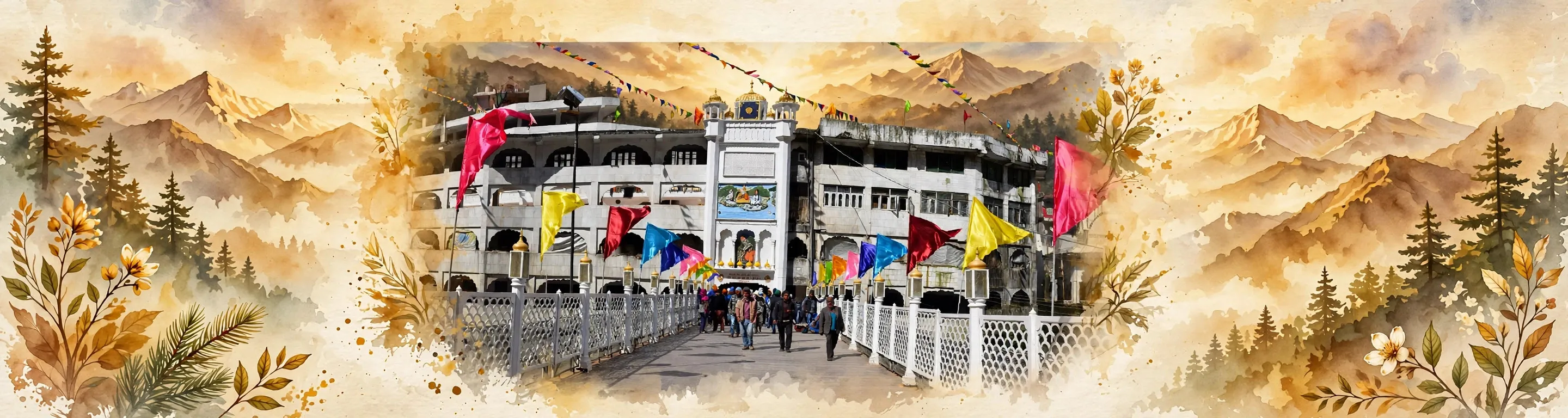
Gurdwara Manikaran Sahib stands in the Parvati Valley of Kullu district, Himachal Pradesh, where Guru Nanak Dev Ji and Bhai Mardana are said to have stopped in 1574 Bikrami (around 1517 CE). Its boiling hot springs are famous across India — the gurdwara's langar is cooked in the spring water, and pilgrims bathe in separate springs believed to have healing properties.
- Facts
- Country
- India
- State
- Himachal Pradesh
- District
- Kullu
- Location
- Manikaran town, Parvati Valley, on the Parvati River
- Associated with
- Guru Nanak Dev Ji and Bhai Mardana (visit in 1574 Bikrami)
- Also visited by
- Guru Hargobind Sahib Ji (per tradition)
- Famous for
- Natural boiling hot springs — the Garam Kund
- Langar
- Cooked in boiling spring water, served free round the clock
- Architecture
- White marble, domes and carvings; blend of Sikh and Himachali styles
- Best time to visit
- March to June, September to November
- Nearest airport
- Bhuntar (Kullu–Manali), about 35 km
Gurdwara Manikaran Sahib stands in the Parvati Valley of Kullu district, Himachal Pradesh, where Guru Nanak Dev Ji and Bhai Mardana are said to have stopped in 1574 Bikrami (around 1517 CE). Its boiling hot springs are famous across India — the gurdwara's langar is cooked in the spring water, and pilgrims bathe in separate springs believed to have healing properties.
The visit of Guru Nanak Dev Ji
Sikh tradition, recorded in the Bhai Bala Janamsakhi and Giani Gian Singh's Twarikh Guru Khalsa, tells that Guru Nanak Dev Ji travelled through this region with his companion Bhai Mardana — through Kalanaur, Gurdaspur, Dasuya, Triloknath, Palampur and Kangra, then to Jwalamukhi, Mandi, Chamba and Kullu — before reaching Manikaran in the Himalayan foothills.
At Manikaran, Bhai Mardana grew hungry, and the Guru sent him to gather food for langar. The local people gave flour and pulses, but there was no fire to cook with. Guru Nanak Dev Ji asked Bhai Mardana to lift a stone from the spot where he sat — and a spring of boiling water burst forth. The pulses were tied in cloth and the rolled chapatis dropped into the spring, but everything sank. The Guru asked Bhai Mardana to pray that if the food floated back, he would donate a share in God's name. When he prayed, the food rose to the surface, fully cooked. Guru Nanak Dev Ji declared that anyone who prepares food in the name of God recovers what was lost — and even today the hot springs are used to cook the gurdwara's langar.
Guru Hargobind Sahib Ji and Guru Gobind Singh Ji
Tradition also holds that Guru Hargobind Sahib Ji, the sixth Sikh Guru, visited Manikaran with his followers, and that Guru Gobind Singh Ji came here with the Panj Piare. The gurdwara was raised to commemorate these visits and has grown into one of the great pilgrim centres of the hills.
The hot springs
The springs — the Garam Kund — bubble up beside the cold waters of the Parvati River. Rice, pulses and chickpeas are tied in linen bags and lowered into the boiling water, cooking within minutes; this food is then served as langar. Separate springs feed bathing pools where devotees take a dip, and the mineral-rich water is believed to ease aches and ailments. Pilgrims also carry the spring water home, and food cooked in it is said to stay fresh longer.
Architecture
The gurdwara blends traditional Sikh and local Himachali styles. Its white marble walls, domes and intricate carvings rise against the steep, forested slopes of the valley. The main prayer hall, the Darbar Sahib, is adorned with frescoes depicting scenes from Sikh history and the teachings of Guru Granth Sahib Ji. The complex includes a large langar hall where everyone sits together on the floor, a community kitchen run by volunteers, and free accommodation for pilgrims.
Why it is called Manikaran
Hindu tradition gives the town its name from 'mani', a gem. It tells that Lord Shiva and Goddess Parvati once spent time in this valley, and Parvati lost her earring in a stream. The serpent god Sheshnaag seized the jewel and vanished into the earth; only when Shiva performed the tandava did the jewel shoot back up through the water. It is said that precious stones kept rising from the springs until the great Kangra earthquake of 1905.
Worship and community life
Each day the Darbar Sahib holds prayers, kirtan and the recitation of hymns from Guru Granth Sahib Ji. The langar serves free meals to all visitors — Sikh and non-Sikh alike — around the clock, and the gurdwara provides free lodging to pilgrims. Visitors cover their heads, remove their shoes and dress modestly, as in every gurdwara.
How to reach
The nearest airport is Bhuntar (Kullu–Manali), about 35 kilometres away — roughly an hour by taxi or bus. The nearest railway station is Joginder Nagar, some 146 kilometres distant, but its connections are poor; most pilgrims travel via Chandigarh, about 280–290 kilometres and 8–10 hours by road. From Delhi the journey is about 510–520 kilometres, 12–14 hours, running through Chandigarh, Bilaspur, Mandi and Kullu. The best months to visit are March to June and September to November.
What happened at Manikaran during Guru Nanak Dev Ji's visit?
With no fire to cook the langar, Guru Nanak Dev Ji had Bhai Mardana lift a stone, and a boiling spring appeared. The food they lowered into it sank, then floated back fully cooked after Bhai Mardana prayed — the spring still cooks the gurdwara's langar today.
Why is the langar at Manikaran Sahib special?
It is cooked in the natural boiling water of the hot springs — rice, pulses and chickpeas are lowered into the spring in linen bags — and served free to all, around the clock.
Can anyone bathe in the hot springs?
Yes. Separate bathing pools are fed by the springs, and pilgrims of all faiths bathe in the warm, mineral-rich water, which is believed to have healing properties.
What does the name Manikaran mean?
It comes from 'mani', meaning gem. Hindu legend says Goddess Parvati lost a gem here, and precious stones rose from the springs until the 1905 Kangra earthquake.
ਗੁਰਦੁਆਰਾ ਮਣੀਕਰਣ ਸਾਹਿਬ ਹਿਮਾਚਲ ਪ੍ਰਦੇਸ਼ ਦੇ ਕੁੱਲੂ ਜ਼ਿਲ੍ਹੇ ਦੀ ਪਾਰਵਤੀ ਘਾਟੀ ਵਿੱਚ ਸਥਿਤ ਹੈ, ਜਿੱਥੇ ਕਿਹਾ ਜਾਂਦਾ ਹੈ ਕਿ ਗੁਰੂ ਨਾਨਕ ਦੇਵ ਜੀ ਅਤੇ ਭਾਈ ਮਰਦਾਨਾ 1574 ਬਿਕ੍ਰਮੀ (ਲਗਭਗ 1517 ਈਸਵੀ) ਵਿੱਚ ਠਹਿਰੇ ਸਨ ਇਸ ਦੇ ਉਬਲਦੇ ਗਰਮ ਚਸ਼ਮੇ ਪੂਰੇ ਭਾਰਤ ਵਿੱਚ ਮਸ਼ਹੂਰ ਹਨ — ਗੁਰਦੁਆਰੇ ਦਾ ਲੰਗਰ ਚਸ਼ਮੇ ਦੇ ਪਾਣੀ ਵਿੱਚ ਪਕਾਇਆ ਜਾਂਦਾ ਹੈ, ਅਤੇ ਸ਼ਰਧਾਲੂ ਅਲੱਗ ਚਸ਼ਮਿਆਂ ਵਿੱਚ ਇਸ਼ਨਾਨ ਕਰਦੇ ਹਨ, ਜਿਨ੍ਹਾਂ ਬਾਰੇ ਮੰਨਿਆ ਜਾਂਦਾ ਹੈ ਕਿ ਉਨ੍ਹਾਂ ਵਿੱਚ ਰੋਗ-ਨਿਵਾਰਕ ਗੁਣ ਹਨ
ਗੁਰੂ ਨਾਨਕ ਦੇਵ ਜੀ ਦਾ ਦੌਰਾ
ਸਿੱਖ ਪਰੰਪਰਾ, ਜੋ ਭਾਈ ਬਾਲੇ ਦੀ ਜਨਮਸਾਖੀ ਅਤੇ ਗਿਆਨੀ ਗਿਆਨ ਸਿੰਘ ਦੀ ਤਵਾਰੀਖ਼ ਗੁਰੂ ਖ਼ਾਲਸਾ ਵਿੱਚ ਦਰਜ ਹੈ, ਦੱਸਦੀ ਹੈ ਕਿ ਗੁਰੂ ਨਾਨਕ ਦੇਵ ਜੀ ਆਪਣੇ ਸਾਥੀ ਭਾਈ ਮਰਦਾਨਾ ਨਾਲ ਇਸ ਇਲਾਕੇ ਵਿੱਚੋਂ ਲੰਘੇ — ਕਲਾਨੌਰ, ਗੁਰਦਾਸਪੁਰ, ਦਸੂਹਾ, ਤ੍ਰਿਲੋਕਨਾਥ, ਪਾਲਮਪੁਰ ਅਤੇ ਕਾਂਗੜਾ ਹੁੰਦੇ ਹੋਏ, ਫਿਰ ਜਵਾਲਾਮੁਖੀ, ਮੰਡੀ, ਚੰਬਾ ਅਤੇ ਕੁੱਲੂ — ਅਤੇ ਅੰਤ ਵਿੱਚ ਹਿਮਾਲਿਆ ਦੀ ਤਰਾਈ ਵਿੱਚ ਮਣੀਕਰਣ ਪਹੁੰਚੇ
ਮਣੀਕਰਣ ਵਿੱਚ ਭਾਈ ਮਰਦਾਨਾ ਨੂੰ ਭੁੱਖ ਲੱਗੀ, ਅਤੇ ਗੁਰੂ ਜੀ ਨੇ ਉਨ੍ਹਾਂ ਨੂੰ ਲੰਗਰ ਲਈ ਭੋਜਨ ਇਕੱਠਾ ਕਰਨ ਭੇਜਿਆ ਸਥਾਨਕ ਲੋਕਾਂ ਨੇ ਆਟਾ ਅਤੇ ਦਾਲਾਂ ਦਿੱਤੀਆਂ, ਪਰ ਪਕਾਉਣ ਲਈ ਅੱਗ ਨਹੀਂ ਸੀ ਗੁਰੂ ਨਾਨਕ ਦੇਵ ਜੀ ਨੇ ਭਾਈ ਮਰਦਾਨਾ ਨੂੰ ਉਸ ਥਾਂ ਤੋਂ ਪੱਥਰ ਚੁੱਕਣ ਲਈ ਕਿਹਾ ਜਿੱਥੇ ਉਹ ਬੈਠੇ ਸਨ — ਅਤੇ ਉਬਲਦੇ ਪਾਣੀ ਦਾ ਚਸ਼ਮਾ ਫੁੱਟ ਪਿਆ ਦਾਲਾਂ ਕੱਪੜੇ ਵਿੱਚ ਬੰਨ੍ਹ ਕੇ ਅਤੇ ਗੁੰਨ੍ਹੀਆਂ ਹੋਈਆਂ ਰੋਟੀਆਂ ਚਸ਼ਮੇ ਵਿੱਚ ਪਾਈਆਂ ਗਈਆਂ, ਪਰ ਸਭ ਡੁੱਬ ਗਿਆ ਗੁਰੂ ਜੀ ਨੇ ਭਾਈ ਮਰਦਾਨਾ ਨੂੰ ਅਰਦਾਸ ਕਰਨ ਲਈ ਕਿਹਾ ਕਿ ਜੇ ਭੋਜਨ ਤੈਰ ਕੇ ਵਾਪਸ ਆਇਆ ਤਾਂ ਉਹ ਰੱਬ ਦੇ ਨਾਮ ਉੱਤੇ ਹਿੱਸਾ ਦਾਨ ਕਰੇਗਾ ਜਦੋਂ ਉਸ ਨੇ ਅਰਦਾਸ ਕੀਤੀ, ਭੋਜਨ ਪੂਰੀ ਤਰ੍ਹਾਂ ਪੱਕ ਕੇ ਉੱਪਰ ਤੈਰ ਆਇਆ ਗੁਰੂ ਨਾਨਕ ਦੇਵ ਜੀ ਨੇ ਫ਼ਰਮਾਇਆ ਕਿ ਜੋ ਵੀ ਰੱਬ ਦੇ ਨਾਮ ਉੱਤੇ ਭੋਜਨ ਤਿਆਰ ਕਰਦਾ ਹੈ, ਉਸ ਦਾ ਗੁਆਚਿਆ ਹੋਇਆ ਵਾਪਸ ਮਿਲ ਜਾਂਦਾ ਹੈ — ਅਤੇ ਅੱਜ ਵੀ ਇਹ ਗਰਮ ਚਸ਼ਮੇ ਗੁਰਦੁਆਰੇ ਦੇ ਲੰਗਰ ਨੂੰ ਪਕਾਉਣ ਲਈ ਵਰਤੇ ਜਾਂਦੇ ਹਨ
ਗੁਰੂ ਹਰਗੋਬਿੰਦ ਸਾਹਿਬ ਜੀ ਅਤੇ ਗੁਰੂ ਗੋਬਿੰਦ ਸਿੰਘ ਜੀ
ਪਰੰਪਰਾ ਇਹ ਵੀ ਮੰਨਦੀ ਹੈ ਕਿ ਛੇਵੇਂ ਸਿੱਖ ਗੁਰੂ, ਗੁਰੂ ਹਰਗੋਬਿੰਦ ਸਾਹਿਬ ਜੀ, ਆਪਣੇ ਸਿੱਖਾਂ ਨਾਲ ਮਣੀਕਰਣ ਆਏ ਸਨ, ਅਤੇ ਗੁਰੂ ਗੋਬਿੰਦ ਸਿੰਘ ਜੀ ਪੰਜ ਪਿਆਰਿਆਂ ਨਾਲ ਇੱਥੇ ਆਏ ਇਨ੍ਹਾਂ ਦੌਰਿਆਂ ਦੀ ਯਾਦ ਵਿੱਚ ਗੁਰਦੁਆਰਾ ਸਥਾਪਿਤ ਕੀਤਾ ਗਿਆ ਅਤੇ ਇਹ ਪਹਾੜਾਂ ਦੇ ਮਹਾਨ ਤੀਰਥ-ਕੇਂਦਰਾਂ ਵਿੱਚੋਂ ਇੱਕ ਬਣ ਗਿਆ
ਗਰਮ ਚਸ਼ਮੇ
ਚਸ਼ਮੇ — ਗਰਮ ਕੁੰਡ — ਪਾਰਵਤੀ ਨਦੀ ਦੇ ਠੰਢੇ ਪਾਣੀਆਂ ਦੇ ਕੋਲ ਉਬਲਦੇ ਹਨ ਚਾਵਲ, ਦਾਲਾਂ ਅਤੇ ਛੋਲੇ ਮਲਮਲ ਦੇ ਥੈਲਿਆਂ ਵਿੱਚ ਬੰਨ੍ਹ ਕੇ ਉਬਲਦੇ ਪਾਣੀ ਵਿੱਚ ਉਤਾਰੇ ਜਾਂਦੇ ਹਨ ਅਤੇ ਕੁਝ ਮਿੰਟਾਂ ਵਿੱਚ ਪੱਕ ਜਾਂਦੇ ਹਨ; ਇਹ ਭੋਜਨ ਫਿਰ ਲੰਗਰ ਵਜੋਂ ਵਰਤਾਇਆ ਜਾਂਦਾ ਹੈ ਅਲੱਗ ਚਸ਼ਮੇ ਇਸ਼ਨਾਨ ਦੇ ਤਾਲਾਬਾਂ ਨੂੰ ਪਾਣੀ ਦਿੰਦੇ ਹਨ, ਜਿੱਥੇ ਸ਼ਰਧਾਲੂ ਇਸ਼ਨਾਨ ਕਰਦੇ ਹਨ, ਅਤੇ ਖਣਿਜ-ਭਰਪੂਰ ਪਾਣੀ ਬਾਰੇ ਮੰਨਿਆ ਜਾਂਦਾ ਹੈ ਕਿ ਇਹ ਦਰਦਾਂ ਅਤੇ ਬਿਮਾਰੀਆਂ ਨੂੰ ਦੂਰ ਕਰਦਾ ਹੈ ਸ਼ਰਧਾਲੂ ਚਸ਼ਮੇ ਦਾ ਪਾਣੀ ਘਰ ਵੀ ਲੈ ਜਾਂਦੇ ਹਨ, ਅਤੇ ਕਿਹਾ ਜਾਂਦਾ ਹੈ ਕਿ ਇਸ ਪਾਣੀ ਵਿੱਚ ਪਕਾਇਆ ਭੋਜਨ ਲੰਬੇ ਸਮੇਂ ਤੱਕ ਤਾਜ਼ਾ ਰਹਿੰਦਾ ਹੈ
ਭਵਨ-ਕਲਾ
ਗੁਰਦੁਆਰਾ ਪਰੰਪਰਾਗਤ ਸਿੱਖ ਅਤੇ ਸਥਾਨਕ ਹਿਮਾਚਲੀ ਸ਼ੈਲੀਆਂ ਦਾ ਸੰਗਮ ਹੈ ਇਸ ਦੀਆਂ ਚਿੱਟੇ ਸੰਗਮਰਮਰ ਦੀਆਂ ਦੀਵਾਰਾਂ, ਗੁੰਬਦ ਅਤੇ ਬਾਰੀਕ ਨੱਕਾਸ਼ੀਆਂ ਘਾਟੀ ਦੀਆਂ ਖੜ੍ਹੀਆਂ, ਜੰਗਲੀ ਢਲਾਣਾਂ ਦੇ ਪਿਛੋਕੜ ਵਿੱਚ ਉੱਠਦੀਆਂ ਹਨ ਮੁੱਖ ਪ੍ਰਾਰਥਨਾ-ਹਾਲ, ਦਰਬਾਰ ਸਾਹਿਬ, ਸਿੱਖ ਇਤਿਹਾਸ ਦੇ ਦ੍ਰਿਸ਼ਾਂ ਅਤੇ ਗੁਰੂ ਗ੍ਰੰਥ ਸਾਹਿਬ ਜੀ ਦੀਆਂ ਸਿੱਖਿਆਵਾਂ ਨੂੰ ਦਰਸਾਉਂਦੇ ਭਿੱਤੀ-ਚਿੱਤਰਾਂ ਨਾਲ ਸਜਿਆ ਹੋਇਆ ਹੈ ਪਰਿਸਰ ਵਿੱਚ ਵੱਡਾ ਲੰਗਰ ਹਾਲ ਹੈ, ਜਿੱਥੇ ਸਾਰੇ ਫ਼ਰਸ਼ ਉੱਤੇ ਇਕੱਠੇ ਬੈਠਦੇ ਹਨ, ਸੇਵਾਦਾਰਾਂ ਦੁਆਰਾ ਚਲਾਈ ਜਾਂਦੀ ਸਾਂਝੀ ਰਸੋਈ ਅਤੇ ਸ਼ਰਧਾਲੂਆਂ ਲਈ ਮੁਫ਼ਤ ਰਿਹਾਇਸ਼ ਵੀ ਹੈ
ਮਣੀਕਰਣ ਨਾਮ ਕਿਉਂ ਪਿਆ
ਹਿੰਦੂ ਪਰੰਪਰਾ ਇਸ ਨਗਰ ਦਾ ਨਾਮ 'ਮਣੀ', ਅਰਥਾਤ ਰਤਨ, ਤੋਂ ਦੱਸਦੀ ਹੈ ਕਥਾ ਹੈ ਕਿ ਭਗਵਾਨ ਸ਼ਿਵ ਅਤੇ ਦੇਵੀ ਪਾਰਵਤੀ ਇੱਕ ਵਾਰ ਇਸ ਘਾਟੀ ਵਿੱਚ ਸਮਾਂ ਬਿਤਾਉਣ ਆਏ, ਅਤੇ ਪਾਰਵਤੀ ਦਾ ਵਾਲਾ ਇੱਕ ਨਦੀ ਵਿੱਚ ਡਿੱਗ ਗਿਆ ਸਰਪ-ਦੇਵਤਾ ਸ਼ੇਸ਼ਨਾਗ ਨੇ ਰਤਨ ਚੁੱਕ ਲਿਆ ਅਤੇ ਧਰਤੀ ਵਿੱਚ ਅਲੋਪ ਹੋ ਗਿਆ; ਜਦੋਂ ਸ਼ਿਵ ਨੇ ਤਾਂਡਵ ਕੀਤਾ ਤਾਂ ਰਤਨ ਪਾਣੀ ਵਿੱਚੋਂ ਉੱਪਰ ਉੱਛਲ ਆਇਆ ਕਿਹਾ ਜਾਂਦਾ ਹੈ ਕਿ 1905 ਦੇ ਕਾਂਗੜਾ ਭੂਚਾਲ ਤੱਕ ਚਸ਼ਮਿਆਂ ਵਿੱਚੋਂ ਕੀਮਤੀ ਪੱਥਰ ਨਿਕਲਦੇ ਰਹੇ
ਪੂਜਾ ਅਤੇ ਸੰਗਤਕ ਜੀਵਨ
ਹਰ ਰੋਜ਼ ਦਰਬਾਰ ਸਾਹਿਬ ਵਿੱਚ ਅਰਦਾਸ, ਕੀਰਤਨ ਅਤੇ ਗੁਰੂ ਗ੍ਰੰਥ ਸਾਹਿਬ ਜੀ ਦੀਆਂ ਬਾਣੀਆਂ ਦਾ ਪਾਠ ਹੁੰਦਾ ਹੈ ਲੰਗਰ ਸਾਰੇ ਆਉਣ ਵਾਲਿਆਂ ਨੂੰ — ਸਿੱਖ ਅਤੇ ਗ਼ੈਰ-ਸਿੱਖ ਸਭ ਨੂੰ — ਦਿਨ-ਰਾਤ ਮੁਫ਼ਤ ਭੋਜਨ ਵਰਤਾਉਂਦਾ ਹੈ, ਅਤੇ ਗੁਰਦੁਆਰਾ ਸ਼ਰਧਾਲੂਆਂ ਨੂੰ ਮੁਫ਼ਤ ਠਹਿਰਨ ਦੀ ਥਾਂ ਵੀ ਦਿੰਦਾ ਹੈ ਹਰ ਗੁਰਦੁਆਰੇ ਵਾਂਗ ਇੱਥੇ ਵੀ ਆਉਣ ਵਾਲੇ ਸਿਰ ਢੱਕਦੇ ਹਨ, ਜੁੱਤੇ ਉਤਾਰਦੇ ਹਨ ਅਤੇ ਸਲੀਕੇਦਾਰ ਕੱਪੜੇ ਪਹਿਨਦੇ ਹਨ
ਕਿਵੇਂ ਪਹੁੰਚੀਏ
ਸਭ ਤੋਂ ਨਜ਼ਦੀਕੀ ਹਵਾਈ ਅੱਡਾ ਭੁੰਤਰ (ਕੁੱਲੂ–ਮਨਾਲੀ) ਹੈ, ਲਗਭਗ 35 ਕਿਲੋਮੀਟਰ ਦੂਰ — ਟੈਕਸੀ ਜਾਂ ਬੱਸ ਰਾਹੀਂ ਲਗਭਗ ਇੱਕ ਘੰਟਾ ਸਭ ਤੋਂ ਨਜ਼ਦੀਕੀ ਰੇਲਵੇ ਸਟੇਸ਼ਨ ਜੋਗਿੰਦਰ ਨਗਰ ਹੈ, ਲਗਭਗ 146 ਕਿਲੋਮੀਟਰ ਦੂਰ, ਪਰ ਉਸ ਦੇ ਸੰਪਰਕ ਠੀਕ ਨਹੀਂ ਹਨ; ਜ਼ਿਆਦਾਤਰ ਸ਼ਰਧਾਲੂ ਚੰਡੀਗੜ੍ਹ ਰਾਹੀਂ ਆਉਂਦੇ ਹਨ, ਜੋ ਲਗਭਗ 280–290 ਕਿਲੋਮੀਟਰ ਅਤੇ ਸੜਕ ਰਾਹੀਂ 8–10 ਘੰਟੇ ਹੈ ਦਿੱਲੀ ਤੋਂ ਸਫ਼ਰ ਲਗਭਗ 510–520 ਕਿਲੋਮੀਟਰ, 12–14 ਘੰਟੇ ਦਾ ਹੈ, ਜੋ ਚੰਡੀਗੜ੍ਹ, ਬਿਲਾਸਪੁਰ, ਮੰਡੀ ਅਤੇ ਕੁੱਲੂ ਹੁੰਦਾ ਹੋਇਆ ਜਾਂਦਾ ਹੈ ਆਉਣ ਦੇ ਸਭ ਤੋਂ ਵਧੀਆ ਮਹੀਨੇ ਮਾਰਚ ਤੋਂ ਜੂਨ ਅਤੇ ਸਤੰਬਰ ਤੋਂ ਨਵੰਬਰ ਹਨ
ਗੁਰੂ ਨਾਨਕ ਦੇਵ ਜੀ ਦੇ ਦੌਰੇ ਦੌਰਾਨ ਮਣੀਕਰਣ ਵਿੱਚ ਕੀ ਹੋਇਆ ਸੀ?
ਲੰਗਰ ਪਕਾਉਣ ਲਈ ਅੱਗ ਨਾ ਹੋਣ ਕਰਕੇ ਗੁਰੂ ਨਾਨਕ ਦੇਵ ਜੀ ਨੇ ਭਾਈ ਮਰਦਾਨਾ ਤੋਂ ਪੱਥਰ ਚੁਕਵਾਇਆ, ਅਤੇ ਉਬਲਦਾ ਚਸ਼ਮਾ ਪ੍ਰਗਟ ਹੋਇਆ ਉਸ ਵਿੱਚ ਪਾਇਆ ਭੋਜਨ ਡੁੱਬ ਗਿਆ, ਫਿਰ ਭਾਈ ਮਰਦਾਨਾ ਦੀ ਅਰਦਾਸ ਤੋਂ ਬਾਅਦ ਪੂਰੀ ਤਰ੍ਹਾਂ ਪੱਕ ਕੇ ਤੈਰ ਆਇਆ — ਉਹ ਚਸ਼ਮਾ ਅੱਜ ਵੀ ਗੁਰਦੁਆਰੇ ਦੇ ਲੰਗਰ ਨੂੰ ਪਕਾਉਂਦਾ ਹੈ
ਮਣੀਕਰਣ ਸਾਹਿਬ ਦਾ ਲੰਗਰ ਖ਼ਾਸ ਕਿਉਂ ਹੈ?
ਇਹ ਗਰਮ ਚਸ਼ਮਿਆਂ ਦੇ ਕੁਦਰਤੀ ਉਬਲਦੇ ਪਾਣੀ ਵਿੱਚ ਪਕਾਇਆ ਜਾਂਦਾ ਹੈ — ਚਾਵਲ, ਦਾਲਾਂ ਅਤੇ ਛੋਲੇ ਮਲਮਲ ਦੇ ਥੈਲਿਆਂ ਵਿੱਚ ਚਸ਼ਮੇ ਵਿੱਚ ਉਤਾਰੇ ਜਾਂਦੇ ਹਨ — ਅਤੇ ਦਿਨ-ਰਾਤ ਸਭ ਨੂੰ ਮੁਫ਼ਤ ਵਰਤਾਇਆ ਜਾਂਦਾ ਹੈ
ਕੀ ਕੋਈ ਵੀ ਗਰਮ ਚਸ਼ਮਿਆਂ ਵਿੱਚ ਇਸ਼ਨਾਨ ਕਰ ਸਕਦਾ ਹੈ?
ਹਾਂ ਇਸ਼ਨਾਨ ਲਈ ਅਲੱਗ ਤਾਲਾਬ ਚਸ਼ਮਿਆਂ ਨਾਲ ਭਰੇ ਜਾਂਦੇ ਹਨ, ਅਤੇ ਸਾਰੇ ਧਰਮਾਂ ਦੇ ਸ਼ਰਧਾਲੂ ਗਰਮ, ਖਣਿਜ-ਭਰਪੂਰ ਪਾਣੀ ਵਿੱਚ ਇਸ਼ਨਾਨ ਕਰਦੇ ਹਨ, ਜਿਸ ਬਾਰੇ ਮੰਨਿਆ ਜਾਂਦਾ ਹੈ ਕਿ ਉਸ ਵਿੱਚ ਰੋਗ-ਨਿਵਾਰਕ ਗੁਣ ਹਨ
ਮਣੀਕਰਣ ਨਾਮ ਦਾ ਅਰਥ ਕੀ ਹੈ?
ਇਹ 'ਮਣੀ' ਤੋਂ ਆਇਆ ਹੈ, ਜਿਸ ਦਾ ਅਰਥ ਹੈ ਰਤਨ ਹਿੰਦੂ ਕਥਾ ਕਹਿੰਦੀ ਹੈ ਕਿ ਦੇਵੀ ਪਾਰਵਤੀ ਦਾ ਰਤਨ ਇੱਥੇ ਗੁਆਚ ਗਿਆ ਸੀ, ਅਤੇ 1905 ਦੇ ਕਾਂਗੜਾ ਭੂਚਾਲ ਤੱਕ ਚਸ਼ਮਿਆਂ ਵਿੱਚੋਂ ਕੀਮਤੀ ਪੱਥਰ ਨਿਕਲਦੇ ਰਹੇ