
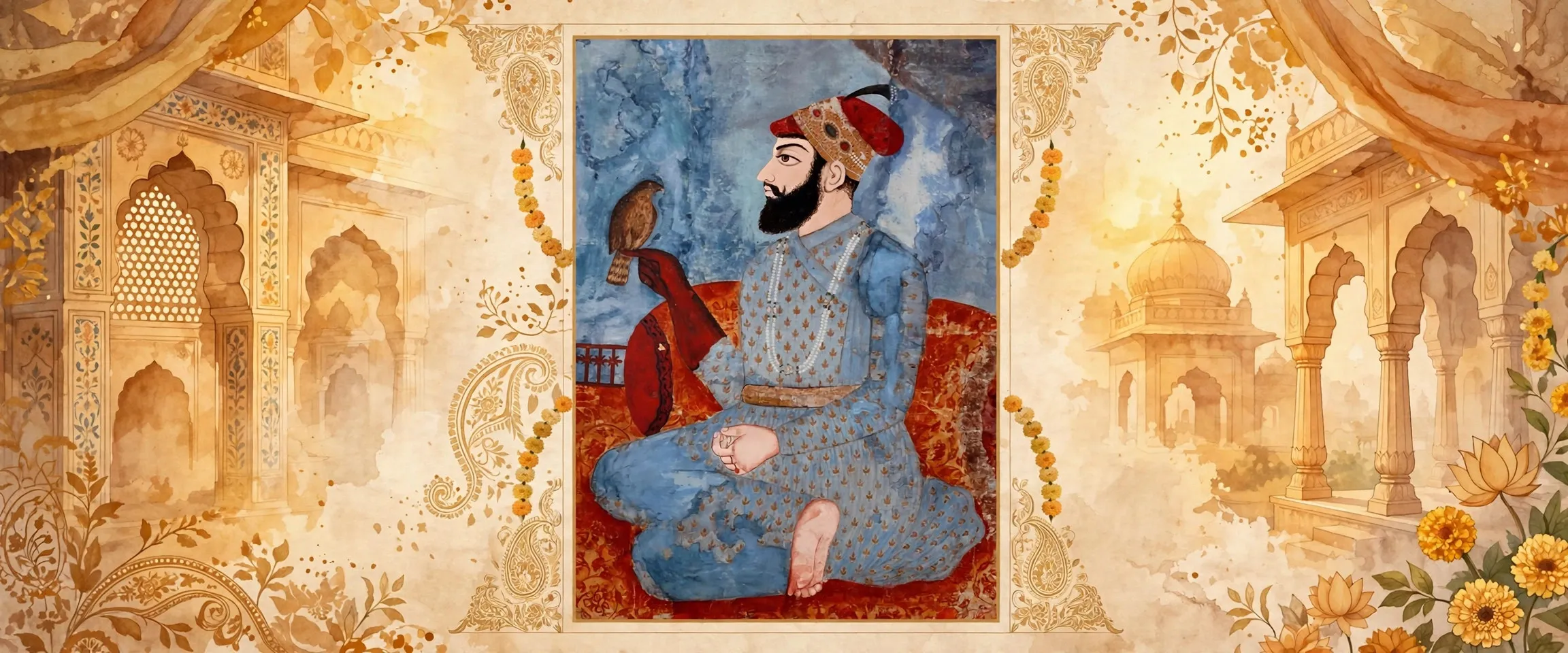
Guru Tegh Bahadur Ji (1621–1675) was the ninth Sikh Guru, martyred in Delhi in 1675 defending the right of others to practise their own faith. He composed 116 hymns in the Guru Granth Sahib and founded Anandpur Sahib.
- Facts
- Born
- 1 April 1621, Amritsar
- Birth name
- Tyag Mal — named Tegh Bahadur after his valour in the Battle of Kartarpur (1635)
- Parents
- Guru Hargobind Ji and Mata Nanaki
- Spouse
- Mata Gujri
- Child
- Gobind Rai, the future Guru Gobind Singh Ji (born 1666, Patna)
- Became Guru
- 1664, after Guru Har Krishan Ji
- Hymns
- 116 hymns in 15 ragas in the Guru Granth Sahib
- Founded
- Anandpur Sahib (land bought from Rani Champa of Bilaspur)
- Martyred
- 11 November 1675, Chandni Chowk, Delhi, on Aurangzeb’s orders
- Titles
- Hind di Chadar (Shield of India), Srisht di Chadar
- Memorials
- Gurdwara Sis Ganj Sahib and Gurdwara Rakab Ganj Sahib, Delhi
- Shaheedi Divas
- 24 November, observed annually in India
Guru Tegh Bahadur Ji (1621–1675) was the ninth Sikh Guru, remembered as Hind di Chadar — the Shield of India. In 1675 he gave his life in Delhi defending the right of others to practise their own faith, a sacrifice that made the protection of human rights central to Sikh identity and led directly to the founding of the Khalsa.
Early life
He was born Tyag Mal on 1 April 1621 in Amritsar, the youngest son of Guru Hargobind Ji and Mata Nanaki. Raised in Sikh culture, he studied the old classics under Bhai Gurdas and learned horsemanship, archery and swordsmanship. As a young man he fought beside his father in the Battle of Kartarpur (1635), where his valour earned him the name Tegh Bahadur — “brave bearer of the sword.” He married Mata Gujri in 1632, and after Guru Hargobind Ji’s death the couple settled in Bakala, where Tegh Bahadur Ji lived a life of quiet meditation.
Becoming the Ninth Guru
When Guru Har Krishan Ji died of smallpox in 1664, his last words — “Baba Bakala” — sent seekers to the village of Bakala, where many men set themselves up as the next Guru. Sikh tradition tells how the merchant Makhan Shah Lubana, who had vowed 500 gold coins to the true Guru, tested each claimant with an offering of two coins; only Tegh Bahadur Ji knew of the full vow. Makhan Shah climbed to a rooftop shouting “Guru ladho re” — “I have found the Guru.” In August 1664 a Sikh congregation formally installed him as the ninth Guru.
Journeys and Anandpur Sahib
Guru Tegh Bahadur Ji travelled widely across the subcontinent — Mathura, Agra, Allahabad, Varanasi, Dhaka and Assam — preaching the teachings of Guru Nanak and digging wells and founding langars for the poor. In Assam he is remembered for brokering peace between Raja Ram Singh and the Ahom king. Rani Champa of Bilaspur offered him land, which he bought for 500 rupees, and there he founded the city of Anandpur Sahib. His son Gobind Rai — the future Guru Gobind Singh Ji — was born in Patna in 1666 while the Guru was away in the east.
The hymns
A poet and scholar, Guru Tegh Bahadur Ji composed 116 hymns in 15 ragas, included by his son Guru Gobind Singh Ji in the Guru Granth Sahib (pages 219–1427). They dwell on detachment from worldly attachments, the nature of the mind and body, sorrow and dignity, death and deliverance — and they remain part of the daily Nitnem of devout Sikhs.
Martyrdom
In 1675 a delegation of Kashmiri Pandits, led by Pandit Kirpa Ram, came to Anandpur Sahib pleading for help against religious persecution under Aurangzeb’s officials. The Guru resolved to confront the emperor, but was arrested at Ropar and imprisoned in Sirhind. In Delhi that November he was ordered to perform a miracle or convert to Islam; he refused. Three of his companions were tortured to death before his eyes — Bhai Mati Das was sawn in two, Bhai Dayal Das was cast into a cauldron of boiling liquid, and Bhai Sati Das was cut into pieces. On 11 November 1675 Guru Tegh Bahadur Ji was publicly beheaded in Chandni Chowk, Delhi, on Aurangzeb’s orders.
Legacy and memorials
Gurdwara Sis Ganj Sahib in Chandni Chowk marks the spot of the beheading; Gurdwara Rakab Ganj Sahib marks where a disciple cremated the Guru’s body. Bhai Jaita carried the Guru’s head to Anandpur Sahib in defiance of the Mughals. His son recalled the sacrifice in the Bachittar Natak: he “gave up his head, but did not utter a sigh.” The martyrdom hardened Sikh resolve against persecution and set the course for the Khalsa, founded by Guru Gobind Singh Ji in 1699. The classical poet Bulleh Shah honoured him as “Ghazi,” a warrior, and India observes his Shaheedi Divas every 24 November.
Why is Guru Tegh Bahadur Ji called Hind di Chadar?
Hind di Chadar means “Shield of India.” The title honours his martyrdom in defence of the Kashmiri Pandits’ right to practise their own religion — he died protecting a community not his own, making him a shield for all of India’s oppressed.
When is Guru Tegh Bahadur Ji’s martyrdom day observed?
Shaheedi Divas is observed every year on 24 November in India, where it is a public holiday in several states. The Guru was beheaded on 11 November 1675 (Julian calendar), which corresponds to 24 November in the Gregorian calendar.
ਗੁਰੂ ਤੇਗ਼ ਬਹਾਦਰ ਜੀ (1621–1675) ਨੌਵੇਂ ਸਿੱਖ ਗੁਰੂ ਸਨ, ਜਿਨ੍ਹਾਂ ਨੂੰ ਹਿੰਦ ਦੀ ਚਾਦਰ — ਭਾਰਤ ਦੀ ਢਾਲ — ਕਿਹਾ ਜਾਂਦਾ ਹੈ। 1675 ਵਿੱਚ ਉਨ੍ਹਾਂ ਨੇ ਦਿੱਲੀ ਵਿੱਚ ਦੂਜਿਆਂ ਦੇ ਧਾਰਮਿਕ ਅਧਿਕਾਰਾਂ ਦੀ ਰੱਖਿਆ ਲਈ ਆਪਣਾ ਸੀਸ ਕੁਰਬਾਨ ਕਰ ਦਿੱਤਾ; ਇਹ ਕੁਰਬਾਨੀ ਸਿੱਖ ਪਛਾਣ ਦਾ ਅਟੁੱਟ ਅੰਗ ਬਣ ਗਈ ਅਤੇ ਖ਼ਾਲਸੇ ਦੀ ਸਾਜਨਾ ਦਾ ਰਾਹ ਪੱਧਰਾ ਕੀਤਾ।
ਮੁੱਢਲਾ ਜੀਵਨ
ਉਨ੍ਹਾਂ ਦਾ ਜਨਮ 1 ਅਪ੍ਰੈਲ 1621 ਨੂੰ ਅੰਮ੍ਰਿਤਸਰ ਵਿੱਚ ਤਿਆਗ ਮੱਲ ਦੇ ਨਾਂ ਨਾਲ ਹੋਇਆ — ਗੁਰੂ ਹਰਗੋਬਿੰਦ ਜੀ ਅਤੇ ਮਾਤਾ ਨਾਨਕੀ ਦਾ ਸਭ ਤੋਂ ਛੋਟਾ ਪੁੱਤਰ। ਸਿੱਖ ਸੱਭਿਆਚਾਰ ਵਿੱਚ ਪਲੇ-ਵੱਡੇ ਹੋਏ, ਉਨ੍ਹਾਂ ਨੇ ਭਾਈ ਗੁਰਦਾਸ ਕੋਲੋਂ ਪ੍ਰਾਚੀਨ ਗ੍ਰੰਥ ਪੜ੍ਹੇ ਅਤੇ ਘੋੜਸਵਾਰੀ, ਤੀਰਅੰਦਾਜ਼ੀ ਅਤੇ ਸ਼ਮਸ਼ੀਰਬਾਜ਼ੀ ਸਿੱਖੀ। ਨੌਜਵਾਨੀ ਵਿੱਚ ਉਹ ਕਰਤਾਰਪੁਰ ਦੀ ਜੰਗ (1635) ਵਿੱਚ ਪਿਤਾ ਦੇ ਨਾਲ ਲੜੇ, ਜਿੱਥੇ ਉਨ੍ਹਾਂ ਦੀ ਬਹਾਦਰੀ 'ਤੇ ਉਨ੍ਹਾਂ ਨੂੰ ਤੇਗ਼ ਬਹਾਦਰ — “ਬਹਾਦਰ ਤਲਵਾਰਧਾਰੀ” — ਦਾ ਨਾਂ ਮਿਲਿਆ। 1632 ਵਿੱਚ ਉਨ੍ਹਾਂ ਦਾ ਵਿਆਹ ਮਾਤਾ ਗੁਜਰੀ ਨਾਲ ਹੋਇਆ, ਅਤੇ ਗੁਰੂ ਹਰਗੋਬਿੰਦ ਜੀ ਦੇ ਅਕਾਲ ਚਲਾਣੇ ਤੋਂ ਬਾਅਦ ਉਹ ਬਕਾਲੇ ਵਿੱਚ ਧਿਆਨ-ਸਿਮਰਨ ਦਾ ਸ਼ਾਂਤ ਜੀਵਨ ਬਿਤਾਉਂਦੇ ਰਹੇ।
ਨੌਵੇਂ ਗੁਰੂ ਬਣਨਾ
1664 ਵਿੱਚ ਗੁਰੂ ਹਰਕ੍ਰਿਸ਼ਨ ਜੀ ਦੇ ਚੇਚਕ ਨਾਲ ਅਕਾਲ ਚਲਾਣੇ ਸਮੇਂ ਉਨ੍ਹਾਂ ਦੇ ਆਖ਼ਰੀ ਸ਼ਬਦ — “ਬਾਬਾ ਬਕਾਲਾ” — ਨੇ ਸੰਗਤ ਨੂੰ ਬਕਾਲੇ ਪਿੰਡ ਵੱਲ ਤੋਰਿਆ, ਜਿੱਥੇ ਕਈ ਲੋਕ ਗੁਰੂ ਹੋਣ ਦਾ ਦਾਅਵਾ ਕਰਨ ਲੱਗੇ। ਸਿੱਖ ਪਰੰਪਰਾ ਅਨੁਸਾਰ ਵਪਾਰੀ ਮੱਖਣ ਸ਼ਾਹ ਲੁਬਾਣਾ, ਜਿਸ ਨੇ ਸੱਚੇ ਗੁਰੂ ਨੂੰ 500 ਸੋਨੇ ਦੀਆਂ ਮੋਹਰਾਂ ਦੀ ਸੁੱਖਣਾ ਸੁੱਖੀ ਸੀ, ਨੇ ਹਰ ਦਾਅਵੇਦਾਰ ਨੂੰ ਦੋ ਮੋਹਰਾਂ ਭੇਟ ਕੀਤੀਆਂ; ਸਿਰਫ਼ ਤੇਗ਼ ਬਹਾਦਰ ਜੀ ਨੇ ਪੂਰੀ ਸੁੱਖਣਾ ਬਾਰੇ ਦੱਸਿਆ। ਮੱਖਣ ਸ਼ਾਹ ਛੱਤ 'ਤੇ ਚੜ੍ਹ ਕੇ ਚਿੱਲਾਇਆ — “ਗੁਰੂ ਲਾਧੋ ਰੇ”। ਅਗਸਤ 1664 ਵਿੱਚ ਸਿੱਖ ਸੰਗਤ ਨੇ ਉਨ੍ਹਾਂ ਨੂੰ ਰਸਮੀ ਤੌਰ 'ਤੇ ਨੌਵਾਂ ਗੁਰੂ ਥਾਪਿਆ।
ਯਾਤਰਾਵਾਂ ਅਤੇ ਅਨੰਦਪੁਰ ਸਾਹਿਬ
ਗੁਰੂ ਤੇਗ਼ ਬਹਾਦਰ ਜੀ ਨੇ ਉਪਮਹਾਂਦੀਪ ਭਰ ਵਿੱਚ ਵਿਸ਼ਾਲ ਯਾਤਰਾਵਾਂ ਕੀਤੀਆਂ — ਮਥੁਰਾ, ਆਗਰਾ, ਇਲਾਹਾਬਾਦ, ਵਾਰਾਣਸੀ, ਢਾਕਾ ਅਤੇ ਅਸਾਮ — ਗੁਰੂ ਨਾਨਕ ਦੀ ਸਿੱਖਿਆ ਦਾ ਪ੍ਰਚਾਰ ਕੀਤਾ ਅਤੇ ਗ਼ਰੀਬਾਂ ਲਈ ਖੂਹ ਪੁੱਟੇ ਤੇ ਲੰਗਰ ਲਾਏ। ਅਸਾਮ ਵਿੱਚ ਉਹ ਰਾਜਾ ਰਾਮ ਸਿੰਘ ਅਤੇ ਅਹੋਮ ਰਾਜੇ ਵਿਚਕਾਰ ਸੁਲ੍ਹਾ ਕਰਾਉਣ ਲਈ ਯਾਦ ਕੀਤੇ ਜਾਂਦੇ ਹਨ। ਬਿਲਾਸਪੁਰ ਦੀ ਰਾਣੀ ਚੰਪਾ ਨੇ ਉਨ੍ਹਾਂ ਨੂੰ ਜ਼ਮੀਨ ਦੀ ਪੇਸ਼ਕਸ਼ ਕੀਤੀ, ਜੋ ਉਨ੍ਹਾਂ ਨੇ 500 ਰੁਪਏ ਵਿੱਚ ਖ਼ਰੀਦੀ, ਅਤੇ ਉੱਥੇ ਅਨੰਦਪੁਰ ਸਾਹਿਬ ਸ਼ਹਿਰ ਦੀ ਨੀਂਹ ਰੱਖੀ। ਉਨ੍ਹਾਂ ਦਾ ਪੁੱਤਰ ਗੋਬਿੰਦ ਰਾਇ — ਭਵਿੱਖ ਦੇ ਗੁਰੂ ਗੋਬਿੰਦ ਸਿੰਘ ਜੀ — 1666 ਵਿੱਚ ਪਟਨਾ ਵਿੱਚ ਪੈਦਾ ਹੋਇਆ, ਜਦੋਂ ਗੁਰੂ ਜੀ ਪੂਰਬ ਵਿੱਚ ਸਨ।
ਬਾਣੀ
ਕਵੀ ਅਤੇ ਵਿਦਵਾਨ ਗੁਰੂ ਤੇਗ਼ ਬਹਾਦਰ ਜੀ ਨੇ 15 ਰਾਗਾਂ ਵਿੱਚ 116 ਸ਼ਬਦ ਉਚਾਰੇ, ਜੋ ਉਨ੍ਹਾਂ ਦੇ ਪੁੱਤਰ ਗੁਰੂ ਗੋਬਿੰਦ ਸਿੰਘ ਜੀ ਨੇ ਸ੍ਰੀ ਗੁਰੂ ਗ੍ਰੰਥ ਸਾਹਿਬ (ਪੰਨੇ 219–1427) ਵਿੱਚ ਦਰਜ ਕੀਤੇ। ਇਹ ਸ਼ਬਦ ਸੰਸਾਰਿਕ ਮੋਹ ਤੋਂ ਵੈਰਾਗ, ਮਨ ਅਤੇ ਸਰੀਰ ਦੇ ਸੁਭਾਅ, ਦੁੱਖ ਅਤੇ ਮਾਣ, ਮੌਤ ਅਤੇ ਮੁਕਤੀ 'ਤੇ ਵਿਚਾਰ ਕਰਦੇ ਹਨ — ਅਤੇ ਅੱਜ ਵੀ ਸ਼ਰਧਾਲੂ ਸਿੱਖਾਂ ਦੇ ਰੋਜ਼ਾਨਾ ਨਿਤਨੇਮ ਦਾ ਹਿੱਸਾ ਹਨ।
ਸ਼ਹਾਦਤ
1675 ਵਿੱਚ ਪੰਡਿਤ ਕਿਰਪਾ ਰਾਮ ਦੀ ਅਗਵਾਈ ਵਿੱਚ ਕਸ਼ਮੀਰੀ ਪੰਡਿਤਾਂ ਦਾ ਇੱਕ ਜੱਥਾ ਅਨੰਦਪੁਰ ਸਾਹਿਬ ਆਇਆ ਅਤੇ ਔਰੰਗਜ਼ੇਬ ਦੇ ਅਧਿਕਾਰੀਆਂ ਦੇ ਧਾਰਮਿਕ ਜ਼ੁਲਮ ਖ਼ਿਲਾਫ਼ ਮਦਦ ਮੰਗੀ। ਗੁਰੂ ਜੀ ਨੇ ਬਾਦਸ਼ਾਹ ਦਾ ਸਾਮ੍ਹਣਾ ਕਰਨ ਦਾ ਫ਼ੈਸਲਾ ਕੀਤਾ, ਪਰ ਰੋਪੜ ਵਿੱਚ ਗ੍ਰਿਫ਼ਤਾਰ ਕਰਕੇ ਸਰਹਿੰਦ ਦੀ ਕੈਦ ਵਿੱਚ ਪਾ ਦਿੱਤੇ ਗਏ। ਉਸੇ ਸਾਲ ਨਵੰਬਰ ਵਿੱਚ ਦਿੱਲੀ ਵਿੱਚ ਉਨ੍ਹਾਂ ਨੂੰ ਕਰਾਮਾਤ ਦਿਖਾਉਣ ਜਾਂ ਇਸਲਾਮ ਕਬੂਲਣ ਲਈ ਕਿਹਾ ਗਿਆ; ਉਨ੍ਹਾਂ ਨੇ ਇਨਕਾਰ ਕਰ ਦਿੱਤਾ। ਉਨ੍ਹਾਂ ਦੀਆਂ ਅੱਖਾਂ ਸਾਹਮਣੇ ਉਨ੍ਹਾਂ ਦੇ ਤਿੰਨ ਸਾਥੀਆਂ ਨੂੰ ਤਸੀਹੇ ਦੇ ਕੇ ਮਾਰਿਆ ਗਿਆ — ਭਾਈ ਮਤੀ ਦਾਸ ਨੂੰ ਆਰੇ ਨਾਲ ਚੀਰਿਆ ਗਿਆ, ਭਾਈ ਦਿਆਲਾ ਦਾਸ ਨੂੰ ਉਬਲਦੇ ਦੇਗ ਵਿੱਚ ਸੁੱਟਿਆ ਗਿਆ, ਅਤੇ ਭਾਈ ਸਤੀ ਦਾਸ ਦੇ ਟੁਕੜੇ ਕੀਤੇ ਗਏ। 11 ਨਵੰਬਰ 1675 ਨੂੰ ਔਰੰਗਜ਼ੇਬ ਦੇ ਹੁਕਮ 'ਤੇ ਗੁਰੂ ਤੇਗ਼ ਬਹਾਦਰ ਜੀ ਦਾ ਦਿੱਲੀ ਦੇ ਚਾਂਦਨੀ ਚੌਕ ਵਿੱਚ ਸਰੇਆਮ ਸੀਸ ਕਲਮ ਕਰ ਦਿੱਤਾ ਗਿਆ।
ਵਿਰਾਸਤ ਅਤੇ ਯਾਦਗਾਰਾਂ
ਚਾਂਦਨੀ ਚੌਕ ਵਿੱਚ ਗੁਰਦੁਆਰਾ ਸੀਸ ਗੰਜ ਸਾਹਿਬ ਸ਼ਹਾਦਤ ਵਾਲੀ ਥਾਂ 'ਤੇ ਬਣਿਆ ਹੈ; ਗੁਰਦੁਆਰਾ ਰਕਾਬ ਗੰਜ ਸਾਹਿਬ ਉੱਥੇ ਹੈ ਜਿੱਥੇ ਇੱਕ ਸਿੱਖ ਨੇ ਗੁਰੂ ਜੀ ਦੇ ਸਰੀਰ ਦਾ ਸਸਕਾਰ ਕੀਤਾ। ਭਾਈ ਜੈਤਾ ਮੁਗ਼ਲਾਂ ਦੀ ਪਰਵਾਹ ਕੀਤੇ ਬਿਨਾਂ ਗੁਰੂ ਜੀ ਦਾ ਸੀਸ ਅਨੰਦਪੁਰ ਸਾਹਿਬ ਲੈ ਆਇਆ। ਉਨ੍ਹਾਂ ਦੇ ਪੁੱਤਰ ਨੇ ਬਚਿੱਤਰ ਨਾਟਕ ਵਿੱਚ ਇਸ ਕੁਰਬਾਨੀ ਨੂੰ ਯਾਦ ਕੀਤਾ: ਉਨ੍ਹਾਂ ਨੇ “ਸੀਸ ਦਿੱਤਾ, ਪਰ ਸੀ ਨਾ ਉਚਾਰੀ”। ਇਸ ਸ਼ਹਾਦਤ ਨੇ ਜ਼ੁਲਮ ਖ਼ਿਲਾਫ਼ ਸਿੱਖ ਸੰਕਲਪ ਨੂੰ ਮਜ਼ਬੂਤ ਕੀਤਾ ਅਤੇ 1699 ਵਿੱਚ ਗੁਰੂ ਗੋਬਿੰਦ ਸਿੰਘ ਜੀ ਵੱਲੋਂ ਖ਼ਾਲਸੇ ਦੀ ਸਾਜਨਾ ਦਾ ਰਾਹ ਪੱਧਰਾ ਕੀਤਾ। ਕਲਾਸੀਕਲ ਕਵੀ ਬੁੱਲ੍ਹੇ ਸ਼ਾਹ ਨੇ ਉਨ੍ਹਾਂ ਨੂੰ “ਗ਼ਾਜ਼ੀ” — ਯੋਧਾ — ਕਿਹਾ, ਅਤੇ ਭਾਰਤ ਵਿੱਚ ਹਰ ਸਾਲ 24 ਨਵੰਬਰ ਨੂੰ ਉਨ੍ਹਾਂ ਦਾ ਸ਼ਹੀਦੀ ਦਿਵਸ ਮਨਾਇਆ ਜਾਂਦਾ ਹੈ।
ਗੁਰੂ ਤੇਗ਼ ਬਹਾਦਰ ਜੀ ਨੂੰ ਹਿੰਦ ਦੀ ਚਾਦਰ ਕਿਉਂ ਕਿਹਾ ਜਾਂਦਾ ਹੈ?
ਹਿੰਦ ਦੀ ਚਾਦਰ ਦਾ ਅਰਥ ਹੈ “ਭਾਰਤ ਦੀ ਢਾਲ”। ਇਹ ਉਪਾਧੀ ਉਨ੍ਹਾਂ ਦੀ ਉਸ ਸ਼ਹਾਦਤ ਦੇ ਸਨਮਾਨ ਵਿੱਚ ਹੈ ਜੋ ਉਨ੍ਹਾਂ ਨੇ ਕਸ਼ਮੀਰੀ ਪੰਡਿਤਾਂ ਦੇ ਧਾਰਮਿਕ ਅਧਿਕਾਰਾਂ ਦੀ ਰੱਖਿਆ ਲਈ ਦਿੱਤੀ — ਉਹ ਆਪਣੀ ਸੰਗਤ ਤੋਂ ਬਾਹਰਲੇ ਭਾਈਚਾਰੇ ਲਈ ਸ਼ਹੀਦ ਹੋਏ, ਇਸ ਲਈ ਉਹ ਭਾਰਤ ਦੇ ਸਾਰੇ ਮਜ਼ਲੂਮਾਂ ਦੀ ਢਾਲ ਬਣ ਗਏ।
ਗੁਰੂ ਤੇਗ਼ ਬਹਾਦਰ ਜੀ ਦਾ ਸ਼ਹੀਦੀ ਦਿਵਸ ਕਦੋਂ ਮਨਾਇਆ ਜਾਂਦਾ ਹੈ?
ਭਾਰਤ ਵਿੱਚ ਹਰ ਸਾਲ 24 ਨਵੰਬਰ ਨੂੰ ਸ਼ਹੀਦੀ ਦਿਵਸ ਮਨਾਇਆ ਜਾਂਦਾ ਹੈ, ਅਤੇ ਕਈ ਰਾਜਾਂ ਵਿੱਚ ਇਸ ਦਿਨ ਸਰਕਾਰੀ ਛੁੱਟੀ ਹੁੰਦੀ ਹੈ। ਗੁਰੂ ਜੀ ਦਾ ਸੀਸ 11 ਨਵੰਬਰ 1675 (ਜੂਲੀਅਨ ਕੈਲੰਡਰ) ਨੂੰ ਕਲਮ ਕੀਤਾ ਗਿਆ ਸੀ, ਜੋ ਗ੍ਰੈਗੋਰੀਅਨ ਕੈਲੰਡਰ ਵਿੱਚ 24 ਨਵੰਬਰ ਬਣਦਾ ਹੈ।