
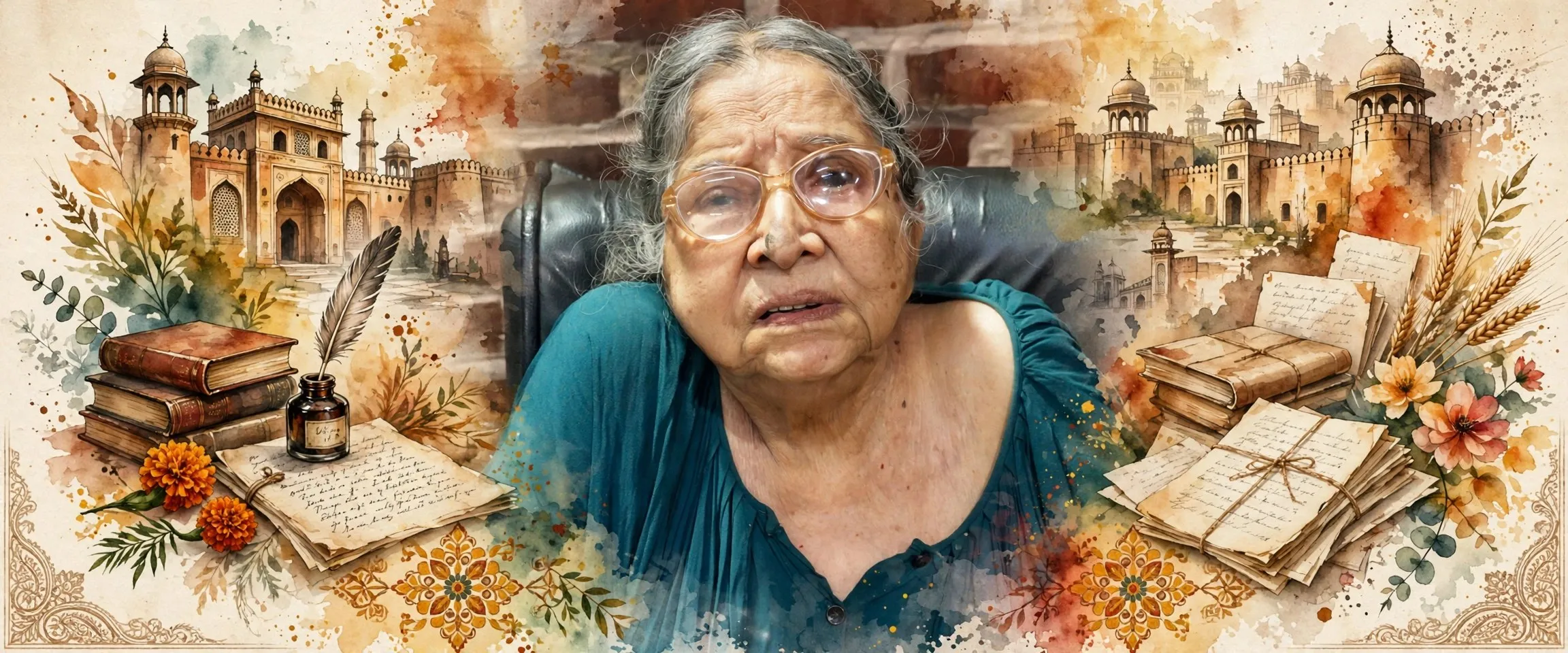
Khanabadosh, meaning The Nomad, is the autobiography of Punjabi writer Ajeet Cour, first published in the early 1980s. It tells her life from a childhood in Lahore through the Partition of 1947, a difficult marriage and her rise as a writer in Delhi, and it won the Sahitya Akademi Award in 1985. Its English translation, Pebbles in a Tin Drum, was published in 1998.
Punjabi, Gurmukhi, with an English translation- Punjabi name
- ਖ਼ਾਨਾਬਦੋਸ਼
- Author
- Ajeet Cour (born 16 November 1934, Lahore)
- Language
- Punjabi
- Form
- Memoir (autobiography)
- First published
- Early 1980s
- Award
- Sahitya Akademi Award, 1985
All 8 facts
- English translation
- Pebbles in a Tin Drum, translated by Masooma Ali, HarperCollins, 1998
- Second volume
- Koora Kabara (1997); both volumes in English as Weaving Water (2018)
About the book
Khanabadosh, meaning The Nomad, is the autobiography of Punjabi writer Ajeet Cour, first published in the early 1980s. It follows her life from a childhood in Lahore through the Partition of 1947 to a writing life in Delhi, and it won the Sahitya Akademi Award in 1985. Its English translation, Pebbles in a Tin Drum, appeared in 1998.
The book is a memoir in the plain sense: one woman telling her own life, in her own order, without hiding the hard parts. It opens with a shattering loss, the death of her younger daughter in France, and then goes back to the beginning, to a Lahore childhood, a move across a new border, and a long fight to live by writing. The title comes from the author's own image of life: bits of discarded cloth sewn into a quilt, and the din of pebbles in an empty tin drum.
What is Khanabadosh about?
Ajeet Cour was born on 16 November 1934 in Lahore, the daughter of Sardar Makhan Singh, a doctor. Her childhood was spent in her grandmother's house, in a large airy room where, her mother and grandmother told her, she had been born on a wide wooden bed. As a child she was taught by Kartar Singh Hitkari, the father of Amrita Pritam. The memoir lingers on these early years: the fabrics in her grandmother's trunk, the fairs she was told not to visit, and the small injustices a girl noticed before she had words for them.
Partition changed everything. In 1947 her family left Lahore for Delhi, where she took an M.A. in Economics and worked as a journalist and economist. She married Rajinder Singh in 1952 and raised two daughters, Arpana, who became a painter, and Kendi. The memoir is frank about the difficulties of that marriage, about raising two daughters largely on her own, and about earning a living from writing when few women did.
Running through the book is the question of what a woman is allowed to be. As a child she watched a neighbour girl die of tuberculosis because her family would not spend money on a daughter's treatment, and heard her grandmothers say that girls do not eat parathas. As an adult she made those observations into a body of work. The memoir does not argue its case in essays; it lets the life speak, and the life is the argument.
The author: Ajeet Cour
Ajeet Cour is one of Punjab's best-known women writers. Her novels and short stories, written in Punjabi, take up social-realist themes: the experience of women in relationships and their position in society. Her books include the story collections Gulbano, Mehak di Maut and Butt Shikan, the novels Dhup Wala Shehar, Gauri and Post Mortem, and a second volume of memoir, Koora Kabara, published in 1997.
Beyond her own writing she built institutions. In 1977 she founded the Academy of Fine Arts and Literature in New Delhi, and in 1987 the Foundation of SAARC Writers and Literature, chairing both. She was part of the first delegation of Indian writers to visit Pakistan in 2003, and has lectured around the world on Indian cultural heritage.
Her honours include the Shiromani Sahityakar Award, the Sahitya Akademi Award in 1985, the Padma Shri in 2006, the Kuvempu Rashtriya Puraskar in 2019 and the Sahitya Akademi Fellowship in 2024. She was also among the 1000 PeaceWomen across the globe nominated collectively for the Nobel Peace Prize in 2005.
The title and the nomad's life
Khanabadosh means a wanderer, someone without a settled home. The word fits a life that kept moving: from Lahore to Delhi, from economics and journalism to full-time writing, from one language's readership to another's. The memoir's second volume, Koora Kabara, meaning a heap of rubbish, carries the same bluntness: a life told without polish, in the author's own words.
The two volumes later appeared together in English as Weaving Water in 2018, translated by Masooma Ali and Meenu Monacha. In that English autobiography Cour speaks openly about surviving domestic violence in her marriage, a subject the Punjabi volumes approach through the life itself rather than through accusation.
Reception and legacy
Khanabadosh won the Sahitya Akademi Award in 1985, the year the award's Punjabi list records it as the winning autobiography. Its English translation, Pebbles in a Tin Drum, translated by Masooma Ali and published by HarperCollins in 1998, took the book to readers who do not read Punjabi. The translator chose the title from Cour's own image of life as the din of pebbles in an empty tin drum.
The book is now the work by which most readers first meet Ajeet Cour, and it set the pattern for the Punjabi woman's memoir: personal, unsentimental and political without ever becoming a tract. Cour has written more than thirty collections of short stories, novelettes and novels, and her books have been translated into several Indian and foreign languages.
Why it still matters
For a reader new to Punjabi writing, Khanabadosh is the natural place to start with Ajeet Cour: it is short, direct and it explains the writer. For a reader who knows Punjab's history only from textbooks, it supplies what textbooks leave out: what Partition felt like inside one family, and what it cost a woman to keep writing through it.
Read it alongside her story collection Butt Shikan, also in the Kosh, and the novels Gauri and Dhup Wala Shehar for the fiction that grew out of the same life. In English, Pebbles in a Tin Drum is the way in, and Weaving Water carries the story further.
ਕਿਤਾਬ ਬਾਰੇ
ਖ਼ਾਨਾਬਦੋਸ਼ ਅਜੀਤ ਕੌਰ ਦੀ ਸਵੈ-ਜੀਵਨੀ ਹੈ, ਜੋ ਪਹਿਲੀ ਵਾਰ 1980ਵਿਆਂ ਦੇ ਸ਼ੁਰੂ ਵਿੱਚ ਛਪੀ ਸੀ। ਖ਼ਾਨਾਬਦੋਸ਼ ਦਾ ਅਰਥ ਹੈ ਘੁੰਮਣਹਾਰ, ਜਿਸ ਦਾ ਕੋਈ ਪੱਕਾ ਘਰ ਨਾ ਹੋਵੇ। ਇਹ ਲਾਹੌਰ ਵਿੱਚ ਬਚਪਨ ਤੋਂ ਲੈ ਕੇ 1947 ਦੀ ਵੰਡ ਅਤੇ ਦਿੱਲੀ ਵਿੱਚ ਲੇਖਕਾ ਦੇ ਜੀਵਨ ਤੱਕ ਉਸ ਦੀ ਜ਼ਿੰਦਗੀ ਨੂੰ ਦੱਸਦੀ ਹੈ, ਅਤੇ ਇਸ ਨੂੰ 1985 ਵਿੱਚ ਸਾਹਿਤ ਅਕਾਦਮੀ ਇਨਾਮ ਮਿਲਿਆ ਸੀ। ਇਸ ਦਾ ਅੰਗਰੇਜ਼ੀ ਅਨੁਵਾਦ, ਪੈਬਲਜ਼ ਇਨ ਅ ਟਿਨ ਡਰਮ, 1998 ਵਿੱਚ ਛਪਿਆ ਸੀ।
ਇਹ ਕਿਤਾਬ ਸਿੱਧੇ ਅਰਥਾਂ ਵਿੱਚ ਇੱਕ ਸਵੈ-ਜੀਵਨੀ ਹੈ: ਇੱਕ ਔਰਤ ਆਪਣੀ ਹੀ ਜ਼ਿੰਦਗੀ, ਆਪਣੇ ਹੀ ਕ੍ਰਮ ਵਿੱਚ, ਔਖੇ ਹਿੱਸਿਆਂ ਨੂੰ ਲੁਕਾਏ ਬਿਨਾਂ ਸੁਣਾਉਂਦੀ ਹੈ। ਇਹ ਇੱਕ ਗਹਿਰੇ ਨੁਕਸਾਨ ਨਾਲ ਸ਼ੁਰੂ ਹੁੰਦੀ ਹੈ, ਫ਼ਰਾਂਸ ਵਿੱਚ ਉਸ ਦੀ ਛੋਟੀ ਧੀ ਦੀ ਮੌਤ ਨਾਲ, ਅਤੇ ਫਿਰ ਮੁੜ ਸ਼ੁਰੂਆਤ ਤੇ ਜਾਂਦੀ ਹੈ, ਲਾਹੌਰ ਦੇ ਬਚਪਨ, ਇੱਕ ਨਵੀਂ ਸਰਹੱਦ ਪਾਰ ਕਰਨ ਅਤੇ ਲਿਖਣ ਨਾਲ ਜਿਉਣ ਦੀ ਲੰਮੀ ਲੜਾਈ ਤੱਕ। ਇਸ ਦਾ ਸਿਰਲੇਖ ਲੇਖਕਾ ਦੀ ਆਪਣੀ ਜ਼ਿੰਦਗੀ ਦੀ ਤਸਵੀਰ ਤੋਂ ਆਇਆ ਹੈ: ਪੁਰਾਣੇ, ਬੇਕਾਰ ਕੱਪੜੇ ਦੇ ਟੁਕੜਿਆਂ ਨੂੰ ਸਿਉਂ ਕੇ ਬਣੀ ਰਜਾਈ, ਅਤੇ ਖ਼ਾਲੀ ਟੀਨ ਦੇ ਡੱਬੇ ਵਿੱਚ ਕੰਕਰਾਂ ਦੀ ਖੜਕ।
ਖ਼ਾਨਾਬਦੋਸ਼ ਕਿਸ ਬਾਰੇ ਹੈ?
ਅਜੀਤ ਕੌਰ ਦਾ ਜਨਮ 16 ਨਵੰਬਰ 1934 ਨੂੰ ਲਾਹੌਰ ਵਿੱਚ ਹੋਇਆ ਸੀ, ਉਹ ਡਾਕਟਰ ਸਰਦਾਰ ਮੱਖਣ ਸਿੰਘ ਦੀ ਧੀ ਸੀ। ਉਸ ਦਾ ਬਚਪਨ ਉਸ ਦੀ ਦਾਦੀ ਦੇ ਘਰ ਵਿੱਚ ਬੀਤਿਆ, ਇੱਕ ਵੱਡੇ ਹਵਾਦਾਰ ਕਮਰੇ ਵਿੱਚ, ਜਿੱਥੇ ਉਸ ਦੀ ਮਾਂ ਅਤੇ ਦਾਦੀ ਨੇ ਉਸ ਨੂੰ ਦੱਸਿਆ ਸੀ ਕਿ ਉਸ ਦਾ ਜਨਮ ਇੱਕ ਚੌੜੇ ਲੱਕੜ ਦੇ ਮੰਜੇ ਉੱਤੇ ਹੋਇਆ ਸੀ। ਬਚਪਨ ਵਿੱਚ ਉਸ ਨੂੰ ਕਰਤਾਰ ਸਿੰਘ ਹਿਤਕਾਰੀ ਨੇ ਪੜ੍ਹਾਇਆ ਸੀ, ਜੋ ਅੰਮ੍ਰਿਤਾ ਪ੍ਰੀਤਮ ਦੇ ਪਿਤਾ ਸਨ। ਇਹ ਸਵੈ-ਜੀਵਨੀ ਇਨ੍ਹਾਂ ਸ਼ੁਰੂਆਤੀ ਸਾਲਾਂ ਉੱਤੇ ਠਹਿਰਦੀ ਹੈ: ਦਾਦੀ ਦੇ ਸੰਦੂਕ ਵਿੱਚ ਪਏ ਕੱਪੜੇ, ਉਹ ਮੇਲੇ ਜਿਨ੍ਹਾਂ ਵਿੱਚ ਜਾਣ ਤੋਂ ਉਸ ਨੂੰ ਰੋਕਿਆ ਜਾਂਦਾ ਸੀ, ਅਤੇ ਉਹ ਛੋਟੀਆਂ ਬੇਇਨਸਾਫ਼ੀਆਂ ਜਿਨ੍ਹਾਂ ਨੂੰ ਇੱਕ ਕੁੜੀ ਨੇ ਸ਼ਬਦ ਮਿਲਣ ਤੋਂ ਪਹਿਲਾਂ ਹੀ ਵੇਖ ਲਿਆ ਸੀ।
ਵੰਡ ਨੇ ਸਭ ਕੁਝ ਬਦਲ ਦਿੱਤਾ। 1947 ਵਿੱਚ ਉਸ ਦਾ ਪਰਿਵਾਰ ਲਾਹੌਰ ਛੱਡ ਕੇ ਦਿੱਲੀ ਆ ਗਿਆ, ਜਿੱਥੇ ਉਸ ਨੇ ਅਰਥਸ਼ਾਸਤਰ ਵਿੱਚ ਐਮ.ਏ. ਕੀਤੀ ਅਤੇ ਪੱਤਰਕਾਰੀ ਤੇ ਅਰਥਸ਼ਾਸਤਰ ਦਾ ਕੰਮ ਕੀਤਾ। ਉਸ ਦਾ ਵਿਆਹ 1952 ਵਿੱਚ ਰਜਿੰਦਰ ਸਿੰਘ ਨਾਲ ਹੋਇਆ ਅਤੇ ਉਸ ਦੀਆਂ ਦੋ ਧੀਆਂ ਹੋਈਆਂ, ਅਰਪਣਾ, ਜੋ ਚਿੱਤਰਕਾਰ ਬਣੀ, ਅਤੇ ਕੇਂਦੀ। ਇਹ ਸਵੈ-ਜੀਵਨੀ ਉਸ ਵਿਆਹ ਦੀਆਂ ਔਖਾਂ, ਦੋ ਧੀਆਂ ਨੂੰ ਲਗਭਗ ਇਕੱਲਿਆਂ ਪਾਲਣ ਅਤੇ ਲਿਖਣ ਨਾਲ ਰੋਜ਼ੀ ਕਮਾਉਣ ਬਾਰੇ ਖੁੱਲ੍ਹ ਕੇ ਗੱਲ ਕਰਦੀ ਹੈ, ਜਦੋਂ ਬਹੁਤ ਘੱਟ ਔਰਤਾਂ ਇਹ ਕਰਦੀਆਂ ਸਨ।
ਪੂਰੀ ਕਿਤਾਬ ਵਿੱਚ ਇਹ ਸਵਾਲ ਚੱਲਦਾ ਹੈ ਕਿ ਇੱਕ ਔਰਤ ਨੂੰ ਕੀ ਬਣਨ ਦੀ ਇਜਾਜ਼ਤ ਹੈ। ਬਚਪਨ ਵਿੱਚ ਉਸ ਨੇ ਵੇਖਿਆ ਕਿ ਗੁਆਂਢ ਦੀ ਇੱਕ ਕੁੜੀ ਤਪਦਿਕ ਨਾਲ ਮਰ ਗਈ, ਕਿਉਂਕਿ ਉਸ ਦੇ ਪਰਿਵਾਰ ਨੇ ਧੀ ਦੇ ਇਲਾਜ ਤੇ ਪੈਸਾ ਖ਼ਰਚਣਾ ਨਹੀਂ ਸੀ ਚਾਹਿਆ, ਅਤੇ ਉਸ ਨੇ ਆਪਣੀਆਂ ਦਾਦੀਆਂ ਨੂੰ ਕਹਿੰਦੇ ਸੁਣਿਆ ਕਿ ਕੁੜੀਆਂ ਪਰੌਂਠੇ ਨਹੀਂ ਖਾਂਦੀਆਂ। ਬਾਲਗ ਹੋ ਕੇ ਉਸ ਨੇ ਇਨ੍ਹਾਂ ਤਜਰਬਿਆਂ ਨੂੰ ਆਪਣੀ ਲਿਖਤ ਬਣਾ ਲਿਆ। ਇਹ ਸਵੈ-ਜੀਵਨੀ ਆਪਣਾ ਪੱਖ ਲੇਖਾਂ ਵਿੱਚ ਨਹੀਂ, ਜ਼ਿੰਦਗੀ ਵਿੱਚ ਰੱਖਦੀ ਹੈ, ਅਤੇ ਜ਼ਿੰਦਗੀ ਹੀ ਦਲੀਲ ਹੈ।
ਲੇਖਕ: ਅਜੀਤ ਕੌਰ
ਅਜੀਤ ਕੌਰ ਪੰਜਾਬ ਦੀਆਂ ਸਭ ਤੋਂ ਜਾਣੀਆਂ-ਪਛਾਣੀਆਂ ਔਰਤ ਲੇਖਕਾਂ ਵਿੱਚੋਂ ਇੱਕ ਹੈ। ਉਸ ਦੇ ਨਾਵਲ ਅਤੇ ਕਹਾਣੀਆਂ ਪੰਜਾਬੀ ਵਿੱਚ ਲਿਖੀਆਂ ਗਈਆਂ ਹਨ ਅਤੇ ਸਮਾਜਿਕ ਯਥਾਰਥਵਾਦੀ ਵਿਸ਼ਿਆਂ ਨੂੰ ਲੈਂਦੀਆਂ ਹਨ: ਰਿਸ਼ਤਿਆਂ ਵਿੱਚ ਔਰਤਾਂ ਦਾ ਤਜਰਬਾ ਅਤੇ ਸਮਾਜ ਵਿੱਚ ਉਨ੍ਹਾਂ ਦੀ ਥਾਂ। ਉਸ ਦੀਆਂ ਕਿਤਾਬਾਂ ਵਿੱਚ ਕਹਾਣੀ ਸੰਗ੍ਰਹਿ ਗੁਲਬਾਨੋ, ਮਹਿਕ ਦੀ ਮੌਤ ਅਤੇ ਬੁੱਤ ਸ਼ਿਕਨ, ਨਾਵਲ ਧੁੱਪ ਵਾਲਾ ਸ਼ਹਿਰ, ਗੌਰੀ ਅਤੇ ਪੋਸਟ ਮਾਰਟਮ, ਅਤੇ ਸਵੈ-ਜੀਵਨੀ ਦਾ ਦੂਜਾ ਭਾਗ ਕੂੜਾ ਕਬਾੜਾ ਸ਼ਾਮਲ ਹਨ, ਜੋ 1997 ਵਿੱਚ ਛਪਿਆ ਸੀ।
ਆਪਣੀ ਲਿਖਤ ਤੋਂ ਇਲਾਵਾ ਉਸ ਨੇ ਸੰਸਥਾਵਾਂ ਬਣਾਈਆਂ। 1977 ਵਿੱਚ ਉਸ ਨੇ ਨਵੀਂ ਦਿੱਲੀ ਵਿੱਚ ਅਕਾਦਮੀ ਆਫ਼ ਫ਼ਾਈਨ ਆਰਟਸ ਐਂਡ ਲਿਟਰੇਚਰ ਦੀ ਸਥਾਪਨਾ ਕੀਤੀ, ਅਤੇ 1987 ਵਿੱਚ ਫਾਉਂਡੇਸ਼ਨ ਆਫ਼ ਸਾਰਕ ਰਾਈਟਰਜ਼ ਐਂਡ ਲਿਟਰੇਚਰ ਦੀ, ਅਤੇ ਦੋਵਾਂ ਦੀ ਪ੍ਰਧਾਨ ਰਹੀ। ਉਹ 2003 ਵਿੱਚ ਪਾਕਿਸਤਾਨ ਜਾਣ ਵਾਲੇ ਭਾਰਤੀ ਲੇਖਕਾਂ ਦੇ ਪਹਿਲੇ ਵਫ਼ਦ ਵਿੱਚ ਸ਼ਾਮਲ ਸੀ, ਅਤੇ ਭਾਰਤੀ ਸੱਭਿਆਚਾਰਕ ਵਿਰਾਸਤ ਉੱਤੇ ਦੁਨੀਆ ਭਰ ਵਿੱਚ ਭਾਸ਼ਣ ਦਿੰਦੀ ਰਹੀ ਹੈ।
ਉਸ ਦੇ ਸਨਮਾਨਾਂ ਵਿੱਚ ਸ਼ਿਰੋਮਣੀ ਸਾਹਿਤਕਾਰ ਇਨਾਮ, 1985 ਵਿੱਚ ਸਾਹਿਤ ਅਕਾਦਮੀ ਇਨਾਮ, 2006 ਵਿੱਚ ਪਦਮ ਸ਼੍ਰੀ, 2019 ਵਿੱਚ ਕੁਵੈਂਪੂ ਰਾਸ਼ਟਰੀ ਪੁਰਸਕਾਰ ਅਤੇ 2024 ਵਿੱਚ ਸਾਹਿਤ ਅਕਾਦਮੀ ਫ਼ੈਲੋਸ਼ਿਪ ਸ਼ਾਮਲ ਹਨ। ਉਹ 2005 ਵਿੱਚ ਨੋਬਲ ਸ਼ਾਂਤੀ ਇਨਾਮ ਲਈ ਸਮੂਹਿਕ ਤੌਰ ਤੇ ਨਾਮਜ਼ਦ ਕੀਤੀਆਂ ਗਈਆਂ ਦੁਨੀਆ ਭਰ ਦੀਆਂ 1000 ਸ਼ਾਂਤੀ ਔਰਤਾਂ ਵਿੱਚੋਂ ਵੀ ਇੱਕ ਸੀ।
ਸਿਰਲੇਖ ਅਤੇ ਖ਼ਾਨਾਬਦੋਸ਼ ਦੀ ਜ਼ਿੰਦਗੀ
ਖ਼ਾਨਾਬਦੋਸ਼ ਦਾ ਅਰਥ ਹੈ ਘੁੰਮਣਹਾਰ, ਜਿਸ ਦਾ ਕੋਈ ਪੱਕਾ ਘਰ ਨਾ ਹੋਵੇ। ਇਹ ਸ਼ਬਦ ਇੱਕ ਅਜਿਹੀ ਜ਼ਿੰਦਗੀ ਉੱਤੇ ਢੁਕਦਾ ਹੈ ਜੋ ਚਲਦੀ ਹੀ ਰਹੀ: ਲਾਹੌਰ ਤੋਂ ਦਿੱਲੀ, ਅਰਥਸ਼ਾਸਤਰ ਅਤੇ ਪੱਤਰਕਾਰੀ ਤੋਂ ਪੂਰੇ ਸਮੇਂ ਦੀ ਲਿਖਤ, ਇੱਕ ਭਾਸ਼ਾ ਦੇ ਪਾਠਕਾਂ ਤੋਂ ਦੂਜੀ ਭਾਸ਼ਾ ਦੇ ਪਾਠਕਾਂ ਤੱਕ। ਸਵੈ-ਜੀਵਨੀ ਦਾ ਦੂਜਾ ਭਾਗ, ਕੂੜਾ ਕਬਾੜਾ, ਭਾਵ ਕੂੜੇ ਦਾ ਢੇਰ, ਉਹੀ ਸਿੱਧਾਪਣ ਰੱਖਦਾ ਹੈ: ਇੱਕ ਜ਼ਿੰਦਗੀ ਜੋ ਬਿਨਾਂ ਸਜਾਵਟ ਦੇ, ਲੇਖਕਾ ਦੇ ਆਪਣੇ ਸ਼ਬਦਾਂ ਵਿੱਚ ਦੱਸੀ ਗਈ ਹੈ।
ਦੋਵੇਂ ਭਾਗ ਬਾਅਦ ਵਿੱਚ ਅੰਗਰੇਜ਼ੀ ਵਿੱਚ ਇਕੱਠੇ ਵੀਵਿੰਗ ਵਾਟਰ (2018) ਵਜੋਂ ਛਪੇ, ਜਿਨ੍ਹਾਂ ਦਾ ਅਨੁਵਾਦ ਮਸੂਮਾ ਅਲੀ ਅਤੇ ਮੀਨੂ ਮੋਨਾਚਾ ਨੇ ਕੀਤਾ। ਉਸ ਅੰਗਰੇਜ਼ੀ ਸਵੈ-ਜੀਵਨੀ ਵਿੱਚ ਕੌਰ ਆਪਣੇ ਵਿਆਹ ਵਿੱਚ ਘਰੇਲੂ ਹਿੰਸਾ ਤੋਂ ਬਚਣ ਬਾਰੇ ਖੁੱਲ੍ਹ ਕੇ ਗੱਲ ਕਰਦੀ ਹੈ, ਜਿਸ ਵਿਸ਼ੇ ਨੂੰ ਪੰਜਾਬੀ ਭਾਗ ਜ਼ਿੰਦਗੀ ਰਾਹੀਂ ਦੱਸਦੇ ਹਨ, ਦੋਸ਼ ਲਾਏ ਬਿਨਾਂ।
ਪ੍ਰਾਪਤੀ ਅਤੇ ਵਿਰਾਸਤ
ਖ਼ਾਨਾਬਦੋਸ਼ ਨੂੰ 1985 ਵਿੱਚ ਸਾਹਿਤ ਅਕਾਦਮੀ ਇਨਾਮ ਮਿਲਿਆ, ਜਿਸ ਸਾਲ ਦੀ ਪੰਜਾਬੀ ਸੂਚੀ ਵਿੱਚ ਇਹ ਜੇਤੂ ਸਵੈ-ਜੀਵਨੀ ਦਰਜ ਹੈ। ਇਸ ਦਾ ਅੰਗਰੇਜ਼ੀ ਅਨੁਵਾਦ, ਪੈਬਲਜ਼ ਇਨ ਅ ਟਿਨ ਡਰਮ, ਮਸੂਮਾ ਅਲੀ ਨੇ ਕੀਤਾ ਅਤੇ ਹਾਰਪਰਕਾਲਿਨਜ਼ ਨੇ 1998 ਵਿੱਚ ਛਾਪਿਆ, ਜਿਸ ਨਾਲ ਇਹ ਕਿਤਾਬ ਉਨ੍ਹਾਂ ਪਾਠਕਾਂ ਤੱਕ ਪਹੁੰਚੀ ਜੋ ਪੰਜਾਬੀ ਨਹੀਂ ਪੜ੍ਹਦੇ। ਅਨੁਵਾਦਕਾ ਨੇ ਇਹ ਸਿਰਲੇਖ ਕੌਰ ਦੀ ਜ਼ਿੰਦਗੀ ਦੀ ਆਪਣੀ ਤਸਵੀਰ ਤੋਂ ਚੁਣਿਆ ਸੀ, ਖ਼ਾਲੀ ਟੀਨ ਦੇ ਡੱਬੇ ਵਿੱਚ ਕੰਕਰਾਂ ਦੀ ਖੜਕ।
ਇਹ ਕਿਤਾਬ ਹੁਣ ਉਹ ਲਿਖਤ ਹੈ ਜਿਸ ਰਾਹੀਂ ਜ਼ਿਆਦਾਤਰ ਪਾਠਕ ਅਜੀਤ ਕੌਰ ਨੂੰ ਪਹਿਲੀ ਵਾਰ ਮਿਲਦੇ ਹਨ, ਅਤੇ ਇਸ ਨੇ ਪੰਜਾਬੀ ਔਰਤ ਦੀ ਸਵੈ-ਜੀਵਨੀ ਦਾ ਨਮੂਨਾ ਤੈਅ ਕੀਤਾ: ਨਿੱਜੀ, ਬਿਨਾਂ ਭਾਵੁਕਤਾ ਦੇ, ਅਤੇ ਰਾਜਨੀਤਿਕ, ਬਿਨਾਂ ਕਿਸੇ ਪਰਚੇ ਵਰਗੀ ਬਣੇ। ਉਸ ਨੇ ਤੀਹ ਤੋਂ ਵੱਧ ਕਹਾਣੀ ਸੰਗ੍ਰਹਿ, ਨਾਵਲ ਅਤੇ ਨਾਵਲਿਕਾਵਾਂ ਲਿਖੀਆਂ ਹਨ, ਅਤੇ ਉਸ ਦੀਆਂ ਕਿਤਾਬਾਂ ਦਾ ਕਈ ਭਾਰਤੀ ਅਤੇ ਵਿਦੇਸ਼ੀ ਭਾਸ਼ਾਵਾਂ ਵਿੱਚ ਅਨੁਵਾਦ ਹੋਇਆ ਹੈ।
ਇਹ ਅੱਜ ਕਿਉਂ ਮਹੱਤਵ ਰੱਖਦੀ ਹੈ
ਪੰਜਾਬੀ ਲਿਖਤ ਤੋਂ ਨਵੇਂ ਪਾਠਕ ਲਈ ਖ਼ਾਨਾਬਦੋਸ਼ ਅਜੀਤ ਕੌਰ ਨਾਲ ਸ਼ੁਰੂਆਤ ਕਰਨ ਦੀ ਸਭ ਤੋਂ ਕੁਦਰਤੀ ਥਾਂ ਹੈ: ਇਹ ਛੋਟੀ ਹੈ, ਸਿੱਧੀ ਹੈ, ਅਤੇ ਇਹ ਲੇਖਕਾ ਨੂੰ ਸਮਝਾਉਂਦੀ ਹੈ। ਉਸ ਪਾਠਕ ਲਈ ਜੋ ਪੰਜਾਬ ਦੇ ਇਤਿਹਾਸ ਨੂੰ ਸਿਰਫ਼ ਪਾਠ ਪੁਸਤਕਾਂ ਤੋਂ ਜਾਣਦਾ ਹੈ, ਇਹ ਉਹ ਦਿੰਦੀ ਹੈ ਜੋ ਪਾਠ ਪੁਸਤਕਾਂ ਛੱਡ ਦਿੰਦੀਆਂ ਹਨ: ਵੰਡ ਇੱਕ ਪਰਿਵਾਰ ਦੇ ਅੰਦਰ ਕਿਹੋ ਜਿਹੀ ਲੱਗੀ, ਅਤੇ ਇੱਕ ਔਰਤ ਨੂੰ ਲਿਖਦੀ ਰਹਿਣ ਲਈ ਕੀ ਕੀਮਤ ਚੁਕਾਉਣੀ ਪਈ।
ਇਸ ਨੂੰ ਉਸ ਦੇ ਕਹਾਣੀ ਸੰਗ੍ਰਹਿ ਬੁੱਤ ਸ਼ਿਕਨ, ਜੋ ਕੋਸ਼ ਵਿੱਚ ਵੀ ਹੈ, ਅਤੇ ਨਾਵਲਾਂ ਗੌਰੀ ਅਤੇ ਧੁੱਪ ਵਾਲਾ ਸ਼ਹਿਰ ਨਾਲ ਪੜ੍ਹੋ, ਉਹ ਕਲਪਨਾ ਜੋ ਉਸੇ ਜ਼ਿੰਦਗੀ ਤੋਂ ਉੱਗੀ। ਅੰਗਰੇਜ਼ੀ ਵਿੱਚ ਪੈਬਲਜ਼ ਇਨ ਅ ਟਿਨ ਡਰਮ ਅੰਦਰ ਜਾਣ ਦਾ ਰਸਤਾ ਹੈ, ਅਤੇ ਵੀਵਿੰਗ ਵਾਟਰ ਕਹਾਣੀ ਨੂੰ ਅੱਗੇ ਲੈ ਜਾਂਦੀ ਹੈ।
Editions and translations
- KhanabadoshPunjabi, Gurmukhi, first published in the early 1980sEdition
- Pebbles in a Tin DrumEnglish translation by Masooma Ali, HarperCollins, 1998Translation
- Weaving WaterEnglish autobiography combining Khanabadosh and Koora Kabara, 2018Edition
The author

Connected
More to read
Sources (4)
Jugti is free and independent. Reader support keeps the Kosh growing.
Support