

Lafzan Di Dargah (Shrine of Words) is Surjit Patar's Punjabi poetry collection of 1999, gathering 73 poems about the mother tongue, language and livelihood, and poetry itself as a court that hears everyone. It won the Saraswati Samman for 2009, one of India's highest literary honours.
Punjabi, Gurmukhi- Punjabi name
- ਲਫ਼ਜ਼ਾਂ ਦੀ ਦਰਗਾਹ
- Author
- Surjit Patar (1945 to 2024)
- Published
- 1999
- Language
- Punjabi, Gurmukhi
- Form
- Poetry collection, 73 poems
- Title means
- Shrine of Words, also read as a court of words
All 8 facts
- Award
- Saraswati Samman, 2009, K.K. Birla Foundation
- Before it
- Birkh Arz Kare and Hanere Vich Sulagdi Varnmala, both 1992
About the book
Lafzan Di Dargah is a Punjabi poetry collection by Surjit Patar, published in 1999, the year Punjab marked three hundred years since the founding of the Khalsa. Its title means Shrine of Words, and it is also read as a court of words: the place a poet brings his case when every other door is shut. The collection gathers 73 poems, and a decade after it appeared it carried its author to the Saraswati Samman for 2009, one of the highest literary honours in India, given by the K.K. Birla Foundation.
Patar states the book's idea in its introduction, in lines his readers quote back to him: to mould my anguish into a song is my way of salvation, and if the other doors are shut, here is the door of a court of words. The dargah of the title is therefore not a building. It is poetry itself, treated as the one shrine, and the one court, that cannot turn a Punjabi away.
What is Lafzan Di Dargah about?
It is about words themselves: what a mother tongue is worth, who gets to keep it, and what it costs when it slips away. Again and again the poems return to language. In one, the poet's own mother could not make sense of his poem, though it was written in his mother tongue. In another, Aia Nand Kishore, he turns a gentle satirical eye on the intimate relationship between language and livelihood. In Meri Jaat, stating his caste leaves him, in his own telling, tongue tied. A book named for words keeps asking what words do to the people who speak them.
Themes: the mother tongue on trial
By 1999 Patar had already written the poems of Punjab's darkest years, and this collection speaks in a quieter, more reflective register: satire rather than lament, the smile that carries a charge inside it. The court of words hears cases no other court will take. A mother who cannot read her son's poem, a migrant whose name becomes a Punjabi poem, a man stopped by the question of his caste: each is a small hearing, and the verdict the book keeps returning is that a people's language is not a decoration on their life but the ground of it. Lose the words, the poems argue, and the shrine stands empty.
The author
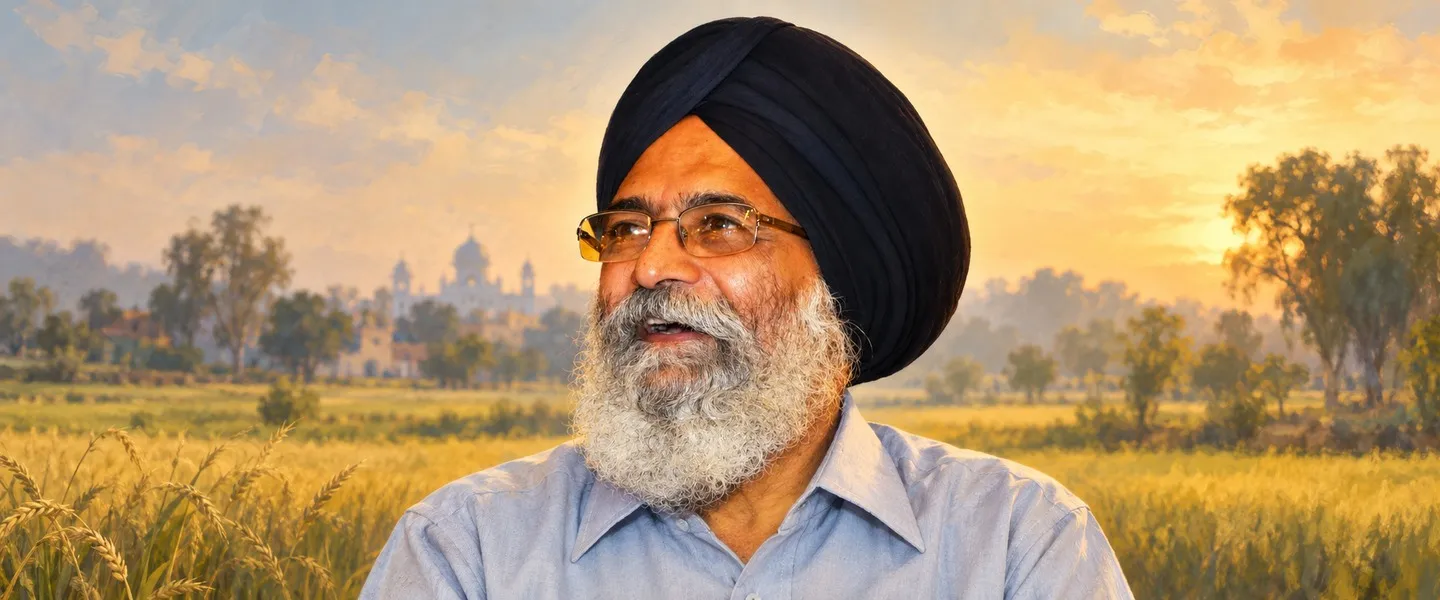
Surjit Patar was born Surjit Hunjan on 14 January 1945 in Pattar Kalan village in Jalandhar district, and took his pen name from his village. He graduated from Randhir College, Kapurthala, took a master's degree at Punjabi University, Patiala, and a PhD at Guru Nanak Dev University, Amritsar, on the transformation of folklore in Guru Nanak's bani. He retired as Professor of Punjabi at Punjab Agricultural University, Ludhiana. He began writing poetry in the mid 1960s. His collections before this one include Hawa Vich Likhe Harf, a book of 51 ghazals published in 1979, and the twin collections of 1992, Birkh Arz Kare and Hanere Vich Sulagdi Varnmala, the second of which won the Sahitya Akademi Award in 1993. He translated Lorca, Girish Karnad, Brecht and Neruda into Punjabi, served as president of the Punjabi Sahit Akademi and the Punjab Arts Council, and received the Padma Shri in 2012. He died in Ludhiana on 11 May 2024, aged 79.
The Saraswati Samman
The Saraswati Samman, instituted by the K.K. Birla Foundation, honours an outstanding literary work in an Indian language published in the previous ten years, and it is counted among the most prestigious literary awards in India. Patar received it for 2009, for this collection. The award placed Lafzan Di Dargah in rare company: a book of Punjabi poems, judged against the best writing in every scheduled language of India, and chosen. For a collection whose subject is the fate of the Punjabi language itself, the honour carried a meaning beyond its author: the court of words had been heard in Delhi.
Why does Lafzan Di Dargah still matter?
Because its question is now asked in Brampton and Southall as loudly as in Ludhiana: what happens to a mother tongue when the schools, the jobs and the screens all reward another language? Patar asked it first about his own mother, in poems a general reader can carry whole in memory, and he asked it without bitterness, in the voice that made him the most loved Punjabi poet of his generation. Lafzan Di Dargah completes the shelf of his major collections in this Kosh, beside Hawa Vich Likhe Harf, Birkh Arz Kare and Hanere Vich Sulagdi Varnmala, and it is the right door through which new readers should enter his work.
ਕਿਤਾਬ ਬਾਰੇ
ਲਫ਼ਜ਼ਾਂ ਦੀ ਦਰਗਾਹ ਸੁਰਜੀਤ ਪਾਤਰ ਦਾ ਪੰਜਾਬੀ ਕਾਵਿ ਸੰਗ੍ਰਹਿ ਹੈ, ਜੋ 1999 ਵਿੱਚ ਛਪਿਆ, ਉਸ ਸਾਲ ਜਿਸ ਵਿੱਚ ਪੰਜਾਬ ਨੇ ਖਾਲਸਾ ਪੰਥ ਦੀ ਸਾਜਨਾ ਦੇ ਤਿੰਨ ਸੌ ਸਾਲ ਮਨਾਏ। ਇਸ ਦੇ ਸਿਰਲੇਖ ਦਾ ਅਰਥ ਹੈ ਸ਼ਬਦਾਂ ਦਾ ਅਸਥਾਨ, ਅਤੇ ਇਸ ਨੂੰ ਸ਼ਬਦਾਂ ਦੀ ਕਚਹਿਰੀ ਵਜੋਂ ਵੀ ਪੜ੍ਹਿਆ ਜਾਂਦਾ ਹੈ: ਉਹ ਥਾਂ ਜਿਥੇ ਕਵੀ ਆਪਣਾ ਮੁਕੱਦਮਾ ਲੈ ਕੇ ਜਾਂਦਾ ਹੈ ਜਦੋਂ ਹਰ ਹੋਰ ਦਰਵਾਜ਼ਾ ਬੰਦ ਹੋ ਜਾਵੇ। ਇਸ ਸੰਗ੍ਰਹਿ ਵਿੱਚ 73 ਕਵਿਤਾਵਾਂ ਹਨ, ਅਤੇ ਇਸ ਦੇ ਛਪਣ ਤੋਂ ਦਸ ਸਾਲ ਬਾਅਦ ਇਸ ਨੇ ਆਪਣੇ ਲੇਖਕ ਨੂੰ 2009 ਦਾ ਸਰਸਵਤੀ ਸਨਮਾਨ ਦਿਵਾਇਆ, ਜੋ ਕੇ.ਕੇ. ਬਿਰਲਾ ਫਾਊਂਡੇਸ਼ਨ ਵੱਲੋਂ ਦਿੱਤਾ ਜਾਣ ਵਾਲਾ ਭਾਰਤ ਦੇ ਸਭ ਤੋਂ ਉੱਚੇ ਸਾਹਿਤਕ ਸਨਮਾਨਾਂ ਵਿੱਚੋਂ ਇੱਕ ਹੈ।
ਪਾਤਰ ਕਿਤਾਬ ਦਾ ਵਿਚਾਰ ਇਸ ਦੀ ਭੂਮਿਕਾ ਵਿੱਚ ਰੱਖਦਾ ਹੈ, ਉਨ੍ਹਾਂ ਸਤਰਾਂ ਵਿੱਚ ਜਿਨ੍ਹਾਂ ਨੂੰ ਉਸ ਦੇ ਪਾਠਕ ਉਸ ਨੂੰ ਮੁੜ ਮੁੜ ਸੁਣਾਉਂਦੇ ਹਨ: ਮੇਰੀ ਪੀੜ ਨੂੰ ਗੀਤ ਵਿੱਚ ਢਾਲਣਾ ਮੇਰੀ ਮੁਕਤੀ ਦਾ ਰਾਹ ਹੈ, ਅਤੇ ਜੇ ਬਾਕੀ ਦਰਵਾਜ਼ੇ ਬੰਦ ਹੋਣ, ਤਾਂ ਇਹ ਰਿਹਾ ਸ਼ਬਦਾਂ ਦੀ ਕਚਹਿਰੀ ਦਾ ਦਰਵਾਜ਼ਾ। ਇਸ ਲਈ ਸਿਰਲੇਖ ਵਾਲੀ ਦਰਗਾਹ ਕੋਈ ਇਮਾਰਤ ਨਹੀਂ ਹੈ। ਇਹ ਕਵਿਤਾ ਆਪ ਹੈ, ਜਿਸ ਨੂੰ ਉਹ ਇੱਕੋ ਅਸਥਾਨ, ਅਤੇ ਇੱਕੋ ਕਚਹਿਰੀ ਮੰਨਦਾ ਹੈ, ਜੋ ਕਿਸੇ ਪੰਜਾਬੀ ਨੂੰ ਮੋੜ ਨਹੀਂ ਸਕਦੀ।
ਲਫ਼ਜ਼ਾਂ ਦੀ ਦਰਗਾਹ ਕਿਸ ਬਾਰੇ ਹੈ?
ਇਹ ਸ਼ਬਦਾਂ ਬਾਰੇ ਆਪ ਹੈ: ਮਾਂ ਬੋਲੀ ਦੀ ਕੀ ਕੀਮਤ ਹੈ, ਇਸ ਨੂੰ ਰੱਖਣ ਦਾ ਹੱਕ ਕਿਸ ਨੂੰ ਹੈ, ਅਤੇ ਜਦੋਂ ਇਹ ਹੱਥੋਂ ਖਿਸਕ ਜਾਵੇ ਤਾਂ ਕੀ ਮੁੱਲ ਤਾਰਨਾ ਪੈਂਦਾ ਹੈ। ਕਵਿਤਾਵਾਂ ਮੁੜ ਮੁੜ ਭਾਸ਼ਾ ਵੱਲ ਪਰਤਦੀਆਂ ਹਨ। ਇੱਕ ਕਵਿਤਾ ਵਿੱਚ ਕਵੀ ਦੀ ਆਪਣੀ ਮਾਂ ਉਸ ਦੀ ਕਵਿਤਾ ਨਹੀਂ ਸਮਝ ਸਕੀ, ਹਾਲਾਂਕਿ ਉਹ ਉਸ ਦੀ ਮਾਂ ਬੋਲੀ ਵਿੱਚ ਲਿਖੀ ਸੀ। ਇੱਕ ਹੋਰ ਕਵਿਤਾ, ਆਇਆ ਨੰਦ ਕਿਸ਼ੋਰ, ਵਿੱਚ ਉਹ ਭਾਸ਼ਾ ਅਤੇ ਰੋਜ਼ੀ ਰੋਟੀ ਦੇ ਨੇੜਲੇ ਰਿਸ਼ਤੇ ਵੱਲ ਨਰਮ ਵਿਅੰਗ ਨਾਲ ਵੇਖਦਾ ਹੈ। ਮੇਰੀ ਜਾਤ ਵਿੱਚ ਆਪਣੀ ਜਾਤ ਦੱਸਣਾ ਉਸ ਨੂੰ, ਉਸ ਦੇ ਆਪਣੇ ਕਹਿਣ ਅਨੁਸਾਰ, ਜ਼ਬਾਨ ਬੰਨ੍ਹ ਦਿੰਦਾ ਹੈ। ਸ਼ਬਦਾਂ ਦੇ ਨਾਂ ਵਾਲੀ ਕਿਤਾਬ ਮੁੜ ਮੁੜ ਪੁੱਛਦੀ ਹੈ ਕਿ ਸ਼ਬਦ ਉਨ੍ਹਾਂ ਨੂੰ ਬੋਲਣ ਵਾਲਿਆਂ ਨਾਲ ਕੀ ਕਰਦੇ ਹਨ।
ਵਿਸ਼ੇ: ਮਾਂ ਬੋਲੀ ਮੁਕੱਦਮੇ ਵਿੱਚ
1999 ਤੱਕ ਪਾਤਰ ਪੰਜਾਬ ਦੇ ਸਭ ਤੋਂ ਕਾਲੇ ਸਾਲਾਂ ਦੀਆਂ ਕਵਿਤਾਵਾਂ ਲਿਖ ਚੁੱਕਾ ਸੀ, ਅਤੇ ਇਹ ਸੰਗ੍ਰਹਿ ਇੱਕ ਸ਼ਾਂਤ, ਵੱਧ ਸੋਚਵਾਨ ਲਹਿਜੇ ਵਿੱਚ ਬੋਲਦਾ ਹੈ: ਵਿਰਲਾਪ ਦੀ ਥਾਂ ਵਿਅੰਗ, ਉਹ ਮੁਸਕਰਾਹਟ ਜਿਸ ਵਿੱਚ ਇਲਜ਼ਾਮ ਲੁਕਿਆ ਹੁੰਦਾ ਹੈ। ਸ਼ਬਦਾਂ ਦੀ ਕਚਹਿਰੀ ਉਹ ਮੁਕੱਦਮੇ ਸੁਣਦੀ ਹੈ ਜੋ ਕੋਈ ਹੋਰ ਕਚਹਿਰੀ ਨਹੀਂ ਸੁਣਦੀ। ਇੱਕ ਮਾਂ ਜੋ ਆਪਣੇ ਪੁੱਤਰ ਦੀ ਕਵਿਤਾ ਨਹੀਂ ਪੜ੍ਹ ਸਕਦੀ, ਇੱਕ ਪਰਵਾਸੀ ਜਿਸ ਦਾ ਨਾਂ ਪੰਜਾਬੀ ਕਵਿਤਾ ਬਣ ਜਾਂਦਾ ਹੈ, ਇੱਕ ਬੰਦਾ ਜੋ ਆਪਣੀ ਜਾਤ ਦੇ ਸਵਾਲ ਉੱਤੇ ਰੁਕ ਜਾਂਦਾ ਹੈ: ਹਰ ਇੱਕ ਛੋਟੀ ਸੁਣਵਾਈ ਹੈ, ਅਤੇ ਕਿਤਾਬ ਜੋ ਫੈਸਲਾ ਮੁੜ ਮੁੜ ਸੁਣਾਉਂਦੀ ਹੈ ਉਹ ਇਹ ਹੈ ਕਿ ਕਿਸੇ ਕੌਮ ਦੀ ਭਾਸ਼ਾ ਉਸ ਦੀ ਜ਼ਿੰਦਗੀ ਉੱਤੇ ਸਜਾਵਟ ਨਹੀਂ, ਉਸ ਦੀ ਬੁਨਿਆਦ ਹੈ। ਸ਼ਬਦ ਗੁਆ ਦਿਓ, ਕਵਿਤਾਵਾਂ ਕਹਿੰਦੀਆਂ ਹਨ, ਅਤੇ ਅਸਥਾਨ ਖਾਲੀ ਖੜ੍ਹਾ ਰਹਿ ਜਾਵੇਗਾ।
ਲੇਖਕ
ਸੁਰਜੀਤ ਪਾਤਰ ਦਾ ਜਨਮ ਸੁਰਜੀਤ ਹੁੰਝਣ ਵਜੋਂ 14 ਜਨਵਰੀ 1945 ਨੂੰ ਜਲੰਧਰ ਜ਼ਿਲ੍ਹੇ ਦੇ ਪਿੰਡ ਪੱਤੜ ਕਲਾਂ ਵਿੱਚ ਹੋਇਆ, ਅਤੇ ਉਸ ਨੇ ਆਪਣਾ ਕਲਮੀ ਨਾਂ ਆਪਣੇ ਪਿੰਡ ਤੋਂ ਲਿਆ। ਉਸ ਨੇ ਰਣਧੀਰ ਕਾਲਜ, ਕਪੂਰਥਲਾ ਤੋਂ ਗ੍ਰੈਜੂਏਸ਼ਨ ਕੀਤੀ, ਪੰਜਾਬੀ ਯੂਨੀਵਰਸਿਟੀ, ਪਟਿਆਲਾ ਤੋਂ ਐਮ.ਏ. ਕੀਤੀ, ਅਤੇ ਗੁਰੂ ਨਾਨਕ ਦੇਵ ਯੂਨੀਵਰਸਿਟੀ, ਅੰਮ੍ਰਿਤਸਰ ਤੋਂ ਗੁਰੂ ਨਾਨਕ ਬਾਣੀ ਵਿੱਚ ਲੋਕਧਾਰਾ ਦੇ ਰੂਪਾਂਤਰਨ ਉੱਤੇ ਪੀ.ਐਚ.ਡੀ. ਕੀਤੀ। ਉਹ ਪੰਜਾਬ ਐਗਰੀਕਲਚਰਲ ਯੂਨੀਵਰਸਿਟੀ, ਲੁਧਿਆਣਾ ਵਿੱਚ ਪੰਜਾਬੀ ਦੇ ਪ੍ਰੋਫੈਸਰ ਵਜੋਂ ਸੇਵਾਮੁਕਤ ਹੋਇਆ। ਉਸ ਨੇ 1960ਵਿਆਂ ਦੇ ਮੱਧ ਵਿੱਚ ਕਵਿਤਾ ਲਿਖਣੀ ਸ਼ੁਰੂ ਕੀਤੀ। ਇਸ ਤੋਂ ਪਹਿਲਾਂ ਦੇ ਉਸ ਦੇ ਸੰਗ੍ਰਹਿਆਂ ਵਿੱਚ ਹਵਾ ਵਿੱਚ ਲਿਖੇ ਹਰਫ਼, 1979 ਵਿੱਚ ਛਪੀ 51 ਗ਼ਜ਼ਲਾਂ ਦੀ ਕਿਤਾਬ, ਅਤੇ 1992 ਦੇ ਦੋ ਸੰਗ੍ਰਹਿ, ਬਿਰਖ ਅਰਜ਼ ਕਰੇ ਅਤੇ ਹਨੇਰੇ ਵਿੱਚ ਸੁਲਗਦੀ ਵਰਣਮਾਲਾ ਸ਼ਾਮਲ ਹਨ, ਜਿਨ੍ਹਾਂ ਵਿੱਚੋਂ ਦੂਜੇ ਨੇ 1993 ਵਿੱਚ ਸਾਹਿਤ ਅਕਾਦਮੀ ਇਨਾਮ ਜਿੱਤਿਆ। ਉਸ ਨੇ ਲੋਰਕਾ, ਗਿਰੀਸ਼ ਕਰਨਾਡ, ਬ੍ਰੈਖਤ ਅਤੇ ਨੇਰੂਦਾ ਦਾ ਪੰਜਾਬੀ ਵਿੱਚ ਅਨੁਵਾਦ ਕੀਤਾ, ਪੰਜਾਬੀ ਸਾਹਿਤ ਅਕਾਦਮੀ ਅਤੇ ਪੰਜਾਬ ਕਲਾ ਪ੍ਰੀਸ਼ਦ ਦਾ ਪ੍ਰਧਾਨ ਰਿਹਾ, ਅਤੇ 2012 ਵਿੱਚ ਪਦਮ ਸ਼੍ਰੀ ਮਿਲਿਆ। ਉਸ ਦਾ ਦੇਹਾਂਤ 11 ਮਈ 2024 ਨੂੰ ਲੁਧਿਆਣੇ ਵਿੱਚ 79 ਸਾਲ ਦੀ ਉਮਰ ਵਿੱਚ ਹੋਇਆ।
ਸਰਸਵਤੀ ਸਨਮਾਨ
ਸਰਸਵਤੀ ਸਨਮਾਨ, ਜੋ ਕੇ.ਕੇ. ਬਿਰਲਾ ਫਾਊਂਡੇਸ਼ਨ ਨੇ ਸ਼ੁਰੂ ਕੀਤਾ, ਪਿਛਲੇ ਦਸ ਸਾਲਾਂ ਵਿੱਚ ਛਪੀ ਕਿਸੇ ਭਾਰਤੀ ਭਾਸ਼ਾ ਦੀ ਉੱਤਮ ਸਾਹਿਤਕ ਰਚਨਾ ਨੂੰ ਸਨਮਾਨਿਤ ਕਰਦਾ ਹੈ, ਅਤੇ ਇਹ ਭਾਰਤ ਦੇ ਸਭ ਤੋਂ ਵੱਕਾਰੀ ਸਾਹਿਤਕ ਇਨਾਮਾਂ ਵਿੱਚ ਗਿਣਿਆ ਜਾਂਦਾ ਹੈ। ਪਾਤਰ ਨੂੰ ਇਹ 2009 ਲਈ, ਇਸੇ ਸੰਗ੍ਰਹਿ ਲਈ ਮਿਲਿਆ। ਇਸ ਇਨਾਮ ਨੇ ਲਫ਼ਜ਼ਾਂ ਦੀ ਦਰਗਾਹ ਨੂੰ ਦੁਰਲੱਭ ਸੰਗਤ ਵਿੱਚ ਰੱਖ ਦਿੱਤਾ: ਪੰਜਾਬੀ ਕਵਿਤਾਵਾਂ ਦੀ ਇੱਕ ਕਿਤਾਬ, ਜਿਸ ਨੂੰ ਭਾਰਤ ਦੀ ਹਰ ਮਾਨਤਾ ਪ੍ਰਾਪਤ ਭਾਸ਼ਾ ਦੀ ਸਭ ਤੋਂ ਵਧੀਆ ਲਿਖਤ ਨਾਲ ਤੋਲਿਆ ਗਿਆ, ਅਤੇ ਚੁਣਿਆ ਗਿਆ। ਇੱਕ ਅਜਿਹੇ ਸੰਗ੍ਰਹਿ ਲਈ ਜਿਸ ਦਾ ਵਿਸ਼ਾ ਪੰਜਾਬੀ ਭਾਸ਼ਾ ਦੀ ਆਪਣੀ ਹੋਣੀ ਹੈ, ਇਸ ਸਨਮਾਨ ਦਾ ਅਰਥ ਇਸ ਦੇ ਲੇਖਕ ਤੋਂ ਅੱਗੇ ਜਾਂਦਾ ਸੀ: ਸ਼ਬਦਾਂ ਦੀ ਕਚਹਿਰੀ ਦੀ ਸੁਣਵਾਈ ਦਿੱਲੀ ਵਿੱਚ ਹੋਈ ਸੀ।
ਲਫ਼ਜ਼ਾਂ ਦੀ ਦਰਗਾਹ ਅੱਜ ਵੀ ਮਹੱਤਵਪੂਰਨ ਕਿਉਂ ਹੈ?
ਕਿਉਂਕਿ ਇਸ ਦਾ ਸਵਾਲ ਹੁਣ ਬਰੈਂਪਟਨ ਅਤੇ ਸਾਊਥਾਲ ਵਿੱਚ ਓਨਾ ਹੀ ਉੱਚੀ ਪੁੱਛਿਆ ਜਾਂਦਾ ਹੈ ਜਿੰਨਾ ਲੁਧਿਆਣੇ ਵਿੱਚ: ਜਦੋਂ ਸਕੂਲ, ਨੌਕਰੀਆਂ ਅਤੇ ਪਰਦੇ ਸਭ ਦੂਜੀ ਭਾਸ਼ਾ ਨੂੰ ਇਨਾਮ ਦੇਣ, ਤਾਂ ਮਾਂ ਬੋਲੀ ਦਾ ਕੀ ਬਣਦਾ ਹੈ? ਪਾਤਰ ਨੇ ਇਹ ਸਭ ਤੋਂ ਪਹਿਲਾਂ ਆਪਣੀ ਮਾਂ ਬਾਰੇ ਪੁੱਛਿਆ, ਉਨ੍ਹਾਂ ਕਵਿਤਾਵਾਂ ਵਿੱਚ ਜੋ ਆਮ ਪਾਠਕ ਪੂਰੀਆਂ ਯਾਦ ਰੱਖ ਸਕਦਾ ਹੈ, ਅਤੇ ਉਸ ਨੇ ਇਹ ਕੁੜੱਤਣ ਤੋਂ ਬਿਨਾਂ ਪੁੱਛਿਆ, ਉਸ ਆਵਾਜ਼ ਵਿੱਚ ਜਿਸ ਨੇ ਉਸ ਨੂੰ ਆਪਣੀ ਪੀੜ੍ਹੀ ਦਾ ਸਭ ਤੋਂ ਪਿਆਰਾ ਪੰਜਾਬੀ ਕਵੀ ਬਣਾਇਆ। ਲਫ਼ਜ਼ਾਂ ਦੀ ਦਰਗਾਹ ਇਸ ਕੋਸ਼ ਵਿੱਚ ਉਸ ਦੇ ਵੱਡੇ ਸੰਗ੍ਰਹਿਆਂ ਦੀ ਕਤਾਰ ਮੁਕੰਮਲ ਕਰਦੀ ਹੈ, ਹਵਾ ਵਿੱਚ ਲਿਖੇ ਹਰਫ਼, ਬਿਰਖ ਅਰਜ਼ ਕਰੇ ਅਤੇ ਹਨੇਰੇ ਵਿੱਚ ਸੁਲਗਦੀ ਵਰਣਮਾਲਾ ਦੇ ਨਾਲ, ਅਤੇ ਇਹੀ ਉਹ ਦਰਵਾਜ਼ਾ ਹੈ ਜਿਸ ਰਾਹੀਂ ਨਵੇਂ ਪਾਠਕਾਂ ਨੂੰ ਉਸ ਦੇ ਕੰਮ ਵਿੱਚ ਦਾਖਲ ਹੋਣਾ ਚਾਹੀਦਾ ਹੈ।
Editions and translations
- Lafzan Di DargahPunjabi · Gurmukhi · original, 1999Original
The author
Connected
More to read
Sources (3)
Jugti is free and independent. Reader support keeps the Kosh growing.
Support