
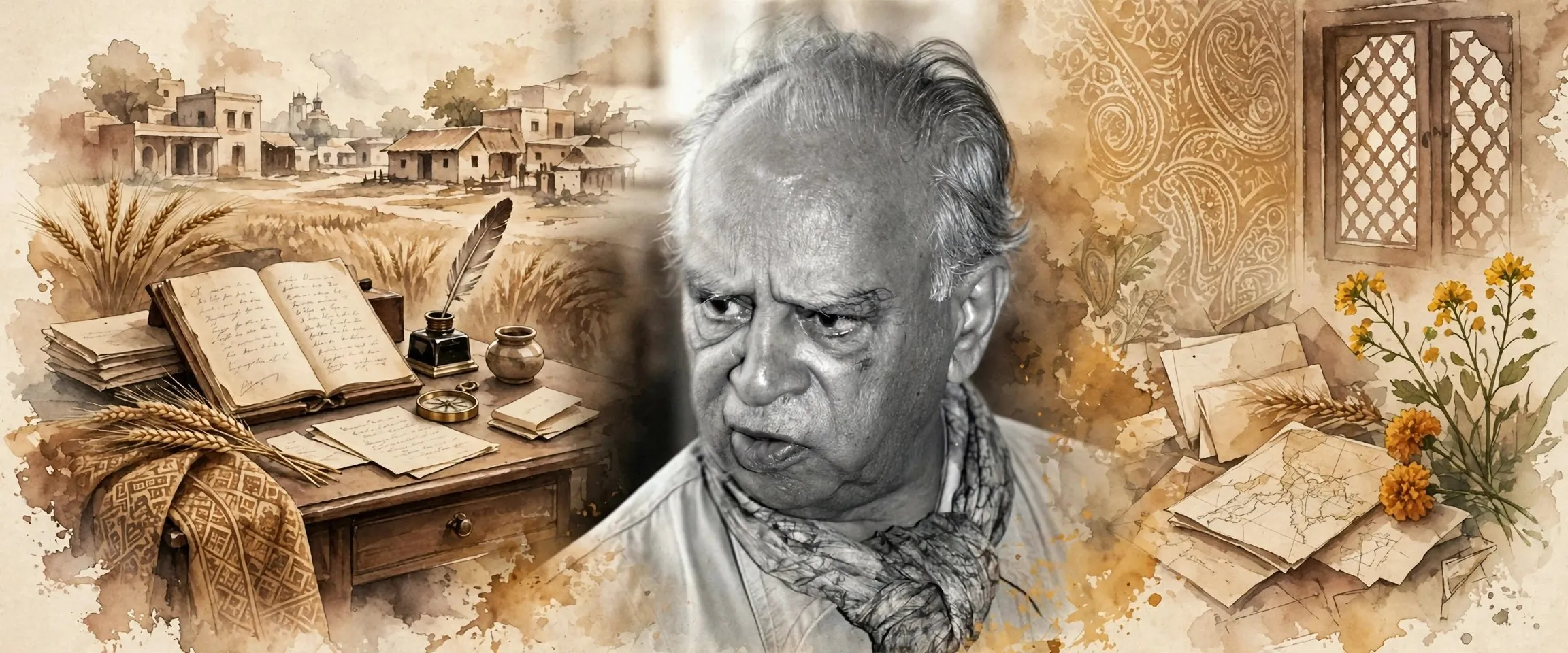
Lament on the Death of a Master of Arts (1939) is Mulk Raj Anand's short novel about Nur, a young graduate dying of tuberculosis, who lives his last day in bed, visited by his friend Gama, and remembers his childhood, his schooling and his failed search for a job. Told through stream of consciousness, it is Anand's most lyrical short work, praised by critics for its honest portrait of a dying man.
English- Punjabi name
- ਲਮੈਂਟ ਆਨ ਦ ਡੈਥ ਆਫ਼ ਅ ਮਾਸਟਰ ਆਫ਼ ਆਰਟਸ
- Author
- Mulk Raj Anand
- Published
- 1939
- Publisher
- Naya Sansar, Lucknow
- Reissue
- Orient Paperbacks, 1967
- Language
- English
All 11 facts
- Form
- Novel (novelette)
- Protagonist
- Nur, a Master of Arts dying of tuberculosis
- Setting
- Nur's sickroom, over a single day
- Technique
- Stream of consciousness
- Critical praise
- K. N. Sinha called it Anand's most powerful lyrical novel
Characters
About the book
Lament on the Death of a Master of Arts, first published in Lucknow by Naya Sansar in 1939, is a short novel, or novelette, by Mulk Raj Anand. It appeared between his early masterpieces: four years after Untouchable (1935) and in the same year as The Village and Across the Black Waters. It was reissued by Orient Paperbacks in 1967, and it is the book in which Anand worked most freely with the stream of consciousness technique.
The book is short, but critics have rated it highly. K. N. Sinha, who wrote the first full critical study of Anand, called it a highly powerful lyrical novel which surpasses all the novels of Anand in its deep and authentic search for illumination. It is not Anand's most famous book, but it is the one his admirers return to for its feeling and its craft.
What happens in the novel?
The whole novel takes place in a single day, the last day of Nur's life. Nur is a young man with a Master of Arts degree who has been bedridden for five months with tuberculosis. He rises in the morning, and by the afternoon his soul, as the critic Aradhana Mukherjee puts it, flies away from the cage of his body. Almost nothing happens on the outside. Nur stays in bed. Relatives visit him, his doctor comes, and his friend Gama, an old classmate, arrives with a basket of fruit.
Everything that matters happens inside Nur's mind. As his body weakens, his memories come in a rush: his grandmother's story about his childhood, his mother who died when he was five, the stepmother who was barely older than he was, and the fear of his primary school teacher's rod. The narrator describes his wasted body in unsparing detail: the sunken eyes, the hollow cheeks, the ribs rising out of his transparent flesh like dry roots.
The visit from Gama is the centre of the book. Gama is less educated than Nur, and he works as a tonga driver, but he is the successful one of the two. The friends argue about education. Gama calls it a waste of time, and Nur defends it, saying education means wisdom, and wisdom is the growth of body and mind together. Yet Nur's own story proves Gama's point: he has the degree and no job, while Gama earns his living.
ਕਿਤਾਬ ਬਾਰੇ
ਲਮੈਂਟ ਆਨ ਦ ਡੈਥ ਆਫ਼ ਅ ਮਾਸਟਰ ਆਫ਼ ਆਰਟਸ ਪਹਿਲੀ ਵਾਰ 1939 ਵਿੱਚ ਲਖਨਊ ਤੋਂ ਨਯਾ ਸੰਸਾਰ ਵੱਲੋਂ ਛਪੀ ਸੀ। ਇਹ ਮੁਲਕ ਰਾਜ ਆਨੰਦ ਦਾ ਛੋਟਾ ਨਾਵਲ ਜਾਂ ਨਾਵਲੈੱਟ ਹੈ। ਇਹ ਉਸ ਦੀਆਂ ਮੁੱਢਲੀਆਂ ਮਹਾਨ ਰਚਨਾਵਾਂ ਵਿਚਕਾਰ ਆਈ: ਅਨਟਚੇਬਲ (1935) ਤੋਂ ਚਾਰ ਸਾਲ ਬਾਅਦ ਅਤੇ ਉਸੇ ਸਾਲ ਜਿਸ ਸਾਲ ਦ ਵਿਲੇਜ ਅਤੇ ਅਕਰੌਸ ਦ ਬਲੈਕ ਵਾਟਰਜ਼ ਆਈਆਂ। 1967 ਵਿੱਚ ਓਰੀਐਂਟ ਪੇਪਰਬੈਕਸ ਨੇ ਇਸ ਨੂੰ ਫਿਰ ਛਾਪਿਆ, ਅਤੇ ਇਹ ਉਹ ਕਿਤਾਬ ਹੈ ਜਿਸ ਵਿੱਚ ਆਨੰਦ ਨੇ ਚੇਤਨਾ-ਧਾਰਾ ਦੀ ਸ਼ੈਲੀ ਨੂੰ ਸਭ ਤੋਂ ਖੁੱਲ੍ਹ ਕੇ ਵਰਤਿਆ।
ਕਿਤਾਬ ਛੋਟੀ ਹੈ, ਪਰ ਆਲੋਚਕਾਂ ਨੇ ਇਸ ਨੂੰ ਉੱਚਾ ਦਰਜਾ ਦਿੱਤਾ ਹੈ। ਕੇ. ਐਨ. ਸਿਨਹਾ, ਜਿਸ ਨੇ ਆਨੰਦ ਉੱਤੇ ਪਹਿਲਾ ਪੂਰਾ ਆਲੋਚਨਾਤਮਕ ਅਧਿਐਨ ਲਿਖਿਆ, ਨੇ ਇਸ ਨੂੰ ਇੱਕ ਬਹੁਤ ਸ਼ਕਤੀਸ਼ਾਲੀ ਸੰਗੀਤਕ ਨਾਵਲ ਕਿਹਾ, ਜੋ ਆਨੰਦ ਦੇ ਸਾਰੇ ਨਾਵਲਾਂ ਤੋਂ ਵੱਧ ਗਹਿਰੀ ਅਤੇ ਸੱਚੀ ਰੋਸ਼ਨੀ ਦੀ ਭਾਲ ਕਰਦਾ ਹੈ। ਇਹ ਆਨੰਦ ਦੀ ਸਭ ਤੋਂ ਮਸ਼ਹੂਰ ਕਿਤਾਬ ਨਹੀਂ ਹੈ, ਪਰ ਇਹ ਉਹ ਕਿਤਾਬ ਹੈ ਜਿਸ ਵੱਲ ਉਸ ਦੇ ਪ੍ਰਸ਼ੰਸਕ ਇਸ ਦੇ ਭਾਵ ਅਤੇ ਇਸ ਦੀ ਕਲਾ ਲਈ ਮੁੜਦੇ ਹਨ।
ਨਾਵਲ ਵਿੱਚ ਕੀ ਵਾਪਰਦਾ ਹੈ?
ਪੂਰਾ ਨਾਵਲ ਇੱਕੋ ਦਿਨ ਵਿੱਚ ਵਾਪਰਦਾ ਹੈ, ਨੂਰ ਦੀ ਜ਼ਿੰਦਗੀ ਦੇ ਆਖ਼ਰੀ ਦਿਨ। ਨੂਰ ਇੱਕ ਨੌਜਵਾਨ ਹੈ ਜਿਸ ਕੋਲ ਮਾਸਟਰ ਆਫ਼ ਆਰਟਸ ਦੀ ਡਿਗਰੀ ਹੈ ਅਤੇ ਜੋ ਪੰਜ ਮਹੀਨਿਆਂ ਤੋਂ ਤਪਦਿਕ ਨਾਲ ਬਿਸਤਰੇ ਵਿੱਚ ਪਿਆ ਹੈ। ਉਹ ਸਵੇਰੇ ਉੱਠਦਾ ਹੈ, ਅਤੇ ਦੁਪਹਿਰ ਤੱਕ ਉਸ ਦੀ ਆਤਮਾ, ਜਿਵੇਂ ਆਲੋਚਕ ਅਰਾਧਨਾ ਮੁਖਰਜੀ ਕਹਿੰਦੀ ਹੈ, ਉਸ ਦੇ ਸਰੀਰ ਦੇ ਪਿੰਜਰੇ ਵਿੱਚੋਂ ਉੱਡ ਜਾਂਦੀ ਹੈ। ਬਾਹਰ ਲਗਭਗ ਕੁਝ ਨਹੀਂ ਵਾਪਰਦਾ। ਨੂਰ ਬਿਸਤਰੇ ਵਿੱਚ ਰਹਿੰਦਾ ਹੈ। ਰਿਸ਼ਤੇਦਾਰ ਉਸ ਨੂੰ ਮਿਲਣ ਆਉਂਦੇ ਹਨ, ਉਸ ਦਾ ਡਾਕਟਰ ਆਉਂਦਾ ਹੈ, ਅਤੇ ਉਸ ਦਾ ਦੋਸਤ ਗਾਮਾ, ਇੱਕ ਪੁਰਾਣਾ ਜਮਾਤੀ, ਫਲਾਂ ਦੀ ਟੋਕਰੀ ਲੈ ਕੇ ਆਉਂਦਾ ਹੈ।
ਜੋ ਕੁਝ ਮਹੱਤਵਪੂਰਨ ਹੈ, ਉਹ ਸਭ ਨੂਰ ਦੇ ਮਨ ਵਿੱਚ ਵਾਪਰਦਾ ਹੈ। ਜਿਵੇਂ-ਜਿਵੇਂ ਉਸ ਦਾ ਸਰੀਰ ਕਮਜ਼ੋਰ ਹੁੰਦਾ ਹੈ, ਉਸ ਦੀਆਂ ਯਾਦਾਂ ਭਰ ਆਉਂਦੀਆਂ ਹਨ: ਉਸ ਦੀ ਦਾਦੀ ਦੀ ਕਹਾਣੀ, ਉਸ ਦੀ ਮਾਂ ਜੋ ਉਸ ਦੇ ਪੰਜ ਸਾਲ ਦੇ ਹੋਣ ਤੇ ਮਰ ਗਈ ਸੀ, ਉਸ ਦੀ ਮਤਰੇਈ ਮਾਂ ਜੋ ਉਸ ਤੋਂ ਮਸਾਂ ਹੀ ਵੱਡੀ ਸੀ, ਅਤੇ ਉਸ ਦੇ ਪ੍ਰਾਇਮਰੀ ਸਕੂਲ ਦੇ ਅਧਿਆਪਕ ਦੀ ਛੜੀ ਦਾ ਡਰ। ਬਿਆਨਕਾਰ ਉਸ ਦੇ ਸੁੱਕੇ ਸਰੀਰ ਦਾ ਬਿਨਾਂ ਕਿਸੇ ਨਰਮੀ ਦੇ ਵਰਣਨ ਕਰਦਾ ਹੈ: ਧਸੀਆਂ ਅੱਖਾਂ, ਖਾਲੀ ਗੱਲ੍ਹਾਂ, ਅਤੇ ਪਸਲੀਆਂ ਜੋ ਉਸ ਦੇ ਪਾਰਦਰਸ਼ੀ ਮਾਸ ਵਿੱਚੋਂ ਸੁੱਕੀਆਂ ਜੜ੍ਹਾਂ ਵਾਂਗ ਉੱਭਰਦੀਆਂ ਹਨ।
ਗਾਮੇ ਦੀ ਮੁਲਾਕਾਤ ਕਿਤਾਬ ਦਾ ਕੇਂਦਰ ਹੈ। ਗਾਮਾ ਨੂਰ ਨਾਲੋਂ ਘੱਟ ਪੜ੍ਹਿਆ ਹੈ, ਅਤੇ ਟਾਂਗਾ ਚਲਾਉਂਦਾ ਹੈ, ਪਰ ਦੋਵਾਂ ਵਿੱਚੋਂ ਕਾਮਯਾਬ ਉਹੀ ਹੈ। ਦੋਸਤ ਸਿੱਖਿਆ ਬਾਰੇ ਬਹਿਸ ਕਰਦੇ ਹਨ। ਗਾਮਾ ਇਸ ਨੂੰ ਸਮੇਂ ਦੀ ਬਰਬਾਦੀ ਕਹਿੰਦਾ ਹੈ, ਅਤੇ ਨੂਰ ਇਸ ਦਾ ਬਚਾਅ ਕਰਦਾ ਹੈ, ਕਹਿੰਦਾ ਹੈ ਕਿ ਸਿੱਖਿਆ ਦਾ ਮਤਲਬ ਬੁੱਧੀ ਹੈ, ਅਤੇ ਬੁੱਧੀ ਸਰੀਰ ਤੇ ਮਨ ਦੇ ਇਕੱਠੇ ਵਾਧੇ ਦਾ ਨਾਂ ਹੈ। ਪਰ ਨੂਰ ਦੀ ਆਪਣੀ ਕਹਾਣੀ ਹੀ ਗਾਮੇ ਦੀ ਗੱਲ ਸਾਬਤ ਕਰਦੀ ਹੈ: ਉਸ ਕੋਲ ਡਿਗਰੀ ਹੈ ਅਤੇ ਕੋਈ ਨੌਕਰੀ ਨਹੀਂ, ਜਦੋਂ ਕਿ ਗਾਮਾ ਆਪਣੀ ਰੋਜ਼ੀ ਕਮਾਉਂਦਾ ਹੈ।
Nur tells Gama about his interview in Patiala, where he failed to get a government post. He believes the panel rejected him because he was a confectioner's son, a man of no family and no influence, and he says jobs go to those with smartness, good appearance, pedigree and recommendations, not to those with qualifications. His father has rejected him too, and by the end of the day Nur has lost the will to live, wanting, in the novel's words, to die and escape into the greater freedom of the divines.
Themes
The first theme is education without opportunity. Nur did everything his society asked: he studied, he earned the highest degree, and it got him nothing. Anand uses him to attack an education system that produces graduates it cannot employ, and a hiring system that rewards birth and connections over merit.
The second is the difference between caste and class. Like Anand's other novels of the period, Lament shows a society where birth decides a man's chances, but Nur's problem is not ritual untouchability. It is class: he is poor, the son of a small sweet-maker, and no degree can buy him entry into the world of the well-connected. The book belongs with Coolie and Two Leaves and a Bud in Anand's portrait of how the poor are kept down.
The third is death itself. Anand writes about dying from the inside, through Nur's own thoughts, rather than from the outside. The stream of consciousness lets the reader feel how a dying man's mind moves between the present and the past, how fear and memory take turns, and how the wish to live gives way, at last, to the wish for release.
The author
Mulk Raj Anand (1905-2004) was born in Peshawar, studied at Khalsa College, Amritsar, and took a PhD in philosophy at Cambridge in 1929. His first novel, Untouchable (1935), about a single day in the life of a sweeper boy, made him one of the founders of Indian writing in English, alongside R. K. Narayan and Raja Rao. Coolie (1936) and Two Leaves and a Bud (1937) followed, all about the poor and the exploited.
Anand was a lifelong socialist and a founder of the Progressive Writers' Association. He founded the art magazine Marg, wrote on Indian art and culture, and received the Padma Bhushan in 1968 and the Sahitya Akademi Award in 1971. He died in Pune on 28 September 2004, aged 98.
Reception and legacy
Lament on the Death of a Master of Arts has never had the fame of Untouchable or Coolie, but it has a steady place in the study of Indian English literature. It is taught and written about as Anand's most concentrated experiment with stream of consciousness, and as the book where his social anger is at its most personal, because the victim is not a sweeper or a coolie but an educated young man like Anand's own readers.
The novel's one-day structure links it to Untouchable, which also follows a single day, and its subject, the educated unemployed, was ahead of its time. When India began producing large numbers of graduates with no jobs to go to, decades after the book was written, Nur's story started to look less like a period piece and more like a warning.
ਨੂਰ ਗਾਮੇ ਨੂੰ ਪਟਿਆਲੇ ਵਿੱਚ ਆਪਣੀ ਇੰਟਰਵਿਊ ਬਾਰੇ ਦੱਸਦਾ ਹੈ, ਜਿੱਥੇ ਉਸ ਨੂੰ ਸਰਕਾਰੀ ਨੌਕਰੀ ਨਹੀਂ ਮਿਲੀ। ਉਹ ਮੰਨਦਾ ਹੈ ਕਿ ਪੈਨਲ ਨੇ ਉਸ ਨੂੰ ਇਸ ਲਈ ਠੁਕਰਾ ਦਿੱਤਾ ਕਿਉਂਕਿ ਉਹ ਇੱਕ ਹਲਵਾਈ ਦਾ ਪੁੱਤਰ ਸੀ, ਬਿਨਾਂ ਕਿਸੇ ਖ਼ਾਨਦਾਨ ਅਤੇ ਸਿਫ਼ਾਰਸ਼ ਦੇ, ਅਤੇ ਉਹ ਕਹਿੰਦਾ ਹੈ ਕਿ ਨੌਕਰੀਆਂ ਯੋਗਤਾ ਦੀ ਬਜਾਏ ਚਲਾਕੀ, ਚੰਗੀ ਦਿੱਖ, ਖ਼ਾਨਦਾਨ ਅਤੇ ਸਿਫ਼ਾਰਸ਼ਾਂ ਵਾਲਿਆਂ ਨੂੰ ਮਿਲਦੀਆਂ ਹਨ। ਉਸ ਦੇ ਪਿਤਾ ਨੇ ਵੀ ਉਸ ਨੂੰ ਠੁਕਰਾ ਦਿੱਤਾ ਹੈ, ਅਤੇ ਦਿਨ ਦੇ ਅੰਤ ਤੱਕ ਨੂਰ ਜਿਉਣ ਦੀ ਇੱਛਾ ਗੁਆ ਬੈਠਦਾ ਹੈ, ਨਾਵਲ ਦੇ ਸ਼ਬਦਾਂ ਵਿੱਚ ਮਰ ਕੇ ਦੈਵੀ ਆਜ਼ਾਦੀ ਵਿੱਚ ਭੱਜਣਾ ਚਾਹੁੰਦਾ ਹੈ।
ਵਿਸ਼ੇ
ਪਹਿਲਾ ਵਿਸ਼ਾ ਬਿਨਾਂ ਮੌਕੇ ਦੀ ਸਿੱਖਿਆ ਹੈ। ਨੂਰ ਨੇ ਉਹ ਸਭ ਕੁਝ ਕੀਤਾ ਜੋ ਉਸ ਦੇ ਸਮਾਜ ਨੇ ਮੰਗਿਆ ਸੀ: ਉਸ ਨੇ ਪੜ੍ਹਾਈ ਕੀਤੀ, ਸਭ ਤੋਂ ਉੱਚੀ ਡਿਗਰੀ ਲਈ, ਅਤੇ ਉਸ ਨੂੰ ਕੁਝ ਨਹੀਂ ਮਿਲਿਆ। ਆਨੰਦ ਉਸ ਰਾਹੀਂ ਸਿੱਖਿਆ ਪ੍ਰਣਾਲੀ ਉੱਤੇ ਹਮਲਾ ਕਰਦਾ ਹੈ, ਜੋ ਅਜਿਹੇ ਗ੍ਰੈਜੂਏਟ ਪੈਦਾ ਕਰਦੀ ਹੈ ਜਿਨ੍ਹਾਂ ਨੂੰ ਉਹ ਨੌਕਰੀ ਨਹੀਂ ਦੇ ਸਕਦੀ, ਅਤੇ ਭਰਤੀ ਪ੍ਰਣਾਲੀ ਉੱਤੇ, ਜੋ ਯੋਗਤਾ ਨਾਲੋਂ ਜਨਮ ਅਤੇ ਸੰਪਰਕ ਨੂੰ ਮਾਣ ਦਿੰਦੀ ਹੈ।
ਦੂਜਾ ਵਿਸ਼ਾ ਜਾਤ ਅਤੇ ਜਮਾਤ ਵਿਚਲਾ ਫ਼ਰਕ ਹੈ। ਆਨੰਦ ਦੇ ਉਸ ਸਮੇਂ ਦੇ ਦੂਜੇ ਨਾਵਲਾਂ ਵਾਂਗ, ਲਮੈਂਟ ਵੀ ਇੱਕ ਅਜਿਹਾ ਸਮਾਜ ਦਿਖਾਉਂਦਾ ਹੈ ਜਿੱਥੇ ਜਨਮ ਆਦਮੀ ਦੇ ਮੌਕੇ ਤੈਅ ਕਰਦਾ ਹੈ, ਪਰ ਨੂਰ ਦੀ ਸਮੱਸਿਆ ਰਸਮੀ ਛੂਤ-ਛਾਤ ਨਹੀਂ ਹੈ। ਇਹ ਜਮਾਤ ਹੈ: ਉਹ ਗ਼ਰੀਬ ਹੈ, ਇੱਕ ਛੋਟੇ ਹਲਵਾਈ ਦਾ ਪੁੱਤਰ ਹੈ, ਅਤੇ ਕੋਈ ਡਿਗਰੀ ਉਸ ਨੂੰ ਚੰਗੇ ਸੰਪਰਕਾਂ ਵਾਲੇ ਲੋਕਾਂ ਦੀ ਦੁਨੀਆ ਵਿੱਚ ਦਾਖ਼ਲਾ ਨਹੀਂ ਦਿਵਾ ਸਕਦੀ। ਇਹ ਕਿਤਾਬ ਕੂਲੀ ਅਤੇ ਟੂ ਲੀਵਜ਼ ਐਂਡ ਅ ਬਡ ਦੇ ਨਾਲ ਆਨੰਦ ਦੀ ਉਸ ਤਸਵੀਰ ਨਾਲ ਜੁੜਦੀ ਹੈ ਕਿ ਗ਼ਰੀਬਾਂ ਨੂੰ ਕਿਵੇਂ ਦਬਾਇਆ ਜਾਂਦਾ ਹੈ।
ਤੀਜਾ ਵਿਸ਼ਾ ਖੁਦ ਮੌਤ ਹੈ। ਆਨੰਦ ਮਰਨ ਬਾਰੇ ਬਾਹਰੋਂ ਨਹੀਂ, ਸਗੋਂ ਨੂਰ ਦੇ ਆਪਣੇ ਵਿਚਾਰਾਂ ਰਾਹੀਂ ਅੰਦਰੋਂ ਲਿਖਦਾ ਹੈ। ਚੇਤਨਾ-ਧਾਰਾ ਪਾਠਕ ਨੂੰ ਮਹਿਸੂਸ ਕਰਾਉਂਦੀ ਹੈ ਕਿ ਮਰ ਰਹੇ ਆਦਮੀ ਦਾ ਮਨ ਵਰਤਮਾਨ ਅਤੇ ਅਤੀਤ ਵਿਚਕਾਰ ਕਿਵੇਂ ਘੁੰਮਦਾ ਹੈ, ਡਰ ਅਤੇ ਯਾਦਾਂ ਵਾਰੀ-ਵਾਰੀ ਕਿਵੇਂ ਆਉਂਦੀਆਂ ਹਨ, ਅਤੇ ਜਿਉਣ ਦੀ ਇੱਛਾ ਅੰਤ ਵਿੱਚ ਛੁਟਕਾਰੇ ਦੀ ਇੱਛਾ ਵਿੱਚ ਕਿਵੇਂ ਬਦਲ ਜਾਂਦੀ ਹੈ।
ਲੇਖਕ
ਮੁਲਕ ਰਾਜ ਆਨੰਦ (1905-2004) ਦਾ ਜਨਮ ਪਿਸ਼ਾਵਰ ਵਿੱਚ ਹੋਇਆ ਸੀ। ਉਸ ਨੇ ਖ਼ਾਲਸਾ ਕਾਲਜ, ਅੰਮ੍ਰਿਤਸਰ ਤੋਂ ਪੜ੍ਹਾਈ ਕੀਤੀ ਅਤੇ 1929 ਵਿੱਚ ਕੈਂਬਰਿਜ ਤੋਂ ਦਰਸ਼ਨ-ਸ਼ਾਸਤਰ ਵਿੱਚ ਪੀ.ਐਚ.ਡੀ. ਕੀਤੀ। ਉਸ ਦਾ ਪਹਿਲਾ ਨਾਵਲ ਅਨਟਚੇਬਲ (1935), ਇੱਕ ਭੰਗੀ ਮੁੰਡੇ ਦੀ ਜ਼ਿੰਦਗੀ ਦੇ ਇੱਕੋ ਦਿਨ ਬਾਰੇ, ਉਸ ਨੂੰ ਆਰ. ਕੇ. ਨਾਰਾਇਣ ਅਤੇ ਰਾਜਾ ਰਾਓ ਦੇ ਨਾਲ ਭਾਰਤੀ ਅੰਗਰੇਜ਼ੀ ਲੇਖਣ ਦੇ ਮੋਢੀਆਂ ਵਿੱਚੋਂ ਇੱਕ ਬਣਾ ਗਿਆ। ਕੂਲੀ (1936) ਅਤੇ ਟੂ ਲੀਵਜ਼ ਐਂਡ ਅ ਬਡ (1937) ਉਸ ਤੋਂ ਬਾਅਦ ਆਏ, ਸਾਰੇ ਗ਼ਰੀਬਾਂ ਅਤੇ ਸ਼ੋਸ਼ਿਤਾਂ ਬਾਰੇ।
ਆਨੰਦ ਜੀਵਨ-ਭਰ ਸਮਾਜਵਾਦੀ ਰਿਹਾ ਅਤੇ ਪ੍ਰਗਤੀਵਾਦੀ ਲੇਖਕ ਸੰਘ ਦੇ ਮੋਢੀਆਂ ਵਿੱਚੋਂ ਇੱਕ ਸੀ। ਉਸ ਨੇ ਕਲਾ-ਪੱਤ੍ਰਿਕਾ ਮਾਰਗ ਦੀ ਸਥਾਪਨਾ ਕੀਤੀ, ਭਾਰਤੀ ਕਲਾ ਅਤੇ ਸੱਭਿਆਚਾਰ ਬਾਰੇ ਲਿਖਿਆ, ਅਤੇ 1968 ਵਿੱਚ ਪਦਮ ਭੂਸ਼ਣ ਅਤੇ 1971 ਵਿੱਚ ਸਾਹਿਤ ਅਕਾਦਮੀ ਪੁਰਸਕਾਰ ਮਿਲਿਆ। 28 ਸਤੰਬਰ 2004 ਨੂੰ ਪੂਨੇ ਵਿੱਚ 98 ਸਾਲ ਦੀ ਉਮਰ ਵਿੱਚ ਉਸ ਦਾ ਦੇਹਾਂਤ ਹੋ ਗਿਆ।
ਸਵਾਗਤ ਅਤੇ ਵਿਰਾਸਤ
ਲਮੈਂਟ ਆਨ ਦ ਡੈਥ ਆਫ਼ ਅ ਮਾਸਟਰ ਆਫ਼ ਆਰਟਸ ਨੂੰ ਕਦੇ ਅਨਟਚੇਬਲ ਜਾਂ ਕੂਲੀ ਵਰਗੀ ਪ੍ਰਸਿੱਧੀ ਨਹੀਂ ਮਿਲੀ, ਪਰ ਭਾਰਤੀ ਅੰਗਰੇਜ਼ੀ ਸਾਹਿਤ ਦੇ ਅਧਿਐਨ ਵਿੱਚ ਇਸ ਦੀ ਥਾਂ ਪੱਕੀ ਹੈ। ਇਸ ਨੂੰ ਆਨੰਦ ਦੇ ਚੇਤਨਾ-ਧਾਰਾ ਨਾਲ ਸਭ ਤੋਂ ਸੰਘਣੇ ਪ੍ਰਯੋਗ ਵਜੋਂ ਪੜ੍ਹਾਇਆ ਅਤੇ ਲਿਖਿਆ ਜਾਂਦਾ ਹੈ, ਅਤੇ ਉਸ ਕਿਤਾਬ ਵਜੋਂ ਜਿੱਥੇ ਉਸ ਦਾ ਸਮਾਜਿਕ ਗੁੱਸਾ ਸਭ ਤੋਂ ਨਿੱਜੀ ਹੈ, ਕਿਉਂਕਿ ਪੀੜਤ ਕੋਈ ਭੰਗੀ ਜਾਂ ਕੁਲੀ ਨਹੀਂ, ਸਗੋਂ ਆਨੰਦ ਦੇ ਆਪਣੇ ਪਾਠਕਾਂ ਵਰਗਾ ਇੱਕ ਪੜ੍ਹਿਆ-ਲਿਖਿਆ ਨੌਜਵਾਨ ਹੈ।
ਨਾਵਲ ਦੀ ਇੱਕ-ਦਿਨ ਵਾਲੀ ਬਣਤਰ ਇਸ ਨੂੰ ਅਨਟਚੇਬਲ ਨਾਲ ਜੋੜਦੀ ਹੈ, ਜੋ ਵੀ ਇੱਕੋ ਦਿਨ ਦੀ ਕਹਾਣੀ ਹੈ, ਅਤੇ ਇਸ ਦਾ ਵਿਸ਼ਾ, ਪੜ੍ਹੇ-ਲਿਖੇ ਬੇਰੁਜ਼ਗਾਰ, ਆਪਣੇ ਸਮੇਂ ਤੋਂ ਅੱਗੇ ਸੀ। ਜਦੋਂ ਭਾਰਤ ਵਿੱਚ ਦਹਾਕਿਆਂ ਬਾਅਦ ਬਿਨਾਂ ਨੌਕਰੀਆਂ ਦੇ ਵੱਡੀ ਗਿਣਤੀ ਵਿੱਚ ਗ੍ਰੈਜੂਏਟ ਪੈਦਾ ਹੋਣ ਲੱਗੇ, ਤਾਂ ਨੂਰ ਦੀ ਕਹਾਣੀ ਸਮੇਂ ਦੀ ਕਹਾਣੀ ਘੱਟ ਅਤੇ ਚੇਤਾਵਨੀ ਵੱਧ ਲੱਗਣ ਲੱਗੀ।
Editions and translations
- Lament on the Death of a Master of ArtsEnglish · Naya Sansar · 1939Edition
- Lament on the Death of a Master of ArtsEnglish · Orient Paperbacks · 1967Edition
The author

Connected
More to read
Sources (3)
Jugti is free and independent. Reader support keeps the Kosh growing.
Support