
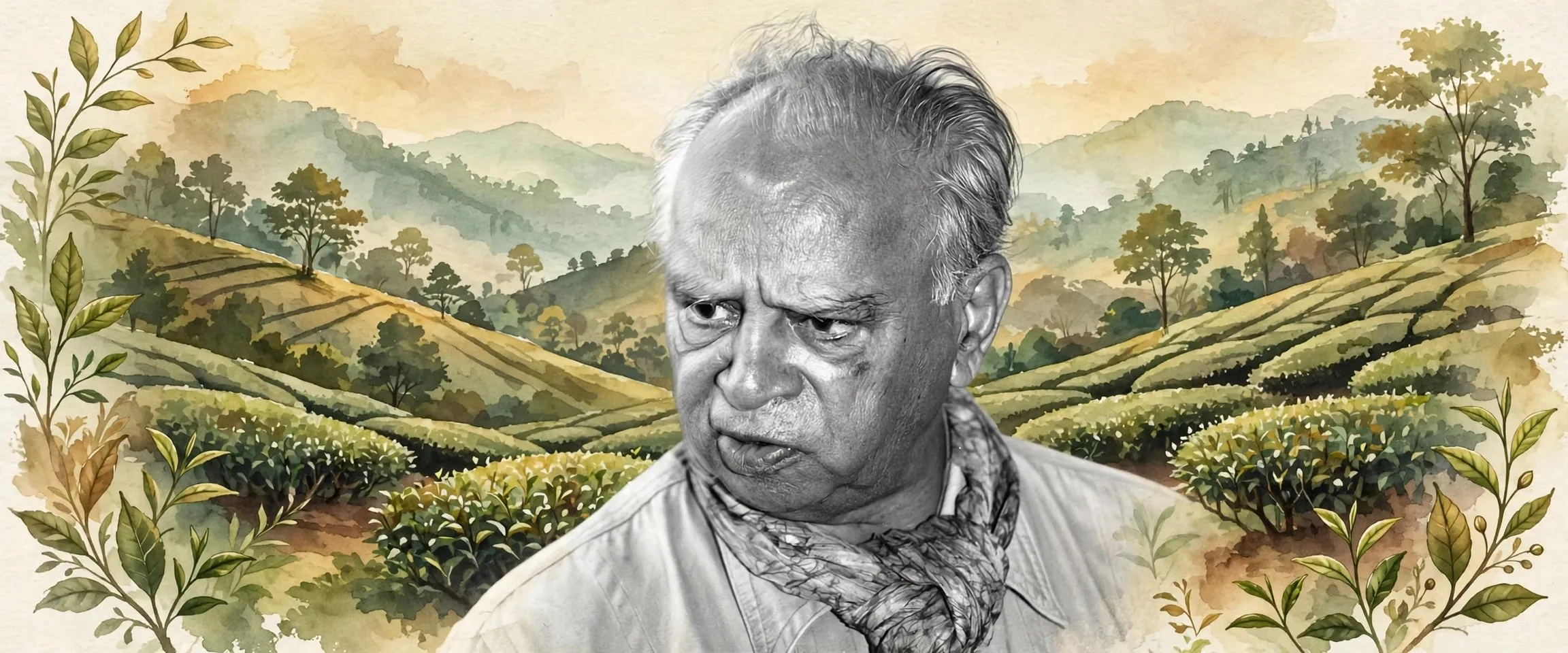
Two Leaves and a Bud (1937) is Mulk Raj Anand's third novel, the story of Gangu, a Hoshiarpur peasant lured by false promises to a British tea estate in Assam, where debt and abuse end in his killing and his killer's acquittal.
English- Author
- Mulk Raj Anand
- Published
- 1937
- Language
- English
- Form
- Novel
- Setting
- Hoshiarpur, Punjab, and a British owned tea estate in Assam
- Author's sequence
- His third novel, after Untouchable (1935) and Coolie (1936)
- Film
- Adapted as the Hindi film Rahi, released in English as The Wayfarer
Characters
Two Leaves and a Bud is a 1937 novel by Mulk Raj Anand, the Peshawar born Punjabi writer who helped found the Indian English novel. It tells the story of Gangu, a middle aged peasant from Hoshiarpur in Punjab who loses his land to debt and is lured to a British owned tea estate in Assam, where the daily work of plucking two leaves and a bud becomes a life of debt, hunger and humiliation. When Gangu is shot dead protecting his daughter, the court that tries his killer acquits him, and the novel closes on the full injustice of the world it has shown.
About the book
The novel was first published in 1937, Anand's third book of fiction after Untouchable (1935) and Coolie (1936). The critic William Walsh counted it among the remarkable run of Anand's first five novels, which appeared between 1933 and 1940 and established him as the novelist of India's poor: of orphans, sweepers, coolies and labourers, and of the cruelties of caste and poverty. Its title is the plucker's measure on a tea estate, the two leaves and a bud taken from each shoot, repeated thousands of times a day by workers who owned nothing of what they picked.
Anand sets the book on a British owned tea plantation in Assam, in the world the estates built by recruiting workers from across India with promises of wages and land. Tea wealth depended on this labour, and the novel is his fullest picture of it: the lines where the coolies live, the merchants who lend at impossible interest, the chowkidars who guard the estate, and the club world of the British managers, cut off from the people whose work paid for it.
What is Two Leaves and a Bud about?
Gangu is a peasant farming near Hoshiarpur with his wife Sajani, his daughter Leila and his young son Budhu. Burdened with debts he cannot repay, he loses his land, and when a recruiting agent promises good pay, housing and land of his own in Assam, he believes him and takes his family east to the Macpherson Tea Estate. The promises prove false. The pay does not cover food, the family's quarters are wretched, and the estate feels, in the words the novel gives its people, like a prison without bars: a jail the guards will drag you back to if you run.
Sickness hangs over the lines. The estate doctor, John De La Harve, warns the manager, Croft-Cooke, that the workers' living conditions invite epidemic disease, and presses him to improve them, but Croft-Cooke treats the coolies as less than human and refuses. Disease duly strikes the estate, and Sajani dies; Gangu, too poor for her last rites, begs a loan and is turned away. Discontent among the workers hardens into agitation, which the planters break by force. The end comes when Reggie Hunt, a British estate officer, pursues Leila intending to assault her. Gangu steps in to save his daughter and Hunt shoots him dead. Hunt is tried for murder, but a court dominated by Englishmen acquits him.
ਟੂ ਲੀਵਜ਼ ਐਂਡ ਅ ਬੱਡ ਮੁਲਕ ਰਾਜ ਆਨੰਦ ਦਾ 1937 ਦਾ ਨਾਵਲ ਹੈ। ਆਨੰਦ ਪੇਸ਼ਾਵਰ ਵਿੱਚ ਜਨਮੇ ਪੰਜਾਬੀ ਲੇਖਕ ਸਨ, ਜਿਨ੍ਹਾਂ ਨੇ ਭਾਰਤੀ ਅੰਗਰੇਜ਼ੀ ਨਾਵਲ ਦੀ ਨੀਂਹ ਰੱਖਣ ਵਿੱਚ ਹਿੱਸਾ ਪਾਇਆ। ਇਹ ਨਾਵਲ ਗੰਗੂ ਦੀ ਕਹਾਣੀ ਹੈ, ਜੋ ਹੁਸ਼ਿਆਰਪੁਰ ਦਾ ਇੱਕ ਅੱਧਖੜ ਕਿਸਾਨ ਹੈ। ਕਰਜ਼ੇ ਵਿੱਚ ਉਸ ਦੀ ਜ਼ਮੀਨ ਜਾਂਦੀ ਰਹਿੰਦੀ ਹੈ ਅਤੇ ਉਹ ਅਸਾਮ ਵਿੱਚ ਇੱਕ ਅੰਗਰੇਜ਼ਾਂ ਦੀ ਮਾਲਕੀ ਵਾਲੇ ਚਾਹ ਬਾਗ ਵਿੱਚ ਕੰਮ ਦੇ ਝੂਠੇ ਵਾਅਦਿਆਂ ਵਿੱਚ ਆ ਜਾਂਦਾ ਹੈ, ਜਿੱਥੇ ਦੋ ਪੱਤੇ ਅਤੇ ਇੱਕ ਕਲੀ ਤੋੜਨ ਦਾ ਰੋਜ਼ ਦਾ ਕੰਮ ਕਰਜ਼ੇ, ਭੁੱਖ ਅਤੇ ਬੇਇੱਜ਼ਤੀ ਦੀ ਜ਼ਿੰਦਗੀ ਬਣ ਜਾਂਦਾ ਹੈ। ਜਦੋਂ ਗੰਗੂ ਆਪਣੀ ਧੀ ਨੂੰ ਬਚਾਉਂਦਿਆਂ ਗੋਲੀ ਨਾਲ ਮਾਰਿਆ ਜਾਂਦਾ ਹੈ, ਤਾਂ ਉਸ ਦੇ ਕਾਤਲ ਉੱਤੇ ਮੁਕੱਦਮਾ ਚਲਾਉਣ ਵਾਲੀ ਅਦਾਲਤ ਉਸ ਨੂੰ ਬਰੀ ਕਰ ਦਿੰਦੀ ਹੈ, ਅਤੇ ਨਾਵਲ ਉਸ ਸੰਸਾਰ ਦੇ ਪੂਰੇ ਅਨਿਆਂ ਉੱਤੇ ਸਮਾਪਤ ਹੁੰਦਾ ਹੈ ਜੋ ਇਸ ਨੇ ਦਿਖਾਇਆ ਹੈ।
ਕਿਤਾਬ ਬਾਰੇ
ਇਹ ਨਾਵਲ ਪਹਿਲੀ ਵਾਰ 1937 ਵਿੱਚ ਛਪਿਆ, ਅਨਟੱਚੇਬਲ (1935) ਅਤੇ ਕੂਲੀ (1936) ਤੋਂ ਬਾਅਦ ਆਨੰਦ ਦੀ ਗਲਪ ਦੀ ਤੀਜੀ ਕਿਤਾਬ। ਆਲੋਚਕ ਵਿਲੀਅਮ ਵਾਲਸ਼ ਨੇ ਇਸ ਨੂੰ ਆਨੰਦ ਦੇ ਪਹਿਲੇ ਪੰਜ ਨਾਵਲਾਂ ਦੀ ਸ਼ਾਨਦਾਰ ਲੜੀ ਵਿੱਚ ਗਿਣਿਆ, ਜੋ 1933 ਤੋਂ 1940 ਦਰਮਿਆਨ ਛਪੇ ਅਤੇ ਉਨ੍ਹਾਂ ਨੂੰ ਭਾਰਤ ਦੇ ਗਰੀਬਾਂ ਦਾ ਨਾਵਲਕਾਰ ਬਣਾਇਆ: ਅਨਾਥਾਂ, ਸਫਾਈ ਕਰਮਚਾਰੀਆਂ, ਕੂਲੀਆਂ ਅਤੇ ਮਜ਼ਦੂਰਾਂ ਦਾ, ਅਤੇ ਜਾਤ ਅਤੇ ਗਰੀਬੀ ਦੇ ਜ਼ੁਲਮਾਂ ਦਾ। ਇਸ ਦਾ ਸਿਰਲੇਖ ਚਾਹ ਬਾਗ ਵਿੱਚ ਤੋੜਨ ਵਾਲੇ ਦਾ ਮਾਪ ਹੈ, ਹਰ ਟਾਹਣੀ ਤੋਂ ਲਏ ਜਾਂਦੇ ਦੋ ਪੱਤੇ ਅਤੇ ਇੱਕ ਕਲੀ, ਜੋ ਉਹ ਮਜ਼ਦੂਰ ਦਿਨ ਵਿੱਚ ਹਜ਼ਾਰਾਂ ਵਾਰ ਦੁਹਰਾਉਂਦੇ ਹਨ ਜਿਨ੍ਹਾਂ ਕੋਲ ਆਪਣਾ ਕੁਝ ਨਹੀਂ ਹੁੰਦਾ।
ਆਨੰਦ ਨੇ ਕਿਤਾਬ ਅਸਾਮ ਵਿੱਚ ਇੱਕ ਅੰਗਰੇਜ਼ਾਂ ਦੀ ਮਾਲਕੀ ਵਾਲੇ ਚਾਹ ਬਾਗ ਵਿੱਚ ਰੱਖੀ ਹੈ, ਉਸ ਸੰਸਾਰ ਵਿੱਚ ਜੋ ਬਾਗਾਂ ਨੇ ਤਨਖਾਹ ਅਤੇ ਜ਼ਮੀਨ ਦੇ ਵਾਅਦਿਆਂ ਨਾਲ ਸਾਰੇ ਭਾਰਤ ਤੋਂ ਮਜ਼ਦੂਰ ਭਰਤੀ ਕਰ ਕੇ ਬਣਾਇਆ ਸੀ। ਚਾਹ ਦੀ ਦੌਲਤ ਇਸ ਮਜ਼ਦੂਰੀ ਉੱਤੇ ਟਿਕੀ ਸੀ, ਅਤੇ ਨਾਵਲ ਇਸ ਦੀ ਸਭ ਤੋਂ ਪੂਰੀ ਤਸਵੀਰ ਹੈ: ਉਹ ਲਾਈਨਾਂ ਜਿੱਥੇ ਕੂਲੀ ਰਹਿੰਦੇ ਹਨ, ਉਹ ਵਪਾਰੀ ਜੋ ਅਸੰਭਵ ਵਿਆਜ ਉੱਤੇ ਕਰਜ਼ਾ ਦਿੰਦੇ ਹਨ, ਉਹ ਚੌਕੀਦਾਰ ਜੋ ਬਾਗ ਦੀ ਰਾਖੀ ਕਰਦੇ ਹਨ, ਅਤੇ ਅੰਗਰੇਜ਼ ਮੈਨੇਜਰਾਂ ਦਾ ਕਲੱਬ ਸੰਸਾਰ, ਜੋ ਉਨ੍ਹਾਂ ਲੋਕਾਂ ਤੋਂ ਕੱਟਿਆ ਹੋਇਆ ਹੈ ਜਿਨ੍ਹਾਂ ਦੇ ਕੰਮ ਨੇ ਇਸ ਦਾ ਖਰਚਾ ਚੁੱਕਿਆ।
ਟੂ ਲੀਵਜ਼ ਐਂਡ ਅ ਬੱਡ ਕਿਸ ਬਾਰੇ ਹੈ?
ਗੰਗੂ ਹੁਸ਼ਿਆਰਪੁਰ ਦੇ ਨੇੜੇ ਖੇਤੀ ਕਰਨ ਵਾਲਾ ਕਿਸਾਨ ਹੈ, ਉਸ ਦੀ ਪਤਨੀ ਸਜਨੀ, ਧੀ ਲੀਲਾ ਅਤੇ ਛੋਟਾ ਪੁੱਤਰ ਬੁੱਧੂ ਹਨ। ਜੋ ਕਰਜ਼ਾ ਉਹ ਮੋੜ ਨਹੀਂ ਸਕਦਾ, ਉਸ ਦੇ ਬੋਝ ਹੇਠ ਉਸ ਦੀ ਜ਼ਮੀਨ ਜਾਂਦੀ ਰਹਿੰਦੀ ਹੈ, ਅਤੇ ਜਦੋਂ ਇੱਕ ਭਰਤੀ ਏਜੰਟ ਅਸਾਮ ਵਿੱਚ ਚੰਗੀ ਤਨਖਾਹ, ਰਹਿਣ ਦੀ ਥਾਂ ਅਤੇ ਆਪਣੀ ਜ਼ਮੀਨ ਦਾ ਵਾਅਦਾ ਕਰਦਾ ਹੈ, ਤਾਂ ਉਹ ਉਸ ਉੱਤੇ ਭਰੋਸਾ ਕਰ ਕੇ ਆਪਣੇ ਪਰਿਵਾਰ ਨੂੰ ਪੂਰਬ ਵੱਲ ਮੈਕਫਰਸਨ ਚਾਹ ਬਾਗ ਵਿੱਚ ਲੈ ਜਾਂਦਾ ਹੈ। ਵਾਅਦੇ ਝੂਠੇ ਨਿਕਲਦੇ ਹਨ। ਤਨਖਾਹ ਖਾਣੇ ਜੋਗੀ ਵੀ ਨਹੀਂ, ਪਰਿਵਾਰ ਦੀ ਰਹਿਣ ਦੀ ਥਾਂ ਖਸਤਾ ਹੈ, ਅਤੇ ਬਾਗ ਉਸ ਨੂੰ ਬਿਨਾਂ ਸਲਾਖਾਂ ਦੀ ਜੇਲ੍ਹ ਵਰਗਾ ਲੱਗਦਾ ਹੈ, ਜਿਵੇਂ ਨਾਵਲ ਆਪਣੇ ਲੋਕਾਂ ਦੇ ਸ਼ਬਦਾਂ ਵਿੱਚ ਕਹਿੰਦਾ ਹੈ: ਇੱਕ ਅਜਿਹੀ ਜੇਲ੍ਹ ਜਿੱਥੋਂ ਭੱਜਣ ਉੱਤੇ ਪਹਿਰੇਦਾਰ ਤੁਹਾਨੂੰ ਵਾਪਸ ਘਸੀਟ ਲਿਆਉਂਦੇ ਹਨ।
ਬਿਮਾਰੀ ਲਾਈਨਾਂ ਉੱਤੇ ਮੰਡਰਾਉਂਦੀ ਰਹਿੰਦੀ ਹੈ। ਬਾਗ ਦਾ ਡਾਕਟਰ ਜੌਨ ਡੀ ਲਾ ਹਾਰਵ ਮੈਨੇਜਰ ਕਰਾਫਟ ਕੁੱਕ ਨੂੰ ਚੇਤਾਵਨੀ ਦਿੰਦਾ ਹੈ ਕਿ ਮਜ਼ਦੂਰਾਂ ਦੀ ਰਹਿਣ ਸਹਿਣ ਦੀ ਹਾਲਤ ਮਹਾਮਾਰੀ ਨੂੰ ਸੱਦਾ ਦਿੰਦੀ ਹੈ, ਅਤੇ ਹਾਲਤ ਸੁਧਾਰਨ ਲਈ ਦਬਾਅ ਪਾਉਂਦਾ ਹੈ, ਪਰ ਕਰਾਫਟ ਕੁੱਕ ਕੂਲੀਆਂ ਨੂੰ ਮਨੁੱਖ ਤੋਂ ਘੱਟ ਸਮਝਦਾ ਹੈ ਅਤੇ ਇਨਕਾਰ ਕਰ ਦਿੰਦਾ ਹੈ। ਬਿਮਾਰੀ ਬਾਗ ਉੱਤੇ ਟੁੱਟ ਪੈਂਦੀ ਹੈ ਅਤੇ ਸਜਨੀ ਮਰ ਜਾਂਦੀ ਹੈ; ਗੰਗੂ, ਜੋ ਉਸ ਦੇ ਆਖਰੀ ਸੰਸਕਾਰ ਜੋਗਾ ਵੀ ਗਰੀਬ ਹੈ, ਕਰਜ਼ਾ ਮੰਗਦਾ ਹੈ ਅਤੇ ਖਾਲੀ ਹੱਥ ਮੋੜ ਦਿੱਤਾ ਜਾਂਦਾ ਹੈ। ਮਜ਼ਦੂਰਾਂ ਦੀ ਨਾਰਾਜ਼ਗੀ ਅੰਦੋਲਨ ਵਿੱਚ ਸਖਤ ਹੋ ਜਾਂਦੀ ਹੈ, ਜਿਸ ਨੂੰ ਬਾਗ ਮਾਲਕ ਤਾਕਤ ਨਾਲ ਤੋੜ ਦਿੰਦੇ ਹਨ। ਅੰਤ ਉਦੋਂ ਆਉਂਦਾ ਹੈ ਜਦੋਂ ਇੱਕ ਅੰਗਰੇਜ਼ ਬਾਗ ਅਫਸਰ ਰੈਜੀ ਹੰਟ ਲੀਲਾ ਉੱਤੇ ਹਮਲਾ ਕਰਨ ਦੇ ਇਰਾਦੇ ਨਾਲ ਉਸ ਦਾ ਪਿੱਛਾ ਕਰਦਾ ਹੈ। ਗੰਗੂ ਆਪਣੀ ਧੀ ਨੂੰ ਬਚਾਉਣ ਲਈ ਅੱਗੇ ਆਉਂਦਾ ਹੈ ਅਤੇ ਹੰਟ ਉਸ ਨੂੰ ਗੋਲੀ ਮਾਰ ਕੇ ਮਾਰ ਦਿੰਦਾ ਹੈ। ਹੰਟ ਉੱਤੇ ਕਤਲ ਦਾ ਮੁਕੱਦਮਾ ਚੱਲਦਾ ਹੈ, ਪਰ ਅੰਗਰੇਜ਼ਾਂ ਦੇ ਦਬਦਬੇ ਵਾਲੀ ਅਦਾਲਤ ਉਸ ਨੂੰ ਬਰੀ ਕਰ ਦਿੰਦੀ ਹੈ।
Themes
The book is a study of what its summaries call the haves and the have-nots. Debt is the chain at both ends of Gangu's journey: a moneylender takes his land in Punjab, and estate merchants and advances bind him in Assam, so that the move sold to him as escape becomes a second captivity. The critic H. M. Williams read the novel as Anand's thesis that the Indian poor were ruined by the combined tyranny of capitalism and imperialism, and praised the realistic portrayal of plantation life as its best part. Against the managers' contempt, Anand sets Gangu's dignity, above all his love for Leila: Williams singled out the pathos of a father longing to buy his daughter the pretty trinkets she will never have. De La Harve, the one humane British voice, condemns the exploitation from inside the system, and changes nothing.
The author
Mulk Raj Anand (1905 to 2004) was born in Peshawar, educated at Khalsa College, Amritsar, and took his PhD in philosophy in London in 1929. Untouchable, his first novel, made his name in 1935, and he spent a long career writing about the people colonial India valued least. India honoured him with the International Peace Prize, the Padma Bhushan in 1968 and the Sahitya Akademi Award in 1971 for Morning Face. His full life and work are told in his people entry in this Kosh, and his other novels here include Untouchable, Coolie and Across the Black Waters.
Reception and legacy
Two Leaves and a Bud has kept its place as one of the classic Indian English novels of protest. Anand himself judged it, in words quoted by his critics, as perhaps better written and technically more complex than Untouchable or Coolie, because he had tried to evoke the moods of the eastern Indian landscape and felt its passions intensely. Not every critic agreed: Williams found the writing over-coloured and the English characters closer to caricature, even while granting the power of the coolies' story. The novel reached the screen as the Hindi film Rahi, released in English as The Wayfarer. Its deepest legacy is simpler: it made the tea garden coolie, recruited from a Punjab village and buried far from home, impossible for Indian fiction to ignore.
ਵਿਸ਼ੇ
ਇਹ ਕਿਤਾਬ ਉਸ ਗੱਲ ਦਾ ਅਧਿਐਨ ਹੈ ਜਿਸ ਨੂੰ ਇਸ ਦੇ ਸਾਰ ਸੰਖੇਪ ਆਮੀਰ ਅਤੇ ਗਰੀਬ ਕਹਿੰਦੇ ਹਨ। ਕਰਜ਼ਾ ਗੰਗੂ ਦੀ ਯਾਤਰਾ ਦੇ ਦੋਵੇਂ ਸਿਰਿਆਂ ਉੱਤੇ ਜ਼ੰਜੀਰ ਹੈ: ਪੰਜਾਬ ਵਿੱਚ ਇੱਕ ਸ਼ਾਹੂਕਾਰ ਉਸ ਦੀ ਜ਼ਮੀਨ ਲੈ ਲੈਂਦਾ ਹੈ, ਅਤੇ ਅਸਾਮ ਵਿੱਚ ਬਾਗ ਦੇ ਵਪਾਰੀ ਅਤੇ ਪੇਸ਼ਗੀਆਂ ਉਸ ਨੂੰ ਬੰਨ੍ਹ ਦਿੰਦੇ ਹਨ, ਇੱਥੋਂ ਤੱਕ ਕਿ ਜੋ ਸਫਰ ਉਸ ਨੂੰ ਬਚਾਅ ਵਜੋਂ ਵੇਚਿਆ ਗਿਆ ਸੀ, ਉਹ ਦੂਜੀ ਕੈਦ ਬਣ ਜਾਂਦਾ ਹੈ। ਆਲੋਚਕ ਐਚ. ਐਮ. ਵਿਲੀਅਮਜ਼ ਨੇ ਨਾਵਲ ਨੂੰ ਆਨੰਦ ਦਾ ਇਹ ਸਿਧਾਂਤ ਪੜ੍ਹਿਆ ਕਿ ਭਾਰਤੀ ਗਰੀਬ ਪੂੰਜੀਵਾਦ ਅਤੇ ਸਾਮਰਾਜਵਾਦ ਦੇ ਸਾਂਝੇ ਜ਼ੁਲਮ ਨਾਲ ਤਬਾਹ ਹੋਏ, ਅਤੇ ਬਾਗ ਦੀ ਜ਼ਿੰਦਗੀ ਦੀ ਵਾਸਤਵਿਕ ਤਸਵੀਰ ਨੂੰ ਇਸ ਦਾ ਸਭ ਤੋਂ ਵਧੀਆ ਹਿੱਸਾ ਕਿਹਾ। ਮੈਨੇਜਰਾਂ ਦੀ ਨਫਰਤ ਦੇ ਸਾਹਮਣੇ ਆਨੰਦ ਗੰਗੂ ਦੀ ਇੱਜ਼ਤ ਰੱਖਦਾ ਹੈ, ਖਾਸ ਕਰ ਕੇ ਲੀਲਾ ਲਈ ਉਸ ਦਾ ਪਿਆਰ: ਵਿਲੀਅਮਜ਼ ਨੇ ਇੱਕ ਪਿਤਾ ਦੇ ਉਸ ਦਰਦ ਨੂੰ ਖਾਸ ਤੌਰ ਉੱਤੇ ਨੋਟ ਕੀਤਾ ਜੋ ਆਪਣੀ ਧੀ ਨੂੰ ਉਹ ਸੋਹਣੀਆਂ ਛੋਟੀਆਂ ਚੀਜ਼ਾਂ ਖਰੀਦ ਕੇ ਦੇਣਾ ਚਾਹੁੰਦਾ ਹੈ ਜੋ ਉਸ ਨੂੰ ਕਦੇ ਨਹੀਂ ਮਿਲਣੀਆਂ। ਡੀ ਲਾ ਹਾਰਵ, ਇੱਕੋ ਇੱਕ ਮਨੁੱਖੀ ਅੰਗਰੇਜ਼ ਆਵਾਜ਼, ਪ੍ਰਣਾਲੀ ਦੇ ਅੰਦਰੋਂ ਇਸ ਸ਼ੋਸ਼ਣ ਦੀ ਨਿੰਦਾ ਕਰਦਾ ਹੈ, ਅਤੇ ਕੁਝ ਨਹੀਂ ਬਦਲਦਾ।
ਲੇਖਕ
ਮੁਲਕ ਰਾਜ ਆਨੰਦ (1905 ਤੋਂ 2004) ਪੇਸ਼ਾਵਰ ਵਿੱਚ ਜਨਮੇ, ਖਾਲਸਾ ਕਾਲਜ, ਅੰਮ੍ਰਿਤਸਰ ਤੋਂ ਪੜ੍ਹੇ, ਅਤੇ 1929 ਵਿੱਚ ਲੰਡਨ ਤੋਂ ਫਲਸਫੇ ਵਿੱਚ ਪੀਐਚਡੀ ਕੀਤੀ। ਉਨ੍ਹਾਂ ਦੇ ਪਹਿਲੇ ਨਾਵਲ ਅਨਟੱਚੇਬਲ ਨੇ 1935 ਵਿੱਚ ਉਨ੍ਹਾਂ ਦਾ ਨਾਂ ਬਣਾਇਆ, ਅਤੇ ਉਨ੍ਹਾਂ ਨੇ ਲੰਬਾ ਜੀਵਨ ਉਨ੍ਹਾਂ ਲੋਕਾਂ ਬਾਰੇ ਲਿਖਦਿਆਂ ਬਿਤਾਇਆ ਜਿਨ੍ਹਾਂ ਨੂੰ ਬਸਤੀਵਾਦੀ ਭਾਰਤ ਸਭ ਤੋਂ ਘੱਟ ਮਹੱਤਵ ਦਿੰਦਾ ਸੀ। ਭਾਰਤ ਨੇ ਉਨ੍ਹਾਂ ਨੂੰ ਅੰਤਰਰਾਸ਼ਟਰੀ ਸ਼ਾਂਤੀ ਇਨਾਮ, 1968 ਵਿੱਚ ਪਦਮ ਭੂਸ਼ਣ ਅਤੇ ਮਾਰਨਿੰਗ ਫੇਸ ਲਈ 1971 ਵਿੱਚ ਸਾਹਿਤ ਅਕਾਦਮੀ ਇਨਾਮ ਨਾਲ ਸਨਮਾਨਿਤ ਕੀਤਾ। ਉਨ੍ਹਾਂ ਦਾ ਪੂਰਾ ਜੀਵਨ ਅਤੇ ਕੰਮ ਇਸ ਕੋਸ਼ ਵਿੱਚ ਉਨ੍ਹਾਂ ਦੀ ਪੀਪਲ ਐਂਟਰੀ ਵਿੱਚ ਦਿੱਤਾ ਗਿਆ ਹੈ, ਅਤੇ ਇੱਥੇ ਉਨ੍ਹਾਂ ਦੇ ਹੋਰ ਨਾਵਲਾਂ ਵਿੱਚ ਅਨਟੱਚੇਬਲ, ਕੂਲੀ ਅਤੇ ਅਕਰਾਸ ਦਾ ਬਲੈਕ ਵਾਟਰਜ਼ ਸ਼ਾਮਲ ਹਨ।
ਹੁੰਗਾਰਾ ਅਤੇ ਵਿਰਾਸਤ
ਟੂ ਲੀਵਜ਼ ਐਂਡ ਅ ਬੱਡ ਨੇ ਵਿਰੋਧ ਦੇ ਕਲਾਸਿਕ ਭਾਰਤੀ ਅੰਗਰੇਜ਼ੀ ਨਾਵਲਾਂ ਵਿੱਚੋਂ ਇੱਕ ਵਜੋਂ ਆਪਣੀ ਥਾਂ ਬਣਾਈ ਰੱਖੀ ਹੈ। ਆਨੰਦ ਨੇ ਖੁਦ ਇਸ ਨੂੰ, ਆਪਣੇ ਆਲੋਚਕਾਂ ਵੱਲੋਂ ਦੁਹਰਾਏ ਗਏ ਸ਼ਬਦਾਂ ਵਿੱਚ, ਸ਼ਾਇਦ ਅਨਟੱਚੇਬਲ ਜਾਂ ਕੂਲੀ ਨਾਲੋਂ ਬਿਹਤਰ ਲਿਖਿਆ ਅਤੇ ਤਕਨੀਕੀ ਤੌਰ ਉੱਤੇ ਵਧੇਰੇ ਜਟਿਲ ਮੰਨਿਆ, ਕਿਉਂਕਿ ਉਨ੍ਹਾਂ ਨੇ ਪੂਰਬੀ ਭਾਰਤੀ ਦ੍ਰਿਸ਼ ਦੇ ਮੂਡ ਨੂੰ ਉਭਾਰਨ ਦੀ ਕੋਸ਼ਿਸ਼ ਕੀਤੀ ਸੀ ਅਤੇ ਇਸ ਦੇ ਜਜ਼ਬਾਤ ਤੀਬਰਤਾ ਨਾਲ ਮਹਿਸੂਸ ਕੀਤੇ ਸਨ। ਹਰ ਆਲੋਚਕ ਸਹਿਮਤ ਨਹੀਂ ਸੀ: ਵਿਲੀਅਮਜ਼ ਨੂੰ ਲਿਖਤ ਵਧੇਰੇ ਰੰਗੀਨ ਅਤੇ ਅੰਗਰੇਜ਼ ਪਾਤਰ ਵਿਅੰਗ ਚਿੱਤਰ ਦੇ ਨੇੜੇ ਲੱਗੇ, ਭਾਵੇਂ ਉਨ੍ਹਾਂ ਨੇ ਕੂਲੀਆਂ ਦੀ ਕਹਾਣੀ ਦੀ ਤਾਕਤ ਨੂੰ ਮੰਨਿਆ। ਨਾਵਲ ਪਰਦੇ ਉੱਤੇ ਹਿੰਦੀ ਫਿਲਮ ਰਾਹੀ ਵਜੋਂ ਆਇਆ, ਜੋ ਅੰਗਰੇਜ਼ੀ ਵਿੱਚ ਦਾ ਵੇਫੇਰਰ ਵਜੋਂ ਰਿਲੀਜ਼ ਹੋਈ। ਇਸ ਦੀ ਸਭ ਤੋਂ ਡੂੰਘੀ ਵਿਰਾਸਤ ਸਾਦੀ ਹੈ: ਇਸ ਨੇ ਚਾਹ ਬਾਗ ਦੇ ਕੂਲੀ ਨੂੰ, ਜੋ ਪੰਜਾਬ ਦੇ ਇੱਕ ਪਿੰਡ ਤੋਂ ਭਰਤੀ ਹੋਇਆ ਅਤੇ ਘਰੋਂ ਦੂਰ ਦਫਨਾਇਆ ਗਿਆ, ਭਾਰਤੀ ਗਲਪ ਲਈ ਅਣਡਿੱਠਾ ਕਰਨਾ ਅਸੰਭਵ ਬਣਾ ਦਿੱਤਾ।
Editions and translations
- Two Leaves and a BudEnglish, original edition, 1937Original
The author

Connected
More to read
Sources (3)
Jugti is free and independent. Reader support keeps the Kosh growing.
Support