
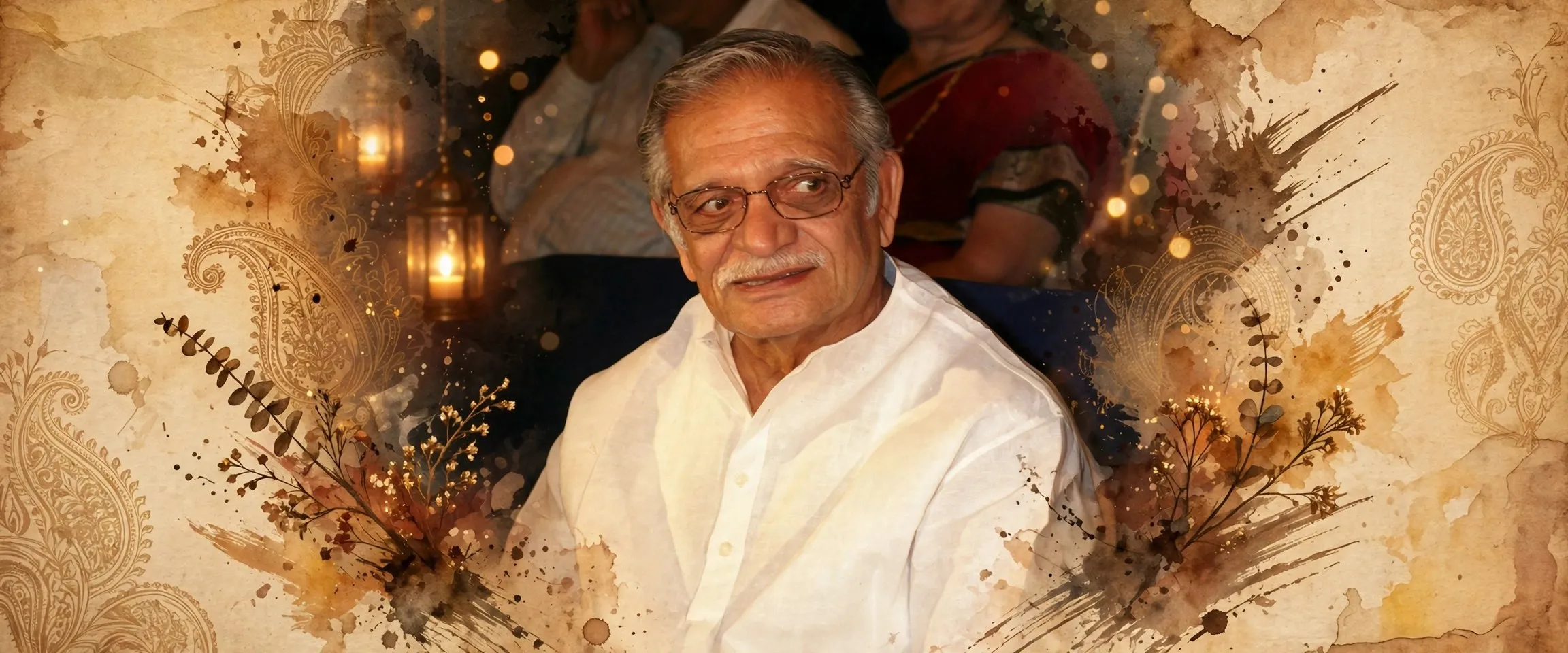
Gulzar (born Sampooran Singh Kalra on 18 August 1934) is an Indian poet, lyricist and film director from Dina in Jhelum district, whose words run through sixty years of Hindi cinema. He wrote the songs of Bandini, Aandhi and Dil Se, directed Parichay, Mausam and Maachis, and won an Academy Award and a Grammy for Jai Ho from Slumdog Millionaire.
- Punjabi name
- ਗੁਲਜ਼ਾਰ
- Born
- 18 August 1934, Dina
- Birth name
- Sampooran Singh Kalra
- Home town
- Dina
- District
- Jhelum
- Region
- West Punjab
All 8 facts
- Known songs
- Mora Gora Ang Lai Le, Chaiyya Chaiyya, Jai Ho
- Honours
- Academy Award; Padma Bhushan; Jnanpith Award
Gulzar (born Sampooran Singh Kalra on 18 August 1934) is an Indian poet, lyricist and film director from Dina in Jhelum district, whose words run through sixty years of Hindi cinema. He wrote the songs of Bandini, Aandhi and Dil Se, directed Parichay, Mausam and Maachis, and won an Academy Award and a Grammy for Jai Ho from Slumdog Millionaire.
From Dina to a Bombay garage
Gulzar was born Sampooran Singh Kalra in Dina, a town in the Jhelum district of Punjab, in a Sikh Khatri family; his parents were Makhan Singh Kalra and Sujan Kaur. At school he read Rabindranath Tagore in translation, and later called those readings a turning point in his life. Partition split the family when he was still a boy, and he came to Bombay to earn a living, working small jobs that included touching up the paint on accident-damaged cars at a garage on Bellasis Road.
On Sundays he went to the meetings of the Progressive Writers' Association, where Bombay's Urdu and Hindi writers gathered, and the garage worker began to write in earnest. He took the pen name Gulzar Deenvi, after his birthplace, and later shortened it to Gulzar.
How did Gulzar's words enter every home?
His film career began when the lyricist Shailendra persuaded him to write one song for Bimal Roy's Bandini in 1963: Mora Gora Ang Lai Le, sung by Lata Mangeshkar. Work came slowly, then built into one of the great songbooks of Hindi cinema: Humne Dekhi Hai Un Aankhon Ki in Khamoshi, the school prayer Humko Man Ki Shakti Dena in Guddi, which Indian schoolchildren still sing at morning assembly, and long partnerships with composers, above all R. D. Burman, that produced songs such as Musafir Hoon Yaaron, Tere Bina Zindagi Se and Mera Kuchh Samaan.
Two songs carry his Punjab with them. Chaiyya Chaiyya in Dil Se in 1998 grew out of the folk song of the Sufi poet Bulleh Shah, and Jai Ho in Slumdog Millionaire won him the Academy Award for Best Original Song in 2009 and a Grammy Award in 2010, carrying a boy from Dina to the Oscar stage. For the Aman ki Asha peace campaign between India and Pakistan he wrote the anthem Nazar Main Rehte Ho, sung by Rahat Fateh Ali Khan and Shankar Mahadevan, a lyricist born on one side of the border writing for peace across it.
His poetry travels as far as his songs. For the singer Jagjit Singh's albums Marasim in 1999 and Koi Baat Chale in 2006, Gulzar wrote the ghazals, joining the greatest ghazal voice of the age to his own words, and his poetry collections include Chand Pukhraaj Ka, Raat Pashmine Ki and Pandrah Paanch Pachattar.
The songs kept coming into a new century: Tujhse Naraz Nahi Zindagi in Masoom had already shown that his pen could hold a whole film in one quiet song, and younger composers kept seeking his words. What never changed was the test he set himself, that a song should read as poetry even away from the screen.
The director and the poet
Gulzar directed his first film, Mere Apne, in 1971, and through the decade made a run of films that critics still teach: Parichay and Khushboo and Kinara with Jeetendra, Koshish, the story of a deaf and mute couple, Aandhi, Mausam, and his retelling of Shakespeare's Comedy of Errors as Angoor. His later Maachis in 1996 faced the militancy years in Punjab directly, and his television series Mirza Ghalib in 1988 remains the screen portrait of the great Urdu poet.
Through it all he remained a poet first, writing in Urdu and Punjabi, credited with creating the Triveni, a stanza of three lines where the third turns the meaning of the first two. His books include the story collection Raavi Paar, named for the river of his homeland, and the poetry collection Raat Pashmine Ki.
Honours
Gulzar has won five National Film Awards and twenty-two Filmfare Awards, the Sahitya Akademi Award for Urdu in 2002, the Padma Bhushan in 2004, the Dadasaheb Phalke Award in 2013 and the Jnanpith Award, Indian literature's highest honour, in 2024. In 2013 he was appointed Chancellor of Assam University. His daughter Meghna Gulzar is a noted film director. From a garage in Bombay to the Oscar stage, his journey began in a small town in Jhelum district, and the words never left Punjab behind.
ਗੁਲਜ਼ਾਰ (ਜਨਮ ਨਾਂ ਸੰਪੂਰਨ ਸਿੰਘ ਕਾਲਰਾ, 18 ਅਗਸਤ 1934) ਜੇਹਲਮ ਜ਼ਿਲ੍ਹੇ ਦੇ ਦੀਨਾ ਤੋਂ ਭਾਰਤੀ ਕਵੀ, ਗੀਤਕਾਰ ਅਤੇ ਫ਼ਿਲਮ ਨਿਰਦੇਸ਼ਕ ਹਨ, ਜਿਨ੍ਹਾਂ ਦੇ ਸ਼ਬਦ ਹਿੰਦੀ ਸਿਨੇਮਾ ਦੇ ਸੱਠ ਸਾਲਾਂ ਵਿੱਚ ਵਗਦੇ ਹਨ। ਉਨ੍ਹਾਂ ਨੇ ਬੰਦਿਨੀ, ਆਂਧੀ ਅਤੇ ਦਿਲ ਸੇ ਦੇ ਗੀਤ ਲਿਖੇ, ਪਰਿਚਯ, ਮੌਸਮ ਅਤੇ ਮਾਚਿਸ ਦਾ ਨਿਰਦੇਸ਼ਨ ਕੀਤਾ, ਅਤੇ ਸਲਮਡੌਗ ਮਿਲੀਅਨੇਅਰ ਦੇ ਜੈ ਹੋ ਲਈ ਅਕੈਡਮੀ ਪੁਰਸਕਾਰ ਅਤੇ ਗ੍ਰੈਮੀ ਜਿੱਤਿਆ।
ਦੀਨਾ ਤੋਂ ਬੰਬਈ ਦੇ ਗੈਰਾਜ ਤੱਕ
ਗੁਲਜ਼ਾਰ ਦਾ ਜਨਮ ਪੰਜਾਬ ਦੇ ਜੇਹਲਮ ਜ਼ਿਲ੍ਹੇ ਦੇ ਕਸਬੇ ਦੀਨਾ ਵਿੱਚ ਸੰਪੂਰਨ ਸਿੰਘ ਕਾਲਰਾ ਵਜੋਂ ਇੱਕ ਸਿੱਖ ਖੱਤਰੀ ਪਰਿਵਾਰ ਵਿੱਚ ਹੋਇਆ; ਉਨ੍ਹਾਂ ਦੇ ਮਾਤਾ ਪਿਤਾ ਮੱਖਣ ਸਿੰਘ ਕਾਲਰਾ ਅਤੇ ਸੁਜਾਨ ਕੌਰ ਸਨ। ਸਕੂਲ ਵਿੱਚ ਉਨ੍ਹਾਂ ਨੇ ਰਾਬਿੰਦਰਨਾਥ ਟੈਗੋਰ ਨੂੰ ਅਨੁਵਾਦ ਵਿੱਚ ਪੜ੍ਹਿਆ, ਅਤੇ ਬਾਅਦ ਵਿੱਚ ਉਨ੍ਹਾਂ ਪੜ੍ਹਾਈਆਂ ਨੂੰ ਆਪਣੀ ਜ਼ਿੰਦਗੀ ਦਾ ਮੋੜ ਕਿਹਾ। ਵੰਡ ਨੇ ਪਰਿਵਾਰ ਨੂੰ ਵੰਡ ਦਿੱਤਾ ਜਦੋਂ ਉਹ ਅਜੇ ਮੁੰਡੇ ਹੀ ਸਨ, ਅਤੇ ਉਹ ਰੋਜ਼ਗਾਰ ਲਈ ਬੰਬਈ ਆ ਗਏ, ਛੋਟੇ ਛੋਟੇ ਕੰਮ ਕਰਦੇ ਹੋਏ ਜਿਨ੍ਹਾਂ ਵਿੱਚ ਬੇਲਾਸਿਸ ਰੋਡ ਉੱਤੇ ਇੱਕ ਗੈਰਾਜ ਵਿੱਚ ਹਾਦਸੇ ਨਾਲ ਨੁਕਸਾਨੀਆਂ ਕਾਰਾਂ ਦੇ ਰੰਗ ਨੂੰ ਠੀਕ ਕਰਨਾ ਵੀ ਸ਼ਾਮਲ ਸੀ।
ਐਤਵਾਰਾਂ ਨੂੰ ਉਹ ਪ੍ਰਗਤੀਸ਼ੀਲ ਲੇਖਕ ਸੰਘ ਦੀਆਂ ਮੀਟਿੰਗਾਂ ਵਿੱਚ ਜਾਂਦੇ, ਜਿੱਥੇ ਬੰਬਈ ਦੇ ਉਰਦੂ ਅਤੇ ਹਿੰਦੀ ਲੇਖਕ ਇਕੱਠੇ ਹੁੰਦੇ, ਅਤੇ ਗੈਰਾਜ ਦਾ ਕਾਮਾ ਗੰਭੀਰਤਾ ਨਾਲ ਲਿਖਣ ਲੱਗ ਪਿਆ। ਉਨ੍ਹਾਂ ਨੇ ਆਪਣੇ ਜਨਮ ਸਥਾਨ ਦੇ ਨਾਂ ਉੱਤੇ ਕਲਮੀ ਨਾਂ ਗੁਲਜ਼ਾਰ ਦੀਨਵੀ ਰੱਖਿਆ, ਅਤੇ ਬਾਅਦ ਵਿੱਚ ਇਸ ਨੂੰ ਛੋਟਾ ਕਰਕੇ ਗੁਲਜ਼ਾਰ ਕਰ ਲਿਆ।
ਗੁਲਜ਼ਾਰ ਦੇ ਸ਼ਬਦ ਹਰ ਘਰ ਕਿਵੇਂ ਪਹੁੰਚੇ?
ਉਨ੍ਹਾਂ ਦਾ ਫ਼ਿਲਮੀ ਕਰੀਅਰ ਉਦੋਂ ਸ਼ੁਰੂ ਹੋਇਆ ਜਦੋਂ ਗੀਤਕਾਰ ਸ਼ੈਲੇਂਦਰ ਨੇ ਉਨ੍ਹਾਂ ਨੂੰ ਮਨਾ ਕੇ 1963 ਵਿੱਚ ਬਿਮਲ ਰਾਏ ਦੀ ਬੰਦਿਨੀ ਲਈ ਇੱਕ ਗੀਤ ਲਿਖਵਾਇਆ: ਮੋਰਾ ਗੋਰਾ ਅੰਗ ਲੈ ਲੇ, ਜੋ ਲਤਾ ਮੰਗੇਸ਼ਕਰ ਨੇ ਗਾਇਆ। ਕੰਮ ਹੌਲੀ ਹੌਲੀ ਮਿਲਿਆ, ਫਿਰ ਇਹ ਹਿੰਦੀ ਸਿਨੇਮਾ ਦੀਆਂ ਮਹਾਨ ਗੀਤ ਪੁਸਤਕਾਂ ਵਿੱਚੋਂ ਇੱਕ ਬਣ ਗਿਆ: ਖਾਮੋਸ਼ੀ ਵਿੱਚ ਹਮਨੇ ਦੇਖੀ ਹੈ ਉਨ ਆਂਖੋਂ ਕੀ, ਗੁੱਡੀ ਵਿੱਚ ਸਕੂਲੀ ਪ੍ਰਾਰਥਨਾ ਹਮਕੋ ਮਨ ਕੀ ਸ਼ਕਤੀ ਦੇਨਾ, ਜੋ ਭਾਰਤੀ ਸਕੂਲੀ ਬੱਚੇ ਅੱਜ ਵੀ ਸਵੇਰ ਦੀ ਸਭਾ ਵਿੱਚ ਗਾਉਂਦੇ ਹਨ, ਅਤੇ ਸੰਗੀਤਕਾਰਾਂ ਨਾਲ ਲੰਮੀਆਂ ਸਾਂਝਾਂ, ਸਭ ਤੋਂ ਵੱਧ ਆਰ. ਡੀ. ਬਰਮਨ ਨਾਲ, ਜਿਨ੍ਹਾਂ ਨੇ ਮੁਸਾਫਿਰ ਹੂੰ ਯਾਰੋਂ, ਤੇਰੇ ਬਿਨਾ ਜ਼ਿੰਦਗੀ ਸੇ ਅਤੇ ਮੇਰਾ ਕੁਛ ਸਮਾਨ ਵਰਗੇ ਗੀਤ ਦਿੱਤੇ।
ਦੋ ਗੀਤ ਉਨ੍ਹਾਂ ਦੇ ਪੰਜਾਬ ਨੂੰ ਆਪਣੇ ਨਾਲ ਚੁੱਕੀ ਫਿਰਦੇ ਹਨ। 1998 ਵਿੱਚ ਦਿਲ ਸੇ ਦਾ ਛਈਆਂ ਛਈਆਂ ਸੂਫੀ ਕਵੀ ਬੁੱਲ੍ਹੇ ਸ਼ਾਹ ਦੇ ਲੋਕ ਗੀਤ ਵਿੱਚੋਂ ਨਿਕਲਿਆ, ਅਤੇ ਸਲਮਡੌਗ ਮਿਲੀਅਨੇਅਰ ਦੇ ਜੈ ਹੋ ਨੇ ਉਨ੍ਹਾਂ ਨੂੰ 2009 ਵਿੱਚ ਸਰਵੋਤਮ ਮੂਲ ਗੀਤ ਲਈ ਅਕੈਡਮੀ ਪੁਰਸਕਾਰ ਅਤੇ 2010 ਵਿੱਚ ਗ੍ਰੈਮੀ ਪੁਰਸਕਾਰ ਦਿਵਾਇਆ, ਦੀਨਾ ਦੇ ਇੱਕ ਮੁੰਡੇ ਨੂੰ ਆਸਕਰ ਦੇ ਮੰਚ ਤੱਕ ਪਹੁੰਚਾ ਦਿੱਤਾ। ਭਾਰਤ ਅਤੇ ਪਾਕਿਸਤਾਨ ਵਿਚਕਾਰ ਅਮਨ ਕੀ ਆਸ਼ਾ ਸ਼ਾਂਤੀ ਮੁਹਿੰਮ ਲਈ ਉਨ੍ਹਾਂ ਨੇ ਗੀਤ ਨਜ਼ਰ ਮੇਂ ਰਹਿਤੇ ਹੋ ਲਿਖਿਆ, ਜੋ ਰਾਹਤ ਫਤਿਹ ਅਲੀ ਖਾਨ ਅਤੇ ਸ਼ੰਕਰ ਮਹਾਦੇਵਨ ਨੇ ਗਾਇਆ, ਸਰਹੱਦ ਦੇ ਇੱਕ ਪਾਸੇ ਜਨਮਿਆ ਗੀਤਕਾਰ ਇਸ ਦੇ ਪਾਰ ਸ਼ਾਂਤੀ ਲਈ ਲਿਖ ਰਿਹਾ ਸੀ।
ਉਨ੍ਹਾਂ ਦੀ ਕਵਿਤਾ ਉਨ੍ਹਾਂ ਦੇ ਗੀਤਾਂ ਜਿੰਨੀ ਦੂਰ ਤੱਕ ਜਾਂਦੀ ਹੈ। ਗਾਇਕ ਜਗਜੀਤ ਸਿੰਘ ਦੀਆਂ ਐਲਬਮਾਂ ਮਰਾਸਿਮ 1999 ਵਿੱਚ ਅਤੇ ਕੋਈ ਬਾਤ ਚਲੇ 2006 ਵਿੱਚ ਲਈ ਗੁਲਜ਼ਾਰ ਨੇ ਗ਼ਜ਼ਲਾਂ ਲਿਖੀਆਂ, ਯੁੱਗ ਦੀ ਸਭ ਤੋਂ ਵੱਡੀ ਗ਼ਜ਼ਲ ਆਵਾਜ਼ ਨੂੰ ਆਪਣੇ ਸ਼ਬਦਾਂ ਨਾਲ ਜੋੜਦੇ ਹੋਏ, ਅਤੇ ਉਨ੍ਹਾਂ ਦੇ ਕਵਿਤਾ ਸੰਗ੍ਰਹਿਆਂ ਵਿੱਚ ਚਾਂਦ ਪੁਖਰਾਜ ਕਾ, ਰਾਤ ਪਸ਼ਮੀਨੇ ਕੀ ਅਤੇ ਪੰਦਰਾਂ ਪਾਂਚ ਪਚੱਤਰ ਸ਼ਾਮਲ ਹਨ।
ਗੀਤ ਨਵੀਂ ਸਦੀ ਵਿੱਚ ਵੀ ਆਉਂਦੇ ਰਹੇ: ਮਾਸੂਮ ਵਿੱਚ ਤੁਝਸੇ ਨਾਰਾਜ਼ ਨਹੀਂ ਜ਼ਿੰਦਗੀ ਨੇ ਪਹਿਲਾਂ ਹੀ ਵਿਖਾ ਦਿੱਤਾ ਸੀ ਕਿ ਉਨ੍ਹਾਂ ਦੀ ਕਲਮ ਇੱਕ ਸ਼ਾਂਤ ਗੀਤ ਵਿੱਚ ਪੂਰੀ ਫ਼ਿਲਮ ਨੂੰ ਸੰਭਾਲ ਸਕਦੀ ਹੈ, ਅਤੇ ਛੋਟੇ ਸੰਗੀਤਕਾਰ ਉਨ੍ਹਾਂ ਦੇ ਸ਼ਬਦਾਂ ਦੀ ਭਾਲ ਕਰਦੇ ਰਹੇ। ਜੋ ਕਦੇ ਨਹੀਂ ਬਦਲਿਆ ਉਹ ਉਹ ਪਰਖ ਸੀ ਜੋ ਉਨ੍ਹਾਂ ਨੇ ਆਪਣੇ ਲਈ ਤੈਅ ਕੀਤੀ ਸੀ, ਕਿ ਗੀਤ ਪਰਦੇ ਤੋਂ ਦੂਰ ਵੀ ਕਵਿਤਾ ਵਜੋਂ ਪੜ੍ਹਿਆ ਜਾਵੇ।
ਨਿਰਦੇਸ਼ਕ ਅਤੇ ਕਵੀ
ਗੁਲਜ਼ਾਰ ਨੇ ਆਪਣੀ ਪਹਿਲੀ ਫ਼ਿਲਮ ਮੇਰੇ ਅਪਨੇ ਦਾ ਨਿਰਦੇਸ਼ਨ 1971 ਵਿੱਚ ਕੀਤਾ, ਅਤੇ ਉਸ ਦਹਾਕੇ ਵਿੱਚ ਫ਼ਿਲਮਾਂ ਦੀ ਅਜਿਹੀ ਲੜੀ ਬਣਾਈ ਜੋ ਆਲੋਚਕ ਅੱਜ ਵੀ ਪੜ੍ਹਾਉਂਦੇ ਹਨ: ਜਿਤੇਂਦਰ ਨਾਲ ਪਰਿਚਯ, ਖੁਸ਼ਬੂ ਅਤੇ ਕਿਨਾਰਾ, ਕੋਸ਼ਿਸ਼, ਇੱਕ ਗੂੰਗੇ ਅਤੇ ਬਹਿਰੇ ਜੋੜੇ ਦੀ ਕਹਾਣੀ, ਆਂਧੀ, ਮੌਸਮ, ਅਤੇ ਸ਼ੇਕਸਪੀਅਰ ਦੀ ਕਾਮੇਡੀ ਆਫ ਐਰਰਜ਼ ਦੀ ਉਨ੍ਹਾਂ ਦੀ ਮੁੜ ਕਹਾਣੀ ਅੰਗੂਰ। ਬਾਅਦ ਵਿੱਚ 1996 ਦੀ ਮਾਚਿਸ ਨੇ ਪੰਜਾਬ ਦੇ ਅੱਤਵਾਦ ਵਾਲੇ ਸਾਲਾਂ ਦਾ ਸਿੱਧਾ ਸਾਹਮਣਾ ਕੀਤਾ, ਅਤੇ 1988 ਦੀ ਉਨ੍ਹਾਂ ਦੀ ਟੈਲੀਵਿਜ਼ਨ ਲੜੀ ਮਿਰਜ਼ਾ ਗ਼ਾਲਿਬ ਮਹਾਨ ਉਰਦੂ ਕਵੀ ਦੀ ਪਰਦੇ ਉੱਤਲੀ ਸਭ ਤੋਂ ਯਾਦਗਾਰ ਤਸਵੀਰ ਹੈ।
ਇਸ ਸਭ ਦੇ ਦੌਰਾਨ ਉਹ ਪਹਿਲਾਂ ਕਵੀ ਹੀ ਰਹੇ, ਉਰਦੂ ਅਤੇ ਪੰਜਾਬੀ ਵਿੱਚ ਲਿਖਦੇ ਹੋਏ, ਤ੍ਰਿਵੇਣੀ ਬਣਾਉਣ ਦਾ ਸਿਹਰਾ ਉਨ੍ਹਾਂ ਨੂੰ ਜਾਂਦਾ ਹੈ, ਤਿੰਨ ਲਾਈਨਾਂ ਦਾ ਬੰਦ ਜਿਸ ਵਿੱਚ ਤੀਜੀ ਲਾਈਨ ਪਹਿਲੀਆਂ ਦੋਵਾਂ ਦਾ ਅਰਥ ਬਦਲ ਦਿੰਦੀ ਹੈ। ਉਨ੍ਹਾਂ ਦੀਆਂ ਕਿਤਾਬਾਂ ਵਿੱਚ ਕਹਾਣੀ ਸੰਗ੍ਰਹਿ ਰਾਵੀ ਪਾਰ, ਜੋ ਉਨ੍ਹਾਂ ਦੀ ਧਰਤੀ ਦੀ ਨਦੀ ਉੱਤੇ ਨਾਮਿਤ ਹੈ, ਅਤੇ ਕਵਿਤਾ ਸੰਗ੍ਰਹਿ ਰਾਤ ਪਸ਼ਮੀਨੇ ਕੀ ਸ਼ਾਮਲ ਹਨ।
ਸਨਮਾਨ
ਗੁਲਜ਼ਾਰ ਨੇ ਪੰਜ ਰਾਸ਼ਟਰੀ ਫ਼ਿਲਮ ਪੁਰਸਕਾਰ ਅਤੇ ਬਾਈ ਫ਼ਿਲਮਫੇਅਰ ਪੁਰਸਕਾਰ, 2002 ਵਿੱਚ ਉਰਦੂ ਲਈ ਸਾਹਿਤ ਅਕਾਦਮੀ ਪੁਰਸਕਾਰ, 2004 ਵਿੱਚ ਪਦਮ ਭੂਸ਼ਣ, 2013 ਵਿੱਚ ਦਾਦਾ ਸਾਹਿਬ ਫਾਲਕੇ ਪੁਰਸਕਾਰ ਅਤੇ 2024 ਵਿੱਚ ਗਿਆਨਪੀਠ ਪੁਰਸਕਾਰ ਜਿੱਤਿਆ ਹੈ, ਜੋ ਭਾਰਤੀ ਸਾਹਿਤ ਦਾ ਸਭ ਤੋਂ ਵੱਡਾ ਸਨਮਾਨ ਹੈ। 2013 ਵਿੱਚ ਉਨ੍ਹਾਂ ਨੂੰ ਅਸਾਮ ਯੂਨੀਵਰਸਿਟੀ ਦਾ ਚਾਂਸਲਰ ਨਿਯੁਕਤ ਕੀਤਾ ਗਿਆ। ਉਨ੍ਹਾਂ ਦੀ ਬੇਟੀ ਮੇਘਨਾ ਗੁਲਜ਼ਾਰ ਮਸ਼ਹੂਰ ਫ਼ਿਲਮ ਨਿਰਦੇਸ਼ਕ ਹੈ। ਬੰਬਈ ਦੇ ਇੱਕ ਗੈਰਾਜ ਤੋਂ ਆਸਕਰ ਦੇ ਮੰਚ ਤੱਕ, ਉਨ੍ਹਾਂ ਦਾ ਸਫਰ ਜੇਹਲਮ ਜ਼ਿਲ੍ਹੇ ਦੇ ਇੱਕ ਛੋਟੇ ਕਸਬੇ ਤੋਂ ਸ਼ੁਰੂ ਹੋਇਆ, ਅਤੇ ਉਨ੍ਹਾਂ ਦੇ ਸ਼ਬਦਾਂ ਨੇ ਪੰਜਾਬ ਨੂੰ ਕਦੇ ਪਿੱਛੇ ਨਹੀਂ ਛੱਡਿਆ।
Gulzar in the news
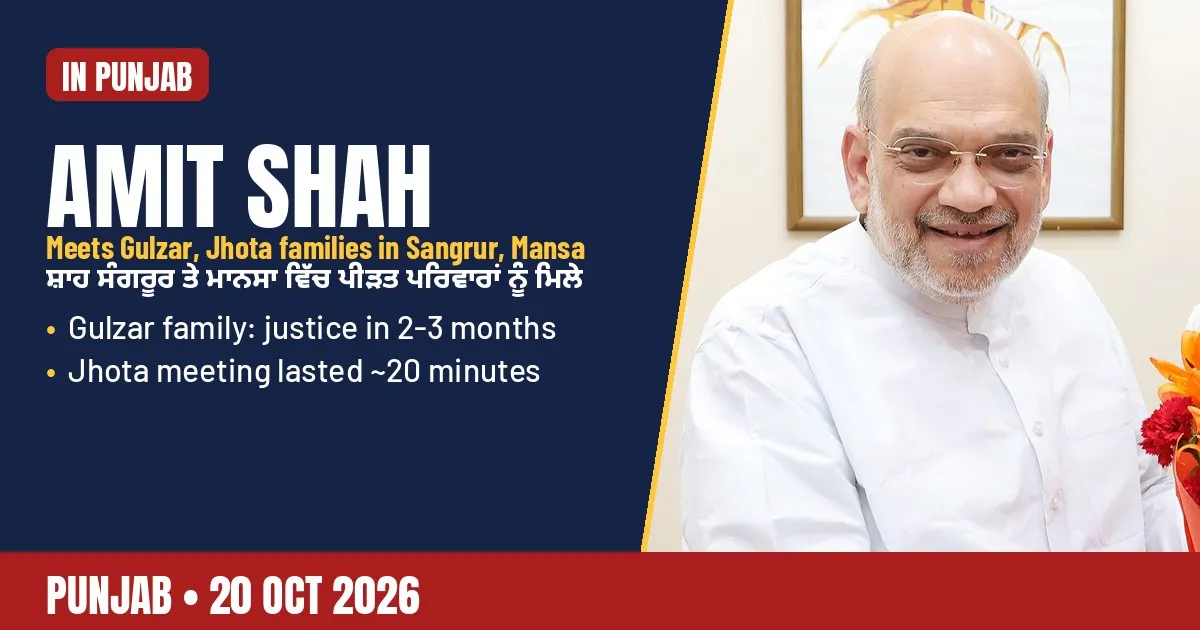 Shah Meets Gulzar Singh and Jhota Families in Sangrur, Mansaਅਮਿਤ ਸ਼ਾਹ ਸੰਗਰੂਰ ਤੇ ਮਾਨਸਾ ਵਿੱਚ ਗੁਲਜ਼ਾਰ ਅਤੇ ਝੋਟਾ ਦੇ ਪਰਿਵਾਰਾਂ ਨੂੰ ਮਿਲੇ
More writers & poets
See all

Sources (1)
Jugti is free and independent. Reader support keeps the Kosh growing.
Support