
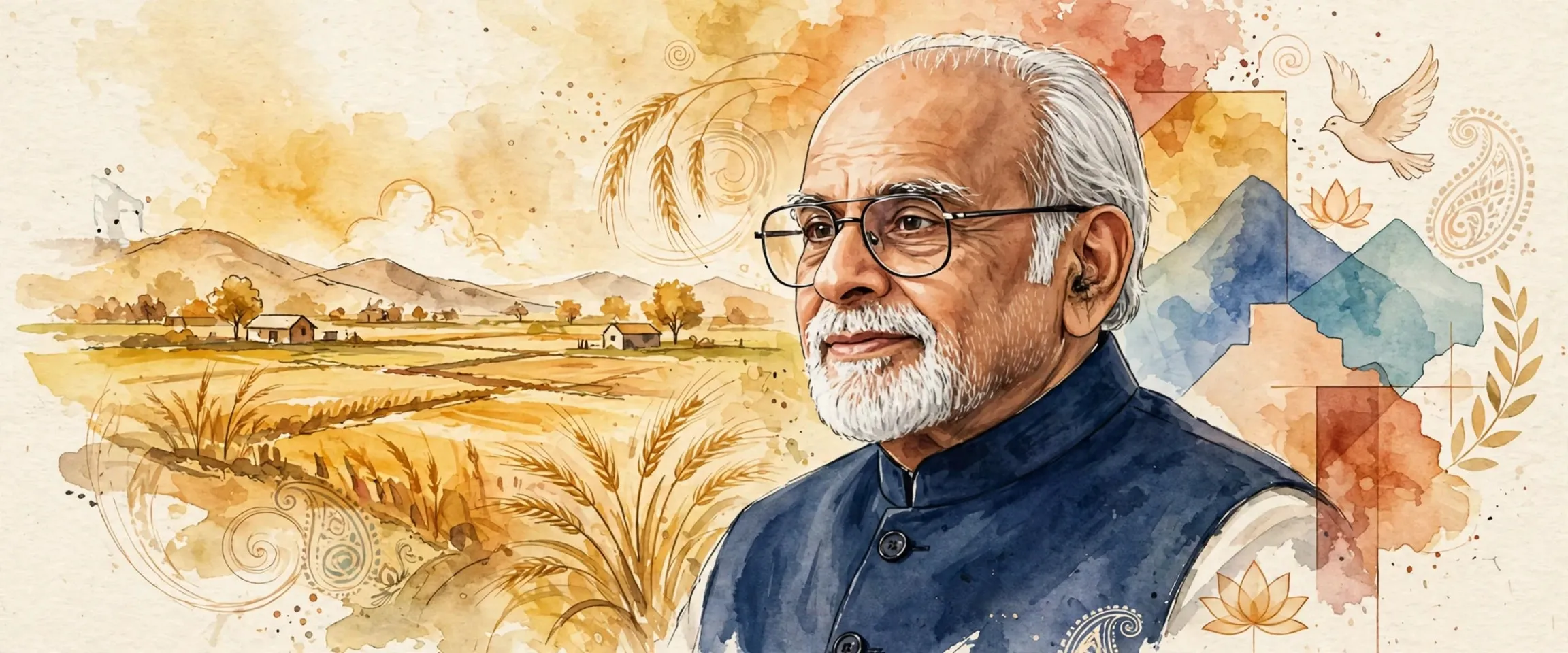
Inder Kumar Gujral (4 December 1919 to 30 November 2012) was an Indian statesman and diplomat from Jhelum district in undivided Punjab who became the 12th prime minister of India, serving from April 1997 to March 1998. He is best remembered for the Gujral Doctrine, his rule that India should give generously to its smaller neighbours without asking for anything in return.
- Punjabi name
- ਇੰਦਰ ਕੁਮਾਰ ਗੁਜਰਾਲ
- Born
- 4 December 1919, Pari Darveza, Jhelum district
- Died
- 30 November 2012, Gurugram, Haryana
- Home place
- Pari Darveza, Jhelum district
- Tehsil
- Sohawa
- District
- Jhelum
All 11 facts
- Region
- West Punjab
- Education
- D.A.V. College; Hailey College of Commerce; Forman Christian College, Lahore
- Prime Minister
- 12th Prime Minister of India, 21 April 1997 to 19 March 1998
- Other offices
- External Affairs Minister, 1989 to 1990 and 1996 to 1998; Ambassador to the Soviet Union, 1976 to 1980
- Honours
- Order of Friendship (Russia); Bangladesh Liberation War Honour; I.K. Gujral Punjab Technical University named for him in 2015
Inder Kumar Gujral (4 December 1919 to 30 November 2012) was an Indian statesman and diplomat from Jhelum district in undivided Punjab who became the 12th prime minister of India, serving from April 1997 to March 1998. He is best remembered for the Gujral Doctrine, his rule that India should give generously to its smaller neighbours without asking for anything in return.
Early life in Jhelum district
Gujral was born in the village of Pari Darveza, in Sohawa tehsil of Jhelum district, into a Punjabi Hindu Khatri family. His parents, Avtar Narain Gujral and Pushpa Gujral, both took part in the freedom struggle, and politics was part of the household from the start. His younger brother Satish Gujral became a noted painter and sculptor. Gujral was active in politics before he was in his teens, and as a student he joined the All India Students Federation and the Communist Party of India.
He studied at D.A.V. College, Hailey College of Commerce and Forman Christian College in Lahore, all linked to the University of the Punjab. In 1942 he was jailed for taking part in the Quit India movement. In 1945 he married Sheila Gujral, a poet, and the couple had two sons, among them Naresh Gujral, who later became a Rajya Sabha member.
Partition and a new life in Delhi
Partition in 1947 cut Gujral off from the land of his birth. During that year he was in Lahore and then Karachi, where his father sat in Pakistan's Constituent Assembly. When rioting rose in Karachi, the family moved to Delhi, losing their home and property in Jhelum. Gujral later said the experience shaped how he saw Pakistan: not as an enemy country, but as a place full of kin. That memory stayed with him for the rest of his public life and helps explain the warmth of his later diplomacy.
In Delhi he rebuilt his life in public service. He became vice-president of the New Delhi Municipal Committee in 1958, joined the Indian National Congress in 1964 and entered the Rajya Sabha the same year.
Minister, ambassador and the break with Congress
Under Prime Minister Indira Gandhi, Gujral held a run of union ministries through the late 1960s and 1970s: Communications and Parliamentary Affairs, Works and Housing, Information and Broadcasting, and Planning. As information and broadcasting minister during the Emergency, he was in charge of the media at a time of censorship, and accounts of the period describe friction with Sanjay Gandhi over demands to vet news before broadcast. In 1976 he was moved out of the cabinet and sent to Moscow as India's ambassador to the Soviet Union, a post he held until 1980, serving under three prime ministers.
In the 1980s Gujral left the Congress and joined the Janata Dal. The move restarted his career at the very top of Indian foreign policy, the field where he would leave his deepest mark.
Foreign minister twice over
Elected to the Lok Sabha from Jalandhar in 1989, Gujral became external affairs minister in Prime Minister V. P. Singh's government. The term was dominated by hard cases: he was sent to Srinagar to negotiate after the kidnapping of the home minister's daughter, and when Iraq invaded Kuwait in 1990 he worked to bring home the large number of Indians stranded in the Gulf.
After the 1996 election he became external affairs minister again, this time in H. D. Deve Gowda's United Front government. It was in this second term that he set out the ideas that carry his name.
What is the Gujral Doctrine?
The Gujral Doctrine is a set of five principles for India's relations with its neighbours, which Gujral set out in 1996. Its first principle is the famous one: with smaller neighbours such as Nepal, Bangladesh, Bhutan, the Maldives and Sri Lanka, India does not ask for reciprocity, but gives all it can in good faith and trust. The other four principles say that no South Asian country should let its territory be used against another country of the region, that none should interfere in another's internal affairs, that all must respect each other's territorial integrity and sovereignty, and that all disputes should be settled through peaceful bilateral talks.
The logic, as Gujral wrote in his autobiography, was that India faced hostile neighbours to its north and west and so needed total peace with all its other immediate neighbours. Critics later argued that his order, as prime minister, to close a Pakistan operations desk of India's external intelligence agency weakened the country's intelligence reach. Supporters answer that the doctrine remains a landmark in Indian foreign policy, and it is still taught and debated today.
Prime minister, 1997 to 1998
When the Congress withdrew support from Deve Gowda in April 1997, the United Front chose Gujral as its new leader to avoid a mid-term election, and he was sworn in as prime minister on 21 April 1997. He governed from the Rajya Sabha, only the third prime minister to do so, and kept the external affairs portfolio himself. His government resisted signing the Comprehensive Test Ban Treaty, and he had a standing practice of meeting members of the public on Friday mornings.
The government lived on borrowed support. In November 1997 the Congress demanded that Gujral drop ministers of the DMK, a coalition partner, after a commission report on the Rajiv Gandhi assassination. Gujral refused, the Congress withdrew support on 28 November, and he resigned, staying on as caretaker until March 1998. In the 1998 election he won the Jalandhar Lok Sabha seat with Akali Dal support, then retired from active politics.
Later life, honours and legacy
In retirement Gujral wrote his autobiography, Matters of Discretion, published in 2011, still described as the only autobiography by an Indian prime minister. His foreign honours included Russia's Order of Friendship and the Bangladesh Liberation War Honour, given in October 2012. He was admitted to hospital in Gurgaon (now Gurugram) with a lung infection and died there on 30 November 2012, aged 92. The Government of India declared seven days of state mourning, and he was cremated with a state funeral near Samata Sthal in Delhi on 1 December.
Punjab kept his name in public life. In 2015 the state government renamed Punjab Technical University as I.K. Gujral Punjab Technical University in his honour. A commemorative postage stamp followed in 2020. For Punjab, his story carries a particular weight: a boy from a small village in Jhelum district, made a refugee by Partition, rose to lead India, and spent his career arguing that the peoples divided in 1947 were kin, not enemies.
ਇੰਦਰ ਕੁਮਾਰ ਗੁਜਰਾਲ (4 ਦਸੰਬਰ 1919 ਤੋਂ 30 ਨਵੰਬਰ 2012) ਅਣਵੰਡੇ ਪੰਜਾਬ ਦੇ ਜੇਹਲਮ ਜ਼ਿਲ੍ਹੇ ਤੋਂ ਭਾਰਤੀ ਰਾਜਨੇਤਾ ਅਤੇ ਕੂਟਨੀਤਕ ਸਨ, ਜੋ ਭਾਰਤ ਦੇ 12ਵੇਂ ਪ੍ਰਧਾਨ ਮੰਤਰੀ ਬਣੇ ਅਤੇ ਅਪ੍ਰੈਲ 1997 ਤੋਂ ਮਾਰਚ 1998 ਤੱਕ ਇਸ ਅਹੁੱਦੇ ਉੱਤੇ ਰਹੇ। ਉਨ੍ਹਾਂ ਨੂੰ ਸਭ ਤੋਂ ਵੱਧ ਗੁਜਰਾਲ ਸਿਧਾਂਤ ਲਈ ਯਾਦ ਕੀਤਾ ਜਾਂਦਾ ਹੈ, ਜਿਸ ਅਨੁਸਾਰ ਭਾਰਤ ਨੂੰ ਆਪਣੇ ਛੋਟੇ ਗੁਆਂਢੀਆਂ ਨੂੰ ਬਦਲੇ ਵਿੱਚ ਕੁਝ ਮੰਗੇ ਬਿਨਾਂ ਖੁੱਲ੍ਹੇ ਦਿਲ ਨਾਲ ਦੇਣਾ ਚਾਹੀਦਾ ਹੈ।
ਜੇਹਲਮ ਜ਼ਿਲ੍ਹੇ ਵਿੱਚ ਮੁੱਢਲਾ ਜੀਵਨ
ਗੁਜਰਾਲ ਦਾ ਜਨਮ ਜੇਹਲਮ ਜ਼ਿਲ੍ਹੇ ਦੀ ਸੋਹਾਵਾ ਤਹਿਸੀਲ ਦੇ ਪਿੰਡ ਪਰੀ ਦਰਵੇਜ਼ਾ ਵਿੱਚ ਇੱਕ ਪੰਜਾਬੀ ਹਿੰਦੂ ਖੱਤਰੀ ਪਰਿਵਾਰ ਵਿੱਚ ਹੋਇਆ। ਉਨ੍ਹਾਂ ਦੇ ਮਾਤਾ ਪਿਤਾ, ਅਵਤਾਰ ਨਰਾਇਣ ਗੁਜਰਾਲ ਅਤੇ ਪੁਸ਼ਪਾ ਗੁਜਰਾਲ, ਦੋਵੇਂ ਆਜ਼ਾਦੀ ਸੰਗਰਾਮ ਵਿੱਚ ਹਿੱਸਾ ਲੈਂਦੇ ਸਨ, ਅਤੇ ਰਾਜਨੀਤੀ ਘਰ ਦਾ ਹਿੱਸਾ ਸੀ। ਉਨ੍ਹਾਂ ਦੇ ਛੋਟੇ ਭਰਾ ਸਤੀਸ਼ ਗੁਜਰਾਲ ਮਸ਼ਹੂਰ ਚਿੱਤਰਕਾਰ ਅਤੇ ਮੂਰਤੀਕਾਰ ਬਣੇ। ਗੁਜਰਾਲ ਕਿਸ਼ੋਰ ਅਵਸਥਾ ਤੋਂ ਪਹਿਲਾਂ ਹੀ ਰਾਜਨੀਤੀ ਵਿੱਚ ਸਰਗਰਮ ਹੋ ਗਏ ਸਨ, ਅਤੇ ਵਿਦਿਆਰਥੀ ਵਜੋਂ ਉਹ ਆਲ ਇੰਡੀਆ ਸਟੂਡੈਂਟਸ ਫੈਡਰੇਸ਼ਨ ਅਤੇ ਭਾਰਤੀ ਕਮਿਊਨਿਸਟ ਪਾਰਟੀ ਨਾਲ ਜੁੜ ਗਏ।
ਉਨ੍ਹਾਂ ਨੇ ਲਾਹੌਰ ਵਿੱਚ ਡੀ.ਏ.ਵੀ. ਕਾਲਜ, ਹੇਲੀ ਕਾਲਜ ਆਫ਼ ਕਾਮਰਸ ਅਤੇ ਫੋਰਮੈਨ ਕ੍ਰਿਸਚੀਅਨ ਕਾਲਜ ਵਿੱਚ ਪੜ੍ਹਾਈ ਕੀਤੀ, ਜੋ ਸਭ ਪੰਜਾਬ ਯੂਨੀਵਰਸਿਟੀ ਨਾਲ ਜੁੜੇ ਸਨ। 1942 ਵਿੱਚ ਭਾਰਤ ਛੱਡੋ ਅੰਦੋਲਨ ਵਿੱਚ ਹਿੱਸਾ ਲੈਣ ਉੱਤੇ ਉਨ੍ਹਾਂ ਨੂੰ ਜੇਲ੍ਹ ਹੋਈ। 1945 ਵਿੱਚ ਉਨ੍ਹਾਂ ਦਾ ਵਿਆਹ ਕਵਿਤਰੀ ਸ਼ੀਲਾ ਗੁਜਰਾਲ ਨਾਲ ਹੋਇਆ, ਅਤੇ ਉਨ੍ਹਾਂ ਦੇ ਦੋ ਪੁੱਤਰ ਹੋਏ, ਜਿਨ੍ਹਾਂ ਵਿੱਚੋਂ ਨਰੇਸ਼ ਗੁਜਰਾਲ ਬਾਅਦ ਵਿੱਚ ਰਾਜ ਸਭਾ ਮੈਂਬਰ ਬਣੇ।
ਵੰਡ ਅਤੇ ਦਿੱਲੀ ਵਿੱਚ ਨਵਾਂ ਜੀਵਨ
1947 ਦੀ ਵੰਡ ਨੇ ਗੁਜਰਾਲ ਨੂੰ ਉਨ੍ਹਾਂ ਦੀ ਜਨਮ ਭੂਮੀ ਤੋਂ ਵਿਛੋੜ ਦਿੱਤਾ। ਉਸ ਸਾਲ ਉਹ ਲਾਹੌਰ ਅਤੇ ਫਿਰ ਕਰਾਚੀ ਵਿੱਚ ਸਨ, ਜਿੱਥੇ ਉਨ੍ਹਾਂ ਦੇ ਪਿਤਾ ਪਾਕਿਸਤਾਨ ਦੀ ਸੰਵਿਧਾਨ ਸਭਾ ਦੇ ਮੈਂਬਰ ਸਨ। ਜਦੋਂ ਕਰਾਚੀ ਵਿੱਚ ਦੰਗੇ ਵਧੇ, ਤਾਂ ਪਰਿਵਾਰ ਦਿੱਲੀ ਆ ਗਿਆ ਅਤੇ ਜੇਹਲਮ ਵਾਲਾ ਘਰ ਅਤੇ ਜਾਇਦਾਦ ਪਿੱਛੇ ਰਹਿ ਗਈ। ਗੁਜਰਾਲ ਬਾਅਦ ਵਿੱਚ ਕਹਿੰਦੇ ਸਨ ਕਿ ਇਸ ਤਜਰਬੇ ਨੇ ਪਾਕਿਸਤਾਨ ਬਾਰੇ ਉਨ੍ਹਾਂ ਦੀ ਸੋਚ ਬਣਾਈ: ਦੁਸ਼ਮਣ ਮੁਲਕ ਨਹੀਂ, ਸਗੋਂ ਰਿਸ਼ਤੇਦਾਰਾਂ ਨਾਲ ਭਰਿਆ ਇਲਾਕਾ। ਇਹ ਯਾਦ ਉਨ੍ਹਾਂ ਦੇ ਸਾਰੇ ਜਨਤਕ ਜੀਵਨ ਵਿੱਚ ਨਾਲ ਰਹੀ ਅਤੇ ਉਨ੍ਹਾਂ ਦੀ ਬਾਅਦ ਵਾਲੀ ਕੂਟਨੀਤੀ ਦੀ ਨਿੱਘ ਨੂੰ ਸਮਝਾਉਂਦੀ ਹੈ।
ਦਿੱਲੀ ਵਿੱਚ ਉਨ੍ਹਾਂ ਨੇ ਜਨਤਕ ਸੇਵਾ ਨਾਲ ਆਪਣਾ ਜੀਵਨ ਮੁੜ ਬਣਾਇਆ। ਉਹ 1958 ਵਿੱਚ ਨਵੀਂ ਦਿੱਲੀ ਨਗਰ ਨਿਗਮ ਕਮੇਟੀ ਦੇ ਉਪ ਪ੍ਰਧਾਨ ਬਣੇ, 1964 ਵਿੱਚ ਭਾਰਤੀ ਰਾਸ਼ਟਰੀ ਕਾਂਗਰਸ ਵਿੱਚ ਸ਼ਾਮਲ ਹੋਏ ਅਤੇ ਉਸੇ ਸਾਲ ਰਾਜ ਸਭਾ ਵਿੱਚ ਚਲੇ ਗਏ।
ਮੰਤਰੀ, ਰਾਜਦੂਤ ਅਤੇ ਕਾਂਗਰਸ ਨਾਲੋਂ ਨਾਤਾ ਟੁੱਟਣਾ
ਪ੍ਰਧਾਨ ਮੰਤਰੀ ਇੰਦਰਾ ਗਾਂਧੀ ਦੇ ਸਮੇਂ ਗੁਜਰਾਲ ਨੇ 1960ਵਿਆਂ ਦੇ ਅਖੀਰ ਅਤੇ 1970ਵਿਆਂ ਵਿੱਚ ਕਈ ਕੇਂਦਰੀ ਮੰਤਰਾਲੇ ਸੰਭਾਲੇ: ਸੰਚਾਰ ਅਤੇ ਸੰਸਦੀ ਮਾਮਲੇ, ਨਿਰਮਾਣ ਅਤੇ ਰਿਹਾਇਸ਼, ਸੂਚਨਾ ਅਤੇ ਪ੍ਰਸਾਰਣ, ਅਤੇ ਯੋਜਨਾ। ਐਮਰਜੈਂਸੀ ਦੌਰਾਨ ਸੂਚਨਾ ਅਤੇ ਪ੍ਰਸਾਰਣ ਮੰਤਰੀ ਵਜੋਂ ਉਹ ਸੈਂਸਰਸ਼ਿਪ ਦੇ ਸਮੇਂ ਮੀਡੀਆ ਦੇ ਇੰਚਾਰਜ ਸਨ, ਅਤੇ ਉਸ ਦੌਰ ਦੇ ਵਰਨਣਾਂ ਵਿੱਚ ਖ਼ਬਰਾਂ ਪ੍ਰਸਾਰਣ ਤੋਂ ਪਹਿਲਾਂ ਦਿਖਾਉਣ ਦੀ ਮੰਗ ਉੱਤੇ ਸੰਜੇ ਗਾਂਧੀ ਨਾਲ ਉਨ੍ਹਾਂ ਦੀ ਖਿੱਚੋਤਾਣ ਦਾ ਜ਼ਿਕਰ ਮਿਲਦਾ ਹੈ। 1976 ਵਿੱਚ ਉਨ੍ਹਾਂ ਨੂੰ ਮੰਤਰੀ ਮੰਡਲ ਤੋਂ ਹਟਾ ਕੇ ਮਾਸਕੋ ਵਿੱਚ ਭਾਰਤ ਦਾ ਰਾਜਦੂਤ ਬਣਾ ਕੇ ਭੇਜਿਆ ਗਿਆ, ਜਿੱਥੇ ਉਹ 1980 ਤੱਕ ਰਹੇ ਅਤੇ ਤਿੰਨ ਪ੍ਰਧਾਨ ਮੰਤਰੀਆਂ ਦੇ ਸਮੇਂ ਕੰਮ ਕੀਤਾ।
1980ਵਿਆਂ ਵਿੱਚ ਗੁਜਰਾਲ ਕਾਂਗਰਸ ਛੱਡ ਕੇ ਜਨਤਾ ਦਲ ਵਿੱਚ ਸ਼ਾਮਲ ਹੋ ਗਏ। ਇਸ ਕਦਮ ਨੇ ਉਨ੍ਹਾਂ ਦੇ ਕਰੀਅਰ ਨੂੰ ਭਾਰਤੀ ਵਿਦੇਸ਼ ਨੀਤੀ ਦੇ ਸਭ ਤੋਂ ਉੱਚੇ ਪੱਧਰ ਉੱਤੇ ਮੁੜ ਸ਼ੁਰੂ ਕੀਤਾ, ਉਹ ਖੇਤਰ ਜਿੱਥੇ ਉਨ੍ਹਾਂ ਦੀ ਸਭ ਤੋਂ ਡੂੰਘੀ ਛਾਪ ਰਹੀ।
ਦੋ ਵਾਰ ਵਿਦੇਸ਼ ਮੰਤਰੀ
1989 ਵਿੱਚ ਜਲੰਧਰ ਤੋਂ ਲੋਕ ਸਭਾ ਵਿੱਚ ਚੁਣੇ ਜਾਣ ਤੋਂ ਬਾਅਦ ਗੁਜਰਾਲ ਪ੍ਰਧਾਨ ਮੰਤਰੀ ਵੀ. ਪੀ. ਸਿੰਘ ਦੀ ਸਰਕਾਰ ਵਿੱਚ ਵਿਦੇਸ਼ ਮੰਤਰੀ ਬਣੇ। ਇਹ ਕਾਰਜਕਾਲ ਔਖੇ ਮਾਮਲਿਆਂ ਨਾਲ ਭਰਿਆ ਸੀ: ਗ੍ਰਹਿ ਮੰਤਰੀ ਦੀ ਧੀ ਦੇ ਅਗਵਾ ਤੋਂ ਬਾਅਦ ਗੱਲਬਾਤ ਲਈ ਉਨ੍ਹਾਂ ਨੂੰ ਸ੍ਰੀਨਗਰ ਭੇਜਿਆ ਗਿਆ, ਅਤੇ 1990 ਵਿੱਚ ਜਦੋਂ ਇਰਾਕ ਨੇ ਕੁਵੈਤ ਉੱਤੇ ਹਮਲਾ ਕੀਤਾ, ਤਾਂ ਉਨ੍ਹਾਂ ਨੇ ਖਾੜੀ ਵਿੱਚ ਫਸੇ ਵੱਡੀ ਗਿਣਤੀ ਭਾਰਤੀਆਂ ਨੂੰ ਘਰ ਲਿਆਉਣ ਲਈ ਕੰਮ ਕੀਤਾ।
1996 ਦੀਆਂ ਚੋਣਾਂ ਤੋਂ ਬਾਅਦ ਉਹ ਫਿਰ ਵਿਦੇਸ਼ ਮੰਤਰੀ ਬਣੇ, ਇਸ ਵਾਰ ਐਚ. ਡੀ. ਦੇਵਗੌੜਾ ਦੀ ਸੰਯੁਕਤ ਮੋਰਚਾ ਸਰਕਾਰ ਵਿੱਚ। ਇਸੇ ਦੂਜੇ ਕਾਰਜਕਾਲ ਵਿੱਚ ਉਨ੍ਹਾਂ ਨੇ ਉਹ ਵਿਚਾਰ ਪੇਸ਼ ਕੀਤੇ ਜੋ ਉਨ੍ਹਾਂ ਦੇ ਨਾਂ ਨਾਲ ਜੁੜੇ ਹਨ।
ਗੁਜਰਾਲ ਸਿਧਾਂਤ ਕੀ ਹੈ?
ਗੁਜਰਾਲ ਸਿਧਾਂਤ ਭਾਰਤ ਦੇ ਆਪਣੇ ਗੁਆਂਢੀਆਂ ਨਾਲ ਸਬੰਧਾਂ ਲਈ ਪੰਜ ਸਿਧਾਂਤਾਂ ਦਾ ਸਮੂਹ ਹੈ, ਜੋ ਗੁਜਰਾਲ ਨੇ 1996 ਵਿੱਚ ਪੇਸ਼ ਕੀਤੇ। ਇਸ ਦਾ ਪਹਿਲਾ ਸਿਧਾਂਤ ਸਭ ਤੋਂ ਮਸ਼ਹੂਰ ਹੈ: ਨੇਪਾਲ, ਬੰਗਲਾਦੇਸ਼, ਭੂਟਾਨ, ਮਾਲਦੀਵ ਅਤੇ ਸ੍ਰੀਲੰਕਾ ਵਰਗੇ ਛੋਟੇ ਗੁਆਂਢੀਆਂ ਕੋਲੋਂ ਭਾਰਤ ਬਦਲਾ ਨਹੀਂ ਮੰਗਦਾ, ਸਗੋਂ ਨੇਕਨੀਅਤੀ ਅਤੇ ਭਰੋਸੇ ਨਾਲ ਜੋ ਦੇ ਸਕਦਾ ਹੈ, ਦਿੰਦਾ ਹੈ। ਬਾਕੀ ਚਾਰ ਸਿਧਾਂਤ ਕਹਿੰਦੇ ਹਨ ਕਿ ਕੋਈ ਦੱਖਣੀ ਏਸ਼ੀਆਈ ਮੁਲਕ ਆਪਣੀ ਧਰਤੀ ਕਿਸੇ ਹੋਰ ਮੁਲਕ ਵਿਰੁੱਧ ਵਰਤਣ ਨਾ ਦੇਵੇ, ਕੋਈ ਕਿਸੇ ਦੇ ਅੰਦਰੂਨੀ ਮਾਮਲਿਆਂ ਵਿੱਚ ਦਖ਼ਲ ਨਾ ਦੇਵੇ, ਸਭ ਇੱਕ ਦੂਜੇ ਦੀ ਖੇਤਰੀ ਅਖੰਡਤਾ ਅਤੇ ਪ੍ਰਭੂਸੱਤਾ ਦਾ ਸਤਿਕਾਰ ਕਰਨ, ਅਤੇ ਸਾਰੇ ਝਗੜੇ ਸ਼ਾਂਤਮਈ ਦੁਵੱਲੀ ਗੱਲਬਾਤ ਨਾਲ ਸੁਲਝਾਏ ਜਾਣ।
ਤਰਕ, ਜਿਵੇਂ ਗੁਜਰਾਲ ਨੇ ਆਪਣੀ ਆਤਮਕਥਾ ਵਿੱਚ ਲਿਖਿਆ, ਇਹ ਸੀ ਕਿ ਭਾਰਤ ਦੇ ਉੱਤਰ ਅਤੇ ਪੱਛਮ ਵਿੱਚ ਦੁਸ਼ਮਣ ਗੁਆਂਢੀ ਸਨ, ਇਸ ਲਈ ਬਾਕੀ ਸਾਰੇ ਨੇੜਲੇ ਗੁਆਂਢੀਆਂ ਨਾਲ ਪੂਰੀ ਸ਼ਾਂਤੀ ਜ਼ਰੂਰੀ ਸੀ ਤਾਂ ਜੋ ਪਾਕਿਸਤਾਨ ਅਤੇ ਚੀਨ ਦੇ ਅਸਰ ਨੂੰ ਰੋਕਿਆ ਜਾ ਸਕੇ। ਆਲੋਚਕਾਂ ਨੇ ਬਾਅਦ ਵਿੱਚ ਕਿਹਾ ਕਿ ਪ੍ਰਧਾਨ ਮੰਤਰੀ ਵਜੋਂ ਉਨ੍ਹਾਂ ਦੇ ਹੁਕਮ ਨਾਲ ਭਾਰਤ ਦੀ ਬਾਹਰੀ ਖੁਫ਼ੀਆ ਏਜੰਸੀ ਦਾ ਪਾਕਿਸਤਾਨ ਕਾਰਵਾਈ ਡੈਸਕ ਬੰਦ ਹੋਣ ਨਾਲ ਮੁਲਕ ਦੀ ਖੁਫ਼ੀਆ ਪਹੁੰਚ ਕਮਜ਼ੋਰ ਹੋਈ। ਸਮਰਥਕਾਂ ਦਾ ਜਵਾਬ ਹੈ ਕਿ ਇਹ ਸਿਧਾਂਤ ਭਾਰਤੀ ਵਿਦੇਸ਼ ਨੀਤੀ ਵਿੱਚ ਮੀਲ ਪੱਥਰ ਹੈ ਅਤੇ ਅੱਜ ਵੀ ਪੜ੍ਹਾਇਆ ਅਤੇ ਚਰਚਿਆ ਜਾਂਦਾ ਹੈ।
ਪ੍ਰਧਾਨ ਮੰਤਰੀ, 1997 ਤੋਂ 1998
ਜਦੋਂ ਅਪ੍ਰੈਲ 1997 ਵਿੱਚ ਕਾਂਗਰਸ ਨੇ ਦੇਵਗੌੜਾ ਤੋਂ ਸਮਰਥਨ ਵਾਪਸ ਲਿਆ, ਤਾਂ ਸੰਯੁਕਤ ਮੋਰਚੇ ਨੇ ਦਰਮਿਆਨੀ ਚੋਣ ਤੋਂ ਬਚਣ ਲਈ ਗੁਜਰਾਲ ਨੂੰ ਆਪਣਾ ਨਵਾਂ ਆਗੂ ਚੁਣਿਆ, ਅਤੇ 21 ਅਪ੍ਰੈਲ 1997 ਨੂੰ ਉਨ੍ਹਾਂ ਨੇ ਪ੍ਰਧਾਨ ਮੰਤਰੀ ਵਜੋਂ ਸਹੁੰ ਚੁੱਕੀ। ਉਨ੍ਹਾਂ ਨੇ ਰਾਜ ਸਭਾ ਤੋਂ ਸਰਕਾਰ ਚਲਾਈ, ਅਜਿਹਾ ਕਰਨ ਵਾਲੇ ਉਹ ਸਿਰਫ਼ ਤੀਜੇ ਪ੍ਰਧਾਨ ਮੰਤਰੀ ਸਨ, ਅਤੇ ਵਿਦੇਸ਼ ਮੰਤਰਾਲਾ ਵੀ ਆਪਣੇ ਕੋਲ ਰੱਖਿਆ। ਉਨ੍ਹਾਂ ਦੀ ਸਰਕਾਰ ਨੇ ਵਿਆਪਕ ਟੈਸਟ ਪਾਬੰਦੀ ਸੰਧੀ ਉੱਤੇ ਦਸਤਖ਼ਤ ਕਰਨ ਤੋਂ ਇਨਕਾਰ ਕੀਤਾ, ਅਤੇ ਉਨ੍ਹਾਂ ਦੀ ਆਦਤ ਸੀ ਕਿ ਉਹ ਸ਼ੁੱਕਰਵਾਰ ਸਵੇਰੇ ਆਮ ਲੋਕਾਂ ਨੂੰ ਮਿਲਦੇ ਸਨ।
ਸਰਕਾਰ ਉਧਾਰੇ ਸਮਰਥਨ ਉੱਤੇ ਚੱਲਦੀ ਸੀ। ਨਵੰਬਰ 1997 ਵਿੱਚ ਰਾਜੀਵ ਗਾਂਧੀ ਹੱਤਿਆ ਕਾਂਡ ਬਾਰੇ ਕਮਿਸ਼ਨ ਰਿਪੋਰਟ ਤੋਂ ਬਾਅਦ ਕਾਂਗਰਸ ਨੇ ਮੰਗ ਕੀਤੀ ਕਿ ਗੁਜਰਾਲ ਗੱਠਜੋੜ ਸਾਥੀ ਡੀ.ਐਮ.ਕੇ. ਦੇ ਮੰਤਰੀ ਹਟਾਉਣ। ਗੁਜਰਾਲ ਨੇ ਇਨਕਾਰ ਕਰ ਦਿੱਤਾ, ਕਾਂਗਰਸ ਨੇ 28 ਨਵੰਬਰ ਨੂੰ ਸਮਰਥਨ ਵਾਪਸ ਲੈ ਲਿਆ, ਅਤੇ ਉਨ੍ਹਾਂ ਨੇ ਅਸਤੀਫ਼ਾ ਦੇ ਦਿੱਤਾ ਅਤੇ ਮਾਰਚ 1998 ਤੱਕ ਕਾਰਜਵਾਹਕ ਵਜੋਂ ਰਹੇ। 1998 ਦੀਆਂ ਚੋਣਾਂ ਵਿੱਚ ਉਨ੍ਹਾਂ ਨੇ ਅਕਾਲੀ ਦਲ ਦੇ ਸਮਰਥਨ ਨਾਲ ਜਲੰਧਰ ਲੋਕ ਸਭਾ ਸੀਟ ਜਿੱਤੀ, ਫਿਰ ਸਰਗਰਮ ਰਾਜਨੀਤੀ ਤੋਂ ਸੰਨਿਆਸ ਲੈ ਲਿਆ।
ਬਾਅਦ ਦਾ ਜੀਵਨ, ਸਨਮਾਨ ਅਤੇ ਵਿਰਾਸਤ
ਸੰਨਿਆਸ ਤੋਂ ਬਾਅਦ ਗੁਜਰਾਲ ਨੇ ਆਪਣੀ ਆਤਮਕਥਾ, ਮੈਟਰਜ਼ ਆਫ਼ ਡਿਸਕ੍ਰੀਸ਼ਨ, ਲਿਖੀ, ਜੋ 2011 ਵਿੱਚ ਛਪੀ ਅਤੇ ਜਿਸ ਨੂੰ ਅਜੇ ਵੀ ਕਿਸੇ ਭਾਰਤੀ ਪ੍ਰਧਾਨ ਮੰਤਰੀ ਦੀ ਇਕਲੌਤੀ ਆਤਮਕਥਾ ਕਿਹਾ ਜਾਂਦਾ ਹੈ। ਉਨ੍ਹਾਂ ਦੇ ਵਿਦੇਸ਼ੀ ਸਨਮਾਨਾਂ ਵਿੱਚ ਰੂਸ ਦਾ ਆਰਡਰ ਆਫ਼ ਫਰੈਂਡਸ਼ਿਪ ਅਤੇ ਬੰਗਲਾਦੇਸ਼ ਮੁਕਤੀ ਜੰਗ ਸਨਮਾਨ ਸ਼ਾਮਲ ਸਨ, ਜੋ ਅਕਤੂਬਰ 2012 ਵਿੱਚ ਦਿੱਤਾ ਗਿਆ। ਫੇਫੜਿਆਂ ਦੀ ਲਾਗ ਕਰਕੇ ਉਨ੍ਹਾਂ ਨੂੰ ਗੁੜਗਾਉਂ (ਹੁਣ ਗੁਰੂਗ੍ਰਾਮ) ਦੇ ਹਸਪਤਾਲ ਵਿੱਚ ਦਾਖ਼ਲ ਕੀਤਾ ਗਿਆ ਅਤੇ 30 ਨਵੰਬਰ 2012 ਨੂੰ 92 ਸਾਲ ਦੀ ਉਮਰ ਵਿੱਚ ਉੱਥੇ ਉਨ੍ਹਾਂ ਦਾ ਦੇਹਾਂਤ ਹੋ ਗਿਆ। ਭਾਰਤ ਸਰਕਾਰ ਨੇ ਸੱਤ ਦਿਨਾਂ ਦਾ ਸਰਕਾਰੀ ਸੋਗ ਐਲਾਨਿਆ, ਅਤੇ 1 ਦਸੰਬਰ ਨੂੰ ਦਿੱਲੀ ਵਿੱਚ ਸਮਤਾ ਸਥਲ ਨੇੜੇ ਸਰਕਾਰੀ ਸਨਮਾਨਾਂ ਨਾਲ ਉਨ੍ਹਾਂ ਦਾ ਸਸਕਾਰ ਕੀਤਾ ਗਿਆ।
ਪੰਜਾਬ ਨੇ ਉਨ੍ਹਾਂ ਦਾ ਨਾਂ ਜਨਤਕ ਜੀਵਨ ਵਿੱਚ ਜਿਉਂਦਾ ਰੱਖਿਆ। 2015 ਵਿੱਚ ਸੂਬਾ ਸਰਕਾਰ ਨੇ ਪੰਜਾਬ ਤਕਨੀਕੀ ਯੂਨੀਵਰਸਿਟੀ ਦਾ ਨਾਂ ਬਦਲ ਕੇ ਆਈ. ਕੇ. ਗੁਜਰਾਲ ਪੰਜਾਬ ਤਕਨੀਕੀ ਯੂਨੀਵਰਸਿਟੀ ਰੱਖ ਦਿੱਤਾ। 2020 ਵਿੱਚ ਉਨ੍ਹਾਂ ਉੱਤੇ ਯਾਦਗਾਰੀ ਡਾਕ ਟਿਕਟ ਵੀ ਜਾਰੀ ਹੋਈ। ਪੰਜਾਬ ਲਈ ਉਨ੍ਹਾਂ ਦੀ ਕਹਾਣੀ ਦਾ ਖਾਸ ਭਾਰ ਹੈ: ਜੇਹਲਮ ਜ਼ਿਲ੍ਹੇ ਦੇ ਛੋਟੇ ਜਿਹੇ ਪਿੰਡ ਦਾ ਮੁੰਡਾ, ਜੋ ਵੰਡ ਕਰਕੇ ਸ਼ਰਨਾਰਥੀ ਬਣਿਆ, ਭਾਰਤ ਦੀ ਅਗਵਾਈ ਤੱਕ ਪਹੁੰਚਿਆ, ਅਤੇ ਸਾਰਾ ਕਰੀਅਰ ਇਹ ਤਰਕ ਦਿੰਦਾ ਰਿਹਾ ਕਿ 1947 ਵਿੱਚ ਵੰਡੇ ਗਏ ਲੋਕ ਰਿਸ਼ਤੇਦਾਰ ਹਨ, ਦੁਸ਼ਮਣ ਨਹੀਂ।
People
More people


Sources (3)
Jugti is free and independent. Reader support keeps the Kosh growing.
Support