

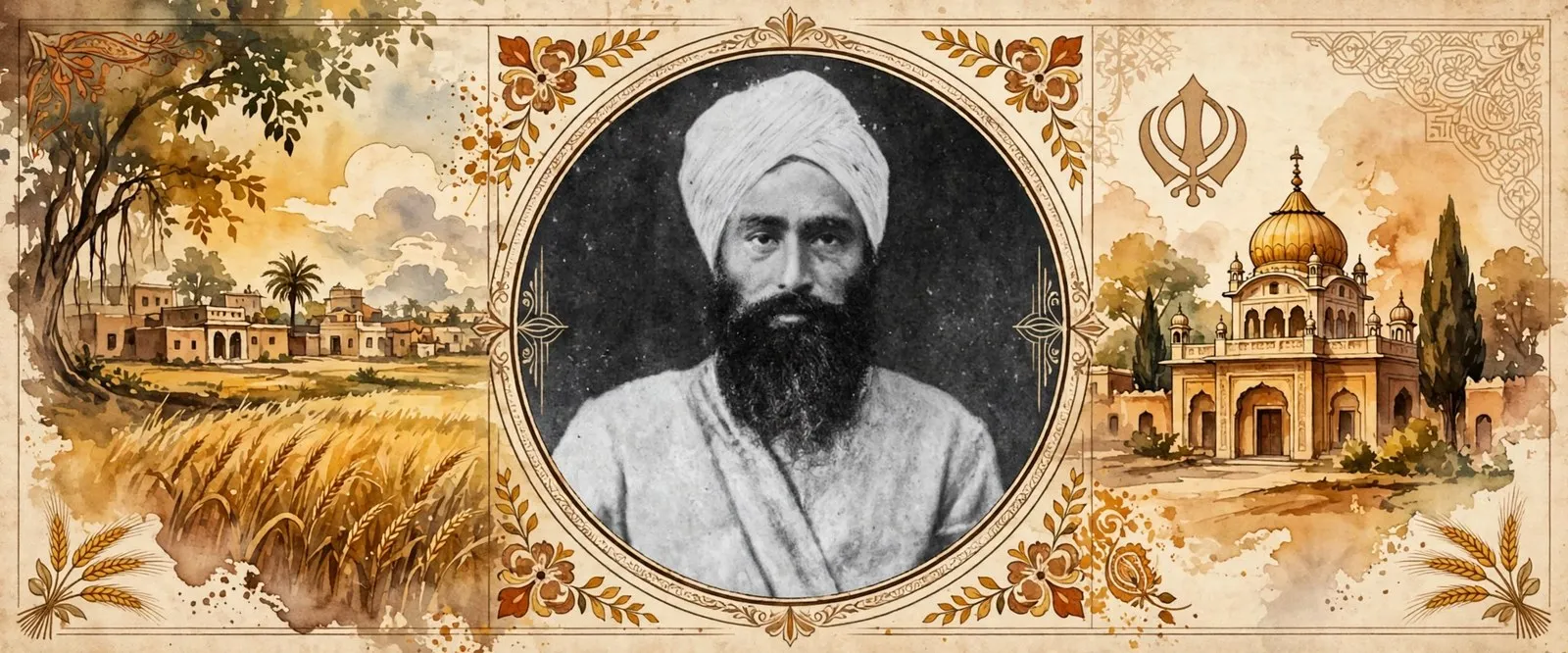
Khizar Hayat Tiwana (1900 to 1975) was a Punjabi soldier, landowner and Unionist politician from Shahpur who served as Premier of Punjab from December 1942 to March 1947, the last premier of the united province under British rule. He opposed the Pakistan demand and the partition of Punjab throughout his premiership. After the Muslim League won most Muslim seats in 1946, he led a Congress, Akali and Unionist coalition ministry until resigning on 2 March 1947.
- Punjabi name
- ਖ਼ਿਜ਼ਰ ਹਯਾਤ ਟਿਵਾਣਾ
- Born
- 7 August 1900, Chak Muzaffarabad, Shahpur District, Punjab Province, British India (now Sargodha District, Punjab, Pakistan)
- Home place
- Chak Muzaffarabad; family estate at Kalra, Jhawarian
- District
- Sargodha
- Tehsil
- Shahpur
- Region
- West Punjab
All 14 facts
- Died
- January 1975, Butte City, California, USA (sources differ on the day); buried at Kalra, Sargodha
- Education
- Aitchison College, Lahore
- Army
- 17th Cavalry, commissioned 17 April 1918; First World War and Third Anglo Afghan War; honorary lieutenant colonel 1943
- Minister
- Public Works and Local Self Government, Punjab, 1937 to 1942
- Premier
- Punjab, 30 December 1942 to 2 March 1947
- Party
- Unionist Party
- Honours
- OBE; Knight Commander of the Order of the Star of India (KCSI), 1946
- Father
- Major General Sir Malik Umar Hayat Khan Tiwana (1875 to 1944)
Who was Khizar Hayat Tiwana?
Khizar Hayat Tiwana (1900 to 1975) was a Punjabi soldier, landowner and politician from Shahpur in western Punjab who served as Premier of Punjab from December 1942 to March 1947. He led the Unionist Party government of the undivided province in the last years of British rule and held office until months before Partition. He is remembered above all for opposing the demand for Pakistan and the division of Punjab, a position he kept to the end of his premiership.
His career joined three worlds that were coming apart in the 1940s. He began as a cavalry officer in the First World War, spent the interwar years managing one of Punjab's large landed estates, and then moved into provincial politics, first as a minister and then as premier. When the Muslim League won most Muslim seats in Punjab in 1946, he still formed a coalition ministry with Congress and the Akali Dal, and resigned only on 2 March 1947 after a campaign of civil disobedience against his government.
Early life and education
Malik Khizar Hayat Tiwana was born on 7 August 1900 at Chak Muzaffarabad in Shahpur District of Punjab Province in British India. The area now lies in Sargodha District in Punjab, Pakistan. His father, Major General Sir Malik Umar Hayat Khan Tiwana, was a soldier and landowner who sat on the Council of the Secretary of State for India. The Tiwanas of Shahpur, centred on the Kalra estate, were among the largest landowning families of Punjab.
The boy was educated at Aitchison College in Lahore, the school that trained many sons of Punjab's landed and official families for public life. He grew up between the estate world of Shahpur and the provincial capital, and both shaped his later politics: a belief in landed order and local self government, and a Punjab first loyalty that put the province ahead of all India party programmes.
Army service and the Kalra estate
Khizar volunteered for military service at sixteen and was commissioned into the 17th Cavalry on 17 April 1918. He served in the First World War and in the Third Anglo Afghan War and was mentioned in despatches. He became an honorary captain in 1923, retired from regular service that year to manage the Kalra estate, and later received the honorary ranks of major in 1936 and lieutenant colonel in 1943. He was appointed an Officer of the Order of the British Empire (OBE).
ਖ਼ਿਜ਼ਰ ਹਯਾਤ ਟਿਵਾਣਾ ਕੌਣ ਸਨ?
ਖ਼ਿਜ਼ਰ ਹਯਾਤ ਟਿਵਾਣਾ (1900 ਤੋਂ 1975) ਪੱਛਮੀ ਪੰਜਾਬ ਦੇ ਸ਼ਾਹਪੁਰ ਨਾਲ ਸਬੰਧਤ ਪੰਜਾਬੀ ਫੌਜੀ ਅਫ਼ਸਰ, ਜ਼ਿਮੀਂਦਾਰ ਅਤੇ ਸਿਆਸਤਦਾਨ ਸਨ ਜੋ ਦਸੰਬਰ 1942 ਤੋਂ ਮਾਰਚ 1947 ਤੱਕ ਪੰਜਾਬ ਦੇ ਪ੍ਰੀਮੀਅਰ ਰਹੇ। ਬਰਤਾਨਵੀ ਰਾਜ ਦੇ ਆਖ਼ਰੀ ਸਾਲਾਂ ਵਿੱਚ ਉਨ੍ਹਾਂ ਨੇ ਅਣਵੰਡੇ ਸੂਬੇ ਦੀ ਯੂਨੀਅਨਿਸਟ ਪਾਰਟੀ ਸਰਕਾਰ ਦੀ ਅਗਵਾਈ ਕੀਤੀ ਅਤੇ ਵੰਡ ਤੋਂ ਕੁਝ ਮਹੀਨੇ ਪਹਿਲਾਂ ਤੱਕ ਅਹੁਦੇ 'ਤੇ ਰਹੇ। ਉਨ੍ਹਾਂ ਨੂੰ ਸਭ ਤੋਂ ਵੱਧ ਪਾਕਿਸਤਾਨ ਦੀ ਮੰਗ ਅਤੇ ਪੰਜਾਬ ਦੀ ਵੰਡ ਦਾ ਵਿਰੋਧ ਕਰਨ ਲਈ ਯਾਦ ਕੀਤਾ ਜਾਂਦਾ ਹੈ, ਉਹ ਰੁਖ਼ ਜੋ ਉਨ੍ਹਾਂ ਨੇ ਆਪਣੀ ਪ੍ਰੀਮੀਅਰ ਪਦ ਦੇ ਅੰਤ ਤੱਕ ਕਾਇਮ ਰੱਖਿਆ।
ਉਨ੍ਹਾਂ ਦਾ ਸਿਆਸੀ ਸਫ਼ਰ ਤਿੰਨ ਅਜਿਹੀਆਂ ਦੁਨੀਆਂ ਨੂੰ ਜੋੜਦਾ ਸੀ ਜੋ 1940ਵਿਆਂ ਵਿੱਚ ਟੁੱਟ ਰਹੀਆਂ ਸਨ। ਉਨ੍ਹਾਂ ਨੇ ਪਹਿਲੀ ਸੰਸਾਰ ਜੰਗ ਵਿੱਚ ਘੋੜਸਵਾਰ ਫੌਜ ਦੇ ਅਫ਼ਸਰ ਵਜੋਂ ਸ਼ੁਰੂਆਤ ਕੀਤੀ, ਦੋ ਜੰਗਾਂ ਵਿਚਲੇ ਸਾਲ ਪੰਜਾਬ ਦੀਆਂ ਵੱਡੀਆਂ ਜਾਗੀਰਾਂ ਵਿੱਚੋਂ ਇੱਕ ਦਾ ਪ੍ਰਬੰਧ ਕਰਦਿਆਂ ਬਿਤਾਏ, ਅਤੇ ਫਿਰ ਸੂਬਾਈ ਸਿਆਸਤ ਵਿੱਚ ਆਏ, ਪਹਿਲਾਂ ਮੰਤਰੀ ਅਤੇ ਫਿਰ ਪ੍ਰੀਮੀਅਰ ਵਜੋਂ। ਜਦੋਂ 1946 ਵਿੱਚ ਮੁਸਲਿਮ ਲੀਗ ਨੇ ਪੰਜਾਬ ਦੀਆਂ ਜ਼ਿਆਦਾਤਰ ਮੁਸਲਿਮ ਸੀਟਾਂ ਜਿੱਤੀਆਂ, ਤਾਂ ਵੀ ਉਨ੍ਹਾਂ ਨੇ ਕਾਂਗਰਸ ਅਤੇ ਅਕਾਲੀ ਦਲ ਨਾਲ ਗਠਜੋੜ ਮੰਤਰਾਲਾ ਬਣਾਇਆ, ਅਤੇ ਆਪਣੀ ਸਰਕਾਰ ਵਿਰੁੱਧ ਸਿਵਲ ਨਾਫ਼ਰਮਾਨੀ ਦੀ ਮੁਹਿੰਮ ਤੋਂ ਬਾਅਦ ਹੀ 2 ਮਾਰਚ 1947 ਨੂੰ ਅਸਤੀਫ਼ਾ ਦਿੱਤਾ।
ਮੁੱਢਲਾ ਜੀਵਨ ਅਤੇ ਸਿੱਖਿਆ
ਮਲਿਕ ਖ਼ਿਜ਼ਰ ਹਯਾਤ ਟਿਵਾਣਾ ਦਾ ਜਨਮ 7 ਅਗਸਤ 1900 ਨੂੰ ਬਰਤਾਨਵੀ ਭਾਰਤ ਦੇ ਪੰਜਾਬ ਸੂਬੇ ਦੇ ਜ਼ਿਲ੍ਹਾ ਸ਼ਾਹਪੁਰ ਦੇ ਚੱਕ ਮੁਜ਼ੱਫ਼ਰਾਬਾਦ ਵਿੱਚ ਹੋਇਆ। ਇਹ ਇਲਾਕਾ ਹੁਣ ਪਾਕਿਸਤਾਨ ਦੇ ਪੰਜਾਬ ਦੇ ਜ਼ਿਲ੍ਹਾ ਸਰਗੋਧਾ ਵਿੱਚ ਹੈ। ਉਨ੍ਹਾਂ ਦੇ ਪਿਤਾ ਮੇਜਰ ਜਨਰਲ ਸਰ ਮਲਿਕ ਉਮਰ ਹਯਾਤ ਖ਼ਾਨ ਟਿਵਾਣਾ ਫੌਜੀ ਅਫ਼ਸਰ ਅਤੇ ਜ਼ਿਮੀਂਦਾਰ ਸਨ ਜੋ ਭਾਰਤ ਦੇ ਸਕੱਤਰ ਰਾਜ ਦੀ ਕੌਂਸਲ ਦੇ ਮੈਂਬਰ ਸਨ। ਸ਼ਾਹਪੁਰ ਦੇ ਟਿਵਾਣਾ, ਜਿਨ੍ਹਾਂ ਦਾ ਕੇਂਦਰ ਕਲਰਾ ਜਾਗੀਰ ਸੀ, ਪੰਜਾਬ ਦੇ ਸਭ ਤੋਂ ਵੱਡੇ ਜ਼ਿਮੀਂਦਾਰ ਪਰਿਵਾਰਾਂ ਵਿੱਚੋਂ ਸਨ।
ਬੱਚੇ ਦੀ ਸਿੱਖਿਆ ਲਾਹੌਰ ਦੇ ਐਚਿਸਨ ਕਾਲਜ ਵਿੱਚ ਹੋਈ, ਉਹ ਸਕੂਲ ਜੋ ਪੰਜਾਬ ਦੇ ਜ਼ਿਮੀਂਦਾਰ ਅਤੇ ਅਧਿਕਾਰੀ ਪਰਿਵਾਰਾਂ ਦੇ ਬਹੁਤ ਸਾਰੇ ਪੁੱਤਰਾਂ ਨੂੰ ਜਨਤਕ ਜੀਵਨ ਲਈ ਤਿਆਰ ਕਰਦਾ ਸੀ। ਉਹ ਸ਼ਾਹਪੁਰ ਦੀ ਜਾਗੀਰ ਵਾਲੀ ਦੁਨੀਆਂ ਅਤੇ ਸੂਬਾਈ ਰਾਜਧਾਨੀ ਦੇ ਵਿਚਕਾਰ ਪਲੇ, ਅਤੇ ਦੋਵਾਂ ਨੇ ਉਨ੍ਹਾਂ ਦੀ ਬਾਅਦ ਦੀ ਸਿਆਸਤ ਨੂੰ ਢਾਲਿਆ: ਜ਼ਿਮੀਂਦਾਰੀ ਵਿਵਸਥਾ ਅਤੇ ਸਥਾਨਕ ਸਵੈ ਸਰਕਾਰ ਵਿੱਚ ਵਿਸ਼ਵਾਸ, ਅਤੇ ਪੰਜਾਬ ਨੂੰ ਸਭ ਤੋਂ ਪਹਿਲਾਂ ਰੱਖਣ ਵਾਲੀ ਵਫ਼ਾਦਾਰੀ ਜੋ ਸੂਬੇ ਨੂੰ ਅਖਿਲ ਭਾਰਤੀ ਪਾਰਟੀ ਪ੍ਰੋਗਰਾਮਾਂ ਤੋਂ ਅੱਗੇ ਰੱਖਦੀ ਸੀ।
ਫੌਜੀ ਸੇਵਾ ਅਤੇ ਕਲਰਾ ਜਾਗੀਰ
ਖ਼ਿਜ਼ਰ ਨੇ ਸੋਲ੍ਹਾਂ ਸਾਲ ਦੀ ਉਮਰ ਵਿੱਚ ਫੌਜੀ ਸੇਵਾ ਲਈ ਆਪਣੇ ਆਪ ਨੂੰ ਪੇਸ਼ ਕੀਤਾ ਅਤੇ 17 ਅਪ੍ਰੈਲ 1918 ਨੂੰ 17ਵੀਂ ਕੈਵਲਰੀ ਵਿੱਚ ਕਮਿਸ਼ਨ ਮਿਲਿਆ। ਉਨ੍ਹਾਂ ਨੇ ਪਹਿਲੀ ਸੰਸਾਰ ਜੰਗ ਅਤੇ ਤੀਜੀ ਐਂਗਲੋ ਅਫ਼ਗਾਨ ਜੰਗ ਵਿੱਚ ਸੇਵਾ ਕੀਤੀ ਅਤੇ ਸਰਕਾਰੀ ਰਿਪੋਰਟਾਂ ਵਿੱਚ ਉਨ੍ਹਾਂ ਦਾ ਜ਼ਿਕਰ ਹੋਇਆ। 1923 ਵਿੱਚ ਉਹ ਆਨਰੇਰੀ ਕਪਤਾਨ ਬਣੇ, ਉਸੇ ਸਾਲ ਨਿਯਮਤ ਸੇਵਾ ਤੋਂ ਸੇਵਾਮੁਕਤ ਹੋ ਕੇ ਕਲਰਾ ਜਾਗੀਰ ਦਾ ਪ੍ਰਬੰਧ ਸੰਭਾਲਿਆ, ਅਤੇ ਬਾਅਦ ਵਿੱਚ 1936 ਵਿੱਚ ਆਨਰੇਰੀ ਮੇਜਰ ਅਤੇ 1943 ਵਿੱਚ ਆਨਰੇਰੀ ਲੈਫਟੀਨੈਂਟ ਕਰਨਲ ਦੇ ਰੈਂਕ ਮਿਲੇ। ਉਨ੍ਹਾਂ ਨੂੰ ਆਰਡਰ ਆਫ਼ ਦਾ ਬ੍ਰਿਟਿਸ਼ ਐਂਪਾਇਰ (OBE) ਦਾ ਅਫ਼ਸਰ ਨਿਯੁਕਤ ਕੀਤਾ ਗਿਆ।
Through the 1920s and 1930s he ran the Kalra estate and worked in local administration as a zaildar and honorary magistrate. That apprenticeship in revenue, canals and village affairs mattered when he entered politics, because the Unionist Party drew its strength from exactly such rural notables who could deliver both votes and local order.
Minister and Premier of Punjab
In 1937 Khizar was elected to the Punjab Legislative Assembly from the Khushab constituency in Shahpur District. He joined the cabinet of Premier Sir Sikandar Hayat Khan as Minister of Public Works and Local Self Government, serving from 1937 to 1942. He also held the home portfolio, covering police and law and order, and his departmental work included panchayat reform and irrigation and infrastructure schemes across the province.
Sikandar Hayat Khan died suddenly in December 1942. Khizar took office as Premier of Punjab on 30 December 1942 and was unanimously selected to lead the Unionist Party on 23 January 1943. He remained premier until his resignation on 2 March 1947, making him the last premier of the united province of Punjab under British rule.
Why did Khizar Hayat Tiwana oppose Partition?
Khizar opposed the Pakistan demand and the partition of Punjab throughout his premiership and refused to accept the two nation theory. He argued that Punjab's Muslims, Hindus and Sikhs shared a provincial life that a religious division would tear apart, and that a Muslim majority government in a united Punjab was itself a safeguard. His government rested on the Unionist idea of a cross community alliance of rural interests, and he held to that idea even as it lost ground.
The strain showed in his dealings with Muhammad Ali Jinnah. Talks between Khizr and Jinnah broke down in 1944, and Khizar was expelled from the Muslim League on 27 May 1944. At the Simla Conference of June to July 1945, Jinnah insisted that all Muslim nominees must come from the Muslim League, leaving no room for a Unionist claim to speak for Punjab's Muslims. In September 1945 Sir Feroz Khan Noon left the Unionists for the Muslim League, and other defections followed.
The 1946 elections and resignation
In the Punjab provincial elections of 1946 the Muslim League won a large majority of the Muslim seats and the Unionists were reduced to a small rump. The League still lacked an overall majority in the assembly, so in March 1946 Khizar formed a coalition ministry of the Unionists, the Congress and the Akali Dal. His cabinet included Baldev Singh and Bhim Sen Sachar. The Muslim League answered with a civil disobedience campaign against the ministry, and its campaigners denounced Khizar in strong terms for holding office with Congress and Akali support.
Khizar held on for almost a year, but the campaign and the steady loss of support made the ministry untenable. He resigned on 2 March 1947. Within months British India was partitioned, Punjab was divided between India and Pakistan, and the united province he had governed ceased to exist.
Honours, later life and legacy
Khizar was appointed a Knight Commander of the Order of the Star of India (KCSI) in 1946 and was a member of the Indian delegation to the Paris Peace Conference that year. After independence he lived for a time in Simla and Delhi, then returned in October 1949 to the Kalra Estate at Jhawarian in Pakistan. Between 1951 and 1954 his land grants and private canals were targeted under measures associated with Chief Minister Mumtaz Daultana. He later moved to California in the United States.
He died at Butte City in California in January 1975. Sources differ on the day, giving 19 January and 20 January, so this page records the month and year only. He was buried in the family graveyard at Kalra in Sargodha District. Condolences were sent by Indira Gandhi, Zulfikar Ali Bhutto and Lord Mountbatten, a sign of the regard in which the last premier of united Punjab was still held across the old province and beyond.
Khizar Hayat Tiwana is remembered as the last voice of Unionist Punjab: a soldier landlord turned premier who believed to the end that Punjab should stay one province. Supporters recall his stand for a shared Punjabi politics; critics in the Pakistan movement saw him as the chief obstacle to their goal. Either way, his premiership marks the final chapter of cross community government in Punjab before 1947.
1920ਵਿਆਂ ਅਤੇ 1930ਵਿਆਂ ਦੌਰਾਨ ਉਨ੍ਹਾਂ ਨੇ ਕਲਰਾ ਜਾਗੀਰ ਚਲਾਈ ਅਤੇ ਜ਼ੈਲਦਾਰ ਅਤੇ ਆਨਰੇਰੀ ਮੈਜਿਸਟ੍ਰੇਟ ਵਜੋਂ ਸਥਾਨਕ ਪ੍ਰਸ਼ਾਸਨ ਵਿੱਚ ਕੰਮ ਕੀਤਾ। ਮਾਲੀਏ, ਨਹਿਰਾਂ ਅਤੇ ਪਿੰਡਾਂ ਦੇ ਮਾਮਲਿਆਂ ਦੀ ਇਹ ਸਿਖਲਾਈ ਉਦੋਂ ਕੰਮ ਆਈ ਜਦੋਂ ਉਹ ਸਿਆਸਤ ਵਿੱਚ ਆਏ, ਕਿਉਂਕਿ ਯੂਨੀਅਨਿਸਟ ਪਾਰਟੀ ਦੀ ਤਾਕਤ ਠੀਕ ਅਜਿਹੇ ਪੇਂਡੂ ਆਗੂਆਂ ਤੋਂ ਆਉਂਦੀ ਸੀ ਜੋ ਵੋਟਾਂ ਵੀ ਲਿਆ ਸਕਦੇ ਸਨ ਅਤੇ ਸਥਾਨਕ ਅਮਨ ਵੀ ਕਾਇਮ ਰੱਖ ਸਕਦੇ ਸਨ।
ਮੰਤਰੀ ਅਤੇ ਪੰਜਾਬ ਦੇ ਪ੍ਰੀਮੀਅਰ
1937 ਵਿੱਚ ਖ਼ਿਜ਼ਰ ਜ਼ਿਲ੍ਹਾ ਸ਼ਾਹਪੁਰ ਦੇ ਖੁਸ਼ਾਬ ਹਲਕੇ ਤੋਂ ਪੰਜਾਬ ਵਿਧਾਨ ਸਭਾ ਲਈ ਚੁਣੇ ਗਏ। ਉਹ ਪ੍ਰੀਮੀਅਰ ਸਰ ਸਿਕੰਦਰ ਹਯਾਤ ਖ਼ਾਨ ਦੀ ਕੈਬਨਿਟ ਵਿੱਚ ਲੋਕ ਨਿਰਮਾਣ ਅਤੇ ਸਥਾਨਕ ਸਵੈ ਸਰਕਾਰ ਮੰਤਰੀ ਵਜੋਂ ਸ਼ਾਮਲ ਹੋਏ ਅਤੇ 1937 ਤੋਂ 1942 ਤੱਕ ਰਹੇ। ਉਨ੍ਹਾਂ ਕੋਲ ਗ੍ਰਹਿ ਵਿਭਾਗ ਵੀ ਰਿਹਾ, ਜਿਸ ਵਿੱਚ ਪੁਲਿਸ ਅਤੇ ਅਮਨ ਕਾਨੂੰਨ ਸ਼ਾਮਲ ਸਨ, ਅਤੇ ਉਨ੍ਹਾਂ ਦੇ ਵਿਭਾਗੀ ਕੰਮ ਵਿੱਚ ਪੰਚਾਇਤ ਸੁਧਾਰ ਅਤੇ ਸੂਬੇ ਭਰ ਵਿੱਚ ਸਿੰਚਾਈ ਅਤੇ ਬੁਨਿਆਦੀ ਢਾਂਚੇ ਦੀਆਂ ਯੋਜਨਾਵਾਂ ਸ਼ਾਮਲ ਸਨ।
ਦਸੰਬਰ 1942 ਵਿੱਚ ਸਿਕੰਦਰ ਹਯਾਤ ਖ਼ਾਨ ਦਾ ਅਚਾਨਕ ਦੇਹਾਂਤ ਹੋ ਗਿਆ। ਖ਼ਿਜ਼ਰ ਨੇ 30 ਦਸੰਬਰ 1942 ਨੂੰ ਪੰਜਾਬ ਦੇ ਪ੍ਰੀਮੀਅਰ ਦਾ ਅਹੁਦਾ ਸੰਭਾਲਿਆ ਅਤੇ 23 ਜਨਵਰੀ 1943 ਨੂੰ ਯੂਨੀਅਨਿਸਟ ਪਾਰਟੀ ਦੀ ਅਗਵਾਈ ਲਈ ਸਰਬਸੰਮਤੀ ਨਾਲ ਚੁਣੇ ਗਏ। ਉਹ 2 ਮਾਰਚ 1947 ਨੂੰ ਆਪਣੇ ਅਸਤੀਫ਼ੇ ਤੱਕ ਪ੍ਰੀਮੀਅਰ ਰਹੇ, ਇਸ ਤਰ੍ਹਾਂ ਉਹ ਬਰਤਾਨਵੀ ਰਾਜ ਵਿੱਚ ਸੰਯੁਕਤ ਪੰਜਾਬ ਸੂਬੇ ਦੇ ਆਖ਼ਰੀ ਪ੍ਰੀਮੀਅਰ ਬਣੇ।
ਖ਼ਿਜ਼ਰ ਹਯਾਤ ਟਿਵਾਣਾ ਨੇ ਵੰਡ ਦਾ ਵਿਰੋਧ ਕਿਉਂ ਕੀਤਾ?
ਖ਼ਿਜ਼ਰ ਨੇ ਆਪਣੀ ਪੂਰੀ ਪ੍ਰੀਮੀਅਰ ਪਦ ਦੌਰਾਨ ਪਾਕਿਸਤਾਨ ਦੀ ਮੰਗ ਅਤੇ ਪੰਜਾਬ ਦੀ ਵੰਡ ਦਾ ਵਿਰੋਧ ਕੀਤਾ ਅਤੇ ਦੋ ਕੌਮਾਂ ਦੇ ਸਿਧਾਂਤ ਨੂੰ ਮੰਨਣ ਤੋਂ ਇਨਕਾਰ ਕੀਤਾ। ਉਨ੍ਹਾਂ ਦੀ ਦਲੀਲ ਸੀ ਕਿ ਪੰਜਾਬ ਦੇ ਮੁਸਲਮਾਨ, ਹਿੰਦੂ ਅਤੇ ਸਿੱਖ ਇੱਕ ਸਾਂਝਾ ਸੂਬਾਈ ਜੀਵਨ ਜਿਉਂਦੇ ਹਨ ਜਿਸ ਨੂੰ ਧਾਰਮਿਕ ਵੰਡ ਤੋੜ ਦੇਵੇਗੀ, ਅਤੇ ਸੰਯੁਕਤ ਪੰਜਾਬ ਵਿੱਚ ਮੁਸਲਮਾਨ ਬਹੁਮਤ ਵਾਲੀ ਸਰਕਾਰ ਆਪਣੇ ਆਪ ਵਿੱਚ ਇੱਕ ਸੁਰੱਖਿਆ ਹੈ। ਉਨ੍ਹਾਂ ਦੀ ਸਰਕਾਰ ਪੇਂਡੂ ਹਿੱਤਾਂ ਦੇ ਸਾਂਝੇ ਗਠਜੋੜ ਦੇ ਯੂਨੀਅਨਿਸਟ ਵਿਚਾਰ 'ਤੇ ਟਿਕੀ ਸੀ, ਅਤੇ ਉਹ ਇਸ ਵਿਚਾਰ 'ਤੇ ਡਟੇ ਰਹੇ ਭਾਵੇਂ ਇਹ ਕਮਜ਼ੋਰ ਪੈ ਰਿਹਾ ਸੀ।
ਇਹ ਤਣਾਅ ਮੁਹੰਮਦ ਅਲੀ ਜਿਨਾਹ ਨਾਲ ਉਨ੍ਹਾਂ ਦੇ ਸੰਬੰਧਾਂ ਵਿੱਚ ਸਾਫ਼ ਦਿਸਿਆ। ਖ਼ਿਜ਼ਰ ਅਤੇ ਜਿਨਾਹ ਵਿਚਕਾਰ ਗੱਲਬਾਤ 1944 ਵਿੱਚ ਟੁੱਟ ਗਈ, ਅਤੇ 27 ਮਈ 1944 ਨੂੰ ਖ਼ਿਜ਼ਰ ਨੂੰ ਮੁਸਲਿਮ ਲੀਗ ਵਿੱਚੋਂ ਕੱਢ ਦਿੱਤਾ ਗਿਆ। ਜੂਨ ਤੋਂ ਜੁਲਾਈ 1945 ਦੀ ਸ਼ਿਮਲਾ ਕਾਨਫਰੰਸ ਵਿੱਚ ਜਿਨਾਹ ਨੇ ਜ਼ੋਰ ਦਿੱਤਾ ਕਿ ਸਾਰੇ ਮੁਸਲਿਮ ਨਾਮਜ਼ਦ ਉਮੀਦਵਾਰ ਮੁਸਲਿਮ ਲੀਗ ਵਿੱਚੋਂ ਹੀ ਆਉਣ, ਜਿਸ ਨਾਲ ਪੰਜਾਬ ਦੇ ਮੁਸਲਮਾਨਾਂ ਦੀ ਨੁਮਾਇੰਦਗੀ ਦੇ ਯੂਨੀਅਨਿਸਟ ਦਾਅਵੇ ਲਈ ਕੋਈ ਥਾਂ ਨਾ ਰਹੀ। ਸਤੰਬਰ 1945 ਵਿੱਚ ਸਰ ਫ਼ਿਰੋਜ਼ ਖ਼ਾਨ ਨੂਨ ਯੂਨੀਅਨਿਸਟ ਛੱਡ ਕੇ ਮੁਸਲਿਮ ਲੀਗ ਵਿੱਚ ਚਲੇ ਗਏ, ਅਤੇ ਹੋਰ ਵੀ ਕਈ ਲੋਕ ਉਨ੍ਹਾਂ ਦੇ ਪਿੱਛੇ ਗਏ।
1946 ਦੀਆਂ ਚੋਣਾਂ ਅਤੇ ਅਸਤੀਫ਼ਾ
1946 ਦੀਆਂ ਪੰਜਾਬ ਸੂਬਾਈ ਚੋਣਾਂ ਵਿੱਚ ਮੁਸਲਿਮ ਲੀਗ ਨੇ ਮੁਸਲਿਮ ਸੀਟਾਂ ਦਾ ਵੱਡਾ ਹਿੱਸਾ ਜਿੱਤਿਆ ਅਤੇ ਯੂਨੀਅਨਿਸਟ ਘੱਟ ਕੇ ਛੋਟਾ ਜਿਹਾ ਸਮੂਹ ਰਹਿ ਗਏ। ਲੀਗ ਕੋਲ ਫਿਰ ਵੀ ਸਭਾ ਵਿੱਚ ਸਮੁੱਚਾ ਬਹੁਮਤ ਨਹੀਂ ਸੀ, ਇਸ ਲਈ ਮਾਰਚ 1946 ਵਿੱਚ ਖ਼ਿਜ਼ਰ ਨੇ ਯੂਨੀਅਨਿਸਟਾਂ, ਕਾਂਗਰਸ ਅਤੇ ਅਕਾਲੀ ਦਲ ਦਾ ਗਠਜੋੜ ਮੰਤਰਾਲਾ ਬਣਾਇਆ। ਉਨ੍ਹਾਂ ਦੀ ਕੈਬਨਿਟ ਵਿੱਚ ਬਲਦੇਵ ਸਿੰਘ ਅਤੇ ਭੀਮ ਸੈਨ ਸੱਚਰ ਸ਼ਾਮਲ ਸਨ। ਮੁਸਲਿਮ ਲੀਗ ਨੇ ਮੰਤਰਾਲੇ ਵਿਰੁੱਧ ਸਿਵਲ ਨਾਫ਼ਰਮਾਨੀ ਦੀ ਮੁਹਿੰਮ ਨਾਲ ਜਵਾਬ ਦਿੱਤਾ, ਅਤੇ ਇਸ ਦੇ ਕਾਰਕੁਨਾਂ ਨੇ ਕਾਂਗਰਸ ਅਤੇ ਅਕਾਲੀ ਸਹਾਇਤਾ ਨਾਲ ਅਹੁਦੇ 'ਤੇ ਬਣੇ ਰਹਿਣ ਲਈ ਖ਼ਿਜ਼ਰ ਦੀ ਸਖ਼ਤ ਸ਼ਬਦਾਂ ਵਿੱਚ ਨਿੰਦਾ ਕੀਤੀ।
ਖ਼ਿਜ਼ਰ ਲਗਭਗ ਇੱਕ ਸਾਲ ਡਟੇ ਰਹੇ, ਪਰ ਮੁਹਿੰਮ ਅਤੇ ਸਹਾਇਤਾ ਦੇ ਲਗਾਤਾਰ ਘਟਣ ਨੇ ਮੰਤਰਾਲੇ ਨੂੰ ਟਿਕਣਾ ਮੁਸ਼ਕਲ ਬਣਾ ਦਿੱਤਾ। ਉਨ੍ਹਾਂ ਨੇ 2 ਮਾਰਚ 1947 ਨੂੰ ਅਸਤੀਫ਼ਾ ਦੇ ਦਿੱਤਾ। ਕੁਝ ਮਹੀਨਿਆਂ ਦੇ ਅੰਦਰ ਬਰਤਾਨਵੀ ਭਾਰਤ ਦੀ ਵੰਡ ਹੋ ਗਈ, ਪੰਜਾਬ ਭਾਰਤ ਅਤੇ ਪਾਕਿਸਤਾਨ ਵਿਚਕਾਰ ਵੰਡਿਆ ਗਿਆ, ਅਤੇ ਉਹ ਸੰਯੁਕਤ ਸੂਬਾ ਜਿਸ 'ਤੇ ਉਨ੍ਹਾਂ ਨੇ ਰਾਜ ਕੀਤਾ ਸੀ, ਖ਼ਤਮ ਹੋ ਗਿਆ।
ਸਨਮਾਨ, ਬਾਅਦ ਦਾ ਜੀਵਨ ਅਤੇ ਵਿਰਾਸਤ
ਖ਼ਿਜ਼ਰ ਨੂੰ 1946 ਵਿੱਚ ਆਰਡਰ ਆਫ਼ ਦਾ ਸਟਾਰ ਆਫ਼ ਇੰਡੀਆ (KCSI) ਦਾ ਨਾਈਟ ਕਮਾਂਡਰ ਨਿਯੁਕਤ ਕੀਤਾ ਗਿਆ ਅਤੇ ਉਸੇ ਸਾਲ ਉਹ ਪੈਰਿਸ ਸ਼ਾਂਤੀ ਕਾਨਫਰੰਸ ਵਿੱਚ ਭਾਰਤੀ ਵਫ਼ਦ ਦੇ ਮੈਂਬਰ ਸਨ। ਆਜ਼ਾਦੀ ਤੋਂ ਬਾਅਦ ਉਹ ਕੁਝ ਸਮਾਂ ਸ਼ਿਮਲਾ ਅਤੇ ਦਿੱਲੀ ਵਿੱਚ ਰਹੇ, ਫਿਰ ਅਕਤੂਬਰ 1949 ਵਿੱਚ ਪਾਕਿਸਤਾਨ ਵਿੱਚ ਝਾਵਰੀਆਂ ਨੇੜੇ ਕਲਰਾ ਜਾਗੀਰ ਵਾਪਸ ਆ ਗਏ। 1951 ਤੋਂ 1954 ਦੇ ਵਿਚਕਾਰ ਮੁੱਖ ਮੰਤਰੀ ਮੁਮਤਾਜ਼ ਦੌਲਤਾਨਾ ਨਾਲ ਜੁੜੇ ਕਦਮਾਂ ਤਹਿਤ ਉਨ੍ਹਾਂ ਦੀਆਂ ਜ਼ਮੀਨੀ ਗ੍ਰਾਂਟਾਂ ਅਤੇ ਨਿੱਜੀ ਨਹਿਰਾਂ ਨੂੰ ਨਿਸ਼ਾਨਾ ਬਣਾਇਆ ਗਿਆ। ਬਾਅਦ ਵਿੱਚ ਉਹ ਅਮਰੀਕਾ ਦੇ ਕੈਲੀਫੋਰਨੀਆ ਚਲੇ ਗਏ।
ਉਨ੍ਹਾਂ ਦਾ ਦੇਹਾਂਤ ਜਨਵਰੀ 1975 ਵਿੱਚ ਕੈਲੀਫੋਰਨੀਆ ਦੇ ਬਿਊਟ ਸਿਟੀ ਵਿੱਚ ਹੋਇਆ। ਸਰੋਤ ਦਿਨ ਬਾਰੇ ਵੱਖ-ਵੱਖ ਹਨ, 19 ਜਨਵਰੀ ਅਤੇ 20 ਜਨਵਰੀ ਦੋਵੇਂ ਦਿੱਤੇ ਗਏ ਹਨ, ਇਸ ਲਈ ਇਸ ਪੰਨੇ 'ਤੇ ਸਿਰਫ਼ ਮਹੀਨਾ ਅਤੇ ਸਾਲ ਦਿੱਤਾ ਗਿਆ ਹੈ। ਉਨ੍ਹਾਂ ਨੂੰ ਜ਼ਿਲ੍ਹਾ ਸਰਗੋਧਾ ਦੇ ਕਲਰਾ ਵਿੱਚ ਪਰਿਵਾਰਕ ਕਬਰਿਸਤਾਨ ਵਿੱਚ ਦਫ਼ਨਾਇਆ ਗਿਆ। ਇੰਦਰਾ ਗਾਂਧੀ, ਜ਼ੁਲਫ਼ਿਕਾਰ ਅਲੀ ਭੁੱਟੋ ਅਤੇ ਲਾਰਡ ਮਾਊਂਟਬੈਟਨ ਨੇ ਸੋਗ ਸੰਦੇਸ਼ ਭੇਜੇ, ਜੋ ਦਰਸਾਉਂਦਾ ਹੈ ਕਿ ਸੰਯੁਕਤ ਪੰਜਾਬ ਦੇ ਆਖ਼ਰੀ ਪ੍ਰੀਮੀਅਰ ਨੂੰ ਪੁਰਾਣੇ ਸੂਬੇ ਅਤੇ ਇਸ ਤੋਂ ਬਾਹਰ ਕਿੰਨਾ ਮਾਣ ਮਿਲਦਾ ਰਿਹਾ।
ਖ਼ਿਜ਼ਰ ਹਯਾਤ ਟਿਵਾਣਾ ਨੂੰ ਯੂਨੀਅਨਿਸਟ ਪੰਜਾਬ ਦੀ ਆਖ਼ਰੀ ਆਵਾਜ਼ ਵਜੋਂ ਯਾਦ ਕੀਤਾ ਜਾਂਦਾ ਹੈ: ਫੌਜੀ ਜ਼ਿਮੀਂਦਾਰ ਤੋਂ ਬਣੇ ਪ੍ਰੀਮੀਅਰ ਜੋ ਅੰਤ ਤੱਕ ਮੰਨਦੇ ਰਹੇ ਕਿ ਪੰਜਾਬ ਇੱਕੋ ਸੂਬਾ ਰਹਿਣਾ ਚਾਹੀਦਾ ਹੈ। ਸਮਰਥਕ ਸਾਂਝੀ ਪੰਜਾਬੀ ਸਿਆਸਤ ਲਈ ਉਨ੍ਹਾਂ ਦੇ ਰੁਖ਼ ਨੂੰ ਯਾਦ ਕਰਦੇ ਹਨ; ਪਾਕਿਸਤਾਨ ਲਹਿਰ ਦੇ ਆਲੋਚਕ ਉਨ੍ਹਾਂ ਨੂੰ ਆਪਣੇ ਟੀਚੇ ਦੀ ਸਭ ਤੋਂ ਵੱਡੀ ਰੁਕਾਵਟ ਮੰਨਦੇ ਸਨ। ਕਿਸੇ ਵੀ ਤਰ੍ਹਾਂ, ਉਨ੍ਹਾਂ ਦੀ ਪ੍ਰੀਮੀਅਰ ਪਦ 1947 ਤੋਂ ਪਹਿਲਾਂ ਪੰਜਾਬ ਵਿੱਚ ਸਾਂਝੀ ਸਰਕਾਰ ਦਾ ਆਖ਼ਰੀ ਅਧਿਆਇ ਹੈ।
People


Places


More people



Sources (5)
- Khizar Hayat Tiwana, Wikipedia
- Maqbool Ahmad Awan, Khizr Hayat Tiwana: The Last and Sole Voice of the Unionist Party in the British Punjab, Journal of the Research Society of Pakistan Vol 55 No 2 (2018)
- File: Malik Khizar Hayat Khan Tiwana.png, Wikimedia Commons (public domain portrait)
- File: M.A. Jinnah, Master Tara Singh, and Khizar Hayat Tiwana.jpg, Wikimedia Commons (public domain, Simla Conference 1945)
- Jaibans Singh, Lieutenant Colonel Sir Malik Khizar Hayat Tiwana: A patriot who opposed partition, The Punjab Pulse via ApnaOrg (29 April 2020)
Jugti is free and independent. Reader support keeps the Kosh growing.
Support