
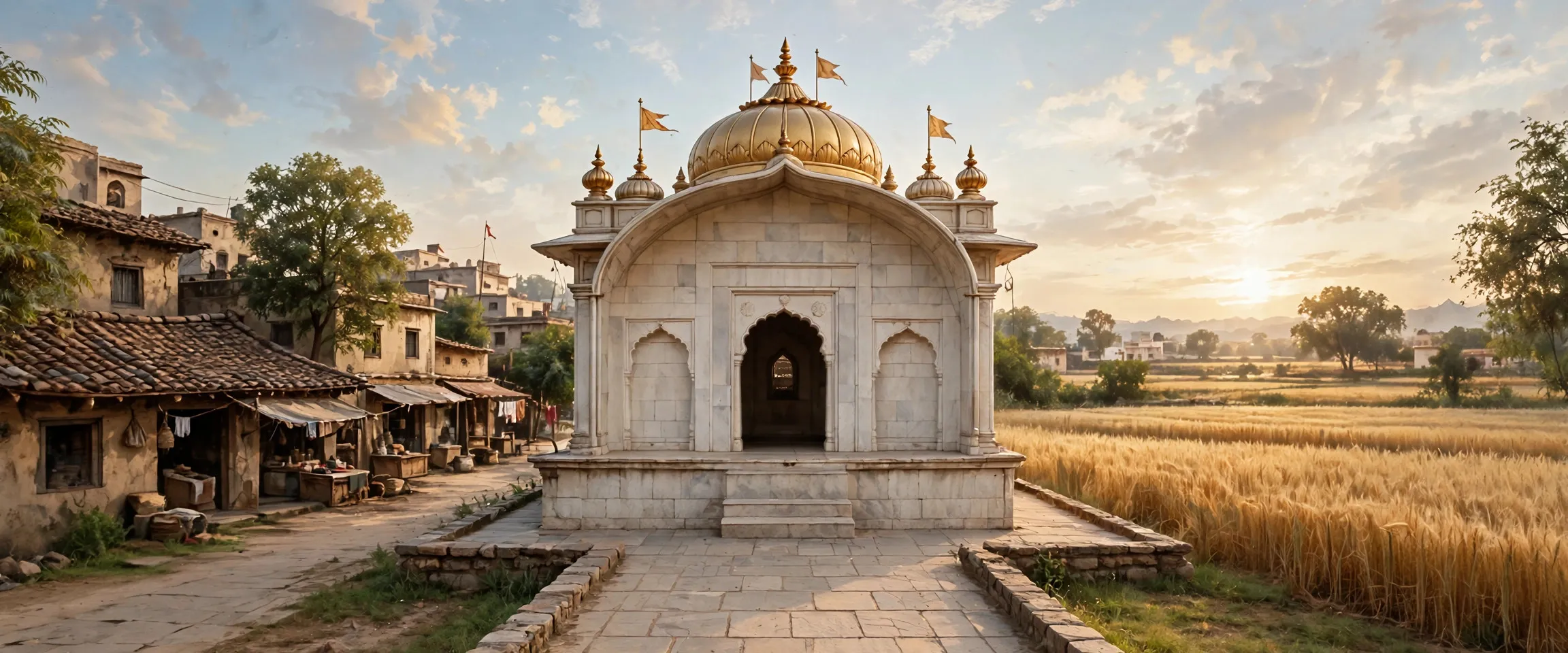
Rahon is an ancient town in Punjab’s Doaba region, counted among India’s oldest continuously inhabited cities. Once a Silk Road trading hub with 145,000 people, it was the site of the 1710 Battle of Rahon, the capital of the Dallewalia Sikh Misl, and the birthplace of Amrish Puri and Khayyam.
- Facts
- Type
- Town
- District
- Shaheed Bhagat Singh Nagar
- Region
- Doaba (Bist Doab)
- Location
- Punjab, India
- Founded
- About 2,000 years ago, as Raghupur by Raja Raghab
- Population
- 15,676 (2011 census)
- Elevation
- 250 m (820 ft)
- Known for
- Battle of Rahon (1710); capital of the Dallewalia Misl; oldest government school in Punjab (1857)
- Notable people
- Amrish Puri, Khayyam, B. R. Chopra, Air Chief Marshal Dilbagh Singh
Rahon is an ancient town in Punjab’s Doaba region — one of the oldest continuously inhabited cities in India — whose two thousand years of history run from a Brahmin ruler’s Raghupur to a Silk Road trading hub, a Mughal mahal capital, the Battle of Rahon in 1710, and the capital of the Dallewalia Sikh Misl.
An ancient city on the trade route
Rahon (earlier Raghupur) sits in Shaheed Bhagat Singh Nagar district, about 7 kilometres from Nawanshahr and 65 kilometres from Jalandhar, near the banks of the Sutlej. Tradition credits its founding some 2,000 years ago to Raja Raghab, a Brahmin ruler, who named it Raghupur — a name the town’s pandits continued to use in correspondence into the twentieth century. The name Rahon is said to come from Raj Pal, who renamed it in the 12th century after a lady called Raho.
Built like a fort with four gates — Delhi Gate, Lahori Gate, Pahar Singh Gate and Ropri Gate — the town commanded the ancient trade route to Tibet and Central Asia. In the reign of Ibrahim Lodhi (1517–1526), Rahon is reported to have had a population of 145,000, larger than Jalandhar’s, and to have been a flourishing commercial centre. Its merchants traded in sugar, cotton cloth, gota ribbon and finely made shoes, and its mandi bazaar near Delhi Gate — Asia’s oldest, now in ruins — once held more than 600 shops.
Mughal era: capital of a mahal
Under the Mughals, Rahon rose to administrative importance. In Akbar’s time (1556–1605) it was the capital of the Dardhak Mahal and gave its name to one of the two tarafs into which the mahal was divided. The Ghorewaha Raja of Machhiwara, Rana Udho, held the jagir of Rahon after assisting Akbar against the rebel Bairam Khan. Shah Jahan later built a sarai on the Sutlej’s western bank at Rahon, choosing the spot for its strategic ferry crossing on the road from Agra and Delhi to Lahore — a route known as “the long walk.” Under Aurangzeb (1658–1707), a brick fort was raised in the town.
The Battle of Rahon and the Sikh era
In 1710, Rahon was the site of a famous engagement between the Sikhs and the Mughals — the Battle of Rahon — after which Banda Singh Bahadur took the town. The Sikh administration that followed is credited with early revenue reforms in Punjab, later built upon by Maharaja Ranjit Singh.
By 1759 the town had become the capital of the Dallewalia Misl under Sardar Tara Singh Ghaiba, whose horsemen controlled territory on both sides of the Sutlej, including Nakodar, Talwan, Badala, Phillaur and Ludhiana. After Tara Singh’s death Rahon passed into Maharaja Ranjit Singh’s dominions, though local pandit sardars continued to run the city’s administration for generations.
Crafts, the mandi and decline
Rahon’s weavers were renowned for cotton fabrics with names that travelled far: Bafta, the glazed fine cloth called Ghati, the fine “Rahon Khasa,” khaddar, khes and lungi. Gota — the narrow imitation gold and silver ribbon used on bridal wear — was manufactured and exported from here, and the town’s shoemakers were famed for their skill.
The town’s fortunes faded as the Silk Road trade route shifted through Kabul during the Mughal era, as epidemics — including repeated malaria outbreaks from the nearby marshes — thinned its population, and as Partition in 1947 uprooted its large Muslim community, most of whom settled in Faisalabad and Rahwali in Pakistan. From 145,000 at its medieval peak, Rahon’s population fell to about 69,000 when the British took over in 1846, to 6,607 by 1971, and stood at 15,676 in the 2011 census.
Rahon today
Modern Rahon is a small municipal town of 13 wards, but it guards remarkable firsts. Its Government High School, founded by the British in 1857 in an old fort building, is the oldest government school in Punjab; its alumni include Air Chief Marshal Dilbagh Singh, film-maker B. R. Chopra and the actor Amrish Puri, who was born in Rahon. The music director Khayyam was also born here. And when Sutlej floods threatened the old town centuries ago, migrants from Rahon founded a new settlement nearby — Nawanshahr, literally the “new city.”
Why is Rahon historically significant?
Rahon is counted among the oldest continuously inhabited cities in India, with a recorded history of about 2,000 years. It was a major Silk Road trading hub, a Mughal mahal capital under Akbar, and later the capital of the Dallewalia Sikh Misl.
What was the Battle of Rahon?
The Battle of Rahon (1710) was fought between the Sikhs under Banda Singh Bahadur and the Mughals. After his victory, Banda Singh took the town and introduced early revenue reforms in Punjab.
Who are the famous people from Rahon?
The actor Amrish Puri and the music director Khayyam were born in Rahon, as were the film director B. R. Chopra and Air Chief Marshal Dilbagh Singh, who headed the Indian Air Force from 1981 to 1984.
ਰਾਹੋਂ ਪੰਜਾਬ ਦੇ ਦੁਆਬਾ ਖੇਤਰ ਦਾ ਇੱਕ ਪ੍ਰਾਚੀਨ ਸ਼ਹਿਰ ਹੈ — ਭਾਰਤ ਦੇ ਸਭ ਤੋਂ ਪੁਰਾਣੇ ਲਗਾਤਾਰ ਵੱਸਦੇ ਸ਼ਹਿਰਾਂ ਵਿੱਚੋਂ ਇੱਕ — ਜਿਸਦਾ ਦੋ ਹਜ਼ਾਰ ਸਾਲਾਂ ਦਾ ਇਤਿਹਾਸ ਰਾਜਾ ਰਾਘਵ ਦੇ ਰਘੁਪੁਰ ਤੋਂ ਲੈ ਕੇ ਰੇਸ਼ਮ ਮਾਰਗ ਦੇ ਵਪਾਰਕ ਕੇਂਦਰ, ਮੁਗ਼ਲ ਮਹਿਲ ਦੀ ਰਾਜਧਾਨੀ, 1710 ਦੀ ਰਾਹੋਂ ਦੀ ਲੜਾਈ ਅਤੇ ਡੱਲੇਵਾਲੀਆ ਮਿਸਲ ਦੀ ਰਾਜਧਾਨੀ ਤੱਕ ਫੈਲਿਆ ਹੋਇਆ ਹੈ।
ਵਪਾਰਕ ਮਾਰਗ ਉੱਤੇ ਇੱਕ ਪ੍ਰਾਚੀਨ ਸ਼ਹਿਰ
ਰਾਹੋਂ (ਪਹਿਲਾਂ ਰਘੁਪੁਰ) ਸ਼ਹੀਦ ਭਗਤ ਸਿੰਘ ਨਗਰ ਜ਼ਿਲ੍ਹੇ ਵਿੱਚ ਹੈ, ਨਵਾਂਸ਼ਹਿਰ ਤੋਂ ਲਗਭਗ 7 ਕਿਲੋਮੀਟਰ ਅਤੇ ਜਲੰਧਰ ਤੋਂ 65 ਕਿਲੋਮੀਟਰ ਦੂਰ, ਸਤਲੁਜ ਦਰਿਆ ਦੇ ਕੰਢੇ। ਮਨਿਆ ਜਾਂਦਾ ਹੈ ਕਿ ਇਸਦੀ ਨੀਂਹ ਲਗਭਗ ਦੋ ਹਜ਼ਾਰ ਸਾਲ ਪਹਿਲਾਂ ਰਾਜਾ ਰਾਘਵ ਨੇ ਰੱਖੀ ਸੀ ਅਤੇ ਇਸਦਾ ਨਾਂ ਰਘੁਪੁਰ ਰੱਖਿਆ। ਕਿਹਾ ਜਾਂਦਾ ਹੈ ਕਿ 12ਵੀਂ ਸਦੀ ਵਿੱਚ ਰਾਜ ਪਾਲ ਨੇ ਰਾਹੋ ਨਾਂ ਦੀ ਇੱਕ ਬੀਬੀ ਦੇ ਨਾਂ ਉੱਤੇ ਇਸਦਾ ਨਾਂ ਰਾਹੋਂ ਰੱਖ ਦਿੱਤਾ।
ਚਾਰ ਦਰਵਾਜ਼ਿਆਂ ਵਾਲੇ ਕਿਲ੍ਹੇ ਵਾਂਗ ਬਣੇ ਇਸ ਸ਼ਹਿਰ ਨੇ ਤਿੱਬਤ ਅਤੇ ਮੱਧ ਏਸ਼ੀਆ ਦੇ ਵਪਾਰਕ ਮਾਰਗ ਉੱਤੇ ਰਾਜ ਕੀਤਾ। ਇਬਰਾਹੀਮ ਲੋਧੀ ਦੇ ਸਮੇਂ (1517–1526) ਰਾਹੋਂ ਦੀ ਆਬਾਦੀ 1,45,000 ਦੱਸੀ ਜਾਂਦੀ ਹੈ — ਜਲੰਧਰ ਤੋਂ ਵੱਧ — ਅਤੇ ਇਹ ਇੱਕ ਫਲਦਾ-ਫੁੱਲਦਾ ਵਪਾਰਕ ਕੇਂਦਰ ਸੀ। ਇੱਥੋਂ ਦੇ ਵਪਾਰੀ ਖੰਡ, ਸੂਤੀ ਕੱਪੜੇ, ਗੋਟੇ ਅਤੇ ਜੁੱਤੀਆਂ ਦਾ ਵਪਾਰ ਕਰਦੇ ਸਨ।
ਮੁਗ਼ਲ ਦੌਰ: ਮਹਿਲ ਦੀ ਰਾਜਧਾਨੀ
ਮੁਗ਼ਲਾਂ ਦੇ ਸਮੇਂ ਰਾਹੋਂ ਪ੍ਰਸ਼ਾਸਕੀ ਰੂਪ ਵਿੱਚ ਮਹੱਤਵਪੂਰਨ ਹੋ ਗਿਆ। ਅਕਬਰ ਦੇ ਸਮੇਂ (1556–1605) ਇਹ ਦਰਧਕ ਮਹਿਲ ਦੀ ਰਾਜਧਾਨੀ ਸੀ। ਸ਼ਾਹਜਹਾਂ ਨੇ ਸਤਲੁਜ ਦੇ ਪੱਛਮੀ ਕੰਢੇ ਰਾਹੋਂ ਵਿੱਚ ਇੱਕ ਸਰਾਂ ਬਣਵਾਈ, ਅਤੇ ਔਰੰਗਜ਼ੇਬ ਦੇ ਸਮੇਂ (1658–1707) ਇੱਥੇ ਇੱਕ ਇੱਟਾਂ ਦਾ ਕਿਲ੍ਹਾ ਬਣਿਆ।
ਰਾਹੋਂ ਦੀ ਲੜਾਈ ਅਤੇ ਸਿੱਖ ਦੌਰ
1710 ਵਿੱਚ ਰਾਹੋਂ ਵਿੱਚ ਸਿੱਖਾਂ ਅਤੇ ਮੁਗ਼ਲਾਂ ਵਿਚਕਾਰ ਮਸ਼ਹੂਰ ਲੜਾਈ ਹੋਈ — ਰਾਹੋਂ ਦੀ ਲੜਾਈ — ਜਿਸ ਤੋਂ ਬਾਅਦ ਬੰਦਾ ਸਿੰਘ ਬਹਾਦਰ ਨੇ ਸ਼ਹਿਰ ਆਪਣੇ ਕਬਜ਼ੇ ਵਿੱਚ ਲੈ ਲਿਆ। 1759 ਤੱਕ ਇਹ ਸਰਦਾਰ ਤਾਰਾ ਸਿੰਘ ਘੈਬਾ ਦੀ ਅਗਵਾਈ ਵਾਲੀ ਡੱਲੇਵਾਲੀਆ ਮਿਸਲ ਦੀ ਰਾਜਧਾਨੀ ਬਣ ਗਿਆ, ਜਿਸਦੇ ਘੋੜਸਵਾਰ ਸਤਲੁਜ ਦੇ ਦੋਵਾਂ ਪਾਸਿਆਂ ਵਿੱਚ ਵੱਡਾ ਇਲਾਕਾ ਸੰਭਾਲਦੇ ਸਨ। ਤਾਰਾ ਸਿੰਘ ਦੇ ਦੇਹਾਂਤ ਤੋਂ ਬਾਅਦ ਰਾਹੋਂ ਮਹਾਰਾਜਾ ਰਣਜੀਤ ਸਿੰਘ ਦੇ ਰਾਜ ਵਿੱਚ ਆ ਗਿਆ।
ਕਾਰੀਗਰੀ, ਮੰਡੀ ਅਤੇ ਗਿਰਾਵਟ
ਰਾਹੋਂ ਦੇ ਜੁਲਾਹੇ ਬਾਫਟਾ, ਘਾਟੀ, ਖਾਸਾ, ਖੱਦਰ ਅਤੇ ਲੁੰਗੀ ਵਰਗੇ ਸੂਤੀ ਕੱਪੜਿਆਂ ਲਈ ਮਸ਼ਹੂਰ ਸਨ। ਗੋਟਾ ਅਤੇ ਜੁੱਤੀ ਬਣਾਉਣ ਦੀ ਕਲਾ ਵੀ ਇੱਥੇ ਪਰਵਾਨ ਚੜ੍ਹੀ। ਪਰ ਮੁਗ਼ਲ ਦੌਰ ਵਿੱਚ ਵਪਾਰਕ ਮਾਰਗ ਦੇ ਕਾਬਲ ਵੱਲ ਮੁੜ ਜਾਣ, ਮਹਾਮਾਰੀਆਂ ਅਤੇ 1947 ਦੀ ਵੰਡ ਨਾਲ ਸ਼ਹਿਰ ਦੀ ਖੁਸ਼ਹਾਲੀ ਘਟਦੀ ਗਈ।
ਅੱਜ ਦਾ ਰਾਹੋਂ
ਅੱਜ ਰਾਹੋਂ 13 ਵਾਰਡਾਂ ਵਾਲਾ ਇੱਕ ਛੋਟਾ ਨਗਰਪਾਲਿਕਾ ਸ਼ਹਿਰ ਹੈ, ਪਰ ਇਸ ਕੋਲ ਕਈ ਵਿਲੱਖਣ ਪਹਿਲਾਂ ਹਨ। 1857 ਵਿੱਚ ਅੰਗਰੇਜ਼ਾਂ ਵੱਲੋਂ ਸਥਾਪਤ ਇੱਥੋਂ ਦਾ ਸਰਕਾਰੀ ਹਾਈ ਸਕੂਲ ਪੰਜਾਬ ਦਾ ਸਭ ਤੋਂ ਪੁਰਾਣਾ ਸਰਕਾਰੀ ਸਕੂਲ ਹੈ; ਇਸ ਦੇ ਵਿਦਿਆਰਥੀਆਂ ਵਿੱਚ ਏਅਰ ਚੀਫ ਮਾਰਸ਼ਲ ਦਿਲਬਾਗ ਸਿੰਘ, ਫ਼ਿਲਮ ਨਿਰਦੇਸ਼ਕ ਬੀ. ਆਰ. ਚੋਪੜਾ ਅਤੇ ਅਦਾਕਾਰ ਅਮਰੀਸ਼ ਪੁਰੀ ਸ਼ਾਮਲ ਹਨ, ਜੋ ਇੱਥੇ ਜਮੇ ਸਨ। ਸੰਗੀਤਕਾਰ ਖੱਯਾਮ ਵੀ ਰਾਹੋਂ ਵਿੱਚ ਹੀ ਜਮੇ ਸਨ।
ਰਾਹੋਂ ਇਤਿਹਾਸਕ ਤੌਰ ਤੇ ਕਿਉਂ ਮਹੱਤਵਪੂਰਨ ਹੈ?
ਰਾਹੋਂ ਭਾਰਤ ਦੇ ਸਭ ਤੋਂ ਪੁਰਾਣੇ ਲਗਾਤਾਰ ਵੱਸਦੇ ਸ਼ਹਿਰਾਂ ਵਿੱਚੋਂ ਇੱਕ ਹੈ, ਜਿਸਦਾ ਲਗਭਗ 2,000 ਸਾਲਾਂ ਦਾ ਇਤਿਹਾਸ ਹੈ। ਇਹ ਰੇਸ਼ਮ ਮਾਰਗ ਦਾ ਵਪਾਰਕ ਕੇਂਦਰ, ਅਕਬਰ ਦੇ ਸਮੇਂ ਮੁਗ਼ਲ ਮਹਿਲ ਦੀ ਰਾਜਧਾਨੀ ਅਤੇ ਬਾਅਦ ਵਿੱਚ ਡੱਲੇਵਾਲੀਆ ਸਿੱਖ ਮਿਸਲ ਦੀ ਰਾਜਧਾਨੀ ਰਹਿਆ।
ਰਾਹੋਂ ਦੀ ਲੜਾਈ ਕੀ ਸੀ?
1710 ਵਿੱਚ ਰਾਹੋਂ ਵਿੱਚ ਬੰਦਾ ਸਿੰਘ ਬਹਾਦਰ ਦੀ ਅਗਵਾਈ ਵਾਲੇ ਸਿੱਖਾਂ ਅਤੇ ਮੁਗ਼ਲਾਂ ਵਿਚਕਾਰ ਲੜਾਈ ਹੋਈ। ਜਿੱਤ ਤੋਂ ਬਾਅਦ ਬੰਦਾ ਸਿੰਘ ਨੇ ਸ਼ਹਿਰ ਆਪਣੇ ਕਬਜ਼ੇ ਵਿੱਚ ਲੈ ਲਿਆ।
ਰਾਹੋਂ ਦੇ ਮਸ਼ਹੂਰ ਲੋਕ ਕੌਣ ਹਨ?
ਅਦਾਕਾਰ ਅਮਰੀਸ਼ ਪੁਰੀ ਅਤੇ ਸੰਗੀਤਕਾਰ ਖੱਯਾਮ ਰਾਹੋਂ ਵਿੱਚ ਜਮੇ ਸਨ। ਫ਼ਿਲਮ ਨਿਰਦੇਸ਼ਕ ਬੀ. ਆਰ. ਚੋਪੜਾ ਅਤੇ ਏਅਰ ਚੀਫ ਮਾਰਸ਼ਲ ਦਿਲਬਾਗ ਸਿੰਘ ਵੀ ਇੱਥੋਂ ਦੇ ਹੀ ਸਨ।
Timeline
- c. 1st centuryFounded as Raghupur by Raja Raghab, a Brahmin ruler.
- 1517–1526Flourishing trade centre under Ibrahim Lodhi, reported population 145,000.
- 1556–1605Capital of the Dardhak Mahal in Akbar’s reign.
- 1658–1707Brick fort built at Rahon under Aurangzeb.
- 1710Battle of Rahon — Banda Singh Bahadur defeats the Mughals and takes the town.
- 1759Becomes capital of the Dallewalia Misl under Tara Singh Ghaiba.
- 1857Government High School founded — the oldest government school in Punjab.
- 2011Census records a population of 15,676.