

Sharjah is the third-most populous city in the United Arab Emirates and the capital of the Emirate of Sharjah, home to 1,872,000 people in 2024, immediately north of Dubai in the same metropolitan area. Punjabis live there as part of one of the Gulf's largest Indian communities, about 720,000 Indians in Sharjah on 2025 estimates, served by the Indian Association Sharjah, its school founded in 1979, and the Hindu Sikh crematorium, while the nearest gurdwara is the Guru Nanak Darbar in Dubai.
History at a glance
- 1820Sharjah's Sheikh signs the General Maritime Treaty with Britain, its port valued for its position on the sea route to India.
- 1932The first international flight lands at Al Mahatta, a refuelling stop on the Imperial Airways route between India and Britain.
- 1971Sharjah joins the Act of Union on 2 December, becoming one of the founding emirates of the United Arab Emirates.
- 1979The Indian Association Sharjah is established and Sharjah Indian School opens on 5 September with 280 pupils and 13 teachers.
- 2019Sharjah serves as the UNESCO World Book Capital, confirming its standing as the cultural capital of the UAE.
- Punjabi name
- ਸ਼ਾਰਜਾਹ
- Type
- City
- Country
- United Arab Emirates
- Region
- Emirate of Sharjah, western Persian Gulf coast, north of Dubai
- Population
- 1,872,000 in the city of Sharjah (2024); the 2022 census counted 1.8 million in the emirate, 1.6 million of them in the city, of whom 208,000 were Emirati citizens and the rest expatriates
- Punjabi and Sikh population
- No census figure exists: the UAE publishes no religious, language or state-of-origin census by city, so figures are attributed estimates. Indians number over 4.3 million in the UAE, about 720,000 of them in Sharjah (2025 estimate); Punjab accounts for about 8 per cent of UAE Indians, about 320,000 people nationally; Sikhs in the UAE are put at over 100,000, the majority in Dubai, Abu Dhabi or Sharjah
All 8 facts
- Known gurdwaras
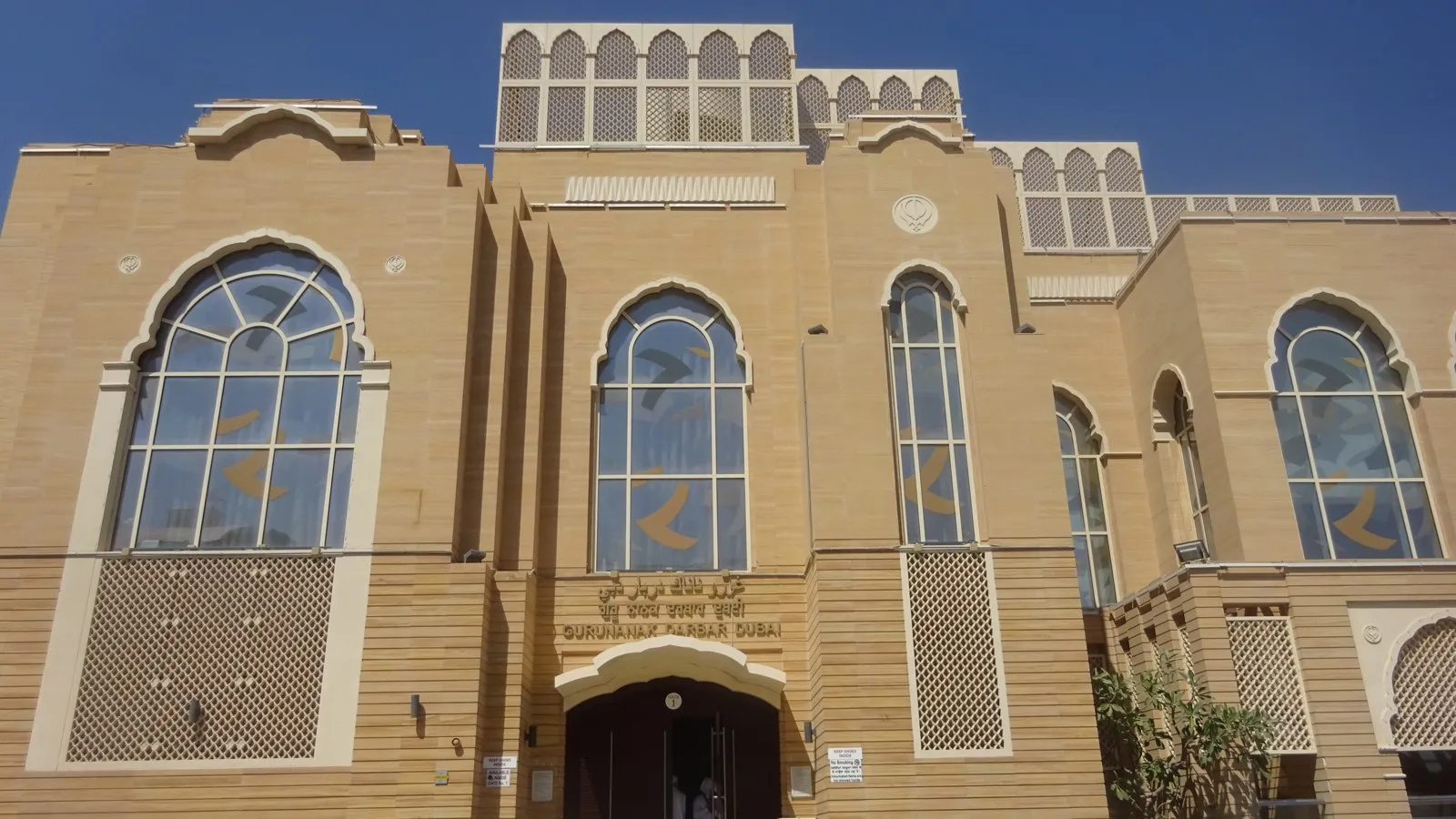
- None in Sharjah: the nearest is the Guru Nanak Darbar, Jebel Ali, Dubai. Sharjah holds the Hindu Sikh Crematorium at Al Juwaiza
- Known for
- The Blue Souk (Central Souq), the cultural capital of the UAE and UNESCO World Book Capital 2019, Sharjah Cricket Stadium and the SAIF Zone free trade zone
Sharjah is the third-most populous city in the United Arab Emirates, the capital of the Emirate of Sharjah, home to 1,872,000 people in 2024 on the Persian Gulf coast immediately north of Dubai. For Punjabis, Sharjah is the working half of the Gulf story told on our Dubai page: about 720,000 Indians live in Sharjah, more than a third of its people, Sikhs are named among the UAE communities concentrated in Dubai, Abu Dhabi and Sharjah, and the city holds the Indian Association Sharjah, one of the largest Indian schools in the Gulf, and a Hindu Sikh crematorium serving the whole Northern Emirates.
Where is Sharjah, and why do Punjabis live there?
Sharjah stands on the western coast of the UAE, on the Khalid Lagoon and the Gulf shore, and forms part of the Dubai-Sharjah-Ajman metropolitan area, so close to Dubai that the two cities run into each other. It has been ruled by the Al Qasimi dynasty since the 18th century, its settlement history runs back over 5,000 years, and on 8 January 1820 its Sheikh signed the General Maritime Treaty with Britain: Sharjah's position on the sea route to India is what first made it matter. On 2 December 1971 Sharjah joined six other emirates to form the United Arab Emirates. Today it is known as the cultural capital of the UAE, the Islamic culture capital of 2014 and the UNESCO World Book Capital of 2019, and it is a centre for culture and industry that alone contributes 7.4 per cent of UAE GDP.
Punjabis live in Sharjah for the same reason Indians have crossed to this coast for centuries, and for one reason that is purely its own. India and the emirates traded for centuries before oil, and when oil brought mass work from the mid 1960s, Indians arrived by sea from Bombay and then in growing numbers through the 1970s and 1980s, into construction, retail, finance, healthcare, manufacturing and transport. Sharjah took a large share of that flow because it offered the same metro jobs as Dubai with room for families: workers could live in Sharjah, where the Indian Association and its school were founded in 1979, and work across the border in Dubai or in Sharjah's own industrial areas and free zones. Sharjah completes this series' map of Punjabi places in the United Arab Emirates.
What do the numbers say?
The United Arab Emirates publishes no census of religion, language or Indian state of origin by city, so there is no official count of Punjabis or Sikhs in Sharjah, and this page invents none. The figures that exist are attributed estimates. The Sharjah census of 2022 counted 1.8 million people in the emirate, 1.6 million of them in the city, of whom only 208,000 were Emirati citizens and the remainder expatriates. Indians are the UAE's largest expatriate community, over 4.3 million people and more than 35 per cent of the country's population, and a 2025 geographic breakdown puts about 720,000 of them in Sharjah, about 18 per cent of all UAE Indians, behind only Dubai and Abu Dhabi. The same 2025 estimates put Punjab at 8 per cent of UAE Indians, about 320,000 people across the UAE. Sikhs in the UAE are put at over 100,000, the majority of them in Dubai, Abu Dhabi or Sharjah. Most of this population lives on employment or business visas rather than citizenship, which makes Sharjah's Punjabi community large and long settled in daily life, yet temporary on paper.
Work, industry and the Dubai commute
Sharjah's economy explains its Indian weight. The Sharjah Airport International Free Zone, the SAIF Zone, hosts more than 6,000 companies, drawn by the lowest business setup cost in the UAE, and the emirate's industrial areas have turned it into a commercial centre whose GDP reached about AED 145.2 billion in 2023. Sharjah International Airport is the home base of Air Arabia, the first low-cost airline in the Middle East, and its cargo operation is among the largest in the region. Across the metro, the E11 Al Ittihad Road and the E311 carry the daily flow between Sharjah homes and Dubai workplaces, one of the defining commutes of the Gulf. For sport, the Sharjah Cricket Stadium has hosted almost 238 One Day International matches, more than any other ground in the world, before crowds drawn heavily from the South Asian communities of both cities.
Worship, last rites and the road to Jebel Ali
Sharjah has no gurdwara of its own on the published lists. Its Sikh families pray at the Guru Nanak Darbar in Jebel Ali, Dubai, the first official Sikh gurdwara in the Gulf, which serves over 10,000 worshippers and runs Saturday classes teaching children Punjabi and kirtan, the same temple this series describes on the Dubai page. What Sharjah holds instead is the other end of the community's life. In Al Juwaiza, opposite the Sharjah Cement Factory, stands the Hindu Sikh Crematorium, a Dh6 million facility with two gas-fuelled incinerators on 10 acres of land gifted by Sheikh Sultan bin Mohammed Al Qasimi, the Ruler of Sharjah. Run with the Sharjah Indian Association, it was the fourth crematorium in the UAE and serves families from Sharjah and the Northern Emirates, including the Sikh charity Sarbat da Bhala, whose volunteers help families complete last rites without sending a body home to India. Dubai and Sharjah are the only two emirates with operating cremation facilities.
The Indian Association and its school
The Indian Association Sharjah was established in 1979 to promote Indo-Arab friendship and to provide educational, socio-cultural, charity and relief facilities for Indians in the area. Its largest work is Sharjah Indian School, started in a small rented villa for the children of expatriates across Dubai, Sharjah, Ajman, Ras Al Khaimah and Umm Al Quwain, inaugurated on 5 September 1979 with 280 pupils and 13 teachers, and now a CBSE-affiliated senior secondary school of 8,763 students and 450 teachers on a campus built on land donated by the Ruler of Sharjah. Around the school the Association runs a community hall, medical camps, festival celebrations and relief work for workers in distress, in coordination with the Consulate General of India in Dubai. South Asian languages are spoken widely across the emirate, and Punjabi is heard in its industrial areas, its souqs and its school corridors alongside Malayalam, Hindi, Tamil and Urdu.
Sharjah is the old port on the India route that became the UAE's cultural capital and the quieter, family side of the Dubai metro. For Punjabis it is a city of about 720,000 Indians around them, a school founded the same year as its Indian Association, a crematorium that lets long-settled families complete the last rites where they lived, and a Friday road south to the gurdwara in Jebel Ali. Read about Dubai, the emirate next door, or see the full map of Punjabi places in the United Arab Emirates.
ਸ਼ਾਰਜਾਹ ਸੰਯੁਕਤ ਅਰਬ ਅਮੀਰਾਤ ਦਾ ਤੀਜਾ ਸਭ ਤੋਂ ਵੱਧ ਆਬਾਦੀ ਵਾਲਾ ਸ਼ਹਿਰ ਹੈ, ਸ਼ਾਰਜਾਹ ਅਮੀਰਾਤ ਦੀ ਰਾਜਧਾਨੀ ਹੈ, 2024 ਵਿੱਚ 1,872,000 ਲੋਕਾਂ ਦਾ ਘਰ, ਫ਼ਾਰਸ ਦੀ ਖਾੜੀ ਦੇ ਤੱਟ ਉੱਤੇ ਦੁਬਈ ਦੇ ਠੀਕ ਉੱਤਰ ਵਿੱਚ। ਪੰਜਾਬੀਆਂ ਲਈ, ਸ਼ਾਰਜਾਹ ਸਾਡੇ ਦੁਬਈ ਪੰਨੇ ਉੱਤੇ ਦੱਸੀ ਖਾੜੀ ਕਹਾਣੀ ਦਾ ਕੰਮਕਾਜੀ ਅੱਧ ਹੈ: ਲਗਭਗ 720,000 ਭਾਰਤੀ ਸ਼ਾਰਜਾਹ ਵਿੱਚ ਰਹਿੰਦੇ ਹਨ, ਇਸ ਦੇ ਲੋਕਾਂ ਦਾ ਤੀਜੇ ਹਿੱਸੇ ਤੋਂ ਵੱਧ, ਸਿੱਖਾਂ ਨੂੰ ਦੁਬਈ, ਅਬੂ ਧਾਬੀ ਅਤੇ ਸ਼ਾਰਜਾਹ ਵਿੱਚ ਕੇਂਦਰਿਤ ਅਮੀਰਾਤ ਭਾਈਚਾਰਿਆਂ ਵਿੱਚ ਗਿਣਿਆ ਜਾਂਦਾ ਹੈ, ਅਤੇ ਸ਼ਹਿਰ ਕੋਲ ਭਾਰਤੀ ਸੰਘ ਸ਼ਾਰਜਾਹ, ਖਾੜੀ ਦੇ ਸਭ ਤੋਂ ਵੱਡੇ ਭਾਰਤੀ ਸਕੂਲਾਂ ਵਿੱਚੋਂ ਇੱਕ, ਅਤੇ ਪੂਰੀਆਂ ਉੱਤਰੀ ਅਮੀਰਾਤਾਂ ਦੀ ਸੇਵਾ ਕਰਨ ਵਾਲਾ ਇੱਕ ਹਿੰਦੂ ਸਿੱਖ ਸਸਕਾਰ ਸਥਾਨ ਹੈ।
ਸ਼ਾਰਜਾਹ ਕਿੱਥੇ ਹੈ, ਅਤੇ ਪੰਜਾਬੀ ਉੱਥੇ ਕਿਉਂ ਰਹਿੰਦੇ ਹਨ?
ਸ਼ਾਰਜਾਹ ਅਮੀਰਾਤ ਦੇ ਪੱਛਮੀ ਤੱਟ ਉੱਤੇ, ਖਾਲਿਦ ਝੀਲ ਅਤੇ ਖਾੜੀ ਕੰਢੇ ਉੱਤੇ ਖੜ੍ਹਾ ਹੈ, ਅਤੇ ਦੁਬਈ ਸ਼ਾਰਜਾਹ ਅਜਮਾਨ ਮਹਾਂਨਗਰ ਖੇਤਰ ਦਾ ਹਿੱਸਾ ਹੈ, ਦੁਬਈ ਦੇ ਇੰਨਾ ਨੇੜੇ ਕਿ ਦੋਵੇਂ ਸ਼ਹਿਰ ਇੱਕ ਦੂਜੇ ਵਿੱਚ ਰਲ ਜਾਂਦੇ ਹਨ। ਇਸ ਉੱਤੇ 18ਵੀਂ ਸਦੀ ਤੋਂ ਅਲ ਕਾਸਿਮੀ ਖ਼ਾਨਦਾਨ ਦਾ ਰਾਜ ਹੈ, ਇਸ ਦੇ ਵਸੇਬੇ ਦਾ ਇਤਿਹਾਸ 5,000 ਸਾਲ ਤੋਂ ਵੱਧ ਪਿੱਛੇ ਜਾਂਦਾ ਹੈ, ਅਤੇ 8 ਜਨਵਰੀ 1820 ਨੂੰ ਇਸ ਦੇ ਸ਼ੇਖ ਨੇ ਬ੍ਰਿਟੇਨ ਨਾਲ ਜਨਰਲ ਮੈਰੀਟਾਈਮ ਸੰਧੀ ਉੱਤੇ ਦਸਤਖ਼ਤ ਕੀਤੇ: ਭਾਰਤ ਵੱਲ ਸਮੁੰਦਰੀ ਰਾਹ ਉੱਤੇ ਸ਼ਾਰਜਾਹ ਦੀ ਥਾਂ ਹੀ ਇਸ ਨੂੰ ਪਹਿਲਾਂ ਮਹੱਤਵਪੂਰਨ ਬਣਾਉਂਦੀ ਸੀ। 2 ਦਸੰਬਰ 1971 ਨੂੰ ਸ਼ਾਰਜਾਹ ਛੇ ਹੋਰ ਅਮੀਰਾਤਾਂ ਨਾਲ ਮਿਲ ਕੇ ਸੰਯੁਕਤ ਅਰਬ ਅਮੀਰਾਤ ਬਣਾਉਣ ਵਿੱਚ ਸ਼ਾਮਲ ਹੋਇਆ। ਅੱਜ ਇਹ ਅਮੀਰਾਤ ਦੀ ਸੱਭਿਆਚਾਰਕ ਰਾਜਧਾਨੀ ਵਜੋਂ ਜਾਣਿਆ ਜਾਂਦਾ ਹੈ, 2014 ਦੀ ਇਸਲਾਮੀ ਸੱਭਿਆਚਾਰ ਰਾਜਧਾਨੀ ਅਤੇ 2019 ਦੀ ਯੂਨੈਸਕੋ ਵਿਸ਼ਵ ਪੁਸਤਕ ਰਾਜਧਾਨੀ, ਅਤੇ ਇਹ ਸੱਭਿਆਚਾਰ ਅਤੇ ਉਦਯੋਗ ਦਾ ਕੇਂਦਰ ਹੈ ਜੋ ਇਕੱਲਾ ਅਮੀਰਾਤ ਦੇ ਜੀਡੀਪੀ ਦਾ 7.4 ਫ਼ੀਸਦੀ ਦਿੰਦਾ ਹੈ।
ਪੰਜਾਬੀ ਸ਼ਾਰਜਾਹ ਵਿੱਚ ਉਸੇ ਕਾਰਨ ਰਹਿੰਦੇ ਹਨ ਜਿਸ ਕਾਰਨ ਭਾਰਤੀ ਸਦੀਆਂ ਤੋਂ ਇਸ ਤੱਟ ਵੱਲ ਆਉਂਦੇ ਆਏ ਹਨ, ਅਤੇ ਇੱਕ ਕਾਰਨ ਕਰਕੇ ਜੋ ਪੂਰੀ ਤਰ੍ਹਾਂ ਇਸ ਦਾ ਆਪਣਾ ਹੈ। ਭਾਰਤ ਅਤੇ ਅਮੀਰਾਤ ਤੇਲ ਤੋਂ ਬਹੁਤ ਪਹਿਲਾਂ ਸਦੀਆਂ ਤੱਕ ਵਪਾਰ ਕਰਦੇ ਰਹੇ, ਅਤੇ ਜਦੋਂ ਤੇਲ ਨੇ 1960ਵਿਆਂ ਦੇ ਮੱਧ ਤੋਂ ਵੱਡੇ ਪੱਧਰ ਦਾ ਕੰਮ ਲਿਆਂਦਾ, ਭਾਰਤੀ ਬੰਬਈ ਤੋਂ ਸਮੁੰਦਰ ਰਾਹੀਂ ਆਏ ਅਤੇ ਫਿਰ 1970ਵਿਆਂ ਅਤੇ 1980ਵਿਆਂ ਵਿੱਚ ਵਧਦੀ ਗਿਣਤੀ ਵਿੱਚ, ਉਸਾਰੀ, ਪ੍ਰਚੂਨ, ਵਿੱਤ, ਸਿਹਤ ਸੰਭਾਲ, ਨਿਰਮਾਣ ਅਤੇ ਆਵਾਜਾਈ ਵਿੱਚ। ਸ਼ਾਰਜਾਹ ਨੇ ਉਸ ਵਹਾਅ ਦਾ ਵੱਡਾ ਹਿੱਸਾ ਲਿਆ ਕਿਉਂਕਿ ਇਸ ਨੇ ਦੁਬਈ ਵਾਲੀਆਂ ਹੀ ਮਹਾਂਨਗਰ ਨੌਕਰੀਆਂ ਪਰਿਵਾਰਾਂ ਲਈ ਥਾਂ ਸਮੇਤ ਦਿੱਤੀਆਂ: ਕਾਮੇ ਸ਼ਾਰਜਾਹ ਵਿੱਚ ਰਹਿ ਸਕਦੇ ਸਨ, ਜਿੱਥੇ 1979 ਵਿੱਚ ਭਾਰਤੀ ਸੰਘ ਅਤੇ ਇਸ ਦਾ ਸਕੂਲ ਸਥਾਪਤ ਹੋਏ ਸਨ, ਅਤੇ ਸਰਹੱਦ ਪਾਰ ਦੁਬਈ ਵਿੱਚ ਜਾਂ ਸ਼ਾਰਜਾਹ ਦੇ ਆਪਣੇ ਉਦਯੋਗਿਕ ਖੇਤਰਾਂ ਅਤੇ ਮੁਕਤ ਖੇਤਰਾਂ ਵਿੱਚ ਕੰਮ ਕਰ ਸਕਦੇ ਸਨ। ਸ਼ਾਰਜਾਹ ਇਸ ਲੜੀ ਦੇ ਸੰਯੁਕਤ ਅਰਬ ਅਮੀਰਾਤ ਵਿੱਚ ਪੰਜਾਬੀ ਥਾਵਾਂ ਦੇ ਨਕਸ਼ੇ ਨੂੰ ਪੂਰਾ ਕਰਦਾ ਹੈ।
ਅੰਕੜੇ ਕੀ ਕਹਿੰਦੇ ਹਨ?
ਸੰਯੁਕਤ ਅਰਬ ਅਮੀਰਾਤ ਸ਼ਹਿਰ ਅਨੁਸਾਰ ਧਰਮ, ਭਾਸ਼ਾ ਜਾਂ ਭਾਰਤੀ ਮੂਲ ਰਾਜ ਦੀ ਕੋਈ ਜਨਗਣਨਾ ਪ੍ਰਕਾਸ਼ਤ ਨਹੀਂ ਕਰਦਾ, ਇਸ ਲਈ ਸ਼ਾਰਜਾਹ ਵਿੱਚ ਪੰਜਾਬੀਆਂ ਜਾਂ ਸਿੱਖਾਂ ਦੀ ਕੋਈ ਅਧਿਕਾਰਤ ਗਿਣਤੀ ਨਹੀਂ ਹੈ, ਅਤੇ ਇਹ ਪੰਨਾ ਕੋਈ ਘੜਦਾ ਨਹੀਂ। ਜੋ ਅੰਕੜੇ ਮੌਜੂਦ ਹਨ ਉਹ ਸਰੋਤਾਂ ਸਮੇਤ ਦਿੱਤੇ ਗਏ ਅਨੁਮਾਨ ਹਨ। 2022 ਦੀ ਸ਼ਾਰਜਾਹ ਜਨਗਣਨਾ ਨੇ ਅਮੀਰਾਤ ਵਿੱਚ 1.8 ਮਿਲੀਅਨ ਲੋਕ ਗਿਣੇ, ਜਿਨ੍ਹਾਂ ਵਿੱਚੋਂ 1.6 ਮਿਲੀਅਨ ਸ਼ਹਿਰ ਵਿੱਚ ਸਨ, ਜਿਨ੍ਹਾਂ ਵਿੱਚੋਂ ਸਿਰਫ਼ 208,000 ਅਮੀਰਾਤੀ ਨਾਗਰਿਕ ਸਨ ਅਤੇ ਬਾਕੀ ਪ੍ਰਵਾਸੀ ਸਨ। ਭਾਰਤੀ ਅਮੀਰਾਤ ਦਾ ਸਭ ਤੋਂ ਵੱਡਾ ਪ੍ਰਵਾਸੀ ਭਾਈਚਾਰਾ ਹਨ, 4.3 ਮਿਲੀਅਨ ਤੋਂ ਵੱਧ ਲੋਕ ਅਤੇ ਦੇਸ਼ ਦੀ ਆਬਾਦੀ ਦਾ 35 ਫ਼ੀਸਦੀ ਤੋਂ ਵੱਧ, ਅਤੇ 2025 ਦੀ ਇੱਕ ਭੂਗੋਲਿਕ ਵੰਡ ਉਨ੍ਹਾਂ ਵਿੱਚੋਂ ਲਗਭਗ 720,000 ਨੂੰ ਸ਼ਾਰਜਾਹ ਵਿੱਚ ਰੱਖਦੀ ਹੈ, ਸਾਰੇ ਅਮੀਰਾਤ ਭਾਰਤੀਆਂ ਦਾ ਲਗਭਗ 18 ਫ਼ੀਸਦੀ, ਸਿਰਫ਼ ਦੁਬਈ ਅਤੇ ਅਬੂ ਧਾਬੀ ਤੋਂ ਪਿੱਛੇ। ਉਹੀ 2025 ਅਨੁਮਾਨ ਪੰਜਾਬ ਨੂੰ ਅਮੀਰਾਤ ਭਾਰਤੀਆਂ ਦਾ 8 ਫ਼ੀਸਦੀ ਰੱਖਦੇ ਹਨ, ਪੂਰੇ ਅਮੀਰਾਤ ਵਿੱਚ ਲਗਭਗ 320,000 ਲੋਕ। ਅਮੀਰਾਤ ਵਿੱਚ ਸਿੱਖ 100,000 ਤੋਂ ਵੱਧ ਦੱਸੇ ਜਾਂਦੇ ਹਨ, ਜਿਨ੍ਹਾਂ ਵਿੱਚੋਂ ਜ਼ਿਆਦਾਤਰ ਦੁਬਈ, ਅਬੂ ਧਾਬੀ ਜਾਂ ਸ਼ਾਰਜਾਹ ਵਿੱਚ ਹਨ। ਇਸ ਆਬਾਦੀ ਦਾ ਜ਼ਿਆਦਾਤਰ ਹਿੱਸਾ ਨਾਗਰਿਕਤਾ ਦੀ ਥਾਂ ਰੁਜ਼ਗਾਰ ਜਾਂ ਕਾਰੋਬਾਰ ਵੀਜ਼ਿਆਂ ਉੱਤੇ ਰਹਿੰਦਾ ਹੈ, ਜਿਸ ਨਾਲ ਸ਼ਾਰਜਾਹ ਦਾ ਪੰਜਾਬੀ ਭਾਈਚਾਰਾ ਰੋਜ਼ਾਨਾ ਜ਼ਿੰਦਗੀ ਵਿੱਚ ਵੱਡਾ ਅਤੇ ਲੰਬੇ ਸਮੇਂ ਤੋਂ ਵੱਸਿਆ ਹੈ, ਪਰ ਕਾਗਜ਼ਾਂ ਵਿੱਚ ਅਸਥਾਈ ਹੈ।
ਕੰਮ, ਉਦਯੋਗ ਅਤੇ ਦੁਬਈ ਦਾ ਸਫ਼ਰ
ਸ਼ਾਰਜਾਹ ਦੀ ਅਰਥਵਿਵਸਥਾ ਇਸ ਦੇ ਭਾਰਤੀ ਭਾਰ ਦੀ ਵਿਆਖਿਆ ਕਰਦੀ ਹੈ। ਸ਼ਾਰਜਾਹ ਹਵਾਈ ਅੱਡਾ ਅੰਤਰਰਾਸ਼ਟਰੀ ਮੁਕਤ ਖੇਤਰ, ਸੈਫ਼ ਜ਼ੋਨ, 6,000 ਤੋਂ ਵੱਧ ਕੰਪਨੀਆਂ ਰੱਖਦਾ ਹੈ, ਅਮੀਰਾਤ ਵਿੱਚ ਸਭ ਤੋਂ ਘੱਟ ਕਾਰੋਬਾਰ ਸ਼ੁਰੂ ਕਰਨ ਦੇ ਖਰਚ ਨਾਲ ਖਿੱਚੀਆਂ, ਅਤੇ ਅਮੀਰਾਤ ਦੇ ਉਦਯੋਗਿਕ ਖੇਤਰਾਂ ਨੇ ਇਸ ਨੂੰ ਇੱਕ ਵਪਾਰਕ ਕੇਂਦਰ ਬਣਾ ਦਿੱਤਾ ਹੈ ਜਿਸ ਦਾ ਜੀਡੀਪੀ 2023 ਵਿੱਚ ਲਗਭਗ 145.2 ਅਰਬ ਦਿਰਹਾਮ ਤੱਕ ਪਹੁੰਚਿਆ। ਸ਼ਾਰਜਾਹ ਅੰਤਰਰਾਸ਼ਟਰੀ ਹਵਾਈ ਅੱਡਾ ਏਅਰ ਅਰੇਬੀਆ ਦਾ ਘਰੇਲੂ ਅੱਡਾ ਹੈ, ਮੱਧ ਪੂਰਬ ਦੀ ਪਹਿਲੀ ਘੱਟ ਕਿਰਾਏ ਵਾਲੀ ਏਅਰਲਾਈਨ, ਅਤੇ ਇਸ ਦਾ ਮਾਲ ਢੋਆ ਢੁਆਈ ਕੰਮ ਖੇਤਰ ਦੇ ਸਭ ਤੋਂ ਵੱਡਿਆਂ ਵਿੱਚੋਂ ਹੈ। ਮਹਾਂਨਗਰ ਭਰ ਵਿੱਚ, ਈ11 ਅਲ ਇਤਿਹਾਦ ਰੋਡ ਅਤੇ ਈ311 ਸ਼ਾਰਜਾਹ ਦੇ ਘਰਾਂ ਅਤੇ ਦੁਬਈ ਦੇ ਕੰਮ ਥਾਵਾਂ ਵਿਚਕਾਰ ਰੋਜ਼ਾਨਾ ਵਹਾਅ ਚੁੱਕਦੇ ਹਨ, ਖਾੜੀ ਦੇ ਪਰਿਭਾਸ਼ਿਤ ਸਫ਼ਰਾਂ ਵਿੱਚੋਂ ਇੱਕ। ਖੇਡ ਲਈ, ਸ਼ਾਰਜਾਹ ਕ੍ਰਿਕਟ ਸਟੇਡੀਅਮ ਨੇ ਲਗਭਗ 238 ਇੱਕ ਦਿਨਾ ਅੰਤਰਰਾਸ਼ਟਰੀ ਮੈਚ ਕਰਵਾਏ ਹਨ, ਦੁਨੀਆ ਦੇ ਕਿਸੇ ਵੀ ਹੋਰ ਮੈਦਾਨ ਤੋਂ ਵੱਧ, ਦੋਹਾਂ ਸ਼ਹਿਰਾਂ ਦੇ ਦੱਖਣੀ ਏਸ਼ੀਆਈ ਭਾਈਚਾਰਿਆਂ ਤੋਂ ਭਾਰੀ ਪੱਧਰ ਉੱਤੇ ਆਉਂਦੀ ਭੀੜ ਅੱਗੇ।
ਪੂਜਾ, ਅੰਤਿਮ ਰਸਮਾਂ ਅਤੇ ਜਬਲ ਅਲੀ ਦਾ ਰਾਹ
ਸ਼ਾਰਜਾਹ ਕੋਲ ਪ੍ਰਕਾਸ਼ਤ ਸੂਚੀਆਂ ਉੱਤੇ ਆਪਣਾ ਕੋਈ ਗੁਰਦੁਆਰਾ ਨਹੀਂ ਹੈ। ਇਸ ਦੇ ਸਿੱਖ ਪਰਿਵਾਰ ਜਬਲ ਅਲੀ, ਦੁਬਈ, ਵਿੱਚ ਗੁਰੂ ਨਾਨਕ ਦਰਬਾਰ ਵਿੱਚ ਅਰਦਾਸ ਕਰਦੇ ਹਨ, ਖਾੜੀ ਦਾ ਪਹਿਲਾ ਅਧਿਕਾਰਤ ਸਿੱਖ ਗੁਰਦੁਆਰਾ, ਜੋ 10,000 ਤੋਂ ਵੱਧ ਸ਼ਰਧਾਲੂਆਂ ਦੀ ਸੇਵਾ ਕਰਦਾ ਹੈ ਅਤੇ ਸ਼ਨੀਵਾਰ ਨੂੰ ਬੱਚਿਆਂ ਨੂੰ ਪੰਜਾਬੀ ਅਤੇ ਕੀਰਤਨ ਸਿਖਾਉਂਦੀਆਂ ਕਲਾਸਾਂ ਚਲਾਉਂਦਾ ਹੈ, ਉਹੀ ਮੰਦਰ ਜਿਸ ਦਾ ਇਹ ਲੜੀ ਦੁਬਈ ਪੰਨੇ ਉੱਤੇ ਵਰਣਨ ਕਰਦੀ ਹੈ। ਇਸ ਦੀ ਥਾਂ ਸ਼ਾਰਜਾਹ ਕੋਲ ਭਾਈਚਾਰੇ ਦੀ ਜ਼ਿੰਦਗੀ ਦਾ ਦੂਜਾ ਸਿਰਾ ਹੈ। ਅਲ ਜੁਵੈਜ਼ਾ ਵਿੱਚ, ਸ਼ਾਰਜਾਹ ਸੀਮਿੰਟ ਫ਼ੈਕਟਰੀ ਦੇ ਸਾਹਮਣੇ, ਹਿੰਦੂ ਸਿੱਖ ਸਸਕਾਰ ਸਥਾਨ ਖੜ੍ਹਾ ਹੈ, ਸ਼ਾਰਜਾਹ ਦੇ ਸ਼ਾਸਕ ਸ਼ੇਖ ਸੁਲਤਾਨ ਬਿਨ ਮੁਹੰਮਦ ਅਲ ਕਾਸਿਮੀ ਵੱਲੋਂ ਤੋਹਫ਼ੇ ਵਿੱਚ ਦਿੱਤੇ 10 ਏਕੜ ਉੱਤੇ ਦੋ ਗੈਸ ਨਾਲ ਚੱਲਦੇ ਭੱਠਿਆਂ ਵਾਲੀ 6 ਮਿਲੀਅਨ ਦਿਰਹਾਮ ਦੀ ਸਹੂਲਤ। ਸ਼ਾਰਜਾਹ ਭਾਰਤੀ ਸੰਘ ਨਾਲ ਮਿਲ ਕੇ ਚਲਾਇਆ ਜਾਂਦਾ, ਇਹ ਅਮੀਰਾਤ ਦਾ ਚੌਥਾ ਸਸਕਾਰ ਸਥਾਨ ਸੀ ਅਤੇ ਸ਼ਾਰਜਾਹ ਅਤੇ ਉੱਤਰੀ ਅਮੀਰਾਤਾਂ ਦੇ ਪਰਿਵਾਰਾਂ ਦੀ ਸੇਵਾ ਕਰਦਾ ਹੈ, ਸਿੱਖ ਦਾਨ ਸੰਸਥਾ ਸਰਬਤ ਦਾ ਭਲਾ ਸਮੇਤ, ਜਿਸ ਦੇ ਵਲੰਟੀਅਰ ਪਰਿਵਾਰਾਂ ਨੂੰ ਕਿਸੇ ਦੇਹ ਨੂੰ ਭਾਰਤ ਘਰ ਭੇਜੇ ਬਿਨਾਂ ਅੰਤਿਮ ਰਸਮਾਂ ਪੂਰੀਆਂ ਕਰਨ ਵਿੱਚ ਮਦਦ ਕਰਦੇ ਹਨ। ਦੁਬਈ ਅਤੇ ਸ਼ਾਰਜਾਹ ਹੀ ਦੋ ਅਮੀਰਾਤਾਂ ਹਨ ਜਿਨ੍ਹਾਂ ਕੋਲ ਚੱਲਦੇ ਸਸਕਾਰ ਸਥਾਨ ਹਨ।
ਭਾਰਤੀ ਸੰਘ ਅਤੇ ਇਸ ਦਾ ਸਕੂਲ
ਭਾਰਤੀ ਸੰਘ ਸ਼ਾਰਜਾਹ 1979 ਵਿੱਚ ਭਾਰਤ ਅਰਬ ਦੋਸਤੀ ਨੂੰ ਵਧਾਉਣ ਅਤੇ ਇਲਾਕੇ ਦੇ ਭਾਰਤੀਆਂ ਲਈ ਵਿਦਿਅਕ, ਸਮਾਜਿਕ ਸੱਭਿਆਚਾਰਕ, ਦਾਨ ਅਤੇ ਰਾਹਤ ਸਹੂਲਤਾਂ ਦੇਣ ਲਈ ਸਥਾਪਤ ਕੀਤਾ ਗਿਆ ਸੀ। ਇਸ ਦਾ ਸਭ ਤੋਂ ਵੱਡਾ ਕੰਮ ਸ਼ਾਰਜਾਹ ਇੰਡੀਅਨ ਸਕੂਲ ਹੈ, ਦੁਬਈ, ਸ਼ਾਰਜਾਹ, ਅਜਮਾਨ, ਰਾਸ ਅਲ ਖੈਮਾਹ ਅਤੇ ਉਮ ਅਲ ਕੁਵੈਨ ਭਰ ਦੇ ਪ੍ਰਵਾਸੀਆਂ ਦੇ ਬੱਚਿਆਂ ਲਈ ਇੱਕ ਛੋਟੇ ਕਿਰਾਏ ਦੇ ਮਕਾਨ ਵਿੱਚ ਸ਼ੁਰੂ ਕੀਤਾ ਗਿਆ, 5 ਸਤੰਬਰ 1979 ਨੂੰ 280 ਵਿਦਿਆਰਥੀਆਂ ਅਤੇ 13 ਅਧਿਆਪਕਾਂ ਨਾਲ ਉਦਘਾਟਨ ਕੀਤਾ ਗਿਆ, ਅਤੇ ਹੁਣ ਸ਼ਾਰਜਾਹ ਦੇ ਸ਼ਾਸਕ ਵੱਲੋਂ ਦਾਨ ਕੀਤੀ ਜ਼ਮੀਨ ਉੱਤੇ ਬਣੇ ਕੈਂਪਸ ਵਿੱਚ 8,763 ਵਿਦਿਆਰਥੀਆਂ ਅਤੇ 450 ਅਧਿਆਪਕਾਂ ਵਾਲਾ ਸੀਬੀਐਸਈ ਨਾਲ ਜੁੜਿਆ ਸੀਨੀਅਰ ਸੈਕੰਡਰੀ ਸਕੂਲ ਹੈ। ਸਕੂਲ ਦੇ ਆਲੇ ਦੁਆਲੇ ਸੰਘ ਇੱਕ ਕਮਿਊਨਿਟੀ ਹਾਲ, ਮੈਡੀਕਲ ਕੈਂਪ, ਤਿਉਹਾਰ ਸਮਾਗਮ ਅਤੇ ਮੁਸੀਬਤ ਵਿੱਚ ਫਸੇ ਕਾਮਿਆਂ ਲਈ ਰਾਹਤ ਕੰਮ ਚਲਾਉਂਦਾ ਹੈ, ਦੁਬਈ ਵਿੱਚ ਭਾਰਤ ਦੇ ਕੌਂਸਲੇਟ ਜਨਰਲ ਨਾਲ ਤਾਲਮੇਲ ਵਿੱਚ। ਦੱਖਣੀ ਏਸ਼ੀਆਈ ਭਾਸ਼ਾਵਾਂ ਪੂਰੀ ਅਮੀਰਾਤ ਵਿੱਚ ਵਿਆਪਕ ਤੌਰ ਉੱਤੇ ਬੋਲੀਆਂ ਜਾਂਦੀਆਂ ਹਨ, ਅਤੇ ਪੰਜਾਬੀ ਇਸ ਦੇ ਉਦਯੋਗਿਕ ਖੇਤਰਾਂ, ਇਸ ਦੇ ਬਾਜ਼ਾਰਾਂ ਅਤੇ ਇਸ ਦੇ ਸਕੂਲ ਗਲਿਆਰਿਆਂ ਵਿੱਚ ਮਲਿਆਲਮ, ਹਿੰਦੀ, ਤਾਮਿਲ ਅਤੇ ਉਰਦੂ ਦੇ ਨਾਲ ਸੁਣੀ ਜਾਂਦੀ ਹੈ।
ਸ਼ਾਰਜਾਹ ਭਾਰਤ ਰਾਹ ਉੱਤੇ ਉਹ ਪੁਰਾਣੀ ਬੰਦਰਗਾਹ ਹੈ ਜੋ ਅਮੀਰਾਤ ਦੀ ਸੱਭਿਆਚਾਰਕ ਰਾਜਧਾਨੀ ਅਤੇ ਦੁਬਈ ਮਹਾਂਨਗਰ ਦਾ ਸ਼ਾਂਤ, ਪਰਿਵਾਰਕ ਪਾਸਾ ਬਣੀ। ਪੰਜਾਬੀਆਂ ਲਈ ਇਹ ਉਨ੍ਹਾਂ ਦੇ ਆਲੇ ਦੁਆਲੇ ਲਗਭਗ 720,000 ਭਾਰਤੀਆਂ ਵਾਲਾ ਸ਼ਹਿਰ ਹੈ, ਆਪਣੇ ਭਾਰਤੀ ਸੰਘ ਵਾਲੇ ਸਾਲ ਵਿੱਚ ਹੀ ਸਥਾਪਤ ਇੱਕ ਸਕੂਲ, ਇੱਕ ਸਸਕਾਰ ਸਥਾਨ ਜੋ ਲੰਬੇ ਸਮੇਂ ਤੋਂ ਵੱਸੇ ਪਰਿਵਾਰਾਂ ਨੂੰ ਅੰਤਿਮ ਰਸਮਾਂ ਉੱਥੇ ਹੀ ਪੂਰੀਆਂ ਕਰਨ ਦਿੰਦਾ ਹੈ ਜਿੱਥੇ ਉਹ ਰਹੇ, ਅਤੇ ਜਬਲ ਅਲੀ ਦੇ ਗੁਰਦੁਆਰੇ ਵੱਲ ਸ਼ੁੱਕਰਵਾਰ ਦਾ ਰਾਹ। ਦੁਬਈ ਬਾਰੇ ਪੜ੍ਹੋ, ਨਾਲ ਲੱਗਦੀ ਅਮੀਰਾਤ, ਜਾਂ ਸੰਯੁਕਤ ਅਰਬ ਅਮੀਰਾਤ ਵਿੱਚ ਪੰਜਾਬੀ ਥਾਵਾਂ ਦਾ ਪੂਰਾ ਨਕਸ਼ਾ ਵੇਖੋ।
Nearby
Sources (7)
- Sharjah, Wikipedia (third-most populous city in the UAE after Dubai and Abu Dhabi; capital of the Emirate of Sharjah; part of the Dubai-Sharjah-Ajman metropolitan area; Al Qasimi rule since the 18th century; population 1,872,000 in 2024; 2022 census 1.8 million in the emirate, 1.6 million in the city, 208,000 Emirati citizens; cultural capital of the UAE, Islamic culture capital 2014, UNESCO World Book Capital 2019; General Maritime Treaty 1820 on the route to India; Blue Souq completed 1978 with about 600 shops; SAIF Zone over 6,000 companies; GDP about AED 145.2 billion in 2023; Sharjah Cricket Stadium almost 238 One Day Internationals; coordinates 25.35750 N, 55.39083 E)
- Indians in the United Arab Emirates, Wikipedia (over 4.3 million Indians, the largest expatriate community, over 35 per cent of the UAE population; significant populations in Abu Dhabi, Dubai and Sharjah; centuries of trade contact; oil era influx from the mid 1960s by sea from Bombay; Indians key to construction, retail, financial services, healthcare, manufacturing and transport; Dubai and Sharjah are the only emirates with operating cremation facilities)
- Indian diaspora in the United Arab Emirates, Wikipedia (about 4 million Indians in 2025, about 35.25 per cent of the UAE population; geographic distribution Dubai about 2 million, Abu Dhabi about 800,000, Sharjah about 720,000; Punjab 8 per cent of UAE Indians, about 320,000 people, 2025 estimates; Sharjah Indian School operated by the Indian Association of Sharjah)
- Sikhism in the United Arab Emirates, Wikipedia (over 100,000 Sikhs, the majority in Dubai, Abu Dhabi or Sharjah; languages Punjabi and Arabic; Sikhs in construction, hospitality and finance, mostly from India; Guru Nanak Darbar Dubai serves over 10,000 worshippers, first official Sikh temple in the Gulf, with Saturday Punjabi and kirtan classes for children)
- Indian Association Sharjah, Vision and Mission (association established 1979 for Indo-Arab friendship, education, socio-cultural, charity and relief work; Sharjah Indian School started in a rented villa serving Dubai, Sharjah, Ajman, Ras Al Khaimah and Umm Al Quwain, on land donated by the Ruler of Sharjah; the Ruler also provided land for a crematorium for the Hindu and Sikh community)
- Sharjah Indian School, About Us (established 1979 with 280 pupils and 13 teachers, inaugurated 5 September 1979; 8,763 students and 450 teachers; CBSE affiliated; campus on land donated by H.H. Sheikh Sultan Bin Mohammed Al Qassimi)
- Hindus and Sikhs happy that Sharjah crematorium is finally open, The National via The Arabian Post (Hindu Sikh Crematorium, Dh6 million, two gas-fuelled incinerators, at Al Juwaiza on 10 acres gifted by Sheikh Sultan bin Mohammed Al Qasimi; fourth crematorium in the UAE, serving Sharjah and the Northern Emirates; the Sikh charity Sarbat da Bhala helps families with last rites)
Jugti is free and independent. Reader support keeps the Kosh growing.
Support