
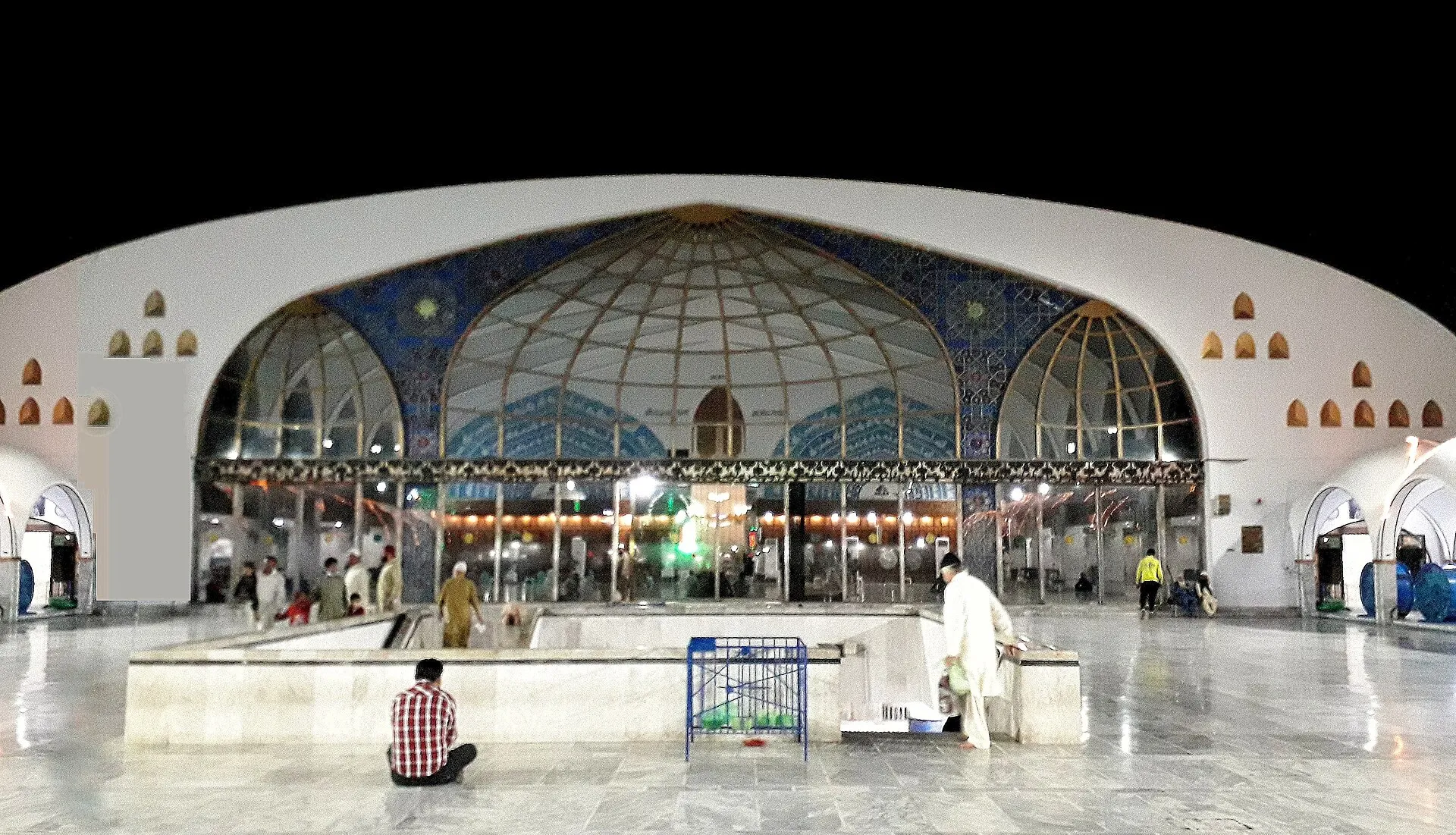
Data Darbar, in the Walled City of Lahore, is the shrine of the eleventh century Sufi Ali Hujwiri, known as Data Ganj Bakhsh, the giver who bestows treasures, and author of the Kashf al-Mahjub, the first Persian treatise on Sufism. It is the largest Sufi shrine in South Asia: tens of thousands visit daily, its kitchen feeds up to 50,000 people a day, and its three day urs draws up to a million devotees.
- Punjabi name
- ਦਾਤਾ ਦਰਬਾਰ, ਲਾਹੌਰ
- Location
- Walled City of Lahore, near Bhati Gate, Punjab, Pakistan
- The saint
- Ali Hujwiri (Data Ganj Bakhsh), died c. 1072
- His book
- Kashf al-Mahjub, the earliest Persian treatise on Sufism
- Standing
- The largest Sufi shrine in South Asia
- Visitors
- 30,000 to 60,000 a day; up to one million at the annual urs
All 8 facts
- The kitchen
- Free food for up to 50,000 visitors a day, in a custom said to be 1,000 years old
- Managed by
- The Punjab Auqaf Department, under the Auqaf Ordinance of 1960
Ask Lahore for its holiest address and the answer is Data Darbar. The shrine of Ali Hujwiri, the eleventh century Sufi whom devotees call Data Sahib, the giver, stands in the heart of the Walled City near Bhati Gate, and it never really closes: through the night, every night, thousands move through its marble courtyard to the white tomb. It is at once a grave, the home of Sufism's first Persian textbook, a kitchen of staggering scale and the beating devotional heart of Punjab's capital, and it belongs to the wider story told in the Sufi heritage of Punjab.
Ali Hujwiri, the giver of treasures
Ali Hujwiri was born in about 1009 at Hujwir, near Ghazni in present day Afghanistan, and studied across the Muslim world before settling in Lahore, where tradition says his teacher directed him to succeed another saint. In Lahore he wrote the Kashf al-Mahjub, the Revelation of the Veiled, in Persian: the earliest Persian treatise on Sufism, setting out the path, its states and stations, and the lives of the early saints. He died in about 1072, though some sources give 1077, and is remembered by the title Data Ganj Bakhsh, the giver who bestows treasures, a name tradition traces to praise spoken of him by Khwaja Moinuddin Chishti. He is honoured as the patron saint of Lahore, and devotees hold that no saint could settle in the subcontinent without his spiritual permission.
The shrine through the centuries
The shrine began as Hujwiri's grave beside the mosque he had built; a larger shrine rose over it by the Mughal period, and the complex was expanded in the nineteenth century. Across the centuries its visitors read like a roll of Punjab's saints and rulers: Baba Farid, Moinuddin Chishti, Nizamuddin Auliya, the Mughal prince Dara Shikoh and the poet Allama Iqbal all paid their respects here. The shrine came under government control with the Auqaf Ordinance of 1960, and a great expansion in the 1980s, adding a library, madrasa, markets and performance spaces, made it the largest Sufi shrine in South Asia. A qawwali festival, the mehfil-e-sama, has been held at the shrine since 1965. The shrine has also been attacked, in 2010 and 2019, and entry is now through security checks, a modern fact of its life.
The urs and the great free kitchen
The annual urs, held over three days on the anniversary of Hujwiri's death, draws up to a million devotees, with qawwali through the nights and the complex lit and draped. But the shrine's daily miracle is its kitchen. In a custom devotees describe as a thousand years old, up to 50,000 visitors a day are offered free food, funded by patrons who donate money or their own labour, and the shrine also supports schools and hospitals nearby. Between 30,000 and 60,000 people visit on an ordinary day, doubling on Thursdays and holidays, and writers on Lahore note that it is one of the few places in the city where the richest and the poorest share the same ground.
Visiting Data Darbar
The shrine is open at all hours and entry is free. It stands off Lower Mall Road by Bhati Gate, served by the Bhatti Chowk station of the Lahore Metrobus, and Thursday nights, the traditional night for shrine visiting, are the busiest of the week. Modest dress is expected. Travellers following Punjab's Sufi circuit pair it with Baba Farid's shrine at Pakpattan, a few hours south, the other pole of the region's shrine calendar.
The complex today
The tomb itself is Mughal era work in carved white marble, its cenotaph ringed by marble screens and mirror work, standing in a vast marble courtyard. Around it the modern complex has grown in layers: the rebuilt mosque in a modernist style, a library and madrasa, offices, markets and the spaces where qawwali is performed, all administered by the Punjab Auqaf Department with some two hundred staff. It is the board's richest shrine, and the department regulates preaching and practice here more closely than at Punjab's other shrines. One corner of the courtyard holds the shrine's other daily institution, the langar lines, where the free kitchen has served its visitors, by the shrine's own telling, for a thousand years.
When is the Data Darbar urs held?
The urs is held each year over three days on the anniversary of Ali Hujwiri's death in the Islamic calendar; because the Islamic year is lunar, the Gregorian dates move earlier by about eleven days each year. Thursday nights draw the largest weekly crowds, and through the urs the shrine is decorated and lit, with qawwali and the free kitchen running day and night.
ਲਾਹੌਰ ਤੋਂ ਇਸ ਦਾ ਸਭ ਤੋਂ ਪਵਿੱਤਰ ਪਤਾ ਪੁੱਛੋ ਤਾਂ ਜਵਾਬ ਦਾਤਾ ਦਰਬਾਰ ਹੈ ਗਿਆਰ੍ਹਵੀਂ ਸਦੀ ਦੇ ਸੂਫ਼ੀ ਅਲੀ ਹੁਜਵੀਰੀ, ਜਿਨ੍ਹਾਂ ਨੂੰ ਸ਼ਰਧਾਲੂ ਦਾਤਾ ਸਾਹਿਬ, ਦੇਣ ਵਾਲੇ, ਕਹਿੰਦੇ ਹਨ, ਦਾ ਦਰਬਾਰ ਅੰਦਰੂਨ ਸ਼ਹਿਰ ਦੇ ਦਿਲ ਵਿੱਚ ਭੱਟੀ ਦਰਵਾਜ਼ੇ ਦੇ ਨੇੜੇ ਹੈ, ਅਤੇ ਇਹ ਕਦੇ ਸੱਚਮੁੱਚ ਬੰਦ ਨਹੀਂ ਹੁੰਦਾ ਹਰ ਰਾਤ, ਸਾਰੀ ਰਾਤ, ਹਜ਼ਾਰਾਂ ਲੋਕ ਇਸ ਦੇ ਸੰਗਮਰਮਰ ਵਿਹੜੇ ਵਿੱਚੋਂ ਚਿੱਟੇ ਮੱਕਬਰੇ ਵੱਲ ਜਾਂਦੇ ਹਨ ਇਹ ਇੱਕੋ ਵੇਲੇ ਇੱਕ ਕਬਰ ਹੈ, ਸੂਫ਼ੀਵਾਦ ਦੀ ਪਹਿਲੀ ਫ਼ਾਰਸੀ ਪੁਸਤਕ ਦਾ ਘਰ ਹੈ, ਹੈਰਾਨ ਕਰ ਦੇਣ ਵਾਲੇ ਪੈਮਾਨੇ ਦੀ ਰਸੋਈ ਹੈ ਅਤੇ ਪੰਜਾਬ ਦੀ ਰਾਜਧਾਨੀ ਦਾ ਧੜਕਦਾ ਭਗਤੀ ਕੇਂਦਰ ਹੈ, ਅਤੇ ਇਹ ਉਸ ਵੱਡੀ ਕਹਾਣੀ ਦਾ ਹਿੱਸਾ ਹੈ ਜੋ ਪੰਜਾਬ ਦੀ ਸੂਫ਼ੀ ਵਿਰਾਸਤ ਵਿੱਚ ਦੱਸੀ ਗਈ ਹੈ
ਅਲੀ ਹੁਜਵੀਰੀ, ਖ਼ਜ਼ਾਨੇ ਵੰਡਣ ਵਾਲੇ
ਅਲੀ ਹੁਜਵੀਰੀ ਲਗਭਗ ਸੰਨ 1009 ਵਿੱਚ ਅੱਜ ਦੇ ਅਫ਼ਗ਼ਾਨਿਸਤਾਨ ਦੇ ਗ਼ਜ਼ਨੀ ਨੇੜੇ ਹੁਜਵੀਰ ਵਿੱਚ ਪੈਦਾ ਹੋਏ, ਅਤੇ ਲਾਹੌਰ ਵਿੱਚ ਵਸਣ ਤੋਂ ਪਹਿਲਾਂ ਸਾਰੀ ਮੁਸਲਿਮ ਦੁਨੀਆ ਵਿੱਚ ਪੜ੍ਹੇ, ਜਿੱਥੇ ਪਰੰਪਰਾ ਕਹਿੰਦੀ ਹੈ ਕਿ ਉਨ੍ਹਾਂ ਦੇ ਉਸਤਾਦ ਨੇ ਉਨ੍ਹਾਂ ਨੂੰ ਇੱਕ ਹੋਰ ਸੰਤ ਦੇ ਉੱਤਰਾਧਿਕਾਰੀ ਵਜੋਂ ਭੇਜਿਆ ਸੀ ਲਾਹੌਰ ਵਿੱਚ ਉਨ੍ਹਾਂ ਨੇ ਫ਼ਾਰਸੀ ਵਿੱਚ ਕਸ਼ਫ਼ ਅਲ-ਮਹਜੂਬ, ਪਰਦੇ ਦਾ ਖੁੱਲ੍ਹਣਾ, ਲਿਖੀ ਇਹ ਸੂਫ਼ੀਵਾਦ ਉੱਤੇ ਫ਼ਾਰਸੀ ਦੀ ਸਭ ਤੋਂ ਪਹਿਲੀ ਪੁਸਤਕ ਹੈ, ਜਿਸ ਵਿੱਚ ਰਾਹ, ਇਸ ਦੀਆਂ ਹਾਲਤਾਂ ਅਤੇ ਮੁਕਾਮ ਅਤੇ ਮੁੱਢਲੇ ਸੰਤਾਂ ਦੇ ਜੀਵਨ ਦਿੱਤੇ ਹਨ ਉਹ ਲਗਭਗ ਸੰਨ 1072 ਵਿੱਚ ਗੁਜ਼ਰੇ, ਹਾਲਾਂਕਿ ਕੁਝ ਸਰੋਤ 1077 ਦਿੰਦੇ ਹਨ, ਅਤੇ ਉਨ੍ਹਾਂ ਨੂੰ ਦਾਤਾ ਗੰਜ ਬਖ਼ਸ਼, ਖ਼ਜ਼ਾਨੇ ਵੰਡਣ ਵਾਲਾ ਦੇਣਹਾਰ, ਦੀ ਪਦਵੀ ਨਾਲ ਯਾਦ ਕੀਤਾ ਜਾਂਦਾ ਹੈ, ਜੋ ਨਾਂ ਪਰੰਪਰਾ ਖ਼ਵਾਜਾ ਮੋਇਨੁਦੀਨ ਚਿਸ਼ਤੀ ਵੱਲੋਂ ਉਨ੍ਹਾਂ ਦੀ ਕੀਤੀ ਸਿਫ਼ਤ ਨਾਲ ਜੋੜਦੀ ਹੈ ਉਹ ਲਾਹੌਰ ਦੇ ਸਰਪ੍ਰਸਤ ਸੰਤ ਵਜੋਂ ਸਤਕਾਰੇ ਜਾਂਦੇ ਹਨ, ਅਤੇ ਸ਼ਰਧਾਲੂ ਮੰਨਦੇ ਹਨ ਕਿ ਉਨ੍ਹਾਂ ਦੀ ਰੂਹਾਨੀ ਇਜਾਜ਼ਤ ਤੋਂ ਬਿਨਾਂ ਕੋਈ ਸੰਤ ਉਪਮਹਾਦੀਪ ਵਿੱਚ ਵਸ ਨਹੀਂ ਸਕਦਾ ਸੀ
ਸਦੀਆਂ ਵਿੱਚ ਦਰਬਾਰ
ਦਰਬਾਰ ਹੁਜਵੀਰੀ ਦੀ ਕਬਰ ਤੋਂ ਸ਼ੁਰੂ ਹੋਇਆ, ਜੋ ਉਨ੍ਹਾਂ ਦੀ ਬਣਾਈ ਮਸਜਿਦ ਦੇ ਨਾਲ ਸੀ ਮੁਗ਼ਲ ਕਾਲ ਤੱਕ ਇਸ ਉੱਤੇ ਵੱਡਾ ਦਰਬਾਰ ਬਣ ਗਿਆ, ਅਤੇ ਉੱਨੀਵੀਂ ਸਦੀ ਵਿੱਚ ਇਹ ਕੰਪਲੈਕਸ ਫੈਲਾਇਆ ਗਿਆ ਸਦੀਆਂ ਵਿੱਚ ਇਸ ਦੇ ਦਰਸ਼ਨਾਂ ਲਈ ਆਉਣ ਵਾਲੇ ਪੰਜਾਬ ਦੇ ਸੰਤਾਂ ਅਤੇ ਹਾਕਮਾਂ ਦੀ ਲੜੀ ਵਰਗੇ ਹਨ ਬਾਬਾ ਫ਼ਰੀਦ, ਮੋਇਨੁਦੀਨ ਚਿਸ਼ਤੀ, ਨਿਜ਼ਾਮੁਦੀਨ ਔਲੀਆ, ਮੁਗ਼ਲ ਸ਼ਹਿਜ਼ਾਦਾ ਦਾਰਾ ਸ਼ਿਕੋਹ ਅਤੇ ਕਵੀ ਅੱਲਾਮਾ ਇਕਬਾਲ ਸਭ ਨੇ ਇੱਥੇ ਹਾਜ਼ਰੀ ਭਰੀ ਸੰਨ 1960 ਦੇ ਔਕਾਫ਼ ਆਰਡੀਨੈਂਸ ਨਾਲ ਦਰਬਾਰ ਸਰਕਾਰੀ ਕਬਜ਼ੇ ਵਿੱਚ ਆ ਗਿਆ, ਅਤੇ 1980 ਦੇ ਦਹਾਕੇ ਵਿੱਚ ਵੱਡੇ ਫੈਲਾਅ, ਜਿਸ ਵਿੱਚ ਲਾਇਬ੍ਰੇਰੀ, ਮਦਰਸਾ, ਬਾਜ਼ਾਰ ਅਤੇ ਪ੍ਰਦਰਸ਼ਨ ਥਾਵਾਂ ਜੁੜੀਆਂ, ਨੇ ਇਸ ਨੂੰ ਦੱਖਣੀ ਏਸ਼ੀਆ ਦਾ ਸਭ ਤੋਂ ਵੱਡਾ ਸੂਫ਼ੀ ਦਰਬਾਰ ਬਣਾ ਦਿੱਤਾ ਮਹਿਫ਼ਲ-ਏ-ਸਮਾਅ, ਕੱਵਾਲੀ ਦਾ ਮੇਲਾ, ਸੰਨ 1965 ਤੋਂ ਦਰਬਾਰ ਵਿੱਚ ਹੁੰਦਾ ਆ ਰਿਹਾ ਹੈ ਦਰਬਾਰ ਉੱਤੇ ਹਮਲੇ ਵੀ ਹੋਏ ਹਨ, ਸੰਨ 2010 ਅਤੇ 2019 ਵਿੱਚ, ਅਤੇ ਹੁਣ ਦਾਖ਼ਲਾ ਸੁਰੱਖਿਆ ਜਾਂਚ ਰਾਹੀਂ ਹੁੰਦਾ ਹੈ, ਜੋ ਇਸ ਦੇ ਜੀਵਨ ਦਾ ਆਧੁਨਿਕ ਤੱਥ ਹੈ
ਉਰਸ ਅਤੇ ਵੱਡੀ ਮੁਫ਼ਤ ਰਸੋਈ
ਸਾਲਾਨਾ ਉਰਸ, ਜੋ ਹੁਜਵੀਰੀ ਦੇ ਚਲਾਣੇ ਦੀ ਵਰ੍ਹੇਗੰਢ ਉੱਤੇ ਤਿੰਨ ਦਿਨ ਚਲਦਾ ਹੈ, ਦਸ ਲੱਖ ਤੱਕ ਸ਼ਰਧਾਲੂਆਂ ਨੂੰ ਖਿੱਚਦਾ ਹੈ, ਰਾਤਾਂ ਭਰ ਕੱਵਾਲੀ ਹੁੰਦੀ ਹੈ ਅਤੇ ਸਾਰਾ ਕੰਪਲੈਕਸ ਸਜਾਇਆ ਜਾਂਦਾ ਹੈ ਪਰ ਦਰਬਾਰ ਦਾ ਰੋਜ਼ਾਨਾ ਅਸਚਰਜ ਇਸ ਦੀ ਰਸੋਈ ਹੈ ਉਸ ਰਿਵਾਜ ਵਿੱਚ ਜਿਸ ਨੂੰ ਸ਼ਰਧਾਲੂ ਹਜ਼ਾਰ ਸਾਲ ਪੁਰਾਣਾ ਦੱਸਦੇ ਹਨ, ਹਰ ਰੋਜ਼ 50,000 ਤੱਕ ਆਉਣ ਵਾਲਿਆਂ ਨੂੰ ਮੁਫ਼ਤ ਖਾਣਾ ਦਿੱਤਾ ਜਾਂਦਾ ਹੈ, ਜਿਸ ਦਾ ਖਰਚਾ ਉਹ ਸਰਪ੍ਰਸਤ ਚੁੱਕਦੇ ਹਨ ਜੋ ਪੈਸਾ ਜਾਂ ਆਪਣੀ ਮਿਹਨਤ ਦਾਨ ਕਰਦੇ ਹਨ, ਅਤੇ ਦਰਬਾਰ ਨੇੜਲੇ ਸਕੂਲਾਂ ਅਤੇ ਹਸਪਤਾਲਾਂ ਦੀ ਮਦਦ ਵੀ ਕਰਦਾ ਹੈ ਆਮ ਦਿਨ ਵਿੱਚ 30,000 ਤੋਂ 60,000 ਲੋਕ ਆਉਂਦੇ ਹਨ, ਵੀਰਵਾਰਾਂ ਅਤੇ ਛੁੱਟੀਆਂ ਵਿੱਚ ਇਹ ਗਿਣਤੀ ਦੁੱਗਣੀ ਹੋ ਜਾਂਦੀ ਹੈ, ਅਤੇ ਲਾਹੌਰ ਉੱਤੇ ਲਿਖਣ ਵਾਲੇ ਨੋਟ ਕਰਦੇ ਹਨ ਕਿ ਇਹ ਸ਼ਹਿਰ ਦੀਆਂ ਉਨ੍ਹਾਂ ਥਾਵਾਂ ਵਿੱਚੋਂ ਇੱਕ ਹੈ ਜਿੱਥੇ ਸਭ ਤੋਂ ਅਮੀਰ ਅਤੇ ਸਭ ਤੋਂ ਗ਼ਰੀਬ ਇੱਕੋ ਧਰਤੀ ਸਾਂਝੀ ਕਰਦੇ ਹਨ
ਦਾਤਾ ਦਰਬਾਰ ਦੇ ਦਰਸ਼ਨ
ਦਰਬਾਰ ਹਰ ਵੇਲੇ ਖੁੱਲ੍ਹਾ ਹੈ ਅਤੇ ਦਾਖ਼ਲਾ ਮੁਫ਼ਤ ਹੈ ਇਹ ਲੋਅਰ ਮਾਲ ਰੋਡ ਉੱਤੇ ਭੱਟੀ ਦਰਵਾਜ਼ੇ ਕੋਲ ਹੈ, ਲਾਹੌਰ ਮੈਟ੍ਰੋਬਸ ਦੇ ਭੱਟੀ ਚੌਂਕ ਸਟੇਸ਼ਨ ਤੋਂ ਪਹੁੰਚਿਆ ਜਾਂਦਾ ਹੈ, ਅਤੇ ਵੀਰਵਾਰ ਦੀਆਂ ਰਾਤਾਂ, ਦਰਬਾਰ ਜਾਣ ਦੀ ਰਵਾਇਤੀ ਰਾਤ, ਹਫ਼ਤੇ ਦੀਆਂ ਸਭ ਤੋਂ ਭੀੜ ਵਾਲੀਆਂ ਹੁੰਦੀਆਂ ਹਨ ਸਾਦਾ ਪਹਿਰਾਵਾ ਰੱਖਣਾ ਚਾਹੀਦਾ ਹੈ ਪੰਜਾਬ ਦੇ ਸੂਫ਼ੀ ਚੱਕਰ ਉੱਤੇ ਜਾਣ ਵਾਲੇ ਯਾਤਰੀ ਇਸ ਨਾਲ ਕੁਝ ਘੰਟੇ ਦੱਖਣ ਵੱਲ ਪਾਕਪੱਟਣ ਵਿਖੇ ਬਾਬਾ ਫ਼ਰੀਦ ਦੇ ਦਰਬਾਰ ਨੂੰ ਜੋੜਦੇ ਹਨ, ਜੋ ਇਲਾਕੇ ਦੇ ਦਰਬਾਰ ਕੈਲੰਡਰ ਦਾ ਦੂਜਾ ਧੁਰਾ ਹੈ
ਅੱਜ ਦਾ ਕੰਪਲੈਕਸ
ਮੱਕਬਰਾ ਆਪ ਮੁਗ਼ਲ ਕਾਲ ਦੀ ਉੱਕਰੇ ਹੋਏ ਚਿੱਟੇ ਸੰਗਮਰਮਰ ਦੀ ਕਾਰੀਗਰੀ ਹੈ, ਇਸ ਦਾ ਤਾਬੂਤ ਸੰਗਮਰਮਰ ਦੀਆਂ ਜਾਲੀਆਂ ਅਤੇ ਸ਼ੀਸ਼ੇ ਦੇ ਕੰਮ ਨਾਲ ਘਿਰਿਆ ਹੈ, ਅਤੇ ਇਹ ਇੱਕ ਵੱਡੇ ਸੰਗਮਰਮਰ ਵਿਹੜੇ ਵਿੱਚ ਖੜ੍ਹਾ ਹੈ ਇਸ ਦੇ ਆਲੇ ਦੁਆਲੇ ਆਧੁਨਿਕ ਕੰਪਲੈਕਸ ਪਰਤਾਂ ਵਿੱਚ ਵਧਿਆ ਹੈ ਆਧੁਨਿਕ ਸ਼ੈਲੀ ਵਿੱਚ ਮੁੜ ਬਣੀ ਮਸਜਿਦ, ਇੱਕ ਲਾਇਬ੍ਰੇਰੀ ਅਤੇ ਮਦਰਸਾ, ਦਫ਼ਤਰ, ਬਾਜ਼ਾਰ ਅਤੇ ਉਹ ਥਾਵਾਂ ਜਿੱਥੇ ਕੱਵਾਲੀ ਹੁੰਦੀ ਹੈ, ਸਭ ਪੰਜਾਬ ਔਕਾਫ਼ ਵਿਭਾਗ ਹੇਠ ਲਗਭਗ ਦੋ ਸੌ ਕਰਮਚਾਰੀਆਂ ਨਾਲ ਚਲਦਾ ਹੈ ਇਹ ਬੋਰਡ ਦਾ ਸਭ ਤੋਂ ਅਮੀਰ ਦਰਬಾರ ਹੈ, ਅਤੇ ਵਿਭਾਗ ਇੱਥੇ ਤਕਰੀਰ ਅਤੇ ਅਮਲ ਉੱਤੇ ਪੰਜਾਬ ਦੇ ਹੋਰ ਦਰਬਾਰਾਂ ਨਾਲੋਂ ਵੱਧ ਨੇੜਿਓਂ ਨਜ਼ਰ ਰੱਖਦਾ ਹੈ ਵਿਹੜੇ ਦੇ ਇੱਕ ਕੋਨੇ ਵਿੱਚ ਦਰਬਾਰ ਦੀ ਦੂਜੀ ਰੋਜ਼ਾਨਾ ਸੰਸਥਾ ਹੈ, ਲੰਗਰ ਦੀਆਂ ਕਤਾਰਾਂ, ਜਿੱਥੇ ਮੁਫ਼ਤ ਰਸੋਈ, ਦਰਬਾਰ ਦੇ ਆਪਣੇ ਕਥਨ ਅਨੁਸਾਰ, ਹਜ਼ਾਰ ਸਾਲਾਂ ਤੋਂ ਆਉਣ ਵਾਲਿਆਂ ਦੀ ਸੇਵਾ ਕਰ ਰਹੀ ਹੈ
ਦਾਤਾ ਦਰਬਾਰ ਦਾ ਉਰਸ ਕਦੋਂ ਹੁੰਦਾ ਹੈ?
ਉਰਸ ਹਰ ਸਾਲ ਇਸਲਾਮੀ ਕੈਲੰਡਰ ਵਿੱਚ ਅਲੀ ਹੁਜਵੀਰੀ ਦੇ ਚਲਾਣੇ ਦੀ ਵਰ੍ਹੇਗੰਢ ਉੱਤੇ ਤਿੰਨ ਦਿਨ ਹੁੰਦਾ ਹੈ ਇਸਲਾਮੀ ਸਾਲ ਚੰਦਰ ਹੋਣ ਕਰਕੇ ਇਸ ਦੀਆਂ ਅੰਗਰੇਜ਼ੀ ਤਰੀਕਾਂ ਹਰ ਸਾਲ ਲਗਭਗ ਗਿਆਰਾਂ ਦਿਨ ਪਹਿਲਾਂ ਆ ਜਾਂਦੀਆਂ ਹਨ ਵੀਰਵਾਰ ਦੀਆਂ ਰਾਤਾਂ ਹਫ਼ਤੇ ਦੀ ਸਭ ਤੋਂ ਵੱਡੀ ਭੀੜ ਖਿੱਚਦੀਆਂ ਹਨ, ਅਤੇ ਉਰਸ ਦੌਰਾਨ ਦਰਬਾਰ ਸਜਾਇਆ ਅਤੇ ਰੌਸ਼ਨ ਕੀਤਾ ਜਾਂਦਾ ਹੈ, ਕੱਵਾਲੀ ਅਤੇ ਮੁਫ਼ਤ ਰਸੋਈ ਦਿਨ ਰਾਤ ਚਲਦੀ ਹੈ