
Kishau Dam: Punjab Left Out of Six-State Pact, Plans Supreme Court Challenge
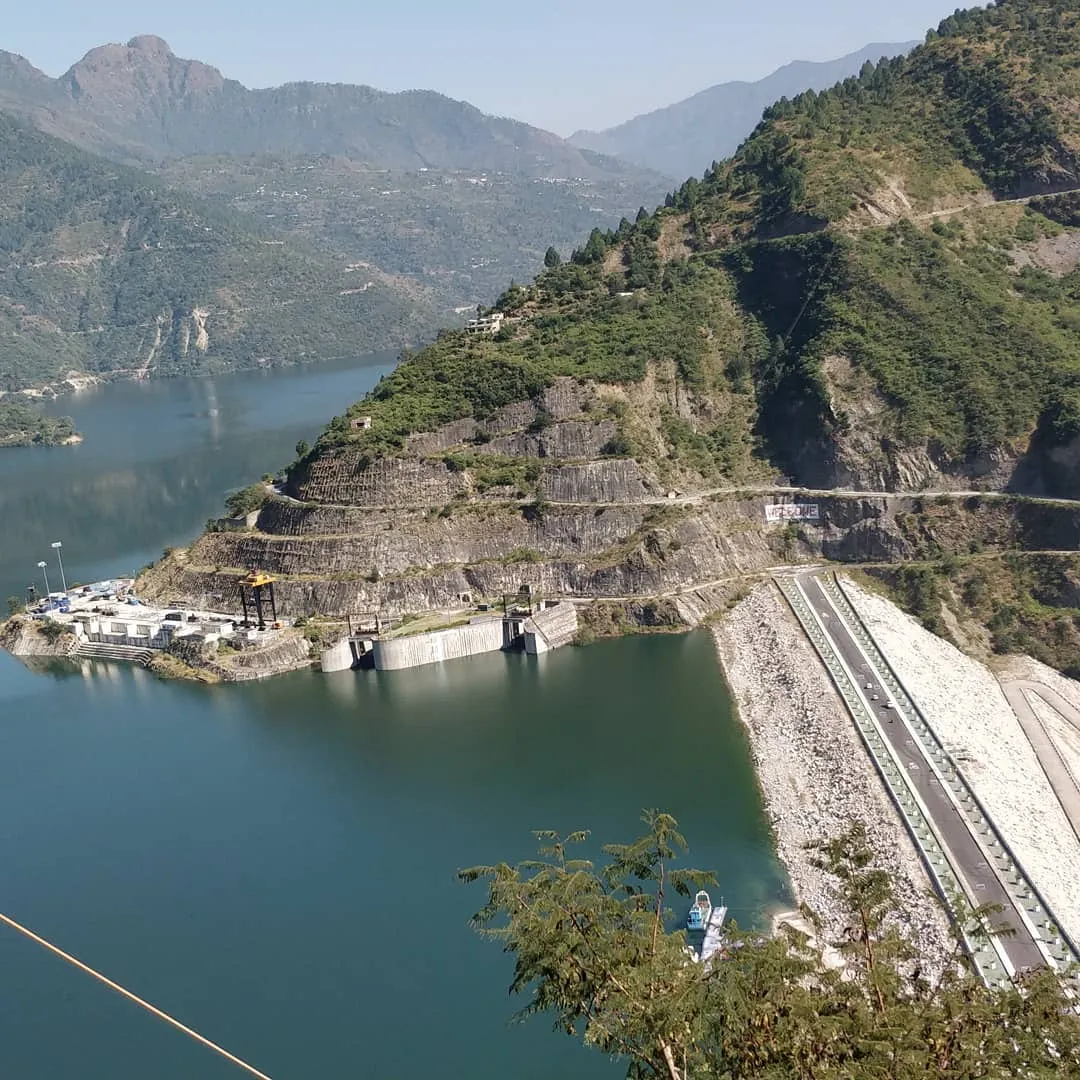
Six states have signed an agreement to take forward the long-delayed 422 MW Kishau multipurpose dam project on the Tons river, a tributary of the Yamuna — and Punjab, which was not a party to the deal, says it was never even consulted. The state is now preparing to challenge the project in the Supreme Court.
The memorandum of understanding was signed by Himachal Pradesh, Uttarakhand, Haryana, Uttar Pradesh, Delhi and Rajasthan following a meeting chaired by Union Home Minister Amit Shah in June 2026, reviving a project that has been on the drawing board for decades and is billed as a key step in reviving the Yamuna.
What the Kishau project promises
The Kishau project, estimated to cost about ₹15,000 crore, would be among the largest water infrastructure projects in the Yamuna basin, combining hydropower generation with water storage for the participating states. The Centre has agreed to bear 90 per cent of the cost of the water component, sharply reducing the financial burden on the states involved.
Himachal Pradesh, where the dam would come up, is projected to earn between ₹600 crore and ₹1,000 crore a year from the project without having to invest its own money — a major reason the hill state has backed the pact. For the six signatory states, the dam promises long-awaited water security and clean power, and for the Yamuna, a new source of regulated flow.
Why Punjab objects
Punjab's Water Resources Department, however, argues that the state has a legitimate claim to Yamuna waters. It points to the agreement signed on March 12, 1954 between undivided Punjab and Uttar Pradesh, which Punjab says entitled it to two-thirds of the Yamuna's waters, and to the 1972 report of the Irrigation Commission.
On that basis, the department has asked the Advocate General's office to approve a draft plaint that would challenge the Kishau project in the Supreme Court. Punjab's position is that a project of this scale on a Yamuna tributary cannot move ahead without consulting it — and the state says it was left out of the room entirely.
A revival for the Yamuna — and a fresh water dispute
Supporters of the pact describe Kishau as a decades-delayed project that will finally give the Yamuna basin the storage and regulation it needs, with benefits flowing to six states and the national grid. The cost-sharing formula, with the Centre absorbing most of the water component's cost, was designed precisely to end the delays that have stalled the project for years.
But water disputes in the region have a long and contentious history, and Punjab's planned legal challenge means the dam's future is far from settled. If the Supreme Court takes up Punjab's plea, the case could reopen fundamental questions about how the Yamuna's waters are shared — questions that the 1954 agreement and decades of subsequent disputes have never fully resolved.
Key facts
- Six states — Himachal Pradesh, Uttarakhand, Haryana, Uttar Pradesh, Delhi and Rajasthan — signed an MoU to advance the 422 MW Kishau multipurpose dam on the Tons river after a June 2026 meeting chaired by Union Home Minister Amit Shah.
- The project is estimated to cost about ₹15,000 crore, with the Centre bearing 90% of the water component's cost; Himachal Pradesh is projected to earn ₹600–1,000 crore a year without investment.
- Punjab was not a party to the agreement and says it was not consulted.
- Punjab's Water Resources Department argues the state has a claim to Yamuna waters, citing the March 12, 1954 agreement between undivided Punjab and Uttar Pradesh and the 1972 Irrigation Commission report.
- The Advocate General's office has been asked to approve a draft plaint for a Supreme Court challenge to the project.