
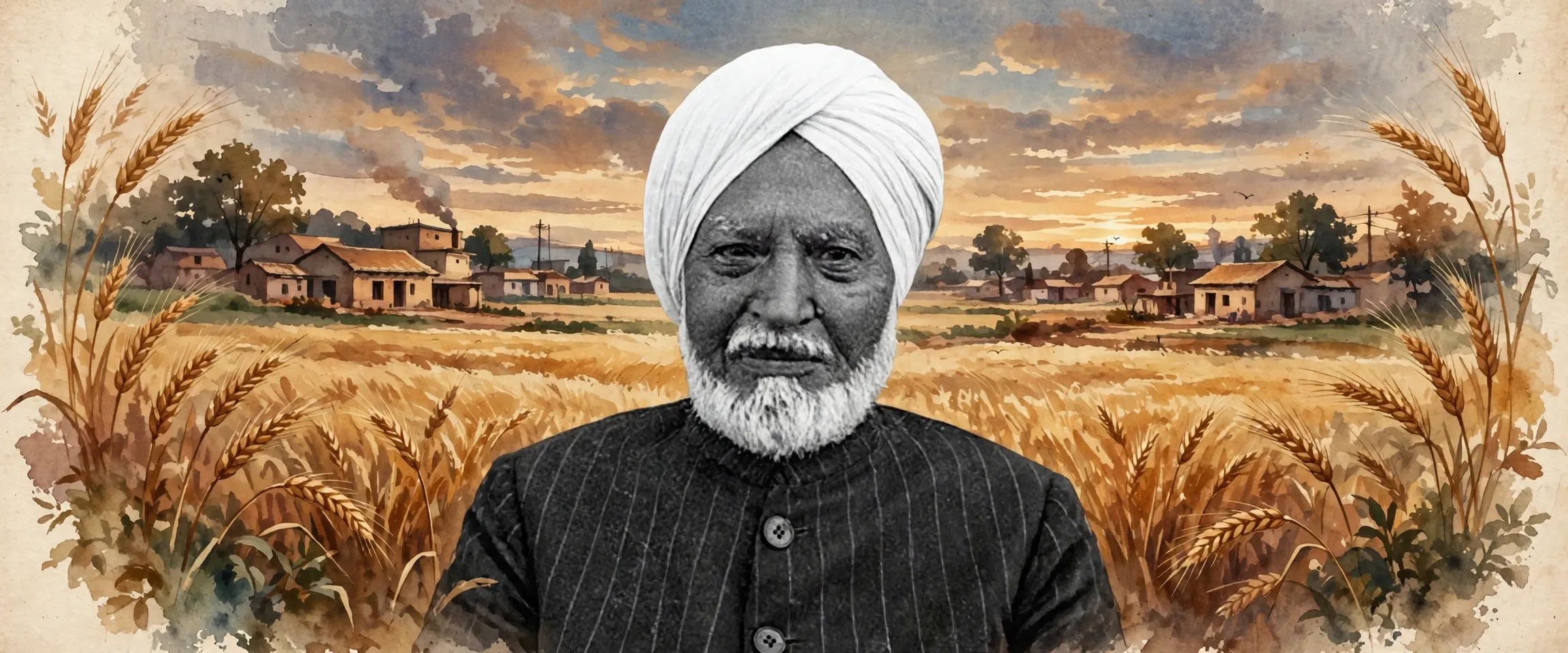
ਚੰਦਨਵਾੜੀ (1931), ਜਿਸ ਦਾ ਅਰਥ ਹੈ ਚੰਦਨ ਦੀ ਵਾਦੀ, ਧਨੀ ਰਾਮ ਚਾਤ੍ਰਿਕ ਦੀਆਂ ਚੋਣਵੀਆਂ ਕਵਿਤਾਵਾਂ ਦਾ ਪਹਿਲਾ ਸੰਗ੍ਰਹਿ ਹੈ, ਜਿਸ ਦੀ ਭੂਮਿਕਾ ਭਾਈ ਵੀਰ ਸਿੰਘ ਨੇ ਲਿਖੀ ਸੀ। ਇਸ ਦੀਆਂ ਕਵਿਤਾਵਾਂ ਅਰਦਾਸ ਅਤੇ ਭਗਤੀ ਤੋਂ ਪਿੰਡ ਦੇ ਜੀਵਨ, ਪਿਆਰ, ਕੁਦਰਤ ਅਤੇ ਸਮਾਜ ਸੁਧਾਰ ਤੱਕ ਜਾਂਦੀਆਂ ਹਨ, ਅਤੇ ਸਭ ਤੋਂ ਮਸ਼ਹੂਰ ਕਵਿਤਾ ਰਾਧਾ ਸੰਦੇਸ਼ ਹੈ। ਇਸ ਸੰਗ੍ਰਹਿ ਨੇ ਚਾਤ੍ਰਿਕ ਨੂੰ ਪੰਜਾਬੀ ਕਵੀਆਂ ਦੀ ਅਗਲੀ ਕਤਾਰ ਵਿੱਚ ਲਿਆ ਖੜ੍ਹਾ ਕੀਤਾ ਅਤੇ ਇਹ ਅੱਜ ਵੀ ਉਨ੍ਹਾਂ ਦੀ ਸਭ ਤੋਂ ਮਹੱਤਵਪੂਰਨ ਰਚਨਾ ਮੰਨੀ ਜਾਂਦੀ ਹੈ।
ਪੰਜਾਬੀ, ਗੁਰਮੁਖੀ- ਪੰਜਾਬੀ ਨਾਂ
- ਚੰਦਨਵਾੜੀ
- ਲੇਖਕ
- ਧਨੀ ਰਾਮ ਚਾਤ੍ਰਿਕ (1876-1954)
- ਪ੍ਰਕਾਸ਼ਿਤ
- 1931
- ਭੂਮਿਕਾ
- ਭਾਈ ਵੀਰ ਸਿੰਘ
- ਭਾਸ਼ਾ
- ਪੰਜਾਬੀ (ਗੁਰਮੁਖੀ)
- ਰੂਪ
- ਕਵਿਤਾ ਸੰਗ੍ਰਹਿ
All 8 facts
- ਸਭ ਤੋਂ ਮਸ਼ਹੂਰ ਕਵਿਤਾ
- ਰਾਧਾ ਸੰਦੇਸ਼
- ਸਿਰਲੇਖ ਦਾ ਅਰਥ
- ਚੰਦਨ ਦੀ ਵਾਦੀ
About the book
Chandanwari, meaning Valley of Sandalwood, is a Punjabi poetry collection by Dhani Ram Chatrik, first published in 1931. It was his first collection of selected poems, and it carried a foreword by Bhai Vir Singh. The Punjabipedia encyclopedia of the Punjab Language Department calls it his most important work in literary terms, and says it placed him in the front rank of Punjabi poets.
The book takes its name from sandalwood, the fragrant wood of the valley, and the poems live up to it. They move from prayer and devotion to village life, love, nature and social reform, in the polished, idiomatic Punjabi that became Chatrik's signature.
What is in Chandanwari?
The collection opens with prayer. Its first part, Prarthana, holds Mangla-Charan, Ardas, Benti and Prarthana, and the second part, Dharmik Bhav, or religious feeling, holds poems such as Chanan Ji, Preetam Ji, Kora Kadar, Hauka, Tarla, Dil and Radha Sandesh.
The poems that follow cover the whole of rural Punjab as Chatrik saw it: Punjab, Punjabi Mata di Duhai, Mele Wich Jatt, Radha Sandesh, Sita Sandesh, Himala, Ganga, Raat, Sawan, Basant, Garib Kisan, Bal Vidhwa and Beruzgari. Village life, fairs and festivals, seasons, rivers, fields and working people all find a place, alongside poems about the poor farmer, the child widow and unemployment.
ਰਾਧਾ ਸੰਦੇਸ਼
The best-known poem in the book is Radha Sandesh, or Radha's Message. In it Radha answers Udho, the messenger Krishna sends after leaving for Mathura. The poem is a reply in Radha's own voice, and it has been translated and discussed as an example of Chatrik's narrative gift.
ਕਿਤਾਬ ਬਾਰੇ
ਚੰਦਨਵਾੜੀ, ਜਿਸ ਦਾ ਅਰਥ ਹੈ ਚੰਦਨ ਦੀ ਵਾਦੀ, ਧਨੀ ਰਾਮ ਚਾਤ੍ਰਿਕ ਦੀ ਪੰਜਾਬੀ ਕਵਿਤਾ ਦਾ ਸੰਗ੍ਰਹਿ ਹੈ, ਜੋ ਪਹਿਲੀ ਵਾਰ 1931 ਵਿੱਚ ਛਪਿਆ। ਇਹ ਉਨ੍ਹਾਂ ਦੀਆਂ ਚੋਣਵੀਆਂ ਕਵਿਤਾਵਾਂ ਦਾ ਪਹਿਲਾ ਸੰਗ੍ਰਹਿ ਸੀ, ਅਤੇ ਇਸ ਦੀ ਭੂਮਿਕਾ ਭਾਈ ਵੀਰ ਸਿੰਘ ਨੇ ਲਿਖੀ ਸੀ। ਪੰਜਾਬ ਭਾਸ਼ਾ ਵਿਭਾਗ ਦੇ ਵਿਸ਼ਵਕੋਸ਼ ਪੰਜਾਬੀਪੀਡੀਆ ਨੇ ਇਸ ਨੂੰ ਸਾਹਿਤਕ ਪੱਖੋਂ ਉਨ੍ਹਾਂ ਦੀ ਸਭ ਤੋਂ ਮਹੱਤਵਪੂਰਨ ਰਚਨਾ ਕਿਹਾ ਹੈ, ਅਤੇ ਕਿਹਾ ਹੈ ਕਿ ਇਸ ਨੇ ਉਨ੍ਹਾਂ ਨੂੰ ਪੰਜਾਬੀ ਕਵੀਆਂ ਦੀ ਅਗਲੀ ਕਤਾਰ ਵਿੱਚ ਲਿਆ ਖੜ੍ਹਾ ਕੀਤਾ।
ਕਿਤਾਬ ਦਾ ਨਾਂ ਚੰਦਨ ਦੀ ਖੁਸ਼ਬੂ ਵਾਲੀ ਵਾਦੀ ਤੋਂ ਆਇਆ ਹੈ, ਅਤੇ ਕਵਿਤਾਵਾਂ ਇਸ ਨਾਂ ਉੱਤੇ ਖਰੀਆਂ ਉਤਰਦੀਆਂ ਹਨ। ਇਹ ਅਰਦਾਸ ਅਤੇ ਭਗਤੀ ਤੋਂ ਪਿੰਡ ਦੇ ਜੀਵਨ, ਪਿਆਰ, ਕੁਦਰਤ ਅਤੇ ਸਮਾਜ ਸੁਧਾਰ ਤੱਕ ਜਾਂਦੀਆਂ ਹਨ, ਉਸ ਸਾਫ਼-ਸੁਥਰੀ, ਮੁਹਾਵਰੇਦਾਰ ਪੰਜਾਬੀ ਵਿੱਚ ਜੋ ਚਾਤ੍ਰਿਕ ਦੀ ਪਛਾਣ ਬਣ ਗਈ।
ਚੰਦਨਵਾੜੀ ਵਿੱਚ ਕੀ ਹੈ?
ਸੰਗ੍ਰਹਿ ਅਰਦਾਸ ਨਾਲ ਸ਼ੁਰੂ ਹੁੰਦਾ ਹੈ। ਇਸ ਦਾ ਪਹਿਲਾ ਭਾਗ, ਪ੍ਰਾਰਥਨਾ, ਵਿੱਚ ਮੰਗਲਾ-ਚਰਨ, ਅਰਦਾਸ, ਬੇਨਤੀ ਅਤੇ ਪ੍ਰਾਰਥਨਾ ਹਨ, ਅਤੇ ਦੂਜਾ ਭਾਗ, ਧਾਰਮਿਕ ਭਾਵ, ਵਿੱਚ ਚਾਨਣ ਜੀ, ਪ੍ਰੀਤਮ ਜੀ, ਕੋਰਾ ਕਦਰ, ਹੌਕਾ, ਤਰਲਾ, ਦਿਲ ਅਤੇ ਰਾਧਾ ਸੰਦੇਸ਼ ਵਰਗੀਆਂ ਕਵਿਤਾਵਾਂ ਹਨ।
ਉਸ ਤੋਂ ਬਾਅਦ ਦੀਆਂ ਕਵਿਤਾਵਾਂ ਚਾਤ੍ਰਿਕ ਦੇ ਦੇਖੇ ਹੋਏ ਪੇਂਡੂ ਪੰਜਾਬ ਨੂੰ ਪੂਰੀ ਤਰ੍ਹਾਂ ਪੇਸ਼ ਕਰਦੀਆਂ ਹਨ: ਪੰਜਾਬ, ਪੰਜਾਬੀ ਮਾਤਾ ਦੀ ਦੁਹਾਈ, ਮੇਲੇ ਵਿਚ ਜੱਟ, ਰਾਧਾ ਸੰਦੇਸ਼, ਸੀਤਾ ਸੰਦੇਸ਼, ਹਿਮਾਲਾ, ਗੰਗਾ, ਰਾਤ, ਸਾਵਣ, ਬਸੰਤ, ਗਰੀਬ ਕਿਸਾਨ, ਬਾਲ ਵਿਧਵਾ ਅਤੇ ਬੇਰੁਜ਼ਗਾਰੀ। ਪਿੰਡ ਦਾ ਜੀਵਨ, ਮੇਲੇ ਅਤੇ ਤਿਉਹਾਰ, ਰੁੱਤਾਂ, ਨਦੀਆਂ, ਖੇਤ ਅਤੇ ਕੰਮ ਕਰਨ ਵਾਲੇ ਲੋਕ, ਸਭ ਨੂੰ ਥਾਂ ਮਿਲਦੀ ਹੈ, ਨਾਲ ਹੀ ਗਰੀਬ ਕਿਸਾਨ, ਬਾਲ ਵਿਧਵਾ ਅਤੇ ਬੇਰੁਜ਼ਗਾਰੀ ਬਾਰੇ ਸਮਾਜਿਕ ਕਵਿਤਾਵਾਂ ਵੀ ਹਨ।
ਰਾਧਾ ਸੰਦੇਸ਼
ਕਿਤਾਬ ਦੀ ਸਭ ਤੋਂ ਮਸ਼ਹੂਰ ਕਵਿਤਾ ਰਾਧਾ ਸੰਦੇਸ਼ ਹੈ, ਜਾਂ ਰਾਧਾ ਦਾ ਸੰਦੇਸ਼। ਇਸ ਵਿੱਚ ਰਾਧਾ ਊਧੋ ਨੂੰ ਜਵਾਬ ਦਿੰਦੀ ਹੈ, ਕ੍ਰਿਸ਼ਨ ਦੇ ਉਸ ਦੂਤ ਨੂੰ ਜੋ ਕ੍ਰਿਸ਼ਨ ਦੇ ਮਥੁਰਾ ਚਲੇ ਜਾਣ ਤੋਂ ਬਾਅਦ ਆਉਂਦਾ ਹੈ। ਇਹ ਕਵਿਤਾ ਰਾਧਾ ਦੀ ਆਪਣੀ ਆਵਾਜ਼ ਵਿੱਚ ਜਵਾਬ ਹੈ, ਅਤੇ ਇਸ ਦਾ ਅਨੁਵਾਦ ਹੋਇਆ ਹੈ ਅਤੇ ਚਾਤ੍ਰਿਕ ਦੀ ਬਿਆਨ ਕਰਨ ਦੀ ਕਲਾ ਦੀ ਮਿਸਾਲ ਵਜੋਂ ਇਸ ਉੱਤੇ ਵਿਚਾਰ ਹੋਇਆ ਹੈ।
Themes and style
The poems touch religious, moral, patriotic, love, social, nature and love-mystery themes, in the words of the Punjabipedia entry. Rural Punjab is pictured at close hand, in its wholeness and simplicity: village life, fairs and festivals, seasons, rivers, fields and working people. The love poems include Radha Sandesh and Sita Sandesh, the devotional poems open the book, and the social poems take up the poor farmer, the child widow and unemployment.
Chatrik's language is polished and refined, built on idiomatic central Punjabi with the flavour of folk speech. Apna calls him a poet of the earth, using the language of everyday life, with nature, folklore, mythology and the Punjabi ethos as recurrent themes. His manner is descriptive and narrative, in the qissa style, using traditional metres such as bait, dohra and korara, along with folk song and Sufi metres. The critic Mohan Singh Diwana called Chandanwari a sarv-sangeet sangreh, a collection of all music.
His central quality, in Punjabipedia's judgement, is realism. He pictured social evils and their real causes and encouraged social reform, while never abandoning traditional form even as his subjects became new.
ਲੇਖਕ
Dhani Ram Chatrik was born on 4 October 1876 in the village of Passianwala, in undivided Punjab, now in Pakistan, and died on 18 December 1954 in Amritsar, aged 78. He had little formal education. In 1893, at about 17, he joined Bhai Vir Singh's Wazir Hind Press, where contact with Bhai Vir Singh inspired him to write verse in Punjabi. His early poems appeared in Khalsa Samachar and Khalsa Youngman. He first wrote under the pen name Hardhani, then took the pen name Chatrik.
Chatrik was also a pioneering Punjabi printer and typographer. He standardised the Gurmukhi type set, and in 1924 he founded the Standard Type Foundry and Sudarshan Press in Amritsar, using modern technique to print the Guru Granth Sahib and Bhai Kahn Singh Nabha's Mahan Kosh, the first Punjabi dictionary. He printed the dictionary; he did not write it. In 1926 he co-founded the Punjabi Sabha literary society with Giani Hira Singh Dard and Maula Bakhsh Kushta, and became its president.
He is described in English and Punjabi sources as a founder, or one of the pioneers, of modern Punjabi poetry, and as a bridge between old and new Punjabi poetry. His other major works include Phullan Di Tokri (1904), Bharthari Hari (1905), Nal Damyanti (1906), Dharmvir, Kesar Kiari (1940), Nawan Jahan, Noor Jahan Badshah Begum (1944) and Sufikhana (1950). His last work was published in Shahmukhi script in 1954; all the rest are in Gurmukhi.
Reception and legacy
Chandanwari made Chatrik's reputation. Punjabipedia says the collection put him in the line of Punjab's leading poets, and his poem Punjab made him the beloved poet of Punjab. On his 75th birthday he was presented with an abhinandan granth, a felicitation volume, said to be the first such honour given to a Punjabi scholar for literary service. In 1951 the Language Department, Punjab honoured him as Shiromani Punjabi Sahitkar.
He won no literary award in his lifetime: he died in 1954, the year before the Sahitya Akademi Award began. His collected works appeared as Chatrik Rachnawali, edited by S. S. Amol and published by Punjabi University, Patiala, in 1975, and the Sahitya Akademi published a monograph on him by Surinder Singh Narula in 1985. He remains remembered as the founder of modern Punjabi poetry and as the man who gave Punjabi its standard printed type.
ਵਿਸ਼ੇ ਅਤੇ ਸ਼ੈਲੀ
ਕਵਿਤਾਵਾਂ ਧਾਰਮਿਕ, ਨੈਤਿਕ, ਦੇਸ਼ਭਗਤੀ, ਪਿਆਰ, ਸਮਾਜਿਕ, ਕੁਦਰਤ ਅਤੇ ਪ੍ਰੇਮ-ਰਹੱਸ ਦੇ ਵਿਸ਼ਿਆਂ ਨੂੰ ਛੂਹਦੀਆਂ ਹਨ, ਜਿਵੇਂ ਪੰਜਾਬੀਪੀਡੀਆ ਦੀ ਐਂਟਰੀ ਕਹਿੰਦੀ ਹੈ। ਪੇਂਡੂ ਪੰਜਾਬ ਨੂੰ ਨੇੜਿਓਂ, ਉਸ ਦੀ ਸੰਪੂਰਨਤਾ ਅਤੇ ਸਾਦਗੀ ਵਿੱਚ ਪੇਸ਼ ਕੀਤਾ ਗਿਆ ਹੈ: ਪਿੰਡ ਦਾ ਜੀਵਨ, ਮੇਲੇ ਅਤੇ ਤਿਉਹਾਰ, ਰੁੱਤਾਂ, ਨਦੀਆਂ, ਖੇਤ ਅਤੇ ਕੰਮ ਕਰਨ ਵਾਲੇ ਲੋਕ। ਪਿਆਰ ਦੀਆਂ ਕਵਿਤਾਵਾਂ ਵਿੱਚ ਰਾਧਾ ਸੰਦੇਸ਼ ਅਤੇ ਸੀਤਾ ਸੰਦੇਸ਼ ਹਨ, ਭਗਤੀ ਦੀਆਂ ਕਵਿਤਾਵਾਂ ਕਿਤਾਬ ਦੀ ਸ਼ੁਰੂਆਤ ਕਰਦੀਆਂ ਹਨ, ਅਤੇ ਸਮਾਜਿਕ ਕਵਿਤਾਵਾਂ ਗਰੀਬ ਕਿਸਾਨ, ਬਾਲ ਵਿਧਵਾ ਅਤੇ ਬੇਰੁਜ਼ਗਾਰੀ ਨੂੰ ਲੈਂਦੀਆਂ ਹਨ।
ਚਾਤ੍ਰਿਕ ਦੀ ਭਾਸ਼ਾ ਸਾਫ਼-ਸੁਥਰੀ ਅਤੇ ਮੰਝੀ ਹੋਈ ਹੈ, ਕੇਂਦਰੀ ਪੰਜਾਬੀ ਦੇ ਮੁਹਾਵਰਿਆਂ ਉੱਤੇ ਬਣੀ, ਲੋਕ ਬੋਲੀ ਦੀ ਖੁਸ਼ਬੂ ਨਾਲ। ਅਪਨਾ ਉਨ੍ਹਾਂ ਨੂੰ ਧਰਤੀ ਦਾ ਕਵੀ ਕਹਿੰਦਾ ਹੈ, ਜੋ ਰੋਜ਼ਾਨਾ ਜੀਵਨ ਦੀ ਭਾਸ਼ਾ ਵਰਤਦਾ ਹੈ, ਅਤੇ ਕੁਦਰਤ, ਲੋਕ-ਕਥਾ, ਮਿਥਿਹਾਸ ਅਤੇ ਪੰਜਾਬੀ ਮਿਜ਼ਾਜ ਉਨ੍ਹਾਂ ਦੇ ਵਾਰ-ਵਾਰ ਆਉਣ ਵਾਲੇ ਵਿਸ਼ੇ ਹਨ। ਉਨ੍ਹਾਂ ਦਾ ਢੰਗ ਵਰਣਨਾਤਮਕ ਅਤੇ ਕਹਾਣੀ ਵਾਲਾ ਹੈ, ਕਿੱਸੇ ਦੀ ਸ਼ੈਲੀ ਵਿੱਚ, ਬੈਤ, ਦੋਹਰਾ ਅਤੇ ਕੋਰਾੜਾ ਵਰਗੇ ਰਵਾਇਤੀ ਛੰਦਾਂ ਅਤੇ ਲੋਕ ਗੀਤ ਅਤੇ ਸੂਫ਼ੀ ਛੰਦਾਂ ਦੀ ਵਰਤੋਂ ਨਾਲ। ਆਲੋਚਕ ਮੋਹਨ ਸਿੰਘ ਦੀਵਾਨਾ ਨੇ ਚੰਦਨਵਾੜੀ ਨੂੰ ਸਰਵ-ਸੰਗੀਤ ਸੰਗ੍ਰਹਿ ਕਿਹਾ, ਸਾਰੇ ਸੰਗੀਤ ਦਾ ਸੰਗ੍ਰਹਿ।
ਪੰਜਾਬੀਪੀਡੀਆ ਦੇ ਮੁਤਾਬਕ ਉਨ੍ਹਾਂ ਦੀ ਕੇਂਦਰੀ ਖੂਬੀ ਯਥਾਰਥਵਾਦ ਹੈ। ਉਨ੍ਹਾਂ ਨੇ ਸਮਾਜਿਕ ਬੁਰਾਈਆਂ ਅਤੇ ਉਨ੍ਹਾਂ ਦੇ ਅਸਲੀ ਕਾਰਨਾਂ ਨੂੰ ਪੇਸ਼ ਕੀਤਾ ਅਤੇ ਸਮਾਜ ਸੁਧਾਰ ਲਈ ਉਤਸ਼ਾਹਿਤ ਕੀਤਾ, ਜਦੋਂ ਕਿ ਉਨ੍ਹਾਂ ਦੇ ਵਿਸ਼ੇ ਨਵੇਂ ਹੁੰਦੇ ਗਏ, ਉਨ੍ਹਾਂ ਨੇ ਰਵਾਇਤੀ ਰੂਪ ਕਦੇ ਨਹੀਂ ਛੱਡਿਆ।
ਲੇਖਕ ਬਾਰੇ
ਧਨੀ ਰਾਮ ਚਾਤ੍ਰਿਕ ਦਾ ਜਨਮ 4 ਅਕਤੂਬਰ 1876 ਨੂੰ ਅਣਵੰਡੇ ਪੰਜਾਬ ਦੇ ਪਾਸੀਆਂਵਾਲਾ ਪਿੰਡ ਵਿੱਚ ਹੋਇਆ, ਜੋ ਹੁਣ ਪਾਕਿਸਤਾਨ ਵਿੱਚ ਹੈ, ਅਤੇ ਉਨ੍ਹਾਂ ਦੀ ਮੌਤ 18 ਦਸੰਬਰ 1954 ਨੂੰ ਅੰਮ੍ਰਿਤਸਰ ਵਿੱਚ ਹੋਈ, 78 ਸਾਲ ਦੀ ਉਮਰ ਵਿੱਚ। ਉਨ੍ਹਾਂ ਨੇ ਘੱਟ ਰਸਮੀ ਸਿੱਖਿਆ ਲਈ ਸੀ। 1893 ਵਿੱਚ, ਲਗਭਗ 17 ਸਾਲ ਦੀ ਉਮਰ ਵਿੱਚ, ਉਹ ਭਾਈ ਵੀਰ ਸਿੰਘ ਦੇ ਵਜ਼ੀਰ ਹਿੰਦ ਪ੍ਰੈਸ ਨਾਲ ਜੁੜ ਗਏ, ਜਿੱਥੇ ਭਾਈ ਵੀਰ ਸਿੰਘ ਦੇ ਸੰਪਰਕ ਨੇ ਉਨ੍ਹਾਂ ਨੂੰ ਪੰਜਾਬੀ ਵਿੱਚ ਕਵਿਤਾ ਲਿਖਣ ਲਈ ਪ੍ਰੇਰਿਤ ਕੀਤਾ। ਉਨ੍ਹਾਂ ਦੀਆਂ ਮੁਢਲੀਆਂ ਕਵਿਤਾਵਾਂ ਖਾਲਸਾ ਸਮਾਚਾਰ ਅਤੇ ਖਾਲਸਾ ਯੰਗਮੈਨ ਵਿੱਚ ਛਪੀਆਂ। ਉਨ੍ਹਾਂ ਨੇ ਪਹਿਲਾਂ ਹਰਧਾਨੀ ਦੇ ਕਲਮੀ ਨਾਂ ਹੇਠ ਲਿਖਿਆ, ਫਿਰ ਚਾਤ੍ਰਿਕ ਦਾ ਤਖ਼ਲਸ ਅਪਣਾ ਲਿਆ।
ਚਾਤ੍ਰਿਕ ਇੱਕ ਮੋਹਰੀ ਪੰਜਾਬੀ ਛਾਪਕ ਅਤੇ ਟਾਈਪ-ਨਿਰਮਾਤਾ ਵੀ ਸਨ। ਉਨ੍ਹਾਂ ਨੇ ਗੁਰਮੁਖੀ ਟਾਈਪ ਸੈੱਟ ਨੂੰ ਮਿਆਰੀ ਬਣਾਇਆ, ਅਤੇ 1924 ਵਿੱਚ ਅੰਮ੍ਰਿਤਸਰ ਵਿੱਚ ਸਟੈਂਡਰਡ ਟਾਈਪ ਫ਼ਾਉਂਡਰੀ ਅਤੇ ਸੁਦਰਸ਼ਨ ਪ੍ਰੈਸ ਦੀ ਸਥਾਪਨਾ ਕੀਤੀ, ਜਿੱਥੇ ਆਧੁਨਿਕ ਤਕਨੀਕ ਨਾਲ ਗੁਰੂ ਗ੍ਰੰਥ ਸਾਹਿਬ ਅਤੇ ਭਾਈ ਕਾਹਨ ਸਿੰਘ ਨਾਭਾ ਦਾ ਮਹਾਨ ਕੋਸ਼, ਪਹਿਲਾ ਪੰਜਾਬੀ ਸ਼ਬਦਕੋਸ਼, ਛਾਪਿਆ ਗਿਆ। ਉਨ੍ਹਾਂ ਨੇ ਸ਼ਬਦਕੋਸ਼ ਨੂੰ ਛਾਪਿਆ ਸੀ, ਲਿਖਿਆ ਨਹੀਂ ਸੀ। 1926 ਵਿੱਚ ਉਨ੍ਹਾਂ ਨੇ ਗਿਆਨੀ ਹੀਰਾ ਸਿੰਘ ਦਰਦ ਅਤੇ ਮੌਲਾ ਬਖ਼ਸ਼ ਕੁਸ਼ਤਾ ਨਾਲ ਪੰਜਾਬੀ ਸਭਾ ਸਾਹਿਤਕ ਸੰਸਥਾ ਦੀ ਸਥਾਪਨਾ ਕੀਤੀ, ਅਤੇ ਇਸ ਦੇ ਪ੍ਰਧਾਨ ਬਣੇ।
ਅੰਗਰੇਜ਼ੀ ਅਤੇ ਪੰਜਾਬੀ ਸਰੋਤਾਂ ਵਿੱਚ ਉਨ੍ਹਾਂ ਨੂੰ ਆਧੁਨਿਕ ਪੰਜਾਬੀ ਕਵਿਤਾ ਦੇ ਸੰਸਥਾਪਕ, ਜਾਂ ਇਸ ਦੇ ਮੋਹਰੀਆਂ ਵਿੱਚੋਂ ਇੱਕ, ਅਤੇ ਪੁਰਾਣੀ ਤੇ ਨਵੀਂ ਪੰਜਾਬੀ ਕਵਿਤਾ ਵਿਚਕਾਰ ਪੁਲ ਕਿਹਾ ਗਿਆ ਹੈ। ਉਨ੍ਹਾਂ ਦੀਆਂ ਹੋਰ ਮੁੱਖ ਰਚਨਾਵਾਂ ਵਿੱਚ ਫੁੱਲਾਂ ਦੀ ਟੋਕਰੀ (1904), ਭਰਥਰੀ ਹਰੀ (1905), ਨਾਲ ਦਮਯੰਤੀ (1906), ਧਰਮਵੀਰ, ਕੇਸਰ ਕਿਆਰੀ (1940), ਨਵਾਂ ਜਹਾਨ, ਨੂਰ ਜਹਾਂ ਬਾਦਸ਼ਾਹ ਬੇਗਮ (1944) ਅਤੇ ਸੂਫ਼ੀਖਾਨਾ (1950) ਸ਼ਾਮਲ ਹਨ। ਉਨ੍ਹਾਂ ਦੀ ਆਖ਼ਰੀ ਰਚਨਾ 1954 ਵਿੱਚ ਸ਼ਾਹਮੁਖੀ ਲਿਪੀ ਵਿੱਚ ਛਪੀ, ਬਾਕੀ ਸਾਰੀਆਂ ਗੁਰਮੁਖੀ ਵਿੱਚ ਹਨ।
ਸਵਾਗਤ ਅਤੇ ਵਿਰਸਾ
ਚੰਦਨਵਾੜੀ ਨੇ ਚਾਤ੍ਰਿਕ ਦੀ ਪਛਾਣ ਬਣਾਈ। ਪੰਜਾਬੀਪੀਡੀਆ ਕਹਿੰਦਾ ਹੈ ਕਿ ਇਸ ਸੰਗ੍ਰਹਿ ਨੇ ਉਨ੍ਹਾਂ ਨੂੰ ਪੰਜਾਬ ਦੇ ਮੋਹਰੀ ਕਵੀਆਂ ਦੀ ਕਤਾਰ ਵਿੱਚ ਲਿਆ ਖੜ੍ਹਾ ਕੀਤਾ, ਅਤੇ ਉਨ੍ਹਾਂ ਦੀ ਕਵਿਤਾ ਪੰਜਾਬ ਨੇ ਉਨ੍ਹਾਂ ਨੂੰ ਪੰਜਾਬ ਦਾ ਪਿਆਰਾ ਕਵੀ ਬਣਾ ਦਿੱਤਾ। ਉਨ੍ਹਾਂ ਦੇ 75ਵੇਂ ਜਨਮਦਿਨ ਉੱਤੇ ਉਨ੍ਹਾਂ ਨੂੰ ਇੱਕ ਅਭਿਨੰਦਨ ਗ੍ਰੰਥ, ਇੱਕ ਸਨਮਾਨ-ਪੁਸਤਕ, ਭੇਟ ਕੀਤੀ ਗਈ, ਜਿਸ ਬਾਰੇ ਕਿਹਾ ਜਾਂਦਾ ਹੈ ਕਿ ਇਹ ਕਿਸੇ ਪੰਜਾਬੀ ਵਿਦਵਾਨ ਨੂੰ ਸਾਹਿਤਕ ਸੇਵਾ ਲਈ ਦਿੱਤਾ ਗਿਆ ਪਹਿਲਾ ਅਜਿਹਾ ਸਨਮਾਨ ਸੀ। 1951 ਵਿੱਚ ਪੰਜਾਬ ਭਾਸ਼ਾ ਵਿਭਾਗ ਨੇ ਉਨ੍ਹਾਂ ਨੂੰ ਸ਼ਿਰੋਮਣੀ ਪੰਜਾਬੀ ਸਾਹਿਤਕਾਰ ਵਜੋਂ ਸਨਮਾਨਿਤ ਕੀਤਾ।
ਉਨ੍ਹਾਂ ਨੂੰ ਆਪਣੇ ਜੀਵਨ ਵਿੱਚ ਕੋਈ ਸਾਹਿਤਕ ਪੁਰਸਕਾਰ ਨਹੀਂ ਮਿਲਿਆ: ਉਨ੍ਹਾਂ ਦੀ ਮੌਤ 1954 ਵਿੱਚ ਹੋਈ, ਸਾਹਿਤ ਅਕਾਦਮੀ ਪੁਰਸਕਾਰ ਸ਼ੁਰੂ ਹੋਣ ਤੋਂ ਇੱਕ ਸਾਲ ਪਹਿਲਾਂ। ਉਨ੍ਹਾਂ ਦੀਆਂ ਇਕੱਠੀਆਂ ਰਚਨਾਵਾਂ ਚਾਤ੍ਰਿਕ ਰਚਨਾਵਲੀ ਵਜੋਂ ਛਪੀਆਂ, ਜਿਨ੍ਹਾਂ ਦਾ ਸੰਪਾਦਨ ਐਸ. ਐਸ. ਅਮੋਲ ਨੇ ਕੀਤਾ ਅਤੇ ਪੰਜਾਬੀ ਯੂਨੀਵਰਸਿਟੀ, ਪਟਿਆਲਾ ਨੇ 1975 ਵਿੱਚ ਪ੍ਰਕਾਸ਼ਿਤ ਕੀਤਾ, ਅਤੇ ਸਾਹਿਤ ਅਕਾਦਮੀ ਨੇ 1985 ਵਿੱਚ ਸੁਰਿੰਦਰ ਸਿੰਘ ਨਰੂਲਾ ਦਾ ਉਨ੍ਹਾਂ ਉੱਤੇ ਇੱਕ ਮੋਨੋਗ੍ਰਾਫ਼ ਪ੍ਰਕਾਸ਼ਿਤ ਕੀਤਾ। ਉਹ ਆਧੁਨਿਕ ਪੰਜਾਬੀ ਕਵਿਤਾ ਦੇ ਸੰਸਥਾਪਕ ਅਤੇ ਉਸ ਵਿਅਕਤੀ ਵਜੋਂ ਯਾਦ ਕੀਤੇ ਜਾਂਦੇ ਹਨ, ਜਿਸ ਨੇ ਪੰਜਾਬੀ ਨੂੰ ਉਸ ਦਾ ਮਿਆਰੀ ਛਪਿਆ ਹੋਇਆ ਟਾਈਪ ਦਿੱਤਾ।
ਐਡੀਸ਼ਨ ਅਤੇ ਅਨੁਵਾਦ
- ਚੰਦਨਵਾੜੀPunjabi (Gurmukhi) · first edition, 1931Edition
ਲੇਖਕ

ਜੁੜੇ ਹੋਏ
ਹੋਰ ਪੜ੍ਹੋ
ਸਰੋਤ (5)
ਜੁਗਤੀ ਮੁਫ਼ਤ ਅਤੇ ਸੁਤੰਤਰ ਹੈ। ਪਾਠਕਾਂ ਦਾ ਸਹਿਯੋਗ ਕੋਸ਼ ਨੂੰ ਵਧਾਉਂਦਾ ਹੈ।
ਸਹਿਯੋਗ