
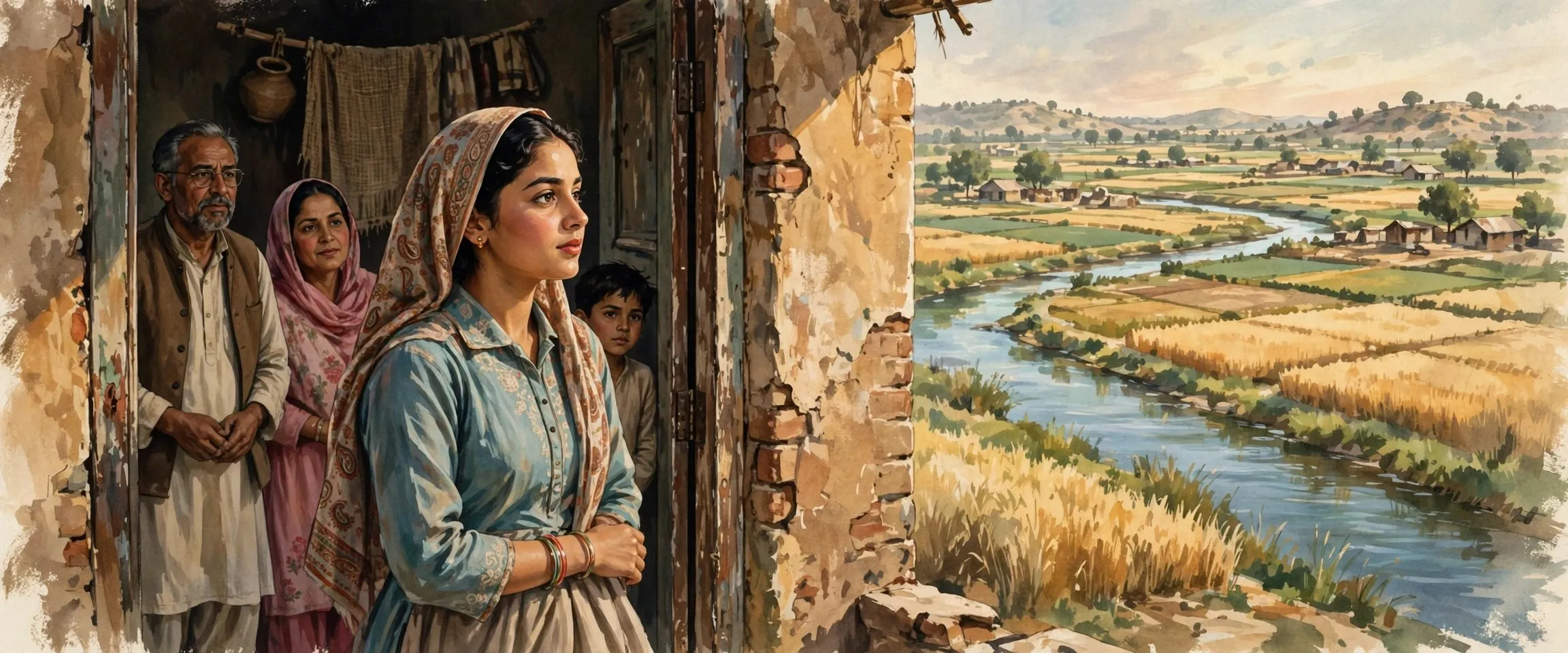
ਮਨ ਪਰਦੇਸੀ (ਵਿਛੜਿਆ ਦਿਲ) ਕਰਤਾਰ ਸਿੰਘ ਦੁੱਗਲ ਦਾ ਪੰਜਾਬੀ ਨਾਵਲ ਹੈ, ਜੋ ਵੰਡ ਤੋਂ ਬਾਅਦ ਦੇ ਸਾਲਾਂ ਵਿੱਚ ਭਾਰਤ ਵਿੱਚ ਰਹਿੰਦੇ ਇੱਕ ਰਾਸ਼ਟਰਵਾਦੀ ਮੁਸਲਿਮ ਪਰਿਵਾਰ ਬਾਰੇ ਹੈ। ਸ਼ੇਖ ਹਸੀਬ ਦੀ ਧੀ ਜ਼ੇਬਾ ਰਾਹੀਂ ਵੇਖਿਆਂ, ਇਹ ਉਸ ਦੇ ਉਸ ਸਫ਼ਰ ਨੂੰ ਦੱਸਦਾ ਹੈ ਜੋ ਮੁਸਲਮਾਨਾਂ ਦੇ ਵੱਖਰੇਪਣ ਵਿੱਚ ਯਕੀਨ ਤੋਂ ਇਸ ਪੱਕੇ ਵਿਸ਼ਵਾਸ ਤੱਕ ਜਾਂਦਾ ਹੈ ਕਿ ਉਸ ਦੀਆਂ ਜੜ੍ਹਾਂ, ਅਤੇ ਉਸ ਦਾ ਭਵਿੱਖ, ਭਾਰਤ ਵਿੱਚ ਹੀ ਹੈ।
ਪੰਜਾਬੀ, ਗੁਰਮੁਖੀ, ਅੰਗਰੇਜ਼ੀ ਅਨੁਵਾਦ ਸਮੇਤ- ਪੰਜਾਬੀ ਨਾਂ
- ਮਨ ਪਰਦੇਸੀ
- ਲੇਖਕ
- ਕਰਤਾਰ ਸਿੰਘ ਦੁੱਗਲ (1917 ਤੋਂ 2012)
- ਭਾਸ਼ਾ
- ਪੰਜਾਬੀ (ਗੁਰਮੁਖੀ)
- ਰੂਪ
- ਨਾਵਲ
- ਸਿਰਲੇਖ ਦਾ ਅਰਥ
- ਵਿਛੜਿਆ ਦਿਲ
- ਕੇਂਦਰੀ ਪਾਤਰ
- ਜ਼ੇਬਾ, ਸ਼ੇਖ ਹਸੀਬ ਦੀ ਧੀ
All 8 facts
- ਪਿਛੋਕੜ
- ਵੰਡ ਤੋਂ ਬਾਅਦ ਦੇ ਸਾਲਾਂ ਵਿੱਚ ਭਾਰਤ
- ਅੰਗਰੇਜ਼ੀ ਸੰਸਕਰਨ
- ਏਲੀਅਨ ਹਾਰਟ, ਜੈ ਰਤਨ ਦਾ ਅਨੁਵਾਦ, 1981 ਤੋਂ ਸੂਚੀਬੱਧ
About the book
Man Pardesi is a Punjabi novel by Kartar Singh Duggal (1917 to 2012), a writer whose name is bound up with the literature of Partition. The title is usually given in English as Alienated Heart, and the novel reached English readers as Alien Heart, in a translation by Jai Ratan made in close collaboration with the author and catalogued from 1981. A survey of Punjabi literature, describing a writer haunted by the Partition of Punjab, calls Man Pardesi a beautiful novel about the plight of the Muslims in India. That one line sets the book apart from most Partition fiction. Its subject is not the crossing of the new border in 1947, but the life that had to be lived after it, by the people who stayed.
Most famous Partition stories are about departure: trains, camps and homes left behind. Man Pardesi turns the camera around. It asks what Partition did to the families who did not leave, whose home was suddenly inside a new country that had to decide whether it still had room for them, while they had to answer the same question about the country.
What is Man Pardesi about?
Man Pardesi is about a family of nationalist Muslims in India in the years following Partition, and its events are seen through the eyes of Zeba, the daughter of Sheikh Haseeb. The family belongs to the India promised in 1947: one country, holding many faiths. The novel follows what that promise felt like from inside a single household, as the dust of Partition settled and everyday life, work and neighbourhood had to be rebuilt on top of it.
Zeba carries the argument of the book. She begins from a belief in the separateness of Muslims, the idea that her community's safety and future must lie apart. She moves, step by step, to a firm conviction that her own fate, and the fate of her community, lies in India: that her roots are here, and that her future is linked with the future of the country itself. To deny that, in the words used to describe the translation, would be to make hers an alien heart, one that belongs nowhere and knows no peace.
An alien heart, and the question of home
The title holds the whole novel in two words. Man, in Punjabi, is the heart and mind together. Pardesi is a stranger, a person away from their own land. The loss the title names is therefore an inward one. A person can become a pardesi in the street where she was born, without crossing any border at all. In this novel the border runs through the heart first, and through the map second.
That is why the book still reads as more than a period piece. Belonging, in Man Pardesi, is not a document or a slogan. It is a practice, renewed or refused in daily dealings between neighbours, and Zeba's journey is the story of a young woman learning to claim a home that history had told her, in Partition's own logic, might no longer be hers. Her father's household stands for the larger house of the nation, and what is decided inside it is decided, quietly, for the country too.
ਲੇਖਕ
Kartar Singh Duggal was born on 1 March 1917 at Dhamal in Rawalpindi district, now in Pakistan, took his M.A. in English at Forman Christian College, Lahore, and worked at All India Radio from 1942 to 1966, rising to station director. He then led the National Book Trust of India from 1966 to 1973. Writing in Punjabi, Urdu, Hindi and English with equal ease, he produced, in a career of over four decades, 24 collections of short stories, ten novels, seven plays, two collections of poems and an autobiography. He is counted a pioneer of modern Punjabi fiction, and as a chronicler of Partition he earned a reputation as a naturalistic writer.
Partition had been his subject before. His novel Nahun te Mas (Nails and Flesh, 1950) dealt with Muslim and Sikh unity in the bad days of 1947, and he later folded it into a trilogy of life in Punjab before and after Partition. Man Pardesi returns to the same wound from the other side of the border, and from the far side of a life: it is the work of a writer in his sixties, asking not how Punjab broke, but how the people left inside the break were to live. Duggal's own Sahitya Akademi Award had come in 1965, for his story collection Ik Chhit Chanan Di, which also has an entry in this Kosh. He received the Padma Bhushan in 1988 and the Sahitya Akademi Fellowship, the Akademi's highest honour, in 2007, and died on 26 January 2012, aged 94.
Reception and legacy
The English translation's own description calls Man Pardesi Duggal's classic Punjabi novel, and surveys of Punjabi literature keep a place for it for a simple reason: it fills the gap in the Partition shelf. Beside the novels of those who crossed the border, and of those who were carried across it against their will, Man Pardesi stands for the third fate, the people who remained and had to make a home inside the question mark Partition left over them.
Its question has not closed. What does a country owe citizens whose belonging is doubted, and what do those citizens owe the country? Zeba's answer, that her roots are here and her future is bound with the country's future, is spoken by one young woman in one household. Duggal's achievement is to make that answer feel, at the same time, like a family's private decision and a nation's unfinished business.
ਕਿਤਾਬ ਬਾਰੇ
ਮਨ ਪਰਦੇਸੀ ਕਰਤਾਰ ਸਿੰਘ ਦੁੱਗਲ (1917 ਤੋਂ 2012) ਦਾ ਪੰਜਾਬੀ ਨਾਵਲ ਹੈ। ਦੁੱਗਲ ਦਾ ਨਾਂ ਵੰਡ ਦੇ ਸਾਹਿਤ ਨਾਲ ਡੂੰਘਾ ਜੁੜਿਆ ਹੋਇਆ ਹੈ। ਇਸ ਸਿਰਲੇਖ ਦਾ ਅੰਗਰੇਜ਼ੀ ਅਰਥ ਆਮ ਤੌਰ ਉੱਤੇ ਵਿਛੜਿਆ ਦਿਲ ਦੱਸਿਆ ਜਾਂਦਾ ਹੈ, ਅਤੇ ਇਹ ਨਾਵਲ ਅੰਗਰੇਜ਼ੀ ਪਾਠਕਾਂ ਤੱਕ ਏਲੀਅਨ ਹਾਰਟ ਨਾਂ ਹੇਠ ਪਹੁੰਚਿਆ। ਇਹ ਅਨੁਵਾਦ ਜੈ ਰਤਨ ਨੇ ਲੇਖਕ ਨਾਲ ਨੇੜਿਓਂ ਮਿਲ ਕੇ ਕੀਤਾ ਸੀ ਅਤੇ ਇਹ 1981 ਤੋਂ ਸੂਚੀਬੱਧ ਹੈ। ਪੰਜਾਬੀ ਸਾਹਿਤ ਦੇ ਇੱਕ ਸਰਵੇਖਣ ਵਿੱਚ, ਵੰਡ ਨਾਲ ਜੂਝਦੇ ਲੇਖਕ ਦਾ ਜ਼ਿਕਰ ਕਰਦਿਆਂ, ਮਨ ਪਰਦੇਸੀ ਨੂੰ ਭਾਰਤ ਵਿੱਚ ਮੁਸਲਮਾਨਾਂ ਦੀ ਹਾਲਤ ਬਾਰੇ ਇੱਕ ਸੋਹਣਾ ਨਾਵਲ ਕਿਹਾ ਗਿਆ ਹੈ। ਇਹੀ ਇੱਕ ਲਾਈਨ ਇਸ ਕਿਤਾਬ ਨੂੰ ਵੰਡ ਦੀਆਂ ਬਹੁਤੀਆਂ ਕਹਾਣੀਆਂ ਤੋਂ ਵੱਖ ਕਰਦੀ ਹੈ। ਇਸ ਦਾ ਵਿਸ਼ਾ 1947 ਵਿੱਚ ਨਵੀਂ ਸਰਹੱਦ ਪਾਰ ਕਰਨਾ ਨਹੀਂ, ਸਗੋਂ ਉਸ ਤੋਂ ਬਾਅਦ ਦੀ ਜ਼ਿੰਦਗੀ ਹੈ, ਉਨ੍ਹਾਂ ਲੋਕਾਂ ਦੀ ਜੋ ਰਹਿ ਗਏ ਸਨ।
ਵੰਡ ਦੀਆਂ ਮਸ਼ਹੂਰ ਕਹਾਣੀਆਂ ਬਹੁਤੀਆਂ ਵਿਛੋੜੇ ਬਾਰੇ ਹਨ: ਰੇਲਗੱਡੀਆਂ, ਕੈਂਪ ਅਤੇ ਪਿੱਛੇ ਛੁੱਟੇ ਘਰ। ਮਨ ਪਰਦੇਸੀ ਕੈਮਰਾ ਦੂਜੇ ਪਾਸੇ ਘੁਮਾਉਂਦਾ ਹੈ। ਇਹ ਪੁੱਛਦਾ ਹੈ ਕਿ ਵੰਡ ਨੇ ਉਨ੍ਹਾਂ ਪਰਿਵਾਰਾਂ ਨਾਲ ਕੀ ਕੀਤਾ ਜੋ ਗਏ ਹੀ ਨਹੀਂ, ਜਿਨ੍ਹਾਂ ਦਾ ਘਰ ਅਚਾਨਕ ਇੱਕ ਨਵੇਂ ਦੇਸ਼ ਦੇ ਅੰਦਰ ਆ ਗਿਆ, ਜਿਸ ਨੂੰ ਤੈਅ ਕਰਨਾ ਸੀ ਕਿ ਉਸ ਕੋਲ ਉਨ੍ਹਾਂ ਲਈ ਥਾਂ ਹੈ ਜਾਂ ਨਹੀਂ, ਅਤੇ ਉਨ੍ਹਾਂ ਨੂੰ ਵੀ ਇਹੀ ਸਵਾਲ ਦੇਸ਼ ਬਾਰੇ ਪੁੱਛਣਾ ਪਿਆ।
ਮਨ ਪਰਦੇਸੀ ਕਿਸ ਬਾਰੇ ਹੈ?
ਮਨ ਪਰਦੇਸੀ ਵੰਡ ਤੋਂ ਬਾਅਦ ਦੇ ਸਾਲਾਂ ਵਿੱਚ ਭਾਰਤ ਵਿੱਚ ਰਹਿੰਦੇ ਇੱਕ ਰਾਸ਼ਟਰਵਾਦੀ ਮੁਸਲਿਮ ਪਰਿਵਾਰ ਬਾਰੇ ਹੈ, ਅਤੇ ਇਸ ਦੀਆਂ ਘਟਨਾਵਾਂ ਸ਼ੇਖ ਹਸੀਬ ਦੀ ਧੀ ਜ਼ੇਬਾ ਦੀਆਂ ਅੱਖਾਂ ਰਾਹੀਂ ਵੇਖੀਆਂ ਜਾਂਦੀਆਂ ਹਨ। ਇਹ ਪਰਿਵਾਰ ਉਸ ਭਾਰਤ ਨਾਲ ਸਬੰਧ ਰੱਖਦਾ ਹੈ ਜਿਸ ਦਾ ਵਾਅਦਾ 1947 ਵਿੱਚ ਕੀਤਾ ਗਿਆ ਸੀ: ਇੱਕ ਦੇਸ਼, ਜਿਸ ਵਿੱਚ ਕਈ ਧਰਮ ਵਸਦੇ ਹਨ। ਨਾਵਲ ਦੱਸਦਾ ਹੈ ਕਿ ਇਹ ਵਾਅਦਾ ਇੱਕ ਘਰ ਦੇ ਅੰਦਰੋਂ ਕਿਹੋ ਜਿਹਾ ਲੱਗਦਾ ਸੀ, ਜਦੋਂ ਵੰਡ ਦੀ ਧੂੜ ਬੈਠ ਰਹੀ ਸੀ ਅਤੇ ਰੋਜ਼ ਦੀ ਜ਼ਿੰਦਗੀ, ਕੰਮ ਅਤੇ ਗੁਆਂਢ ਇਸ ਉੱਤੇ ਮੁੜ ਉਸਾਰਨਾ ਸੀ।
ਜ਼ੇਬਾ ਹੀ ਕਿਤਾਬ ਦੀ ਦਲੀਲ ਨੂੰ ਅੱਗੇ ਲੈ ਜਾਂਦੀ ਹੈ। ਉਹ ਮੁਸਲਮਾਨਾਂ ਦੇ ਵੱਖਰੇਪਣ ਵਿੱਚ ਯਕੀਨ ਤੋਂ ਸ਼ੁਰੂ ਕਰਦੀ ਹੈ, ਇਸ ਖਿਆਲ ਤੋਂ ਕਿ ਉਸ ਦੀ ਕੌਮ ਦੀ ਸੁਰੱਖਿਆ ਅਤੇ ਭਵਿੱਖ ਵੱਖ ਰਹਿਣ ਵਿੱਚ ਹੈ। ਫਿਰ ਉਹ ਕਦਮ ਕਦਮ ਇਸ ਪੱਕੇ ਯਕੀਨ ਤੱਕ ਪਹੁੰਚਦੀ ਹੈ ਕਿ ਉਸ ਦੀ ਆਪਣੀ ਕਿਸਮਤ, ਅਤੇ ਉਸ ਦੀ ਕੌਮ ਦੀ ਕਿਸਮਤ, ਭਾਰਤ ਵਿੱਚ ਹੀ ਹੈ: ਕਿ ਉਸ ਦੀਆਂ ਜੜ੍ਹਾਂ ਇੱਥੇ ਹਨ, ਅਤੇ ਉਸ ਦਾ ਭਵਿੱਖ ਦੇਸ਼ ਦੇ ਭਵਿੱਖ ਨਾਲ ਜੁੜਿਆ ਹੋਇਆ ਹੈ। ਅਨੁਵਾਦ ਦੇ ਵੇਰਵੇ ਵਿੱਚ ਵਰਤੇ ਸ਼ਬਦਾਂ ਵਿੱਚ, ਇਸ ਨੂੰ ਨਾ ਮੰਨਣਾ ਉਸ ਦੇ ਦਿਲ ਨੂੰ ਪਰਦੇਸੀ ਬਣਾ ਦੇਵੇਗਾ, ਅਜਿਹਾ ਦਿਲ ਜੋ ਕਿਧਰੇ ਦਾ ਨਹੀਂ ਅਤੇ ਜਿਸ ਨੂੰ ਕਿਧਰੇ ਚੈਨ ਨਹੀਂ।
ਪਰਦੇਸੀ ਦਿਲ, ਅਤੇ ਘਰ ਦਾ ਸਵਾਲ
ਸਿਰਲੇਖ ਦੋ ਸ਼ਬਦਾਂ ਵਿੱਚ ਸਾਰਾ ਨਾਵਲ ਰੱਖ ਦਿੰਦਾ ਹੈ। ਪੰਜਾਬੀ ਵਿੱਚ ਮਨ ਦਿਲ ਅਤੇ ਮਨ ਦੋਵੇਂ ਹੈ। ਪਰਦੇਸੀ ਉਹ ਅਜਨਬੀ ਹੈ ਜੋ ਆਪਣੀ ਧਰਤੀ ਤੋਂ ਦੂਰ ਹੈ। ਇਸ ਲਈ ਸਿਰਲੇਖ ਜਿਸ ਨੁਕਸਾਨ ਦਾ ਨਾਂ ਲੈਂਦਾ ਹੈ ਉਹ ਅੰਦਰਲਾ ਹੈ। ਕੋਈ ਵਿਅਕਤੀ ਉਸ ਗਲੀ ਵਿੱਚ ਹੀ ਪਰਦੇਸੀ ਬਣ ਸਕਦਾ ਹੈ ਜਿੱਥੇ ਉਹ ਜੰਮਿਆ ਹੋਵੇ, ਬਿਨਾਂ ਕੋਈ ਸਰਹੱਦ ਪਾਰ ਕੀਤੇ। ਇਸ ਨਾਵਲ ਵਿੱਚ ਸਰਹੱਦ ਪਹਿਲਾਂ ਦਿਲ ਵਿੱਚੋਂ ਲੰਘਦੀ ਹੈ, ਅਤੇ ਨਕਸ਼ੇ ਵਿੱਚੋਂ ਦੂਜੀ ਵਾਰ।
ਇਸੇ ਲਈ ਇਹ ਕਿਤਾਬ ਅੱਜ ਵੀ ਸਿਰਫ਼ ਆਪਣੇ ਸਮੇਂ ਦੀ ਕਹਾਣੀ ਨਹੀਂ ਲੱਗਦੀ। ਮਨ ਪਰਦੇਸੀ ਵਿੱਚ ਆਪਣਾਪਣ ਕੋਈ ਕਾਗਜ਼ ਜਾਂ ਨਾਅਰਾ ਨਹੀਂ। ਇਹ ਇੱਕ ਅਮਲ ਹੈ, ਜੋ ਗੁਆਂਢੀਆਂ ਦੇ ਰੋਜ਼ ਦੇ ਵਰਤਾਰੇ ਵਿੱਚ ਹਰ ਰੋਜ਼ ਨਵਾਂ ਬਣਦਾ ਜਾਂ ਟੁੱਟਦਾ ਹੈ, ਅਤੇ ਜ਼ੇਬਾ ਦਾ ਸਫ਼ਰ ਇੱਕ ਨੌਜਵਾਨ ਔਰਤ ਦੀ ਕਹਾਣੀ ਹੈ ਜੋ ਉਹ ਘਰ ਆਪਣਾ ਬਣਾਉਣਾ ਸਿੱਖਦੀ ਹੈ ਜਿਸ ਬਾਰੇ ਵੰਡ ਦੇ ਆਪਣੇ ਤਰਕ ਨੇ ਕਿਹਾ ਸੀ ਕਿ ਸ਼ਾਇਦ ਹੁਣ ਉਹ ਉਸ ਦਾ ਨਹੀਂ ਰਿਹਾ। ਉਸ ਦੇ ਪਿਤਾ ਦਾ ਘਰ ਵੱਡੇ ਘਰ, ਦੇਸ਼, ਦਾ ਰੂਪ ਹੈ, ਅਤੇ ਜੋ ਉਸ ਦੇ ਅੰਦਰ ਤੈਅ ਹੁੰਦਾ ਹੈ ਉਹ ਚੁੱਪ ਚਾਪ ਦੇਸ਼ ਲਈ ਵੀ ਤੈਅ ਹੁੰਦਾ ਹੈ।
ਲੇਖਕ
ਕਰਤਾਰ ਸਿੰਘ ਦੁੱਗਲ ਦਾ ਜਨਮ 1 ਮਾਰਚ 1917 ਨੂੰ ਰਾਵਲਪਿੰਡੀ ਜ਼ਿਲ੍ਹੇ ਦੇ ਪਿੰਡ ਢਮਾਲ ਵਿੱਚ ਹੋਇਆ, ਜੋ ਹੁਣ ਪਾਕਿਸਤਾਨ ਵਿੱਚ ਹੈ। ਉਸ ਨੇ ਲਾਹੌਰ ਦੇ ਫੋਰਮੈਨ ਕ੍ਰਿਸਚੀਅਨ ਕਾਲਜ ਤੋਂ ਅੰਗਰੇਜ਼ੀ ਵਿੱਚ ਐਮ.ਏ. ਕੀਤੀ ਅਤੇ 1942 ਤੋਂ 1966 ਤੱਕ ਆਲ ਇੰਡੀਆ ਰੇਡੀਓ ਵਿੱਚ ਕੰਮ ਕੀਤਾ, ਜਿੱਥੇ ਉਹ ਸਟੇਸ਼ਨ ਡਾਇਰੈਕਟਰ ਬਣਿਆ। ਫਿਰ ਉਸ ਨੇ 1966 ਤੋਂ 1973 ਤੱਕ ਨੈਸ਼ਨਲ ਬੁੱਕ ਟਰੱਸਟ ਆਫ਼ ਇੰਡੀਆ ਦੀ ਅਗਵਾਈ ਕੀਤੀ। ਪੰਜਾਬੀ, ਉਰਦੂ, ਹਿੰਦੀ ਅਤੇ ਅੰਗਰੇਜ਼ੀ ਵਿੱਚ ਬਰਾਬਰ ਦੀ ਸੌਖ ਨਾਲ ਲਿਖਦਿਆਂ, ਉਸ ਨੇ ਚਾਰ ਦਹਾਕਿਆਂ ਤੋਂ ਵੱਧ ਦੇ ਕਰੀਅਰ ਵਿੱਚ ਕਹਾਣੀਆਂ ਦੇ 24 ਸੰਗ੍ਰਹਿ, ਦਸ ਨਾਵਲ, ਸੱਤ ਨਾਟਕ, ਕਵਿਤਾ ਦੇ ਦੋ ਸੰਗ੍ਰਹਿ ਅਤੇ ਇੱਕ ਸਵੈਜੀਵਨੀ ਲਿਖੀ। ਉਹ ਆਧੁਨਿਕ ਪੰਜਾਬੀ ਗਲਪ ਦੇ ਮੋਢੀਆਂ ਵਿੱਚ ਗਿਣਿਆ ਜਾਂਦਾ ਹੈ, ਅਤੇ ਵੰਡ ਦੇ ਵਰਣਨਕਾਰ ਵਜੋਂ ਉਸ ਨੇ ਕੁਦਰਤੀ ਲੇਖਕ ਦੀ ਸ਼ੋਹਰਤ ਪਾਈ।
ਵੰਡ ਉਸ ਦਾ ਵਿਸ਼ਾ ਪਹਿਲਾਂ ਵੀ ਰਿਹਾ ਸੀ। ਉਸ ਦਾ ਨਾਵਲ ਨਾਹੁੰ ਤੇ ਮਾਸ (1950) 1947 ਦੇ ਮਾੜੇ ਦਿਨਾਂ ਵਿੱਚ ਮੁਸਲਿਮ ਅਤੇ ਸਿੱਖ ਏਕਤਾ ਬਾਰੇ ਸੀ, ਅਤੇ ਬਾਅਦ ਵਿੱਚ ਉਸ ਨੇ ਇਸ ਨੂੰ ਵੰਡ ਤੋਂ ਪਹਿਲਾਂ ਅਤੇ ਬਾਅਦ ਦੇ ਪੰਜਾਬ ਦੀ ਜ਼ਿੰਦਗੀ ਦੀ ਤਿਕੜੀ ਵਿੱਚ ਸ਼ਾਮਲ ਕਰ ਲਿਆ। ਮਨ ਪਰਦੇਸੀ ਉਸੇ ਜ਼ਖਮ ਵੱਲ ਸਰਹੱਦ ਦੇ ਦੂਜੇ ਪਾਸਿਓਂ, ਅਤੇ ਜ਼ਿੰਦਗੀ ਦੇ ਦੂਜੇ ਸਿਰੇ ਤੋਂ, ਮੁੜਦਾ ਹੈ: ਇਹ ਸੱਠਵਿਆਂ ਵਿੱਚ ਪਹੁੰਚੇ ਲੇਖਕ ਦਾ ਕੰਮ ਹੈ, ਜੋ ਇਹ ਨਹੀਂ ਪੁੱਛਦਾ ਕਿ ਪੰਜਾਬ ਕਿਵੇਂ ਟੁੱਟਿਆ, ਸਗੋਂ ਇਹ ਪੁੱਛਦਾ ਹੈ ਕਿ ਟੁੱਟ ਦੇ ਅੰਦਰ ਰਹਿ ਗਏ ਲੋਕਾਂ ਨੇ ਜੀਣਾ ਕਿਵੇਂ ਸੀ। ਦੁੱਗਲ ਨੂੰ ਆਪਣਾ ਸਾਹਿਤ ਅਕਾਦਮੀ ਇਨਾਮ 1965 ਵਿੱਚ ਉਸ ਦੇ ਕਹਾਣੀ ਸੰਗ੍ਰਹਿ ਇੱਕ ਛਿਟ ਚਾਨਣ ਦੀ ਲਈ ਮਿਲਿਆ ਸੀ, ਜਿਸ ਦੀ ਐਂਟਰੀ ਇਸ ਕੋਸ਼ ਵਿੱਚ ਵੀ ਹੈ। ਉਸ ਨੂੰ 1988 ਵਿੱਚ ਪਦਮ ਭੂਸ਼ਣ ਅਤੇ 2007 ਵਿੱਚ ਸਾਹਿਤ ਅਕਾਦਮੀ ਫੈਲੋਸ਼ਿਪ, ਅਕਾਦਮੀ ਦਾ ਸਭ ਤੋਂ ਵੱਡਾ ਸਨਮਾਨ, ਮਿਲਿਆ, ਅਤੇ 26 ਜਨਵਰੀ 2012 ਨੂੰ 94 ਸਾਲ ਦੀ ਉਮਰ ਵਿੱਚ ਉਸ ਦੀ ਮੌਤ ਹੋ ਗਈ।
ਸਵਾਗਤ ਅਤੇ ਵਿਰਾਸਤ
ਅੰਗਰੇਜ਼ੀ ਅਨੁਵਾਦ ਦਾ ਆਪਣਾ ਵੇਰਵਾ ਮਨ ਪਰਦੇਸੀ ਨੂੰ ਦੁੱਗਲ ਦਾ ਕਲਾਸਿਕ ਪੰਜਾਬੀ ਨਾਵਲ ਕਹਿੰਦਾ ਹੈ, ਅਤੇ ਪੰਜਾਬੀ ਸਾਹਿਤ ਦੇ ਸਰਵੇਖਣ ਇਸ ਲਈ ਥਾਂ ਰੱਖਦੇ ਹਨ ਕਿਉਂਕਿ ਇਹ ਵੰਡ ਵਾਲੀ ਸ਼ੈਲਫ਼ ਦੀ ਕਮੀ ਪੂਰੀ ਕਰਦਾ ਹੈ। ਸਰਹੱਦ ਪਾਰ ਕਰਨ ਵਾਲਿਆਂ ਦੇ ਨਾਵਲਾਂ ਦੇ ਨਾਲ, ਅਤੇ ਉਨ੍ਹਾਂ ਦੇ ਨਾਲ ਜਿਨ੍ਹਾਂ ਨੂੰ ਉਸ ਦੀ ਮਰਜ਼ੀ ਦੇ ਵਿਰੁੱਧ ਪਾਰ ਲਿਜਾਇਆ ਗਿਆ, ਮਨ ਪਰਦੇਸੀ ਤੀਜੀ ਕਿਸਮਤ ਲਈ ਖੜ੍ਹਾ ਹੈ: ਉਹ ਲੋਕ ਜੋ ਰਹਿ ਗਏ ਅਤੇ ਜਿਨ੍ਹਾਂ ਨੂੰ ਵੰਡ ਨੇ ਆਪਣੇ ਸਿਰ ਛੱਡੇ ਸਵਾਲ ਦੇ ਅੰਦਰ ਘਰ ਬਣਾਉਣਾ ਪਿਆ।
ਇਸ ਦਾ ਸਵਾਲ ਅਜੇ ਬੰਦ ਨਹੀਂ ਹੋਇਆ। ਇੱਕ ਦੇਸ਼ ਉਨ੍ਹਾਂ ਨਾਗਰਿਕਾਂ ਦਾ ਕੀ ਕਰਜ਼ਦਾਰ ਹੈ ਜਿਨ੍ਹਾਂ ਦੇ ਆਪਣੇਪਣ ਉੱਤੇ ਸ਼ੱਕ ਕੀਤਾ ਜਾਂਦਾ ਹੈ, ਅਤੇ ਉਹ ਨਾਗਰਿਕ ਦੇਸ਼ ਦੇ ਕੀ ਕਰਜ਼ਦਾਰ ਹਨ? ਜ਼ੇਬਾ ਦਾ ਜਵਾਬ, ਕਿ ਉਸ ਦੀਆਂ ਜੜ੍ਹਾਂ ਇੱਥੇ ਹਨ ਅਤੇ ਉਸ ਦਾ ਭਵਿੱਖ ਦੇਸ਼ ਦੇ ਭਵਿੱਖ ਨਾਲ ਜੁੜਿਆ ਹੈ, ਇੱਕ ਘਰ ਵਿੱਚ ਇੱਕ ਨੌਜਵਾਨ ਔਰਤ ਵੱਲੋਂ ਕਿਹਾ ਜਾਂਦਾ ਹੈ। ਦੁੱਗਲ ਦੀ ਕਾਮਯਾਬੀ ਇਹ ਹੈ ਕਿ ਉਹ ਇਸ ਜਵਾਬ ਨੂੰ ਇੱਕੋ ਸਮੇਂ ਪਰਿਵਾਰ ਦਾ ਨਿੱਜੀ ਫੈਸਲਾ ਅਤੇ ਦੇਸ਼ ਦਾ ਅਧੂਰਾ ਕੰਮ ਮਹਿਸੂਸ ਕਰਾਉਂਦਾ ਹੈ।
ਐਡੀਸ਼ਨ ਅਤੇ ਅਨੁਵਾਦ
- ਮਨ ਪਰਦੇਸੀPunjabi · GurmukhiEdition
- Alien HeartEnglish translation by Jai Ratanਅਨੁਵਾਦ
ਲੇਖਕ

ਜੁੜੇ ਹੋਏ
ਹੋਰ ਪੜ੍ਹੋ
ਸਰੋਤ (3)
ਜੁਗਤੀ ਮੁਫ਼ਤ ਅਤੇ ਸੁਤੰਤਰ ਹੈ। ਪਾਠਕਾਂ ਦਾ ਸਹਿਯੋਗ ਕੋਸ਼ ਨੂੰ ਵਧਾਉਂਦਾ ਹੈ।
ਸਹਿਯੋਗ