
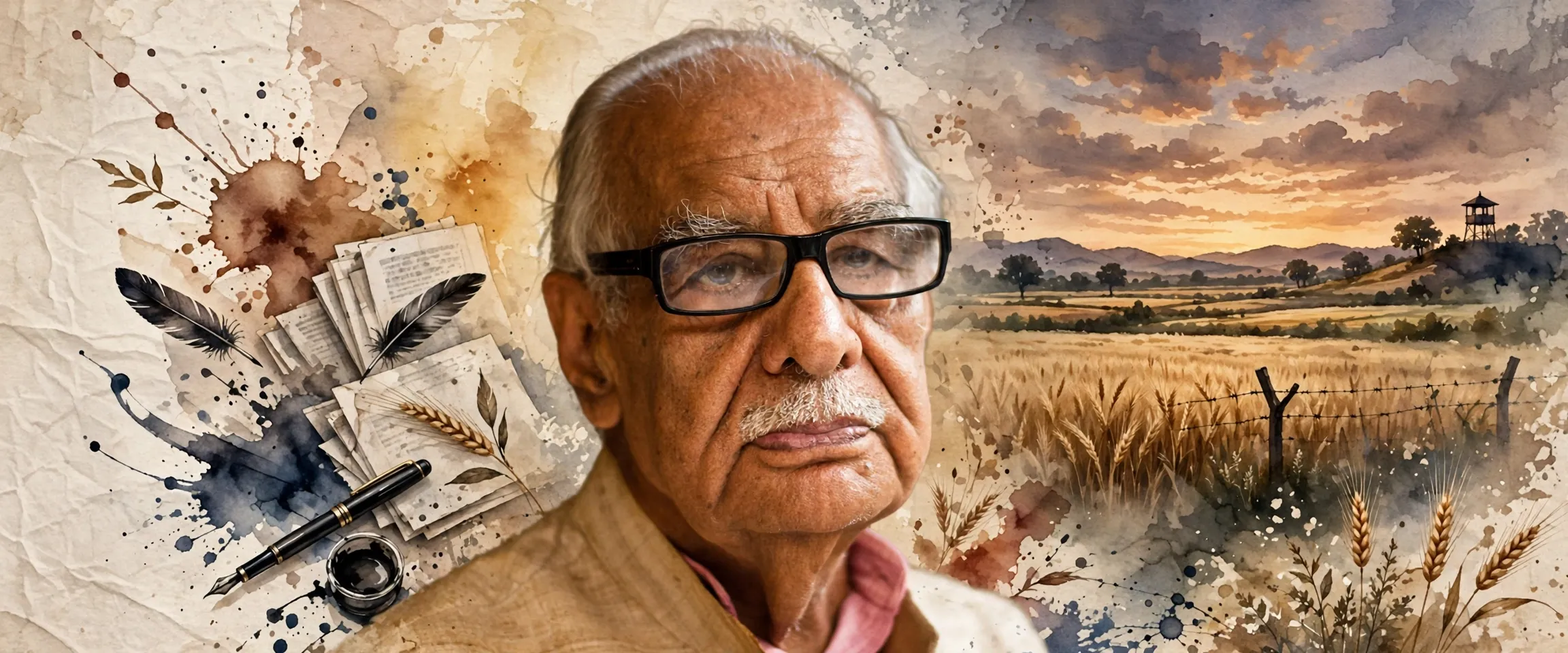
ਕੁਲਦੀਪ ਨਈਅਰ (1923 ਤੋਂ 2018) ਸਿਆਲਕੋਟ ਵਿੱਚ ਜਨਮਿਆ ਭਾਰਤੀ ਪੱਤਰਕਾਰ, ਲੇਖਕ ਅਤੇ ਅਮਨ ਕਾਰਕੁਨ ਸੀ, ਜਿਸ ਨੇ ਦ ਸਟੇਟਸਮੈਨ ਅਤੇ ਇੰਡੀਅਨ ਐਕਸਪ੍ਰੈਸ ਦਾ ਸੰਪਾਦਨ ਕੀਤਾ ਅਤੇ ਐਮਰਜੈਂਸੀ ਦਾ ਵਿਰੋਧ ਕਰਨ ਲਈ ਜੇਲ੍ਹ ਗਿਆ। ਬਾਅਦ ਵਿੱਚ ਉਸ ਨੇ ਯੂਨਾਈਟਿਡ ਕਿੰਗਡਮ ਵਿੱਚ ਭਾਰਤ ਦੇ ਹਾਈ ਕਮਿਸ਼ਨਰ ਅਤੇ ਨਾਮਜ਼ਦ ਰਾਜ ਸਭਾ ਮੈਂਬਰ ਵਜੋਂ ਸੇਵਾ ਕੀਤੀ, ਅਤੇ ਭਾਰਤ ਪਾਕਿਸਤਾਨ ਅਮਨ ਲਈ ਸਾਲਾਨਾ ਵਾਘਾ ਸਰਹੱਦ ਮੋਮਬੱਤੀ ਜਾਗਰਣ ਦੀ ਅਗਵਾਈ ਕੀਤੀ।
ਜੀਵਨ ਇੱਕ ਨਜ਼ਰ ਵਿੱਚ
- 1923ਜਨਮ Sialkot, Punjab, British India
- 1952ਸਿੱਖਿਆ Northwestern University
- 1990ਰਾਜਦੂਤ High Commissioner of India to the United Kingdom
- 2003ਸਨਮਾਨ Astor Award for Press Freedom
- 2007ਸਨਮਾਨ Shaheed Niyogi Memorial Award
- 2012ਕਿਤਾਬ and Beyond the Lines: An Autobiography
2 ਹੋਰ ਦਿਖਾਓ
- 2015ਸਨਮਾਨ Ramnath Goenka Lifetime Achievement Award
- 2018ਦੇਹਾਂਤ New Delhi, India (aged 95)
- ਪੰਜਾਬੀ ਨਾਂ
- ਕੁਲਦੀਪ ਨਈਅਰ
- ਜਨਮ
- 14 ਅਗਸਤ 1923, ਸਿਆਲਕੋਟ, ਪੰਜਾਬ, ਬਰਤਾਨਵੀ ਭਾਰਤ (ਹੁਣ ਪਾਕਿਸਤਾਨ ਵਿੱਚ)
- ਦੇਹਾਂਤ
- 23 ਅਗਸਤ 2018, ਨਵੀਂ ਦਿੱਲੀ, ਭਾਰਤ (ਉਮਰ 95 ਸਾਲ)
- ਘਰ/ਜਨਮ ਸਥਾਨ
- ਸਿਆਲਕੋਟ
- ਜ਼ਿਲ੍ਹਾ
- ਸਿਆਲਕੋਟ
- ਤਹਿਸੀਲ
- ਸਿਆਲਕੋਟ
All 17 facts
- ਇਲਾਕਾ
- ਪੱਛਮੀ ਪੰਜਾਬ
- ਸਿੱਖਿਆ
- ਮਰੇ ਕਾਲਜ, ਸਿਆਲਕੋਟ; ਫ਼ੋਰਮੈਨ ਕ੍ਰਿਸਚੀਅਨ ਕਾਲਜ, ਲਾਹੌਰ (ਬੀ.ਏ. ਆਨਰਜ਼); ਲਾਅ ਕਾਲਜ, ਲਾਹੌਰ (ਐਲ.ਐਲ.ਬੀ.); ਮੈਡਿਲ ਸਕੂਲ ਆਫ਼ ਜਰਨਲਿਜ਼ਮ, ਨਾਰਥਵੈਸਟਰਨ ਯੂਨੀਵਰਸਿਟੀ (1952)
- ਪਹਿਲੀ ਨੌਕਰੀ
- ਰਿਪੋਰਟਰ, ਅੰਜਾਮ (ਉਰਦੂ ਅਖ਼ਬਾਰ), 1948 ਤੋਂ
- ਸਰਕਾਰੀ ਸੇਵਾ
- ਪ੍ਰੈੱਸ ਅਫ਼ਸਰ, ਪ੍ਰੈੱਸ ਇਨਫ਼ਰਮੇਸ਼ਨ ਬਿਊਰੋ, ਗ੍ਰਹਿ ਮੰਤਰੀਆਂ ਗੋਵਿੰਦ ਬੱਲਭ ਪੰਤ ਅਤੇ ਲਾਲ ਬਹਾਦਰ ਸ਼ਾਸਤਰੀ ਕੋਲ
- ਸੰਪਾਦਕ
- ਦ ਸਟੇਟਸਮੈਨ ਦਾ ਦਿੱਲੀ ਐਡੀਸ਼ਨ; ਇੰਡੀਅਨ ਐਕਸਪ੍ਰੈਸ; ਸੰਪਾਦਕ ਅਤੇ ਜਨਰਲ ਮੈਨੇਜਰ, ਯੂਨਾਈਟਿਡ ਨਿਊਜ਼ ਆਫ਼ ਇੰਡੀਆ (ਯੂ.ਐਨ.ਆਈ.)
- ਕਾਲਮ
- ਸਿੰਡੀਕੇਟਿਡ ਕਾਲਮਨਵੀਸ; ਉਸ ਦੀਆਂ ਲਿਖਤਾਂ 14 ਭਾਸ਼ਾਵਾਂ ਵਿੱਚ 80 ਤੋਂ ਵੱਧ ਅਖ਼ਬਾਰਾਂ ਵਿੱਚ ਛਪੀਆਂ
- ਰਾਜਦੂਤ
- ਯੂਨਾਈਟਿਡ ਕਿੰਗਡਮ ਵਿੱਚ ਭਾਰਤ ਦਾ ਹਾਈ ਕਮਿਸ਼ਨਰ (1990)
- ਸੰਸਦ
- ਨਾਮਜ਼ਦ ਮੈਂਬਰ, ਰਾਜ ਸਭਾ (1997 ਤੋਂ 2003)
- ਕਿਤਾਬਾਂ
- 15 ਕਿਤਾਬਾਂ ਦਾ ਲੇਖਕ, ਜਿਨ੍ਹਾਂ ਵਿੱਚ ਬਿਟਵੀਨ ਦ ਲਾਈਨਜ਼, ਇੰਡੀਆ ਆਫ਼ਟਰ ਨਹਿਰੂ, ਦ ਜੱਜਮੈਂਟ, ਵਿਦਾਊਟ ਫ਼ੀਅਰ: ਦ ਲਾਈਫ਼ ਐਂਡ ਟ੍ਰਾਇਲ ਆਫ਼ ਭਗਤ ਸਿੰਘ, ਅਤੇ ਬਿਓਂਡ ਦ ਲਾਈਨਜ਼: ਇੱਕ ਸਵੈਜੀਵਨੀ (2012) ਸ਼ਾਮਲ ਹਨ
- ਅਮਨ ਕੰਮ
- 14 ਅਤੇ 15 ਅਗਸਤ ਦੀ ਰਾਤ ਅਟਾਰੀ ਵਾਘਾ ਸਰਹੱਦ ਉੱਤੇ ਸਾਲਾਨਾ ਮੋਮਬੱਤੀ ਜਾਗਰਣ ਦੀ ਅਗਵਾਈ ਕੀਤੀ
- ਸਨਮਾਨ
- ਪ੍ਰੈੱਸ ਦੀ ਅਜ਼ਾਦੀ ਲਈ ਐਸਟਰ ਪੁਰਸਕਾਰ (2003); ਸ਼ਹੀਦ ਨਿਯੋਗੀ ਯਾਦਗਾਰੀ ਪੁਰਸਕਾਰ (2007); ਰਾਮਨਾਥ ਗੋਇਨਕਾ ਲਾਈਫ਼ ਟਾਈਮ ਅਚੀਵਮੈਂਟ ਪੁਰਸਕਾਰ (2015); ਪਦਮ ਭੂਸ਼ਣ (2019, ਮੌਤ ਤੋਂ ਬਾਅਦ)
Kuldip Nayar was an Indian journalist, author and peace activist born in Sialkot in 1923, who edited The Statesman and the Indian Express, was jailed during the Emergency, served as India's High Commissioner to the United Kingdom and led the annual Wagah border candlelight vigil for India and Pakistan peace.
Early life in Sialkot and Lahore
Kuldip Nayar was born on 14 August 1923 in Sialkot, in the Punjab of British India, in a Punjabi Sikh family. Sialkot, now in Pakistan, remained his hometown in memory for the rest of his life, and the Punjabi world he grew up in shaped the subjects he returned to as a writer: Partition, Punjab and the relations between India and Pakistan. He was educated at Murray College in Sialkot, then completed a B.A. (Hons.) at Forman Christian College, Lahore, and a law degree, LL.B., at Law College, Lahore.
In September 1947, as Partition divided Punjab, Nayar left Sialkot and migrated to India, an experience he described in his later writing. Journalism, not law, became his living. In 1952 he travelled to the United States on a scholarship to study journalism at the Medill School of Journalism at Northwestern University. The combination of a Lahore legal education, American journalism training and his own memory of a divided Punjab gave him an unusual starting point for a career spent close to the centre of Indian public life.
From Urdu journalism to the editor's chair
Nayar began his career in 1948 as a reporter for Anjam, an Urdu daily, starting in the Urdu press before moving into English language journalism. He then worked inside government as a press officer in the Press Information Bureau, serving as press officer to Home Ministers Govind Ballabh Pant and Lal Bahadur Shastri in the early 1960s. Watching the state work from the inside, and building contacts among politicians and officials, taught him how news was made before he returned to making it himself.
His rise in the profession was steady. He revived and led the news agency United News of India (UNI) as its editor and general manager, worked for more than two decades as a correspondent for The Times of London, and became editor of the Delhi edition of The Statesman. He later joined the Indian Express as editor. In 1978 he founded the Editors Guild of India, the professional body for senior editors. He became one of India's first syndicated columnists: his column and opinion pieces appeared in over 80 newspapers in 14 languages, including the Deccan Herald, The Daily Star, Dawn and The Express Tribune.
Why was Kuldip Nayar jailed during the Emergency?
Nayar was jailed because he opposed the Emergency of 1975 to 1977 and protested against its excesses. When Prime Minister Indira Gandhi's government suspended civil liberties and censored the press, Nayar was among the journalists who resisted, and he was arrested towards the end of the Emergency period. Obituary accounts report that he was held under the Maintenance of Internal Security Act (MISA) after leading a protest against the administration. His stand made his reputation as a defender of press freedom and civil liberties, a theme he returned to for the rest of his career, including in his books The Judgement and In Jail, and decades later when he protested against the Rajiv Gandhi government's Defamation Bill in the late 1980s, which was withdrawn after public opposition.
Books and a column that travelled across borders
Nayar wrote 15 books, many of them drawing on his years reporting Indian politics from close range. Between the Lines, published in 1969 and sharing its name with his long running column, was described by historian Ramachandra Guha as perhaps the first non-fiction bestseller in India. India After Nehru (1975) examined the country after its first prime minister. With Khushwant Singh he wrote Tragedy of Punjab (1985), on Operation Blue Star and its aftermath, and in Without Fear: The Life and Trial of Bhagat Singh (2007) he returned to the revolutionary executed in Lahore in 1931.
His autobiography, Beyond the Lines, was published in 2012 and reads as a political history of the subcontinent told by a witness. In it he recounted his interview with Pakistan's nuclear scientist Abdul Qadeer Khan, in which Khan indicated that Pakistan had a nuclear device earlier than the world had believed, a story that drew worldwide attention. A launch of the book was held in Lahore in 2013, a sign of the readership he kept on both sides of the border he had crossed in 1947.
High Commissioner, Parliament and the Wagah candles
In 1990 Nayar was appointed India's High Commissioner to the United Kingdom, serving in London at India House, an experience he later wrote about in his book India House (1992). He was a member of India's delegation to the United Nations in 1996, and in August 1997 he was nominated to the Rajya Sabha, the upper house of Parliament, where he served until 2003. Public office never replaced journalism for him: he kept writing his column, and colleagues recalled that he dictated a column shortly before his final hospital admission at the age of 94.
His best known public work outside print was for peace between India and Pakistan. Every year he led fellow peace activists to the Attari-Wagah border near Amritsar to light candles on the night between 14 and 15 August, the independence days of Pakistan and India, greeting people on both sides and singing songs of friendship. Accounts differ on the exact year the vigil began in the 1990s, but by the 2000s it had become a fixed annual event, and he flagged off a peace march to the border days before his death in 2018. He described India, Pakistan and Bangladesh as his countries and argued for a South Asia that cooperated like a union while each country kept its own identity.
Honours, death and legacy
Nayar's honours recognised both journalism and press freedom. He received the Astor Award for Press Freedom in 2003, the Shaheed Niyogi Memorial Award for lifetime achievement in 2007, and the Ramnath Goenka Lifetime Achievement Award for journalism, reported in obituaries as presented in 2015. Northwestern University had earlier given him its Alumni Merit Award in 1999. In 2019, after his death, India awarded him the Padma Bhushan, one of the country's highest civilian honours.
Kuldip Nayar died in New Delhi at about 12.30 a.m. on 23 August 2018, aged 95, after being admitted to hospital with pneumonia five days earlier. He was survived by his wife and two sons. His funeral at Lodhi crematorium was attended by former prime minister Manmohan Singh and leaders across parties, and, following his wishes, his ashes were immersed in the Ravi river near Lahore. His legacy rests on three connected strands: reporting that treated press freedom as a public duty, books that recorded the politics of India, Pakistan and Punjab from first hand knowledge, and a candle lit each August at Wagah for a Punjab divided by a border but joined by language and memory.
ਕੁਲਦੀਪ ਨਈਅਰ ਸਿਆਲਕੋਟ ਵਿੱਚ 1923 ਵਿੱਚ ਜਨਮਿਆ ਭਾਰਤੀ ਪੱਤਰਕਾਰ, ਲੇਖਕ ਅਤੇ ਅਮਨ ਕਾਰਕੁਨ ਸੀ, ਜਿਸ ਨੇ ਦ ਸਟੇਟਸਮੈਨ ਅਤੇ ਇੰਡੀਅਨ ਐਕਸਪ੍ਰੈਸ ਦਾ ਸੰਪਾਦਨ ਕੀਤਾ, ਐਮਰਜੈਂਸੀ ਦੌਰਾਨ ਜੇਲ੍ਹ ਗਿਆ, ਯੂਨਾਈਟਿਡ ਕਿੰਗਡਮ ਵਿੱਚ ਭਾਰਤ ਦੇ ਹਾਈ ਕਮਿਸ਼ਨਰ ਵਜੋਂ ਸੇਵਾ ਕੀਤੀ ਅਤੇ ਭਾਰਤ ਪਾਕਿਸਤਾਨ ਅਮਨ ਲਈ ਵਾਘਾ ਸਰਹੱਦ ਉੱਤੇ ਸਾਲਾਨਾ ਮੋਮਬੱਤੀ ਜਾਗਰਣ ਦੀ ਅਗਵਾਈ ਕੀਤੀ।
ਸਿਆਲਕੋਟ ਅਤੇ ਲਾਹੌਰ ਵਿੱਚ ਮੁੱਢਲਾ ਜੀਵਨ
ਕੁਲਦੀਪ ਨਈਅਰ ਦਾ ਜਨਮ 14 ਅਗਸਤ 1923 ਨੂੰ ਬਰਤਾਨਵੀ ਭਾਰਤ ਦੇ ਪੰਜਾਬ ਵਿੱਚ ਸਿਆਲਕੋਟ ਵਿਖੇ ਇੱਕ ਪੰਜਾਬੀ ਸਿੱਖ ਪਰਿਵਾਰ ਵਿੱਚ ਹੋਇਆ। ਸਿਆਲਕੋਟ, ਜੋ ਹੁਣ ਪਾਕਿਸਤਾਨ ਵਿੱਚ ਹੈ, ਸਾਰੀ ਉਮਰ ਉਸ ਦੀ ਯਾਦ ਵਿੱਚ ਉਸ ਦਾ ਆਪਣਾ ਸ਼ਹਿਰ ਰਿਹਾ, ਅਤੇ ਜਿਸ ਪੰਜਾਬੀ ਸੰਸਾਰ ਵਿੱਚ ਉਹ ਵੱਡਾ ਹੋਇਆ, ਉਸ ਨੇ ਲੇਖਕ ਵਜੋਂ ਉਸ ਦੇ ਵਿਸ਼ਿਆਂ ਨੂੰ ਘੜਿਆ: ਵੰਡ, ਪੰਜਾਬ ਅਤੇ ਭਾਰਤ ਪਾਕਿਸਤਾਨ ਸੰਬੰਧ। ਉਸ ਨੇ ਸਿਆਲਕੋਟ ਵਿੱਚ ਮਰੇ ਕਾਲਜ ਵਿੱਚ ਪੜ੍ਹਾਈ ਕੀਤੀ, ਫਿਰ ਫ਼ੋਰਮੈਨ ਕ੍ਰਿਸਚੀਅਨ ਕਾਲਜ, ਲਾਹੌਰ ਤੋਂ ਬੀ.ਏ. (ਆਨਰਜ਼) ਅਤੇ ਲਾਅ ਕਾਲਜ, ਲਾਹੌਰ ਤੋਂ ਕਾਨੂੰਨ ਦੀ ਡਿਗਰੀ, ਐਲ.ਐਲ.ਬੀ., ਪੂਰੀ ਕੀਤੀ।
ਸਤੰਬਰ 1947 ਵਿੱਚ, ਜਦੋਂ ਵੰਡ ਨੇ ਪੰਜਾਬ ਨੂੰ ਵੰਡ ਦਿੱਤਾ, ਨਈਅਰ ਸਿਆਲਕੋਟ ਛੱਡ ਕੇ ਭਾਰਤ ਆ ਗਿਆ, ਜਿਸ ਤਜਰਬੇ ਨੂੰ ਉਸ ਨੇ ਆਪਣੀਆਂ ਬਾਅਦ ਦੀਆਂ ਲਿਖਤਾਂ ਵਿੱਚ ਬਿਆਨ ਕੀਤਾ। ਕਾਨੂੰਨ ਦੀ ਥਾਂ ਪੱਤਰਕਾਰੀ ਉਸ ਦਾ ਰੋਜ਼ਗਾਰ ਬਣੀ। 1952 ਵਿੱਚ ਉਹ ਵਜ਼ੀਫ਼ੇ ਉੱਤੇ ਸੰਯੁਕਤ ਰਾਜ ਅਮਰੀਕਾ ਗਿਆ ਅਤੇ ਨਾਰਥਵੈਸਟਰਨ ਯੂਨੀਵਰਸਿਟੀ ਦੇ ਮੈਡਿਲ ਸਕੂਲ ਆਫ਼ ਜਰਨਲਿਜ਼ਮ ਵਿੱਚ ਪੱਤਰਕਾਰੀ ਪੜ੍ਹੀ। ਲਾਹੌਰ ਦੀ ਕਾਨੂੰਨੀ ਪੜ੍ਹਾਈ, ਅਮਰੀਕੀ ਪੱਤਰਕਾਰੀ ਸਿਖਲਾਈ ਅਤੇ ਵੰਡੇ ਹੋਏ ਪੰਜਾਬ ਦੀ ਆਪਣੀ ਯਾਦ ਦੇ ਸੁਮੇਲ ਨੇ ਉਸ ਨੂੰ ਭਾਰਤੀ ਜਨਤਕ ਜੀਵਨ ਦੇ ਕੇਂਦਰ ਦੇ ਨੇੜੇ ਬਿਤਾਏ ਕੈਰੀਅਰ ਲਈ ਇੱਕ ਅਸਾਧਾਰਨ ਸ਼ੁਰੂਆਤ ਦਿੱਤੀ।
ਉਰਦੂ ਪੱਤਰਕਾਰੀ ਤੋਂ ਸੰਪਾਦਕ ਦੀ ਕੁਰਸੀ ਤੱਕ
ਨਈਅਰ ਨੇ 1948 ਵਿੱਚ ਆਪਣਾ ਕੈਰੀਅਰ ਉਰਦੂ ਅਖ਼ਬਾਰ ਅੰਜਾਮ ਵਿੱਚ ਰਿਪੋਰਟਰ ਵਜੋਂ ਸ਼ੁਰੂ ਕੀਤਾ, ਉਰਦੂ ਪ੍ਰੈੱਸ ਤੋਂ ਸ਼ੁਰੂ ਕਰ ਕੇ ਫਿਰ ਅੰਗਰੇਜ਼ੀ ਪੱਤਰਕਾਰੀ ਵੱਲ ਆਇਆ। ਫਿਰ ਉਸ ਨੇ ਸਰਕਾਰ ਦੇ ਅੰਦਰ ਪ੍ਰੈੱਸ ਇਨਫ਼ਰਮੇਸ਼ਨ ਬਿਊਰੋ ਵਿੱਚ ਪ੍ਰੈੱਸ ਅਫ਼ਸਰ ਵਜੋਂ ਕੰਮ ਕੀਤਾ, 1960ਵਿਆਂ ਦੇ ਸ਼ੁਰੂ ਵਿੱਚ ਗ੍ਰਹਿ ਮੰਤਰੀਆਂ ਗੋਵਿੰਦ ਬੱਲਭ ਪੰਤ ਅਤੇ ਲਾਲ ਬਹਾਦਰ ਸ਼ਾਸਤਰੀ ਦੇ ਪ੍ਰੈੱਸ ਅਫ਼ਸਰ ਵਜੋਂ ਸੇਵਾ ਕੀਤੀ। ਰਾਜ ਦੇ ਕੰਮ ਨੂੰ ਅੰਦਰੋਂ ਵੇਖਣ ਅਤੇ ਸਿਆਸਤਦਾਨਾਂ ਤੇ ਅਫ਼ਸਰਾਂ ਵਿੱਚ ਜਾਣ ਪਛਾਣ ਬਣਾਉਣ ਨੇ ਉਸ ਨੂੰ ਸਿਖਾਇਆ ਕਿ ਖ਼ਬਰ ਕਿਵੇਂ ਬਣਦੀ ਹੈ, ਇਸ ਤੋਂ ਪਹਿਲਾਂ ਕਿ ਉਹ ਖ਼ੁਦ ਖ਼ਬਰ ਬਣਾਉਣ ਵੱਲ ਪਰਤਿਆ।
ਪੇਸ਼ੇ ਵਿੱਚ ਉਸ ਦਾ ਉਭਾਰ ਸਥਿਰ ਰਿਹਾ। ਉਸ ਨੇ ਖ਼ਬਰ ਏਜੰਸੀ ਯੂਨਾਈਟਿਡ ਨਿਊਜ਼ ਆਫ਼ ਇੰਡੀਆ (ਯੂ.ਐਨ.ਆਈ.) ਨੂੰ ਮੁੜ ਖੜ੍ਹਾ ਕੀਤਾ ਅਤੇ ਇਸ ਦੇ ਸੰਪਾਦਕ ਅਤੇ ਜਨਰਲ ਮੈਨੇਜਰ ਵਜੋਂ ਅਗਵਾਈ ਕੀਤੀ, ਦੋ ਦਹਾਕਿਆਂ ਤੋਂ ਵੱਧ ਲੰਡਨ ਦੇ ਦ ਟਾਈਮਜ਼ ਲਈ ਪੱਤਰਕਾਰ ਰਿਹਾ, ਅਤੇ ਦ ਸਟੇਟਸਮੈਨ ਦੇ ਦਿੱਲੀ ਐਡੀਸ਼ਨ ਦਾ ਸੰਪਾਦਕ ਬਣਿਆ। ਬਾਅਦ ਵਿੱਚ ਉਹ ਇੰਡੀਅਨ ਐਕਸਪ੍ਰੈਸ ਵਿੱਚ ਸੰਪਾਦਕ ਵਜੋਂ ਸ਼ਾਮਲ ਹੋਇਆ। 1978 ਵਿੱਚ ਉਸ ਨੇ ਐਡੀਟਰਜ਼ ਗਿਲਡ ਆਫ਼ ਇੰਡੀਆ ਦੀ ਸਥਾਪਨਾ ਕੀਤੀ, ਜੋ ਸੀਨੀਅਰ ਸੰਪਾਦਕਾਂ ਦੀ ਪੇਸ਼ੇਵਰ ਸੰਸਥਾ ਹੈ। ਉਹ ਭਾਰਤ ਦੇ ਪਹਿਲੇ ਸਿੰਡੀਕੇਟਿਡ ਕਾਲਮਨਵੀਸਾਂ ਵਿੱਚੋਂ ਇੱਕ ਬਣਿਆ: ਉਸ ਦਾ ਕਾਲਮ ਅਤੇ ਰਾਏ ਲੇਖ 14 ਭਾਸ਼ਾਵਾਂ ਵਿੱਚ 80 ਤੋਂ ਵੱਧ ਅਖ਼ਬਾਰਾਂ ਵਿੱਚ ਛਪੇ, ਜਿਨ੍ਹਾਂ ਵਿੱਚ ਡੈਕਨ ਹੈਰਾਲਡ, ਦ ਡੇਲੀ ਸਟਾਰ, ਡਾਨ ਅਤੇ ਦ ਐਕਸਪ੍ਰੈਸ ਟ੍ਰਿਬਿਊਨ ਸ਼ਾਮਲ ਸਨ।
ਕੁਲਦੀਪ ਨਈਅਰ ਐਮਰਜੈਂਸੀ ਦੌਰਾਨ ਜੇਲ੍ਹ ਕਿਉਂ ਗਿਆ?
ਨਈਅਰ ਜੇਲ੍ਹ ਇਸ ਲਈ ਗਿਆ ਕਿਉਂਕਿ ਉਸ ਨੇ 1975 ਤੋਂ 1977 ਦੀ ਐਮਰਜੈਂਸੀ ਦਾ ਵਿਰੋਧ ਕੀਤਾ ਅਤੇ ਇਸ ਦੀਆਂ ਵਧੀਕੀਆਂ ਖਿਲਾਫ਼ ਰੋਸ ਪ੍ਰਗਟ ਕੀਤਾ। ਜਦੋਂ ਪ੍ਰਧਾਨ ਮੰਤਰੀ ਇੰਦਰਾ ਗਾਂਧੀ ਦੀ ਸਰਕਾਰ ਨੇ ਨਾਗਰਿਕ ਅਜ਼ਾਦੀਆਂ ਮੁਅੱਤਲ ਕਰ ਦਿੱਤੀਆਂ ਅਤੇ ਪ੍ਰੈੱਸ ਉੱਤੇ ਸੈਂਸਰਸ਼ਿਪ ਲਾ ਦਿੱਤੀ, ਨਈਅਰ ਉਨ੍ਹਾਂ ਪੱਤਰਕਾਰਾਂ ਵਿੱਚੋਂ ਸੀ ਜਿਨ੍ਹਾਂ ਨੇ ਵਿਰੋਧ ਕੀਤਾ, ਅਤੇ ਐਮਰਜੈਂਸੀ ਦੇ ਅਖੀਰਲੇ ਸਮੇਂ ਵਿੱਚ ਉਸ ਨੂੰ ਗ੍ਰਿਫ਼ਤਾਰ ਕਰ ਲਿਆ ਗਿਆ। ਸ਼ੋਕ ਸੰਦੇਸ਼ਾਂ ਵਿੱਚ ਰਿਪੋਰਟ ਹੋਇਆ ਕਿ ਪ੍ਰਸ਼ਾਸਨ ਖਿਲਾਫ਼ ਰੋਸ ਦੀ ਅਗਵਾਈ ਕਰਨ ਤੋਂ ਬਾਅਦ ਉਸ ਨੂੰ ਮੀਸਾ (ਮੈਨਟੇਨੈਂਸ ਆਫ਼ ਇੰਟਰਨਲ ਸਕਿਓਰਿਟੀ ਐਕਟ) ਤਹਿਤ ਰੱਖਿਆ ਗਿਆ ਸੀ। ਇਸ ਰੁਖ਼ ਨੇ ਪ੍ਰੈੱਸ ਦੀ ਅਜ਼ਾਦੀ ਅਤੇ ਨਾਗਰਿਕ ਅਜ਼ਾਦੀਆਂ ਦੇ ਰਾਖੇ ਵਜੋਂ ਉਸ ਦੀ ਪਛਾਣ ਬਣਾਈ, ਜਿਸ ਵਿਸ਼ੇ ਵੱਲ ਉਹ ਸਾਰਾ ਕੈਰੀਅਰ ਪਰਤਦਾ ਰਿਹਾ, ਜਿਸ ਵਿੱਚ ਉਸ ਦੀਆਂ ਕਿਤਾਬਾਂ ਦ ਜੱਜਮੈਂਟ ਅਤੇ ਇਨ ਜੇਲ੍ਹ ਸ਼ਾਮਲ ਹਨ, ਅਤੇ ਦਹਾਕਿਆਂ ਬਾਅਦ ਜਦੋਂ ਉਸ ਨੇ 1980ਵਿਆਂ ਦੇ ਅੰਤ ਵਿੱਚ ਰਾਜੀਵ ਗਾਂਧੀ ਸਰਕਾਰ ਦੇ ਮਾਨਹਾਨੀ ਬਿੱਲ ਦਾ ਵਿਰੋਧ ਕੀਤਾ, ਜੋ ਜਨਤਕ ਵਿਰੋਧ ਤੋਂ ਬਾਅਦ ਵਾਪਸ ਲੈ ਲਿਆ ਗਿਆ।
ਕਿਤਾਬਾਂ ਅਤੇ ਸਰਹੱਦਾਂ ਪਾਰ ਜਾਂਦਾ ਕਾਲਮ
ਨਈਅਰ ਨੇ 15 ਕਿਤਾਬਾਂ ਲਿਖੀਆਂ, ਜਿਨ੍ਹਾਂ ਵਿੱਚੋਂ ਕਈ ਭਾਰਤੀ ਸਿਆਸਤ ਨੂੰ ਨੇੜਿਓਂ ਰਿਪੋਰਟ ਕਰਨ ਦੇ ਉਸ ਦੇ ਸਾਲਾਂ ਉੱਤੇ ਆਧਾਰਿਤ ਸਨ। ਬਿਟਵੀਨ ਦ ਲਾਈਨਜ਼, ਜੋ 1969 ਵਿੱਚ ਛਪੀ ਅਤੇ ਜਿਸ ਦਾ ਨਾਂ ਉਸ ਦੇ ਲੰਬੇ ਸਮੇਂ ਤੋਂ ਚੱਲਦੇ ਕਾਲਮ ਨਾਲ ਮਿਲਦਾ ਸੀ, ਨੂੰ ਇਤਿਹਾਸਕਾਰ ਰਾਮਚੰਦਰ ਗੁਹਾ ਨੇ ਭਾਰਤ ਦੀ ਸ਼ਾਇਦ ਪਹਿਲੀ ਗੈਰ ਗਲਪ ਬੈਸਟਸੈਲਰ ਕਿਹਾ ਸੀ। ਇੰਡੀਆ ਆਫ਼ਟਰ ਨਹਿਰੂ (1975) ਵਿੱਚ ਦੇਸ਼ ਦੇ ਪਹਿਲੇ ਪ੍ਰਧਾਨ ਮੰਤਰੀ ਤੋਂ ਬਾਅਦ ਦੇ ਭਾਰਤ ਦਾ ਜਾਇਜ਼ਾ ਲਿਆ ਗਿਆ। ਖੁਸ਼ਵੰਤ ਸਿੰਘ ਨਾਲ ਉਸ ਨੇ ਟ੍ਰੈਜਿਡੀ ਆਫ਼ ਪੰਜਾਬ (1985) ਲਿਖੀ, ਜੋ ਆਪ੍ਰੇਸ਼ਨ ਬਲੂ ਸਟਾਰ ਅਤੇ ਇਸ ਦੇ ਨਤੀਜਿਆਂ ਬਾਰੇ ਸੀ, ਅਤੇ ਵਿਦਾਊਟ ਫ਼ੀਅਰ: ਦ ਲਾਈਫ਼ ਐਂਡ ਟ੍ਰਾਇਲ ਆਫ਼ ਭਗਤ ਸਿੰਘ (2007) ਵਿੱਚ ਉਹ 1931 ਵਿੱਚ ਲਾਹੌਰ ਵਿੱਚ ਫਾਂਸੀ ਪਾਉਣ ਵਾਲੇ ਇਨਕਲਾਬੀ ਵੱਲ ਪਰਤਿਆ।
ਉਸ ਦੀ ਸਵੈਜੀਵਨੀ, ਬਿਓਂਡ ਦ ਲਾਈਨਜ਼, 2012 ਵਿੱਚ ਛਪੀ ਅਤੇ ਇੱਕ ਗਵਾਹ ਵੱਲੋਂ ਦੱਸੇ ਉਪਮਹਾਂਦੀਪ ਦੇ ਸਿਆਸੀ ਇਤਿਹਾਸ ਵਾਂਗ ਪੜ੍ਹੀ ਜਾਂਦੀ ਹੈ। ਇਸ ਵਿੱਚ ਉਸ ਨੇ ਪਾਕਿਸਤਾਨ ਦੇ ਪ੍ਰਮਾਣੂ ਵਿਗਿਆਨੀ ਅਬਦੁਲ ਕਦੀਰ ਖਾਨ ਨਾਲ ਆਪਣੀ ਮੁਲਾਕਾਤ ਦਾ ਜ਼ਿਕਰ ਕੀਤਾ, ਜਿਸ ਵਿੱਚ ਖਾਨ ਨੇ ਸੰਕੇਤ ਦਿੱਤਾ ਕਿ ਪਾਕਿਸਤਾਨ ਕੋਲ ਦੁਨੀਆਂ ਦੇ ਮੰਨਣ ਤੋਂ ਪਹਿਲਾਂ ਹੀ ਪ੍ਰਮਾਣੂ ਯੰਤਰ ਸੀ, ਜਿਸ ਖ਼ਬਰ ਨੇ ਦੁਨੀਆਂ ਭਰ ਦਾ ਧਿਆਨ ਖਿੱਚਿਆ। 2013 ਵਿੱਚ ਲਾਹੌਰ ਵਿੱਚ ਇਸ ਕਿਤਾਬ ਦੀ ਘੁੰਡ ਚੁਕਾਈ ਹੋਈ, ਜੋ ਇਸ ਗੱਲ ਦੀ ਨਿਸ਼ਾਨੀ ਸੀ ਕਿ 1947 ਵਿੱਚ ਉਸ ਨੇ ਜਿਸ ਸਰਹੱਦ ਨੂੰ ਪਾਰ ਕੀਤਾ ਸੀ, ਉਸ ਦੇ ਦੋਵੇਂ ਪਾਸੇ ਉਸ ਦੇ ਪਾਠਕ ਬਣੇ ਰਹੇ।
ਹਾਈ ਕਮਿਸ਼ਨਰ, ਸੰਸਦ ਅਤੇ ਵਾਘਾ ਦੀਆਂ ਮੋਮਬੱਤੀਆਂ
1990 ਵਿੱਚ ਨਈਅਰ ਨੂੰ ਯੂਨਾਈਟਿਡ ਕਿੰਗਡਮ ਵਿੱਚ ਭਾਰਤ ਦਾ ਹਾਈ ਕਮਿਸ਼ਨਰ ਨਿਯੁਕਤ ਕੀਤਾ ਗਿਆ, ਜਿੱਥੇ ਉਸ ਨੇ ਲੰਡਨ ਵਿੱਚ ਇੰਡੀਆ ਹਾਊਸ ਵਿੱਚ ਸੇਵਾ ਕੀਤੀ, ਜਿਸ ਤਜਰਬੇ ਬਾਰੇ ਉਸ ਨੇ ਬਾਅਦ ਵਿੱਚ ਆਪਣੀ ਕਿਤਾਬ ਇੰਡੀਆ ਹਾਊਸ (1992) ਵਿੱਚ ਲਿਖਿਆ। ਉਹ 1996 ਵਿੱਚ ਸੰਯੁਕਤ ਰਾਸ਼ਟਰ ਵਿੱਚ ਭਾਰਤ ਦੇ ਵਫ਼ਦ ਦਾ ਮੈਂਬਰ ਸੀ, ਅਤੇ ਅਗਸਤ 1997 ਵਿੱਚ ਉਸ ਨੂੰ ਰਾਜ ਸਭਾ, ਸੰਸਦ ਦੇ ਉੱਪਰਲੇ ਸਦਨ, ਲਈ ਨਾਮਜ਼ਦ ਕੀਤਾ ਗਿਆ, ਜਿੱਥੇ ਉਸ ਨੇ 2003 ਤੱਕ ਸੇਵਾ ਕੀਤੀ। ਸਰਕਾਰੀ ਅਹੁਦੇ ਨੇ ਉਸ ਲਈ ਪੱਤਰਕਾਰੀ ਦੀ ਥਾਂ ਕਦੇ ਨਹੀਂ ਲਈ: ਉਹ ਆਪਣਾ ਕਾਲਮ ਲਿਖਦਾ ਰਿਹਾ, ਅਤੇ ਸਾਥੀਆਂ ਨੇ ਯਾਦ ਕੀਤਾ ਕਿ 94 ਸਾਲ ਦੀ ਉਮਰ ਵਿੱਚ ਆਪਣੇ ਆਖਰੀ ਹਸਪਤਾਲ ਦਾਖਲੇ ਤੋਂ ਥੋੜ੍ਹਾ ਪਹਿਲਾਂ ਉਸ ਨੇ ਇੱਕ ਕਾਲਮ ਬੋਲ ਕੇ ਲਿਖਵਾਇਆ ਸੀ।
ਛਾਪੇ ਤੋਂ ਬਾਹਰ ਉਸ ਦਾ ਸਭ ਤੋਂ ਜਾਣਿਆ ਜਾਂਦਾ ਜਨਤਕ ਕੰਮ ਭਾਰਤ ਅਤੇ ਪਾਕਿਸਤਾਨ ਵਿਚਕਾਰ ਅਮਨ ਲਈ ਸੀ। ਹਰ ਸਾਲ ਉਹ ਅੰਮ੍ਰਿਤਸਰ ਨੇੜੇ ਅਟਾਰੀ ਵਾਘਾ ਸਰਹੱਦ ਉੱਤੇ ਸਾਥੀ ਅਮਨ ਕਾਰਕੁਨਾਂ ਦੀ ਅਗਵਾਈ ਕਰਦਾ, 14 ਅਤੇ 15 ਅਗਸਤ ਦੀ ਵਿਚਕਾਰਲੀ ਰਾਤ, ਪਾਕਿਸਤਾਨ ਅਤੇ ਭਾਰਤ ਦੇ ਅਜ਼ਾਦੀ ਦਿਵਸਾਂ ਉੱਤੇ, ਮੋਮਬੱਤੀਆਂ ਜਗਾਉਂਦਾ, ਦੋਵੇਂ ਪਾਸਿਆਂ ਦੇ ਲੋਕਾਂ ਨੂੰ ਵਧਾਈ ਦਿੰਦਾ ਅਤੇ ਦੋਸਤੀ ਦੇ ਗੀਤ ਗਾਉਂਦਾ। 1990ਵਿਆਂ ਵਿੱਚ ਜਾਗਰਣ ਸ਼ੁਰੂ ਹੋਣ ਦੇ ਸਹੀ ਸਾਲ ਬਾਰੇ ਬਿਆਨ ਵੱਖ ਵੱਖ ਹਨ, ਪਰ 2000ਵਿਆਂ ਤੱਕ ਇਹ ਇੱਕ ਪੱਕਾ ਸਾਲਾਨਾ ਸਮਾਗਮ ਬਣ ਚੁੱਕਾ ਸੀ, ਅਤੇ 2018 ਵਿੱਚ ਆਪਣੀ ਮੌਤ ਤੋਂ ਕੁਝ ਦਿਨ ਪਹਿਲਾਂ ਉਸ ਨੇ ਸਰਹੱਦ ਵੱਲ ਅਮਨ ਮਾਰਚ ਨੂੰ ਰਵਾਨਾ ਕੀਤਾ। ਉਹ ਭਾਰਤ, ਪਾਕਿਸਤਾਨ ਅਤੇ ਬੰਗਲਾਦੇਸ਼ ਨੂੰ ਆਪਣੇ ਦੇਸ਼ ਕਹਿੰਦਾ ਸੀ ਅਤੇ ਅਜਿਹੇ ਦੱਖਣੀ ਏਸ਼ੀਆ ਦੀ ਵਕਾਲਤ ਕਰਦਾ ਸੀ ਜੋ ਇੱਕ ਸੰਘ ਵਾਂਗ ਸਹਿਯੋਗ ਕਰੇ, ਜਦੋਂ ਕਿ ਹਰ ਦੇਸ਼ ਆਪਣੀ ਵੱਖਰੀ ਪਛਾਣ ਬਣਾਈ ਰੱਖੇ।
ਸਨਮਾਨ, ਮੌਤ ਅਤੇ ਵਿਰਾਸਤ
ਨਈਅਰ ਦੇ ਸਨਮਾਨਾਂ ਨੇ ਪੱਤਰਕਾਰੀ ਅਤੇ ਪ੍ਰੈੱਸ ਦੀ ਅਜ਼ਾਦੀ ਦੋਵਾਂ ਨੂੰ ਮਾਨਤਾ ਦਿੱਤੀ। ਉਸ ਨੂੰ 2003 ਵਿੱਚ ਪ੍ਰੈੱਸ ਦੀ ਅਜ਼ਾਦੀ ਲਈ ਐਸਟਰ ਪੁਰਸਕਾਰ, 2007 ਵਿੱਚ ਸ਼ਹੀਦ ਨਿਯੋਗੀ ਯਾਦਗਾਰੀ ਲਾਈਫ਼ ਟਾਈਮ ਅਚੀਵਮੈਂਟ ਪੁਰਸਕਾਰ, ਅਤੇ ਰਾਮਨਾਥ ਗੋਇਨਕਾ ਲਾਈਫ਼ ਟਾਈਮ ਅਚੀਵਮੈਂਟ ਪੁਰਸਕਾਰ ਮਿਲਿਆ, ਜੋ ਸ਼ੋਕ ਸੰਦੇਸ਼ਾਂ ਵਿੱਚ 2015 ਵਿੱਚ ਦਿੱਤਾ ਗਿਆ ਦੱਸਿਆ ਗਿਆ। ਨਾਰਥਵੈਸਟਰਨ ਯੂਨੀਵਰਸਿਟੀ ਨੇ ਇਸ ਤੋਂ ਪਹਿਲਾਂ 1999 ਵਿੱਚ ਉਸ ਨੂੰ ਆਪਣਾ ਐਲਮਨਾਈ ਮੈਰਿਟ ਪੁਰਸਕਾਰ ਦਿੱਤਾ ਸੀ। 2019 ਵਿੱਚ, ਉਸ ਦੀ ਮੌਤ ਤੋਂ ਬਾਅਦ, ਭਾਰਤ ਨੇ ਉਸ ਨੂੰ ਪਦਮ ਭੂਸ਼ਣ ਨਾਲ ਸਨਮਾਨਿਤ ਕੀਤਾ, ਜੋ ਦੇਸ਼ ਦੇ ਸਭ ਤੋਂ ਵੱਡੇ ਨਾਗਰਿਕ ਸਨਮਾਨਾਂ ਵਿੱਚੋਂ ਇੱਕ ਹੈ।
ਕੁਲਦੀਪ ਨਈਅਰ ਦੀ ਮੌਤ 23 ਅਗਸਤ 2018 ਨੂੰ ਰਾਤ ਲਗਭਗ 12.30 ਵਜੇ ਨਵੀਂ ਦਿੱਲੀ ਵਿੱਚ ਹੋਈ, 95 ਸਾਲ ਦੀ ਉਮਰ ਵਿੱਚ, ਪੰਜ ਦਿਨ ਪਹਿਲਾਂ ਨਮੂਨੀਏ ਨਾਲ ਹਸਪਤਾਲ ਦਾਖਲ ਹੋਣ ਤੋਂ ਬਾਅਦ। ਉਸ ਦੇ ਪਿੱਛੇ ਉਸ ਦੀ ਪਤਨੀ ਅਤੇ ਦੋ ਪੁੱਤਰ ਰਹਿ ਗਏ। ਲੋਧੀ ਸ਼ਮਸ਼ਾਨਘਾਟ ਵਿੱਚ ਉਸ ਦੇ ਅੰਤਿਮ ਸੰਸਕਾਰ ਵਿੱਚ ਸਾਬਕਾ ਪ੍ਰਧਾਨ ਮੰਤਰੀ ਮਨਮੋਹਨ ਸਿੰਘ ਅਤੇ ਸਾਰੀਆਂ ਪਾਰਟੀਆਂ ਦੇ ਆਗੂ ਸ਼ਾਮਲ ਹੋਏ, ਅਤੇ ਉਸ ਦੀ ਇੱਛਾ ਅਨੁਸਾਰ ਉਸ ਦੀਆਂ ਅਸਥਾਂ ਲਾਹੌਰ ਨੇੜੇ ਰਾਵੀ ਦਰਿਆ ਵਿੱਚ ਪ੍ਰਵਾਹਿਤ ਕੀਤੀਆਂ ਗਈਆਂ। ਉਸ ਦੀ ਵਿਰਾਸਤ ਤਿੰਨ ਜੁੜੀਆਂ ਕੜੀਆਂ ਉੱਤੇ ਟਿਕੀ ਹੈ: ਉਹ ਰਿਪੋਰਟਿੰਗ ਜੋ ਪ੍ਰੈੱਸ ਦੀ ਅਜ਼ਾਦੀ ਨੂੰ ਜਨਤਕ ਫ਼ਰਜ਼ ਮੰਨਦੀ ਸੀ, ਉਹ ਕਿਤਾਬਾਂ ਜਿਨ੍ਹਾਂ ਨੇ ਪਹਿਲਾਂ ਹੱਥ ਦੇ ਗਿਆਨ ਤੋਂ ਭਾਰਤ, ਪਾਕਿਸਤਾਨ ਅਤੇ ਪੰਜਾਬ ਦੀ ਸਿਆਸਤ ਦਰਜ ਕੀਤੀ, ਅਤੇ ਹਰ ਅਗਸਤ ਵਾਘਾ ਉੱਤੇ ਜਗਾਈ ਜਾਣ ਵਾਲੀ ਇੱਕ ਮੋਮਬੱਤੀ, ਉਸ ਪੰਜਾਬ ਲਈ ਜੋ ਸਰਹੱਦ ਨਾਲ ਵੰਡਿਆ ਗਿਆ ਹੈ ਪਰ ਭਾਸ਼ਾ ਅਤੇ ਯਾਦ ਨਾਲ ਜੁੜਿਆ ਹੋਇਆ ਹੈ।
ਲੋਕ


ਥਾਵਾਂ

ਹੋਰ ਲੇਖਕ ਅਤੇ ਕਵੀ
ਸਾਰੇ ਵੇਖੋ


ਸਰੋਤ (7)
- Kuldip Nayar, Wikipedia
- The Hindu BusinessLine: Veteran journalist Kuldip Nayar no more
- Sabrang India: Veteran journalist Kuldip Nayar passes away at 95
- Times of India via Gateway Litfest: Senior journalist, author Kuldip Nayar dead
- Aman Ki Asha: A champion of peace, by I.A. Rehman
- Sialkot District, Wikipedia
- Wikimedia Commons: File Kuldip Nayar-2.jpg, photograph by Jaskirat Singh Bawa (CC BY-SA 2.0)
ਜੁਗਤੀ ਮੁਫ਼ਤ ਅਤੇ ਸੁਤੰਤਰ ਹੈ। ਪਾਠਕਾਂ ਦਾ ਸਹਿਯੋਗ ਕੋਸ਼ ਨੂੰ ਵਧਾਉਂਦਾ ਹੈ।
ਸਹਿਯੋਗ