
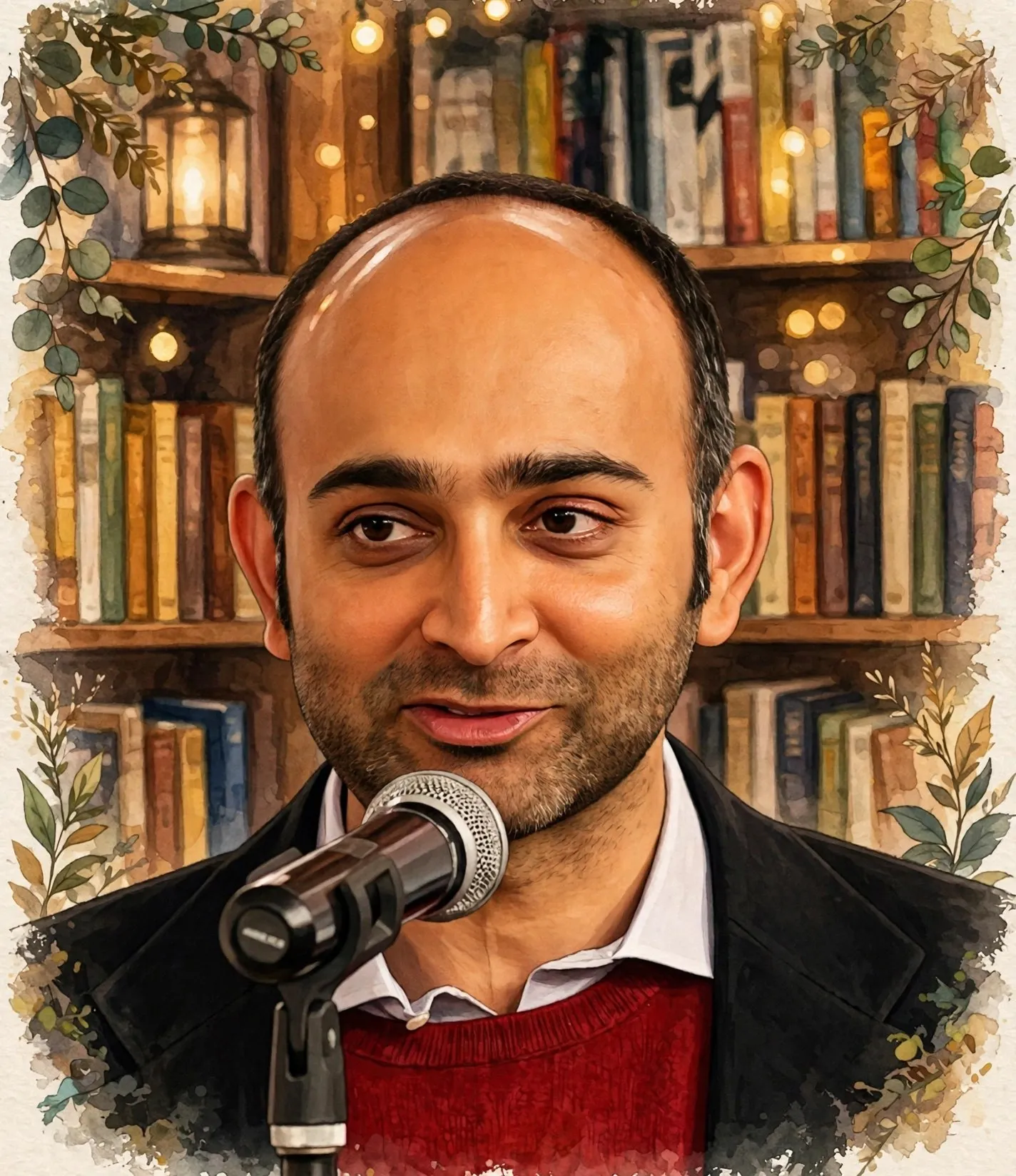
ਮੁਹਸਿਨ ਹਾਮਿਦ (ਜਨਮ 23 ਜੁਲਾਈ 1971, ਲਾਹੌਰ) ਇੱਕ ਪਾਕਿਸਤਾਨੀ ਨਾਵਲਕਾਰ ਹੈ, ਜੋ ਲਾਹੌਰ ਅਤੇ ਕੈਲੀਫੋਰਨੀਆ ਵਿੱਚ ਵੱਡਾ ਹੋਇਆ ਅਤੇ ਪ੍ਰਿੰਸਟਨ ਅਤੇ ਹਾਰਵਰਡ ਲਾਅ ਸਕੂਲ ਤੋਂ ਪੜ੍ਹਿਆ। ਉਸ ਦੇ ਨਾਵਲਾਂ Moth Smoke, The Reluctant Fundamentalist ਅਤੇ Exit West ਨੇ ਉਸ ਨੂੰ ਪੰਜਾਬ ਦੇ ਸਭ ਤੋਂ ਜਾਣੇ ਅੰਗਰੇਜ਼ੀ ਲੇਖਕਾਂ ਵਿੱਚੋਂ ਇੱਕ ਬਣਾਇਆ, ਅਤੇ Exit West 2017 ਵਿੱਚ ਬੁੱਕਰ ਪੁਰਸਕਾਰ ਲਈ ਸ਼ਾਰਟਲਿਸਟ ਹੋਇਆ।
ਜੀਵਨ ਇੱਕ ਨਜ਼ਰ ਵਿੱਚ
- 1971ਜਨਮ ਲਾਹੌਰ, ਪੰਜਾਬ, ਪਾਕਿਸਤਾਨ
- 2000ਪਹਿਲਾ ਨਾਵਲ Moth Smoke
- 2007Booker shortlist The Reluctant Fundamentalist
- 2017ਸਭ ਤੋਂ ਜਾਣਿਆ ਨਾਵਲ Exit West
- 2017Booker shortlist and Exit West
- 2018ਸਨਮਾਨ Sitara-i-Imtiaz
- 2018ਸਨਮਾਨ Fellow of the Royal Society of Literature
- ਪੰਜਾਬੀ ਨਾਂ
- ਮੁਹਸਿਨ ਹਾਮਿਦ
- ਜਨਮ
- 23 ਜੁਲਾਈ 1971, ਲਾਹੌਰ, ਪੰਜਾਬ, ਪਾਕਿਸਤਾਨ
- ਘਰੇਲੂ ਸ਼ਹਿਰ
- ਲਾਹੌਰ
- ਜ਼ਿਲ੍ਹਾ
- ਲਾਹੌਰ
- ਇਲਾਕਾ
- ਮਾਝਾ
- ਸਿੱਖਿਆ
- ਪ੍ਰਿੰਸਟਨ ਯੂਨੀਵਰਸਿਟੀ (1993 ਵਿੱਚ ਗ੍ਰੈਜੂਏਟ); ਹਾਰਵਰਡ ਲਾਅ ਸਕੂਲ (1997 ਵਿੱਚ ਗ੍ਰੈਜੂਏਟ)
All 13 facts
- ਪਹਿਲਾਂ ਦਾ ਕੰਮ
- ਨਿਊਯਾਰਕ ਵਿੱਚ ਮੈਕਿਨਜ਼ੀ ਨਾਲ ਪ੍ਰਬੰਧਨ ਸਲਾਹਕਾਰ; ਲੰਡਨ ਵਿੱਚ ਬ੍ਰਾਂਡ ਸਲਾਹਕਾਰ (ਵੁਲਫ ਓਲਿਨਜ਼)
- ਪਹਿਲਾ ਨਾਵਲ
- Moth Smoke (2000)
- ਸਭ ਤੋਂ ਜਾਣਿਆ ਨਾਵਲ
- Exit West (2017), ਬੁੱਕਰ ਪੁਰਸਕਾਰ ਲਈ ਸ਼ਾਰਟਲਿਸਟ
- ਬੁੱਕਰ ਸ਼ਾਰਟਲਿਸਟ
- The Reluctant Fundamentalist (2007) ਅਤੇ Exit West (2017)
- ਸਨਮਾਨ
- ਸਿਤਾਰਾ-ਏ-ਇਮਤਿਆਜ਼ (2018); ਰਾਇਲ ਸੋਸਾਇਟੀ ਆਫ਼ ਲਿਟਰੇਚਰ ਦਾ ਫੈਲੋ (2018)
- ਨਾਗਰਿਕਤਾ
- ਪਾਕਿਸਤਾਨੀ ਅਤੇ ਬ੍ਰਿਟਿਸ਼ (ਦੋਹਰੀ ਨਾਗਰਿਕਤਾ)
- ਮੁੱਖ ਪੰਨਾ
- ਲਾਹੌਰ; ਨਿਊਯਾਰਕ ਅਤੇ ਲੰਡਨ ਵਿੱਚ ਵੀ ਸਮਾਂ ਬਿਤਾਉਂਦਾ ਹੈ
ਮੁੱਢਲਾ ਜੀਵਨ
Mohsin Hamid was born in Lahore on 23 July 1971, into a family of Punjabi and Kashmiri descent. Lahore remained his home city, but his childhood was split between Punjab and the United States. When he was three, the family moved to California, where his father was studying for a PhD at Stanford University. Hamid learned English there and, by his own account, largely forgot his Urdu. At nine he returned to Pakistan and attended the Lahore American School.
Back in Lahore, the boy who had filled his California years with science fiction and invented worlds kept writing, drawing illustrated sagas set in other worlds. He has said much of it was an attempt to reconcile the rift in a life split between America and Pakistan. That double childhood, Lahore and California, Pakistan and America, runs through everything he later wrote. His novels return again and again to people who live between countries and between versions of themselves.
At eighteen he went back to the United States for university, this time on his own. In an NPR interview he summed up those years himself: he came to America at three, learned English, forgot Urdu, and went back to Pakistan at nine. Few novelists can claim to have been a migrant child twice before the age of ten, and Hamid has built a body of work out of exactly that experience.
Education and first jobs
Hamid studied at Princeton University and graduated summa cum laude in 1993, from its school of public and international affairs. His senior thesis, on integrated resource planning in Pakistan, ran to 127 pages. Two of his teachers at Princeton were the novelists Joyce Carol Oates and Toni Morrison, and he drafted his first novel in a fiction workshop led by Morrison. After graduating he went back to Lahore for a year and wrote a second draft, but law was a family tradition, and he went on to Harvard Law School, graduating in 1997.
Finding corporate law dull, Hamid repaid his student loans by working for several years as a management consultant with the firm McKinsey in New York. The arrangement gave him three months off each year, which he used to write, and the first novel took seven years in all to finish. In 2001 he moved to London, initially expecting to stay a year. He stayed for eight, becoming a British citizen in 2006, and from 2004 he worked for the brand consultancy Wolff Olins, at first part time so he could keep writing. He later became managing director of its London office and, in 2015, the firm's first Chief Storytelling Officer. In 2009 he moved back to Lahore with his wife Zahra and their young daughter Dina, to write and raise his family in Pakistan.
What has Mohsin Hamid written?
His first novel, Moth Smoke (2000), is set in Lahore in the tense summer after Pakistan's 1998 nuclear tests. Its narrator, Darashikoh Shezad, called Daru, is a young banker who loses his job, falls in love with Mumtaz, the wife of his best friend, and slides into heroin addiction and petty crime. The book mixes voices, interrupts itself with essays on subjects such as air conditioning, and stages parts of Daru's story as a trial in which the reader sits as judge. It became a cult hit in Pakistan and India, won a Betty Trask Award, was a finalist for the PEN/Hemingway Award for a first novel, and was adapted for television in Pakistan.
The Reluctant Fundamentalist (2007) made his name worldwide. Over one evening in a Lahore cafe, a Pakistani man named Changez tells his life story to an American stranger who never speaks on the page. Changez recalls topping his class at Princeton, joining the New York valuation firm Underwood Samson, falling for an American woman, and then, after the attacks of 11 September 2001, feeling suspicion close around him until he gives up his American career and comes home. The novel became a million copy international bestseller, reached number four on the New York Times bestseller list, and was shortlisted for the Booker Prize. It won the Anisfield-Wolf Book Award and the Asian American Literary Award, among others, and The Guardian later named it one of the books that defined its decade. Mira Nair directed the film version, with Riz Ahmed as Changez, released in 2013.
How to Get Filthy Rich in Rising Asia (2013) borrows the shape of a self help manual and tells a whole life in the second person: you, the hero, climbs from a poor village childhood to wealth in a booming unnamed city, while the pretty girl first seen as a boy crosses his path again and again. The New Yorker printed an extract before publication, and the novel was shortlisted for the DSC Prize for South Asian Literature. Between novels Hamid also gathers his journalism. Discontent and Its Civilisations (2014) collects essays and dispatches written from Lahore, New York and London on politics, art and divided identities.
Exit West (2017) is his best known book. Saeed and Nadia meet as students in an unnamed city that is sliding into civil war. When Saeed's mother is killed and the fighting closes in, the couple pay to slip through one of the black doors rumoured to be appearing around the world, stepping out first on the Greek island of Mykonos, then in London, and finally in Marin County, California, growing older and gradually apart as each new place remakes them. Hamid has said the doors came to him from years of video calls with friends abroad, and from a conviction rooted in the Partition stories of 1947: that migration is a universal human experience, and that we are all migrants through time. The novel was shortlisted for the Booker Prize, won the Los Angeles Times Book Prize for Fiction and the first Aspen Words Literary Prize, and was one of the New York Times ten best books of 2017. Barack Obama listed it among his favourite books of that year, and in 2024 the New York Times placed it among the 100 best books of the twenty first century so far. A screen adaptation, with the Obamas' company Higher Ground among the producers, has been in development.
His fifth novel, The Last White Man (2022), opens with a white man, Anders, waking to find his skin has turned a deep brown. The change spreads from person to person across his unnamed town, stripping away the privileges Anders had never noticed and straining his bond with his girlfriend Oona and his dying father, until almost no white person is left. Written in the same spare, fable like mode as Exit West, it takes up race, loss and identity, and was longlisted for the 2023 Aspen Words Literary Prize. A companion short story, The Face in the Mirror, appeared in The New Yorker the same year.
Honours and later life
Hamid's prizes belong mostly to the individual books, but the honours for the writer have followed. Foreign Policy named him one of its 100 Leading Global Thinkers in 2013. In 2018 he was elected a Fellow of the Royal Society of Literature and received the Sitara-i-Imtiaz, one of Pakistan's national honours. He lectures at universities around the world, and in 2025 he cofounded Equator, a magazine of international writing and ideas. Speaking to the Columbia Journalism Review from Lahore at its launch, he described it as an attempt to build a home for a global readership that does not see itself reflected in the established Western press.
Where does Mohsin Hamid live now?
Hamid lives in Lahore, the city he was born in, and divides his time between Lahore, New York and London. He holds dual Pakistani and British citizenship, having become a British citizen in 2006. He lives in Lahore with his wife and children. From Lahore he writes novels and essays about migration, belonging and a changing Pakistan, subjects his own life, spent between three countries, prepared him for.
ਵਿਰਾਸਤ
Two Booker shortlists, for books as different as The Reluctant Fundamentalist and Exit West, mark Hamid out as one of the most internationally decorated Pakistani novelists of his generation writing in English. Each of his five novels tries a new way of telling a story: a trial, a one sided conversation, a self help manual, a set of magic doors, a change of skin. Critics credit Moth Smoke with helping to open English language fiction from South Asia to the contemporary city, and Anita Desai wrote of it that it was one of the first pictures of that new world of nightclubs, new money and the drug trade. For Punjabi readers his importance is simpler: the Lahore of his books is not background colour but the home to which his characters, and his own life, keep returning.
ਮੁੱਢਲਾ ਜੀਵਨ
ਮੁਹਸਿਨ ਹਾਮਿਦ ਦਾ ਜਨਮ 23 ਜੁਲਾਈ 1971 ਨੂੰ ਲਾਹੌਰ ਵਿੱਚ ਹੋਇਆ। ਉਸ ਦਾ ਪਰਿਵਾਰ ਪੰਜਾਬੀ ਅਤੇ ਕਸ਼ਮੀਰੀ ਪਿਛੋਕੜ ਵਾਲਾ ਹੈ। ਲਾਹੌਰ ਉਸ ਦਾ ਘਰ ਸ਼ਹਿਰ ਰਿਹਾ, ਪਰ ਉਸ ਦਾ ਬਚਪਨ ਪੰਜਾਬ ਅਤੇ ਅਮਰੀਕਾ ਵਿੱਚ ਵੰਡਿਆ ਰਿਹਾ। ਜਦੋਂ ਉਹ ਤਿੰਨ ਸਾਲ ਦਾ ਸੀ, ਤਾਂ ਪਰਿਵਾਰ ਕੈਲੀਫੋਰਨੀਆ ਚਲਾ ਗਿਆ, ਜਿੱਥੇ ਉਸ ਦਾ ਪਿਤਾ ਸਟੈਨਫੋਰਡ ਯੂਨੀਵਰਸਿਟੀ ਵਿੱਚ ਪੀਐੱਚਡੀ ਕਰ ਰਿਹਾ ਸੀ। ਹਾਮਿਦ ਨੇ ਉੱਥੇ ਅੰਗਰੇਜ਼ੀ ਸਿੱਖੀ ਅਤੇ, ਉਸ ਦੇ ਆਪਣੇ ਕਹਿਣ ਅਨੁਸਾਰ, ਆਪਣੀ ਉਰਦੂ ਲਗਭਗ ਭੁੱਲ ਗਿਆ। ਨੌਂ ਸਾਲ ਦੀ ਉਮਰ ਵਿੱਚ ਉਹ ਪਾਕਿਸਤਾਨ ਪਰਤ ਆਇਆ ਅਤੇ ਲਾਹੌਰ ਅਮਰੀਕਨ ਸਕੂਲ ਵਿੱਚ ਪੜ੍ਹਿਆ।
ਲਾਹੌਰ ਪਰਤ ਕੇ ਉਹ ਮੁੰਡਾ, ਜਿਸ ਨੇ ਆਪਣੇ ਕੈਲੀਫੋਰਨੀਆ ਵਾਲੇ ਸਾਲ ਵਿਗਿਆਨ ਕਲਪਨਾ ਅਤੇ ਕਲਪਿਤ ਦੁਨੀਆਂ ਨਾਲ ਭਰੇ ਸਨ, ਲਿਖਦਾ ਰਿਹਾ ਅਤੇ ਦੂਜੀਆਂ ਦੁਨੀਆਂ ਵਿੱਚ ਵਸਦੀਆਂ ਤਸਵੀਰਾਂ ਵਾਲੀਆਂ ਕਥਾਵਾਂ ਬਣਾਉਂਦਾ ਰਿਹਾ। ਉਸ ਨੇ ਕਿਹਾ ਹੈ ਕਿ ਇਸ ਦਾ ਬਹੁਤਾ ਹਿੱਸਾ ਅਮਰੀਕਾ ਅਤੇ ਪਾਕਿਸਤਾਨ ਵਿੱਚ ਵੰਡੀ ਜ਼ਿੰਦਗੀ ਦੀ ਦਰਾਰ ਨੂੰ ਜੋੜਨ ਦੀ ਕੋਸ਼ਿਸ਼ ਸੀ। ਇਹ ਦੋਹਰਾ ਬਚਪਨ, ਲਾਹੌਰ ਅਤੇ ਕੈਲੀਫੋਰਨੀਆ, ਪਾਕਿਸਤਾਨ ਅਤੇ ਅਮਰੀਕਾ, ਉਸ ਦੀ ਸਾਰੀ ਲਿਖਤ ਵਿੱਚ ਦਿਖਦਾ ਹੈ। ਉਸ ਦੇ ਨਾਵਲ ਵਾਰ ਵਾਰ ਉਨ੍ਹਾਂ ਲੋਕਾਂ ਕੋਲ ਪਰਤਦੇ ਹਨ, ਜੋ ਮੁਲਕਾਂ ਵਿਚਕਾਰ ਅਤੇ ਆਪਣੇ ਆਪ ਦੇ ਵੱਖ ਵੱਖ ਰੂਪਾਂ ਵਿਚਕਾਰ ਰਹਿੰਦੇ ਹਨ।
ਅਠਾਰਾਂ ਸਾਲ ਦੀ ਉਮਰ ਵਿੱਚ ਉਹ ਯੂਨੀਵਰਸਿਟੀ ਲਈ ਫਿਰ ਅਮਰੀਕਾ ਗਿਆ, ਇਸ ਵਾਰ ਆਪਣੇ ਆਪ। ਇੱਕ ਐੱਨਪੀਆਰ ਇੰਟਰਵਿਊ ਵਿੱਚ ਉਸ ਨੇ ਉਹ ਸਾਲ ਆਪ ਇਸ ਤਰ੍ਹਾਂ ਸੰਖੇਪ ਕੀਤੇ: ਉਹ ਤਿੰਨ ਸਾਲ ਦੀ ਉਮਰ ਵਿੱਚ ਅਮਰੀਕਾ ਆਇਆ, ਅੰਗਰੇਜ਼ੀ ਸਿੱਖੀ, ਉਰਦੂ ਭੁੱਲ ਗਿਆ, ਅਤੇ ਨੌਂ ਸਾਲ ਦੀ ਉਮਰ ਵਿੱਚ ਪਾਕਿਸਤਾਨ ਪਰਤ ਗਿਆ। ਬਹੁਤ ਘੱਟ ਨਾਵਲਕਾਰ ਕਹਿ ਸਕਦੇ ਹਨ ਕਿ ਉਹ ਦਸ ਸਾਲ ਦੀ ਉਮਰ ਤੋਂ ਪਹਿਲਾਂ ਦੋ ਵਾਰ ਪ੍ਰਵਾਸੀ ਬੱਚੇ ਰਹੇ, ਅਤੇ ਹਾਮਿਦ ਨੇ ਉਸੇ ਤਜਰਬੇ ਤੋਂ ਆਪਣੀ ਲਿਖਤ ਬਣਾਈ ਹੈ।
ਪੜ੍ਹਾਈ ਅਤੇ ਪਹਿਲੀਆਂ ਨੌਕਰੀਆਂ
ਹਾਮਿਦ ਨੇ ਪ੍ਰਿੰਸਟਨ ਯੂਨੀਵਰਸਿਟੀ ਵਿੱਚ ਪੜ੍ਹਾਈ ਕੀਤੀ ਅਤੇ 1993 ਵਿੱਚ ਸਭ ਤੋਂ ਉੱਚੇ ਸਨਮਾਨ ਨਾਲ, ਇਸ ਦੇ ਜਨਤਕ ਅਤੇ ਅੰਤਰਰਾਸ਼ਟਰੀ ਮਾਮਲਿਆਂ ਦੇ ਸਕੂਲ ਤੋਂ, ਗ੍ਰੈਜੂਏਸ਼ਨ ਕੀਤੀ। ਪਾਕਿਸਤਾਨ ਵਿੱਚ ਸਾਧਨਾਂ ਦੀ ਏਕੀਕ੍ਰਿਤ ਯੋਜਨਾ ਬਾਰੇ ਉਸ ਦਾ ਸੀਨੀਅਰ ਥੀਸਿਸ 127 ਸਫ਼ਿਆਂ ਦਾ ਸੀ। ਪ੍ਰਿੰਸਟਨ ਵਿੱਚ ਉਸ ਦੇ ਦੋ ਅਧਿਆਪਕ ਨਾਵਲਕਾਰ ਜੋਇਸ ਕੈਰਲ ਓਟਸ ਅਤੇ ਟੋਨੀ ਮੌਰਿਸਨ ਸਨ, ਅਤੇ ਉਸ ਨੇ ਆਪਣੇ ਪਹਿਲੇ ਨਾਵਲ ਦਾ ਖਰੜਾ ਮੌਰਿਸਨ ਦੀ ਅਗਵਾਈ ਵਾਲੀ ਫਿਕਸ਼ਨ ਵਰਕਸ਼ਾਪ ਵਿੱਚ ਲਿਖਿਆ। ਗ੍ਰੈਜੂਏਸ਼ਨ ਤੋਂ ਬਾਅਦ ਉਹ ਇੱਕ ਸਾਲ ਲਈ ਲਾਹੌਰ ਪਰਤਿਆ ਅਤੇ ਦੂਜਾ ਖਰੜਾ ਲਿਖਿਆ, ਪਰ ਕਾਨੂੰਨ ਉਸ ਦੇ ਪਰਿਵਾਰ ਦੀ ਪਰੰਪਰਾ ਸੀ, ਅਤੇ ਉਹ ਹਾਰਵਰਡ ਲਾਅ ਸਕੂਲ ਗਿਆ, ਜਿੱਥੇ ਉਸ ਨੇ 1997 ਵਿੱਚ ਗ੍ਰੈਜੂਏਸ਼ਨ ਕੀਤੀ।
ਕਾਰਪੋਰੇਟ ਕਾਨੂੰਨ ਨੂੰ ਨੀਰਸ ਪਾ ਕੇ ਹਾਮਿਦ ਨੇ ਆਪਣੇ ਵਿਦਿਆਰਥੀ ਕਰਜ਼ੇ ਨਿਊਯਾਰਕ ਵਿੱਚ ਮੈਕਿਨਜ਼ੀ ਫਰਮ ਨਾਲ ਕੁਝ ਸਾਲ ਪ੍ਰਬੰਧਨ ਸਲਾਹਕਾਰ ਵਜੋਂ ਕੰਮ ਕਰ ਕੇ ਲਾਹੇ। ਇਸ ਬੰਦੋਬਸਤ ਕਰਕੇ ਉਸ ਨੂੰ ਹਰ ਸਾਲ ਤਿੰਨ ਮਹੀਨੇ ਛੁੱਟੀ ਮਿਲਦੀ ਸੀ, ਜੋ ਉਸ ਨੇ ਲਿਖਣ ਲਈ ਵਰਤੀ, ਅਤੇ ਪਹਿਲੇ ਨਾਵਲ ਨੂੰ ਮੁਕੰਮਲ ਹੋਣ ਵਿੱਚ ਕੁੱਲ ਸੱਤ ਸਾਲ ਲੱਗੇ। 2001 ਵਿੱਚ ਉਹ ਲੰਡਨ ਚਲਾ ਗਿਆ, ਪਹਿਲਾਂ ਸਿਰਫ਼ ਇੱਕ ਸਾਲ ਰਹਿਣ ਦੀ ਆਸ ਨਾਲ। ਉਹ ਅੱਠ ਸਾਲ ਰਿਹਾ, 2006 ਵਿੱਚ ਬ੍ਰਿਟਿਸ਼ ਨਾਗਰਿਕ ਬਣਿਆ, ਅਤੇ 2004 ਤੋਂ ਉਸ ਨੇ ਵੁਲਫ ਓਲਿਨਜ਼ ਨਾਂ ਦੀ ਬ੍ਰਾਂਡ ਸਲਾਹਕਾਰ ਫਰਮ ਲਈ ਕੰਮ ਕੀਤਾ, ਪਹਿਲਾਂ ਅੱਧੇ ਸਮੇਂ ਲਈ ਤਾਂ ਜੋ ਲਿਖਣਾ ਜਾਰੀ ਰਹੇ। ਬਾਅਦ ਵਿੱਚ ਉਹ ਇਸ ਦੇ ਲੰਡਨ ਦਫ਼ਤਰ ਦਾ ਮੈਨੇਜਿੰਗ ਡਾਇਰੈਕਟਰ ਬਣਿਆ ਅਤੇ 2015 ਵਿੱਚ ਫਰਮ ਦਾ ਪਹਿਲਾ ਚੀਫ਼ ਸਟੋਰੀਟੈਲਿੰਗ ਅਫ਼ਸਰ। 2009 ਵਿੱਚ ਉਹ ਆਪਣੀ ਪਤਨੀ ਜ਼ਹਰਾ ਅਤੇ ਛੋਟੀ ਧੀ ਦੀਨਾ ਨਾਲ ਲਾਹੌਰ ਪਰਤ ਆਇਆ, ਤਾਂ ਜੋ ਉਹ ਪਾਕਿਸਤਾਨ ਵਿੱਚ ਲਿਖ ਸਕੇ ਅਤੇ ਆਪਣਾ ਪਰਿਵਾਰ ਪਾਲ ਸਕੇ।
ਮੁਹਸਿਨ ਹਾਮਿਦ ਨੇ ਕੀ ਲਿਖਿਆ ਹੈ?
ਉਸ ਦਾ ਪਹਿਲਾ ਨਾਵਲ Moth Smoke (2000) ਪਾਕਿਸਤਾਨ ਦੇ 1998 ਦੇ ਪਰਮਾਣੂ ਪਰੀਖਣਾਂ ਤੋਂ ਬਾਅਦ ਵਾਲੀ ਤਣਾਅ ਭਰੀ ਗਰਮੀ ਦੇ ਲਾਹੌਰ ਵਿੱਚ ਵਾਪਰਦਾ ਹੈ। ਇਸ ਦਾ ਬਿਰਤਾਂਤਕਾਰ ਦਾਰਾਸ਼ਿਕੋਹ ਸ਼ਹਿਜ਼ਾਦ, ਜਿਸ ਨੂੰ ਦਾਰੂ ਕਹਿੰਦੇ ਹਨ, ਇੱਕ ਨੌਜਵਾਨ ਬੈਂਕਰ ਹੈ, ਜੋ ਆਪਣੀ ਨੌਕਰੀ ਗੁਆ ਬੈਠਦਾ ਹੈ, ਆਪਣੇ ਸਭ ਤੋਂ ਚੰਗੇ ਦੋਸਤ ਦੀ ਪਤਨੀ ਮੁਮਤਾਜ਼ ਨਾਲ ਪਿਆਰ ਕਰ ਬੈਠਦਾ ਹੈ, ਅਤੇ ਹੌਲੀ ਹੌਲੀ ਹੈਰੋਇਨ ਦੀ ਲਤ ਅਤੇ ਛੋਟੇ ਜੁਰਮਾਂ ਵੱਲ ਖਿਸਕ ਜਾਂਦਾ ਹੈ। ਕਿਤਾਬ ਆਵਾਜ਼ਾਂ ਨੂੰ ਰਲਾਉਂਦੀ ਹੈ, ਆਪਣੇ ਆਪ ਨੂੰ ਏਅਰ ਕੰਡੀਸ਼ਨਿੰਗ ਵਰਗੇ ਵਿਸ਼ਿਆਂ ਉੱਤੇ ਲੇਖਾਂ ਨਾਲ ਰੋਕਦੀ ਹੈ, ਅਤੇ ਦਾਰੂ ਦੀ ਕਹਾਣੀ ਦੇ ਕੁਝ ਹਿੱਸੇ ਇੱਕ ਮੁਕੱਦਮੇ ਵਾਂਗ ਪੇਸ਼ ਕਰਦੀ ਹੈ, ਜਿਸ ਵਿੱਚ ਪਾਠਕ ਜੱਜ ਬਣ ਕੇ ਬੈਠਦਾ ਹੈ। ਇਹ ਪਾਕਿਸਤਾਨ ਅਤੇ ਭਾਰਤ ਵਿੱਚ ਕਲਟ ਹਿੱਟ ਬਣੀ, ਇਸ ਨੇ ਬੈਟੀ ਟਰਾਸਕ ਪੁਰਸਕਾਰ ਜਿੱਤਿਆ, ਇਹ ਪਹਿਲੇ ਨਾਵਲ ਲਈ PEN/Hemingway ਪੁਰਸਕਾਰ ਦੀ ਫ਼ਾਈਨਲਿਸਟ ਰਹੀ, ਅਤੇ ਪਾਕਿਸਤਾਨ ਵਿੱਚ ਟੈਲੀਵਿਜ਼ਨ ਲਈ ਢਾਲੀ ਗਈ।
The Reluctant Fundamentalist (2007) ਨੇ ਉਸ ਨੂੰ ਦੁਨੀਆ ਭਰ ਵਿੱਚ ਪਛਾਣ ਦਿੱਤੀ। ਲਾਹੌਰ ਦੇ ਇੱਕ ਕੈਫ਼ੇ ਵਿੱਚ ਇੱਕ ਸ਼ਾਮ ਭਰ, ਚੰਗੇਜ਼ ਨਾਂ ਦਾ ਇੱਕ ਪਾਕਿਸਤਾਨੀ ਆਦਮੀ ਇੱਕ ਅਮਰੀਕੀ ਅਜਨਬੀ ਨੂੰ ਆਪਣੀ ਜੀਵਨ ਕਹਾਣੀ ਸੁਣਾਉਂਦਾ ਹੈ, ਜੋ ਸਫ਼ੇ ਉੱਤੇ ਕਦੇ ਬੋਲਦਾ ਹੀ ਨਹੀਂ। ਚੰਗੇਜ਼ ਯਾਦ ਕਰਦਾ ਹੈ ਕਿ ਉਹ ਪ੍ਰਿੰਸਟਨ ਵਿੱਚ ਆਪਣੀ ਜਮਾਤ ਵਿੱਚ ਸਭ ਤੋਂ ਅੱਗੇ ਸੀ, ਨਿਊਯਾਰਕ ਦੀ ਮੁੱਲ ਮਾਪਣ ਵਾਲੀ ਫਰਮ ਅੰਡਰਵੁੱਡ ਸੈਮਸਨ ਵਿੱਚ ਲੱਗਾ, ਇੱਕ ਅਮਰੀਕੀ ਔਰਤ ਨਾਲ ਪਿਆਰ ਹੋਇਆ, ਅਤੇ ਫਿਰ 11 ਸਤੰਬਰ 2001 ਦੇ ਹਮਲਿਆਂ ਤੋਂ ਬਾਅਦ ਸ਼ੱਕ ਉਸ ਦੇ ਆਲੇ ਦੁਆਲੇ ਘੁੱਟਦਾ ਗਿਆ, ਜਦੋਂ ਤੱਕ ਉਸ ਨੇ ਆਪਣਾ ਅਮਰੀਕੀ ਕੈਰੀਅਰ ਛੱਡਿਆ ਅਤੇ ਘਰ ਪਰਤ ਆਇਆ। ਇਹ ਨਾਵਲ ਦਸ ਲੱਖ ਤੋਂ ਵੱਧ ਕਾਪੀਆਂ ਵਿਕਣ ਵਾਲੀ ਅੰਤਰਰਾਸ਼ਟਰੀ ਬੈਸਟਸੈਲਰ ਬਣਿਆ, New York Times ਬੈਸਟਸੈਲਰ ਸੂਚੀ ਵਿੱਚ ਚੌਥੇ ਨੰਬਰ ਉੱਤੇ ਪਹੁੰਚਿਆ, ਅਤੇ ਬੁੱਕਰ ਪੁਰਸਕਾਰ ਲਈ ਸ਼ਾਰਟਲਿਸਟ ਹੋਇਆ। ਇਸ ਨੇ ਹੋਰਨਾਂ ਸਮੇਤ ਐਨਿਸਫ਼ੀਲਡ ਵੁਲਫ਼ ਕਿਤਾਬ ਪੁਰਸਕਾਰ ਅਤੇ ਏਸ਼ੀਅਨ ਅਮਰੀਕਨ ਸਾਹਿਤਕ ਪੁਰਸਕਾਰ ਜਿੱਤੇ, ਅਤੇ The Guardian ਨੇ ਬਾਅਦ ਵਿੱਚ ਇਸ ਨੂੰ ਆਪਣੇ ਦਹਾਕੇ ਨੂੰ ਪਰਿਭਾਸ਼ਿਤ ਕਰਨ ਵਾਲੀਆਂ ਕਿਤਾਬਾਂ ਵਿੱਚ ਰੱਖਿਆ। ਮੀਰਾ ਨਾਇਰ ਨੇ ਇਸ ਦਾ ਫ਼ਿਲਮੀ ਰੂਪ ਬਣਾਇਆ, ਜਿਸ ਵਿੱਚ ਰਿਜ਼ ਅਹਿਮਦ ਨੇ ਚੰਗੇਜ਼ ਦਾ ਕਿਰਦਾਰ ਨਿਭਾਇਆ, ਜੋ 2013 ਵਿੱਚ ਆਈ।
How to Get Filthy Rich in Rising Asia (2013) ਇੱਕ ਸਵੈ ਸਹਾਇਤਾ ਕਿਤਾਬ ਦੀ ਸ਼ਕਲ ਲੈਂਦਾ ਹੈ, ਸਲਾਹ ਵਾਲੇ ਅਧਿਆਇਆਂ ਸਮੇਤ, ਅਤੇ ਇੱਕ ਪੂਰੀ ਜ਼ਿੰਦਗੀ ਦੂਜੇ ਪੁਰਖ ਵਿੱਚ ਦੱਸਦਾ ਹੈ: ਤੁਸੀਂ, ਨਾਇਕ, ਇੱਕ ਗ਼ਰੀਬ ਪਿੰਡ ਦੇ ਬਚਪਨ ਤੋਂ ਉੱਠ ਕੇ ਇੱਕ ਵਧਦੇ ਫੁੱਲਦੇ ਬੇਨਾਂ ਸ਼ਹਿਰ ਵਿੱਚ ਦੌਲਤ ਤੱਕ ਪਹੁੰਚਦੇ ਹੋ, ਜਦੋਂ ਕਿ ਮੁੰਡੇ ਵੇਲੇ ਵੇਖੀ ਸੋਹਣੀ ਕੁੜੀ ਵਾਰ ਵਾਰ ਤੁਹਾਡੇ ਰਾਹ ਵਿੱਚ ਆਉਂਦੀ ਹੈ। The New Yorker ਨੇ ਛਪਣ ਤੋਂ ਪਹਿਲਾਂ ਇਸ ਦਾ ਇੱਕ ਅੰਸ਼ ਛਾਪਿਆ, ਅਤੇ ਇਹ ਨਾਵਲ ਦੱਖਣੀ ਏਸ਼ੀਆਈ ਸਾਹਿਤ ਲਈ DSC ਪੁਰਸਕਾਰ ਵਾਸਤੇ ਸ਼ਾਰਟਲਿਸਟ ਹੋਇਆ। ਨਾਵਲਾਂ ਵਿਚਕਾਰ ਹਾਮਿਦ ਆਪਣੀ ਪੱਤਰਕਾਰੀ ਵੀ ਇਕੱਠੀ ਕਰਦਾ ਹੈ। Discontent and Its Civilisations (2014) ਲਾਹੌਰ, ਨਿਊਯਾਰਕ ਅਤੇ ਲੰਡਨ ਤੋਂ ਲਿਖੇ ਲੇਖਾਂ ਅਤੇ ਰਿਪੋਰਟਾਂ ਦਾ ਸੰਗ੍ਰਹਿ ਹੈ, ਜੋ ਰਾਜਨੀਤੀ, ਕਲਾ ਅਤੇ ਵੰਡੀਆਂ ਪਛਾਣਾਂ ਬਾਰੇ ਹਨ।
Exit West (2017) ਉਸ ਦੀ ਸਭ ਤੋਂ ਜਾਣੀ ਕਿਤਾਬ ਹੈ। ਸਈਦ ਅਤੇ ਨਾਦੀਆ ਇੱਕ ਬੇਨਾਂ ਸ਼ਹਿਰ ਵਿੱਚ ਵਿਦਿਆਰਥੀਆਂ ਵਜੋਂ ਮਿਲਦੇ ਹਨ, ਜੋ ਖਾਨਾਜੰਗੀ ਵੱਲ ਖਿਸਕ ਰਿਹਾ ਹੈ। ਜਦੋਂ ਸਈਦ ਦੀ ਮਾਂ ਮਾਰੀ ਜਾਂਦੀ ਹੈ ਅਤੇ ਲੜਾਈ ਨੇੜੇ ਆ ਜਾਂਦੀ ਹੈ, ਤਾਂ ਜੋੜਾ ਪੈਸੇ ਦੇ ਕੇ ਦੁਨੀਆ ਭਰ ਵਿੱਚ ਦਿਖਣ ਲੱਗੇ ਕਾਲੇ ਦਰਵਾਜ਼ਿਆਂ ਵਿੱਚੋਂ ਇੱਕ ਵਿੱਚੋਂ ਲੰਘਦਾ ਹੈ, ਪਹਿਲਾਂ ਯੂਨਾਨ ਦੇ ਟਾਪੂ ਮਾਈਕੋਨੋਸ, ਫਿਰ ਲੰਡਨ, ਅਤੇ ਅਖੀਰ ਕੈਲੀਫੋਰਨੀਆ ਦੀ ਮੈਰਿਨ ਕਾਉਂਟੀ ਵਿੱਚ ਨਿਕਲਦਾ ਹੈ, ਹਰ ਨਵੀਂ ਥਾਂ ਉਨ੍ਹਾਂ ਨੂੰ ਬਦਲਦੀ ਹੈ ਅਤੇ ਉਹ ਉਮਰ ਵਿੱਚ ਵੱਡੇ ਹੁੰਦੇ ਹੁੰਦੇ ਹੌਲੀ ਹੌਲੀ ਇੱਕ ਦੂਜੇ ਤੋਂ ਦੂਰ ਹੁੰਦੇ ਜਾਂਦੇ ਹਨ। ਹਾਮਿਦ ਨੇ ਕਿਹਾ ਹੈ ਕਿ ਦਰਵਾਜ਼ੇ ਉਸ ਨੂੰ ਵਿਦੇਸ਼ਾਂ ਵਿੱਚ ਰਹਿੰਦੇ ਦੋਸਤਾਂ ਨਾਲ ਸਾਲਾਂ ਦੀਆਂ ਵੀਡੀਓ ਕਾਲਾਂ ਤੋਂ ਆਏ, ਅਤੇ 1947 ਦੀ ਵੰਡ ਦੀਆਂ ਕਹਾਣੀਆਂ ਵਿੱਚ ਜੜ੍ਹਾਂ ਰੱਖਦੇ ਇੱਕ ਯਕੀਨ ਤੋਂ: ਪ੍ਰਵਾਸ ਹਰ ਮਨੁੱਖ ਦਾ ਤਜਰਬਾ ਹੈ, ਅਤੇ ਅਸੀਂ ਸਾਰੇ ਸਮੇਂ ਵਿੱਚੋਂ ਲੰਘਦੇ ਪ੍ਰਵਾਸੀ ਹਾਂ। ਇਹ ਨਾਵਲ ਬੁੱਕਰ ਪੁਰਸਕਾਰ ਲਈ ਸ਼ਾਰਟਲਿਸਟ ਹੋਇਆ, ਇਸ ਨੇ Los Angeles Times ਕਿਤਾਬ ਪੁਰਸਕਾਰ ਅਤੇ ਪਹਿਲਾ Aspen Words ਸਾਹਿਤਕ ਪੁਰਸਕਾਰ ਜਿੱਤਿਆ, ਅਤੇ ਇਹ 2017 ਦੀਆਂ New York Times ਦੀਆਂ ਦਸ ਸਭ ਤੋਂ ਵਧੀਆ ਕਿਤਾਬਾਂ ਵਿੱਚੋਂ ਇੱਕ ਸੀ। ਬਰਾਕ ਓਬਾਮਾ ਨੇ ਇਸ ਨੂੰ ਉਸ ਸਾਲ ਦੀਆਂ ਆਪਣੀਆਂ ਪਸੰਦੀਦਾ ਕਿਤਾਬਾਂ ਵਿੱਚ ਰੱਖਿਆ, ਅਤੇ 2024 ਵਿੱਚ New York Times ਨੇ ਇਸ ਨੂੰ ਹੁਣ ਤੱਕ ਦੀ ਇੱਕੀਵੀਂ ਸਦੀ ਦੀਆਂ 100 ਸਭ ਤੋਂ ਵਧੀਆ ਕਿਤਾਬਾਂ ਵਿੱਚ ਰੱਖਿਆ। ਇਸ ਦਾ ਫ਼ਿਲਮੀ ਰੂਪ, ਜਿਸ ਦੇ ਨਿਰਮਾਤਿਆਂ ਵਿੱਚ ਓਬਾਮਾ ਜੋੜੇ ਦੀ ਕੰਪਨੀ Higher Ground ਵੀ ਹੈ, ਤਿਆਰੀ ਅਧੀਨ ਹੈ।
ਉਸ ਦਾ ਪੰਜਵਾਂ ਨਾਵਲ The Last White Man (2022) ਇੱਕ ਗੋਰੇ ਆਦਮੀ ਐਂਡਰਜ਼ ਨਾਲ ਸ਼ੁਰੂ ਹੁੰਦਾ ਹੈ, ਜੋ ਇੱਕ ਸਵੇਰ ਉੱਠ ਕੇ ਵੇਖਦਾ ਹੈ ਕਿ ਉਸ ਦੀ ਚਮੜੀ ਗੂੜ੍ਹੀ ਭੂਰੀ ਹੋ ਗਈ ਹੈ। ਇਹ ਬਦਲਾਅ ਉਸ ਦੇ ਬੇਨਾਂ ਕਸਬੇ ਵਿੱਚ ਇੱਕ ਤੋਂ ਦੂਜੇ ਆਦਮੀ ਤੱਕ ਫੈਲਦਾ ਹੈ, ਐਂਡਰਜ਼ ਤੋਂ ਉਹ ਸਹੂਲਤਾਂ ਖੋਹ ਲੈਂਦਾ ਹੈ, ਜਿਨ੍ਹਾਂ ਵੱਲ ਉਸ ਨੇ ਕਦੇ ਧਿਆਨ ਹੀ ਨਹੀਂ ਦਿੱਤਾ ਸੀ, ਅਤੇ ਉਸ ਦੀ ਪ੍ਰੇਮਿਕਾ ਊਨਾ ਅਤੇ ਮਰ ਰਹੇ ਪਿਤਾ ਨਾਲ ਉਸ ਦੇ ਰਿਸ਼ਤੇ ਉੱਤੇ ਦਬਾਅ ਪਾਉਂਦਾ ਹੈ, ਜਦੋਂ ਤੱਕ ਲਗਭਗ ਕੋਈ ਗੋਰਾ ਆਦਮੀ ਨਹੀਂ ਰਹਿੰਦਾ। Exit West ਵਰਗੀ ਹੀ ਸੰਜਮੀ, ਕਥਾ ਵਰਗੀ ਸ਼ੈਲੀ ਵਿੱਚ ਲਿਖਿਆ ਇਹ ਨਾਵਲ ਨਸਲ, ਨੁਕਸਾਨ ਅਤੇ ਪਛਾਣ ਨੂੰ ਲੈਂਦਾ ਹੈ, ਅਤੇ 2023 ਦੇ Aspen Words ਸਾਹਿਤਕ ਪੁਰਸਕਾਰ ਲਈ ਲੌਂਗਲਿਸਟ ਹੋਇਆ। ਇਸੇ ਵਿਸ਼ੇ ਉੱਤੇ ਇੱਕ ਸਾਥੀ ਕਹਾਣੀ The Face in the Mirror ਉਸੇ ਸਾਲ The New Yorker ਵਿੱਚ ਛਪੀ।
ਸਨਮਾਨ ਅਤੇ ਬਾਅਦ ਦਾ ਜੀਵਨ
ਹਾਮਿਦ ਦੇ ਇਨਾਮ ਜ਼ਿਆਦਾਤਰ ਵੱਖ ਵੱਖ ਕਿਤਾਬਾਂ ਨੂੰ ਮਿਲੇ ਹਨ, ਪਰ ਲੇਖਕ ਵਜੋਂ ਸਨਮਾਨ ਵੀ ਪਿੱਛੇ ਨਹੀਂ ਰਹੇ। Foreign Policy ਨੇ 2013 ਵਿੱਚ ਉਸ ਨੂੰ ਆਪਣੇ 100 ਪ੍ਰਮੁੱਖ ਵਿਸ਼ਵ ਚਿੰਤਕਾਂ ਵਿੱਚ ਰੱਖਿਆ। 2018 ਵਿੱਚ ਉਹ ਰਾਇਲ ਸੋਸਾਇਟੀ ਆਫ਼ ਲਿਟਰੇਚਰ ਦਾ ਫੈਲੋ ਚੁਣਿਆ ਗਿਆ ਅਤੇ ਉਸ ਨੂੰ ਸਿਤਾਰਾ-ਏ-ਇਮਤਿਆਜ਼ ਮਿਲਿਆ, ਪਾਕਿਸਤਾਨ ਦੇ ਕੌਮੀ ਸਨਮਾਨਾਂ ਵਿੱਚੋਂ ਇੱਕ। ਉਹ ਦੁਨੀਆ ਭਰ ਦੀਆਂ ਯੂਨੀਵਰਸਿਟੀਆਂ ਵਿੱਚ ਭਾਸ਼ਣ ਦਿੰਦਾ ਹੈ, ਅਤੇ 2025 ਵਿੱਚ ਉਸ ਨੇ Equator ਦੀ ਸਹਿ ਸਥਾਪਨਾ ਕੀਤੀ, ਅੰਤਰਰਾਸ਼ਟਰੀ ਲਿਖਤ ਅਤੇ ਵਿਚਾਰਾਂ ਦਾ ਇੱਕ ਮੈਗਜ਼ੀਨ। ਇਸ ਦੀ ਸ਼ੁਰੂਆਤ ਵੇਲੇ ਲਾਹੌਰ ਤੋਂ Columbia Journalism Review ਨਾਲ ਗੱਲ ਕਰਦਿਆਂ ਉਸ ਨੇ ਇਸ ਨੂੰ ਇੱਕ ਅਜਿਹੇ ਵਿਸ਼ਵ ਪਾਠਕ ਵਰਗ ਲਈ ਘਰ ਬਣਾਉਣ ਦੀ ਕੋਸ਼ਿਸ਼ ਦੱਸਿਆ, ਜੋ ਆਪਣੇ ਆਪ ਨੂੰ ਸਥਾਪਿਤ ਪੱਛਮੀ ਪ੍ਰੈੱਸ ਵਿੱਚ ਨਹੀਂ ਵੇਖਦਾ।
ਮੁਹਸਿਨ ਹਾਮਿਦ ਹੁਣ ਕਿੱਥੇ ਰਹਿੰਦਾ ਹੈ?
ਹਾਮਿਦ ਲਾਹੌਰ ਵਿੱਚ ਰਹਿੰਦਾ ਹੈ, ਉਸੇ ਸ਼ਹਿਰ ਵਿੱਚ ਜਿੱਥੇ ਉਸ ਦਾ ਜਨਮ ਹੋਇਆ, ਅਤੇ ਆਪਣਾ ਸਮਾਂ ਲਾਹੌਰ, ਨਿਊਯਾਰਕ ਅਤੇ ਲੰਡਨ ਵਿਚਕਾਰ ਵੰਡਦਾ ਹੈ। ਉਸ ਕੋਲ ਪਾਕਿਸਤਾਨੀ ਅਤੇ ਬ੍ਰਿਟਿਸ਼ ਦੋਹਰੀ ਨਾਗਰਿਕਤਾ ਹੈ, ਉਹ 2006 ਵਿੱਚ ਬ੍ਰਿਟਿਸ਼ ਨਾਗਰਿਕ ਬਣਿਆ। ਉਹ ਲਾਹੌਰ ਵਿੱਚ ਆਪਣੀ ਪਤਨੀ ਅਤੇ ਬੱਚਿਆਂ ਨਾਲ ਰਹਿੰਦਾ ਹੈ। ਲਾਹੌਰ ਤੋਂ ਉਹ ਪ੍ਰਵਾਸ, ਆਪਣੇਪਨ ਅਤੇ ਬਦਲਦੇ ਪਾਕਿਸਤਾਨ ਬਾਰੇ ਨਾਵਲ ਅਤੇ ਲੇਖ ਲਿਖਦਾ ਹੈ, ਉਹ ਵਿਚਾਰ ਜਿਨ੍ਹਾਂ ਲਈ ਤਿੰਨ ਮੁਲਕਾਂ ਵਿਚਕਾਰ ਬੀਤਿਆ ਉਸ ਦਾ ਆਪਣਾ ਜੀਵਨ ਉਸ ਨੂੰ ਤਿਆਰ ਕਰਦਾ ਆਇਆ ਹੈ।
ਵਿਰਾਸਤ
The Reluctant Fundamentalist ਅਤੇ Exit West ਵਰਗੀਆਂ ਇੱਕ ਦੂਜੇ ਤੋਂ ਬਿਲਕੁਲ ਵੱਖ ਕਿਤਾਬਾਂ ਲਈ ਦੋ ਬੁੱਕਰ ਸ਼ਾਰਟਲਿਸਟਾਂ ਹਾਮਿਦ ਨੂੰ ਅੰਗਰੇਜ਼ੀ ਵਿੱਚ ਲਿਖਣ ਵਾਲੀ ਆਪਣੀ ਪੀੜ੍ਹੀ ਦੇ ਸਭ ਤੋਂ ਵੱਧ ਅੰਤਰਰਾਸ਼ਟਰੀ ਸਨਮਾਨਾਂ ਵਾਲੇ ਪਾਕਿਸਤਾਨੀ ਨਾਵਲਕਾਰਾਂ ਵਿੱਚੋਂ ਇੱਕ ਬਣਾਉਂਦੀਆਂ ਹਨ। ਉਸ ਦੇ ਪੰਜਾਂ ਨਾਵਲਾਂ ਵਿੱਚੋਂ ਹਰ ਇੱਕ ਕਹਾਣੀ ਸੁਣਾਉਣ ਦਾ ਨਵਾਂ ਤਰੀਕਾ ਅਜ਼ਮਾਉਂਦਾ ਹੈ: ਇੱਕ ਮੁਕੱਦਮਾ, ਇੱਕ ਇੱਕਪਾਸੜ ਗੱਲਬਾਤ, ਇੱਕ ਸਵੈ ਸਹਾਇਤਾ ਕਿਤਾਬ, ਜਾਦੂਈ ਦਰਵਾਜ਼ਿਆਂ ਦਾ ਇੱਕ ਜਾਲ, ਚਮੜੀ ਦਾ ਬਦਲਾਅ। ਆਲੋਚਕ Moth Smoke ਨੂੰ ਇਹ ਸਿਹਰਾ ਦਿੰਦੇ ਹਨ ਕਿ ਉਸ ਨੇ ਦੱਖਣੀ ਏਸ਼ੀਆ ਦੀ ਅੰਗਰੇਜ਼ੀ ਗਲਪ ਨੂੰ ਅੱਜ ਦੇ ਸ਼ਹਿਰ ਵੱਲ ਖੋਲ੍ਹਣ ਵਿੱਚ ਮਦਦ ਕੀਤੀ, ਅਤੇ ਅਨੀਤਾ ਦੇਸਾਈ ਨੇ ਇਸ ਬਾਰੇ ਲਿਖਿਆ ਸੀ ਕਿ ਇਹ ਨਾਈਟ ਕਲੱਬਾਂ, ਨਵੀਂ ਦੌਲਤ ਅਤੇ ਨਸ਼ਿਆਂ ਦੇ ਵਪਾਰ ਵਾਲੀ ਉਸ ਨਵੀਂ ਦੁਨੀਆ ਦੀਆਂ ਪਹਿਲੀਆਂ ਤਸਵੀਰਾਂ ਵਿੱਚੋਂ ਇੱਕ ਸੀ। ਪੰਜਾਬੀ ਪਾਠਕਾਂ ਲਈ ਉਸ ਦੀ ਮਹੱਤਤਾ ਸੌਖੀ ਹੈ: ਉਸ ਦੀਆਂ ਕਿਤਾਬਾਂ ਦਾ ਲਾਹੌਰ ਪਿਛੋਕੜ ਦਾ ਰੰਗ ਨਹੀਂ, ਸਗੋਂ ਉਹ ਘਰ ਹੈ, ਜਿੱਥੇ ਉਸ ਦੇ ਕਿਰਦਾਰ, ਅਤੇ ਉਸ ਦੀ ਆਪਣੀ ਜ਼ਿੰਦਗੀ, ਵਾਰ ਵਾਰ ਪਰਤਦੇ ਹਨ।
ਰਚਨਾਵਾਂ
ਲੋਕ


ਹੋਰ ਲੇਖਕ ਅਤੇ ਕਵੀ
ਸਾਰੇ ਵੇਖੋ



ਸਰੋਤ (11)
- Mohsin Hamid, Wikipedia
- Exit West, Wikipedia
- The Last White Man, Wikipedia
- The Making of Mohsin Hamid's Exit West, The Booker Prizes
- Mohsin Hamid author biography, PRH Speakers Bureau (Penguin Random House)
- Riverhead Author Mohsin Hamid Wins Aspen Words Literary Prize for Exit West, Penguin Random House
- The Meeting of East and West: Mohsin Hamid profile, Publishers Weekly
- An Evening with Pakistani Writer Mohsin Hamid, Stanford University
- Mohsin Hamid, International Literature Festival Berlin
- Pakistani Author Mohsin Hamid and His Roving Discontent, NPR via WAMC
- Equator magazine interview with Mohsin Hamid, Columbia Journalism Review
ਜੁਗਤੀ ਮੁਫ਼ਤ ਅਤੇ ਸੁਤੰਤਰ ਹੈ। ਪਾਠਕਾਂ ਦਾ ਸਹਿਯੋਗ ਕੋਸ਼ ਨੂੰ ਵਧਾਉਂਦਾ ਹੈ।
ਸਹਿਯੋਗ