
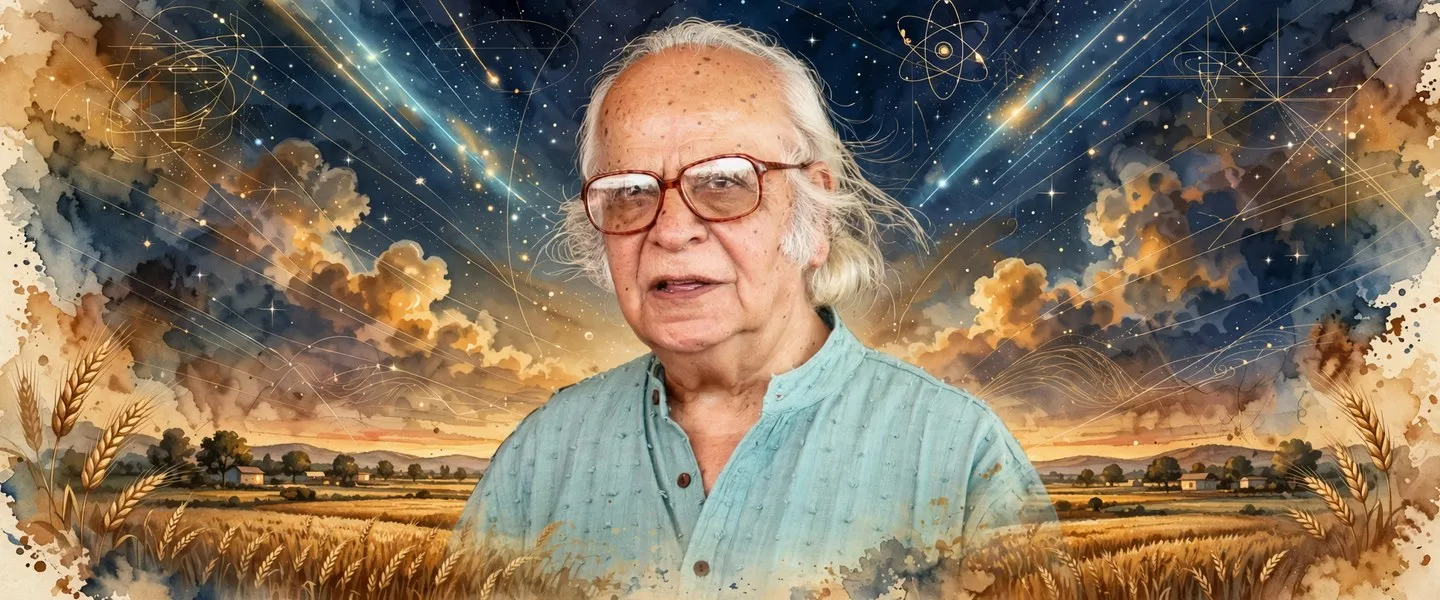
ਯਸ਼ ਪਾਲ (1926-2017) ਝੰਗ, ਪੰਜਾਬ ਵਿੱਚ ਜਨਮੇ ਭੌਤਿਕ ਵਿਗਿਆਨੀ ਸਨ ਜਿਨ੍ਹਾਂ ਨੇ ਟਾਟਾ ਇੰਸਟੀਚਿਊਟ ਆਫ਼ ਫੰਡਾਮੈਂਟਲ ਰਿਸਰਚ ਵਿੱਚ ਬ੍ਰਹਿਮੰਡੀ ਕਿਰਨਾਂ ਦਾ ਅਧਿਐਨ ਕੀਤਾ, ਭਾਰਤ ਦੇ ਸਪੇਸ ਐਪਲੀਕੇਸ਼ਨਜ਼ ਸੈਂਟਰ ਦੇ ਪਹਿਲੇ ਨਿਰਦੇਸ਼ਕ ਬਣੇ, ਯੂਨੀਵਰਸਿਟੀ ਗ੍ਰਾਂਟਸ ਕਮਿਸ਼ਨ ਦੇ ਚੇਅਰਮੈਨ ਰਹੇ ਅਤੇ ਦੂਰਦਰਸ਼ਨ ਦੇ ਟਰਨਿੰਗ ਪੁਆਇੰਟ ਉੱਤੇ ਵਿਗਿਆਨ ਸਮਝਾ ਕੇ ਘਰ-ਘਰ ਜਾਣੇ ਜਾਣ ਲੱਗੇ। ਉਹ ਹਿੰਦੀ ਨਾਵਲਕਾਰ ਯਸ਼ਪਾਲ ਨਹੀਂ ਹਨ, ਜੋ ਮਿਲਦੇ-ਜੁਲਦੇ ਨਾਂ ਵਾਲਾ ਇੱਕ ਵੱਖਰਾ ਵਿਅਕਤੀ ਸੀ।
ਜੀਵਨ ਇੱਕ ਨਜ਼ਰ ਵਿੱਚ
- 1926ਜਨਮ Jhang, Punjab
- 1949ਸਿੱਖਿਆ Panjab University
- 1958ਸਿੱਖਿਆ MIT
- 1976ਸਨਮਾਨ ਪਦਮ ਭੂਸ਼ਣ
- 2009ਸਨਮਾਨ UNESCO Kalinga Prize
- 2013ਸਨਮਾਨ ਪਦਮ ਵਿਭੂਸ਼ਣ
- 2017ਦੇਹਾਂਤ Noida, Uttar Pradesh, aged 90
- ਪੰਜਾਬੀ ਨਾਂ
- ਯਸ਼ ਪਾਲ
- ਜਨਮ
- 26 ਨਵੰਬਰ 1926, ਝੰਗ, ਪੰਜਾਬ (ਹੁਣ ਪਾਕਿਸਤਾਨ)
- ਦੇਹਾਂਤ
- 24 ਜੁਲਾਈ 2017, ਨੋਇਡਾ, ਉੱਤਰ ਪ੍ਰਦੇਸ਼, 90 ਸਾਲ ਦੀ ਉਮਰ ਵਿੱਚ
- ਜਨਮ ਅਸਥਾਨ
- ਝੰਗ
- ਜ਼ਿਲ੍ਹਾ
- ਝੰਗ (ਪੰਜਾਬ, ਪਾਕਿਸਤਾਨ)
- ਤਹਿਸੀਲ
- ਝੰਗ
All 11 facts
- ਇਲਾਕਾ
- ਪੱਛਮੀ ਪੰਜਾਬ
- ਸਿੱਖਿਆ
- ਐਮਐਸਸੀ ਭੌਤਿਕ ਵਿਗਿਆਨ, ਪੰਜਾਬ ਯੂਨੀਵਰਸਿਟੀ (1949); ਪੀਐਚਡੀ ਭੌਤਿਕ ਵਿਗਿਆਨ, ਐਮਆਈਟੀ (1958)
- ਕਿੱਤਾ
- ਭੌਤਿਕ ਵਿਗਿਆਨੀ, ਸਿੱਖਿਆ ਸ਼ਾਸਤਰੀ ਅਤੇ ਵਿਗਿਆਨ ਸੰਚਾਰਕ
- ਪ੍ਰਸਿੱਧੀ
- ਬ੍ਰਹਿਮੰਡੀ ਕਿਰਨਾਂ; ਸਪੇਸ ਐਪਲੀਕੇਸ਼ਨਜ਼ ਸੈਂਟਰ ਦੇ ਪਹਿਲੇ ਨਿਰਦੇਸ਼ਕ; ਟਰਨਿੰਗ ਪੁਆਇੰਟ
- ਸਨਮਾਨ
- ਪਦਮ ਭੂਸ਼ਣ (1976); ਪਦਮ ਵਿਭੂਸ਼ਣ (2013); ਯੂਨੈਸਕੋ ਕਲਿੰਗਾ ਪੁਰਸਕਾਰ (2009)
Yash Pal (1926-2017) was a physicist from Jhang in Punjab who studied cosmic rays, helped build India's space programme, led the University Grants Commission, and became one of the country's best loved explainers of science on television. He is not the Hindi novelist Yashpal (1903-1976), a different man with a similar name whose famous novel was Jhutha Sach. The two are often confused because their names look almost the same, but their lives and work had nothing in common.
Early life in Jhang and Quetta
Yash Pal was born on 26 November 1926 in Jhang, in Punjab Province of British India, in what is now Pakistan. Jhang was also the birthplace of Abdus Salam, the theoretical physicist who later won the Nobel Prize, and the two boys grew up in the same town. Yash Pal spent his early childhood in Quetta, where his family lived until the city was struck by a devastating earthquake in 1935. He was pulled alive from the rubble of his home along with his brother and sister, and the rebuilding of the town meant he could not attend school for a year. He was later raised in Kaithal district in Haryana.
Education interrupted by Partition
From 1945 to 1947 Yash Pal studied for a BSc Honours degree in physics at the Lahore campus of the University of the Punjab, where he was active in the students union. As he entered his final year, Partition tore his studies apart. He was visiting Delhi because his father had been transferred there, and the riots that followed Partition meant he could not return to Lahore. A group of students and teachers who had migrated from Lahore, with support from the Delhi University physicist D. S. Kothari, turned disused Second World War army barracks in Delhi into classrooms, and Yash Pal finished his studies there. He received his MSc in physics from Panjab University in 1949. He then went to the United States and completed his PhD in physics at the Massachusetts Institute of Technology in 1958, working under the cosmic ray physicist Bruno Rossi.
Cosmic rays at TIFR and the road to space
Yash Pal began his career at the Tata Institute of Fundamental Research (TIFR) in Bombay, now Mumbai, as a member of its Cosmic Rays group. After his doctorate he returned to TIFR, where he stayed until 1983, studying the high energy particles that rain down on Earth from space. When the Government of India set up its Department of Space in 1972 and began an independent space programme, Yash Pal was asked to lead its new applications arm. He took charge as the first director of the Space Applications Centre in Ahmedabad in 1973, while remaining on the faculty of TIFR. The centre became one of the Indian Space Research Organisation's major units, designing the payloads carried by India's space missions.
Building institutions: the UGC years and beyond
From the early 1980s Yash Pal moved steadily into the work of building and running India's scientific and educational institutions. He served as secretary general of the Second United Nations Conference on Peaceful Uses of Outer Space in 1981 and 1982, then as chief consultant to the Planning Commission from 1983 to 1984 and secretary of the Department of Science and Technology from 1984 to 1986. In 1986 he was appointed chairman of the University Grants Commission, a post he held until 1991. As chairman he pushed for inter-university centres funded by the commission, on the model of the Nuclear Science Centre in New Delhi, and institutions such as the Inter-University Centre for Astronomy and Astrophysics in Pune grew from that idea. He also served on the United Nations Advisory Committee on Science and Technology for Development and on the scientific council of the International Centre for Theoretical Physics in Trieste. From 2007 to 2012 he was chancellor of Jawaharlal Nehru University in New Delhi.
Why is Yash Pal called the people's scientist?
Yash Pal became a household name in the 1990s through Turning Point, the weekly science programme on Doordarshan. With his flowing white hair and plain, patient way of speaking, he explained everyday science in language anyone could follow, and the show became the longest running science serial ever broadcast on the national network. He also advised on televised science programmes such as Bharat ki Chaap and answered readers' science questions in a regular column in The Tribune. In 2009 UNESCO gave him its Kalinga Prize for the popularisation of science. He spoke openly against superstition and astrology, which he regarded as unscientific, and he argued all his life that science belonged to ordinary people, not only to laboratories.
School and university reform
Yash Pal cared as much about schoolchildren as about satellites. His work in school education began in the early 1970s with the Hoshangabad Science Teaching Programme, which tried to teach science through experiment and observation rather than rote learning. In 1993 the Ministry of Human Resource Development asked him to chair a national advisory committee on the overburdening of school children, and its report, Learning without Burden, is still regarded as a landmark document in Indian education. He later chaired the steering committee that drew up the National Curriculum Framework of 2005. In 2009 he chaired a committee on higher education whose report, Renovation and Rejuvenation of Higher Education in India, argued for the idea of the university as a place of broad learning and proposed major structural change. He also took a public stand for regulation: in a case he brought to the Supreme Court, Prof. Yashpal versus the State of Chhattisgarh, he challenged a law that let private universities open without proper approval, and he won in February 2005, after which 112 such universities had to close.
Honours and legacy
Yash Pal's honours included the Padma Bhushan in 1976 and the Padma Vibhushan in 2013, India's third and second highest civilian awards, the Marconi Prize in 1980, the Indira Gandhi Prize for Popularization of Science in 2000, the Meghnad Saha Medal in 2006, the Kalinga Prize in 2009 and the Lal Bahadur Shastri National Award in 2011. He died of age related illness on 24 July 2017 in Noida, Uttar Pradesh, at the age of 90. His legacy is unusually wide: the cosmic ray research of his early career, the Space Applications Centre he founded, the inter-university centres that grew under his chairmanship of the UGC, the Learning without Burden report that still shapes debate about Indian schooling, and a generation of viewers who first met science through Turning Point. For many Indians he remains the friendly face that made the universe feel close.
ਯਸ਼ ਪਾਲ (26 ਨਵੰਬਰ 1926 ਤੋਂ 24 ਜੁਲਾਈ 2017) ਝੰਗ ਦੇ ਭੌਤਿਕ ਵਿਗਿਆਨੀ ਸਨ ਜਿਨ੍ਹਾਂ ਨੇ ਬ੍ਰਹਿਮੰਡੀ ਕਿਰਨਾਂ ਦਾ ਅਧਿਐਨ ਕੀਤਾ, ਭਾਰਤ ਦੇ ਪੁਲਾੜ ਪ੍ਰੋਗਰਾਮ ਨੂੰ ਉਸਾਰਨ ਵਿੱਚ ਮਦਦ ਕੀਤੀ, ਯੂਨੀਵਰਸਿਟੀ ਗ੍ਰਾਂਟਸ ਕਮਿਸ਼ਨ ਦੀ ਅਗਵਾਈ ਕੀਤੀ ਅਤੇ ਟੈਲੀਵਿਜ਼ਨ ਉੱਤੇ ਵਿਗਿਆਨ ਦੇ ਸਭ ਤੋਂ ਪਿਆਰੇ ਵਿਆਖਿਆਕਾਰਾਂ ਵਿੱਚੋਂ ਇੱਕ ਬਣੇ। ਉਹ ਹਿੰਦੀ ਨਾਵਲਕਾਰ ਯਸ਼ਪਾਲ (1903-1976) ਨਹੀਂ ਹਨ, ਜੋ ਮਿਲਦੇ-ਜੁਲਦੇ ਨਾਂ ਵਾਲਾ ਇੱਕ ਵੱਖਰਾ ਵਿਅਕਤੀ ਸੀ ਅਤੇ ਜਿਸ ਦਾ ਮਸ਼ਹੂਰ ਨਾਵਲ ਝੂਠਾ ਸੱਚ ਸੀ। ਦੋਹਾਂ ਦੇ ਨਾਂ ਲਗਭਗ ਇਕੋ ਜਿਹੇ ਲੱਗਣ ਕਰਕੇ ਉਨ੍ਹਾਂ ਨੂੰ ਅਕਸਰ ਇੱਕ ਸਮਝ ਲਿਆ ਜਾਂਦਾ ਹੈ, ਪਰ ਉਨ੍ਹਾਂ ਦੇ ਜੀਵਨ ਅਤੇ ਕੰਮ ਦਾ ਆਪਸ ਵਿੱਚ ਕੋਈ ਸਾਂਝ ਨਹੀਂ ਸੀ।
ਝੰਗ ਅਤੇ ਕਵੇਟਾ ਵਿੱਚ ਬਚਪਨ
ਯਸ਼ ਪਾਲ ਦਾ ਜਨਮ 26 ਨਵੰਬਰ 1926 ਨੂੰ ਬ੍ਰਿਟਿਸ਼ ਭਾਰਤ ਦੇ ਪੰਜਾਬ ਸੂਬੇ ਦੇ ਝੰਗ ਵਿੱਚ ਹੋਇਆ, ਜੋ ਹੁਣ ਪਾਕਿਸਤਾਨ ਵਿੱਚ ਹੈ। ਝੰਗ ਉਸੇ ਸ਼ਹਿਰ ਦਾ ਜਨਮ ਸਥਾਨ ਸੀ ਜਿੱਥੇ ਅਬਦੁਸ ਸਲਾਮ ਦਾ ਜਨਮ ਹੋਇਆ, ਜੋ ਬਾਅਦ ਵਿੱਚ ਨੋਬਲ ਪੁਰਸਕਾਰ ਜਿੱਤਣ ਵਾਲੇ ਸਿਧਾਂਤਕ ਭੌਤਿਕ ਵਿਗਿਆਨੀ ਬਣੇ, ਅਤੇ ਦੋਹਾਂ ਮੁੰਡਿਆਂ ਦਾ ਬਚਪਨ ਉਸੇ ਸ਼ਹਿਰ ਵਿੱਚ ਬੀਤਿਆ। ਯਸ਼ ਪਾਲ ਨੇ ਆਪਣਾ ਮੁੱਢਲਾ ਬਚਪਨ ਕਵੇਟਾ ਵਿੱਚ ਬਿਤਾਇਆ, ਜਿੱਥੇ ਉਨ੍ਹਾਂ ਦਾ ਪਰਿਵਾਰ ਰਹਿੰਦਾ ਸੀ, ਜਦੋਂ ਤੱਕ 1935 ਵਿੱਚ ਸ਼ਹਿਰ ਵਿੱਚ ਭਿਆਨਕ ਭੂਚਾਲ ਨਹੀਂ ਆਇਆ। ਉਨ੍ਹਾਂ ਨੂੰ ਆਪਣੇ ਭਰਾ ਅਤੇ ਭੈਣ ਸਮੇਤ ਆਪਣੇ ਘਰ ਦੇ ਮਲਬੇ ਹੇਠੋਂ ਜਿਉਂਦਾ ਕੱਢਿਆ ਗਿਆ, ਅਤੇ ਸ਼ਹਿਰ ਦੀ ਮੁੜ ਉਸਾਰੀ ਕਾਰਨ ਉਹ ਇੱਕ ਸਾਲ ਸਕੂਲ ਨਹੀਂ ਜਾ ਸਕੇ। ਬਾਅਦ ਵਿੱਚ ਉਨ੍ਹਾਂ ਦਾ ਪਾਲਣ-ਪੋਸ਼ਣ ਹਰਿਆਣਾ ਦੇ ਕੈਥਲ ਜ਼ਿਲ੍ਹੇ ਵਿੱਚ ਹੋਇਆ।
ਵੰਡ ਨਾਲ ਰੁਕੀ ਪੜ੍ਹਾਈ
1945 ਤੋਂ 1947 ਤੱਕ ਯਸ਼ ਪਾਲ ਨੇ ਪੰਜਾਬ ਯੂਨੀਵਰਸਿਟੀ ਦੇ ਲਾਹੌਰ ਕੈਂਪਸ ਵਿੱਚ ਭੌਤਿਕ ਵਿਗਿਆਨ ਵਿੱਚ ਬੀਐਸਸੀ ਆਨਰਜ਼ ਦੀ ਪੜ੍ਹਾਈ ਕੀਤੀ, ਜਿੱਥੇ ਉਹ ਵਿਦਿਆਰਥੀ ਯੂਨੀਅਨ ਵਿੱਚ ਸਰਗਰਮ ਸਨ। ਜਦੋਂ ਉਹ ਆਪਣੇ ਆਖ਼ਰੀ ਸਾਲ ਵਿੱਚ ਪੁੱਜੇ ਤਾਂ ਵੰਡ ਨੇ ਉਨ੍ਹਾਂ ਦੀ ਪੜ੍ਹਾਈ ਨੂੰ ਤੋੜ ਦਿੱਤਾ। ਉਹ ਦਿੱਲੀ ਗਏ ਹੋਏ ਸਨ ਕਿਉਂਕਿ ਉਨ੍ਹਾਂ ਦੇ ਪਿਤਾ ਦਾ ਤਬਾਦਲਾ ਉੱਥੇ ਹੋ ਗਿਆ ਸੀ, ਅਤੇ ਵੰਡ ਤੋਂ ਬਾਅਦ ਹੋਏ ਦੰਗਿਆਂ ਕਾਰਨ ਉਹ ਲਾਹੌਰ ਵਾਪਸ ਨਹੀਂ ਪਰਤ ਸਕੇ। ਲਾਹੌਰ ਤੋਂ ਆਏ ਵਿਦਿਆਰਥੀਆਂ ਅਤੇ ਅਧਿਆਪਕਾਂ ਦੇ ਇੱਕ ਸਮੂਹ ਨੇ ਦਿੱਲੀ ਯੂਨੀਵਰਸਿਟੀ ਦੇ ਭੌਤਿਕ ਵਿਗਿਆਨੀ ਡੀ. ਐਸ. ਕੋਠਾਰੀ ਦੀ ਮਦਦ ਨਾਲ ਦਿੱਲੀ ਵਿੱਚ ਦੂਜੇ ਵਿਸ਼ਵ ਯੁੱਧ ਦੀਆਂ ਖਾਲੀ ਫ਼ੌਜੀ ਬੈਰਕਾਂ ਨੂੰ ਕਲਾਸਰੂਮਾਂ ਵਿੱਚ ਬਦਲ ਦਿੱਤਾ, ਅਤੇ ਯਸ਼ ਪਾਲ ਨੇ ਉੱਥੇ ਆਪਣੀ ਪੜ੍ਹਾਈ ਪੂਰੀ ਕੀਤੀ। ਉਨ੍ਹਾਂ ਨੇ 1949 ਵਿੱਚ ਪੰਜਾਬ ਯੂਨੀਵਰਸਿਟੀ ਤੋਂ ਭੌਤਿਕ ਵਿਗਿਆਨ ਵਿੱਚ ਐਮਐਸਸੀ ਕੀਤੀ। ਫਿਰ ਉਹ ਅਮਰੀਕਾ ਗਏ ਅਤੇ 1958 ਵਿੱਚ ਮੈਸਾਚੂਸੇਟਸ ਇੰਸਟੀਚਿਊਟ ਆਫ਼ ਟੈਕਨਾਲੋਜੀ ਤੋਂ ਭੌਤਿਕ ਵਿਗਿਆਨ ਵਿੱਚ ਪੀਐਚਡੀ ਪੂਰੀ ਕੀਤੀ, ਜਿੱਥੇ ਉਨ੍ਹਾਂ ਨੇ ਬ੍ਰਹਿਮੰਡੀ ਕਿਰਨਾਂ ਦੇ ਭੌਤਿਕ ਵਿਗਿਆਨੀ ਬਰੂਨੋ ਰੌਸੀ ਦੀ ਨਿਗਰਾਨੀ ਵਿੱਚ ਕੰਮ ਕੀਤਾ।
ਟੀਫ਼ਰ ਵਿੱਚ ਬ੍ਰਹਿਮੰਡੀ ਕਿਰਨਾਂ ਅਤੇ ਪੁਲਾੜ ਦਾ ਰਾਹ
ਯਸ਼ ਪਾਲ ਨੇ ਆਪਣਾ ਕਰੀਅਰ ਬੰਬਈ, ਹੁਣ ਮੁੰਬਈ, ਵਿੱਚ ਟਾਟਾ ਇੰਸਟੀਚਿਊਟ ਆਫ਼ ਫੰਡਾਮੈਂਟਲ ਰਿਸਰਚ (ਟੀਫ਼ਰ) ਵਿੱਚ ਇਸ ਦੇ ਕੌਸਮਿਕ ਕਿਰਨਾਂ ਸਮੂਹ ਦੇ ਮੈਂਬਰ ਵਜੋਂ ਸ਼ੁਰੂ ਕੀਤਾ। ਡਾਕਟਰੇਟ ਤੋਂ ਬਾਅਦ ਉਹ ਟੀਫ਼ਰ ਪਰਤ ਆਏ, ਜਿੱਥੇ ਉਹ 1983 ਤੱਕ ਰਹੇ ਅਤੇ ਪੁਲਾੜ ਤੋਂ ਧਰਤੀ ਉੱਤੇ ਆਉਣ ਵਾਲੇ ਉੱਚ ਊਰਜਾ ਵਾਲੇ ਕਣਾਂ ਦਾ ਅਧਿਐਨ ਕਰਦੇ ਰਹੇ। ਜਦੋਂ ਭਾਰਤ ਸਰਕਾਰ ਨੇ 1972 ਵਿੱਚ ਪੁਲਾੜ ਵਿਭਾਗ ਕਾਇਮ ਕੀਤਾ ਅਤੇ ਆਪਣਾ ਸੁਤੰਤਰ ਪੁਲਾੜ ਪ੍ਰੋਗਰਾਮ ਸ਼ੁਰੂ ਕੀਤਾ, ਤਾਂ ਯਸ਼ ਪਾਲ ਨੂੰ ਇਸ ਦੀ ਨਵੀਂ ਐਪਲੀਕੇਸ਼ਨ ਸ਼ਾਖਾ ਦੀ ਅਗਵਾਈ ਕਰਨ ਲਈ ਕਿਹਾ ਗਿਆ। ਉਨ੍ਹਾਂ ਨੇ 1973 ਵਿੱਚ ਅਹਿਮਦਾਬਾਦ ਵਿੱਚ ਸਪੇਸ ਐਪਲੀਕੇਸ਼ਨਜ਼ ਸੈਂਟਰ ਦੇ ਪਹਿਲੇ ਨਿਰਦੇਸ਼ਕ ਵਜੋਂ ਅਹੁਦਾ ਸੰਭਾਲਿਆ, ਅਤੇ ਨਾਲ ਹੀ ਟੀਫ਼ਰ ਦੇ ਫੈਕਲਟੀ ਵਿੱਚ ਵੀ ਰਹੇ। ਇਹ ਕੇਂਦਰ ਭਾਰਤੀ ਪੁਲਾੜ ਖੋਜ ਸੰਗਠਨ ਦੀਆਂ ਮੁੱਖ ਇਕਾਈਆਂ ਵਿੱਚੋਂ ਇੱਕ ਬਣ ਗਿਆ, ਜੋ ਭਾਰਤ ਦੇ ਪੁਲਾੜ ਮਿਸ਼ਨਾਂ ਲਈ ਪੇਲੋਡ ਤਿਆਰ ਕਰਦਾ ਹੈ।
ਸੰਸਥਾਵਾਂ ਦੀ ਉਸਾਰੀ: ਪੁਲਾੜ ਕੇਂਦਰ ਅਤੇ ਯੂਜੀਸੀ ਦੇ ਸਾਲ
1980 ਦੇ ਦਹਾਕੇ ਦੇ ਸ਼ੁਰੂ ਤੋਂ ਯਸ਼ ਪਾਲ ਭਾਰਤ ਦੀਆਂ ਵਿਗਿਆਨਕ ਅਤੇ ਵਿਦਿਅਕ ਸੰਸਥਾਵਾਂ ਨੂੰ ਬਣਾਉਣ ਅਤੇ ਚਲਾਉਣ ਦੇ ਕੰਮ ਵਿੱਚ ਲੱਗ ਗਏ। ਉਹ 1981 ਅਤੇ 1982 ਵਿੱਚ ਪੁਲਾੜ ਦੇ ਸ਼ਾਂਤੀਪੂਰਨ ਉਪਯੋਗਾਂ ਬਾਰੇ ਸੰਯੁਕਤ ਰਾਸ਼ਟਰ ਦੀ ਦੂਜੀ ਕਾਨਫਰੰਸ ਦੇ ਸਕੱਤਰ ਜਨਰਲ ਰਹੇ, ਫਿਰ 1983 ਤੋਂ 1984 ਤੱਕ ਯੋਜਨਾ ਕਮਿਸ਼ਨ ਦੇ ਮੁੱਖ ਸਲਾਹਕਾਰ ਅਤੇ 1984 ਤੋਂ 1986 ਤੱਕ ਵਿਗਿਆਨ ਅਤੇ ਤਕਨਾਲੋਜੀ ਵਿਭਾਗ ਦੇ ਸਕੱਤਰ ਰਹੇ। 1986 ਵਿੱਚ ਉਹ ਯੂਨੀਵਰਸਿਟੀ ਗ੍ਰਾਂਟਸ ਕਮਿਸ਼ਨ ਦੇ ਚੇਅਰਮੈਨ ਬਣੇ, ਅਤੇ 1991 ਤੱਕ ਇਸ ਅਹੁਦੇ ਉੱਤੇ ਰਹੇ। ਚੇਅਰਮੈਨ ਵਜੋਂ ਉਨ੍ਹਾਂ ਨੇ ਨਵੀਂ ਦਿੱਲੀ ਦੇ ਨਿਊਕਲੀਅਰ ਸਾਇੰਸ ਸੈਂਟਰ ਦੇ ਮਾਡਲ ਉੱਤੇ ਕਮਿਸ਼ਨ ਵੱਲੋਂ ਫੰਡ ਕੀਤੇ ਜਾਣ ਵਾਲੇ ਅੰਤਰ-ਯੂਨੀਵਰਸਿਟੀ ਕੇਂਦਰਾਂ ਦੀ ਵਕਾਲਤ ਕੀਤੀ, ਅਤੇ ਪੁਣੇ ਵਿੱਚ ਇੰਟਰ-ਯੂਨੀਵਰਸਿਟੀ ਸੈਂਟਰ ਫਾਰ ਐਸਟ੍ਰੋਨੋਮੀ ਐਂਡ ਐਸਟ੍ਰੋਫਿਜ਼ਿਕਸ ਵਰਗੀਆਂ ਸੰਸਥਾਵਾਂ ਉਸੇ ਵਿਚਾਰ ਤੋਂ ਪੈਦਾ ਹੋਈਆਂ। ਉਹ ਵਿਗਿਆਨ ਅਤੇ ਤਕਨਾਲੋਜੀ ਵਿਕਾਸ ਬਾਰੇ ਸੰਯੁਕਤ ਰਾਸ਼ਟਰ ਸਲਾਹਕਾਰ ਕਮੇਟੀ ਅਤੇ ਟ੍ਰਿਏਸਟੇ ਵਿੱਚ ਇੰਟਰਨੈਸ਼ਨਲ ਸੈਂਟਰ ਫਾਰ ਥਿਓਰੈਟਿਕਲ ਫਿਜ਼ਿਕਸ ਦੀ ਵਿਗਿਆਨਕ ਕੌਂਸਲ ਵਿੱਚ ਵੀ ਰਹੇ। 2007 ਤੋਂ 2012 ਤੱਕ ਉਹ ਨਵੀਂ ਦਿੱਲੀ ਵਿੱਚ ਜਵਾਹਰਲਾਲ ਨਹਿਰੂ ਯੂਨੀਵਰਸਿਟੀ ਦੇ ਚਾਂਸਲਰ ਰਹੇ।
ਯਸ਼ ਪਾਲ ਨੂੰ ਲੋਕਾਂ ਦਾ ਵਿਗਿਆਨੀ ਕਿਉਂ ਕਿਹਾ ਜਾਂਦਾ ਹੈ?
ਯਸ਼ ਪਾਲ 1990 ਦੇ ਦਹਾਕੇ ਵਿੱਚ ਦੂਰਦਰਸ਼ਨ ਦੇ ਹਫ਼ਤਾਵਾਰੀ ਵਿਗਿਆਨ ਪ੍ਰੋਗਰਾਮ ਟਰਨਿੰਗ ਪੁਆਇੰਟ ਰਾਹੀਂ ਘਰ-ਘਰ ਜਾਣੇ ਜਾਣ ਲੱਗੇ। ਆਪਣੇ ਚਿੱਟੇ ਵਾਲਾਂ ਅਤੇ ਸਾਦੇ, ਧੀਰਜ ਭਰੇ ਅੰਦਾਜ਼ ਨਾਲ ਉਹ ਰੋਜ਼ਾਨਾ ਵਿਗਿਆਨ ਨੂੰ ਅਜਿਹੀ ਭਾਸ਼ਾ ਵਿੱਚ ਸਮਝਾਉਂਦੇ ਸਨ ਜੋ ਹਰ ਕੋਈ ਸਮਝ ਸਕਦਾ ਸੀ, ਅਤੇ ਇਹ ਸ਼ੋਅ ਰਾਸ਼ਟਰੀ ਨੈੱਟਵਰਕ ਉੱਤੇ ਪ੍ਰਸਾਰਿਤ ਹੋਇਆ ਸਭ ਤੋਂ ਲੰਬਾ ਚੱਲਣ ਵਾਲਾ ਵਿਗਿਆਨ ਸੀਰੀਅਲ ਬਣ ਗਿਆ। ਉਹ ਭਾਰਤ ਕੀ ਛਾਪ ਵਰਗੇ ਟੈਲੀਵਿਜ਼ਨ ਵਿਗਿਆਨ ਪ੍ਰੋਗਰਾਮਾਂ ਦੇ ਸਲਾਹਕਾਰ ਵੀ ਰਹੇ ਅਤੇ ਦਿ ਟ੍ਰਿਬਿਊਨ ਵਿੱਚ ਪਾਠਕਾਂ ਦੇ ਵਿਗਿਆਨ ਸਵਾਲਾਂ ਦੇ ਜਵਾਬ ਨਿਯਮਿਤ ਕਾਲਮ ਵਿੱਚ ਦਿੰਦੇ ਸਨ। 2009 ਵਿੱਚ ਯੂਨੈਸਕੋ ਨੇ ਉਨ੍ਹਾਂ ਨੂੰ ਵਿਗਿਆਨ ਦੇ ਪ੍ਰਸਾਰ ਲਈ ਕਲਿੰਗਾ ਪੁਰਸਕਾਰ ਦਿੱਤਾ। ਉਹ ਅੰਧਵਿਸ਼ਵਾਸ ਅਤੇ ਜੋਤਿਸ਼ ਦੇ ਖੁੱਲ੍ਹੇ ਵਿਰੋਧੀ ਸਨ, ਜਿਨ੍ਹਾਂ ਨੂੰ ਉਹ ਅਵਿਗਿਆਨਕ ਮੰਨਦੇ ਸਨ, ਅਤੇ ਉਨ੍ਹਾਂ ਨੇ ਸਾਰੀ ਉਮਰ ਇਹ ਦਲੀਲ ਦਿੱਤੀ ਕਿ ਵਿਗਿਆਨ ਸਿਰਫ਼ ਪ੍ਰਯੋਗਸ਼ਾਲਾਵਾਂ ਦਾ ਨਹੀਂ, ਆਮ ਲੋਕਾਂ ਦਾ ਹੈ।
ਸਕੂਲ ਅਤੇ ਯੂਨੀਵਰਸਿਟੀ ਸੁਧਾਰ
ਯਸ਼ ਪਾਲ ਨੂੰ ਸਕੂਲੀ ਬੱਚਿਆਂ ਦੀ ਉਨੀ ਹੀ ਚਿੰਤਾ ਸੀ ਜਿੰਨੀ ਉਪਗ੍ਰਹਿਾਂ ਦੀ। ਸਕੂਲੀ ਸਿੱਖਿਆ ਵਿੱਚ ਉਨ੍ਹਾਂ ਦਾ ਕੰਮ 1970 ਦੇ ਦਹਾਕੇ ਦੇ ਸ਼ੁਰੂ ਵਿੱਚ ਹੋਸ਼ੰਗਾਬਾਦ ਵਿਗਿਆਨ ਅਧਿਆਪਨ ਪ੍ਰੋਗਰਾਮ ਨਾਲ ਸ਼ੁਰੂ ਹੋਇਆ, ਜਿਸ ਵਿੱਚ ਰਟਣ ਦੀ ਬਜਾਏ ਪ੍ਰਯੋਗ ਅਤੇ ਨਿਰੀਖਣ ਰਾਹੀਂ ਵਿਗਿਆਨ ਪੜ੍ਹਾਉਣ ਦੀ ਕੋਸ਼ਿਸ਼ ਕੀਤੀ ਗਈ। 1993 ਵਿੱਚ ਮਨੁੱਖੀ ਸਰੋਤ ਵਿਕਾਸ ਮੰਤਰਾਲੇ ਨੇ ਉਨ੍ਹਾਂ ਨੂੰ ਸਕੂਲੀ ਬੱਚਿਆਂ ਉੱਤੇ ਬੋਝ ਦੇ ਮੁੱਦੇ ਉੱਤੇ ਰਾਸ਼ਟਰੀ ਸਲਾਹਕਾਰ ਕਮੇਟੀ ਦਾ ਚੇਅਰਮੈਨ ਬਣਾਇਆ, ਅਤੇ ਇਸ ਦੀ ਰਿਪੋਰਟ, ਲਰਨਿੰਗ ਵਿਦਆਊਟ ਬਰਡਨ, ਅੱਜ ਵੀ ਭਾਰਤੀ ਸਿੱਖਿਆ ਵਿੱਚ ਇੱਕ ਮੀਲ ਪੱਥਰ ਮੰਨੀ ਜਾਂਦੀ ਹੈ। ਬਾਅਦ ਵਿੱਚ ਉਹ ਉਸ ਸਟੀਅਰਿੰਗ ਕਮੇਟੀ ਦੇ ਚੇਅਰਮੈਨ ਰਹੇ ਜਿਸ ਨੇ 2005 ਦਾ ਰਾਸ਼ਟਰੀ ਪਾਠਕ੍ਰਮ ਢਾਂਚਾ ਤਿਆਰ ਕੀਤਾ। 2009 ਵਿੱਚ ਉਹ ਉੱਚ ਸਿੱਖਿਆ ਬਾਰੇ ਕਮੇਟੀ ਦੇ ਚੇਅਰਮੈਨ ਬਣੇ, ਜਿਸ ਦੀ ਰਿਪੋਰਟ, ਰੀਨੋਵੇਸ਼ਨ ਐਂਡ ਰੀਜੁਵੀਨੇਸ਼ਨ ਆਫ਼ ਹਾਇਰ ਐਜੂਕੇਸ਼ਨ ਇਨ ਇੰਡੀਆ, ਵਿੱਚ ਯੂਨੀਵਰਸਿਟੀ ਨੂੰ ਵਿਆਪਕ ਸਿੱਖਿਆ ਦੀ ਥਾਂ ਵਜੋਂ ਦੇਖਣ ਅਤੇ ਵੱਡੇ ਢਾਂਚਾਗਤ ਬਦਲਾਅ ਦੀ ਵਕਾਲਤ ਕੀਤੀ ਗਈ। ਉਨ੍ਹਾਂ ਨੇ ਨਿਯਮਾਂ ਲਈ ਖੁੱਲ੍ਹਾ ਸਟੈਂਡ ਵੀ ਲਿਆ: ਸੁਪਰੀਮ ਕੋਰਟ ਵਿੱਚ ਉਨ੍ਹਾਂ ਨੇ ਛੱਤੀਸਗੜ੍ਹ ਰਾਜ ਖ਼ਿਲਾਫ਼ ਕੇਸ ਲੜਿਆ, ਜਿਸ ਵਿੱਚ ਉਸ ਕਾਨੂੰਨ ਨੂੰ ਚੁਣੌਤੀ ਦਿੱਤੀ ਗਈ ਜਿਸ ਨਾਲ ਪ੍ਰਾਈਵੇਟ ਯੂਨੀਵਰਸਿਟੀਆਂ ਬਿਨਾਂ ਸਹੀ ਮਨਜ਼ੂਰੀ ਖੁੱਲ੍ਹ ਸਕਦੀਆਂ ਸਨ, ਅਤੇ ਫਰਵਰੀ 2005 ਵਿੱਚ ਉਹ ਜਿੱਤ ਗਏ, ਜਿਸ ਤੋਂ ਬਾਅਦ 112 ਅਜਿਹੀਆਂ ਯੂਨੀਵਰਸਿਟੀਆਂ ਬੰਦ ਕਰਨੀਆਂ ਪਈਆਂ।
ਸਨਮਾਨ ਅਤੇ ਵਿਰਾਸਤ
ਯਸ਼ ਪਾਲ ਦੇ ਸਨਮਾਨਾਂ ਵਿੱਚ 1976 ਵਿੱਚ ਪਦਮ ਭੂਸ਼ਣ ਅਤੇ 2013 ਵਿੱਚ ਪਦਮ ਵਿਭੂਸ਼ਣ, ਭਾਰਤ ਦੇ ਤੀਜੇ ਅਤੇ ਦੂਜੇ ਸਭ ਤੋਂ ਵੱਡੇ ਨਾਗਰਿਕ ਸਨਮਾਨ, 1980 ਵਿੱਚ ਮਾਰਕੋਨੀ ਪੁਰਸਕਾਰ, 2000 ਵਿੱਚ ਵਿਗਿਆਨ ਦੇ ਪ੍ਰਸਾਰ ਲਈ ਇੰਦਰਾ ਗਾਂਧੀ ਪੁਰਸਕਾਰ, 2006 ਵਿੱਚ ਮੇਘਨਾਦ ਸਾਹਾ ਮੈਡਲ, 2009 ਵਿੱਚ ਕਲਿੰਗਾ ਪੁਰਸਕਾਰ ਅਤੇ 2011 ਵਿੱਚ ਲਾਲ ਬਹਾਦੁਰ ਸ਼ਾਸਤਰੀ ਰਾਸ਼ਟਰੀ ਪੁਰਸਕਾਰ ਸ਼ਾਮਲ ਸਨ। ਉਨ੍ਹਾਂ ਦਾ ਦੇਹਾਂਤ 24 ਜੁਲਾਈ 2017 ਨੂੰ ਉੱਤਰ ਪ੍ਰਦੇਸ਼ ਦੇ ਨੋਇਡਾ ਵਿੱਚ ਉਮਰ ਸਬੰਧੀ ਬਿਮਾਰੀ ਕਾਰਨ 90 ਸਾਲ ਦੀ ਉਮਰ ਵਿੱਚ ਹੋਇਆ। ਉਨ੍ਹਾਂ ਦੀ ਵਿਰਾਸਤ ਅਸਾਧਾਰਨ ਤੌਰ ਉੱਤੇ ਵਿਸ਼ਾਲ ਹੈ: ਮੁੱਢਲੇ ਕਰੀਅਰ ਦੀ ਬ੍ਰਹਿਮੰਡੀ ਕਿਰਨਾਂ ਦੀ ਖੋਜ, ਉਨ੍ਹਾਂ ਵੱਲੋਂ ਸਥਾਪਤ ਸਪੇਸ ਐਪਲੀਕੇਸ਼ਨਜ਼ ਸੈਂਟਰ, ਯੂਜੀਸੀ ਦੇ ਚੇਅਰਮੈਨ ਵਜੋਂ ਉਨ੍ਹਾਂ ਦੇ ਕਾਰਜਕਾਲ ਵਿੱਚ ਵਧੇ ਅੰਤਰ-ਯੂਨੀਵਰਸਿਟੀ ਕੇਂਦਰ, ਲਰਨਿੰਗ ਵਿਦਆਊਟ ਬਰਡਨ ਰਿਪੋਰਟ ਜੋ ਅੱਜ ਵੀ ਭਾਰਤੀ ਸਕੂਲੀ ਸਿੱਖਿਆ ਬਾਰੇ ਬਹਿਸ ਨੂੰ ਆਕਾਰ ਦਿੰਦੀ ਹੈ, ਅਤੇ ਦਰਸ਼ਕਾਂ ਦੀ ਉਹ ਪੀੜ੍ਹੀ ਜਿਸ ਨੇ ਟਰਨਿੰਗ ਪੁਆਇੰਟ ਰਾਹੀਂ ਪਹਿਲੀ ਵਾਰ ਵਿਗਿਆਨ ਨੂੰ ਮਿਲਿਆ। ਕਈ ਭਾਰਤੀਆਂ ਲਈ ਉਹ ਅੱਜ ਵੀ ਉਹ ਦੋਸਤਾਨਾ ਚਿਹਰਾ ਹਨ ਜਿਸ ਨੇ ਬ੍ਰਹਿਮੰਡ ਨੂੰ ਨੇੜੇ ਮਹਿਸੂਸ ਕਰਵਾਇਆ।
ਲੋਕ


More people
 ਖਦੀਜਾ ਮਸਤੂਰਉਰਦੂ ਨਾਵਲਕਾਰ
 ਪ੍ਰਿਥੀਪਾਲ ਸਿੰਘਹਾਕੀ ਹਾਫ਼ਬੈਕ
 ਯਸ਼ਪਾਲਹਿੰਦੀ ਨਾਵਲਕਾਰ
 ਵਿਨੋਦ ਮਹਿਤਾਪੱਤਰਕਾਰ ਅਤੇ ਸੰਪਾਦਕ
 ਅਰੂਨ ਪੁਰੀ ਦਾ ਜਨਮ 1944 ਵਿੱਚ ਲਾਹੌਰ ਵਿੱਚ ਹੋਇਆ। ਉਹ ਇੰਡੀਆ ਟੁਡੇ ਦੇ ਬਾਨੀ-ਪ੍ਰਕਾਸ਼ਕ ਅਤੇ ਮੁੱਖ ਸੰਪਾਦਕ ਹਨ। ਉਨ੍ਹਾਂ ਨੇ ਇਹ ਰਸਾਲਾ 1975 ਵਿੱਚ ਐਮਰਜੈਂਸੀ ਦੌਰਾਨ ਸ਼ੁਰੂ ਕੀਤਾ ਅਤੇ ਇਸ ਨੂੰ ਇੰਡੀਆ ਟੁਡੇ ਗਰੁੱਪ ਵਿੱਚ ਬਦਲ ਦਿੱਤਾਪੱਤਰਕਾਰ, ਪ੍ਰਕਾਸ਼ਕ
ਸਰੋਤ (4)
ਜੁਗਤੀ ਮੁਫ਼ਤ ਅਤੇ ਸੁਤੰਤਰ ਹੈ। ਪਾਠਕਾਂ ਦਾ ਸਹਿਯੋਗ ਕੋਸ਼ ਨੂੰ ਵਧਾਉਂਦਾ ਹੈ।
ਸਹਿਯੋਗ