
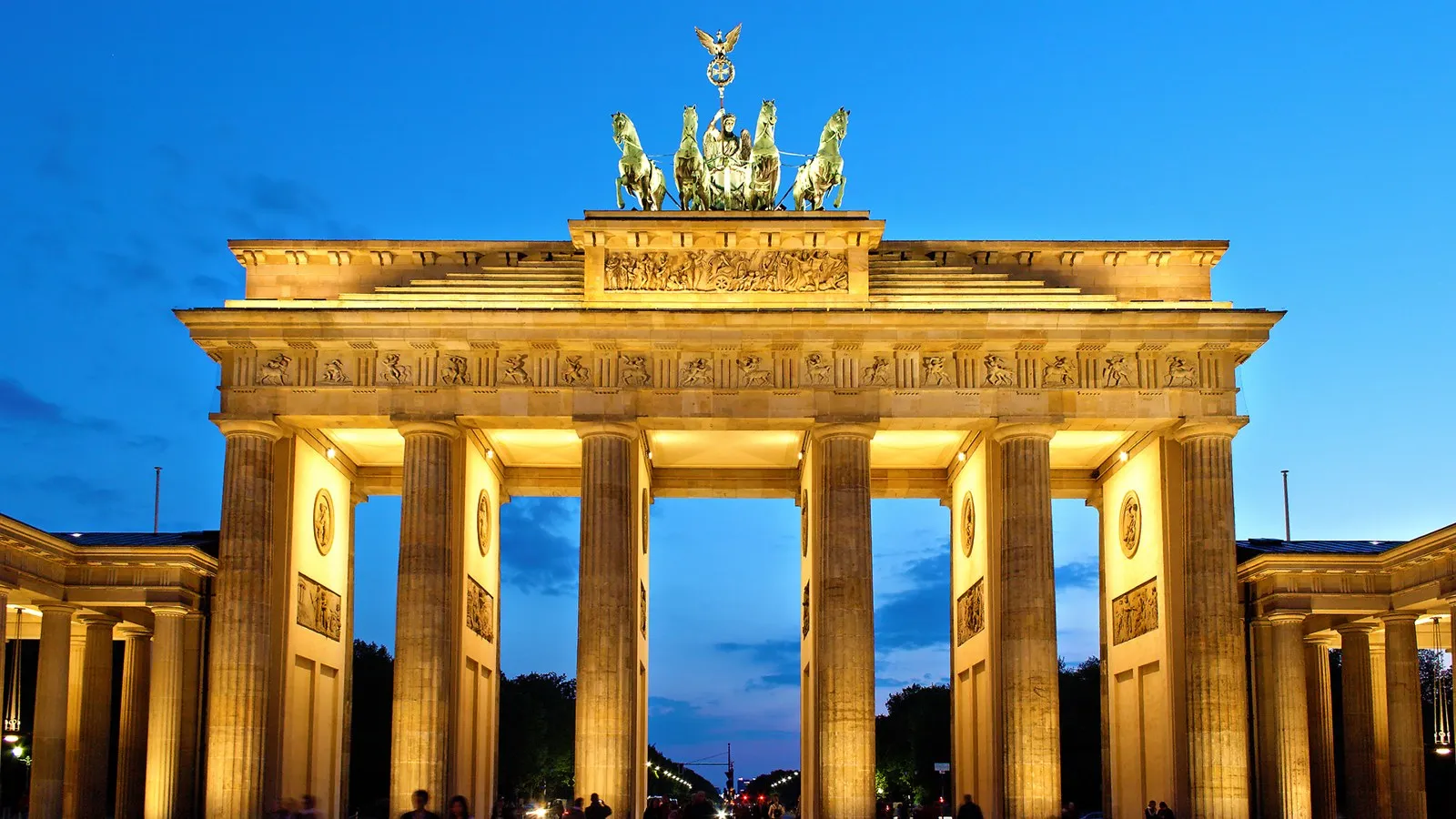
Berlin is the capital and largest city of Germany, a city-state on the river Spree in the northeast of the country, home to 3,700,577 people. It holds the largest Indian community of any German city, 45,189 Indian citizens in June 2025, is one of the five cities where most of Germany's Sikhs are found, and has one gurdwara, Gurdwara Singh Sabha, Berlin.
ਇਤਿਹਾਸ ਇੱਕ ਨਜ਼ਰ ਵਿੱਚ
- 1237The year kept as Berlin's founding date, from the twin trade settlements of Berlin and Colln on the Spree.
- 1701Berlin becomes the capital of the new Kingdom of Prussia.
- 1871Berlin becomes the capital of the newly founded German Empire.
- 1920The Greater Berlin Act expands the city from 66 to 883 square kilometres and takes its population to about four million.
- 1990German reunification makes Berlin the capital of all Germany again.
- ਪੰਜਾਬੀ ਨਾਂ
- ਬਰਲਿਨ
- ਕਿਸਮ
- ਸ਼ਹਿਰ
- ਦੇਸ਼
- Germany
- ਇਲਾਕਾ
- City-state of Berlin, northeastern Germany
- ਆਬਾਦੀ
- 3,700,577 in the city of Berlin (December 2025 estimate); the Berlin-Brandenburg capital region holds about 6.2 million people
- ਪੰਜਾਬੀ ਅਤੇ ਸਿੱਖ ਆਬਾਦੀ
- No census figure exists: Germany collects no religious or ethnic census data by city, so Sikh figures are estimates (REMID 25,000 nationally in 2020; the German Information Center for Sikh Religion estimated 18,000 in 2017). Berlin held 45,189 Indian citizens in June 2025, the largest city figure in Germany
All 8 facts
- ਜਾਣੇ ਜਾਂਦੇ ਗੁਰਦੁਆਰੇ
- One in Berlin on the national list: Gurdwara Singh Sabha, Berlin, among about 20 gurdwaras in Germany
- ਪ੍ਰਸਿੱਧੀ
- The Brandenburg Gate, the Reichstag, Museum Island and the Berlin Wall Memorial: capital of Prussia, of the German Empire, divided city and reunified capital since 1990
Berlin is the capital and largest city of Germany, home to 3,700,577 people on the banks of the Spree, and a city-state in its own right. For Punjabis, Berlin holds the largest Indian community of any German city: 45,189 Indian citizens in June 2025, more than Munich and Frankfurt, the next two cities in the same count, combined. It is also one of the five cities where most of Germany's Sikhs are found, and its sangat is served by Gurdwara Singh Sabha, Berlin.
Where is Berlin, and why do Punjabis live there?
Berlin stands in northeastern Germany, surrounded on every side by the state of Brandenburg, built along the Spree where the river flows into the Havel in the western borough of Spandau. About a third of the city is forests, parks, gardens, rivers, canals and lakes, and its largest lake is the Muggelsee in the east. First documented in the 13th century at the crossing of two important historic trade routes, Berlin became the capital of the Margraviate of Brandenburg in 1417, of the Kingdom of Prussia in 1701 and of the German Empire in 1871. After the Second World War the victorious Allies divided it: East Berlin was declared the capital of East Germany, West Berlin became a western enclave, and the Berlin Wall split the two for a generation. German reunification in 1990 made Berlin the capital of all Germany again.
Punjabis came to Berlin through the wider German Sikh story. When Britain tightened its immigration rules, Sikhs began settling in northwestern continental Europe in the 1970s as single male labour migrants, entering countries first meant as transit points, and the political turmoil in Punjab after 1984 brought further waves especially to Germany, many applying for asylum. Berlin added a second, newer pull: a capital city economy built on high technology, the service sector, creative industries, startup companies, research facilities and media, with great universities and a cost of living long lower than Munich or Hamburg. Families followed both waves, and the result is a Punjabi presence woven through a city where 42.3 per cent of registered residents had a migration background at the end of 2025. Berlin continues this series' map of Punjabi places in Germany.
What do the numbers say?
Germany keeps no census of religion or ethnicity by city, so there is no official count of Sikhs or Punjabis in Berlin, and this page invents none. Nationally, the religious studies service REMID estimated 25,000 Sikhs in Germany in 2020, while the German Information Center for Sikh Religion estimated 18,000 in 2017; most German Sikhs have roots in Punjab, India, and the rest are mainly from the Afghan Sikh community. What is counted exactly is citizenship. Berlin held 45,189 Indian citizens in June 2025, the largest city figure in Germany by a wide margin, in a country where about 301,000 people of Indian descent lived in 2024. In Mitte, the central borough, India is listed among the largest countries of origin. Within those Indian totals the Punjabi share is not separated out.
Gurdwaras and community life
The national gurdwara list records one temple in Berlin, Gurdwara Singh Sabha, among about twenty gurdwaras in Germany counted by the Atlas of Religious Minority Rights. It carries the city's Sikh rhythm: weekly diwans and langar open to everyone, and, like gurdwaras across Europe, it doubles as a social and educational centre running Punjabi classes for Sikh youth, because religious services are held in Punjabi and passing the language and the Gurmukhi script to the German born generation is the community's standing task. For the first arrivals, who came as labour migrants and, after 1984, often as asylum seekers, the gurdwara was also the first address for help with work, housing and paperwork in a divided and then a reunified foreign capital.
Study, startups and the newer Berlin
Berlin's Indian growth today is led by study and skilled work. Indian students in Germany have risen from 3,516 in 2008-09 to about 60,000 in 2024-25, making Indians the largest group of international students in the country, and Berlin's universities and research institutes take a large share of them. Around the students sits the capital's startup scene, its technology firms, media houses and creative industries, the same professional pull this series describes for ਮਿਊਨਿਖ in Bavaria and ਹੈਮਬਰਗ on the Elbe. Punjabis in Berlin belong to that professional flow and to the older Sikh settlement at once, spread through ordinary districts rather than gathered in a single Punjabi quarter. Berlin has no Little Punjab; its Punjabis are threaded through the working life of a capital that has always been remade by arrivals.
Berlin is the trade crossing turned imperial capital, divided city and reunified heart of Europe, a place rebuilt by every generation that arrives in it. For Punjabis it is Germany's biggest Indian city and one of its five Sikh anchors: one gurdwara, 45,189 Indian citizens, and a community now raising its third generation between the Spree and the Havel. Compare it with the Bavarian capital: read about ਮਿਊਨਿਖ, or see the full map of Punjabi places in Germany.
ਬਰਲਿਨ ਜਰਮਨੀ ਦੀ ਰਾਜਧਾਨੀ ਅਤੇ ਸਭ ਤੋਂ ਵੱਡਾ ਸ਼ਹਿਰ ਹੈ, ਸਪ੍ਰੀ ਦਰਿਆ ਦੇ ਕੰਢਿਆਂ ਉੱਤੇ 3,700,577 ਲੋਕਾਂ ਦਾ ਘਰ, ਅਤੇ ਆਪਣੇ ਆਪ ਵਿੱਚ ਇੱਕ ਸ਼ਹਿਰ ਰਾਜ ਵੀ ਹੈ। ਪੰਜਾਬੀਆਂ ਲਈ, ਬਰਲਿਨ ਕਿਸੇ ਵੀ ਜਰਮਨ ਸ਼ਹਿਰ ਦਾ ਸਭ ਤੋਂ ਵੱਡਾ ਭਾਰਤੀ ਭਾਈਚਾਰਾ ਰੱਖਦਾ ਹੈ: ਜੂਨ 2025 ਵਿੱਚ 45,189 ਭਾਰਤੀ ਨਾਗਰਿਕ, ਉਸੇ ਗਿਣਤੀ ਵਿੱਚ ਅਗਲੇ ਦੋ ਸ਼ਹਿਰਾਂ ਮਿਊਨਿਖ ਅਤੇ ਫਰੈਂਕਫਰਟ ਦੇ ਕੁੱਲ ਤੋਂ ਵੀ ਵੱਧ। ਇਹ ਉਨ੍ਹਾਂ ਪੰਜ ਸ਼ਹਿਰਾਂ ਵਿੱਚੋਂ ਇੱਕ ਵੀ ਹੈ ਜਿੱਥੇ ਜਰਮਨੀ ਦੇ ਜ਼ਿਆਦਾਤਰ ਸਿੱਖ ਮਿਲਦੇ ਹਨ, ਅਤੇ ਇਸ ਦੀ ਸੰਗਤ ਦੀ ਸੇਵਾ ਗੁਰਦੁਆਰਾ ਸਿੰਘ ਸਭਾ, ਬਰਲਿਨ ਕਰਦਾ ਹੈ।
ਬਰਲਿਨ ਕਿੱਥੇ ਹੈ, ਅਤੇ ਪੰਜਾਬੀ ਉੱਥੇ ਕਿਉਂ ਰਹਿੰਦੇ ਹਨ?
ਬਰਲਿਨ ਉੱਤਰ ਪੂਰਬੀ ਜਰਮਨੀ ਵਿੱਚ ਖੜ੍ਹਾ ਹੈ, ਹਰ ਪਾਸੇ ਬ੍ਰਾਂਡਨਬਰਗ ਰਾਜ ਨਾਲ ਘਿਰਿਆ, ਸਪ੍ਰੀ ਦੇ ਨਾਲ ਬਣਿਆ ਜਿੱਥੇ ਦਰਿਆ ਪੱਛਮੀ ਇਲਾਕੇ ਸਪਾਂਡਾਉ ਵਿੱਚ ਹਾਵਲ ਨਾਲ ਮਿਲਦਾ ਹੈ। ਸ਼ਹਿਰ ਦਾ ਲਗਭਗ ਤੀਜਾ ਹਿੱਸਾ ਜੰਗਲ, ਪਾਰਕ, ਬਾਗ, ਦਰਿਆ, ਨਹਿਰਾਂ ਅਤੇ ਝੀਲਾਂ ਹਨ, ਅਤੇ ਇਸ ਦੀ ਸਭ ਤੋਂ ਵੱਡੀ ਝੀਲ ਪੂਰਬ ਵਿੱਚ ਮੁਗਲਸੀ ਹੈ। 13ਵੀਂ ਸਦੀ ਵਿੱਚ ਦੋ ਮਹੱਤਵਪੂਰਨ ਇਤਿਹਾਸਕ ਵਪਾਰ ਰਾਹਾਂ ਦੇ ਮੇਲ ਉੱਤੇ ਪਹਿਲੀ ਵਾਰ ਦਰਜ, ਬਰਲਿਨ 1417 ਵਿੱਚ ਬ੍ਰਾਂਡਨਬਰਗ ਦੇ ਮਾਰਗਰੇਵੀਏਟ ਦੀ, 1701 ਵਿੱਚ ਪ੍ਰਸ਼ੀਆ ਰਾਜ ਦੀ ਅਤੇ 1871 ਵਿੱਚ ਜਰਮਨ ਸਾਮਰਾਜ ਦੀ ਰਾਜਧਾਨੀ ਬਣਿਆ। ਦੂਜੇ ਵਿਸ਼ਵ ਯੁੱਧ ਤੋਂ ਬਾਅਦ ਜੇਤੂ ਸਹਿਯੋਗੀਆਂ ਨੇ ਇਸ ਨੂੰ ਵੰਡ ਦਿੱਤਾ: ਪੂਰਬੀ ਬਰਲਿਨ ਪੂਰਬੀ ਜਰਮਨੀ ਦੀ ਰਾਜਧਾਨੀ ਐਲਾਨਿਆ ਗਿਆ, ਪੱਛਮੀ ਬਰਲਿਨ ਇੱਕ ਪੱਛਮੀ ਘੇਰਾਬੰਦ ਇਲਾਕਾ ਬਣਿਆ, ਅਤੇ ਬਰਲਿਨ ਦੀ ਕੰਧ ਨੇ ਇੱਕ ਪੀੜ੍ਹੀ ਲਈ ਦੋਹਾਂ ਨੂੰ ਵੰਡਿਆ ਰੱਖਿਆ। 1990 ਵਿੱਚ ਜਰਮਨ ਮੁੜ ਏਕੀਕਰਨ ਨੇ ਬਰਲਿਨ ਨੂੰ ਫਿਰ ਸਾਰੇ ਜਰਮਨੀ ਦੀ ਰਾਜਧਾਨੀ ਬਣਾ ਦਿੱਤਾ।
ਪੰਜਾਬੀ ਬਰਲਿਨ ਵੱਡੀ ਜਰਮਨ ਸਿੱਖ ਕਹਾਣੀ ਰਾਹੀਂ ਆਏ। ਜਦੋਂ ਬ੍ਰਿਟੇਨ ਨੇ ਆਪਣੇ ਪਰਵਾਸ ਨਿਯਮ ਸਖ਼ਤ ਕੀਤੇ, ਸਿੱਖਾਂ ਨੇ 1970ਵਿਆਂ ਵਿੱਚ ਉੱਤਰ ਪੱਛਮੀ ਮਹਾਂਦੀਪੀ ਯੂਰਪ ਵਿੱਚ ਇਕੱਲੇ ਮਰਦ ਕਾਮਿਆਂ ਵਜੋਂ ਵੱਸਣਾ ਸ਼ੁਰੂ ਕੀਤਾ, ਉਨ੍ਹਾਂ ਦੇਸ਼ਾਂ ਵਿੱਚ ਦਾਖਲ ਹੁੰਦੇ ਜੋ ਪਹਿਲਾਂ ਸਿਰਫ਼ ਲੰਘਣ ਦੇ ਥਾਂ ਸਨ, ਅਤੇ 1984 ਤੋਂ ਬਾਅਦ ਪੰਜਾਬ ਵਿੱਚ ਸਿਆਸੀ ਉਥਲ ਪੁਥਲ ਨੇ ਹੋਰ ਲਹਿਰਾਂ ਖਾਸ ਕਰਕੇ ਜਰਮਨੀ ਵੱਲ ਭੇਜੀਆਂ, ਜਿਨ੍ਹਾਂ ਵਿੱਚੋਂ ਕਈਆਂ ਨੇ ਸ਼ਰਣ ਮੰਗੀ। ਬਰਲਿਨ ਨੇ ਇੱਕ ਦੂਜੀ, ਨਵੀਂ ਖਿੱਚ ਜੋੜੀ: ਉੱਚ ਤਕਨਾਲੋਜੀ, ਸੇਵਾ ਖੇਤਰ, ਰਚਨਾਤਮਕ ਉਦਯੋਗਾਂ, ਸਟਾਰਟਅੱਪ ਕੰਪਨੀਆਂ, ਖੋਜ ਸਹੂਲਤਾਂ ਅਤੇ ਮੀਡੀਆ ਉੱਤੇ ਬਣੀ ਇੱਕ ਰਾਜਧਾਨੀ ਅਰਥਵਿਵਸਥਾ, ਮਹਾਨ ਯੂਨੀਵਰਸਿਟੀਆਂ ਅਤੇ ਮਿਊਨਿਖ ਜਾਂ ਹੈਮਬਰਗ ਨਾਲੋਂ ਲੰਬੇ ਸਮੇਂ ਤੱਕ ਘੱਟ ਰਹਿਣ ਖਰਚ ਨਾਲ। ਪਰਿਵਾਰ ਦੋਹਾਂ ਲਹਿਰਾਂ ਦੇ ਪਿੱਛੇ ਆਏ, ਅਤੇ ਨਤੀਜਾ ਇੱਕ ਅਜਿਹੇ ਸ਼ਹਿਰ ਵਿੱਚ ਬੁਣੀ ਪੰਜਾਬੀ ਹਾਜ਼ਰੀ ਹੈ ਜਿੱਥੇ 2025 ਦੇ ਅੰਤ ਵਿੱਚ ਦਰਜ ਵਸਨੀਕਾਂ ਦਾ 42.3 ਫ਼ੀਸਦੀ ਪਰਵਾਸ ਪਿਛੋਕੜ ਵਾਲਾ ਸੀ। ਬਰਲਿਨ ਇਸ ਲੜੀ ਦੇ ਜਰਮਨੀ ਵਿੱਚ ਪੰਜਾਬੀ ਥਾਵਾਂ ਦੇ ਨਕਸ਼ੇ ਨੂੰ ਅੱਗੇ ਵਧਾਉਂਦਾ ਹੈ।
ਅੰਕੜੇ ਕੀ ਕਹਿੰਦੇ ਹਨ?
ਜਰਮਨੀ ਸ਼ਹਿਰ ਅਨੁਸਾਰ ਧਰਮ ਜਾਂ ਨਸਲ ਦੀ ਕੋਈ ਜਨਗਣਨਾ ਨਹੀਂ ਰੱਖਦਾ, ਇਸ ਲਈ ਬਰਲਿਨ ਵਿੱਚ ਸਿੱਖਾਂ ਜਾਂ ਪੰਜਾਬੀਆਂ ਦੀ ਕੋਈ ਅਧਿਕਾਰਤ ਗਿਣਤੀ ਨਹੀਂ ਹੈ, ਅਤੇ ਇਹ ਪੰਨਾ ਕੋਈ ਘੜਦਾ ਨਹੀਂ। ਰਾਸ਼ਟਰੀ ਪੱਧਰ ਉੱਤੇ, ਧਾਰਮਿਕ ਅਧਿਐਨ ਸੇਵਾ ਰੇਮਿਡ ਨੇ 2020 ਵਿੱਚ ਜਰਮਨੀ ਵਿੱਚ ਸਿੱਖਾਂ ਨੂੰ 25,000 ਦੱਸਿਆ, ਜਦੋਂ ਕਿ ਸਿੱਖ ਧਰਮ ਲਈ ਜਰਮਨ ਜਾਣਕਾਰੀ ਕੇਂਦਰ ਨੇ 2017 ਲਈ 18,000 ਦਾ ਅਨੁਮਾਨ ਲਗਾਇਆ ਸੀ; ਜ਼ਿਆਦਾਤਰ ਜਰਮਨ ਸਿੱਖਾਂ ਦੀਆਂ ਜੜ੍ਹਾਂ ਪੰਜਾਬ, ਭਾਰਤ ਵਿੱਚ ਹਨ, ਅਤੇ ਬਾਕੀ ਜ਼ਿਆਦਾਤਰ ਅਫ਼ਗਾਨ ਸਿੱਖ ਭਾਈਚਾਰੇ ਤੋਂ ਹਨ। ਜੋ ਸਹੀ ਗਿਣਿਆ ਜਾਂਦਾ ਹੈ ਉਹ ਨਾਗਰਿਕਤਾ ਹੈ। ਬਰਲਿਨ ਵਿੱਚ ਜੂਨ 2025 ਵਿੱਚ 45,189 ਭਾਰਤੀ ਨਾਗਰਿਕ ਸਨ, ਜਰਮਨੀ ਵਿੱਚ ਸਭ ਤੋਂ ਵੱਡਾ ਸ਼ਹਿਰੀ ਅੰਕੜਾ ਵੱਡੇ ਫ਼ਰਕ ਨਾਲ, ਇੱਕ ਅਜਿਹੇ ਦੇਸ਼ ਵਿੱਚ ਜਿੱਥੇ 2024 ਵਿੱਚ ਲਗਭਗ 301,000 ਭਾਰਤੀ ਮੂਲ ਦੇ ਲੋਕ ਰਹਿੰਦੇ ਸਨ। ਮਿਟੇ, ਮੱਧ ਇਲਾਕੇ, ਵਿੱਚ ਭਾਰਤ ਮੂਲ ਦੇ ਸਭ ਤੋਂ ਵੱਡੇ ਦੇਸ਼ਾਂ ਵਿੱਚ ਦਰਜ ਹੈ। ਉਨ੍ਹਾਂ ਭਾਰਤੀ ਕੁੱਲਾਂ ਵਿੱਚ ਪੰਜਾਬੀ ਹਿੱਸਾ ਵੱਖਰਾ ਨਹੀਂ ਕੀਤਾ ਗਿਆ।
ਗੁਰਦੁਆਰੇ ਅਤੇ ਭਾਈਚਾਰਕ ਜੀਵਨ
ਰਾਸ਼ਟਰੀ ਗੁਰਦੁਆਰਾ ਸੂਚੀ ਬਰਲਿਨ ਵਿੱਚ ਇੱਕ ਮੰਦਰ ਦਰਜ ਕਰਦੀ ਹੈ, ਗੁਰਦੁਆਰਾ ਸਿੰਘ ਸਭਾ, ਜਰਮਨੀ ਵਿੱਚ ਘੱਟ ਗਿਣਤੀ ਅਧਿਕਾਰਾਂ ਦੇ ਐਟਲਸ ਵੱਲੋਂ ਗਿਣੇ ਲਗਭਗ ਵੀਹ ਗੁਰਦੁਆਰਿਆਂ ਵਿੱਚੋਂ। ਇਹ ਸ਼ਹਿਰ ਦੀ ਸਿੱਖ ਤਾਲ ਚੁੱਕਦਾ ਹੈ: ਹਫ਼ਤਾਵਾਰੀ ਦੀਵਾਨ ਅਤੇ ਹਰ ਕਿਸੇ ਲਈ ਖੁੱਲ੍ਹਾ ਲੰਗਰ, ਅਤੇ ਪੂਰੇ ਯੂਰਪ ਦੇ ਗੁਰਦੁਆਰਿਆਂ ਵਾਂਗ ਇਹ ਸਮਾਜਿਕ ਅਤੇ ਵਿਦਿਅਕ ਕੇਂਦਰ ਵਜੋਂ ਵੀ ਕੰਮ ਕਰਦਾ ਹੈ, ਸਿੱਖ ਨੌਜਵਾਨਾਂ ਲਈ ਪੰਜਾਬੀ ਕਲਾਸਾਂ ਚਲਾਉਂਦਾ ਹੈ, ਕਿਉਂਕਿ ਧਾਰਮਿਕ ਸੇਵਾ ਪੰਜਾਬੀ ਵਿੱਚ ਹੁੰਦੀ ਹੈ ਅਤੇ ਜਰਮਨੀ ਵਿੱਚ ਜਨਮੀ ਪੀੜ੍ਹੀ ਨੂੰ ਭਾਸ਼ਾ ਅਤੇ ਗੁਰਮੁਖੀ ਲਿਪੀ ਸੌਂਪਣਾ ਭਾਈਚਾਰੇ ਦਾ ਸਥਾਈ ਕੰਮ ਹੈ। ਇੱਕ ਪਹਿਲੀ ਪੀੜ੍ਹੀ ਲਈ ਜੋ ਕਾਮਿਆਂ ਵਜੋਂ ਅਤੇ 1984 ਤੋਂ ਬਾਅਦ ਅਕਸਰ ਸ਼ਰਣ ਮੰਗਣ ਵਾਲਿਆਂ ਵਜੋਂ ਆਈ, ਗੁਰਦੁਆਰਾ ਇੱਕ ਵੰਡੀ ਅਤੇ ਫਿਰ ਮੁੜ ਇਕੱਠੀ ਹੋਈ ਵਿਦੇਸ਼ੀ ਰਾਜਧਾਨੀ ਵਿੱਚ ਕੰਮ, ਮਕਾਨ ਅਤੇ ਕਾਗਜ਼ੀ ਕੰਮ ਲਈ ਮਦਦ ਦਾ ਪਹਿਲਾ ਪਤਾ ਵੀ ਸੀ।
ਪੜ੍ਹਾਈ, ਸਟਾਰਟਅੱਪ ਅਤੇ ਨਵਾਂ ਬਰਲਿਨ
ਬਰਲਿਨ ਦਾ ਭਾਰਤੀ ਵਾਧਾ ਅੱਜ ਪੜ੍ਹਾਈ ਅਤੇ ਹੁਨਰਮੰਦ ਕੰਮ ਦੀ ਅਗਵਾਈ ਹੇਠ ਹੈ। ਜਰਮਨੀ ਵਿੱਚ ਭਾਰਤੀ ਵਿਦਿਆਰਥੀ 2008-09 ਵਿੱਚ 3,516 ਤੋਂ ਵਧ ਕੇ 2024-25 ਵਿੱਚ ਲਗਭਗ 60,000 ਹੋ ਗਏ ਹਨ, ਜਿਸ ਨਾਲ ਭਾਰਤੀ ਦੇਸ਼ ਦੇ ਸਭ ਤੋਂ ਵੱਡੇ ਅੰਤਰਰਾਸ਼ਟਰੀ ਵਿਦਿਆਰਥੀ ਸਮੂਹ ਬਣ ਗਏ ਹਨ, ਅਤੇ ਬਰਲਿਨ ਦੀਆਂ ਯੂਨੀਵਰਸਿਟੀਆਂ ਅਤੇ ਖੋਜ ਸੰਸਥਾਨ ਉਨ੍ਹਾਂ ਦਾ ਵੱਡਾ ਹਿੱਸਾ ਲੈਂਦੇ ਹਨ। ਵਿਦਿਆਰਥੀਆਂ ਦੇ ਆਲੇ ਦੁਆਲੇ ਰਾਜਧਾਨੀ ਦਾ ਸਟਾਰਟਅੱਪ ਮਾਹੌਲ, ਇਸ ਦੀਆਂ ਤਕਨਾਲੋਜੀ ਫ਼ਰਮਾਂ, ਮੀਡੀਆ ਘਰ ਅਤੇ ਰਚਨਾਤਮਕ ਉਦਯੋਗ ਬੈਠਦੇ ਹਨ, ਉਹੀ ਪੇਸ਼ੇਵਰ ਖਿੱਚ ਜਿਸ ਦਾ ਇਹ ਲੜੀ ਬਾਵੇਰੀਆ ਵਿੱਚ ਮਿਊਨਿਖ ਅਤੇ ਐਲਬੇ ਉੱਤੇ ਹੈਮਬਰਗ ਲਈ ਵਰਣਨ ਕਰਦੀ ਹੈ। ਬਰਲਿਨ ਵਿੱਚ ਪੰਜਾਬੀ ਉਸ ਪੇਸ਼ੇਵਰ ਵਹਾਅ ਦਾ ਅਤੇ ਪੁਰਾਣੇ ਸਿੱਖ ਵਸੇਬੇ ਦਾ ਇੱਕੋ ਵੇਲੇ ਹਿੱਸਾ ਹਨ, ਕਿਸੇ ਇੱਕ ਪੰਜਾਬੀ ਇਲਾਕੇ ਵਿੱਚ ਇਕੱਠੇ ਹੋਣ ਦੀ ਥਾਂ ਆਮ ਜ਼ਿਲ੍ਹਿਆਂ ਵਿੱਚ ਫੈਲੇ। ਬਰਲਿਨ ਵਿੱਚ ਕੋਈ ਛੋਟਾ ਪੰਜਾਬ ਨਹੀਂ ਹੈ; ਇਸ ਦੇ ਪੰਜਾਬੀ ਇੱਕ ਰਾਜਧਾਨੀ ਦੀ ਕੰਮਕਾਜੀ ਜ਼ਿੰਦਗੀ ਵਿੱਚ ਬੁਣੇ ਹੋਏ ਹਨ ਜੋ ਹਮੇਸ਼ਾ ਆਉਣ ਵਾਲਿਆਂ ਨਾਲ ਮੁੜ ਬਣਦੀ ਰਹੀ ਹੈ।
ਬਰਲਿਨ ਉਹ ਵਪਾਰ ਮੇਲ ਹੈ ਜੋ ਸ਼ਾਹੀ ਰਾਜਧਾਨੀ, ਵੰਡਿਆ ਸ਼ਹਿਰ ਅਤੇ ਯੂਰਪ ਦਾ ਮੁੜ ਇਕੱਠਾ ਦਿਲ ਬਣਿਆ, ਇੱਕ ਥਾਂ ਜੋ ਹਰ ਆਉਂਦੀ ਪੀੜ੍ਹੀ ਨਾਲ ਮੁੜ ਬਣਦੀ ਹੈ। ਪੰਜਾਬੀਆਂ ਲਈ ਇਹ ਜਰਮਨੀ ਦਾ ਸਭ ਤੋਂ ਵੱਡਾ ਭਾਰਤੀ ਸ਼ਹਿਰ ਅਤੇ ਇਸ ਦੇ ਪੰਜ ਸਿੱਖ ਥੰਮ੍ਹਾਂ ਵਿੱਚੋਂ ਇੱਕ ਹੈ: ਇੱਕ ਗੁਰਦੁਆਰਾ, 45,189 ਭਾਰਤੀ ਨਾਗਰਿਕ, ਅਤੇ ਇੱਕ ਭਾਈਚਾਰਾ ਜੋ ਹੁਣ ਸਪ੍ਰੀ ਅਤੇ ਹਾਵਲ ਦੇ ਵਿਚਕਾਰ ਆਪਣੀ ਤੀਜੀ ਪੀੜ੍ਹੀ ਪਾਲ ਰਿਹਾ ਹੈ। ਇਸ ਦੀ ਤੁਲਨਾ ਬਾਵੇਰੀਆ ਦੀ ਰਾਜਧਾਨੀ ਨਾਲ ਕਰੋ: ਮਿਊਨਿਖ ਬਾਰੇ ਪੜ੍ਹੋ, ਜਾਂ ਜਰਮਨੀ ਵਿੱਚ ਪੰਜਾਬੀ ਥਾਵਾਂ ਦਾ ਪੂਰਾ ਨਕਸ਼ਾ ਵੇਖੋ।
Nearby
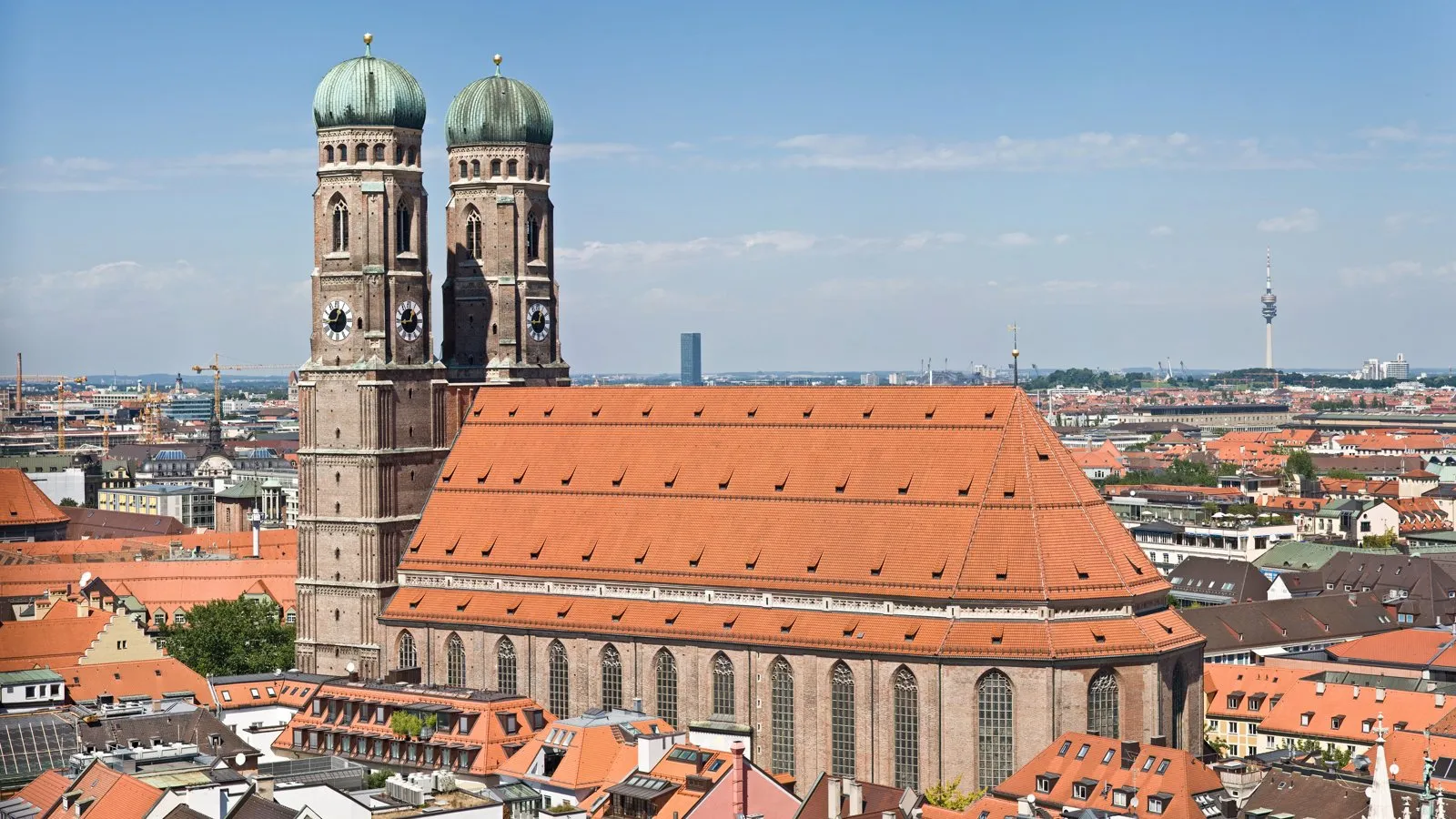
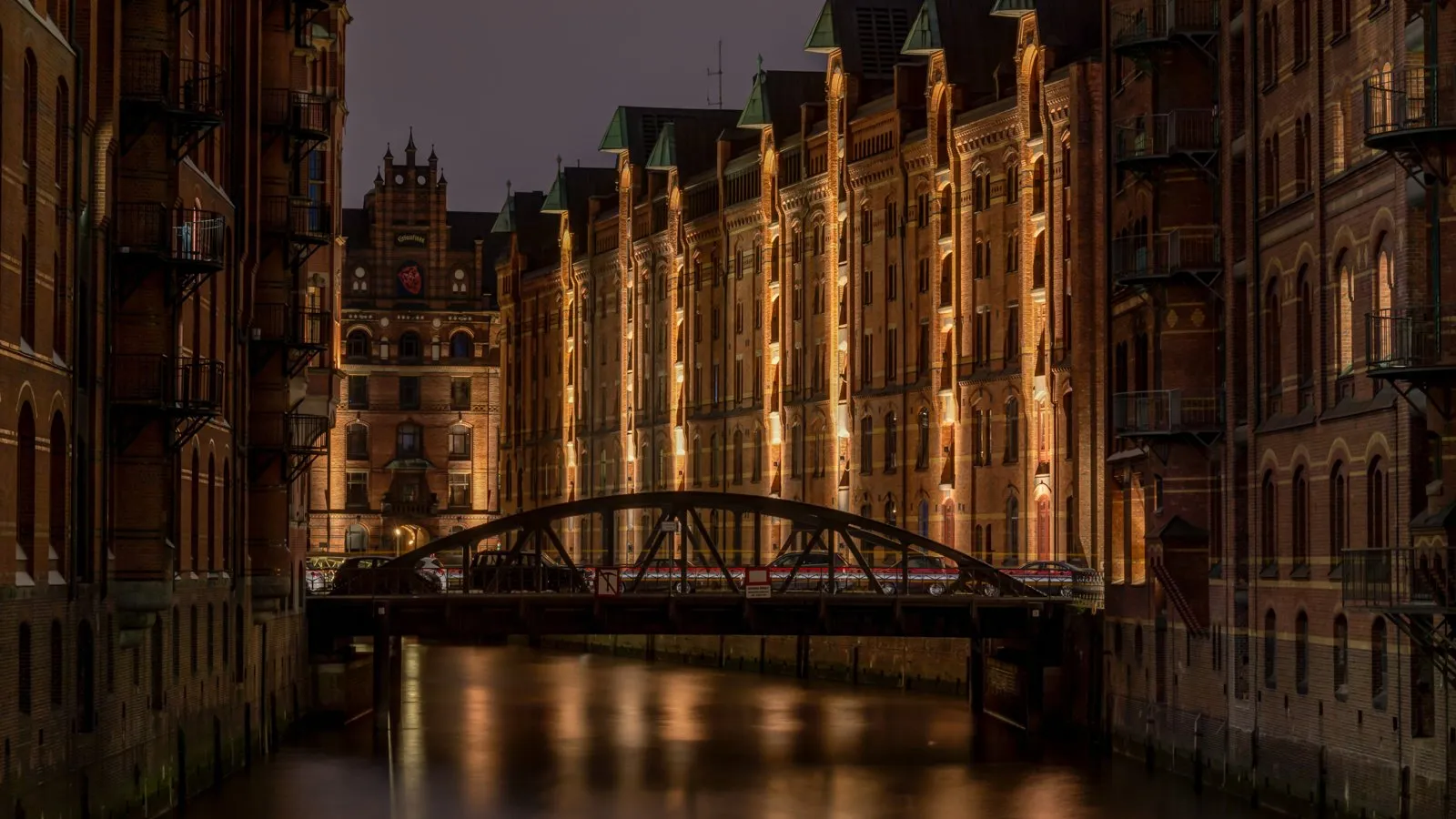
ਸਰੋਤ (5)
- Berlin, Wikipedia (capital and largest city of Germany; 3,700,577 inhabitants, December 2025 estimate; a city-state surrounded by Brandenburg; built along the Spree flowing into the Havel at Spandau; first documented in the 13th century at the crossing of two historic trade routes; capital of the Margraviate of Brandenburg 1417, the Kingdom of Prussia 1701 and the German Empire 1871; divided into East and West Berlin after the Second World War and reunified as capital of all Germany in 1990; about a third of the city is forests, parks, rivers, canals and lakes; coordinates 52.520 N, 13.405 E)
- Indians in Germany, Wikipedia (about 301,000 people of Indian descent in Germany in 2024; Berlin held 45,189 Indian citizens as of June 2025, the largest city figure, ahead of Munich with 17,549 and Frankfurt with 11,393; Indian students in Germany rose from 3,516 in 2008-09 to about 60,000 in 2024-25)
- Sikhism in Germany, Wikipedia (Sikhs estimated at 25,000 by REMID for 2020, with the German Information Center for Sikh Religion estimating 18,000 for 2017; the majority of German Sikhs have roots in Punjab, India, the rest mainly from the Afghan Sikh community; most Sikhs are found in Berlin, Cologne, Hamburg, Frankfurt or Munich; the Berlin gurdwara listed is Gurdwara Singh Sabha, Berlin)
- Demographics of Berlin, Wikipedia (official population 3,700,577 at 31 December 2025; 42.3 per cent of registered residents had a migration background; in the central borough of Mitte, India is listed among the largest countries of origin)
- Sikh communities and organizations, Atlas of Religious Minority Rights (Sikhs began settling in northwestern continental Europe in the 1970s as a side effect of tightened British immigration policies, entering as single male labour migrants; the political turmoil in Punjab after 1984 brought increasing waves of political migrants especially to Germany, many applying for political asylum; Germany has about 20 gurdwaras, which serve as social and educational centres and run Punjabi classes for Sikh youth)
ਜੁਗਤੀ ਮੁਫ਼ਤ ਅਤੇ ਸੁਤੰਤਰ ਹੈ। ਪਾਠਕਾਂ ਦਾ ਸਹਿਯੋਗ ਕੋਸ਼ ਨੂੰ ਵਧਾਉਂਦਾ ਹੈ।
ਸਹਿਯੋਗ