

Mansa is a district in the Malwa region of southern Punjab, formed on 13 April 1992 from Bathinda district and headquartered in Mansa city. It is part of Punjab's cotton belt, the area of white gold, with three tehsils, five towns and 240 villages counted in Census 2011.
- ਪੰਜਾਬੀ ਨਾਂ
- ਮਾਨਸਾ
- ਕਿਸਮ
- ਜ਼ਿਲ੍ਹਾ
- Headquarters
- Mansa city
- Formed
- 13 April 1992, from Bathinda district
- ਇਲਾਕਾ
- ਮਾਲਵਾ
- ਰਕਬਾ
- 2,198 sq km
All 15 facts
- ਆਬਾਦੀ
- 769,751 (Census 2011)
- Population density
- 350 per sq km (2011)
- ਸਾਖਰਤਾ
- 61.83% (Census 2011)
- Sex ratio
- 883 females per 1,000 males (2011)
- Tehsils
- Mansa, Budhlada and Sardulgarh
- Major towns
- Mansa, Budhlada, Sardulgarh, Bhikhi and Bareta
- ਭਾਸ਼ਾ
- ਪੰਜਾਬੀ
- ਪ੍ਰਸਿੱਧੀ
- Cotton belt of Punjab, the area of white gold
- ਜ਼ਿਲ੍ਹਾ
- ਮਾਨਸਾ
Where is Mansa district?
Mansa district is a district in the Malwa region of southern Punjab, India, with its headquarters in Mansa city. It borders Bathinda district to the north west, Sangrur district to the north east and the state of Haryana to the south, which makes it one of the southernmost districts of Punjab. The district covers 2,198 square kilometres and is divided into three tehsils: Mansa, Budhlada and Sardulgarh.
For administration the three tehsils are organised into five development blocks: Mansa, Budhlada, Sardulgarh, Bhikhi and Jhunir. Census 2011 recorded 240 villages and five towns in the district, so this is a deeply rural district shaped by its villages, its market towns and the roads and railway lines that link them to Bathinda, Barnala and Sirsa.
History: a young district with old roots
Mansa is one of Punjab's younger districts. It was formed on 13 April 1992, when the south eastern part of Bathinda district was separated to create a new district with Mansa town as its headquarters. Budhlada became a sub division on the same date, and Sardulgarh followed as a sub division in 1993, when its tehsil headquarters moved from Jhunir.
The land itself is much older than the district. Before Independence, this part of Malwa lay in the world of the Phulkian princely states, and its villages and market towns grew around farming, cattle trade and seasonal fairs. Local tradition links the founding of Mansa town to Bhai Gurdas, who is said to have come from Dhingar village and married into a Dhaliwal family here. A samadh in his memory stands in the town, and a fair is still held there every year in March and April.
Geography and people
The district is mostly flat farming plain, with a few sandy pockets, a very hot and dry summer and a cold winter. The Ghaggar river passes through Sardulgarh tehsil in the south western corner, while most fields depend on canals supplemented by tubewells. Punjabi, in its Malwa form, is the mother tongue and the official language, and daily life follows the culture of the Malwa belt.
Census 2011 counted 769,751 people in the district, at a density of 350 people per square kilometre. About 78.75 percent lived in villages and 21.25 percent in towns. The sex ratio was 883 women for every 1,000 men, and average literacy was 61.83 percent, with male literacy at 67.31 percent and female literacy at 55.68 percent. Sikhs formed 77.75 percent of the population and Hindus 20.34 percent in 2011, with small Muslim, Jain and Christian communities.
The cotton economy
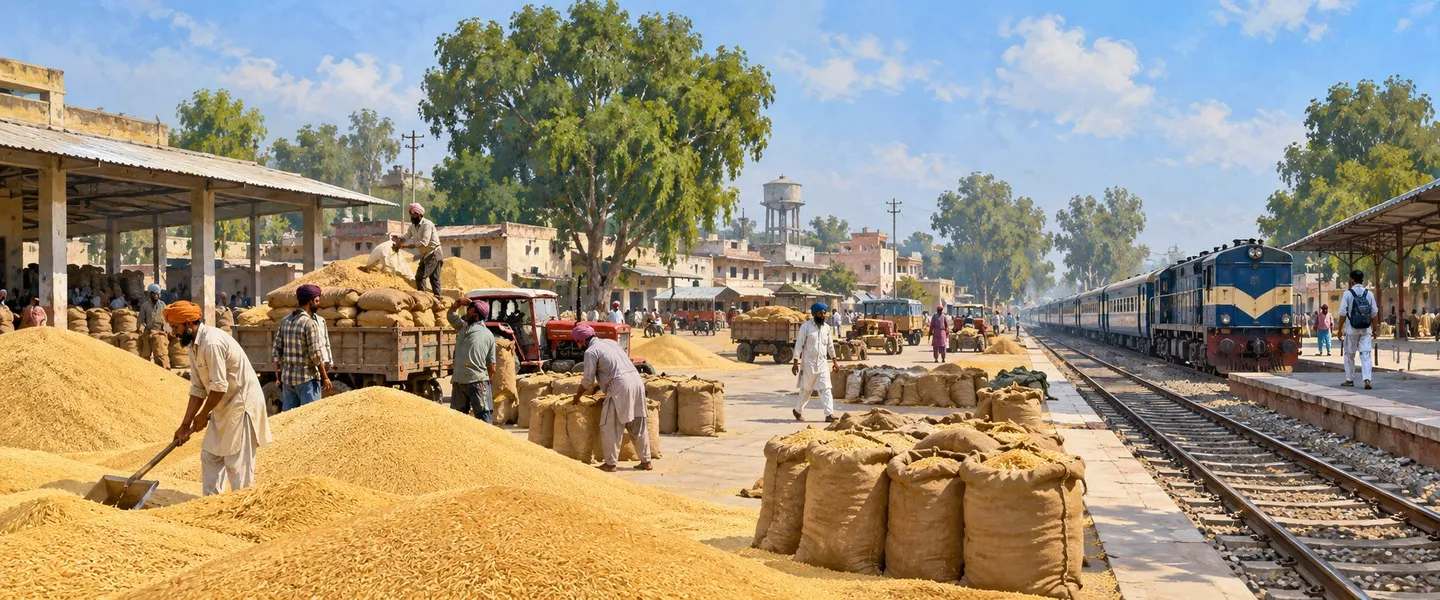
Mansa sits in the cotton belt of Punjab and is fondly called the area of white gold. Agriculture is the backbone of the district economy, and the official district site notes that in November and December a visitor can see the cotton crop in white bloom across the fields. Cotton is sown in summer and picked in autumn, and its price and health shape the income of farming families, labourers, transporters and market traders alike.
Cotton is not the only crop. NABARD's district plan lists wheat, paddy and cotton as the main crops, with oilseeds, gram and vegetables also grown, and canals as the main source of irrigation. Industry has historically been limited, with trade and small scale activity concentrated in the towns, but the district also hosts a major power asset: the 1,980 MW Talwandi Sabo thermal plant at Banawala village, which supplies its power to Punjab State Power Corporation Limited.
Towns and villages
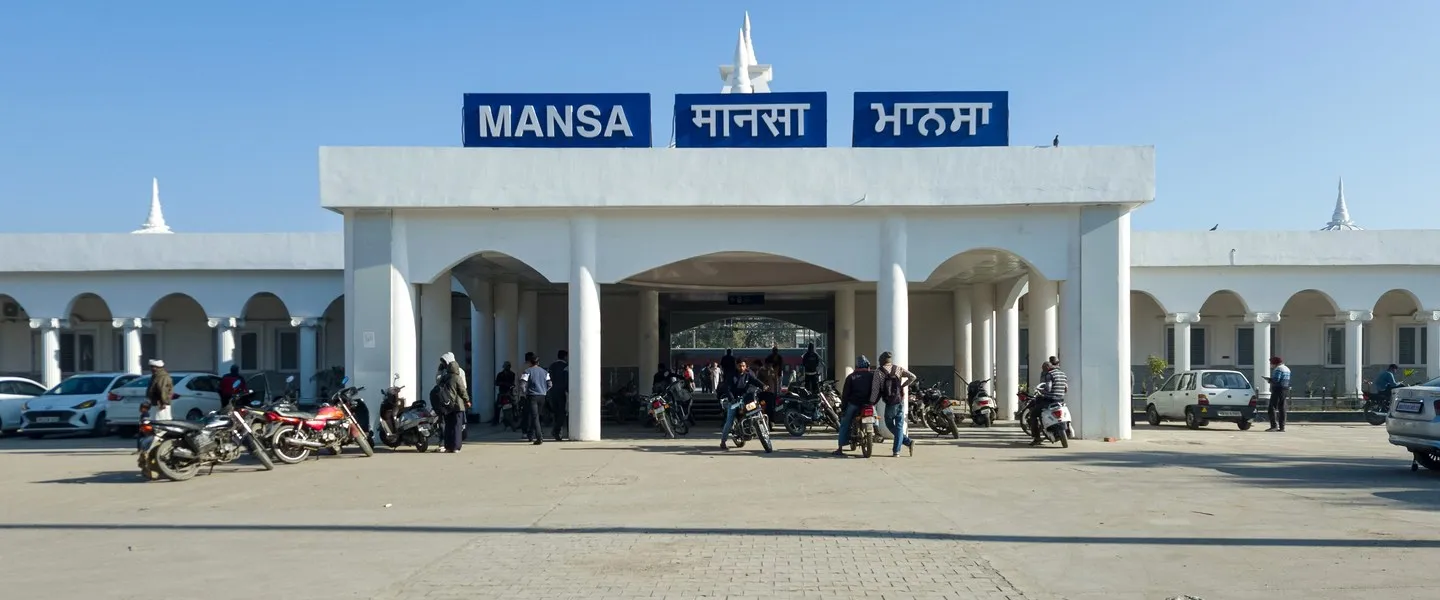
Mansa city, the headquarters, was the largest town in 2011 with 82,956 people. It holds the district courts and administration, the main grain market and a railway station on the Bathinda to Delhi line, and its municipality has functioned since 1952. Budhlada, 22 kilometres from the headquarters according to the district administration, counted 26,172 people in 2011 and is the district's second town, also on the Bathinda to Delhi railway, close to the Haryana border.
Sardulgarh, in the south near Haryana, counted 19,219 people in 2011 and serves the villages of the Ghaggar side of the district. The smaller towns are Bhikhi, with 17,825 people, and Bareta, with 17,432, both working as local mandi and service centres. Among the villages, Joga is one of the largest, with 10,180 people in 2011. Moosa, recorded as Mussa in census lists with 3,742 people, is known across Punjab as the home village of the singer Sidhu Moose Wala (1993 to 2022), who took his stage name from the village.
Places of interest and local life
This is not a district of large monuments, and its interest lies in local life. The best known gathering is the annual fair at the samadh of Bhai Gurdas in Mansa town in March and April, where devotees gather in large numbers. In Ubha village, the Jai Durga Maa Maisar Mandir draws visitors from the surrounding area, and every town has its gurdwaras, mandirs and weekly markets that serve the villages around it.
The seasons set the rhythm. Summer is intensely hot, the monsoon months are humid, and winter mornings can be cold and foggy over the fields. Harvest and picking seasons fill the mandis with trolleys and labour, while fairs, kabaddi and village sports, and family events in the diaspora, keep the district connected to Punjabis who have settled in Canada and other countries but still call a Mansa village home.
Getting there and today
Mansa is well connected for a rural district. The Bathinda to Jind to Delhi railway crosses the district, with stations serving Mansa and Budhlada, and the district administration also places Mansa on the Barnala to Sardulgarh to Sirsa road. National Highway 703 and National Highway 148B pass through the district, linking its towns with Bathinda, Barnala, Patiala side routes and Sirsa in Haryana. Bathinda is the nearest large city for specialised hospitals, higher education and long distance services.
Today Mansa remains an agricultural district working to widen its options in education, trade and industry while its farmland carries the risks of water use, crop pests and changing prices that affect the whole cotton belt. Its strength is the close network of its 240 villages and five towns, each with its own history. The Kosh carries a page for every village in the district, with census facts, tehsil details and local notes, so readers can move from this district guide to the village their family comes from.
ਮਾਨਸਾ ਜ਼ਿਲ੍ਹਾ ਕਿੱਥੇ ਹੈ?
ਮਾਨਸਾ ਜ਼ਿਲ੍ਹਾ ਭਾਰਤ ਦੇ ਪੰਜਾਬ ਸੂਬੇ ਦੇ ਦੱਖਣ ਵਿੱਚ ਮਾਲਵਾ ਖੇਤਰ ਦਾ ਇੱਕ ਜ਼ਿਲ੍ਹਾ ਹੈ, ਜਿਸ ਦਾ ਹੈੱਡਕੁਆਰਟਰ ਮਾਨਸਾ ਸ਼ਹਿਰ ਹੈ। ਇਸ ਦੇ ਉੱਤਰ ਪੱਛਮ ਵਿੱਚ ਬਠਿੰਡਾ ਜ਼ਿਲ੍ਹਾ, ਉੱਤਰ ਪੂਰਬ ਵਿੱਚ ਸੰਗਰੂਰ ਜ਼ਿਲ੍ਹਾ ਅਤੇ ਦੱਖਣ ਵਿੱਚ ਹਰਿਆਣਾ ਸੂਬਾ ਹੈ, ਇਸ ਲਈ ਇਹ ਪੰਜਾਬ ਦੇ ਸਭ ਤੋਂ ਦੱਖਣੀ ਜ਼ਿਲ੍ਹਿਆਂ ਵਿੱਚੋਂ ਇੱਕ ਹੈ। ਜ਼ਿਲ੍ਹੇ ਦਾ ਖੇਤਰਫਲ 2,198 ਵਰਗ ਕਿਲੋਮੀਟਰ ਹੈ ਅਤੇ ਇਹ ਤਿੰਨ ਤਹਿਸੀਲਾਂ ਵਿੱਚ ਵੰਡਿਆ ਹੈ: ਮਾਨਸਾ, ਬੁਢਲਾਡਾ ਅਤੇ ਸਰਦੂਲਗੜ੍ਹ।
ਪ੍ਰਸ਼ਾਸਨ ਲਈ ਤਿੰਨ ਤਹਿਸੀਲਾਂ ਪੰਜ ਵਿਕਾਸ ਬਲਾਕਾਂ ਵਿੱਚ ਸੰਗਠਿਤ ਹਨ: ਮਾਨਸਾ, ਬੁਢਲਾਡਾ, ਸਰਦੂਲਗੜ੍ਹ, ਭੀਖੀ ਅਤੇ ਝੁਨੀਰ। 2011 ਦੀ ਮਰਦਮਸ਼ੁਮਾਰੀ ਵਿੱਚ ਜ਼ਿਲ੍ਹੇ ਵਿੱਚ 240 ਪਿੰਡ ਅਤੇ ਪੰਜ ਕਸਬੇ ਦਰਜ ਸਨ, ਇਸ ਲਈ ਇਹ ਇੱਕ ਡੂੰਘਾ ਪੇਂਡੂ ਜ਼ਿਲ੍ਹਾ ਹੈ, ਜਿਸ ਦੀ ਪਛਾਣ ਇਸ ਦੇ ਪਿੰਡਾਂ, ਮੰਡੀ ਕਸਬਿਆਂ ਅਤੇ ਉਹਨਾਂ ਸੜਕਾਂ ਤੇ ਰੇਲ ਲਾਈਨਾਂ ਤੋਂ ਬਣਦੀ ਹੈ ਜੋ ਇਸ ਨੂੰ ਬਠਿੰਡਾ, ਬਰਨਾਲਾ ਅਤੇ ਸਿਰਸਾ ਨਾਲ ਜੋੜਦੀਆਂ ਹਨ।
ਇਤਿਹਾਸ: ਨਵਾਂ ਜ਼ਿਲ੍ਹਾ, ਪੁਰਾਣੀਆਂ ਜੜ੍ਹਾਂ
ਮਾਨਸਾ ਪੰਜਾਬ ਦੇ ਨਵੇਂ ਜ਼ਿਲ੍ਹਿਆਂ ਵਿੱਚੋਂ ਇੱਕ ਹੈ। ਇਹ 13 ਅਪ੍ਰੈਲ 1992 ਨੂੰ ਬਣਿਆ, ਜਦੋਂ ਬਠਿੰਡਾ ਜ਼ਿਲ੍ਹੇ ਦਾ ਦੱਖਣ ਪੂਰਬੀ ਹਿੱਸਾ ਵੱਖ ਕਰਕੇ ਮਾਨਸਾ ਕਸਬੇ ਨੂੰ ਹੈੱਡਕੁਆਰਟਰ ਬਣਾ ਕੇ ਨਵਾਂ ਜ਼ਿਲ੍ਹਾ ਬਣਾਇਆ ਗਿਆ। ਬੁਢਲਾਡਾ ਉਸੇ ਮਿਤੀ ਨੂੰ ਸਬ ਡਿਵੀਜ਼ਨ ਬਣਿਆ, ਅਤੇ ਸਰਦੂਲਗੜ੍ਹ 1993 ਵਿੱਚ ਸਬ ਡਿਵੀਜ਼ਨ ਬਣਿਆ, ਜਦੋਂ ਇਸ ਦਾ ਤਹਿਸੀਲ ਹੈੱਡਕੁਆਰਟਰ ਝੁਨੀਰ ਤੋਂ ਸ਼ਿਫਟ ਹੋਇਆ।
ਇਹ ਧਰਤੀ ਖ਼ੁਦ ਜ਼ਿਲ੍ਹੇ ਨਾਲੋਂ ਕਿਤੇ ਪੁਰਾਣੀ ਹੈ। ਆਜ਼ਾਦੀ ਤੋਂ ਪਹਿਲਾਂ ਮਾਲਵੇ ਦਾ ਇਹ ਹਿੱਸਾ ਫੂਲਕੀਆਂ ਰਿਆਸਤਾਂ ਦੀ ਦੁਨੀਆ ਵਿੱਚ ਸੀ, ਅਤੇ ਇਸ ਦੇ ਪਿੰਡ ਤੇ ਮੰਡੀ ਕਸਬੇ ਖੇਤੀ, ਪਸ਼ੂ ਵਪਾਰ ਅਤੇ ਮੌਸਮੀ ਮੇਲਿਆਂ ਦੁਆਲੇ ਵਧੇ। ਸਥਾਨਕ ਪਰੰਪਰਾ ਮਾਨਸਾ ਕਸਬੇ ਦੀ ਸਥਾਪਨਾ ਭਾਈ ਗੁਰਦਾਸ ਨਾਲ ਜੋੜਦੀ ਹੈ, ਜਿਨ੍ਹਾਂ ਬਾਰੇ ਕਿਹਾ ਜਾਂਦਾ ਹੈ ਕਿ ਉਹ ਢੀਂਗਰ ਪਿੰਡ ਤੋਂ ਆਏ ਸਨ ਅਤੇ ਇੱਥੇ ਇੱਕ ਧਾਲੀਵਾਲ ਪਰਿਵਾਰ ਵਿੱਚ ਵਿਆਹੇ ਗਏ ਸਨ। ਉਹਨਾਂ ਦੀ ਯਾਦ ਵਿੱਚ ਕਸਬੇ ਵਿੱਚ ਸਮਾਧ ਹੈ, ਅਤੇ ਹਰ ਸਾਲ ਮਾਰਚ ਤੇ ਅਪ੍ਰੈਲ ਵਿੱਚ ਉੱਥੇ ਮੇਲਾ ਭਰਦਾ ਹੈ।
ਭੂਗੋਲ ਅਤੇ ਲੋਕ
ਜ਼ਿਲ੍ਹਾ ਜ਼ਿਆਦਾਤਰ ਸਮਤਲ ਖੇਤੀ ਮੈਦਾਨ ਹੈ, ਕੁਝ ਥਾਵਾਂ ਉੱਤੇ ਰੇਤਲੇ ਟਿੱਬੇ ਹਨ, ਗਰਮੀ ਬਹੁਤ ਤੇਜ਼ ਤੇ ਖ਼ੁਸ਼ਕ ਹੁੰਦੀ ਹੈ ਅਤੇ ਸਰਦੀ ਠੰਢੀ ਹੁੰਦੀ ਹੈ। ਘੱਗਰ ਦਰਿਆ ਜ਼ਿਲ੍ਹੇ ਦੇ ਦੱਖਣ ਪੱਛਮੀ ਕੋਨੇ ਵਿੱਚ ਸਰਦੂਲਗੜ੍ਹ ਤਹਿਸੀਲ ਵਿੱਚੋਂ ਲੰਘਦਾ ਹੈ, ਜਦੋਂ ਕਿ ਜ਼ਿਆਦਾਤਰ ਖੇਤ ਨਹਿਰਾਂ ਉੱਤੇ ਨਿਰਭਰ ਹਨ, ਜਿਨ੍ਹਾਂ ਦਾ ਸਾਥ ਟਿਊਬਵੈੱਲ ਦਿੰਦੇ ਹਨ। ਪੰਜਾਬੀ, ਆਪਣੇ ਮਾਲਵਈ ਰੂਪ ਵਿੱਚ, ਮਾਂ ਬੋਲੀ ਅਤੇ ਸਰਕਾਰੀ ਭਾਸ਼ਾ ਹੈ, ਅਤੇ ਰੋਜ਼ਾਨਾ ਜੀਵਨ ਮਾਲਵਾ ਪੱਟੀ ਦੇ ਸੱਭਿਆਚਾਰ ਅਨੁਸਾਰ ਚੱਲਦਾ ਹੈ।
2011 ਦੀ ਮਰਦਮਸ਼ੁਮਾਰੀ ਵਿੱਚ ਜ਼ਿਲ੍ਹੇ ਦੀ ਆਬਾਦੀ 769,751 ਗਿਣੀ ਗਈ, ਅਤੇ ਘਣਤਾ 350 ਲੋਕ ਪ੍ਰਤੀ ਵਰਗ ਕਿਲੋਮੀਟਰ ਸੀ। ਲਗਭਗ 78.75 ਫ਼ੀਸਦੀ ਲੋਕ ਪਿੰਡਾਂ ਵਿੱਚ ਅਤੇ 21.25 ਫ਼ੀਸਦੀ ਕਸਬਿਆਂ ਵਿੱਚ ਰਹਿੰਦੇ ਸਨ। ਲਿੰਗ ਅਨੁਪਾਤ ਹਰ 1,000 ਮਰਦਾਂ ਪਿੱਛੇ 883 ਔਰਤਾਂ ਸੀ, ਅਤੇ ਔਸਤ ਸਾਖਰਤਾ 61.83 ਫ਼ੀਸਦੀ ਸੀ, ਜਿਸ ਵਿੱਚ ਮਰਦ ਸਾਖਰਤਾ 67.31 ਫ਼ੀਸਦੀ ਅਤੇ ਔਰਤ ਸਾਖਰਤਾ 55.68 ਫ਼ੀਸਦੀ ਸੀ। 2011 ਵਿੱਚ ਸਿੱਖ ਆਬਾਦੀ ਦਾ 77.75 ਫ਼ੀਸਦੀ ਅਤੇ ਹਿੰਦੂ 20.34 ਫ਼ੀਸਦੀ ਸਨ, ਨਾਲ ਹੀ ਛੋਟੀਆਂ ਮੁਸਲਿਮ, ਜੈਨ ਅਤੇ ਈਸਾਈ ਭਾਈਚਾਰਕ ਇਕਾਈਆਂ ਵੀ ਸਨ।
ਨਰਮੇ ਦੀ ਆਰਥਿਕਤਾ
ਮਾਨਸਾ ਪੰਜਾਬ ਦੀ ਨਰਮਾ ਪੱਟੀ ਵਿੱਚ ਹੈ ਅਤੇ ਇਸ ਨੂੰ ਪਿਆਰ ਨਾਲ ਚਿੱਟੇ ਸੋਨੇ ਦਾ ਇਲਾਕਾ ਕਿਹਾ ਜਾਂਦਾ ਹੈ। ਖੇਤੀ ਜ਼ਿਲ੍ਹੇ ਦੀ ਆਰਥਿਕਤਾ ਦੀ ਰੀੜ੍ਹ ਹੈ, ਅਤੇ ਜ਼ਿਲ੍ਹਾ ਪ੍ਰਸ਼ਾਸਨ ਦੀ ਸਾਈਟ ਦੱਸਦੀ ਹੈ ਕਿ ਨਵੰਬਰ ਤੇ ਦਸੰਬਰ ਵਿੱਚ ਆਉਣ ਵਾਲਾ ਖੇਤਾਂ ਵਿੱਚ ਖਿੜਿਆ ਚਿੱਟਾ ਨਰਮਾ ਦੇਖ ਸਕਦਾ ਹੈ। ਨਰਮਾ ਗਰਮੀ ਵਿੱਚ ਬੀਜਿਆ ਜਾਂਦਾ ਹੈ ਅਤੇ ਪਤਝੜ ਵਿੱਚ ਚੁਗਿਆ ਜਾਂਦਾ ਹੈ, ਅਤੇ ਇਸ ਦਾ ਭਾਅ ਤੇ ਸਿਹਤ ਕਿਸਾਨ ਪਰਿਵਾਰਾਂ, ਮਜ਼ਦੂਰਾਂ, ਟਰਾਂਸਪੋਰਟਰਾਂ ਅਤੇ ਮੰਡੀ ਵਪਾਰੀਆਂ ਸਭ ਦੀ ਆਮਦਨ ਤੈਅ ਕਰਦੀ ਹੈ।
ਨਰਮਾ ਹੀ ਇੱਕੋ ਫ਼ਸਲ ਨਹੀਂ ਹੈ। ਨਾਬਾਰਡ ਦੀ ਜ਼ਿਲ੍ਹਾ ਯੋਜਨਾ ਕਣਕ, ਝੋਨੇ ਅਤੇ ਨਰਮੇ ਨੂੰ ਮੁੱਖ ਫ਼ਸਲਾਂ ਦੱਸਦੀ ਹੈ, ਨਾਲ ਤੇਲ ਬੀਜ, ਛੋਲੇ ਅਤੇ ਸਬਜ਼ੀਆਂ ਵੀ ਉਗਾਈਆਂ ਜਾਂਦੀਆਂ ਹਨ, ਅਤੇ ਨਹਿਰਾਂ ਸਿੰਚਾਈ ਦਾ ਮੁੱਖ ਸਾਧਨ ਹਨ। ਉਦਯੋਗ ਇਤਿਹਾਸਕ ਤੌਰ ਉੱਤੇ ਸੀਮਤ ਰਿਹਾ ਹੈ, ਵਪਾਰ ਅਤੇ ਛੋਟੀ ਗਤੀਵਿਧੀ ਕਸਬਿਆਂ ਵਿੱਚ ਕੇਂਦਰਿਤ ਹੈ, ਪਰ ਜ਼ਿਲ੍ਹੇ ਵਿੱਚ ਇੱਕ ਵੱਡੀ ਬਿਜਲੀ ਸੰਪਤੀ ਵੀ ਹੈ: ਬਾਣਾਵਾਲਾ ਪਿੰਡ ਵਿੱਚ 1,980 ਮੈਗਾਵਾਟ ਦਾ ਤਲਵੰਡੀ ਸਾਬੋ ਥਰਮਲ ਪਲਾਂਟ, ਜੋ ਆਪਣੀ ਬਿਜਲੀ ਪੰਜਾਬ ਸਟੇਟ ਪਾਵਰ ਕਾਰਪੋਰੇਸ਼ਨ ਲਿਮਿਟਡ ਨੂੰ ਦਿੰਦਾ ਹੈ।
ਕਸਬੇ ਅਤੇ ਪਿੰਡ
ਹੈੱਡਕੁਆਰਟਰ ਮਾਨਸਾ ਸ਼ਹਿਰ 2011 ਵਿੱਚ 82,956 ਲੋਕਾਂ ਨਾਲ ਸਭ ਤੋਂ ਵੱਡਾ ਕਸਬਾ ਸੀ। ਇੱਥੇ ਜ਼ਿਲ੍ਹਾ ਅਦਾਲਤਾਂ ਤੇ ਪ੍ਰਸ਼ਾਸਨ, ਮੁੱਖ ਅਨਾਜ ਮੰਡੀ ਅਤੇ ਬਠਿੰਡਾ ਤੋਂ ਦਿੱਲੀ ਲਾਈਨ ਉੱਤੇ ਰੇਲਵੇ ਸਟੇਸ਼ਨ ਹੈ, ਅਤੇ ਇਸ ਦੀ ਨਗਰ ਪਾਲਿਕਾ 1952 ਤੋਂ ਕੰਮ ਕਰ ਰਹੀ ਹੈ। ਜ਼ਿਲ੍ਹਾ ਪ੍ਰਸ਼ਾਸਨ ਅਨੁਸਾਰ ਹੈੱਡਕੁਆਰਟਰ ਤੋਂ 22 ਕਿਲੋਮੀਟਰ ਦੂਰ ਬੁਢਲਾਡਾ 2011 ਵਿੱਚ 26,172 ਲੋਕਾਂ ਨਾਲ ਜ਼ਿਲ੍ਹੇ ਦਾ ਦੂਜਾ ਕਸਬਾ ਸੀ, ਇਹ ਵੀ ਬਠਿੰਡਾ ਤੋਂ ਦਿੱਲੀ ਰੇਲਵੇ ਉੱਤੇ ਹੈ ਅਤੇ ਹਰਿਆਣਾ ਸਰਹੱਦ ਦੇ ਨੇੜੇ ਹੈ।
ਦੱਖਣ ਵਿੱਚ ਹਰਿਆਣਾ ਨੇੜੇ ਸਰਦੂਲਗੜ੍ਹ 2011 ਵਿੱਚ 19,219 ਲੋਕਾਂ ਦਾ ਕਸਬਾ ਸੀ ਅਤੇ ਜ਼ਿਲ੍ਹੇ ਦੇ ਘੱਗਰ ਵਾਲੇ ਪਾਸੇ ਦੇ ਪਿੰਡਾਂ ਦੀ ਸੇਵਾ ਕਰਦਾ ਹੈ। ਛੋਟੇ ਕਸਬੇ ਭੀਖੀ, 17,825 ਲੋਕ, ਅਤੇ ਬਰੇਟਾ, 17,432 ਲੋਕ, ਹਨ, ਦੋਵੇਂ ਸਥਾਨਕ ਮੰਡੀ ਤੇ ਸੇਵਾ ਕੇਂਦਰਾਂ ਵਜੋਂ ਕੰਮ ਕਰਦੇ ਹਨ। ਪਿੰਡਾਂ ਵਿੱਚ ਜੋਗਾ ਸਭ ਤੋਂ ਵੱਡਿਆਂ ਵਿੱਚੋਂ ਇੱਕ ਹੈ, 2011 ਵਿੱਚ 10,180 ਲੋਕ। ਮੂਸਾ, ਜੋ ਮਰਦਮਸ਼ੁਮਾਰੀ ਸੂਚੀਆਂ ਵਿੱਚ ਮੁੱਸਾ ਦਰਜ ਹੈ ਅਤੇ 2011 ਵਿੱਚ 3,742 ਲੋਕ ਸਨ, ਪੂਰੇ ਪੰਜਾਬ ਵਿੱਚ ਗਾਇਕ ਸਿੱਧੂ ਮੂਸੇ ਵਾਲਾ (1993 ਤੋਂ 2022) ਦੇ ਘਰ ਵਾਲੇ ਪਿੰਡ ਵਜੋਂ ਜਾਣਿਆ ਜਾਂਦਾ ਹੈ, ਜਿਨ੍ਹਾਂ ਨੇ ਆਪਣਾ ਸਟੇਜ ਨਾਂ ਪਿੰਡ ਤੋਂ ਲਿਆ ਸੀ।
ਦੇਖਣ ਯੋਗ ਥਾਵਾਂ ਅਤੇ ਸਥਾਨਕ ਜੀਵਨ
ਇਹ ਵੱਡੀਆਂ ਇਮਾਰਤਾਂ ਦਾ ਜ਼ਿਲ੍ਹਾ ਨਹੀਂ ਹੈ, ਅਤੇ ਇਸ ਦੀ ਖਿੱਚ ਸਥਾਨਕ ਜੀਵਨ ਵਿੱਚ ਹੈ। ਸਭ ਤੋਂ ਜਾਣਿਆ ਜਾਂਦਾ ਇਕੱਠ ਮਾਨਸਾ ਕਸਬੇ ਵਿੱਚ ਭਾਈ ਗੁਰਦਾਸ ਦੀ ਸਮਾਧ ਉੱਤੇ ਮਾਰਚ ਤੇ ਅਪ੍ਰੈਲ ਵਿੱਚ ਭਰਦਾ ਸਾਲਾਨਾ ਮੇਲਾ ਹੈ, ਜਿੱਥੇ ਵੱਡੀ ਗਿਣਤੀ ਵਿੱਚ ਸ਼ਰਧਾਲੂ ਆਉਂਦੇ ਹਨ। ਊਭਾ ਪਿੰਡ ਵਿੱਚ ਜੈ ਦੁਰਗਾ ਮਾਂ ਮੈਸਰ ਮੰਦਰ ਆਸ ਪਾਸ ਦੇ ਇਲਾਕੇ ਤੋਂ ਸ਼ਰਧਾਲੂਆਂ ਨੂੰ ਖਿੱਚਦਾ ਹੈ, ਅਤੇ ਹਰ ਕਸਬੇ ਦੇ ਆਪਣੇ ਗੁਰਦੁਆਰੇ, ਮੰਦਰ ਅਤੇ ਹਫ਼ਤਾਵਾਰ ਮੰਡੀਆ ਹਨ ਜੋ ਆਲੇ ਦੁਆਲੇ ਦੇ ਪਿੰਡਾਂ ਦੀ ਸੇਵਾ ਕਰਦੀਆਂ ਹਨ।
ਮੌਸਮ ਜੀਵਨ ਦੀ ਤਾਲ ਤੈਅ ਕਰਦੇ ਹਨ। ਗਰਮੀ ਬਹੁਤ ਤੇਜ਼ ਹੁੰਦੀ ਹੈ, ਮਾਨਸੂਨ ਦੇ ਮਹੀਨੇ ਸਿੱਲ੍ਹੇ ਹੁੰਦੇ ਹਨ, ਅਤੇ ਸਰਦੀ ਦੀਆਂ ਸਵੇਰਾਂ ਖੇਤਾਂ ਉੱਤੇ ਠੰਢੀਆਂ ਤੇ ਧੁੰਦ ਭਰੀਆਂ ਹੋ ਸਕਦੀਆਂ ਹਨ। ਵਾਢੀ ਤੇ ਚੁਗਾਈ ਦੇ ਮੌਸਮ ਵਿੱਚ ਮੰਡੀਆਂ ਟਰਾਲੀਆਂ ਤੇ ਮਜ਼ਦੂਰਾਂ ਨਾਲ ਭਰ ਜਾਂਦੀਆਂ ਹਨ, ਜਦੋਂ ਕਿ ਮੇਲੇ, ਕਬੱਡੀ ਤੇ ਪਿੰਡਾਂ ਦੇ ਖੇਡ, ਅਤੇ ਪਰਵਾਸ ਵਿੱਚ ਪਰਿਵਾਰਕ ਸਮਾਗਮ, ਜ਼ਿਲ੍ਹੇ ਨੂੰ ਉਹਨਾਂ ਪੰਜਾਬੀਆਂ ਨਾਲ ਜੋੜੀ ਰੱਖਦੇ ਹਨ ਜੋ ਕੈਨੇਡਾ ਤੇ ਹੋਰ ਦੇਸ਼ਾਂ ਵਿੱਚ ਵੱਸ ਗਏ ਹਨ ਪਰ ਅਜੇ ਵੀ ਕਿਸੇ ਮਾਨਸਾ ਪਿੰਡ ਨੂੰ ਆਪਣਾ ਘਰ ਕਹਿੰਦੇ ਹਨ।
ਇੱਥੇ ਪਹੁੰਚਣਾ ਅਤੇ ਅੱਜ ਦਾ ਮਾਨਸਾ
ਮਾਨਸਾ ਇੱਕ ਪੇਂਡੂ ਜ਼ਿਲ੍ਹੇ ਲਈ ਚੰਗੀ ਤਰ੍ਹਾਂ ਜੁੜਿਆ ਹੈ। ਬਠਿੰਡਾ ਤੋਂ ਜੀਂਦ ਤੋਂ ਦਿੱਲੀ ਰੇਲਵੇ ਜ਼ਿਲ੍ਹੇ ਵਿੱਚੋਂ ਲੰਘਦਾ ਹੈ, ਮਾਨਸਾ ਤੇ ਬੁਢਲਾਡਾ ਦੇ ਸਟੇਸ਼ਨ ਸੇਵਾ ਕਰਦੇ ਹਨ, ਅਤੇ ਜ਼ਿਲ੍ਹਾ ਪ੍ਰਸ਼ਾਸਨ ਮਾਨਸਾ ਨੂੰ ਬਰਨਾਲਾ ਤੋਂ ਸਰਦੂਲਗੜ੍ਹ ਤੋਂ ਸਿਰਸਾ ਸੜਕ ਉੱਤੇ ਵੀ ਰੱਖਦਾ ਹੈ। ਕੌਮੀ ਰਾਜਮਾਰਗ 703 ਅਤੇ ਕੌਮੀ ਰਾਜਮਾਰਗ 148B ਜ਼ਿਲ੍ਹੇ ਵਿੱਚੋਂ ਲੰਘਦੇ ਹਨ, ਜੋ ਇਸ ਦੇ ਕਸਬਿਆਂ ਨੂੰ ਬਠਿੰਡਾ, ਬਰਨਾਲਾ, ਪਟਿਆਲਾ ਵਾਲੇ ਰਾਹਾਂ ਅਤੇ ਹਰਿਆਣਾ ਦੇ ਸਿਰਸਾ ਨਾਲ ਜੋੜਦੇ ਹਨ। ਖ਼ਾਸ ਹਸਪਤਾਲਾਂ, ਉੱਚ ਸਿੱਖਿਆ ਅਤੇ ਲੰਬੀ ਦੂਰੀ ਦੀਆਂ ਸੇਵਾਵਾਂ ਲਈ ਬਠਿੰਡਾ ਸਭ ਤੋਂ ਨੇੜਲਾ ਵੱਡਾ ਸ਼ਹਿਰ ਹੈ।
ਅੱਜ ਮਾਨਸਾ ਇੱਕ ਖੇਤੀ ਜ਼ਿਲ੍ਹਾ ਹੈ ਜੋ ਸਿੱਖਿਆ, ਵਪਾਰ ਅਤੇ ਉਦਯੋਗ ਵਿੱਚ ਆਪਣੇ ਵਿਕਲਪ ਵਧਾਉਣ ਲਈ ਕੰਮ ਕਰ ਰਿਹਾ ਹੈ, ਜਦੋਂ ਕਿ ਇਸ ਦੀ ਖੇਤੀ ਧਰਤੀ ਪਾਣੀ ਦੀ ਵਰਤੋਂ, ਫ਼ਸਲ ਕੀੜਿਆਂ ਅਤੇ ਬਦਲਦੇ ਭਾਵਾਂ ਦੇ ਉਹੀ ਖ਼ਤਰੇ ਝੱਲਦੀ ਹੈ ਜੋ ਪੂਰੀ ਨਰਮਾ ਪੱਟੀ ਨੂੰ ਪ੍ਰਭਾਵਿਤ ਕਰਦੇ ਹਨ। ਇਸ ਦੀ ਤਾਕਤ ਇਸ ਦੇ 240 ਪਿੰਡਾਂ ਅਤੇ ਪੰਜ ਕਸਬਿਆਂ ਦਾ ਨੇੜਲਾ ਜਾਲ ਹੈ, ਹਰ ਇੱਕ ਦਾ ਆਪਣਾ ਇਤਿਹਾਸ ਹੈ। ਕੋਸ਼ ਵਿੱਚ ਜ਼ਿਲ੍ਹੇ ਦੇ ਹਰ ਪਿੰਡ ਦਾ ਪੰਨਾ ਹੈ, ਮਰਦਮਸ਼ੁਮਾਰੀ ਤੱਥਾਂ, ਤਹਿਸੀਲ ਵੇਰਵੇ ਅਤੇ ਸਥਾਨਕ ਨੋਟਾਂ ਨਾਲ, ਤਾਂ ਜੋ ਪਾਠਕ ਇਸ ਜ਼ਿਲ੍ਹਾ ਗਾਈਡ ਤੋਂ ਉਸ ਪਿੰਡ ਤੱਕ ਜਾ ਸਕਣ ਜਿੱਥੋਂ ਉਹਨਾਂ ਦਾ ਪਰਿਵਾਰ ਆਇਆ ਹੈ।
Nearby


All places in Mansa district
14 places in 3 tehsils · 14 ਪਿੰਡ
Tehsils of Mansa
ਸਰੋਤ (8)
- About District Mansa, Government of Punjab
- Zila Parishad Mansa: district history and Bhai Gurdas fair
- Census 2011: Mansa district population, literacy and sex ratio
- Census India 2011: Mansa district, tehsils, villages and towns
- NABARD Potential Linked Credit Plan 2021-22: Mansa district profile
- City Population: Mansa towns and villages, Census 2011
- Talwandi Sabo Power Limited: 1,980 MW plant at Banawala, Mansa
- Mansa district, Punjab: history, geography and towns
ਜੁਗਤੀ ਮੁਫ਼ਤ ਅਤੇ ਸੁਤੰਤਰ ਹੈ। ਪਾਠਕਾਂ ਦਾ ਸਹਿਯੋਗ ਕੋਸ਼ ਨੂੰ ਵਧਾਉਂਦਾ ਹੈ।
ਸਹਿਯੋਗ