
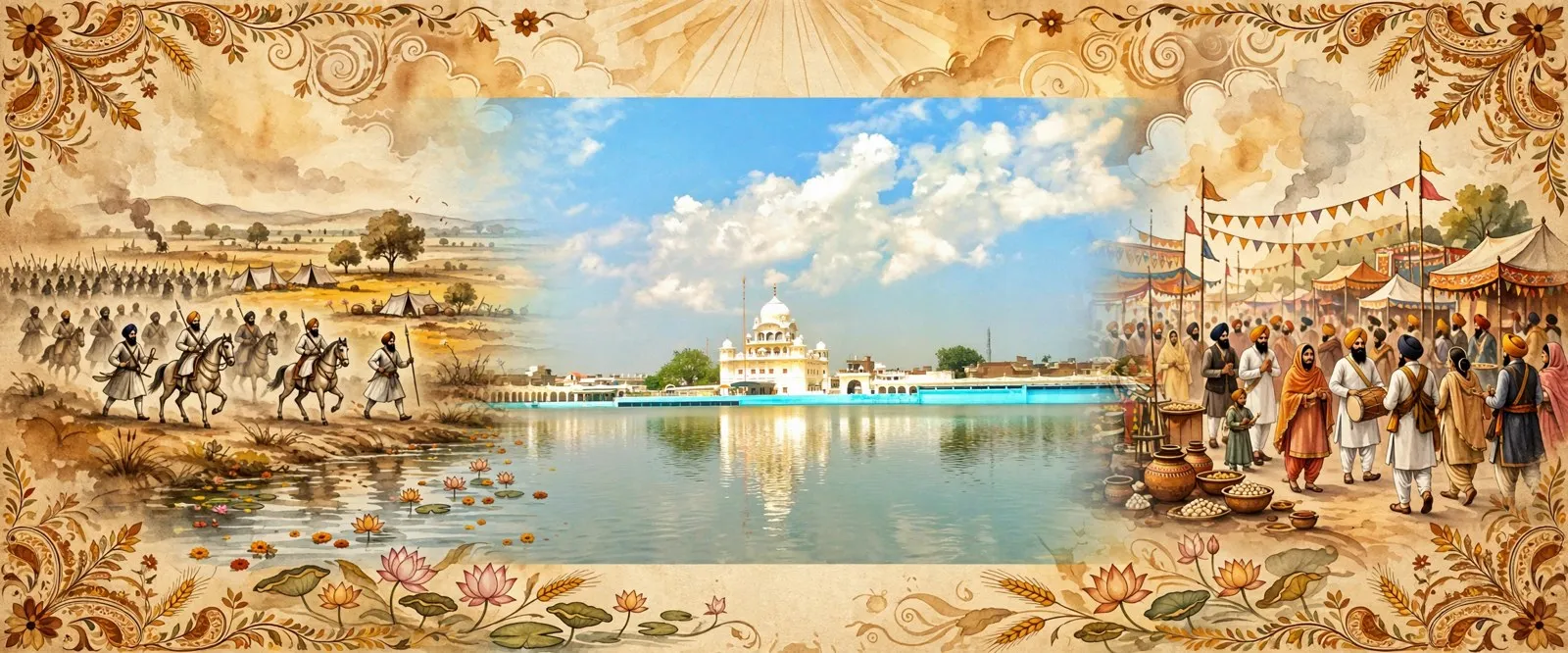
Sri Muktsar Sahib is a district in the Malwa region of southwestern Punjab, India, with its headquarters in the city of the same name. It is sacred to Sikhs as the site of the Battle of Muktsar of 1705, where the 40 Muktas gave their lives, and it is known today for the Maghi mela and its cotton belt towns of Malout, Gidderbaha and Bariwala.
- ਪੰਜਾਬੀ ਨਾਂ
- ਸ੍ਰੀ ਮੁਕਤਸਰ ਸਾਹਿਬ
- ਕਿਸਮ
- ਜ਼ਿਲ੍ਹਾ
- Headquarters
- ਸ੍ਰੀ ਮੁਕਤਸਰ ਸਾਹਿਬ
- ਸੂਬਾ
- ਪੰਜਾਬ, ਭਾਰਤ
- ਇਲਾਕਾ
- ਮਾਲਵਾ
- Formed
- 7 November 1995, from Faridkot district
All 15 facts
- Renamed
- Sri Muktsar Sahib in February 2012
- ਰਕਬਾ
- 2,615 sq km
- ਆਬਾਦੀ
- 901,896 (Census 2011)
- ਸਾਖਰਤਾ
- 65.8% (Census 2011)
- Sex ratio
- 896 females per 1,000 males (Census 2011)
- Tehsils
- Sri Muktsar Sahib, Malout, Gidderbaha
- Blocks
- Sri Muktsar Sahib, Malout, Gidderbaha, Lambi
- ਭਾਸ਼ਾ
- ਪੰਜਾਬੀ
- ਪ੍ਰਸਿੱਧੀ
- Battle of Muktsar (1705), the 40 Muktas and Maghi mela
Where is Sri Muktsar Sahib district?
Sri Muktsar Sahib district is in the southwestern corner of Punjab, India, in the Malwa region, with its headquarters in ਸ੍ਰੀ ਮੁਕਤਸਰ ਸਾਹਿਬ. It borders Faridkot to the north, Bathinda district to the east, Ferozepur to the west, and Sirsa (Haryana) and Hanumangarh (Rajasthan) to the south. Part of the Firozpur division, it covers about 2,615 square kilometres of flat alluvial plain.
The land is part of the vast Indo-Gangetic plain, with sandy to loamy soils, low rainfall, hot summers and cold, foggy winters. At the time of Census 2011 the district had three tehsils, Sri Muktsar Sahib, Malout and Gidderbaha, four blocks, the same three plus Lambi, 234 villages and four towns. Created on 7 November 1995 by separating the Muktsar subdivision from Faridkot district, it was officially renamed Sri Muktsar Sahib in February 2012, in honour of its Sikh history. Guru Angad, the second Sikh Guru, was born in 1504 at Matte di Sarai, now Sarainaga, in the present district.
The Battle of Muktsar and the 40 Muktas
In Sikh memory the district belongs to one day in 1705. During the long siege of Anandpur Sahib, forty Sikhs from the Majha region, worn down by hunger and hardship, signed a bedawa, a disclaimer disowning Guru Gobind Singh, and went home. At home they were met with shame rather than relief. Mai Bhago, from Jhabal Kalan near Amritsar, challenged them to return, took up arms herself and led the party south to find the Guru. Bhai Maha Singh was among its leaders.
Pursued through Malwa by a Mughal force under Wazir Khan of Sirhind, the Guru had taken position near Khidrana, a rain fed pool, then the only reliable water for miles around. The Bhatt Vahis date the battle to 29 December 1705, though local tradition also keeps a spring date, 21 Baisakh. The forty placed themselves by the pool, spreading sheets over bushes to fake the tents of a larger camp, and charged the imperial vanguard. Guru Gobind Singh supported them with arrows from a sandy mound, or tibbi. Thirst, heat and fierce resistance forced the Mughal force to withdraw.
After the fighting, the Guru came down to the field. Bhai Maha Singh was found gravely wounded, and the account most often told says he was still alive. He asked for one thing: that the bedawa be torn up. The Guru tore the document, restored the broken bond and blessed the forty dead as the Chali Mukte, the Forty Liberated Ones. Mai Bhago, seriously wounded, survived and afterwards remained in the Guru's service. From their liberation the pool of Khidrana took its new name: Muktsar, the Pool of Liberation. The forty are still remembered every day in the Sikh ardas.
Maghi and the gurdwaras of Muktsar
Maghi, in mid January, is the district's great gathering. The main day falls on the day after Lohri, and devotees arrive days earlier from across Punjab and neighbouring Haryana and Rajasthan to bathe in the sarovar and pay respects at the gurdwaras. Alongside the religious divans there is a large rural fair, a horse fair, Ghorhian da Mela, and major political conferences. For many families of Malwa, Maghi at Muktsar is both pilgrimage and homecoming.
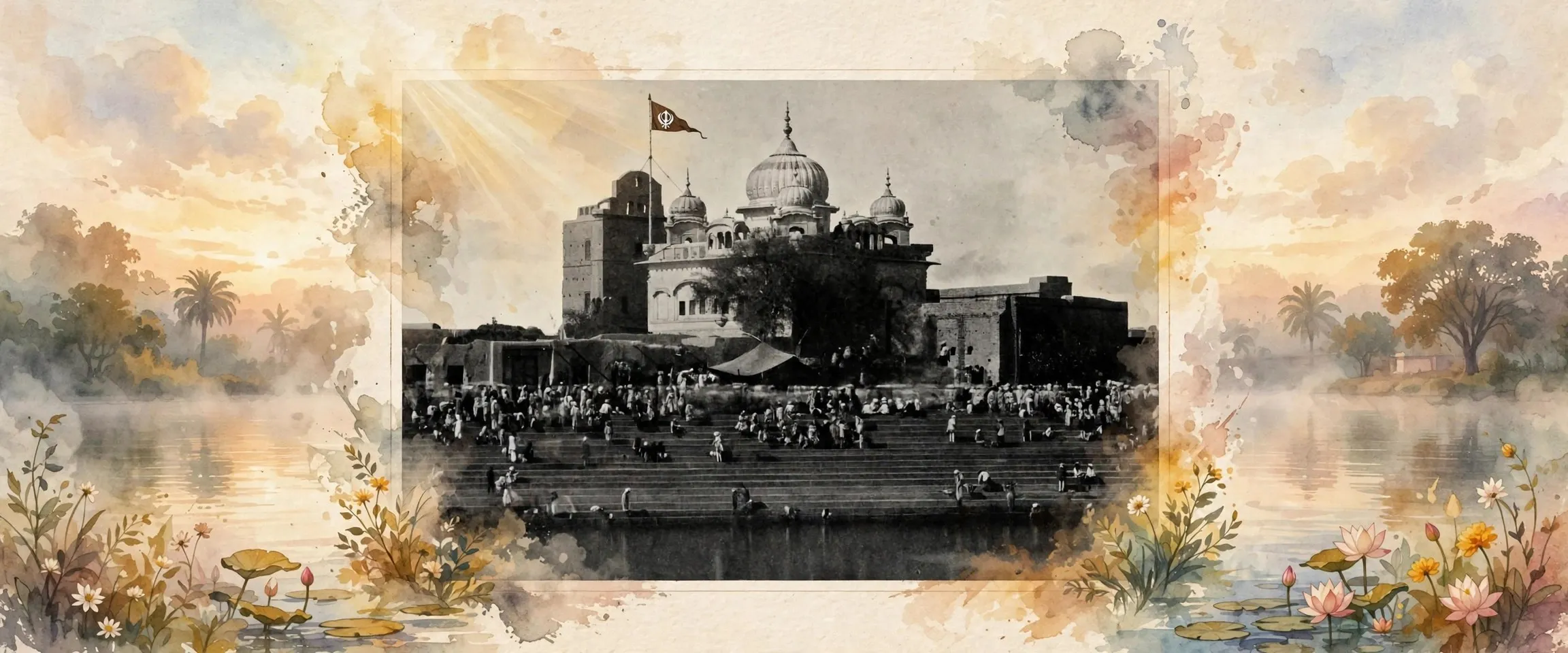
Five historic gurdwaras in the headquarters city mark the story step by step. Gurdwara Tutti Gandhi Sahib, also called Sri Darbar Sahib, is the principal shrine, on the western bank of the sarovar where Sikh families first settled around 1743. Its name, the broken knot retied, recalls the tearing of the bedawa. Gurdwara Tambu Sahib, by the southeastern corner of the pool, marks where the forty hid behind bushes dressed up as tents. Gurdwara Shahid Ganj Sahib, about 50 metres west of the sarovar, marks the cremation of the martyrs. Gurdwara Tibbi Sahib, on the outskirts on the Guru Harsahai road, marks the mound from which the Guru shot his arrows, and nearby Gurdwara Rakabsar Sahib recalls the snapping of his horse's stirrup, or rakab. Gurdwara Datansar Sahib and the Mukte Minar, an 81 foot khanda shaped memorial with forty rings from 2005, complete the circuit.
People, farming and the waterlogging challenge
Census 2011 counted 901,896 people, at 348 per square kilometre, with a sex ratio of 896 women per 1,000 men and literacy of 65.8 percent. Sikhs formed 70.81 percent of the population and Hindus 28.26 percent. Punjabi was the first language of 92.13 percent and Hindi of 6.79 percent, and Bagri is spoken in the south, near the Rajasthan and Haryana borders. About 72 percent lived in villages, and Scheduled Castes formed 42.31 percent of the population.
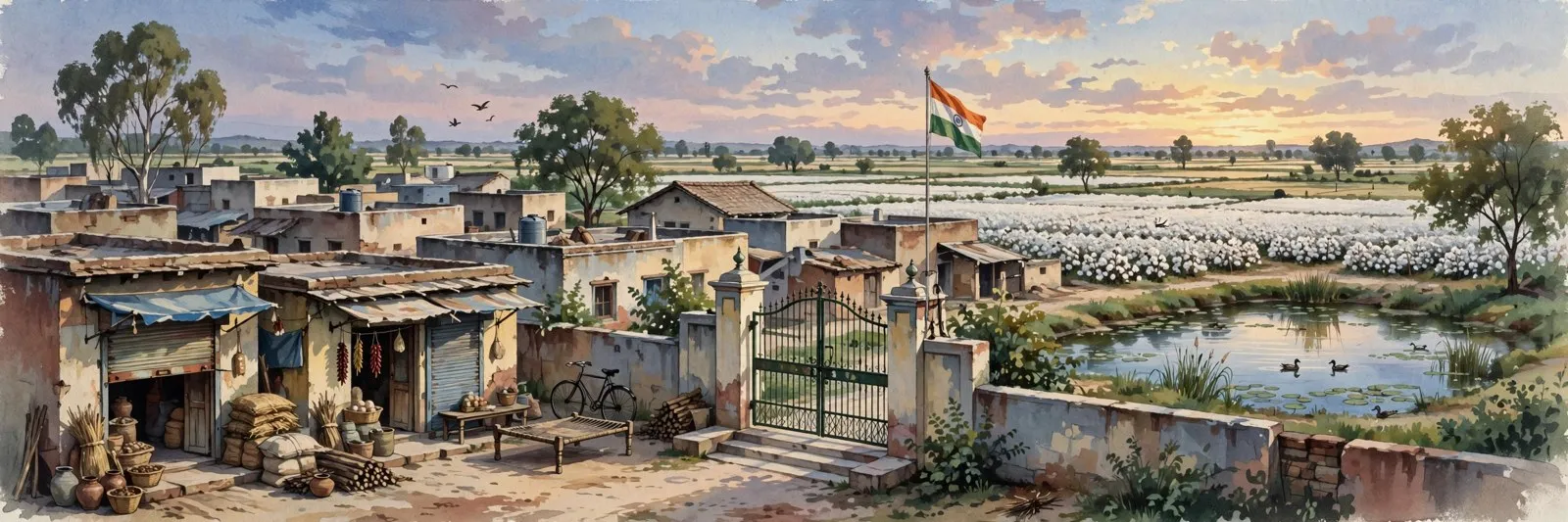
Farming shapes daily life in this southwestern cotton belt district. Cotton, wheat and paddy are the main crops, with oilseeds, sugarcane and pulses also grown. Most local industry is tied to the harvest: cotton ginning, rice mills and the farm machinery trade around ਮਲੋਟ, long known as a cotton and farm machinery centre. The Muktsari jutti and the white Muktsari kurta pajama are the district's best known crafts, sold around Darbar Sahib, and ਗਿੱਦੜਬਾਹਾ is known across India for its snuff, or naswar, factories.
The canals that made this dry tract farmable have also brought its hardest problem. In southwestern Punjab, seepage from canals, little pumping of brackish groundwater and the spread of water hungry paddy have pushed the water table up until fields turn waterlogged and salty. Research from Punjab Agricultural University links the growth of rice, wheat and vegetable area with expanding salt affected and waterlogged land in Sri Muktsar Sahib, Fazilka and Faridkot districts, while cotton, which cannot tolerate standing water, has lost ground. Drainage, careful use of canal water and less thirsty crops on the worst fields are the remedies most discussed.
Towns of the district
The headquarters city, ਸ੍ਰੀ ਮੁਕਤਸਰ ਸਾਹਿਬ, with 117,085 people in 2011, is the district's pilgrimage and administrative centre. ਮਲੋਟ, with 81,406 people, about 40 kilometres south on National Highway 9, is the district's commercial engine, a cotton and farm machinery town near the Haryana border. ਗਿੱਦੜਬਾਹਾ, with 45,370 people, is a municipal town and tehsil headquarters in the east. ਬਾਰੀਵਾਲਾ, with 8,668 people, is a nagar panchayat and old grain market on the old Bathinda to Bahawalpur railway line, the smallest of the four towns.
Beyond the towns, two names in the Lambi block carry weight beyond their size. Lambi village, with 5,053 people in 2011, sits on National Highway 9 between Malout and Mandi Dabwali and gives its name to a well known assembly constituency, from which former chief minister Parkash Singh Badal won five consecutive elections, 1997 to 2017. Nearby, Badal village, with 3,473 people in 2011, is his ancestral village, today hosting nursing, ayurvedic and girls' colleges drawing students from across the southwest.
Getting there and the district today
Sri Muktsar Sahib city is about 50 kilometres from Faridkot, 53 kilometres from Bathinda and 249 kilometres from Chandigarh. Its railway station has direct trains to Delhi, Bathinda, Ferozepur, Fazilka and Rewari, though none start or finish there, and Punjab Roadways and PRTC buses link the district with Chandigarh, Delhi and other Punjab cities. The nearest airport is Bathinda, about 41 kilometres away, and the nearest international airport Amritsar, about 183 kilometres away.
Today the district lives with a double identity. To the Sikh world it is sacred ground, visited most intensely each January. For the rest of the year it is a farming district of mandis and cotton fields, working through waterlogging, salty soils and the search for crops that pay with less water. Its institutions date only from 1995, but its name carries a story from 1705 that every resident can tell.
ਸ੍ਰੀ ਮੁਕਤਸਰ ਸਾਹਿਬ ਜ਼ਿਲ੍ਹਾ ਕਿੱਥੇ ਹੈ?
ਸ੍ਰੀ ਮੁਕਤਸਰ ਸਾਹਿਬ ਜ਼ਿਲ੍ਹਾ ਭਾਰਤ ਦੇ ਪੰਜਾਬ ਸੂਬੇ ਦੇ ਦੱਖਣ ਪੱਛਮੀ ਕੋਨੇ ਵਿੱਚ ਮਾਲਵਾ ਖਿੱਤੇ ਵਿੱਚ ਹੈ ਅਤੇ ਇਸ ਦਾ ਸਦਰ ਮੁਕਾਮ ਸ੍ਰੀ ਮੁਕਤਸਰ ਸਾਹਿਬ ਸ਼ਹਿਰ ਹੈ। ਇਸ ਦੇ ਉੱਤਰ ਵਿੱਚ ਫਰੀਦਕੋਟ ਜ਼ਿਲ੍ਹਾ, ਪੂਰਬ ਵਿੱਚ ਬਠਿੰਡਾ, ਪੱਛਮ ਵਿੱਚ ਫਿਰੋਜ਼ਪੁਰ ਅਤੇ ਦੱਖਣ ਵਿੱਚ ਹਰਿਆਣੇ ਦਾ ਸਿਰਸਾ ਅਤੇ ਰਾਜਸਥਾਨ ਦਾ ਹਨੂੰਮਾਨਗੜ੍ਹ ਜ਼ਿਲ੍ਹਾ ਲੱਗਦਾ ਹੈ। ਇਹ ਜ਼ਿਲ੍ਹਾ ਫਿਰੋਜ਼ਪੁਰ ਡਵੀਜ਼ਨ ਦਾ ਹਿੱਸਾ ਹੈ ਅਤੇ ਲਗਭਗ 2,615 ਵਰਗ ਕਿਲੋਮੀਟਰ ਸਮਤਲ ਦਰਿਆਈ ਮੈਦਾਨ ਵਿੱਚ ਫੈਲਿਆ ਹੈ।
ਇਹ ਧਰਤੀ ਵਿਸ਼ਾਲ ਸਿੰਧ ਗੰਗਾ ਮੈਦਾਨ ਦਾ ਹਿੱਸਾ ਹੈ। ਇੱਥੇ ਮਿੱਟੀ ਰੇਤਲੀ ਤੋਂ ਦੋਮਟ ਹੈ, ਵਰਖਾ ਘੱਟ ਹੁੰਦੀ ਹੈ, ਗਰਮੀਆਂ ਬਹੁਤ ਤੱਤੀਆਂ ਅਤੇ ਸਰਦੀਆਂ ਠੰਢੀਆਂ ਅਤੇ ਧੁੰਦਲੀਆਂ ਹੁੰਦੀਆਂ ਹਨ। 2011 ਦੀ ਮਰਦਮਸ਼ੁਮਾਰੀ ਅਨੁਸਾਰ ਜ਼ਿਲ੍ਹੇ ਵਿੱਚ ਤਿੰਨ ਤਹਿਸੀਲਾਂ ਸ੍ਰੀ ਮੁਕਤਸਰ ਸਾਹਿਬ, ਮਲੋਟ ਅਤੇ ਗਿੱਦੜਬਾਹਾ, ਚਾਰ ਬਲਾਕ, 234 ਪਿੰਡ ਅਤੇ ਚਾਰ ਕਸਬੇ ਸਨ। ਪ੍ਰਸ਼ਾਸਨਿਕ ਤੌਰ ਤੇ ਇਹ ਜ਼ਿਲ੍ਹਾ ਨਵਾਂ ਹੈ। ਇਹ 7 ਨਵੰਬਰ 1995 ਨੂੰ ਮੁਕਤਸਰ ਸਬ ਡਵੀਜ਼ਨ ਨੂੰ ਫਰੀਦਕੋਟ ਜ਼ਿਲ੍ਹੇ ਤੋਂ ਵੱਖ ਕਰਕੇ ਬਣਾਇਆ ਗਿਆ ਅਤੇ ਫਰਵਰੀ 2012 ਵਿੱਚ ਇਸ ਦੇ ਸਿੱਖ ਇਤਿਹਾਸ ਦੇ ਸਨਮਾਨ ਵਜੋਂ ਮੁਕਤਸਰ ਦਾ ਨਾਂ ਅਧਿਕਾਰਤ ਤੌਰ ਤੇ ਸ੍ਰੀ ਮੁਕਤਸਰ ਸਾਹਿਬ ਰੱਖਿਆ ਗਿਆ। ਸਿੱਖਾਂ ਦੇ ਦੂਜੇ ਗੁਰੂ, ਗੁਰੂ ਅੰਗਦ ਦੇਵ ਜੀ ਦਾ ਜਨਮ 1504 ਵਿੱਚ ਇਸੇ ਜ਼ਿਲ੍ਹੇ ਦੇ ਪਿੰਡ ਮੱਤੇ ਦੀ ਸਰਾਏ, ਹੁਣ ਸਰਾਏਨਾਗਾ, ਵਿੱਚ ਹੋਇਆ ਸੀ।
ਮੁਕਤਸਰ ਦੀ ਜੰਗ ਅਤੇ ਚਾਲੀ ਮੁਕਤੇ
ਸਿੱਖ ਯਾਦ ਵਿੱਚ ਇਹ ਜ਼ਿਲ੍ਹਾ 1705 ਦੇ ਇੱਕ ਦਿਨ ਨਾਲ ਜੁੜਿਆ ਹੈ। ਅਨੰਦਪੁਰ ਸਾਹਿਬ ਦੇ ਲੰਮੇ ਘੇਰੇ ਦੌਰਾਨ ਮਾਝੇ ਦੇ ਚਾਲੀ ਸਿੱਖਾਂ ਨੇ ਭੁੱਖ ਅਤੇ ਤੰਗੀ ਤੋਂ ਥੱਕ ਕੇ ਬੇਦਾਵਾ ਲਿਖ ਦਿੱਤਾ ਕਿ ਉਹ ਹੁਣ ਗੁਰੂ ਗੋਬਿੰਦ ਸਿੰਘ ਜੀ ਦੇ ਸਿੱਖ ਨਹੀਂ ਹਨ, ਅਤੇ ਉਹ ਘਰਾਂ ਨੂੰ ਪਰਤ ਗਏ। ਘਰ ਪਰਤਣ ਤੇ ਉਨ੍ਹਾਂ ਨੂੰ ਰਾਹਤ ਦੀ ਥਾਂ ਸ਼ਰਮਿੰਦਗੀ ਮਿਲੀ। ਅੰਮ੍ਰਿਤਸਰ ਨੇੜੇ ਝਬਾਲ ਕਲਾਂ ਦੀ ਸਿੱਖ ਬੀਬੀ ਮਾਈ ਭਾਗੋ ਨੇ ਉਨ੍ਹਾਂ ਨੂੰ ਵਾਪਸ ਮੁੜਨ ਦੀ ਚੁਣੌਤੀ ਦਿੱਤੀ, ਆਪ ਹਥਿਆਰ ਚੁੱਕੇ ਅਤੇ ਟੋਲੀ ਦੀ ਅਗਵਾਈ ਕਰਕੇ ਗੁਰੂ ਜੀ ਨੂੰ ਲੱਭਣ ਦੱਖਣ ਵੱਲ ਚੱਲ ਪਈ। ਇਸ ਟੋਲੀ ਦੇ ਆਗੂਆਂ ਵਿੱਚ ਭਾਈ ਮਹਾ ਸਿੰਘ ਵੀ ਸਨ।
ਗੁਰੂ ਜੀ ਮਾਲਵੇ ਵਿੱਚੋਂ ਲੰਘ ਰਹੇ ਸਨ ਅਤੇ ਸਰਹਿੰਦ ਦੇ ਵਜ਼ੀਰ ਖਾਂ ਦੀ ਅਗਵਾਈ ਵਾਲੀ ਮੁਗਲ ਫੌਜ ਉਨ੍ਹਾਂ ਦਾ ਪਿੱਛਾ ਕਰ ਰਹੀ ਸੀ। ਗੁਰੂ ਜੀ ਨੇ ਖਿਦਰਾਣੇ ਨੇੜੇ ਟਿਕਾਅ ਕੀਤਾ, ਜੋ ਮਾਰੂਥਲ ਵਰਗੇ ਇਲਾਕੇ ਵਿੱਚ ਮੀਂਹ ਦੇ ਪਾਣੀ ਵਾਲਾ ਇੱਕੋ ਇੱਕ ਭਰੋਸੇਯੋਗ ਢਾਬ ਸੀ। ਭੱਟ ਵਹੀਆਂ ਅਨੁਸਾਰ ਇਹ ਜੰਗ 29 ਦਸੰਬਰ 1705 ਨੂੰ ਹੋਈ, ਪਰ ਸਥਾਨਕ ਪਰੰਪਰਾ ਵਿੱਚ ਬਸੰਤ ਦੀ ਤਰੀਕ 21 ਵੈਸਾਖ ਵੀ ਯਾਦ ਰੱਖੀ ਜਾਂਦੀ ਹੈ। ਚਾਲੀ ਸਿੱਖ ਢਾਬ ਕੋਲ ਡਟ ਗਏ, ਝਾੜੀਆਂ ਉੱਤੇ ਚਾਦਰਾਂ ਪਾ ਕੇ ਉਨ੍ਹਾਂ ਨੂੰ ਤੰਬੂਆਂ ਵਰਗਾ ਰੂਪ ਦਿੱਤਾ ਅਤੇ ਸ਼ਾਹੀ ਫੌਜ ਦੇ ਅਗਲੇ ਦਸਤੇ ਤੇ ਹਮਲਾ ਕਰ ਦਿੱਤਾ। ਗੁਰੂ ਜੀ ਨੇ ਰੇਤਲੇ ਟਿੱਬੇ ਤੋਂ ਤੀਰਾਂ ਨਾਲ ਉਨ੍ਹਾਂ ਦਾ ਸਾਥ ਦਿੱਤਾ। ਪਿਆਸ, ਗਰਮੀ ਅਤੇ ਸਖਤ ਟਾਕਰੇ ਨੇ ਮੁਗਲ ਫੌਜ ਨੂੰ ਪਿੱਛੇ ਹਟਣ ਤੇ ਮਜਬੂਰ ਕਰ ਦਿੱਤਾ।
ਜੰਗ ਤੋਂ ਬਾਅਦ ਗੁਰੂ ਜੀ ਮੈਦਾਨ ਵਿੱਚ ਆਏ। ਭਾਈ ਮਹਾ ਸਿੰਘ ਗੰਭੀਰ ਜ਼ਖਮੀ ਹਾਲਤ ਵਿੱਚ ਮਿਲੇ ਅਤੇ ਕਿਹਾ ਜਾਂਦਾ ਹੈ ਕਿ ਉਹ ਅਜੇ ਜਿਉਂਦੇ ਸਨ। ਉਨ੍ਹਾਂ ਨੇ ਸਿਰਫ ਇੱਕੋ ਮੰਗ ਕੀਤੀ ਕਿ ਬੇਦਾਵਾ ਪਾੜ ਦਿੱਤਾ ਜਾਵੇ। ਗੁਰੂ ਜੀ ਨੇ ਉਹ ਕਾਗਜ਼ ਪਾੜ ਦਿੱਤਾ, ਟੁੱਟਿਆ ਨਾਤਾ ਫਿਰ ਜੋੜਿਆ ਅਤੇ ਚਾਲੀ ਸ਼ਹੀਦਾਂ ਨੂੰ ਚਾਲੀ ਮੁਕਤਿਆਂ ਦੀ ਅਸੀਸ ਦਿੱਤੀ। ਮਾਈ ਭਾਗੋ ਵੀ ਗੰਭੀਰ ਜ਼ਖਮੀ ਹੋਈ ਪਰ ਬਚ ਗਈ ਅਤੇ ਬਾਅਦ ਵਿੱਚ ਗੁਰੂ ਜੀ ਦੀ ਸੇਵਾ ਵਿੱਚ ਰਹੀ। ਖਿਦਰਾਣੇ ਦੇ ਢਾਬ ਦਾ ਨਾਂ ਉਨ੍ਹਾਂ ਦੀ ਮੁਕਤੀ ਤੋਂ ਮੁਕਤਸਰ ਪਿਆ, ਭਾਵ ਮੁਕਤੀ ਦਾ ਸਰੋਵਰ। ਇਨ੍ਹਾਂ ਚਾਲੀਆਂ ਨੂੰ ਅੱਜ ਵੀ ਹਰ ਰੋਜ਼ ਸਿੱਖ ਅਰਦਾਸ ਵਿੱਚ ਯਾਦ ਕੀਤਾ ਜਾਂਦਾ ਹੈ।
ਮਾਘੀ ਅਤੇ ਮੁਕਤਸਰ ਦੇ ਗੁਰਦੁਆਰੇ
ਮਾਘ ਮਹੀਨੇ ਵਿੱਚ ਮੱਧ ਜਨਵਰੀ ਵਿੱਚ ਪੈਂਦੀ ਮਾਘੀ ਇਸ ਜ਼ਿਲ੍ਹੇ ਦਾ ਸਭ ਤੋਂ ਵੱਡਾ ਇਕੱਠ ਹੈ। ਮੁੱਖ ਦਿਨ ਲੋਹੜੀ ਤੋਂ ਅਗਲੇ ਦਿਨ ਪੈਂਦਾ ਹੈ ਅਤੇ ਸ਼ਰਧਾਲੂ ਕਈ ਦਿਨ ਪਹਿਲਾਂ ਹੀ ਸ੍ਰੀ ਮੁਕਤਸਰ ਸਾਹਿਬ ਦੇ ਸਰੋਵਰ ਵਿੱਚ ਇਸ਼ਨਾਨ ਕਰਨ ਅਤੇ ਗੁਰਦੁਆਰਿਆਂ ਦੇ ਦਰਸ਼ਨ ਕਰਨ ਪਹੁੰਚਣੇ ਸ਼ੁਰੂ ਹੋ ਜਾਂਦੇ ਹਨ। ਇਹ ਸ਼ਰਧਾਲੂ ਸਾਰੇ ਪੰਜਾਬ ਤੋਂ ਅਤੇ ਗੁਆਂਢੀ ਹਰਿਆਣੇ ਅਤੇ ਰਾਜਸਥਾਨ ਤੋਂ ਆਉਂਦੇ ਹਨ। ਧਾਰਮਿਕ ਦੀਵਾਨਾਂ ਦੇ ਨਾਲ ਵੱਡਾ ਪੇਂਡੂ ਮੇਲਾ ਲੱਗਦਾ ਹੈ, ਘੋੜਿਆਂ ਦਾ ਮੇਲਾ ਵੀ ਯਾਦ ਕੀਤਾ ਜਾਂਦਾ ਹੈ, ਅਤੇ ਅੱਜ ਕੱਲ੍ਹ ਇਸ ਮੌਕੇ ਵੱਡੀਆਂ ਸਿਆਸੀ ਕਾਨਫਰੰਸਾਂ ਵੀ ਹੁੰਦੀਆਂ ਹਨ। ਮਾਲਵੇ ਦੇ ਬਹੁਤ ਸਾਰੇ ਪਰਿਵਾਰਾਂ ਲਈ ਮੁਕਤਸਰ ਦੀ ਮਾਘੀ ਤੀਰਥ ਯਾਤਰਾ ਵੀ ਹੈ ਅਤੇ ਘਰ ਵਾਪਸੀ ਵੀ।
ਸਦਰ ਮੁਕਾਮ ਸ਼ਹਿਰ ਦੇ ਪੰਜ ਇਤਿਹਾਸਕ ਗੁਰਦੁਆਰੇ ਇਸ ਕਹਾਣੀ ਨੂੰ ਕਦਮ ਕਦਮ ਤੇ ਦੱਸਦੇ ਹਨ। ਗੁਰਦੁਆਰਾ ਟੁੱਟੀ ਗੰਢੀ ਸਾਹਿਬ, ਜਿਸ ਨੂੰ ਸ੍ਰੀ ਦਰਬਾਰ ਸਾਹਿਬ ਵੀ ਕਿਹਾ ਜਾਂਦਾ ਹੈ, ਮੁੱਖ ਸਥਾਨ ਹੈ। ਇਹ ਸਰੋਵਰ ਦੇ ਪੱਛਮੀ ਕੰਢੇ ਤੇ ਹੈ ਜਿੱਥੇ 1743 ਦੇ ਆਸ ਪਾਸ ਪਹਿਲੇ ਸਿੱਖ ਪਰਿਵਾਰ ਆ ਵੱਸੇ ਸਨ, ਅਤੇ ਇਸ ਦੇ ਨਾਂ ਦਾ ਅਰਥ ਹੈ ਟੁੱਟੀ ਗੰਢ ਫਿਰ ਪੈਣਾ, ਜੋ ਬੇਦਾਵੇ ਦੇ ਪਾੜੇ ਜਾਣ ਵੱਲ ਇਸ਼ਾਰਾ ਹੈ। ਸਰੋਵਰ ਦੇ ਦੱਖਣ ਪੂਰਬੀ ਕੋਨੇ ਕੋਲ ਗੁਰਦੁਆਰਾ ਟੰਬੂ ਸਾਹਿਬ ਉਸ ਥਾਂ ਤੇ ਹੈ ਜਿੱਥੇ ਚਾਲੀ ਸਿੱਖ ਤੰਬੂਆਂ ਵਰਗੀਆਂ ਬਣਾਈਆਂ ਝਾੜੀਆਂ ਪਿੱਛੇ ਲੁਕੇ ਸਨ। ਸਰੋਵਰ ਤੋਂ ਲਗਭਗ 50 ਮੀਟਰ ਪੱਛਮ ਵਿੱਚ ਗੁਰਦੁਆਰਾ ਸ਼ਹੀਦ ਗੰਜ ਸਾਹਿਬ ਸ਼ਹੀਦਾਂ ਦੇ ਸਸਕਾਰ ਵਾਲੀ ਥਾਂ ਹੈ। ਗੁਰੂ ਹਰਸਹਾਏ ਸੜਕ ਤੇ ਸ਼ਹਿਰ ਦੇ ਬਾਹਰਲੇ ਪਾਸੇ ਗੁਰਦੁਆਰਾ ਟਿੱਬੀ ਸਾਹਿਬ ਉਸ ਟਿੱਬੇ ਤੇ ਹੈ ਜਿੱਥੋਂ ਗੁਰੂ ਜੀ ਨੇ ਤੀਰ ਚਲਾਏ ਸਨ, ਅਤੇ ਨੇੜੇ ਹੀ ਗੁਰਦੁਆਰਾ ਰਕਾਬਸਰ ਸਾਹਿਬ ਘੋੜੇ ਦੀ ਰਕਾਬ ਟੁੱਟਣ ਦੀ ਯਾਦ ਦਿਵਾਉਂਦਾ ਹੈ। ਗੁਰਦੁਆਰਾ ਦਾਤਨਸਰ ਸਾਹਿਬ ਅਤੇ 2005 ਵਿੱਚ ਉਦਘਾਟਨ ਹੋਇਆ ਮੁਕਤੇ ਮੀਨਾਰ, 81 ਫੁੱਟ ਉੱਚਾ ਖੰਡੇ ਦੇ ਆਕਾਰ ਵਾਲਾ ਅਤੇ ਚਾਲੀ ਛੱਲਿਆਂ ਵਾਲਾ ਸਮਾਰਕ, ਇਸ ਫੇਰੀ ਨੂੰ ਪੂਰਾ ਕਰਦੇ ਹਨ।
ਲੋਕ, ਖੇਤੀ ਅਤੇ ਸੇਮ ਦੀ ਸਮੱਸਿਆ
2011 ਦੀ ਮਰਦਮਸ਼ੁਮਾਰੀ ਵਿੱਚ ਜ਼ਿਲ੍ਹੇ ਦੀ ਆਬਾਦੀ 901,896 ਗਿਣੀ ਗਈ। ਆਬਾਦੀ ਦੀ ਘਣਤਾ 348 ਵਿਅਕਤੀ ਪ੍ਰਤੀ ਵਰਗ ਕਿਲੋਮੀਟਰ ਸੀ, ਇਸਤਰੀ ਪੁਰਸ਼ ਅਨੁਪਾਤ ਹਰ 1,000 ਪੁਰਸ਼ਾਂ ਪਿੱਛੇ 896 ਇਸਤਰੀਆਂ ਅਤੇ ਸਾਖਰਤਾ 65.8 ਫੀਸਦੀ ਸੀ। ਸਿੱਖ ਆਬਾਦੀ ਦਾ 70.81 ਫੀਸਦੀ ਅਤੇ ਹਿੰਦੂ 28.26 ਫੀਸਦੀ ਸਨ। ਪੰਜਾਬੀ 92.13 ਫੀਸਦੀ ਲੋਕਾਂ ਦੀ ਪਹਿਲੀ ਭਾਸ਼ਾ ਸੀ, ਹਿੰਦੀ 6.79 ਫੀਸਦੀ ਦੀ, ਅਤੇ ਦੱਖਣੀ ਹਿੱਸੇ ਵਿੱਚ ਰਾਜਸਥਾਨ ਅਤੇ ਹਰਿਆਣਾ ਸਰਹੱਦ ਨੇੜੇ ਬਾਗੜੀ ਵੀ ਬੋਲੀ ਜਾਂਦੀ ਹੈ। ਲਗਭਗ 72 ਫੀਸਦੀ ਲੋਕ ਪਿੰਡਾਂ ਵਿੱਚ ਰਹਿੰਦੇ ਸਨ ਅਤੇ ਅਨੁਸੂਚਿਤ ਜਾਤੀਆਂ ਆਬਾਦੀ ਦਾ 42.31 ਫੀਸਦੀ ਸਨ।
ਰੋਜ਼ਾਨਾ ਜ਼ਿੰਦਗੀ ਖੇਤੀ ਦੁਆਲੇ ਘੁੰਮਦੀ ਹੈ। ਇਹ ਜ਼ਿਲ੍ਹਾ ਪੰਜਾਬ ਦੇ ਦੱਖਣ ਪੱਛਮੀ ਨਰਮਾ ਪੱਟੀ ਵਿੱਚ ਹੈ। ਨਰਮਾ, ਕਣਕ ਅਤੇ ਝੋਨਾ ਮੁੱਖ ਫਸਲਾਂ ਹਨ, ਇਸ ਤੋਂ ਇਲਾਵਾ ਤੇਲ ਬੀਜ, ਗੰਨਾ ਅਤੇ ਦਾਲਾਂ ਵੀ ਬੀਜੀਆਂ ਜਾਂਦੀਆਂ ਹਨ। ਬਹੁਤਾ ਸਥਾਨਕ ਉਦਯੋਗ ਵਾਢੀ ਨਾਲ ਜੁੜਿਆ ਹੈ, ਜਿਸ ਵਿੱਚ ਨਰਮਾ ਵੇਲਣ, ਚੌਲ ਮਿੱਲਾਂ ਅਤੇ ਮਲੋਟ ਦੁਆਲੇ ਖੇਤੀ ਮਸ਼ੀਨਰੀ ਦਾ ਕਾਰੋਬਾਰ ਸ਼ਾਮਲ ਹੈ, ਜੋ ਲੰਮੇ ਸਮੇਂ ਤੋਂ ਨਰਮੇ ਅਤੇ ਖੇਤੀ ਮਸ਼ੀਨਰੀ ਦੇ ਕੇਂਦਰ ਵਜੋਂ ਜਾਣਿਆ ਜਾਂਦਾ ਹੈ। ਮੁਕਤਸਰੀ ਜੁੱਤੀ ਅਤੇ ਚਿੱਟਾ ਮੁਕਤਸਰੀ ਕੁੜਤਾ ਪਜਾਮਾ ਜ਼ਿਲ੍ਹੇ ਦੀਆਂ ਸਭ ਤੋਂ ਜਾਣੀਆਂ ਪਛਾਣੀਆਂ ਦਸਤਕਾਰੀਆਂ ਹਨ, ਜੋ ਦਰਬਾਰ ਸਾਹਿਬ ਦੁਆਲੇ ਦੇ ਬਾਜ਼ਾਰਾਂ ਵਿੱਚ ਵਿਕਦੀਆਂ ਹਨ, ਅਤੇ ਗਿੱਦੜਬਾਹਾ ਆਪਣੀਆਂ ਨਸਵਾਰ ਫੈਕਟਰੀਆਂ ਲਈ ਸਾਰੇ ਭਾਰਤ ਵਿੱਚ ਜਾਣਿਆ ਜਾਂਦਾ ਹੈ।
ਜਿਨ੍ਹਾਂ ਨਹਿਰਾਂ ਨੇ ਇਸ ਖੁਸ਼ਕ ਇਲਾਕੇ ਨੂੰ ਖੇਤੀ ਯੋਗ ਬਣਾਇਆ, ਉਨ੍ਹਾਂ ਨਾਲ ਹੀ ਇਸ ਦੀ ਸਭ ਤੋਂ ਔਖੀ ਸਮੱਸਿਆ ਆਈ। ਦੱਖਣ ਪੱਛਮੀ ਪੰਜਾਬ ਵਿੱਚ ਨਹਿਰਾਂ ਦਾ ਸਿਮਰਨ, ਖਾਰੇ ਧਰਤੀ ਹੇਠਲੇ ਪਾਣੀ ਦਾ ਘੱਟ ਕੱਢਿਆ ਜਾਣਾ ਅਤੇ ਪਾਣੀ ਦੀ ਵੱਧ ਮੰਗ ਵਾਲੇ ਝੋਨੇ ਦੇ ਫੈਲਾਅ ਨੇ ਪਾਣੀ ਦਾ ਪੱਧਰ ਇੰਨਾ ਉੱਚਾ ਚੁੱਕ ਦਿੱਤਾ ਕਿ ਖੇਤਾਂ ਵਿੱਚ ਸੇਮ ਅਤੇ ਕੱਲਰ ਫੈਲ ਗਿਆ। ਪੰਜਾਬ ਖੇਤੀਬਾੜੀ ਯੂਨੀਵਰਸਿਟੀ ਦੀ ਖੋਜ ਝੋਨੇ, ਕਣਕ ਅਤੇ ਸਬਜ਼ੀਆਂ ਦੇ ਵਧਦੇ ਰਕਬੇ ਨੂੰ ਸ੍ਰੀ ਮੁਕਤਸਰ ਸਾਹਿਬ, ਫਾਜ਼ਿਲਕਾ ਅਤੇ ਫਰੀਦਕੋਟ ਜ਼ਿਲ੍ਹਿਆਂ ਵਿੱਚ ਸੇਮ ਅਤੇ ਕੱਲਰ ਵਾਲੀ ਜ਼ਮੀਨ ਦੇ ਵਾਧੇ ਨਾਲ ਜੋੜਦੀ ਹੈ, ਜਦ ਕਿ ਨਰਮਾ, ਜੋ ਖੜਾ ਪਾਣੀ ਸਹਿਣ ਨਹੀਂ ਕਰ ਸਕਦਾ, ਪਿੱਛੇ ਹਟਿਆ ਹੈ। ਸਭ ਤੋਂ ਵੱਧ ਪ੍ਰਭਾਵਿਤ ਖੇਤਾਂ ਵਿੱਚ ਨਿਕਾਸੀ, ਨਹਿਰੀ ਪਾਣੀ ਦੀ ਸੰਭਲ ਕੇ ਵਰਤੋਂ ਅਤੇ ਝੋਨੇ ਤੋਂ ਹਟ ਕੇ ਫਸਲ ਚੋਣ ਹੀ ਉਹ ਹੱਲ ਹਨ ਜਿਨ੍ਹਾਂ ਤੇ ਖੋਜਕਾਰ ਅਤੇ ਕਿਸਾਨ ਸਭ ਤੋਂ ਵੱਧ ਚਰਚਾ ਕਰਦੇ ਹਨ।
ਜ਼ਿਲ੍ਹੇ ਦੇ ਕਸਬੇ
ਸਦਰ ਮੁਕਾਮ ਸ਼ਹਿਰ ਸ੍ਰੀ ਮੁਕਤਸਰ ਸਾਹਿਬ, ਜਿੱਥੇ 2011 ਵਿੱਚ 117,085 ਲੋਕ ਸਨ, ਜ਼ਿਲ੍ਹੇ ਦਾ ਤੀਰਥ ਅਤੇ ਪ੍ਰਸ਼ਾਸਨਿਕ ਕੇਂਦਰ ਹੈ। ਮਲੋਟ, ਜਿੱਥੇ 81,406 ਲੋਕ ਸਨ, ਕੌਮੀ ਰਾਜਮਾਰਗ 9 ਤੇ ਸ਼ਹਿਰ ਤੋਂ ਲਗਭਗ 40 ਕਿਲੋਮੀਟਰ ਦੱਖਣ ਵਿੱਚ ਹੈ ਅਤੇ ਜ਼ਿਲ੍ਹੇ ਦਾ ਵਪਾਰਕ ਇੰਜਣ ਹੈ। ਇਹ ਨਰਮੇ ਦੀ ਮੰਡੀ ਅਤੇ ਖੇਤੀ ਮਸ਼ੀਨਰੀ ਦਾ ਕਸਬਾ ਹੈ ਅਤੇ ਹਰਿਆਣਾ ਸਰਹੱਦ ਦੇ ਨੇੜੇ ਹੈ। ਗਿੱਦੜਬਾਹਾ, ਜਿੱਥੇ 45,370 ਲੋਕ ਸਨ, ਜ਼ਿਲ੍ਹੇ ਦੇ ਪੂਰਬੀ ਹਿੱਸੇ ਵਿੱਚ ਨਗਰ ਕੌਂਸਲ ਵਾਲਾ ਕਸਬਾ ਅਤੇ ਤਹਿਸੀਲ ਸਦਰ ਮੁਕਾਮ ਹੈ, ਅਤੇ ਬਰੀਵਾਲਾ, ਜਿੱਥੇ 8,668 ਲੋਕ ਸਨ, ਬਠਿੰਡਾ ਤੋਂ ਬਹਾਵਲਪੁਰ ਪੁਰਾਣੀ ਰੇਲ ਲਾਈਨ ਤੇ ਸਥਿਤ ਨਗਰ ਪੰਚਾਇਤ ਅਤੇ ਪੁਰਾਣੀ ਅਨਾਜ ਮੰਡੀ ਹੈ ਅਤੇ ਚਾਰਾਂ ਕਸਬਿਆਂ ਵਿੱਚੋਂ ਸਭ ਤੋਂ ਛੋਟਾ ਹੈ।
ਕਸਬਿਆਂ ਤੋਂ ਅੱਗੇ ਲੰਬੀ ਬਲਾਕ ਦੇ ਦੋ ਨਾਂ ਆਪਣੇ ਆਕਾਰ ਤੋਂ ਵੱਡਾ ਭਾਰ ਰੱਖਦੇ ਹਨ। ਲੰਬੀ ਪਿੰਡ, ਜਿੱਥੇ 2011 ਵਿੱਚ 5,053 ਲੋਕ ਸਨ, ਕੌਮੀ ਰਾਜਮਾਰਗ 9 ਤੇ ਮਲੋਟ ਅਤੇ ਮੰਡੀ ਡੱਬਵਾਲੀ ਦੇ ਵਿਚਕਾਰ ਹੈ ਅਤੇ ਇਸ ਦੇ ਨਾਂ ਤੇ ਇੱਕ ਜਾਣਿਆ ਪਛਾਣਿਆ ਵਿਧਾਨ ਸਭਾ ਹਲਕਾ ਹੈ, ਜਿੱਥੋਂ ਸਾਬਕਾ ਮੁੱਖ ਮੰਤਰੀ ਪ੍ਰਕਾਸ਼ ਸਿੰਘ ਬਾਦਲ ਨੇ 1997 ਤੋਂ 2017 ਦਰਮਿਆਨ ਲਗਾਤਾਰ ਪੰਜ ਚੋਣਾਂ ਜਿੱਤੀਆਂ। ਕੁਝ ਕਿਲੋਮੀਟਰ ਦੂਰ ਬਾਦਲ ਪਿੰਡ, ਜਿੱਥੇ 3,473 ਲੋਕ ਸਨ, ਉਨ੍ਹਾਂ ਦਾ ਜੱਦੀ ਪਿੰਡ ਹੈ, ਅਤੇ ਅੱਜ ਇੱਥੇ ਨਰਸਿੰਗ, ਆਯੁਰਵੈਦਿਕ ਅਤੇ ਕੁੜੀਆਂ ਦੇ ਕਾਲਜ ਹਨ ਜੋ ਸਾਰੇ ਦੱਖਣ ਪੱਛਮ ਤੋਂ ਵਿਦਿਆਰਥੀਆਂ ਨੂੰ ਖਿੱਚਦੇ ਹਨ।
ਇੱਥੇ ਕਿਵੇਂ ਪਹੁੰਚੀਏ ਅਤੇ ਅੱਜ ਦਾ ਜ਼ਿਲ੍ਹਾ
ਸ੍ਰੀ ਮੁਕਤਸਰ ਸਾਹਿਬ ਸ਼ਹਿਰ ਫਰੀਦਕੋਟ ਤੋਂ ਲਗਭਗ 50 ਕਿਲੋਮੀਟਰ, ਬਠਿੰਡਾ ਤੋਂ 53 ਕਿਲੋਮੀਟਰ ਅਤੇ ਚੰਡੀਗੜ੍ਹ ਤੋਂ 249 ਕਿਲੋਮੀਟਰ ਦੂਰ ਹੈ। ਇਸ ਦੇ ਰੇਲਵੇ ਸਟੇਸ਼ਨ ਤੋਂ ਦਿੱਲੀ, ਬਠਿੰਡਾ, ਫਿਰੋਜ਼ਪੁਰ, ਫਾਜ਼ਿਲਕਾ ਅਤੇ ਰਿਵਾੜੀ ਵੱਲ ਸਿੱਧੀਆਂ ਗੱਡੀਆਂ ਮਿਲਦੀਆਂ ਹਨ, ਪਰ ਕੋਈ ਗੱਡੀ ਇੱਥੋਂ ਸ਼ੁਰੂ ਜਾਂ ਇੱਥੇ ਖਤਮ ਨਹੀਂ ਹੁੰਦੀ। ਪੰਜਾਬ ਰੋਡਵੇਜ਼ ਅਤੇ ਪੀ ਆਰ ਟੀ ਸੀ ਦੀਆਂ ਬੱਸਾਂ ਜ਼ਿਲ੍ਹੇ ਨੂੰ ਚੰਡੀਗੜ੍ਹ, ਦਿੱਲੀ ਅਤੇ ਪੰਜਾਬ ਦੇ ਹੋਰ ਸ਼ਹਿਰਾਂ ਨਾਲ ਜੋੜਦੀਆਂ ਹਨ। ਸਭ ਤੋਂ ਨੇੜਲਾ ਹਵਾਈ ਅੱਡਾ ਬਠਿੰਡਾ ਵਿੱਚ ਲਗਭਗ 41 ਕਿਲੋਮੀਟਰ ਦੂਰ ਹੈ ਅਤੇ ਸਭ ਤੋਂ ਨੇੜਲਾ ਅੰਤਰਰਾਸ਼ਟਰੀ ਹਵਾਈ ਅੱਡਾ ਅੰਮ੍ਰਿਤਸਰ ਵਿੱਚ ਲਗਭਗ 183 ਕਿਲੋਮੀਟਰ ਦੂਰ ਹੈ।
ਅੱਜ ਇਹ ਜ਼ਿਲ੍ਹਾ ਦੋਹਰੀ ਪਛਾਣ ਨਾਲ ਜਿਉਂਦਾ ਹੈ। ਸਿੱਖ ਜਗਤ ਲਈ ਇਹ ਪਵਿੱਤਰ ਧਰਤੀ ਹੈ, ਜਿੱਥੇ ਹਰ ਜਨਵਰੀ ਕੁਝ ਦਿਨਾਂ ਲਈ ਸਭ ਤੋਂ ਵੱਧ ਭੀੜ ਹੁੰਦੀ ਹੈ। ਸਾਲ ਦੇ ਬਾਕੀ ਸਮੇਂ ਇਹ ਮੰਡੀਆਂ, ਨਰਮੇ ਦੇ ਖੇਤਾਂ ਅਤੇ ਛੋਟੇ ਕਸਬਿਆਂ ਵਾਲਾ ਖੇਤੀ ਜ਼ਿਲ੍ਹਾ ਹੈ, ਜੋ ਸੇਮ, ਕੱਲਰ ਵਾਲੀ ਮਿੱਟੀ ਅਤੇ ਪਾਣੀ ਦੀ ਘੱਟ ਮੰਗ ਨਾਲ ਮੁਨਾਫਾ ਦੇਣ ਵਾਲੀਆਂ ਫਸਲਾਂ ਦੀ ਭਾਲ ਨਾਲ ਜੂਝ ਰਿਹਾ ਹੈ। ਇਸ ਦੀਆਂ ਜ਼ਿਲ੍ਹਾ ਸੰਸਥਾਵਾਂ ਸਿਰਫ 1995 ਤੋਂ ਹਨ, ਪਰ ਇਸ ਦੇ ਨਕਸ਼ੇ ਤੇ ਲਿਖਿਆ ਨਾਂ 1705 ਦੀ ਉਹ ਕਹਾਣੀ ਲੈ ਕੇ ਚੱਲਦਾ ਹੈ ਜੋ ਇੱਥੇ ਦਾ ਹਰ ਵਾਸੀ ਸੁਣਾ ਸਕਦਾ ਹੈ।
Nearby



All places in Sri Muktsar Sahib district
240 places in 4 tehsils
Tehsils of Sri Muktsar Sahib
ਸਰੋਤ (12)
- Sri Muktsar Sahib district, Wikipedia
- Sri Muktsar Sahib (city), Wikipedia
- Muktsar District Population, Census India 2011
- Chali Mukte, All About Sikhs (Encyclopaedia of the Sikhs text)
- Gurdwara Tibbi Sahib, Muktsar, All About Sikhs
- Sri Muktsar Sahib, SikhiWiki
- Muktsar, Encyclopaedia of the Sikhs (The Sikh Encyclopedia)
- Crop Pattern, Waterlogging and Salinity Nexus in Semi-Arid Region of Punjab, Journal of Scientific and Industrial Research (Punjab Agricultural University)
- Malout, Wikipedia
- Badal, Punjab, Wikipedia
- Lambi, Punjab, Wikipedia
- Bariwala, Wikipedia
ਜੁਗਤੀ ਮੁਫ਼ਤ ਅਤੇ ਸੁਤੰਤਰ ਹੈ। ਪਾਠਕਾਂ ਦਾ ਸਹਿਯੋਗ ਕੋਸ਼ ਨੂੰ ਵਧਾਉਂਦਾ ਹੈ।
ਸਹਿਯੋਗ