
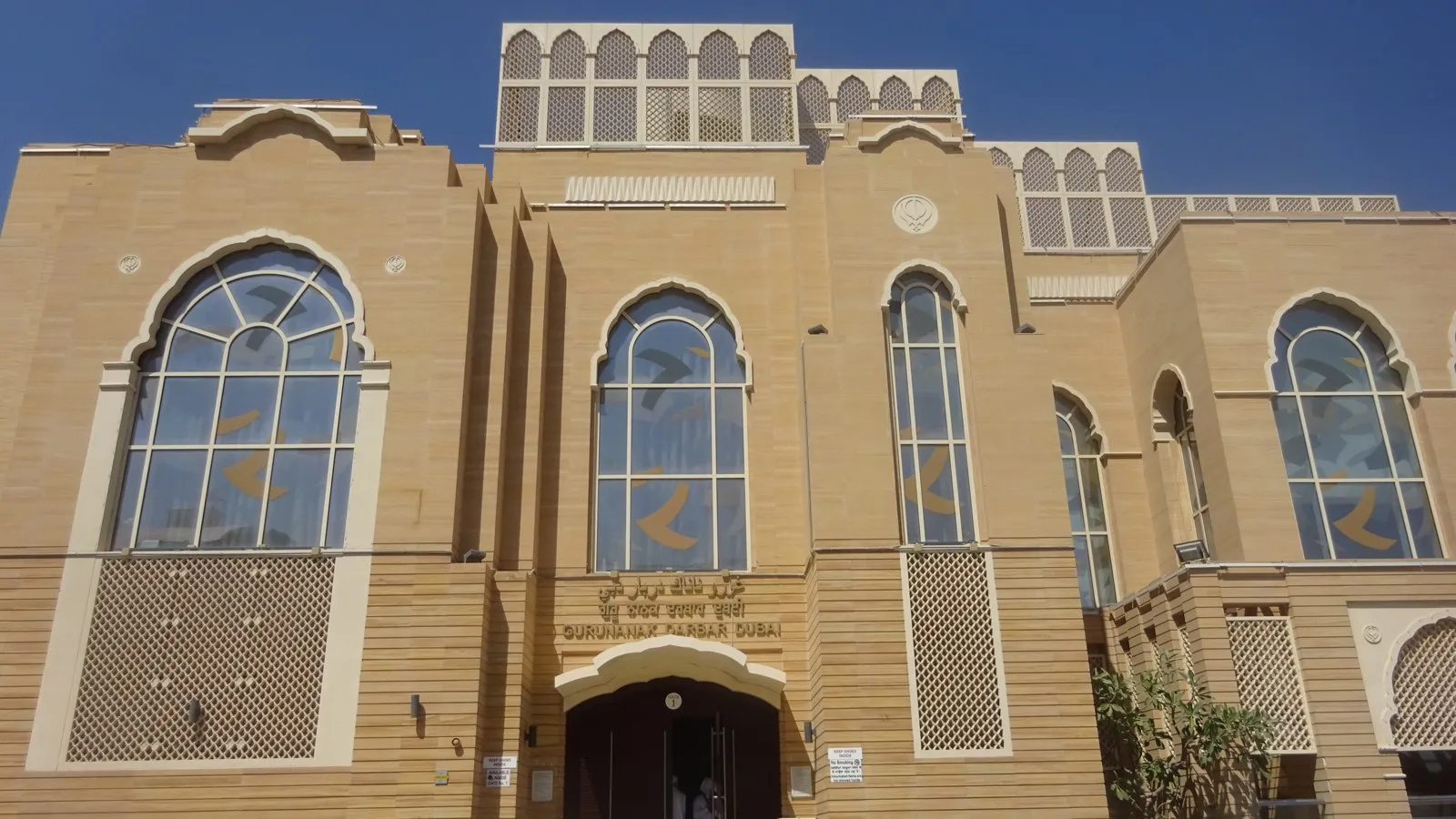
ਦੁਬਈ ਸੰਯੁਕਤ ਅਰਬ ਅਮੀਰਾਤ ਦਾ ਸਭ ਤੋਂ ਵੱਧ ਆਬਾਦੀ ਵਾਲਾ ਸ਼ਹਿਰ ਅਤੇ ਦੁਬਈ ਅਮੀਰਾਤ ਦੀ ਰਾਜਧਾਨੀ ਹੈ, 2025 ਵਿੱਚ 3,944,751 ਲੋਕਾਂ ਦਾ ਘਰ, ਜਿਨ੍ਹਾਂ ਵਿੱਚੋਂ 92 ਫ਼ੀਸਦੀ ਪ੍ਰਵਾਸੀ ਹਨ। ਭਾਰਤੀ ਸੰਯੁਕਤ ਅਰਬ ਅਮੀਰਾਤ ਦਾ ਸਭ ਤੋਂ ਵੱਡਾ ਪ੍ਰਵਾਸੀ ਭਾਈਚਾਰਾ ਹਨ ਅਤੇ ਲਗਭਗ 2 ਮਿਲੀਅਨ ਦੁਬਈ ਵਿੱਚ ਰਹਿੰਦੇ ਹਨ; ਸਿੱਖ ਸੰਯੁਕਤ ਅਰਬ ਅਮੀਰਾਤ ਵਿੱਚ 100,000 ਤੋਂ ਵੱਧ ਹਨ, ਅਤੇ ਜਬਲ ਅਲੀ ਵਿੱਚ ਗੁਰੂ ਨਾਨਕ ਦਰਬਾਰ, ਖਾੜੀ ਦਾ ਪਹਿਲਾ ਅਧਿਕਾਰਤ ਗੁਰਦੁਆਰਾ, ਅਮੀਰਾਤ ਦੇ 50,000 ਤੋਂ ਵੱਧ ਸਿੱਖ ਵਸਨੀਕਾਂ ਦੀ ਸੇਵਾ ਲਈ ਸਥਾਪਤ ਕੀਤਾ ਗਿਆ ਸੀ।
ਇਤਿਹਾਸ ਇੱਕ ਨਜ਼ਰ ਵਿੱਚ
- 1822Dubai is a pearling and fishing town of some 700 to 800 members of the Bani Yas tribe.
- 1901Dubai is established as a free port, with no taxation on imports or exports, drawing Indian and Persian merchants.
- 1966Oil is struck in Dubai; revenue funds infrastructure while trade remains the city's engine.
- 2012The Guru Nanak Darbar opens in Jebel Ali on 17 January, the first official Sikh gurdwara in the Gulf.
- ਪੰਜਾਬੀ ਨਾਂ
- ਦੁਬਈ
- ਕਿਸਮ
- ਸ਼ਹਿਰ
- ਦੇਸ਼
- ਸੰਯੁਕਤ ਅਰਬ ਅਮੀਰਾਤ
- ਇਲਾਕਾ
- ਦੁਬਈ ਅਮੀਰਾਤ, ਫ਼ਾਰਸ ਦੀ ਖਾੜੀ ਦਾ ਦੱਖਣ ਪੂਰਬੀ ਤੱਟ
- ਆਬਾਦੀ
- ਦੁਬਈ ਸ਼ਹਿਰ ਵਿੱਚ 3,944,751 (2025), ਜਿਨ੍ਹਾਂ ਵਿੱਚੋਂ 92 ਫ਼ੀਸਦੀ ਪ੍ਰਵਾਸੀ ਹਨ; ਮਹਾਨਗਰ ਖੇਤਰ ਵਿੱਚ 6,359,527 ਲੋਕ ਹਨ
- ਪੰਜਾਬੀ ਅਤੇ ਸਿੱਖ ਆਬਾਦੀ
- ਕੋਈ ਜਨਗਣਨਾ ਅੰਕੜਾ ਮੌਜੂਦ ਨਹੀਂ ਹੈ: ਸੰਯੁਕਤ ਅਰਬ ਅਮੀਰਾਤ ਸ਼ਹਿਰ ਅਨੁਸਾਰ ਕੋਈ ਧਾਰਮਿਕ, ਭਾਸ਼ਾ ਜਾਂ ਮੂਲ ਰਾਜ ਜਨਗਣਨਾ ਪ੍ਰਕਾਸ਼ਤ ਨਹੀਂ ਕਰਦਾ, ਇਸ ਲਈ ਅੰਕੜੇ ਸਰੋਤਾਂ ਸਮੇਤ ਦਿੱਤੇ ਅਨੁਮਾਨ ਹਨ। ਭਾਰਤੀ ਸੰਯੁਕਤ ਅਰਬ ਅਮੀਰਾਤ ਵਿੱਚ 4.3 ਮਿਲੀਅਨ ਤੋਂ ਵੱਧ ਹਨ, ਉਨ੍ਹਾਂ ਵਿੱਚੋਂ ਲਗਭਗ 2 ਮਿਲੀਅਨ ਦੁਬਈ ਵਿੱਚ ਹਨ; ਪੰਜਾਬ ਸੰਯੁਕਤ ਅਰਬ ਅਮੀਰਾਤ ਦੇ ਭਾਰਤੀਆਂ ਦਾ ਲਗਭਗ 8 ਫ਼ੀਸਦੀ ਹੈ, ਦੇਸ਼ ਭਰ ਵਿੱਚ ਲਗਭਗ 320,000 ਲੋਕ (2025 ਅਨੁਮਾਨ); ਸੰਯੁਕਤ ਅਰਬ ਅਮੀਰਾਤ ਵਿੱਚ ਸਿੱਖ 100,000 ਤੋਂ ਵੱਧ ਦੱਸੇ ਜਾਂਦੇ ਹਨ, ਅਤੇ ਗੁਰੂ ਨਾਨਕ ਦਰਬਾਰ ਅਮੀਰਾਤ ਦੇ 50,000 ਤੋਂ ਵੱਧ ਸਿੱਖ ਵਸਨੀਕਾਂ ਦੀ ਸੇਵਾ ਕਰਦਾ ਹੈ
All 8 facts
- ਜਾਣੇ ਜਾਂਦੇ ਗੁਰਦੁਆਰੇ
- ਜਬਲ ਅਲੀ ਪਿੰਡ ਵਿੱਚ ਗੁਰੂ ਨਾਨਕ ਦਰਬਾਰ, ਖਾੜੀ ਅਤੇ ਮੱਧ ਪੂਰਬ ਦਾ ਪਹਿਲਾ ਅਧਿਕਾਰਤ ਸਿੱਖ ਗੁਰਦੁਆਰਾ, 17 ਜਨਵਰੀ 2012 ਨੂੰ ਖੁੱਲ੍ਹਿਆ, 10,000 ਤੋਂ ਵੱਧ ਸ਼ਰਧਾਲੂਆਂ ਦੀ ਸੇਵਾ ਕਰਦਾ ਹੈ
- ਪ੍ਰਸਿੱਧੀ
- ਬੁਰਜ ਖਲੀਫ਼ਾ, ਦੁਨੀਆ ਦੀ ਸਭ ਤੋਂ ਉੱਚੀ ਇਮਾਰਤ, ਦੁਬਈ ਕ੍ਰੀਕ ਅਤੇ ਮੁਕਤ ਬੰਦਰਗਾਹ ਵਪਾਰ ਪਰੰਪਰਾ, ਅਤੇ DXB, ਅੰਤਰਰਾਸ਼ਟਰੀ ਯਾਤਰੀਆਂ ਲਈ ਦੁਨੀਆ ਦਾ ਸਭ ਤੋਂ ਵਿਅਸਤ ਹਵਾਈ ਅੱਡਾ
Dubai is the most populous city in the United Arab Emirates and the capital of the Emirate of Dubai, home to 3,944,751 people in 2025 on a creek on the southeastern coast of the Persian Gulf, 92 per cent of them expatriates. For Punjabis, Dubai is the Gulf's great meeting point: Indians are the largest expatriate community in the UAE and about 2 million of them live in Dubai, Sikhs number over 100,000 across the UAE with the majority in Dubai, and the Guru Nanak Darbar in Jebel Ali, the first official gurdwara in the Gulf, was founded to serve over 50,000 Sikh residents of the emirate.
Where is Dubai, and why do Punjabis live there?
Dubai stands on Dubai Creek, a natural inlet of the Persian Gulf that splits the historic city into Bur Dubai and Deira. It was founded in the early 18th century as a pearling and fishing settlement, was a town of some 700 to 800 people by 1822, and established itself as a free port in 1901, with no taxation on imports or exports. Oil was struck in 1966, but the revenue was modest: by 2018 oil production contributed less than 1 per cent to the emirate's GDP. What replaced it was trade, tourism, aviation, financial services and real estate, a construction boom that raised the Burj Khalifa, the world's tallest building, and an airport, DXB, that handled over 92 million international passengers in 2024, the busiest in the world for international traffic.
Punjabis live in Dubai because India and the Gulf have traded across this water for centuries. Dubai was an entrepot for trade between the Middle East and the Indian subcontinent long before oil, dominated by Indian merchants in the gold and textile trades, and Indian rupees circulated in the emirates into the 1960s. The oil era turned trade into mass work: from the mid 1960s workers came by sea from Bombay, and Indian migration surged through the 1970s and 1980s as the oil industry expanded and free trade in Dubai grew, into construction, shipping, retail, transport and the Jebel Ali Free Zone, where Indians have made up more than half the workforce. Professionals, traders and business families followed, and Punjabis came in both streams, as workers and as merchants. Dubai opens this series' map of Punjabi places in the United Arab Emirates.
What do the numbers say?
The United Arab Emirates publishes no census of religion, language or Indian state of origin by city, so there is no official count of Punjabis or Sikhs in Dubai, and this page invents none. The figures that exist are attributed estimates. Indians are the UAE's largest expatriate community, over 4.3 million people and more than 35 per cent of the country's population, and about 2 million of them live in Dubai. A 2025 breakdown of the UAE's Indians by state of origin puts Punjab at 8 per cent, about 320,000 people across the UAE, behind Kerala, Tamil Nadu, and Andhra Pradesh and Telangana. Sikhs in the UAE are put at over 100,000, the majority of them in Dubai, Abu Dhabi and Sharjah, and the Guru Nanak Darbar was founded to serve over 50,000 Sikh residents in the Emirate of Dubai alone. Most of this population lives on employment or business visas rather than citizenship, which makes Dubai's Punjabi community large and long settled in daily life, yet temporary on paper.
Guru Nanak Darbar and community life
The Guru Nanak Darbar stands in the Churches Complex in Jebel Ali Village. It was established by Surender Singh Kandhari, a resident of Dubai since 1976, on land given by Sheikh Mohammed bin Rashid Al Maktoum, the Ruler of Dubai, built for 65 million dirhams, about 20 million dollars, and opened on 17 January 2012 in a ceremony attended by 50,000 devotees. It is the first official Sikh gurdwara in the Gulf region and the Middle East, modelled on both the Golden Temple in Amritsar and the gurdwara in ਸਾਊਥਹਾਲ, London. Before it, Dubai's Sikhs prayed in homes and borrowed rooms; after it, the community had a landmark of its own in the desert city it helped to build.
The Darbar serves over 10,000 worshippers, and before the COVID-19 pandemic about 10,000 people visited every Friday, among them Afghan Sikhs, Sindhis and Hindu Punjabis. Its kitchen serves langar through the day, its prayer hall carries kirtan and the full round of Sikh ceremonies, from Anand Karaj weddings to naming and memorial prayers, and on Saturdays it holds three hour classes teaching children Punjabi, kirtan and gurdwara protocol. In April 2017 it entered the Guinness World Records after serving breakfast to more than 600 people from 101 nationalities, and it is the world's first gurdwara to receive ISO certifications. Across the Creek in Bur Dubai, the Shiva and Krishna temples have served Hindu worshippers since the 1950s, part of the same old Indian Dubai.
Work, trade and the Punjabi Dubai
Indians in the UAE are key to the construction, retail, financial services, healthcare, manufacturing and transport sectors, and Dubai concentrates all of them: the Jebel Ali port and free zone, the Dubai International Financial Centre, the gold and textile souks of Deira and Bur Dubai where Indian merchants have traded for generations, and the construction sites that keep redrawing the skyline. Punjabi Dubai runs from drivers, carpenters, masons and electricians to traders, jewellers and business owners, and its institutions match that range. The Indian High School, Dubai, established in 1961, is the oldest and largest Indian curriculum school in the UAE, Indian restaurants and grocery stores anchor the older districts, and money flows steadily home: the UAE accounts for about 19.2 per cent of all remittances sent to India.
Dubai is the pearling creek that became a free port, an oil town that chose trade, and then the world's crossroads airport city. For Punjabis it is the Gulf's anchor: about 2 million Indians around them, a Sikh community counted in the tens of thousands, and a gurdwara in Jebel Ali built, in its founder's stated dream, to stand second only to the Golden Temple. Read about ਸਾਊਥਹਾਲ, the London district whose gurdwara helped inspire the Darbar, or see the full map of Punjabi places in the United Arab Emirates.
ਦੁਬਈ ਸੰਯੁਕਤ ਅਰਬ ਅਮੀਰਾਤ ਦਾ ਸਭ ਤੋਂ ਵੱਧ ਆਬਾਦੀ ਵਾਲਾ ਸ਼ਹਿਰ ਅਤੇ ਦੁਬਈ ਅਮੀਰਾਤ ਦੀ ਰਾਜਧਾਨੀ ਹੈ, 2025 ਵਿੱਚ 3,944,751 ਲੋਕਾਂ ਦਾ ਘਰ, ਫ਼ਾਰਸ ਦੀ ਖਾੜੀ ਦੇ ਦੱਖਣ ਪੂਰਬੀ ਤੱਟ ਉੱਤੇ ਇੱਕ ਖਾੜੀ ਨਦੀ ਉੱਤੇ, ਜਿਨ੍ਹਾਂ ਵਿੱਚੋਂ 92 ਫ਼ੀਸਦੀ ਪ੍ਰਵਾਸੀ ਹਨ। ਪੰਜਾਬੀਆਂ ਲਈ, ਦੁਬਈ ਖਾੜੀ ਦਾ ਮਹਾਨ ਮੇਲ ਥਾਂ ਹੈ: ਭਾਰਤੀ ਅਮੀਰਾਤ ਦਾ ਸਭ ਤੋਂ ਵੱਡਾ ਪ੍ਰਵਾਸੀ ਭਾਈਚਾਰਾ ਹਨ ਅਤੇ ਉਨ੍ਹਾਂ ਵਿੱਚੋਂ ਲਗਭਗ 2 ਮਿਲੀਅਨ ਦੁਬਈ ਵਿੱਚ ਰਹਿੰਦੇ ਹਨ, ਸਿੱਖ ਪੂਰੇ ਅਮੀਰਾਤ ਵਿੱਚ 100,000 ਤੋਂ ਵੱਧ ਹਨ ਜਿਨ੍ਹਾਂ ਵਿੱਚੋਂ ਜ਼ਿਆਦਾਤਰ ਦੁਬਈ ਵਿੱਚ ਹਨ, ਅਤੇ ਜਬਲ ਅਲੀ ਵਿੱਚ ਗੁਰੂ ਨਾਨਕ ਦਰਬਾਰ, ਖਾੜੀ ਦਾ ਪਹਿਲਾ ਅਧਿਕਾਰਤ ਗੁਰਦੁਆਰਾ, ਅਮੀਰਾਤ ਦੇ 50,000 ਤੋਂ ਵੱਧ ਸਿੱਖ ਵਸਨੀਕਾਂ ਦੀ ਸੇਵਾ ਲਈ ਸਥਾਪਤ ਕੀਤਾ ਗਿਆ ਸੀ।
ਦੁਬਈ ਕਿੱਥੇ ਹੈ, ਅਤੇ ਪੰਜਾਬੀ ਉੱਥੇ ਕਿਉਂ ਰਹਿੰਦੇ ਹਨ?
ਦੁਬਈ ਦੁਬਈ ਕ੍ਰੀਕ ਉੱਤੇ ਖੜ੍ਹਾ ਹੈ, ਫ਼ਾਰਸ ਦੀ ਖਾੜੀ ਦਾ ਇੱਕ ਕੁਦਰਤੀ ਅੰਦਰਵਾਰ ਜੋ ਇਤਿਹਾਸਕ ਸ਼ਹਿਰ ਨੂੰ ਬੁਰ ਦੁਬਈ ਅਤੇ ਡੇਰਾ ਵਿੱਚ ਵੰਡਦਾ ਹੈ। ਇਹ 18ਵੀਂ ਸਦੀ ਦੇ ਸ਼ੁਰੂ ਵਿੱਚ ਮੋਤੀ ਅਤੇ ਮੱਛੀ ਬਸਤੀ ਵਜੋਂ ਸਥਾਪਤ ਹੋਇਆ, 1822 ਤੱਕ ਲਗਭਗ 700 ਤੋਂ 800 ਲੋਕਾਂ ਦਾ ਕਸਬਾ ਸੀ, ਅਤੇ 1901 ਵਿੱਚ ਆਯਾਤ ਜਾਂ ਨਿਰਯਾਤ ਉੱਤੇ ਕੋਈ ਟੈਕਸ ਨਾ ਲੈ ਕੇ ਇੱਕ ਮੁਕਤ ਬੰਦਰਗਾਹ ਵਜੋਂ ਸਥਾਪਤ ਹੋਇਆ। ਤੇਲ 1966 ਵਿੱਚ ਮਿਲਿਆ, ਪਰ ਆਮਦਨ ਸਾਧਾਰਨ ਸੀ: 2018 ਤੱਕ ਤੇਲ ਉਤਪਾਦਨ ਅਮੀਰਾਤ ਦੇ ਜੀਡੀਪੀ ਦਾ 1 ਫ਼ੀਸਦੀ ਤੋਂ ਵੀ ਘੱਟ ਸੀ। ਇਸ ਦੀ ਥਾਂ ਵਪਾਰ, ਸੈਰ ਸਪਾਟਾ, ਹਵਾਬਾਜ਼ੀ, ਵਿੱਤੀ ਸੇਵਾਵਾਂ ਅਤੇ ਰੀਅਲ ਅਸਟੇਟ ਨੇ ਲਈ, ਇੱਕ ਉਸਾਰੀ ਲਹਿਰ ਜਿਸ ਨੇ ਦੁਨੀਆ ਦੀ ਸਭ ਤੋਂ ਉੱਚੀ ਇਮਾਰਤ ਬੁਰਜ ਖਲੀਫ਼ਾ ਖੜ੍ਹੀ ਕੀਤੀ, ਅਤੇ ਇੱਕ ਹਵਾਈ ਅੱਡਾ, ਡੀਐਕਸਬੀ, ਜਿਸ ਨੇ 2024 ਵਿੱਚ 92 ਮਿਲੀਅਨ ਤੋਂ ਵੱਧ ਅੰਤਰਰਾਸ਼ਟਰੀ ਯਾਤਰੀਆਂ ਨੂੰ ਸੰਭਾਲਿਆ, ਅੰਤਰਰਾਸ਼ਟਰੀ ਆਵਾਜਾਈ ਲਈ ਦੁਨੀਆ ਦਾ ਸਭ ਤੋਂ ਵਿਅਸਤ।
ਪੰਜਾਬੀ ਦੁਬਈ ਵਿੱਚ ਇਸ ਲਈ ਰਹਿੰਦੇ ਹਨ ਕਿਉਂਕਿ ਭਾਰਤ ਅਤੇ ਖਾੜੀ ਸਦੀਆਂ ਤੋਂ ਇਸ ਪਾਣੀ ਉੱਤੇ ਵਪਾਰ ਕਰਦੇ ਆਏ ਹਨ। ਦੁਬਈ ਤੇਲ ਤੋਂ ਬਹੁਤ ਪਹਿਲਾਂ ਮੱਧ ਪੂਰਬ ਅਤੇ ਭਾਰਤੀ ਉਪ ਮਹਾਂਦੀਪ ਵਿਚਕਾਰ ਵਪਾਰ ਦਾ ਕੇਂਦਰ ਸੀ, ਸੋਨੇ ਅਤੇ ਕੱਪੜਾ ਵਪਾਰ ਵਿੱਚ ਭਾਰਤੀ ਵਪਾਰੀਆਂ ਦਾ ਦਬਦਬਾ ਸੀ, ਅਤੇ ਭਾਰਤੀ ਰੁਪਏ 1960ਵਿਆਂ ਤੱਕ ਅਮੀਰਾਤ ਵਿੱਚ ਚਲਦੇ ਰਹੇ। ਤੇਲ ਯੁੱਗ ਨੇ ਵਪਾਰ ਨੂੰ ਵੱਡੇ ਪੱਧਰ ਦੇ ਕੰਮ ਵਿੱਚ ਬਦਲ ਦਿੱਤਾ: 1960ਵਿਆਂ ਦੇ ਮੱਧ ਤੋਂ ਕਾਮੇ ਬੰਬਈ ਤੋਂ ਸਮੁੰਦਰ ਰਾਹੀਂ ਆਏ, ਅਤੇ ਭਾਰਤੀ ਪਰਵਾਸ 1970ਵਿਆਂ ਅਤੇ 1980ਵਿਆਂ ਵਿੱਚ ਵਧਿਆ ਜਿਵੇਂ ਤੇਲ ਉਦਯੋਗ ਫੈਲਿਆ ਅਤੇ ਦੁਬਈ ਵਿੱਚ ਮੁਕਤ ਵਪਾਰ ਵਧਿਆ, ਉਸਾਰੀ, ਜਹਾਜ਼ਰਾਨੀ, ਪ੍ਰਚੂਨ, ਆਵਾਜਾਈ ਅਤੇ ਜਬਲ ਅਲੀ ਮੁਕਤ ਖੇਤਰ ਵਿੱਚ, ਜਿੱਥੇ ਭਾਰਤੀ ਅੱਧ ਤੋਂ ਵੱਧ ਕਾਰਜਬਲ ਬਣਦੇ ਆਏ ਹਨ। ਪੇਸ਼ੇਵਰ, ਵਪਾਰੀ ਅਤੇ ਕਾਰੋਬਾਰੀ ਪਰਿਵਾਰ ਪਿੱਛੇ ਆਏ, ਅਤੇ ਪੰਜਾਬੀ ਦੋਹਾਂ ਧਾਰਾਵਾਂ ਵਿੱਚ ਆਏ, ਕਾਮਿਆਂ ਵਜੋਂ ਅਤੇ ਵਪਾਰੀਆਂ ਵਜੋਂ। ਦੁਬਈ ਇਸ ਲੜੀ ਦੇ ਸੰਯੁਕਤ ਅਰਬ ਅਮੀਰਾਤ ਵਿੱਚ ਪੰਜਾਬੀ ਥਾਵਾਂ ਦੇ ਨਕਸ਼ੇ ਨੂੰ ਖੋਲ੍ਹਦਾ ਹੈ।
ਅੰਕੜੇ ਕੀ ਕਹਿੰਦੇ ਹਨ?
ਸੰਯੁਕਤ ਅਰਬ ਅਮੀਰਾਤ ਸ਼ਹਿਰ ਅਨੁਸਾਰ ਧਰਮ, ਭਾਸ਼ਾ ਜਾਂ ਭਾਰਤੀ ਮੂਲ ਰਾਜ ਦੀ ਕੋਈ ਜਨਗਣਨਾ ਪ੍ਰਕਾਸ਼ਤ ਨਹੀਂ ਕਰਦਾ, ਇਸ ਲਈ ਦੁਬਈ ਵਿੱਚ ਪੰਜਾਬੀਆਂ ਜਾਂ ਸਿੱਖਾਂ ਦੀ ਕੋਈ ਅਧਿਕਾਰਤ ਗਿਣਤੀ ਨਹੀਂ ਹੈ, ਅਤੇ ਇਹ ਪੰਨਾ ਕੋਈ ਘੜਦਾ ਨਹੀਂ। ਜੋ ਅੰਕੜੇ ਮੌਜੂਦ ਹਨ ਉਹ ਸਰੋਤਾਂ ਸਮੇਤ ਦਿੱਤੇ ਗਏ ਅਨੁਮਾਨ ਹਨ। ਭਾਰਤੀ ਅਮੀਰਾਤ ਦਾ ਸਭ ਤੋਂ ਵੱਡਾ ਪ੍ਰਵਾਸੀ ਭਾਈਚਾਰਾ ਹਨ, 4.3 ਮਿਲੀਅਨ ਤੋਂ ਵੱਧ ਲੋਕ ਅਤੇ ਦੇਸ਼ ਦੀ ਆਬਾਦੀ ਦਾ 35 ਫ਼ੀਸਦੀ ਤੋਂ ਵੱਧ, ਅਤੇ ਉਨ੍ਹਾਂ ਵਿੱਚੋਂ ਲਗਭਗ 2 ਮਿਲੀਅਨ ਦੁਬਈ ਵਿੱਚ ਰਹਿੰਦੇ ਹਨ। ਅਮੀਰਾਤ ਦੇ ਭਾਰਤੀਆਂ ਦੀ 2025 ਦੀ ਮੂਲ ਰਾਜ ਅਨੁਸਾਰ ਵੰਡ ਪੰਜਾਬ ਨੂੰ 8 ਫ਼ੀਸਦੀ ਉੱਤੇ ਰੱਖਦੀ ਹੈ, ਪੂਰੇ ਅਮੀਰਾਤ ਵਿੱਚ ਲਗਭਗ 320,000 ਲੋਕ, ਕੇਰਲ, ਤਾਮਿਲਨਾਡੂ, ਅਤੇ ਆਂਧਰਾ ਪ੍ਰਦੇਸ਼ ਅਤੇ ਤੇਲੰਗਾਨਾ ਤੋਂ ਪਿੱਛੇ। ਅਮੀਰਾਤ ਵਿੱਚ ਸਿੱਖ 100,000 ਤੋਂ ਵੱਧ ਦੱਸੇ ਜਾਂਦੇ ਹਨ, ਜਿਨ੍ਹਾਂ ਵਿੱਚੋਂ ਜ਼ਿਆਦਾਤਰ ਦੁਬਈ, ਅਬੂ ਧਾਬੀ ਅਤੇ ਸ਼ਾਰਜਾਹ ਵਿੱਚ ਹਨ, ਅਤੇ ਗੁਰੂ ਨਾਨਕ ਦਰਬਾਰ ਇਕੱਲੇ ਦੁਬਈ ਅਮੀਰਾਤ ਦੇ 50,000 ਤੋਂ ਵੱਧ ਸਿੱਖ ਵਸਨੀਕਾਂ ਦੀ ਸੇਵਾ ਲਈ ਸਥਾਪਤ ਕੀਤਾ ਗਿਆ ਸੀ। ਇਸ ਆਬਾਦੀ ਦਾ ਜ਼ਿਆਦਾਤਰ ਹਿੱਸਾ ਨਾਗਰਿਕਤਾ ਦੀ ਥਾਂ ਰੁਜ਼ਗਾਰ ਜਾਂ ਕਾਰੋਬਾਰ ਵੀਜ਼ਿਆਂ ਉੱਤੇ ਰਹਿੰਦਾ ਹੈ, ਜਿਸ ਨਾਲ ਦੁਬਈ ਦਾ ਪੰਜਾਬੀ ਭਾਈਚਾਰਾ ਰੋਜ਼ਾਨਾ ਜ਼ਿੰਦਗੀ ਵਿੱਚ ਵੱਡਾ ਅਤੇ ਲੰਬੇ ਸਮੇਂ ਤੋਂ ਵੱਸਿਆ ਹੈ, ਪਰ ਕਾਗਜ਼ਾਂ ਵਿੱਚ ਅਸਥਾਈ ਹੈ।
ਗੁਰੂ ਨਾਨਕ ਦਰਬਾਰ ਅਤੇ ਭਾਈਚਾਰਕ ਜੀਵਨ
ਗੁਰੂ ਨਾਨਕ ਦਰਬਾਰ ਜਬਲ ਅਲੀ ਪਿੰਡ ਦੇ ਚਰਚ ਕੰਪਲੈਕਸ ਵਿੱਚ ਖੜ੍ਹਾ ਹੈ। ਇਹ 1976 ਤੋਂ ਦੁਬਈ ਦੇ ਵਸਨੀਕ ਸੁਰਿੰਦਰ ਸਿੰਘ ਕੰਧਾਰੀ ਵੱਲੋਂ, ਦੁਬਈ ਦੇ ਸ਼ਾਸਕ ਸ਼ੇਖ ਮੁਹੰਮਦ ਬਿਨ ਰਾਸ਼ਿਦ ਅਲ ਮਕਤੂਮ ਵੱਲੋਂ ਦਿੱਤੀ ਜ਼ਮੀਨ ਉੱਤੇ ਸਥਾਪਤ ਕੀਤਾ ਗਿਆ, 65 ਮਿਲੀਅਨ ਦਿਰਹਾਮ, ਲਗਭਗ 20 ਮਿਲੀਅਨ ਡਾਲਰ, ਵਿੱਚ ਬਣਿਆ, ਅਤੇ 17 ਜਨਵਰੀ 2012 ਨੂੰ 50,000 ਸ਼ਰਧਾਲੂਆਂ ਦੀ ਹਾਜ਼ਰੀ ਵਾਲੇ ਸਮਾਗਮ ਵਿੱਚ ਖੁੱਲ੍ਹਿਆ। ਇਹ ਖਾੜੀ ਖੇਤਰ ਅਤੇ ਮੱਧ ਪੂਰਬ ਦਾ ਪਹਿਲਾ ਅਧਿਕਾਰਤ ਸਿੱਖ ਗੁਰਦੁਆਰਾ ਹੈ, ਅੰਮ੍ਰਿਤਸਰ ਦੇ ਹਰਿਮੰਦਰ ਸਾਹਿਬ ਅਤੇ ਲੰਡਨ ਦੇ ਸਾਊਥਹਾਲ ਗੁਰਦੁਆਰੇ ਦੋਹਾਂ ਉੱਤੇ ਆਧਾਰਤ। ਇਸ ਤੋਂ ਪਹਿਲਾਂ, ਦੁਬਈ ਦੇ ਸਿੱਖ ਘਰਾਂ ਅਤੇ ਉਧਾਰੇ ਕਮਰਿਆਂ ਵਿੱਚ ਅਰਦਾਸ ਕਰਦੇ ਸਨ; ਇਸ ਤੋਂ ਬਾਅਦ, ਭਾਈਚਾਰੇ ਕੋਲ ਉਸ ਮਾਰੂਥਲ ਸ਼ਹਿਰ ਵਿੱਚ ਆਪਣਾ ਨਿਸ਼ਾਨ ਸੀ ਜਿਸ ਨੂੰ ਬਣਾਉਣ ਵਿੱਚ ਉਸ ਨੇ ਮਦਦ ਕੀਤੀ ਸੀ।
ਦਰਬਾਰ 10,000 ਤੋਂ ਵੱਧ ਸ਼ਰਧਾਲੂਆਂ ਦੀ ਸੇਵਾ ਕਰਦਾ ਹੈ, ਅਤੇ ਕੋਵਿਡ-19 ਮਹਾਂਮਾਰੀ ਤੋਂ ਪਹਿਲਾਂ ਹਰ ਸ਼ੁੱਕਰਵਾਰ ਲਗਭਗ 10,000 ਲੋਕ ਆਉਂਦੇ ਸਨ, ਜਿਨ੍ਹਾਂ ਵਿੱਚ ਅਫ਼ਗਾਨ ਸਿੱਖ, ਸਿੰਧੀ ਅਤੇ ਹਿੰਦੂ ਪੰਜਾਬੀ ਸ਼ਾਮਲ ਸਨ। ਇਸ ਦੀ ਰਸੋਈ ਸਾਰਾ ਦਿਨ ਲੰਗਰ ਵਰਤਾਉਂਦੀ ਹੈ, ਇਸ ਦਾ ਪ੍ਰਾਰਥਨਾ ਹਾਲ ਕੀਰਤਨ ਅਤੇ ਸਿੱਖ ਰਸਮਾਂ ਦਾ ਪੂਰਾ ਚੱਕਰ ਚੁੱਕਦਾ ਹੈ, ਅਨੰਦ ਕਾਰਜ ਵਿਆਹਾਂ ਤੋਂ ਨਾਮਕਰਨ ਅਤੇ ਯਾਦਗਾਰੀ ਅਰਦਾਸਾਂ ਤੱਕ, ਅਤੇ ਸ਼ਨੀਵਾਰ ਨੂੰ ਇਹ ਬੱਚਿਆਂ ਨੂੰ ਪੰਜਾਬੀ, ਕੀਰਤਨ ਅਤੇ ਗੁਰਦੁਆਰਾ ਵਿਹਾਰ ਸਿਖਾਉਂਦੀਆਂ ਤਿੰਨ ਘੰਟੇ ਦੀਆਂ ਕਲਾਸਾਂ ਚਲਾਉਂਦਾ ਹੈ। ਅਪ੍ਰੈਲ 2017 ਵਿੱਚ ਇਹ 101 ਕੌਮਾਂ ਦੇ 600 ਤੋਂ ਵੱਧ ਲੋਕਾਂ ਨੂੰ ਨਾਸ਼ਤਾ ਵਰਤਾਉਣ ਤੋਂ ਬਾਅਦ ਗਿਨੀਜ਼ ਵਿਸ਼ਵ ਰਿਕਾਰਡ ਵਿੱਚ ਦਾਖਲ ਹੋਇਆ, ਅਤੇ ਇਹ ਆਈਐਸਓ ਸਰਟੀਫਿਕੇਟ ਪ੍ਰਾਪਤ ਕਰਨ ਵਾਲਾ ਦੁਨੀਆ ਦਾ ਪਹਿਲਾ ਗੁਰਦੁਆਰਾ ਹੈ। ਕ੍ਰੀਕ ਦੇ ਪਾਰ ਬੁਰ ਦੁਬਈ ਵਿੱਚ, ਸ਼ਿਵ ਅਤੇ ਕ੍ਰਿਸ਼ਨ ਮੰਦਰ 1950ਵਿਆਂ ਤੋਂ ਹਿੰਦੂ ਸ਼ਰਧਾਲੂਆਂ ਦੀ ਸੇਵਾ ਕਰਦੇ ਆਏ ਹਨ, ਉਸੇ ਪੁਰਾਣੇ ਭਾਰਤੀ ਦੁਬਈ ਦਾ ਹਿੱਸਾ।
ਕੰਮ, ਵਪਾਰ ਅਤੇ ਪੰਜਾਬੀ ਦੁਬਈ
ਅਮੀਰਾਤ ਵਿੱਚ ਭਾਰਤੀ ਉਸਾਰੀ, ਪ੍ਰਚੂਨ, ਵਿੱਤੀ ਸੇਵਾਵਾਂ, ਸਿਹਤ ਸੰਭਾਲ, ਨਿਰਮਾਣ ਅਤੇ ਆਵਾਜਾਈ ਖੇਤਰਾਂ ਦੀ ਕੁੰਜੀ ਹਨ, ਅਤੇ ਦੁਬਈ ਉਨ੍ਹਾਂ ਸਭ ਨੂੰ ਇਕੱਠਾ ਕਰਦਾ ਹੈ: ਜਬਲ ਅਲੀ ਬੰਦਰਗਾਹ ਅਤੇ ਮੁਕਤ ਖੇਤਰ, ਦੁਬਈ ਅੰਤਰਰਾਸ਼ਟਰੀ ਵਿੱਤੀ ਕੇਂਦਰ, ਡੇਰਾ ਅਤੇ ਬੁਰ ਦੁਬਈ ਦੇ ਸੋਨੇ ਅਤੇ ਕੱਪੜੇ ਦੇ ਬਾਜ਼ਾਰ ਜਿੱਥੇ ਭਾਰਤੀ ਵਪਾਰੀ ਪੀੜ੍ਹੀਆਂ ਤੋਂ ਵਪਾਰ ਕਰਦੇ ਆਏ ਹਨ, ਅਤੇ ਉਸਾਰੀ ਸਥਾਨ ਜੋ ਅਸਮਾਨ ਰੇਖਾ ਨੂੰ ਮੁੜ ਬਣਾਉਂਦੇ ਰਹਿੰਦੇ ਹਨ। ਪੰਜਾਬੀ ਦੁਬਈ ਡਰਾਈਵਰਾਂ, ਤਰਖਾਣਾਂ, ਮਿਸਤਰੀਆਂ ਅਤੇ ਬਿਜਲੀ ਕਾਮਿਆਂ ਤੋਂ ਵਪਾਰੀਆਂ, ਸੁਨਿਆਰਿਆਂ ਅਤੇ ਕਾਰੋਬਾਰ ਮਾਲਕਾਂ ਤੱਕ ਫੈਲਿਆ ਹੈ, ਅਤੇ ਇਸ ਦੇ ਸੰਸਥਾਨ ਉਸੇ ਚੌੜਾਈ ਨਾਲ ਮੇਲ ਖਾਂਦੇ ਹਨ। ਦ ਇੰਡੀਅਨ ਹਾਈ ਸਕੂਲ, ਦੁਬਈ, 1961 ਵਿੱਚ ਸਥਾਪਤ, ਅਮੀਰਾਤ ਦਾ ਸਭ ਤੋਂ ਪੁਰਾਣਾ ਅਤੇ ਸਭ ਤੋਂ ਵੱਡਾ ਭਾਰਤੀ ਪਾਠਕ੍ਰਮ ਸਕੂਲ ਹੈ, ਭਾਰਤੀ ਰੈਸਟੋਰੈਂਟ ਅਤੇ ਕਰਿਆਨਾ ਦੁਕਾਨਾਂ ਪੁਰਾਣੇ ਜ਼ਿਲ੍ਹਿਆਂ ਨੂੰ ਥੰਮ੍ਹਦੀਆਂ ਹਨ, ਅਤੇ ਪੈਸਾ ਲਗਾਤਾਰ ਘਰ ਵੱਲ ਵਗਦਾ ਹੈ: ਅਮੀਰਾਤ ਭਾਰਤ ਨੂੰ ਭੇਜੀਆਂ ਸਾਰੀਆਂ ਰਕਮਾਂ ਦਾ ਲਗਭਗ 19.2 ਫ਼ੀਸਦੀ ਬਣਦਾ ਹੈ।
ਦੁਬਈ ਉਹ ਮੋਤੀ ਕ੍ਰੀਕ ਹੈ ਜੋ ਮੁਕਤ ਬੰਦਰਗਾਹ ਬਣੀ, ਇੱਕ ਤੇਲ ਕਸਬਾ ਜਿਸ ਨੇ ਵਪਾਰ ਚੁਣਿਆ, ਅਤੇ ਫਿਰ ਦੁਨੀਆ ਦਾ ਚੌਰਾਹਾ ਹਵਾਈ ਅੱਡਾ ਸ਼ਹਿਰ। ਪੰਜਾਬੀਆਂ ਲਈ ਇਹ ਖਾੜੀ ਦਾ ਥੰਮ੍ਹ ਹੈ: ਉਨ੍ਹਾਂ ਦੇ ਆਲੇ ਦੁਆਲੇ ਲਗਭਗ 2 ਮਿਲੀਅਨ ਭਾਰਤੀ, ਹਜ਼ਾਰਾਂ ਵਿੱਚ ਗਿਣਿਆ ਇੱਕ ਸਿੱਖ ਭਾਈਚਾਰਾ, ਅਤੇ ਜਬਲ ਅਲੀ ਵਿੱਚ ਇੱਕ ਗੁਰਦੁਆਰਾ ਜੋ ਇਸ ਦੇ ਸੰਸਥਾਪਕ ਦੇ ਦੱਸੇ ਸੁਪਨੇ ਵਿੱਚ, ਹਰਿਮੰਦਰ ਸਾਹਿਬ ਤੋਂ ਬਾਅਦ ਦੂਜੇ ਸਥਾਨ ਉੱਤੇ ਖੜ੍ਹਾ ਹੋਣ ਲਈ ਬਣਿਆ। ਸਾਊਥਹਾਲ ਬਾਰੇ ਪੜ੍ਹੋ, ਲੰਡਨ ਦਾ ਉਹ ਇਲਾਕਾ ਜਿਸ ਦੇ ਗੁਰਦੁਆਰੇ ਨੇ ਦਰਬਾਰ ਨੂੰ ਪ੍ਰੇਰਨਾ ਦਿੱਤੀ, ਜਾਂ ਸੰਯੁਕਤ ਅਰਬ ਅਮੀਰਾਤ ਵਿੱਚ ਪੰਜਾਬੀ ਥਾਵਾਂ ਦਾ ਪੂਰਾ ਨਕਸ਼ਾ ਵੇਖੋ।
ਨੇੜੇ


Dubai ਖ਼ਬਰਾਂ ਵਿੱਚ
ਸਾਰੀਆਂ ਖ਼ਬਰਾਂ ਪੰਜਾਬ ਪੁਲਿਸ ਦੀ ਵੱਡੀ ਕਾਰਵਾਈ: ਅੰਤਰ-ਰਾਜੀ ਹਥਿਆਰ ਤਸਕਰੀ ਰੈਕੇਟ ਦਾ ਭੰਡਾਫੋੜਪੰਜਾਬ ਪੁਲਿਸ ਦੀ ਵੱਡੀ ਕਾਰਵਾਈ: ਅੰਤਰ-ਰਾਜੀ ਹਥਿਆਰ ਤਸਕਰੀ ਰੈਕੇਟ ਦਾ ਭੰਡਾਫੋੜ, ਚਾਰ ਗ੍ਰਿਫ਼ਤਾਰ
ਸਰੋਤ (5)
- Dubai, Wikipedia (the most populous city in the United Arab Emirates and capital of the Emirate of Dubai; population 3,944,751 in 2025, 92 per cent expatriates, metropolitan population 6,359,527; founded in the early 18th century as a pearling and fishing settlement, a town of 700 to 800 people by 1822; established as a free port in 1901; oil struck in 1966 and under 1 per cent of GDP by 2018; the Burj Khalifa is the world's tallest building; Dubai International Airport handled over 92 million passengers in 2024; coordinates 25.205 N, 55.271 E)
- Indians in the United Arab Emirates, Wikipedia (over 4.3 million Indian expatriates, the largest expatriate community and over 35 per cent of the UAE population; Dubai traditionally an entrepot for trade between the Middle East and the Indian subcontinent, dominated by Indian merchants in gold and textile trades; the oil discovery brought an influx of workers from India from the mid 1960s, many coming by sea from Bombay; Indians are key to construction, retail, financial services, healthcare, manufacturing and transport; more than 50 per cent of the Jebel Ali Free Zone workforce is Indian)
- Indian diaspora in the United Arab Emirates, Wikipedia (approximately 4 million Indians in the UAE in 2025, about 2,000,000 of them in Dubai; Punjab accounts for 8 per cent of UAE Indians, about 320,000 people, 2025 estimates; the Indian High School, Dubai, established in 1961, is the oldest and largest Indian curriculum school in the UAE; the Shiva and Krishna temples in Bur Dubai have served worshippers since the 1950s; the UAE accounts for about 19.2 per cent of remittances sent to India)
- Sikhism in the United Arab Emirates, Wikipedia (Sikhism in the UAE has a following of over 100,000, the majority in Dubai, Abu Dhabi and Sharjah; the Guru Nanak Darbar serves over 10,000 worshippers; land of 25,400 square feet was given by Sheikh Mohammed bin Rashid Al Maktoum; the Darbar is modelled on both the Golden Temple and the gurdwara in Southall, London; three hour sessions for children on Saturdays teach Punjabi, kirtan and gurdwara protocol)
- Guru Nanak Darbar, Dubai, Wikipedia (the gurdwara at the Churches Complex in Jebel Ali Village, founded in 2012 to serve over 50,000 Sikh residents in the Emirate; the first official Sikh gurdwara in the GCC region and the Middle East; established by Surender Singh Kandhari, a resident of Dubai since 1976; construction cost 65 million dirhams, about 20 million dollars; opened on 17 January 2012 in a ceremony attended by 50,000 devotees; about 10,000 people visited every Friday before the COVID-19 pandemic; in April 2017 it entered the Guinness World Records for a breakfast served to more than 600 people from 101 nationalities; the world's first gurdwara to receive ISO certifications)
ਜੁਗਤੀ ਮੁਫ਼ਤ ਅਤੇ ਸੁਤੰਤਰ ਹੈ। ਪਾਠਕਾਂ ਦਾ ਸਹਿਯੋਗ ਕੋਸ਼ ਨੂੰ ਵਧਾਉਂਦਾ ਹੈ।
ਸਹਿਯੋਗ