
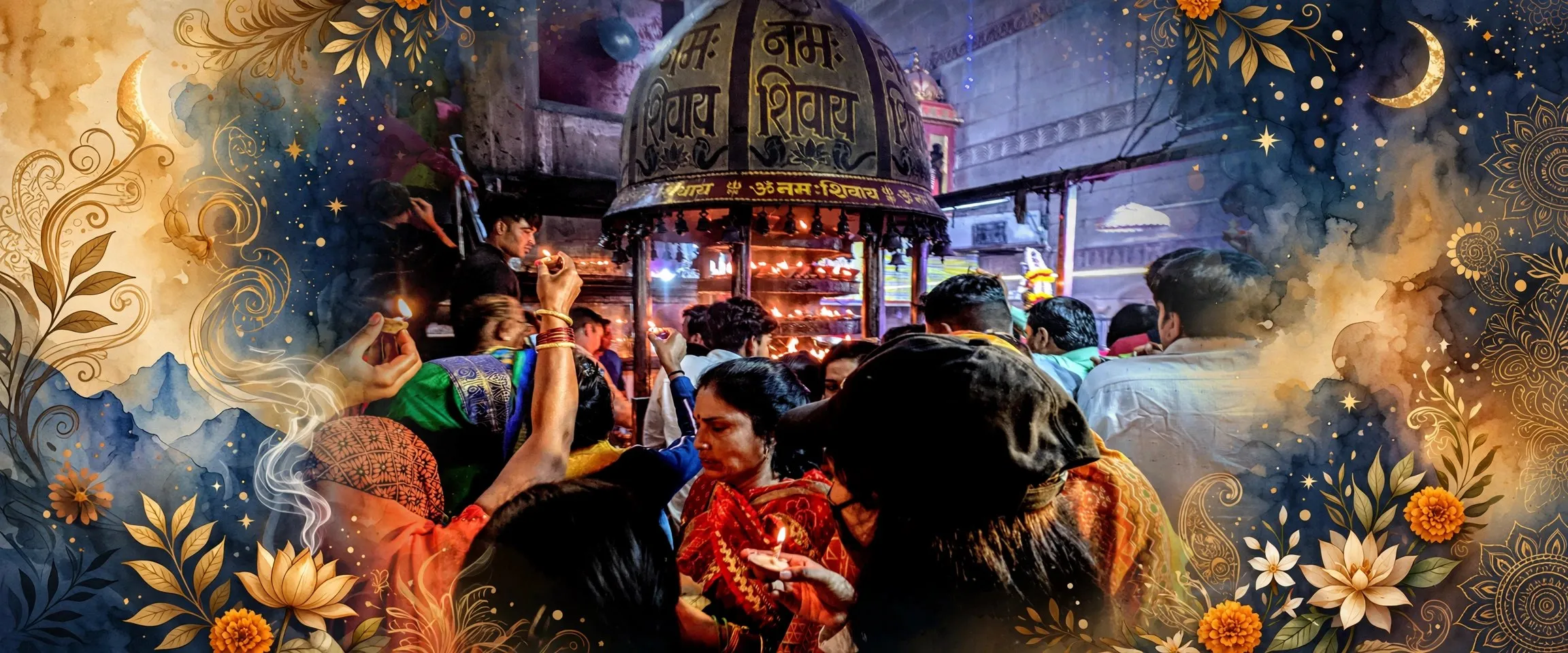
ਮਹਾ ਸ਼ਿਵਰਾਤਰੀ, ਸ਼ਿਵ ਦੀ ਮਹਾਨ ਰਾਤ, ਹਿੰਦੂ ਤਿਉਹਾਰ ਹੈ ਜੋ ਫਾਲਗੁਣ ਮਹੀਨੇ ਦੀ ਹਨੇਰੀ ਚੌਦਸ ਨੂੰ, ਫਰਵਰੀ ਜਾਂ ਮਾਰਚ ਵਿੱਚ, ਮਨਾਇਆ ਜਾਂਦਾ ਹੈ। ਸ਼ਰਧਾਲੂ ਵਰਤ ਰੱਖਦੇ ਹਨ, ਰਾਤ ਭਰ ਜਾਗਦੇ ਹਨ, ਸ਼ਿਵਲਿੰਗ ਨੂੰ ਦੁੱਧ, ਪਾਣੀ ਅਤੇ ਸ਼ਹਿਦ ਨਾਲ ਨਹਾਉਂਦੇ ਹਨ ਅਤੇ ਓਮ ਨਮਃ ਸ਼ਿਵਾਯ ਜਪਦੇ ਹਨ। ਪਰੰਪਰਾ ਇਸ ਰਾਤ ਨੂੰ ਸ਼ਿਵ ਅਤੇ ਪਾਰਵਤੀ ਦੇ ਵਿਆਹ, ਸ਼ਿਵ ਦੇ ਬ੍ਰਹਿਮੰਡੀ ਨਾਚ ਅਤੇ ਉਸ ਰਾਤ ਨਾਲ ਜੋੜਦੀ ਹੈ ਜਦੋਂ ਉਸ ਨੇ ਸੰਸਾਰ ਨੂੰ ਬਚਾਉਣ ਲਈ ਜ਼ਹਿਰ ਪੀ ਲਿਆ ਸੀ।
- ਪੰਜਾਬੀ ਨਾਂ
- ਮਹਾ ਸ਼ਿਵਰਾਤਰੀ
- ਕਦੋਂ
- ਫਾਲਗੁਣ ਜਾਂ ਮਾਘ ਦੀ ਹਨੇਰੀ ਚੌਦਸ, ਫਰਵਰੀ ਜਾਂ ਮਾਰਚ ਵਿੱਚ
- ਅਗਲੀ ਤਾਰੀਖ਼
- ਸ਼ਨੀਵਾਰ, 6 ਮਾਰਚ 2027 (ਪਿਛਲੀ ਵਾਰ ਐਤਵਾਰ, 15 ਫਰਵਰੀ 2026)
- ਅਰਥ
- ਸ਼ਿਵ ਦੀ ਮਹਾਨ ਰਾਤ
- ਮਨਾਉਣ ਦਾ ਤਰੀਕਾ
- ਵਰਤ, ਰਾਤ ਭਰ ਜਾਗਰਣ, ਸ਼ਿਵਲਿੰਗ ਦਾ ਅਭਿਸ਼ੇਕ, ਓਮ ਨਮਃ ਸ਼ਿਵਾਯ ਦਾ ਜਾਪ
- ਮੁੱਖ ਮੰਤਰ
- ਓਮ ਨਮਃ ਸ਼ਿਵਾਯ
All 9 facts
- ਪਵਿੱਤਰ ਥਾਂਵਾਂ
- ਬਾਰਾਂ ਜੋਤਿਰਲਿੰਗ, ਜਿਨ੍ਹਾਂ ਵਿੱਚ ਕਾਸ਼ੀ ਵਿਸ਼ਵਨਾਥ, ਸੋਮਨਾਥ, ਮਹਾਕਾਲੇਸ਼ਵਰ ਅਤੇ ਕੇਦਾਰਨਾਥ
- ਕਸ਼ਮੀਰ ਵਿੱਚ
- ਹੇਰਥ ਵਜੋਂ ਮਨਾਈ ਜਾਂਦੀ ਹੈ, ਪਰਿਵਾਰਕ ਰਸਮਾਂ ਅਤੇ ਦਾਅਵਤ ਨਾਲ
- ਗ੍ਰੰਥਾਂ ਵਿੱਚ
- ਸਕੰਦ, ਲਿੰਗ ਅਤੇ ਪਦਮ ਪੁਰਾਣਾਂ ਵਿੱਚ ਜ਼ਿਕਰ
Maha Shivratri is the one great Hindu festival kept through the night rather than the day. Devotees fast, stay awake until dawn, bathe the Shiva Lingam in milk and water, and chant the name of Shiva, believing that one night of sincere worship can wash away past wrongs and open the way to liberation.
What is Maha Shivratri?
Maha Shivratri means the Great Night of Shiva. It falls on the fourteenth night of the dark fortnight in the Hindu month of Phalguna, or Magha by some reckonings, which puts it in February or March each year. Twelve Shivratris fall in a year, one in every month, but this is the one that matters most, because it is the night when the fourteenth lunar day falls entirely after dark.
It is a festival that turns the usual order upside down. On most festival days people feast, wear new clothes, sing and visit one another. On Maha Shivratri they fast instead. The day belongs to Shiva the ascetic, and devotees answer him by giving up food and comfort for a night and turning inward. Shiva is honoured as the destroyer, the one who cuts away ego, delusion and the bonds that tie the soul to the cycle of birth and death, and also as the giver of bliss, the auspicious one who lives in every being.
The crescent moon belongs to the night too. Shiva wears it in his hair, and on Maha Shivratri the moon stands as a thin crescent, a sign of the god himself.
Why is Maha Shivratri celebrated?
Several stories are told about the night, and devotees honour all of them. The best loved says it is the night Shiva married Parvati, after her long penance won his heart. Couples pray to the pair for harmony in marriage, and unmarried devotees pray for a good partner.
Another story says it is the night Shiva performed the Tandava, the cosmic dance in which creation, preservation and destruction turn in one movement. A third tells of the churning of the ocean, when the poison halahala rose from the waters and Shiva drank it to save the world, holding it in his throat until it turned blue. That is why he is called Neelkanth, the blue-throated one.
A fourth story tells how Brahma and Vishnu quarrelled over which of them was greater, until Shiva appeared before them as a pillar of fire without beginning or end. Neither could find its top or its base, and both bowed. That pillar of fire is remembered as the first Shiva Lingam, the form in which Shiva is worshipped in temples to this day. The festival is named in the Skanda, Linga and Padma Puranas, and Shaivism, the worship of Shiva, reaches back into the oldest layers of Hindu tradition.
How is Maha Shivratri observed?
The fast is the heart of the day. Some devotees keep a nirjala fast, taking neither food nor water until the next morning. Others take only fruit, milk and water, or a single light meal after the evening prayers. There is no single rule, and children, elderly people and anyone with a health condition are advised to fast only as their body allows. What matters, the teaching goes, is sincerity, not severity.
At the temple the central rite is abhishekam, the bathing of the Shiva Lingam. Water, milk, honey, curd and ghee are poured over the stone in turn, with bilva leaves laid on top. Each offering carries a meaning: milk for purity, honey for sweet speech, ghee for the removal of ignorance, curd for health and plenty. The bilva leaf is said to be dearest to Shiva of all.
Worship runs through the night in four watches, the prahar pujas, with bhajans, readings from the Shiva Purana and meditation between them. Devotees chant Om Namah Shivaya, the five-syllable mantra of Shiva, and the Maha Mrityunjaya Mantra, prayed for health and freedom from fear, counting the repetitions on a rudraksha mala. Staying awake, the jagaran, is itself the offering: sleep is the symbol of ignorance, and to stay awake is to choose awareness. The fast is broken the next morning, after prayers and a final abhishekam.
One thing surprises first-time visitors. In most Hindu worship a priest stands between the devotee and the god, but Shiva allows direct worship. Anyone may pour water on the Lingam and pray in their own words, and on this night temples stay open so they can do it until late.
Where is Maha Shivratri celebrated?
The night is kept wherever Hindus live, but some places draw crowds beyond counting. In Varanasi devotees bathe in the Ganges at dawn and crowd into the Kashi Vishwanath Temple, one of the twelve Jyotirlingas. In Ujjain the Mahakaleshwar Temple carries Shiva's idol out in a great procession through streets packed with pilgrims. Somnath in Gujarat, Kedarnath in the Himalayas and Rameshwaram in the far south fill in the same way.
The twelve Jyotirlingas, the self-manifested shrines of Shiva, are the great pilgrimage goal of the night. Four of them already have pages on Jugti: Nageshwar near Dwarka, Baidyanath at Deoghar, Grishneshwar near Ellora and Bhimashankar in Maharashtra. In the south, the Chidambaram temple marks the night with Natyanjali, a dance festival in which artists perform before the sanctum as an offering to Shiva the dancer, and temples at Konark and Khajuraho hold dance festivals of their own.
In Kashmir the festival is kept as Herath, with family rituals and a feast at home, a reminder that the same night wears different clothes in different regions. Outside India, temples in Nepal, Mauritius, Britain, Canada and the United States hold night-long programmes of their own, so that the vigil now runs around the world.
When is Maha Shivratri?
The date follows the moon, so it moves every year. In 2026 it fell on Sunday, 15 February. The next observance falls on Saturday, 6 March 2027, and the one after that on Wednesday, 23 February 2028. The most auspicious hour is Nishita Kaal, the midnight hour, when the main puja is performed. Regional panchangs can differ by a day, so temples announce their own timings as the date approaches.
What does the night mean?
The meaning lies in the word itself. Shivaratri is Shiva's night, and in Hindu thought night stands for tamas, darkness and ignorance. Human beings live inside that darkness, unable to see themselves clearly, caught in the long night of the world. Only Shiva, who rules the darkness without belonging to it, can lift them out.
That is why the festival asks for wakefulness rather than feasting. To stay awake through the night is to act out the waking of the soul: to refuse the sleep of habit, and to meet the morning as a new day. The Upanishads say that what is day for the ignorant is night for the awakened yogi, and what is night for them is day for him. On this night, the teaching runs, the devotee's night becomes a day.
For many people today the festival also answers a simpler need. A night set aside for fasting, quiet and prayer offers a pause from noise and hurry, a chance to reflect and begin again. Whether it is kept as a strict fast or as a few quiet prayers at home, Maha Shivratri asks for the same thing it has always asked: attention, sincerity, and the willingness to stay awake.
ਮਹਾ ਸ਼ਿਵਰਾਤਰੀ ਉਹ ਇਕਲੌਤਾ ਮਹਾਨ ਹਿੰਦੂ ਤਿਉਹਾਰ ਹੈ ਜੋ ਦਿਨ ਦੀ ਥਾਂ ਰਾਤ ਨੂੰ ਮਨਾਇਆ ਜਾਂਦਾ ਹੈ। ਸ਼ਰਧਾਲੂ ਵਰਤ ਰੱਖਦੇ ਹਨ, ਸਵੇਰ ਤੱਕ ਜਾਗਦੇ ਹਨ, ਸ਼ਿਵਲਿੰਗ ਨੂੰ ਦੁੱਧ ਅਤੇ ਪਾਣੀ ਨਾਲ ਨਹਾਉਂਦੇ ਹਨ ਅਤੇ ਸ਼ਿਵ ਦਾ ਨਾਮ ਜਪਦੇ ਹਨ, ਇਹ ਮੰਨ ਕੇ ਕਿ ਇੱਕ ਰਾਤ ਦੀ ਸੱਚੀ ਪੂਜਾ ਪਿਛਲੇ ਪਾਪ ਧੋ ਸਕਦੀ ਹੈ ਅਤੇ ਮੁਕਤੀ ਦਾ ਰਾਹ ਖੋਲ੍ਹ ਸਕਦੀ ਹੈ।
ਮਹਾ ਸ਼ਿਵਰਾਤਰੀ ਕੀ ਹੈ?
ਮਹਾ ਸ਼ਿਵਰਾਤਰੀ ਦਾ ਅਰਥ ਹੈ ਸ਼ਿਵ ਦੀ ਮਹਾਨ ਰਾਤ। ਇਹ ਫਾਲਗੁਣ ਮਹੀਨੇ ਦੀ ਹਨੇਰੀ ਚੌਦਸ ਨੂੰ ਆਉਂਦੀ ਹੈ, ਕੁਝ ਪੰਚਾਂਗਾਂ ਵਿੱਚ ਮਾਘ ਮਹੀਨੇ ਦੀ, ਇਸ ਲਈ ਹਰ ਸਾਲ ਫਰਵਰੀ ਜਾਂ ਮਾਰਚ ਵਿੱਚ ਪੈਂਦੀ ਹੈ। ਸਾਲ ਵਿੱਚ ਬਾਰਾਂ ਸ਼ਿਵਰਾਤਰੀਆਂ ਆਉਂਦੀਆਂ ਹਨ, ਹਰ ਮਹੀਨੇ ਇੱਕ, ਪਰ ਇਹ ਸਭ ਤੋਂ ਮਹੱਤਵਪੂਰਨ ਹੈ, ਕਿਉਂਕਿ ਇਸ ਰਾਤ ਚੌਦਸ ਪੂਰੀ ਤਰ੍ਹਾਂ ਹਨੇਰੇ ਵਿੱਚ ਪੈਂਦੀ ਹੈ।
ਇਹ ਤਿਉਹਾਰ ਆਮ ਰਿਵਾਜ ਨੂੰ ਉਲਟਾ ਦਿੰਦਾ ਹੈ। ਹੋਰ ਤਿਉਹਾਰਾਂ ਵਾਲੇ ਦਿਨ ਲੋਕ ਖਾਂਦੇ-ਪੀਂਦੇ ਹਨ, ਨਵੇਂ ਕੱਪੜੇ ਪਾਉਂਦੇ ਹਨ, ਗਾਉਂਦੇ ਹਨ ਅਤੇ ਇੱਕ ਦੂਜੇ ਨੂੰ ਮਿਲਦੇ ਹਨ। ਮਹਾ ਸ਼ਿਵਰਾਤਰੀ ਵਾਲੇ ਦਿਨ ਉਹ ਵਰਤ ਰੱਖਦੇ ਹਨ। ਇਹ ਦਿਨ ਸ਼ਿਵ ਤਪੱਸਵੀ ਦਾ ਹੈ, ਅਤੇ ਸ਼ਰਧਾਲੂ ਖਾਣਾ ਅਤੇ ਆਰਾਮ ਛੱਡ ਕੇ ਇੱਕ ਰਾਤ ਅੰਦਰ ਵੱਲ ਮੁੜਦੇ ਹਨ। ਸ਼ਿਵ ਨੂੰ ਵਿਨਾਸ਼ਕਾਰੀ ਮੰਨਿਆ ਜਾਂਦਾ ਹੈ, ਜੋ ਹੰਕਾਰ, ਭਰਮ ਅਤੇ ਜਨਮ-ਮਰਨ ਦੇ ਚੱਕਰ ਨਾਲ ਬੰਨ੍ਹਣ ਵਾਲੇ ਬੰਧਨਾਂ ਨੂੰ ਕੱਟਦਾ ਹੈ, ਅਤੇ ਨਾਲ ਹੀ ਆਨੰਦ ਦਾ ਦਾਤਾ ਹੈ, ਉਹ ਸ਼ੁਭ ਜੋ ਹਰ ਜੀਵ ਵਿੱਚ ਵਸਦਾ ਹੈ।
ਅੱਧਾ ਚੰਦ ਵੀ ਇਸ ਰਾਤ ਦਾ ਹੈ। ਸ਼ਿਵ ਇਸ ਨੂੰ ਆਪਣੇ ਵਾਲਾਂ ਵਿੱਚ ਧਾਰਨ ਕਰਦਾ ਹੈ, ਅਤੇ ਮਹਾ ਸ਼ਿਵਰਾਤਰੀ ਨੂੰ ਚੰਦ ਪਤਲੀ ਕਰਵਟ ਵਜੋਂ ਦਿਖਾਈ ਦਿੰਦਾ ਹੈ, ਜੋ ਖੁਦ ਭਗਵਾਨ ਦੀ ਨਿਸ਼ਾਨੀ ਹੈ।
ਮਹਾ ਸ਼ਿਵਰਾਤਰੀ ਕਿਉਂ ਮਨਾਈ ਜਾਂਦੀ ਹੈ?
ਇਸ ਰਾਤ ਬਾਰੇ ਕਈ ਕਥਾਵਾਂ ਸੁਣਾਈਆਂ ਜਾਂਦੀਆਂ ਹਨ, ਅਤੇ ਸ਼ਰਧਾਲੂ ਸਭ ਨੂੰ ਮੰਨਦੇ ਹਨ। ਸਭ ਤੋਂ ਪਿਆਰੀ ਕਥਾ ਕਹਿੰਦੀ ਹੈ ਕਿ ਇਹ ਉਹ ਰਾਤ ਹੈ ਜਦੋਂ ਸ਼ਿਵ ਨੇ ਪਾਰਵਤੀ ਨਾਲ ਵਿਆਹ ਕੀਤਾ ਸੀ, ਜਦੋਂ ਉਸ ਦੀ ਲੰਬੀ ਤਪੱਸਿਆ ਨੇ ਉਸ ਦਾ ਦਿਲ ਜਿੱਤ ਲਿਆ ਸੀ। ਜੋੜੇ ਇਸ ਜੋੜੀ ਅੱਗੇ ਵਿਆਹ ਵਿੱਚ ਸੁੱਖ ਮੰਗਦੇ ਹਨ, ਅਤੇ ਕੁਆਰੇ ਸ਼ਰਧਾਲੂ ਚੰਗਾ ਜੀਵਨ ਸਾਥੀ ਮੰਗਦੇ ਹਨ।
ਇੱਕ ਹੋਰ ਕਥਾ ਕਹਿੰਦੀ ਹੈ ਕਿ ਇਹ ਉਹ ਰਾਤ ਹੈ ਜਦੋਂ ਸ਼ਿਵ ਨੇ ਤਾਂਡਵ ਕੀਤਾ ਸੀ, ਉਹ ਬ੍ਰਹਿਮੰਡੀ ਨਾਚ ਜਿਸ ਵਿੱਚ ਸਿਰਜਣਾ, ਪਾਲਣਾ ਅਤੇ ਵਿਨਾਸ਼ ਇੱਕੋ ਗਤੀ ਵਿੱਚ ਘੁੰਮਦੇ ਹਨ। ਤੀਜੀ ਕਥਾ ਸਮੁੰਦਰ ਮੰਥਨ ਦੀ ਹੈ, ਜਦੋਂ ਪਾਣੀਆਂ ਵਿੱਚੋਂ ਹਲਾਹਲ ਜ਼ਹਿਰ ਉੱਠਿਆ ਅਤੇ ਸ਼ਿਵ ਨੇ ਸੰਸਾਰ ਨੂੰ ਬਚਾਉਣ ਲਈ ਇਸ ਨੂੰ ਪੀ ਲਿਆ, ਇਸ ਨੂੰ ਆਪਣੇ ਗਲੇ ਵਿੱਚ ਰੋਕ ਲਿਆ ਜਦੋਂ ਤੱਕ ਇਹ ਨੀਲਾ ਨਾ ਹੋ ਗਿਆ। ਇਸੇ ਲਈ ਉਸ ਨੂੰ ਨੀਲਕੰਠ ਕਿਹਾ ਜਾਂਦਾ ਹੈ, ਨੀਲੇ ਗਲੇ ਵਾਲਾ।
ਚੌਥੀ ਕਥਾ ਦੱਸਦੀ ਹੈ ਕਿ ਬ੍ਰਹਮਾ ਅਤੇ ਵਿਸ਼ਨੂੰ ਇਸ ਗੱਲ ਉੱਤੇ ਝਗੜ ਪਏ ਕਿ ਉਨ੍ਹਾਂ ਵਿੱਚੋਂ ਵੱਡਾ ਕੌਣ ਹੈ, ਜਦੋਂ ਤੱਕ ਸ਼ਿਵ ਉਨ੍ਹਾਂ ਸਾਹਮਣੇ ਅੱਗ ਦੇ ਇੱਕ ਥੰਮ੍ਹ ਵਜੋਂ ਪ੍ਰਗਟ ਨਾ ਹੋਇਆ, ਜਿਸ ਦਾ ਨਾ ਆਦਿ ਸੀ ਨਾ ਅੰਤ। ਦੋਵੇਂ ਇਸ ਦਾ ਸਿਰਾ ਜਾਂ ਤਲ ਨਾ ਲੱਭ ਸਕੇ ਅਤੇ ਝੁਕ ਗਏ। ਅੱਗ ਦੇ ਉਸ ਥੰਮ੍ਹ ਨੂੰ ਪਹਿਲਾ ਸ਼ਿਵਲਿੰਗ ਮੰਨਿਆ ਜਾਂਦਾ ਹੈ, ਉਹ ਰੂਪ ਜਿਸ ਵਿੱਚ ਅੱਜ ਤੱਕ ਮੰਦਰਾਂ ਵਿੱਚ ਸ਼ਿਵ ਦੀ ਪੂਜਾ ਹੁੰਦੀ ਹੈ। ਇਸ ਤਿਉਹਾਰ ਦਾ ਜ਼ਿਕਰ ਸਕੰਦ, ਲਿੰਗ ਅਤੇ ਪਦਮ ਪੁਰਾਣਾਂ ਵਿੱਚ ਹੈ, ਅਤੇ ਸ਼ਿਵ ਦੀ ਪੂਜਾ, ਸ਼ੈਵ ਮਤ, ਹਿੰਦੂ ਪਰੰਪਰਾ ਦੀਆਂ ਸਭ ਤੋਂ ਪੁਰਾਣੀਆਂ ਪਰਤਾਂ ਤੱਕ ਪਹੁੰਚਦੀ ਹੈ।
ਮਹਾ ਸ਼ਿਵਰਾਤਰੀ ਕਿਵੇਂ ਮਨਾਈ ਜਾਂਦੀ ਹੈ?
ਵਰਤ ਇਸ ਦਿਨ ਦਾ ਕੇਂਦਰ ਹੈ। ਕੁਝ ਸ਼ਰਧਾਲੂ ਨਿਰਜਲਾ ਵਰਤ ਰੱਖਦੇ ਹਨ, ਅਗਲੀ ਸਵੇਰ ਤੱਕ ਨਾ ਖਾਣਾ ਨਾ ਪਾਣੀ। ਕੁਝ ਸਿਰਫ਼ ਫਲ, ਦੁੱਧ ਅਤੇ ਪਾਣੀ ਲੈਂਦੇ ਹਨ, ਜਾਂ ਸ਼ਾਮ ਦੀ ਪੂਜਾ ਤੋਂ ਬਾਅਦ ਇੱਕ ਹਲਕਾ ਭੋਜਨ ਕਰਦੇ ਹਨ। ਇਸ ਦਾ ਕੋਈ ਇੱਕੋ ਨਿਯਮ ਨਹੀਂ ਹੈ, ਅਤੇ ਬੱਚਿਆਂ, ਬਜ਼ੁਰਗਾਂ ਅਤੇ ਸਿਹਤ ਸੰਬੰਧੀ ਤਕਲੀਫ਼ ਵਾਲਿਆਂ ਨੂੰ ਸਲਾਹ ਦਿੱਤੀ ਜਾਂਦੀ ਹੈ ਕਿ ਉਹ ਆਪਣੇ ਸਰੀਰ ਦੀ ਸਮਰੱਥਾ ਅਨੁਸਾਰ ਹੀ ਵਰਤ ਰੱਖਣ। ਸਿੱਖਿਆ ਇਹ ਹੈ ਕਿ ਸੱਚਾਈ ਮਾਇਨੇ ਰੱਖਦੀ ਹੈ, ਸਖ਼ਤੀ ਨਹੀਂ।
ਮੰਦਰ ਵਿੱਚ ਮੁੱਖ ਰਸਮ ਅਭਿਸ਼ੇਕ ਹੈ, ਸ਼ਿਵਲਿੰਗ ਨੂੰ ਨਹਾਉਣਾ। ਪਾਣੀ, ਦੁੱਧ, ਸ਼ਹਿਦ, ਦਹੀਂ ਅਤੇ ਘਿਓ ਇੱਕ ਤੋਂ ਬਾਅਦ ਇੱਕ ਪੱਥਰ ਉੱਤੇ ਚੜ੍ਹਾਏ ਜਾਂਦੇ ਹਨ, ਅਤੇ ਉੱਤੇ ਬਿਲਵ ਪੱਤੇ ਰੱਖੇ ਜਾਂਦੇ ਹਨ। ਹਰ ਭੇਟ ਦਾ ਇੱਕ ਅਰਥ ਹੈ: ਦੁੱਧ ਸ਼ੁੱਧਤਾ ਲਈ, ਸ਼ਹਿਦ ਮਿੱਠੀ ਬੋਲੀ ਲਈ, ਘਿਓ ਅਗਿਆਨਤਾ ਦੂਰ ਕਰਨ ਲਈ, ਦਹੀਂ ਸਿਹਤ ਅਤੇ ਖੁਸ਼ਹਾਲੀ ਲਈ। ਕਿਹਾ ਜਾਂਦਾ ਹੈ ਕਿ ਬਿਲਵ ਪੱਤਾ ਸ਼ਿਵ ਨੂੰ ਸਭ ਤੋਂ ਪਿਆਰਾ ਹੈ।
ਪੂਜਾ ਰਾਤ ਭਰ ਚਾਰ ਪਹਿਰਾਂ ਵਿੱਚ ਚੱਲਦੀ ਹੈ, ਜਿਨ੍ਹਾਂ ਨੂੰ ਪ੍ਰਹਰ ਪੂਜਾ ਕਿਹਾ ਜਾਂਦਾ ਹੈ, ਵਿਚਕਾਰ ਭਜਨ, ਸ਼ਿਵ ਪੁਰਾਣ ਦਾ ਪਾਠ ਅਤੇ ਧਿਆਨ ਹੁੰਦਾ ਹੈ। ਸ਼ਰਧਾਲੂ ਓਮ ਨਮਃ ਸ਼ਿਵਾਯ, ਸ਼ਿਵ ਦਾ ਪੰਜ-ਅੱਖਰੀ ਮੰਤਰ, ਅਤੇ ਮਹਾ ਮ੍ਰਿਤਿਉੰਜਯ ਮੰਤਰ ਜਪਦੇ ਹਨ, ਜੋ ਸਿਹਤ ਅਤੇ ਡਰ ਤੋਂ ਮੁਕਤੀ ਲਈ ਪੜ੍ਹਿਆ ਜਾਂਦਾ ਹੈ, ਅਤੇ ਗਿਣਤੀ ਰੁਦਰਾਕਸ਼ ਦੀ ਮਾਲਾ ਨਾਲ ਕਰਦੇ ਹਨ। ਰਾਤ ਭਰ ਜਾਗਣਾ, ਜਾਗਰਣ, ਖੁਦ ਇੱਕ ਭੇਟ ਹੈ: ਨੀਂਦ ਅਗਿਆਨਤਾ ਦੀ ਨਿਸ਼ਾਨੀ ਹੈ, ਅਤੇ ਜਾਗਣਾ ਚੇਤੰਨਤਾ ਨੂੰ ਚੁਣਨਾ ਹੈ। ਵਰਤ ਅਗਲੀ ਸਵੇਰ ਪੂਜਾ ਅਤੇ ਆਖ਼ਰੀ ਅਭਿਸ਼ੇਕ ਤੋਂ ਬਾਅਦ ਤੋੜਿਆ ਜਾਂਦਾ ਹੈ।
ਇੱਕ ਗੱਲ ਪਹਿਲੀ ਵਾਰ ਆਉਣ ਵਾਲਿਆਂ ਨੂੰ ਹੈਰਾਨ ਕਰਦੀ ਹੈ। ਜ਼ਿਆਦਾਤਰ ਹਿੰਦੂ ਪੂਜਾ ਵਿੱਚ ਪੁਜਾਰੀ ਸ਼ਰਧਾਲੂ ਅਤੇ ਭਗਵਾਨ ਵਿਚਕਾਰ ਖੜ੍ਹਾ ਹੁੰਦਾ ਹੈ, ਪਰ ਸ਼ਿਵ ਸਿੱਧੀ ਪੂਜਾ ਦੀ ਇਜਾਜ਼ਤ ਦਿੰਦਾ ਹੈ। ਕੋਈ ਵੀ ਵਿਅਕਤੀ ਲਿੰਗਮ ਉੱਤੇ ਪਾਣੀ ਚੜ੍ਹਾ ਸਕਦਾ ਹੈ ਅਤੇ ਆਪਣੇ ਸ਼ਬਦਾਂ ਵਿੱਚ ਪ੍ਰਾਰਥਨਾ ਕਰ ਸਕਦਾ ਹੈ, ਅਤੇ ਇਸ ਰਾਤ ਮੰਦਰ ਦੇਰ ਤੱਕ ਖੁੱਲ੍ਹੇ ਰਹਿੰਦੇ ਹਨ ਤਾਂ ਜੋ ਲੋਕ ਅਜਿਹਾ ਕਰ ਸਕਣ।
ਮਹਾ ਸ਼ਿਵਰਾਤਰੀ ਕਿੱਥੇ ਮਨਾਈ ਜਾਂਦੀ ਹੈ?
ਇਹ ਰਾਤ ਜਿੱਥੇ ਵੀ ਹਿੰਦੂ ਰਹਿੰਦੇ ਹਨ, ਉੱਥੇ ਮਨਾਈ ਜਾਂਦੀ ਹੈ, ਪਰ ਕੁਝ ਥਾਵਾਂ ਉੱਤੇ ਭੀੜ ਗਿਣਤੀ ਤੋਂ ਬਾਹਰ ਹੁੰਦੀ ਹੈ। ਵਾਰਾਨਸੀ ਵਿੱਚ ਸ਼ਰਧਾਲੂ ਸਵੇਰੇ ਗੰਗਾ ਵਿੱਚ ਇਸ਼ਨਾਨ ਕਰਦੇ ਹਨ ਅਤੇ ਬਾਰਾਂ ਜੋਤਿਰਲਿੰਗਾਂ ਵਿੱਚੋਂ ਇੱਕ, ਕਾਸ਼ੀ ਵਿਸ਼ਵਨਾਥ ਮੰਦਰ ਵਿੱਚ ਭੀੜ ਕਰਦੇ ਹਨ। ਉਜੈਨ ਵਿੱਚ ਮਹਾਕਾਲੇਸ਼ਵਰ ਮੰਦਰ ਸ਼ਿਵ ਦੀ ਮੂਰਤੀ ਨੂੰ ਸ਼ਰਧਾਲੂਆਂ ਨਾਲ ਭਰੀਆਂ ਗਲੀਆਂ ਵਿੱਚੋਂ ਇੱਕ ਵੱਡੀ ਸ਼ੋਭਾ ਯਾਤਰਾ ਵਿੱਚ ਲੈ ਜਾਂਦਾ ਹੈ। ਗੁਜਰਾਤ ਵਿੱਚ ਸੋਮਨਾਥ, ਹਿਮਾਲਿਆ ਵਿੱਚ ਕੇਦਾਰਨਾਥ ਅਤੇ ਦੂਰ ਦੱਖਣ ਵਿੱਚ ਰਾਮੇਸ਼ਵਰਮ ਵੀ ਇਸੇ ਤਰ੍ਹਾਂ ਭਰ ਜਾਂਦੇ ਹਨ।
ਬਾਰਾਂ ਜੋਤਿਰਲਿੰਗ, ਸ਼ਿਵ ਦੇ ਆਪ-ਪ੍ਰਗਟ ਅਸਥਾਨ, ਇਸ ਰਾਤ ਦੀ ਮਹਾਨ ਯਾਤਰਾ ਦਾ ਟੀਚਾ ਹਨ। ਇਨ੍ਹਾਂ ਵਿੱਚੋਂ ਚਾਰ ਦੇ ਪੰਨੇ ਜੁਗਤੀ ਉੱਤੇ ਪਹਿਲਾਂ ਹੀ ਹਨ: ਦੁਆਰਕਾ ਨੇੜੇ ਨਾਗੇਸ਼ਵਰ, ਦੇਵਘਰ ਵਿਖੇ ਬੈਦਿਆਨਾਥ, ਐਲੋਰਾ ਨੇੜੇ ਗ੍ਰਿਸ਼ਨੇਸ਼ਵਰ ਅਤੇ ਮਹਾਰਾਸ਼ਟਰ ਵਿੱਚ ਭੀਮਾਸ਼ੰਕਰ। ਦੱਖਣ ਵਿੱਚ, ਚਿਦੰਬਰਮ ਮੰਦਰ ਇਸ ਰਾਤ ਨੂੰ ਨਾਟਿਆਂਜਲੀ ਨਾਲ ਮਨਾਉਂਦਾ ਹੈ, ਇੱਕ ਨਾਚ ਉਤਸਵ ਜਿਸ ਵਿੱਚ ਕਲਾਕਾਰ ਸ਼ਿਵ ਨਾਚਕ ਅੱਗੇ ਭੇਟ ਵਜੋਂ ਨਾਚ ਪੇਸ਼ ਕਰਦੇ ਹਨ, ਅਤੇ ਕੋਨਾਰਕ ਅਤੇ ਖਜੁਰਾਹੋ ਦੇ ਮੰਦਰਾਂ ਵਿੱਚ ਵੀ ਆਪਣੇ ਨਾਚ ਉਤਸਵ ਹੁੰਦੇ ਹਨ।
ਕਸ਼ਮੀਰ ਵਿੱਚ ਇਹ ਤਿਉਹਾਰ ਹੇਰਥ ਵਜੋਂ ਮਨਾਇਆ ਜਾਂਦਾ ਹੈ, ਘਰ ਵਿੱਚ ਪਰਿਵਾਰਕ ਰਸਮਾਂ ਅਤੇ ਦਾਅਵਤ ਨਾਲ, ਇਹ ਯਾਦ ਦਿਵਾਉਂਦਾ ਹੈ ਕਿ ਇੱਕੋ ਰਾਤ ਵੱਖ-ਵੱਖ ਖੇਤਰਾਂ ਵਿੱਚ ਵੱਖਰੇ ਰੰਗ ਧਾਰਨ ਕਰਦੀ ਹੈ। ਭਾਰਤ ਤੋਂ ਬਾਹਰ, ਨੇਪਾਲ, ਮਾਰੀਸ਼ਸ, ਬਰਤਾਨੀਆ, ਕੈਨੇਡਾ ਅਤੇ ਅਮਰੀਕਾ ਦੇ ਮੰਦਰਾਂ ਵਿੱਚ ਵੀ ਰਾਤ ਭਰ ਦੇ ਆਪਣੇ ਪ੍ਰੋਗਰਾਮ ਹੁੰਦੇ ਹਨ, ਇਸ ਲਈ ਜਾਗਰਣ ਹੁਣ ਪੂਰੀ ਦੁਨੀਆ ਵਿੱਚ ਚੱਲਦਾ ਹੈ।
ਮਹਾ ਸ਼ਿਵਰਾਤਰੀ ਕਦੋਂ ਹੈ?
ਤਰੀਕ ਚੰਦ ਅਨੁਸਾਰ ਚੱਲਦੀ ਹੈ, ਇਸ ਲਈ ਹਰ ਸਾਲ ਬਦਲਦੀ ਹੈ। 2026 ਵਿੱਚ ਇਹ ਐਤਵਾਰ, 15 ਫਰਵਰੀ ਨੂੰ ਪਈ ਸੀ। ਅਗਲੀ ਵਾਰ ਇਹ ਸ਼ਨੀਵਾਰ, 6 ਮਾਰਚ 2027 ਨੂੰ ਆਵੇਗੀ, ਅਤੇ ਉਸ ਤੋਂ ਬਾਅਦ ਬੁੱਧਵਾਰ, 23 ਫਰਵਰੀ 2028 ਨੂੰ। ਸਭ ਤੋਂ ਸ਼ੁਭ ਸਮਾਂ ਨਿਸ਼ਿਤ ਕਾਲ, ਅੱਧੀ ਰਾਤ ਦਾ ਸਮਾਂ ਹੈ, ਜਦੋਂ ਮੁੱਖ ਪੂਜਾ ਕੀਤੀ ਜਾਂਦੀ ਹੈ। ਖੇਤਰੀ ਪੰਚਾਂਗ ਇੱਕ ਦਿਨ ਦਾ ਫ਼ਰਕ ਦਿਖਾ ਸਕਦੇ ਹਨ, ਇਸ ਲਈ ਮੰਦਰ ਤਰੀਕ ਨੇੜੇ ਆਉਣ ਉੱਤੇ ਆਪਣਾ ਸਮਾਂ ਦੱਸਦੇ ਹਨ।
ਇਸ ਰਾਤ ਦਾ ਕੀ ਅਰਥ ਹੈ?
ਅਰਥ ਨਾਂ ਵਿੱਚ ਹੀ ਹੈ। ਸ਼ਿਵਰਾਤਰੀ ਸ਼ਿਵ ਦੀ ਰਾਤ ਹੈ, ਅਤੇ ਹਿੰਦੂ ਸੋਚ ਵਿੱਚ ਰਾਤ ਤਮਸ, ਹਨੇਰੇ ਅਤੇ ਅਗਿਆਨਤਾ ਲਈ ਖੜ੍ਹੀ ਹੈ। ਮਨੁੱਖ ਉਸ ਹਨੇਰੇ ਅੰਦਰ ਰਹਿੰਦੇ ਹਨ, ਆਪਣੇ ਆਪ ਨੂੰ ਸਾਫ਼ ਨਹੀਂ ਦੇਖ ਸਕਦੇ, ਸੰਸਾਰ ਦੀ ਲੰਬੀ ਰਾਤ ਵਿੱਚ ਫਸੇ ਹੋਏ। ਸਿਰਫ਼ ਸ਼ਿਵ, ਜੋ ਹਨੇਰੇ ਦਾ ਮਾਲਕ ਹੈ ਪਰ ਉਸ ਦਾ ਨਹੀਂ, ਉਨ੍ਹਾਂ ਨੂੰ ਉਸ ਵਿੱਚੋਂ ਕੱਢ ਸਕਦਾ ਹੈ।
ਇਸੇ ਲਈ ਇਹ ਤਿਉਹਾਰ ਦਾਅਵਤ ਦੀ ਥਾਂ ਜਾਗਰਣ ਮੰਗਦਾ ਹੈ। ਰਾਤ ਭਰ ਜਾਗਣਾ ਆਤਮਾ ਦੇ ਜਾਗਣ ਦਾ ਪ੍ਰਤੀਕ ਹੈ: ਆਦਤ ਦੀ ਨੀਂਦ ਤੋਂ ਇਨਕਾਰ ਕਰਨਾ, ਅਤੇ ਸਵੇਰ ਨੂੰ ਇੱਕ ਨਵੇਂ ਦਿਨ ਵਜੋਂ ਮਿਲਣਾ। ਉਪਨਿਸ਼ਦ ਕਹਿੰਦੇ ਹਨ ਕਿ ਜੋ ਅਗਿਆਨੀਆਂ ਲਈ ਦਿਨ ਹੈ, ਉਹ ਜਾਗੇ ਹੋਏ ਯੋਗੀ ਲਈ ਰਾਤ ਹੈ, ਅਤੇ ਜੋ ਉਨ੍ਹਾਂ ਲਈ ਰਾਤ ਹੈ, ਉਹ ਉਸ ਲਈ ਦਿਨ ਹੈ। ਇਸ ਰਾਤ, ਸਿੱਖਿਆ ਕਹਿੰਦੀ ਹੈ, ਸ਼ਰਧਾਲੂ ਦੀ ਰਾਤ ਦਿਨ ਬਣ ਜਾਂਦੀ ਹੈ।
ਅੱਜ ਬਹੁਤ ਸਾਰੇ ਲੋਕਾਂ ਲਈ ਇਹ ਤਿਉਹਾਰ ਇੱਕ ਸਰਲ ਲੋੜ ਦਾ ਜਵਾਬ ਵੀ ਦਿੰਦਾ ਹੈ। ਵਰਤ, ਚੁੱਪ ਅਤੇ ਪ੍ਰਾਰਥਨਾ ਲਈ ਰੱਖੀ ਇੱਕ ਰਾਤ ਸ਼ੋਰ ਅਤੇ ਜਲਦਬਾਜ਼ੀ ਤੋਂ ਵਿਰਾਮ ਦਿੰਦੀ ਹੈ, ਸੋਚਣ ਅਤੇ ਮੁੜ ਸ਼ੁਰੂ ਕਰਨ ਦਾ ਮੌਕਾ ਦਿੰਦੀ ਹੈ। ਭਾਵੇਂ ਇਸ ਨੂੰ ਸਖ਼ਤ ਵਰਤ ਵਜੋਂ ਮਨਾਇਆ ਜਾਵੇ ਜਾਂ ਘਰ ਵਿੱਚ ਕੁਝ ਸ਼ਾਂਤ ਪ੍ਰਾਰਥਨਾਵਾਂ ਵਜੋਂ, ਮਹਾ ਸ਼ਿਵਰਾਤਰੀ ਹਮੇਸ਼ਾ ਇੱਕੋ ਚੀਜ਼ ਮੰਗਦੀ ਹੈ: ਧਿਆਨ, ਸੱਚਾਈ, ਅਤੇ ਜਾਗਦੇ ਰਹਿਣ ਦੀ ਤਿਆਰੀ।
More religion entries to explore
ਸਰੋਤ (3)
ਜੁਗਤੀ ਮੁਫ਼ਤ ਅਤੇ ਸੁਤੰਤਰ ਹੈ। ਪਾਠਕਾਂ ਦਾ ਸਹਿਯੋਗ ਕੋਸ਼ ਨੂੰ ਵਧਾਉਂਦਾ ਹੈ।
ਸਹਿਯੋਗ