
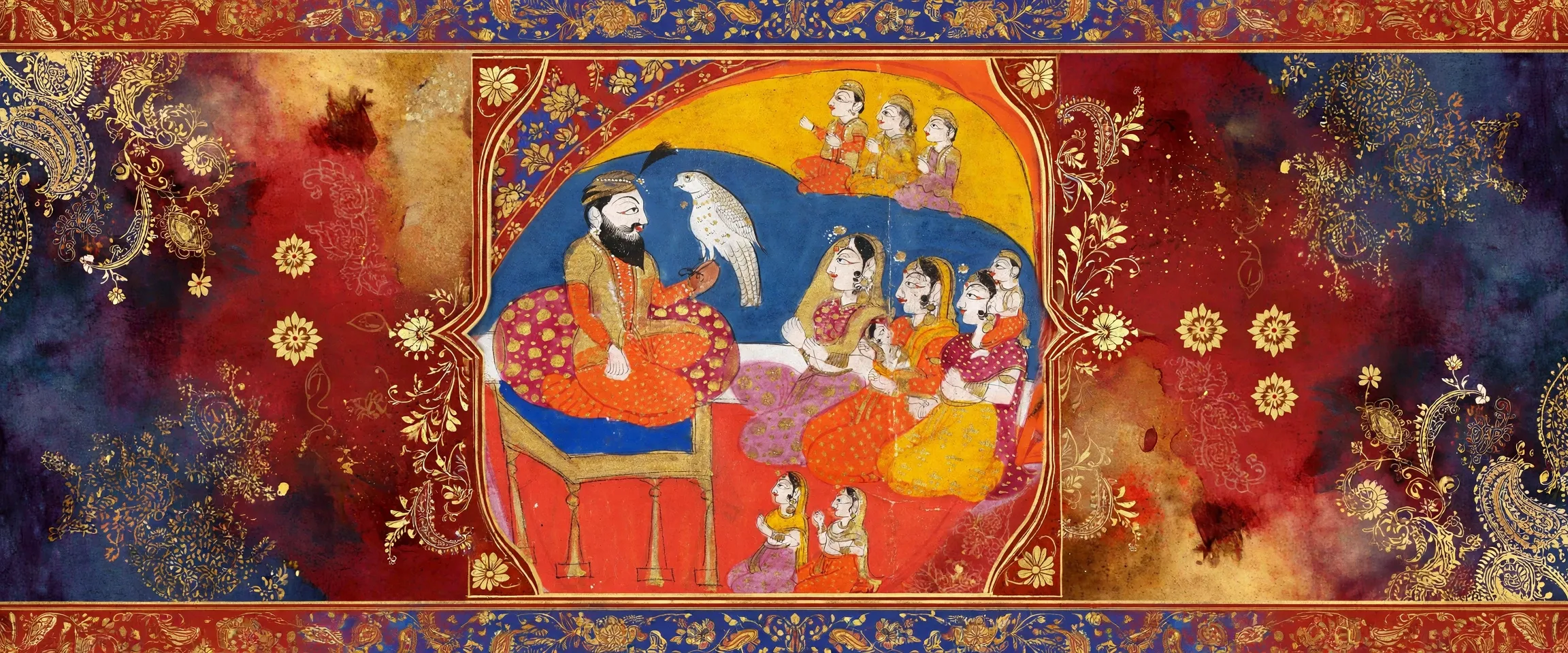
ਮਾਤਾ ਸਾਹਿਬ ਕੌਰ ਜੀ (1681 ਤੋਂ 1747), ਜਿਨ੍ਹਾਂ ਦਾ ਜਨਮ ਨਾਂ ਸਾਹਿਬ ਦੇਵਾਂ ਸੀ ਅਤੇ ਜੋ ਰੋਹਤਾਸ ਵਿੱਚ ਜਨਮੇ, ਖਾਲਸੇ ਦੀ ਮਾਤਾ ਵਜੋਂ ਸਤਕਾਰੇ ਜਾਂਦੇ ਹਨ। ਪਰੰਪਰਾ ਅਨੁਸਾਰ ਉਨ੍ਹਾਂ ਨੇ ਵਿਸਾਖੀ 1699 ਦੇ ਪਹਿਲੇ ਅੰਮ੍ਰਿਤ ਵਿੱਚ ਪਤਾਸੇ ਪਾਏ, ਅਤੇ ਗੁਰੂ ਗੋਬਿੰਦ ਸਿੰਘ ਜੀ ਨੇ ਉਨ੍ਹਾਂ ਨੂੰ ਸਾਰੇ ਖਾਲਸਾ ਪੰਥ ਦੀ ਮਾਤਾ ਐਲਾਨਿਆ, ਜੋ ਪਦਵੀ ਸਿੱਖ ਅੱਜ ਵੀ ਹਰ ਅੰਮ੍ਰਿਤ ਸਮਾਗਮ ਵਿੱਚ ਵਰਤਦੇ ਹਨ।
- ਪੰਜਾਬੀ ਨਾਂ
- ਮਾਤਾ ਸਾਹਿਬ ਕੌਰ ਜੀ।
- ਧਰਮ
- ਸਿੱਖ ਧਰਮ
- ਗੁਰਮੁਖੀ
- ਮਾਤਾ ਸਾਹਿਬ ਕੌਰ ਜੀ।
- ਜਨਮ
- 1 ਨਵੰਬਰ 1681, ਰੋਹਤਾਸ, ਜੇਹਲਮ ਜ਼ਿਲ੍ਹਾ (ਹੁਣ ਪਾਕਿਸਤਾਨ ਵਿੱਚ)।
- ਜਨਮ ਦਾ ਨਾਂ
- ਸਾਹਿਬ ਦੇਵਾਂ, ਸਾਹਿਬ ਦੇਵੀ ਵੀ ਕਿਹਾ ਜਾਂਦਾ ਹੈ।
- ਮਾਤਾ-ਪਿਤਾ
- ਭਾਈ ਹਰ ਭਗਵਾਨ ਜੀ, ਜਿਨ੍ਹਾਂ ਨੂੰ ਰਾਮੂ ਜੀ ਕਿਹਾ ਜਾਂਦਾ ਹੈ, ਅਤੇ ਮਾਤਾ ਜਸਦੇਵੀ ਜੀ।
All 9 facts
- ਸਿਰਲੇਖ
- ਖਾਲਸੇ ਦੀ ਮਾਤਾ (ਖਾਲਸਾ ਪੰਥ ਦੀ ਮਾਤਾ)।
- ਪ੍ਰਸਿੱਧੀ
- ਪਹਿਲੇ ਅੰਮ੍ਰਿਤ ਵਿੱਚ ਪਤਾਸਿਆਂ ਵਾਲੀ ਪਰੰਪਰਾ, ਅਤੇ ਦਿੱਲੀ ਤੋਂ ਪੰਥ ਦੀ ਅਗਵਾਈ।
- ਦੇਹਾਂਤ
- 1747, ਦਿੱਲੀ; ਸਸਕਾਰ ਗੁਰਦੁਆਰਾ ਬਾਲਾ ਸਾਹਿਬ, ਨਵੀਂ ਦਿੱਲੀ ਵਿਖੇ।
Mata Sahib Kaur Ji (1681 to 1747), born Sahib Devan at Rohtas in the Jhelum district, is honoured by Sikhs as the Mother of the Khalsa. Guru Gobind Singh Ji gave her that title, and every Sikh who takes amrit still names her as mother and the Guru as father.
Who was Mata Sahib Kaur Ji?
Mata Sahib Kaur Ji was born Sahib Devan, also written Sahib Devi, and took the name Sahib Kaur in the Khalsa tradition. Guru Gobind Singh Ji proclaimed her the mother of the ਖਾਲਸਾ ਪੰਥ, in Punjabi Khalsa Panth di Mata. The title was not a courtesy. It defined her place for every generation after her: she had no children of her own, and the whole Khalsa became her family.
That is why her name is spoken at every amrit sanchar today. When a Sikh receives amrit, the initiation into the Khalsa, they are told that their father is Guru Gobind Singh Ji and their mother is Mata Sahib Kaur Ji. Within ਸਿੱਖ ਧਰਮ no other woman carries this title, and Sikhs still use it as a living form of address, not a line from a history book.
Her early life at Rohtas
She was born on 1 November 1681 at Rohtas, in the Jhelum district of Punjab, in what is now Pakistan. Her father was Bhai Har Bhagwan Ji, remembered in the sources as Ramu Ji or Bhai Rama Ji, a Bassi Khatri and a devout Sikh, and her mother was Mata Jasdevi Ji. The Encyclopaedia of Sikhism records that her parents had dedicated her to the service of Guru Gobind Singh Ji from the beginning, and she grew up in a home shaped by that devotion.
Rohtas was a small town in the hills west of the Jhelum river, far from Anandpur Sahib, but Sikh families there followed the Guru closely. The girl called Sahib Devi in childhood was raised, by every account, on Gurbani and on stories of the Guru's court, and her family's wish for her future was formed long before she ever saw Anandpur.
How did she come to Anandpur Sahib?
Her family brought her to ਅਨੰਦਪੁਰ ਸਾਹਿਬ at the Baisakhi festival of 1700 and told ਗੁਰੂ ਗੋਬਿੰਦ ਸਿੰਘ ਜੀ ਨੇ of their wish to give her to him in marriage. The Guru at first refused: he was already married and was the father of four sons. Her father answered that his daughter had been brought up for this and would accept no other match. The Guru then agreed, but made one thing explicit from the start: the bond would be spiritual, not physical, and she would remain as she was.
The nuptials took place at Anandpur on 15 April 1700, and it was then that Guru Gobind Singh Ji proclaimed her the mother of the Khalsa. She took her place in the Guru's household, in the family headed by his mother Mata Gujri Ji, and served the Guru and the Sangat there. Accounts describe the union in different words, some calling her a wife of the Guru and others stressing that she was never married in the ordinary sense, but they agree on the heart of it: her relationship with the Guru was one of seva and devotion, and her motherhood was of the Panth, not of a household.
What happened at Vaisakhi 1699?
Sikh tradition holds a beloved place for her at the founding of the Khalsa on ਵੈਸਾਖੀ 1699. As the Guru stirred the amrit in an iron bowl with a double edged sword, tradition says he asked for patase, sugar crystals, and that Mata Sahib Kaur Ji added them at his direction. The meaning Sikhs draw from the moment is plain: the Khalsa was to carry sweetness with its steel, mercy and humility alongside courage. Bhai Kahn Singh Nabha records her presence and her part in the making of the amrit in the Mahan Kosh, his great encyclopaedia of Sikh literature.
Honest accounts also record that historians differ here. The Twarikh Guru Khalsa attributes the patase to Mata Jito Ji and points out that Sahib Devan came to Anandpur in 1700, a year after the first amrit. This page presents the story as what it is: a cherished tradition, recorded by Nabha and held by the Panth, on which scholars have not all agreed. Her standing as Mother of the Khalsa does not rest on settling that question, because the Guru's own proclamation of her motherhood is the ground of the title, and that proclamation no source disputes.
Her years in Delhi after 1708
Her later life was spent guiding a scattered Panth. In December 1705, when Anandpur was evacuated and the Guru's column was attacked at the river Sarsa, she was escorted to Delhi with Mata Sundri Ji. She rejoined the Guru at Talwandi Sabo in 1706, returned to Delhi, and in 1708 accompanied him south to Nanded. Shortly before his passing there in October 1708, she was persuaded to return to Delhi, bringing with her five weapons said to have belonged to Guru Hargobind Ji, which are preserved today at Gurdwara Rakab Ganj in Delhi.
From Delhi, together with Mata Sundri Ji, she supervised the affairs of the community. Hukamnamas, written orders to the sangats, issued in her name survive with dates between 1726 and 1734, evidence that distant congregations looked to her and acted on her word. She died at Delhi, commonly dated to 1747, at about sixty six years of age, and was cremated at ਗੁਰਦੁਆਰਾ ਬਾਲਾ ਸਾਹਿਬ, where her memorial stands close to Mata Sundri Ji's. The Encyclopaedia of Sikhism adds a careful note: her exact date of death is not recorded, only that she passed away before Mata Sundri Ji, who also died in 1747.
Is Mata Sahib Kaur Ji the same as Mata Sundri Ji?
No. They were two different women, and keeping them distinct keeps the history clear. Mata Sundri Ji, remembered in many accounts as Mata Jito Ji before her marriage, came from Bajwara in the Hoshiarpur district, was the wife of Guru Gobind Singh Ji, and was the mother of the four Sahibzadas. Mata Sahib Kaur Ji came from Rohtas, had no children of her own, and became a mother by the Guru's declaration: the mother of the Khalsa itself.
The two are often named together because their later lives ran side by side. Both were widowed in 1708, both lived in Delhi, both guided the Panth through dangerous years with hukamnamas of their own, and their memorials stand near each other at Gurdwara Bala Sahib. One was the mother of the Guru's sons. The other is the mother of his Khalsa, and it is in that motherhood that Sikhs meet her still, every time amrit is prepared.
ਮਾਤਾ ਸਾਹਿਬ ਕੌਰ ਜੀ (1681 ਤੋਂ 1747), ਜਿਨ੍ਹਾਂ ਦਾ ਜਨਮ ਨਾਂ ਸਾਹਿਬ ਦੇਵਾਂ ਸੀ ਅਤੇ ਜੋ ਜੇਹਲਮ ਜ਼ਿਲ੍ਹੇ ਦੇ ਰੋਹਤਾਸ ਵਿੱਚ ਜਨਮੇ, ਸਿੱਖਾਂ ਵੱਲੋਂ ਖਾਲਸੇ ਦੀ ਮਾਤਾ ਵਜੋਂ ਸਤਕਾਰੇ ਜਾਂਦੇ ਹਨ। ਗੁਰੂ ਗੋਬਿੰਦ ਸਿੰਘ ਜੀ ਨੇ ਉਨ੍ਹਾਂ ਨੂੰ ਇਹ ਪਦਵੀ ਦਿੱਤੀ, ਅਤੇ ਅੱਜ ਵੀ ਹਰ ਅੰਮ੍ਰਿਤ ਛਕਣ ਵਾਲਾ ਸਿੱਖ ਉਨ੍ਹਾਂ ਨੂੰ ਆਪਣੀ ਮਾਤਾ ਅਤੇ ਗੁਰੂ ਜੀ ਨੂੰ ਆਪਣਾ ਪਿਤਾ ਮੰਨਦਾ ਹੈ।
ਮਾਤਾ ਸਾਹਿਬ ਕੌਰ ਜੀ ਕੌਣ ਸਨ?
ਮਾਤਾ ਸਾਹਿਬ ਕੌਰ ਜੀ ਦਾ ਜਨਮ ਨਾਂ ਸਾਹਿਬ ਦੇਵਾਂ ਸੀ, ਜੋ ਸਾਹਿਬ ਦੇਵੀ ਵੀ ਲਿਖਿਆ ਜਾਂਦਾ ਹੈ, ਅਤੇ ਖਾਲਸਾ ਪਰੰਪਰਾ ਵਿੱਚ ਉਨ੍ਹਾਂ ਨੇ ਸਾਹਿਬ ਕੌਰ ਨਾਂ ਧਾਰਨ ਕੀਤਾ। ਗੁਰੂ ਗੋਬਿੰਦ ਸਿੰਘ ਜੀ ਨੇ ਉਨ੍ਹਾਂ ਨੂੰ ਖਾਲਸਾ ਪੰਥ ਦੀ ਮਾਤਾ ਐਲਾਨਿਆ। ਇਹ ਪਦਵੀ ਕੋਈ ਰਸਮੀ ਸਤਕਾਰ ਨਹੀਂ ਸੀ। ਇਸ ਨੇ ਹਰ ਆਉਣ ਵਾਲੀ ਪੀੜ੍ਹੀ ਲਈ ਉਨ੍ਹਾਂ ਦੀ ਥਾਂ ਤੈਅ ਕਰ ਦਿੱਤੀ: ਉਨ੍ਹਾਂ ਦੇ ਆਪਣੇ ਕੋਈ ਬੱਚੇ ਨਹੀਂ ਸਨ, ਅਤੇ ਸਾਰਾ ਖਾਲਸਾ ਹੀ ਉਨ੍ਹਾਂ ਦਾ ਪਰਿਵਾਰ ਬਣ ਗਿਆ।
ਇਸੇ ਲਈ ਅੱਜ ਹਰ ਅੰਮ੍ਰਿਤ ਸੰਚਾਰ ਵਿੱਚ ਉਨ੍ਹਾਂ ਦਾ ਨਾਂ ਲਿਆ ਜਾਂਦਾ ਹੈ। ਜਦ ਕੋਈ ਸਿੱਖ ਅੰਮ੍ਰਿਤ ਛਕਦਾ ਹੈ, ਯਾਨੀ ਖਾਲਸੇ ਵਿੱਚ ਸ਼ਾਮਲ ਹੁੰਦਾ ਹੈ, ਤਾਂ ਉਸ ਨੂੰ ਦੱਸਿਆ ਜਾਂਦਾ ਹੈ ਕਿ ਉਸ ਦਾ ਪਿਤਾ ਗੁਰੂ ਗੋਬਿੰਦ ਸਿੰਘ ਜੀ ਹੈ ਅਤੇ ਉਸ ਦੀ ਮਾਤਾ ਮਾਤਾ ਸਾਹਿਬ ਕੌਰ ਜੀ ਹੈ। ਸਿੱਖ ਧਰਮ ਵਿੱਚ ਇਹ ਪਦਵੀ ਕਿਸੇ ਹੋਰ ਇਸਤਰੀ ਕੋਲ ਨਹੀਂ ਹੈ, ਅਤੇ ਸਿੱਖ ਅੱਜ ਵੀ ਇਸ ਨੂੰ ਇਤਿਹਾਸ ਦੀ ਸਤਰ ਵਜੋਂ ਨਹੀਂ, ਜਿਉਂਦੇ ਸੰਬੋਧਨ ਵਜੋਂ ਵਰਤਦੇ ਹਨ।
ਰੋਹਤਾਸ ਵਿੱਚ ਉਨ੍ਹਾਂ ਦਾ ਮੁੱਢਲਾ ਜੀਵਨ
ਉਹ 1 ਨਵੰਬਰ 1681 ਨੂੰ ਰੋਹਤਾਸ ਵਿੱਚ ਜਨਮੇ, ਜੋ ਪੰਜਾਬ ਦੇ ਜੇਹਲਮ ਜ਼ਿਲ੍ਹੇ ਵਿੱਚ ਹੈ ਅਤੇ ਅੱਜ ਪਾਕਿਸਤਾਨ ਵਿੱਚ ਪੈਂਦਾ ਹੈ। ਉਨ੍ਹਾਂ ਦੇ ਪਿਤਾ ਭਾਈ ਹਰ ਭਗਵਾਨ ਜੀ ਸਨ, ਜਿਨ੍ਹਾਂ ਨੂੰ ਸਰੋਤਾਂ ਵਿੱਚ ਰਾਮੂ ਜੀ ਜਾਂ ਭਾਈ ਰਾਮਾ ਜੀ ਕਿਹਾ ਗਿਆ ਹੈ, ਬੱਸੀ ਖੱਤਰੀ ਅਤੇ ਸ਼ਰਧਾਲੂ ਸਿੱਖ, ਅਤੇ ਉਨ੍ਹਾਂ ਦੀ ਮਾਤਾ ਮਾਤਾ ਜਸਦੇਵੀ ਜੀ ਸਨ। ਸਿੱਖ ਧਰਮ ਦਾ ਵਿਸ਼ਵਕੋਸ਼ ਦੱਸਦਾ ਹੈ ਕਿ ਉਨ੍ਹਾਂ ਦੇ ਮਾਪਿਆਂ ਨੇ ਸ਼ੁਰੂ ਤੋਂ ਹੀ ਉਨ੍ਹਾਂ ਨੂੰ ਗੁਰੂ ਗੋਬਿੰਦ ਸਿੰਘ ਜੀ ਦੀ ਸੇਵਾ ਲਈ ਅਰਪਣ ਕਰ ਦਿੱਤਾ ਸੀ, ਅਤੇ ਉਹ ਇੱਕ ਅਜਿਹੇ ਘਰ ਵਿੱਚ ਵੱਡੇ ਹੋਏ, ਜਿਸ ਦੀ ਬੁਨਿਆਦ ਹੀ ਇਹ ਸ਼ਰਧਾ ਸੀ।
ਰੋਹਤਾਸ ਜੇਹਲਮ ਦਰਿਆ ਦੇ ਪੱਛਮ ਵੱਲ ਪਹਾੜੀਆਂ ਵਿੱਚ ਇੱਕ ਛੋਟਾ ਜਿਹਾ ਕਸਬਾ ਸੀ, ਅਨੰਦਪੁਰ ਸਾਹਿਬ ਤੋਂ ਦੂਰ, ਪਰ ਉੱਥੋਂ ਦੇ ਸਿੱਖ ਪਰਿਵਾਰ ਗੁਰੂ ਜੀ ਨਾਲ ਨੇੜਿਓਂ ਜੁੜੇ ਹੋਏ ਸਨ। ਬਚਪਨ ਵਿੱਚ ਸਾਹਿਬ ਦੇਵੀ ਕਹਾਉਣ ਵਾਲੀ ਇਹ ਕੁੜੀ, ਹਰ ਬਿਆਨ ਅਨੁਸਾਰ, ਗੁਰਬਾਣੀ ਅਤੇ ਗੁਰੂ ਜੀ ਦੇ ਦਰਬਾਰ ਦੀਆਂ ਸਾਖੀਆਂ ਸੁਣ ਕੇ ਵੱਡੀ ਹੋਈ, ਅਤੇ ਉਸ ਦੇ ਭਵਿੱਖ ਬਾਰੇ ਉਸ ਦੇ ਪਰਿਵਾਰ ਦੀ ਇੱਛਾ ਉਸ ਦੇ ਅਨੰਦਪੁਰ ਆਉਣ ਤੋਂ ਬਹੁਤ ਪਹਿਲਾਂ ਬਣ ਚੁੱਕੀ ਸੀ।
ਉਹ ਅਨੰਦਪੁਰ ਸਾਹਿਬ ਕਿਵੇਂ ਆਏ?
ਉਨ੍ਹਾਂ ਦਾ ਪਰਿਵਾਰ ਉਨ੍ਹਾਂ ਨੂੰ 1700 ਦੇ ਵਿਸਾਖੀ ਮੇਲੇ ਉੱਤੇ ਅਨੰਦਪੁਰ ਸਾਹਿਬ ਲੈ ਕੇ ਆਇਆ ਅਤੇ ਗੁਰੂ ਗੋਬਿੰਦ ਸਿੰਘ ਜੀ ਅੱਗੇ ਉਨ੍ਹਾਂ ਦਾ ਵਿਆਹ ਗੁਰੂ ਜੀ ਨਾਲ ਕਰਨ ਦੀ ਆਪਣੀ ਇੱਛਾ ਰੱਖੀ। ਗੁਰੂ ਜੀ ਨੇ ਪਹਿਲਾਂ ਇਨਕਾਰ ਕੀਤਾ: ਉਹ ਪਹਿਲਾਂ ਹੀ ਵਿਆਹੇ ਹੋਏ ਸਨ ਅਤੇ ਚਾਰ ਪੁੱਤਰਾਂ ਦੇ ਪਿਤਾ ਸਨ। ਉਨ੍ਹਾਂ ਦੇ ਪਿਤਾ ਨੇ ਜਵਾਬ ਦਿੱਤਾ ਕਿ ਉਨ੍ਹਾਂ ਦੀ ਧੀ ਇਸੇ ਲਈ ਪਾਲੀ ਗਈ ਹੈ ਅਤੇ ਉਹ ਕੋਈ ਹੋਰ ਵਰ ਸਵੀਕਾਰ ਨਹੀਂ ਕਰੇਗੀ। ਤਦ ਗੁਰੂ ਜੀ ਮੰਨ ਗਏ, ਪਰ ਸ਼ੁਰੂ ਤੋਂ ਹੀ ਇੱਕ ਗੱਲ ਸਪੱਸ਼ਟ ਕਰ ਦਿੱਤੀ: ਇਹ ਰਿਸ਼ਤਾ ਆਤਮਕ ਹੋਵੇਗਾ, ਸਰੀਰਕ ਨਹੀਂ, ਅਤੇ ਉਹ ਜਿਵੇਂ ਹਨ, ਉਵੇਂ ਹੀ ਰਹਿਣਗੇ।
ਵਿਆਹ ਦੀਆਂ ਰਸਮਾਂ 15 ਅਪ੍ਰੈਲ 1700 ਨੂੰ ਅਨੰਦਪੁਰ ਵਿਖੇ ਹੋਈਆਂ, ਅਤੇ ਉਦੋਂ ਹੀ ਗੁਰੂ ਗੋਬਿੰਦ ਸਿੰਘ ਜੀ ਨੇ ਉਨ੍ਹਾਂ ਨੂੰ ਖਾਲਸੇ ਦੀ ਮਾਤਾ ਐਲਾਨਿਆ। ਉਹ ਗੁਰੂ ਜੀ ਦੇ ਪਰਿਵਾਰ ਵਿੱਚ ਰਹਿਣ ਲੱਗੇ, ਜਿਸ ਦੀ ਸੰਭਾਲ ਗੁਰੂ ਜੀ ਦੀ ਮਾਤਾ ਮਾਤਾ ਗੁਜਰੀ ਜੀ ਕਰਦੇ ਸਨ, ਅਤੇ ਉੱਥੇ ਉਨ੍ਹਾਂ ਨੇ ਗੁਰੂ ਜੀ ਅਤੇ ਸੰਗਤ ਦੀ ਸੇਵਾ ਕੀਤੀ। ਬਿਆਨ ਇਸ ਸੰਬੰਧ ਨੂੰ ਵੱਖ ਵੱਖ ਸ਼ਬਦਾਂ ਵਿੱਚ ਦੱਸਦੇ ਹਨ, ਕੁਝ ਉਨ੍ਹਾਂ ਨੂੰ ਗੁਰੂ ਜੀ ਦੀ ਪਤਨੀ ਕਹਿੰਦੇ ਹਨ ਅਤੇ ਕੁਝ ਇਸ ਗੱਲ ਉੱਤੇ ਜ਼ੋਰ ਦਿੰਦੇ ਹਨ ਕਿ ਉਹ ਸਧਾਰਨ ਅਰਥਾਂ ਵਿੱਚ ਵਿਆਹੇ ਨਹੀਂ ਗਏ ਸਨ, ਪਰ ਸਾਰੇ ਇਸ ਦੇ ਸਾਰ ਉੱਤੇ ਸਹਿਮਤ ਹਨ: ਗੁਰੂ ਜੀ ਨਾਲ ਉਨ੍ਹਾਂ ਦਾ ਰਿਸ਼ਤਾ ਸੇਵਾ ਅਤੇ ਸ਼ਰਧਾ ਦਾ ਸੀ, ਅਤੇ ਉਨ੍ਹਾਂ ਦੀ ਮਮਤਾ ਕਿਸੇ ਇੱਕ ਘਰ ਦੀ ਨਹੀਂ, ਸਾਰੇ ਪੰਥ ਦੀ ਸੀ।
ਵਿਸਾਖੀ 1699 ਨੂੰ ਕੀ ਹੋਇਆ?
ਸਿੱਖ ਪਰੰਪਰਾ 1699 ਦੀ ਵਿਸਾਖੀ ਉੱਤੇ ਖਾਲਸੇ ਦੀ ਸਾਜਣਾ ਵਿੱਚ ਉਨ੍ਹਾਂ ਨੂੰ ਪਿਆਰੀ ਥਾਂ ਦਿੰਦੀ ਹੈ। ਜਦ ਗੁਰੂ ਜੀ ਲੋਹੇ ਦੇ ਬਾਟੇ ਵਿੱਚ ਖੰਡੇ ਨਾਲ ਅੰਮ੍ਰਿਤ ਘੋਲ ਰਹੇ ਸਨ, ਤਾਂ ਪਰੰਪਰਾ ਕਹਿੰਦੀ ਹੈ ਕਿ ਗੁਰੂ ਜੀ ਨੇ ਪਤਾਸੇ ਮੰਗੇ, ਅਤੇ ਮਾਤਾ ਸਾਹਿਬ ਕੌਰ ਜੀ ਨੇ ਉਨ੍ਹਾਂ ਦੇ ਕਹਿਣ ਉੱਤੇ ਉਹ ਅੰਮ੍ਰਿਤ ਵਿੱਚ ਪਾਏ। ਇਸ ਪਲ ਤੋਂ ਸਿੱਖ ਜੋ ਭਾਵ ਲੈਂਦੇ ਹਨ, ਉਹ ਸਪੱਸ਼ਟ ਹੈ: ਖਾਲਸੇ ਨੂੰ ਆਪਣੇ ਤੇਗ ਨਾਲ ਮਿਠਾਸ ਵੀ ਰੱਖਣੀ ਸੀ, ਹੌਂਸਲੇ ਨਾਲ ਨਾਲ ਦਇਆ ਅਤੇ ਨਿਮਰਤਾ ਵੀ। ਭਾਈ ਕਾਨ੍ਹ ਸਿੰਘ ਨਾਭਾ ਆਪਣੇ ਮਹਾਨ ਕੋਸ਼ ਵਿੱਚ, ਸਿੱਖ ਸਾਹਿਤ ਦੇ ਆਪਣੇ ਵੱਡੇ ਵਿਸ਼ਵਕੋਸ਼ ਵਿੱਚ, ਉਨ੍ਹਾਂ ਦੀ ਹਾਜ਼ਰੀ ਅਤੇ ਅੰਮ੍ਰਿਤ ਤਿਆਰ ਕਰਨ ਵਿੱਚ ਉਨ੍ਹਾਂ ਦਾ ਹਿੱਸਾ ਦਰਜ ਕਰਦੇ ਹਨ।
ਸੱਚੇ ਬਿਆਨ ਇਹ ਵੀ ਦੱਸਦੇ ਹਨ ਕਿ ਇਤਿਹਾਸਕਾਰ ਇਸ ਗੱਲ ਉੱਤੇ ਇੱਕ ਮੱਤ ਨਹੀਂ ਹਨ। ਤਵਾਰੀਖ ਗੁਰੂ ਖਾਲਸਾ ਪਤਾਸਿਆਂ ਦਾ ਸਿਹਰਾ ਮਾਤਾ ਜੀਤੋ ਜੀ ਨੂੰ ਦਿੰਦੀ ਹੈ ਅਤੇ ਦੱਸਦੀ ਹੈ ਕਿ ਸਾਹਿਬ ਦੇਵਾਂ 1700 ਵਿੱਚ ਅਨੰਦਪੁਰ ਆਏ, ਪਹਿਲੇ ਅੰਮ੍ਰਿਤ ਤੋਂ ਇੱਕ ਸਾਲ ਬਾਅਦ। ਇਹ ਪੰਨਾ ਇਸ ਸਾਖੀ ਨੂੰ ਉਵੇਂ ਹੀ ਪੇਸ਼ ਕਰਦਾ ਹੈ, ਜਿਵੇਂ ਇਹ ਹੈ: ਇੱਕ ਪਿਆਰੀ ਪਰੰਪਰਾ, ਜੋ ਨਾਭਾ ਜੀ ਨੇ ਦਰਜ ਕੀਤੀ ਅਤੇ ਪੰਥ ਨੇ ਸਾਂਭੀ, ਪਰ ਜਿਸ ਉੱਤੇ ਸਾਰੇ ਵਿਦਵਾਨ ਸਹਿਮਤ ਨਹੀਂ ਹੋਏ। ਖਾਲਸੇ ਦੀ ਮਾਤਾ ਵਜੋਂ ਉਨ੍ਹਾਂ ਦੀ ਪਦਵੀ ਇਸ ਸਵਾਲ ਦੇ ਫੈਸਲੇ ਉੱਤੇ ਨਹੀਂ ਟਿਕੀ, ਕਿਉਂਕਿ ਇਸ ਪਦਵੀ ਦੀ ਬੁਨਿਆਦ ਗੁਰੂ ਜੀ ਦਾ ਆਪਣਾ ਐਲਾਨ ਹੈ, ਅਤੇ ਉਸ ਐਲਾਨ ਉੱਤੇ ਕੋਈ ਸਰੋਤ ਸਵਾਲ ਨਹੀਂ ਚੁੱਕਦਾ।
1708 ਤੋਂ ਬਾਅਦ ਦਿੱਲੀ ਵਿੱਚ ਉਨ੍ਹਾਂ ਦੇ ਸਾਲ
ਉਨ੍ਹਾਂ ਦਾ ਬਾਅਦ ਦਾ ਜੀਵਨ ਖਿੰਡੇ ਹੋਏ ਪੰਥ ਦੀ ਅਗਵਾਈ ਵਿੱਚ ਬੀਤਿਆ। ਦਸੰਬਰ 1705 ਵਿੱਚ, ਜਦ ਅਨੰਦਪੁਰ ਖਾਲੀ ਕੀਤਾ ਗਿਆ ਅਤੇ ਸਰਸਾ ਨਦੀ ਉੱਤੇ ਗੁਰੂ ਜੀ ਦੇ ਕਾਫਲੇ ਉੱਤੇ ਹਮਲਾ ਹੋਇਆ, ਤਾਂ ਉਨ੍ਹਾਂ ਨੂੰ ਮਾਤਾ ਸੁੰਦਰੀ ਜੀ ਨਾਲ ਦਿੱਲੀ ਪਹੁੰਚਾਇਆ ਗਿਆ। ਉਹ 1706 ਵਿੱਚ ਤਲਵੰਡੀ ਸਾਬੋ ਵਿਖੇ ਗੁਰੂ ਜੀ ਨੂੰ ਮੁੜ ਮਿਲੇ, ਦਿੱਲੀ ਪਰਤੇ, ਅਤੇ 1708 ਵਿੱਚ ਗੁਰੂ ਜੀ ਨਾਲ ਦੱਖਣ ਵੱਲ ਨਾਂਦੇੜ ਗਏ। ਅਕਤੂਬਰ 1708 ਵਿੱਚ ਉੱਥੇ ਗੁਰੂ ਜੀ ਦੇ ਜੋਤੀ ਜੋਤ ਸਮਾਉਣ ਤੋਂ ਕੁਝ ਪਹਿਲਾਂ ਉਨ੍ਹਾਂ ਨੂੰ ਦਿੱਲੀ ਪਰਤਣ ਲਈ ਮਨਾਇਆ ਗਿਆ, ਅਤੇ ਉਹ ਆਪਣੇ ਨਾਲ ਪੰਜ ਸ਼ਸਤਰ ਲੈ ਕੇ ਆਏ, ਜਿਨ੍ਹਾਂ ਬਾਰੇ ਕਿਹਾ ਜਾਂਦਾ ਹੈ ਕਿ ਉਹ ਗੁਰੂ ਹਰਿਗੋਬਿੰਦ ਜੀ ਦੇ ਸਨ, ਅਤੇ ਜੋ ਅੱਜ ਦਿੱਲੀ ਦੇ ਗੁਰਦੁਆਰਾ ਰਕਾਬ ਗੰਜ ਵਿੱਚ ਸਾਂਭੇ ਹੋਏ ਹਨ।
ਦਿੱਲੀ ਤੋਂ, ਮਾਤਾ ਸੁੰਦਰੀ ਜੀ ਨਾਲ ਮਿਲ ਕੇ, ਉਨ੍ਹਾਂ ਨੇ ਪੰਥ ਦੇ ਕਾਰਜਾਂ ਦੀ ਨਿਗਰਾਨੀ ਕੀਤੀ। ਉਨ੍ਹਾਂ ਦੇ ਨਾਂ ਉੱਤੇ ਜਾਰੀ ਹੁਕਮਨਾਮੇ, ਸੰਗਤਾਂ ਨੂੰ ਲਿਖੇ ਆਦੇਸ਼, 1726 ਤੋਂ 1734 ਤੱਕ ਦੀਆਂ ਤਾਰੀਖਾਂ ਨਾਲ ਮਿਲਦੇ ਹਨ, ਜੋ ਇਸ ਦਾ ਸਬੂਤ ਹੈ ਕਿ ਦੂਰ ਦੂਰ ਦੀਆਂ ਸੰਗਤਾਂ ਉਨ੍ਹਾਂ ਵੱਲ ਤੱਕਦੀਆਂ ਸਨ ਅਤੇ ਉਨ੍ਹਾਂ ਦੇ ਕਹੇ ਉੱਤੇ ਅਮਲ ਕਰਦੀਆਂ ਸਨ। ਉਨ੍ਹਾਂ ਦਾ ਦੇਹਾਂਤ ਦਿੱਲੀ ਵਿੱਚ ਹੋਇਆ, ਜੋ ਆਮ ਤੌਰ ਉੱਤੇ 1747 ਦਿੱਤਾ ਜਾਂਦਾ ਹੈ, ਲਗਭਗ ਛਿਆਹਠ ਸਾਲ ਦੀ ਉਮਰ ਵਿੱਚ, ਅਤੇ ਉਨ੍ਹਾਂ ਦਾ ਸਸਕਾਰ ਗੁਰਦੁਆਰਾ ਬਾਲਾ ਸਾਹਿਬ ਵਿਖੇ ਹੋਇਆ, ਜਿੱਥੇ ਉਨ੍ਹਾਂ ਦੀ ਯਾਦਗਾਰ ਮਾਤਾ ਸੁੰਦਰੀ ਜੀ ਦੀ ਯਾਦਗਾਰ ਦੇ ਨੇੜੇ ਹੈ। ਸਿੱਖ ਧਰਮ ਦਾ ਵਿਸ਼ਵਕੋਸ਼ ਇੱਕ ਸਾਵਧਾਨ ਨੋਟ ਵੀ ਦਿੰਦਾ ਹੈ: ਉਨ੍ਹਾਂ ਦੇ ਦੇਹਾਂਤ ਦੀ ਪੱਕੀ ਤਾਰੀਖ ਦਰਜ ਨਹੀਂ ਹੈ, ਸਿਰਫ ਇਹ ਪਤਾ ਹੈ ਕਿ ਉਹ ਮਾਤਾ ਸੁੰਦਰੀ ਜੀ ਤੋਂ ਪਹਿਲਾਂ ਚਲਾਣਾ ਕਰ ਗਏ ਸਨ, ਜਿਨ੍ਹਾਂ ਦਾ ਦੇਹਾਂਤ ਵੀ 1747 ਵਿੱਚ ਹੋਇਆ।
ਕੀ ਮਾਤਾ ਸਾਹਿਬ ਕੌਰ ਜੀ ਅਤੇ ਮਾਤਾ ਸੁੰਦਰੀ ਜੀ ਇੱਕੋ ਹਨ?
ਨਹੀਂ। ਉਹ ਦੋ ਵੱਖ ਵੱਖ ਇਸਤਰੀਆਂ ਸਨ, ਅਤੇ ਉਨ੍ਹਾਂ ਨੂੰ ਵੱਖ ਰੱਖਣ ਨਾਲ ਹੀ ਇਤਿਹਾਸ ਸਪੱਸ਼ਟ ਰਹਿੰਦਾ ਹੈ। ਮਾਤਾ ਸੁੰਦਰੀ ਜੀ, ਜਿਨ੍ਹਾਂ ਨੂੰ ਕਈ ਬਿਆਨਾਂ ਵਿੱਚ ਵਿਆਹ ਤੋਂ ਪਹਿਲਾਂ ਮਾਤਾ ਜੀਤੋ ਜੀ ਕਿਹਾ ਗਿਆ ਹੈ, ਹੋਸ਼ਿਆਰਪੁਰ ਜ਼ਿਲ੍ਹੇ ਦੇ ਬਜਵਾੜਾ ਤੋਂ ਸਨ, ਗੁਰੂ ਗੋਬਿੰਦ ਸਿੰਘ ਜੀ ਦੀ ਪਤਨੀ ਸਨ, ਅਤੇ ਚਾਰਾਂ ਸਾਹਿਬਜ਼ਾਦਿਆਂ ਦੀ ਮਾਤਾ ਸਨ। ਮਾਤਾ ਸਾਹਿਬ ਕੌਰ ਜੀ ਰੋਹਤਾਸ ਤੋਂ ਸਨ, ਉਨ੍ਹਾਂ ਦੇ ਆਪਣੇ ਕੋਈ ਬੱਚੇ ਨਹੀਂ ਸਨ, ਅਤੇ ਉਹ ਗੁਰੂ ਜੀ ਦੇ ਐਲਾਨ ਨਾਲ ਮਾਤਾ ਬਣੇ: ਖੁਦ ਖਾਲਸੇ ਦੀ ਮਾਤਾ।
ਦੋਵਾਂ ਦੇ ਨਾਂ ਅਕਸਰ ਇਕੱਠੇ ਲਏ ਜਾਂਦੇ ਹਨ, ਕਿਉਂਕਿ ਉਨ੍ਹਾਂ ਦਾ ਬਾਅਦ ਦਾ ਜੀਵਨ ਨਾਲ ਨਾਲ ਚੱਲਿਆ। ਦੋਵੇਂ 1708 ਵਿੱਚ ਵਿਧਵਾ ਹੋਈਆਂ, ਦੋਵੇਂ ਦਿੱਲੀ ਰਹੀਆਂ, ਦੋਵਾਂ ਨੇ ਆਪਣੇ ਹੁਕਮਨਾਮਿਆਂ ਨਾਲ ਔਖੇ ਸਾਲਾਂ ਵਿੱਚ ਪੰਥ ਦੀ ਅਗਵਾਈ ਕੀਤੀ, ਅਤੇ ਉਨ੍ਹਾਂ ਦੀਆਂ ਯਾਦਗਾਰਾਂ ਗੁਰਦੁਆਰਾ ਬਾਲਾ ਸਾਹਿਬ ਵਿਖੇ ਇੱਕ ਦੂਜੀ ਦੇ ਨੇੜੇ ਹਨ। ਇੱਕ ਗੁਰੂ ਜੀ ਦੇ ਪੁੱਤਰਾਂ ਦੀ ਮਾਤਾ ਸੀ। ਦੂਜੀ ਉਨ੍ਹਾਂ ਦੇ ਖਾਲਸੇ ਦੀ ਮਾਤਾ ਹੈ, ਅਤੇ ਉਸੇ ਮਮਤਾ ਵਿੱਚ ਸਿੱਖ ਉਨ੍ਹਾਂ ਨੂੰ ਅੱਜ ਵੀ ਮਿਲਦੇ ਹਨ, ਹਰ ਵਾਰ ਜਦ ਅੰਮ੍ਰਿਤ ਤਿਆਰ ਹੁੰਦਾ ਹੈ।
More religion entries to explore
ਸਰੋਤ (4)
ਜੁਗਤੀ ਮੁਫ਼ਤ ਅਤੇ ਸੁਤੰਤਰ ਹੈ। ਪਾਠਕਾਂ ਦਾ ਸਹਿਯੋਗ ਕੋਸ਼ ਨੂੰ ਵਧਾਉਂਦਾ ਹੈ।
ਸਹਿਯੋਗ