
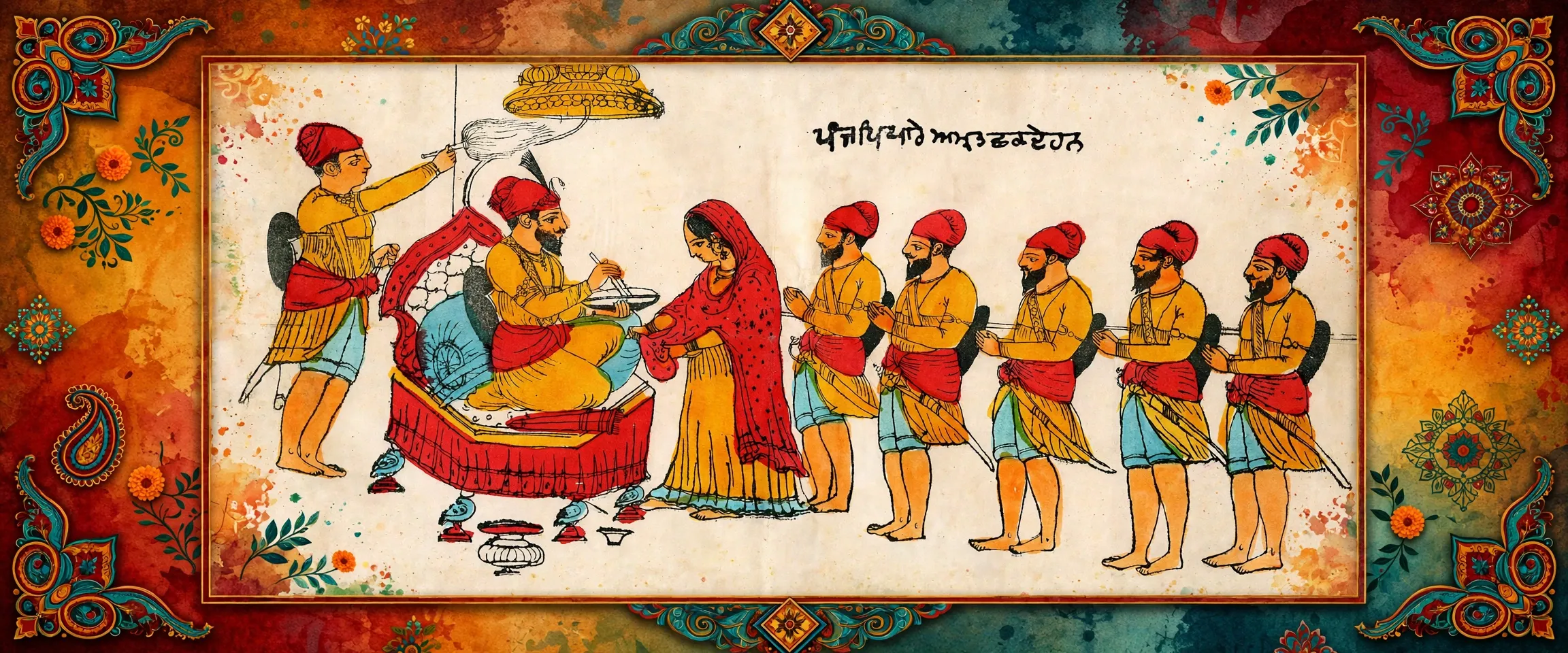
ਖਾਲਸਾ ਪੰਥ ਅੰਮ੍ਰਿਤਧਾਰੀ ਸਿੱਖਾਂ ਦਾ ਸਮੂਹਿਕ ਸਰੀਰ ਹੈ। ਇਸ ਦੀ ਸਥਾਪਨਾ ਗੁਰੂ ਗੋਬਿੰਦ ਸਿੰਘ ਜੀ ਨੇ ਵਿਸਾਖੀ 1699 ਨੂੰ ਅਨੰਦਪੁਰ ਸਾਹਿਬ ਵਿਖੇ ਕੀਤੀ ਸੀ। ਖਾਲਸਾ ਸਿੱਖ ਅੰਮ੍ਰਿਤ ਸੰਚਾਰ ਰਾਹੀਂ ਸ਼ਾਮਲ ਹੁੰਦਾ ਹੈ, ਉਹ ਰਸਮ ਜੋ ਪਹਿਲਾਂ ਪੰਜ ਪਿਆਰਿਆਂ ਨੂੰ ਦਿੱਤੀ ਗਈ ਸੀ, ਪੰਜ ਕਕਾਰ ਰੱਖਦਾ ਹੈ, ਸਿੰਘ ਜਾਂ ਕੌਰ ਨਾਂ ਲੈਂਦਾ ਹੈ, ਅਤੇ ਰਹਿਤ, ਸਿੱਖ ਆਚਰਨ ਸੰਹਿਤਾ, ਦੀ ਪਾਲਣਾ ਕਰਦਾ ਹੈ। ਸਮੂਹਿਕ ਤੌਰ ਤੇ ਖਾਲਸਾ ਗੁਰੂ ਪੰਥ ਹੈ, ਉਹ ਸਰੀਰ ਜਿਸ ਨੂੰ ਗੁਰੂ ਗੋਬਿੰਦ ਸਿੰਘ ਜੀ ਨੇ ਗੁਰੂ ਗ੍ਰੰਥ ਸਾਹਿਬ ਜੀ ਦੇ ਨਾਲ ਗੁਰਿਆਈ ਬਖਸ਼ੀ ਸੀ।
- ਪੰਜਾਬੀ ਨਾਂ
- ਖਾਲਸਾ ਪੰਥ
- ਸਥਾਪਨਾ
- ਵਿਸਾਖੀ 1699, ਹਰ ਸਾਲ 13 ਜਾਂ 14 ਅਪ੍ਰੈਲ ਨੂੰ ਮਨਾਈ ਜਾਂਦੀ ਹੈ
- ਸੰਸਥਾਪਕ
- ਗੁਰੂ ਗੋਬਿੰਦ ਸਿੰਘ ਜੀ, ਦਸਵੇਂ ਗੁਰੂ।
- ਥਾਂ
- ਅਨੰਦਪੁਰ ਸਾਹਿਬ, ਪੰਜਾਬ, ਉਹ ਥਾਂ ਜਿੱਥੇ ਅੱਜ ਤਖ਼ਤ ਕੇਸਗੜ੍ਹ ਸਾਹਿਬ ਹੈ
- ਪਹਿਲੇ ਮੈਂਬਰ
- ਪੰਜ ਪਿਆਰੇ, ਭਾਈ ਦਇਆ ਸਿੰਘ, ਭਾਈ ਧਰਮ ਸਿੰਘ, ਭਾਈ ਹਿੰਮਤ ਸਿੰਘ, ਭਾਈ ਮੋਹਕਮ ਸਿੰਘ, ਭਾਈ ਸਾਹਿਬ ਸਿੰਘ
- ਰਸਮ
- ਅੰਮ੍ਰਿਤ ਸੰਚਾਰ, ਜਿਸ ਨੂੰ ਖੰਡੇ ਦੀ ਪਾਹੁਲ ਵੀ ਕਿਹਾ ਜਾਂਦਾ ਹੈ
All 11 facts
- ਧਰਮ ਦੇ ਨਿਸ਼ਾਨ
- ਪੰਜ ਕਕਾਰ, ਕੇਸ, ਕੰਘਾ, ਕੜਾ, ਕਛੈਰਾ, ਕਿਰਪਾਨ
- ਦਿੱਤੇ ਨਾਂ
- ਮਰਦਾਂ ਲਈ ਸਿੰਘ, ਔਰਤਾਂ ਲਈ ਕੌਰ, ਜਾਤ ਵਾਲੇ ਗੋਤ ਛੱਡ ਕੇ
- ਖਾਲਸਾ ਦਾ ਭਾਵ
- ਅਰਬੀ ਖਾਲਿਸ ਤੋਂ, ਸ਼ੁੱਧ, ਅਤੇ ਬਿਨਾਂ ਕਿਸੇ ਵਿਚੋਲੇ ਦੇ ਸਿੱਧੀ ਗੁਰੂ ਨਾਲ ਵਫ਼ਾਦਾਰੀ
- ਸਮੂਹਿਕ ਭੂਮਿਕਾ
- ਗੁਰੂ ਪੰਥ, ਗੁਰੂ ਗ੍ਰੰਥ ਸਾਹਿਬ ਜੀ ਦੇ ਨਾਲ ਗੁਰਿਆਈ ਪਾਉਣ ਵਾਲਾ ਵਚਨਬੱਧ ਅੰਮ੍ਰਿਤਧਾਰੀ ਸਿੱਖਾਂ ਦਾ ਸਮੂਹ
- ਫਤਹਿ
- ਵਾਹਿਗੁਰੂ ਜੀ ਕਾ ਖਾਲਸਾ, ਵਾਹਿਗੁਰੂ ਜੀ ਕੀ ਫ਼ਤਿਹ
The Khalsa Panth is the collective body of initiated Sikhs, founded by Guru Gobind Singh Ji at Anandpur Sahib on Vaisakhi in 1699. Its members take Amrit in the Amrit Sanchar ceremony, keep the Five Ks, follow the Sikh code of conduct, and serve as saint soldiers who protect the weak and stand against injustice.
What is the Khalsa Panth?
The Khalsa Panth is the body of Sikhs who have taken ਅੰਮ੍ਰਿਤ and accepted the discipline of the Khalsa. Britannica defines the Khalsa as a casteless group of Sikhs embodying courage and commitment to Sikhism, and notes the term covers both the initiated body and the whole Sikh community. Khalsa comes from the Arabic khalis, pure and free from impurity. Under the Mughals, khalisah meant land held directly by the ruler, not through a lord, and in Sikh use it came to mean loyalty to the Guru directly, with no agent between. That bond is heard daily in the greeting, Waheguru ji ka Khalsa, Waheguru ji ki Fateh: the Khalsa belongs to Waheguru, victory to Waheguru.
The word was in Sikh use long before 1699. SikhiWiki records that Bhagat Kabir Ji uses a form of it in Guru Granth Sahib Ji for those who become pure through loving devotion, and that the Gurus' hukamnamas applied it to congregations close to the Guru, as when Guru Hargobind Ji called an eastern sangat Guru ka Khalsa, the Guru's own. Before 1699 it named a Sikh held in high esteem, close to the Guru. In 1699 that standing opened to the whole sangat: anyone ready for the discipline could enter.
The founding at Anandpur Sahib on Vaisakhi 1699
The founding came after a hard century. Guru Arjan Dev Ji was executed in 1606, and in 1675 Guru Tegh Bahadur Ji, father of ਗੁਰੂ ਗੋਬਿੰਦ ਸਿੰਘ ਜੀ ਨੇ, was executed in Delhi under the Mughal emperor Aurangzeb, having stood up for the religious freedom of others. Shortly before the founding, Guru Gobind Singh Ji abolished the masands, the Guru's agents in local congregations, a system SikhiWiki and Britannica describe as corrupt, so the sangats stood in direct relation to the Guru. On ਵੈਸਾਖੀ in 1699 Sikhs gathered at ਅਨੰਦਪੁਰ ਸਾਹਿਬ, where Takht Kesgarh Sahib now stands. Britannica dates the day to 30 March 1699 in some records; Khalsa Sikhs celebrate the birth of the order on 13 or 14 April each year.
Britannica retells the traditional account of what followed. Guru Gobind Singh Ji came before the gathering with a drawn sword and asked who would give his head for the faith. The crowd fell silent. One man came forward and was taken into a tent; the Guru returned with a bloodied sword and asked again, four more times. Then he brought all five out alive: he had tested their faith, and in the traditional account goats had been slaughtered in their place. The five came from different castes, and the day honours their readiness, not their birth: Bhai Daya Singh, Bhai Dharam Singh, Bhai Himmat Singh, Bhai Mohkam Singh and Bhai Sahib Singh, the Panj Pyare.
Amrit Sanchar and the Panj Pyare
The Guru then prepared Amrit: water and sugar stirred in an iron bowl with a double edged sword, the khanda, while Gurbani was recited. This initiation is ਅੰਮ੍ਰਿਤ ਸੰਚਾਰ, also called Khande di Pahul. He gave Amrit first to the five, making them the first Khalsa, then knelt before the ਪੰਜ ਪਿਆਰੇ and asked them to give Amrit to him in return. He became the sixth Khalsa, and his name changed from Guru Gobind Rai to Guru Gobind Singh. SikhiWiki records the praise this earned him: Waho Waho Gobind Singh, Aape Guru Chela, himself the Master and himself the disciple. Authority was shared from the first day.
The ceremony continues in that form. Five initiated Sikhs conduct Amrit Sanchar as the Panj Pyare, in the presence of Guru Granth Sahib Ji, usually at a gurdwara. Anyone, from any previous religion, caste or background, can take Amrit when ready, taking Guru Gobind Singh Ji as spiritual father and Mata Sahib Kaur Ji as spiritual mother. Candidates arrive bathed and wearing the Five Ks, hear the code, and accept it freely.
Five Ks, Singh and Kaur, and the code of conduct
At the founding, Guru Gobind Singh Ji gave the Khalsa a visible identity: the ਪੰਜ ਕਕਾਰ, five articles of faith whose Punjabi names begin with K. Kesh, uncut hair. Kangha, a wooden comb, for cleanliness. Kara, an iron bracelet, for restraint. Kachhera, cotton undergarments, for moral restraint. Kirpan, a sword, for the duty to defend others. They are not ornaments: they declare at a glance a lifelong acceptance of the Khalsa discipline.
With initiation came new names. Men took Singh, lion, and women Kaur, princess, and caste surnames were set aside. Because men and women of different castes drank the same Amrit from one bowl, Wikipedia notes, the founding institutionalised equality of caste and gender. The code of conduct, the Rahit, gives that equality daily shape. A Khalsa keeps the hair's natural growth undisturbed, does not eat kutha meat, remains faithful within marriage, and uses no tobacco, alcohol or intoxicants: the four prohibitions from the founding. Beside them stand positive duties: honesty, equality, meditation on God, and resisting tyranny. Tradition also preserves 52 hukams linked to Guru Gobind Singh Ji at Nanded in 1708. A Khalsa who breaks the code returns to the Panj Pyare and, where required, takes Amrit again.
Guru Panth: the Khalsa as a collective body
The Panth is more than the sum of its members: Guru Gobind Singh Ji treated it as his equal and, at the end, his successor. SikhiWiki records that at his departure he conferred Guruship upon the Khalsa along with Guru Granth Sahib Ji. The Sikh Rehat Maryada, quoted by Wikipedia, defines the Guru Panth as the whole body of committed baptised Sikhs, given its final shape by the tenth Guru and invested with Guruhood. Authority after 1708 therefore rests in two joined forms: Guru Granth, the scripture as Guru, and Guru Panth, the Khalsa gathered under its guidance. His own praise, the Khalsa Mahima, begins Khalsa mero roop hai khas: the Khalsa is my very form.
In practice the Guru Panth speaks through representative gatherings. SikhiWiki explains that Khalsa Panth, or Sarbat Khalsa, the whole Khalsa, names the entire community or a representative gathering of it: its collective, spiritually directed will, guided by Guru Granth Sahib Ji. A decision reached in the presence of the scripture carries the weight of the whole Panth, which is why Panthic questions are settled in the Panth's name, not by any single person.
The Khalsa Panth in later centuries
The next century tested the new body severely. SikhiWiki records that in the eighteenth century the Sikhs' volunteer force was known as Dal Khalsa, the Khalsa army. Then came the misls, autonomous confederacies, and under Maharaja Ranjit Singh Ji the Sikh Empire itself was officially Sarkar i Khalsa, the government of the Khalsa. The ideal outlasted the empire. The founding is still celebrated each Vaisakhi in Nagar Kirtans led by the Panj Pyare, and Sikhs marked its 300th anniversary in 1999 worldwide.
Today the Khalsa remains a distinct order within the wider community. A Sikh who has taken Amrit and keeps the Five Ks is an Amritdhari, or Khalsa Sikh; one who follows Guru Granth Sahib Ji without initiation is a Sahajdhari. Wikipedia notes the boundary has softened, since most Sikhs are not formally initiated, yet most hold the Khalsa in high regard, as the fullest stage of the Sikh life.
How is the Khalsa Panth different from the sangat?
The sangat is the congregation, all Sikhs and seekers gathered in the Guru's presence, while the Khalsa Panth is the initiated body within that fellowship, bound by Amrit, the Five Ks and the Rahit. Every Khalsa Sikh is part of the sangat, but not every member of the sangat has taken Amrit, and no one is a lesser Sikh for that: the sangat is where the Khalsa is formed and held to account. Guru Gobind Singh Ji himself stated, Wikipedia records, that there is no difference between the True Guru and the Sangat, the Panth. The sangat is the whole family gathered; the Khalsa Panth is that family in its initiated, disciplined form, in which, as Guru Panth, it shares the Guru's own authority.
ਖਾਲਸਾ ਪੰਥ ਅੰਮ੍ਰਿਤਧਾਰੀ ਸਿੱਖਾਂ ਦਾ ਸਮੂਹਿਕ ਸਰੀਰ ਹੈ। ਇਸ ਦੀ ਸਥਾਪਨਾ ਗੁਰੂ ਗੋਬਿੰਦ ਸਿੰਘ ਜੀ ਨੇ ਵਿਸਾਖੀ 1699 ਨੂੰ ਅਨੰਦਪੁਰ ਸਾਹਿਬ ਵਿਖੇ ਕੀਤੀ ਸੀ। ਇਸ ਦੇ ਮੈਂਬਰ ਅੰਮ੍ਰਿਤ ਸੰਚਾਰ ਦੀ ਰਸਮ ਵਿੱਚ ਅੰਮ੍ਰਿਤ ਛਕਦੇ ਹਨ, ਪੰਜ ਕਕਾਰ ਰੱਖਦੇ ਹਨ, ਸਿੱਖ ਰਹਿਤ ਮਰਯਾਦਾ ਦੀ ਪਾਲਣਾ ਕਰਦੇ ਹਨ, ਅਤੇ ਸੰਤ ਸਿਪਾਹੀ ਵਜੋਂ ਕਮਜ਼ੋਰਾਂ ਦੀ ਰੱਖਿਆ ਕਰਦੇ ਹਨ ਅਤੇ ਜ਼ੁਲਮ ਦੇ ਵਿਰੁੱਧ ਖੜ੍ਹਦੇ ਹਨ।
ਖਾਲਸਾ ਪੰਥ ਕੀ ਹੈ?
ਖਾਲਸਾ ਪੰਥ ਉਹ ਸਿੱਖ ਹਨ ਜਿਨ੍ਹਾਂ ਨੇ ਅੰਮ੍ਰਿਤ ਛਕਿਆ ਹੈ ਅਤੇ ਖਾਲਸੇ ਦੀ ਰਹਿਤ ਕਬੂਲ ਕੀਤੀ ਹੈ। ਪੰਥ ਦਾ ਭਾਵ ਹੈ ਉਹ ਰਾਹ, ਜਾਂ ਉਹ ਭਾਈਚਾਰਾ ਜੋ ਉਸ ਰਾਹ ਉੱਤੇ ਇਕੱਠਾ ਤੁਰਦਾ ਹੈ। ਬ੍ਰਿਟੈਨਿਕਾ ਖਾਲਸੇ ਨੂੰ ਜਾਤ ਰਹਿਤ ਸਿੱਖਾਂ ਦਾ ਉਹ ਸਮੂਹ ਦੱਸਦੀ ਹੈ ਜੋ ਹਿੰਮਤ ਅਤੇ ਵਚਨਬੱਧਤਾ ਦਾ ਪ੍ਰਤੀਕ ਹੈ, ਜਿਸ ਦੇ ਮੈਂਬਰ ਇਮਾਨਦਾਰੀ ਅਤੇ ਨੈਤਿਕਤਾ ਦੇ ਸਭ ਤੋਂ ਉੱਚੇ ਅਸੂਲਾਂ ਅਨੁਸਾਰ ਜਿਉਣ ਦਾ ਯਤਨ ਕਰਦੇ ਹਨ, ਅਤੇ ਇਹ ਵੀ ਦੱਸਦੀ ਹੈ ਕਿ ਇਹ ਸ਼ਬਦ ਦੋ ਤਰ੍ਹਾਂ ਵਰਤਿਆ ਜਾਂਦਾ ਹੈ। ਅੰਮ੍ਰਿਤਧਾਰੀ ਸਿੱਖਾਂ ਦੇ ਸਮੂਹ ਲਈ, ਅਤੇ ਸਾਰੇ ਸਿੱਖਾਂ ਦੇ ਭਾਈਚਾਰੇ ਲਈ। ਖਾਲਸਾ ਅਰਬੀ ਦੇ ਖਾਲਿਸ ਤੋਂ ਆਇਆ ਹੈ, ਭਾਵ ਸ਼ੁੱਧ ਅਤੇ ਮੈਲ ਤੋਂ ਮੁਕਤ। ਮੁਗ਼ਲਾਂ ਦੇ ਸਮੇਂ ਇਸ ਨਾਲ ਮਿਲਦਾ ਸ਼ਬਦ ਖਾਲਿਸਾ ਉਸ ਜ਼ਮੀਨ ਲਈ ਸੀ ਜੋ ਕਿਸੇ ਵਿਚੋਲੇ ਜਾਗੀਰਦਾਰ ਰਾਹੀਂ ਨਹੀਂ, ਸਿੱਧੀ ਬਾਦਸ਼ਾਹ ਦੇ ਅਧੀਨ ਹੁੰਦੀ ਸੀ, ਅਤੇ ਸਿੱਖ ਵਰਤੋਂ ਵਿੱਚ ਇਸ ਦਾ ਭਾਵ ਬਣ ਗਿਆ, ਵਫ਼ਾਦਾਰੀ ਕਿਸੇ ਵਿਚੋਲੇ ਰਾਹੀਂ ਨਹੀਂ, ਸਿੱਧੀ ਗੁਰੂ ਨਾਲ। ਉਹੀ ਨਾਤਾ ਰੋਜ਼ਾਨਾ ਫਤਹਿ ਵਿੱਚ ਸੁਣਦਾ ਹੈ। ਵਾਹਿਗੁਰੂ ਜੀ ਕਾ ਖਾਲਸਾ, ਵਾਹਿਗੁਰੂ ਜੀ ਕੀ ਫਤਹਿ। ਖਾਲਸਾ ਵਾਹਿਗੁਰੂ ਦਾ ਹੈ, ਅਤੇ ਫਤਹਿ ਵਾਹਿਗੁਰੂ ਦੀ ਹੈ।
ਇਹ ਸ਼ਬਦ 1699 ਤੋਂ ਬਹੁਤ ਪਹਿਲਾਂ ਸਿੱਖ ਵਰਤੋਂ ਵਿੱਚ ਸੀ। ਸਿੱਖੀਵਿਕੀ ਦੱਸਦੀ ਹੈ ਕਿ ਭਗਤ ਕਬੀਰ ਜੀ ਗੁਰੂ ਗ੍ਰੰਥ ਸਾਹਿਬ ਜੀ ਵਿੱਚ ਇਸ ਦਾ ਇੱਕ ਰੂਪ ਉਨ੍ਹਾਂ ਲਈ ਵਰਤਦੇ ਹਨ ਜੋ ਪ੍ਰੇਮ ਭਗਤੀ ਨਾਲ ਸ਼ੁੱਧ ਹੋ ਜਾਂਦੇ ਹਨ, ਅਤੇ ਗੁਰੂਆਂ ਦੇ ਹੁਕਮਨਾਮਿਆਂ ਨੇ ਇਹ ਸ਼ਬਦ ਗੁਰੂ ਦੇ ਨੇੜੇ ਵਾਲੀਆਂ ਸੰਗਤਾਂ ਲਈ ਵਰਤਿਆ। ਗੁਰੂ ਹਰਗੋਬਿੰਦ ਜੀ ਨੇ ਪੂਰਬ ਦੀ ਸੰਗਤ ਨੂੰ ਗੁਰੂ ਕਾ ਖਾਲਸਾ ਕਿਹਾ, ਭਾਵ ਗੁਰੂ ਦੀ ਆਪਣੀ, ਸਥਾਪਨਾ ਤੋਂ ਪਹਿਲਾਂ ਖਾਲਸਾ ਉਸ ਸਿੱਖ ਦਾ ਨਾਂ ਸੀ ਜੋ ਉੱਚਾ ਸਤਕਾਰ ਪਾਉਂਦਾ ਸੀ ਅਤੇ ਗੁਰੂ ਦੇ ਨੇੜੇ ਮੰਨਿਆ ਜਾਂਦਾ ਸੀ। 1699 ਵਿੱਚ ਉਹ ਸਤਕਾਰ ਵਾਲੀ ਥਾਂ ਸਾਰੀ ਸੰਗਤ ਲਈ ਖੁੱਲ੍ਹ ਗਈ। ਹੁਣ ਹਰ ਕੋਈ, ਜੋ ਰਹਿਤ ਕਬੂਲ ਕਰਨ ਲਈ ਤਿਆਰ ਹੋਵੇ, ਇਸ ਵਿੱਚ ਸ਼ਾਮਲ ਹੋ ਸਕਦਾ ਸੀ।
ਵਿਸਾਖੀ 1699 ਨੂੰ ਅਨੰਦਪੁਰ ਸਾਹਿਬ ਵਿਖੇ ਸਥਾਪਨਾ
ਸਥਾਪਨਾ ਇੱਕ ਔਖੀ ਸਦੀ ਤੋਂ ਬਾਅਦ ਆਈ। ਗੁਰੂ ਅਰਜਨ ਦੇਵ ਜੀ 1606 ਵਿੱਚ ਸ਼ਹੀਦ ਹੋਏ, ਅਤੇ 1675 ਵਿੱਚ ਗੁਰੂ ਗੋਬਿੰਦ ਸਿੰਘ ਜੀ ਦੇ ਪਿਤਾ ਗੁਰੂ ਤੇਗ਼ ਬਹਾਦਰ ਜੀ ਦੂਜਿਆਂ ਦੀ ਧਾਰਮਿਕ ਆਜ਼ਾਦੀ ਲਈ ਖੜ੍ਹੇ ਹੋਣ ਕਰਕੇ ਮੁਗ਼ਲ ਬਾਦਸ਼ਾਹ ਔਰੰਗਜ਼ੇਬ ਦੇ ਸਮੇਂ ਦਿੱਲੀ ਵਿੱਚ ਸ਼ਹੀਦ ਹੋਏ। ਸਥਾਪਨਾ ਤੋਂ ਕੁਝ ਸਮਾਂ ਪਹਿਲਾਂ ਗੁਰੂ ਗੋਬਿੰਦ ਸਿੰਘ ਜੀ ਨੇ ਮਸੰਦਾਂ ਨੂੰ ਖਤਮ ਕਰ ਦਿੱਤਾ। ਮਸੰਦ ਇਲਾਕਿਆਂ ਦੀਆਂ ਸੰਗਤਾਂ ਵਿੱਚ ਗੁਰੂ ਦੇ ਪ੍ਰਤੀਨਿਧੀ ਸਨ, ਅਤੇ ਸਿੱਖੀਵਿਕੀ ਅਤੇ ਬ੍ਰਿਟੈਨਿਕਾ ਦੋਵੇਂ ਦੱਸਦੀਆਂ ਹਨ ਕਿ ਇਹ ਪ੍ਰਣਾਲੀ ਭ੍ਰਿਸ਼ਟ ਹੋ ਗਈ ਸੀ, ਇਸ ਲਈ ਸੰਗਤਾਂ ਸਿੱਧੀਆਂ ਗੁਰੂ ਨਾਲ ਜੁੜ ਗਈਆਂ। ਵਿਸਾਖੀ 1699 ਨੂੰ ਅਨੰਦਪੁਰ ਸਾਹਿਬ ਵਿਖੇ ਵੱਡਾ ਇਕੱਠ ਹੋਇਆ, ਉਸ ਪਹਾੜੀ ਉੱਤੇ ਜਿੱਥੇ ਅੱਜ ਤਖ਼ਤ ਕੇਸਗੜ੍ਹ ਸਾਹਿਬ ਹੈ। ਬ੍ਰਿਟੈਨਿਕਾ ਦੱਸਦੀ ਹੈ ਕਿ ਕੁਝ ਰਿਕਾਰਡਾਂ ਵਿੱਚ ਇਹ ਦਿਨ 30 ਮਾਰਚ 1699 ਆਉਂਦਾ ਹੈ, ਅਤੇ ਖਾਲਸਾ ਸਿੱਖ ਇਸ ਸਾਜਣਾ ਦਿਵਸ ਨੂੰ ਹਰ ਸਾਲ 13 ਜਾਂ 14 ਅਪ੍ਰੈਲ ਨੂੰ ਮਨਾਉਂਦੇ ਹਨ।
ਸਿੱਖ ਪਰੰਪਰਾ, ਜਿਵੇਂ ਬ੍ਰਿਟੈਨਿਕਾ ਦੱਸਦੀ ਹੈ, ਅੱਗੇ ਦੀ ਗੱਲ ਇਸ ਤਰ੍ਹਾਂ ਸੁਣਾਉਂਦੀ ਹੈ। ਗੁਰੂ ਗੋਬਿੰਦ ਸਿੰਘ ਜੀ ਨੰਗੀ ਤਲਵਾਰ ਲੈ ਕੇ ਇਕੱਠ ਅੱਗੇ ਆਏ ਅਤੇ ਪੁੱਛਿਆ ਕਿ ਕੋਣ ਧਰਮ ਲਈ ਆਪਣਾ ਸੀਸ ਦੇਵੇਗਾ। ਇਕੱਠ ਚੁੱਪ ਹੋ ਗਿਆ। ਇੱਕ ਮਨੁੱਖ ਅੱਗੇ ਆਇਆ ਅਤੇ ਤੰਬੂ ਵਿੱਚ ਲਿਜਾਇਆ ਗਿਆ। ਗੁਰੂ ਖ਼ੂਨ ਨਾਲ ਲਿਬੜੀ ਤਲਵਾਰ ਲੈ ਕੇ ਵਾਪਸ ਆਏ ਅਤੇ ਫਿਰ ਪੁੱਛਿਆ। ਇੱਕ ਇੱਕ ਕਰਕੇ ਚਾਰ ਹੋਰ ਅੱਗੇ ਆਏ। ਫਿਰ ਗੁਰੂ ਪੰਜਾਂ ਨੂੰ ਜਿਉਂਦੇ ਬਾਹਰ ਲੈ ਆਏ, ਇੱਕੋ ਜਿਹੇ ਬਸਤਰਾਂ ਵਿੱਚ। ਉਨ੍ਹਾਂ ਨੇ ਉਨ੍ਹਾਂ ਦੀ ਨਿਸ਼ਠਾ ਪਰਖੀ ਸੀ, ਅਤੇ ਪਰੰਪਰਾਗਤ ਕਥਾ ਅਨੁਸਾਰ ਉਨ੍ਹਾਂ ਦੀ ਥਾਂ ਬੱਕਰੇ ਵੱਢੇ ਗਏ ਸਨ। ਪੰਜੇ ਵੱਖ ਵੱਖ ਜਾਤਾਂ ਤੋਂ ਸਨ, ਅਤੇ ਇਸ ਦਿਨ ਜਿਸ ਗੱਲ ਦਾ ਸਤਕਾਰ ਹੁੰਦਾ ਹੈ ਉਹ ਉਨ੍ਹਾਂ ਦੀ ਤਿਆਰੀ ਹੈ, ਉਨ੍ਹਾਂ ਦਾ ਜਨਮ ਨਹੀਂ। ਉਹ ਸਨ ਭਾਈ ਦਇਆ ਸਿੰਘ, ਭਾਈ ਧਰਮ ਸਿੰਘ, ਭਾਈ ਹਿੰਮਤ ਸਿੰਘ, ਭਾਈ ਮੋਹਕਮ ਸਿੰਘ ਅਤੇ ਭਾਈ ਸਾਹਿਬ ਸਿੰਘ, ਪੰਜ ਪਿਆਰੇ।
ਅੰਮ੍ਰਿਤ ਸੰਚਾਰ ਅਤੇ ਪੰਜ ਪਿਆਰੇ
ਫਿਰ ਗੁਰੂ ਜੀ ਨੇ ਅੰਮ੍ਰਿਤ ਤਿਆਰ ਕੀਤਾ। ਲੋਹੇ ਦੇ ਬਾਟੇ ਵਿੱਚ ਪਾਣੀ ਅਤੇ ਪਤਾਸੇ ਖੰਡੇ ਨਾਲ ਘੋਲੇ ਗਏ, ਜਦੋਂ ਗੁਰਬਾਣੀ ਦਾ ਜਾਪ ਹੋ ਰਿਹਾ ਸੀ। ਇਸ ਰਸਮ ਨੂੰ ਅੰਮ੍ਰਿਤ ਸੰਚਾਰ ਕਿਹਾ ਜਾਂਦਾ ਹੈ, ਅਤੇ ਖੰਡੇ ਦੀ ਪਾਹੁਲ ਵੀ, ਭਾਵ ਦੋਧਾਰੀ ਖੰਡੇ ਵਾਲੀ ਪਾਹੁਲ। ਗੁਰੂ ਜੀ ਨੇ ਅੰਮ੍ਰਿਤ ਪਹਿਲਾਂ ਪੰਜਾਂ ਨੂੰ ਛਕਾਇਆ, ਅਤੇ ਉਹ ਪਹਿਲੇ ਖਾਲਸਾ ਬਣੇ। ਫਿਰ ਉਹ ਪੰਜ ਪਿਆਰਿਆਂ ਅੱਗੇ ਝੁਕੇ ਅਤੇ ਕਿਹਾ ਕਿ ਮੈਨੂੰ ਵੀ ਅੰਮ੍ਰਿਤ ਛਕਾਓ। ਉਹ ਛੇਵੇਂ ਖਾਲਸਾ ਬਣੇ, ਅਤੇ ਉਨ੍ਹਾਂ ਦਾ ਨਾਂ ਗੁਰੂ ਗੋਬਿੰਦ ਰਾਏ ਤੋਂ ਗੁਰੂ ਗੋਬਿੰਦ ਸਿੰਘ ਹੋ ਗਿਆ। ਸਿੱਖੀਵਿਕੀ ਇਸ ਉੱਤੇ ਮਿਲੀ ਸੋਭਾ ਦਰਜ ਕਰਦੀ ਹੈ। ਵਾਹੁ ਵਾਹੁ ਗੋਬਿੰਦ ਸਿੰਘ, ਆਪੇ ਗੁਰ ਚੇਲਾ। ਆਪ ਹੀ ਗੁਰੂ ਅਤੇ ਆਪ ਹੀ ਚੇਲਾ। ਖਾਲਸੇ ਵਿੱਚ ਅਧਿਕਾਰ ਪਹਿਲੇ ਦਿਨ ਤੋਂ ਸਾਂਝਾ ਸੀ।
ਇਹ ਰਸਮ ਉਸੇ ਰੂਪ ਵਿੱਚ ਚੱਲਦੀ ਹੈ। ਅੰਮ੍ਰਿਤ ਸੰਚਾਰ ਪੰਜ ਅੰਮ੍ਰਿਤਧਾਰੀ ਸਿੱਖ ਪੰਜ ਪਿਆਰਿਆਂ ਵਜੋਂ ਗੁਰੂ ਗ੍ਰੰਥ ਸਾਹਿਬ ਜੀ ਦੀ ਹਜ਼ੂਰੀ ਵਿੱਚ ਕਰਦੇ ਹਨ, ਆਮ ਤੌਰ ਤੇ ਕਿਸੇ ਗੁਰਦੁਆਰੇ ਵਿੱਚ। ਕੋਈ ਵੀ ਮਨੁੱਖ, ਕਿਸੇ ਵੀ ਪਹਿਲੇ ਧਰਮ, ਜਾਤ ਜਾਂ ਪਿਛੋਕੜ ਤੋਂ, ਜਦੋਂ ਆਪਣੇ ਮਨ ਵਿੱਚ ਤਿਆਰ ਹੋ ਜਾਵੇ, ਅੰਮ੍ਰਿਤ ਛਕ ਸਕਦਾ ਹੈ, ਅਤੇ ਅੰਮ੍ਰਿਤਧਾਰੀ ਗੁਰੂ ਗੋਬਿੰਦ ਸਿੰਘ ਜੀ ਨੂੰ ਰੂਹਾਨੀ ਪਿਤਾ ਅਤੇ ਮਾਤਾ ਸਾਹਿਬ ਕੌਰ ਜੀ ਨੂੰ ਰੂਹਾਨੀ ਮਾਤਾ ਮੰਨਦੇ ਹਨ। ਉਮੀਦਵਾਰ ਇਸ਼ਨਾਨ ਕਰਕੇ ਅਤੇ ਪੰਜ ਕਕਾਰ ਪਹਿਨ ਕੇ ਆਉਂਦਾ ਹੈ, ਰਹਿਤ ਉਸ ਨੂੰ ਸਮਝਾਈ ਜਾਂਦੀ ਹੈ, ਅਤੇ ਉਹ ਇਸ ਨੂੰ ਆਪਣੀ ਮਰਜ਼ੀ ਨਾਲ ਕਬੂਲ ਕਰਦਾ ਹੈ।
ਪੰਜ ਕਕਾਰ, ਸਿੰਘ ਅਤੇ ਕੌਰ, ਅਤੇ ਰਹਿਤ ਮਰਯਾਦਾ
ਸਥਾਪਨਾ ਵੇਲੇ ਗੁਰੂ ਗੋਬਿੰਦ ਸਿੰਘ ਜੀ ਨੇ ਖਾਲਸੇ ਨੂੰ ਦਿਸਦੀ ਪਛਾਣ ਦਿੱਤੀ। ਪੰਜ ਕਕਾਰ, ਧਰਮ ਦੇ ਉਹ ਪੰਜ ਨਿਸ਼ਾਨ ਜਿਨ੍ਹਾਂ ਦੇ ਪੰਜਾਬੀ ਨਾਂ ਕੱਕੇ ਅੱਖਰ ਤੋਂ ਸ਼ੁਰੂ ਹੁੰਦੇ ਹਨ। ਕੇਸ, ਨਾ ਕੱਟੇ ਵਾਲ। ਕੰਘਾ, ਲੱਕੜ ਦਾ ਕੰਘਾ, ਸਫ਼ਾਈ ਅਤੇ ਤਰਤੀਬ ਲਈ। ਕੜਾ, ਲੋਹੇ ਜਾਂ ਸਟੀਲ ਦਾ ਬਾਹੁਬੰਦ, ਸੰਜਮ ਅਤੇ ਅਨੁਸ਼ਾਸਨ ਲਈ। ਕਛੈਰਾ, ਸੂਤੀ ਕਛੈਰਾ, ਨੈਤਿਕ ਸੰਜਮ ਲਈ। ਕਿਰਪਾਨ, ਤਲਵਾਰ ਜਾਂ ਖੰਜਰ, ਆਪਣੀ ਅਤੇ ਦੂਜਿਆਂ ਦੀ ਰੱਖਿਆ ਦੇ ਫ਼ਰਜ਼ ਲਈ। ਇਹ ਸ਼ਿੰਗਾਰ ਨਹੀਂ ਹਨ। ਇਕੱਠੇ ਮਿਲ ਕੇ ਇਹ ਇੱਕ ਨਜ਼ਰ ਵਿੱਚ ਦੱਸ ਦਿੰਦੇ ਹਨ ਕਿ ਪਹਿਨਣ ਵਾਲੇ ਨੇ ਖਾਲਸੇ ਦੀ ਰਹਿਤ ਸਾਰੀ ਉਮਰ ਲਈ ਕਬੂਲ ਕੀਤੀ ਹੈ।
ਅੰਮ੍ਰਿਤ ਨਾਲ ਨਵੇਂ ਨਾਂ ਵੀ ਮਿਲੇ। ਮਰਦਾਂ ਨੇ ਸਿੰਘ ਨਾਂ ਲਿਆ, ਭਾਵ ਸ਼ੇਰ, ਅਤੇ ਔਰਤਾਂ ਨੇ ਕੌਰ ਨਾਂ ਲਿਆ, ਭਾਵ ਰਾਜਕੁਮਾਰੀ, ਅਤੇ ਜਾਤ ਦੱਸਣ ਵਾਲੇ ਗੋਤ ਪਿੱਛੇ ਰਹਿ ਗਏ। ਕਿਉਂਕਿ ਵੱਖ ਵੱਖ ਜਾਤਾਂ ਦੇ ਮਰਦਾਂ ਅਤੇ ਔਰਤਾਂ ਨੇ ਇੱਕੋ ਬਾਟੇ ਵਿੱਚੋਂ ਇੱਕੋ ਅੰਮ੍ਰਿਤ ਛਕਿਆ, ਵਿਕੀਪੀਡੀਆ ਦੱਸਦੀ ਹੈ, ਸਥਾਪਨਾ ਨੇ ਜਾਤ ਜਾਂ ਲਿੰਗ ਦੀ ਪਰਵਾਹ ਕੀਤੇ ਬਿਨਾਂ ਬਰਾਬਰੀ ਨੂੰ ਸੰਸਥਾਗਤ ਰੂਪ ਦਿੱਤਾ। ਰਹਿਤ ਮਰਯਾਦਾ ਉਸ ਬਰਾਬਰੀ ਨੂੰ ਰੋਜ਼ਾਨਾ ਰੂਪ ਦਿੰਦੀ ਹੈ। ਸਾਰ ਵਿੱਚ, ਖਾਲਸਾ ਵਾਲਾਂ ਦੇ ਕੁਦਰਤੀ ਵਾਧੇ ਨੂੰ ਨਹੀਂ ਛੇੜਦਾ, ਕੁੱਠਾ ਮਾਸ ਨਹੀਂ ਖਾਂਦਾ, ਵਿਆਹ ਅੰਦਰ ਵਫ਼ਾਦਾਰ ਰਹਿੰਦਾ ਹੈ, ਅਤੇ ਤਮਾਕੂ, ਸ਼ਰਾਬ ਜਾਂ ਕੋਈ ਹੋਰ ਨਸ਼ਾ ਨਹੀਂ ਵਰਤਦਾ। ਇਹ ਸਥਾਪਨਾ ਤੋਂ ਦਰਜ ਚਾਰ ਮਨਾਹੀਆਂ ਹਨ। ਇਨ੍ਹਾਂ ਨਾਲ ਸਕਾਰਾਤਮਕ ਫ਼ਰਜ਼ ਖੜ੍ਹੇ ਹਨ। ਇਮਾਨਦਾਰੀ, ਸਭ ਨੂੰ ਬਰਾਬਰ ਸਮਝਣਾ, ਪ੍ਰਭੂ ਦਾ ਸਿਮਰਨ, ਅਤੇ ਜ਼ੁਲਮ ਤੇ ਸਤਾਏ ਜਾਣ ਦਾ ਵਿਰੋਧ। ਪਰੰਪਰਾ 52 ਹੁਕਮ ਵੀ ਸਾਂਭਦੀ ਹੈ, ਗੁਰੂ ਗੋਬਿੰਦ ਸਿੰਘ ਜੀ ਨਾਲ ਜੁੜੇ ਹੋਰ ਉਪਦੇਸ਼, ਜੋ 1708 ਵਿੱਚ ਨਾਂਦੇੜ ਨਾਲ ਸੰਬੰਧਤ ਹਨ। ਜੋ ਖਾਲਸਾ ਰਹਿਤ ਤੋੜੇ, ਉਹ ਪੰਜ ਪਿਆਰਿਆਂ ਅੱਗੇ ਪੇਸ਼ ਹੁੰਦਾ ਹੈ ਅਤੇ ਜਿੱਥੇ ਲੋੜ ਹੋਵੇ, ਮੁੜ ਅੰਮ੍ਰਿਤ ਛਕਦਾ ਹੈ।
ਗੁਰੂ ਪੰਥ: ਖਾਲਸਾ ਇੱਕ ਸਮੂਹਿਕ ਸੰਸਥਾ ਵਜੋਂ
ਪੰਥ ਆਪਣੇ ਮੈਂਬਰਾਂ ਦੇ ਜੋੜ ਤੋਂ ਵੱਡਾ ਹੈ, ਕਿਉਂਕਿ ਗੁਰੂ ਗੋਬਿੰਦ ਸਿੰਘ ਜੀ ਨੇ ਇਸ ਸਰੀਰ ਨੂੰ ਆਪਣੇ ਬਰਾਬਰ ਮੰਨਿਆ ਅਤੇ ਅੰਤ ਵਿੱਚ ਆਪਣਾ ਵਾਰਸ ਬਣਾਇਆ। ਸਿੱਖੀਵਿਕੀ ਦਰਜ ਕਰਦੀ ਹੈ ਕਿ ਇਸ ਸੰਸਾਰ ਤੋਂ ਵਿਦਾ ਹੋਣ ਵੇਲੇ ਉਨ੍ਹਾਂ ਨੇ ਗੁਰਿਆਈ ਆਪ ਖਾਲਸੇ ਨੂੰ ਗੁਰੂ ਗ੍ਰੰਥ ਸਾਹਿਬ ਜੀ ਦੇ ਨਾਲ ਸੌਂਪ ਦਿੱਤੀ। ਸਿੱਖ ਰਹਿਤ ਮਰਯਾਦਾ, ਜਿਵੇਂ ਵਿਕੀਪੀਡੀਆ ਉਸ ਨੂੰ ਦਰਜ ਕਰਦੀ ਹੈ, ਗੁਰੂ ਪੰਥ ਨੂੰ ਸਾਰੇ ਵਚਨਬੱਧ ਅੰਮ੍ਰਿਤਧਾਰੀ ਸਿੱਖਾਂ ਦਾ ਸਮੂਹ ਦੱਸਦੀ ਹੈ, ਜਿਸ ਨੂੰ ਸਾਰੇ ਦਸ ਗੁਰੂਆਂ ਨੇ ਪਾਲਿਆ, ਦਸਵੇਂ ਗੁਰੂ ਨੇ ਅੰਤਿਮ ਰੂਪ ਦਿੱਤਾ ਅਤੇ ਗੁਰਿਆਈ ਬਖਸ਼ੀ। ਇਸ ਲਈ 1708 ਤੋਂ ਬਾਅਦ ਸਿੱਖ ਅਧਿਕਾਰ ਦੋ ਜੁੜੇ ਰੂਪਾਂ ਵਿੱਚ ਟਿਕਿਆ ਹੈ। ਗੁਰੂ ਗ੍ਰੰਥ, ਗ੍ਰੰਥ ਗੁਰੂ ਵਜੋਂ, ਅਤੇ ਗੁਰੂ ਪੰਥ, ਉਸ ਦੀ ਅਗਵਾਈ ਹੇਠ ਇਕੱਠਾ ਖਾਲਸਾ। ਗੁਰੂ ਜੀ ਦੀ ਆਪਣੀ ਉਸਤਤ, ਖਾਲਸਾ ਮਹਿਮਾ, ਇਸ ਬਚਨ ਤੋਂ ਸ਼ੁਰੂ ਹੁੰਦੀ ਹੈ। ਖਾਲਸਾ ਮੇਰੋ ਰੂਪ ਹੈ ਖਾਸ। ਭਾਵ ਖਾਲਸਾ ਮੇਰਾ ਹੀ ਖਾਸ ਰੂਪ ਹੈ।
ਅਮਲ ਵਿੱਚ, ਗੁਰੂ ਪੰਥ ਪ੍ਰਤੀਨਿਧ ਇਕੱਠਾਂ ਰਾਹੀਂ ਬੋਲਦਾ ਹੈ। ਸਿੱਖੀਵਿਕੀ ਸਮਝਾਉਂਦੀ ਹੈ ਕਿ ਖਾਲਸਾ ਪੰਥ, ਜਾਂ ਸਰਬੱਤ ਖਾਲਸਾ, ਭਾਵ ਸਾਰਾ ਖਾਲਸਾ, ਇਹ ਨਾਂ ਸਾਰੇ ਭਾਈਚਾਰੇ ਜਾਂ ਉਸ ਦੇ ਪ੍ਰਤੀਨਿਧ ਇਕੱਠ ਲਈ ਹੈ। ਗੁਰੂ ਗ੍ਰੰਥ ਸਾਹਿਬ ਜੀ ਦੀ ਅਗਵਾਈ ਹੇਠ ਭਾਈਚਾਰੇ ਦੀ ਸਮੂਹਿਕ ਅਤੇ ਰੂਹਾਨੀ ਅਗਵਾਈ ਵਾਲੀ ਇੱਛਾ। ਗ੍ਰੰਥ ਦੀ ਹਜ਼ੂਰੀ ਵਿੱਚ ਅਜਿਹੇ ਇਕੱਠ ਦਾ ਫ਼ੈਸਲਾ ਸਾਰੇ ਪੰਥ ਦਾ ਭਾਰ ਰੱਖਦਾ ਹੈ। ਇਸੇ ਲਈ ਸਾਂਝੇ ਸਿੱਖ ਸਵਾਲ ਅੱਜ ਵੀ ਕਿਸੇ ਇੱਕ ਮਨੁੱਖ ਵੱਲੋਂ ਨਹੀਂ, ਪੰਥ ਦੇ ਨਾਂ ਉੱਤੇ ਨਿਬੇੜੇ ਜਾਂਦੇ ਹਨ।
ਬਾਅਦ ਦੀਆਂ ਸਦੀਆਂ ਵਿੱਚ ਖਾਲਸਾ ਪੰਥ
ਅਗਲੀ ਸਦੀ ਨੇ ਇਸ ਨਵੇਂ ਸਰੀਰ ਨੂੰ ਪਰਖਿਆ, ਅਤੇ ਖਾਲਸੇ ਨੇ ਇੱਕ ਸੰਗਠਿਤ ਤਾਕਤ ਵਜੋਂ ਜਵਾਬ ਦਿੱਤਾ। ਸਿੱਖੀਵਿਕੀ ਦਰਜ ਕਰਦੀ ਹੈ ਕਿ ਅਠਾਰਵੀਂ ਸਦੀ ਵਿੱਚ ਸਿੱਖਾਂ ਦੀ ਸਵੈਸੇਵੀ ਫ਼ੌਜ ਨੂੰ ਦਲ ਖਾਲਸਾ ਕਿਹਾ ਜਾਂਦਾ ਸੀ, ਭਾਵ ਖਾਲਸੇ ਦੀ ਫ਼ੌਜ। ਵਿਕੀਪੀਡੀਆ ਅੱਗੇ ਦੀ ਲੜੀ ਦੱਸਦੀ ਹੈ। ਮਿਸਲਾਂ, ਖੁਦਮੁਖਤਿਆਰ ਸੰਘ, ਆਈਆਂ, ਅਤੇ ਮਹਾਰਾਜਾ ਰਣਜੀਤ ਸਿੰਘ ਜੀ ਦੇ ਸਮੇਂ ਸਿੱਖ ਸਾਮਰਾਜ ਦਾ ਸਰਕਾਰੀ ਨਾਂ ਆਪ ਸਰਕਾਰਿ ਖਾਲਸਾ ਸੀ, ਭਾਵ ਖਾਲਸੇ ਦੀ ਸਰਕਾਰ। ਇਹ ਆਦਰਸ਼ ਸਾਮਰਾਜ ਤੋਂ ਬਾਅਦ ਵੀ ਜਿਉਂਦਾ ਰਿਹਾ। ਸਿੱਖਾਂ ਨੇ 1999 ਵਿੱਚ ਤਿੰਨ ਸੌਵੀਂ ਵਰ੍ਹੇਗੰਢ ਸਾਰੀ ਦੁਨੀਆ ਵਿੱਚ ਇਕੱਠ ਕਰਕੇ ਮਨਾਈ, ਅਤੇ ਸਥਾਪਨਾ ਅੱਜ ਵੀ ਹਰ ਵਿਸਾਖੀ ਨੂੰ ਮਨਾਈ ਜਾਂਦੀ ਹੈ, ਜਦੋਂ ਪੰਜ ਪਿਆਰਿਆਂ ਦੀ ਅਗਵਾਈ ਵਿੱਚ ਨਗਰ ਕੀਰਤਨ ਗੁਰੂ ਗ੍ਰੰਥ ਸਾਹਿਬ ਜੀ ਨੂੰ ਪੰਜਾਬ ਅਤੇ ਪਰਦੇਸੀ ਸ਼ਹਿਰਾਂ ਦੀਆਂ ਗਲੀਆਂ ਵਿੱਚ ਲੈ ਕੇ ਤੁਰਦੇ ਹਨ।
ਅੱਜ ਖਾਲਸਾ ਵੱਡੇ ਭਾਈਚਾਰੇ ਅੰਦਰ ਇੱਕ ਵੱਖਰੀ ਸੰਸਥਾ ਵਜੋਂ ਬਣਿਆ ਹੋਇਆ ਹੈ। ਜਿਸ ਸਿੱਖ ਨੇ ਅੰਮ੍ਰਿਤ ਛਕਿਆ ਹੋਵੇ ਅਤੇ ਪੰਜ ਕਕਾਰ ਰੱਖਦਾ ਹੋਵੇ, ਉਹ ਅੰਮ੍ਰਿਤਧਾਰੀ, ਜਾਂ ਖਾਲਸਾ ਸਿੱਖ, ਹੈ, ਅਤੇ ਜੋ ਸਿੱਖ ਅੰਮ੍ਰਿਤ ਛਕੇ ਬਿਨਾਂ ਗੁਰੂ ਗ੍ਰੰਥ ਸਾਹਿਬ ਜੀ ਦਾ ਪਾਲਣ ਕਰਦਾ ਹੈ, ਉਹ ਸਹਿਜਧਾਰੀ ਹੈ। ਵਿਕੀਪੀਡੀਆ ਦੱਸਦੀ ਹੈ ਕਿ ਰੋਜ਼ਾਨਾ ਜੀਵਨ ਵਿੱਚ ਇਹ ਲੀਕ ਨਰਮ ਪੈ ਗਈ ਹੈ, ਕਿਉਂਕਿ ਬਹੁਤੇ ਸਿੱਖ ਰਸਮੀ ਤੌਰ ਤੇ ਅੰਮ੍ਰਿਤਧਾਰੀ ਨਹੀਂ ਹਨ, ਫਿਰ ਵੀ ਬਹੁਤੇ ਸਿੱਖ ਖਾਲਸੇ ਨੂੰ ਉੱਚਾ ਸਤਕਾਰ ਦਿੰਦੇ ਹਨ, ਸਿੱਖ ਜੀਵਨ ਦੀ ਉਸ ਸਭ ਤੋਂ ਪੂਰੀ ਅਵਸਥਾ ਵਜੋਂ ਜਿਸ ਤੱਕ ਗੰਭੀਰ ਸਿੱਖਾਂ ਨੂੰ ਪਹੁੰਚਣ ਦੀ ਆਸ ਰੱਖਣੀ ਚਾਹੀਦੀ ਹੈ।
ਖਾਲਸਾ ਪੰਥ ਅਤੇ ਸੰਗਤ ਵਿੱਚ ਕੀ ਫ਼ਰਕ ਹੈ?
ਸੰਗਤ ਉਹ ਇਕੱਠ ਹੈ, ਗੁਰੂ ਦੀ ਹਜ਼ੂਰੀ ਵਿੱਚ ਇਕੱਠੇ ਹੋਏ ਸਾਰੇ ਸਿੱਖ ਅਤੇ ਖੋਜੀ, ਜਦੋਂ ਕਿ ਖਾਲਸਾ ਪੰਥ ਉਸ ਵੱਡੇ ਸਾਥ ਅੰਦਰ ਅੰਮ੍ਰਿਤ, ਪੰਜ ਕਕਾਰਾਂ ਅਤੇ ਰਹਿਤ ਨਾਲ ਬੱਝਿਆ ਅੰਮ੍ਰਿਤਧਾਰੀ ਸਰੀਰ ਹੈ। ਹਰ ਖਾਲਸਾ ਸਿੱਖ ਸੰਗਤ ਦਾ ਹਿੱਸਾ ਹੈ, ਪਰ ਸੰਗਤ ਦੇ ਹਰ ਮੈਂਬਰ ਨੇ ਅੰਮ੍ਰਿਤ ਨਹੀਂ ਛਕਿਆ ਹੁੰਦਾ, ਅਤੇ ਇਸ ਲਈ ਕੋਈ ਘੱਟ ਸਿੱਖ ਨਹੀਂ। ਸੰਗਤ ਉਹ ਥਾਂ ਹੈ ਜਿੱਥੇ ਖਾਲਸਾ ਬਣਦਾ ਹੈ ਅਤੇ ਜਵਾਬਦੇਹ ਰਹਿੰਦਾ ਹੈ। ਦੋਵੇਂ ਵਿਚਾਰ ਗੁਰੂ ਗੋਬਿੰਦ ਸਿੰਘ ਜੀ ਦੀ ਸਿੱਖਿਆ ਵਿੱਚ ਇਕੱਠੇ ਆਉਂਦੇ ਹਨ। ਵਿਕੀਪੀਡੀਆ ਦਰਜ ਕਰਦੀ ਹੈ ਕਿ ਉਨ੍ਹਾਂ ਨੇ ਕਿਹਾ ਸੀ, ਸੱਚੇ ਗੁਰੂ ਅਤੇ ਸੰਗਤ, ਪੰਥ, ਵਿੱਚ ਕੋਈ ਫ਼ਰਕ ਨਹੀਂ। ਸੰਗਤ ਇਕੱਠਾ ਹੋਇਆ ਸਾਰਾ ਪਰਿਵਾਰ ਹੈ। ਖਾਲਸਾ ਪੰਥ ਉਸ ਪਰਿਵਾਰ ਦਾ ਅੰਮ੍ਰਿਤਧਾਰੀ, ਅਨੁਸ਼ਾਸਿਤ ਅਤੇ ਸਮੂਹਿਕ ਤੌਰ ਤੇ ਜ਼ਿੰਮੇਵਾਰ ਰੂਪ ਹੈ, ਉਹ ਰੂਪ ਜਿਸ ਵਿੱਚ, ਗੁਰੂ ਪੰਥ ਵਜੋਂ, ਇਹ ਗੁਰੂ ਦੇ ਆਪਣੇ ਅਧਿਕਾਰ ਵਿੱਚ ਸਾਂਝ ਪਾਉਂਦਾ ਹੈ।
More religion entries to explore
ਜੁਗਤੀ ਮੁਫ਼ਤ ਅਤੇ ਸੁਤੰਤਰ ਹੈ। ਪਾਠਕਾਂ ਦਾ ਸਹਿਯੋਗ ਕੋਸ਼ ਨੂੰ ਵਧਾਉਂਦਾ ਹੈ।
ਸਹਿਯੋਗ