
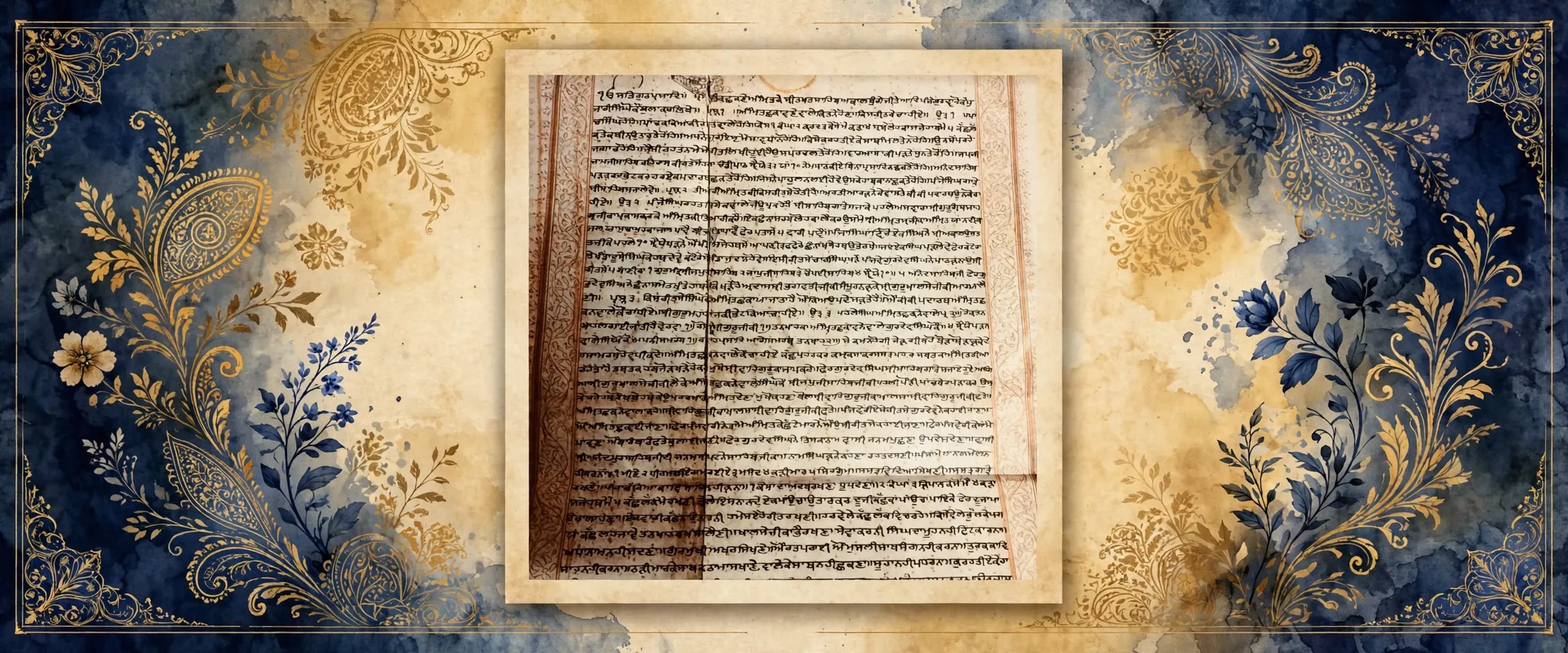
ਭਾਈ ਚੌਪਾ ਸਿੰਘ ਜੀ ਦਾ ਰਹਿਤਨਾਮਾ ਸਿੱਖਾਂ ਦੀ ਪੁਰਾਣੀ ਜੀਵਨ ਜਾਚ ਹੈ, ਜੋ ਪਰੰਪਰਾ ਅਨੁਸਾਰ ਗੁਰੂ ਗੋਬਿੰਦ ਸਿੰਘ ਜੀ ਨੇ ਖਾਲਸੇ ਲਈ ਨਿਸ਼ਚਿਤ ਕੀਤੀ ਸੀ। ਇਹ ਪੁਰਾਣੇ ਰਹਿਤਨਾਮਿਆਂ ਵਿੱਚੋਂ ਸਭ ਤੋਂ ਵੱਡਾ ਅਤੇ ਸਭ ਤੋਂ ਵਿਸਥਾਰ ਵਾਲਾ ਹੈ, ਜਿਸ ਵਿੱਚ ਪ੍ਰਾਰਥਨਾ, ਕਿਰਤ, ਖਾਣ ਪੀਣ, ਵਿਆਹ, ਸਸਕਾਰ ਅਤੇ ਸੰਗਤ ਦੇ ਜੀਵਨ ਬਾਰੇ ਲਗਭਗ 1,800 ਹੁਕਮ ਹਨ। ਇਸ ਦੀ ਤਾਰੀਖ਼ ਅਤੇ ਲੇਖਕ ਵਿਵਾਦਿਤ ਹਨ: ਲਿਖਤ 1700 ਵਿੱਚ ਗੁਰੂ ਗੋਬਿੰਦ ਸਿੰਘ ਜੀ ਵੱਲੋਂ ਪ੍ਰਮਾਣਿਤ ਹੋਣ ਦਾ ਦਾਅਵਾ ਕਰਦੀ ਹੈ, ਜਦੋਂ ਕਿ ਵਿਦਵਾਨ ਇਸ ਨੂੰ 1700 ਤੋਂ ਲੈ ਕੇ 1765 ਤੱਕ ਦਾ ਮੰਨਦੇ ਹਨ।
- ਪੰਜਾਬੀ ਨਾਂ
- ਰਹਿਤਨਾਮਾ ਭਾਈ ਚੌਪਾ ਸਿੰਘ ਜੀ
- ਪੂਰਾ ਨਾਂ
- ਰਹਿਤਨਾਮਾ ਹਜ਼ੂਰੀ, ਜਿਸ ਨੂੰ ਰਹਿਤਨਾਮਾ ਭਾਈ ਚੌਪਾ ਸਿੰਘ ਵੀ ਕਿਹਾ ਜਾਂਦਾ ਹੈ।
- ਸ਼ੈਲੀ
- ਰਹਿਤਨਾਮਾ: ਸਿੱਖ ਜੀਵਨ ਜਾਚ।
- ਭਾਸ਼ਾ
- ਪੁਰਾਣੀ ਪੰਜਾਬੀ, ਗੁਰਮੁਖੀ ਲਿਪੀ ਵਿੱਚ।
- ਮੰਨਿਆ ਲੇਖਕ
- ਭਾਈ ਚੌਪਾ ਸਿੰਘ ਜੀ (ਚੌਪਤੀ ਰਾਇ), ਗੁਰੂ ਗੋਬਿੰਦ ਸਿੰਘ ਜੀ ਦੇ ਸੇਵਕ।
- ਲਿਖਤ ਵਿੱਚ ਦਿੱਤੀ ਤਾਰੀਖ਼
- 7 ਜੇਠ 1757 ਬਿਕ੍ਰਮੀ, ਭਾਵ 5 ਮਈ 1700, ਜਦੋਂ ਲਿਖਤ ਅਨੁਸਾਰ ਗੁਰੂ ਗੋਬਿੰਦ ਸਿੰਘ ਜੀ ਨੇ ਇਸ ਨੂੰ ਪ੍ਰਮਾਣਿਤ ਕੀਤਾ।
All 11 facts
- ਵਿਦਵਾਨਾਂ ਦੀ ਤਾਰੀਖ਼
- 1740 ਤੋਂ 1765 (ਡਬਲਿਊ. ਐਚ. ਮੈਕਲਿਓਡ); 1700 (ਪਿਆਰਾ ਸਿੰਘ ਪਦਮ); 1750 ਤੋਂ 1765 (ਹਰਜੋਤ ਓਬਰਾਏ)।
- ਲੰਬਾਈ
- ਲਗਭਗ 1,800 ਹੁਕਮ, ਤਨਖਾਹ ਵਾਲਾ ਲੰਮਾ ਹਿੱਸਾ ਮੈਕਲਿਓਡ ਦੇ ਅਨੁਵਾਦ ਵਿੱਚ ਮੱਦਾਂ 286 ਤੋਂ 549 ਤੱਕ।
- ਮੁੱਖ ਅਧਿਐਨ
- ਡਬਲਿਊ. ਐਚ. ਮੈਕਲਿਓਡ, ਦ ਚੌਪਾ ਸਿੰਘ ਰਹਿਤਨਾਮਾ, ਯੂਨੀਵਰਸਿਟੀ ਆਫ਼ ਓਟਾਗੋ ਪ੍ਰੈੱਸ, ਡੁਨੇਡਿਨ, 1987।
- ਚੌਪਾ ਸਿੰਘ ਜੀ ਦੀ ਮੌਤ
- 18 ਜਨਵਰੀ 1724, ਦਿੱਲੀ, 59 ਸਾਥੀਆਂ ਨਾਲ ਫਾਂਸੀ।
- ਅੱਜ ਦੀ ਸੰਹਿਤਾ
- ਸਿੱਖ ਰਹਿਤ ਮਰਯਾਦਾ, ਐਸਜੀਪੀਸੀ ਨੇ 1927 ਤੋਂ ਤਿਆਰ ਕੀਤੀ, 1945 ਵਿੱਚ ਅੰਮ੍ਰਿਤਸਰ ਤੋਂ ਅੰਤਿਮ ਰੂਪ ਵਿੱਚ ਪ੍ਰਕਾਸ਼ਿਤ।
The Rehitnama of Bhai Chaupa Singh Ji is an early Sikh code of conduct, traditionally said to record the discipline ਗੁਰੂ ਗੋਬਿੰਦ ਸਿੰਘ ਜੀ ਨੇ laid down for the Khalsa. It is the longest and most detailed of the early rehitnamas, running to around 1,800 injunctions, and its date and authorship are still debated by scholars today.
What is a rehitnama?
A rehitnama is a manual of Sikh conduct. The Punjabi word rahit means a mode of living, and nama means a written account, so a rehitnama is literally a written account of how a Sikh should live. The genre grew up around ਗੁਰੂ ਗੋਬਿੰਦ ਸਿੰਘ ਜੀ ਨੇ and the Khalsa, founded in 1699, when the new community needed its discipline written down: how to pray, how to dress, how to eat, how to marry, how to settle disputes, and how to treat fellow Sikhs.
Several rehitnamas circulated in the 18th century, each carrying the name of a Sikh close to ਗੁਰੂ ਗੋਬਿੰਦ ਸਿੰਘ ਜੀ ਨੇ: Bhai Nand Lal Ji, Bhai Daya Singh Ji, Bhai Desa Singh Ji, Bhai Prahlad Singh Ji, and Bhai Chaupa Singh Ji. No single one ever held authority over the whole Panth, and they do not always agree with each other. Together they are the main window into how the early Khalsa understood its own discipline, and the ਸਿੱਖ ਰਹਿਤ ਮਰਯਾਦਾ of today was drawn from them.
Who was Bhai Chaupa Singh Ji?
Bhai Chaupa Singh Ji, earlier called Chaupati Rai, died in 1724. He was born into a Chhibbar family of Kariala, a village in Jehlum district, now in Pakistan, and served in the household of the Gurus from the time of Guru Har Rai Ji. He accompanied Guru Tegh Bahadur Ji to Patna, where he attended the infant ਗੁਰੂ ਗੋਬਿੰਦ ਸਿੰਘ ਜੀ ਨੇ and taught the child Gurmukhi and Takri letters. When Guru Gobind Singh Ji founded the Khalsa in 1699, Chaupati Rai received the initiatory rites and became Chaupa Singh.
He stayed with ਗੁਰੂ ਗੋਬਿੰਦ ਸਿੰਘ ਜੀ ਨੇ until the evacuation of Anandpur in 1705, then travelled to Delhi with the ladies of the Guru's family. He spent the rest of his life in Delhi, apart from a brief visit to Talwandi Sabo in 1706, and died there by execution on 18 January 1724, one of sixty Sikhs arrested after a public clash in which a Muslim faqir was killed. His fame rests entirely on the code of conduct that carries his name.
How the text came to be written
Family tradition, recorded by Kesar Singh Chhibbar in his Bansavalinama, says ਗੁਰੂ ਗੋਬਿੰਦ ਸਿੰਘ ਜੀ ਨੇ decided to have the rules of Khalsa conduct codified and recorded, and commanded Chaupa Singh Ji to write them down shortly before the siege of Anandpur and its evacuation. Chaupa Singh Ji is said to have pleaded that he was not equal to so weighty a task, and to have been reassured that the Guru himself would inspire and direct his words. A copy written by Sital Singh Bahrupia was taken to the Guru for his approval, and a second copy was also certified by him.
The text itself claims it was authenticated by ਗੁਰੂ ਗੋਬਿੰਦ ਸਿੰਘ ਜੀ ਨੇ on 7 Jeth 1757 Bikrami, or 5 May 1700, and says the Guru ordered that more copies be attested in the same way and that nothing be added to it. Yet the closing portion of the text carries the dates 1759 and 1763 Bikrami, or 1702 and 1706, which suggests later hands added to it. The surviving text also changes shape as it goes: it begins as a formal list of injunctions, breaks into narrative, returns to injunctions, and breaks into narrative again. Scholars read this as a composite work drawn from at least three different sources, not a single sitting of writing.
What the Rehitnama teaches
The Rehitnama is encyclopaedic. It tells a Sikh to rise early, recite the daily nitnem, earn a living by the labour of his hands, and never be parted from five things: kachh, kes, kirpan, bani and sangat. It forbids liquor and tobacco, forbids dealing in tobacco, and requires dasvandh, the setting aside of a tenth of income. It forbids dealings with minas, masands and ramraias, with those who shave their heads, and with those who practise female infanticide, and forbids trading in pothis, manuscript copies of gurbani.
Much of the text is about life together. A Sikh should regard every fellow Sikh as a member of the Guru's family, serve them with love, never quarrel with them or insult them, help them in need, share food with them, deal honestly in business, never take a bribe, and settle disputes inside the Panth rather than before outside courts. Every village or locality with Sikh homes should keep a dharamsala, a place of gathering, where the sangat meets, sits in lines without regard to status, and hears kirtan and discourse.
It also covers the whole round of life: the naming of a child from Guru Granth Sahib Ji, marriage, initiation through pahul, funerals, and the preparation of karah prasad. A long section, items 286 to 549 in W. H. McLeod's translation, sets out tankhah, the religious penalties for breaking the code. There is a separate section devoted to Sikh women, and a classic catalogue of Sikh virtues: honouring the kes to the last breath, reciting bani, living by honest work, feeding others, serving parents, and keeping the rahit in the heart rather than merely in outward form.
Why its date and authorship are debated
The text's own claim of authentication in 1700 is only part of the story. W. H. McLeod, who translated and studied the text in his 1987 volume The Chaupa Singh Rahit-nama, dated it to 1740 to 1765, decades after Chaupa Singh Ji's death in 1724. Piara Singh Padam held to 1700, and Harjot Oberoi placed it between 1750 and 1765. J. S. Grewal and G. S. Mann take a middle path: the prologue and the rahit portions date from the time of ਗੁਰੂ ਗੋਬਿੰਦ ਸਿੰਘ ਜੀ ਨੇ, while the two narratives and the tankhah section were added later.
The contents give scholars further reason for caution. Some injunctions conflict with the Sikh code accepted today: the text grants a position of privilege to the Brahman, orders a harsh ostracising of Muslims, and carries a strong Puranic element and the influence of the Devi cult. Its rules for women, including that a woman should not read Guru Granth Sahib Ji in public and should not receive sword baptism, also sit uneasily with later Sikh practice. These passages look like the customs of the surrounding society of the time rather than the Guru's own teaching, and most scholars treat them as later additions to an older core. The colophon of the surviving text is itself vague about authorship. The honest position is that the text carries Chaupa Singh Ji's name and preserves early Khalsa teaching, but the book as we have it was shaped by more than one hand over more than one generation.
How does it relate to the Sikh Rehat Maryada today?
The ਸਿੱਖ ਰਹਿਤ ਮਰਯਾਦਾ is the code the Panth follows today. The Shiromani Gurdwara Parbandhak Committee (SGPC) began drafting it in 1927, ratified a draft in 1936, and published it in its final form at Amritsar in 1945. Its makers drew on Guru Granth Sahib Ji, the rehatnamas, and living Sikh practice, and in doing so they resolved many of the contradictions between the old texts. Rules that clashed with Sikh teaching, including the harsh passages in the Chaupa Singh text, were left out.
So the two documents stand in a clear relationship: the Rehitnama of Bhai Chaupa Singh Ji is a source, and the ਸਿੱਖ ਰਹਿਤ ਮਰਯਾਦਾ is the settlement. A Sikh who wants to know how to live today turns to the Maryada. A student or historian who wants to know how the Khalsa understood its discipline in the 18th century turns to the Rehitnama, and to McLeod's translation of it, with the debates about its date kept firmly in view.
Why it still matters
The Rehitnama matters because it is the fullest surviving record of the early Khalsa's daily discipline. It shows a community working out, rule by rule, what it meant to be a Sikh when the Khalsa was new: how to pray, how to earn, how to eat together, how to bury the dead, and how to keep a shared standard across scattered villages. It also shows how a living tradition edits itself, keeping the core and letting go of what does not fit, a process that ended in the Rehat Maryada. Read with care, and with its disputed passages recognised for what they are, it remains the richest single source for the Sikh way of life in the 18th century.
ਭਾਈ ਚੌਪਾ ਸਿੰਘ ਜੀ ਦਾ ਰਹਿਤਨਾਮਾ ਸਿੱਖਾਂ ਦੀ ਪੁਰਾਣੀ ਜੀਵਨ ਜਾਚ ਹੈ। ਪਰੰਪਰਾ ਅਨੁਸਾਰ ਇਹ ਉਹ ਅਨੁਸ਼ਾਸਨ ਹੈ ਜੋ ਗੁਰੂ ਗੋਬਿੰਦ ਸਿੰਘ ਜੀ ਨੇ ਖਾਲਸੇ ਲਈ ਨਿਸ਼ਚਿਤ ਕੀਤਾ ਸੀ। ਇਹ ਪੁਰਾਣੇ ਰਹਿਤਨਾਮਿਆਂ ਵਿੱਚੋਂ ਸਭ ਤੋਂ ਵੱਡਾ ਅਤੇ ਸਭ ਤੋਂ ਵਿਸਥਾਰ ਵਾਲਾ ਹੈ, ਇਸ ਵਿੱਚ ਲਗਭਗ 1,800 ਹੁਕਮ ਹਨ, ਅਤੇ ਇਸ ਦੀ ਤਾਰੀਖ਼ ਅਤੇ ਲੇਖਕ ਬਾਰੇ ਵਿਦਵਾਨਾਂ ਵਿੱਚ ਅੱਜ ਵੀ ਬਹਿਸ ਚੱਲ ਰਹੀ ਹੈ।
ਰਹਿਤਨਾਮਾ ਕੀ ਹੁੰਦਾ ਹੈ?
ਰਹਿਤਨਾਮਾ ਸਿੱਖ ਜੀਵਨ ਜਾਚ ਦੀ ਕਿਤਾਬ ਹੁੰਦਾ ਹੈ। ਪੰਜਾਬੀ ਸ਼ਬਦ ਰਹਿਤ ਦਾ ਅਰਥ ਹੈ ਜੀਣ ਦਾ ਢੰਗ, ਅਤੇ ਨਾਮਾ ਦਾ ਅਰਥ ਹੈ ਲਿਖਤ, ਸੋ ਰਹਿਤਨਾਮਾ ਉਹ ਲਿਖਤ ਹੈ ਜੋ ਦੱਸਦੀ ਹੈ ਕਿ ਸਿੱਖ ਨੂੰ ਕਿਵੇਂ ਜੀਣਾ ਚਾਹੀਦਾ ਹੈ। ਇਹ ਵੰਨਗੀ ਗੁਰੂ ਗੋਬਿੰਦ ਸਿੰਘ ਜੀ ਅਤੇ ਖਾਲਸੇ ਦੇ ਆਸ ਪਾਸ ਬਣੀ, ਜਦੋਂ 1699 ਵਿੱਚ ਬਣੇ ਨਵੇਂ ਪੰਥ ਨੂੰ ਆਪਣਾ ਅਨੁਸ਼ਾਸਨ ਲਿਖਤ ਵਿੱਚ ਚਾਹੀਦਾ ਸੀ: ਕਿਵੇਂ ਪ੍ਰਾਰਥਨਾ ਕਰਨੀ ਹੈ, ਕਿਵੇਂ ਪਹਿਨਣਾ ਹੈ, ਕਿਵੇਂ ਖਾਣਾ ਹੈ, ਕਿਵੇਂ ਵਿਆਹ ਕਰਨਾ ਹੈ, ਝਗੜੇ ਕਿਵੇਂ ਨਿਪਟਾਉਣੇ ਹਨ, ਅਤੇ ਸਾਥੀ ਸਿੱਖਾਂ ਨਾਲ ਕਿਵੇਂ ਵਰਤਣਾ ਹੈ।
ਅਠਾਰ੍ਹਵੀਂ ਸਦੀ ਵਿੱਚ ਕਈ ਰਹਿਤਨਾਮੇ ਚੱਲਦੇ ਸਨ, ਹਰ ਇੱਕ ਗੁਰੂ ਗੋਬਿੰਦ ਸਿੰਘ ਜੀ ਦੇ ਕਿਸੇ ਨਜ਼ਦੀਕੀ ਸਿੱਖ ਦੇ ਨਾਂ ਨਾਲ ਜੁੜਿਆ ਹੋਇਆ ਸੀ: ਭਾਈ ਨੰਦ ਲਾਲ ਜੀ, ਭਾਈ ਦਇਆ ਸਿੰਘ ਜੀ, ਭਾਈ ਦੇਸਾ ਸਿੰਘ ਜੀ, ਭਾਈ ਪ੍ਰਹਿਲਾਦ ਸਿੰਘ ਜੀ, ਅਤੇ ਭਾਈ ਚੌਪਾ ਸਿੰਘ ਜੀ। ਇਨ੍ਹਾਂ ਵਿੱਚੋਂ ਕਿਸੇ ਇੱਕ ਨੂੰ ਵੀ ਪੂਰੇ ਪੰਥ ਉੱਤੇ ਮਾਨਤਾ ਨਹੀਂ ਮਿਲੀ, ਅਤੇ ਇਹ ਸਭ ਆਪਸ ਵਿੱਚ ਹਮੇਸ਼ਾ ਸਹਿਮਤ ਵੀ ਨਹੀਂ ਹਨ। ਇਕੱਠੇ ਇਹ ਦੱਸਦੇ ਹਨ ਕਿ ਸ਼ੁਰੂਆਤੀ ਖਾਲਸਾ ਆਪਣੇ ਅਨੁਸ਼ਾਸਨ ਨੂੰ ਕਿਵੇਂ ਸਮਝਦਾ ਸੀ, ਅਤੇ ਅੱਜ ਦੀ ਸਿੱਖ ਰਹਿਤ ਮਰਯਾਦਾ ਇਨ੍ਹਾਂ ਵਿੱਚੋਂ ਹੀ ਬਣੀ ਹੈ।
ਭਾਈ ਚੌਪਾ ਸਿੰਘ ਜੀ ਕੌਣ ਸਨ?
ਭਾਈ ਚੌਪਾ ਸਿੰਘ ਜੀ, ਜਿਨ੍ਹਾਂ ਦਾ ਪਹਿਲਾ ਨਾਂ ਚੌਪਤੀ ਰਾਇ ਸੀ, 1724 ਵਿੱਚ ਅਕਾਲ ਚਲਾਣਾ ਕਰ ਗਏ। ਉਹ ਜੇਹਲਮ ਜ਼ਿਲ੍ਹੇ ਦੇ ਪਿੰਡ ਕਰਿਆਲਾ, ਜੋ ਹੁਣ ਪਾਕਿਸਤਾਨ ਵਿੱਚ ਹੈ, ਦੇ ਇੱਕ ਛਿੱਬਰ ਪਰਿਵਾਰ ਵਿੱਚ ਜਨਮੇ ਸਨ, ਅਤੇ ਗੁਰੂ ਹਰਿ ਰਾਇ ਜੀ ਦੇ ਸਮੇਂ ਤੋਂ ਗੁਰੂ ਘਰ ਦੀ ਸੇਵਾ ਵਿੱਚ ਰਹੇ। ਉਹ ਗੁਰੂ ਤੇਗ ਬਹਾਦਰ ਜੀ ਨਾਲ ਪਟਨਾ ਗਏ, ਜਿੱਥੇ ਉਹ ਬਾਲ ਗੁਰੂ ਗੋਬਿੰਦ ਸਿੰਘ ਜੀ ਦੀ ਦੇਖ ਭਾਲ ਕਰਦੇ ਸਨ ਅਤੇ ਬੱਚੇ ਨੂੰ ਗੁਰਮੁਖੀ ਅਤੇ ਟਾਕਰੀ ਅੱਖਰ ਸਿਖਾਉਂਦੇ ਸਨ। ਜਦੋਂ ਗੁਰੂ ਗੋਬਿੰਦ ਸਿੰਘ ਜੀ ਨੇ 1699 ਵਿੱਚ ਖਾਲਸਾ ਸਾਜਿਆ, ਚੌਪਤੀ ਰਾਇ ਨੇ ਵੀ ਅੰਮ੍ਰਿਤ ਛਕਿਆ ਅਤੇ ਚੌਪਾ ਸਿੰਘ ਬਣ ਗਏ।
ਉਹ 1705 ਵਿੱਚ ਅਨੰਦਪੁਰ ਦੇ ਖਾਲੀ ਹੋਣ ਤੱਕ ਗੁਰੂ ਗੋਬਿੰਦ ਸਿੰਘ ਜੀ ਨਾਲ ਰਹੇ, ਫਿਰ ਗੁਰੂ ਪਰਿਵਾਰ ਦੀਆਂ ਬੀਬੀਆਂ ਨਾਲ ਦਿੱਲੀ ਚਲੇ ਗਏ। 1706 ਵਿੱਚ ਤਲਵੰਡੀ ਸਾਬੋ ਦੀ ਇੱਕ ਛੋਟੀ ਫੇਰੀ ਨੂੰ ਛੱਡ ਕੇ, ਉਹ ਬਾਕੀ ਜੀਵਨ ਦਿੱਲੀ ਵਿੱਚ ਹੀ ਰਹੇ, ਅਤੇ 18 ਜਨਵਰੀ 1724 ਨੂੰ ਉੱਥੇ ਹੀ ਉਨ੍ਹਾਂ ਨੂੰ ਫਾਂਸੀ ਦੇ ਦਿੱਤੀ ਗਈ। ਉਹ ਉਨ੍ਹਾਂ ਸੱਠ ਸਿੱਖਾਂ ਵਿੱਚੋਂ ਇੱਕ ਸਨ ਜਿਨ੍ਹਾਂ ਨੂੰ ਇੱਕ ਜਨਤਕ ਝਗੜੇ ਮਗਰੋਂ ਗ੍ਰਿਫ਼ਤਾਰ ਕੀਤਾ ਗਿਆ ਸੀ, ਜਿਸ ਵਿੱਚ ਇੱਕ ਮੁਸਲਮਾਨ ਫ਼ਕੀਰ ਦੀ ਮੌਤ ਹੋ ਗਈ ਸੀ। ਉਨ੍ਹਾਂ ਦੀ ਪ੍ਰਸਿੱਧੀ ਪੂਰੀ ਤਰ੍ਹਾਂ ਉਸ ਜੀਵਨ ਜਾਚ ਉੱਤੇ ਖੜ੍ਹੀ ਹੈ ਜਿਸ ਉੱਤੇ ਉਨ੍ਹਾਂ ਦਾ ਨਾਂ ਹੈ।
ਇਹ ਲਿਖਤ ਕਿਵੇਂ ਲਿਖੀ ਗਈ?
ਕੇਸਰ ਸਿੰਘ ਛਿੱਬਰ ਨੇ ਆਪਣੇ ਬੰਸਾਵਲੀਨਾਮੇ ਵਿੱਚ ਦਰਜ ਪਰਿਵਾਰਕ ਪਰੰਪਰਾ ਅਨੁਸਾਰ, ਗੁਰੂ ਗੋਬਿੰਦ ਸਿੰਘ ਜੀ ਨੇ ਫ਼ੈਸਲਾ ਕੀਤਾ ਕਿ ਖਾਲਸੇ ਦੇ ਅਨੁਸ਼ਾਸਨ ਨੂੰ ਲਿਖਤ ਵਿੱਚ ਦਰਜ ਕੀਤਾ ਜਾਵੇ, ਅਤੇ ਅਨੰਦਪੁਰ ਦੇ ਘੇਰੇ ਅਤੇ ਖਾਲੀ ਹੋਣ ਤੋਂ ਥੋੜ੍ਹਾ ਪਹਿਲਾਂ ਚੌਪਾ ਸਿੰਘ ਜੀ ਨੂੰ ਇਸ ਨੂੰ ਲਿਖਣ ਦਾ ਹੁਕਮ ਦਿੱਤਾ। ਕਿਹਾ ਜਾਂਦਾ ਹੈ ਕਿ ਚੌਪਾ ਸਿੰਘ ਜੀ ਨੇ ਬੇਨਤੀ ਕੀਤੀ ਕਿ ਉਹ ਇੰਨੀ ਵੱਡੀ ਜ਼ਿੰਮੇਵਾਰੀ ਦੇ ਯੋਗ ਨਹੀਂ ਹਨ, ਅਤੇ ਉਨ੍ਹਾਂ ਨੂੰ ਭਰੋਸਾ ਦਿੱਤਾ ਗਿਆ ਕਿ ਗੁਰੂ ਆਪ ਹੀ ਉਨ੍ਹਾਂ ਦੇ ਸ਼ਬਦਾਂ ਦੀ ਅਗਵਾਈ ਕਰਨਗੇ। ਸੀਤਲ ਸਿੰਘ ਬਹੁਰੂਪੀਏ ਦੇ ਹੱਥ ਲਿਖੀ ਇੱਕ ਨਕਲ ਗੁਰੂ ਜੀ ਕੋਲ ਪ੍ਰਵਾਨਗੀ ਲਈ ਲਿਜਾਈ ਗਈ, ਅਤੇ ਦੂਜੀ ਨਕਲ ਨੂੰ ਵੀ ਉਨ੍ਹਾਂ ਨੇ ਪ੍ਰਮਾਣਿਤ ਕੀਤਾ।
ਲਿਖਤ ਆਪ ਦਾਅਵਾ ਕਰਦੀ ਹੈ ਕਿ ਗੁਰੂ ਗੋਬਿੰਦ ਸਿੰਘ ਜੀ ਨੇ ਇਸ ਨੂੰ 7 ਜੇਠ 1757 ਬਿਕ੍ਰਮੀ, ਭਾਵ 5 ਮਈ 1700 ਨੂੰ ਪ੍ਰਮਾਣਿਤ ਕੀਤਾ ਸੀ, ਅਤੇ ਹੁਕਮ ਦਿੱਤਾ ਸੀ ਕਿ ਇਸੇ ਤਰ੍ਹਾਂ ਹੋਰ ਨਕਲਾਂ ਪ੍ਰਮਾਣਿਤ ਕੀਤੀਆਂ ਜਾਣ ਅਤੇ ਇਸ ਵਿੱਚ ਕੁਝ ਵੀ ਨਾ ਜੋੜਿਆ ਜਾਵੇ। ਪਰ ਲਿਖਤ ਦੇ ਅੰਤਲੇ ਹਿੱਸੇ ਵਿੱਚ 1759 ਅਤੇ 1763 ਬਿਕ੍ਰਮੀ, ਭਾਵ 1702 ਅਤੇ 1706 ਦੀਆਂ ਤਾਰੀਖ਼ਾਂ ਹਨ, ਜਿਸ ਤੋਂ ਲਗਦਾ ਹੈ ਕਿ ਬਾਅਦ ਵਿੱਚ ਹੋਰ ਹੱਥਾਂ ਨੇ ਇਸ ਵਿੱਚ ਵਾਧਾ ਕੀਤਾ। ਬਚੀ ਹੋਈ ਲਿਖਤ ਦਾ ਰੂਪ ਵੀ ਬਦਲਦਾ ਰਹਿੰਦਾ ਹੈ: ਇਹ ਹੁਕਮਾਂ ਦੀ ਸੂਚੀ ਵਜੋਂ ਸ਼ੁਰੂ ਹੁੰਦੀ ਹੈ, ਫਿਰ ਕਥਾ ਵਿੱਚ ਬਦਲ ਜਾਂਦੀ ਹੈ, ਫਿਰ ਹੁਕਮਾਂ ਵੱਲ ਮੁੜਦੀ ਹੈ, ਅਤੇ ਫਿਰ ਕਥਾ ਆ ਜਾਂਦੀ ਹੈ। ਵਿਦਵਾਨ ਇਸ ਨੂੰ ਘੱਟੋ ਘੱਟ ਤਿੰਨ ਵੱਖਰੇ ਸਰੋਤਾਂ ਤੋਂ ਬਣੀ ਮਿਲੀ ਜੁਲੀ ਰਚਨਾ ਮੰਨਦੇ ਹਨ, ਇੱਕੋ ਬੈਠਕ ਦੀ ਲਿਖਤ ਨਹੀਂ।
ਰਹਿਤਨਾਮਾ ਕੀ ਸਿਖਾਉਂਦਾ ਹੈ?
ਰਹਿਤਨਾਮਾ ਇੱਕ ਵਿਸ਼ਾਲ ਗ੍ਰੰਥ ਹੈ। ਇਹ ਸਿੱਖ ਨੂੰ ਸਵੇਰੇ ਉੱਠਣ, ਰੋਜ਼ਾਨਾ ਨਿਤਨੇਮ ਪੜ੍ਹਨ, ਆਪਣੇ ਹੱਥੀਂ ਕਿਰਤ ਕਰਕੇ ਰੋਜ਼ੀ ਕਮਾਉਣ, ਅਤੇ ਪੰਜ ਚੀਜ਼ਾਂ ਤੋਂ ਕਦੇ ਵੱਖ ਨਾ ਹੋਣ ਦਾ ਹੁਕਮ ਦਿੰਦਾ ਹੈ: ਕਛਹਿਰਾ, ਕੇਸ, ਕਿਰਪਾਨ, ਬਾਣੀ ਅਤੇ ਸੰਗਤ। ਇਹ ਸ਼ਰਾਬ ਅਤੇ ਤੰਬਾਕੂ ਦੀ ਮਨਾਹੀ ਕਰਦਾ ਹੈ, ਤੰਬਾਕੂ ਦਾ ਵਪਾਰ ਕਰਨ ਤੋਂ ਰੋਕਦਾ ਹੈ, ਅਤੇ ਦਸਵੰਧ, ਭਾਵ ਆਮਦਨ ਦਾ ਦਸਵਾਂ ਹਿੱਸਾ ਕੱਢਣ ਦਾ ਹੁਕਮ ਦਿੰਦਾ ਹੈ। ਇਹ ਮੀਣਿਆਂ, ਮਸੰਦਾਂ ਅਤੇ ਰਾਮਰਾਈਆਂ, ਸਿਰ ਮੁਨਾਉਣ ਵਾਲਿਆਂ, ਅਤੇ ਕੁੜੀਆਂ ਨੂੰ ਮਾਰਨ ਵਾਲਿਆਂ ਨਾਲ ਵਰਤੋਂ ਤੋਂ ਰੋਕਦਾ ਹੈ, ਅਤੇ ਗੁਰਬਾਣੀ ਦੀਆਂ ਹੱਥ ਲਿਖਤ ਪੋਥੀਆਂ ਦਾ ਵਪਾਰ ਕਰਨ ਤੋਂ ਵੀ ਰੋਕਦਾ ਹੈ।
ਲਿਖਤ ਦਾ ਬਹੁਤਾ ਹਿੱਸਾ ਇਕੱਠੇ ਜੀਣ ਬਾਰੇ ਹੈ। ਸਿੱਖ ਨੂੰ ਹਰ ਸਾਥੀ ਸਿੱਖ ਨੂੰ ਗੁਰੂ ਪਰਿਵਾਰ ਦਾ ਮੈਂਬਰ ਸਮਝਣਾ ਚਾਹੀਦਾ ਹੈ, ਪਿਆਰ ਨਾਲ ਉਸ ਦੀ ਸੇਵਾ ਕਰਨੀ ਚਾਹੀਦੀ ਹੈ, ਉਸ ਨਾਲ ਕਦੇ ਝਗੜਾ ਨਹੀਂ ਕਰਨਾ ਚਾਹੀਦਾ ਅਤੇ ਨਾ ਹੀ ਉਸ ਦਾ ਅਪਮਾਨ ਕਰਨਾ ਚਾਹੀਦਾ ਹੈ, ਲੋੜ ਵੇਲੇ ਉਸ ਦੀ ਮਦਦ ਕਰਨੀ ਚਾਹੀਦੀ ਹੈ, ਉਸ ਨਾਲ ਖਾਣਾ ਸਾਂਝਾ ਕਰਨਾ ਚਾਹੀਦਾ ਹੈ, ਵਪਾਰ ਵਿੱਚ ਇਮਾਨਦਾਰ ਰਹਿਣਾ ਚਾਹੀਦਾ ਹੈ, ਕਦੇ ਰਿਸ਼ਵਤ ਨਹੀਂ ਲੈਣੀ ਚਾਹੀਦੀ, ਅਤੇ ਝਗੜੇ ਬਾਹਰਲੀਆਂ ਅਦਾਲਤਾਂ ਦੀ ਥਾਂ ਪੰਥ ਦੇ ਅੰਦਰ ਹੀ ਨਿਪਟਾਉਣੇ ਚਾਹੀਦੇ ਹਨ। ਹਰ ਪਿੰਡ ਜਾਂ ਇਲਾਕੇ ਵਿੱਚ ਜਿੱਥੇ ਸਿੱਖ ਘਰ ਹਨ, ਉੱਥੇ ਇੱਕ ਧਰਮਸਾਲਾ ਹੋਣੀ ਚਾਹੀਦੀ ਹੈ, ਜਿੱਥੇ ਸੰਗਤ ਇਕੱਠੀ ਹੋਵੇ, ਰੁਤਬੇ ਦਾ ਖਿਆਲ ਕੀਤੇ ਬਿਨਾਂ ਕਤਾਰਾਂ ਵਿੱਚ ਬੈਠੇ, ਅਤੇ ਕੀਰਤਨ ਅਤੇ ਕਥਾ ਸੁਣੇ।
ਇਹ ਜੀਵਨ ਦੇ ਸਾਰੇ ਪੜਾਅ ਵੀ ਦੱਸਦਾ ਹੈ: ਸ੍ਰੀ ਗੁਰੂ ਗ੍ਰੰਥ ਸਾਹਿਬ ਜੀ ਤੋਂ ਬੱਚੇ ਦਾ ਨਾਂ ਰੱਖਣਾ, ਵਿਆਹ, ਪਹੁਲ ਰਾਹੀਂ ਅੰਮ੍ਰਿਤ ਛਕਣਾ, ਸਸਕਾਰ, ਅਤੇ ਕਰਾਹ ਪ੍ਰਸਾਦ ਤਿਆਰ ਕਰਨਾ। ਇੱਕ ਲੰਮਾ ਹਿੱਸਾ, ਡਬਲਿਊ. ਐਚ. ਮੈਕਲਿਓਡ ਦੇ ਅਨੁਵਾਦ ਵਿੱਚ ਮੱਦਾਂ 286 ਤੋਂ 549 ਤੱਕ, ਤਨਖਾਹ ਦੱਸਦਾ ਹੈ, ਭਾਵ ਰਹਿਤ ਤੋੜਨ ਉੱਤੇ ਲੱਗਣ ਵਾਲੇ ਧਾਰਮਿਕ ਦੰਡ। ਸਿੱਖ ਬੀਬੀਆਂ ਬਾਰੇ ਇੱਕ ਵੱਖਰਾ ਹਿੱਸਾ ਹੈ, ਅਤੇ ਸਿੱਖ ਗੁਣਾਂ ਦੀ ਇੱਕ ਪ੍ਰਸਿੱਧ ਸੂਚੀ ਵੀ ਹੈ: ਅੰਤਲੇ ਸਾਹ ਤੱਕ ਕੇਸਾਂ ਦਾ ਸਤਕਾਰ, ਬਾਣੀ ਦਾ ਪਾਠ, ਇਮਾਨਦਾਰ ਕਿਰਤ, ਦੂਜਿਆਂ ਨੂੰ ਖੁਆਉਣਾ, ਮਾਪਿਆਂ ਦੀ ਸੇਵਾ, ਅਤੇ ਰਹਿਤ ਨੂੰ ਸਿਰਫ਼ ਬਾਹਰੀ ਦਿਖਾਵੇ ਦੀ ਥਾਂ ਦਿਲ ਵਿੱਚ ਰੱਖਣਾ।
ਇਸ ਦੀ ਤਾਰੀਖ਼ ਅਤੇ ਲੇਖਕ ਉੱਤੇ ਸਵਾਲ ਕਿਉਂ ਹਨ?
1700 ਵਿੱਚ ਪ੍ਰਮਾਣਿਤ ਹੋਣ ਦਾ ਲਿਖਤ ਦਾ ਆਪਣਾ ਦਾਅਵਾ ਕਹਾਣੀ ਦਾ ਸਿਰਫ਼ ਇੱਕ ਹਿੱਸਾ ਹੈ। ਡਬਲਿਊ. ਐਚ. ਮੈਕਲਿਓਡ, ਜਿਨ੍ਹਾਂ ਨੇ 1987 ਵਿੱਚ ਛਪੀ ਆਪਣੀ ਕਿਤਾਬ ਦ ਚੌਪਾ ਸਿੰਘ ਰਹਿਤਨਾਮਾ ਵਿੱਚ ਇਸ ਦਾ ਅਨੁਵਾਦ ਅਤੇ ਅਧਿਐਨ ਕੀਤਾ, ਇਸ ਨੂੰ 1740 ਤੋਂ 1765 ਦੇ ਵਿਚਕਾਰ ਦਾ ਮੰਨਦੇ ਹਨ, ਭਾਵ ਚੌਪਾ ਸਿੰਘ ਜੀ ਦੀ 1724 ਵਿੱਚ ਮੌਤ ਤੋਂ ਕਈ ਦਹਾਕੇ ਬਾਅਦ ਦਾ। ਪਿਆਰਾ ਸਿੰਘ ਪਦਮ 1700 ਨੂੰ ਮੰਨਦੇ ਹਨ, ਅਤੇ ਹਰਜੋਤ ਓਬਰਾਏ ਇਸ ਨੂੰ 1750 ਤੋਂ 1765 ਦੇ ਵਿਚਕਾਰ ਰੱਖਦੇ ਹਨ। ਜੇ. ਐਸ. ਗਰੇਵਾਲ ਅਤੇ ਜੀ. ਐਸ. ਮਾਨ ਵਿਚਕਾਰਲਾ ਰਾਹ ਲੈਂਦੇ ਹਨ: ਭੂਮਿਕਾ ਅਤੇ ਰਹਿਤ ਵਾਲੇ ਹਿੱਸੇ ਗੁਰੂ ਗੋਬਿੰਦ ਸਿੰਘ ਜੀ ਦੇ ਸਮੇਂ ਦੇ ਹਨ, ਜਦੋਂ ਕਿ ਦੋ ਕਥਾਵਾਂ ਅਤੇ ਤਨਖਾਹ ਵਾਲਾ ਹਿੱਸਾ ਬਾਅਦ ਵਿੱਚ ਜੋੜਿਆ ਗਿਆ।
ਲਿਖਤ ਦੀ ਸਮੱਗਰੀ ਵਿਦਵਾਨਾਂ ਨੂੰ ਹੋਰ ਵੀ ਸਾਵਧਾਨ ਕਰਦੀ ਹੈ। ਕੁਝ ਹੁਕਮ ਅੱਜ ਮੰਨੇ ਜਾਂਦੇ ਸਿੱਖ ਆਚਾਰ ਨਾਲ ਮੇਲ ਨਹੀਂ ਖਾਂਦੇ: ਲਿਖਤ ਬ੍ਰਾਹਮਣ ਨੂੰ ਵਿਸ਼ੇਸ਼ ਸਥਾਨ ਦਿੰਦੀ ਹੈ, ਮੁਸਲਮਾਨਾਂ ਨੂੰ ਤੁੱਛ ਸਮਝ ਕੇ ਵੱਖ ਕਰਨ ਦਾ ਹੁਕਮ ਦਿੰਦੀ ਹੈ, ਅਤੇ ਇਸ ਵਿੱਚ ਪੁਰਾਣਾਂ ਦਾ ਗਹਿਰਾ ਅਸਰ ਅਤੇ ਦੇਵੀ ਪੂਜਾ ਦਾ ਪ੍ਰਭਾਵ ਦਿਸਦਾ ਹੈ। ਬੀਬੀਆਂ ਬਾਰੇ ਇਸ ਦੇ ਨਿਯਮ, ਜਿਵੇਂ ਕਿ ਬੀਬੀ ਨੂੰ ਸੰਗਤ ਵਿੱਚ ਸ੍ਰੀ ਗੁਰੂ ਗ੍ਰੰਥ ਸਾਹਿਬ ਜੀ ਦਾ ਪਾਠ ਨਹੀਂ ਕਰਨਾ ਚਾਹੀਦਾ ਅਤੇ ਉਸ ਨੂੰ ਖੰਡੇ ਦੀ ਪਹੁਲ ਨਹੀਂ ਮਿਲਣੀ ਚਾਹੀਦੀ, ਵੀ ਬਾਅਦ ਦੀ ਸਿੱਖ ਰੀਤ ਨਾਲ ਮੇਲ ਨਹੀਂ ਖਾਂਦੇ। ਇਹ ਗੱਲਾਂ ਉਸ ਸਮੇਂ ਦੇ ਆਸ ਪਾਸ ਦੇ ਸਮਾਜ ਦੀਆਂ ਰੀਤਾਂ ਵਰਗੀਆਂ ਲਗਦੀਆਂ ਹਨ, ਗੁਰੂ ਜੀ ਦੀ ਆਪਣੀ ਸਿੱਖਿਆ ਵਰਗੀਆਂ ਨਹੀਂ, ਅਤੇ ਜ਼ਿਆਦਾਤਰ ਵਿਦਵਾਨ ਇਨ੍ਹਾਂ ਨੂੰ ਪੁਰਾਣੇ ਮੂਲ ਉੱਤੇ ਬਾਅਦ ਵਿੱਚ ਹੋਇਆ ਵਾਧਾ ਮੰਨਦੇ ਹਨ। ਬਚੀ ਹੋਈ ਲਿਖਤ ਦਾ ਅੰਤਲਾ ਸ਼ਬਦ ਵੀ ਲੇਖਕ ਬਾਰੇ ਸਪੱਸ਼ਟ ਨਹੀਂ ਹੈ। ਇਮਾਨਦਾਰ ਗੱਲ ਇਹ ਹੈ ਕਿ ਲਿਖਤ ਉੱਤੇ ਚੌਪਾ ਸਿੰਘ ਜੀ ਦਾ ਨਾਂ ਹੈ ਅਤੇ ਇਹ ਸ਼ੁਰੂਆਤੀ ਖਾਲਸੇ ਦੀ ਸਿੱਖਿਆ ਸੰਭਾਲਦੀ ਹੈ, ਪਰ ਜਿਸ ਰੂਪ ਵਿੱਚ ਇਹ ਸਾਨੂੰ ਮਿਲੀ ਹੈ, ਉਸ ਨੂੰ ਇੱਕ ਤੋਂ ਵੱਧ ਹੱਥਾਂ ਨੇ ਇੱਕ ਤੋਂ ਵੱਧ ਪੀੜ੍ਹੀਆਂ ਵਿੱਚ ਸ਼ਕਲ ਦਿੱਤੀ ਹੈ।
ਸਿੱਖ ਰਹਿਤ ਮਰਯਾਦਾ ਨਾਲ ਇਸ ਦਾ ਕੀ ਸੰਬੰਧ ਹੈ?
ਸਿੱਖ ਰਹਿਤ ਮਰਯਾਦਾ ਉਹ ਆਚਾਰ ਸੰਹਿਤਾ ਹੈ ਜਿਸ ਨੂੰ ਪੰਥ ਅੱਜ ਮੰਨਦਾ ਹੈ। ਸ਼੍ਰੋਮਣੀ ਗੁਰਦੁਆਰਾ ਪ੍ਰਬੰਧਕ ਕਮੇਟੀ (ਐਸਜੀਪੀਸੀ) ਨੇ 1927 ਵਿੱਚ ਇਸ ਦਾ ਖਰੜਾ ਤਿਆਰ ਕਰਨਾ ਸ਼ੁਰੂ ਕੀਤਾ, 1936 ਵਿੱਚ ਖਰੜੇ ਨੂੰ ਪ੍ਰਵਾਨਗੀ ਮਿਲੀ, ਅਤੇ 1945 ਵਿੱਚ ਇਹ ਆਪਣੇ ਅੰਤਿਮ ਰੂਪ ਵਿੱਚ ਅੰਮ੍ਰਿਤਸਰ ਤੋਂ ਪ੍ਰਕਾਸ਼ਿਤ ਹੋਈ। ਇਸ ਦੇ ਲੇਖਕਾਂ ਨੇ ਸ੍ਰੀ ਗੁਰੂ ਗ੍ਰੰਥ ਸਾਹਿਬ ਜੀ, ਰਹਿਤਨਾਮਿਆਂ ਅਤੇ ਜੀਉਂਦੇ ਸਿੱਖ ਅਮਲ ਤੋਂ ਸੇਧ ਲਈ, ਅਤੇ ਅਜਿਹਾ ਕਰਦਿਆਂ ਪੁਰਾਣੀਆਂ ਲਿਖਤਾਂ ਦੇ ਆਪਸੀ ਵਿਰੋਧਾਂ ਨੂੰ ਸੁਲਝਾਇਆ। ਜੋ ਨਿਯਮ ਸਿੱਖ ਸਿੱਖਿਆ ਨਾਲ ਮੇਲ ਨਹੀਂ ਖਾਂਦੇ ਸਨ, ਚੌਪਾ ਸਿੰਘ ਦੀ ਲਿਖਤ ਦੀਆਂ ਸਖ਼ਤ ਗੱਲਾਂ ਸਮੇਤ, ਉਨ੍ਹਾਂ ਨੂੰ ਛੱਡ ਦਿੱਤਾ ਗਿਆ।
ਸੋ ਦੋਵੇਂ ਲਿਖਤਾਂ ਦਾ ਸੰਬੰਧ ਸਾਫ਼ ਹੈ: ਭਾਈ ਚੌਪਾ ਸਿੰਘ ਜੀ ਦਾ ਰਹਿਤਨਾਮਾ ਇੱਕ ਸਰੋਤ ਹੈ, ਅਤੇ ਸਿੱਖ ਰਹਿਤ ਮਰਯਾਦਾ ਉਸ ਦਾ ਨਿਪਟਾਰਾ ਹੈ। ਜੋ ਸਿੱਖ ਅੱਜ ਕਿਵੇਂ ਜੀਣਾ ਹੈ, ਇਹ ਜਾਣਨਾ ਚਾਹੁੰਦਾ ਹੈ, ਉਹ ਮਰਯਾਦਾ ਵੱਲ ਵੇਖਦਾ ਹੈ। ਜੋ ਵਿਦਿਆਰਥੀ ਜਾਂ ਇਤਿਹਾਸਕਾਰ ਜਾਣਨਾ ਚਾਹੁੰਦਾ ਹੈ ਕਿ ਅਠਾਰ੍ਹਵੀਂ ਸਦੀ ਵਿੱਚ ਖਾਲਸਾ ਆਪਣੇ ਅਨੁਸ਼ਾਸਨ ਨੂੰ ਕਿਵੇਂ ਸਮਝਦਾ ਸੀ, ਉਹ ਰਹਿਤਨਾਮੇ ਵੱਲ ਅਤੇ ਮੈਕਲਿਓਡ ਦੇ ਅਨੁਵਾਦ ਵੱਲ ਜਾਂਦਾ ਹੈ, ਅਤੇ ਇਸ ਦੀ ਤਾਰੀਖ਼ ਬਾਰੇ ਬਹਿਸ ਨੂੰ ਹਮੇਸ਼ਾ ਧਿਆਨ ਵਿੱਚ ਰੱਖਦਾ ਹੈ।
ਇਹ ਅੱਜ ਵੀ ਕਿਉਂ ਮਹੱਤਵ ਰੱਖਦਾ ਹੈ?
ਰਹਿਤਨਾਮਾ ਇਸ ਲਈ ਮਹੱਤਵ ਰੱਖਦਾ ਹੈ ਕਿਉਂਕਿ ਇਹ ਸ਼ੁਰੂਆਤੀ ਖਾਲਸੇ ਦੇ ਰੋਜ਼ਾਨਾ ਅਨੁਸ਼ਾਸਨ ਦਾ ਸਭ ਤੋਂ ਪੂਰਾ ਬਚਿਆ ਹੋਇਆ ਰਿਕਾਰਡ ਹੈ। ਇਹ ਦੱਸਦਾ ਹੈ ਕਿ ਜਦੋਂ ਖਾਲਸਾ ਨਵਾਂ ਸੀ, ਤਾਂ ਇੱਕ ਸੰਗਤ ਨੇ ਨਿਯਮ ਦਰ ਨਿਯਮ ਇਹ ਤੈਅ ਕੀਤਾ ਕਿ ਸਿੱਖ ਹੋਣ ਦਾ ਕੀ ਅਰਥ ਹੈ: ਕਿਵੇਂ ਪ੍ਰਾਰਥਨਾ ਕਰਨੀ ਹੈ, ਕਿਵੇਂ ਕਮਾਉਣਾ ਹੈ, ਕਿਵੇਂ ਇਕੱਠੇ ਖਾਣਾ ਹੈ, ਮਰੇ ਹੋਏ ਦਾ ਸਸਕਾਰ ਕਿਵੇਂ ਕਰਨਾ ਹੈ, ਅਤੇ ਖਿੱਲਰੇ ਹੋਏ ਪਿੰਡਾਂ ਵਿੱਚ ਇੱਕੋ ਮਿਆਰ ਕਿਵੇਂ ਕਾਇਮ ਰੱਖਣਾ ਹੈ। ਇਹ ਇਹ ਵੀ ਦੱਸਦਾ ਹੈ ਕਿ ਇੱਕ ਜੀਉਂਦੀ ਪਰੰਪਰਾ ਆਪਣੇ ਆਪ ਨੂੰ ਕਿਵੇਂ ਸੋਧਦੀ ਹੈ, ਮੂਲ ਨੂੰ ਸੰਭਾਲ ਕੇ ਅਤੇ ਜੋ ਮੇਲ ਨਹੀਂ ਖਾਂਦਾ ਉਸ ਨੂੰ ਛੱਡ ਕੇ, ਜਿਸ ਦਾ ਸਿੱਟਾ ਰਹਿਤ ਮਰਯਾਦਾ ਵਿੱਚ ਨਿਕਲਿਆ। ਧਿਆਨ ਨਾਲ ਪੜ੍ਹਿਆ ਜਾਵੇ, ਅਤੇ ਇਸ ਦੇ ਵਿਵਾਦਿਤ ਹਿੱਸਿਆਂ ਨੂੰ ਉਹੀ ਸਮਝਿਆ ਜਾਵੇ ਜੋ ਉਹ ਹਨ, ਤਾਂ ਇਹ ਅਠਾਰ੍ਹਵੀਂ ਸਦੀ ਦੇ ਸਿੱਖ ਜੀਵਨ ਬਾਰੇ ਸਭ ਤੋਂ ਅਮੀਰ ਸਰੋਤ ਬਣਿਆ ਰਹਿੰਦਾ ਹੈ।
More religion entries to explore
ਸਰੋਤ (5)
ਜੁਗਤੀ ਮੁਫ਼ਤ ਅਤੇ ਸੁਤੰਤਰ ਹੈ। ਪਾਠਕਾਂ ਦਾ ਸਹਿਯੋਗ ਕੋਸ਼ ਨੂੰ ਵਧਾਉਂਦਾ ਹੈ।
ਸਹਿਯੋਗ