
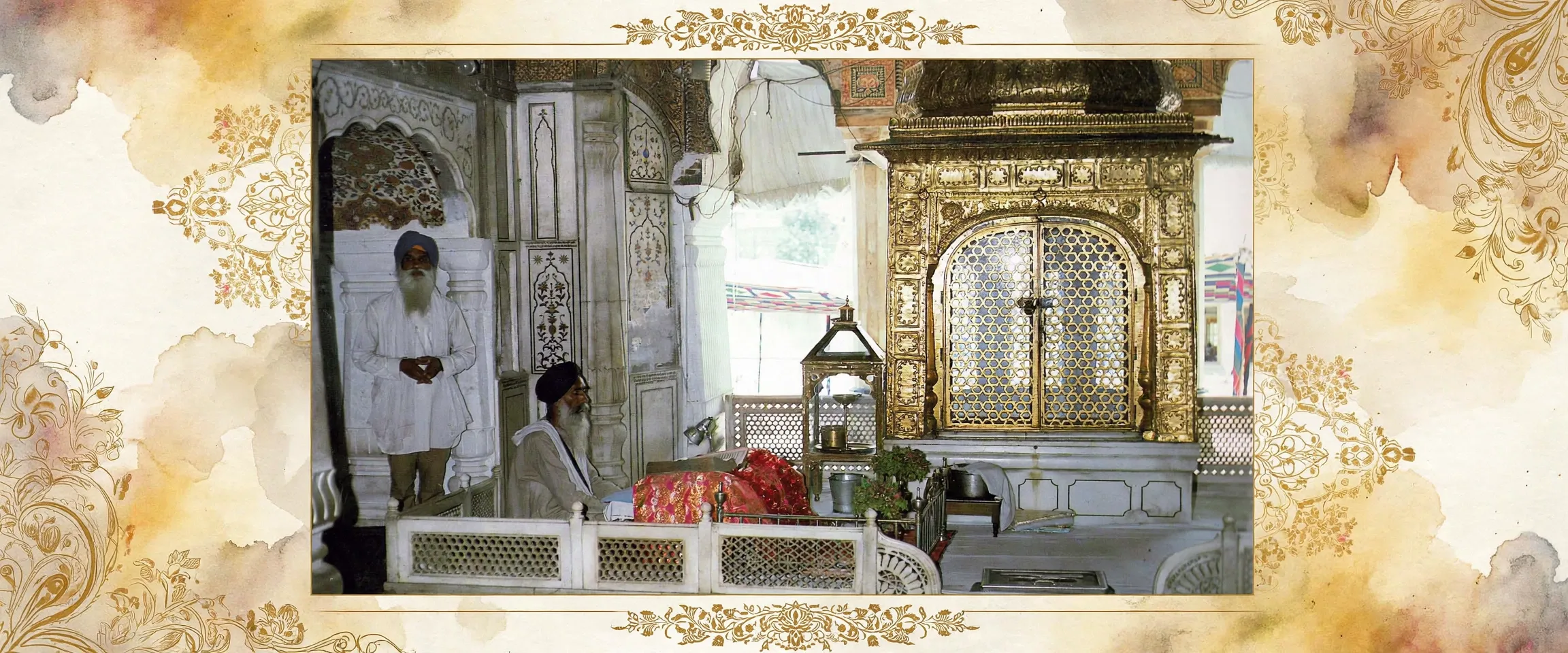
ਸਿੱਖ ਰਹਿਤ ਮਰਯਾਦਾ ਸਿੱਖ ਆਚਾਰ ਸੰਹਿਤਾ ਹੈ। ਇਹ ਸਿੱਖ ਜੀਵਨ, ਪੂਜਾ ਅਤੇ ਸੰਸਕਾਰਾਂ ਲਈ ਪੰਥ ਪ੍ਰਵਾਨਿਤ ਰਹਿਨੁਮਾਈ ਹੈ, ਜੋ ਐਸਜੀਪੀਸੀ ਨੇ 1945 ਵਿੱਚ ਅੰਮ੍ਰਿਤਸਰ ਤੋਂ ਪ੍ਰਕਾਸ਼ਿਤ ਕੀਤੀ। ਪੁਰਾਣੀ ਰਹਿਤਨਾਮਾ ਪਰੰਪਰਾ ਵਿੱਚੋਂ 1927 ਤੋਂ ਤਿਆਰ ਹੋਈ ਇਹ ਸੰਹਿਤਾ ਦੱਸਦੀ ਹੈ ਕਿ ਸਿੱਖ ਕੌਣ ਹੈ, ਰੋਜ਼ ਦਾ ਅਨੁਸ਼ਾਸਨ ਅਤੇ ਗੁਰਦੁਆਰਾ ਮਰਯਾਦਾ ਤੈਅ ਕਰਦੀ ਹੈ, ਅਤੇ ਉਹ ਚਾਰ ਬੱਜਰ ਕੁਰਹਿਤਾਂ ਦੱਸਦੀ ਹੈ ਜਿਨ੍ਹਾਂ ਤੋਂ ਅੰਮ੍ਰਿਤਧਾਰੀ ਨੂੰ ਬਚਣਾ ਚਾਹੀਦਾ ਹੈ।
- ਪੰਜਾਬੀ ਨਾਂ
- ਸਿੱਖ ਰਹਿਤ ਮਰਯਾਦਾ
- ਨਾਂ ਦਾ ਅਰਥ
- ਰਹਿਤ, ਜੀਣ ਦਾ ਢੰਗ। ਮਰਯਾਦਾ, ਪ੍ਰਵਾਨਿਤ ਨਿਯਮ ਜਾਂ ਰੀਤ।
- ਪ੍ਰਕਾਸ਼ਕ
- ਸ਼੍ਰੋਮਣੀ ਗੁਰਦੁਆਰਾ ਪ੍ਰਬੰਧਕ ਕਮੇਟੀ (ਐਸਜੀਪੀਸੀ), ਅੰਮ੍ਰਿਤਸਰ।
- ਖਰੜਾ ਸ਼ੁਰੂ
- 15 ਮਾਰਚ 1927, 29 ਸਿੱਖਾਂ ਦੀ ਐਸਜੀਪੀਸੀ ਉਪ ਕਮੇਟੀ।
- ਖਰੜੇ ਦੀ ਪੁਸ਼ਟੀ
- 12 ਅਕਤੂਬਰ 1936, ਐਸਜੀਪੀਸੀ ਜਨਰਲ ਬਾਡੀ।
- ਅੰਤਿਮ ਪ੍ਰਵਾਨਗੀ
- 3 ਫਰਵਰੀ 1945
All 9 facts
- ਸਰੋਤ
- ਸ੍ਰੀ ਗੁਰੂ ਗ੍ਰੰਥ ਸਾਹਿਬ ਜੀ, ਰਹਿਤਨਾਮੇ ਅਤੇ ਸਿੱਖ ਅਮਲ।
- ਵਿਸ਼ਾ
- ਸਿੱਖ ਦੀ ਪਰਿਭਾਸ਼ਾ, ਨਿੱਜੀ ਅਨੁਸ਼ਾਸਨ, ਪੰਥਕ ਜੀਵਨ, ਗੁਰਦੁਆਰਾ ਸੇਵਾਵਾਂ, ਸੰਸਕਾਰ।
- ਚਾਰ ਕੁਰਹਿਤਾਂ
- ਕੇਸਾਂ ਦੀ ਬੇਅਦਬੀ। ਕੁੱਠਾ ਮਾਸ ਖਾਣਾ। ਵਿਆਹ ਤੋਂ ਬਾਹਰ ਸੰਬੰਧ। ਤੰਬਾਕੂ ਵਰਤਣਾ।
The Sikh Rehat Maryada is the Sikh code of conduct: the one Panth-approved guide to how a Sikh lives, worships and serves, and how gurdwaras and Sikh ceremonies are run. Drawn from centuries of Sikh practice and the older rehatnama texts, it was drafted by a Shiromani Gurdwara Parbandhak Committee (SGPC) subcommittee from 1927, ratified in 1936, and published in its final form at Amritsar in 1945.
What is the Sikh Rehat Maryada?
Rehat means a mode of living, from the Punjabi rahina, to live or remain, and Maryada means an accepted rule, custom or bound of conduct, so the title itself says what the document is: the Sikh way of life, written down. The code opens with a definition of a Sikh: a person who faithfully believes in the One Eternal God, accepts the ten Gurus and Guru Granth Sahib Ji as their spiritual guides, and believes in the Amrit Sanchar instituted by the tenth Guru. From that definition it moves through personal discipline, family and community life, gurdwara services, and the conduct of ceremonies, so that a Sikh in Amritsar and a Sikh in Toronto are following the same maryada in the same words.
Where did the Rehat come from?
The Maryada of 1945 was the end of a long written tradition, not its beginning. From the time of Guru Gobind Singh Ji, Sikhs recorded the Guru's discipline in texts called rehatnamas, manuals of conduct attributed to Sikhs close to the Guru such as Bhai Nand Lal, Bhai Daya Singh Ji, Bhai Chaupa Singh, Bhai Desa Singh and Bhai Prahlad Singh, alongside the tradition of the Guru's 52 Hukams, his standing instructions to the Khalsa. These manuals agreed on the core of the discipline, the ਪੰਜ ਕਕਾਰ, the ban on cutting the hair, on tobacco and on kutha meat, but they differed in detail, and over the eighteenth and nineteenth centuries other customs crept into some of them. By the Singh Sabha reform era, scholars such as Bhai Kahn Singh Nabha, who collected and compared the old rehatnamas in the 1890s, were arguing that the Panth needed one settled code drawn from what the manuals held in common.
How was the modern code made, 1927 to 1945?
The machinery came with the Sikh Gurdwaras Act of 1925, which created the SGPC as the elected body administering historic gurdwaras. On 15 March 1927 an SGPC general meeting set up a subcommittee of 29 Sikhs to draft a single code of conduct. A preliminary draft was circulated for comment in April 1931, the subcommittee submitted its report on 1 October 1932, and when a wider conclave of 170 Sikhs at the Akal Takht in December 1933 could not agree, the draft went to a broader body of 50, with comments from 21 Panthic organisations, including some overseas. That body approved the draft on 1 August 1936 and the SGPC general body ratified it on 12 October 1936. After an advisory committee recommended final changes in January 1945, the SGPC accepted them on 3 February 1945, and the Sikh Rehat Maryada was published that year. It has been clarified in small ways since, but never replaced.
What does the code cover?
The code works at three levels. For the individual Sikh it sets the daily rhythm: rising in the early hours, bathing, and reciting the ਨਿਤਨੇਮ banis, Japji Sahib, Jaap Sahib and the Ten Savaiye in the morning, Rehras Sahib in the evening and Kirtan Sohila at night, each followed by ਅਰਦਾਸ; honest work; sharing with others; and meditation on the Name. For the gurdwara it lays down how services run: the sangat is open to everyone, no one is barred by caste, country or religion, shoes are removed and heads covered, nothing tabooed such as tobacco is brought in, and kirtan in the Guru's presence is sung from Gurbani. And for the Panth it covers collective life: the status of the Guru Panth, collective resolutions called Gurmatta, chastisement for breaches of discipline, and appeals. Its ceremony chapters govern Naam Karan (naming a child), ਅਨੰਦ ਕਾਰਜ (marriage), Antam Sanskar (funeral rites) and ਅੰਮ੍ਰਿਤ ਸੰਚਾਰ itself.
Amrit and the four cardinal transgressions
The heart of the code is the discipline an Amritdhari Sikh accepts at initiation, and the code states it most sharply in the sermon the Panj Pyare deliver at every Amrit Sanchar. The initiate keeps all five Ks on the body at all times, recites the daily banis, gives a tenth of earnings in dasvandh, and serves the Panth and the gurdwaras. Four transgressions are named as cardinal, the bajjar kurehtan, and must be avoided absolutely: dishonouring the hair; eating the meat of an animal slaughtered in the Muslim ritual way, kutha meat; cohabiting with a person other than one's spouse; and using tobacco. The code provides that a Sikh who commits one of these must be baptised again, while a transgression committed unintentionally and unknowingly brings no punishment. Lesser breaches are dealt with differently: the Sikh appears before the Panj Pyare, accepts the chastisement, called tankhah, that they assign, often a period of seva, and resolves to be watchful in future.
Is the Rehat Maryada followed everywhere?
The SGPC text is the standard most Sikhs mean when they say Rehat Maryada: it is the code printed at Amritsar, taught in gurdwaras across India and the diaspora, and the reference point for questions from what may be sung in kirtan to how an Anand Karaj is conducted. Its authority is Panthic rather than legal: it binds because the Panth, through the SGPC and the Akal Takht, approved it after eighteen years of consultation, not because any state enforces it, and its own history on the page, 29 drafters, a failed conclave, worldwide comments, is part of why it is trusted. Scholars note that its 1945 approval was not without controversy, and some Sikh orders keep older rehat traditions of their own alongside it. The code's own answer to disagreement is built into its final chapters: collective questions are settled by Gurmatta, a resolution adopted in the presence of Guru Granth Sahib Ji, and local decisions can be appealed, so the Maryada carries its own way of correcting itself.
ਸਿੱਖ ਰਹਿਤ ਮਰਯਾਦਾ ਸਿੱਖ ਆਚਾਰ ਸੰਹਿਤਾ ਹੈ। ਇਹ ਪੰਥ ਪ੍ਰਵਾਨਿਤ ਇੱਕੋ ਇੱਕ ਰਹਿਨੁਮਾਈ ਹੈ ਕਿ ਸਿੱਖ ਕਿਵੇਂ ਜੀਵੇ, ਕਿਵੇਂ ਪੂਜਾ ਕਰੇ ਅਤੇ ਕਿਵੇਂ ਸੇਵਾ ਕਰੇ, ਅਤੇ ਗੁਰਦੁਆਰੇ ਅਤੇ ਸਿੱਖ ਸੰਸਕਾਰ ਕਿਵੇਂ ਚੱਲਣ। ਸਦੀਆਂ ਦੇ ਸਿੱਖ ਅਮਲ ਅਤੇ ਪੁਰਾਣੀਆਂ ਰਹਿਤਨਾਮਾ ਲਿਖਤਾਂ ਵਿੱਚੋਂ ਕੱਢੀ ਇਹ ਮਰਯਾਦਾ ਸ਼੍ਰੋਮਣੀ ਗੁਰਦੁਆਰਾ ਪ੍ਰਬੰਧਕ ਕਮੇਟੀ (ਐਸਜੀਪੀਸੀ) ਦੀ ਇੱਕ ਉਪ ਕਮੇਟੀ ਨੇ 1927 ਤੋਂ ਤਿਆਰ ਕਰਨੀ ਸ਼ੁਰੂ ਕੀਤੀ, 1936 ਵਿੱਚ ਇਸ ਨੂੰ ਪ੍ਰਵਾਨਗੀ ਮਿਲੀ, ਅਤੇ 1945 ਵਿੱਚ ਇਹ ਆਪਣੇ ਅੰਤਿਮ ਰੂਪ ਵਿੱਚ ਅੰਮ੍ਰਿਤਸਰ ਤੋਂ ਪ੍ਰਕਾਸ਼ਿਤ ਹੋਈ।
ਸਿੱਖ ਰਹਿਤ ਮਰਯਾਦਾ ਕੀ ਹੈ?
ਰਹਿਤ ਦਾ ਅਰਥ ਹੈ ਜੀਣ ਦਾ ਢੰਗ, ਪੰਜਾਬੀ ਸ਼ਬਦ ਰਹਿਣਾ ਤੋਂ, ਜਿਸ ਦਾ ਭਾਵ ਹੈ ਜੀਣਾ ਜਾਂ ਟਿਕੇ ਰਹਿਣਾ। ਮਰਯਾਦਾ ਦਾ ਅਰਥ ਹੈ ਪ੍ਰਵਾਨਿਤ ਨਿਯਮ, ਰੀਤ ਜਾਂ ਆਚਾਰ ਦੀ ਸੀਮਾ। ਇਸ ਲਈ ਨਾਂ ਹੀ ਦੱਸ ਦਿੰਦਾ ਹੈ ਕਿ ਇਹ ਲਿਖਤ ਕੀ ਹੈ। ਸਿੱਖ ਜੀਵਨ ਜਾਚ, ਲਿਖ ਕੇ ਸਾਂਭੀ ਹੋਈ। ਇਹ ਸੰਹਿਤਾ ਸਿੱਖ ਦੀ ਪਰਿਭਾਸ਼ਾ ਨਾਲ ਸ਼ੁਰੂ ਹੁੰਦੀ ਹੈ। ਉਹ ਮਨੁੱਖ ਜੋ ਪੂਰੇ ਭਰੋਸੇ ਨਾਲ ਇੱਕ ਅਕਾਲ ਪੁਰਖ ਵਿੱਚ ਵਿਸ਼ਵਾਸ ਰੱਖਦਾ ਹੈ, ਦਸਾਂ ਗੁਰੂਆਂ ਅਤੇ ਸ੍ਰੀ ਗੁਰੂ ਗ੍ਰੰਥ ਸਾਹਿਬ ਜੀ ਨੂੰ ਆਪਣੇ ਰੂਹਾਨੀ ਰਹਿਬਰ ਮੰਨਦਾ ਹੈ, ਅਤੇ ਦਸਵੇਂ ਗੁਰੂ ਵੱਲੋਂ ਚਲਾਏ ਅੰਮ੍ਰਿਤ ਸੰਚਾਰ ਵਿੱਚ ਵਿਸ਼ਵਾਸ ਰੱਖਦਾ ਹੈ। ਉਸ ਪਰਿਭਾਸ਼ਾ ਤੋਂ ਇਹ ਨਿੱਜੀ ਅਨੁਸ਼ਾਸਨ, ਪਰਿਵਾਰਕ ਅਤੇ ਸਮੁਦਾਇਕ ਜੀਵਨ, ਗੁਰਦੁਆਰਾ ਸੇਵਾਵਾਂ ਅਤੇ ਸੰਸਕਾਰਾਂ ਦੇ ਢੰਗ ਵੱਲ ਵਧਦੀ ਹੈ, ਤਾਂ ਜੋ ਅੰਮ੍ਰਿਤਸਰ ਦਾ ਸਿੱਖ ਅਤੇ ਟੋਰਾਂਟੋ ਦਾ ਸਿੱਖ ਇੱਕੋ ਮਰਯਾਦਾ ਨੂੰ ਇੱਕੋ ਸ਼ਬਦਾਂ ਵਿੱਚ ਨਿਭਾਅ ਸਕਣ।
ਰਹਿਤ ਕਿੱਥੋਂ ਆਈ?
1945 ਦੀ ਮਰਯਾਦਾ ਇੱਕ ਲੰਮੀ ਲਿਖਤੀ ਪਰੰਪਰਾ ਦਾ ਅੰਤ ਸੀ, ਉਸ ਦੀ ਸ਼ੁਰੂਆਤ ਨਹੀਂ। ਗੁਰੂ ਗੋਬਿੰਦ ਸਿੰਘ ਜੀ ਦੇ ਸਮੇਂ ਤੋਂ ਸਿੱਖਾਂ ਨੇ ਗੁਰੂ ਜੀ ਦੇ ਅਨੁਸ਼ਾਸਨ ਨੂੰ ਰਹਿਤਨਾਮਿਆਂ ਨਾਂ ਦੀਆਂ ਲਿਖਤਾਂ ਵਿੱਚ ਦਰਜ ਕੀਤਾ। ਇਹ ਆਚਾਰ ਗ੍ਰੰਥ ਗੁਰੂ ਜੀ ਦੇ ਨੇੜਲੇ ਸਿੱਖਾਂ, ਜਿਵੇਂ ਭਾਈ ਨੰਦ ਲਾਲ, ਭਾਈ ਦਇਆ ਸਿੰਘ ਜੀ, ਭਾਈ ਚਉਪਾ ਸਿੰਘ, ਭਾਈ ਦੇਸਾ ਸਿੰਘ ਅਤੇ ਭਾਈ ਪ੍ਰਹਿਲਾਦ ਸਿੰਘ, ਨਾਲ ਜੋੜੇ ਜਾਂਦੇ ਹਨ। ਇਨ੍ਹਾਂ ਦੇ ਨਾਲ ਗੁਰੂ ਜੀ ਦੇ 52 ਹੁਕਮਾਂ ਦੀ ਪਰੰਪਰਾ ਵੀ ਹੈ, ਜੋ ਖਾਲਸੇ ਲਈ ਉਨ੍ਹਾਂ ਦੇ ਸਥਾਈ ਨਿਰਦੇਸ਼ ਹਨ। ਇਹ ਗ੍ਰੰਥ ਅਨੁਸ਼ਾਸਨ ਦੇ ਮੂਲ ਤੇ ਸਹਿਮਤ ਸਨ। ਪੰਜ ਕਕਾਰ, ਕੇਸਾਂ ਦੀ ਬੇਅਦਬੀ, ਤੰਬਾਕੂ ਅਤੇ ਕੁੱਠਾ ਮਾਸ ਤੇ ਪਾਬੰਦੀ, ਪਰ ਵੇਰਵਿਆਂ ਵਿੱਚ ਉਹ ਵੱਖ ਵੱਖ ਸਨ, ਅਤੇ ਅਠਾਰਵੀਂ ਅਤੇ ਉਨੀਵੀਂ ਸਦੀ ਵਿੱਚ ਕੁਝ ਹੋਰ ਰੀਤਾਂ ਵੀ ਕੁਝ ਗ੍ਰੰਥਾਂ ਵਿੱਚ ਆ ਰਲੀਆਂ। ਸਿੰਘ ਸਭਾ ਸੁਧਾਰ ਯੁੱਗ ਤੱਕ, ਭਾਈ ਕਾਹਨ ਸਿੰਘ ਨਾਭਾ ਵਰਗੇ ਵਿਦਵਾਨ, ਜਿਨ੍ਹਾਂ ਨੇ 1890ਵਿਆਂ ਵਿੱਚ ਪੁਰਾਣੇ ਰਹਿਤਨਾਮਿਆਂ ਨੂੰ ਇਕੱਠਾ ਕਰ ਕੇ ਤੁਲਨਾ ਕੀਤੀ ਸੀ, ਇਹ ਕਹਿਣ ਲੱਗੇ ਸਨ ਕਿ ਪੰਥ ਨੂੰ ਇੱਕ ਪੱਕੀ ਸੰਹਿਤਾ ਚਾਹੀਦੀ ਹੈ, ਜੋ ਉਨ੍ਹਾਂ ਗ੍ਰੰਥਾਂ ਦੇ ਸਾਂਝੇ ਹਿੱਸੇ ਵਿੱਚੋਂ ਕੱਢੀ ਗਈ ਹੋਵੇ।
ਆਧੁਨਿਕ ਸੰਹਿਤਾ 1927 ਤੋਂ 1945 ਤੱਕ ਕਿਵੇਂ ਬਣੀ?
ਇਸ ਦਾ ਢਾਂਚਾ 1925 ਦੇ ਸਿੱਖ ਗੁਰਦੁਆਰਾ ਐਕਟ ਨਾਲ ਆਇਆ, ਜਿਸ ਨੇ ਇਤਿਹਾਸਕ ਗੁਰਦੁਆਰਿਆਂ ਦਾ ਪ੍ਰਬੰਧ ਕਰਨ ਲਈ ਚੁਣੀ ਹੋਈ ਸੰਸਥਾ ਵਜੋਂ ਐਸਜੀਪੀਸੀ ਬਣਾਈ। 15 ਮਾਰਚ 1927 ਨੂੰ ਐਸਜੀਪੀਸੀ ਦੀ ਇੱਕ ਜਨਰਲ ਮੀਟਿੰਗ ਨੇ ਇੱਕੋ ਆਚਾਰ ਸੰਹਿਤਾ ਦਾ ਖਰੜਾ ਤਿਆਰ ਕਰਨ ਲਈ 29 ਸਿੱਖਾਂ ਦੀ ਇੱਕ ਉਪ ਕਮੇਟੀ ਬਣਾਈ। ਅਪ੍ਰੈਲ 1931 ਵਿੱਚ ਇੱਕ ਮੁਢਲਾ ਖਰੜਾ ਰਾਇ ਲਈ ਘੁੰਮਾਇਆ ਗਿਆ। ਉਪ ਕਮੇਟੀ ਨੇ 1 ਅਕਤੂਬਰ 1932 ਨੂੰ ਆਪਣੀ ਰਿਪੋਰਟ ਸੌਂਪੀ। ਜਦੋਂ ਦਸੰਬਰ 1933 ਵਿੱਚ ਅਕਾਲ ਤਖ਼ਤ ਸਾਹਿਬ ਵਿਖੇ 170 ਸਿੱਖਾਂ ਦਾ ਵੱਡਾ ਇਕੱਠ ਸਹਿਮਤ ਨਾ ਹੋ ਸਕਿਆ, ਤਾਂ ਖਰੜਾ 50 ਜਣਿਆਂ ਦੀ ਇੱਕ ਵੱਡੀ ਕਮੇਟੀ ਕੋਲ ਗਿਆ, ਜਿਸ ਕੋਲ 21 ਪੰਥਕ ਸੰਸਥਾਵਾਂ ਦੀਆਂ ਟਿੱਪਣੀਆਂ ਵੀ ਆਈਆਂ, ਜਿਨ੍ਹਾਂ ਵਿੱਚ ਕੁਝ ਵਿਦੇਸ਼ਾਂ ਤੋਂ ਵੀ ਸਨ। ਉਸ ਕਮੇਟੀ ਨੇ 1 ਅਗਸਤ 1936 ਨੂੰ ਖਰੜੇ ਨੂੰ ਪ੍ਰਵਾਨ ਕੀਤਾ ਅਤੇ ਐਸਜੀਪੀਸੀ ਦੀ ਜਨਰਲ ਬਾਡੀ ਨੇ 12 ਅਕਤੂਬਰ 1936 ਨੂੰ ਇਸ ਦੀ ਪੁਸ਼ਟੀ ਕੀਤੀ। ਜਨਵਰੀ 1945 ਵਿੱਚ ਇੱਕ ਸਲਾਹਕਾਰ ਕਮੇਟੀ ਵੱਲੋਂ ਅੰਤਿਮ ਸੋਧਾਂ ਦੀ ਸਿਫ਼ਾਰਸ਼ ਤੋਂ ਬਾਅਦ, ਐਸਜੀਪੀਸੀ ਨੇ 3 ਫਰਵਰੀ 1945 ਨੂੰ ਉਨ੍ਹਾਂ ਨੂੰ ਸਵੀਕਾਰ ਕੀਤਾ, ਅਤੇ ਸਿੱਖ ਰਹਿਤ ਮਰਯਾਦਾ ਉਸੇ ਸਾਲ ਪ੍ਰਕਾਸ਼ਿਤ ਹੋਈ। ਉਸ ਤੋਂ ਬਾਅਦ ਇਸ ਵਿੱਚ ਛੋਟੀਆਂ ਸਪਸ਼ਟਤਾਵਾਂ ਹੋਈਆਂ ਹਨ, ਪਰ ਇਸ ਨੂੰ ਕਦੇ ਬਦਲਿਆ ਨਹੀਂ ਗਿਆ।
ਸੰਹਿਤਾ ਵਿੱਚ ਕੀ ਕੀ ਸ਼ਾਮਲ ਹੈ?
ਇਹ ਸੰਹਿਤਾ ਤਿੰਨ ਪੱਧਰਾਂ ਤੇ ਕੰਮ ਕਰਦੀ ਹੈ। ਵਿਅਕਤੀਗਤ ਸਿੱਖ ਲਈ ਇਹ ਰੋਜ਼ ਦਾ ਕ੍ਰਮ ਤੈਅ ਕਰਦੀ ਹੈ। ਅੰਮ੍ਰਿਤ ਵੇਲੇ ਉੱਠਣਾ, ਇਸ਼ਨਾਨ ਕਰਨਾ, ਅਤੇ ਨਿਤਨੇਮ ਦੀਆਂ ਬਾਣੀਆਂ ਪੜ੍ਹਨਾ। ਸਵੇਰੇ ਜਪੁਜੀ ਸਾਹਿਬ, ਜਾਪ ਸਾਹਿਬ ਅਤੇ ਦਸ ਸਵੱਯੇ, ਸ਼ਾਮ ਨੂੰ ਰਹਿਰਾਸ ਸਾਹਿਬ ਅਤੇ ਰਾਤ ਨੂੰ ਕੀਰਤਨ ਸੋਹਿਲਾ, ਹਰੇਕ ਤੋਂ ਬਾਅਦ ਅਰਦਾਸ। ਸੱਚੀ ਕਿਰਤ, ਵੰਡ ਛਕਣਾ, ਅਤੇ ਨਾਮ ਦਾ ਸਿਮਰਨ। ਗੁਰਦੁਆਰੇ ਲਈ ਇਹ ਦੱਸਦੀ ਹੈ ਕਿ ਸੇਵਾਵਾਂ ਕਿਵੇਂ ਚੱਲਣ। ਸੰਗਤ ਹਰੇਕ ਲਈ ਖੁੱਲ੍ਹੀ ਹੈ, ਕਿਸੇ ਨੂੰ ਜਾਤ, ਦੇਸ਼ ਜਾਂ ਧਰਮ ਕਾਰਨ ਰੋਕਿਆ ਨਹੀਂ ਜਾ ਸਕਦਾ, ਜੁੱਤੇ ਉਤਾਰੇ ਜਾਂਦੇ ਹਨ ਅਤੇ ਸਿਰ ਢਕੇ ਜਾਂਦੇ ਹਨ, ਤੰਬਾਕੂ ਵਰਗੀ ਕੋਈ ਵਰਜਿਤ ਚੀਜ਼ ਅੰਦਰ ਨਹੀਂ ਲਿਆਂਦੀ ਜਾਂਦੀ, ਅਤੇ ਗੁਰੂ ਜੀ ਦੀ ਹਜ਼ੂਰੀ ਵਿੱਚ ਕੀਰਤਨ ਗੁਰਬਾਣੀ ਵਿੱਚੋਂ ਹੀ ਹੁੰਦਾ ਹੈ। ਅਤੇ ਪੰਥ ਲਈ ਇਹ ਸਮੂਹਿਕ ਜੀਵਨ ਨੂੰ ਸਾਂਭਦੀ ਹੈ। ਗੁਰੂ ਪੰਥ ਦਾ ਦਰਜਾ, ਗੁਰਮਤਾ ਨਾਂ ਦੇ ਸਮੂਹਿਕ ਫ਼ੈਸਲੇ, ਅਨੁਸ਼ਾਸਨ ਦੀ ਉਲੰਘਣਾ ਲਈ ਸਜ਼ਾ, ਅਤੇ ਅਪੀਲਾਂ। ਇਸ ਦੇ ਸੰਸਕਾਰਾਂ ਵਾਲੇ ਅਧਿਆਇ ਨਾਮ ਕਰਨ (ਬੱਚੇ ਦਾ ਨਾਂ ਰੱਖਣਾ), ਅਨੰਦ ਕਾਰਜ (ਵਿਆਹ), ਅੰਤਮ ਸੰਸਕਾਰ ਅਤੇ ਖੁਦ ਅੰਮ੍ਰਿਤ ਸੰਚਾਰ ਨੂੰ ਚਲਾਉਂਦੇ ਹਨ।
ਅੰਮ੍ਰਿਤ ਅਤੇ ਚਾਰ ਬੱਜਰ ਕੁਰਹਿਤਾਂ
ਸੰਹਿਤਾ ਦਾ ਕੇਂਦਰ ਉਹ ਅਨੁਸ਼ਾਸਨ ਹੈ ਜੋ ਅੰਮ੍ਰਿਤਧਾਰੀ ਸਿੱਖ ਅੰਮ੍ਰਿਤ ਛਕਣ ਵੇਲੇ ਸਵੀਕਾਰਦਾ ਹੈ, ਅਤੇ ਸੰਹਿਤਾ ਇਸ ਨੂੰ ਸਭ ਤੋਂ ਸਪਸ਼ਟ ਉਸ ਉਪਦੇਸ਼ ਵਿੱਚ ਕਹਿੰਦੀ ਹੈ ਜੋ ਪੰਜ ਪਿਆਰੇ ਹਰ ਅੰਮ੍ਰਿਤ ਸੰਚਾਰ ਵੇਲੇ ਦਿੰਦੇ ਹਨ। ਅੰਮ੍ਰਿਤਧਾਰੀ ਹਰ ਵੇਲੇ ਸਰੀਰ ਤੇ ਪੰਜੇ ਕਕਾਰ ਰੱਖਦਾ ਹੈ, ਰੋਜ਼ ਦੀਆਂ ਬਾਣੀਆਂ ਪੜ੍ਹਦਾ ਹੈ, ਆਪਣੀ ਕਮਾਈ ਦਾ ਦਸਵੰਧ ਦਿੰਦਾ ਹੈ, ਅਤੇ ਪੰਥ ਅਤੇ ਗੁਰਦੁਆਰਿਆਂ ਦੀ ਸੇਵਾ ਕਰਦਾ ਹੈ। ਚਾਰ ਕੁਰਹਿਤਾਂ ਨੂੰ ਬੱਜਰ, ਸਭ ਤੋਂ ਵੱਡੀਆਂ, ਕਿਹਾ ਗਿਆ ਹੈ, ਅਤੇ ਉਨ੍ਹਾਂ ਤੋਂ ਪੂਰੀ ਤਰ੍ਹਾਂ ਬਚਣਾ ਜ਼ਰੂਰੀ ਹੈ। ਕੇਸਾਂ ਦੀ ਬੇਅਦਬੀ ਕਰਨਾ। ਮੁਸਲਮਾਨੀ ਰਸਮੀ ਢੰਗ ਨਾਲ ਝਟਕਾਏ ਜਾਨਵਰ ਦਾ ਮਾਸ, ਕੁੱਠਾ ਮਾਸ, ਖਾਣਾ। ਆਪਣੇ ਜੀਵਨ ਸਾਥੀ ਤੋਂ ਬਿਨਾਂ ਕਿਸੇ ਹੋਰ ਨਾਲ ਸੰਬੰਧ ਰੱਖਣਾ। ਅਤੇ ਤੰਬਾਕੂ ਵਰਤਣਾ। ਸੰਹਿਤਾ ਕਹਿੰਦੀ ਹੈ ਕਿ ਇਨ੍ਹਾਂ ਵਿੱਚੋਂ ਕੋਈ ਇੱਕ ਕਰਨ ਵਾਲੇ ਸਿੱਖ ਨੂੰ ਮੁੜ ਅੰਮ੍ਰਿਤ ਛਕਣਾ ਪਵੇਗਾ, ਜਦਕਿ ਅਣਜਾਣੇ ਵਿੱਚ ਅਤੇ ਬਿਨਾਂ ਇਰਾਦੇ ਤੋਂ ਹੋਈ ਉਲੰਘਣਾ ਦੀ ਕੋਈ ਸਜ਼ਾ ਨਹੀਂ ਹੈ। ਛੋਟੀਆਂ ਉਲੰਘਣਾਵਾਂ ਦਾ ਨਿਪਟਾਰਾ ਵੱਖਰੇ ਢੰਗ ਨਾਲ ਹੁੰਦਾ ਹੈ। ਸਿੱਖ ਪੰਜ ਪਿਆਰਿਆਂ ਅੱਗੇ ਪੇਸ਼ ਹੁੰਦਾ ਹੈ, ਉਨ੍ਹਾਂ ਵੱਲੋਂ ਦਿੱਤੀ ਤਨਖਾਹ, ਅਕਸਰ ਸੇਵਾ ਦਾ ਇੱਕ ਸਮਾਂ, ਸਵੀਕਾਰਦਾ ਹੈ, ਅਤੇ ਅੱਗੇ ਤੋਂ ਸਾਵਧਾਨ ਰਹਿਣ ਦਾ ਸੰਕਲਪ ਕਰਦਾ ਹੈ।
ਕੀ ਰਹਿਤ ਮਰਯਾਦਾ ਹਰ ਥਾਂ ਮੰਨੀ ਜਾਂਦੀ ਹੈ?
ਐਸਜੀਪੀਸੀ ਦੀ ਇਹ ਲਿਖਤ ਉਹ ਮਿਆਰ ਹੈ ਜਿਸ ਦਾ ਭਾਵ ਬਹੁਤੇ ਸਿੱਖਾਂ ਲਈ ਰਹਿਤ ਮਰਯਾਦਾ ਕਹਿਣ ਤੋਂ ਹੁੰਦਾ ਹੈ। ਇਹ ਅੰਮ੍ਰਿਤਸਰ ਤੋਂ ਛਪਦੀ ਸੰਹਿਤਾ ਹੈ, ਭਾਰਤ ਅਤੇ ਪਰਦੇਸ ਦੇ ਗੁਰਦੁਆਰਿਆਂ ਵਿੱਚ ਸਿਖਾਈ ਜਾਂਦੀ ਹੈ, ਅਤੇ ਕੀਰਤਨ ਵਿੱਚ ਕੀ ਗਾਇਆ ਜਾ ਸਕਦਾ ਹੈ ਤੋਂ ਲੈ ਕੇ ਅਨੰਦ ਕਾਰਜ ਕਿਵੇਂ ਕੀਤਾ ਜਾਂਦਾ ਹੈ ਤੱਕ, ਹਰ ਸਵਾਲ ਲਈ ਹਵਾਲਾ ਹੈ। ਇਸ ਦਾ ਅਧਿਕਾਰ ਪੰਥਕ ਹੈ, ਕਾਨੂੰਨੀ ਨਹੀਂ। ਇਹ ਇਸ ਲਈ ਬੱਝਵੀਂ ਹੈ ਕਿਉਂਕਿ ਪੰਥ ਨੇ, ਐਸਜੀਪੀਸੀ ਅਤੇ ਅਕਾਲ ਤਖ਼ਤ ਸਾਹਿਬ ਰਾਹੀਂ, ਅਠਾਰਾਂ ਸਾਲਾਂ ਦੀ ਸਲਾਹ ਮਸ਼ਵਰੇ ਤੋਂ ਬਾਅਦ ਇਸ ਨੂੰ ਪ੍ਰਵਾਨ ਕੀਤਾ ਸੀ, ਇਸ ਲਈ ਨਹੀਂ ਕਿ ਕੋਈ ਰਾਜ ਇਸ ਨੂੰ ਲਾਗੂ ਕਰਦਾ ਹੈ। ਅਤੇ ਇਸ ਦਾ ਆਪਣਾ ਇਤਿਹਾਸ, 29 ਖਰੜਾਕਾਰ, ਇੱਕ ਅਸਫਲ ਇਕੱਠ, ਸੰਸਾਰ ਭਰ ਤੋਂ ਟਿੱਪਣੀਆਂ, ਇਸ ਦੇ ਭਰੋਸੇ ਦਾ ਹਿੱਸਾ ਹੈ। ਵਿਦਵਾਨ ਦੱਸਦੇ ਹਨ ਕਿ 1945 ਦੀ ਇਸ ਦੀ ਪ੍ਰਵਾਨਗੀ ਬਿਨਾਂ ਵਿਵਾਦ ਤੋਂ ਨਹੀਂ ਸੀ, ਅਤੇ ਕੁਝ ਸਿੱਖ ਜਥੇ ਇਸ ਦੇ ਨਾਲ ਨਾਲ ਆਪਣੀਆਂ ਪੁਰਾਣੀਆਂ ਰਹਿਤ ਪਰੰਪਰਾਵਾਂ ਵੀ ਰੱਖਦੇ ਹਨ। ਅਸਹਿਮਤੀ ਦਾ ਜਵਾਬ ਸੰਹਿਤਾ ਨੇ ਆਪਣੇ ਅੰਤਿਮ ਅਧਿਆਇਆਂ ਵਿੱਚ ਹੀ ਰੱਖਿਆ ਹੈ। ਸਮੂਹਿਕ ਸਵਾਲ ਗੁਰਮਤੇ ਨਾਲ ਤੈਅ ਹੁੰਦੇ ਹਨ, ਸ੍ਰੀ ਗੁਰੂ ਗ੍ਰੰਥ ਸਾਹਿਬ ਜੀ ਦੀ ਹਜ਼ੂਰੀ ਵਿੱਚ ਲਿਆ ਫ਼ੈਸਲਾ, ਅਤੇ ਸਥਾਨਕ ਫ਼ੈਸਲਿਆਂ ਵਿਰੁੱਧ ਅਪੀਲ ਹੋ ਸਕਦੀ ਹੈ। ਇਸ ਤਰ੍ਹਾਂ ਮਰਯਾਦਾ ਆਪਣੇ ਆਪ ਨੂੰ ਠੀਕ ਕਰਨ ਦਾ ਰਾਹ ਆਪਣੇ ਅੰਦਰ ਹੀ ਰੱਖਦੀ ਹੈ।
More religion entries to explore
ਸਰੋਤ (3)
ਜੁਗਤੀ ਮੁਫ਼ਤ ਅਤੇ ਸੁਤੰਤਰ ਹੈ। ਪਾਠਕਾਂ ਦਾ ਸਹਿਯੋਗ ਕੋਸ਼ ਨੂੰ ਵਧਾਉਂਦਾ ਹੈ।
ਸਹਿਯੋਗ