
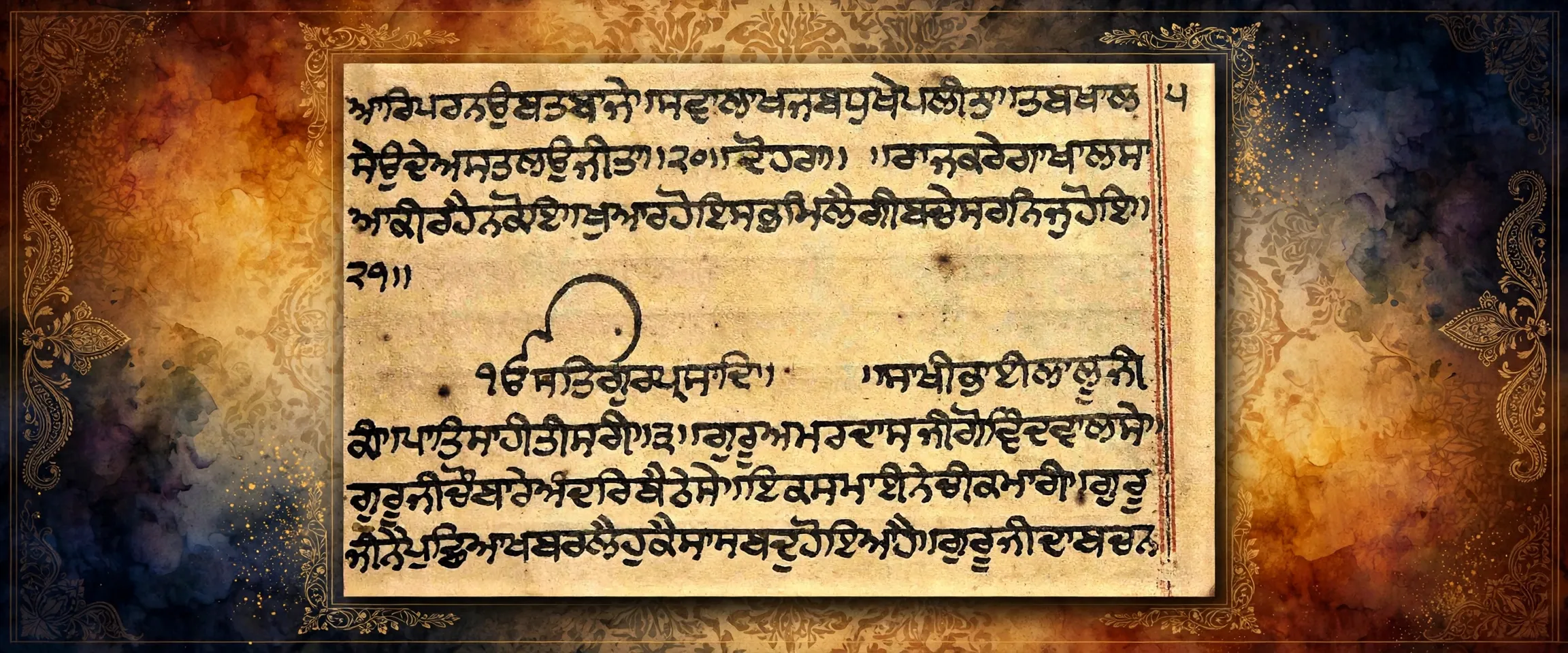
ਰਾਜ ਕਰੇਗਾ ਖਾਲਸਾ, ਖਾਲਸਾ ਰਾਜ ਕਰੇਗਾ, ਉਹ ਦੋਹਰਾ ਹੈ ਜੋ ਹਰ ਅਰਦਾਸ ਦੇ ਅੰਤ ਤੇ ਇਕੱਠਿਆਂ ਗਾਇਆ ਜਾਂਦਾ ਹੈ। 1700 ਦੇ ਸ਼ੁਰੂ ਵਿੱਚ ਭਾਈ ਨੰਦ ਲਾਲ ਜੀ ਦੇ ਤਨਖਾਹਨਾਮੇ ਵਿੱਚ ਲਿਖਿਆ ਇਹ ਦੋਹਰਾ ਵਾਅਦਾ ਕਰਦਾ ਹੈ ਕਿ ਪਵਿੱਤਰ ਰਾਜ ਕਰਨਗੇ, ਕੋਈ ਵਿਰੋਧੀ ਨਹੀਂ ਰਹੇਗਾ, ਵਿਛੜੇ ਮੁੜ ਮਿਲਣਗੇ ਅਤੇ ਸ਼ਰਨ ਆਉਣ ਵਾਲੇ ਬਚਣਗੇ। ਸਿੱਖ ਇਸ ਨੂੰ ਨਿਆਂ ਵਾਲੀ ਪ੍ਰਭੂਸੱਤਾ ਦੀ ਸੌਂਹ ਵਜੋਂ ਵੀ ਪੜ੍ਹਦੇ ਹਨ ਅਤੇ ਅੰਦਰਲੇ ਵੈਰੀਆਂ ਉੱਤੇ ਜਿੱਤ ਵਜੋਂ ਵੀ।
- ਪੰਜਾਬੀ ਨਾਂ
- ਰਾਜ ਕਰੇਗਾ ਖਾਲਸਾ
- ਪੰਜਾਬੀ ਨਾਂ
- ਰਾਜ ਕਰੇਗਾ ਖਾਲਸਾ
- ਕਿਸਮ
- ਦੋਹਰਾ, ਇੱਕ ਤੁਕਬੰਦੀ ਵਾਲਾ ਬੰਦ, ਅਰਦਾਸ ਤੋਂ ਬਾਅਦ ਗੀਤ ਵਜੋਂ ਗਾਇਆ ਜਾਂਦਾ ਹੈ
- ਪੂਰਾ ਦੋਹਰਾ
- ਰਾਜ ਕਰੇਗਾ ਖਾਲਸਾ, ਆਕੀ ਰਹੇ ਨ ਕੋਇ, ਖੁਆਰ ਹੋਇ ਸਭ ਮਿਲੈਂਗੇ, ਬਚੈ ਸਰਨ ਜੋ ਹੋਇ
- ਅਨੁਵਾਦ
- ਖਾਲਸਾ ਰਾਜ ਕਰੇਗਾ, ਕੋਈ ਵੈਰੀ ਨਹੀਂ ਰਹੇਗਾ। ਦੁੱਖ ਸਹਿਣ ਵਾਲੇ ਸਾਰੇ ਗੁਰੂ ਦੀ ਸੁਰੱਖਿਆ ਵਿੱਚ ਇਕੱਠੇ ਕੀਤੇ ਜਾਣਗੇ, ਡਬਲਿਊ ਐਚ ਮੈਕਲਾਉਡ ਅਨੁਸਾਰ
- ਸਭ ਤੋਂ ਪੁਰਾਣਾ ਲਿਖਤੀ ਘਰ
- ਤਨਖਾਹਨਾਮਾ, ਭਾਈ ਨੰਦ ਲਾਲ ਜੀ ਦਾ ਰਹਿਤਨਾਮਾ, ਗੁਰੂ ਗੋਬਿੰਦ ਸਿੰਘ ਜੀ ਦੇ ਦਰਬਾਰੀ ਕਵੀ
All 10 facts
- ਸਮਾਂ
- ਵਿਦਵਾਨਾਂ ਦੀ ਮਿਤੀ ਅਨੁਸਾਰ 1718 ਵਿੱਚ ਲਿਖਿਆ ਗਿਆ, ਹਰਜਿੰਦਰ ਸਿੰਘ ਦੀ ਮਿਤੀ ਅਨੁਸਾਰ 1699 ਤੋਂ 1708
- ਪੂਜਾ ਵਿਧੀ ਵਿੱਚ ਥਾਂ
- ਅਰਦਾਸ ਦੇ ਅੰਤ ਤੇ ਸਾਰੀ ਸੰਗਤ ਇਕੱਠਿਆਂ ਗਾਉਂਦੀ ਹੈ, ਗੁਰੂ ਮਾਨਿਯੋ ਗ੍ਰੰਥ ਵਾਲੇ ਦੋਹਰੇ ਤੋਂ ਬਾਅਦ
- ਪੁਰਾਣੀਆਂ ਤੁਕਾਂ
- ਪੁਰਾਣੇ ਰੂਪ ਵਿੱਚ ਪਹਿਲਾਂ ਦਿੱਲੀ ਦੇ ਤਖਤ ਉੱਤੇ ਗੁਰੂ ਦੀ ਫੌਜ ਦਾ ਵਾਅਦਾ ਸੀ, ਅੰਗਰੇਜ਼ਾਂ ਨੇ ਉਨ੍ਹਾਂ ਤੁਕਾਂ ਤੇ ਪਾਬੰਦੀ ਲਾਈ
- ਆਕੀ
- ਬਾਗੀ ਜਾਂ ਵਿਰੋਧੀ, ਰੂਹਾਨੀ ਭਾਵ ਵਿੱਚ ਅੰਦਰਲੇ ਵੈਰੀ, ਕ੍ਰੋਧ, ਕਾਮ, ਮੋਹ, ਹੰਕਾਰ ਅਤੇ ਲੋਭ
Raj Karega Khalsa is the promise with which Sikh worship ends. After the Ardas, the standing prayer that closes every Sikh service, the whole sangat sings two short couplets together, and the second of them is this one: Raj Karega Khalsa, aaki rahe na koye, khuar hoe sab milenge, bache saran jo hoe. It is at once a prophecy, a pledge and a prayer, and it has been on Sikh lips for three hundred years.
What does Raj Karega Khalsa mean?
The words translate plainly. Raj means rule or sovereignty. Khalsa means the pure: Guru Gobind Singh Ji gave the name to the initiated community he founded in 1699, the pure ones who belong to God alone. Aaki means a rebel or opponent, one who stands against. The scholar W. H. McLeod translates the couplet: the Khalsa shall rule, no enemy shall remain; all who endure suffering and privation shall be brought to the safety of the Guru and his protection. The second line is the mercy inside the promise. Those who were scattered and lost, khuar, worn down by wandering, will be gathered back, and whoever comes into the Guru and his refuge will be saved. The rule being promised is not left empty: it ends with shelter for the defeated and the lost.
A second reading runs alongside the first, and many Sikhs hold both at once. In this reading the aaki, the opponents who shall not remain, are the enemies of the soul: anger, lust, attachment, ego and greed, the five inner thieves that the pure soul defeats. Raj then means the rule of purity over the mind, and the couplet promises spiritual conquest and liberation as much as any rule on earth. The entry on the phrase in Wikipedia sets out both views side by side, and the Ardas itself leaves the words open enough to carry them together.
Where is Raj Karega Khalsa sung?
The couplet is not part of the spoken Ardas itself. The Ardas is said by one officiant, or by any Sikh leading the prayer, standing before Guru Granth Sahib Ji, while the sangat listens and answers at set points. What follows the prayer is an anthem, and the anthem is different in kind: it is recited aloud in unison by everyone present. First comes the dohra Guru Maneyo Granth, the command to accept the Granth as Guru, and then Raj Karega Khalsa, and then the jaikara ਬੋਲੇ ਸੋ ਨਿਹਾਲ Sat Sri Akal shakes the hall. The Sikh Encyclopedia, in its account of Ardas, puts it simply: the prayer ends with the famous proclamation, Raj Karega Khalsa, the Khalsa shall rule. Because Ardas is said at the end of every service, morning and evening, at weddings and funerals and before journeys and undertakings, the couplet is among the most frequently repeated sentences in Sikh life.
Where do the words come from?
The couplet is not found in early Sikh scripture. Its written home is the Tankhahnama of Bhai Nand Lal Ji, the Persian poet of Guru Gobind Singh Ji and his court, a rehatnama cast as a dialogue between the Guru and his poet. The Encyclopaedia tradition, as the Sikh Encyclopedia quotes it, prints the dohra at the end of that dialogue and attributes it to the Tankhah Nama of Bhai Nand Lal. Scholars date the writing down of the Tankhahnama to 1718, after the Guru and his passing, while the scholar Harjinder Singh argues it was written earlier, between 1699 and 1708, and that the phrase originates in Bhai Nand Lal Ji and his Persian ghazals. The same couplet also stands as the third dohra of the Guru Maneyo Granth verse, the verses of 1699 in which the congregation was told to accept the Granth as Guru.
An older root is sometimes claimed. A SikhNet study of the phrase by the historian Jasbir Singh Sarna notes a reference in the Karni Nama, linked to Guru Nanak Dev Ji and his dialogue with Qazi Ruknuddin at Mecca, while adding that most historians affirm the words were spoken by Guru Gobind Singh Ji. The honest summary is the one the sources support: the promise belongs to the circle of Guru Gobind Singh Ji, it was Bhai Nand Lal Ji who gave it its lasting written form, and the Panth has treated it as the Guru and his own sanction ever since.
What did the longer Ardas say?
The couplet once had company. The older Ardas, as Wikipedia prints it from the historical record, carried two lines before it: Delhi takht par bahegi aap Guru ki fauj, chattar firega sees par badi karegi mauj. On the throne of Delhi the Guru and his own army shall sit; the imperial canopy shall wave above their heads and they shall rejoice. Only then came Raj Karega Khalsa. Under British rule the colonial authorities banned those first two couplets, fearing their martial and political charge, and directed that the anthem begin directly with Raj Karega Khalsa. That shortened form is the one the world hears today, which is why the surviving couplet carries the weight of the lines that were struck out before it.
How was the promise lived in the eighteenth century?
For the Sikhs of the 1700s the couplet was not a metaphor. Sarna records that Baba Banda Singh Bahadur, the general Guru Gobind Singh Ji sent to Punjab, popularised it, and that it served as an enduring source of inspiration through the persecutions that followed, when Sikhs were hunted in the jungles and the phrase was a vow that tyranny would not have the last word. Its spirit is the spirit the Kosh calls Chardi Kala, ever rising optimism in the face of loss. And once, the promise was acted out almost literally. When the Sikh armies under Sardar Baghel Singh, Sardar Jassa Singh Ahluwalia and Sardar Jassa Singh Ramgarhia took Delhi in 1783, Wikipedia relates, they did the seva of the historic gurdwaras of the city, and then, instead of claiming the crown, asked the ruler of Delhi to rule with conscience and not to levy the jizya tax on non Muslims. Rule, in the Khalsa sense, arrived as service and restraint, and then the army went home.
Is Raj a kingdom, or a way of ruling?
Readers have argued over the couplet for as long as it has been sung, and the argument is itself part of its life. One line of reading, represented by Kapur Singh and cited in the scholarship, hears a plain will to sovereignty: the Khalsa is a sovereign people, and its rule is a real hope in real history, the hope the misls and then Maharaja Ranjit Singh and his Sarkar i Khalsa partly fulfilled. Another line hears the spiritual conquest described above. Sarna joins the two with an older Sikh ideal: Guru Nanak Dev Ji and his own vision of Halemi Raj, the benevolent rule under which, as Guru Granth Sahib Ji says, all abide in peace. On that reading raj was never meant as tyranny. It is the triumph of justice, unity and divine order, the same union of temporal and spiritual duty that the Kosh entry on ਮੀਰੀ ਪੀਰੀ sets out. What the couplet rules out, on every reading, is rule without righteousness: the Khalsa that rules is the Khalsa that stays pure, and the refuge promised to the defeated stands in the same breath as the rule itself.
ਰਾਜ ਕਰੇਗਾ ਖਾਲਸਾ ਉਹ ਵਾਅਦਾ ਹੈ ਜਿਸ ਨਾਲ ਸਿੱਖ ਪੂਜਾ ਸਮਾਪਤ ਹੁੰਦੀ ਹੈ। ਅਰਦਾਸ ਤੋਂ ਬਾਅਦ, ਉਹ ਖੜ੍ਹ ਕੇ ਕੀਤੀ ਪ੍ਰਾਰਥਨਾ ਜੋ ਹਰ ਸਿੱਖ ਸਮਾਗਮ ਨੂੰ ਸਮਾਪਤ ਕਰਦੀ ਹੈ, ਸਾਰੀ ਸੰਗਤ ਦੋ ਛੋਟੇ ਦੋਹਰੇ ਇਕੱਠਿਆਂ ਗਾਉਂਦੀ ਹੈ, ਅਤੇ ਉਨ੍ਹਾਂ ਵਿੱਚੋਂ ਦੂਜਾ ਇਹ ਹੈ। ਰਾਜ ਕਰੇਗਾ ਖਾਲਸਾ, ਆਕੀ ਰਹੇ ਨ ਕੋਇ, ਖੁਆਰ ਹੋਇ ਸਭ ਮਿਲੈਂਗੇ, ਬਚੈ ਸਰਨ ਜੋ ਹੋਇ। ਇਹ ਇੱਕੋ ਵੇਲੇ ਭਵਿੱਖਬਾਣੀ ਵੀ ਹੈ, ਸੌਂਹ ਵੀ ਅਤੇ ਪ੍ਰਾਰਥਨਾ ਵੀ, ਅਤੇ ਇਹ ਤਿੰਨ ਸੌ ਸਾਲਾਂ ਤੋਂ ਸਿੱਖਾਂ ਦੇ ਬੁੱਲ੍ਹਾਂ ਉੱਤੇ ਹੈ।
ਰਾਜ ਕਰੇਗਾ ਖਾਲਸਾ ਦਾ ਭਾਵ ਕੀ ਹੈ?
ਸ਼ਬਦਾਂ ਦਾ ਭਾਵ ਸਾਫ਼ ਹੈ। ਰਾਜ ਦਾ ਭਾਵ ਹੈ ਰਾਜ ਜਾਂ ਪ੍ਰਭੂਸੱਤਾ। ਖਾਲਸਾ ਦਾ ਭਾਵ ਹੈ ਖਾਲਸ, ਪਵਿੱਤਰ, ਗੁਰੂ ਗੋਬਿੰਦ ਸਿੰਘ ਜੀ ਨੇ ਇਹ ਨਾਂ 1699 ਵਿੱਚ ਸਾਜੇ ਉਸ ਅੰਮ੍ਰਿਤਧਾਰੀ ਭਾਈਚਾਰੇ ਨੂੰ ਦਿੱਤਾ ਜੋ ਕੇਵਲ ਪ੍ਰਮਾਤਮਾ ਦਾ ਹੈ। ਆਕੀ ਦਾ ਭਾਵ ਹੈ ਬਾਗੀ ਜਾਂ ਵਿਰੋਧੀ, ਜੋ ਸਾਹਮਣੇ ਖੜ੍ਹਦਾ ਹੈ। ਵਿਦਵਾਨ ਡਬਲਿਊ ਐਚ ਮੈਕਲਾਉਡ ਦੋਹਰੇ ਦਾ ਅਨੁਵਾਦ ਇਸ ਤਰ੍ਹਾਂ ਕਰਦਾ ਹੈ। ਖਾਲਸਾ ਰਾਜ ਕਰੇਗਾ, ਕੋਈ ਵੈਰੀ ਨਹੀਂ ਰਹੇਗਾ। ਜੋ ਦੁੱਖ ਅਤੇ ਤੰਗੀ ਸਹਿੰਦੇ ਹਨ, ਉਹ ਸਾਰੇ ਗੁਰੂ ਦੀ ਸੁਰੱਖਿਆ ਦੀ ਸੁਰੱਖਿਅਤ ਥਾਂ ਤੇ ਪਹੁੰਚਾਏ ਜਾਣਗੇ। ਦੂਜੀ ਪੰਕਤੀ ਵਾਅਦੇ ਦੇ ਅੰਦਰਲੀ ਦਇਆ ਹੈ। ਜੋ ਖਿੰਡੇ ਅਤੇ ਗੁਆਚੇ ਸਨ, ਖੁਆਰ, ਭਟਕਦਿਆਂ ਥੱਕੇ ਹਾਰੇ, ਉਹ ਮੁੜ ਇਕੱਠੇ ਕੀਤੇ ਜਾਣਗੇ, ਅਤੇ ਜੋ ਵੀ ਗੁਰੂ ਦੀ ਸ਼ਰਨ ਵਿੱਚ ਆਵੇਗਾ ਉਹ ਬਚੇਗਾ। ਜਿਸ ਰਾਜ ਦਾ ਵਾਅਦਾ ਕੀਤਾ ਗਿਆ ਹੈ ਉਹ ਖਾਲੀ ਨਹੀਂ ਛੱਡਿਆ ਗਿਆ, ਉਹ ਹਾਰਿਆਂ ਅਤੇ ਗੁਆਚਿਆਂ ਲਈ ਪਨਾਹ ਨਾਲ ਸਮਾਪਤ ਹੁੰਦਾ ਹੈ।
ਇਸ ਦੇ ਨਾਲ ਨਾਲ ਇੱਕ ਦੂਜਾ ਭਾਵ ਵੀ ਚੱਲਦਾ ਹੈ, ਅਤੇ ਬਹੁਤੇ ਸਿੱਖ ਦੋਵਾਂ ਨੂੰ ਇੱਕੋ ਵੇਲੇ ਮੰਨਦੇ ਹਨ। ਇਸ ਭਾਵ ਵਿੱਚ ਆਕੀ, ਉਹ ਵਿਰੋਧੀ ਜੋ ਨਹੀਂ ਰਹਿਣਗੇ, ਆਤਮਾ ਦੇ ਵੈਰੀ ਹਨ। ਕ੍ਰੋਧ, ਕਾਮ, ਮੋਹ, ਹੰਕਾਰ ਅਤੇ ਲੋਭ, ਉਹ ਪੰਜ ਅੰਦਰਲੇ ਚੋਰ ਜਿਨ੍ਹਾਂ ਨੂੰ ਪਵਿੱਤਰ ਆਤਮਾ ਹਰਾਉਂਦੀ ਹੈ। ਫਿਰ ਰਾਜ ਦਾ ਭਾਵ ਹੈ ਮਨ ਉੱਤੇ ਪਵਿੱਤਰਤਾ ਦਾ ਰਾਜ, ਅਤੇ ਦੋਹਰਾ ਧਰਤੀ ਉੱਤੇ ਕਿਸੇ ਰਾਜ ਜਿੰਨਾ ਹੀ ਰੂਹਾਨੀ ਜਿੱਤ ਅਤੇ ਮੁਕਤੀ ਦਾ ਵਾਅਦਾ ਕਰਦਾ ਹੈ। ਵਿਕੀਪੀਡੀਆ ਤੇ ਇਸ ਵਾਕ ਬਾਰੇ ਲੇਖ ਦੋਵਾਂ ਨਜ਼ਰੀਆਂ ਨੂੰ ਨਾਲ ਨਾਲ ਰੱਖਦਾ ਹੈ, ਅਤੇ ਅਰਦਾਸ ਆਪ ਸ਼ਬਦਾਂ ਨੂੰ ਐਨਾ ਖੁੱਲ੍ਹਾ ਰੱਖਦੀ ਹੈ ਕਿ ਦੋਵੇਂ ਭਾਵ ਇਕੱਠੇ ਚੱਲ ਸਕਣ।
ਰਾਜ ਕਰੇਗਾ ਖਾਲਸਾ ਕਿੱਥੇ ਗਾਇਆ ਜਾਂਦਾ ਹੈ?
ਦੋਹਰਾ ਬੋਲੀ ਜਾਣ ਵਾਲੀ ਅਰਦਾਸ ਦਾ ਹਿੱਸਾ ਨਹੀਂ ਹੈ। ਅਰਦਾਸ ਇੱਕ ਸੇਵਾਦਾਰ, ਜਾਂ ਪ੍ਰਾਰਥਨਾ ਦੀ ਅਗਵਾਈ ਕਰਨ ਵਾਲਾ ਕੋਈ ਵੀ ਸਿੱਖ, ਗੁਰੂ ਗ੍ਰੰਥ ਸਾਹਿਬ ਜੀ ਦੇ ਸਾਹਮਣੇ ਖੜ੍ਹ ਕੇ ਕਰਦਾ ਹੈ, ਜਦੋਂ ਸੰਗਤ ਸੁਣਦੀ ਹੈ ਅਤੇ ਤੈਅ ਥਾਵਾਂ ਤੇ ਜਵਾਬ ਦਿੰਦੀ ਹੈ। ਪ੍ਰਾਰਥਨਾ ਤੋਂ ਬਾਅਦ ਆਉਣ ਵਾਲਾ ਗੀਤ ਇਸ ਤੋਂ ਵੱਖਰੀ ਕਿਸਮ ਦਾ ਹੈ, ਉਹ ਸਾਰੇ ਹਾਜ਼ਰ ਲੋਕ ਇਕੱਠਿਆਂ ਉੱਚੀ ਆਵਾਜ਼ ਵਿੱਚ ਬੋਲਦੇ ਹਨ। ਪਹਿਲਾਂ ਗੁਰੂ ਮਾਨਿਯੋ ਗ੍ਰੰਥ ਵਾਲਾ ਦੋਹਰਾ ਆਉਂਦਾ ਹੈ, ਗ੍ਰੰਥ ਨੂੰ ਗੁਰੂ ਮੰਨਣ ਦਾ ਹੁਕਮ, ਫਿਰ ਰਾਜ ਕਰੇਗਾ ਖਾਲਸਾ, ਅਤੇ ਫਿਰ ਜੈਕਾਰਾ ਬੋਲੇ ਸੋ ਨਿਹਾਲ, ਸਤਿ ਸ੍ਰੀ ਅਕਾਲ ਹਾਲ ਨੂੰ ਗੂੰਜਾ ਦਿੰਦਾ ਹੈ। ਸਿੱਖ ਐਨਸਾਈਕਲੋਪੀਡੀਆ ਆਪਣੇ ਅਰਦਾਸ ਵਾਲੇ ਲੇਖ ਵਿੱਚ ਸਰਲ ਸ਼ਬਦਾਂ ਵਿੱਚ ਕਹਿੰਦੀ ਹੈ ਕਿ ਪ੍ਰਾਰਥਨਾ ਉਸ ਮਸ਼ਹੂਰ ਐਲਾਨ ਨਾਲ ਸਮਾਪਤ ਹੁੰਦੀ ਹੈ, ਰਾਜ ਕਰੇਗਾ ਖਾਲਸਾ, ਖਾਲਸਾ ਰਾਜ ਕਰੇਗਾ। ਕਿਉਂਕਿ ਅਰਦਾਸ ਹਰ ਸਮਾਗਮ ਦੇ ਅੰਤ ਤੇ ਹੁੰਦੀ ਹੈ, ਸਵੇਰੇ ਅਤੇ ਸ਼ਾਮ, ਵਿਆਹਾਂ ਅਤੇ ਅੰਤਿਮ ਸੰਸਕਾਰਾਂ ਤੇ, ਅਤੇ ਸਫ਼ਰਾਂ ਅਤੇ ਕਾਰਜਾਂ ਤੋਂ ਪਹਿਲਾਂ, ਇਹ ਦੋਹਰਾ ਸਿੱਖ ਜੀਵਨ ਵਿੱਚ ਸਭ ਤੋਂ ਵੱਧ ਦੁਹਰਾਏ ਜਾਣ ਵਾਲੇ ਵਾਕਾਂ ਵਿੱਚੋਂ ਇੱਕ ਹੈ।
ਇਹ ਸ਼ਬਦ ਕਿੱਥੋਂ ਆਏ?
ਦੋਹਰਾ ਸ਼ੁਰੂਆਤੀ ਸਿੱਖ ਧਰਮ ਗ੍ਰੰਥਾਂ ਵਿੱਚ ਨਹੀਂ ਮਿਲਦਾ। ਇਸ ਦਾ ਲਿਖਤੀ ਘਰ ਭਾਈ ਨੰਦ ਲਾਲ ਜੀ ਦਾ ਤਨਖਾਹਨਾਮਾ ਹੈ, ਗੁਰੂ ਗੋਬਿੰਦ ਸਿੰਘ ਜੀ ਦੇ ਦਰਬਾਰ ਦੇ ਫ਼ਾਰਸੀ ਕਵੀ, ਇੱਕ ਰਹਿਤਨਾਮਾ ਜੋ ਗੁਰੂ ਅਤੇ ਉਨ੍ਹਾਂ ਦੇ ਕਵੀ ਵਿਚਕਾਰ ਗੱਲਬਾਤ ਵਜੋਂ ਲਿਖਿਆ ਗਿਆ। ਐਨਸਾਈਕਲੋਪੀਡੀਆ ਦੀ ਪਰੰਪਰਾ, ਜਿਵੇਂ ਸਿੱਖ ਐਨਸਾਈਕਲੋਪੀਡੀਆ ਇਸ ਦਾ ਹਵਾਲਾ ਦਿੰਦੀ ਹੈ, ਦੋਹਰੇ ਨੂੰ ਉਸ ਗੱਲਬਾਤ ਦੇ ਅੰਤ ਤੇ ਛਾਪਦੀ ਹੈ ਅਤੇ ਇਸ ਨੂੰ ਭਾਈ ਨੰਦ ਲਾਲ ਦੇ ਤਨਖਾਹਨਾਮੇ ਨਾਲ ਜੋੜਦੀ ਹੈ। ਵਿਦਵਾਨ ਤਨਖਾਹਨਾਮੇ ਦੇ ਲਿਖੇ ਜਾਣ ਦਾ ਸਮਾਂ 1718 ਮੰਨਦੇ ਹਨ, ਗੁਰੂ ਜੀ ਦੇ ਜੋਤੀ ਜੋਤ ਸਮਾਉਣ ਤੋਂ ਬਾਅਦ, ਜਦੋਂ ਕਿ ਵਿਦਵਾਨ ਹਰਜਿੰਦਰ ਸਿੰਘ ਦਾ ਕਹਿਣਾ ਹੈ ਕਿ ਇਹ ਪਹਿਲਾਂ ਲਿਖਿਆ ਗਿਆ, 1699 ਤੋਂ 1708 ਵਿਚਕਾਰ, ਅਤੇ ਇਹ ਵਾਕ ਭਾਈ ਨੰਦ ਲਾਲ ਜੀ ਦੀਆਂ ਫ਼ਾਰਸੀ ਗ਼ਜ਼ਲਾਂ ਵਿੱਚੋਂ ਨਿਕਲਿਆ। ਇਹੀ ਦੋਹਰਾ ਗੁਰੂ ਮਾਨਿਯੋ ਗ੍ਰੰਥ ਵਾਲੀ ਤੁਕ ਦੇ ਤੀਜੇ ਦੋਹਰੇ ਵਜੋਂ ਵੀ ਖੜ੍ਹਦਾ ਹੈ, 1699 ਦੀਆਂ ਉਹ ਤੁਕਾਂ ਜਿਨ੍ਹਾਂ ਵਿੱਚ ਸੰਗਤ ਨੂੰ ਗ੍ਰੰਥ ਨੂੰ ਗੁਰੂ ਮੰਨਣ ਲਈ ਕਿਹਾ ਗਿਆ ਸੀ।
ਕਈ ਵਾਰ ਇਸ ਤੋਂ ਪੁਰਾਣੀ ਜੜ੍ਹ ਦਾ ਦਾਅਵਾ ਵੀ ਕੀਤਾ ਜਾਂਦਾ ਹੈ। ਇਸ ਵਾਕ ਬਾਰੇ ਇਤਿਹਾਸਕਾਰ ਜਸਬੀਰ ਸਿੰਘ ਸਰਨਾ ਦਾ ਸਿੱਖਨੈੱਟ ਤੇ ਅਧਿਐਨ ਕਰਨੀਨਾਮੇ ਵਿੱਚ ਇੱਕ ਹਵਾਲੇ ਦਾ ਜ਼ਿਕਰ ਕਰਦਾ ਹੈ, ਜੋ ਗੁਰੂ ਨਾਨਕ ਦੇਵ ਜੀ ਅਤੇ ਮੱਕੇ ਵਿੱਚ ਕਾਜ਼ੀ ਰੁਕਨੁਦੀਨ ਨਾਲ ਉਨ੍ਹਾਂ ਦੀ ਗੱਲਬਾਤ ਨਾਲ ਜੁੜਿਆ ਹੈ, ਨਾਲ ਹੀ ਇਹ ਵੀ ਲਿਖਦਾ ਹੈ ਕਿ ਬਹੁਤੇ ਇਤਿਹਾਸਕਾਰ ਮੰਨਦੇ ਹਨ ਕਿ ਇਹ ਸ਼ਬਦ ਗੁਰੂ ਗੋਬਿੰਦ ਸਿੰਘ ਜੀ ਨੇ ਕਹੇ। ਇਮਾਨਦਾਰ ਸੰਖੇਪ ਉਹੀ ਹੈ ਜਿਸ ਦਾ ਸਰੋਤ ਸਮਰਥਨ ਕਰਦੇ ਹਨ। ਇਹ ਵਾਅਦਾ ਗੁਰੂ ਗੋਬਿੰਦ ਸਿੰਘ ਜੀ ਦੇ ਘੇਰੇ ਦਾ ਹੈ, ਭਾਈ ਨੰਦ ਲਾਲ ਜੀ ਨੇ ਇਸ ਨੂੰ ਇਸ ਦਾ ਟਿਕਾਊ ਲਿਖਤੀ ਰੂਪ ਦਿੱਤਾ, ਅਤੇ ਪੰਥ ਨੇ ਉਦੋਂ ਤੋਂ ਇਸ ਨੂੰ ਗੁਰੂ ਜੀ ਦੀ ਆਪਣੀ ਮੋਹਰ ਵਜੋਂ ਮੰਨਿਆ ਹੈ।
ਪੁਰਾਣੀ ਲੰਮੀ ਅਰਦਾਸ ਕੀ ਕਹਿੰਦੀ ਸੀ?
ਇੱਕ ਸਮੇਂ ਦੋਹਰੇ ਦੇ ਨਾਲ ਹੋਰ ਤੁਕਾਂ ਵੀ ਸਨ। ਪੁਰਾਣੀ ਅਰਦਾਸ, ਜਿਵੇਂ ਵਿਕੀਪੀਡੀਆ ਇਤਿਹਾਸਕ ਰਿਕਾਰਡ ਵਿੱਚੋਂ ਛਾਪਦੀ ਹੈ, ਇਸ ਤੋਂ ਪਹਿਲਾਂ ਦੋ ਪੰਕਤੀਆਂ ਰੱਖਦੀ ਸੀ। ਦਿੱਲੀ ਤਖਤ ਪਰ ਬਹੇਗੀ ਆਪ ਗੁਰੂ ਕੀ ਫੌਜ, ਛਤਰ ਫਿਰੇਗਾ ਸੀਸ ਪਰ ਬੜੀ ਕਰੇਗੀ ਮੌਜ। ਦਿੱਲੀ ਦੇ ਤਖਤ ਉੱਤੇ ਗੁਰੂ ਦੀ ਆਪਣੀ ਫੌਜ ਬੈਠੇਗੀ, ਉਨ੍ਹਾਂ ਦੇ ਸਿਰਾਂ ਉੱਤੇ ਸ਼ਾਹੀ ਛਤਰ ਝੂਲੇਗਾ ਅਤੇ ਉਹ ਅਨੰਦ ਮਾਣਨਗੇ। ਉਸ ਤੋਂ ਬਾਅਦ ਹੀ ਰਾਜ ਕਰੇਗਾ ਖਾਲਸਾ ਆਉਂਦਾ ਸੀ। ਅੰਗਰੇਜ਼ੀ ਰਾਜ ਹੇਠ ਬਸਤੀਵਾਦੀ ਹਾਕਮਾਂ ਨੇ ਉਨ੍ਹਾਂ ਪਹਿਲੀਆਂ ਦੋ ਤੁਕਾਂ ਤੇ ਪਾਬੰਦੀ ਲਾ ਦਿੱਤੀ, ਉਨ੍ਹਾਂ ਦੇ ਜੰਗੀ ਅਤੇ ਸਿਆਸੀ ਭਾਵ ਤੋਂ ਡਰਦਿਆਂ, ਅਤੇ ਹੁਕਮ ਦਿੱਤਾ ਕਿ ਗੀਤ ਸਿੱਧਾ ਰਾਜ ਕਰੇਗਾ ਖਾਲਸਾ ਤੋਂ ਸ਼ੁਰੂ ਹੋਵੇ। ਉਹੀ ਛੋਟਾ ਰੂਪ ਅੱਜ ਦੁਨੀਆ ਸੁਣਦੀ ਹੈ, ਇਸੇ ਲਈ ਬਚਿਆ ਦੋਹਰਾ ਆਪਣ ਤੋਂ ਪਹਿਲਾਂ ਕੱਟੀਆਂ ਤੁਕਾਂ ਦਾ ਭਾਰ ਵੀ ਚੁੱਕਦਾ ਹੈ।
ਅਠਾਰਵੀਂ ਸਦੀ ਵਿੱਚ ਇਹ ਵਾਅਦਾ ਕਿਵੇਂ ਜਿਉਂਦਾ ਰਿਹਾ?
1700 ਵਾਲੇ ਦਹਾਕਿਆਂ ਦੇ ਸਿੱਖਾਂ ਲਈ ਦੋਹਰਾ ਕੋਈ ਰੂਪਕ ਨਹੀਂ ਸੀ। ਸਰਨਾ ਲਿਖਦਾ ਹੈ ਕਿ ਬਾਬਾ ਬੰਦਾ ਸਿੰਘ ਬਹਾਦਰ ਨੇ, ਉਹ ਸੈਨਾਪਤੀ ਜਿਸ ਨੂੰ ਗੁਰੂ ਗੋਬਿੰਦ ਸਿੰਘ ਜੀ ਨੇ ਪੰਜਾਬ ਭੇਜਿਆ, ਇਸ ਨੂੰ ਪ੍ਰਚਲਿਤ ਕੀਤਾ, ਅਤੇ ਇਹ ਉਸ ਤੋਂ ਬਾਅਦ ਆਏ ਜ਼ੁਲਮਾਂ ਵਿੱਚ ਪ੍ਰੇਰਨਾ ਦਾ ਟਿਕਾਊ ਸਰੋਤ ਬਣਿਆ ਰਿਹਾ, ਜਦੋਂ ਸਿੱਖਾਂ ਦਾ ਜੰਗਲਾਂ ਵਿੱਚ ਸ਼ਿਕਾਰ ਹੁੰਦਾ ਸੀ ਅਤੇ ਇਹ ਵਾਕ ਉਹ ਸੌਂਹ ਸੀ ਕਿ ਜ਼ੁਲਮ ਦਾ ਆਖਰੀ ਸ਼ਬਦ ਨਹੀਂ ਹੋਵੇਗਾ। ਇਸ ਦੀ ਰੂਹ ਉਹੀ ਹੈ ਜਿਸ ਨੂੰ ਕੋਸ਼ ਚੜ੍ਹਦੀ ਕਲਾ ਕਹਿੰਦਾ ਹੈ, ਘਾਟੇ ਦੇ ਸਾਹਮਣੇ ਹਮੇਸ਼ਾ ਉੱਠਦੀ ਆਸ। ਅਤੇ ਇੱਕ ਵਾਰ, ਵਾਅਦਾ ਲਗਭਗ ਸ਼ਬਦੀ ਰੂਪ ਵਿੱਚ ਨਿਭਾਇਆ ਗਿਆ। ਜਦੋਂ ਸਰਦਾਰ ਬਘੇਲ ਸਿੰਘ, ਸਰਦਾਰ ਜੱਸਾ ਸਿੰਘ ਆਹਲੂਵਾਲੀਆ ਅਤੇ ਸਰਦਾਰ ਜੱਸਾ ਸਿੰਘ ਰਾਮਗੜ੍ਹੀਆ ਦੀ ਅਗਵਾਈ ਹੇਠ ਸਿੱਖ ਫੌਜਾਂ ਨੇ 1783 ਵਿੱਚ ਦਿੱਲੀ ਜਿੱਤੀ, ਵਿਕੀਪੀਡੀਆ ਦੱਸਦੀ ਹੈ, ਉਨ੍ਹਾਂ ਨੇ ਸ਼ਹਿਰ ਦੇ ਇਤਿਹਾਸਕ ਗੁਰਦੁਆਰਿਆਂ ਦੀ ਸੇਵਾ ਕੀਤੀ, ਅਤੇ ਫਿਰ, ਤਾਜ ਦਾ ਦਾਅਵਾ ਕਰਨ ਦੀ ਬਜਾਏ, ਦਿੱਲੀ ਦੇ ਹਾਕਮ ਨੂੰ ਕਿਹਾ ਕਿ ਉਹ ਜ਼ਮੀਰ ਨਾਲ ਰਾਜ ਕਰੇ ਅਤੇ ਗੈਰ ਮੁਸਲਮਾਨਾਂ ਉੱਤੇ ਜਜ਼ੀਆ ਕਰ ਨਾ ਲਾਵੇ। ਖਾਲਸੇ ਦੇ ਭਾਵ ਵਿੱਚ ਰਾਜ ਸੇਵਾ ਅਤੇ ਸੰਜਮ ਵਜੋਂ ਆਇਆ, ਅਤੇ ਫਿਰ ਫੌਜ ਘਰ ਵਾਪਸ ਚਲੀ ਗਈ।
ਕੀ ਰਾਜ ਕੋਈ ਰਿਆਸਤ ਹੈ, ਜਾਂ ਰਾਜ ਕਰਨ ਦਾ ਢੰਗ?
ਪਾਠਕ ਜਿੰਨੀ ਦੇਰ ਤੋਂ ਦੋਹਰਾ ਗਾਇਆ ਜਾਂਦਾ ਹੈ ਓਨੀ ਦੇਰ ਤੋਂ ਇਸ ਬਾਰੇ ਬਹਿਸ ਕਰਦੇ ਆਏ ਹਨ, ਅਤੇ ਬਹਿਸ ਆਪ ਇਸ ਦੇ ਜੀਵਨ ਦਾ ਹਿੱਸਾ ਹੈ। ਇੱਕ ਨਜ਼ਰੀਆ, ਜਿਸ ਦੀ ਨੁਮਾਇੰਦਗੀ ਕਪੂਰ ਸਿੰਘ ਕਰਦਾ ਹੈ ਅਤੇ ਜਿਸ ਦਾ ਵਿਦਵਤਾ ਵਿੱਚ ਹਵਾਲਾ ਮਿਲਦਾ ਹੈ, ਸਾਫ਼ ਪ੍ਰਭੂਸੱਤਾ ਦੀ ਇੱਛਾ ਸੁਣਦਾ ਹੈ। ਖਾਲਸਾ ਇੱਕ ਪ੍ਰਭੂਸੱਤਾ ਵਾਲਾ ਲੋਕ ਸਮੂਹ ਹੈ, ਅਤੇ ਇਸ ਦਾ ਰਾਜ ਅਸਲ ਇਤਿਹਾਸ ਵਿੱਚ ਅਸਲ ਆਸ ਹੈ, ਉਹ ਆਸ ਜਿਸ ਨੂੰ ਮਿਸਲਾਂ ਅਤੇ ਫਿਰ ਮਹਾਰਾਜਾ ਰਣਜੀਤ ਸਿੰਘ ਦੀ ਸਰਕਾਰ ਏ ਖਾਲਸਾ ਨੇ ਕੁਝ ਹੱਦ ਤੱਕ ਪੂਰਾ ਕੀਤਾ। ਦੂਜਾ ਨਜ਼ਰੀਆ ਉੱਪਰ ਦੱਸੀ ਰੂਹਾਨੀ ਜਿੱਤ ਸੁਣਦਾ ਹੈ। ਸਰਨਾ ਦੋਵਾਂ ਨੂੰ ਇੱਕ ਪੁਰਾਣੇ ਸਿੱਖ ਆਦਰਸ਼ ਨਾਲ ਜੋੜਦਾ ਹੈ, ਗੁਰੂ ਨਾਨਕ ਦੇਵ ਜੀ ਦਾ ਹਲੇਮੀ ਰਾਜ ਦਾ ਸੁਪਨਾ, ਉਹ ਦਿਆਲੂ ਰਾਜ ਜਿਸ ਹੇਠ, ਜਿਵੇਂ ਗੁਰੂ ਗ੍ਰੰਥ ਸਾਹਿਬ ਜੀ ਕਹਿੰਦੇ ਹਨ, ਸਾਰੇ ਸੁੱਖ ਨਾਲ ਵੱਸਦੇ ਹਨ। ਉਸ ਭਾਵ ਵਿੱਚ ਰਾਜ ਦਾ ਭਾਵ ਕਦੇ ਜ਼ੁਲਮ ਨਹੀਂ ਸੀ। ਇਹ ਨਿਆਂ, ਏਕਤਾ ਅਤੇ ਬ੍ਰਹਮ ਕ੍ਰਮ ਦੀ ਜਿੱਤ ਹੈ, ਦੁਨਿਆਵੀ ਅਤੇ ਰੂਹਾਨੀ ਫ਼ਰਜ਼ ਦਾ ਉਹੀ ਸੰਗਮ ਜੋ ਕੋਸ਼ ਦਾ ਮੀਰੀ ਪੀਰੀ ਵਾਲਾ ਲੇਖ ਦੱਸਦਾ ਹੈ। ਹਰ ਨਜ਼ਰੀਏ ਵਿੱਚ ਦੋਹਰਾ ਜਿਸ ਚੀਜ਼ ਨੂੰ ਨਕਾਰਦਾ ਹੈ ਉਹ ਹੈ ਧਰਮ ਤੋਂ ਬਿਨਾਂ ਰਾਜ। ਜੋ ਖਾਲਸਾ ਰਾਜ ਕਰਦਾ ਹੈ ਉਹ ਖਾਲਸਾ ਹੈ ਜੋ ਪਵਿੱਤਰ ਰਹਿੰਦਾ ਹੈ, ਅਤੇ ਹਾਰਿਆਂ ਨੂੰ ਦਿੱਤੀ ਪਨਾਹ ਦਾ ਵਾਅਦਾ ਰਾਜ ਦੇ ਨਾਲ ਇੱਕੋ ਸਾਹ ਵਿੱਚ ਖੜ੍ਹਦਾ ਹੈ।
More religion entries to explore
ਸਰੋਤ (3)
ਜੁਗਤੀ ਮੁਫ਼ਤ ਅਤੇ ਸੁਤੰਤਰ ਹੈ। ਪਾਠਕਾਂ ਦਾ ਸਹਿਯੋਗ ਕੋਸ਼ ਨੂੰ ਵਧਾਉਂਦਾ ਹੈ।
ਸਹਿਯੋਗ