
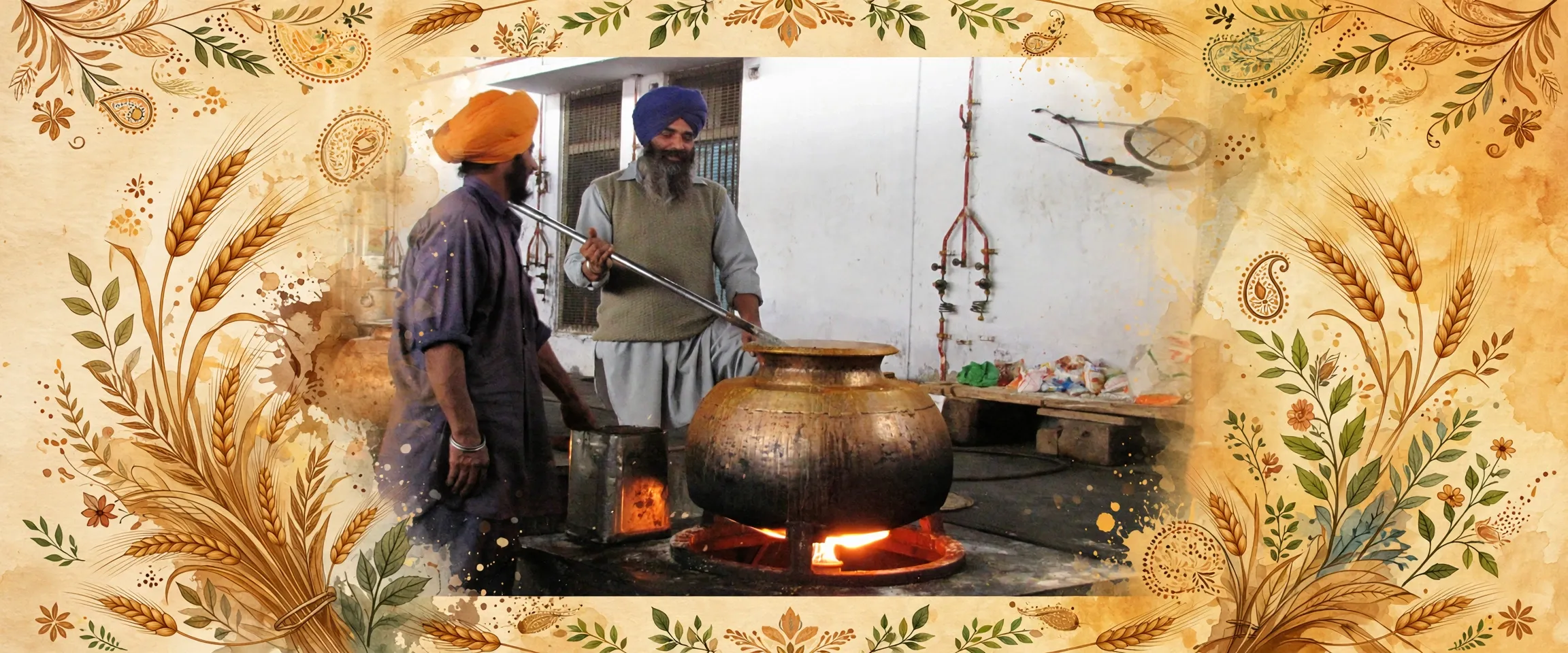
ਦੇਗ ਤੇਗ਼ ਫ਼ਤਿਹ ਇੱਕ ਸਿੱਖ ਕਥਨ ਹੈ ਜਿਸ ਦਾ ਭਾਵ ਹੈ ਦੇਗ ਨੂੰ ਅਤੇ ਤੇਗ਼ ਨੂੰ ਫ਼ਤਿਹ। ਦੇਗ ਲੰਗਰ ਦੀ ਵੱਡੀ ਪਕਾਉਣ ਵਾਲੀ ਕੜਾਹੀ ਹੈ, ਜੋ ਸਭ ਲਈ ਖਾਣੇ ਅਤੇ ਭਲਾਈ ਦਾ ਨਿਸ਼ਾਨ ਹੈ, ਅਤੇ ਤੇਗ਼ ਤਲਵਾਰ ਹੈ, ਜੋ ਕਮਜ਼ੋਰਾਂ ਦੀ ਰੱਖਿਆ ਅਤੇ ਸਭ ਲਈ ਨਿਆਂ ਦਾ ਨਿਸ਼ਾਨ ਹੈ। ਫ਼ਤਿਹ ਵਾਹਿਗੁਰੂ ਦੀ ਹੈ, ਅਤੇ ਸਿੱਖ ਇਹ ਆਦਰਸ਼ ਹਰ ਰੋਜ਼ ਅਰਦਾਸ ਵਿੱਚ ਸੁਣਦੇ ਹਨ।
- ਪੰਜਾਬੀ ਨਾਂ
- ਦੇਗ ਤੇਗ਼ ਫ਼ਤਿਹ
- ਕਹਾਵਤ
- ਦੇਗ ਤੇਗ਼ ਫ਼ਤਿਹ, ਦੇਗ ਨੂੰ ਅਤੇ ਤੇਗ਼ ਨੂੰ ਫ਼ਤਿਹ
- ਸ਼ਬਦਾਂ ਦੀ ਭਾਸ਼ਾ
- ਫ਼ਾਰਸੀ, ਦੇਗ, ਤੇਗ਼ ਅਤੇ ਫ਼ਤਿਹ
- ਦੇਗ
- ਕੜਾਹੀ, ਲੰਗਰ, ਸਭ ਲਈ ਖਾਣਾ ਅਤੇ ਭਲਾਈ
- ਤੇਗ਼
- ਤਲਵਾਰ, ਕਮਜ਼ੋਰਾਂ ਦੀ ਰੱਖਿਆ ਅਤੇ ਸਭ ਲਈ ਨਿਆਂ
- ਫ਼ਤਿਹ
- ਜਿੱਤ, ਜੋ ਵਾਹਿਗੁਰੂ ਦੀ ਬਖਸ਼ਿਸ਼ ਹੈ, ਮਨੁੱਖਾਂ ਦਾ ਦਾਅਵਾ ਨਹੀਂ
All 9 facts
- ਅਰਦਾਸ ਵਿੱਚ
- ਸਿੱਖ ਦੇਗ ਅਤੇ ਤੇਗ਼ ਦੀ ਫ਼ਤਿਹ ਮੰਗਦੇ ਹਨ ਅਤੇ ਉਨ੍ਹਾਂ ਨੂੰ ਯਾਦ ਕਰਦੇ ਹਨ ਜਿਨ੍ਹਾਂ ਨੇ ਦੇਗ ਚਲਾਈ ਅਤੇ ਤੇਗ਼ ਵਾਹੀ
- ਰਾਜ ਨਿਸ਼ਾਨਾਂ ਉੱਤੇ
- ਖਾਲਸਾ ਮੋਹਰਾਂ, ਸਿੱਕਿਆਂ ਅਤੇ ਝੰਡਿਆਂ ਉੱਤੇ ਛਪੀ, ਬੰਦਾ ਸਿੰਘ ਬਹਾਦਰ ਦੀ ਮੋਹਰ ਅਤੇ ਸਰਦਾਰ ਜੱਸਾ ਸਿੰਘ ਆਹਲੂਵਾਲੀਆ ਦਾ ਸਿੱਕਾ ਸਮੇਤ
- ਹੋਰ ਵੀ (fragment, see Reply)
- ਪੰਜਾਬੀ ਵਿੱਚ ਇੱਕ ਸਿੱਖ ਗੀਤ ਦਾ ਸਿਰਲੇਖ, ਜੋ 1948 ਤੱਕ ਸਿੱਖ ਰਿਆਸਤਾਂ ਵਿੱਚ ਗਾਇਆ ਜਾਂਦਾ ਸੀ
Deg Tegh Fateh means victory to the cauldron and the sword: the cauldron that cooks food for everyone, and the sword that protects the weak. In three words taken from Persian, the saying sets out the dual duty of the Khalsa, to feed and to protect, and Sikhs still invoke it daily in the Ardas.
What does Deg Tegh Fateh mean?
Literally, the saying gives victory (fateh) to two things: the deg, a large wide mouthed cauldron or kettle, and the tegh, a sword. All three words come from Persian, the state language of the period in which Sikhism took shape, as the Encyclopaedia of Sikhism notes. Wikipedia sums the three words up as cauldron, food for all; sword, justice for all; and fateh, communal sovereignty, and gives the saying's English meaning as Victory to Charity and Arms. It is also the title of a Sikh anthem in Punjabi, whose words present the ideal as an order given to the whole Khalsa.
Neither word stops at its literal sense. In Sikh tradition the deg has grown from a cooking pot into the whole ideal of public welfare, generosity and ready help for anyone in need, while the tegh has grown from a weapon into the duty to correct wrong and defend people who cannot defend themselves. Fateh is not boasting: Guru Gobind Singh Ji gave the Khalsa the greeting Waheguru ji ka Khalsa, Waheguru ji ki Fateh, the Khalsa belongs to Waheguru and victory belongs to Waheguru, so victory in this saying is a gift from God, not a human claim.
Deg: the cauldron that feeds everyone
The deg is first of all a real pot. In the Sufi tradition, the Encyclopaedia of Sikhism explains, a deg already signified the charitable distribution of cooked food, and in the Sikh kitchen it became the heart of the langar, where a hot meal is served free to everyone who comes, whatever their religion, caste or means. Guru Nanak Dev Ji himself likened the earth to a deg in one of his hymns, a cooking pot from which every living being receives sustenance once, as the hymn at page 1190 of Guru Granth Sahib Ji puts it. Feeding people was never an add on to Sikh life: it stands beside prayer from the start, in the Guru's own teaching on sharing what you have, vand chhakna.
That is why the Ardas remembers the heroes of the past as people who kept the deg going. Sikhs who provided food for all were called deg chalai, those who ran the cauldron, and the prayer honours Sikhs who dwelt on the Name, ate only after sharing their food with others, maintained the deg and wielded the tegh, and gave their lives for the sake of dharma. In a gurdwara today the big degs still steam in the langar kitchen every day, and anyone who walks in is fed. The cauldron is the welfare half of the ideal, made visible and edible.
Tegh: the sword that protects the weak
The tegh is the protection half. The Encyclopaedia of Sikhism records what Guru Hargobind Ji is said to have told the Maharashtrian saint Ram Das when they met at Srinagar in Garhwal: the tegh is for garib ki rakhia, the defence of the weak, and for the destruction of the aggressor. It is, in other words, a sword with a stated purpose and a stated limit, drawn for others and in the last resort, a principle the same source stresses when it explains fateh: Sikhs believed that the use of the tegh in the last resort, as Guru Gobind Singh Ji permitted, with the ideal of deg held fast, must lead to victory.
Guru Gobind Singh Ji gave the sword a still deeper meaning. He addressed the tegh as Bhagauti, as Sri Kharag, Lord Sword, as Jag Karan, Creator of the World, and as Sristi Ubaran, Saviour of Creation, and praised it as protector of the good and destroyer of evil. Read alongside ਮੀਰੀ ਪੀਰੀ, Guru Hargobind Ji's teaching that spiritual and worldly responsibility belong together, the tegh is not a symbol of aggression. It is the Khalsa accepting that feeding people is not enough if no one will stand between them and harm.
How did Deg and Tegh come together?
The two ideals supplement each other, and Guru Gobind Singh Ji joined them in his own words. In a passage of the Krishnavtar he prays, in the Encyclopaedia of Sikhism's rendering: Deg teg jag mai dou chalai, may deg and tegh both prevail in the world. In the Charitropakhyan, the same source notes, deg and tegh, charity and valour, together form a composite virtue, the mark of heroes of old. Wikipedia dates the sharpening of this mission to about 1690, when providing food and justice to all was stressed as the mission of the Sikh religion, a decade before the founding of the Khalsa gave that mission an order to carry it.
The ਖਾਲਸਾ ਪੰਥ founded in 1699 inherited both halves at once. Its members serve in the langar and stand ready to protect, and the wider Sikh vocabulary keeps the pair in balance: alongside deg and tegh stand seva, selfless service, kirat karo, honest work, and sarbat da bhala, the welfare of all, which the Khalsa prays for every day. A community that only feeds can be overrun; a community that only fights forgets why it fights. Deg Tegh Fateh refuses both failures in a single breath.
On seals, coins and banners
When Sikhs established their own power in Punjab after a period of fierce persecution, they put this maxim on the instruments of that power. The Encyclopaedia of Sikhism records that Deg Tegh Fateh was adopted as an ideal for the Khalsa state and imprinted on its seals, coins and banners. Banda Singh Bahadur, the first to hold territory, carried a Persian inscription on his seal which, rendered into English, reads that kettle and sword, victory and ready patronage have been obtained through the grace of Guru Nanak Gobind Singh, so that charity and power were both declared gifts of the Gurus and governing principles of the new state.
The same inscription was reproduced on the coin struck by Sardar Jassa Singh Ahluwalia after the Khalsa's decisive victory over the Afghans, dated 1764 in Wikipedia's account and 1765 in the Encyclopaedia of Sikhism's, and the practice continued under Maharaja Ranjit Singh Ji and in some of the cis Sutlej Sikh states. Wikipedia adds that the Deg Tegh Fateh anthem was sung in the Sikh states until 1948 and served as the national anthem of the princely state of Patiala. A cook pot and a sword on a coin is a government programme in miniature: feed the people, protect the people.
Deg Tegh Fateh in the Ardas and today
You do not need a coin to hear the saying. The maxim has taken firm root in Sikh tradition and forms part of the ਅਰਦਾਸ, the prayer offered at the end of Sikh services, where blessings are invoked for the triumph of the ideal of deg and tegh. Every congregation that stands for Ardas therefore asks, in effect, that the cauldron never empty and the protection never fail, and remembers by name the Sikhs of the past who kept both going at the cost of their lives.
Today the deg half is the easiest to see: langar served in gurdwaras across the world, and Sikh volunteers cooking for strangers at times of flood, disaster and hardship, an extension of the same cauldron. The tegh half is quieter but present wherever Sikhs speak of the duty to stand up for people being wronged, whoever they are. Deg Tegh Fateh endures because it is short enough to carry on a banner and large enough to organise a life around: feed everyone, protect the weak, and leave the victory to Waheguru.
ਦੇਗ ਤੇਗ਼ ਫ਼ਤਿਹ ਦਾ ਭਾਵ ਹੈ ਦੇਗ ਨੂੰ ਅਤੇ ਤੇਗ਼ ਨੂੰ ਫ਼ਤਿਹ। ਉਹ ਦੇਗ ਜੋ ਸਭ ਲਈ ਖਾਣਾ ਪਕਾਉਂਦੀ ਹੈ, ਅਤੇ ਉਹ ਤੇਗ਼ ਜੋ ਕਮਜ਼ੋਰਾਂ ਦੀ ਰੱਖਿਆ ਕਰਦੀ ਹੈ। ਫ਼ਾਰਸੀ ਤੋਂ ਆਏ ਤਿੰਨ ਸ਼ਬਦਾਂ ਵਿੱਚ ਇਹ ਕਥਨ ਖਾਲਸੇ ਦਾ ਦੋਹਰਾ ਫ਼ਰਜ਼ ਦੱਸਦਾ ਹੈ। ਖਾਣਾ ਵੰਡਣਾ ਅਤੇ ਰੱਖਿਆ ਕਰਨਾ। ਸਿੱਖ ਅੱਜ ਵੀ ਰੋਜ਼ ਅਰਦਾਸ ਵਿੱਚ ਇਸ ਆਦਰਸ਼ ਨੂੰ ਯਾਦ ਕਰਦੇ ਹਨ।
ਦੇਗ ਤੇਗ਼ ਫ਼ਤਿਹ ਦਾ ਕੀ ਭਾਵ ਹੈ?
ਸ਼ਾਬਦਿਕ ਤੌਰ ਤੇ ਇਹ ਕਥਨ ਦੋ ਚੀਜ਼ਾਂ ਨੂੰ ਫ਼ਤਿਹ ਦਿੰਦਾ ਹੈ। ਦੇਗ, ਇੱਕ ਵੱਡੀ ਅਤੇ ਖੁੱਲ੍ਹੇ ਮੂੰਹ ਵਾਲੀ ਕੜਾਹੀ ਜਾਂ ਦੇਗ, ਅਤੇ ਤੇਗ਼, ਇੱਕ ਤਲਵਾਰ। ਸਿੱਖ ਐਨਸਾਈਕਲੋਪੀਡੀਆ ਦੱਸਦਾ ਹੈ ਕਿ ਤਿੰਨੋਂ ਸ਼ਬਦ ਫ਼ਾਰਸੀ ਤੋਂ ਆਏ ਹਨ, ਜੋ ਉਸ ਸਮੇਂ ਦੀ ਰਾਜ ਭਾਸ਼ਾ ਸੀ ਜਿਸ ਸਮੇਂ ਸਿੱਖ ਧਰਮ ਨੇ ਆਪਣਾ ਰੂਪ ਧਾਰਿਆ। ਵਿਕੀਪੀਡੀਆ ਤਿੰਨਾਂ ਸ਼ਬਦਾਂ ਦਾ ਸਾਰ ਇਸ ਤਰ੍ਹਾਂ ਦਿੰਦਾ ਹੈ। ਦੇਗ, ਸਭ ਲਈ ਖਾਣਾ। ਤੇਗ਼, ਸਭ ਲਈ ਨਿਆਂ। ਅਤੇ ਫ਼ਤਿਹ, ਭਾਈਚਾਰਕ ਖੁਦਮੁਖਤਿਆਰੀ। ਇਸ ਦਾ ਅੰਗਰੇਜ਼ੀ ਭਾਵ ਦਾਨ ਅਤੇ ਹਥਿਆਰਾਂ ਦੀ ਫ਼ਤਿਹ ਦੱਸਿਆ ਜਾਂਦਾ ਹੈ। ਇਹ ਪੰਜਾਬੀ ਵਿੱਚ ਇੱਕ ਸਿੱਖ ਗੀਤ ਦਾ ਸਿਰਲੇਖ ਵੀ ਹੈ, ਜਿਸ ਦੇ ਸ਼ਬਦ ਇਸ ਆਦਰਸ਼ ਨੂੰ ਸਾਰੇ ਖਾਲਸੇ ਨੂੰ ਦਿੱਤਾ ਹੁਕਮ ਦੱਸਦੇ ਹਨ।
ਕੋਈ ਵੀ ਸ਼ਬਦ ਆਪਣੇ ਸ਼ਾਬਦਿਕ ਭਾਵ ਉੱਤੇ ਨਹੀਂ ਰੁਕਦਾ। ਸਿੱਖ ਪਰੰਪਰਾ ਵਿੱਚ ਦੇਗ ਇੱਕ ਬਰਤਨ ਤੋਂ ਵਧ ਕੇ ਲੋਕ ਭਲਾਈ, ਦਾਨ ਅਤੇ ਲੋੜਵੰਦ ਦੀ ਤੁਰੰਤ ਮਦਦ ਦਾ ਸਾਰਾ ਆਦਰਸ਼ ਬਣ ਗਈ ਹੈ, ਅਤੇ ਤੇਗ਼ ਇੱਕ ਹਥਿਆਰ ਤੋਂ ਵਧ ਕੇ ਉਸ ਫ਼ਰਜ਼ ਦਾ ਨਾਂ ਹੈ ਜੋ ਗ਼ਲਤ ਨੂੰ ਠੀਕ ਕਰਨ ਅਤੇ ਆਪਣੀ ਰੱਖਿਆ ਨਾ ਕਰ ਸਕਣ ਵਾਲਿਆਂ ਦੀ ਰੱਖਿਆ ਕਰਨ ਲਈ ਖੜ੍ਹਦਾ ਹੈ। ਫ਼ਤਿਹ ਹੰਕਾਰ ਨਹੀਂ ਹੈ। ਗੁਰੂ ਗੋਬਿੰਦ ਸਿੰਘ ਜੀ ਨੇ ਖਾਲਸੇ ਨੂੰ ਫਤਹਿ ਦਿੱਤੀ। ਵਾਹਿਗੁਰੂ ਜੀ ਕਾ ਖਾਲਸਾ, ਵਾਹਿਗੁਰੂ ਜੀ ਕੀ ਫਤਿਹ। ਖਾਲਸਾ ਵਾਹਿਗੁਰੂ ਦਾ ਹੈ ਅਤੇ ਫਤਿਹ ਵਾਹਿਗੁਰੂ ਦੀ ਹੈ। ਇਸ ਲਈ ਇਸ ਕਥਨ ਵਿੱਚ ਫ਼ਤਿਹ ਪ੍ਰਭੂ ਦੀ ਬਖਸ਼ਿਸ਼ ਹੈ, ਮਨੁੱਖ ਦਾ ਦਾਅਵਾ ਨਹੀਂ।
ਦੇਗ: ਉਹ ਕੜਾਹੀ ਜੋ ਸਭ ਨੂੰ ਖਾਣਾ ਖਵਾਉਂਦੀ ਹੈ
ਦੇਗ ਸਭ ਤੋਂ ਪਹਿਲਾਂ ਇੱਕ ਅਸਲੀ ਬਰਤਨ ਹੈ। ਸਿੱਖ ਐਨਸਾਈਕਲੋਪੀਡੀਆ ਸਮਝਾਉਂਦਾ ਹੈ ਕਿ ਸੂਫ਼ੀ ਪਰੰਪਰਾ ਵਿੱਚ ਦੇਗ ਦਾ ਭਾਵ ਪਹਿਲਾਂ ਹੀ ਪਕਾਇਆ ਖਾਣਾ ਵੰਡਣਾ ਸੀ, ਜਿਸ ਨੂੰ ਲੰਗਰ ਕਿਹਾ ਜਾਂਦਾ ਹੈ, ਅਤੇ ਸਿੱਖ ਰਸੋਈ ਵਿੱਚ ਇਹ ਲੰਗਰ ਦਾ ਦਿਲ ਬਣ ਗਈ, ਜਿੱਥੇ ਆਉਣ ਵਾਲੇ ਹਰ ਮਨੁੱਖ ਨੂੰ, ਉਸ ਦੇ ਧਰਮ, ਜਾਤ ਜਾਂ ਸਾਧਨਾਂ ਦੀ ਪਰਵਾਹ ਕੀਤੇ ਬਿਨਾਂ, ਮੁਫ਼ਤ ਗਰਮ ਖਾਣਾ ਵਰਤਾਇਆ ਜਾਂਦਾ ਹੈ। ਗੁਰੂ ਨਾਨਕ ਦੇਵ ਜੀ ਨੇ ਆਪ ਇੱਕ ਸ਼ਬਦ ਵਿੱਚ ਧਰਤੀ ਨੂੰ ਦੇਗ ਕਿਹਾ ਹੈ, ਇੱਕ ਪਕਾਉਣ ਵਾਲਾ ਬਰਤਨ ਜਿਸ ਵਿੱਚੋਂ ਹਰ ਜੀਵ ਨੂੰ ਇੱਕ ਵਾਰ ਰਿਜ਼ਕ ਮਿਲਦਾ ਹੈ, ਜਿਵੇਂ ਗੁਰੂ ਗ੍ਰੰਥ ਸਾਹਿਬ ਜੀ ਦੇ ਅੰਗ 1190 ਉੱਤਲਾ ਸ਼ਬਦ ਦੱਸਦਾ ਹੈ। ਲੋਕਾਂ ਨੂੰ ਖਾਣਾ ਖਵਾਉਣਾ ਸਿੱਖ ਜੀਵਨ ਵਿੱਚ ਕਦੇ ਵਾਧੂ ਗੱਲ ਨਹੀਂ ਸੀ। ਇਹ ਸ਼ੁਰੂ ਤੋਂ ਅਰਦਾਸ ਦੇ ਨਾਲ ਖੜ੍ਹਾ ਹੈ, ਗੁਰੂ ਦੀ ਆਪਣੀ ਸਿੱਖਿਆ ਵਿੱਚ ਕਿ ਜੋ ਕੁਝ ਤੁਹਾਡੇ ਕੋਲ ਹੈ ਉਹ ਵੰਡ ਕੇ ਛਕੋ।
ਇਸੇ ਲਈ ਅਰਦਾਸ ਬੀਤੇ ਸਮੇਂ ਦੇ ਮਹਾਂਪੁਰਖਾਂ ਨੂੰ ਉਨ੍ਹਾਂ ਲੋਕਾਂ ਵਜੋਂ ਯਾਦ ਕਰਦੀ ਹੈ ਜਿਨ੍ਹਾਂ ਨੇ ਦੇਗ ਚਲਦੀ ਰੱਖੀ। ਜੋ ਸਿੱਖ ਸਭ ਲਈ ਖਾਣਾ ਵਰਤਾਉਂਦੇ ਸਨ ਉਨ੍ਹਾਂ ਨੂੰ ਦੇਗ ਚਲਾਈ ਕਿਹਾ ਜਾਂਦਾ ਸੀ, ਭਾਵ ਦੇਗ ਚਲਾਉਣ ਵਾਲੇ, ਅਤੇ ਅਰਦਾਸ ਉਨ੍ਹਾਂ ਸਿੱਖਾਂ ਦਾ ਸਤਕਾਰ ਕਰਦੀ ਹੈ ਜਿਨ੍ਹਾਂ ਨੇ ਨਾਮ ਜਪਿਆ, ਆਪ ਖਾਣ ਤੋਂ ਪਹਿਲਾਂ ਦੂਜਿਆਂ ਨਾਲ ਵੰਡ ਕੇ ਖਾਧਾ, ਦੇਗ ਚਲਾਈ ਅਤੇ ਤੇਗ਼ ਵਾਹੀ, ਅਤੇ ਧਰਮ ਲਈ ਜਾਨਾਂ ਦਿੱਤੀਆਂ। ਅੱਜ ਕਿਸੇ ਗੁਰਦੁਆਰੇ ਵਿੱਚ ਵੱਡੀਆਂ ਦੇਗਾਂ ਹਰ ਰੋਜ਼ ਲੰਗਰ ਦੀ ਰਸੋਈ ਵਿੱਚ ਉਬਲਦੀਆਂ ਹਨ, ਅਤੇ ਜੋ ਵੀ ਅੰਦਰ ਆਵੇ ਉਸ ਨੂੰ ਖਾਣਾ ਮਿਲਦਾ ਹੈ। ਦੇਗ ਇਸ ਆਦਰਸ਼ ਦਾ ਭਲਾਈ ਵਾਲਾ ਅੱਧ ਹੈ, ਜੋ ਦਿਖਦਾ ਵੀ ਹੈ ਅਤੇ ਖਾਧਾ ਵੀ ਜਾਂਦਾ ਹੈ।
ਤੇਗ਼: ਉਹ ਤਲਵਾਰ ਜੋ ਕਮਜ਼ੋਰਾਂ ਦੀ ਰੱਖਿਆ ਕਰਦੀ ਹੈ
ਤੇਗ਼ ਇਸ ਆਦਰਸ਼ ਦਾ ਰੱਖਿਆ ਵਾਲਾ ਅੱਧ ਹੈ। ਸਿੱਖ ਐਨਸਾਈਕਲੋਪੀਡੀਆ ਉਹ ਗੱਲ ਦਰਜ ਕਰਦਾ ਹੈ ਜੋ ਕਿਹਾ ਜਾਂਦਾ ਹੈ ਕਿ ਗੁਰੂ ਹਰਗੋਬਿੰਦ ਜੀ ਨੇ ਗੜ੍ਹਵਾਲ ਦੇ ਸ੍ਰੀਨਗਰ ਵਿੱਚ ਮਿਲਣ ਵੇਲੇ ਮਹਾਰਾਸ਼ਟਰ ਦੇ ਸੰਤ ਰਾਮ ਦਾਸ ਨੂੰ ਕਹੀ ਸੀ। ਤੇਗ਼ ਗਰੀਬ ਕੀ ਰਖਿਆ ਲਈ ਹੈ, ਭਾਵ ਕਮਜ਼ੋਰਾਂ ਦੀ ਰੱਖਿਆ ਲਈ, ਅਤੇ ਹਮਲਾਵਰ ਦੇ ਨਾਸ਼ ਲਈ। ਭਾਵ ਇਹ ਇੱਕ ਤਲਵਾਰ ਹੈ ਜਿਸ ਦਾ ਮਕਸਦ ਅਤੇ ਜਿਸ ਦੀ ਹੱਦ ਦੋਵੇਂ ਦੱਸੇ ਗਏ ਹਨ। ਇਹ ਦੂਜਿਆਂ ਲਈ ਅਤੇ ਆਖਰੀ ਉਪਾਅ ਵਜੋਂ ਵਾਹੀ ਜਾਂਦੀ ਹੈ। ਉਹੀ ਸੋਤਰ ਫ਼ਤਿਹ ਸਮਝਾਉਂਦੇ ਹੋਏ ਇਸ ਉੱਤੇ ਜ਼ੋਰ ਦਿੰਦਾ ਹੈ। ਸਿੱਖ ਮੰਨਦੇ ਸਨ ਕਿ ਤੇਗ਼ ਦੀ ਵਰਤੋਂ ਆਖਰੀ ਉਪਾਅ ਵਜੋਂ, ਜਿਵੇਂ ਗੁਰੂ ਗੋਬਿੰਦ ਸਿੰਘ ਜੀ ਨੇ ਆਗਿਆ ਦਿੱਤੀ ਸੀ, ਅਤੇ ਦੇਗ ਦਾ ਆਦਰਸ਼ ਪੱਕਾ ਰੱਖ ਕੇ, ਫ਼ਤਿਹ ਵੱਲ ਲੈ ਜਾਂਦੀ ਹੈ।
ਗੁਰੂ ਗੋਬਿੰਦ ਸਿੰਘ ਜੀ ਨੇ ਤਲਵਾਰ ਨੂੰ ਹੋਰ ਵੀ ਡੂੰਘਾ ਭਾਵ ਦਿੱਤਾ। ਉਨ੍ਹਾਂ ਨੇ ਤੇਗ਼ ਨੂੰ ਭਗੌਤੀ ਕਿਹਾ, ਸ੍ਰੀ ਖੜਗ ਕਿਹਾ, ਭਾਵ ਪ੍ਰਭੂ ਤਲਵਾਰ, ਜਗ ਕਾਰਨ ਕਿਹਾ, ਭਾਵ ਸੰਸਾਰ ਦਾ ਕਰਤਾ, ਅਤੇ ਸ੍ਰਿਸ਼ਟਿ ਉਬਾਰਨ ਕਿਹਾ, ਭਾਵ ਸ੍ਰਿਸ਼ਟੀ ਦਾ ਬਚਾਉਣ ਵਾਲਾ, ਅਤੇ ਉਸ ਨੂੰ ਨੇਕਾਂ ਦੀ ਰੱਖਿਅਕ ਅਤੇ ਬੁਰਿਆਂ ਦੀ ਨਾਸ਼ਕ ਦੱਸ ਕੇ ਉਸ ਦੀ ਉਸਤਤ ਕੀਤੀ। ਮੀਰੀ ਪੀਰੀ ਦੇ ਨਾਲ ਪੜ੍ਹਿਆਂ, ਗੁਰੂ ਹਰਗੋਬਿੰਦ ਜੀ ਦੀ ਉਹ ਸਿੱਖਿਆ ਕਿ ਰੂਹਾਨੀ ਅਤੇ ਸੰਸਾਰਕ ਜ਼ਿੰਮੇਵਾਰੀ ਇਕੱਠੀਆਂ ਚੱਲਦੀਆਂ ਹਨ, ਤੇਗ਼ ਹਮਲੇ ਦਾ ਨਿਸ਼ਾਨ ਨਹੀਂ ਹੈ। ਇਹ ਖਾਲਸੇ ਦਾ ਇਹ ਕਬੂਲ ਕਰਨਾ ਹੈ ਕਿ ਲੋਕਾਂ ਨੂੰ ਖਾਣਾ ਖਵਾਉਣਾ ਕਾਫ਼ੀ ਨਹੀਂ, ਜੇ ਕੋਈ ਉਨ੍ਹਾਂ ਅਤੇ ਨੁਕਸਾਨ ਵਿਚਾਲੇ ਖੜ੍ਹਨ ਵਾਲਾ ਨਾ ਹੋਵੇ।
ਦੇਗ ਅਤੇ ਤੇਗ਼ ਇਕੱਠੀਆਂ ਕਿਵੇਂ ਆਈਆਂ?
ਦੋਵੇਂ ਆਦਰਸ਼ ਇੱਕ ਦੂਜੇ ਨੂੰ ਪੂਰਾ ਕਰਦੇ ਹਨ, ਅਤੇ ਗੁਰੂ ਗੋਬਿੰਦ ਸਿੰਘ ਜੀ ਨੇ ਉਨ੍ਹਾਂ ਨੂੰ ਆਪਣੇ ਸ਼ਬਦਾਂ ਵਿੱਚ ਜੋੜਿਆ। ਕ੍ਰਿਸ਼ਨਾਵਤਾਰ ਦੇ ਇੱਕ ਹਿੱਸੇ ਵਿੱਚ ਉਹ ਅਰਦਾਸ ਕਰਦੇ ਹਨ, ਜਿਵੇਂ ਸਿੱਖ ਐਨਸਾਈਕਲੋਪੀਡੀਆ ਉਸ ਨੂੰ ਦਿੰਦਾ ਹੈ। ਦੇਗ ਤੇਗ ਜਗ ਮੈ ਦੋਊ ਚਲੈ। ਭਾਵ ਦੇਗ ਅਤੇ ਤੇਗ ਦੋਵੇਂ ਸੰਸਾਰ ਵਿੱਚ ਚੱਲਣ। ਉਹੀ ਸੋਤਰ ਦੱਸਦਾ ਹੈ ਕਿ ਚਰਿਤ੍ਰੋਪਾਖਿਆਨ ਵਿੱਚ ਦੇਗ ਅਤੇ ਤੇਗ, ਦਾਨ ਅਤੇ ਬਹਾਦਰੀ, ਇਕੱਠੀਆਂ ਇੱਕ ਸੰਯੁਕਤ ਗੁਣ ਬਣਦੀਆਂ ਹਨ, ਪੁਰਾਣੇ ਸਮਿਆਂ ਦੇ ਸੂਰਮਿਆਂ ਦੀ ਨਿਸ਼ਾਨੀ। ਵਿਕੀਪੀਡੀਆ ਇਸ ਮਿਸ਼ਨ ਦੇ ਤਿੱਖੇ ਹੋਣ ਦਾ ਸਮਾਂ ਲਗਭਗ 1690 ਦੱਸਦਾ ਹੈ, ਜਦੋਂ ਸਭ ਲਈ ਖਾਣਾ ਅਤੇ ਸਭ ਲਈ ਨਿਆਂ ਦੇਣ ਉੱਤੇ ਸਿੱਖ ਧਰਮ ਦੇ ਮਿਸ਼ਨ ਵਜੋਂ ਜ਼ੋਰ ਦਿੱਤਾ ਗਿਆ, ਖਾਲਸੇ ਦੀ ਸਾਜਣਾ ਤੋਂ ਇੱਕ ਦਹਾਕਾ ਪਹਿਲਾਂ, ਜਿਸ ਨੇ ਉਸ ਮਿਸ਼ਨ ਨੂੰ ਅੱਗੇ ਲਿਜਾਣ ਵਾਲਾ ਪੰਥ ਦਿੱਤਾ।
1699 ਵਿੱਚ ਸਾਜਿਆ ਖਾਲਸਾ ਪੰਥ ਦੋਵੇਂ ਅੱਧ ਇੱਕੋ ਵੇਲੇ ਵਿਰਾਸਤ ਵਿੱਚ ਲੈ ਕੇ ਆਇਆ। ਇਸ ਦੇ ਮੈਂਬਰ ਲੰਗਰ ਵਿੱਚ ਸੇਵਾ ਕਰਦੇ ਹਨ ਅਤੇ ਰੱਖਿਆ ਲਈ ਤਿਆਰ ਖੜ੍ਹਦੇ ਹਨ, ਅਤੇ ਵੱਡੀ ਸਿੱਖ ਸ਼ਬਦਾਵਲੀ ਇਸ ਜੋੜੀ ਨੂੰ ਸੰਤੁਲਨ ਵਿੱਚ ਰੱਖਦੀ ਹੈ। ਦੇਗ ਅਤੇ ਤੇਗ਼ ਦੇ ਨਾਲ ਸੇਵਾ ਖੜ੍ਹੀ ਹੈ, ਨਿਰਸਵਾਰਥ ਸੇਵਾ, ਕਿਰਤ ਕਰੋ, ਇਮਾਨਦਾਰੀ ਦੀ ਕਮਾਈ, ਅਤੇ ਸਰਬੱਤ ਦਾ ਭਲਾ, ਸਭ ਦੀ ਭਲਾਈ, ਜਿਸ ਲਈ ਖਾਲਸਾ ਹਰ ਰੋਜ਼ ਅਰਦਾਸ ਕਰਦਾ ਹੈ। ਜੋ ਭਾਈਚਾਰਾ ਸਿਰਫ਼ ਖਾਣਾ ਖਵਾਵੇ ਉਹ ਦਬਾਇਆ ਜਾ ਸਕਦਾ ਹੈ। ਜੋ ਭਾਈਚਾਰਾ ਸਿਰਫ਼ ਲੜੇ ਉਹ ਭੁੱਲ ਜਾਂਦਾ ਹੈ ਕਿ ਉਹ ਲੜਦਾ ਕਿਉਂ ਹੈ। ਦੇਗ ਤੇਗ਼ ਫ਼ਤਿਹ ਇੱਕੋ ਸਾਹ ਵਿੱਚ ਦੋਵੇਂ ਅਸਫ਼ਲਤਾਵਾਂ ਤੋਂ ਇਨਕਾਰ ਕਰਦੀ ਹੈ।
ਮੋਹਰਾਂ, ਸਿੱਕਿਆਂ ਅਤੇ ਝੰਡਿਆਂ ਉੱਤੇ
ਜਦੋਂ ਸਿੱਖਾਂ ਨੇ ਔਖੇ ਜ਼ੁਲਮ ਦੇ ਸਮੇਂ ਤੋਂ ਬਾਅਦ ਪੰਜਾਬ ਵਿੱਚ ਆਪਣੀ ਤਾਕਤ ਕਾਇਮ ਕੀਤੀ, ਤਾਂ ਉਨ੍ਹਾਂ ਨੇ ਇਹ ਕਥਨ ਉਸ ਤਾਕਤ ਦੇ ਸਾਧਨਾਂ ਉੱਤੇ ਲਿਖਿਆ। ਸਿੱਖ ਐਨਸਾਈਕਲੋਪੀਡੀਆ ਦਰਜ ਕਰਦਾ ਹੈ ਕਿ ਦੇਗ ਤੇਗ਼ ਫ਼ਤਿਹ ਨੂੰ ਖਾਲਸਾ ਰਾਜ ਲਈ ਆਦਰਸ਼ ਵਜੋਂ ਅਪਣਾਇਆ ਗਿਆ ਅਤੇ ਇਸ ਨੂੰ ਉਸ ਦੀਆਂ ਮੋਹਰਾਂ, ਸਿੱਕਿਆਂ ਅਤੇ ਝੰਡਿਆਂ ਉੱਤੇ ਛਾਪਿਆ ਗਿਆ। ਬੰਦਾ ਸਿੰਘ ਬਹਾਦਰ, ਜਿਨ੍ਹਾਂ ਨੇ ਸਭ ਤੋਂ ਪਹਿਲਾਂ ਇਲਾਕਾ ਆਪਣੇ ਅਧੀਨ ਕੀਤਾ, ਆਪਣੀ ਮੋਹਰ ਉੱਤੇ ਫ਼ਾਰਸੀ ਲਿਖਤ ਰੱਖਦੇ ਸਨ, ਜਿਸ ਦਾ ਅੰਗਰੇਜ਼ੀ ਭਾਵ ਇਹ ਹੈ ਕਿ ਦੇਗ ਅਤੇ ਤੇਗ਼, ਫ਼ਤਿਹ ਅਤੇ ਤੁਰੰਤ ਸਰਪ੍ਰਸਤੀ, ਗੁਰੂ ਨਾਨਕ ਗੋਬਿੰਦ ਸਿੰਘ ਦੀ ਕਿਰਪਾ ਨਾਲ ਪ੍ਰਾਪਤ ਹੋਈਆਂ ਹਨ। ਇਸ ਤਰ੍ਹਾਂ ਦਾਨ ਅਤੇ ਤਾਕਤ ਦੋਵੇਂ ਗੁਰੂਆਂ ਦੀਆਂ ਬਖਸ਼ਿਸ਼ਾਂ ਅਤੇ ਨਵੇਂ ਰਾਜ ਦੇ ਚਲਾਉਣ ਵਾਲੇ ਅਸੂਲ ਐਲਾਨੇ ਗਏ।
ਉਹੀ ਲਿਖਤ ਸਰਦਾਰ ਜੱਸਾ ਸਿੰਘ ਆਹਲੂਵਾਲੀਆ ਵੱਲੋਂ ਛਾਪੇ ਸਿੱਕੇ ਉੱਤੇ ਵੀ ਆਈ, ਜੋ ਖਾਲਸੇ ਦੀ ਅਫ਼ਗ਼ਾਨਾਂ ਉੱਤੇ ਫ਼ੈਸਲਾਕੁੰਨ ਜਿੱਤ ਤੋਂ ਬਾਅਦ ਛਪਿਆ। ਇਸ ਦਾ ਸਾਲ ਵਿਕੀਪੀਡੀਆ 1764 ਦੱਸਦਾ ਹੈ ਅਤੇ ਸਿੱਖ ਐਨਸਾਈਕਲੋਪੀਡੀਆ 1765। ਇਹ ਅਮਲ ਮਹਾਰਾਜਾ ਰਣਜੀਤ ਸਿੰਘ ਜੀ ਦੇ ਸਮੇਂ ਅਤੇ ਸਤਲੁਜ ਤੋਂ ਇਸ ਪਾਰ ਦੀਆਂ ਕੁਝ ਸਿੱਖ ਰਿਆਸਤਾਂ ਵਿੱਚ ਵੀ ਚੱਲਦਾ ਰਿਹਾ। ਵਿਕੀਪੀਡੀਆ ਇਹ ਵੀ ਦੱਸਦਾ ਹੈ ਕਿ ਦੇਗ ਤੇਗ਼ ਫ਼ਤਿਹ ਗੀਤ 1948 ਤੱਕ ਸਿੱਖ ਰਿਆਸਤਾਂ ਵਿੱਚ ਗਾਇਆ ਜਾਂਦਾ ਸੀ ਅਤੇ ਪਟਿਆਲਾ ਰਿਆਸਤ ਦਾ ਕੌਮੀ ਗੀਤ ਸੀ। ਸਿੱਕੇ ਉੱਤੇ ਇੱਕ ਦੇਗ ਅਤੇ ਇੱਕ ਤਲਵਾਰ ਕਿਸੇ ਰਾਜ ਦਾ ਪ੍ਰੋਗਰਾਮ ਛੋਟੇ ਰੂਪ ਵਿੱਚ ਹੈ। ਲੋਕਾਂ ਨੂੰ ਖਾਣਾ ਖਵਾਓ, ਲੋਕਾਂ ਦੀ ਰੱਖਿਆ ਕਰੋ।
ਅਰਦਾਸ ਵਿੱਚ ਅਤੇ ਅੱਜ ਦੇਗ ਤੇਗ਼ ਫ਼ਤਿਹ
ਇਹ ਕਥਨ ਸੁਣਨ ਲਈ ਤੁਹਾਨੂੰ ਸਿੱਕੇ ਦੀ ਲੋੜ ਨਹੀਂ। ਇਹ ਕਥਨ ਸਿੱਖ ਪਰੰਪਰਾ ਵਿੱਚ ਪੱਕਾ ਥਾਂ ਬਣਾ ਚੁੱਕਾ ਹੈ ਅਤੇ ਅਰਦਾਸ ਦਾ ਹਿੱਸਾ ਹੈ, ਉਹ ਅਰਦਾਸ ਜੋ ਸਿੱਖ ਸੇਵਾਵਾਂ ਦੇ ਅੰਤ ਵਿੱਚ ਕੀਤੀ ਜਾਂਦੀ ਹੈ, ਜਿੱਥੇ ਦੇਗ ਅਤੇ ਤੇਗ਼ ਦੇ ਆਦਰਸ਼ ਦੀ ਫ਼ਤਿਹ ਲਈ ਬਖਸ਼ਿਸ਼ ਮੰਗੀ ਜਾਂਦੀ ਹੈ। ਇਸ ਲਈ ਅਰਦਾਸ ਲਈ ਖੜ੍ਹੀ ਹਰ ਸੰਗਤ, ਇੱਕ ਤਰ੍ਹਾਂ ਨਾਲ, ਇਹ ਮੰਗਦੀ ਹੈ ਕਿ ਦੇਗ ਕਦੇ ਖਾਲੀ ਨਾ ਹੋਵੇ ਅਤੇ ਰੱਖਿਆ ਕਦੇ ਅਸਫ਼ਲ ਨਾ ਹੋਵੇ, ਅਤੇ ਉਨ੍ਹਾਂ ਸਿੱਖਾਂ ਨੂੰ ਨਾਂ ਲੈ ਕੇ ਯਾਦ ਕਰਦੀ ਹੈ ਜਿਨ੍ਹਾਂ ਨੇ ਆਪਣੀਆਂ ਜਾਨਾਂ ਦੇ ਕੇ ਦੋਵੇਂ ਚਲਦੀਆਂ ਰੱਖੀਆਂ।
ਅੱਜ ਦੇਗ ਵਾਲਾ ਅੱਧ ਸਭ ਤੋਂ ਸੌਖਾ ਦਿਖਦਾ ਹੈ। ਸਾਰੀ ਦੁਨੀਆ ਦੇ ਗੁਰਦੁਆਰਿਆਂ ਵਿੱਚ ਵਰਤਾਇਆ ਜਾਂਦਾ ਲੰਗਰ, ਅਤੇ ਹੜ੍ਹ, ਆਫ਼ਤ ਅਤੇ ਔਖ ਦੇ ਸਮਿਆਂ ਵਿੱਚ ਅਜਨਬੀਆਂ ਲਈ ਖਾਣਾ ਪਕਾਉਂਦੇ ਸਿੱਖ ਸੇਵਾਦਾਰ, ਉਸੇ ਦੇਗ ਦਾ ਵਿਸਤਾਰ ਹਨ। ਤੇਗ਼ ਵਾਲਾ ਅੱਧ ਸ਼ਾਂਤ ਹੈ ਪਰ ਮੌਜੂਦ ਹੈ, ਜਿੱਥੇ ਵੀ ਸਿੱਖ ਉਸ ਫ਼ਰਜ਼ ਦੀ ਗੱਲ ਕਰਦੇ ਹਨ ਕਿ ਜਿਨ੍ਹਾਂ ਨਾਲ ਧੱਕਾ ਹੋ ਰਿਹਾ ਹੋਵੇ ਉਨ੍ਹਾਂ ਦੇ ਹੱਕ ਵਿੱਚ ਖੜ੍ਹੇ ਹੋਵੋ, ਉਹ ਕੋਈ ਵੀ ਹੋਣ। ਦੇਗ ਤੇਗ਼ ਫ਼ਤਿਹ ਇਸ ਲਈ ਟਿਕੀ ਹੋਈ ਹੈ ਕਿਉਂਕਿ ਇਹ ਝੰਡੇ ਉੱਤੇ ਲਿਖੀ ਜਾਣ ਜੋਗੀ ਛੋਟੀ ਹੈ ਅਤੇ ਜੀਵਨ ਨੂੰ ਤਰਤੀਬ ਦੇਣ ਜੋਗੀ ਵੱਡੀ ਹੈ। ਸਭ ਨੂੰ ਖਾਣਾ ਖਵਾਓ, ਕਮਜ਼ੋਰਾਂ ਦੀ ਰੱਖਿਆ ਕਰੋ, ਅਤੇ ਫ਼ਤਿਹ ਵਾਹਿਗੁਰੂ ਉੱਤੇ ਛੱਡ ਦਿਓ।
More religion entries to explore
ਸਰੋਤ (3)
ਜੁਗਤੀ ਮੁਫ਼ਤ ਅਤੇ ਸੁਤੰਤਰ ਹੈ। ਪਾਠਕਾਂ ਦਾ ਸਹਿਯੋਗ ਕੋਸ਼ ਨੂੰ ਵਧਾਉਂਦਾ ਹੈ।
ਸਹਿਯੋਗ