
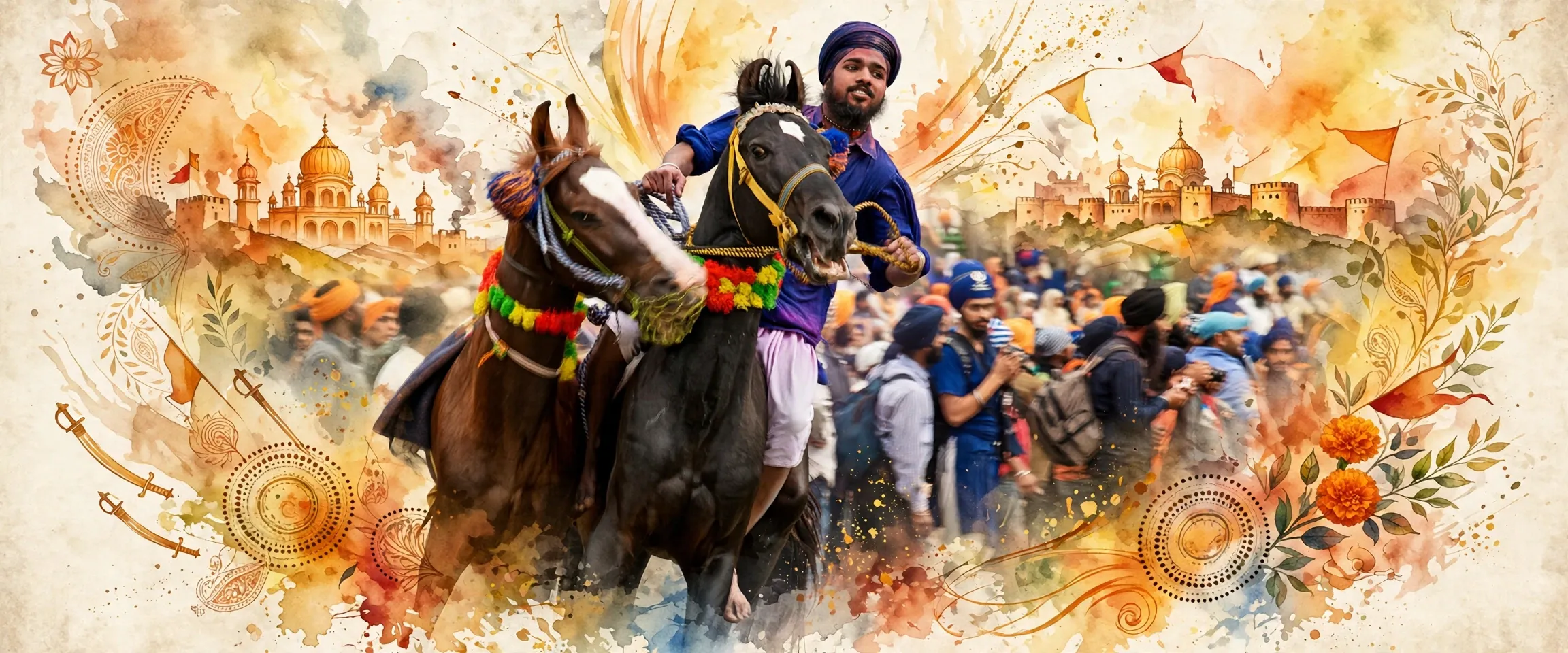
ਚੜ੍ਹਦੀ ਕਲਾ ਸਿੱਖਾਂ ਦੀ ਸਦਾ ਉੱਠਦੀ ਭਾਵਨਾ ਦੀ ਹਾਲਤ ਹੈ। ਇਹ ਸਦੀਵੀ ਆਸ਼ਾਵਾਦ, ਸਹਿਣਸ਼ੀਲਤਾ ਅਤੇ ਖੁਸ਼ੀ ਹੈ ਜੋ ਔਖ ਵਿੱਚ ਵੀ ਬਣੀ ਰਹਿੰਦੀ ਹੈ, ਰੱਬ ਦੀ ਰਜ਼ਾ, ਭਾਣੇ, ਨਾਲ ਸੰਤੁਸ਼ਟੀ ਦੇ ਨਿਸ਼ਾਨ ਵਜੋਂ। ਸਿੱਖ ਹਰ ਰੋਜ਼ ਅਰਦਾਸ ਦੇ ਅੰਤ ਵਿੱਚ ਨਾਨਕ ਨਾਮ ਚੜ੍ਹਦੀ ਕਲਾ, ਤੇਰੇ ਭਾਣੇ ਸਰਬੱਤ ਦਾ ਭਲਾ ਸਤਰ ਨਾਲ ਇਸ ਲਈ ਅਰਦਾਸ ਕਰਦੇ ਹਨ। ਇਸ ਨੂੰ ਨਾਮ, ਰੱਬ ਦੀ ਯਾਦ, ਤੋਂ ਸ਼ਕਤੀ ਮਿਲਦੀ ਹੈ, ਅਤੇ ਇਹ ਬਾਹਰ ਵੱਲ ਦੂਜਿਆਂ ਦੀ ਮਦਦ ਵਿੱਚ ਬਦਲਦੀ ਹੈ।
- ਪੰਜਾਬੀ ਨਾਂ
- ਚੜ੍ਹਦੀ ਕਲਾ
- ਅਨੁਵਾਦ
- ਸਦਾ ਉੱਠਦੀ ਭਾਵਨਾ, ਸਦੀਵੀ ਆਸ਼ਾਵਾਦ
- ਸ਼ਾਬਦਿਕ ਅਰਥ
- ਚੜ੍ਹਦੀ, ਉੱਪਰ ਉੱਠਦੀ ਊਰਜਾ
- ਹੋਰ ਸਪੈਲਿੰਗ
- ਚੜ੍ਹਦੀਕਲਾ
- ਕਿੱਥੇ ਸੁਣੀ ਜਾਂਦੀ ਹੈ
- ਅਰਦਾਸ ਦੀ ਆਖਰੀ ਸਤਰ ਵਿੱਚ, ਸਿੱਖ ਅਰਦਾਸ
- ਅਰਦਾਸ ਦੀ ਸਤਰ
- ਨਾਨਕ ਨਾਮ ਚੜ੍ਹਦੀ ਕਲਾ, ਤੇਰੇ ਭਾਣੇ ਸਰਬੱਤ ਦਾ ਭਲਾ
All 9 facts
- ਸ਼ਕਤੀ ਕਿੱਥੋਂ ਮਿਲਦੀ ਹੈ
- ਨਾਮ, ਰੱਬ ਦੀ ਯਾਦ
- ਜੁੜੀ ਸਿੱਖਿਆ
- ਭਾਣਾ, ਰੱਬ ਦੀ ਰਜ਼ਾ ਨੂੰ ਸਵੀਕਾਰਨਾ
- ਬਾਹਰ ਕਿਸ ਵਿੱਚ ਬਦਲਦੀ ਹੈ
- ਸੇਵਾ ਅਤੇ ਸਰਬੱਤ ਦਾ ਭਲਾ, ਸਭ ਦੀ ਭਲਾਈ
Chardi Kala is a Punjabi phrase at the heart of the Sikh way of life. It names a spirit that keeps rising: optimism that does not collapse in hardship, cheerfulness that is not shaken by loss, and courage that keeps a person working for good when circumstances argue for despair. A Sikh is expected to live in this state not only when life is easy, but especially when it is hard.
What does Chardi Kala mean?
Chardi Kala means ever rising spirits, or a state of eternal optimism, resilience and joy. The Encyclopaedia of Sikhism, in its entry by Jaswant Singh Neki, explains the words piece by piece: chardi, in Punjabi, means rising, ascending or soaring, and kala, a word of Sanskrit origin, carries energy as one of its main meanings. Put together, the phrase means an intensely energised, ever ascending state of the spirit of a person or of a whole community. It is also translated more simply as positive attitude, ascending energy, or being in high spirits.
That rising state has a clear shape in the sources. It is marked by faith, confidence, cheerfulness, courage, fortitude and discipline, and by a readiness to uphold cherished ideals and do the work in front of you even in the face of the most daunting challenge. In Chardi Kala a person is described as free of fear, jealousy and enmity, and full instead of joy, satisfaction and self dignity. It also carries confidence that truth will in the end prevail over falsehood and good over evil.
The closing line of Ardas
Most Sikhs meet Chardi Kala first as a prayer, because it is asked for every day. The Sikh congregational prayer, ਅਰਦਾਸ, ends with a line that may not be altered: Nanak Naam Chardi Kala, Tere Bhane Sarbat Da Bhala. In plain words: through the Name of Nanak, may the spirit keep rising, and in Your will, may there be welfare for all. SikhiWiki calls Chardi Kala the cherished ideal mood which the Gurus preached and for which a Sikh daily prays in Ardas.
Notice where the line ends. It does not end with the person praying. It ends with Sarbat Da Bhala, the welfare of all. Chardi Kala is therefore never a private mood kept for oneself. The same breath that asks for a rising spirit asks for good for everyone, including people outside the faith and outside the room. That ending shapes everything else on this page: the rising spirit is measured by what it does for others.
Roots in the teaching of the Gurus
The roots of Chardi Kala lie in Guru Nanak Dev Ji's teaching on Naam and Bhana. Sikhs believe in the will of God, called Bhana or Hukam, and believe that God is without enemies, Nirvair, and always merciful. From that belief comes the practice at the centre of this concept: accept the divine will even in severe hardship, stay connected to ਨਾਮ ਜਪਣਾ, remembrance of God, and work through the hardship for the betterment of others. SikhNet summarises Guru Nanak Dev Ji's teaching in this way: pain and pleasure are both received from God, and the believer stays connected to the Name in both.
Later Gurus lived the teaching under pressure. Sikh tradition remembers Guru Arjan Dev Ji, the fifth Guru, accepting his suffering with the words Tera Bhana Meetha Lage, meaning Your will is sweet to me, as SikhNet recounts. The Encyclopaedia of Sikhism gives a memorable proclamation from Guru Gobind Singh Ji in the hardest days of a lonely forest journey after the battles around Anandpur Sahib and Chamkaur, in words rendered in English as a preference for sleeping on bare ground with God over comfortable living apart from Him. SikhNet also recalls Guru Gobind Singh Ji after the loss of his four sons at Chamkaur, pointing to the thousands of Sikhs who still lived. The point of these memories inside the community is not that loss is small. It is that the spirit is not surrendered to it.
The Encyclopaedia also describes how, in periods when Sikhs were driven from their homes, the community forged a whole humorous vocabulary for its own hardships, making light of privations rather than giving in to them. That humour is part of the concept's history: Chardi Kala has often been carried by ordinary Sikhs together, as a shared discipline, and not only by the Gurus as teachers.
More than positive thinking
Chardi Kala is often compared with positive thinking, but the sources show why it is not the same thing. It does not deny pain, and it does not ask anyone to pretend that suffering is easy or that a loss is not a loss. Its optimism rests on two anchors that simple positive thinking does not have. The first is Naam: SikhiWiki describes Naam as the powerhouse of Chardi Kala, the unlimited energy or life force from which the rising state is drawn, renewed through remembrance and prayer. The second is Bhana: because hardship is received within the will of a merciful God, it can be faced with as little harm as possible instead of with panic, hatred or despair.
That is why Chardi Kala joins inward faith to outward action. A person in this state is ready to act, pursues the ideals they cherish, does a good deed without making a noise about it, and moves on to the next one. In Sikh life that readiness takes familiar forms: ਕਿਰਤ ਕਰੋ, honest work, and ਵੰਡ ਛਕਣਾ, sharing what you have with others. Wikipedia makes the same link in plain terms: this attitude involves joining and helping others in their hour of need. Optimism that does not help anyone is, by this measure, not yet Chardi Kala.
How is Chardi Kala lived today?
Today Chardi Kala is lived first in small, daily ways. It is heard in the closing line of Ardas in gurdwaras around the world, used as a greeting and an answer when Punjabis ask after one another, and spoken at funerals, in hospital wards and after bad news as a way of saying that the family and the community will carry on together. Children grow up hearing the phrase before they can explain it, and many Sikhs in the diaspora reach for it precisely because it holds home, faith and resolve in two words.
It is also visible in service. SikhNet notes that, based on this philosophy, the community gives time to seva, selfless service, in community kitchens, in free aid during disasters and in support for people in need. The langar hall is the everyday picture of this: the rising spirit is not announced, it is cooked, served and washed up. When Sikhs respond to floods, earthquakes or a local crisis by feeding strangers, they and their neighbours often name that response Chardi Kala, because the help arrives without despair and without asking who deserves it.
For a reader who wants the practice and not only the idea, the sources point to a simple pattern. Remember God through Naam, accept what cannot be changed as Bhana without giving up, keep the company of people who lift the spirit, work honestly, share what you have, and help the next person in need. That pattern is why teachers describe Chardi Kala as a way of life rather than a slogan. It begins in the mind, but it is proved, day after day, in conduct, and its final test is the line it comes from: Sarbat Da Bhala, the welfare of all. Read next: ਅਰਦਾਸ, ਨਾਮ ਜਪਣਾ and ਗੁਰੂ ਗੋਬਿੰਦ ਸਿੰਘ ਜੀ ਨੇ.
ਚੜ੍ਹਦੀ ਕਲਾ ਪੰਜਾਬੀ ਦਾ ਉਹ ਵਾਕੰਸ਼ ਹੈ ਜੋ ਸਿੱਖ ਜੀਵਨ ਢੰਗ ਦੇ ਕੇਂਦਰ ਵਿੱਚ ਹੈ। ਇਹ ਉਸ ਭਾਵਨਾ ਦਾ ਨਾਂ ਹੈ ਜੋ ਸਦਾ ਉੱਠਦੀ ਰਹਿੰਦੀ ਹੈ। ਇਹ ਉਹ ਆਸ਼ਾਵਾਦ ਹੈ ਜੋ ਔਖ ਵਿੱਚ ਢਹਿ ਨਹੀਂ ਜਾਂਦਾ, ਉਹ ਖੁਸ਼ਦਿਲੀ ਹੈ ਜੋ ਨੁਕਸਾਨ ਨਾਲ ਹਿੱਲਦੀ ਨਹੀਂ, ਅਤੇ ਉਹ ਹਿੰਮਤ ਹੈ ਜੋ ਮਨੁੱਖ ਨੂੰ ਉਸ ਵੇਲੇ ਵੀ ਭਲੇ ਲਈ ਕੰਮ ਕਰਦੇ ਰਹਿਣ ਦਿੰਦੀ ਹੈ ਜਦੋਂ ਹਾਲਾਤ ਨਿਰਾਸ਼ਾ ਵੱਲ ਧੱਕਦੇ ਹਨ। ਸਿੱਖ ਤੋਂ ਆਸ ਕੀਤੀ ਜਾਂਦੀ ਹੈ ਕਿ ਉਹ ਇਸ ਹਾਲਤ ਵਿੱਚ ਕੇਵਲ ਸੌਖੇ ਸਮੇਂ ਵਿੱਚ ਨਹੀਂ, ਸਗੋਂ ਖਾਸ ਕਰਕੇ ਔਖੇ ਸਮੇਂ ਵਿੱਚ ਜੀਵੇ।
ਚੜ੍ਹਦੀ ਕਲਾ ਦਾ ਕੀ ਅਰਥ ਹੈ?
ਚੜ੍ਹਦੀ ਕਲਾ ਦਾ ਅਰਥ ਹੈ ਸਦਾ ਉੱਠਦੀ ਭਾਵਨਾ, ਜਾਂ ਸਦੀਵੀ ਆਸ਼ਾਵਾਦ, ਸਹਿਣਸ਼ੀਲਤਾ ਅਤੇ ਖੁਸ਼ੀ ਦੀ ਹਾਲਤ। ਸਿੱਖ ਧਰਮ ਦਾ ਵਿਸ਼ਵਕੋਸ਼ ਆਪਣੀ ਐਂਟਰੀ ਵਿੱਚ, ਜੋ ਜਸਵੰਤ ਸਿੰਘ ਨੇਕੀ ਦੀ ਲਿਖੀ ਹੈ, ਸ਼ਬਦਾਂ ਨੂੰ ਹਿੱਸਿਆਂ ਵਿੱਚ ਸਮਝਾਉਂਦਾ ਹੈ। ਚੜ੍ਹਦੀ ਦਾ ਅਰਥ ਪੰਜਾਬੀ ਵਿੱਚ ਹੈ ਉੱਠਦਾ, ਚੜ੍ਹਦਾ ਜਾਂ ਉੱਡਦਾ ਹੋਇਆ, ਅਤੇ ਕਲਾ ਸੰਸਕ੍ਰਿਤ ਮੂਲ ਦਾ ਸ਼ਬਦ ਹੈ ਜਿਸ ਦੇ ਮੁੱਖ ਅਰਥਾਂ ਵਿੱਚੋਂ ਇੱਕ ਊਰਜਾ ਹੈ। ਦੋਵੇਂ ਮਿਲ ਕੇ ਵਾਕੰਸ਼ ਦਾ ਅਰਥ ਬਣਦਾ ਹੈ ਕਿਸੇ ਮਨੁੱਖ ਜਾਂ ਸਾਰੇ ਭਾਈਚਾਰੇ ਦੀ ਤੀਬਰ ਊਰਜਾ ਵਾਲੀ, ਸਦਾ ਉੱਪਰ ਚੜ੍ਹਦੀ ਆਤਮਕ ਹਾਲਤ। ਇਸ ਨੂੰ ਸੌਖੇ ਸ਼ਬਦਾਂ ਵਿੱਚ ਸਕਾਰਾਤਮਕ ਰਵੱਈਆ, ਚੜ੍ਹਦੀ ਊਰਜਾ, ਜਾਂ ਉੱਚੀ ਭਾਵਨਾ ਵਿੱਚ ਹੋਣਾ ਵੀ ਕਿਹਾ ਜਾਂਦਾ ਹੈ।
ਸੋਮਿਆਂ ਵਿੱਚ ਇਸ ਉੱਠਦੀ ਹਾਲਤ ਦਾ ਰੂਪ ਸਾਫ਼ ਦੱਸਿਆ ਗਿਆ ਹੈ। ਇਸ ਦੇ ਨਿਸ਼ਾਨ ਹਨ ਭਰੋਸਾ, ਆਤਮ ਵਿਸ਼ਵਾਸ, ਖੁਸ਼ਦਿਲੀ, ਹਿੰਮਤ, ਧੀਰਜ ਅਤੇ ਅਨੁਸ਼ਾਸਨ, ਨਾਲ ਹੀ ਪਿਆਰੇ ਆਦਰਸ਼ਾਂ ਨੂੰ ਕਾਇਮ ਰੱਖਣ ਅਤੇ ਸਭ ਤੋਂ ਔਖੀ ਚੁਣੌਤੀ ਦੇ ਸਾਹਮਣੇ ਵੀ ਸਾਹਮਣੇ ਪਿਆ ਕੰਮ ਕਰਨ ਦੀ ਤਿਆਰੀ। ਚੜ੍ਹਦੀ ਕਲਾ ਵਿੱਚ ਮਨੁੱਖ ਨੂੰ ਡਰ, ਈਰਖਾ ਅਤੇ ਵੈਰ ਤੋਂ ਮੁਕਤ ਦੱਸਿਆ ਗਿਆ ਹੈ, ਅਤੇ ਇਸ ਦੀ ਥਾਂ ਉਸ ਵਿੱਚ ਖੁਸ਼ੀ, ਸੰਤੁਸ਼ਟੀ ਅਤੇ ਆਤਮ ਮਾਣ ਹੁੰਦੇ ਹਨ। ਇਸ ਵਿੱਚ ਇਹ ਭਰੋਸਾ ਵੀ ਹੈ ਕਿ ਅੰਤ ਵਿੱਚ ਸੱਚ ਝੂਠ ਉੱਤੇ ਅਤੇ ਭਲਾ ਬੁਰੇ ਉੱਤੇ ਜਿੱਤੇਗਾ।
ਅਰਦਾਸ ਦੀ ਆਖਰੀ ਸਤਰ
ਬਹੁਤੇ ਸਿੱਖ ਚੜ੍ਹਦੀ ਕਲਾ ਨੂੰ ਪਹਿਲਾਂ ਅਰਦਾਸ ਵਜੋਂ ਮਿਲਦੇ ਹਨ, ਕਿਉਂਕਿ ਇਹ ਹਰ ਰੋਜ਼ ਮੰਗੀ ਜਾਂਦੀ ਹੈ। ਸਿੱਖਾਂ ਦੀ ਸੰਗਤੀ ਅਰਦਾਸ ਉਸ ਸਤਰ ਨਾਲ ਮੁੱਕਦੀ ਹੈ ਜਿਸ ਨੂੰ ਬਦਲਿਆ ਨਹੀਂ ਜਾ ਸਕਦਾ। ਨਾਨਕ ਨਾਮ ਚੜ੍ਹਦੀ ਕਲਾ, ਤੇਰੇ ਭਾਣੇ ਸਰਬੱਤ ਦਾ ਭਲਾ। ਸਾਦੇ ਸ਼ਬਦਾਂ ਵਿੱਚ ਇਸ ਦਾ ਅਰਥ ਹੈ ਕਿ ਨਾਨਕ ਦੇ ਨਾਮ ਰਾਹੀਂ ਭਾਵਨਾ ਸਦਾ ਉੱਠਦੀ ਰਹੇ, ਅਤੇ ਤੇਰੇ ਭਾਣੇ ਵਿੱਚ ਸਭ ਦਾ ਭਲਾ ਹੋਵੇ। ਸਿੱਖੀਵਿਕੀ ਚੜ੍ਹਦੀ ਕਲਾ ਨੂੰ ਉਹ ਪਿਆਰਾ ਆਦਰਸ਼ ਮਨੋਭਾਵ ਕਹਿੰਦਾ ਹੈ ਜਿਸ ਦਾ ਉਪਦੇਸ਼ ਗੁਰੂਆਂ ਨੇ ਦਿੱਤਾ ਅਤੇ ਜਿਸ ਲਈ ਸਿੱਖ ਹਰ ਰੋਜ਼ ਆਪਣੀ ਅਰਦਾਸ ਵਿੱਚ ਅਰਦਾਸ ਕਰਦਾ ਹੈ।
ਧਿਆਨ ਦਿਓ ਕਿ ਸਤਰ ਕਿੱਥੇ ਮੁੱਕਦੀ ਹੈ। ਇਹ ਅਰਦਾਸ ਕਰਨ ਵਾਲੇ ਮਨੁੱਖ ਉੱਤੇ ਨਹੀਂ ਮੁੱਕਦੀ। ਇਹ ਸਰਬੱਤ ਦਾ ਭਲਾ ਉੱਤੇ ਮੁੱਕਦੀ ਹੈ, ਜਿਸ ਦਾ ਅਰਥ ਹੈ ਸਭ ਦੀ ਭਲਾਈ। ਇਸ ਲਈ ਚੜ੍ਹਦੀ ਕਲਾ ਕਦੇ ਵੀ ਆਪਣੇ ਲਈ ਰੱਖਿਆ ਨਿੱਜੀ ਮਨੋਭਾਵ ਨਹੀਂ ਹੈ। ਜੋ ਸਾਹ ਉੱਠਦੀ ਭਾਵਨਾ ਮੰਗਦਾ ਹੈ ਉਹੀ ਸਾਹ ਹਰ ਕਿਸੇ ਲਈ ਭਲਾ ਮੰਗਦਾ ਹੈ, ਉਨ੍ਹਾਂ ਲਈ ਵੀ ਜੋ ਇਸ ਧਰਮ ਤੋਂ ਬਾਹਰ ਹਨ ਅਤੇ ਉਸ ਕਮਰੇ ਤੋਂ ਬਾਹਰ ਹਨ। ਇਹ ਅੰਤ ਇਸ ਪੰਨੇ ਦੀ ਹਰ ਹੋਰ ਗੱਲ ਨੂੰ ਰੂਪ ਦਿੰਦਾ ਹੈ। ਉੱਠਦੀ ਭਾਵਨਾ ਇਸ ਗੱਲ ਤੋਂ ਮਾਪੀ ਜਾਂਦੀ ਹੈ ਕਿ ਉਹ ਦੂਜਿਆਂ ਲਈ ਕੀ ਕਰਦੀ ਹੈ।
ਗੁਰੂਆਂ ਦੀ ਸਿੱਖਿਆ ਵਿੱਚ ਜੜ੍ਹਾਂ
ਚੜ੍ਹਦੀ ਕਲਾ ਦੀਆਂ ਜੜ੍ਹਾਂ ਗੁਰੂ ਨਾਨਕ ਦੇਵ ਜੀ ਦੀ ਨਾਮ ਅਤੇ ਭਾਣੇ ਬਾਰੇ ਸਿੱਖਿਆ ਵਿੱਚ ਹਨ। ਸਿੱਖ ਰੱਬ ਦੀ ਰਜ਼ਾ ਵਿੱਚ ਭਰੋਸਾ ਰੱਖਦੇ ਹਨ, ਜਿਸ ਨੂੰ ਭਾਣਾ ਜਾਂ ਹੁਕਮ ਕਿਹਾ ਜਾਂਦਾ ਹੈ, ਅਤੇ ਮੰਨਦੇ ਹਨ ਕਿ ਰੱਬ ਵੈਰ ਤੋਂ ਰਹਿਤ ਹੈ, ਨਿਰਵੈਰ ਹੈ, ਅਤੇ ਸਦਾ ਦਿਆਲੂ ਹੈ। ਇਸ ਭਰੋਸੇ ਤੋਂ ਉਹ ਅਭਿਆਸ ਆਉਂਦਾ ਹੈ ਜੋ ਇਸ ਸੰਕਲਪ ਦੇ ਕੇਂਦਰ ਵਿੱਚ ਹੈ। ਬੁਰੀ ਤੋਂ ਬੁਰੀ ਔਖ ਵਿੱਚ ਵੀ ਰੱਬ ਦੀ ਰਜ਼ਾ ਨੂੰ ਸਵੀਕਾਰੋ, ਨਾਮ ਜਪਣਾ ਰਾਹੀਂ ਰੱਬ ਦੀ ਯਾਦ ਨਾਲ ਜੁੜੇ ਰਹੋ, ਅਤੇ ਦੂਜਿਆਂ ਦੀ ਭਲਾਈ ਲਈ ਉਸ ਔਖ ਵਿੱਚੋਂ ਕੰਮ ਕਰਦੇ ਲੰਘੋ। ਸਿੱਖਨੈੱਟ ਗੁਰੂ ਨਾਨਕ ਦੇਵ ਜੀ ਦੀ ਸਿੱਖਿਆ ਨੂੰ ਇਸ ਤਰ੍ਹਾਂ ਸੰਖੇਪ ਕਰਦਾ ਹੈ ਕਿ ਦੁੱਖ ਅਤੇ ਸੁੱਖ ਦੋਵੇਂ ਰੱਬ ਕੋਲੋਂ ਮਿਲਦੇ ਹਨ, ਅਤੇ ਭਗਤ ਦੋਵਾਂ ਵਿੱਚ ਨਾਮ ਨਾਲ ਜੁੜਿਆ ਰਹਿੰਦਾ ਹੈ।
ਬਾਅਦ ਵਾਲੇ ਗੁਰੂਆਂ ਨੇ ਦਬਾਅ ਹੇਠ ਇਸ ਸਿੱਖਿਆ ਨੂੰ ਜੀਵਿਆ। ਸਿੱਖ ਪਰੰਪਰਾ ਗੁਰੂ ਅਰਜਨ ਦੇਵ ਜੀ ਨੂੰ ਯਾਦ ਕਰਦੀ ਹੈ, ਪੰਜਵੇਂ ਗੁਰੂ, ਜਿਨ੍ਹਾਂ ਨੇ ਆਪਣੀ ਤਕਲੀਫ਼ ਨੂੰ ਤੇਰਾ ਭਾਣਾ ਮੀਠਾ ਲਾਗੇ ਸ਼ਬਦਾਂ ਨਾਲ ਸਵੀਕਾਰ ਕੀਤਾ, ਜਿਸ ਦਾ ਅਰਥ ਹੈ ਤੇਰੀ ਰਜ਼ਾ ਮੈਨੂੰ ਮਿੱਠੀ ਲੱਗਦੀ ਹੈ, ਜਿਵੇਂ ਸਿੱਖਨੈੱਟ ਦੱਸਦਾ ਹੈ। ਸਿੱਖ ਧਰਮ ਦਾ ਵਿਸ਼ਵਕੋਸ਼ ਗੁਰੂ ਗੋਬਿੰਦ ਸਿੰਘ ਜੀ ਦਾ ਉਹ ਯਾਦਗਾਰੀ ਬੋਲ ਦਿੰਦਾ ਹੈ ਜੋ ਅਨੰਦਪੁਰ ਸਾਹਿਬ ਅਤੇ ਚਮਕੌਰ ਦੇ ਆਲੇ ਦੁਆਲੇ ਦੀਆਂ ਲੜਾਈਆਂ ਤੋਂ ਬਾਅਦ ਇਕੱਲੇ ਜੰਗਲ ਸਫ਼ਰ ਦੇ ਸਭ ਤੋਂ ਔਖੇ ਦਿਨਾਂ ਵਿੱਚ ਕਿਹਾ ਗਿਆ, ਜਿਸ ਦਾ ਭਾਵ ਅੰਗਰੇਜ਼ੀ ਵਿੱਚ ਇਸ ਤਰ੍ਹਾਂ ਦਿੱਤਾ ਜਾਂਦਾ ਹੈ ਕਿ ਰੱਬ ਨਾਲ ਨੰਗੀ ਧਰਤੀ ਉੱਤੇ ਸੌਣਾ ਉਸ ਦੇ ਬਿਨਾਂ ਸੁਖਾਲੇ ਜੀਵਨ ਨਾਲੋਂ ਚੰਗਾ ਹੈ। ਸਿੱਖਨੈੱਟ ਚਮਕੌਰ ਵਿਖੇ ਆਪਣੇ ਚਾਰ ਪੁੱਤਰਾਂ ਦੇ ਨੁਕਸਾਨ ਤੋਂ ਬਾਅਦ ਗੁਰੂ ਗੋਬਿੰਦ ਸਿੰਘ ਜੀ ਨੂੰ ਵੀ ਯਾਦ ਕਰਦਾ ਹੈ, ਜਿਨ੍ਹਾਂ ਨੇ ਉਨ੍ਹਾਂ ਹਜ਼ਾਰਾਂ ਸਿੱਖਾਂ ਵੱਲ ਇਸ਼ਾਰਾ ਕੀਤਾ ਜੋ ਅਜੇ ਜਿਉਂਦੇ ਸਨ। ਭਾਈਚਾਰੇ ਦੇ ਅੰਦਰ ਇਨ੍ਹਾਂ ਯਾਦਾਂ ਦਾ ਮਤਲਬ ਇਹ ਨਹੀਂ ਕਿ ਨੁਕਸਾਨ ਛੋਟਾ ਹੈ। ਮਤਲਬ ਇਹ ਹੈ ਕਿ ਭਾਵਨਾ ਨੁਕਸਾਨ ਅੱਗੇ ਹਾਰ ਨਹੀਂ ਮੰਨਦੀ।
ਵਿਸ਼ਵਕੋਸ਼ ਇਹ ਵੀ ਦੱਸਦਾ ਹੈ ਕਿ ਜਿਨ੍ਹਾਂ ਸਮਿਆਂ ਵਿੱਚ ਸਿੱਖਾਂ ਨੂੰ ਘਰਾਂ ਤੋਂ ਕੱਢਿਆ ਗਿਆ, ਭਾਈਚਾਰੇ ਨੇ ਆਪਣੀਆਂ ਔਖਾਂ ਲਈ ਪੂਰੀ ਹਾਸੇ ਵਾਲੀ ਸ਼ਬਦਾਵਲੀ ਬਣਾ ਲਈ, ਜੋ ਤੰਗੀਆਂ ਨੂੰ ਹਲਕਾ ਕਰਕੇ ਦੱਸਦੀ ਸੀ ਅਤੇ ਹਾਰ ਮੰਨਣ ਤੋਂ ਇਨਕਾਰ ਕਰਦੀ ਸੀ। ਉਹ ਹਾਸਾ ਇਸ ਸੰਕਲਪ ਦੇ ਇਤਿਹਾਸ ਦਾ ਹਿੱਸਾ ਹੈ। ਚੜ੍ਹਦੀ ਕਲਾ ਅਕਸਰ ਆਮ ਸਿੱਖਾਂ ਨੇ ਇਕੱਠਿਆਂ ਚੁੱਕੀ ਹੈ, ਸਾਂਝੇ ਅਨੁਸ਼ਾਸਨ ਵਜੋਂ, ਅਤੇ ਕੇਵਲ ਗੁਰੂਆਂ ਨੇ ਸਿਖਾਉਣ ਵਾਲਿਆਂ ਵਜੋਂ ਨਹੀਂ।
ਸਕਾਰਾਤਮਕ ਸੋਚ ਤੋਂ ਵੱਧ
ਚੜ੍ਹਦੀ ਕਲਾ ਦੀ ਤੁਲਨਾ ਅਕਸਰ ਸਕਾਰਾਤਮਕ ਸੋਚ ਨਾਲ ਕੀਤੀ ਜਾਂਦੀ ਹੈ, ਪਰ ਸੋਮੇ ਦੱਸਦੇ ਹਨ ਕਿ ਇਹ ਉਹੀ ਚੀਜ਼ ਕਿਉਂ ਨਹੀਂ ਹੈ। ਇਹ ਦਰਦ ਤੋਂ ਇਨਕਾਰ ਨਹੀਂ ਕਰਦੀ, ਅਤੇ ਇਹ ਕਿਸੇ ਨੂੰ ਇਹ ਵਿਖਾਉਣ ਲਈ ਨਹੀਂ ਕਹਿੰਦੀ ਕਿ ਤਕਲੀਫ਼ ਸੌਖੀ ਹੈ ਜਾਂ ਨੁਕਸਾਨ ਨੁਕਸਾਨ ਨਹੀਂ ਹੈ। ਇਸ ਦਾ ਆਸ਼ਾਵਾਦ ਦੋ ਥੰਮ੍ਹਾਂ ਉੱਤੇ ਟਿਕਿਆ ਹੈ ਜੋ ਸਾਦੀ ਸਕਾਰਾਤਮਕ ਸੋਚ ਕੋਲ ਨਹੀਂ ਹਨ। ਪਹਿਲਾ ਹੈ ਨਾਮ। ਸਿੱਖੀਵਿਕੀ ਨਾਮ ਨੂੰ ਚੜ੍ਹਦੀ ਕਲਾ ਦਾ ਸ਼ਕਤੀ ਘਰ ਕਹਿੰਦਾ ਹੈ, ਉਹ ਅਸੀਮ ਊਰਜਾ ਜਾਂ ਜੀਵਨ ਸ਼ਕਤੀ ਜਿਸ ਤੋਂ ਉੱਠਦੀ ਹਾਲਤ ਆਉਂਦੀ ਹੈ ਅਤੇ ਜੋ ਯਾਦ ਅਤੇ ਅਰਦਾਸ ਰਾਹੀਂ ਤਾਜ਼ਾ ਹੁੰਦੀ ਹੈ। ਦੂਜਾ ਹੈ ਭਾਣਾ। ਕਿਉਂਕਿ ਔਖ ਦਿਆਲੂ ਰੱਬ ਦੀ ਰਜ਼ਾ ਵਿੱਚ ਮਿਲੀ ਸਮਝੀ ਜਾਂਦੀ ਹੈ, ਇਸ ਦਾ ਸਾਹਮਣਾ ਘਬਰਾਹਟ, ਨਫ਼ਰਤ ਜਾਂ ਨਿਰਾਸ਼ਾ ਦੀ ਥਾਂ ਜਿੰਨਾ ਸੰਭਵ ਹੋਵੇ ਘੱਟ ਨੁਕਸਾਨ ਨਾਲ ਕੀਤਾ ਜਾ ਸਕਦਾ ਹੈ।
ਇਸੇ ਲਈ ਚੜ੍ਹਦੀ ਕਲਾ ਅੰਦਰਲੇ ਭਰੋਸੇ ਨੂੰ ਬਾਹਰਲੇ ਕੰਮ ਨਾਲ ਜੋੜਦੀ ਹੈ। ਇਸ ਹਾਲਤ ਵਿੱਚ ਮਨੁੱਖ ਕੰਮ ਲਈ ਤਿਆਰ ਹੁੰਦਾ ਹੈ, ਆਪਣੇ ਪਿਆਰੇ ਆਦਰਸ਼ਾਂ ਦਾ ਪਿੱਛਾ ਕਰਦਾ ਹੈ, ਬਿਨਾਂ ਸ਼ੋਰ ਕੀਤੇ ਭਲਾ ਕੰਮ ਕਰਦਾ ਹੈ, ਅਤੇ ਅਗਲੇ ਕੰਮ ਵੱਲ ਵਧ ਜਾਂਦਾ ਹੈ। ਸਿੱਖ ਜੀਵਨ ਵਿੱਚ ਇਹ ਤਿਆਰੀ ਜਾਣੇ ਪਛਾਣੇ ਰੂਪ ਲੈਂਦੀ ਹੈ। ਕਿਰਤ ਕਰੋ, ਇਮਾਨਦਾਰ ਕਿਰਤ, ਅਤੇ ਵੰਡ ਛਕਣਾ, ਜੋ ਤੁਹਾਡੇ ਕੋਲ ਹੈ ਉਹ ਦੂਜਿਆਂ ਨਾਲ ਸਾਂਝਾ ਕਰਨਾ। ਵਿਕੀਪੀਡੀਆ ਵੀ ਇਹੀ ਸੰਬੰਧ ਸਾਦੇ ਸ਼ਬਦਾਂ ਵਿੱਚ ਦੱਸਦਾ ਹੈ ਕਿ ਇਸ ਰਵੱਈਏ ਵਿੱਚ ਦੂਜਿਆਂ ਨਾਲ ਜੁੜਨਾ ਅਤੇ ਉਨ੍ਹਾਂ ਦੀ ਲੋੜ ਦੇ ਸਮੇਂ ਵਿੱਚ ਮਦਦ ਕਰਨਾ ਸ਼ਾਮਲ ਹੈ। ਜੋ ਆਸ਼ਾਵਾਦ ਕਿਸੇ ਦੀ ਮਦਦ ਨਹੀਂ ਕਰਦਾ, ਇਸ ਮਾਪ ਨਾਲ, ਉਹ ਅਜੇ ਚੜ੍ਹਦੀ ਕਲਾ ਨਹੀਂ ਹੈ।
ਅੱਜ ਚੜ੍ਹਦੀ ਕਲਾ ਕਿਵੇਂ ਜੀਵੀ ਜਾਂਦੀ ਹੈ?
ਅੱਜ ਚੜ੍ਹਦੀ ਕਲਾ ਪਹਿਲਾਂ ਛੋਟੇ, ਰੋਜ਼ ਦੇ ਤਰੀਕਿਆਂ ਨਾਲ ਜੀਵੀ ਜਾਂਦੀ ਹੈ। ਇਹ ਦੁਨੀਆ ਭਰ ਦੇ ਗੁਰਦੁਆਰਿਆਂ ਵਿੱਚ ਅਰਦਾਸ ਦੀ ਆਖਰੀ ਸਤਰ ਵਿੱਚ ਸੁਣੀ ਜਾਂਦੀ ਹੈ, ਪੰਜਾਬੀਆਂ ਵੱਲੋਂ ਇੱਕ ਦੂਜੇ ਦਾ ਹਾਲ ਪੁੱਛਣ ਵੇਲੇ ਸਤਿਕਾਰ ਅਤੇ ਜਵਾਬ ਵਜੋਂ ਵਰਤੀ ਜਾਂਦੀ ਹੈ, ਅਤੇ ਅੰਤਿਮ ਸੰਸਕਾਰਾਂ, ਹਸਪਤਾਲਾਂ ਅਤੇ ਬੁਰੀ ਖ਼ਬਰ ਤੋਂ ਬਾਅਦ ਇਸ ਤਰ੍ਹਾਂ ਬੋਲੀ ਜਾਂਦੀ ਹੈ ਕਿ ਪਰਿਵਾਰ ਅਤੇ ਭਾਈਚਾਰਾ ਇਕੱਠੇ ਅੱਗੇ ਵਧਣਗੇ। ਬੱਚੇ ਇਸ ਵਾਕੰਸ਼ ਨੂੰ ਸਮਝਾਉਣ ਤੋਂ ਪਹਿਲਾਂ ਸੁਣ ਕੇ ਵੱਡੇ ਹੁੰਦੇ ਹਨ, ਅਤੇ ਪ੍ਰਵਾਸ ਵਿੱਚ ਬਹੁਤ ਸਾਰੇ ਸਿੱਖ ਇਸੇ ਲਈ ਇਸ ਨੂੰ ਫੜਦੇ ਹਨ ਕਿਉਂਕਿ ਇਹ ਦੋ ਸ਼ਬਦਾਂ ਵਿੱਚ ਘਰ, ਭਰੋਸਾ ਅਤੇ ਹੌਸਲਾ ਰੱਖਦਾ ਹੈ।
ਇਹ ਸੇਵਾ ਵਿੱਚ ਵੀ ਦਿੱਸਦੀ ਹੈ। ਸਿੱਖਨੈੱਟ ਦੱਸਦਾ ਹੈ ਕਿ ਇਸ ਫ਼ਲਸਫ਼ੇ ਦੇ ਆਧਾਰ ਉੱਤੇ ਭਾਈਚਾਰਾ ਸੇਵਾ ਲਈ ਸਮਾਂ ਦਿੰਦਾ ਹੈ, ਨਿਰਸਵਾਰਥ ਸੇਵਾ, ਭਾਈਚਾਰਕ ਰਸੋਈਆਂ ਵਿੱਚ, ਆਫ਼ਤਾਂ ਦੌਰਾਨ ਮੁਫ਼ਤ ਮਦਦ ਵਿੱਚ ਅਤੇ ਲੋੜਵੰਦਾਂ ਦੀ ਸਹਾਇਤਾ ਵਿੱਚ। ਲੰਗਰ ਹਾਲ ਇਸ ਦੀ ਰੋਜ਼ ਦੀ ਤਸਵੀਰ ਹੈ। ਉੱਠਦੀ ਭਾਵਨਾ ਦਾ ਐਲਾਨ ਨਹੀਂ ਕੀਤਾ ਜਾਂਦਾ, ਇਹ ਪਕਾਈ ਜਾਂਦੀ ਹੈ, ਵਰਤਾਈ ਜਾਂਦੀ ਹੈ ਅਤੇ ਭਾਂਡੇ ਧੋ ਕੇ ਵਿਖਾਈ ਜਾਂਦੀ ਹੈ। ਜਦੋਂ ਸਿੱਖ ਹੜ੍ਹਾਂ, ਭੂਚਾਲਾਂ ਜਾਂ ਸਥਾਨਕ ਸੰਕਟ ਦਾ ਜਵਾਬ ਅਜਨਬੀਆਂ ਨੂੰ ਖਾਣਾ ਖੁਆ ਕੇ ਦਿੰਦੇ ਹਨ, ਤਾਂ ਉਹ ਅਤੇ ਉਨ੍ਹਾਂ ਦੇ ਗੁਆਂਢੀ ਅਕਸਰ ਉਸ ਜਵਾਬ ਨੂੰ ਚੜ੍ਹਦੀ ਕਲਾ ਕਹਿੰਦੇ ਹਨ, ਕਿਉਂਕਿ ਮਦਦ ਨਿਰਾਸ਼ਾ ਤੋਂ ਬਿਨਾਂ ਆਉਂਦੀ ਹੈ ਅਤੇ ਇਹ ਪੁੱਛੇ ਬਿਨਾਂ ਆਉਂਦੀ ਹੈ ਕਿ ਕੌਣ ਇਸ ਦੇ ਯੋਗ ਹੈ।
ਜੋ ਪਾਠਕ ਕੇਵਲ ਵਿਚਾਰ ਨਹੀਂ, ਅਭਿਆਸ ਚਾਹੁੰਦਾ ਹੈ, ਸੋਮੇ ਇੱਕ ਸਾਦਾ ਨਮੂਨਾ ਦੱਸਦੇ ਹਨ। ਨਾਮ ਰਾਹੀਂ ਰੱਬ ਨੂੰ ਯਾਦ ਕਰੋ, ਜੋ ਬਦਲਿਆ ਨਹੀਂ ਜਾ ਸਕਦਾ ਉਸ ਨੂੰ ਹਾਰ ਮੰਨੇ ਬਿਨਾਂ ਭਾਣੇ ਵਜੋਂ ਸਵੀਕਾਰੋ, ਉਨ੍ਹਾਂ ਲੋਕਾਂ ਦੀ ਸੰਗਤ ਰੱਖੋ ਜੋ ਭਾਵਨਾ ਉੱਚੀ ਕਰਦੇ ਹਨ, ਇਮਾਨਦਾਰੀ ਨਾਲ ਕੰਮ ਕਰੋ, ਜੋ ਤੁਹਾਡੇ ਕੋਲ ਹੈ ਉਹ ਸਾਂਝਾ ਕਰੋ, ਅਤੇ ਲੋੜ ਵਿੱਚ ਅਗਲੇ ਮਨੁੱਖ ਦੀ ਮਦਦ ਕਰੋ। ਇਹ ਨਮੂਨਾ ਹੀ ਕਾਰਨ ਹੈ ਕਿ ਅਧਿਆਪਕ ਚੜ੍ਹਦੀ ਕਲਾ ਨੂੰ ਨਾਅਰੇ ਦੀ ਥਾਂ ਜੀਵਨ ਢੰਗ ਕਹਿੰਦੇ ਹਨ। ਇਹ ਮਨ ਵਿੱਚ ਸ਼ੁਰੂ ਹੁੰਦੀ ਹੈ, ਪਰ ਇਹ ਦਿਨ ਪ੍ਰਤੀ ਦਿਨ ਆਚਰਣ ਵਿੱਚ ਸਾਬਤ ਹੁੰਦੀ ਹੈ, ਅਤੇ ਇਸ ਦੀ ਆਖਰੀ ਪਰਖ ਉਹੀ ਸਤਰ ਹੈ ਜਿਸ ਤੋਂ ਇਹ ਆਉਂਦੀ ਹੈ। ਸਰਬੱਤ ਦਾ ਭਲਾ, ਸਭ ਦੀ ਭਲਾਈ। ਅੱਗੇ ਪੜ੍ਹੋ। ਅਰਦਾਸ, ਨਾਮ ਜਪਣਾ ਅਤੇ ਗੁਰੂ ਗੋਬਿੰਦ ਸਿੰਘ ਜੀ।
More religion entries to explore
ਸਰੋਤ (4)
ਜੁਗਤੀ ਮੁਫ਼ਤ ਅਤੇ ਸੁਤੰਤਰ ਹੈ। ਪਾਠਕਾਂ ਦਾ ਸਹਿਯੋਗ ਕੋਸ਼ ਨੂੰ ਵਧਾਉਂਦਾ ਹੈ।
ਸਹਿਯੋਗ