
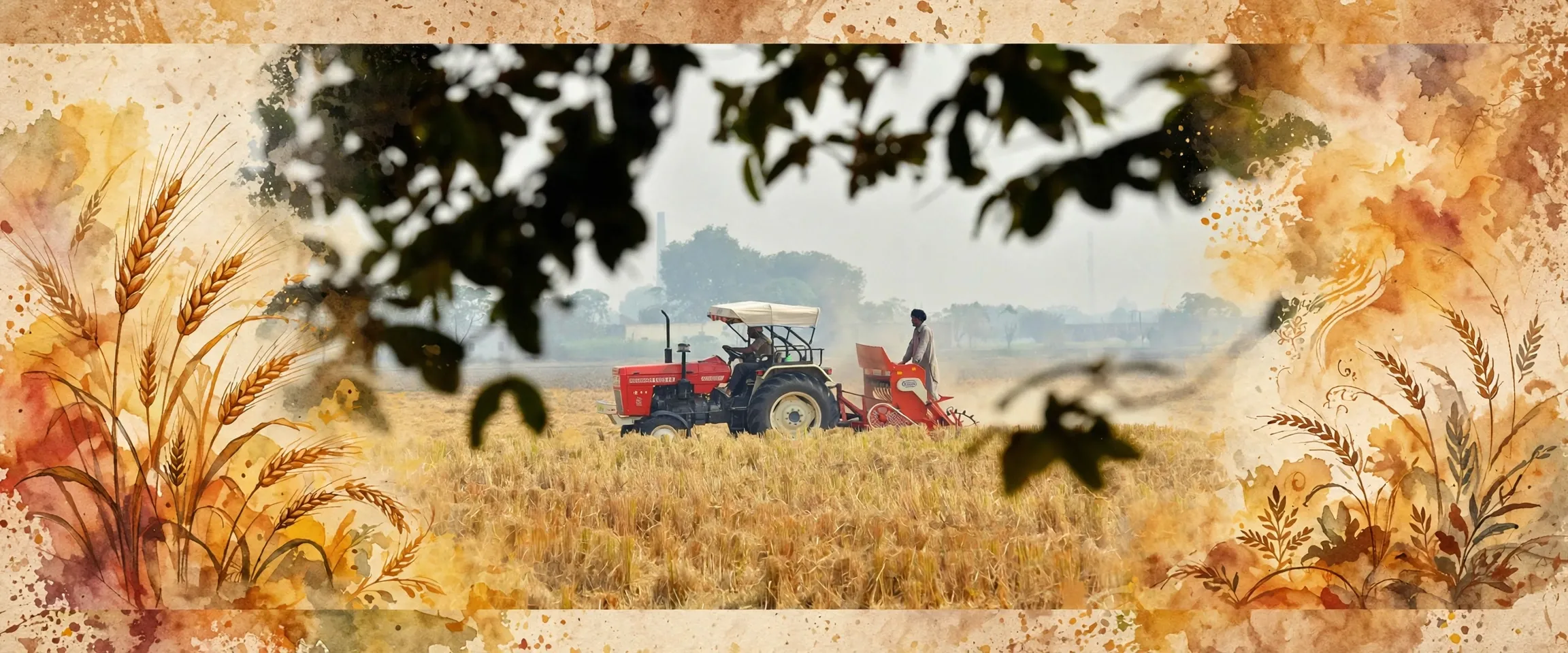
ਕਿਰਤ ਕਰੋ ਸਿੱਖ ਦਾ ਉਹ ਫ਼ਰਜ਼ ਹੈ ਜਿਸ ਵਿੱਚ ਆਪਣੀ ਸਰੀਰਕ ਅਤੇ ਮਾਨਸਿਕ ਮਿਹਨਤ ਨਾਲ, ਗ੍ਰਹਿਸਤੀ ਬਣ ਕੇ, ਬਿਨਾਂ ਧੋਖੇ ਅਤੇ ਸ਼ੋਸ਼ਣ ਦੇ ਇਮਾਨਦਾਰ ਰੋਜ਼ੀ ਕਮਾਈ ਜਾਂਦੀ ਹੈ। ਗੁਰੂ ਨਾਨਕ ਦੇਵ ਜੀ ਵੱਲੋਂ ਨਿਰਧਾਰਤ ਇਹ ਸਿੱਖ ਜੀਵਨ ਦੇ ਤਿੰਨ ਥੰਮ੍ਹਾਂ ਵਿੱਚੋਂ ਦੂਜਾ ਹੈ, ਨਾਮ ਜਪਣਾ ਅਤੇ ਵੰਡ ਛਕਣਾ ਦੇ ਵਿਚਕਾਰ।
- ਪੰਜਾਬੀ ਨਾਂ
- ਕਿਰਤ ਕਰੋ
- ਥੰਮ੍ਹ
- ਸਿੱਖ ਧਰਮ ਦੇ ਤਿੰਨ ਥੰਮ੍ਹਾਂ ਵਿੱਚੋਂ ਦੂਜਾ, ਗੁਰੂ ਨਾਨਕ ਦੇਵ ਜੀ ਵੱਲੋਂ ਨਿਰਧਾਰਤ
- ਹੋਰ ਲਿਖਤਾਂ
- ਕਿਰਤ ਕਰਣੀ, ਕਿਰਤ ਕਰਨਾ
- ਅਰਥ
- ਆਪਣੀ ਸਰੀਰਕ ਅਤੇ ਮਾਨਸਿਕ ਮਿਹਨਤ ਨਾਲ ਇਮਾਨਦਾਰ ਰੋਜ਼ੀ ਕਮਾਉਣੀ
- ਬਾਕੀ ਥੰਮ੍ਹ
- ਨਾਮ ਜਪਣਾ (ਪਰਮਾਤਮਾ ਨੂੰ ਯਾਦ ਕਰਨਾ) ਅਤੇ ਵੰਡ ਛਕਣਾ (ਵੰਡ ਕੇ ਖਾਣਾ)
- ਜੀਵਨ ਢੰਗ
- ਗ੍ਰਹਿਸਤੀ ਜੀਵਨ, ਤਿਆਗ ਜਾਂ ਭਿੱਖਿਆ ਤੇ ਜੀਣਾ ਨਹੀਂ
All 9 facts
- ਨੇਮ
- ਨਾ ਧੋਖਾ ਨਾ ਸ਼ੋਸ਼ਣ; ਹਰ ਵੇਲੇ ਸੱਚ ਬੋਲਣਾ; ਦੁੱਖ ਸੁੱਖ ਪਰਮਾਤਮਾ ਦੀਆਂ ਦਾਤਾਂ ਮੰਨਣੇ
- ਉਦਾਹਰਨ
- ਗੁਰੂ ਨਾਨਕ ਦੇਵ ਜੀ: ਸੱਚਾ ਸੌਦਾ, ਅਤੇ ਆਖ਼ਰੀ ਸਾਲਾਂ ਵਿੱਚ ਕਰਤਾਰਪੁਰ ਖੇਤੀ ਕਰਨਾ
- ਅੱਗੇ ਜੋੜ
- ਵੰਡ ਛਕਣਾ ਅਤੇ ਦਸਵੰਧ: ਇਮਾਨਦਾਰ ਕਮਾਈ ਸਮਾਜ ਨਾਲ ਵੰਡਣੀ
Kirat Karo is the Sikh duty of honest work: earning your living by your own physical and mental effort, truthfully and without exploiting anyone, while living as a householder in the middle of ordinary life. Guru Nanak Dev Ji made it one of the three pillars of the Sikh way, alongside remembering God and sharing what you earn. It turns the working day itself into a place of worship, and it gives every honest trade, from the farmer's field to the surgeon's theatre, the same dignity.
What is Kirat Karo?
Kirat Karo, also written Kirat Karni or Kirat Karna, means earning an honest, pure and dedicated living by exercising the skills, abilities and hard labour God has given you, for the benefit of yourself, your family and society at large. Its rules are plain. The work must be honest: no fraud, no cheating, no gain built on another person's loss. It must be real work, done with determination by the sweat of the brow, not avoided through laziness. And it must be held lightly: the Sikh earns while accepting both pains and pleasures as God's gifts and blessings, speaks the truth at all times, and fears only God. Dedication to God, not hunger for personal gain, is to be the worker's main motivation.
What are the three pillars of Sikh life?
Guru Nanak Dev Ji formalised the Sikh life as three duties, often summed up as pray, work, give. Naam Japna, remembering God, is the first: meditation on the Name, Waheguru, practised daily through Simran and the Nitnem prayers, and covered on this site in the Simran entry. Kirat Karo is the second: the honest earning that keeps the Sikh a self supporting householder rather than a dependent. Vand Chhakna, share and eat together, is the third: what honest work brings in is to be shared with everyone, without distinction. The three hold each other up. Prayer without work becomes escape, work without prayer becomes greed, and both without sharing become selfishness. ਲੰਗਰ, the Guru's kitchen, is where the second and third pillars meet: food earned honestly is cooked and served to all who come.
Why does Kirat Karo reject living off others?
In Guru Nanak Dev Ji's India, holiness was widely pictured as withdrawal: the ascetic left home, stopped working and lived on alms, and was honoured for it. Guru Nanak Dev Ji reversed the picture. The Sikh ideal is the householder, raising a family, holding a trade and standing in society, who remembers God in the middle of work rather than away from it. His own life preached it. The young Nanak, given money by his father for trade, spent it feeding the hungry and called that the true bargain, the Sacha Sauda. And at Kartarpur Sahib, the town he founded for his last years, the Guru who had walked to Mecca and Tibet settled down and worked the land as a farmer, teaching with his hands that no honest labour is beneath a holy person.
What does Kirat Karo say about how the money is made?
The pillar judges the earning, not just the amount. A living gained by deceit, exploitation or harm is not kirat, however hard the scheming behind it, and wealth gathered that way carries no honour in the Guru's court. Guru Arjan Dev Ji's words, quoted in the Guru Granth Sahib tradition, give the positive side: those who meditated on the Name and departed after working by the sweat of their brows have radiant faces in the Court of the Lord, and many are saved along with them. Honest work and remembrance are paired in that one sentence, as they are in the pillar itself. Kirat Karo also refuses the opposite cheat, idleness dressed as spirituality: passing the day in ritual or in talk while others feed you is not devotion but dependence, and the teaching has no place for it.
How is Kirat Karo practised today?
For Sikhs today, Kirat Karo is practised wherever honest work is done well and cleanly: the Punjab farmer preparing his field for wheat, the truck driver, the nurse, the shopkeeper who will not short change a customer, the professional who will not sign what is false. It dignifies manual and mental labour equally, which is why Sikh congregations honour the hands that cook, clean and repair in the gurdwara as much as any donation. And it does not end at the pay packet. What kirat earns, the third pillar shares: through ਦਸਵੰਧ, the giving of a tenth, and through the open kitchen and open door of the sangat. Work, in this teaching, is how a person takes their place in the world God made: remembering him while they earn, and feeding others with what they earn.
ਕਿਰਤ ਕਰੋ ਸਿੱਖ ਦਾ ਇਮਾਨਦਾਰ ਕੰਮ ਦਾ ਫ਼ਰਜ਼ ਹੈ: ਆਮ ਜੀਵਨ ਦੇ ਵਿਚਕਾਰ ਗ੍ਰਹਿਸਤੀ ਬਣ ਕੇ ਰਹਿੰਦਿਆਂ, ਆਪਣੀ ਸਰੀਰਕ ਅਤੇ ਮਾਨਸਿਕ ਮਿਹਨਤ ਨਾਲ, ਸੱਚਾਈ ਨਾਲ ਅਤੇ ਕਿਸੇ ਦਾ ਸ਼ੋਸ਼ਣ ਕੀਤੇ ਬਿਨਾਂ, ਆਪਣੀ ਰੋਜ਼ੀ ਕਮਾਉਣੀ। ਗੁਰੂ ਨਾਨਕ ਦੇਵ ਜੀ ਨੇ ਇਸ ਨੂੰ ਸਿੱਖ ਮਾਰਗ ਦੇ ਤਿੰਨ ਥੰਮ੍ਹਾਂ ਵਿੱਚੋਂ ਇੱਕ ਬਣਾਇਆ, ਪਰਮਾਤਮਾ ਨੂੰ ਯਾਦ ਕਰਨ ਅਤੇ ਕਮਾਈ ਵੰਡਣ ਦੇ ਨਾਲ ਨਾਲ। ਇਹ ਕੰਮ ਦੇ ਦਿਨ ਨੂੰ ਆਪ ਪੂਜਾ ਦੀ ਥਾਂ ਬਣਾ ਦਿੰਦੀ ਹੈ, ਅਤੇ ਹਰ ਇਮਾਨਦਾਰ ਧੰਦੇ ਨੂੰ, ਕਿਸਾਨ ਦੇ ਖੇਤ ਤੋਂ ਸਰਜਨ ਦੇ ਥਿਏਟਰ ਤੱਕ, ਇੱਕੋ ਸਤਕਾਰ ਦਿੰਦੀ ਹੈ।
ਕਿਰਤ ਕਰੋ ਕੀ ਹੈ?
ਕਿਰਤ ਕਰੋ, ਜਿਸ ਨੂੰ ਕਿਰਤ ਕਰਣੀ ਜਾਂ ਕਿਰਤ ਕਰਨਾ ਵੀ ਲਿਖਿਆ ਜਾਂਦਾ ਹੈ, ਦਾ ਅਰਥ ਹੈ ਆਪਣੇ ਆਪ, ਆਪਣੇ ਪਰਿਵਾਰ ਅਤੇ ਸਮਾਜ ਦੇ ਭਲੇ ਲਈ, ਪਰਮਾਤਮਾ ਵੱਲੋਂ ਦਿੱਤੇ ਹੁਨਰ, ਯੋਗਤਾ ਅਤੇ ਸਖ਼ਤ ਮਿਹਨਤ ਦੀ ਵਰਤੋਂ ਕਰਕੇ ਇਮਾਨਦਾਰ, ਸਾਫ਼ ਅਤੇ ਸਮਰਪਿਤ ਰੋਜ਼ੀ ਕਮਾਉਣੀ। ਇਸ ਦੇ ਨੇਮ ਸਾਫ਼ ਹਨ। ਕੰਮ ਇਮਾਨਦਾਰ ਹੋਵੇ: ਨਾ ਧੋਖਾ, ਨਾ ਠੱਗੀ, ਨਾ ਕਿਸੇ ਹੋਰ ਦੇ ਨੁਕਸਾਨ ਤੇ ਬਣਿਆ ਲਾਭ। ਇਹ ਅਸਲੀ ਕੰਮ ਹੋਵੇ, ਪਸੀਨੇ ਦੀ ਮਿਹਨਤ ਨਾਲ ਦ੍ਰਿੜਤਾ ਨਾਲ ਕੀਤਾ, ਆਲਸ ਨਾਲ ਟਾਲਿਆ ਨਾ ਹੋਵੇ। ਅਤੇ ਇਹ ਹਲਕੇ ਮਨ ਨਾਲ ਫੜਿਆ ਜਾਵੇ: ਸਿੱਖ ਦੁੱਖਾਂ ਅਤੇ ਸੁੱਖਾਂ ਦੋਹਾਂ ਨੂੰ ਪਰਮਾਤਮਾ ਦੀਆਂ ਦਾਤਾਂ ਅਤੇ ਬਖ਼ਸ਼ਿਸ਼ਾਂ ਮੰਨ ਕੇ ਕਮਾਉਂਦਾ ਹੈ, ਹਰ ਵੇਲੇ ਸੱਚ ਬੋਲਦਾ ਹੈ, ਅਤੇ ਕੇਵਲ ਪਰਮਾਤਮਾ ਤੋਂ ਡਰਦਾ ਹੈ। ਕਾਮਯਾਬੀ ਦੀ ਭੁੱਖ ਨਹੀਂ, ਪਰਮਾਤਮਾ ਪ੍ਰਤੀ ਸਮਰਪਣ ਕੰਮ ਕਰਨ ਵਾਲੇ ਦੀ ਮੁੱਖ ਪ੍ਰੇਰਨਾ ਹੋਵੇ।
ਸਿੱਖ ਜੀਵਨ ਦੇ ਤਿੰਨ ਥੰਮ੍ਹ ਕਿਹੜੇ ਹਨ?
ਗੁਰੂ ਨਾਨਕ ਦੇਵ ਜੀ ਨੇ ਸਿੱਖ ਜੀਵਨ ਨੂੰ ਤਿੰਨ ਫ਼ਰਜ਼ਾਂ ਵਜੋਂ ਢਾਲਿਆ, ਜਿਨ੍ਹਾਂ ਨੂੰ ਅਕਸਰ ਇੰਝ ਕਿਹਾ ਜਾਂਦਾ ਹੈ: ਨਾਮ ਜਪੋ, ਕਿਰਤ ਕਰੋ, ਵੰਡ ਛਕੋ। ਨਾਮ ਜਪਣਾ, ਪਰਮਾਤਮਾ ਨੂੰ ਯਾਦ ਕਰਨਾ, ਪਹਿਲਾ ਹੈ: ਵਾਹਿਗੁਰੂ ਨਾਮ ਦਾ ਧਿਆਨ, ਜੋ ਸਿਮਰਨ ਅਤੇ ਨਿਤਨੇਮ ਦੀਆਂ ਬਾਣੀਆਂ ਰਾਹੀਂ ਰੋਜ਼ ਕੀਤਾ ਜਾਂਦਾ ਹੈ, ਅਤੇ ਜਿਸ ਬਾਰੇ ਇਸ ਸਾਈਟ ਤੇ ਸਿਮਰਨ ਵਾਲੇ ਲੇਖ ਵਿੱਚ ਵਿਸਥਾਰ ਹੈ। ਕਿਰਤ ਕਰੋ ਦੂਜਾ ਹੈ: ਉਹ ਇਮਾਨਦਾਰ ਕਮਾਈ ਜੋ ਸਿੱਖ ਨੂੰ ਕਿਸੇ ਤੇ ਨਿਰਭਰ ਹੋਣ ਦੀ ਥਾਂ ਆਪਣੇ ਪੈਰਾਂ ਤੇ ਖੜ੍ਹਾ ਗ੍ਰਹਿਸਤੀ ਰੱਖਦੀ ਹੈ। ਵੰਡ ਛਕਣਾ ਤੀਜਾ ਹੈ: ਇਮਾਨਦਾਰ ਕੰਮ ਨਾਲ ਆਈ ਕਮਾਈ ਹਰ ਕਿਸੇ ਨਾਲ, ਬਿਨਾਂ ਕਿਸੇ ਭੇਦ ਦੇ, ਵੰਡੀ ਜਾਵੇ। ਤਿੰਨੇ ਇੱਕ ਦੂਜੇ ਨੂੰ ਸੰਭਾਲਦੇ ਹਨ। ਕੰਮ ਤੋਂ ਬਿਨਾਂ ਪ੍ਰਾਰਥਨਾ ਭੱਜਣਾ ਬਣ ਜਾਂਦੀ ਹੈ, ਪ੍ਰਾਰਥਨਾ ਤੋਂ ਬਿਨਾਂ ਕੰਮ ਲਾਲਚ ਬਣ ਜਾਂਦਾ ਹੈ, ਅਤੇ ਵੰਡ ਤੋਂ ਬਿਨਾਂ ਦੋਵੇਂ ਖੁਦਗਰਜ਼ੀ ਬਣ ਜਾਂਦੇ ਹਨ। ਲੰਗਰ, ਗੁਰੂ ਦੀ ਰਸੋਈ, ਉਹ ਥਾਂ ਹੈ ਜਿੱਥੇ ਦੂਜਾ ਅਤੇ ਤੀਜਾ ਥੰਮ੍ਹ ਮਿਲਦੇ ਹਨ: ਇਮਾਨਦਾਰੀ ਨਾਲ ਕਮਾਇਆ ਅੰਨ ਪਕਾਇਆ ਜਾਂਦਾ ਹੈ ਅਤੇ ਆਉਣ ਵਾਲੇ ਸਾਰਿਆਂ ਨੂੰ ਛਕਾਇਆ ਜਾਂਦਾ ਹੈ।
ਕਿਰਤ ਕਰੋ ਦੂਜਿਆਂ ਤੇ ਜੀਣ ਨੂੰ ਕਿਉਂ ਠੁਕਰਾਉਂਦੀ ਹੈ?
ਗੁਰੂ ਨਾਨਕ ਦੇਵ ਜੀ ਦੇ ਭਾਰਤ ਵਿੱਚ ਪਵਿੱਤਰਤਾ ਨੂੰ ਆਮ ਤੌਰ ਤੇ ਤਿਆਗ ਵਜੋਂ ਵੇਖਿਆ ਜਾਂਦਾ ਸੀ: ਸੰਨਿਆਸੀ ਘਰ ਛੱਡਦਾ, ਕੰਮ ਛੱਡਦਾ ਅਤੇ ਭਿੱਖਿਆ ਤੇ ਜੀਂਦਾ ਸੀ, ਅਤੇ ਇਸ ਲਈ ਸਤਕਾਰਿਆ ਜਾਂਦਾ ਸੀ। ਗੁਰੂ ਨਾਨਕ ਦੇਵ ਜੀ ਨੇ ਇਹ ਤਸਵੀਰ ਉਲਟਾ ਦਿੱਤੀ। ਸਿੱਖ ਦਾ ਆਦਰਸ਼ ਗ੍ਰਹਿਸਤੀ ਹੈ, ਪਰਿਵਾਰ ਪਾਲਣ ਵਾਲਾ, ਧੰਦਾ ਕਰਨ ਵਾਲਾ ਅਤੇ ਸਮਾਜ ਵਿੱਚ ਖੜ੍ਹਾ, ਜੋ ਪਰਮਾਤਮਾ ਨੂੰ ਕੰਮ ਤੋਂ ਦੂਰ ਨਹੀਂ, ਕੰਮ ਦੇ ਵਿਚਕਾਰ ਯਾਦ ਕਰਦਾ ਹੈ। ਉਨ੍ਹਾਂ ਦਾ ਆਪਣਾ ਜੀਵਨ ਇਹੀ ਸਿਖਾਉਂਦਾ ਸੀ। ਨੌਜਵਾਨ ਨਾਨਕ ਨੇ, ਜਦੋਂ ਉਨ੍ਹਾਂ ਦੇ ਪਿਤਾ ਨੇ ਉਨ੍ਹਾਂ ਨੂੰ ਵਪਾਰ ਲਈ ਪੈਸੇ ਦਿੱਤੇ, ਉਹ ਭੁੱਖਿਆਂ ਨੂੰ ਖੁਆਉਣ ਤੇ ਖਰਚ ਦਿੱਤੇ ਅਤੇ ਉਸ ਨੂੰ ਸੱਚਾ ਸੌਦਾ ਕਿਹਾ। ਅਤੇ ਕਰਤਾਰਪੁਰ ਸਾਹਿਬ ਵਿੱਚ, ਜੋ ਸ਼ਹਿਰ ਉਨ੍ਹਾਂ ਨੇ ਆਪਣੇ ਆਖ਼ਰੀ ਸਾਲਾਂ ਲਈ ਵਸਾਇਆ, ਮੱਕਾ ਅਤੇ ਤਿੱਬਤ ਤੱਕ ਪੈਦਲ ਜਾਣ ਵਾਲਾ ਗੁਰੂ ਟਿਕ ਕੇ ਬੈਠਾ ਅਤੇ ਕਿਸਾਨ ਵਜੋਂ ਜ਼ਮੀਨ ਵਾਹੀ, ਆਪਣੇ ਹੱਥਾਂ ਨਾਲ ਸਿਖਾਉਂਦਿਆਂ ਕਿ ਕੋਈ ਇਮਾਨਦਾਰ ਮਿਹਨਤ ਕਿਸੇ ਪਵਿੱਤਰ ਮਨੁੱਖ ਤੋਂ ਛੋਟੀ ਨਹੀਂ।
ਕਿਰਤ ਕਰੋ ਕਮਾਈ ਦੇ ਢੰਗ ਬਾਰੇ ਕੀ ਕਹਿੰਦੀ ਹੈ?
ਇਹ ਥੰਮ੍ਹ ਕਮਾਈ ਨੂੰ ਪਰਖਦਾ ਹੈ, ਕੇਵਲ ਰਕਮ ਨੂੰ ਨਹੀਂ। ਧੋਖੇ, ਸ਼ੋਸ਼ਣ ਜਾਂ ਨੁਕਸਾਨ ਨਾਲ ਬਣਾਈ ਰੋਜ਼ੀ ਕਿਰਤ ਨਹੀਂ, ਭਾਵੇਂ ਉਸ ਦੇ ਪਿੱਛੇ ਕਿੰਨੀ ਚਲਾਕੀ ਲੱਗੀ ਹੋਵੇ, ਅਤੇ ਇਸ ਤਰ੍ਹਾਂ ਇਕੱਠੀ ਦੌਲਤ ਨੂੰ ਗੁਰੂ ਦੇ ਦਰਬਾਰ ਵਿੱਚ ਕੋਈ ਸਤਕਾਰ ਨਹੀਂ। ਗੁਰੂ ਅਰਜਨ ਦੇਵ ਜੀ ਦੇ ਬਚਨ, ਜਿਵੇਂ ਗੁਰੂ ਗ੍ਰੰਥ ਸਾਹਿਬ ਦੀ ਪਰੰਪਰਾ ਵਿੱਚ ਹਵਾਲਾ ਦਿੱਤਾ ਜਾਂਦਾ ਹੈ, ਸਕਾਰਾਤਮਕ ਪੱਖ ਦਿੰਦੇ ਹਨ: ਜੋ ਨਾਮ ਜਪਦੇ ਹਨ ਅਤੇ ਪਸੀਨੇ ਦੀ ਮਿਹਨਤ ਕਰਕੇ ਇਸ ਸੰਸਾਰ ਤੋਂ ਜਾਂਦੇ ਹਨ, ਪ੍ਰਭੂ ਦੇ ਦਰਬਾਰ ਵਿੱਚ ਉਨ੍ਹਾਂ ਦੇ ਮੂੰਹ ਉੱਜਲ ਹੁੰਦੇ ਹਨ, ਅਤੇ ਉਨ੍ਹਾਂ ਨਾਲ ਕਈ ਹੋਰ ਵੀ ਤਰ ਜਾਂਦੇ ਹਨ। ਇਮਾਨਦਾਰ ਕੰਮ ਅਤੇ ਸਿਮਰਨ ਉਸ ਇੱਕੋ ਵਾਕ ਵਿੱਚ ਜੋੜੇ ਗਏ ਹਨ, ਜਿਵੇਂ ਉਹ ਥੰਮ੍ਹ ਵਿੱਚ ਆਪ ਜੁੜੇ ਹਨ। ਕਿਰਤ ਕਰੋ ਉਲਟੀ ਠੱਗੀ ਨੂੰ ਵੀ ਠੁਕਰਾਉਂਦੀ ਹੈ, ਅਧਿਆਤਮ ਦਾ ਵੇਸ ਪਾਈ ਆਲਸ ਨੂੰ: ਰਸਮਾਂ ਜਾਂ ਗੱਲਾਂ ਵਿੱਚ ਦਿਨ ਗੁਜ਼ਾਰਨਾ ਜਦਕਿ ਦੂਜੇ ਤੁਹਾਨੂੰ ਖੁਆਉਣ, ਭਗਤੀ ਨਹੀਂ ਨਿਰਭਰਤਾ ਹੈ, ਅਤੇ ਇਸ ਸਿੱਖਿਆ ਵਿੱਚ ਉਸ ਦੀ ਕੋਈ ਥਾਂ ਨਹੀਂ।
ਅੱਜ ਕਿਰਤ ਕਰੋ ਕਿਵੇਂ ਨਿਭਾਈ ਜਾਂਦੀ ਹੈ?
ਅੱਜ ਦੇ ਸਿੱਖਾਂ ਲਈ ਕਿਰਤ ਕਰੋ ਉੱਥੇ ਨਿਭਦੀ ਹੈ ਜਿੱਥੇ ਇਮਾਨਦਾਰ ਕੰਮ ਚੰਗੀ ਤਰ੍ਹਾਂ ਅਤੇ ਸਾਫ਼ ਢੰਗ ਨਾਲ ਹੁੰਦਾ ਹੈ: ਖੇਤ ਨੂੰ ਕਣਕ ਲਈ ਤਿਆਰ ਕਰਦਾ ਪੰਜਾਬ ਦਾ ਕਿਸਾਨ, ਟਰੱਕ ਡਰਾਈਵਰ, ਨਰਸ, ਉਹ ਦੁਕਾਨਦਾਰ ਜੋ ਗਾਹਕ ਨੂੰ ਘੱਟ ਨਹੀਂ ਤੋਲਦਾ, ਉਹ ਅਫ਼ਸਰ ਜੋ ਝੂਠ ਤੇ ਦਸਤਖ਼ਤ ਨਹੀਂ ਕਰਦਾ। ਇਹ ਸਰੀਰਕ ਅਤੇ ਮਾਨਸਿਕ ਮਿਹਨਤ ਨੂੰ ਬਰਾਬਰ ਸਤਕਾਰ ਦਿੰਦੀ ਹੈ, ਇਸੇ ਲਈ ਸਿੱਖ ਸੰਗਤਾਂ ਗੁਰਦੁਆਰੇ ਵਿੱਚ ਪਕਾਉਣ, ਸਾਫ਼ ਕਰਨ ਅਤੇ ਮੁਰੰਮਤ ਕਰਨ ਵਾਲੇ ਹੱਥਾਂ ਨੂੰ ਕਿਸੇ ਦਾਨ ਜਿੰਨਾ ਹੀ ਮਾਣ ਦਿੰਦੀਆਂ ਹਨ। ਅਤੇ ਇਹ ਤਨਖਾਹ ਤੇ ਨਹੀਂ ਮੁੱਕਦੀ। ਜੋ ਕਿਰਤ ਕਮਾਉਂਦੀ ਹੈ, ਤੀਜਾ ਥੰਮ੍ਹ ਵੰਡਦਾ ਹੈ: ਦਸਵੰਧ ਰਾਹੀਂ, ਕਮਾਈ ਦਾ ਦਸਵਾਂ ਹਿੱਸਾ ਦੇ ਕੇ, ਅਤੇ ਸੰਗਤ ਦੇ ਖੁੱਲ੍ਹੇ ਲੰਗਰ ਅਤੇ ਖੁੱਲ੍ਹੇ ਦਰਵਾਜ਼ੇ ਰਾਹੀਂ। ਕੰਮ, ਇਸ ਸਿੱਖਿਆ ਵਿੱਚ, ਉਹ ਢੰਗ ਹੈ ਜਿਸ ਨਾਲ ਮਨੁੱਖ ਪਰਮਾਤਮਾ ਦੇ ਬਣਾਏ ਸੰਸਾਰ ਵਿੱਚ ਆਪਣੀ ਥਾਂ ਲੈਂਦਾ ਹੈ: ਕਮਾਉਂਦਿਆਂ ਉਸ ਨੂੰ ਯਾਦ ਕਰਕੇ, ਅਤੇ ਆਪਣੀ ਕਮਾਈ ਨਾਲ ਦੂਜਿਆਂ ਨੂੰ ਖੁਆ ਕੇ।
More religion entries to explore
ਸਰੋਤ (4)
ਜੁਗਤੀ ਮੁਫ਼ਤ ਅਤੇ ਸੁਤੰਤਰ ਹੈ। ਪਾਠਕਾਂ ਦਾ ਸਹਿਯੋਗ ਕੋਸ਼ ਨੂੰ ਵਧਾਉਂਦਾ ਹੈ।
ਸਹਿਯੋਗ