
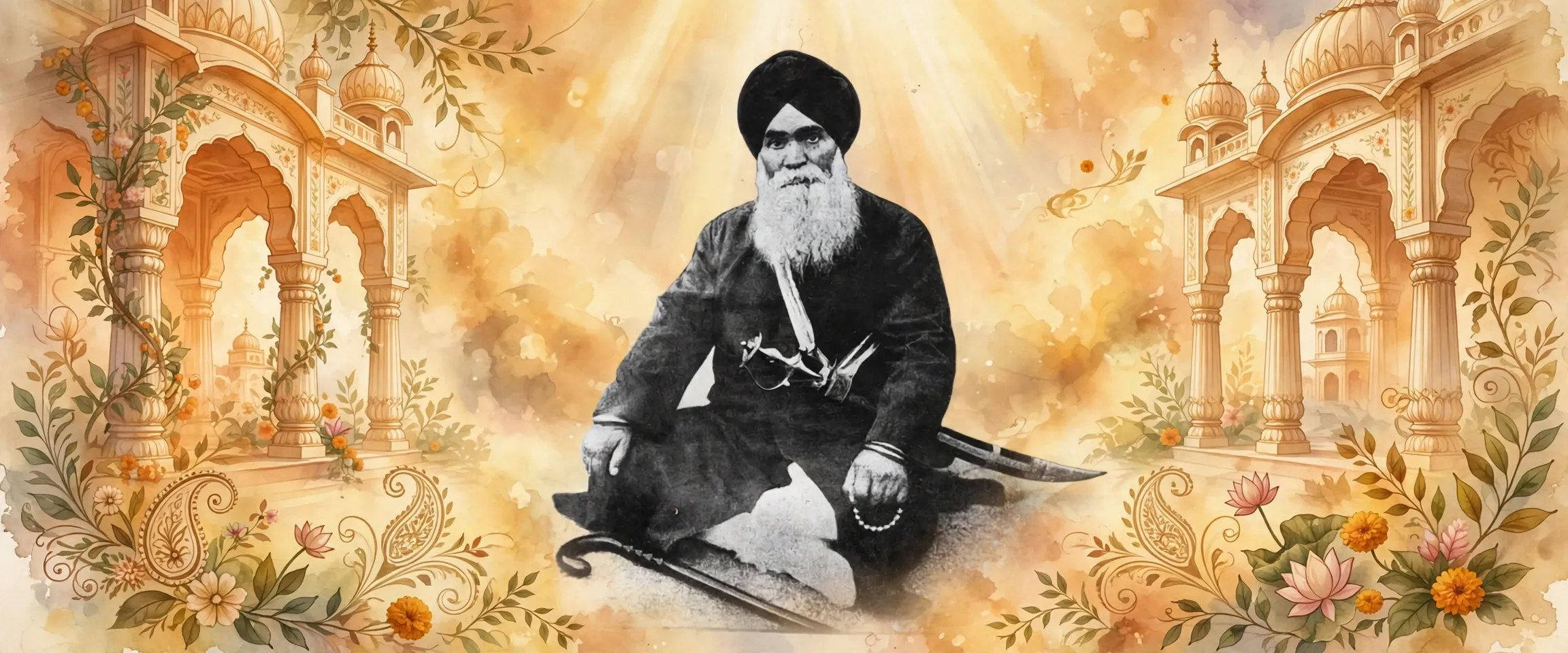
ਭਾਈ ਰਣਧੀਰ ਸਿੰਘ ਜੀ (1878-1961) ਸਿੱਖ ਵਿਦਵਾਨ, ਸੰਤ ਅਤੇ ਸੁਤੰਤਰਤਾ ਸੰਗਰਾਮੀ ਸਨ, ਜਿਨ੍ਹਾਂ ਨੇ ਅਖੰਡ ਕੀਰਤਨੀ ਜਥਾ ਦੀ ਨੀਂਹ ਰੱਖੀ। ਲੁਧਿਆਣਾ ਜ਼ਿਲ੍ਹੇ ਦੇ ਨਾਰੰਗਵਾਲ ਵਿੱਚ ਬਸੰਤ ਸਿੰਘ ਵਜੋਂ ਜਨਮੇ ਉਨ੍ਹਾਂ ਨੇ ਸਰਕਾਰੀ ਨੌਕਰੀ ਦਾ ਚੰਗਾ ਭਵਿੱਖ ਛੱਡ ਕੇ ਨਾਮ ਸਿਮਰਨ ਅਤੇ ਸਖ਼ਤ ਗੁਰਮਤਿ ਰਹਿਤ ਦਾ ਜੀਵਨ ਚੁਣਿਆ, ਰਕਾਬ ਗੰਜ ਦੀ ਢਾਹੀ ਕੰਧ ਉੱਤੇ ਵਿਰੋਧ ਦੀ ਅਗਵਾਈ ਕੀਤੀ, ਅਤੇ ਲਾਹੌਰ ਸਾਜ਼ਿਸ਼ ਕੇਸ ਦੂਜੇ ਵਿੱਚ ਉਮਰ ਕੈਦ ਦੀ ਸਜ਼ਾ ਮਿਲਣ ਉੱਤੇ 1915 ਤੋਂ 1930 ਤੱਕ ਸੋਲ੍ਹਾਂ ਸਾਲ ਅੰਗਰੇਜ਼ੀ ਜੇਲ੍ਹਾਂ ਵਿੱਚ ਗੁਜ਼ਾਰੇ। ਰਿਹਾਈ ਤੋਂ ਬਾਅਦ ਉਨ੍ਹਾਂ ਨੇ ਆਪਣਾ ਜੀਵਨ ਕੀਰਤਨ, ਅਖੰਡ ਪਾਠ ਅਤੇ ਲਿਖਣ ਨੂੰ ਦੇ ਦਿੱਤਾ, ਅਤੇ ਜੇਲ੍ਹ ਚਿੱਠੀਆਂ ਤੇ ਗੁਰਮਤਿ ਬਿਬੇਕ ਸਮੇਤ ਤਿੰਨ ਦਰਜਨ ਤੋਂ ਵੱਧ ਕਿਤਾਬਾਂ ਲਿਖੀਆਂ।
- ਪੰਜਾਬੀ ਨਾਂ
- ਭਾਈ ਰਣਧੀਰ ਸਿੰਘ ਜੀ
- ਜਨਮ
- 7 ਜੁਲਾਈ 1878, ਪਿੰਡ ਨਾਰੰਗਵਾਲ, ਲੁਧਿਆਣਾ ਜ਼ਿਲ੍ਹਾ (ਜਨਮ ਸਮੇਂ ਨਾਂ ਬਸੰਤ ਸਿੰਘ)।
- ਦੇਹਾਂਤ
- 16 ਅਪ੍ਰੈਲ 1961, ਲੁਧਿਆਣਾ (ਕੁਝ ਲਿਖਤਾਂ 13 ਅਪ੍ਰੈਲ 1961 ਦਿੰਦੀਆਂ ਹਨ)।
- ਮਾਤਾ-ਪਿਤਾ
- ਨੱਥਾ ਸਿੰਘ, ਨਾਭਾ ਰਿਆਸਤ ਦੇ ਹਾਈ ਕੋਰਟ ਜੱਜ, ਅਤੇ ਪੰਜਾਬ ਕੌਰ।
- ਸਿੱਖਿਆ
- ਸਰਕਾਰੀ ਕਾਲਜ, ਲਾਹੌਰ (1896); ਫ਼ੋਰਮਨ ਕ੍ਰਿਸਚਨ ਕਾਲਜ, ਲਾਹੌਰ (1898-1900, ਡਿਗਰੀ ਬਿਨਾਂ ਛੱਡਿਆ)।
- ਅੰਮ੍ਰਿਤ
- 14 ਜੂਨ 1903, ਬਕਾਪੁਰ, ਫਿਲੌਰ ਨੇੜੇ; ਰਣਧੀਰ ਸਿੰਘ ਨਾਂ ਮਿਲਿਆ।
All 11 facts
- ਪ੍ਰਸਿੱਧੀ
- ਅਖੰਡ ਕੀਰਤਨੀ ਜਥੇ ਦੇ ਸੰਸਥਾਪਕ; ਗੁਰਦੁਆਰਾ ਸੁਧਾਰ ਲਹਿਰ ਦੇ ਮੋਢੀ।
- ਕੈਦ
- 9 ਮਈ 1915 ਨੂੰ ਹਿਰਾਸਤ; 30 ਮਾਰਚ 1916 ਨੂੰ ਉਮਰ ਕੈਦ ਦੀ ਸਜ਼ਾ (ਲਾਹੌਰ ਸਾਜ਼ਿਸ਼ ਕੇਸ ਦੂਜਾ); 4 ਅਕਤੂਬਰ 1930 ਨੂੰ ਰਿਹਾਈ।
- ਮੁੱਖ ਰਚਨਾ
- ਗੁਰਮਤਿ ਬਿਬੇਕ (1949); ਜੇਲ੍ਹ ਚਿੱਠੀਆਂ (1938); ਗੁਰਮਤਿ ਨਾਮ ਅਭਿਆਸ ਕਮਾਈ (1938); ਅਨਹਦ ਸ਼ਬਦ ਦਸਮ ਦੁਆਰ (1942)।
- ਕਿਤਾਬਾਂ
- ਸਿੱਖ ਧਰਮ, ਦਰਸ਼ਨ ਅਤੇ ਰਹੱਸਵਾਦ ਉੱਤੇ ਤਿੰਨ ਦਰਜਨ ਤੋਂ ਵੱਧ ਕਿਤਾਬਾਂ ਅਤੇ ਪੁਸਤਿਕਾਵਾਂ।
- ਸਨਮਾਨ
- ਸਾਰੇ ਤਖ਼ਤਾਂ ਤੋਂ ਸਿਰੋਪੇ; 15 ਸਤੰਬਰ 1931 ਨੂੰ ਅਕਾਲ ਤਖ਼ਤ ਦਾ ਹੁਕਮਨਾਮਾ।
Bhai Randhir Singh Ji (1878-1961) was a Sikh scholar, saint and freedom fighter who founded the Akhand Kirtani Jatha and spent sixteen years in British jails for his part in the Ghadar rising. His books on Naam, Gurmat conduct and Gurbani guide the Jatha's kirtan and its strict daily discipline today.
Who was Bhai Randhir Singh Ji?
Bhai Randhir Singh Ji was born Basant Singh on 7 July 1878 at Narangwal, a village in Ludhiana district, to Natha Singh and Punjab Kaur. His father was a district inspector of schools, then a translator in Patiala who rendered the Indian Penal Code into Punjabi as Hind Dandavali, and later a judge of the High Court in Nabha state. His mother Punjab Kaur was a direct seventh-generation descendant of Bhai Bhagtu, a devout Sikh of the time of Guru Arjan Dev Ji and Guru Hargobind Sahib Ji.
He is remembered as a theologian who wrote more than three dozen books on Sikh thought, as a reformer who fought to clean up gurdwara management before the Gurdwara Reform Movement had a name, and as a prisoner who refused to bend the Khalsa code of conduct through sixteen years in British jails. The seekers who gathered around him after his release became the Akhand Kirtani Jatha, known for unbroken kirtan and strict Naam simran. The Encyclopedia of Sikhism gives his death as 16 April 1961 at Ludhiana; some accounts give 13 April, the day of Vaisakhi.
Early life and education
He was schooled in Nabha and entered Government College, Lahore, in 1896. In 1898 he moved to Forman Christian College, Lahore, but left in 1900 without finishing his Bachelor's degree. At college he wrote poetry in Punjabi and Urdu and captained the hockey team. The poet grew into a religious mystic and the sportsman into a campaigner for India's freedom. He read widely in Punjabi, Urdu, Persian and English.
In October 1902 he became naib-tahsildar and personal assistant to Dr R W Fisher, the District Plague Medical Officer. Within a year he resigned, turning down a promotion to full tahsildar. He worked briefly as head clerk at Abbottabad in 1904-05, spending most of his time in meditation, and in 1907 became hostel superintendent at Khalsa College, Amritsar, only to resign from that too. In 1908 he became secretary of the Khalsa Diwan at Damdama Sahib.
Taking Amrit and the search for Naam
On 14 June 1903, at Bakapur near Phillaur, he received the vows of the Khalsa at a special divan arranged to initiate Karim Bakhsh, a Muslim, and his family. At initiation he received the name Randhir Singh, his earlier name having been Basant Singh. It took courage, and it cost him: some Sikhs of his own village and even relatives treated him almost as an outcast, and the priest at Sri Akal Takht Sahib at first would not let him offer karah prasad or do kirtan there. He held his ground, and living and preaching the Sikh code of conduct as he understood it from Gurbani became the passion of his life.
At his own initiation a confusion over the true Gurmantra, the mystic word given at Amrit, had troubled him, and he set out to receive it directly from Sri Guru Granth Sahib Ji. He prayed to accept as the true Gurmantra whatever the first hymn he heard that morning indicated. The hymn being sung as he entered was from Asa, Mahalla 5, with the words Kaho Gurvah, speak of the Guru, and he took Waheguru as the Gurmantra, the Name to be repeated with every breath. In his prison letters he describes a vision of light at that moment, and on the night of Guru Nanak Dev Ji's Prakash Utsav in 1905 he records a deep experience of divine light in meditation. These are his own accounts, and they are the key to his teaching: Naam is not a ritual word but a living presence kept with every breath.
Gurdwara reform and the road to prison
Long before the organised Gurdwara Reform Movement, he was clearing malpractice from historic gurdwaras. At Fatehgarh Sahib he stopped the recitation of Gurbani by a ragi jatha he judged unworthy, and at Anandpur Sahib during Hola Mohalla he stood against the powerful management of the gurdwara over its conduct. A 1905 hukamnama from Takht Sri Keshgarh Sahib recognised his services, and he is remembered as a pioneer of the Gurdwara Reform Movement. He never sought office; he acted because the Guru's house had to be kept clean.
The Rakab Ganj protest brought him to all-India notice. In 1913 the British government demolished the outer wall of Gurdwara Rakab Ganj in Delhi to make the grounds symmetrical around the new Viceroy's Palace. He was among the first to protest in public and to announce a campaign until the wall was restored, organising large Panthic conferences at Patti and at Lahore to demand restoration. The government yielded and the wall was restored. The protest linked him with the returning Ghadar revolutionaries, and within a year that link would cost him his freedom.
Why did the British jail him for sixteen years?
In September and October 1914, Ghadar Party members were returning to India from the United States and Canada to launch an armed rising against British rule. Some contacted him, and he became one of the leaders of the Ghadar movement in the Malwa region. On 19 February 1915 he marched with about sixty comrades to help Kartar Singh Sarabha capture the Firozpur cantonment. The plan failed. He was detained at Nabha on 9 May 1915, arrested on 19 June and taken to Ludhiana jail until 27 October 1915, when he was moved to Lahore. Tried in the Lahore Conspiracy Case II, he was sentenced on 30 March 1916 to transportation for life, and his property was confiscated. He was thirty-eight, with a wife and three young children: his eldest daughter, ten, died within a month, his son Balbir Singh was six and his daughter Daler Kaur two.
For sixteen years, from 1915 to 1930, he was moved between jails in Lahore, Multan, Hazaribagh, Rajahmundry and Nagpur. In Multan jail he fasted forty days to win religious rights for Sikh prisoners, and won his point. He was chained in the open heat and kept in a tiny unventilated cell. Shortly before his release on 4 October 1930 he was brought to Lahore jail, where a Muslim jailer arranged a meeting with Bhagat Singh, then under death sentence. In his Jail Chithian he records Bhagat Singh confessing he had been an atheist until then, and that the meeting brought him a new spiritual awareness. Some popular accounts give his sentence as 1914 to 1931; the dates here follow the Encyclopedia of Sikhism.
Release brought honour, not rest. He received siropas, robes of honour, at all the Takhts, and an Akal Takht hukamnama of 15 September 1931 praised his steadfastness, selfless sacrifice and outstanding services to the Panth. He was among the Panj Pyare who began the kar-seva to clean the holy tank at Tarn Taran on 17 September 1931 and who laid the cornerstone of the new Gurdwara Panja Sahib building on 14 October 1932.
Writings, kirtan and legacy
Bhai Randhir Singh Ji wrote more than three dozen books and tracts on Sikh theology, philosophy and mysticism. His prison letters, Jail Chithian (1938), are both autobiography and spiritual record. Anhad Shabad Dasam Duar (1942), Charan Kamal ki Mauj (1939), Gurmati Naam Abhiyas Kamai (1938), Gurmat Bibek (1949) and Gurbani dian Lagaan Matran di Vilakhanata (1954) cover spiritual illumination, mystical experience, the discipline of Naam, the Sikh code of conduct and the vowel symbols of Gurbani, while Joti Vigaas and Darshan Jhalkan are collections of mystical poetry. His writing is plain, thick with Gurbani quotation, always practical: the test of a teaching is whether it can be lived.
After his release he gave his days to meditation, kirtan and preaching through akhand path and devotional singing. The seekers who gathered around him became the Akhand Kirtani Jatha, the fellowship of unbroken kirtan. Its members keep long sessions of singing, including rain sabai, night-long kirtan, and wear turbans in a distinctive style, the women among them included. The Jatha is sometimes called Bhai Randhir Singh da Jatha after him. Its heart is his own discipline: the Name with every breath, the code kept without compromise, and kirtan sung until it becomes prayer.
He died on 16 April 1961 at Ludhiana, according to the Encyclopedia of Sikhism, and in his memory two hundred akhand paths of Guru Granth Sahib Ji were performed in India and abroad. His followers still keep the akhand kirtan tradition he made popular, and his books are still read by those who want Sikh practice explained from inside. He should not be confused with Bhagat Puran Singh, a different person, the founder of Pingalwara. His life joins two things often kept apart: study and the prison cell, the mystic's silence and the reformer's public stand.
ਭਾਈ ਰਣਧੀਰ ਸਿੰਘ ਜੀ (1878-1961) ਸਿੱਖ ਵਿਦਵਾਨ, ਸੰਤ ਅਤੇ ਸੁਤੰਤਰਤਾ ਸੰਗਰਾਮੀ ਸਨ, ਜਿਨ੍ਹਾਂ ਨੇ ਅਖੰਡ ਕੀਰਤਨੀ ਜਥਾ ਦੀ ਨੀਂਹ ਰੱਖੀ ਅਤੇ ਗ਼ਦਰ ਲਹਿਰ ਵਿੱਚ ਹਿੱਸਾ ਲੈਣ ਕਰਕੇ ਅੰਗਰੇਜ਼ੀ ਜੇਲ੍ਹਾਂ ਵਿੱਚ ਸੋਲ੍ਹਾਂ ਸਾਲ ਗੁਜ਼ਾਰੇ। ਨਾਮ, ਗੁਰਮਤਿ ਰਹਿਤ ਅਤੇ ਗੁਰਬਾਣੀ ਬਾਰੇ ਉਨ੍ਹਾਂ ਦੀਆਂ ਕਿਤਾਬਾਂ ਅੱਜ ਵੀ ਜਥੇ ਦੇ ਕੀਰਤਨ, ਸਖ਼ਤ ਰੋਜ਼ਾਨਾ ਮਰਯਾਦਾ ਅਤੇ ਲੰਮੀਆਂ ਰਾਤਾਂ ਦੇ ਨਿਰੰਤਰ ਕੀਰਤਨ ਦੀ ਅਗਵਾਈ ਕਰਦੀਆਂ ਹਨ।
ਭਾਈ ਰਣਧੀਰ ਸਿੰਘ ਜੀ ਕੌਣ ਸਨ?
ਭਾਈ ਰਣਧੀਰ ਸਿੰਘ ਜੀ ਦਾ ਜਨਮ ਬਸੰਤ ਸਿੰਘ ਵਜੋਂ 7 ਜੁਲਾਈ 1878 ਨੂੰ ਲੁਧਿਆਣਾ ਜ਼ਿਲ੍ਹੇ ਦੇ ਪਿੰਡ ਨਾਰੰਗਵਾਲ ਵਿੱਚ ਹੋਇਆ ਸੀ। ਉਨ੍ਹਾਂ ਦੇ ਪਿਤਾ ਨੱਥਾ ਸਿੰਘ ਅਤੇ ਮਾਤਾ ਪੰਜਾਬ ਕੌਰ ਸਨ। ਉਨ੍ਹਾਂ ਦੇ ਪਿਤਾ ਪਹਿਲਾਂ ਲੁਧਿਆਣਾ ਵਿੱਚ ਸਕੂਲਾਂ ਦੇ ਜ਼ਿਲ੍ਹਾ ਇੰਸਪੈਕਟਰ ਰਹੇ, ਫਿਰ ਪਟਿਆਲਾ ਰਿਆਸਤ ਵਿੱਚ ਕਾਨੂੰਨ ਦੀਆਂ ਕਿਤਾਬਾਂ ਦਾ ਅਨੁਵਾਦ ਕੀਤਾ ਅਤੇ ਭਾਰਤੀ ਦੰਡ ਸੰਹਿਤਾ ਦਾ ਪੰਜਾਬੀ ਅਨੁਵਾਦ ਹਿੰਦ ਦੰਡਾਵਲੀ ਦੇ ਨਾਂ ਹੇਠਾਂ ਕੀਤਾ, ਅਤੇ ਬਾਅਦ ਵਿੱਚ ਨਾਭਾ ਰਿਆਸਤ ਵਿੱਚ ਹਾਈ ਕੋਰਟ ਦੇ ਜੱਜ ਬਣੇ। ਉਨ੍ਹਾਂ ਦੀ ਮਾਤਾ ਪੰਜਾਬ ਕੌਰ ਗੁਰੂ ਅਰਜਨ ਦੇਵ ਜੀ ਅਤੇ ਗੁਰੂ ਹਰਗੋਬਿੰਦ ਸਾਹਿਬ ਜੀ ਦੇ ਸਮੇਂ ਦੇ ਭਗਤ ਸਿੱਖ ਭਾਈ ਭਗਤੂ ਦੀ ਸੱਤਵੀਂ ਪੀੜ੍ਹੀ ਦੀ ਵੰਸ਼ਜ ਸਨ। ਪਿਤਾ ਪਾਸੋਂ ਵਿਦਿਆ ਅਤੇ ਮਾਤਾ ਪਾਸੋਂ ਭਗਤੀ ਮਿਲੀ, ਅਤੇ ਇਹੋ ਦੋ ਗੁਣ ਉਸ ਬਾਲਕ ਵਿੱਚ ਰਲ ਕੇ ਉਸ ਨੂੰ ਵੀਹਵੀਂ ਸਦੀ ਦੇ ਸਭ ਤੋਂ ਸਤਿਕਾਰੇ ਸਿੱਖ ਸ਼ਖ਼ਸੀਅਤਾਂ ਵਿੱਚੋਂ ਇੱਕ ਬਣਾ ਗਏ।
ਉਨ੍ਹਾਂ ਨੂੰ ਤਿੰਨ ਤਰੀਕਿਆਂ ਨਾਲ ਯਾਦ ਕੀਤਾ ਜਾਂਦਾ ਹੈ: ਸਿੱਖ ਚਿੰਤਨ ਉੱਤੇ ਤਿੰਨ ਦਰਜਨ ਤੋਂ ਵੱਧ ਕਿਤਾਬਾਂ ਲਿਖਣ ਵਾਲੇ ਵਿਦਵਾਨ ਵਜੋਂ, ਗੁਰਦੁਆਰਾ ਸੁਧਾਰ ਲਹਿਰ ਦਾ ਨਾਂ ਪੈਣ ਤੋਂ ਪਹਿਲਾਂ ਹੀ ਗੁਰਦੁਆਰਾ ਪ੍ਰਬੰਧ ਨੂੰ ਸਾਫ਼ ਕਰਨ ਵਾਲੇ ਸੁਧਾਰਕ ਵਜੋਂ, ਅਤੇ ਅੰਗਰੇਜ਼ਾਂ ਦੇ ਕੈਦੀ ਵਜੋਂ, ਜਿਨ੍ਹਾਂ ਨੇ ਸੋਲ੍ਹਾਂ ਸਾਲ ਜੇਲ੍ਹ ਵਿੱਚ ਵੀ ਖ਼ਾਲਸਾ ਰਹਿਤ ਤੋਂ ਮੂੰਹ ਨਹੀਂ ਮੋੜਿਆ। ਰਿਹਾਈ ਤੋਂ ਬਾਅਦ ਉਨ੍ਹਾਂ ਦੇ ਦੁਆਲੇ ਇਕੱਠੇ ਹੋਏ ਸਾਧਕ ਅਖੰਡ ਕੀਰਤਨੀ ਜਥਾ ਬਣ ਗਏ, ਜੋ ਅਟੁੱਟ ਕੀਰਤਨ ਅਤੇ ਨਾਮ ਸਿਮਰਨ ਦੇ ਸਖ਼ਤ ਜੀਵਨ ਲਈ ਜਾਣਿਆ ਜਾਂਦਾ ਹੈ। ਸਿੱਖ ਵਿਸ਼ਵਕੋਸ਼ ਅਨੁਸਾਰ ਉਨ੍ਹਾਂ ਦਾ ਦੇਹਾਂਤ 16 ਅਪ੍ਰੈਲ 1961 ਨੂੰ ਲੁਧਿਆਣਾ ਵਿੱਚ ਹੋਇਆ, ਜਦੋਂ ਕਿ ਕੁਝ ਹੋਰ ਲਿਖਤਾਂ, ਜਿਨ੍ਹਾਂ ਵਿੱਚ ਵਿਕੀਪੀਡੀਆ ਵੀ ਹੈ, 13 ਅਪ੍ਰੈਲ 1961, ਵਿਸਾਖੀ ਵਾਲੇ ਦਿਨ, ਦਿੰਦੀਆਂ ਹਨ। ਇਹ ਲੇਖ ਸਿੱਖ ਵਿਸ਼ਵਕੋਸ਼ ਦੀ ਤਾਰੀਖ਼ ਨੂੰ ਮੰਨਦਾ ਹੈ ਅਤੇ ਦੂਜੀ ਤਾਰੀਖ਼ ਦਾ ਜ਼ਿਕਰ ਵੀ ਕਰਦਾ ਹੈ।
ਮੁੱਢਲਾ ਜੀਵਨ ਅਤੇ ਪੜ੍ਹਾਈ
ਭਾਈ ਰਣਧੀਰ ਸਿੰਘ ਜੀ ਨੇ ਮੁੱਢਲੀ ਪੜ੍ਹਾਈ ਜ਼ਿਆਦਾਤਰ ਨਾਭਾ ਵਿੱਚ ਕੀਤੀ ਅਤੇ 1896 ਵਿੱਚ ਲਾਹੌਰ ਦੇ ਸਰਕਾਰੀ ਕਾਲਜ ਵਿੱਚ ਦਾਖ਼ਲਾ ਲਿਆ। 1898 ਵਿੱਚ ਉਹ ਲਾਹੌਰ ਦੇ ਫ਼ੋਰਮਨ ਕ੍ਰਿਸਚਨ ਕਾਲਜ ਵਿੱਚ ਚਲੇ ਗਏ, ਪਰ 1900 ਵਿੱਚ ਬੀ ਏ ਦੀ ਡਿਗਰੀ ਪੂਰੀ ਕੀਤੇ ਬਿਨਾਂ ਹੀ ਕਾਲਜ ਛੱਡ ਦਿੱਤਾ। ਕਾਲਜ ਵਿੱਚ ਉਹ ਦੋ ਬਿਲਕੁਲ ਵੱਖਰੇ ਖੇਤਰਾਂ ਵਿੱਚ ਅੱਗੇ ਸਨ: ਪੰਜਾਬੀ ਅਤੇ ਉਰਦੂ ਵਿੱਚ ਕਵਿਤਾ ਲਿਖਦੇ ਸਨ ਅਤੇ ਹਾਕੀ ਇੰਨੀ ਚੰਗੀ ਖੇਡਦੇ ਸਨ ਕਿ ਕਾਲਜ ਟੀਮ ਦੇ ਕਪਤਾਨ ਬਣੇ। ਉਨ੍ਹਾਂ ਦੇ ਅੰਦਰਲਾ ਕਵੀ ਧਾਰਮਿਕ ਰਹੱਸਵਾਦੀ ਬਣ ਗਿਆ ਅਤੇ ਖਿਡਾਰੀ ਦੇਸ਼ ਦੀ ਅਜ਼ਾਦੀ ਲਈ ਲੜਨ ਵਾਲਾ ਯੋਧਾ ਬਣ ਗਿਆ। ਉਨ੍ਹਾਂ ਨੇ ਪੰਜਾਬੀ, ਉਰਦੂ, ਫ਼ਾਰਸੀ ਅਤੇ ਅੰਗਰੇਜ਼ੀ ਵਿੱਚ ਖ਼ੂਬ ਪੜ੍ਹਾਈ ਕੀਤੀ, ਅਤੇ ਬਾਅਦ ਵਿੱਚ ਸ੍ਰੀ ਦਸਮ ਗ੍ਰੰਥ ਦੀ ਬ੍ਰਿਜ ਭਾਸ਼ਾ ਅਤੇ ਗੁਰਬਾਣੀ ਵਿੱਚੋਂ ਵੀ ਸਹਿਜੇ ਹਵਾਲੇ ਦਿੱਤੇ।
ਅਕਤੂਬਰ 1902 ਵਿੱਚ ਉਹ ਨਾਇਬ ਤਹਿਸੀਲਦਾਰ ਨਿਯੁਕਤ ਹੋਏ ਅਤੇ ਜ਼ਿਲ੍ਹਾ ਪਲੇਗ ਮੈਡੀਕਲ ਅਫ਼ਸਰ ਡਾ ਰ ਅਰ ਡਬਲਿਊ ਫ਼ਿਸ਼ਰ ਦੇ ਨਿੱਜੀ ਸਹਾਇਕ ਬਣੇ। ਇੱਕ ਸਾਲ ਦੇ ਅੰਦਰ ਹੀ ਉਨ੍ਹਾਂ ਨੇ ਸਰਕਾਰੀ ਨੌਕਰੀ ਤੋਂ ਅਸਤੀਫ਼ਾ ਦੇ ਦਿੱਤਾ ਅਤੇ ਨਾਲ ਹੀ ਤਹਿਸੀਲਦਾਰ ਬਣਨ ਦੀ ਤਰੱਕੀ ਵੀ ਠੁਕਰਾ ਦਿੱਤੀ। 1904-05 ਵਿੱਚ ਉਹ ਥੋੜ੍ਹਾ ਸਮਾਂ ਐਬਟਾਬਾਦ ਵਿੱਚ ਸਰਕਾਰੀ ਦਫ਼ਤਰ ਵਿੱਚ ਹੈੱਡ ਕਲਰਕ ਰਹੇ, ਜਿੱਥੇ ਜ਼ਿਆਦਾਤਰ ਸਮਾਂ ਸਿਮਰਨ ਵਿੱਚ ਬਿਤਾਉਂਦੇ ਸਨ, ਅਤੇ 1907 ਵਿੱਚ ਖ਼ਾਲਸਾ ਕਾਲਜ ਅੰਮ੍ਰਿਤਸਰ ਵਿੱਚ ਹੋਸਟਲ ਸੁਪਰਡੈਂਟ ਬਣੇ, ਪਰ ਉਹ ਨੌਕਰੀ ਵੀ ਛੱਡ ਦਿੱਤੀ। 1908 ਵਿੱਚ ਉਹ ਦਮਦਮਾ ਸਾਹਿਬ ਵਿਖੇ ਖ਼ਾਲਸਾ ਦੀਵਾਨ ਦੇ ਸਕੱਤਰ ਬਣੇ। ਹਰ ਅਹੁਦਾ ਉਨ੍ਹਾਂ ਨੇ ਆਪਣੇ ਅਧਿਆਤਮਿਕ ਜੀਵਨ ਦੇ ਡੂੰਘਾ ਹੁੰਦਿਆਂ ਛੱਡਿਆ, ਅਤੇ 1908 ਤੱਕ ਉਨ੍ਹਾਂ ਦਾ ਰਾਹ ਤੈਅ ਹੋ ਚੁੱਕਾ ਸੀ: ਸਿੱਖ ਰਹਿਤ ਦਾ ਸੁਧਾਰ, ਸਖ਼ਤੀ ਨਾਲ ਅਤੇ ਸਭ ਦੇ ਸਾਹਮਣੇ ਜੀਵਿਆ ਜਾਵੇ।
ਅੰਮ੍ਰਿਤ ਛਕਣਾ ਅਤੇ ਨਾਮ ਦੀ ਖੋਜ
14 ਜੂਨ 1903 ਨੂੰ ਫਿਲੌਰ ਨੇੜੇ ਬਕਾਪੁਰ ਵਿਖੇ ਭਾਈ ਰਣਧੀਰ ਸਿੰਘ ਜੀ ਨੇ ਖ਼ਾਲਸੇ ਦੀਆਂ ਸਹੁੰਆਂ ਲਈਆਂ, ਜਿੱਥੇ ਕਰੀਮ ਬਖ਼ਸ਼ ਨਾਂ ਦੇ ਇੱਕ ਮੁਸਲਮਾਨ ਅਤੇ ਉਸ ਦੇ ਪਰਿਵਾਰ ਨੂੰ ਸਿੱਖੀ ਵਿੱਚ ਲਿਆਉਣ ਲਈ ਵਿਸ਼ੇਸ਼ ਦੀਵਾਨ ਸਜਾਇਆ ਗਿਆ ਸੀ। ਅੰਮ੍ਰਿਤ ਵੇਲੇ ਉਨ੍ਹਾਂ ਨੂੰ ਰਣਧੀਰ ਸਿੰਘ ਨਾਂ ਮਿਲਿਆ, ਇਸ ਤੋਂ ਪਹਿਲਾਂ ਉਨ੍ਹਾਂ ਦਾ ਨਾਂ ਬਸੰਤ ਸਿੰਘ ਸੀ। 1903 ਵਿੱਚ ਇੱਕ ਮੁਸਲਮਾਨ ਪਰਿਵਾਰ ਨਾਲ ਅੰਮ੍ਰਿਤ ਛਕਣ ਲਈ ਹਿੰਮਤ ਚਾਹੀਦੀ ਸੀ, ਅਤੇ ਇਸ ਦੀ ਕੀਮਤ ਵੀ ਚੁਕਾਉਣੀ ਪਈ: ਆਪਣੇ ਪਿੰਡ ਦੇ ਕੁਝ ਸਿੱਖਾਂ ਅਤੇ ਰਿਸ਼ਤੇਦਾਰਾਂ ਨੇ ਉਨ੍ਹਾਂ ਨੂੰ ਲਗਭਗ ਛੋਟੀ ਜਾਤ ਸਮਝ ਕੇ ਵੱਖ ਕਰ ਦਿੱਤਾ, ਅਤੇ ਸ੍ਰੀ ਅਕਾਲ ਤਖ਼ਤ ਸਾਹਿਬ ਦੇ ਪੁਜਾਰੀ ਨੇ ਪਹਿਲਾਂ ਉਨ੍ਹਾਂ ਨੂੰ ਕਰਾਹ ਪ੍ਰਸਾਦ ਚੜ੍ਹਾਉਣ ਅਤੇ ਕੀਰਤਨ ਕਰਨ ਤੋਂ ਰੋਕ ਦਿੱਤਾ। ਉਹ ਅਡੋਲ ਰਹੇ, ਅਤੇ ਗੁਰਬਾਣੀ ਤੋਂ ਸਮਝੇ ਸਿੱਖ ਰਹਿਤ ਦੀ ਪਾਲਣਾ ਅਤੇ ਪ੍ਰਚਾਰ ਉਨ੍ਹਾਂ ਦੇ ਜੀਵਨ ਦਾ ਜਨੂੰਨ ਬਣ ਗਿਆ।
ਆਪਣੇ ਅੰਮ੍ਰਿਤ ਵੇਲੇ ਸੱਚੇ ਗੁਰਮੰਤਰ ਬਾਰੇ ਉਲਝਣ ਨੇ ਉਨ੍ਹਾਂ ਨੂੰ ਪਰੇਸ਼ਾਨ ਕੀਤਾ ਸੀ, ਇਸ ਲਈ ਉਨ੍ਹਾਂ ਨੇ ਸ੍ਰੀ ਗੁਰੂ ਗ੍ਰੰਥ ਸਾਹਿਬ ਜੀ ਤੋਂ ਸਿੱਧਾ ਗੁਰਮੰਤਰ ਲੈਣ ਦਾ ਫ਼ੈਸਲਾ ਕੀਤਾ। ਉਨ੍ਹਾਂ ਨੇ ਅਰਦਾਸ ਕੀਤੀ ਕਿ ਚੁਣੀ ਹੋਈ ਸਵੇਰ ਨੂੰ ਗੁਰਦੁਆਰੇ ਵਿੱਚ ਪਹਿਲਾ ਸੁਣਿਆ ਸ਼ਬਦ ਹੀ ਸੱਚਾ ਗੁਰਮੰਤਰ ਮੰਨਿਆ ਜਾਵੇਗਾ। ਜਦੋਂ ਉਹ ਅੰਦਰ ਗਏ ਤਾਂ ਆਸਾ ਮਹਲਾ 5 ਦੀ ਬਾਣੀ ਗਾਈ ਜਾ ਰਹੀ ਸੀ, ਜਿਸ ਵਿੱਚ ਕਹੋ ਗੁਰਵਾਹੁ ਦੇ ਸ਼ਬਦ ਗੂੰਜੇ, ਅਤੇ ਉਨ੍ਹਾਂ ਨੇ ਵਾਹਿਗੁਰੂ ਨੂੰ ਗੁਰਮੰਤਰ ਮੰਨ ਲਿਆ, ਉਹ ਨਾਂ ਜੋ ਹਰ ਸਾਹ ਨਾਲ ਜਪਣਾ ਹੈ। ਆਪਣੀਆਂ ਜੇਲ੍ਹ ਚਿੱਠੀਆਂ ਵਿੱਚ ਉਨ੍ਹਾਂ ਨੇ ਇਸ ਤੋਂ ਬਾਅਦ ਰੋਸ਼ਨੀ ਦਾ ਦਰਸ਼ਨ ਅਤੇ ਗੁਰੂ ਗ੍ਰੰਥ ਸਾਹਿਬ ਜੀ ਉੱਤੇ ਚੌਰ ਝੁੱਲਣ ਦਾ ਵਰਣਨ ਕੀਤਾ ਹੈ, ਅਤੇ 1905 ਵਿੱਚ ਗੁਰੂ ਨਾਨਕ ਦੇਵ ਜੀ ਦੇ ਪ੍ਰਕਾਸ਼ ਉਤਸਵ ਦੀ ਰਾਤ ਨੂੰ ਸਿਮਰਨ ਵਿੱਚ ਦਿਵਿਆ ਰੋਸ਼ਨੀ ਦਾ ਅਨੁਭਵ ਲਿਖਿਆ ਹੈ। ਇਹ ਉਨ੍ਹਾਂ ਦੇ ਆਪਣੇ ਲਿਖੇ ਅਨੁਭਵ ਹਨ, ਅਤੇ ਇਹੀ ਉਨ੍ਹਾਂ ਦੀ ਸਿੱਖਿਆ ਦੀ ਕੁੰਜੀ ਹਨ: ਨਾਮ ਕੋਈ ਰਸਮੀ ਸ਼ਬਦ ਨਹੀਂ, ਸਗੋਂ ਹਰ ਸਾਹ ਨਾਲ ਜਿਊਂਦੀ ਹਾਜ਼ਰੀ ਹੈ।
ਗੁਰਦੁਆਰਾ ਸੁਧਾਰ ਅਤੇ ਜੇਲ੍ਹ ਵੱਲ ਰਾਹ
ਗੁਰਦੁਆਰਾ ਸੁਧਾਰ ਲਹਿਰ ਦੇ ਸੰਗਠਿਤ ਹੋਣ ਤੋਂ ਬਹੁਤ ਪਹਿਲਾਂ ਭਾਈ ਰਣਧੀਰ ਸਿੰਘ ਜੀ ਇਤਿਹਾਸਕ ਗੁਰਦੁਆਰਿਆਂ ਵਿੱਚੋਂ ਕੁਪ੍ਰਬੰਧ ਦੂਰ ਕਰ ਰਹੇ ਸਨ। ਫ਼ਤਿਹਗੜ੍ਹ ਸਾਹਿਬ ਵਿਖੇ ਉਨ੍ਹਾਂ ਨੇ ਆਪਣੀ ਜਾਨ ਜੋਖ਼ਮ ਵਿੱਚ ਪਾ ਕੇ ਇੱਕ ਅਯੋਗ ਰਾਗੀ ਜਥੇ ਨੂੰ ਗੁਰਬਾਣੀ ਦਾ ਪਾਠ ਕਰਨ ਤੋਂ ਰੋਕਿਆ, ਅਤੇ ਅਨੰਦਪੁਰ ਸਾਹਿਬ ਵਿੱਚ ਹੋਲਾ ਮਹੱਲਾ ਮੌਕੇ ਗੁਰਦੁਆਰੇ ਦੇ ਤਾਕਤਵਰ ਪ੍ਰਬੰਧ ਦੇ ਵਿਹਾਰ ਦਾ ਵਿਰੋਧ ਕੀਤਾ। 1905 ਵਿੱਚ ਤਖ਼ਤ ਸ੍ਰੀ ਕੇਸਗੜ੍ਹ ਸਾਹਿਬ ਤੋਂ ਮਿਲੇ ਹੁਕਮਨਾਮੇ ਵਿੱਚ ਉਨ੍ਹਾਂ ਦੀਆਂ ਸੇਵਾਵਾਂ ਦਾ ਜ਼ਿਕਰ ਹੋਇਆ, ਅਤੇ ਉਨ੍ਹਾਂ ਨੂੰ ਗੁਰਦੁਆਰਾ ਸੁਧਾਰ ਲਹਿਰ ਦੇ ਮੋਢੀਆਂ ਵਿੱਚੋਂ ਇੱਕ ਮੰਨਿਆ ਜਾਂਦਾ ਹੈ। ਉਨ੍ਹਾਂ ਨੇ ਨਾ ਕੋਈ ਅਹੁਦਾ ਮੰਗਿਆ, ਨਾ ਹੀ ਪੈਰੋਕਾਰਾਂ ਦੀ ਭੀੜ: ਉਨ੍ਹਾਂ ਨੇ ਕਦਮ ਇਸ ਲਈ ਚੁੱਕਿਆ ਕਿਉਂਕਿ ਗੁਰੂ ਦਾ ਘਰ ਸਾਫ਼ ਰੱਖਣਾ ਜ਼ਰੂਰੀ ਸੀ।
ਰਕਾਬ ਗੰਜ ਦੇ ਵਿਰੋਧ ਨੇ ਉਨ੍ਹਾਂ ਨੂੰ ਸਾਰੇ ਭਾਰਤ ਵਿੱਚ ਜਾਣਿਆ ਪਛਾਣਿਆ ਬਣਾ ਦਿੱਤਾ। 1913 ਵਿੱਚ ਅੰਗਰੇਜ਼ ਸਰਕਾਰ ਨੇ ਦਿੱਲੀ ਵਿੱਚ ਗੁਰਦੁਆਰਾ ਰਕਾਬ ਗੰਜ ਦੀ ਬਾਹਰੀ ਕੰਧ ਢਾਹ ਦਿੱਤੀ ਤਾਂ ਜੋ ਨਵੇਂ ਵਾਇਸਰਾਏ ਮਹਿਲ ਦੇ ਆਲੇ ਦੁਆਲੇ ਸਮਰੂਪਤਾ ਬਣਾਈ ਜਾ ਸਕੇ। ਭਾਈ ਰਣਧੀਰ ਸਿੰਘ ਜੀ ਉਨ੍ਹਾਂ ਵਿੱਚੋਂ ਪਹਿਲੇ ਸਨ, ਜਿਨ੍ਹਾਂ ਨੇ ਜਨਤਕ ਤੌਰ ਉੱਤੇ ਇਸ ਦਾ ਵਿਰੋਧ ਕੀਤਾ ਅਤੇ ਕੰਧ ਦੀ ਬਹਾਲੀ ਤੱਕ ਲਹਿਰ ਚਲਾਉਣ ਦਾ ਐਲਾਨ ਕੀਤਾ। ਉਨ੍ਹਾਂ ਨੇ ਅੰਮ੍ਰਿਤਸਰ ਜ਼ਿਲ੍ਹੇ ਦੇ ਪੱਟੀ ਅਤੇ ਲਾਹੌਰ ਵਿਖੇ ਵੱਡੀਆਂ ਪੰਥਕ ਕਾਨਫਰੰਸਾਂ ਕਰਵਾਈਆਂ, ਜਿਨ੍ਹਾਂ ਵਿੱਚ ਕੰਧ ਢਾਹੁਣ ਦੀ ਨਿੰਦਾ ਕੀਤੀ ਗਈ ਅਤੇ ਬਹਾਲੀ ਦੀ ਮੰਗ ਕੀਤੀ ਗਈ। ਅੰਤ ਵਿੱਚ ਸਰਕਾਰ ਨੂੰ ਝੁਕਣਾ ਪਿਆ ਅਤੇ ਕੰਧ ਫਿਰ ਬਣਾਈ ਗਈ। ਇਸ ਵਿਰੋਧ ਨੇ ਉਨ੍ਹਾਂ ਨੂੰ ਪਰਤਦੇ ਗ਼ਦਰ ਕ੍ਰਾਂਤੀਕਾਰੀਆਂ ਨਾਲ ਜੋੜ ਦਿੱਤਾ, ਅਤੇ ਇੱਕ ਸਾਲ ਦੇ ਅੰਦਰ ਇਸ ਸਾਂਝ ਨੇ ਉਨ੍ਹਾਂ ਦੀ ਅਜ਼ਾਦੀ ਖੋਹ ਲਈ।
ਅੰਗਰੇਜ਼ਾਂ ਨੇ ਉਨ੍ਹਾਂ ਨੂੰ ਸੋਲ੍ਹਾਂ ਸਾਲ ਜੇਲ੍ਹ ਵਿੱਚ ਕਿਉਂ ਰੱਖਿਆ?
ਸਤੰਬਰ ਅਤੇ ਅਕਤੂਬਰ 1914 ਤੱਕ ਗ਼ਦਰ ਪਾਰਟੀ ਦੇ ਮੈਂਬਰ ਅਮਰੀਕਾ ਅਤੇ ਕੈਨੇਡਾ ਤੋਂ ਭਾਰਤ ਪਰਤ ਰਹੇ ਸਨ ਤਾਂ ਜੋ ਅੰਗਰੇਜ਼ੀ ਰਾਜ ਵਿਰੁੱਧ ਹਥਿਆਰਬੰਦ ਵਿਦਰੋਹ ਕੀਤਾ ਜਾ ਸਕੇ। ਉਨ੍ਹਾਂ ਵਿੱਚੋਂ ਕੁਝ ਨੇ ਭਾਈ ਰਣਧੀਰ ਸਿੰਘ ਜੀ ਨਾਲ ਸੰਪਰਕ ਕੀਤਾ, ਉਹ ਸਹਿਯੋਗ ਲਈ ਤਿਆਰ ਹੋ ਗਏ ਅਤੇ ਮਾਲਵਾ ਖੇਤਰ ਵਿੱਚ ਗ਼ਦਰ ਲਹਿਰ ਦੇ ਆਗੂਆਂ ਵਿੱਚੋਂ ਇੱਕ ਬਣ ਗਏ। 19 ਫ਼ਰਵਰੀ 1915 ਨੂੰ ਉਹ ਕਰਤਾਰ ਸਿੰਘ ਸਰਾਭਾ ਦੀ ਫ਼ਿਰੋਜ਼ਪੁਰ ਛਾਉਣੀ ਉੱਤੇ ਕਬਜ਼ਾ ਕਰਨ ਵਿੱਚ ਮਦਦ ਲਈ ਲਗਭਗ ਸੱਠ ਸਾਥੀਆਂ ਨਾਲ ਤੁਰ ਪਏ। ਯੋਜਨਾ ਅਸਫ਼ਲ ਹੋ ਗਈ। 9 ਮਈ 1915 ਨੂੰ ਉਨ੍ਹਾਂ ਨੂੰ ਨਾਭਾ ਵਿੱਚ ਹਿਰਾਸਤ ਵਿੱਚ ਲਿਆ ਗਿਆ, 19 ਜੂਨ ਨੂੰ ਗ੍ਰਿਫ਼ਤਾਰ ਕਰਕੇ ਲੁਧਿਆਣਾ ਜੇਲ੍ਹ ਭੇਜਿਆ ਗਿਆ, ਜਿੱਥੇ ਉਹ 27 ਅਕਤੂਬਰ 1915 ਤੱਕ ਰਹੇ ਅਤੇ ਫਿਰ ਲਾਹੌਰ ਭੇਜੇ ਗਏ। ਲਾਹੌਰ ਸਾਜ਼ਿਸ਼ ਕੇਸ ਦੂਜੇ ਵਿੱਚ ਮੁਕੱਦਮਾ ਚਲਾ ਕੇ 30 ਮਾਰਚ 1916 ਨੂੰ ਉਨ੍ਹਾਂ ਨੂੰ ਉਮਰ ਕੈਦ ਦੀ ਸਜ਼ਾ ਸੁਣਾਈ ਗਈ ਅਤੇ ਉਨ੍ਹਾਂ ਦੀ ਜਾਇਦਾਦ ਜ਼ਬਤ ਕਰ ਲਈ ਗਈ। ਉਸ ਵੇਲੇ ਉਨ੍ਹਾਂ ਦੀ ਉਮਰ ਅਠੱਤੀ ਸਾਲ ਸੀ ਅਤੇ ਘਰ ਵਿੱਚ ਪਤਨੀ ਤੇ ਤਿੰਨ ਛੋਟੇ ਬੱਚੇ ਸਨ: ਦਸ ਸਾਲ ਦੀ ਵੱਡੀ ਧੀ ਉਨ੍ਹਾਂ ਦੀ ਕੈਦ ਦੇ ਇੱਕ ਮਹੀਨੇ ਦੇ ਅੰਦਰ ਹੀ ਚਲਾਣਾ ਕਰ ਗਈ, ਪੁੱਤਰ ਬਲਬੀਰ ਸਿੰਘ ਛੇ ਸਾਲ ਦਾ ਸੀ ਅਤੇ ਧੀ ਦਲੇਰ ਕੌਰ ਸਿਰਫ਼ ਦੋ ਸਾਲ ਦੀ ਸੀ।
1915 ਤੋਂ 1930 ਤੱਕ ਸੋਲ੍ਹਾਂ ਸਾਲ ਉਨ੍ਹਾਂ ਨੂੰ ਜੇਲ੍ਹ ਤੋਂ ਜੇਲ੍ਹ ਬਦਲਿਆ ਗਿਆ: ਲਾਹੌਰ, ਮੁਲਤਾਨ, ਹਜ਼ਾਰੀਬਾਗ਼, ਰਾਜਮੁੰਦਰੀ ਅਤੇ ਨਾਗਪੁਰ। ਮੁਲਤਾਨ ਜੇਲ੍ਹ ਵਿੱਚ ਉਨ੍ਹਾਂ ਨੇ ਸਿੱਖ ਕੈਦੀਆਂ ਦੇ ਧਾਰਮਿਕ ਹੱਕਾਂ ਲਈ ਚਾਲੀ ਦਿਨ ਦਾ ਵਰਤ ਰੱਖਿਆ, ਜਿਸ ਵਿੱਚ ਗੁਰਮਤਿ ਅਨੁਸਾਰ ਖ਼ੁਦ ਖਾਣਾ ਬਣਾਉਣ ਦਾ ਹੱਕ ਵੀ ਸੀ, ਅਤੇ ਆਪਣੀ ਗੱਲ ਮਨਵਾ ਲਈ। ਉਨ੍ਹਾਂ ਨੂੰ ਖੁੱਲ੍ਹੀ ਗਰਮੀ ਵਿੱਚ ਜ਼ੰਜੀਰਾਂ ਨਾਲ ਬੰਨ੍ਹਿਆ ਗਿਆ ਅਤੇ ਬਿਨਾਂ ਹਵਾ ਵਾਲੀ ਛੋਟੀ ਕੋਠੜੀ ਵਿੱਚ ਰੱਖਿਆ ਗਿਆ, ਅਤੇ ਦੋ ਵਾਰ ਉਨ੍ਹਾਂ ਦੇ ਪਰਿਵਾਰ ਨੇ ਉਨ੍ਹਾਂ ਨੂੰ ਮਰਿਆ ਹੋਇਆ ਸਮਝ ਲਿਆ। 1 ਫ਼ਰਵਰੀ 1923 ਨੂੰ ਸਾਰੇ ਪੰਥ ਨੇ ਉਨ੍ਹਾਂ ਅਤੇ ਹੋਰ ਦੁੱਖੀ ਸਿੱਖ ਕੈਦੀਆਂ ਲਈ ਅਰਦਾਸ ਦਾ ਦਿਨ ਮਨਾਇਆ। 4 ਅਕਤੂਬਰ 1930 ਨੂੰ ਰਿਹਾਈ ਤੋਂ ਥੋੜ੍ਹਾ ਪਹਿਲਾਂ ਉਨ੍ਹਾਂ ਨੂੰ ਲਾਹੌਰ ਜੇਲ੍ਹ ਲਿਆਂਦਾ ਗਿਆ, ਜਿੱਥੇ ਇੱਕ ਮੁਸਲਮਾਨ ਜੇਲ੍ਹਰ ਨੇ ਭਗਤ ਸਿੰਘ ਨਾਲ ਉਨ੍ਹਾਂ ਦੀ ਮੁਲਾਕਾਤ ਕਰਵਾਈ, ਜੋ ਉਸ ਵੇਲੇ ਫਾਂਸੀ ਦੀ ਸਜ਼ਾ ਦੀ ਉਡੀਕ ਕਰ ਰਹੇ ਸਨ। ਭਾਈ ਰਣਧੀਰ ਸਿੰਘ ਜੀ ਆਪਣੀ ਜੇਲ੍ਹ ਚਿੱਠੀਆਂ ਵਿੱਚ ਲਿਖਦੇ ਹਨ ਕਿ ਭਗਤ ਸਿੰਘ ਨੇ ਮੰਨਿਆ ਕਿ ਉਹ ਉਦੋਂ ਤੱਕ ਨਾਸਤਿਕ ਸਨ, ਅਤੇ ਇਸ ਮੁਲਾਕਾਤ ਨੇ ਉਨ੍ਹਾਂ ਵਿੱਚ ਨਵੀਂ ਅਧਿਆਤਮਿਕ ਜਾਗਰਤੀ ਪੈਦਾ ਕੀਤੀ। ਕੁਝ ਪ੍ਰਚਲਿਤ ਲਿਖਤਾਂ ਵਿੱਚ ਉਨ੍ਹਾਂ ਦੀ ਸਜ਼ਾ ਨੂੰ 1914 ਤੋਂ 1931 ਤੱਕ ਦੱਸਿਆ ਗਿਆ ਹੈ, ਪਰ ਇਸ ਲੇਖ ਦੀਆਂ ਤਾਰੀਖ਼ਾਂ ਸਿੱਖ ਵਿਸ਼ਵਕੋਸ਼ ਅਨੁਸਾਰ ਹਨ।
ਰਿਹਾਈ ਨਾਲ ਸਨਮਾਨ ਮਿਲਿਆ, ਆਰਾਮ ਨਹੀਂ। ਉਨ੍ਹਾਂ ਨੂੰ ਸਾਰੇ ਤਖ਼ਤਾਂ ਤੋਂ ਸਿਰੋਪੇ ਮਿਲੇ, ਅਤੇ 15 ਸਤੰਬਰ 1931 ਨੂੰ ਅਕਾਲ ਤਖ਼ਤ ਤੋਂ ਜਾਰੀ ਹੁਕਮਨਾਮੇ ਵਿੱਚ ਉਨ੍ਹਾਂ ਦੀ ਦ੍ਰਿੜ੍ਹਤਾ, ਨਿਰਸਵਾਰਥ ਕੁਰਬਾਨੀ ਅਤੇ ਪੰਥ ਲਈ ਉੱਤਮ ਸੇਵਾਵਾਂ ਦੀ ਪ੍ਰਸ਼ੰਸਾ ਕੀਤੀ ਗਈ। ਉਹ ਉਨ੍ਹਾਂ ਪੰਜ ਪਿਆਰਿਆਂ ਵਿੱਚ ਸਨ, ਜਿਨ੍ਹਾਂ ਨੇ 17 ਸਤੰਬਰ 1931 ਨੂੰ ਤਰਨ ਤਾਰਨ ਦੇ ਸਰੋਵਰ ਦੀ ਸਫ਼ਾਈ ਲਈ ਕਾਰ ਸੇਵਾ ਸ਼ੁਰੂ ਕੀਤੀ ਅਤੇ 14 ਅਕਤੂਬਰ 1932 ਨੂੰ ਗੁਰਦੁਆਰਾ ਪੰਜਾ ਸਾਹਿਬ ਦੀ ਨਵੀਂ ਇਮਾਰਤ ਦਾ ਨੀਂਹ ਪੱਥਰ ਰੱਖਿਆ।
ਲਿਖਤਾਂ, ਕੀਰਤਨ ਅਤੇ ਵਿਰਾਸਤ
ਭਾਈ ਰਣਧੀਰ ਸਿੰਘ ਜੀ ਨੇ ਸਿੱਖ ਧਰਮ, ਦਰਸ਼ਨ ਅਤੇ ਰਹੱਸਵਾਦ ਉੱਤੇ ਤਿੰਨ ਦਰਜਨ ਤੋਂ ਵੱਧ ਕਿਤਾਬਾਂ ਅਤੇ ਪੁਸਤਿਕਾਵਾਂ ਲਿਖੀਆਂ। ਉਨ੍ਹਾਂ ਦੀਆਂ ਜੇਲ੍ਹ ਚਿੱਠੀਆਂ, ਜੋ 1938 ਵਿੱਚ ਜੇਲ੍ਹ ਚਿੱਠੀਆਂ ਦੇ ਨਾਂ ਹੇਠਾਂ ਛਪੀਆਂ, ਇੱਕੋ ਸਮੇਂ ਸਵੈ ਜੀਵਨੀ ਅਤੇ ਅਧਿਆਤਮਿਕ ਦਸਤਾਵੇਜ਼ ਹਨ, ਅਤੇ ਜੇਲ੍ਹ ਦੇ ਸਾਲਾਂ ਬਾਰੇ ਮੁੱਖ ਸਰੋਤ ਹਨ। ਅਨਹਦ ਸ਼ਬਦ ਦਸਮ ਦੁਆਰ (1942) ਅਧਿਆਤਮਿਕ ਪ੍ਰਕਾਸ਼ ਦੀ ਸਭ ਤੋਂ ਉੱਚੀ ਅਵਸਥਾ ਬਾਰੇ ਹੈ, ਚਰਨ ਕਮਲ ਕੀ ਮੌਜ (1939) ਰਹੱਸਮਈ ਅਨੁਭਵ ਉੱਤੇ ਲੇਖ ਹੈ, ਗੁਰਮਤਿ ਨਾਮ ਅਭਿਆਸ ਕਮਾਈ (1938) ਨਾਮ ਦੀ ਸਾਧਨਾ ਬਾਰੇ ਹੈ, ਅਤੇ ਗੁਰਮਤਿ ਬਿਬੇਕ (1949) ਸਿੱਖ ਰਹਿਤ ਬਾਰੇ ਉਨ੍ਹਾਂ ਦੀ ਕਿਤਾਬ ਹੈ। ਗੁਰਬਾਣੀ ਦੀਆਂ ਲਗਾਂ ਮਾਤਰਾਂ ਦੀ ਵਿਲੱਖਣਤਾ (1954) ਗੁਰਬਾਣੀ ਦੇ ਸਵਰ ਚਿੰਨ੍ਹਾਂ ਦਾ ਅਧਿਐਨ ਹੈ, ਅਤੇ ਜੋਤਿ ਵਿਗਾਸ ਤੇ ਦਰਸ਼ਨ ਝਲਕਾਂ ਰਹੱਸਮਈ ਕਵਿਤਾ ਦੇ ਸੰਗ੍ਰਹਿ ਹਨ। ਗੁਰਮਤਿ ਲੇਖ 1937 ਵਿੱਚ ਛਪਿਆ। ਉਨ੍ਹਾਂ ਦੀ ਲਿਖਤ ਸਾਦੀ ਅਤੇ ਸਿੱਧੀ ਹੈ, ਗੁਰਬਾਣੀ ਦੇ ਹਵਾਲਿਆਂ ਨਾਲ ਭਰੀ ਹੋਈ ਹੈ ਅਤੇ ਹਮੇਸ਼ਾ ਅਮਲੀ ਹੈ: ਕਿਸੇ ਸਿੱਖਿਆ ਦੀ ਪਰਖ ਇਹ ਹੈ ਕਿ ਕੀ ਉਸ ਨੂੰ ਜੀਵਿਆ ਜਾ ਸਕਦਾ ਹੈ।
ਰਿਹਾਈ ਤੋਂ ਬਾਅਦ ਉਹ ਹੋਰ ਵੀ ਅੰਤਰਮੁਖੀ ਹੋ ਗਏ ਅਤੇ ਆਪਣੇ ਦਿਨ ਸਿਮਰਨ, ਕੀਰਤਨ ਅਤੇ ਅਖੰਡ ਪਾਠ ਰਾਹੀਂ ਗੁਰੂ ਦੀ ਬਾਣੀ ਦੇ ਪ੍ਰਚਾਰ ਨੂੰ ਦੇ ਦਿੱਤੇ। ਉਨ੍ਹਾਂ ਦੇ ਦੁਆਲੇ ਇਕੱਠੇ ਹੋਏ ਸਾਧਕ ਅਖੰਡ ਕੀਰਤਨੀ ਜਥਾ ਬਣ ਗਏ, ਅਟੁੱਟ ਕੀਰਤਨ ਦਾ ਸਾਥ। ਇਸ ਦੇ ਮੈਂਬਰ ਕੀਰਤਨ ਦੇ ਲੰਮੇ ਸੈਸ਼ਨ ਕਰਦੇ ਹਨ, ਜਿਨ੍ਹਾਂ ਵਿੱਚ ਰੈਣ ਸਬਾਈ, ਰਾਤ ਭਰ ਦਾ ਕੀਰਤਨ ਵੀ ਹੈ, ਅਤੇ ਉਹ ਵਿਲੱਖਣ ਢੰਗ ਨਾਲ ਦਸਤਾਰਾਂ ਬੰਨ੍ਹਦੇ ਹਨ, ਜਿਨ੍ਹਾਂ ਵਿੱਚ ਔਰਤਾਂ ਵੀ ਸ਼ਾਮਲ ਹਨ। ਜਥੇ ਨੂੰ ਕਈ ਵਾਰ ਉਨ੍ਹਾਂ ਦੇ ਨਾਂ ਉੱਤੇ ਭਾਈ ਰਣਧੀਰ ਸਿੰਘ ਦਾ ਜਥਾ ਵੀ ਕਿਹਾ ਜਾਂਦਾ ਹੈ। ਇਸ ਦਾ ਕੇਂਦਰ ਉਨ੍ਹਾਂ ਦਾ ਆਪਣਾ ਅਨੁਸ਼ਾਸਨ ਹੈ: ਹਰ ਸਾਹ ਨਾਲ ਨਾਮ ਜਪਣਾ, ਰਹਿਤ ਬਿਨਾਂ ਸਮਝੌਤੇ ਨਿਭਾਉਣੀ, ਅਤੇ ਕੀਰਤਨ ਗਾਉਂਦੇ ਗਾਉਂਦੇ ਉਸ ਨੂੰ ਅਰਦਾਸ ਬਣਾ ਦੇਣਾ।
ਸਿੱਖ ਵਿਸ਼ਵਕੋਸ਼ ਅਨੁਸਾਰ ਭਾਈ ਰਣਧੀਰ ਸਿੰਘ ਜੀ ਦਾ ਦੇਹਾਂਤ 16 ਅਪ੍ਰੈਲ 1961 ਨੂੰ ਲੁਧਿਆਣਾ ਵਿੱਚ ਹੋਇਆ, ਅਤੇ ਉਨ੍ਹਾਂ ਦੀ ਯਾਦ ਵਿੱਚ ਭਾਰਤ ਅਤੇ ਵਿਦੇਸ਼ ਵਿੱਚ ਗੁਰੂ ਗ੍ਰੰਥ ਸਾਹਿਬ ਜੀ ਦੇ ਦੋ ਸੌ ਅਖੰਡ ਪਾਠ ਕੀਤੇ ਗਏ। ਉਨ੍ਹਾਂ ਦੇ ਪੈਰੋਕਾਰ ਅੱਜ ਵੀ ਅਖੰਡ ਕੀਰਤਨ ਦੀ ਪਰੰਪਰਾ ਨੂੰ ਨਿਭਾਉਂਦੇ ਹਨ, ਜਿਸ ਨੂੰ ਉਨ੍ਹਾਂ ਨੇ ਲੋਕਪ੍ਰਿਯ ਬਣਾਇਆ ਸੀ, ਅਤੇ ਉਨ੍ਹਾਂ ਦੀਆਂ ਕਿਤਾਬਾਂ ਉਹ ਲੋਕ ਅੱਜ ਵੀ ਪੜ੍ਹਦੇ ਹਨ, ਜੋ ਸਿੱਖ ਰਹਿਤ ਨੂੰ ਬਾਹਰੋਂ ਨਹੀਂ, ਸਗੋਂ ਅੰਦਰੋਂ ਸਮਝਣਾ ਚਾਹੁੰਦੇ ਹਨ। ਉਨ੍ਹਾਂ ਨੂੰ ਭਗਤ ਪੂਰਨ ਸਿੰਘ ਨਾਲ ਨਹੀਂ ਰਲਾਉਣਾ ਚਾਹੀਦਾ, ਜੋ ਵੱਖਰੇ ਵਿਅਕਤੀ ਸਨ ਅਤੇ ਪਿੰਗਲਵਾੜੇ ਦੇ ਸੰਸਥਾਪਕ ਸਨ। ਭਾਈ ਰਣਧੀਰ ਸਿੰਘ ਜੀ ਦੇ ਜੀਵਨ ਵਿੱਚ ਦੋ ਚੀਜ਼ਾਂ ਇਕੱਠੀਆਂ ਮਿਲਦੀਆਂ ਹਨ, ਜੋ ਅਕਸਰ ਵੱਖ ਰੱਖੀਆਂ ਜਾਂਦੀਆਂ ਹਨ: ਵਿਦਵਾਨ ਦਾ ਅਧਿਐਨ ਅਤੇ ਕੈਦੀ ਦੀ ਕੋਠੜੀ, ਰਹੱਸਵਾਦੀ ਦੀ ਚੁੱਪ ਅਤੇ ਸੁਧਾਰਕ ਦਾ ਜਨਤਕ ਸਟੈਂਡ। ਉਨ੍ਹਾਂ ਨੇ ਦੋਵੇਂ ਜੀਵੇ, ਅਤੇ ਦੋਵਾਂ ਬਾਰੇ ਇੱਕੋ ਸਾਦੀ ਅਵਾਜ਼ ਵਿੱਚ ਲਿਖਿਆ।
More religion entries to explore
ਸਰੋਤ (4)
ਜੁਗਤੀ ਮੁਫ਼ਤ ਅਤੇ ਸੁਤੰਤਰ ਹੈ। ਪਾਠਕਾਂ ਦਾ ਸਹਿਯੋਗ ਕੋਸ਼ ਨੂੰ ਵਧਾਉਂਦਾ ਹੈ।
ਸਹਿਯੋਗ