
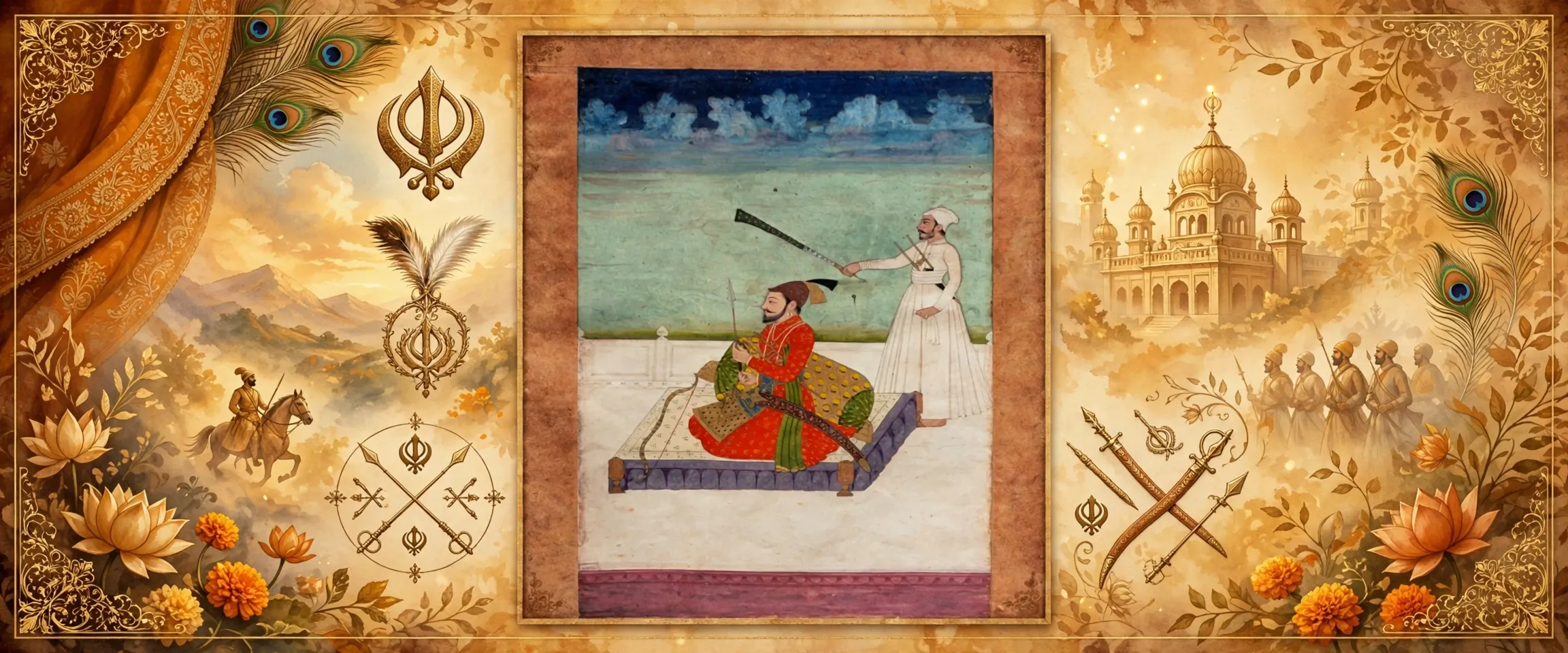
ਸ਼ਬਦ ਹਜ਼ਾਰੇ, ਜਿਸ ਨੂੰ ਸ਼ਬਦ ਹਜ਼ਾਰੇ ਪਾਤਿਸ਼ਾਹੀ 10 ਵੀ ਕਿਹਾ ਜਾਂਦਾ ਹੈ, ਗੁਰੂ ਗੋਬਿੰਦ ਸਿੰਘ ਜੀ ਦੇ ਦਸ ਸ਼ਬਦਾਂ ਦਾ ਸਮੂਹ ਹੈ, ਜੋ ਦਸਮ ਗ੍ਰੰਥ ਵਿੱਚ ਸ਼ਬਦ ਸਿਰਲੇਖ ਹੇਠ ਦਰਜ ਹੈ। ਇਹਨਾਂ ਵਿੱਚੋਂ ਨੌਂ ਬ੍ਰਜ ਭਾਸ਼ਾ ਵਿੱਚ ਹਨ ਅਤੇ ਸ਼ਾਸਤਰੀ ਰਾਗਾਂ ਵਿੱਚ ਗਾਏ ਜਾਂਦੇ ਹਨ, ਜਦੋਂ ਕਿ ਛੇਵਾਂ, ਮਿੱਤਰ ਪਿਆਰੇ ਨੂੰ, ਪੰਜਾਬੀ ਖ਼ਿਆਲ ਹੈ, ਜਿਸ ਬਾਰੇ ਮੰਨਿਆ ਜਾਂਦਾ ਹੈ ਕਿ ਗੁਰੂ ਜੀ ਨੇ ਇਸ ਨੂੰ ਚਮਕੌਰ ਦੀ ਲੜਾਈ ਤੋਂ ਬਾਅਦ ਮਾਛੀਵਾੜੇ ਦੇ ਜੰਗਲ ਵਿੱਚ ਉਚਾਰਿਆ ਸੀ। ਇਹ ਸ਼ਬਦ ਸਰੋਤੇ ਨੂੰ ਖ਼ਾਲੀ ਰਸਮਾਂ, ਮੂਰਤੀ ਪੂਜਾ ਅਤੇ ਮੋਹ ਤੋਂ ਹਟਾ ਕੇ ਇੱਕ ਕਰਤਾਰ ਦੀ ਸਿੱਧੀ ਭਗਤੀ ਵੱਲ ਮੋੜਦੇ ਹਨ।
- ਪੰਜਾਬੀ ਨਾਂ
- ਸ਼ਬਦ ਹਜ਼ਾਰੇ
- ਲੇਖਕ
- ਗੁਰੂ ਗੋਬਿੰਦ ਸਿੰਘ ਜੀ ਨੇ
- ਹੋਰ ਨਾਂ
- ਸ਼ਬਦ ਹਜ਼ਾਰੇ ਪਾਤਿਸ਼ਾਹੀ 10; ਸ਼ਬਦ ਪਾਤਿਸ਼ਾਹੀ 10
- ਰਚਨਾਵਾਂ
- ਦਸ ਸ਼ਬਦ
- ਹਿੱਸਾ
- ਦਸਮ ਗ੍ਰੰਥ, ਸ਼ਬਦ ਸਿਰਲੇਖ ਹੇਠ
- ਭਾਸ਼ਾਵਾਂ
- ਬ੍ਰਜ (ਨੌਂ ਸ਼ਬਦ), ਪੰਜਾਬੀ (ਮਿੱਤਰ ਪਿਆਰੇ ਨੂੰ)
All 9 facts
- ਸੰਗੀਤਕ ਰੂਪ
- ਛੇ ਰਾਗ (ਰਾਮਕਲੀ, ਸੋਰਠਿ, ਕਲਿਆਨ, ਤਿਲੰਗ ਕਾਫ਼ੀ, ਬਿਲਾਵਲ, ਦੇਵਗੰਧਾਰੀ) ਅਤੇ ਇੱਕ ਖ਼ਿਆਲ
- ਰਚਨਾ ਸਥਾਨ
- ਅਨੰਦਪੁਰ ਸਾਹਿਬ, ਮਿੱਤਰ ਪਿਆਰੇ ਨੂੰ ਮਾਛੀਵਾੜੇ ਵਿਖੇ (ਮੰਨਤਾ)
- ਤਰਤੀਬ
- ਮੰਨਤਾ ਹੈ ਕਿ ਦਸਾਂ ਸ਼ਬਦਾਂ ਦੀ ਤਰਤੀਬ ਭਾਈ ਮਨੀ ਸਿੰਘ ਜੀ ਨੇ ਦਿੱਤੀ ਸੀ
Shabad Hazare, also called Shabad Hazare Patshahi 10, is a set of ten hymns by ਗੁਰੂ ਗੋਬਿੰਦ ਸਿੰਘ ਜੀ ਨੇ in the ਦਸਮ ਗ੍ਰੰਥ. Nine are sung in ragas and one, Mittar Pyare Nu, is a Punjabi khayal that tradition says was composed in the Machhiwara forest. Together they turn the listener from ritual and idol worship to the One.
What is Shabad Hazare?
Shabad Hazare is the title given to ten hymns grouped under the heading Sabad in the ਦਸਮ ਗ੍ਰੰਥ, the volume of compositions linked with the court of ਗੁਰੂ ਗੋਬਿੰਦ ਸਿੰਘ ਜੀ ਨੇ. The fuller name, Shabad Hazare Patshahi 10, means the Shabad Hazare of the Tenth Sovereign, Patshahi 10 being the Tenth Master. The title itself does not appear in the main text of the hymns; it is the name the tradition gave the collection, and it is the name readers search for.
The meaning of Hazare is not settled, and the honest thing is to say so. The common reading takes it as "one thousand", with a tradition that each shabad carries the merit of a thousand. Other scholars connect the word with the Arabic hijr, separation, which fits the longing that runs through the hymns, or with the Persian hazra, presence. The Sikh Research Institute, in its study of the collection, reads Hazare from hijr and takes the whole title to mean the Tenth Sovereign's yearning for union with the One. This page follows the widely used name and records the readings rather than choosing between them.
One confusion is worth clearing up at the start. The name Shabad Hazare can also refer to a group of seven hymns in Guru Granth Sahib Ji. The ten discussed here belong to the Dasam Granth alone, and they are a different set with a different author and history.
The ten shabads
The ten are listed in the order tradition attributes to Bhai Mani Singh Ji. Nine are set to ragas and one is a khayal, and each opens with a rahau, a pause line that states its theme, except for the sixth.
1. Re man aiso kar sanyasa, Raga Ramkali. The mind is told to practise true renunciation: live at home as if in a forest, let discipline be the matted hair and love of God the ashes.
2. Re man iha bidha jog kamao, Raga Ramkali. True yoga is truth as the horn and contemplation as the ashes, not outer show.
3. Prani param purakh pag lago, Raga Ramkali. Fall at the feet of the Supreme Being and wake from the sleep of attachment.
4. Prabh ju tu keh laaj hamari, Raga Sorath. The Lord keeps our honour; the shabad greets God through many names and forms yet places all refuge in the One.
5. Bin kartar na kirtam mano, Raga Kalyan. Worship the Creator, not the creation; no avatar or created being can save.
6. Mittar pyare nu, Khayal. Tell the beloved Friend the state of the devotees, separated and suffering without Him.
7. Kewal kal hi kartar, Raga Tilang Kaafi. Only Kaal, Time itself, is the Creator; praise and blame do not touch the Lord.
8. So kim manas roop kahai, Raga Bilawal. How can God be said to have a human form, when even the sages could not find His limits?
9. Ek bin dusar na ko chinar, Raga Devgandhari. Know the One alone; stone images cannot eat the offerings or grant blessings.
10. Bin har naam na bachan paayi hai, Raga Devgandhari. Without the Name of God there is no release; the Vedas, the Puranas and the Koran all call Him infinite.
What do the shabads teach?
The thread through all ten is a single argument made ten ways: outward religion without inward devotion is empty. The first three shabads take the dress of the sanyasi and the yogi, matted hair, ashes, begging bowl and horn, and refill each item with an inward meaning. Renunciation becomes detachment while living in the world; yoga becomes truthfulness and single-minded remembrance. The Guru does not mock the seeker; he redirects the search from costume to character.
The same test is applied to worship. The fifth, seventh, eighth and ninth shabads refuse the worship of created things, whether deities, avatars or stone images, and insist that only the Creator, who has no form, no birth and no caste, deserves devotion. The fourth and tenth answer the question that refusal raises: if God cannot be pictured, how do we reach Him? By taking refuge at His feet and holding to His Name.
The poetry belongs to the Bishanpade tradition of short devotional songs, and nine of the ten are composed in Braj with many Sanskrit words. Each raga shabad is built the same way: a rahau line that states the theme, then three padas that unfold it. That musical shape matters, because the shabads were made to be sung, and the raga named at the head of each one is part of the teaching, not decoration. Six ragas appear here in total, Ramkali, Sorath, Kalyan, Tilang Kaafi, Bilawal and Devgandhari, and these are the only ragas found anywhere in the ਦਸਮ ਗ੍ਰੰਥ.
Why is Mittar Pyare Nu so loved?
The sixth shabad stands apart, and listeners have always known it. It is the only one of the ten in Punjabi, with Persian words woven in, and the only one cast as a khayal rather than a raga composition. Its opening line, Mittar pyare nu haal mureedan da kehna, asks the beloved Friend to hear the state of the devotees.
Tradition places its composing in the Machhiwara forest, in the days after the battle of Chamkaur, when Guru Gobind Singh Ji was separated from his family and his followers in the cold of winter. The shabad itself gives no date or place, and the account comes down as tradition, not as a dated record. But the words fit the story the Panth has kept: without the Beloved, warm quilts feel like sickness, a comfortable house feels like living with snakes, the drinking flask is a thorn and the cup a dagger, and sleeping on bare ground beside the Friend is better than living in a mansion that burns like a furnace.
That plain, personal cry is why the shabad has travelled so far beyond the gurdwara. It is sung in kirtan across the world, and it has been recorded by singers far outside the Sikh tradition, including Mohammed Rafi, Ustad Nusrat Fateh Ali Khan, Jagjit Singh and Hans Raj Hans. For many listeners who know nothing else of the ਦਸਮ ਗ੍ਰੰਥ, Mittar Pyare Nu is the doorway into it.
Where does Shabad Hazare sit in the Dasam Granth?
In the standard ordering of the Dasam Granth, Shabad Hazare follows the Rudra Avtar and the long Chaubis Avtar section, and comes just before the 33 Savaiye. It sits among the devotional compositions of the volume, between the retellings of older stories and the hymns of praise, which is fitting: after the avatars have been narrated, the Guru steps back and states what the stories were for.
The collection reached its present shape after the Guru's lifetime, when the compositions of his court were gathered into a single volume. Tradition attributes the ordering of these ten hymns to Bhai Mani Singh Ji. Early manuscripts do not all contain the set, and scholars have long debated the authorship of parts of the Dasam Granth as a whole. The Sikh Research Institute notes the sharp divide between those who defend and those who question the volume, and urges both sides to remember that its contents remain inseparable from Sikh tradition. This page follows the Panth's accepted attribution and states the debate plainly rather than hiding it.
Readers coming from ਜਾਪੁ ਸਾਹਿਬ or ਚੌਪਈ ਸਾਹਿਬ will notice the family resemblance and the difference. Jaap Sahib opens the Granth with praise, Chaupai Sahib is read in the daily prayers, and Shabad Hazare sits alongside them as teaching: ten short lessons in what devotion is and is not.
How are the shabads sung today?
The ten are sung in kirtan, most often by raagis in the classical style the ragas demand, and the Sikh Research Institute's project on the collection has published the text with commentary for singers and students. Recordings of the raga shabads circulate from well-known raagis, and some of the shabads were sung in the film Nanak Naam Jahaz Hai.
For a first hearing, start with Mittar Pyare Nu, then the first shabad, Re man aiso kar sanyasa, which states the whole teaching in miniature: the true sanyasi is not the one who leaves the world but the one who lives in it with a detached mind. Standard printed editions of the ਦਸਮ ਗ੍ਰੰਥ carry the full text under the heading Sabad, and the Sikh Research Institute's Sabad Hajare project offers the text with notes on the manuscripts behind it.
ਸ਼ਬਦ ਹਜ਼ਾਰੇ, ਜਿਸ ਨੂੰ ਸ਼ਬਦ ਹਜ਼ਾਰੇ ਪਾਤਿਸ਼ਾਹੀ 10 ਵੀ ਕਿਹਾ ਜਾਂਦਾ ਹੈ, ਗੁਰੂ ਗੋਬਿੰਦ ਸਿੰਘ ਜੀ ਦੇ ਦਸ ਸ਼ਬਦਾਂ ਦਾ ਸਮੂਹ ਹੈ, ਜੋ ਦਸਮ ਗ੍ਰੰਥ ਵਿੱਚ ਦਰਜ ਹੈ। ਇਹਨਾਂ ਵਿੱਚੋਂ ਨੌਂ ਰਾਗਾਂ ਵਿੱਚ ਗਾਏ ਜਾਂਦੇ ਹਨ ਅਤੇ ਇੱਕ, ਸਭ ਦਾ ਪਿਆਰਾ ਮਿੱਤਰ ਪਿਆਰੇ ਨੂੰ, ਪੰਜਾਬੀ ਖ਼ਿਆਲ ਹੈ, ਜਿਸ ਬਾਰੇ ਮੰਨਿਆ ਜਾਂਦਾ ਹੈ ਕਿ ਇਹ ਮਾਛੀਵਾੜੇ ਦੇ ਜੰਗਲ ਵਿੱਚ ਉਚਾਰਿਆ ਗਿਆ ਸੀ। ਇਹ ਸ਼ਬਦ ਸਰੋਤੇ ਨੂੰ ਰਸਮਾਂ ਅਤੇ ਮੂਰਤੀ ਪੂਜਾ ਤੋਂ ਹਟਾ ਕੇ ਇੱਕ ਅਕਾਲ ਪੁਰਖ ਵੱਲ ਮੋੜਦੇ ਹਨ।
ਸ਼ਬਦ ਹਜ਼ਾਰੇ ਕੀ ਹੈ?
ਸ਼ਬਦ ਹਜ਼ਾਰੇ ਉਹ ਨਾਂ ਹੈ, ਜੋ ਦਸਮ ਗ੍ਰੰਥ ਵਿੱਚ ਸ਼ਬਦ ਸਿਰਲੇਖ ਹੇਠ ਦਰਜ ਦਸ ਸ਼ਬਦਾਂ ਦੇ ਸਮੂਹ ਨੂੰ ਦਿੱਤਾ ਗਿਆ ਹੈ। ਦਸਮ ਗ੍ਰੰਥ ਗੁਰੂ ਗੋਬਿੰਦ ਸਿੰਘ ਜੀ ਦੇ ਦਰਬਾਰ ਨਾਲ ਜੁੜੀਆਂ ਰਚਨਾਵਾਂ ਦਾ ਗ੍ਰੰਥ ਹੈ। ਪੂਰਾ ਨਾਂ, ਸ਼ਬਦ ਹਜ਼ਾਰੇ ਪਾਤਿਸ਼ਾਹੀ 10, ਦਾ ਅਰਥ ਹੈ ਦਸਵੇਂ ਪਾਤਿਸ਼ਾਹ ਦੇ ਸ਼ਬਦ ਹਜ਼ਾਰੇ। ਇਹ ਸਿਰਲੇਖ ਸ਼ਬਦਾਂ ਦੇ ਮੂਲ ਪਾਠ ਵਿੱਚ ਨਹੀਂ ਮਿਲਦਾ। ਇਹ ਉਹ ਨਾਂ ਹੈ, ਜੋ ਸੰਪਰਦਾ ਨੇ ਇਸ ਸਮੂਹ ਨੂੰ ਦਿੱਤਾ ਹੈ, ਅਤੇ ਇਹੀ ਨਾਂ ਲੋਕ ਲੱਭਦੇ ਹਨ।
ਹਜ਼ਾਰੇ ਦਾ ਅਰਥ ਪੱਕਾ ਨਹੀਂ ਹੈ, ਅਤੇ ਇਹ ਗੱਲ ਸਾਫ਼ ਕਹਿਣੀ ਚਾਹੀਦੀ ਹੈ। ਆਮ ਮੰਨਤਾ ਇਹ ਹੈ ਕਿ ਹਜ਼ਾਰੇ ਦਾ ਅਰਥ ਹੈ ਇੱਕ ਹਜ਼ਾਰ, ਅਤੇ ਇਹ ਵਿਸ਼ਵਾਸ ਹੈ ਕਿ ਹਰ ਸ਼ਬਦ ਵਿੱਚ ਇੱਕ ਹਜ਼ਾਰ ਸ਼ਬਦਾਂ ਦਾ ਪੁੰਨ ਹੈ। ਕੁਝ ਵਿਦਵਾਨ ਇਸ ਸ਼ਬਦ ਨੂੰ ਅਰਬੀ ਦੇ ਹਿਜਰ, ਵਿਛੋੜਾ, ਨਾਲ ਜੋੜਦੇ ਹਨ, ਜੋ ਇਹਨਾਂ ਸ਼ਬਦਾਂ ਵਿੱਚ ਵਗਦੀ ਤਾਂਘ ਨਾਲ ਮੇਲ ਖਾਂਦਾ ਹੈ, ਅਤੇ ਕੁਝ ਫ਼ਾਰਸੀ ਦੇ ਹਜ਼ਰਾ, ਹਾਜ਼ਰੀ, ਨਾਲ ਜੋੜਦੇ ਹਨ। ਸਿੱਖ ਰਿਸਰਚ ਇੰਸਟੀਚਿਊਟ ਨੇ ਆਪਣੇ ਅਧਿਐਨ ਵਿੱਚ ਹਜ਼ਾਰੇ ਨੂੰ ਹਿਜਰ ਤੋਂ ਲਿਆ ਹੈ ਅਤੇ ਪੂਰੇ ਨਾਂ ਦਾ ਅਰਥ ਦਸਵੇਂ ਪਾਤਿਸ਼ਾਹ ਦੀ ਇੱਕ ਨਾਲ ਮਿਲਣ ਦੀ ਤਾਂਘ ਦੱਸਿਆ ਹੈ। ਇਹ ਲੇਖ ਆਮ ਵਰਤਿਆ ਜਾਂਦਾ ਨਾਂ ਵਰਤਦਾ ਹੈ ਅਤੇ ਸਾਰੀਆਂ ਵਿਆਖਿਆਵਾਂ ਦਰਜ ਕਰਦਾ ਹੈ, ਕਿਸੇ ਇੱਕ ਨੂੰ ਚੁਣਦਾ ਨਹੀਂ।
ਇੱਕ ਭੁਲੇਖਾ ਸ਼ੁਰੂ ਵਿੱਚ ਹੀ ਦੂਰ ਕਰ ਦੇਣਾ ਚਾਹੀਦਾ ਹੈ। ਸ਼ਬਦ ਹਜ਼ਾਰੇ ਨਾਂ ਗੁਰੂ ਗ੍ਰੰਥ ਸਾਹਿਬ ਜੀ ਦੇ ਸੱਤ ਸ਼ਬਦਾਂ ਦੇ ਇੱਕ ਸਮੂਹ ਲਈ ਵੀ ਵਰਤਿਆ ਜਾਂਦਾ ਹੈ। ਇੱਥੇ ਦੱਸੇ ਗਏ ਦਸ ਸ਼ਬਦ ਸਿਰਫ਼ ਦਸਮ ਗ੍ਰੰਥ ਦੇ ਹਨ, ਅਤੇ ਉਹ ਵੱਖਰਾ ਸਮੂਹ ਹੈ, ਜਿਸ ਦਾ ਰਚਨਹਾਰਾ ਅਤੇ ਇਤਿਹਾਸ ਵੱਖਰਾ ਹੈ।
ਦਸਾਂ ਸ਼ਬਦਾਂ ਦੀ ਸੂਚੀ
ਦਸਾਂ ਸ਼ਬਦਾਂ ਦੀ ਇਹ ਤਰਤੀਬ ਉਹ ਹੈ, ਜਿਸ ਦਾ ਸਿਹਰਾ ਮੰਨਤਾ ਭਾਈ ਮਨੀ ਸਿੰਘ ਜੀ ਦੇ ਸਿਰ ਬੰਨ੍ਹਦੀ ਹੈ। ਇਹਨਾਂ ਵਿੱਚੋਂ ਨੌਂ ਰਾਗਾਂ ਵਿੱਚ ਹਨ ਅਤੇ ਇੱਕ ਖ਼ਿਆਲ ਹੈ, ਅਤੇ ਛੇਵੇਂ ਤੋਂ ਬਿਨਾਂ ਹਰ ਸ਼ਬਦ ਰਹਾਉ ਨਾਲ ਸ਼ੁਰੂ ਹੁੰਦਾ ਹੈ, ਜੋ ਉਸ ਦਾ ਮੁੱਖ ਭਾਵ ਦੱਸਦਾ ਹੈ।
1. ਰੇ ਮਨ ਐਸੋ ਕਰ ਸੰਨਿਆਸਾ, ਰਾਗ ਰਾਮਕਲੀ। ਮਨ ਨੂੰ ਸੱਚਾ ਤਿਆਗ ਸਿਖਾਇਆ ਗਿਆ ਹੈ: ਘਰ ਵਿੱਚ ਹੀ ਜੰਗਲ ਵਾਂਗ ਰਹੋ, ਅਨੁਸ਼ਾਸਨ ਨੂੰ ਜਟਾ ਅਤੇ ਪ੍ਰਭੂ ਦੇ ਪਿਆਰ ਨੂੰ ਭਸਮ ਬਣਾਓ।
2. ਰੇ ਮਨ ਇਹ ਬਿਧ ਜੋਗ ਕਮਾਓ, ਰਾਗ ਰਾਮਕਲੀ। ਸੱਚਾ ਜੋਗ ਸੱਚ ਨੂੰ ਸਿੰਗੀ ਅਤੇ ਸਿਮਰਨ ਨੂੰ ਭਸਮ ਬਣਾਉਣਾ ਹੈ, ਬਾਹਰੀ ਦਿਖਾਵਾ ਨਹੀਂ।
3. ਪ੍ਰਾਨੀ ਪਰਮ ਪੁਰਖ ਪਗ ਲਾਗੋ, ਰਾਗ ਰਾਮਕਲੀ। ਪਰਮ ਪੁਰਖ ਦੇ ਚਰਨਾਂ ਵਿੱਚ ਲੱਗੋ ਅਤੇ ਮੋਹ ਦੀ ਨੀਂਦ ਤੋਂ ਜਾਗੋ।
4. ਪ੍ਰਭ ਜੂ ਤੂੰ ਕਹੁ ਲਾਜ ਹਮਾਰੀ, ਰਾਗ ਸੋਰਠਿ। ਪ੍ਰਭੂ ਸਾਡੀ ਲਾਜ ਰੱਖਦਾ ਹੈ। ਸ਼ਬਦ ਪ੍ਰਭੂ ਨੂੰ ਕਈ ਨਾਵਾਂ ਅਤੇ ਰੂਪਾਂ ਨਾਲ ਸਲਾਮ ਕਰਦਾ ਹੈ, ਪਰ ਸਾਰਾ ਆਸਰਾ ਇੱਕ ਵਿੱਚ ਹੀ ਰੱਖਦਾ ਹੈ।
5. ਬਿਨ ਕਰਤਾਰ ਨ ਕਿਰਤਮ ਮਾਨੋ, ਰਾਗ ਕਲਿਆਨ। ਕਰਤਾਰ ਤੋਂ ਬਿਨਾਂ ਕਿਸੇ ਕਿਰਤ ਨੂੰ ਮੰਨੋ ਨਾ। ਕੋਈ ਅਵਤਾਰ ਜਾਂ ਰਚੀ ਹੋਈ ਚੀਜ਼ ਬਚਾ ਨਹੀਂ ਸਕਦੀ।
6. ਮਿੱਤਰ ਪਿਆਰੇ ਨੂੰ, ਖ਼ਿਆਲ। ਪਿਆਰੇ ਮਿੱਤਰ ਨੂੰ ਮੁਰੀਦਾਂ ਦਾ ਹਾਲ ਦੱਸੋ, ਜੋ ਉਸ ਤੋਂ ਵਿਛੁੜ ਕੇ ਦੁੱਖੀ ਹਨ।
7. ਕੇਵਲ ਕਾਲ ਹੀ ਕਰਤਾਰ, ਰਾਗ ਤਿਲੰਗ ਕਾਫ਼ੀ। ਕੇਵਲ ਕਾਲ ਹੀ ਕਰਤਾਰ ਹੈ। ਪ੍ਰਭੂ ਨੂੰ ਨਿੰਦਿਆ ਅਤੇ ਉਸਤਤ ਦਾ ਕੋਈ ਅਸਰ ਨਹੀਂ ਹੁੰਦਾ।
8. ਸੋ ਕਿਮ ਮਾਨਸ ਰੂਪ ਕਹੈ, ਰਾਗ ਬਿਲਾਵਲ। ਪ੍ਰਭੂ ਨੂੰ ਮਨੁੱਖੀ ਰੂਪ ਵਿੱਚ ਕਿਵੇਂ ਕਿਹਾ ਜਾ ਸਕਦਾ ਹੈ, ਜਦੋਂ ਸਾਧਾਂ ਨੇ ਵੀ ਉਸ ਦੀਆਂ ਹੱਦਾਂ ਨਹੀਂ ਲੱਭੀਆਂ?
9. ਏਕ ਬਿਨ ਦੂਸਰ ਨ ਕੋ ਚਿਨਾਰ, ਰਾਗ ਦੇਵਗੰਧਾਰੀ। ਕੇਵਲ ਇੱਕ ਨੂੰ ਹੀ ਜਾਣੋ। ਪੱਥਰ ਦੀਆਂ ਮੂਰਤੀਆਂ ਭੇਟਾ ਖਾ ਨਹੀਂ ਸਕਦੀਆਂ ਅਤੇ ਵਰ ਨਹੀਂ ਦੇ ਸਕਦੀਆਂ।
10. ਬਿਨ ਹਰ ਨਾਮ ਨ ਬਚਨ ਪਾਈ ਹੈ, ਰਾਗ ਦੇਵਗੰਧਾਰੀ। ਹਰਿ ਦੇ ਨਾਮ ਤੋਂ ਬਿਨਾਂ ਮੁਕਤੀ ਨਹੀਂ। ਵੇਦ, ਪੁਰਾਣ ਅਤੇ ਕੁਰਾਨ ਸਭ ਉਸ ਨੂੰ ਅਨੰਤ ਕਹਿੰਦੇ ਹਨ।
ਸ਼ਬਦ ਕੀ ਸਿਖਾਉਂਦੇ ਹਨ?
ਦਸਾਂ ਸ਼ਬਦਾਂ ਵਿੱਚ ਇੱਕੋ ਗੱਲ ਦਸ ਤਰੀਕਿਆਂ ਨਾਲ ਕਹੀ ਗਈ ਹੈ: ਅੰਦਰਲੀ ਭਗਤੀ ਤੋਂ ਬਿਨਾਂ ਬਾਹਰੀ ਧਰਮ ਖ਼ਾਲੀ ਹੈ। ਪਹਿਲੇ ਤਿੰਨ ਸ਼ਬਦ ਸੰਨਿਆਸੀ ਅਤੇ ਜੋਗੀ ਦੇ ਭੇਸ, ਜਟਾ, ਭਸਮ, ਖੱਪਰ ਅਤੇ ਸਿੰਗੀ, ਨੂੰ ਲੈਂਦੇ ਹਨ ਅਤੇ ਹਰ ਚੀਜ਼ ਨੂੰ ਅੰਦਰਲਾ ਅਰਥ ਦੇ ਦਿੰਦੇ ਹਨ। ਤਿਆਗ ਦਾ ਅਰਥ ਸੰਸਾਰ ਵਿੱਚ ਰਹਿ ਕੇ ਨਿਰਲੇਪ ਰਹਿਣਾ ਬਣ ਜਾਂਦਾ ਹੈ, ਅਤੇ ਜੋਗ ਦਾ ਅਰਥ ਸੱਚ ਅਤੇ ਇੱਕ ਮਨ ਨਾਲ ਸਿਮਰਨ ਬਣ ਜਾਂਦਾ ਹੈ। ਗੁਰੂ ਸਾਧਕ ਦਾ ਮਜ਼ਾਕ ਨਹੀਂ ਉਡਾਉਂਦੇ, ਉਹ ਖੋਜ ਨੂੰ ਭੇਸ ਤੋਂ ਹਟਾ ਕੇ ਕਿਰਦਾਰ ਵੱਲ ਮੋੜ ਦਿੰਦੇ ਹਨ।
ਇਹੀ ਪਰਖ ਪੂਜਾ ਉੱਤੇ ਲਾਗੂ ਹੁੰਦੀ ਹੈ। ਪੰਜਵਾਂ, ਸੱਤਵਾਂ, ਅੱਠਵਾਂ ਅਤੇ ਨੌਵਾਂ ਸ਼ਬਦ ਦੇਵਤਿਆਂ, ਅਵਤਾਰਾਂ ਜਾਂ ਪੱਥਰ ਦੀਆਂ ਮੂਰਤੀਆਂ ਦੀ ਪੂਜਾ ਨੂੰ ਨਕਾਰਦੇ ਹਨ ਅਤੇ ਕਹਿੰਦੇ ਹਨ ਕਿ ਕੇਵਲ ਕਰਤਾਰ ਹੀ ਪੂਜਾ ਦੇ ਯੋਗ ਹੈ, ਜਿਸ ਦਾ ਕੋਈ ਰੂਪ ਨਹੀਂ, ਕੋਈ ਜਨਮ ਨਹੀਂ ਅਤੇ ਕੋਈ ਜਾਤ ਨਹੀਂ। ਚੌਥਾ ਅਤੇ ਦਸਵਾਂ ਸ਼ਬਦ ਉਸ ਸਵਾਲ ਦਾ ਜਵਾਬ ਦਿੰਦੇ ਹਨ, ਜੋ ਇਸ ਨਕਾਰ ਤੋਂ ਉੱਠਦਾ ਹੈ: ਜੇ ਪ੍ਰਭੂ ਦੀ ਤਸਵੀਰ ਨਹੀਂ ਬਣ ਸਕਦੀ, ਤਾਂ ਉਸ ਤੱਕ ਪਹੁੰਚੀਏ ਕਿਵੇਂ? ਉਸ ਦੇ ਚਰਨਾਂ ਦਾ ਆਸਰਾ ਲੈ ਕੇ ਅਤੇ ਉਸ ਦੇ ਨਾਮ ਨੂੰ ਫੜ ਕੇ।
ਇਹ ਕਵਿਤਾ ਬਿਸ਼ਨਪਦੇ ਪਰੰਪਰਾ ਦੇ ਛੋਟੇ ਭਗਤੀ ਗੀਤਾਂ ਦੀ ਹੈ, ਅਤੇ ਦਸਾਂ ਵਿੱਚੋਂ ਨੌਂ ਸ਼ਬਦ ਬ੍ਰਜ ਭਾਸ਼ਾ ਵਿੱਚ ਹਨ, ਜਿਨ੍ਹਾਂ ਵਿੱਚ ਸੰਸਕ੍ਰਿਤ ਦੇ ਬਹੁਤ ਸ਼ਬਦ ਹਨ। ਹਰ ਰਾਗ ਸ਼ਬਦ ਇੱਕੋ ਤਰ੍ਹਾਂ ਬਣਿਆ ਹੈ: ਰਹਾਉ ਦੀ ਸਤਰ ਮੁੱਖ ਭਾਵ ਦੱਸਦੀ ਹੈ ਅਤੇ ਤਿੰਨ ਪਦੇ ਉਸ ਨੂੰ ਖੋਲ੍ਹਦੇ ਹਨ। ਇਹ ਸੰਗੀਤਕ ਬਣਤਰ ਮਹੱਤਵ ਰੱਖਦੀ ਹੈ, ਕਿਉਂਕਿ ਇਹ ਸ਼ਬਦ ਗਾਉਣ ਲਈ ਬਣੇ ਸਨ, ਅਤੇ ਹਰ ਸ਼ਬਦ ਦੇ ਸਿਰ ਉੱਤੇ ਲਿਖਿਆ ਰਾਗ ਸਿੱਖਿਆ ਦਾ ਹਿੱਸਾ ਹੈ, ਸਜਾਵਟ ਨਹੀਂ। ਇੱਥੇ ਕੁੱਲ ਛੇ ਰਾਗ ਹਨ, ਰਾਮਕਲੀ, ਸੋਰਠਿ, ਕਲਿਆਨ, ਤਿਲੰਗ ਕਾਫ਼ੀ, ਬਿਲਾਵਲ ਅਤੇ ਦੇਵਗੰਧਾਰੀ, ਅਤੇ ਇਹੀ ਛੇ ਰਾਗ ਪੂਰੇ ਦਸਮ ਗ੍ਰੰਥ ਵਿੱਚ ਮਿਲਦੇ ਹਨ।
ਮਿੱਤਰ ਪਿਆਰੇ ਨੂੰ ਇੰਨਾ ਪਿਆਰਾ ਕਿਉਂ ਹੈ?
ਛੇਵਾਂ ਸ਼ਬਦ ਸਭ ਤੋਂ ਵੱਖਰਾ ਹੈ, ਅਤੇ ਸਰੋਤੇ ਇਹ ਗੱਲ ਹਮੇਸ਼ਾ ਤੋਂ ਜਾਣਦੇ ਹਨ। ਇਹ ਦਸਾਂ ਵਿੱਚੋਂ ਇੱਕੋ ਇੱਕ ਪੰਜਾਬੀ ਸ਼ਬਦ ਹੈ, ਜਿਸ ਵਿੱਚ ਫ਼ਾਰਸੀ ਦੇ ਸ਼ਬਦ ਮਿਲੇ ਹੋਏ ਹਨ, ਅਤੇ ਇੱਕੋ ਇੱਕ ਖ਼ਿਆਲ ਹੈ, ਰਾਗ ਰਚਨਾ ਨਹੀਂ। ਇਸ ਦੀ ਪਹਿਲੀ ਸਤਰ, ਮਿੱਤਰ ਪਿਆਰੇ ਨੂੰ ਹਾਲ ਮੁਰੀਦਾਂ ਦਾ ਕਹਿਣਾ, ਪਿਆਰੇ ਮਿੱਤਰ ਨੂੰ ਮੁਰੀਦਾਂ ਦਾ ਹਾਲ ਸੁਣਨ ਲਈ ਕਹਿੰਦੀ ਹੈ।
ਮੰਨਤਾ ਹੈ ਕਿ ਇਹ ਸ਼ਬਦ ਮਾਛੀਵਾੜੇ ਦੇ ਜੰਗਲ ਵਿੱਚ ਉਚਾਰਿਆ ਗਿਆ ਸੀ, ਚਮਕੌਰ ਦੀ ਲੜਾਈ ਤੋਂ ਬਾਅਦ ਦੇ ਦਿਨਾਂ ਵਿੱਚ, ਜਦੋਂ ਗੁਰੂ ਗੋਬਿੰਦ ਸਿੰਘ ਜੀ ਸਰਦੀ ਵਿੱਚ ਆਪਣੇ ਪਰਿਵਾਰ ਅਤੇ ਸਾਥੀਆਂ ਤੋਂ ਵਿਛੁੜੇ ਹੋਏ ਸਨ। ਸ਼ਬਦ ਵਿੱਚ ਕੋਈ ਤਾਰੀਖ਼ ਜਾਂ ਥਾਂ ਨਹੀਂ ਦਿੱਤੀ ਗਈ, ਅਤੇ ਇਹ ਗੱਲ ਮੰਨਤਾ ਵਜੋਂ ਚੱਲੀ ਆ ਰਹੀ ਹੈ, ਤਾਰੀਖ਼ੀ ਦਸਤਾਵੇਜ਼ ਵਜੋਂ ਨਹੀਂ। ਪਰ ਸ਼ਬਦ ਦੇ ਬੋਲ ਉਸ ਕਹਾਣੀ ਨਾਲ ਮੇਲ ਖਾਂਦੇ ਹਨ, ਜੋ ਪੰਥ ਨੇ ਸਾਂਭੀ ਹੋਈ ਹੈ: ਪਿਆਰੇ ਤੋਂ ਬਿਨਾਂ ਗਰਮ ਰਜਾਈਆਂ ਰੋਗ ਲੱਗਦੀਆਂ ਹਨ, ਸੁਖੀ ਘਰ ਸੱਪਾਂ ਨਾਲ ਰਹਿਣ ਵਰਗਾ ਲੱਗਦਾ ਹੈ, ਸੁਰਾਹੀ ਸੂਲ ਅਤੇ ਪਿਆਲਾ ਖੰਜਰ ਲੱਗਦਾ ਹੈ, ਅਤੇ ਮਿੱਤਰ ਦੇ ਨੇੜੇ ਨੰਗੀ ਧਰਤੀ ਉੱਤੇ ਸੌਣਾ ਭਠ ਵਰਗੀ ਮਹਿਲ ਵਿੱਚ ਰਹਿਣ ਨਾਲੋਂ ਚੰਗਾ ਹੈ।
ਇਹ ਸਾਦੀ, ਨਿੱਜੀ ਪੁਕਾਰ ਹੀ ਹੈ, ਜਿਸ ਕਰਕੇ ਇਹ ਸ਼ਬਦ ਗੁਰਦੁਆਰੇ ਤੋਂ ਬਹੁਤ ਦੂਰ ਤੱਕ ਪਹੁੰਚ ਗਿਆ ਹੈ। ਇਹ ਸ਼ਬਦ ਦੁਨੀਆ ਭਰ ਵਿੱਚ ਕੀਰਤਨ ਵਿੱਚ ਗਾਇਆ ਜਾਂਦਾ ਹੈ, ਅਤੇ ਸਿੱਖ ਪਰੰਪਰਾ ਤੋਂ ਬਾਹਰ ਦੇ ਗਾਇਕਾਂ ਨੇ ਵੀ ਇਸ ਨੂੰ ਗਾਇਆ ਹੈ, ਜਿਨ੍ਹਾਂ ਵਿੱਚ ਮੁਹੰਮਦ ਰਫ਼ੀ, ਉਸਤਾਦ ਨੁਸਰਤ ਫ਼ਤਿਹ ਅਲੀ ਖ਼ਾਨ, ਜਗਜੀਤ ਸਿੰਘ ਅਤੇ ਹੰਸ ਰਾਜ ਹੰਸ ਸ਼ਾਮਲ ਹਨ। ਬਹੁਤ ਸਾਰੇ ਸਰੋਤਿਆਂ ਲਈ, ਜੋ ਦਸਮ ਗ੍ਰੰਥ ਬਾਰੇ ਹੋਰ ਕੁਝ ਨਹੀਂ ਜਾਣਦੇ, ਮਿੱਤਰ ਪਿਆਰੇ ਨੂੰ ਹੀ ਉਸ ਵਿੱਚ ਦਾਖ਼ਲੇ ਦਾ ਦਰਵਾਜ਼ਾ ਹੈ।
ਦਸਮ ਗ੍ਰੰਥ ਵਿੱਚ ਸ਼ਬਦ ਹਜ਼ਾਰੇ ਕਿੱਥੇ ਹੈ?
ਦਸਮ ਗ੍ਰੰਥ ਦੀ ਮਿਆਰੀ ਤਰਤੀਬ ਵਿੱਚ ਸ਼ਬਦ ਹਜ਼ਾਰੇ ਰੁਦਰ ਅਵਤਾਰ ਅਤੇ ਲੰਮੇ ਚੌਬੀਸ ਅਵਤਾਰ ਭਾਗ ਤੋਂ ਬਾਅਦ ਆਉਂਦਾ ਹੈ, ਅਤੇ 33 ਸਵੱਈਏ ਤੋਂ ਠੀਕ ਪਹਿਲਾਂ ਹੈ। ਇਹ ਗ੍ਰੰਥ ਦੀਆਂ ਭਗਤੀ ਰਚਨਾਵਾਂ ਵਿੱਚ ਹੈ, ਪੁਰਾਣੀਆਂ ਕਹਾਣੀਆਂ ਦੇ ਬਿਰਤਾਂਤ ਅਤੇ ਉਸਤਤ ਦੇ ਸ਼ਬਦਾਂ ਦੇ ਵਿਚਕਾਰ, ਜੋ ਢੁਕਵਾਂ ਹੈ: ਅਵਤਾਰਾਂ ਦੀ ਕਥਾ ਸੁਣਾ ਕੇ ਗੁਰੂ ਪਿੱਛੇ ਹਟ ਕੇ ਦੱਸਦੇ ਹਨ ਕਿ ਇਹ ਕਹਾਣੀਆਂ ਕਿਸ ਲਈ ਸਨ।
ਇਸ ਸਮੂਹ ਨੇ ਆਪਣਾ ਮੌਜੂਦਾ ਰੂਪ ਗੁਰੂ ਜੀ ਦੇ ਜੀਵਨ ਤੋਂ ਬਾਅਦ ਲਿਆ, ਜਦੋਂ ਉਹਨਾਂ ਦੇ ਦਰਬਾਰ ਦੀਆਂ ਰਚਨਾਵਾਂ ਇੱਕ ਗ੍ਰੰਥ ਵਿੱਚ ਇਕੱਠੀਆਂ ਕੀਤੀਆਂ ਗਈਆਂ। ਮੰਨਤਾ ਹੈ ਕਿ ਇਹਨਾਂ ਦਸਾਂ ਸ਼ਬਦਾਂ ਦੀ ਤਰਤੀਬ ਭਾਈ ਮਨੀ ਸਿੰਘ ਜੀ ਨੇ ਦਿੱਤੀ ਸੀ। ਸ਼ੁਰੂਆਤੀ ਹੱਥ ਲਿਖਤਾਂ ਵਿੱਚ ਇਹ ਸਮੂਹ ਸਭ ਵਿੱਚ ਨਹੀਂ ਮਿਲਦਾ, ਅਤੇ ਵਿਦਵਾਨ ਦਸਮ ਗ੍ਰੰਥ ਦੇ ਕੁਝ ਹਿੱਸਿਆਂ ਦੀ ਰਚਨਹਾਰਤਾ ਬਾਰੇ ਲੰਮੇ ਸਮੇਂ ਤੋਂ ਬਹਿਸ ਕਰਦੇ ਆ ਰਹੇ ਹਨ। ਸਿੱਖ ਰਿਸਰਚ ਇੰਸਟੀਚਿਊਟ ਗ੍ਰੰਥ ਦੇ ਹੱਕ ਅਤੇ ਵਿਰੋਧ ਵਿੱਚ ਖੜ੍ਹੇ ਦੋਵਾਂ ਧਿਰਾਂ ਵਿਚਕਾਰ ਤਿੱਖੀ ਵੰਡ ਵੱਲ ਧਿਆਨ ਦਿਵਾਉਂਦਾ ਹੈ ਅਤੇ ਦੋਵਾਂ ਨੂੰ ਯਾਦ ਦਿਵਾਉਂਦਾ ਹੈ ਕਿ ਇਸ ਦੀ ਸਮੱਗਰੀ ਸਿੱਖ ਪਰੰਪਰਾ ਤੋਂ ਅਲੱਗ ਨਹੀਂ ਕੀਤੀ ਜਾ ਸਕਦੀ। ਇਹ ਲੇਖ ਪੰਥ ਦੀ ਮੰਨੀ ਹੋਈ ਰਚਨਹਾਰਤਾ ਨੂੰ ਮੰਨਦਾ ਹੈ ਅਤੇ ਬਹਿਸ ਨੂੰ ਲੁਕਾਉਣ ਦੀ ਥਾਂ ਸਾਫ਼ ਦੱਸਦਾ ਹੈ।
ਜਾਪੁ ਸਾਹਿਬ ਜਾਂ ਚੌਪਈ ਸਾਹਿਬ ਤੋਂ ਆਉਣ ਵਾਲੇ ਪਾਠਕ ਨੂੰ ਪਰਿਵਾਰਕ ਮਿਲਦੀ ਜੁਲਦੀ ਗੱਲ ਅਤੇ ਫ਼ਰਕ ਦੋਵੇਂ ਦਿਸਣਗੇ। ਜਾਪੁ ਸਾਹਿਬ ਗ੍ਰੰਥ ਨੂੰ ਉਸਤਤ ਨਾਲ ਖੋਲ੍ਹਦਾ ਹੈ, ਚੌਪਈ ਸਾਹਿਬ ਰੋਜ਼ਾਨਾ ਬਾਣੀਆਂ ਵਿੱਚ ਪੜ੍ਹਿਆ ਜਾਂਦਾ ਹੈ, ਅਤੇ ਸ਼ਬਦ ਹਜ਼ਾਰੇ ਉਹਨਾਂ ਦੇ ਨਾਲ ਸਿੱਖਿਆ ਵਜੋਂ ਖੜ੍ਹਾ ਹੈ: ਦਸ ਛੋਟੇ ਪਾਠ, ਜੋ ਦੱਸਦੇ ਹਨ ਕਿ ਭਗਤੀ ਕੀ ਹੈ ਅਤੇ ਕੀ ਨਹੀਂ।
ਅੱਜ ਸ਼ਬਦ ਕਿਵੇਂ ਗਾਏ ਜਾਂਦੇ ਹਨ?
ਦਸਾਂ ਸ਼ਬਦ ਕੀਰਤਨ ਵਿੱਚ ਗਾਏ ਜਾਂਦੇ ਹਨ, ਅਕਸਰ ਰਾਗੀਆਂ ਵੱਲੋਂ ਉਸ ਸ਼ਾਸਤਰੀ ਅੰਦਾਜ਼ ਵਿੱਚ, ਜਿਸ ਦੀ ਰਾਗ ਮੰਗ ਕਰਦੇ ਹਨ, ਅਤੇ ਸਿੱਖ ਰਿਸਰਚ ਇੰਸਟੀਚਿਊਟ ਦੇ ਇਸ ਸਮੂਹ ਉੱਤੇ ਪ੍ਰਾਜੈਕਟ ਨੇ ਗਾਇਕਾਂ ਅਤੇ ਵਿਦਿਆਰਥੀਆਂ ਲਈ ਪਾਠ ਟਿੱਪਣੀਆਂ ਨਾਲ ਛਾਪਿਆ ਹੈ। ਰਾਗ ਸ਼ਬਦਾਂ ਦੀਆਂ ਰਿਕਾਰਡਿੰਗਾਂ ਮਸ਼ਹੂਰ ਰਾਗੀਆਂ ਤੋਂ ਮਿਲਦੀਆਂ ਹਨ, ਅਤੇ ਕੁਝ ਸ਼ਬਦ ਫ਼ਿਲਮ ਨਾਨਕ ਨਾਮ ਜਹਾਜ਼ ਹੈ ਵਿੱਚ ਗਾਏ ਗਏ ਸਨ।
ਪਹਿਲੀ ਵਾਰ ਸੁਣਨ ਲਈ ਮਿੱਤਰ ਪਿਆਰੇ ਨੂੰ ਤੋਂ ਸ਼ੁਰੂ ਕਰੋ, ਫਿਰ ਪਹਿਲਾ ਸ਼ਬਦ, ਰੇ ਮਨ ਐਸੋ ਕਰ ਸੰਨਿਆਸਾ, ਸੁਣੋ, ਜੋ ਪੂਰੀ ਸਿੱਖਿਆ ਨੂੰ ਛੋਟੇ ਰੂਪ ਵਿੱਚ ਦੱਸਦਾ ਹੈ: ਸੱਚਾ ਸੰਨਿਆਸੀ ਉਹ ਨਹੀਂ, ਜੋ ਸੰਸਾਰ ਛੱਡ ਦੇਵੇ, ਸਗੋਂ ਉਹ ਹੈ, ਜੋ ਸੰਸਾਰ ਵਿੱਚ ਰਹਿ ਕੇ ਨਿਰਲੇਪ ਰਹੇ। ਦਸਮ ਗ੍ਰੰਥ ਦੇ ਮਿਆਰੀ ਛਪੇ ਸੰਸਕਰਣਾਂ ਵਿੱਚ ਪੂਰਾ ਪਾਠ ਸ਼ਬਦ ਸਿਰਲੇਖ ਹੇਠ ਮਿਲਦਾ ਹੈ, ਅਤੇ ਸਿੱਖ ਰਿਸਰਚ ਇੰਸਟੀਚਿਊਟ ਦਾ ਸ਼ਬਦ ਹਜ਼ਾਰੇ ਪ੍ਰਾਜੈਕਟ ਹੱਥ ਲਿਖਤਾਂ ਬਾਰੇ ਨੋਟਾਂ ਨਾਲ ਪਾਠ ਦਿੰਦਾ ਹੈ।
More religion entries to explore
ਸਰੋਤ (4)
ਜੁਗਤੀ ਮੁਫ਼ਤ ਅਤੇ ਸੁਤੰਤਰ ਹੈ। ਪਾਠਕਾਂ ਦਾ ਸਹਿਯੋਗ ਕੋਸ਼ ਨੂੰ ਵਧਾਉਂਦਾ ਹੈ।
ਸਹਿਯੋਗ