
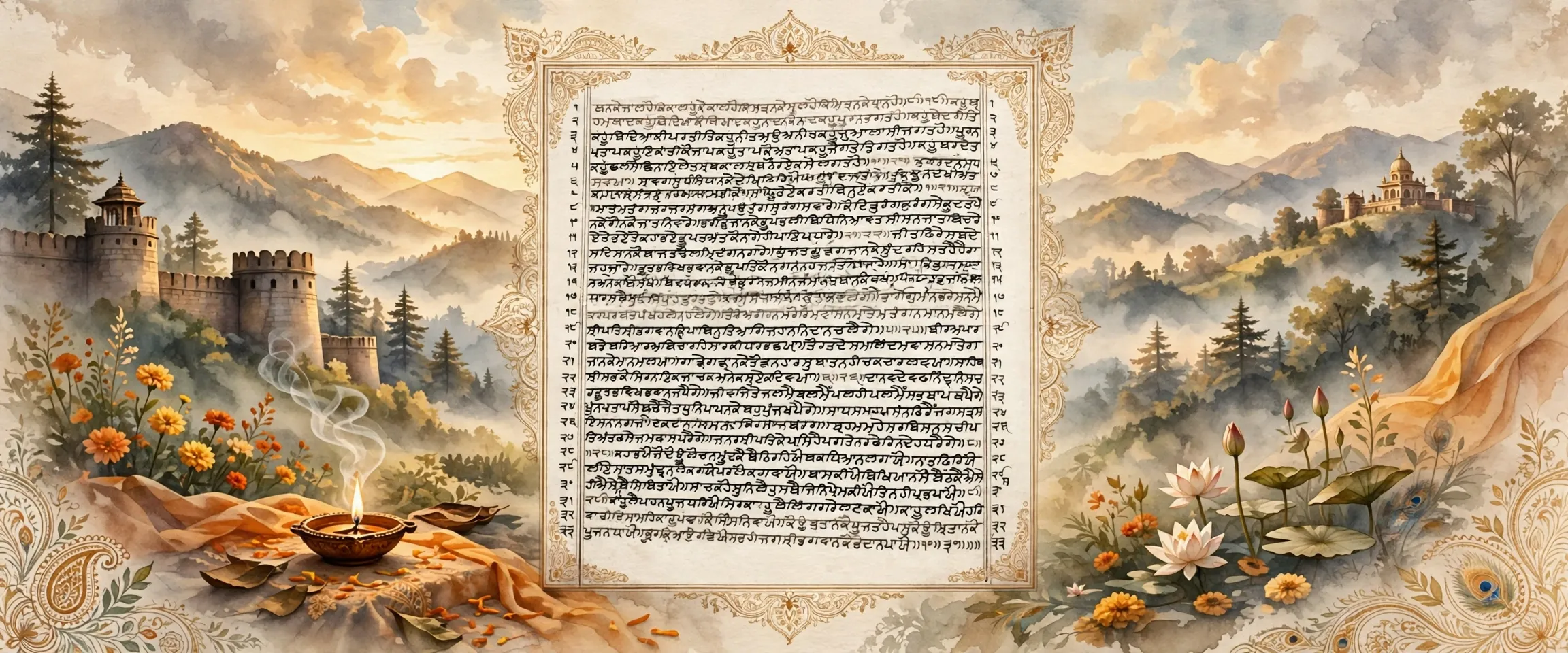
ਤਵਪ੍ਰਸਾਦਿ ਸਵੱਯੇ ਗੁਰੂ ਗੋਬਿੰਦ ਸਿੰਘ ਜੀ ਦੇ ਦਸ ਬੰਦ ਹਨ, ਜੋ ਦਸਮ ਗ੍ਰੰਥ ਦੀ ਅਕਾਲ ਉਸਤਤਿ ਵਿੱਚੋਂ ਹਨ ਅਤੇ ਹਰ ਸਵੇਰ ਨਿਤਨੇਮ ਦੀ ਤੀਜੀ ਬਾਣੀ ਵਜੋਂ ਜਾਪੁ ਸਾਹਿਬ ਤੋਂ ਬਾਅਦ ਪੜ੍ਹੇ ਜਾਂਦੇ ਹਨ। ਇਹ ਸਾਧੂਆਂ, ਜੋਗੀਆਂ, ਯੋਧਿਆਂ ਅਤੇ ਰਾਜਿਆਂ ਦਾ ਜਾਇਜ਼ਾ ਲੈ ਕੇ ਕਹਿੰਦੇ ਹਨ ਕਿ ਪਰਮਾਤਮਾ ਦੀ ਕਿਰਪਾ ਅਤੇ ਪ੍ਰੇਮ ਤੋਂ ਬਿਨਾਂ ਇਹ ਸਭ ਕੁਝ ਵੀ ਨਹੀਂ, ਅਤੇ ਆਪਣੀ ਪ੍ਰਸਿੱਧ ਸਤਰ ਤੇ ਮੁੱਕਦੇ ਹਨ: ਜਿਸ ਨੇ ਪ੍ਰੇਮ ਕੀਤਾ, ਉਸੇ ਨੇ ਪ੍ਰਭੂ ਨੂੰ ਪਾਇਆ।
- ਪੰਜਾਬੀ ਨਾਂ
- ਤਵਪ੍ਰਸਾਦਿ ਸਵੱਯੇ
- ਰਚਨਾ
- ਗੁਰੂ ਗੋਬਿੰਦ ਸਿੰਘ ਜੀ ਨੇ
- ਹਿੱਸਾ
- ਅਕਾਲ ਉਸਤਤਿ, ਦਸਮ ਗ੍ਰੰਥ ਵਿੱਚ (ਪੰਨੇ 13 ਤੋਂ 15)
- ਸਥਾਨ
- ਅਕਾਲ ਉਸਤਤਿ ਦੇ 21ਵੇਂ ਬੰਦ ਤੋਂ ਸ਼ੁਰੂ
- ਬਣਤਰ
- 10 ਸਵੱਯੇ
- ਨਾਂ ਦਾ ਅਰਥ
- ਤਵਪ੍ਰਸਾਦਿ: ਤੇਰੀ ਕਿਰਪਾ ਨਾਲ
All 10 facts
- ਹੋਰ ਨਾਮ
- ਅੰਮ੍ਰਿਤ ਸਵੱਯੇ, ਸੁੱਧ ਸਵੱਯੇ
- ਰੋਜ਼ਾਨਾ ਬਾਣੀ
- ਸਵੇਰ ਦੇ ਨਿਤਨੇਮ ਦੀ ਤੀਜੀ ਬਾਣੀ, ਜਾਪੁ ਸਾਹਿਬ ਤੋਂ ਬਾਅਦ
- ਹੋਰ ਕਦੋਂ ਪੜ੍ਹੀ ਜਾਂਦੀ ਹੈ
- ਅੰਮ੍ਰਿਤ ਸੰਚਾਰ ਸਮੇਂ, ਅੰਮ੍ਰਿਤ ਤਿਆਰ ਹੁੰਦੇ ਸਮੇਂ
- ਮਸ਼ਹੂਰ ਸਤਰ
- ਜਿਨ ਪ੍ਰੇਮ ਕੀਓ ਤਿਨ ਹੀ ਪ੍ਰਭੁ ਪਾਇਓ
Tav-Prasad Savaiye is the short, searching hymn by ਗੁਰੂ ਗੋਬਿੰਦ ਸਿੰਘ ਜੀ ਨੇ, the tenth Sikh Guru, that Sikhs recite every morning as the third bani of Nitnem. Its ten stanzas are taken from his Akal Ustat, the praise of the Timeless One, and they pass in review the monks, yogis, warriors, gods and kings of the whole world before reaching one verdict: all of it, without the grace of God and without love, is worth nothing. Its closing teaching is the most quoted line in all the Guru's shorter works: whoever has loved has found God.
What is Tav-Prasad Savaiye?
Tav-Prasad Savaiye is a composition of ten stanzas in the savaiye metre, the stately quatrain form from which it takes its name. Tav prasad means by Your grace, and the title states the hymn's whole argument before it begins: everything a person is or does counts only by grace. The ten stanzas are drawn from Akal Ustat, Guru Gobind Singh Ji's long praise of the Timeless One in the Dasam Granth, beginning at stanza 21 of that work. The bani is also called Amrit Savaiye or Sudh Savaiye in the gutka tradition, and in the five morning banis of Nitnem it stands third, read straight after ਜਾਪੁ ਸਾਹਿਬ.
Where does it stand in Akal Ustat and the Dasam Granth?
Akal Ustat is the second composition of the Dasam Granth, a devotional work of some 271 verses praising Akal, the Timeless Primal Being, under many names and forms. It is known for its open rejection of caste and of every claim that one people, region or creed stands above another, and for insisting that human beings are all one. The ten Tav-Prasad stanzas stand on pages 13 to 15 of the standard Dasam Granth and form the part of Akal Ustat that daily Sikh life took for its own: the wider praise stayed in the scripture, while these ten quatrains entered the gutka and the morning of almost every practising Sikh.
What do the ten Savaiye say?
The first stanza reports a survey of the religious world. The Guru describes seeing the disciplined orders of Jain and Buddhist monks, companies of adepts and yogis, brave warriors, assemblies of saints of many sects, and the disciplines of every land, and finding among them no sight of the Lord of life: without even a fraction of God's grace and love, he says, all of it weighs nothing. The hymn opens, in other words, not with doctrine but with a traveller's negative result, reached by looking everywhere.
The middle stanzas turn from holy men to power. Kings are pictured with jewelled and painted elephants, millions of horses faster than the wind, armies and drums and conquered countries, and the verdict is the same: such emperors, for all their splendour, leave the world barefoot in the end. Warriors in shining armour who crush armies and humble elephants fare no better, and nor do the routines of religion: pilgrimages, ritual bathing, fasting, charity, celibacy and the study of scriptures, pursued without love, are called fruitless. The savaiye move like a review of troops, each rank of human greatness inspected and dismissed in turn, until nothing is left standing except grace and love.
Why does it reject ritual without love?
The hymn names the outward forms plainly: idol worship, pilgrimages, the worship of graves and the samadhis of yogis are of no use in attaining God if they are performed without love of God and of all his creation. This is not a rejection of practice by a teacher who prescribed daily practice himself. Tav-Prasad Savaiye is itself recited daily, and the distinction it draws is between form used as a transaction, something done to purchase merit, and remembrance done in love. A pilgrimage walked in love is not its target. A pilgrimage, or a prayer, offered as a substitute for love is. Read this way, the ten stanzas protect devotion from its own machinery, which is why the Khalsa, the most disciplined of communities, was given them to read every morning.
Where does the line Jin Prem Kiyo Tin Hi Prabh Paayo come from?
It comes from the ninth of the ten savaiye, where the Guru turns from surveying others to stating the truth plainly, in a passage that begins by asking everyone to listen: I tell the truth, hear it all, whoever has loved has found God. The line has travelled far beyond the morning gutka. Scholars of many religions quote it, and the Dalai Lama quoted it in Dialogues on Universal Responsibility and Education while teaching on love. Its force inside the hymn is structural: after nine stanzas of negation, of this is not it, the positive way is finally named in a single condition, and the condition is not birth, learning, austerity or power, but love.
How is Tav-Prasad Savaiye recited today?
Tav-Prasad Savaiye is the third of the five morning banis of ਨਿਤਨੇਮ, recited in the Amrit Vela after Jaap Sahib and before Chaupai Sahib. The Sikh Rehat Maryada sets the morning recitation as Japji Sahib, Jaap Sahib and the Ten Savaiye beginning with the words Sravag Sudh, and the ten stanzas are also read at Amrit Sanchar, the Khalsa initiation, where Jaap Sahib, the Savaiye and Chaupai Sahib are recited while the Amrit is prepared. Short enough to learn by heart and sharp enough to stay in the mind all day, it is for many Sikhs the moment in the morning prayers when praise turns into self-examination.
ਤਵਪ੍ਰਸਾਦਿ ਸਵੱਯੇ ਗੁਰੂ ਗੋਬਿੰਦ ਸਿੰਘ ਜੀ ਦੀ ਛੋਟੀ ਪਰ ਡੂੰਘੀ ਬਾਣੀ ਹੈ, ਜੋ ਸਿੱਖ ਹਰ ਸਵੇਰ ਨਿਤਨੇਮ ਦੀ ਤੀਜੀ ਬਾਣੀ ਵਜੋਂ ਪੜ੍ਹਦੇ ਹਨ। ਇਸ ਦੇ ਦਸ ਸਵੱਯੇ ਉਹਨਾਂ ਦੀ ਅਕਾਲ ਉਸਤਤਿ ਵਿੱਚੋਂ ਹਨ, ਜੋ ਅਕਾਲ ਪੁਰਖ ਦੀ ਉਸਤਤਿ ਹੈ, ਅਤੇ ਇਹ ਸੰਸਾਰ ਦੇ ਸਾਧੂਆਂ, ਜੋਗੀਆਂ, ਯੋਧਿਆਂ, ਦੇਵਤਿਆਂ ਅਤੇ ਰਾਜਿਆਂ ਨੂੰ ਇੱਕ ਇੱਕ ਕਰਕੇ ਸਾਹਮਣੇ ਲਿਆ ਕੇ ਇੱਕੋ ਸਿੱਟੇ ਤੇ ਪਹੁੰਚਦੇ ਹਨ: ਪਰਮਾਤਮਾ ਦੀ ਕਿਰਪਾ ਅਤੇ ਪ੍ਰੇਮ ਤੋਂ ਬਿਨਾਂ ਇਹ ਸਭ ਕੁਝ ਵੀ ਨਹੀਂ। ਇਸ ਦੀ ਸਭ ਤੋਂ ਵੱਧ ਉਚਾਰੀ ਜਾਣ ਵਾਲੀ ਸਤਰ ਇਹੀ ਸਿੱਖਿਆ ਦਿੰਦੀ ਹੈ: ਜਿਸ ਨੇ ਪ੍ਰੇਮ ਕੀਤਾ, ਉਸੇ ਨੇ ਪ੍ਰਭੂ ਨੂੰ ਪਾਇਆ।
ਤਵਪ੍ਰਸਾਦਿ ਸਵੱਯੇ ਕੀ ਹੈ?
ਤਵਪ੍ਰਸਾਦਿ ਸਵੱਯੇ ਸਵੱਯਾ ਛੰਦ ਵਿੱਚ ਦਸ ਬੰਦਾਂ ਦੀ ਰਚਨਾ ਹੈ, ਅਤੇ ਇਸ ਦਾ ਨਾਂ ਇਸੇ ਛੰਦ ਤੋਂ ਆਇਆ ਹੈ। ਤਵਪ੍ਰਸਾਦਿ ਦਾ ਅਰਥ ਹੈ ਤੇਰੀ ਕਿਰਪਾ ਨਾਲ, ਅਤੇ ਇਹ ਨਾਂ ਸ਼ੁਰੂ ਹੋਣ ਤੋਂ ਪਹਿਲਾਂ ਹੀ ਬਾਣੀ ਦੀ ਸਾਰੀ ਗੱਲ ਕਹਿ ਦਿੰਦਾ ਹੈ: ਮਨੁੱਖ ਜੋ ਵੀ ਹੈ ਜਾਂ ਕਰਦਾ ਹੈ, ਉਸ ਦਾ ਮੁੱਲ ਕਿਰਪਾ ਨਾਲ ਹੀ ਹੈ। ਇਹ ਦਸ ਸਵੱਯੇ ਅਕਾਲ ਉਸਤਤਿ ਵਿੱਚੋਂ ਹਨ, ਜੋ ਦਸਮ ਗ੍ਰੰਥ ਵਿੱਚ ਗੁਰੂ ਗੋਬਿੰਦ ਸਿੰਘ ਜੀ ਦੀ ਅਕਾਲ ਪੁਰਖ ਦੀ ਲੰਮੀ ਉਸਤਤਿ ਹੈ, ਅਤੇ ਇਹ ਉਸ ਰਚਨਾ ਦੇ 21ਵੇਂ ਬੰਦ ਤੋਂ ਸ਼ੁਰੂ ਹੁੰਦੇ ਹਨ। ਗੁਟਕਾ ਪਰੰਪਰਾ ਵਿੱਚ ਇਸ ਬਾਣੀ ਨੂੰ ਅੰਮ੍ਰਿਤ ਸਵੱਯੇ ਜਾਂ ਸੁੱਧ ਸਵੱਯੇ ਵੀ ਕਿਹਾ ਜਾਂਦਾ ਹੈ, ਅਤੇ ਨਿਤਨੇਮ ਦੀਆਂ ਪੰਜ ਸਵੇਰ ਦੀਆਂ ਬਾਣੀਆਂ ਵਿੱਚ ਇਹ ਤੀਜੀ ਹੈ, ਜਾਪੁ ਸਾਹਿਬ ਤੋਂ ਠੀਕ ਬਾਅਦ ਪੜ੍ਹੀ ਜਾਣ ਵਾਲੀ।
ਅਕਾਲ ਉਸਤਤਿ ਅਤੇ ਦਸਮ ਗ੍ਰੰਥ ਵਿੱਚ ਇਸ ਦਾ ਸਥਾਨ ਕੀ ਹੈ?
ਅਕਾਲ ਉਸਤਤਿ ਦਸਮ ਗ੍ਰੰਥ ਦੀ ਦੂਜੀ ਰਚਨਾ ਹੈ, ਲਗਭਗ 271 ਛੰਦਾਂ ਦੀ ਬਾਣੀ, ਜੋ ਅਕਾਲ, ਕਾਲ ਤੋਂ ਪਰੇ ਮੂਲ ਹਸਤੀ, ਦੀ ਕਈ ਨਾਵਾਂ ਅਤੇ ਰੂਪਾਂ ਨਾਲ ਉਸਤਤਿ ਕਰਦੀ ਹੈ। ਇਹ ਬਾਣੀ ਜਾਤ ਪਾਤ ਨੂੰ ਅਤੇ ਇਸ ਦਾਅਵੇ ਨੂੰ ਸਾਫ਼ ਨਕਾਰਨ ਲਈ ਜਾਣੀ ਜਾਂਦੀ ਹੈ ਕਿ ਕੋਈ ਇੱਕ ਕੌਮ, ਇਲਾਕਾ ਜਾਂ ਮਜ਼ਹਬ ਦੂਜਿਆਂ ਤੋਂ ਉੱਚਾ ਹੈ, ਅਤੇ ਇਹ ਕਹਿੰਦੀ ਹੈ ਕਿ ਸਾਰੇ ਮਨੁੱਖ ਇੱਕੋ ਜਿਹੇ ਹਨ। ਤਵਪ੍ਰਸਾਦਿ ਦੇ ਦਸ ਸਵੱਯੇ ਦਸਮ ਗ੍ਰੰਥ ਦੇ ਮਿਆਰੀ ਛਾਪੇ ਦੇ ਪੰਨੇ 13 ਤੋਂ 15 ਤੇ ਆਉਂਦੇ ਹਨ, ਅਤੇ ਇਹ ਅਕਾਲ ਉਸਤਤਿ ਦਾ ਉਹ ਹਿੱਸਾ ਹਨ ਜੋ ਰੋਜ਼ ਦੇ ਸਿੱਖ ਜੀਵਨ ਨੇ ਆਪਣਾ ਲਿਆ: ਵੱਡੀ ਉਸਤਤਿ ਗ੍ਰੰਥ ਵਿੱਚ ਰਹੀ, ਅਤੇ ਇਹ ਦਸ ਬੰਦ ਗੁਟਕੇ ਵਿੱਚ ਅਤੇ ਲਗਭਗ ਹਰ ਅਭਿਆਸੀ ਸਿੱਖ ਦੀ ਸਵੇਰ ਵਿੱਚ ਆ ਗਏ।
ਦਸ ਸਵੱਯੇ ਕੀ ਕਹਿੰਦੇ ਹਨ?
ਪਹਿਲਾ ਸਵੱਯਾ ਧਰਮ ਦੇ ਸੰਸਾਰ ਦਾ ਜਾਇਜ਼ਾ ਪੇਸ਼ ਕਰਦਾ ਹੈ। ਗੁਰੂ ਜੀ ਜੈਨ ਅਤੇ ਬੌਧ ਭਿਕਸ਼ੂਆਂ ਦੇ ਅਨੁਸ਼ਾਸਿਤ ਟੋਲੇ, ਸਿੱਧਾਂ ਅਤੇ ਜੋਗੀਆਂ ਦੇ ਡੇਰੇ, ਬਹਾਦਰ ਯੋਧੇ, ਕਈ ਮੱਤਾਂ ਦੇ ਸੰਤਾਂ ਦੇ ਇਕੱਠ ਅਤੇ ਹਰ ਦੇਸ ਦੇ ਨੇਮ ਵੇਖਣ ਦਾ ਵਰਣਨ ਕਰਦੇ ਹਨ, ਅਤੇ ਕਹਿੰਦੇ ਹਨ ਕਿ ਉਹਨਾਂ ਵਿੱਚ ਪ੍ਰਾਣਾਂ ਦੇ ਮਾਲਕ ਦੀ ਝਲਕ ਕਿਤੇ ਨਹੀਂ ਮਿਲੀ: ਪਰਮਾਤਮਾ ਦੀ ਕਿਰਪਾ ਅਤੇ ਪ੍ਰੇਮ ਦੀ ਇੱਕ ਰੱਤੀ ਤੋਂ ਬਿਨਾਂ ਇਹ ਸਭ ਕੁਝ ਵੀ ਨਹੀਂ। ਇਸ ਤਰ੍ਹਾਂ ਇਹ ਬਾਣੀ ਕਿਸੇ ਸਿਧਾਂਤ ਨਾਲ ਨਹੀਂ, ਇੱਕ ਯਾਤਰੀ ਦੇ ਉਸ ਸਿੱਟੇ ਨਾਲ ਸ਼ੁਰੂ ਹੁੰਦੀ ਹੈ ਜੋ ਸਭ ਪਾਸੇ ਵੇਖ ਕੇ ਕੱਢਿਆ ਗਿਆ ਹੋਵੇ।
ਵਿਚਕਾਰਲੇ ਸਵੱਯੇ ਸਾਧੂਆਂ ਤੋਂ ਮੁੜ ਕੇ ਤਾਕਤ ਵੱਲ ਆਉਂਦੇ ਹਨ। ਰਾਜੇ ਗਹਿਣਿਆਂ ਨਾਲ ਸਜ਼ੇ ਰੰਗ ਬਿਰੰਗੇ ਹਾਥੀਆਂ, ਹਵਾ ਤੋਂ ਤੇਜ਼ ਲੱਖਾਂ ਘੋੜਿਆਂ, ਫ਼ੌਜਾਂ, ਨਗਾਰਿਆਂ ਅਤੇ ਜਿੱਤੇ ਹੋਏ ਦੇਸਾਂ ਨਾਲ ਵਿਖਾਏ ਗਏ ਹਨ, ਅਤੇ ਸਿੱਟਾ ਉਹੀ ਹੈ: ਅਜਿਹੇ ਬਾਦਸ਼ਾਹ, ਸਾਰੀ ਸ਼ਾਨ ਦੇ ਬਾਵਜੂਦ, ਸੰਸਾਰ ਤੋਂ ਨੰਗੇ ਪੈਰੀਂ ਤੁਰ ਜਾਂਦੇ ਹਨ। ਚਮਕਦੇ ਸ਼ਸਤਰਾਂ ਵਾਲੇ ਯੋਧੇ, ਜੋ ਫ਼ੌਜਾਂ ਨੂੰ ਕੁਚਲਦੇ ਅਤੇ ਹਾਥੀਆਂ ਨੂੰ ਨੀਵਾਂ ਕਰਦੇ ਹਨ, ਵੀ ਇਸ ਤੋਂ ਵਧੀਆ ਹਾਲ ਵਿੱਚ ਨਹੀਂ, ਅਤੇ ਧਰਮ ਦੇ ਨੇਮ ਵੀ ਨਹੀਂ: ਤੀਰਥ ਯਾਤਰਾ, ਇਸ਼ਨਾਨ, ਵਰਤ, ਦਾਨ, ਬ੍ਰਹਮਚਰਜ ਅਤੇ ਗ੍ਰੰਥਾਂ ਦਾ ਅਧਿਐਨ, ਜੇ ਪ੍ਰੇਮ ਤੋਂ ਬਿਨਾਂ ਕੀਤੇ ਜਾਣ, ਬੇਫਲ ਕਹੇ ਗਏ ਹਨ। ਸਵੱਯੇ ਫ਼ੌਜ ਦੀ ਪਰੇਡ ਵਾਂਗ ਲੰਘਦੇ ਹਨ, ਮਨੁੱਖੀ ਵਡਿਆਈ ਦੀ ਹਰ ਕਤਾਰ ਜਾਂਚੀ ਅਤੇ ਪਾਸੇ ਕੀਤੀ ਜਾਂਦੀ ਹੈ, ਜਦ ਤੱਕ ਕਿਰਪਾ ਅਤੇ ਪ੍ਰੇਮ ਤੋਂ ਬਿਨਾਂ ਕੁਝ ਖੜ੍ਹਾ ਨਹੀਂ ਰਹਿੰਦਾ।
ਪ੍ਰੇਮ ਤੋਂ ਬਿਨਾਂ ਕੀਤਾ ਕਰਮ ਕਾਂਡ ਕਿਉਂ ਨਕਾਰਿਆ ਗਿਆ ਹੈ?
ਬਾਣੀ ਬਾਹਰੀ ਰੂਪਾਂ ਦਾ ਨਾਂ ਸਾਫ਼ ਲੈਂਦੀ ਹੈ: ਮੂਰਤੀ ਪੂਜਾ, ਤੀਰਥ ਯਾਤਰਾ, ਕਬਰਾਂ ਦੀ ਪੂਜਾ ਅਤੇ ਜੋਗੀਆਂ ਦੀਆਂ ਸਮਾਧੀਆਂ, ਜੇ ਪਰਮਾਤਮਾ ਅਤੇ ਉਸ ਦੀ ਸਾਰੀ ਸਿਰਜਣਾ ਦੇ ਪ੍ਰੇਮ ਤੋਂ ਬਿਨਾਂ ਕੀਤੀਆਂ ਜਾਣ, ਤਾਂ ਪ੍ਰਭੂ ਨੂੰ ਪਾਉਣ ਵਿੱਚ ਕੋਈ ਕੰਮ ਨਹੀਂ ਆਉਂਦੀਆਂ। ਇਹ ਉਸ ਗੁਰੂ ਵੱਲੋਂ ਅਭਿਆਸ ਨੂੰ ਨਕਾਰਨਾ ਨਹੀਂ ਜਿਸ ਨੇ ਆਪ ਰੋਜ਼ ਦਾ ਅਭਿਆਸ ਨਿਰਧਾਰਤ ਕੀਤਾ। ਤਵਪ੍ਰਸਾਦਿ ਸਵੱਯੇ ਆਪ ਰੋਜ਼ ਪੜ੍ਹੇ ਜਾਂਦੇ ਹਨ, ਅਤੇ ਇਹ ਬਾਣੀ ਜੋ ਫ਼ਰਕ ਕਰਦੀ ਹੈ ਉਹ ਇਸ ਵਿੱਚ ਹੈ ਕਿ ਰੂਪ ਨੂੰ ਸੌਦੇ ਵਾਂਗ ਵਰਤਿਆ ਜਾਵੇ, ਪੁੰਨ ਖਰੀਦਣ ਲਈ ਕੀਤਾ ਕੰਮ, ਜਾਂ ਪ੍ਰੇਮ ਨਾਲ ਕੀਤਾ ਸਿਮਰਨ। ਪ੍ਰੇਮ ਨਾਲ ਕੀਤੀ ਤੀਰਥ ਯਾਤਰਾ ਇਸ ਦਾ ਨਿਸ਼ਾਨਾ ਨਹੀਂ। ਜੋ ਯਾਤਰਾ ਜਾਂ ਪ੍ਰਾਰਥਨਾ ਪ੍ਰੇਮ ਦੀ ਥਾਂ ਲੈਣ ਲਈ ਕੀਤੀ ਜਾਵੇ, ਉਹ ਹੈ। ਇਸ ਤਰ੍ਹਾਂ ਪੜ੍ਹਿਆਂ ਇਹ ਦਸ ਸਵੱਯੇ ਭਗਤੀ ਨੂੰ ਉਸ ਦੀ ਆਪਣੀ ਮਸ਼ੀਨਰੀ ਤੋਂ ਬਚਾਉਂਦੇ ਹਨ, ਅਤੇ ਇਸੇ ਲਈ ਸਭ ਤੋਂ ਅਨੁਸ਼ਾਸਿਤ ਕੌਮ, ਖ਼ਾਲਸੇ, ਨੂੰ ਇਹ ਹਰ ਸਵੇਰ ਪੜ੍ਹਨ ਲਈ ਦਿੱਤੇ ਗਏ।
ਜਿਨ ਪ੍ਰੇਮ ਕੀਓ ਤਿਨ ਹੀ ਪ੍ਰਭੁ ਪਾਇਓ ਸਤਰ ਕਿੱਥੋਂ ਆਈ ਹੈ?
ਇਹ ਸਤਰ ਦਸਾਂ ਸਵੱਯਿਆਂ ਦੇ ਨੌਵੇਂ ਵਿੱਚੋਂ ਹੈ, ਜਿੱਥੇ ਗੁਰੂ ਜੀ ਦੂਜਿਆਂ ਦਾ ਜਾਇਜ਼ਾ ਲੈਣ ਤੋਂ ਮੁੜ ਕੇ ਸੱਚ ਸਾਫ਼ ਕਹਿੰਦੇ ਹਨ, ਉਸ ਹਿੱਸੇ ਵਿੱਚ ਜੋ ਸਭ ਨੂੰ ਸੁਣਨ ਲਈ ਕਹਿ ਕੇ ਸ਼ੁਰੂ ਹੁੰਦਾ ਹੈ: ਮੈਂ ਸੱਚ ਕਹਿੰਦਾ ਹਾਂ, ਸਭ ਸੁਣੋ, ਜਿਸ ਨੇ ਪ੍ਰੇਮ ਕੀਤਾ ਉਸੇ ਨੇ ਪ੍ਰਭੂ ਨੂੰ ਪਾਇਆ। ਇਹ ਸਤਰ ਸਵੇਰ ਦੇ ਗੁਟਕੇ ਤੋਂ ਬਹੁਤ ਅੱਗੇ ਗਈ ਹੈ। ਕਈ ਧਰਮਾਂ ਦੇ ਵਿਦਵਾਨ ਇਸ ਨੂੰ ਉਚਾਰਦੇ ਹਨ, ਅਤੇ ਦਲਾਈ ਲਾਮਾ ਨੇ ਇਸ ਨੂੰ ਸਰਬੱਤ ਜ਼ਿੰਮੇਵਾਰੀ ਅਤੇ ਸਿੱਖਿਆ ਬਾਰੇ ਆਪਣੀਆਂ ਗੱਲਾਂ ਵਿੱਚ ਪ੍ਰੇਮ ਦੀ ਸਿੱਖਿਆ ਦਿੰਦੇ ਸਮੇਂ ਉਚਾਰਿਆ। ਬਾਣੀ ਦੇ ਅੰਦਰ ਇਸ ਦੀ ਤਾਕਤ ਇਸ ਦੀ ਥਾਂ ਵਿੱਚ ਹੈ: ਨੌਂ ਸਵੱਯਿਆਂ ਦੀ ਨਕਾਰ ਤੋਂ ਬਾਅਦ, ਕਿ ਇਹ ਨਹੀਂ, ਇਹ ਨਹੀਂ, ਅਖ਼ੀਰ ਸਕਾਰਾਤਮਕ ਰਾਹ ਇੱਕੋ ਸ਼ਰਤ ਨਾਲ ਦੱਸਿਆ ਗਿਆ ਹੈ, ਅਤੇ ਉਹ ਸ਼ਰਤ ਜਨਮ, ਵਿਦਿਆ, ਤਪੱਸਿਆ ਜਾਂ ਤਾਕਤ ਨਹੀਂ, ਪ੍ਰੇਮ ਹੈ।
ਅੱਜ ਤਵਪ੍ਰਸਾਦਿ ਸਵੱਯਿਆਂ ਦਾ ਪਾਠ ਕਿਵੇਂ ਹੁੰਦਾ ਹੈ?
ਤਵਪ੍ਰਸਾਦਿ ਸਵੱਯੇ ਨਿਤਨੇਮ ਦੀਆਂ ਪੰਜ ਸਵੇਰ ਦੀਆਂ ਬਾਣੀਆਂ ਵਿੱਚੋਂ ਤੀਜੇ ਹਨ, ਅੰਮ੍ਰਿਤ ਵੇਲੇ ਜਾਪੁ ਸਾਹਿਬ ਤੋਂ ਬਾਅਦ ਅਤੇ ਚੌਪਈ ਸਾਹਿਬ ਤੋਂ ਪਹਿਲਾਂ ਪੜ੍ਹੇ ਜਾਣ ਵਾਲੇ। ਸਿੱਖ ਰਹਿਤ ਮਰਯਾਦਾ ਸਵੇਰ ਦਾ ਪਾਠ ਜਪੁਜੀ ਸਾਹਿਬ, ਜਾਪੁ ਸਾਹਿਬ ਅਤੇ ਸ੍ਰਾਵਗ ਸੁੱਧ ਨਾਲ ਸ਼ੁਰੂ ਹੋਣ ਵਾਲੇ ਦਸ ਸਵੱਯੇ ਨਿਰਧਾਰਤ ਕਰਦੀ ਹੈ, ਅਤੇ ਇਹ ਦਸ ਬੰਦ ਅੰਮ੍ਰਿਤ ਸੰਚਾਰ ਵਿੱਚ ਵੀ ਪੜ੍ਹੇ ਜਾਂਦੇ ਹਨ, ਜਿੱਥੇ ਅੰਮ੍ਰਿਤ ਤਿਆਰ ਕਰਦੇ ਸਮੇਂ ਜਾਪੁ ਸਾਹਿਬ, ਸਵੱਯੇ ਅਤੇ ਚੌਪਈ ਸਾਹਿਬ ਦਾ ਪਾਠ ਹੁੰਦਾ ਹੈ। ਮੂੰਹ ਜ਼ੁਬਾਨੀ ਯਾਦ ਕਰਨ ਜੋਗੇ ਛੋਟੇ ਅਤੇ ਸਾਰਾ ਦਿਨ ਮਨ ਵਿੱਚ ਰਹਿਣ ਜੋਗੇ ਤਿੱਖੇ, ਇਹ ਬਹੁਤ ਸਾਰੇ ਸਿੱਖਾਂ ਲਈ ਸਵੇਰ ਦੇ ਪਾਠ ਦਾ ਉਹ ਪਲ ਹੈ ਜਿੱਥੇ ਉਸਤਤਿ ਆਤਮ ਪੜਚੋਲ ਵਿੱਚ ਬਦਲ ਜਾਂਦੀ ਹੈ।
More religion entries to explore
ਸਰੋਤ (4)
ਜੁਗਤੀ ਮੁਫ਼ਤ ਅਤੇ ਸੁਤੰਤਰ ਹੈ। ਪਾਠਕਾਂ ਦਾ ਸਹਿਯੋਗ ਕੋਸ਼ ਨੂੰ ਵਧਾਉਂਦਾ ਹੈ।
ਸਹਿਯੋਗ