
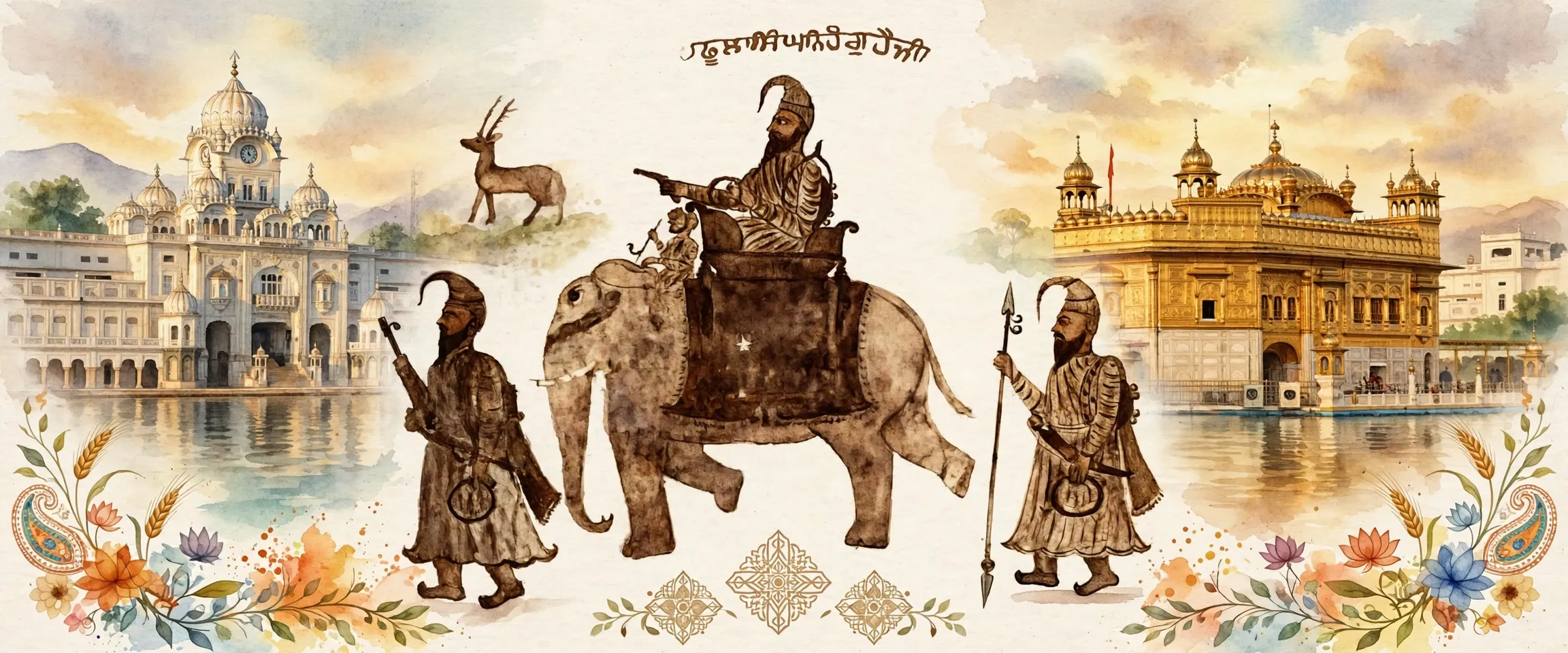
ਅਕਾਲੀ ਫੂਲਾ ਸਿੰਘ ਜੀ (1761 ਤੋਂ 1823) ਸ਼ਹੀਦਾਂ ਮਿਸਲ ਦੇ ਨਿਹੰਗ ਆਗੂ ਸਨ ਜਿਨ੍ਹਾਂ ਨੇ ਬੁੱਢਾ ਦਲ ਦੀ ਅਗਵਾਈ ਕੀਤੀ ਅਤੇ 1800 ਦੇ ਆਸ ਪਾਸ ਅੰਮ੍ਰਿਤਸਰ ਵਿੱਚ ਅਕਾਲ ਤਖਤ ਅਤੇ ਅਸਥਾਨਾਂ ਦੀ ਜ਼ਿੰਮੇਵਾਰੀ ਲਈ। ਮਹਾਰਾਜਾ ਰਣਜੀਤ ਸਿੰਘ ਦੇ ਸੈਨਾਪਤੀ ਅਤੇ ਸਲਾਹਕਾਰ ਵਜੋਂ ਉਹ ਮਹਾਰਾਜੇ ਨੂੰ ਖੁਦ ਸਿੱਖ ਮਰਿਆਦਾ ਅੱਗੇ ਜਵਾਬਦੇਹ ਠਹਿਰਾਉਣ ਲਈ ਯਾਦ ਕੀਤੇ ਜਾਂਦੇ ਹਨ, ਅਤੇ 14 ਮਾਰਚ 1823 ਨੂੰ ਨੌਸ਼ਹਿਰੇ ਦੀ ਜੰਗ ਵਿੱਚ ਆਪਣੇ ਅਕਾਲੀਆਂ ਦੀ ਅਗਵਾਈ ਕਰਦਿਆਂ ਉਹ ਸ਼ਹੀਦ ਹੋਏ।
- ਪੰਜਾਬੀ ਨਾਂ
- ਅਕਾਲੀ ਫੂਲਾ ਸਿੰਘ ਜੀ
- ਧਰਮ
- ਸਿੱਖ ਧਰਮ
- ਜਨਮ
- 14 ਜਨਵਰੀ 1761, ਸ਼ੀਹਾਂ (ਸ਼ਿਹਾਰੀ ਵੀ ਦਿੱਤਾ ਜਾਂਦਾ ਹੈ) ਪਿੰਡ, ਅੱਜ ਦਾ ਸੰਗਰੂਰ ਜ਼ਿਲ੍ਹਾ, ਪੰਜਾਬ
- ਦੇਹਾਂਤ
- 14 ਮਾਰਚ 1823, ਪੀਰ ਸਾਬਕ, ਨੌਸ਼ਹਿਰੇ ਦੀ ਜੰਗ ਵਿੱਚ
- ਜਨਮ ਅਸਥਾਨ
- ਸ਼ੀਹਾਂ ਪਿੰਡ, ਸੰਗਰੂਰ ਜ਼ਿਲ੍ਹਾ, ਪੰਜਾਬ
- ਪਿਤਾ
- ਸਰਦਾਰ ਈਸ਼ਰ ਸਿੰਘ, ਜੋ 1762 ਵਿੱਚ ਵੱਡੇ ਘੱਲੂਘਾਰੇ ਵਿੱਚ ਲੜਦਿਆਂ ਮਾਰੇ ਗਏ
All 11 facts
- ਪਾਲਣ ਪੋਸਣ ਅਤੇ ਅੰਮ੍ਰਿਤ
- ਸ਼ਹੀਦਾਂ ਮਿਸਲ ਦੇ ਬਾਬਾ ਨੈਨਾ ਸਿੰਘ ਜੀ, ਜਿਨ੍ਹਾਂ ਨੇ ਉਨ੍ਹਾਂ ਨੂੰ ਖੰਡੇ ਦੀ ਪਾਹੁਲ ਛਕਾਈ
- ਅਹੁਦੇ
- ਬੁੱਢਾ ਦਲ ਦੇ ਮੁਖੀ, 1800 ਦੇ ਆਸ ਪਾਸ ਤੋਂ 1823 ਤੱਕ ਅੰਮ੍ਰਿਤਸਰ ਵਿੱਚ ਅਕਾਲ ਤਖਤ ਦੇ ਜਥੇਦਾਰ, ਸਿੱਖ ਸਾਮਰਾਜ ਵਿੱਚ ਸੈਨਾਪਤੀ ਅਤੇ ਸਲਾਹਕਾਰ
- ਜਾਣੀ ਪਛਾਣੀ ਘਟਨਾ
- ਮੋਰਾਂ ਸਰਕਾਰ ਨਾਲ ਵਿਆਹ ਉੱਤੇ ਮਹਾਰਾਜਾ ਰਣਜੀਤ ਸਿੰਘ ਨੂੰ ਤਨਖਾਹੀਆ ਐਲਾਨਿਆ, ਮਹਾਰਾਜਾ ਝੁਕਿਆ ਅਤੇ ਸੰਗਤ ਨੇ ਉਸ ਨੂੰ ਮਾਫ ਕੀਤਾ
- ਮੁਹਿੰਮਾਂ
- ਕਸੂਰ 1807, ਮੁਲਤਾਨ 1816 ਅਤੇ 1818, ਪੇਸ਼ਾਵਰ 1818, ਕਸ਼ਮੀਰ 1819, ਨੌਸ਼ਹਿਰਾ 1823
- ਯਾਦਗਾਰਾਂ
- ਨੌਸ਼ਹਿਰੇ ਨੇੜੇ ਪੀਰ ਸਾਬਕ ਵਿੱਚ ਸਮਾਧ, ਅੰਮ੍ਰਿਤਸਰ ਵਿੱਚ ਬੁਰਜ ਅਕਾਲੀ ਫੂਲਾ ਸਿੰਘ ਅਤੇ ਅਕਾਲੀਆਂ ਦੀ ਛਾਉਣੀ
Akali Phula Singh Ji (14 January 1761 to 14 March 1823) was the Nihang leader who headed the Budha Dal and kept the Akal Takht at Amritsar for more than two decades. General and adviser to Maharaja Ranjit Singh, he still held that Maharaja answerable to the Sikh code, and died leading his Akalis at Nowshera.
Who was Akali Phula Singh Ji?
He was, in the language of his own time, a sant sipahi, a saint soldier. Raised in the Shaheedan Misl, the misl of the martyrs first led by ਬਾਬਾ ਦੀਪ ਸਿੰਘ ਜੀ, he became the best known ਨਿਹੰਗ of his generation: a man whose camp was open to the poor, whose word was treated as binding, and whose authority at Amritsar rested not on land or title but on the strictness of his own life. The Encyclopaedia of Sikhism calls him a Sikh hero and an eminent religious figure of the time of Maharaja Ranjit Singh.
Early life and initiation
He was born on 14 January 1761 at the village of Shihan, also given as Shihari, in the present day Sangrur district of Punjab. His father, Sardar Isher Singh, died in 1762, in the fighting of the Vadda Ghallughara, the great calamity that Ahmad Shah Durrani inflicted on the Sikhs that year, leaving the boy an orphan in infancy. The Encyclopaedia of Sikhism records that the child was left to the care of Baba Naina Singh Ji, called Narain Singh in that work, a leader of the Shahid, or Shaheedan, Misl. Under Baba Naina Singh Ji he was brought up in the Nihang way: instructed in the Sikh texts as well as in the methods of warfare, and given the initiatory vows of khande di pahul, the Khalsa initiation. As a boy he memorised the Nitnem, the daily prayers, and would not eat until he had committed a set portion of Gurbani to memory. He joined the jatha at Anandpur Sahib, took part in its expeditions, served at the gurdwaras there, and after the death of Baba Naina Singh Ji he was elected leader of the jatha in his place. He never married, holding to the Nihang tradition of a life given wholly to the Panth.
Taking charge in Amritsar around 1800
By 1800 the shrines of Amritsar were, in the judgement of many Sikhs, badly kept, and Phula Singh Ji acted on that concern. The Encyclopaedia of Sikhism records that in 1800 he moved to Amritsar; Wikipedia puts his following at about 2,000 Nihangs. He took charge of the holy shrines there, ended the mismanagement he found, and began the work of repair and cleaning, including kar seva at the sarovar of ਹਰਿਮੰਦਰ ਸਾਹਿਬ carried out with the help of large numbers of pilgrims over about two months. Similar work followed at other shrines, among them Muktsar, Anandpur Sahib and Damdama Sahib. One dating point should be stated honestly. The sources agree that he took charge at Amritsar around 1800, and Wikipedia lists his years as Jathedar of the Akal Takht and as head of the Budha Dal as 1800 to 1823, but SikhiWiki dates his appointment as Jathedar of the Akal Takht to 1807, after he joined Ranjit Singh. This page therefore says what all the sources support: he took charge of the Akal Takht and the Amritsar shrines from around 1800, and held that charge until his death, with some accounts dating the formal appointment a few years later. In Amritsar his Akalis received regular quarters that became known as Akalian di Chhauni, the Akali cantonment, and a tower, Burj Baba Phula Singh, still carries his name in the city.
His first great public act in the city was an act of peace. When Maharaja Ranjit Singh moved on Amritsar to take it from the Bhangi Misl, in the clash the Encyclopaedia of Sikhism dates to January 1802, Phula Singh Ji placed himself between the two Sikh forces and argued that it was wrong for Sikhs to shed Sikh blood, and wrong to fire cannon in the holy city. The fighting was averted, the Bhangi sardars gave up their shares of the city, and Phula Singh Ji joined the Maharaja with his Nihangs, some accounts putting the band at 2,000 to 3,000 men.
Why did he declare Maharaja Ranjit Singh tankhaiya?
The episode that defines him came over the Maharaja and his marriage to Moran Sarkar, a Muslim woman of Lahore. In the eyes of Phula Singh Ji and much of the Sangat the marriage broke the Sikh code, and as Jathedar of the Akal Takht he summoned the most powerful man in Punjab to answer for it. The Maharaja was declared tankhaiya, a Sikh found guilty of a serious breach of the code and put outside its fellowship until he made amends. Ranjit Singh came, admitted his fault, and submitted. A punishment of fifty lashes was pronounced, and the Maharaja bared his back, in the well known telling leaning against the tamarind tree in front of the Akal Takht, ready to receive it. At that point Phula Singh Ji turned to the gathered Sangat and asked whether the Maharaja and his submission was itself enough, and whether he should be forgiven without the lashes falling. The Sangat answered with the cry of Sat Sri Akal, and Ranjit Singh was pardoned, having first promised not to marry again in that way. The meaning of the story is not the punishment, which was never carried out. It is that the Maharaja ruled the kingdom, but the Akal Takht judged the Maharaja, and both men accepted that order of things.
General and adviser of the Sikh Empire
As a soldier, Phula Singh Ji and his jatha were among the most daring troops in Ranjit Singh and his service. At Kasur in February 1807, his Nihangs led the attack and, after a month of siege, were the first through the breach in the fort wall; Kasur fell and was added to the empire. At Multan he led a storming party in the attack of 1816, and his Akalis fought in the final assault that took the fort in 1818. His band also took part in the Peshawar campaign of 1818 and the Kashmir campaign of 1819, where the Akali charge at Shopian helped break the Afghan force holding the route. He advised the Maharaja directly, and the advice was not always welcome: he distrusted the Dogra courtiers at court, disliked the European remodelling of the Khalsa army, and argued against the treaty that fixed the Sutlej as the border with the British. For a time, in 1814, he left Amritsar for Anandpur Sahib in protest, and when a prince of Jind took refuge in his camp the British demanded the man be handed over. Phula Singh Ji refused, holding that the Khalsa does not surrender one who has come to it for protection, and force after force sent against his camp laid down its arms rather than attack him, until Ranjit Singh sent word of regret and brought him back to Amritsar with honour.
Death at Nowshera, and how he is remembered
In January 1823 Muhammad Azim Khan marched from Kabul to retake Peshawar, and the Sikh army moved north to meet him at Nowshera, between Attock and Peshawar. On 14 March 1823 the battle was joined. The Encyclopaedia of Sikhism records that the Akali contingent, 1,500 strong, made a desperate charge and was soon in the thick of the fighting. His horse was shot under him; hurt himself, Phula Singh Ji shifted onto an elephant and pressed forward, and the Afghan fighters, making him their main target, brought him down under a heavy shower of bullets. Most of his band fell with him, but the battle was won and the Afghan army fled Nowshera. He was cremated at Pir Sabaq, about 6 km east of Nowshera, with full military honours; a samadh was built on the site and the Maharaja attached a jagir for its care. He was succeeded by Baba Hanuman Singh Ji. At Amritsar, Burj Akali Phula Singh, raised by Ranjit Singh in his honour, and the Nihang cantonment keep his memory in the city he served longest. On this site his world can be followed through the ਨਿਹੰਗ ਸਿੰਘ, the ideal of the ਸੰਤ ਸਿਪਾਹੀ that he embodied, and the city of ਅਨੰਦਪੁਰ ਸਾਹਿਬ, where his formation under Baba Naina Singh Ji began.
ਅਕਾਲੀ ਫੂਲਾ ਸਿੰਘ ਜੀ (14 ਜਨਵਰੀ 1761 ਤੋਂ 14 ਮਾਰਚ 1823) ਉਹ ਨਿਹੰਗ ਆਗੂ ਸਨ ਜਿਨ੍ਹਾਂ ਨੇ ਬੁੱਢਾ ਦਲ ਦੀ ਅਗਵਾਈ ਕੀਤੀ ਅਤੇ ਦੋ ਦਹਾਕਿਆਂ ਤੋਂ ਵੱਧ ਸਮਾਂ ਅੰਮ੍ਰਿਤਸਰ ਵਿੱਚ ਅਕਾਲ ਤਖਤ ਦੀ ਰਾਖੀ ਕੀਤੀ। ਮਹਾਰਾਜਾ ਰਣਜੀਤ ਸਿੰਘ ਦੇ ਸੈਨਾਪਤੀ ਅਤੇ ਸਲਾਹਕਾਰ ਵਜੋਂ ਉਨ੍ਹਾਂ ਨੇ ਉਸ ਮਹਾਰਾਜੇ ਨੂੰ ਵੀ ਸਿੱਖ ਮਰਿਆਦਾ ਅੱਗੇ ਜਵਾਬਦੇਹ ਠਹਿਰਾਇਆ, ਅਤੇ ਨੌਸ਼ਹਿਰੇ ਵਿੱਚ ਆਪਣੇ ਅਕਾਲੀਆਂ ਦੀ ਅਗਵਾਈ ਕਰਦਿਆਂ ਸ਼ਹੀਦ ਹੋਏ।
ਅਕਾਲੀ ਫੂਲਾ ਸਿੰਘ ਜੀ ਕੌਣ ਸਨ?
ਉਹ ਆਪਣੇ ਸਮੇਂ ਦੀ ਬੋਲੀ ਵਿੱਚ ਸੰਤ ਸਿਪਾਹੀ ਸਨ। ਬਾਬਾ ਦੀਪ ਸਿੰਘ ਜੀ ਦੀ ਅਗਵਾਈ ਵਾਲੀ ਸ਼ਹੀਦਾਂ ਮਿਸਲ ਵਿੱਚ ਪਲ ਕੇ ਉਹ ਆਪਣੀ ਪੀੜ੍ਹੀ ਦੇ ਸਭ ਤੋਂ ਜਾਣੇ ਪਛਾਣੇ ਨਿਹੰਗ ਬਣੇ। ਅਜਿਹਾ ਮਨੁੱਖ ਜਿਸ ਦਾ ਡੇਰਾ ਗਰੀਬਾਂ ਲਈ ਖੁੱਲ੍ਹਾ ਸੀ, ਜਿਸ ਦਾ ਬਚਨ ਪੱਕਾ ਮੰਨਿਆ ਜਾਂਦਾ ਸੀ, ਅਤੇ ਅੰਮ੍ਰਿਤਸਰ ਵਿੱਚ ਜਿਸ ਦਾ ਅਧਿਕਾਰ ਜ਼ਮੀਨ ਜਾਂ ਖਿਤਾਬ ਉੱਤੇ ਨਹੀਂ, ਉਸ ਦੀ ਆਪਣੀ ਜ਼ਿੰਦਗੀ ਦੀ ਸਖਤੀ ਉੱਤੇ ਟਿਕਿਆ ਸੀ। ਸਿੱਖ ਇਨਸਾਈਕਲੋਪੀਡੀਆ ਉਨ੍ਹਾਂ ਨੂੰ ਮਹਾਰਾਜਾ ਰਣਜੀਤ ਸਿੰਘ ਦੇ ਸਮੇਂ ਦਾ ਸਿੱਖ ਨਾਇਕ ਅਤੇ ਪ੍ਰਮੁੱਖ ਧਾਰਮਿਕ ਸ਼ਖਸੀਅਤ ਕਹਿੰਦਾ ਹੈ,
ਮੁੱਢਲੀ ਜ਼ਿੰਦਗੀ ਅਤੇ ਅੰਮ੍ਰਿਤ ਛਕਣਾ
ਉਨ੍ਹਾਂ ਦਾ ਜਨਮ 14 ਜਨਵਰੀ 1761 ਨੂੰ ਸ਼ੀਹਾਂ ਪਿੰਡ ਵਿੱਚ ਹੋਇਆ, ਜਿਸ ਨੂੰ ਸ਼ਿਹਾਰੀ ਵੀ ਦਿੱਤਾ ਜਾਂਦਾ ਹੈ, ਅੱਜ ਦੇ ਪੰਜਾਬ ਦੇ ਸੰਗਰੂਰ ਜ਼ਿਲ੍ਹੇ ਵਿੱਚ। ਉਨ੍ਹਾਂ ਦੇ ਪਿਤਾ, ਸਰਦਾਰ ਈਸ਼ਰ ਸਿੰਘ, 1762 ਵਿੱਚ ਵੱਡੇ ਘੱਲੂਘਾਰੇ ਦੀ ਲੜਾਈ ਵਿੱਚ ਮਾਰੇ ਗਏ, ਉਹ ਵੱਡੀ ਆਫਤ ਜੋ ਅਹਿਮਦ ਸ਼ਾਹ ਦੁਰਾਨੀ ਨੇ ਉਸ ਸਾਲ ਸਿੱਖਾਂ ਉੱਤੇ ਢਾਹੀ, ਅਤੇ ਬੱਚਾ ਬਚਪਨ ਵਿੱਚ ਹੀ ਯਤੀਮ ਹੋ ਗਿਆ। ਸਿੱਖ ਇਨਸਾਈਕਲੋਪੀਡੀਆ ਦਰਜ ਕਰਦਾ ਹੈ ਕਿ ਬੱਚੇ ਨੂੰ ਬਾਬਾ ਨੈਨਾ ਸਿੰਘ ਜੀ ਦੀ ਦੇਖ ਰੇਖ ਵਿੱਚ ਛੱਡਿਆ ਗਿਆ, ਜਿਨ੍ਹਾਂ ਨੂੰ ਉਸ ਗ੍ਰੰਥ ਵਿੱਚ ਨਰੈਣ ਸਿੰਘ ਕਿਹਾ ਗਿਆ ਹੈ, ਸ਼ਹੀਦ ਮਿਸਲ ਦੇ ਇੱਕ ਆਗੂ। ਬਾਬਾ ਨੈਨਾ ਸਿੰਘ ਜੀ ਦੇ ਅਧੀਨ ਉਹ ਨਿਹੰਗ ਢੰਗ ਵਿੱਚ ਪਲੇ, ਸਿੱਖ ਗ੍ਰੰਥਾਂ ਦੇ ਨਾਲ ਨਾਲ ਜੰਗ ਦੇ ਢੰਗਾਂ ਵਿੱਚ ਸਿੱਖਿਆ ਪਾਈ, ਅਤੇ ਖੰਡੇ ਦੀ ਪਾਹੁਲ, ਖਾਲਸਾ ਅੰਮ੍ਰਿਤ, ਛਕਿਆ। ਬਚਪਨ ਵਿੱਚ ਉਨ੍ਹਾਂ ਨੇ ਨਿੱਤਨੇਮ ਕੰਠ ਕਰ ਲਿਆ, ਅਤੇ ਉਨ੍ਹਾਂ ਸਾਲਾਂ ਦਾ ਇੱਕ ਅਨੁਸ਼ਾਸਨ ਯਾਦ ਕੀਤਾ ਜਾਂਦਾ ਹੈ। ਉਹ ਉਦੋਂ ਤੱਕ ਨਹੀਂ ਖਾਂਦੇ ਸਨ ਜਦੋਂ ਤੱਕ ਗੁਰਬਾਣੀ ਦਾ ਇੱਕ ਤੈਅ ਹਿੱਸਾ ਕੰਠ ਨਾ ਕਰ ਲੈਣ। ਉਹ ਅਨੰਦਪੁਰ ਸਾਹਿਬ ਵਿੱਚ ਬਾਬਾ ਨੈਨਾ ਸਿੰਘ ਜੀ ਦੇ ਜਥੇ ਵਿੱਚ ਸ਼ਾਮਲ ਹੋਏ, ਉਸ ਦੀਆਂ ਮੁਹਿੰਮਾਂ ਵਿੱਚ ਹਿੱਸਾ ਲਿਆ, ਉੱਥੇ ਗੁਰਦੁਆਰਿਆਂ ਵਿੱਚ ਸੇਵਾ ਕੀਤੀ, ਅਤੇ ਬਾਬਾ ਨੈਨਾ ਸਿੰਘ ਜੀ ਦੇ ਅਕਾਲ ਚਲਾਣੇ ਤੋਂ ਬਾਅਦ ਉਨ੍ਹਾਂ ਦੀ ਥਾਂ ਜਥੇ ਦੇ ਆਗੂ ਚੁਣੇ ਗਏ। ਉਨ੍ਹਾਂ ਦੀ ਮਾਤਾ ਵੀ ਉਦੋਂ ਚਲਾਣਾ ਕਰ ਗਈ ਜਦੋਂ ਉਹ ਅਜੇ ਛੋਟੇ ਸਨ, ਅਤੇ ਬਿਰਤਾਂਤ ਕਹਿੰਦੇ ਹਨ ਕਿ ਉਸ ਦੀ ਅੰਤਲੀ ਸਿੱਖਿਆ, ਨੇਕੀ ਨਾਲ ਜੀਣਾ, ਗਰੀਬਾਂ ਦੀ ਮਦਦ ਕਰਨਾ ਅਤੇ ਪੰਥ ਦੀ ਸੇਵਾ ਕਰਨਾ, ਨੇ ਉਨ੍ਹਾਂ ਦੀ ਬਾਕੀ ਜ਼ਿੰਦਗੀ ਘੜੀ। ਉਨ੍ਹਾਂ ਨੇ ਕਦੇ ਵਿਆਹ ਨਹੀਂ ਕੀਤਾ, ਪੂਰੀ ਜ਼ਿੰਦਗੀ ਪੰਥ ਨੂੰ ਦੇਣ ਦੀ ਨਿਹੰਗ ਰਵਾਇਤ ਉੱਤੇ ਕਾਇਮ ਰਹਿ ਕੇ।
1800 ਦੇ ਆਸ ਪਾਸ ਅੰਮ੍ਰਿਤਸਰ ਦੀ ਜ਼ਿੰਮੇਵਾਰੀ
1800 ਤੱਕ ਅੰਮ੍ਰਿਤਸਰ ਦੇ ਅਸਥਾਨਾਂ ਦੀ ਸੰਭਾਲ, ਬਹੁਤ ਸਾਰੇ ਸਿੱਖਾਂ ਦੇ ਨਿਰਣੇ ਵਿੱਚ, ਮਾੜੀ ਹਾਲਤ ਵਿੱਚ ਸੀ, ਅਤੇ ਫੂਲਾ ਸਿੰਘ ਜੀ ਨੇ ਉਸ ਚਿੰਤਾ ਉੱਤੇ ਕਾਰਵਾਈ ਕੀਤੀ। ਸਿੱਖ ਇਨਸਾਈਕਲੋਪੀਡੀਆ ਦਰਜ ਕਰਦਾ ਹੈ ਕਿ 1800 ਵਿੱਚ ਉਹ ਅੰਮ੍ਰਿਤਸਰ ਆਏ, ਅਤੇ ਵਿਕੀਪੀਡੀਆ ਉਨ੍ਹਾਂ ਦੇ ਨਾਲ ਲਗਭਗ 2000 ਨਿਹੰਗ ਦੱਸਦਾ ਹੈ। ਉਨ੍ਹਾਂ ਨੇ ਉੱਥੇ ਪਵਿੱਤਰ ਅਸਥਾਨਾਂ ਦੀ ਜ਼ਿੰਮੇਵਾਰੀ ਲਈ, ਜੋ ਕੁਪ੍ਰਬੰਧ ਉਨ੍ਹਾਂ ਨੂੰ ਮਿਲਿਆ ਉਹ ਖਤਮ ਕੀਤਾ, ਅਤੇ ਮੁਰੰਮਤ ਅਤੇ ਸਫਾਈ ਦਾ ਕੰਮ ਸ਼ੁਰੂ ਕੀਤਾ, ਜਿਸ ਵਿੱਚ ਹਰਿਮੰਦਰ ਸਾਹਿਬ ਦੇ ਸਰੋਵਰ ਦੀ ਕਾਰ ਸੇਵਾ ਵੀ ਸੀ, ਜੋ ਲਗਭਗ ਦੋ ਮਹੀਨੇ ਵੱਡੀ ਗਿਣਤੀ ਸ਼ਰਧਾਲੂਆਂ ਦੀ ਮਦਦ ਨਾਲ ਕੀਤੀ ਗਈ। ਅਜਿਹਾ ਕੰਮ ਬਾਅਦ ਵਿੱਚ ਹੋਰ ਅਸਥਾਨਾਂ ਉੱਤੇ ਵੀ ਹੋਇਆ, ਜਿਨ੍ਹਾਂ ਵਿੱਚ ਮੁਕਤਸਰ, ਅਨੰਦਪੁਰ ਸਾਹਿਬ ਅਤੇ ਦਮਦਮਾ ਸਾਹਿਬ ਸਨ। ਇੱਕ ਤਾਰੀਖ ਵਾਲਾ ਨੁਕਤਾ ਇਮਾਨਦਾਰੀ ਨਾਲ ਦੱਸਣਾ ਚਾਹੀਦਾ ਹੈ। ਸਰੋਤ ਸਹਿਮਤ ਹਨ ਕਿ ਉਨ੍ਹਾਂ ਨੇ 1800 ਦੇ ਆਸ ਪਾਸ ਅੰਮ੍ਰਿਤਸਰ ਦੀ ਜ਼ਿੰਮੇਵਾਰੀ ਲਈ, ਅਤੇ ਵਿਕੀਪੀਡੀਆ ਅਕਾਲ ਤਖਤ ਦੇ ਜਥੇਦਾਰ ਅਤੇ ਬੁੱਢਾ ਦਲ ਦੇ ਮੁਖੀ ਵਜੋਂ ਉਨ੍ਹਾਂ ਦੇ ਸਾਲ 1800 ਤੋਂ 1823 ਦੱਸਦਾ ਹੈ, ਪਰ ਸਿੱਖੀਵਿਕੀ ਅਕਾਲ ਤਖਤ ਦੇ ਜਥੇਦਾਰ ਵਜੋਂ ਉਨ੍ਹਾਂ ਦੀ ਨਿਯੁਕਤੀ 1807 ਦੀ ਦੱਸਦਾ ਹੈ, ਰਣਜੀਤ ਸਿੰਘ ਨਾਲ ਜੁੜਨ ਤੋਂ ਬਾਅਦ। ਇਸ ਲਈ ਇਹ ਸਫਾ ਉਹੀ ਕਹਿੰਦਾ ਹੈ ਜਿਸ ਦੀ ਸਾਰੇ ਸਰੋਤ ਹਮਾਇਤ ਕਰਦੇ ਹਨ। ਉਨ੍ਹਾਂ ਨੇ 1800 ਦੇ ਆਸ ਪਾਸ ਅਕਾਲ ਤਖਤ ਅਤੇ ਅੰਮ੍ਰਿਤਸਰ ਦੇ ਅਸਥਾਨਾਂ ਦੀ ਜ਼ਿੰਮੇਵਾਰੀ ਲਈ, ਅਤੇ ਉਹ ਜ਼ਿੰਮੇਵਾਰੀ ਆਪਣੀ ਮੌਤ ਤੱਕ ਨਿਭਾਈ, ਕੁਝ ਬਿਰਤਾਂਤਾਂ ਵਿੱਚ ਰਸਮੀ ਜਥੇਦਾਰ ਨਿਯੁਕਤੀ ਕੁਝ ਸਾਲ ਬਾਅਦ ਦੀ ਦਿੱਤੀ ਗਈ ਹੈ। ਅੰਮ੍ਰਿਤਸਰ ਵਿੱਚ ਉਨ੍ਹਾਂ ਦੇ ਅਕਾਲੀਆਂ ਨੂੰ ਪੱਕੇ ਘਰ ਮਿਲੇ ਜੋ ਅਕਾਲੀਆਂ ਦੀ ਛਾਉਣੀ ਵਜੋਂ ਜਾਣੇ ਗਏ, ਅਤੇ ਇੱਕ ਬੁਰਜ, ਬੁਰਜ ਬਾਬਾ ਫੂਲਾ ਸਿੰਘ, ਅੱਜ ਵੀ ਸ਼ਹਿਰ ਵਿੱਚ ਉਨ੍ਹਾਂ ਦਾ ਨਾਂ ਰੱਖਦਾ ਹੈ।
ਸ਼ਹਿਰ ਵਿੱਚ ਉਨ੍ਹਾਂ ਦਾ ਪਹਿਲਾ ਵੱਡਾ ਜਨਤਕ ਕੰਮ ਸ਼ਾਂਤੀ ਦਾ ਕੰਮ ਸੀ। ਜਦੋਂ ਮਹਾਰਾਜਾ ਰਣਜੀਤ ਸਿੰਘ ਅੰਮ੍ਰਿਤਸਰ ਨੂੰ ਭੰਗੀ ਮਿਸਲ ਤੋਂ ਲੈਣ ਲਈ ਅੱਗੇ ਵਧਿਆ, ਉਸ ਟਕਰਾਅ ਵਿੱਚ ਜਿਸ ਨੂੰ ਸਿੱਖ ਇਨਸਾਈਕਲੋਪੀਡੀਆ ਜਨਵਰੀ 1802 ਦਾ ਦੱਸਦਾ ਹੈ, ਫੂਲਾ ਸਿੰਘ ਜੀ ਨੇ ਦੋਵਾਂ ਸਿੱਖ ਫੌਜਾਂ ਵਿਚਕਾਰ ਵਿਚੋਲਗੀ ਕੀਤੀ, ਆਪਣੇ ਆਪ ਨੂੰ ਉਨ੍ਹਾਂ ਵਿਚਕਾਰ ਖੜ੍ਹਾ ਕਰ ਕੇ, ਅਤੇ ਕਿਹਾ ਕਿ ਸਿੱਖਾਂ ਦਾ ਸਿੱਖਾਂ ਦਾ ਖੂਨ ਵਹਾਉਣਾ ਗਲਤ ਹੈ, ਅਤੇ ਪਵਿੱਤਰ ਸ਼ਹਿਰ ਵਿੱਚ ਤੋਪਾਂ ਚਲਾਉਣਾ ਗਲਤ ਹੈ। ਲੜਾਈ ਟਲ ਗਈ, ਭੰਗੀ ਸਰਦਾਰਾਂ ਨੇ ਸ਼ਹਿਰ ਦੇ ਆਪਣੇ ਹਿੱਸੇ ਛੱਡ ਦਿੱਤੇ, ਅਤੇ ਫੂਲਾ ਸਿੰਘ ਜੀ ਆਪਣੇ ਨਿਹੰਗਾਂ ਨਾਲ ਮਹਾਰਾਜੇ ਨਾਲ ਜੁੜ ਗਏ, ਕੁਝ ਬਿਰਤਾਂਤ ਉਹ ਜਥਾ 2000 ਤੋਂ 3000 ਬੰਦੇ ਦੱਸਦੇ ਹਨ।
ਉਨ੍ਹਾਂ ਨੇ ਮਹਾਰਾਜਾ ਰਣਜੀਤ ਸਿੰਘ ਨੂੰ ਤਨਖਾਹੀਆ ਕਿਉਂ ਐਲਾਨਿਆ?
ਜੋ ਘਟਨਾ ਉਨ੍ਹਾਂ ਦੀ ਪਛਾਣ ਬਣੀ ਉਹ ਮਹਾਰਾਜੇ ਅਤੇ ਲਾਹੌਰ ਦੀ ਇੱਕ ਮੁਸਲਮਾਨ ਔਰਤ ਮੋਰਾਂ ਸਰਕਾਰ ਨਾਲ ਉਸ ਦੇ ਵਿਆਹ ਉੱਤੇ ਆਈ। ਫੂਲਾ ਸਿੰਘ ਜੀ ਅਤੇ ਬਹੁਤੀ ਸੰਗਤ ਦੀਆਂ ਨਜ਼ਰਾਂ ਵਿੱਚ ਉਸ ਵਿਆਹ ਨੇ ਸਿੱਖ ਮਰਿਆਦਾ ਤੋੜੀ ਸੀ, ਅਤੇ ਅਕਾਲ ਤਖਤ ਦੇ ਜਥੇਦਾਰ ਵਜੋਂ ਉਨ੍ਹਾਂ ਨੇ ਪੰਜਾਬ ਦੇ ਸਭ ਤੋਂ ਤਾਕਤਵਰ ਮਨੁੱਖ ਨੂੰ ਇਸ ਦਾ ਜਵਾਬ ਦੇਣ ਲਈ ਬੁਲਾਇਆ। ਮਹਾਰਾਜੇ ਨੂੰ ਤਨਖਾਹੀਆ ਐਲਾਨਿਆ ਗਿਆ, ਉਹ ਸਿੱਖ ਜੋ ਮਰਿਆਦਾ ਦੀ ਗੰਭੀਰ ਉਲੰਘਣਾ ਦਾ ਦੋਸ਼ੀ ਪਾਇਆ ਜਾਵੇ ਅਤੇ ਜਦੋਂ ਤੱਕ ਪਛਤਾਵਾ ਨਾ ਕਰੇ ਸੰਗਤ ਤੋਂ ਬਾਹਰ ਰੱਖਿਆ ਜਾਵੇ। ਰਣਜੀਤ ਸਿੰਘ ਆਇਆ, ਆਪਣੀ ਗਲਤੀ ਮੰਨੀ, ਅਤੇ ਆਪਣੇ ਆਪ ਨੂੰ ਪੇਸ਼ ਕੀਤਾ। ਪੰਜਾਹ ਕੋੜਿਆਂ ਦੀ ਸਜ਼ਾ ਸੁਣਾਈ ਗਈ, ਅਤੇ ਮਹਾਰਾਜੇ ਨੇ ਆਪਣੀ ਪਿੱਠ ਨੰਗੀ ਕੀਤੀ, ਜਾਣੇ ਪਛਾਣੇ ਬਿਰਤਾਂਤ ਵਿੱਚ ਅਕਾਲ ਤਖਤ ਦੇ ਸਾਹਮਣੇ ਇਮਲੀ ਦੇ ਰੁੱਖ ਨਾਲ ਝੁਕ ਕੇ, ਉਹ ਸਜ਼ਾ ਲੈਣ ਲਈ ਤਿਆਰ। ਉਸ ਵੇਲੇ ਫੂਲਾ ਸਿੰਘ ਜੀ ਇਕੱਠੀ ਸੰਗਤ ਵੱਲ ਮੁੜੇ ਅਤੇ ਪੁੱਛਿਆ ਕਿ ਕੀ ਮਹਾਰਾਜੇ ਦਾ ਝੁਕਣਾ ਆਪ ਹੀ ਕਾਫੀ ਹੈ, ਅਤੇ ਕੀ ਕੋੜੇ ਪੈਣ ਤੋਂ ਬਿਨਾਂ ਉਸ ਨੂੰ ਮਾਫ ਕਰ ਦੇਣਾ ਚਾਹੀਦਾ ਹੈ। ਸੰਗਤ ਨੇ ਸਤਿ ਸ੍ਰੀ ਅਕਾਲ ਦੇ ਜੈਕਾਰੇ ਨਾਲ ਜਵਾਬ ਦਿੱਤਾ, ਅਤੇ ਰਣਜੀਤ ਸਿੰਘ ਨੂੰ ਮਾਫ ਕਰ ਦਿੱਤਾ ਗਿਆ, ਪਹਿਲਾਂ ਇਹ ਵਚਨ ਲੈ ਕੇ ਕਿ ਉਹ ਉਸ ਢੰਗ ਨਾਲ ਫਿਰ ਵਿਆਹ ਨਹੀਂ ਕਰੇਗਾ। ਇਸ ਕਹਾਣੀ ਦਾ ਭਾਵ ਸਜ਼ਾ ਨਹੀਂ ਹੈ, ਜੋ ਕਦੇ ਲਾਗੂ ਹੀ ਨਹੀਂ ਹੋਈ। ਭਾਵ ਇਹ ਹੈ ਕਿ ਮਹਾਰਾਜਾ ਰਾਜ ਉੱਤੇ ਰਾਜ ਕਰਦਾ ਸੀ, ਪਰ ਅਕਾਲ ਤਖਤ ਮਹਾਰਾਜੇ ਦਾ ਨਿਰਣਾ ਕਰਦਾ ਸੀ।
ਸਿੱਖ ਸਾਮਰਾਜ ਦੇ ਸੈਨਾਪਤੀ ਅਤੇ ਸਲਾਹਕਾਰ
ਸਿਪਾਹੀ ਵਜੋਂ, ਫੂਲਾ ਸਿੰਘ ਜੀ ਅਤੇ ਉਨ੍ਹਾਂ ਦਾ ਜਥਾ ਰਣਜੀਤ ਸਿੰਘ ਦੀ ਸੇਵਾ ਵਿੱਚ ਸਭ ਤੋਂ ਦਲੇਰ ਫੌਜਾਂ ਵਿੱਚ ਸਨ, ਅਤੇ ਉਸ ਵਿੱਚ ਕਦੇ ਪੂਰੀ ਤਰ੍ਹਾਂ ਕਾਬੂ ਵਿੱਚ ਨਹੀਂ ਸਨ। ਫਰਵਰੀ 1807 ਵਿੱਚ ਕਸੂਰ ਵਿੱਚ, ਕੁਤਬ ਉਦ ਦੀਨ ਖਾਨ ਦੇ ਵਿਰੁੱਧ ਬੁਲਾਏ ਜਾਣ ਉੱਤੇ, ਉਨ੍ਹਾਂ ਦੇ ਨਿਹੰਗਾਂ ਨੇ ਹਮਲੇ ਦੀ ਅਗਵਾਈ ਕੀਤੀ ਅਤੇ, ਇੱਕ ਮਹੀਨੇ ਦੇ ਘੇਰੇ ਤੋਂ ਬਾਅਦ, ਕਿਲ੍ਹੇ ਦੀ ਕੰਧ ਵਿੱਚ ਪਏ ਪਾੜ ਵਿੱਚੋਂ ਸਭ ਤੋਂ ਪਹਿਲਾਂ ਅੰਦਰ ਵੜੇ। ਕਸੂਰ ਡਿੱਗਿਆ ਅਤੇ ਸਾਮਰਾਜ ਵਿੱਚ ਮਿਲਾ ਲਿਆ ਗਿਆ। ਮੁਲਤਾਨ ਵਿੱਚ ਉਨ੍ਹਾਂ ਨੇ 1816 ਦੇ ਹਮਲੇ ਵਿੱਚ ਇੱਕ ਧਾਵਾ ਬੋਲਣ ਵਾਲੀ ਟੁਕੜੀ ਦੀ ਅਗਵਾਈ ਕੀਤੀ, ਅਤੇ ਉਨ੍ਹਾਂ ਦੇ ਅਕਾਲੀ 1818 ਵਿੱਚ ਕਿਲ੍ਹਾ ਲੈਣ ਵਾਲੇ ਆਖਰੀ ਹਮਲੇ ਵਿੱਚ ਲੜੇ। ਉਨ੍ਹਾਂ ਦੇ ਜਥੇ ਨੇ 1818 ਦੀ ਪੇਸ਼ਾਵਰ ਮੁਹਿੰਮ ਅਤੇ 1819 ਦੀ ਕਸ਼ਮੀਰ ਮੁਹਿੰਮ ਵਿੱਚ ਵੀ ਹਿੱਸਾ ਲਿਆ, ਜਿੱਥੇ ਸ਼ੋਪੀਆਂ ਵਿੱਚ ਅਕਾਲੀਆਂ ਦੇ ਧਾਵੇ ਨੇ ਰਸਤਾ ਰੋਕੀ ਅਫਗਾਨ ਫੌਜ ਨੂੰ ਤੋੜਨ ਵਿੱਚ ਮਦਦ ਕੀਤੀ। ਉਨ੍ਹਾਂ ਨੇ ਮਹਾਰਾਜੇ ਨੂੰ ਸਿੱਧੀ ਸਲਾਹ ਦਿੱਤੀ, ਅਤੇ ਉਹ ਸਲਾਹ ਹਮੇਸ਼ਾ ਸੁਖਦਾਈ ਨਹੀਂ ਸੀ। ਉਹ ਦਰਬਾਰ ਵਿੱਚ ਡੋਗਰਾ ਸਰਦਾਰਾਂ ਦੀ ਵਧਦੀ ਥਾਂ ਉੱਤੇ ਅਵਿਸ਼ਵਾਸ ਕਰਦੇ ਸਨ, ਖਾਲਸਾ ਫੌਜ ਅਤੇ ਇਸ ਦੇ ਪਹਿਰਾਵੇ ਦੇ ਯੂਰਪੀ ਨਵੇਂ ਰੂਪ ਨੂੰ ਨਾਪਸੰਦ ਕਰਦੇ ਸਨ, ਅਤੇ ਉਸ ਸੰਧੀ ਦੇ ਵਿਰੁੱਧ ਬੋਲਦੇ ਸਨ ਜਿਸ ਨੇ ਸਤਲੁਜ ਨੂੰ ਅੰਗਰੇਜ਼ਾਂ ਨਾਲ ਸਰਹੱਦ ਠਹਿਰਾਇਆ। ਕੁਝ ਸਮੇਂ ਲਈ, 1814 ਵਿੱਚ, ਉਹ ਦਰਬਾਰ ਦੀ ਦਿਸ਼ਾ ਦੇ ਵਿਰੋਧ ਵਿੱਚ ਅੰਮ੍ਰਿਤਸਰ ਛੱਡ ਕੇ ਅਨੰਦਪੁਰ ਸਾਹਿਬ ਚਲੇ ਗਏ, ਅਤੇ ਜਦੋਂ ਜੀਂਦ ਦਾ ਇੱਕ ਰਾਜਕੁਮਾਰ ਉਨ੍ਹਾਂ ਦੇ ਡੇਰੇ ਵਿੱਚ ਸ਼ਰਨ ਆਇਆ ਤਾਂ ਅੰਗਰੇਜ਼ਾਂ ਨੇ ਉਸ ਬੰਦੇ ਨੂੰ ਸੌਂਪਣ ਦੀ ਮੰਗ ਕੀਤੀ। ਫੂਲਾ ਸਿੰਘ ਜੀ ਨੇ ਇਨਕਾਰ ਕੀਤਾ, ਇਹ ਮੰਨ ਕੇ ਕਿ ਖਾਲਸਾ ਉਸ ਨੂੰ ਨਹੀਂ ਸੌਂਪਦਾ ਜੋ ਰਾਖੀ ਲਈ ਉਸ ਕੋਲ ਆਇਆ ਹੋਵੇ, ਅਤੇ ਉਨ੍ਹਾਂ ਦੇ ਡੇਰੇ ਦੇ ਵਿਰੁੱਧ ਭੇਜੀ ਫੌਜ ਮਗਰੋਂ ਫੌਜ ਨੇ ਉਨ੍ਹਾਂ ਉੱਤੇ ਹਮਲਾ ਕਰਨ ਦੀ ਥਾਂ ਹਥਿਆਰ ਰੱਖ ਦਿੱਤੇ, ਜਦੋਂ ਤੱਕ ਰਣਜੀਤ ਸਿੰਘ ਨੇ ਖੁਦ ਪਛਤਾਵੇ ਦਾ ਸੁਨੇਹਾ ਭੇਜ ਕੇ ਉਨ੍ਹਾਂ ਨੂੰ ਸਤਕਾਰ ਨਾਲ ਅੰਮ੍ਰਿਤਸਰ ਵਾਪਸ ਨਾ ਬੁਲਾਇਆ।
ਨੌਸ਼ਹਿਰੇ ਵਿੱਚ ਸ਼ਹਾਦਤ, ਅਤੇ ਉਨ੍ਹਾਂ ਨੂੰ ਕਿਵੇਂ ਯਾਦ ਕੀਤਾ ਜਾਂਦਾ ਹੈ
ਜਨਵਰੀ 1823 ਵਿੱਚ ਮੁਹੰਮਦ ਅਜ਼ੀਮ ਖਾਨ ਪੇਸ਼ਾਵਰ ਮੁੜ ਲੈਣ ਲਈ ਕਾਬੁਲ ਤੋਂ ਅੱਗੇ ਵਧਿਆ, ਅਤੇ ਸਿੱਖ ਫੌਜ ਅਟਕ ਅਤੇ ਪੇਸ਼ਾਵਰ ਵਿਚਕਾਰ ਨੌਸ਼ਹਿਰੇ ਵਿੱਚ ਉਸ ਦਾ ਸਾਹਮਣਾ ਕਰਨ ਲਈ ਉੱਤਰ ਵੱਲ ਵਧੀ। 14 ਮਾਰਚ 1823 ਨੂੰ ਜੰਗ ਛਿੜਿਆ। ਸਿੱਖ ਇਨਸਾਈਕਲੋਪੀਡੀਆ ਦਰਜ ਕਰਦਾ ਹੈ ਕਿ ਅਕਾਲੀ ਟੁਕੜੀ, 1500 ਦੀ ਗਿਣਤੀ ਵਿੱਚ, ਨੇ ਬੇਖੌਫ ਧਾਵਾ ਬੋਲਿਆ ਅਤੇ ਛੇਤੀ ਹੀ ਜੰਗ ਦੇ ਵਿਚਕਾਰ ਸੀ। ਉਨ੍ਹਾਂ ਦਾ ਘੋੜਾ ਗੋਲੀ ਲੱਗ ਕੇ ਹੇਠਾਂ ਮਾਰਿਆ ਗਿਆ, ਅਤੇ ਆਪ ਜ਼ਖਮੀ ਹੋ ਕੇ ਫੂਲਾ ਸਿੰਘ ਜੀ ਹਾਥੀ ਉੱਤੇ ਚੜ੍ਹੇ ਅਤੇ ਅੱਗੇ ਵਧਦੇ ਰਹੇ, ਅਤੇ ਅਫਗਾਨ ਲੜਾਕਿਆਂ ਨੇ, ਉਨ੍ਹਾਂ ਨੂੰ ਆਪਣਾ ਮੁੱਖ ਨਿਸ਼ਾਨਾ ਬਣਾ ਕੇ, ਗੋਲੀਆਂ ਦੀ ਭਾਰੀ ਬੁਛਾੜ ਹੇਠ ਉਨ੍ਹਾਂ ਨੂੰ ਢਾਹ ਲਿਆ, ਉਨ੍ਹਾਂ ਦਾ ਬਹੁਤਾ ਜਥਾ ਉਨ੍ਹਾਂ ਨਾਲ ਹੀ ਡਿੱਗਿਆ, ਪਰ ਜੰਗ ਜਿੱਤਿਆ ਗਿਆ ਅਤੇ ਅਫਗਾਨ ਫੌਜ ਨੌਸ਼ਹਿਰੇ ਤੋਂ ਭੱਜ ਗਈ। ਉਨ੍ਹਾਂ ਦਾ ਸਸਕਾਰ ਪੀਰ ਸਾਬਕ ਵਿੱਚ ਕੀਤਾ ਗਿਆ, ਨੌਸ਼ਹਿਰੇ ਤੋਂ ਲਗਭਗ 6 ਕਿਲੋਮੀਟਰ ਪੂਰਬ ਵਿੱਚ, ਪੂਰੇ ਫੌਜੀ ਸਤਕਾਰ ਨਾਲ। ਉਸ ਥਾਂ ਸਮਾਧ ਬਣਾਈ ਗਈ ਅਤੇ ਮਹਾਰਾਜੇ ਨੇ ਇਸ ਦੀ ਸੰਭਾਲ ਲਈ ਜਾਗੀਰ ਲਾਈ। ਉਨ੍ਹਾਂ ਦੇ ਅਹੁਦਿਆਂ ਉੱਤੇ ਬਾਬਾ ਹਨੂਮਾਨ ਸਿੰਘ ਜੀ ਉਨ੍ਹਾਂ ਦੇ ਵਾਰਸ ਬਣੇ। ਅੰਮ੍ਰਿਤਸਰ ਵਿੱਚ, ਬੁਰਜ ਅਕਾਲੀ ਫੂਲਾ ਸਿੰਘ, ਜੋ ਰਣਜੀਤ ਸਿੰਘ ਨੇ ਉਨ੍ਹਾਂ ਦੇ ਸਤਕਾਰ ਵਿੱਚ ਬਣਾਇਆ, ਅਤੇ ਨਿਹੰਗ ਛਾਉਣੀ ਉਸ ਸ਼ਹਿਰ ਵਿੱਚ ਉਨ੍ਹਾਂ ਦੀ ਯਾਦ ਰੱਖਦੇ ਹਨ ਜਿਸ ਦੀ ਉਨ੍ਹਾਂ ਨੇ ਸਭ ਤੋਂ ਲੰਮੀ ਸੇਵਾ ਕੀਤੀ। ਇਸ ਸਾਈਟ ਉੱਤੇ ਉਨ੍ਹਾਂ ਦੀ ਦੁਨੀਆ ਨੂੰ ਨਿਹੰਗ ਸਿੰਘਾਂ, ਸੰਤ ਸਿਪਾਹੀ ਦੇ ਆਦਰਸ਼, ਜਿਸ ਨੂੰ ਉਨ੍ਹਾਂ ਨੇ ਜੀ ਕੇ ਦਿਖਾਇਆ, ਅਤੇ ਅਨੰਦਪੁਰ ਸਾਹਿਬ ਸ਼ਹਿਰ ਰਾਹੀਂ ਵੇਖਿਆ ਜਾ ਸਕਦਾ ਹੈ, ਜਿੱਥੇ ਬਾਬਾ ਨੈਨਾ ਸਿੰਘ ਜੀ ਦੇ ਅਧੀਨ ਉਨ੍ਹਾਂ ਦੀ ਸਿਖਲਾਈ ਸ਼ੁਰੂ ਹੋਈ ਸੀ।
More religion entries to explore
ਸਰੋਤ (3)
ਜੁਗਤੀ ਮੁਫ਼ਤ ਅਤੇ ਸੁਤੰਤਰ ਹੈ। ਪਾਠਕਾਂ ਦਾ ਸਹਿਯੋਗ ਕੋਸ਼ ਨੂੰ ਵਧਾਉਂਦਾ ਹੈ।
ਸਹਿਯੋਗ