

Haani (ਹਾਣੀ, Soul-mate) is a Punjabi novel by Jaswant Singh Kanwal, published in 1961 as his eighth novel. Set in the village of Baddowal, it follows Dhanto and her friend Biro, two young labouring women searching for a true mate, and uses their love stories to cut at the economic and caste subordination of village life. The Sikh Encyclopedia names Haani among Kanwal's important novels.
Punjabi, Gurmukhi- Punjabi name
- ਹਾਣੀ
- Author
- Jaswant Singh Kanwal (1919 to 2020)
- Published
- 1961 (his eighth novel)
- Form
- Novel
- Language
- Punjabi (Gurmukhi)
- Title meaning
- Soul-mate
All 10 facts
- Setting
- Baddowal village
- Translations
- Hindi as Milan (1976); Shahmukhi edition
- Standing
- Named among Kanwal's important novels in The Sikh Encyclopedia
- Current edition
- 168-page paperback in print
About the book
Haani is a Punjabi novel by Jaswant Singh Kanwal (1919 to 2020), published in 1961. The Punjabi bibliography of Kanwal's works counts it as his eighth novel, coming after Roop Dhara (1959) and before Mittar Pyare Nu (1966). Its title is a common Punjabi word for a mate of one's own age and heart: English lists of Kanwal's books gloss Haani as Soul-mate.
The Sikh Encyclopedia names Haani among Kanwal's important novels, in the company of Puranmashi, Raat Baaki Hai, Civil Lines and Roop Dhara, and English reference lists of his notable works include it too. That standing matters because Kanwal wrote more than thirty novels: Haani is one of the handful that reference works keep singling out. The book is still in print: a current paperback edition in Punjabi (Gurmukhi) runs to 168 pages.
What is Haani about?
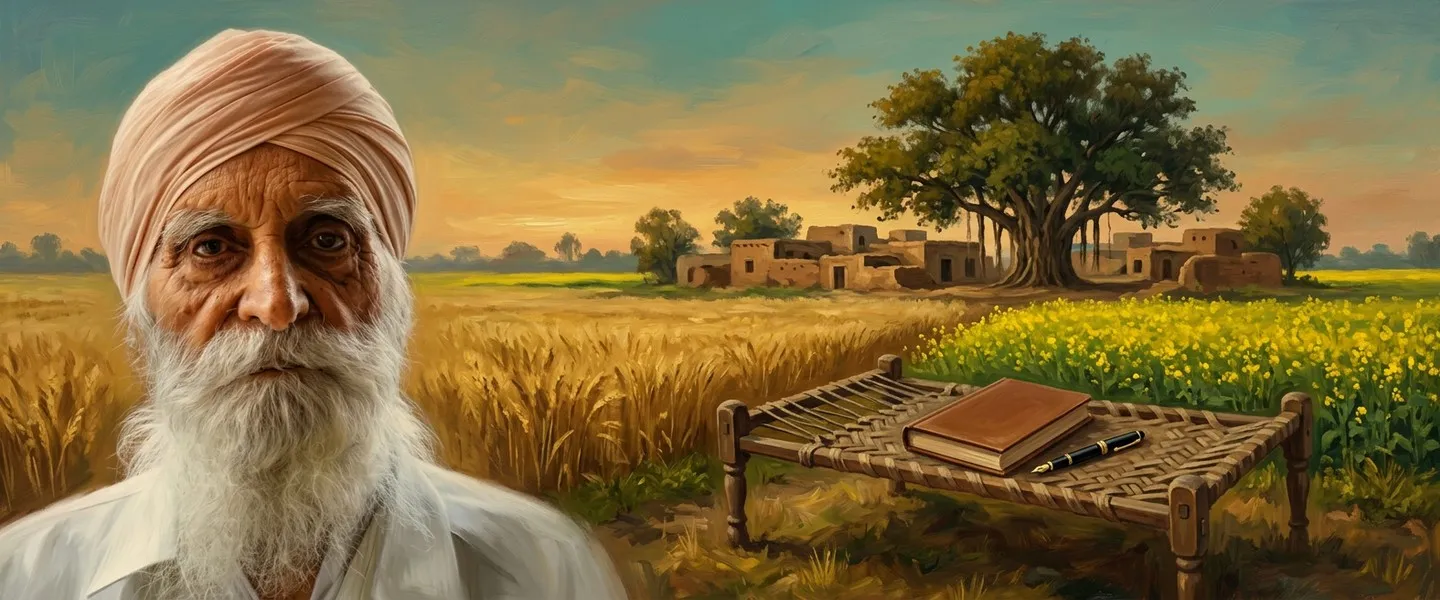
Haani is about two young women of the labouring quarter of Baddowal village, Dhanto and Biro, and their search for a mate of the heart, a haani, in a village order stacked against them.
Dhanto's mother Tapi and Dhanto herself labour all day at bone-breaking work, while Tapi's husband Kishna, called Feela, does no work at all. An addict, he sits the day out talking at the shop of Jagna the Brahmin and blows the women's earnings on his addiction. Drunk, he abuses Tapi, who never answers back, though Dhanto hates it. Around the household sit Feela's sworn brother Kara, a retired soldier from Pamal village whom the village does not respect because of the story of his mother's past, and Mana, the strong cousin who is the one man Feela fears.
Dhanto's close friend is Biro, from the houses of the vehra, the labourers' quarter: quick, clever and sharp-tongued, courted by landlords' sons but too proud for any of them to dare approach her. When heavy rains flood the village and Feela's mud house collapses, the two friends' lives turn on the same search: each is looking for her haani. Dhanto finds hers in Modan. Biro, in the Punjabi account's plain phrase, is left empty of the happiness of a mate. Through this love story, the novel aims its satire at the economic and caste subordination on which village life rests.
Themes: love against caste and money
Kanwal's fiction is known for its realistic picture of rural Malwa, written with a generous use of the Malwai dialect, and Haani belongs to that body of work. The Sikh Encyclopedia describes his method across the novels: he satirises the misdeeds of unscrupulous rich people, inspires the downtrodden to rise in strength and unity, and argues for a socialistic pattern of society, with a fair use of sentimentality. English accounts add that his writings question firmly held social customs and beliefs, and champion social and gender equality.
Haani puts those commitments inside a love story. The question the novel asks is not only whom Dhanto and Biro will love, but what a woman's labour, caste and poverty allow her to choose. One friend finds her mate and the other does not, and the difference between them is not worthiness: it is the village's arithmetic of money and caste, which the novel exposes by letting the reader feel it as a love story first.
The author
Jaswant Singh Kanwal was born on 27 June 1919 in Dhudike village, now in Moga district, and lived there nearly all his life. He left school young, spent his teenage years in Malaya, where his interest in literature began, and returned to farm in Dhudike and to write. In all he published around a hundred books, among them more than thirty novels, beginning with Sach Nu Phansi in 1944.
His honours include the Sahitya Akademi Fellowship for his story collection Pakhi in 1996, the Sahitya Akademi Award for the novel Taushali Di Hanso in 1998, the Punjabi Sahit Shiromani Award in 2007, and an honorary Doctor of Literature from Guru Nanak Dev University in 2008. Often called the writer of movements, he died at Dhudike on 1 February 2020, aged 100. His Puranmashi, Raat Baaki Hai, Lahu Di Lo and Taushali Di Hanso are also in this Kosh.
Translations and legacy
Haani travelled beyond Punjabi early. A Hindi translation appeared in 1976 under the title Milan, and a Shahmukhi edition carried the novel to Punjabi readers in Pakistan. No English translation is recorded in the sources for this page, so the novel's reputation in English rests on its place in Kanwal's bibliography rather than on a translated text.
Within that bibliography its place is secure. Kanwal is considered in many respects the real successor of Nanak Singh, the father of the Punjabi novel, and Haani shows why readers kept faith with him across six decades: a village love story, told in the language of Malwa, that refuses to separate the heart's choices from the caste and cash that govern them. For readers meeting Kanwal for the first time, it is a gentler door into his work than the movement novels, and the reference books treat it as one of the essential ones.
ਨਾਵਲ ਬਾਰੇ
ਹਾਣੀ ਜਸਵੰਤ ਸਿੰਘ ਕੰਵਲ (1919 ਤੋਂ 2020) ਦਾ ਪੰਜਾਬੀ ਨਾਵਲ ਹੈ, ਜੋ 1961 ਵਿੱਚ ਛਪਿਆ। ਕੰਵਲ ਦੀਆਂ ਰਚਨਾਵਾਂ ਦੀ ਪੰਜਾਬੀ ਸੂਚੀ ਇਸ ਨੂੰ ਉਨ੍ਹਾਂ ਦਾ ਅੱਠਵਾਂ ਨਾਵਲ ਗਿਣਦੀ ਹੈ, ਰੂਪ ਧਾਰਾ (1959) ਤੋਂ ਬਾਅਦ ਅਤੇ ਮਿੱਤਰ ਪਿਆਰੇ ਨੂੰ (1966) ਤੋਂ ਪਹਿਲਾਂ। ਇਸ ਦਾ ਨਾਂ ਆਪਣੀ ਉਮਰ ਅਤੇ ਦਿਲ ਦੇ ਸਾਥੀ ਲਈ ਆਮ ਪੰਜਾਬੀ ਸ਼ਬਦ ਹੈ: ਕੰਵਲ ਦੀਆਂ ਕਿਤਾਬਾਂ ਦੀਆਂ ਅੰਗਰੇਜ਼ੀ ਸੂਚੀਆਂ ਹਾਣੀ ਦਾ ਅਨੁਵਾਦ ਸੋਲਮੇਟ ਦਿੰਦੀਆਂ ਹਨ।
ਸਿੱਖ ਵਿਸ਼ਵਕੋਸ਼ ਹਾਣੀ ਨੂੰ ਕੰਵਲ ਦੇ ਮਹੱਤਵਪੂਰਨ ਨਾਵਲਾਂ ਵਿੱਚ ਗਿਣਦਾ ਹੈ, ਪੂਰਨਮਾਸ਼ੀ, ਰਾਤ ਬਾਕੀ ਹੈ, ਸਿਵਲ ਲਾਈਨਜ਼ ਅਤੇ ਰੂਪ ਧਾਰਾ ਦੀ ਸੰਗਤ ਵਿੱਚ, ਅਤੇ ਉਨ੍ਹਾਂ ਦੀਆਂ ਪ੍ਰਸਿੱਧ ਰਚਨਾਵਾਂ ਦੀਆਂ ਅੰਗਰੇਜ਼ੀ ਸੂਚੀਆਂ ਵੀ ਇਸ ਨੂੰ ਸ਼ਾਮਲ ਕਰਦੀਆਂ ਹਨ। ਇਹ ਥਾਂ ਇਸ ਲਈ ਮਹੱਤਵਪੂਰਨ ਹੈ ਕਿਉਂਕਿ ਕੰਵਲ ਨੇ ਤੀਹ ਤੋਂ ਵੱਧ ਨਾਵਲ ਲਿਖੇ: ਹਾਣੀ ਉਨ੍ਹਾਂ ਥੋੜ੍ਹਿਆਂ ਵਿੱਚੋਂ ਹੈ ਜਿਨ੍ਹਾਂ ਨੂੰ ਹਵਾਲਾ ਕਿਤਾਬਾਂ ਵਾਰ ਵਾਰ ਚੁਣਦੀਆਂ ਹਨ। ਕਿਤਾਬ ਅਜੇ ਵੀ ਛਪਦੀ ਹੈ: ਪੰਜਾਬੀ (ਗੁਰਮੁਖੀ) ਵਿੱਚ ਇਸ ਦਾ ਮੌਜੂਦਾ ਪੇਪਰਬੈਕ ਸੰਸਕਰਨ 168 ਸਫ਼ਿਆਂ ਦਾ ਹੈ।
ਹਾਣੀ ਕਿਸ ਬਾਰੇ ਹੈ?
ਹਾਣੀ ਬੱਦੋਵਾਲ ਪਿੰਡ ਦੇ ਮਜ਼ਦੂਰ ਵਿਹੜੇ ਦੀਆਂ ਦੋ ਜਵਾਨ ਔਰਤਾਂ, ਧੰਤੋ ਅਤੇ ਬੀਰੋ, ਅਤੇ ਦਿਲ ਦੇ ਸਾਥੀ, ਹਾਣੀ, ਦੀ ਉਨ੍ਹਾਂ ਦੀ ਭਾਲ ਬਾਰੇ ਹੈ, ਇੱਕ ਅਜਿਹੇ ਪਿੰਡ ਢਾਂਚੇ ਵਿੱਚ ਜੋ ਸਾਰਾ ਉਨ੍ਹਾਂ ਦੇ ਵਿਰੁੱਧ ਹੈ।
ਧੰਤੋ ਦੀ ਮਾਂ ਤਾਪੀ ਅਤੇ ਧੰਤੋ ਆਪ ਸਾਰਾ ਦਿਨ ਹੱਡ ਭੰਨਵੀਂ ਮਿਹਨਤ ਕਰਦੀਆਂ ਹਨ, ਜਦਕਿ ਤਾਪੀ ਦਾ ਪਤੀ ਕਿਸ਼ਨਾ, ਜਿਸ ਨੂੰ ਫੀਲਾ ਕਹਿੰਦੇ ਹਨ, ਕੋਈ ਕੰਮ ਨਹੀਂ ਕਰਦਾ। ਨਸ਼ੇੜੀ ਹੋਣ ਕਰਕੇ ਉਹ ਸਾਰਾ ਦਿਨ ਜਗਨੇ ਬਾਹਮਣ ਦੀ ਹੱਟ ਤੇ ਬੈਠਾ ਗੱਲਾਂ ਮਾਰਦਾ ਰਹਿੰਦਾ ਹੈ ਅਤੇ ਔਰਤਾਂ ਦੀ ਕਮਾਈ ਆਪਣੇ ਨਸ਼ੇ ਵਿੱਚ ਉੜਾ ਦਿੰਦਾ ਹੈ। ਸ਼ਰਾਬ ਵਿੱਚ ਉਹ ਤਾਪੀ ਨੂੰ ਗਾਲਾਂ ਕੱਢਦਾ ਹੈ, ਤਾਪੀ ਕਦੇ ਜਵਾਬ ਨਹੀਂ ਦਿੰਦੀ, ਪਰ ਧੰਤੋ ਨੂੰ ਇਹ ਬਿਲਕੁਲ ਪਸੰਦ ਨਹੀਂ। ਘਰ ਦੇ ਆਲੇ ਦੁਆਲੇ ਫੀਲੇ ਦਾ ਪੱਗ ਵੱਟ ਭਰਾ ਕਾਰਾ ਹੈ, ਪਮਾਲ ਪਿੰਡ ਦਾ ਰਿਟਾਇਰ ਫੌਜੀ, ਜਿਸ ਦੀ ਇੱਜ਼ਤ ਪਿੰਡ ਉਸ ਦੀ ਮਾਂ ਦੇ ਅਤੀਤ ਦੀ ਕਹਾਣੀ ਕਰਕੇ ਨਹੀਂ ਕਰਦਾ, ਅਤੇ ਮਾਨਾ, ਉਹ ਤਕੜਾ ਰਿਸ਼ਤੇਦਾਰ ਜਿਸ ਤੋਂ ਫੀਲਾ ਡਰਦਾ ਹੈ।
ਧੰਤੋ ਦੀ ਪੱਕੀ ਸਹੇਲੀ ਬੀਰੋ ਹੈ, ਵਿਹੜੇ ਵਾਲੇ ਘਰਾਂ ਵਿੱਚੋਂ: ਚੁਸਤ, ਚਲਾਕ ਅਤੇ ਤਿੱਖੀ ਬੋਲੀ ਵਾਲੀ, ਜਿਸ ਦੇ ਮਗਰ ਜ਼ਿਮੀਂਦਾਰਾਂ ਦੇ ਮੁੰਡੇ ਹਨ ਪਰ ਉਸ ਦੇ ਅੜਬ ਸੁਭਾਅ ਕਰਕੇ ਕਿਸੇ ਦੀ ਹਿੰਮਤ ਨਹੀਂ ਪੈਂਦੀ। ਜਦ ਭਾਰੀ ਮੀਂਹ ਨਾਲ ਪਿੰਡ ਡੁੱਬਦਾ ਹੈ ਅਤੇ ਫੀਲੇ ਦਾ ਕੱਚਾ ਘਰ ਢਹਿ ਜਾਂਦਾ ਹੈ, ਤਾਂ ਦੋਵਾਂ ਸਹੇਲੀਆਂ ਦੀ ਜ਼ਿੰਦਗੀ ਇੱਕੋ ਭਾਲ ਤੇ ਆ ਖੜ੍ਹਦੀ ਹੈ: ਹਰ ਕੋਈ ਆਪਣੇ ਹਾਣੀ ਨੂੰ ਲੱਭ ਰਹੀ ਹੈ। ਧੰਤੋ ਨੂੰ ਉਸ ਦਾ ਮੋਦਨ ਮਿਲ ਜਾਂਦਾ ਹੈ। ਬੀਰੋ, ਪੰਜਾਬੀ ਸਾਰ ਦੇ ਸਾਦੇ ਸ਼ਬਦਾਂ ਵਿੱਚ, ਹਾਣ ਦੇ ਸੁੱਖ ਤੋਂ ਸੱਖਣੀ ਰਹਿ ਜਾਂਦੀ ਹੈ। ਇਸ ਪ੍ਰੀਤ ਕਹਾਣੀ ਰਾਹੀਂ ਨਾਵਲ ਆਰਥਿਕ ਅਤੇ ਜਾਤੀਗਤ ਪਰਾਧੀਨਤਾ ਤੇ ਕਟਾਖ ਕਰਦਾ ਹੈ, ਜਿਸ ਤੇ ਪਿੰਡ ਦੀ ਜ਼ਿੰਦਗੀ ਖੜ੍ਹੀ ਹੈ।
ਵਿਸ਼ੇ: ਜਾਤ ਅਤੇ ਪੈਸੇ ਦੇ ਸਾਹਮਣੇ ਪਿਆਰ
ਕੰਵਲ ਦੀ ਲਿਖਤ ਮਾਲਵੇ ਦੇ ਪੇਂਡੂ ਜੀਵਨ ਦੀ ਯਥਾਰਥ ਤਸਵੀਰ ਲਈ ਜਾਣੀ ਜਾਂਦੀ ਹੈ, ਜੋ ਮਾਲਵਈ ਬੋਲੀ ਦੀ ਭਰਪੂਰ ਵਰਤੋਂ ਨਾਲ ਲਿਖੀ ਜਾਂਦੀ ਹੈ, ਅਤੇ ਹਾਣੀ ਉਸੇ ਸਮੂਹ ਵਿੱਚ ਆਉਂਦਾ ਹੈ। ਸਿੱਖ ਵਿਸ਼ਵਕੋਸ਼ ਸਾਰੇ ਨਾਵਲਾਂ ਵਿੱਚ ਉਨ੍ਹਾਂ ਦਾ ਢੰਗ ਇਵੇਂ ਦੱਸਦਾ ਹੈ: ਉਹ ਬੇਈਮਾਨ ਅਮੀਰ ਲੋਕਾਂ ਦੀਆਂ ਕਰਤੂਤਾਂ ਤੇ ਵਿਅੰਗ ਕਰਦੇ ਹਨ, ਦੱਬੇ ਕੁਚਲਿਆਂ ਨੂੰ ਤਾਕਤ ਅਤੇ ਏਕੇ ਨਾਲ ਉੱਠਣ ਲਈ ਪ੍ਰੇਰਦੇ ਹਨ, ਅਤੇ ਭਾਵੁਕਤਾ ਦੀ ਚੰਗੀ ਵਰਤੋਂ ਨਾਲ ਸਮਾਜਵਾਦੀ ਢਾਂਚੇ ਦੀ ਵਕਾਲਤ ਕਰਦੇ ਹਨ। ਅੰਗਰੇਜ਼ੀ ਲੇਖ ਇਹ ਵੀ ਕਹਿੰਦੇ ਹਨ ਕਿ ਉਨ੍ਹਾਂ ਦੀਆਂ ਲਿਖਤਾਂ ਪੱਕੇ ਸਮਾਜਿਕ ਰਿਵਾਜਾਂ ਅਤੇ ਮਾਨਤਾਵਾਂ ਤੇ ਸਵਾਲ ਕਰਦੀਆਂ ਹਨ, ਅਤੇ ਸਮਾਜਿਕ ਅਤੇ ਲਿੰਗਕ ਬਰਾਬਰੀ ਦੀ ਹਮਾਇਤ ਕਰਦੀਆਂ ਹਨ।
ਹਾਣੀ ਇਹ ਵਚਨਬੱਧਤਾਵਾਂ ਇੱਕ ਪ੍ਰੀਤ ਕਹਾਣੀ ਦੇ ਅੰਦਰ ਰੱਖਦਾ ਹੈ। ਨਾਵਲ ਜੋ ਸਵਾਲ ਪੁੱਛਦਾ ਹੈ ਉਹ ਸਿਰਫ਼ ਇਹ ਨਹੀਂ ਕਿ ਧੰਤੋ ਅਤੇ ਬੀਰੋ ਕਿਸ ਨੂੰ ਪਿਆਰ ਕਰਨਗੀਆਂ, ਸਗੋਂ ਇਹ ਹੈ ਕਿ ਔਰਤ ਦੀ ਮਿਹਨਤ, ਜਾਤ ਅਤੇ ਗਰੀਬੀ ਉਸ ਨੂੰ ਕੀ ਚੁਣਨ ਦਿੰਦੀਆਂ ਹਨ। ਇੱਕ ਸਹੇਲੀ ਨੂੰ ਉਸ ਦਾ ਹਾਣੀ ਮਿਲਦਾ ਹੈ ਅਤੇ ਦੂਜੀ ਨੂੰ ਨਹੀਂ, ਅਤੇ ਦੋਵਾਂ ਵਿੱਚ ਫ਼ਰਕ ਕਾਬਲੀਅਤ ਦਾ ਨਹੀਂ: ਇਹ ਪਿੰਡ ਦਾ ਪੈਸੇ ਅਤੇ ਜਾਤ ਦਾ ਹਿਸਾਬ ਹੈ, ਜਿਸ ਨੂੰ ਨਾਵਲ ਪਾਠਕ ਨੂੰ ਪਹਿਲਾਂ ਪ੍ਰੀਤ ਕਹਾਣੀ ਵਜੋਂ ਮਹਿਸੂਸ ਕਰਵਾ ਕੇ ਉਜਾਗਰ ਕਰਦਾ ਹੈ।
ਲੇਖਕ
ਜਸਵੰਤ ਸਿੰਘ ਕੰਵਲ ਦਾ ਜਨਮ 27 ਜੂਨ 1919 ਨੂੰ ਢੁੱਡੀਕੇ ਪਿੰਡ ਵਿੱਚ ਹੋਇਆ, ਜੋ ਹੁਣ ਮੋਗਾ ਜ਼ਿਲ੍ਹੇ ਵਿੱਚ ਹੈ, ਅਤੇ ਉਹ ਲਗਭਗ ਸਾਰੀ ਉਮਰ ਉਥੇ ਹੀ ਰਹੇ। ਉਨ੍ਹਾਂ ਨੇ ਜਵਾਨੀ ਵਿੱਚ ਸਕੂਲ ਛੱਡਿਆ, ਕਿਸ਼ੋਰ ਉਮਰ ਵਿੱਚ ਮਲਾਇਆ ਗਏ, ਜਿੱਥੇ ਉਨ੍ਹਾਂ ਦੀ ਸਾਹਿਤ ਵਿੱਚ ਰੁਚੀ ਸ਼ੁਰੂ ਹੋਈ, ਅਤੇ ਵਾਪਸ ਆ ਕੇ ਢੁੱਡੀਕੇ ਵਿੱਚ ਖੇਤੀ ਕੀਤੀ ਅਤੇ ਲਿਖਿਆ। ਕੁੱਲ ਮਿਲਾ ਕੇ ਉਨ੍ਹਾਂ ਨੇ ਲਗਭਗ ਸੌ ਕਿਤਾਬਾਂ ਛਪਵਾਈਆਂ, ਜਿਨ੍ਹਾਂ ਵਿੱਚ ਤੀਹ ਤੋਂ ਵੱਧ ਨਾਵਲ ਹਨ, ਜਿਨ੍ਹਾਂ ਦੀ ਸ਼ੁਰੂਆਤ 1944 ਵਿੱਚ ਸੱਚ ਨੂੰ ਫਾਂਸੀ ਤੋਂ ਹੋਈ।
ਉਨ੍ਹਾਂ ਦੇ ਸਨਮਾਨਾਂ ਵਿੱਚ 1996 ਵਿੱਚ ਕਹਾਣੀ ਸੰਗ੍ਰਹਿ ਪੱਖੀ ਲਈ ਸਾਹਿਤ ਅਕਾਦਮੀ ਫ਼ੈਲੋਸ਼ਿਪ, 1998 ਵਿੱਚ ਨਾਵਲ ਤੌਸ਼ਾਲੀ ਦੀ ਹੰਸੋ ਲਈ ਸਾਹਿਤ ਅਕਾਦਮੀ ਪੁਰਸਕਾਰ, 2007 ਵਿੱਚ ਪੰਜਾਬੀ ਸਾਹਿਤ ਸ਼੍ਰੋਮਣੀ ਪੁਰਸਕਾਰ, ਅਤੇ 2008 ਵਿੱਚ ਗੁਰੂ ਨਾਨਕ ਦੇਵ ਯੂਨੀਵਰਸਿਟੀ ਤੋਂ ਸਨਮਾਨਕ ਡਾਕਟਰ ਆਫ਼ ਲਿਟਰੇਚਰ ਸ਼ਾਮਲ ਹਨ। ਅਕਸਰ ਲਹਿਰਾਂ ਦਾ ਲੇਖਕ ਕਹੇ ਜਾਣ ਵਾਲੇ ਕੰਵਲ ਦੀ ਮੌਤ 1 ਫਰਵਰੀ 2020 ਨੂੰ ਢੁੱਡੀਕੇ ਵਿੱਚ 100 ਸਾਲ ਦੀ ਉਮਰ ਵਿੱਚ ਹੋਈ। ਉਨ੍ਹਾਂ ਦੇ ਪੂਰਨਮਾਸ਼ੀ, ਰਾਤ ਬਾਕੀ ਹੈ, ਲਹੂ ਦੀ ਲੋਅ ਅਤੇ ਤੌਸ਼ਾਲੀ ਦੀ ਹੰਸੋ ਵੀ ਇਸ ਕੋਸ਼ ਵਿੱਚ ਹਨ।
ਅਨੁਵਾਦ ਅਤੇ ਵਿਰਾਸਤ
ਹਾਣੀ ਪੰਜਾਬੀ ਤੋਂ ਬਾਹਰ ਜਲਦੀ ਗਿਆ। 1976 ਵਿੱਚ ਇਸ ਦਾ ਹਿੰਦੀ ਅਨੁਵਾਦ ਮਿਲਨ ਨਾਂ ਹੇਠ ਛਪਿਆ, ਅਤੇ ਸ਼ਾਹਮੁਖੀ ਸੰਸਕਰਨ ਨਾਵਲ ਨੂੰ ਪਾਕਿਸਤਾਨ ਦੇ ਪੰਜਾਬੀ ਪਾਠਕਾਂ ਤੱਕ ਲੈ ਗਿਆ। ਇਸ ਸਫ਼ੇ ਦੇ ਸਰੋਤਾਂ ਵਿੱਚ ਕੋਈ ਅੰਗਰੇਜ਼ੀ ਅਨੁਵਾਦ ਦਰਜ ਨਹੀਂ, ਇਸ ਲਈ ਅੰਗਰੇਜ਼ੀ ਵਿੱਚ ਨਾਵਲ ਦੀ ਪ੍ਰਸਿੱਧੀ ਅਨੁਵਾਦਿਤ ਪਾਠ ਨਾਲੋਂ ਵੱਧ ਕੰਵਲ ਦੀ ਗ੍ਰੰਥ ਸੂਚੀ ਵਿੱਚ ਇਸ ਦੀ ਥਾਂ ਤੇ ਟਿਕੀ ਹੈ।
ਉਸ ਗ੍ਰੰਥ ਸੂਚੀ ਵਿੱਚ ਇਸ ਦੀ ਥਾਂ ਪੱਕੀ ਹੈ। ਕੰਵਲ ਨੂੰ ਕਈ ਪੱਖਾਂ ਤੋਂ ਨਾਨਕ ਸਿੰਘ ਦਾ ਵਾਰਸ ਮੰਨਿਆ ਜਾਂਦਾ ਹੈ, ਜੋ ਪੰਜਾਬੀ ਨਾਵਲ ਦੇ ਪਿਤਾਮਾ ਹਨ, ਅਤੇ ਹਾਣੀ ਵਿਖਾਉਂਦਾ ਹੈ ਕਿ ਛੇ ਦਹਾਕਿਆਂ ਤੱਕ ਪਾਠਕਾਂ ਨੇ ਉਨ੍ਹਾਂ ਤੇ ਭਰੋਸਾ ਕਿਉਂ ਰੱਖਿਆ: ਮਾਲਵੇ ਦੀ ਬੋਲੀ ਵਿੱਚ ਦੱਸੀ ਪਿੰਡ ਦੀ ਪ੍ਰੀਤ ਕਹਾਣੀ, ਜੋ ਦਿਲ ਦੀਆਂ ਚੋਣਾਂ ਨੂੰ ਉਨ੍ਹਾਂ ਤੇ ਰਾਜ ਕਰਦੀ ਜਾਤ ਅਤੇ ਨਕਦੀ ਤੋਂ ਵੱਖ ਕਰਨ ਤੋਂ ਇਨਕਾਰ ਕਰਦੀ ਹੈ। ਕੰਵਲ ਨੂੰ ਪਹਿਲੀ ਵਾਰ ਮਿਲਣ ਵਾਲੇ ਪਾਠਕਾਂ ਲਈ ਇਹ ਲਹਿਰ ਵਾਲੇ ਨਾਵਲਾਂ ਨਾਲੋਂ ਨਰਮ ਦਰਵਾਜ਼ਾ ਹੈ, ਅਤੇ ਹਵਾਲਾ ਕਿਤਾਬਾਂ ਇਸ ਨੂੰ ਜ਼ਰੂਰੀ ਨਾਵਲਾਂ ਵਿੱਚ ਗਿਣਦੀਆਂ ਹਨ।
Editions and translations
- HaaniPunjabi · Gurmukhi · original, 1961Original
- MilanHindi translation · 1976Translation
- HaaniPunjabi · Shahmukhi editionEdition
The author
Connected
More to read
Sources (5)
Jugti is free and independent. Reader support keeps the Kosh growing.
Support