

Lahu Di Lo (Dawn of the Blood) is Jaswant Singh Kanwal's Punjabi novel about the Naxalite movement in Punjab. Refused by Indian publishers during the Emergency of the 1970s, it was printed in Singapore in 1975, reported by New Left Review, and smuggled into India, then published openly in Punjab once the Emergency ended.
Punjabi, Gurmukhi, with an English translation- Punjabi name
- ਲਹੂ ਦੀ ਲੋ
- Author
- Jaswant Singh Kanwal (1919-2020)
- Title meaning
- Dawn of the Blood
- Published
- Singapore, 1975 (reported); Punjab after the Emergency
- Language
- Punjabi, Gurmukhi
- Form
- Novel
All 9 facts
- Subject
- The Naxalite movement in Punjab
- Author's home
- Dhudike, Moga district
- English translation
- Yes
About the book
Lahu Di Lo, in English Dawn of the Blood, is a Punjabi novel by Jaswant Singh Kanwal about the Naxalite movement in Punjab. Written in the Emergency years of the 1970s, it was refused by publishers in India, printed in Singapore in 1975 and smuggled home, then published openly in Punjab once the Emergency had ended.
Reference works call it Kanwal's most notable novel, and it has been translated into English. Detailed plot summaries of the book in English are scarce, and this page does not invent one: what the record establishes firmly is the novel's subject, the extraordinary story of its publication, and its standing as the book by which the novelist of Dhudike is best known.
Why was Lahu Di Lo published in Singapore?
Because no publisher in India would touch it. The novel, based on the Naxalite movement in Punjab, was controversial during the Emergency of the 1970s, when political writing faced heavy pressure. Kanwal had the book published in Singapore instead and smuggled copies into India. A New Left Review essay on the Punjabi Maoist years dates that Singapore printing and smuggling to 1975. Only after the Emergency was lifted was the novel published openly in Punjab; a Delhi edition from Aarsi Publishers is catalogued under 1978.
The movement behind the novel
The Naxalite current reached Punjab from the Naxalbari rising of 1967 and the formation of the CPI (Marxist-Leninist) in 1969, whose supporters called India semi-feudal and semi-colonial and backed guerrilla struggle. Punjab made an unlikely setting: the Green Revolution was filling its villages with tractors, tubewells, fertilisers and credit cooperatives. Yet Maoist ideas seeded a fierce underground culture of magazines, poems and secret meetings, and the young men who joined the movement in Punjab faced arrest, torture and death. Lahu Di Lo is the major Punjabi novel of that moment, written by a sympathetic insider of the left rather than by a distant observer.
Themes: land, revolt and the village
Kanwal's fiction, the Sikh Encyclopedia records, specialises in realistic, rural and rustic life in the Malwa region, with the Malwai dialect used for local colour. He satirised the misdeeds of unscrupulous rich people and encouraged the downtrodden to rise in strength and unity, arguing for a fairer, socialistic pattern of society. Those commitments run through his whole shelf: his writings question firmly held social customs and beliefs, and his popular novels champion social and gender equality. Lahu Di Lo turns that village realism onto armed revolt, asking what drove Punjab's young men to take up the gun and what it cost the villages that sheltered them.
The author
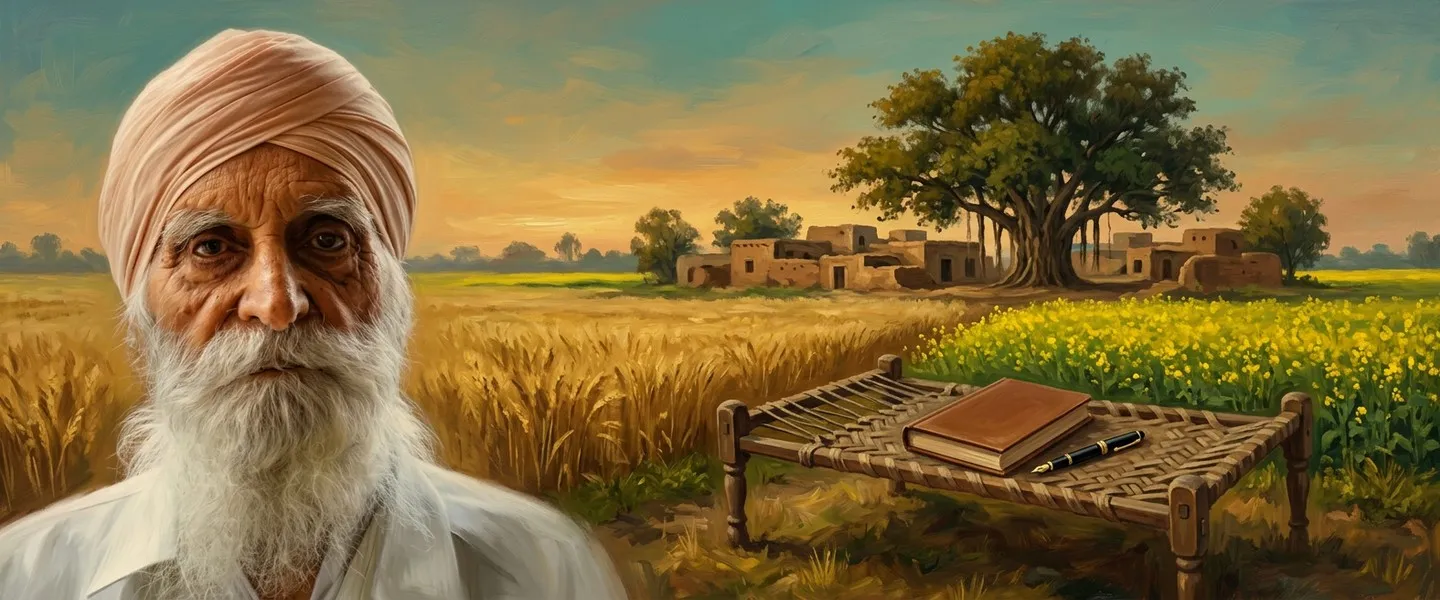
Jaswant Singh Kanwal was born on 27 June 1919 in Dhudike, Moga district. He left school as a young teenager and went to Malaya, where he first became interested in literature, then returned to Dhudike and lived there for the rest of his life, farming and writing in the village he wrote about. His first novel, Sach Nu Phansi, appeared in 1944, and he went on to publish dozens of books. He died at Dhudike on 1 February 2020, aged 100.
His honours include the Sahitya Akademi Award for his novel Taushali Di Hanso, the Punjabi Sahit Shiromani Award in 2007 and an honorary Doctor of Literature from Guru Nanak Dev University, Amritsar in 2008. The Sikh Encyclopedia calls him, in many respects, the real successor of Nanak Singh, the father of the Punjabi novel.
Why does Lahu Di Lo still matter?
It matters because of the double rarity of the book: a major novel about Punjab's Naxalite years, and a book that had to be printed abroad and smuggled home to reach its own readers. Kanwal's earlier novel Raat Baaki Hai, his chronicle of the sharecroppers' movement, was once so popular that excerpts were read aloud on loudspeakers in the villages. Lahu Di Lo carried that same direct line between the Punjabi novel and Punjab's political struggles into a darker decade, and it remains the fullest fictional record of the movement in Punjabi.
ਕਿਤਾਬ ਬਾਰੇ
ਲਹੂ ਦੀ ਲੋ, ਅੰਗਰੇਜ਼ੀ ਵਿੱਚ Dawn of the Blood, ਜਸਵੰਤ ਸਿੰਘ ਕੰਵਲ ਦਾ ਪੰਜਾਬੀ ਨਾਵਲ ਹੈ ਜੋ ਪੰਜਾਬ ਵਿੱਚ ਨਕਸਲੀ ਲਹਿਰ ਬਾਰੇ ਹੈ। ਇਹ 1970ਵਿਆਂ ਦੇ ਐਮਰਜੈਂਸੀ ਵਾਲੇ ਸਾਲਾਂ ਵਿੱਚ ਲਿਖਿਆ ਗਿਆ, ਭਾਰਤ ਦੇ ਪ੍ਰਕਾਸ਼ਕਾਂ ਨੇ ਇਸ ਨੂੰ ਛਾਪਣ ਤੋਂ ਇਨਕਾਰ ਕਰ ਦਿੱਤਾ, ਇਹ 1975 ਵਿੱਚ ਸਿੰਗਾਪੁਰ ਵਿੱਚ ਛਪਿਆ ਅਤੇ ਲੁਕਵੇਂ ਢੰਗ ਨਾਲ ਘਰ ਪਹੁੰਚਿਆ, ਫਿਰ ਐਮਰਜੈਂਸੀ ਖ਼ਤਮ ਹੋਣ ਤੋਂ ਬਾਅਦ ਪੰਜਾਬ ਵਿੱਚ ਖੁੱਲ੍ਹੇਆਮ ਛਪਿਆ।
ਹਵਾਲਾ ਗ੍ਰੰਥ ਇਸ ਨੂੰ ਕੰਵਲ ਦਾ ਸਭ ਤੋਂ ਪ੍ਰਸਿੱਧ ਨਾਵਲ ਕਹਿੰਦੇ ਹਨ ਅਤੇ ਇਸ ਦਾ ਅੰਗਰੇਜ਼ੀ ਅਨੁਵਾਦ ਵੀ ਹੋਇਆ ਹੈ। ਅੰਗਰੇਜ਼ੀ ਵਿੱਚ ਇਸ ਕਿਤਾਬ ਦੀ ਵਿਸਤ੍ਰਿਤ ਕਹਾਣੀ ਘੱਟ ਮਿਲਦੀ ਹੈ ਅਤੇ ਇਹ ਪੰਨਾ ਕੋਈ ਕਹਾਣੀ ਘੜਦਾ ਨਹੀਂ: ਰਿਕਾਰਡ ਪੱਕੇ ਤੌਰ ਉੱਤੇ ਨਾਵਲ ਦਾ ਵਿਸ਼ਾ, ਇਸ ਦੇ ਛਪਣ ਦੀ ਅਸਾਧਾਰਨ ਕਹਾਣੀ ਅਤੇ ਢੁੱਡੀਕੇ ਦੇ ਨਾਵਲਕਾਰ ਦੀ ਸਭ ਤੋਂ ਜਾਣੀ-ਪਛਾਣੀ ਕਿਤਾਬ ਵਜੋਂ ਇਸ ਦਾ ਸਥਾਨ ਦੱਸਦਾ ਹੈ।
ਲਹੂ ਦੀ ਲੋ ਸਿੰਗਾਪੁਰ ਵਿੱਚ ਕਿਉਂ ਛਪਿਆ?
ਕਿਉਂਕਿ ਭਾਰਤ ਦਾ ਕੋਈ ਪ੍ਰਕਾਸ਼ਕ ਇਸ ਨੂੰ ਛਾਪਣ ਲਈ ਤਿਆਰ ਨਹੀਂ ਸੀ। ਪੰਜਾਬ ਦੀ ਨਕਸਲੀ ਲਹਿਰ ਉੱਤੇ ਆਧਾਰਿਤ ਇਹ ਨਾਵਲ 1970ਵਿਆਂ ਦੀ ਐਮਰਜੈਂਸੀ ਦੌਰਾਨ ਵਿਵਾਦਿਤ ਸੀ, ਜਦੋਂ ਸਿਆਸੀ ਲਿਖਤਾਂ ਉੱਤੇ ਭਾਰੀ ਦਬਾਅ ਸੀ। ਕੰਵਲ ਨੇ ਇਹ ਕਿਤਾਬ ਸਿੰਗਾਪੁਰ ਵਿੱਚ ਛਪਵਾਈ ਅਤੇ ਕਾਪੀਆਂ ਲੁਕਵੇਂ ਢੰਗ ਨਾਲ ਭਾਰਤ ਲਿਆਂਦੀਆਂ। ਪੰਜਾਬੀ ਮਾਓਵਾਦੀ ਸਾਲਾਂ ਬਾਰੇ New Left Review ਦੇ ਇੱਕ ਲੇਖ ਅਨੁਸਾਰ ਇਹ ਸਿੰਗਾਪੁਰ ਵਾਲੀ ਛਪਾਈ ਅਤੇ ਤਸਕਰੀ 1975 ਦੀ ਹੈ। ਐਮਰਜੈਂਸੀ ਹਟਣ ਤੋਂ ਬਾਅਦ ਹੀ ਨਾਵਲ ਪੰਜਾਬ ਵਿੱਚ ਖੁੱਲ੍ਹੇਆਮ ਛਪਿਆ; ਆਰਸੀ ਪ੍ਰਕਾਸ਼ਕਾਂ ਦਾ ਦਿੱਲੀ ਅਡੀਸ਼ਨ 1978 ਹੇਠ ਦਰਜ ਹੈ।
ਨਾਵਲ ਦੇ ਪਿੱਛੇ ਦੀ ਲਹਿਰ
ਨਕਸਲੀ ਧਾਰਾ ਪੰਜਾਬ ਵਿੱਚ 1967 ਦੀ ਨਕਸਲਬਾੜੀ ਬਗਾਵਤ ਅਤੇ 1969 ਵਿੱਚ ਭਾਰਤੀ ਕਮਿਊਨਿਸਟ ਪਾਰਟੀ (ਮਾਰਕਸਵਾਦੀ-ਲੈਨਿਨਵਾਦੀ) ਦੇ ਗਠਨ ਤੋਂ ਪਹੁੰਚੀ, ਜਿਸ ਦੇ ਸਮਰਥਕ ਭਾਰਤ ਨੂੰ ਅਰਧ-ਜਾਗੀਰਦਾਰੀ ਅਤੇ ਅਰਧ-ਬਸਤੀਵਾਦੀ ਕਹਿੰਦੇ ਸਨ ਅਤੇ ਗੁਰਿੱਲਾ ਸੰਘਰਸ਼ ਦੀ ਵਕਾਲਤ ਕਰਦੇ ਸਨ। ਪੰਜਾਬ ਇਸ ਲਈ ਅਜੀਬ ਥਾਂ ਲੱਗਦੀ ਸੀ: ਹਰੀ ਕ੍ਰਾਂਤੀ ਇਸ ਦੇ ਪਿੰਡਾਂ ਨੂੰ ਟਰੈਕਟਰਾਂ, ਟਿਊਬਵੈੱਲਾਂ, ਖਾਦਾਂ ਅਤੇ ਕਰਜ਼ਾ ਸੁਸਾਇਟੀਆਂ ਨਾਲ ਭਰ ਰਹੀ ਸੀ। ਫਿਰ ਵੀ ਮਾਓਵਾਦੀ ਵਿਚਾਰਾਂ ਨੇ ਰਸਾਲਿਆਂ, ਕਵਿਤਾਵਾਂ ਅਤੇ ਗੁਪਤ ਬੈਠਕਾਂ ਦੀ ਜ਼ਬਰਦਸਤ ਭੂਮੀਗਤ ਸੱਭਿਆਚਾਰਕ ਲਹਿਰ ਬੀਜੀ, ਅਤੇ ਪੰਜਾਬ ਵਿੱਚ ਇਸ ਲਹਿਰ ਨਾਲ ਜੁੜੇ ਨੌਜਵਾਨਾਂ ਨੂੰ ਗ੍ਰਿਫ਼ਤਾਰੀ, ਤਸੀਹੇ ਅਤੇ ਮੌਤ ਦਾ ਸਾਹਮਣਾ ਕਰਨਾ ਪਿਆ। ਲਹੂ ਦੀ ਲੋ ਉਸ ਪਲ ਦਾ ਪ੍ਰਮੁੱਖ ਪੰਜਾਬੀ ਨਾਵਲ ਹੈ, ਜੋ ਖੱਬੇ ਪੱਖ ਦੇ ਹਮਦਰਦ ਅੰਦਰਲੇ ਬੰਦੇ ਨੇ ਲਿਖਿਆ, ਨਾ ਕਿ ਕਿਸੇ ਦੂਰ ਦੇ ਦੇਖਣ ਵਾਲੇ ਨੇ।
ਵਿਸ਼ੇ: ਜ਼ਮੀਨ, ਬਗਾਵਤ ਅਤੇ ਪਿੰਡ
ਸਿੱਖ ਵਿਸ਼ਵਕੋਸ਼ ਦਰਜ ਕਰਦਾ ਹੈ ਕਿ ਕੰਵਲ ਦੀ ਗਲਪ ਮਾਲਵਾ ਖੇਤਰ ਦੇ ਯਥਾਰਥਕ, ਪੇਂਡੂ ਅਤੇ ਠੇਠ ਜੀਵਨ ਵਿੱਚ ਮਾਹਰ ਹੈ, ਜਿਸ ਵਿੱਚ ਸਥਾਨਕ ਰੰਗ ਲਈ ਮਾਲਵਈ ਉਪਭਾਸ਼ਾ ਵਰਤੀ ਗਈ ਹੈ। ਉਨ੍ਹਾਂ ਨੇ ਬੇਈਮਾਨ ਅਮੀਰ ਲੋਕਾਂ ਦੀਆਂ ਕਰਤੂਤਾਂ ਉੱਤੇ ਵਿਅੰਗ ਕਸਿਆ ਅਤੇ ਦੱਬੇ-ਕੁਚਲਿਆਂ ਨੂੰ ਤਾਕਤ ਅਤੇ ਏਕਤਾ ਨਾਲ ਉੱਠਣ ਲਈ ਪ੍ਰੇਰਿਆ, ਇੱਕ ਨਿਰਪੱਖ ਸਮਾਜਵਾਦੀ ਢਾਂਚੇ ਦੀ ਵਕਾਲਤ ਕੀਤੀ। ਇਹ ਵਚਨਬੱਧਤਾਵਾਂ ਉਨ੍ਹਾਂ ਦੀਆਂ ਸਾਰੀਆਂ ਕਿਤਾਬਾਂ ਵਿੱਚ ਚੱਲਦੀਆਂ ਹਨ: ਉਨ੍ਹਾਂ ਦੀਆਂ ਲਿਖਤਾਂ ਪੱਕੀਆਂ ਸਮਾਜਿਕ ਰੀਤਾਂ ਅਤੇ ਮਾਨਤਾਵਾਂ ਉੱਤੇ ਸਵਾਲ ਚੁੱਕਦੀਆਂ ਹਨ ਅਤੇ ਉਨ੍ਹਾਂ ਦੇ ਪ੍ਰਸਿੱਧ ਨਾਵਲ ਸਮਾਜਿਕ ਅਤੇ ਲਿੰਗਕ ਬਰਾਬਰੀ ਦੀ ਹਿਮਾਇਤ ਕਰਦੇ ਹਨ। ਲਹੂ ਦੀ ਲੋ ਉਸੇ ਪੇਂਡੂ ਯਥਾਰਥਵਾਦ ਨੂੰ ਹਥਿਆਰਬੰਦ ਬਗਾਵਤ ਵੱਲ ਮੋੜਦਾ ਹੈ ਅਤੇ ਪੁੱਛਦਾ ਹੈ ਕਿ ਪੰਜਾਬ ਦੇ ਨੌਜਵਾਨਾਂ ਨੂੰ ਬੰਦੂਕ ਚੁੱਕਣ ਲਈ ਕਿਸ ਨੇ ਮਜਬੂਰ ਕੀਤਾ ਅਤੇ ਉਨ੍ਹਾਂ ਨੂੰ ਪਨਾਹ ਦੇਣ ਵਾਲੇ ਪਿੰਡਾਂ ਨੂੰ ਇਸ ਦੀ ਕੀ ਕੀਮਤ ਚੁਕਾਉਣੀ ਪਈ।
ਲੇਖਕ
ਜਸਵੰਤ ਸਿੰਘ ਕੰਵਲ ਦਾ ਜਨਮ 27 ਜੂਨ 1919 ਨੂੰ ਮੋਗਾ ਜ਼ਿਲ੍ਹੇ ਦੇ ਢੁੱਡੀਕੇ ਵਿੱਚ ਹੋਇਆ। ਉਨ੍ਹਾਂ ਨੇ ਨੌਜਵਾਨ ਉਮਰ ਵਿੱਚ ਸਕੂਲ ਛੱਡਿਆ ਅਤੇ ਮਲਾਇਆ ਗਏ, ਜਿੱਥੇ ਉਨ੍ਹਾਂ ਨੂੰ ਪਹਿਲਾਂ ਸਾਹਿਤ ਵਿੱਚ ਰੁਚੀ ਹੋਈ, ਫਿਰ ਢੁੱਡੀਕੇ ਮੁੜ ਆਏ ਅਤੇ ਸਾਰੀ ਉਮਰ ਉੱਥੇ ਹੀ ਰਹੇ, ਉਸੇ ਪਿੰਡ ਵਿੱਚ ਖੇਤੀ ਕਰਦੇ ਅਤੇ ਲਿਖਦੇ ਰਹੇ ਜਿਸ ਬਾਰੇ ਉਹ ਲਿਖਦੇ ਸਨ। ਉਨ੍ਹਾਂ ਦਾ ਪਹਿਲਾ ਨਾਵਲ, ਸੱਚ ਨੂੰ ਫਾਂਸੀ, 1944 ਵਿੱਚ ਆਇਆ ਅਤੇ ਉਹ ਦਰਜਨਾਂ ਕਿਤਾਬਾਂ ਛਪਵਾਉਂਦੇ ਰਹੇ। ਉਨ੍ਹਾਂ ਦੀ ਮੌਤ 1 ਫਰਵਰੀ 2020 ਨੂੰ ਢੁੱਡੀਕੇ ਵਿੱਚ 100 ਸਾਲ ਦੀ ਉਮਰ ਵਿੱਚ ਹੋਈ।
ਉਨ੍ਹਾਂ ਦੇ ਸਨਮਾਨਾਂ ਵਿੱਚ ਉਨ੍ਹਾਂ ਦੇ ਨਾਵਲ ਟੌਸ਼ਾਲੀ ਦੀ ਹੰਸੋ ਲਈ ਸਾਹਿਤ ਅਕਾਦਮੀ ਇਨਾਮ, 2007 ਵਿੱਚ ਪੰਜਾਬੀ ਸਾਹਿਤ ਸ਼੍ਰੋਮਣੀ ਇਨਾਮ ਅਤੇ 2008 ਵਿੱਚ ਗੁਰੂ ਨਾਨਕ ਦੇਵ ਯੂਨੀਵਰਸਿਟੀ, ਅੰਮ੍ਰਿਤਸਰ ਤੋਂ ਡਾਕਟਰ ਆਫ਼ ਲਿਟਰੇਚਰ ਦੀ ਆਨਰੇਰੀ ਡਿਗਰੀ ਸ਼ਾਮਲ ਹਨ। ਸਿੱਖ ਵਿਸ਼ਵਕੋਸ਼ ਉਨ੍ਹਾਂ ਨੂੰ ਕਈ ਪੱਖਾਂ ਤੋਂ ਪੰਜਾਬੀ ਨਾਵਲ ਦੇ ਪਿਤਾ ਨਾਨਕ ਸਿੰਘ ਦਾ ਅਸਲ ਵਾਰਿਸ ਕਹਿੰਦਾ ਹੈ।
ਲਹੂ ਦੀ ਲੋ ਅੱਜ ਵੀ ਮਹੱਤਵਪੂਰਨ ਕਿਉਂ ਹੈ?
ਇਹ ਇਸ ਲਈ ਮਹੱਤਵਪੂਰਨ ਹੈ ਕਿਉਂਕਿ ਇਹ ਕਿਤਾਬ ਦੋਹਰੀ ਤਰ੍ਹਾਂ ਦੁਰਲੱਭ ਹੈ: ਪੰਜਾਬ ਦੇ ਨਕਸਲੀ ਸਾਲਾਂ ਬਾਰੇ ਇੱਕ ਪ੍ਰਮੁੱਖ ਨਾਵਲ, ਅਤੇ ਇੱਕ ਅਜਿਹੀ ਕਿਤਾਬ ਜਿਸ ਨੂੰ ਆਪਣੇ ਪਾਠਕਾਂ ਤੱਕ ਪਹੁੰਚਣ ਲਈ ਵਿਦੇਸ਼ ਵਿੱਚ ਛਪਣਾ ਅਤੇ ਲੁਕਵੇਂ ਢੰਗ ਨਾਲ ਘਰ ਆਉਣਾ ਪਿਆ। ਕੰਵਲ ਦਾ ਪਹਿਲਾ ਨਾਵਲ ਰਾਤ ਬਾਕੀ ਹੈ, ਮੁਜ਼ਾਰਾ ਲਹਿਰ ਦੀ ਉਨ੍ਹਾਂ ਦੀ ਦਾਸਤਾਨ, ਇੱਕ ਸਮੇਂ ਇੰਨਾ ਪ੍ਰਸਿੱਧ ਸੀ ਕਿ ਇਸ ਦੇ ਅੰਸ਼ ਪਿੰਡਾਂ ਵਿੱਚ ਲਾਊਡਸਪੀਕਰਾਂ ਉੱਤੇ ਪੜ੍ਹੇ ਜਾਂਦੇ ਸਨ। ਲਹੂ ਦੀ ਲੋ ਨੇ ਪੰਜਾਬੀ ਨਾਵਲ ਅਤੇ ਪੰਜਾਬ ਦੇ ਸਿਆਸੀ ਸੰਘਰਸ਼ਾਂ ਵਿਚਕਾਰ ਉਸੇ ਸਿੱਧੀ ਲਕੀਰ ਨੂੰ ਇੱਕ ਹਨੇਰੇ ਦਹਾਕੇ ਵਿੱਚ ਅੱਗੇ ਵਧਾਇਆ, ਅਤੇ ਇਹ ਪੰਜਾਬੀ ਵਿੱਚ ਉਸ ਲਹਿਰ ਦਾ ਸਭ ਤੋਂ ਭਰਪੂਰ ਗਲਪ ਰਿਕਾਰਡ ਬਣਿਆ ਰਹਿੰਦਾ ਹੈ।
Editions and translations
- Lahu Di LoPunjabi · Gurmukhi · Singapore, 1975 (reported)Edition
- Lahu Di LoPunjabi · Gurmukhi · Delhi edition, Aarsi Publishers, 1978 (catalogued)Edition
The author
Connected
More to read
Sources (3)
Jugti is free and independent. Reader support keeps the Kosh growing.
Support