
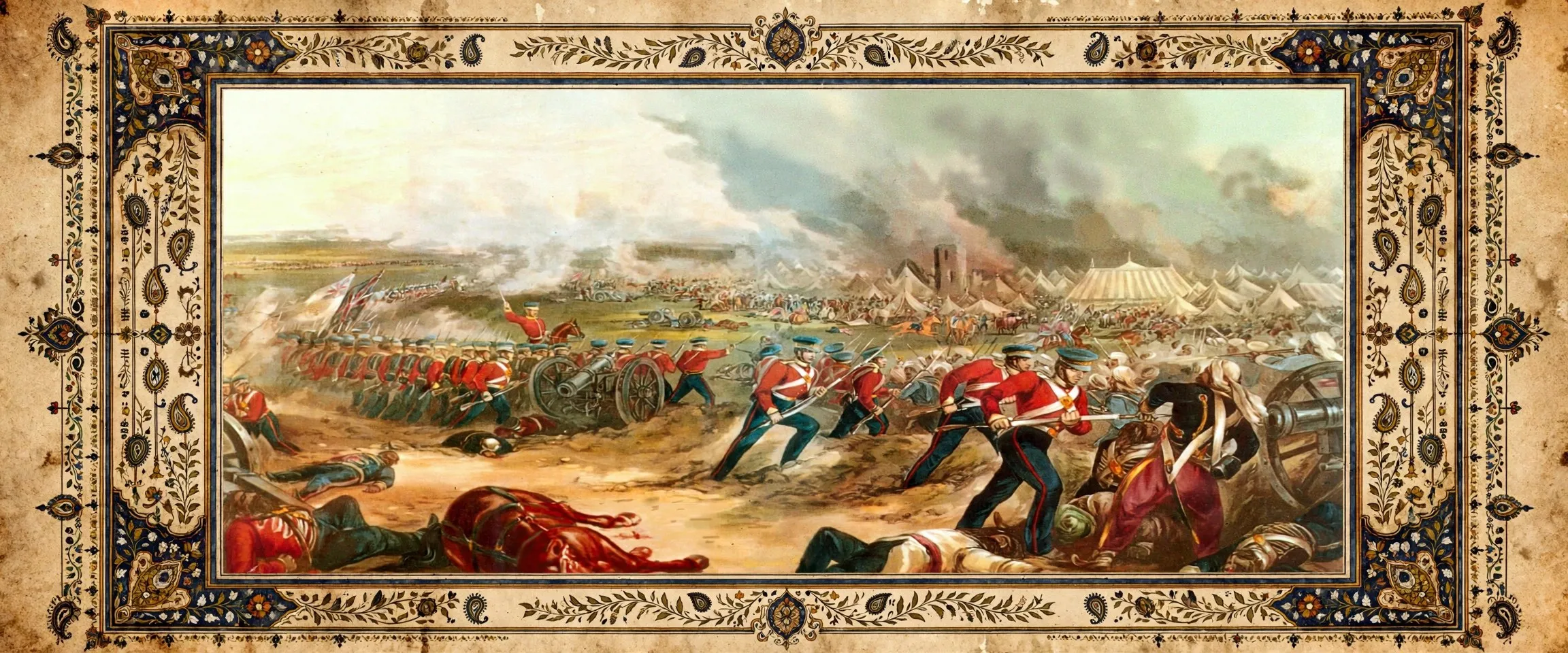
Jangnama Singhan te Firangian is Shah Mohammad's long Punjabi poem on the fall of the Sikh Empire and the First Anglo-Sikh War of 1845 to 1846. In 105 stanzas it first narrates the murderous succession struggle at the Lahore court after Maharaja Ranjit Singh's death in 1839, then the battles between the Sikh and British armies, praising heroes such as Sham Singh Atarivala.
Punjabi, Gurmukhi- Punjabi name
- ਜੰਗਨਾਮਾ ਸਿੰਘਾਂ ਤੇ ਫਿਰੰਗੀਆਂ
- Author
- Shah Mohammad (c. 1780 to 1862)
- Composed
- Soon after the First Anglo-Sikh War (1845 to 1846)
- Subject
- The fall of the Sikh Empire and the First Anglo-Sikh War
- Form
- Long poem in baint metre, 105 stanzas
- Structure
- Two parts: the war of succession, then the Anglo-Sikh battles
All 9 facts
- Heroes praised
- Sham Singh Atarivala and Ranjodh Singh
- Also known as
- Var Shah Muhammad; Hind Panjab da Jang
- Language
- Punjabi
About the poem
Jangnama Singhan te Firangian (The War Chronicle of the Sikhs and the British) is a long Punjabi poem by Shah Mohammad, the Muslim poet of Vadala Viram near Amritsar, and the most famous Punjabi telling of the first Anglo-Sikh war of 1845 to 1846. The Encyclopaedia of the Sikhs calls its author the national poet of the Punjab in the nineteenth century, and calls this composition his celebrated work: a poem whose subject is the decline of the Sikh polity after the death of Maharaja Ranjit Singh in 1839, and whose meaning, for later readers, lies in its treatment of the uncertainty that gripped the sovereign identity of the Punjab.
The poem is built in the traditional baint metre. SikhiWiki counts 105 baints, each baint having four verses, and in the sung text the poet signs stanza after stanza with his own name, Shah Mohammada. Its structure is in two parts. The first part, running into fifty octaves, narrates the war of succession that consumed the Lahore court after 1839. The second part, of fifty five octaves, describes the battles fought between the Sikh and British armies. It is also known as Var Shah Muhammad and as Hind Panjab da Jang, and its full text is still published and read, among other places on Folk Punjab.
What does the Jangnama describe?
The Jangnama describes a kingdom that first destroys itself and then fights bravely to survive. Its opening movement follows the murderous intrigues after Ranjit Singh's death: the prime minister Dhian Singh Dogra set aside Maharaja Kharak Singh and had his favourite Chet Singh murdered before his eyes; Kharak Singh, his son Kanvar Nau Nihal Singh, Maharaja Sher Singh and Sher Singh's young son Kanvar Partap Singh were all killed in turn, and Dhian Singh himself was killed by the Sandhanwalias, who had murdered the reigning Maharaja. SikhiWiki notes that Shah Mohammad relates this tale of political nightmare with a historical precision and brevity of expression unusual in a popular poet. The second movement then turns to the war: the engagements between the English and the Sikhs, in which the poet lyrically recalls the days when Sikh warriors had subdued Khyber, Kangra and Jammu, and praises the heroism and sacrifice of sardars such as Sham Singh Atarivala and Ranjodh Singh.
Pride, treachery and grief
Three feelings run through the poem at once, and they are the reason it has lasted. The first is pride: Shah Mohammad, though a Muslim, identifies himself with the Sikh elan and ascendancy, and remembers Ranjit Singh's empire as Punjab's own greatness. The second is anger at betrayal from within: the Encyclopaedia of the Sikhs stresses how the poem names the internal collapse that delivered the Khalsa army to defeat, so that the war reads as a loss Punjab inflicted on itself before the British could. The third is grief. The defeat elicits the poet's full empathy: he declares it a war between the rest of India and the Punjab, and he draws a poignant picture of the lamenting mothers, sisters, wives and relatives of the dead. The Jangnama is a war poem that ends, again and again, at the doors of the bereaved.
The author
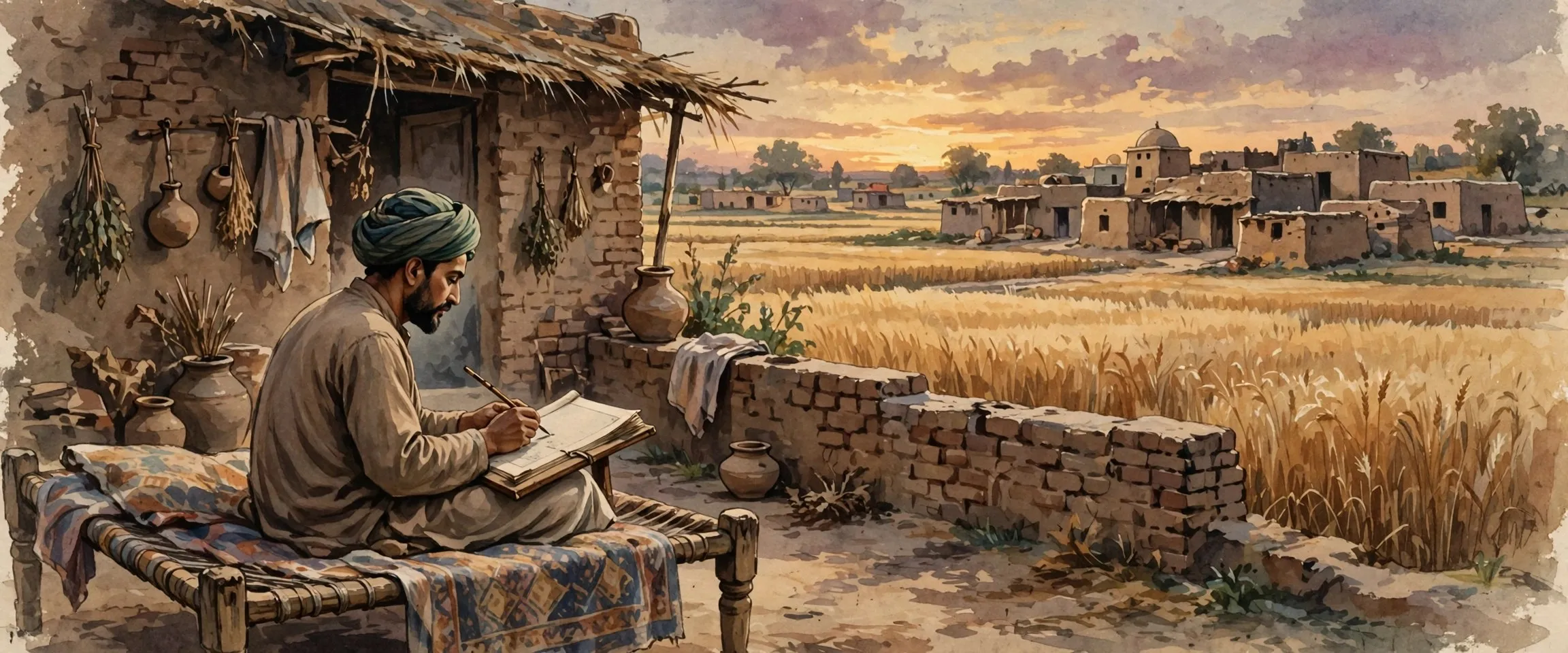
Shah Mohammad (c. 1780 to 1862) lived at Vadala Viram, near Amritsar, and the poem itself opens there, with the poet sitting in his village as news and talk of the English reach him. He is said to have composed a kissa, a narrative poem of love, as well, but the Jangnama is the work his name lives by. Writing from inside the countryside that supplied the Khalsa army its soldiers, he saw the empire's fall not as distant court history but as a calamity arriving in villages like his own. He has a full entry of his own in this Kosh.
Reception and legacy
The Jangnama's reputation rests on a rare double claim. As literature, it is the great Punjabi poem of the Anglo-Sikh wars, the work that fixed the fall of the Sikh Empire in the language and metre of the people who lived it. As record, it commands a historian's respect: SikhiWiki concludes that the historical framework the poet laid out for those events has not so far been superseded. The Encyclopaedia of the Sikhs adds that the composition keeps acquiring meaning, because the uncertainty it captured, about Punjab's sovereign identity, has extended with the passage of time. Read today, it remains what it was for its first hearers: Punjab accounting for itself, in verse, at the moment it ceased to be a kingdom.
ਕਵਿਤਾ ਬਾਰੇ
ਜੰਗਨਾਮਾ ਸਿੰਘਾਂ ਤੇ ਫਿਰੰਗੀਆਂ ਅੰਮ੍ਰਿਤਸਰ ਨੇੜੇ ਵਡਾਲਾ ਵੀਰਮ ਦੇ ਮੁਸਲਮਾਨ ਕਵੀ ਸ਼ਾਹ ਮੁਹੰਮਦ ਦੀ ਲੰਮੀ ਪੰਜਾਬੀ ਕਵਿਤਾ ਹੈ, ਅਤੇ 1845 ਤੋਂ 1846 ਦੀ ਪਹਿਲੀ ਐਂਗਲੋ ਸਿੱਖ ਜੰਗ ਦੀ ਸਭ ਤੋਂ ਪ੍ਰਸਿੱਧ ਪੰਜਾਬੀ ਪੇਸ਼ਕਾਰੀ ਹੈ। ਸਿੱਖ ਵਿਸ਼ਵਕੋਸ਼ ਇਸ ਦੇ ਲੇਖਕ ਨੂੰ ਉਨੀਵੀਂ ਸਦੀ ਵਿੱਚ ਪੰਜਾਬ ਦਾ ਰਾਸ਼ਟਰੀ ਕਵੀ ਕਹਿੰਦਾ ਹੈ, ਅਤੇ ਇਸ ਰਚਨਾ ਨੂੰ ਉਸ ਦੀ ਪ੍ਰਸਿੱਧ ਕਿਰਤ ਕਹਿੰਦਾ ਹੈ: ਇੱਕ ਅਜਿਹੀ ਕਵਿਤਾ ਜਿਸ ਦਾ ਵਿਸ਼ਾ 1839 ਵਿੱਚ ਮਹਾਰਾਜਾ ਰਣਜੀਤ ਸਿੰਘ ਦੇ ਦੇਹਾਂਤ ਤੋਂ ਬਾਅਦ ਸਿੱਖ ਰਾਜ ਦਾ ਪਤਨ ਹੈ, ਅਤੇ ਜਿਸ ਦਾ ਅਰਥ, ਬਾਅਦ ਦੇ ਪਾਠਕਾਂ ਲਈ, ਉਸ ਅਨਿਸ਼ਚਿਤਤਾ ਵਿੱਚ ਹੈ ਜਿਸ ਨੇ ਪੰਜਾਬ ਦੀ ਪ੍ਰਭੂਸੱਤਾ ਵਾਲੀ ਪਛਾਣ ਨੂੰ ਜਕੜ ਲਿਆ ਸੀ।
ਕਵਿਤਾ ਰਵਾਇਤੀ ਬੈਂਤ ਛੰਦ ਵਿੱਚ ਬਣੀ ਹੈ। ਸਿੱਖੀ ਵਿਕੀ 105 ਬੈਂਤ ਗਿਣਦਾ ਹੈ, ਹਰ ਬੈਂਤ ਵਿੱਚ ਚਾਰ ਪਦੇ, ਅਤੇ ਗਾਏ ਜਾਂਦੇ ਪਾਠ ਵਿੱਚ ਕਵੀ ਬੈਂਤ ਤੋਂ ਬਾਅਦ ਬੈਂਤ ਆਪਣੇ ਨਾਂ, ਸ਼ਾਹ ਮੁਹੰਮਦਾ, ਨਾਲ ਦਸਤਖਤ ਕਰਦਾ ਹੈ। ਇਸ ਦੀ ਬਣਤਰ ਦੋ ਭਾਗਾਂ ਵਿੱਚ ਹੈ। ਪਹਿਲਾ ਭਾਗ, ਪੰਜਾਹ ਅੱਠਪਦੀਆਂ ਤੱਕ ਫੈਲਿਆ, 1839 ਤੋਂ ਬਾਅਦ ਲਾਹੌਰ ਦਰਬਾਰ ਨੂੰ ਖਾ ਜਾਣ ਵਾਲੀ ਵਿਰਾਸਤ ਦੀ ਜੰਗ ਬਿਆਨ ਕਰਦਾ ਹੈ। ਦੂਜਾ ਭਾਗ, ਪਚਵੰਜਾ ਅੱਠਪਦੀਆਂ ਦਾ, ਸਿੱਖ ਅਤੇ ਅੰਗਰੇਜ਼ ਫੌਜਾਂ ਵਿਚਾਲੇ ਲੜਾਈਆਂ ਦਾ ਵਰਣਨ ਕਰਦਾ ਹੈ। ਇਸ ਨੂੰ ਵਾਰ ਸ਼ਾਹ ਮੁਹੰਮਦ ਅਤੇ ਹਿੰਦ ਪੰਜਾਬ ਦਾ ਜੰਗ ਵੀ ਕਿਹਾ ਜਾਂਦਾ ਹੈ, ਅਤੇ ਇਸ ਦਾ ਪੂਰਾ ਪਾਠ ਅਜੇ ਛਪਦਾ ਅਤੇ ਪੜ੍ਹਿਆ ਜਾਂਦਾ ਹੈ, ਹੋਰਨਾਂ ਥਾਵਾਂ ਸਣੇ ਫੋਕ ਪੰਜਾਬ ਉੱਤੇ।
ਜੰਗਨਾਮਾ ਕੀ ਬਿਆਨ ਕਰਦਾ ਹੈ?
ਜੰਗਨਾਮਾ ਇੱਕ ਅਜਿਹਾ ਰਾਜ ਬਿਆਨ ਕਰਦਾ ਹੈ ਜੋ ਪਹਿਲਾਂ ਆਪਣੇ ਆਪ ਨੂੰ ਤਬਾਹ ਕਰਦਾ ਹੈ ਅਤੇ ਫਿਰ ਜਿਉਂਦੇ ਰਹਿਣ ਲਈ ਬਹਾਦਰੀ ਨਾਲ ਲੜਦਾ ਹੈ। ਇਸ ਦੀ ਸ਼ੁਰੂਆਤੀ ਲਹਿਰ ਰਣਜੀਤ ਸਿੰਘ ਦੇ ਦੇਹਾਂਤ ਤੋਂ ਬਾਅਦ ਦੀਆਂ ਕਤਲਾਂ ਭਰੀਆਂ ਸਾਜ਼ਿਸ਼ਾਂ ਦਾ ਪਿੱਛਾ ਕਰਦੀ ਹੈ: ਪ੍ਰਧਾਨ ਮੰਤਰੀ ਧਿਆਨ ਸਿੰਘ ਡੋਗਰਾ ਨੇ ਮਹਾਰਾਜਾ ਖੜਕ ਸਿੰਘ ਨੂੰ ਪਾਸੇ ਕੀਤਾ ਅਤੇ ਉਸ ਦੇ ਚਹੇਤੇ ਚੇਤ ਸਿੰਘ ਨੂੰ ਉਸ ਦੀਆਂ ਅੱਖਾਂ ਸਾਹਮਣੇ ਕਤਲ ਕਰਵਾਇਆ; ਖੜਕ ਸਿੰਘ, ਉਸ ਦਾ ਪੁੱਤਰ ਕੰਵਰ ਨੌਨਿਹਾਲ ਸਿੰਘ, ਮਹਾਰਾਜਾ ਸ਼ੇਰ ਸਿੰਘ ਅਤੇ ਸ਼ੇਰ ਸਿੰਘ ਦਾ ਨੌਜਵਾਨ ਪੁੱਤਰ ਕੰਵਰ ਪ੍ਰਤਾਪ ਸਿੰਘ ਵਾਰੀ ਸਿਰ ਕਤਲ ਹੋਏ, ਅਤੇ ਧਿਆਨ ਸਿੰਘ ਆਪ ਵੀ ਸੰਧਾਂਵਾਲੀਆਂ ਦੇ ਹੱਥੋਂ ਮਾਰਿਆ ਗਿਆ, ਜਿਨ੍ਹਾਂ ਨੇ ਰਾਜ ਕਰਦੇ ਮਹਾਰਾਜੇ ਨੂੰ ਕਤਲ ਕੀਤਾ ਸੀ। ਸਿੱਖੀ ਵਿਕੀ ਦਰਜ ਕਰਦਾ ਹੈ ਕਿ ਸ਼ਾਹ ਮੁਹੰਮਦ ਰਾਜਨੀਤਿਕ ਦੁਸਵਪਨ ਦੀ ਇਸ ਕਹਾਣੀ ਨੂੰ ਇੱਕ ਲੋਕ ਕਵੀ ਵਿੱਚ ਦੁਰਲੱਭ ਇਤਿਹਾਸਕ ਸ਼ੁੱਧਤਾ ਅਤੇ ਭਾਵ ਦੀ ਸੰਖੇਪਤਾ ਨਾਲ ਬਿਆਨ ਕਰਦਾ ਹੈ। ਦੂਜੀ ਲਹਿਰ ਫਿਰ ਜੰਗ ਵੱਲ ਮੁੜਦੀ ਹੈ: ਅੰਗਰੇਜ਼ਾਂ ਅਤੇ ਸਿੱਖਾਂ ਵਿਚਾਲੇ ਲੜਾਈਆਂ, ਜਿਨ੍ਹਾਂ ਵਿੱਚ ਕਵੀ ਉਨ੍ਹਾਂ ਦਿਨਾਂ ਨੂੰ ਸੰਗੀਤਮਈ ਢੰਗ ਨਾਲ ਯਾਦ ਕਰਦਾ ਹੈ ਜਦ ਸਿੱਖ ਯੋਧਿਆਂ ਨੇ ਖੈਬਰ, ਕਾਂਗੜਾ ਅਤੇ ਜੰਮੂ ਫਤਹਿ ਕੀਤੇ ਸਨ, ਅਤੇ ਸ਼ਾਮ ਸਿੰਘ ਅਟਾਰੀਵਾਲਾ ਅਤੇ ਰਣਜੋਧ ਸਿੰਘ ਵਰਗੇ ਸਰਦਾਰਾਂ ਦੀ ਬਹਾਦਰੀ ਅਤੇ ਕੁਰਬਾਨੀ ਦੀ ਸਿਫਤ ਕਰਦਾ ਹੈ।
ਮਾਣ, ਗ਼ਦਾਰੀ ਅਤੇ ਸੋਗ
ਕਵਿਤਾ ਵਿੱਚ ਇੱਕੋ ਸਮੇਂ ਤਿੰਨ ਭਾਵਨਾਵਾਂ ਵਗਦੀਆਂ ਹਨ, ਅਤੇ ਇਹੋ ਕਾਰਨ ਹੈ ਕਿ ਇਹ ਟਿਕੀ ਰਹੀ। ਪਹਿਲੀ ਮਾਣ ਹੈ: ਸ਼ਾਹ ਮੁਹੰਮਦ, ਮੁਸਲਮਾਨ ਹੁੰਦਿਆਂ ਵੀ, ਆਪਣੇ ਆਪ ਨੂੰ ਸਿੱਖ ਜੋਸ਼ ਅਤੇ ਵਡਿਆਈ ਨਾਲ ਜੋੜਦਾ ਹੈ, ਅਤੇ ਰਣਜੀਤ ਸਿੰਘ ਦੇ ਸਾਮਰਾਜ ਨੂੰ ਪੰਜਾਬ ਦੀ ਆਪਣੀ ਮਹਾਨਤਾ ਵਜੋਂ ਯਾਦ ਕਰਦਾ ਹੈ। ਦੂਜੀ ਅੰਦਰੋਂ ਹੋਈ ਗ਼ਦਾਰੀ ਉੱਤੇ ਗੁੱਸਾ ਹੈ: ਸਿੱਖ ਵਿਸ਼ਵਕੋਸ਼ ਜ਼ੋਰ ਦਿੰਦਾ ਹੈ ਕਿ ਕਵਿਤਾ ਉਸ ਅੰਦਰਲੇ ਢਹਿ ਢੇਰੀ ਨੂੰ ਕਿਵੇਂ ਨਾਂ ਲੈ ਕੇ ਕਹਿੰਦੀ ਹੈ ਜਿਸ ਨੇ ਖਾਲਸਾ ਫੌਜ ਨੂੰ ਹਾਰ ਦੇ ਹਵਾਲੇ ਕੀਤਾ, ਤਾਂ ਕਿ ਜੰਗ ਇਸ ਤਰ੍ਹਾਂ ਪੜ੍ਹੀ ਜਾਵੇ ਜਿਵੇਂ ਹਾਰ ਪੰਜਾਬ ਨੇ ਅੰਗਰੇਜ਼ਾਂ ਦੇ ਕਰਨ ਤੋਂ ਪਹਿਲਾਂ ਆਪਣੇ ਆਪ ਨੂੰ ਦਿੱਤੀ ਹੋਵੇ। ਤੀਜੀ ਸੋਗ ਹੈ। ਹਾਰ ਕਵੀ ਦੀ ਪੂਰੀ ਹਮਦਰਦੀ ਖਿੱਚਦੀ ਹੈ: ਉਹ ਇਸ ਨੂੰ ਬਾਕੀ ਭਾਰਤ ਅਤੇ ਪੰਜਾਬ ਵਿਚਾਲੇ ਜੰਗ ਐਲਾਨਦਾ ਹੈ, ਅਤੇ ਮਰਨ ਵਾਲਿਆਂ ਦੀਆਂ ਸੋਗ ਕਰਦੀਆਂ ਮਾਵਾਂ, ਭੈਣਾਂ, ਪਤਨੀਆਂ ਅਤੇ ਰਿਸ਼ਤੇਦਾਰਾਂ ਦੀ ਦਰਦਨਾਕ ਤਸਵੀਰ ਖਿੱਚਦਾ ਹੈ। ਜੰਗਨਾਮਾ ਇੱਕ ਜੰਗ ਕਵਿਤਾ ਹੈ ਜੋ ਵਾਰ ਵਾਰ ਸੋਗ ਮਨਾਉਣ ਵਾਲਿਆਂ ਦੇ ਬੂਹਿਆਂ ਉੱਤੇ ਜਾ ਮੁੱਕਦੀ ਹੈ।
ਲੇਖਕ
ਸ਼ਾਹ ਮੁਹੰਮਦ (ਲਗਭਗ 1780 ਤੋਂ 1862) ਅੰਮ੍ਰਿਤਸਰ ਨੇੜੇ ਵਡਾਲਾ ਵੀਰਮ ਵਿੱਚ ਰਹਿੰਦਾ ਸੀ, ਅਤੇ ਕਵਿਤਾ ਆਪ ਵੀ ਉੱਥੇ ਹੀ ਸ਼ੁਰੂ ਹੁੰਦੀ ਹੈ, ਕਵੀ ਆਪਣੇ ਪਿੰਡ ਵਿੱਚ ਬੈਠਾ ਹੈ ਜਦ ਅੰਗਰੇਜ਼ਾਂ ਦੀਆਂ ਖ਼ਬਰਾਂ ਅਤੇ ਗੱਲਾਂ ਉਸ ਤੱਕ ਪਹੁੰਚਦੀਆਂ ਹਨ। ਇਹ ਵੀ ਕਿਹਾ ਜਾਂਦਾ ਹੈ ਕਿ ਉਸ ਨੇ ਇੱਕ ਕਿੱਸਾ, ਪਿਆਰ ਦੀ ਬਿਰਤਾਂਤ ਕਵਿਤਾ, ਵੀ ਰਚਿਆ, ਪਰ ਜੰਗਨਾਮਾ ਉਹ ਰਚਨਾ ਹੈ ਜਿਸ ਨਾਲ ਉਸ ਦਾ ਨਾਂ ਜਿਉਂਦਾ ਹੈ। ਉਸ ਪੇਂਡੂ ਇਲਾਕੇ ਦੇ ਅੰਦਰੋਂ ਲਿਖਦਾ ਹੋਇਆ ਜੋ ਖਾਲਸਾ ਫੌਜ ਨੂੰ ਉਸ ਦੇ ਸਿਪਾਹੀ ਦਿੰਦਾ ਸੀ, ਉਸ ਨੇ ਸਾਮਰਾਜ ਦੇ ਪਤਨ ਨੂੰ ਦੂਰ ਦੇ ਦਰਬਾਰ ਦਾ ਇਤਿਹਾਸ ਨਹੀਂ, ਸਗੋਂ ਆਪਣੇ ਵਰਗੇ ਪਿੰਡਾਂ ਤੱਕ ਪਹੁੰਚਦੀ ਆਫ਼ਤ ਵਜੋਂ ਵੇਖਿਆ। ਇਸ ਕੋਸ਼ ਵਿੱਚ ਉਸ ਦੀ ਆਪਣੀ ਪੂਰੀ ਐਂਟਰੀ ਵੀ ਹੈ।
ਪ੍ਰਤੀਕਿਰਿਆ ਅਤੇ ਵਿਰਾਸਤ
ਜੰਗਨਾਮੇ ਦੀ ਸਾਖ ਇੱਕ ਦੁਰਲੱਭ ਦੋਹਰੇ ਦਾਅਵੇ ਉੱਤੇ ਟਿਕੀ ਹੈ। ਸਾਹਿਤ ਵਜੋਂ, ਇਹ ਐਂਗਲੋ ਸਿੱਖ ਜੰਗਾਂ ਦੀ ਮਹਾਨ ਪੰਜਾਬੀ ਕਵਿਤਾ ਹੈ, ਉਹ ਰਚਨਾ ਜਿਸ ਨੇ ਸਿੱਖ ਸਾਮਰਾਜ ਦੇ ਪਤਨ ਨੂੰ ਉਨ੍ਹਾਂ ਲੋਕਾਂ ਦੀ ਭਾਸ਼ਾ ਅਤੇ ਛੰਦ ਵਿੱਚ ਸਥਿਰ ਕੀਤਾ ਜਿਨ੍ਹਾਂ ਨੇ ਇਸ ਨੂੰ ਜੀਵਿਆ। ਰਿਕਾਰਡ ਵਜੋਂ, ਇਹ ਇੱਕ ਇਤਿਹਾਸਕਾਰ ਦਾ ਸਤਿਕਾਰ ਹਾਸਲ ਕਰਦੀ ਹੈ: ਸਿੱਖੀ ਵਿਕੀ ਸਿੱਟਾ ਕੱਢਦਾ ਹੈ ਕਿ ਉਹ ਇਤਿਹਾਸਕ ਢਾਂਚਾ ਜੋ ਕਵੀ ਨੇ ਉਨ੍ਹਾਂ ਘਟਨਾਵਾਂ ਲਈ ਬਣਾਇਆ, ਹੁਣ ਤੱਕ ਪਿੱਛੇ ਨਹੀਂ ਛੱਡਿਆ ਗਿਆ। ਸਿੱਖ ਵਿਸ਼ਵਕੋਸ਼ ਇਹ ਵੀ ਕਹਿੰਦਾ ਹੈ ਕਿ ਰਚਨਾ ਦਾ ਅਰਥ ਵਧਦਾ ਰਹਿੰਦਾ ਹੈ, ਕਿਉਂਕਿ ਜਿਸ ਅਨਿਸ਼ਚਿਤਤਾ ਨੂੰ ਇਸ ਨੇ ਫੜਿਆ, ਪੰਜਾਬ ਦੀ ਪ੍ਰਭੂਸੱਤਾ ਵਾਲੀ ਪਛਾਣ ਬਾਰੇ, ਉਹ ਸਮੇਂ ਨਾਲ ਫੈਲਦੀ ਰਹੀ ਹੈ। ਅੱਜ ਪੜ੍ਹੀ ਜਾਵੇ ਤਾਂ ਇਹ ਉਹੋ ਰਹਿੰਦੀ ਹੈ ਜੋ ਇਹ ਆਪਣੇ ਪਹਿਲੇ ਸਰੋਤਿਆਂ ਲਈ ਸੀ: ਪੰਜਾਬ ਕਵਿਤਾ ਵਿੱਚ ਆਪਣਾ ਹਿਸਾਬ ਦਿੰਦਾ ਹੋਇਆ, ਉਸ ਪਲ ਜਦ ਇਹ ਰਾਜ ਹੋਣੋਂ ਰੁਕ ਗਿਆ।
Editions and translations
- Jangnama Singhan te FirangianPunjabi · also known as Jangnama Shah Mohammad, Var Shah Muhammad and Hind Panjab da JangEdition
The author
Connected
More to read
Sources (3)
Jugti is free and independent. Reader support keeps the Kosh growing.
Support