
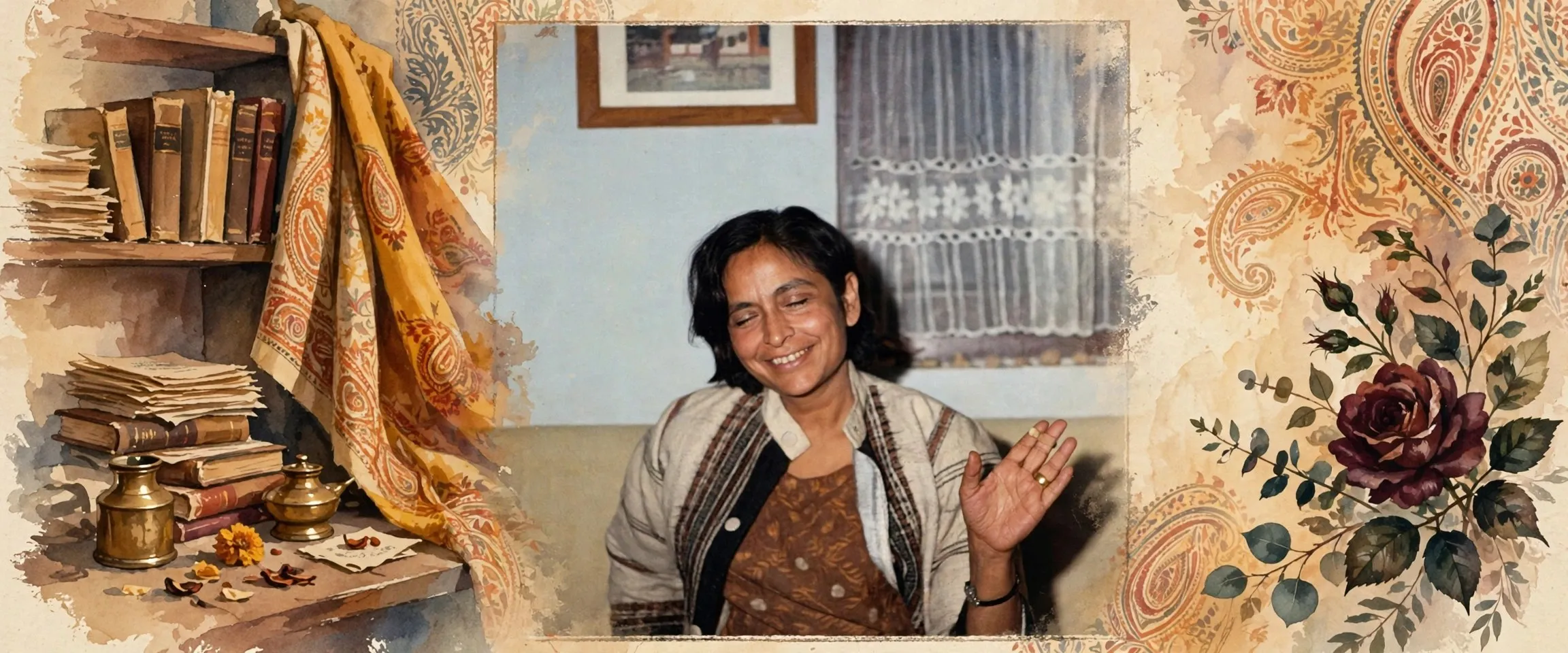
Kala Gulab (ਕਾਲਾ ਗੁਲਾਬ, Black Rose) is Amrita Pritam's Punjabi autobiography, published in 1968. It is the first of her three autobiographies, before Rasidi Ticket (1976) and Shadows of Words, telling her life to the late 1960s: the child poet of Gujranwala, the Partition witness, the radio broadcaster and the divorced woman writer. It was translated into English as Black Rose and into several other languages.
Punjabi, Gurmukhi, with an English translation- Punjabi name
- ਕਾਲਾ ਗੁਲਾਬ
- Author
- Amrita Pritam (1919 to 2005)
- Published
- 1968
- Form
- Autobiography (memoir)
- Language
- Punjabi (Gurmukhi)
- Title meaning
- Black Rose
All 9 facts
- Place among her books
- First of three autobiographies, before Rasidi Ticket (1976)
- English translation
- Black Rose
- Other translations
- French, Danish, Japanese, Mandarin and others, as recorded for her autobiographical works
About the book
Kala Gulab (Black Rose) is a Punjabi autobiography by Amrita Pritam, published in 1968. It is the first of the three autobiographies in which she told her own life in her own words, before Rasidi Ticket (The Revenue Stamp, 1976), which is also in this Kosh, and Aksharon kay Saayee (Shadows of Words). Reference accounts of her work list the three books together, and Kala Gulab is the one that came first: the earliest full attempt by the leading Punjabi woman writer of her century to set down her life as she herself understood it.
The title is an image, not an ornament. A black rose is a rose that should not exist in nature, a flower marked out by its colour, and Amrita chose it for a life that had never followed the expected pattern. By 1968 she was 49, already the first woman to win the Sahitya Akademi Award for a Punjabi work, for her long poem Sunehade in 1956, already known across India and Pakistan for the Partition poem Ajj Aakhaan Waris Shah Nu and the novel Pinjar, and eight years past the divorce after which, as accounts of her work note, her writing became more clearly feminist and drew openly on the unhappy experience of her marriage.
What is Kala Gulab about?
Kala Gulab is about Amrita Pritam's own life up to the late 1960s, told by herself. That life had already contained several lives. She was born Amrit Kaur in Gujranwala in 1919, lost her mother at eleven, and published her first book of poems, Amrit Lehran, at sixteen, the year she married Pritam Singh, the editor to whom she had been engaged in childhood. She wrote through the Progressive Writers period, worked at the Lahore radio station before Partition and then in the Punjabi service of All India Radio in Delhi until 1961, and in 1947 made the refugee journey from Lahore to Delhi out of which her most famous poem was born. An autobiography written in 1968 had all of that to account for: the child poet, the Partition witness, the broadcaster, the divorced woman writer making her own household and her own name.
It also had a present tense. In the years just before Kala Gulab she had begun editing Nagmani, the Punjabi literary monthly she ran with the artist and writer Imroz for 33 years, and Imroz, who designed most of her book covers, was the companion of her later life. The autobiography therefore stands at a hinge in her story: behind it the marriage, the radio years and Partition; ahead of it Rasidi Ticket, the Jnanpith Award and the long Delhi decades. Readers who know only the famous second autobiography meet, in Kala Gulab, the earlier and less guarded act of self telling on which it built.
Themes: a woman tells her own life
The book's importance is bound up with who was doing the telling. Amrita Pritam was the first prominent woman writer in Punjabi, and an autobiography by a woman, in Punjabi, in 1968, was itself a claim: that a woman's inner life was a fit subject for literature and that she, not others, would decide what it meant. Accounts of her writing after her 1960 divorce describe work that became more feminist and drew on her own experience rather than hiding it, and Kala Gulab belongs to that turn. Its themes are the ones her whole work keeps returning to, now attached to her own name instead of a character's: love and its costs, a marriage that failed, Partition and displacement, and the making of a writer out of a girl who began publishing at sixteen.
The author
Amrita Pritam (31 August 1919 to 31 October 2005) was born in Gujranwala, now in Pakistan, and died in New Delhi. Across more than six decades she published over 100 books of poetry, fiction, biography and essays, and edited Nagmani with Imroz. Her honours include the Sahitya Akademi Award in 1956, the Padma Shri in 1969, the year after Kala Gulab appeared, the Bharatiya Jnanpith in 1982 for Kagaz te Canvas, and the Padma Vibhushan and the Sahitya Akademi Fellowship in 2004. She was a nominated member of the Rajya Sabha from 1986 to 1992. Her Pinjar, Doctor Dev, Dharti Sagar te Sippiyan and Rasidi Ticket are also in this Kosh.
Translations and legacy
Kala Gulab travelled. Accounts of her work record that her autobiographical books, Black Rose and Rasidi Ticket among them, were translated into English, French, Danish, Japanese, Mandarin and other languages, carrying this Punjabi life story to readers far beyond Punjabi. In English the book is studied under its translated title, The Black Rose, and it is still cited in scholarship on her writing. Within her own shelf it holds a clear place: Rasidi Ticket is the more famous autobiography, but Kala Gulab is where Amrita Pritam first took her own life as her subject, and every later telling, hers and others', starts from the door this book opened in 1968.
ਕਿਤਾਬ ਬਾਰੇ
ਕਾਲਾ ਗੁਲਾਬ ਅੰਮ੍ਰਿਤਾ ਪ੍ਰੀਤਮ ਦੀ ਪੰਜਾਬੀ ਆਤਮਕਥਾ ਹੈ, ਜੋ 1968 ਵਿੱਚ ਛਪੀ। ਇਹ ਉਨ੍ਹਾਂ ਤਿੰਨ ਆਤਮਕਥਾਵਾਂ ਵਿੱਚੋਂ ਪਹਿਲੀ ਹੈ ਜਿਨ੍ਹਾਂ ਵਿੱਚ ਉਨ੍ਹਾਂ ਨੇ ਆਪਣੀ ਜ਼ਿੰਦਗੀ ਆਪਣੇ ਸ਼ਬਦਾਂ ਵਿੱਚ ਦੱਸੀ, ਰਸੀਦੀ ਟਿਕਟ (1976), ਜੋ ਇਸ ਕੋਸ਼ ਵਿੱਚ ਵੀ ਹੈ, ਅਤੇ ਅਕਸ਼ਰਾਂ ਦੇ ਸਾਏ ਤੋਂ ਪਹਿਲਾਂ। ਉਨ੍ਹਾਂ ਦੀਆਂ ਰਚਨਾਵਾਂ ਦੇ ਹਵਾਲਾ ਵਰਣਨ ਤਿੰਨਾਂ ਕਿਤਾਬਾਂ ਨੂੰ ਇਕੱਠਿਆਂ ਗਿਣਦੇ ਹਨ, ਅਤੇ ਕਾਲਾ ਗੁਲਾਬ ਉਹ ਹੈ ਜੋ ਸਭ ਤੋਂ ਪਹਿਲਾਂ ਆਈ: ਆਪਣੀ ਸਦੀ ਦੀ ਮੋਹਰੀ ਪੰਜਾਬੀ ਔਰਤ ਲੇਖਕ ਦੀ ਆਪਣੀ ਜ਼ਿੰਦਗੀ ਨੂੰ, ਜਿਵੇਂ ਉਹ ਆਪ ਉਸ ਨੂੰ ਸਮਝਦੀ ਸੀ, ਲਿਖਣ ਦੀ ਸਭ ਤੋਂ ਪਹਿਲੀ ਪੂਰੀ ਕੋਸ਼ਿਸ਼।
ਨਾਂ ਇੱਕ ਬਿੰਬ ਹੈ, ਸਜਾਵਟ ਨਹੀਂ। ਕਾਲਾ ਗੁਲਾਬ ਉਹ ਗੁਲਾਬ ਹੈ ਜੋ ਕੁਦਰਤ ਵਿੱਚ ਹੋਣਾ ਨਹੀਂ ਚਾਹੀਦਾ, ਆਪਣੇ ਰੰਗ ਨਾਲ ਵੱਖਰਾ ਫੁੱਲ, ਅਤੇ ਅੰਮ੍ਰਿਤਾ ਨੇ ਇਹ ਉਸ ਜ਼ਿੰਦਗੀ ਲਈ ਚੁਣਿਆ ਜੋ ਕਦੇ ਉਮੀਦ ਕੀਤੇ ਰਾਹ ਉੱਤੇ ਨਹੀਂ ਚੱਲੀ ਸੀ। 1968 ਤੱਕ ਉਹ 49 ਸਾਲ ਦੀ ਸੀ, ਪੰਜਾਬੀ ਰਚਨਾ ਲਈ ਸਾਹਿਤ ਅਕਾਦਮੀ ਪੁਰਸਕਾਰ ਜਿੱਤਣ ਵਾਲੀ ਪਹਿਲੀ ਔਰਤ ਪਹਿਲਾਂ ਹੀ ਸੀ, 1956 ਵਿੱਚ ਆਪਣੀ ਲੰਮੀ ਕਵਿਤਾ ਸੁਨੇਹੜੇ ਲਈ, ਵੰਡ ਦੀ ਕਵਿਤਾ ਅੱਜ ਆਖਾਂ ਵਾਰਿਸ ਸ਼ਾਹ ਨੂੰ ਅਤੇ ਨਾਵਲ ਪਿੰਜਰ ਲਈ ਭਾਰਤ ਅਤੇ ਪਾਕਿਸਤਾਨ ਭਰ ਵਿੱਚ ਪਹਿਲਾਂ ਹੀ ਜਾਣੀ ਜਾਂਦੀ ਸੀ, ਅਤੇ ਉਸ ਤਲਾਕ ਤੋਂ ਅੱਠ ਸਾਲ ਅੱਗੇ ਸੀ ਜਿਸ ਤੋਂ ਬਾਅਦ, ਜਿਵੇਂ ਉਨ੍ਹਾਂ ਦੀਆਂ ਰਚਨਾਵਾਂ ਦੇ ਵਰਣਨ ਦਰਜ ਕਰਦੇ ਹਨ, ਉਨ੍ਹਾਂ ਦੀ ਲਿਖਤ ਹੋਰ ਸਪੱਸ਼ਟ ਨਾਰੀਵਾਦੀ ਹੋਈ ਅਤੇ ਆਪਣੇ ਵਿਆਹ ਦੇ ਦੁਖਦਾਈ ਤਜਰਬੇ ਤੋਂ ਖੁੱਲ੍ਹ ਕੇ ਲੈਣ ਲੱਗੀ।
ਕਾਲਾ ਗੁਲਾਬ ਕਿਸ ਬਾਰੇ ਹੈ?
ਕਾਲਾ ਗੁਲਾਬ 1960ਵਿਆਂ ਦੇ ਅਖੀਰ ਤੱਕ ਦੀ ਅੰਮ੍ਰਿਤਾ ਪ੍ਰੀਤਮ ਦੀ ਆਪਣੀ ਜ਼ਿੰਦਗੀ ਬਾਰੇ ਹੈ, ਉਨ੍ਹਾਂ ਵੱਲੋਂ ਆਪ ਦੱਸੀ ਹੋਈ। ਉਸ ਜ਼ਿੰਦਗੀ ਵਿੱਚ ਪਹਿਲਾਂ ਹੀ ਕਈ ਜ਼ਿੰਦਗੀਆਂ ਸਨ। ਉਹ 1919 ਵਿੱਚ ਗੁਜਰਾਂਵਾਲਾ ਵਿੱਚ ਅੰਮ੍ਰਿਤ ਕੌਰ ਵਜੋਂ ਜਨਮੀ, ਗਿਆਰਾਂ ਸਾਲ ਦੀ ਉਮਰ ਵਿੱਚ ਮਾਂ ਨੂੰ ਗੁਆ ਬੈਠੀ, ਅਤੇ ਸੋਲਾਂ ਸਾਲ ਦੀ ਉਮਰ ਵਿੱਚ ਆਪਣੀ ਪਹਿਲੀ ਕਵਿਤਾਵਾਂ ਦੀ ਕਿਤਾਬ ਅੰਮ੍ਰਿਤ ਲਹਿਰਾਂ ਛਪਵਾਈ, ਉਸੇ ਸਾਲ ਜਦ ਉਸ ਦਾ ਵਿਆਹ ਪ੍ਰੀਤਮ ਸਿੰਘ ਨਾਲ ਹੋਇਆ, ਉਹ ਸੰਪਾਦਕ ਜਿਸ ਨਾਲ ਉਸ ਦੀ ਮੰਗਣੀ ਬਚਪਨ ਵਿੱਚ ਹੋਈ ਸੀ। ਉਸ ਨੇ ਪ੍ਰਗਤੀਸ਼ੀਲ ਲੇਖਕਾਂ ਦੇ ਦੌਰ ਵਿੱਚ ਲਿਖਿਆ, ਵੰਡ ਤੋਂ ਪਹਿਲਾਂ ਲਾਹੌਰ ਰੇਡੀਓ ਸਟੇਸ਼ਨ ਉੱਤੇ ਅਤੇ ਫਿਰ 1961 ਤੱਕ ਦਿੱਲੀ ਵਿੱਚ ਆਲ ਇੰਡੀਆ ਰੇਡੀਓ ਦੀ ਪੰਜਾਬੀ ਸੇਵਾ ਵਿੱਚ ਕੰਮ ਕੀਤਾ, ਅਤੇ 1947 ਵਿੱਚ ਲਾਹੌਰ ਤੋਂ ਦਿੱਲੀ ਦਾ ਉਹ ਸ਼ਰਨਾਰਥੀ ਸਫ਼ਰ ਕੀਤਾ ਜਿਸ ਵਿੱਚੋਂ ਉਸ ਦੀ ਸਭ ਤੋਂ ਪ੍ਰਸਿੱਧ ਕਵਿਤਾ ਜਨਮੀ। 1968 ਵਿੱਚ ਲਿਖੀ ਆਤਮਕਥਾ ਕੋਲ ਇਹ ਸਭ ਦਾ ਹਿਸਾਬ ਸੀ: ਬਾਲ ਕਵੀ, ਵੰਡ ਦੀ ਗਵਾਹ, ਪ੍ਰਸਾਰਕ, ਤਲਾਕਸ਼ੁਦਾ ਔਰਤ ਲੇਖਕ ਜੋ ਆਪਣਾ ਘਰ ਅਤੇ ਆਪਣਾ ਨਾਂ ਆਪ ਬਣਾ ਰਹੀ ਸੀ।
ਇਸ ਦਾ ਇੱਕ ਵਰਤਮਾਨ ਵੀ ਸੀ। ਕਾਲਾ ਗੁਲਾਬ ਤੋਂ ਥੋੜ੍ਹਾ ਪਹਿਲਾਂ ਦੇ ਸਾਲਾਂ ਵਿੱਚ ਉਸ ਨੇ ਨਾਗਮਣੀ ਸੰਪਾਦਿਤ ਕਰਨਾ ਸ਼ੁਰੂ ਕੀਤਾ ਸੀ, ਉਹ ਪੰਜਾਬੀ ਸਾਹਿਤਕ ਮਾਸਿਕ ਜੋ ਉਸ ਨੇ ਕਲਾਕਾਰ ਅਤੇ ਲੇਖਕ ਇਮਰੋਜ਼ ਨਾਲ 33 ਸਾਲ ਚਲਾਇਆ, ਅਤੇ ਇਮਰੋਜ਼, ਜਿਸ ਨੇ ਉਸ ਦੀਆਂ ਕਿਤਾਬਾਂ ਦੇ ਬਹੁਤੇ ਕਵਰ ਬਣਾਏ, ਉਸ ਦੀ ਬਾਅਦ ਦੀ ਜ਼ਿੰਦਗੀ ਦਾ ਸਾਥੀ ਸੀ। ਇਸ ਲਈ ਆਤਮਕਥਾ ਉਸ ਦੀ ਕਹਾਣੀ ਦੇ ਇੱਕ ਮੋੜ ਉੱਤੇ ਖੜੀ ਹੈ: ਇਸ ਦੇ ਪਿੱਛੇ ਵਿਆਹ, ਰੇਡੀਓ ਦੇ ਸਾਲ ਅਤੇ ਵੰਡ; ਇਸ ਦੇ ਅੱਗੇ ਰਸੀਦੀ ਟਿਕਟ, ਗਿਆਨਪੀਠ ਪੁਰਸਕਾਰ ਅਤੇ ਦਿੱਲੀ ਦੇ ਲੰਮੇ ਦਹਾਕੇ। ਜਿਹੜੇ ਪਾਠਕ ਸਿਰਫ਼ ਪ੍ਰਸਿੱਧ ਦੂਜੀ ਆਤਮਕਥਾ ਨੂੰ ਜਾਣਦੇ ਹਨ, ਉਨ੍ਹਾਂ ਨੂੰ ਕਾਲਾ ਗੁਲਾਬ ਵਿੱਚ ਉਹ ਪਹਿਲਾ ਅਤੇ ਘੱਟ ਸੰਭਲਿਆ ਆਪਾ ਬਿਆਨ ਮਿਲਦਾ ਹੈ ਜਿਸ ਉੱਤੇ ਉਹ ਬਣੀ।
ਵਿਸ਼ੇ: ਇੱਕ ਔਰਤ ਆਪਣੀ ਜ਼ਿੰਦਗੀ ਆਪ ਦੱਸਦੀ ਹੈ
ਕਿਤਾਬ ਦੀ ਮਹੱਤਤਾ ਇਸ ਨਾਲ ਜੁੜੀ ਹੈ ਕਿ ਦੱਸਣ ਵਾਲਾ ਕੌਣ ਸੀ। ਅੰਮ੍ਰਿਤਾ ਪ੍ਰੀਤਮ ਪੰਜਾਬੀ ਵਿੱਚ ਪਹਿਲੀ ਪ੍ਰਮੁੱਖ ਔਰਤ ਲੇਖਕ ਸੀ, ਅਤੇ 1968 ਵਿੱਚ ਪੰਜਾਬੀ ਵਿੱਚ ਇੱਕ ਔਰਤ ਦੀ ਆਤਮਕਥਾ ਆਪ ਵਿੱਚ ਇੱਕ ਦਾਅਵਾ ਸੀ: ਕਿ ਇੱਕ ਔਰਤ ਦੀ ਅੰਦਰਲੀ ਜ਼ਿੰਦਗੀ ਸਾਹਿਤ ਦਾ ਯੋਗ ਵਿਸ਼ਾ ਹੈ ਅਤੇ ਉਹ ਆਪ, ਹੋਰ ਨਹੀਂ, ਫੈਸਲਾ ਕਰੇਗੀ ਕਿ ਇਸ ਦਾ ਅਰਥ ਕੀ ਹੈ। 1960 ਦੇ ਤਲਾਕ ਤੋਂ ਬਾਅਦ ਦੀ ਉਸ ਦੀ ਲਿਖਤ ਦੇ ਵਰਣਨ ਦੱਸਦੇ ਹਨ ਕਿ ਉਹ ਹੋਰ ਨਾਰੀਵਾਦੀ ਹੋਈ ਅਤੇ ਆਪਣੇ ਤਜਰਬੇ ਨੂੰ ਲੁਕਾਉਣ ਦੀ ਥਾਂ ਉਸ ਤੋਂ ਲੈਣ ਲੱਗੀ, ਅਤੇ ਕਾਲਾ ਗੁਲਾਬ ਉਸ ਮੋੜ ਨਾਲ ਸਬੰਧਤ ਹੈ। ਇਸ ਦੇ ਵਿਸ਼ੇ ਉਹੋ ਹਨ ਜਿਨ੍ਹਾਂ ਵੱਲ ਉਸ ਦੀ ਸਾਰੀ ਰਚਨਾ ਵਾਰ ਵਾਰ ਮੁੜਦੀ ਹੈ, ਹੁਣ ਕਿਸੇ ਪਾਤਰ ਦੀ ਥਾਂ ਉਸ ਦੇ ਆਪਣੇ ਨਾਂ ਨਾਲ ਜੁੜੇ ਹੋਏ: ਪਿਆਰ ਅਤੇ ਇਸ ਦੀ ਕੀਮਤ, ਅਸਫ਼ਲ ਵਿਆਹ, ਵੰਡ ਅਤੇ ਉਜਾੜਾ, ਅਤੇ ਸੋਲਾਂ ਸਾਲ ਦੀ ਉਮਰ ਵਿੱਚ ਛਪਣਾ ਸ਼ੁਰੂ ਕਰਨ ਵਾਲੀ ਕੁੜੀ ਵਿੱਚੋਂ ਲੇਖਕ ਦਾ ਬਣਨਾ।
ਲੇਖਕ
ਅੰਮ੍ਰਿਤਾ ਪ੍ਰੀਤਮ (31 ਅਗਸਤ 1919 ਤੋਂ 31 ਅਕਤੂਬਰ 2005) ਗੁਜਰਾਂਵਾਲਾ ਵਿੱਚ ਜਨਮੀ, ਜੋ ਹੁਣ ਪਾਕਿਸਤਾਨ ਵਿੱਚ ਹੈ, ਅਤੇ ਨਵੀਂ ਦਿੱਲੀ ਵਿੱਚ ਉਸ ਦਾ ਦੇਹਾਂਤ ਹੋਇਆ। ਛੇ ਦਹਾਕਿਆਂ ਤੋਂ ਵੱਧ ਵਿੱਚ ਉਸ ਨੇ ਕਵਿਤਾ, ਗਲਪ, ਜੀਵਨੀਆਂ ਅਤੇ ਲੇਖਾਂ ਦੀਆਂ 100 ਤੋਂ ਵੱਧ ਕਿਤਾਬਾਂ ਛਪਵਾਈਆਂ, ਅਤੇ ਇਮਰੋਜ਼ ਨਾਲ ਨਾਗਮਣੀ ਸੰਪਾਦਿਤ ਕੀਤੀ। ਉਸ ਦੇ ਸਨਮਾਨਾਂ ਵਿੱਚ 1956 ਦਾ ਸਾਹਿਤ ਅਕਾਦਮੀ ਪੁਰਸਕਾਰ, ਕਾਲਾ ਗੁਲਾਬ ਆਉਣ ਤੋਂ ਅਗਲੇ ਸਾਲ 1969 ਵਿੱਚ ਪਦਮ ਸ਼੍ਰੀ, ਕਾਗਜ਼ ਤੇ ਕੈਨਵਸ ਲਈ 1982 ਵਿੱਚ ਭਾਰਤੀ ਗਿਆਨਪੀਠ, ਅਤੇ 2004 ਵਿੱਚ ਪਦਮ ਵਿਭੂਸ਼ਣ ਅਤੇ ਸਾਹਿਤ ਅਕਾਦਮੀ ਫੈਲੋਸ਼ਿਪ ਸ਼ਾਮਲ ਹਨ। ਉਹ 1986 ਤੋਂ 1992 ਤੱਕ ਰਾਜ ਸਭਾ ਦੀ ਨਾਮਜ਼ਦ ਮੈਂਬਰ ਰਹੀ। ਉਸ ਦੀਆਂ ਪਿੰਜਰ, ਡਾਕਟਰ ਦੇਵ, ਧਰਤੀ ਸਾਗਰ ਤੇ ਸਿੱਪੀਆਂ ਅਤੇ ਰਸੀਦੀ ਟਿਕਟ ਵੀ ਇਸ ਕੋਸ਼ ਵਿੱਚ ਹਨ।
ਅਨੁਵਾਦ ਅਤੇ ਵਿਰਾਸਤ
ਕਾਲਾ ਗੁਲਾਬ ਸਫ਼ਰ ਕਰ ਗਿਆ। ਉਸ ਦੀਆਂ ਰਚਨਾਵਾਂ ਦੇ ਵਰਣਨ ਦਰਜ ਕਰਦੇ ਹਨ ਕਿ ਉਸ ਦੀਆਂ ਆਤਮਕਥਾ ਕਿਤਾਬਾਂ, ਬਲੈਕ ਰੋਜ਼ ਅਤੇ ਰਸੀਦੀ ਟਿਕਟ ਸਣੇ, ਅੰਗਰੇਜ਼ੀ, ਫਰਾਂਸੀਸੀ, ਡੈਨਿਸ਼, ਜਾਪਾਨੀ, ਮੈਂਡਰਿਨ ਅਤੇ ਹੋਰ ਭਾਸ਼ਾਵਾਂ ਵਿੱਚ ਅਨੁਵਾਦ ਹੋਈਆਂ, ਅਤੇ ਇਹ ਪੰਜਾਬੀ ਜੀਵਨ ਕਹਾਣੀ ਪੰਜਾਬੀ ਤੋਂ ਕਿਤੇ ਪਰੇ ਦੇ ਪਾਠਕਾਂ ਤੱਕ ਲੈ ਗਈਆਂ। ਅੰਗਰੇਜ਼ੀ ਵਿੱਚ ਕਿਤਾਬ ਦਾ ਅਧਿਐਨ ਇਸ ਦੇ ਅਨੁਵਾਦਿਤ ਨਾਂ, ਦ ਬਲੈਕ ਰੋਜ਼, ਹੇਠ ਹੁੰਦਾ ਹੈ, ਅਤੇ ਇਹ ਅਜੇ ਵੀ ਉਸ ਦੀ ਲਿਖਤ ਉੱਤੇ ਵਿਦਵਤਾ ਵਿੱਚ ਹਵਾਲੇ ਵਿੱਚ ਆਉਂਦੀ ਹੈ। ਉਸ ਦੀ ਆਪਣੀ ਸ਼ੈਲਫ ਉੱਤੇ ਇਸ ਦੀ ਥਾਂ ਸਪੱਸ਼ਟ ਹੈ: ਰਸੀਦੀ ਟਿਕਟ ਵੱਧ ਪ੍ਰਸਿੱਧ ਆਤਮਕਥਾ ਹੈ, ਪਰ ਕਾਲਾ ਗੁਲਾਬ ਉਹ ਥਾਂ ਹੈ ਜਿੱਥੇ ਅੰਮ੍ਰਿਤਾ ਪ੍ਰੀਤਮ ਨੇ ਪਹਿਲਾਂ ਆਪਣੀ ਜ਼ਿੰਦਗੀ ਨੂੰ ਆਪਣਾ ਵਿਸ਼ਾ ਬਣਾਇਆ, ਅਤੇ ਹਰ ਬਾਅਦ ਦਾ ਬਿਆਨ, ਉਸ ਦਾ ਅਤੇ ਹੋਰਾਂ ਦਾ, 1968 ਵਿੱਚ ਇਸ ਕਿਤਾਬ ਨੇ ਖੋਲ੍ਹੇ ਬੂਹੇ ਤੋਂ ਸ਼ੁਰੂ ਹੁੰਦਾ ਹੈ।
Editions and translations
- Kala GulabPunjabi · Gurmukhi · original, 1968Original
- Black RoseEnglish translationTranslation
The author

Connected
More to read
Jugti is free and independent. Reader support keeps the Kosh growing.
Support