
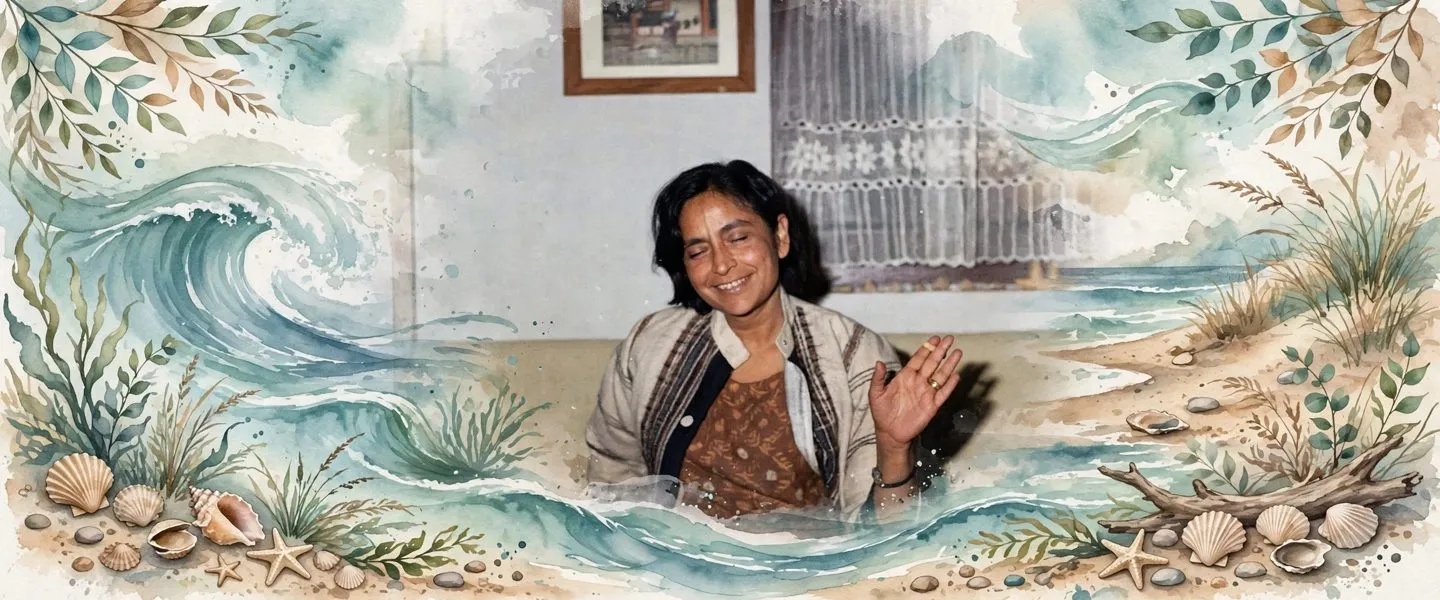
Dharti Sagar Te Sippiyan (Earth, Ocean and Shells) is a Punjabi novel by Amrita Pritam, the first woman to win the Sahitya Akademi Award for a Punjabi work. It was the first of her books to be filmed, adapted as Kadambari under director Basu Bhattacharya, ahead of Daaku and the award winning Pinjar film.
Punjabi, Gurmukhi- Punjabi name
- ਧਰਤੀ ਸਾਗਰ ਤੇ ਸਿੱਪੀਆਂ
- Author
- Amrita Pritam (1919-2005)
- Title meaning
- Earth, Ocean and Shells
- Language
- Punjabi, Gurmukhi
- Form
- Novel
- Filmed as
- Kadambari, directed by Basu Bhattacharya
- Author born
- Gujranwala, now in Pakistan
About the book
Dharti Sagar Te Sippiyan, in English Earth, Ocean and Shells, is a Punjabi novel by Amrita Pritam, the first woman to win the Sahitya Akademi Award for a work in Punjabi. It holds a distinct place on her shelf of more than 100 books: it was the first of her books to be filmed, adapted for the screen as Kadambari under the director Basu Bhattacharya.
The title gathers three elemental images, the earth underfoot, the ocean beyond it and the shells the sea leaves behind, in the manner of a writer whose poetry and fiction return again and again to land, water and what survives of love. Detailed plot summaries of this novel in English are scarce, and this page does not invent one: what the record establishes firmly is the book's author, its pioneering place in her film history, and the themes her fiction of this period is known for.
What is Dharti Sagar Te Sippiyan about?
It is a novel from the pen of the writer whose documented subjects, across poetry and prose, are Partition, women and dreams. After her divorce in 1960, Amrita Pritam's work became more clearly feminist, and many of her stories and poems drew on the unhappy experience of her marriage. Readers who know her fiction meet women who refuse to be only what custom allows, and love treated as a force that tests every boundary a society sets around it. That is the ground on which Dharti Sagar Te Sippiyan stands in her bibliography, between the Partition wound of Pinjar and the autobiographical candour of Rasidi Ticket.
The first of her books on film
Dharti Sagar Te Sippiyan was the first of Amrita Pritam's books to be filmed, as Kadambari, directed by Basu Bhattacharya. Sources differ on the film's year: the current Wikipedia entry gives 1975, while older reference copies give 1965, so this page gives no year rather than a doubtful one. It opened a line of adaptations that continued with Unah Di Kahani, filmed as Daaku in 1976, and reached its widest audience when Pinjar became an award winning Hindi film in 2003.
Themes: women, love and the inner life
Across her career Amrita Pritam moved from the romantic poetry of her teens through the Progressive Writers' Movement, whose left leaning writers attacked empire and hunger, into a body of work centred on women and their inner lives. Her poem Ajj Aakhaan Waris Shah Nu, written as she fled Lahore in 1947, made the suffering of Punjab's women the voice of Partition itself. Her fiction carries the same charge: women's desire, dignity and refusal are not decorations on the story but the story. Dharti Sagar Te Sippiyan belongs to that mature voice, the one India and Pakistan read on both sides of a border her books never recognised.
The author
Amrita Pritam was born Amrit Kaur on 31 August 1919 in Gujranwala, in present day Pakistan. Her mother died when she was eleven; she moved to Lahore with her father and published her first collection, Amrit Lehran, in 1936, at sixteen. She worked in the Punjabi service of All India Radio in Delhi until 1961, and for 33 years she edited the Punjabi literary monthly Nagmani with the artist Imroz, who also designed most of her book covers. She died in Delhi on 31 October 2005.
Honours and legacy
Her honours trace the rise of modern Punjabi literature itself: the Sahitya Akademi Award in 1956 for her long poem Sunehade, making her the first woman to receive it for a Punjabi work; the Bharatiya Jnanpith in 1982 for Kagaz Te Canvas; the Padma Shri in 1969; and in 2004 both the Padma Vibhushan and the Sahitya Akademi Fellowship, India's highest literary honour. She was also the first recipient of the Punjab Rattan Award. Dharti Sagar Te Sippiyan matters in that story as the novel that first carried her name from the page to the cinema screen.
ਕਿਤਾਬ ਬਾਰੇ
ਧਰਤੀ ਸਾਗਰ ਤੇ ਸਿੱਪੀਆਂ, ਅੰਗਰੇਜ਼ੀ ਵਿੱਚ Earth, Ocean and Shells, ਅੰਮ੍ਰਿਤਾ ਪ੍ਰੀਤਮ ਦਾ ਪੰਜਾਬੀ ਨਾਵਲ ਹੈ, ਉਹ ਪਹਿਲੀ ਔਰਤ ਜਿਸ ਨੇ ਪੰਜਾਬੀ ਰਚਨਾ ਲਈ ਸਾਹਿਤ ਅਕਾਦਮੀ ਇਨਾਮ ਜਿੱਤਿਆ। ਉਨ੍ਹਾਂ ਦੀਆਂ 100 ਤੋਂ ਵੱਧ ਕਿਤਾਬਾਂ ਵਿੱਚ ਇਸ ਦਾ ਵੱਖਰਾ ਸਥਾਨ ਹੈ: ਇਹ ਉਨ੍ਹਾਂ ਦੀ ਪਹਿਲੀ ਕਿਤਾਬ ਸੀ ਜਿਸ ਉੱਤੇ ਫ਼ਿਲਮ ਬਣੀ, ਨਿਰਦੇਸ਼ਕ ਬਾਸੂ ਭੱਟਾਚਾਰੀਆ ਦੇ ਅਧੀਨ ਕਾਦੰਬਰੀ ਵਜੋਂ ਪਰਦੇ ਉੱਤੇ ਆਈ।
ਸਿਰਲੇਖ ਤਿੰਨ ਕੁਦਰਤੀ ਤਸਵੀਰਾਂ ਜੋੜਦਾ ਹੈ, ਪੈਰਾਂ ਹੇਠਲੀ ਧਰਤੀ, ਉਸ ਤੋਂ ਪਰ੍ਹੇ ਸਾਗਰ ਅਤੇ ਸਮੁੰਦਰ ਵੱਲੋਂ ਛੱਡੀਆਂ ਸਿੱਪੀਆਂ, ਉਸ ਲੇਖਿਕਾ ਦੇ ਢੰਗ ਨਾਲ ਜਿਸ ਦੀ ਕਵਿਤਾ ਅਤੇ ਗਲਪ ਵਾਰ-ਵਾਰ ਜ਼ਮੀਨ, ਪਾਣੀ ਅਤੇ ਪਿਆਰ ਦੇ ਬਚੇ ਹੋਏ ਹਿੱਸੇ ਵੱਲ ਮੁੜਦੀ ਹੈ। ਅੰਗਰੇਜ਼ੀ ਵਿੱਚ ਇਸ ਨਾਵਲ ਦੀ ਵਿਸਤ੍ਰਿਤ ਕਹਾਣੀ ਘੱਟ ਮਿਲਦੀ ਹੈ ਅਤੇ ਇਹ ਪੰਨਾ ਕੋਈ ਕਹਾਣੀ ਘੜਦਾ ਨਹੀਂ: ਰਿਕਾਰਡ ਪੱਕੇ ਤੌਰ ਉੱਤੇ ਕਿਤਾਬ ਦੀ ਲੇਖਿਕਾ, ਉਨ੍ਹਾਂ ਦੇ ਫ਼ਿਲਮੀ ਇਤਿਹਾਸ ਵਿੱਚ ਇਸ ਦਾ ਮੋਢੀ ਸਥਾਨ ਅਤੇ ਉਹ ਵਿਸ਼ੇ ਦੱਸਦਾ ਹੈ ਜਿਨ੍ਹਾਂ ਲਈ ਇਸ ਕਾਲ ਦੀ ਉਨ੍ਹਾਂ ਦੀ ਗਲਪ ਜਾਣੀ ਜਾਂਦੀ ਹੈ।
ਧਰਤੀ ਸਾਗਰ ਤੇ ਸਿੱਪੀਆਂ ਕਿਸ ਬਾਰੇ ਹੈ?
ਇਹ ਉਸ ਲੇਖਿਕਾ ਦਾ ਨਾਵਲ ਹੈ ਜਿਸ ਦੇ ਦਰਜ ਵਿਸ਼ੇ, ਕਵਿਤਾ ਅਤੇ ਵਾਰਤਕ ਦੋਵਾਂ ਵਿੱਚ, ਵੰਡ, ਔਰਤਾਂ ਅਤੇ ਸੁਪਨੇ ਹਨ। 1960 ਵਿੱਚ ਤਲਾਕ ਤੋਂ ਬਾਅਦ ਅੰਮ੍ਰਿਤਾ ਪ੍ਰੀਤਮ ਦੀ ਰਚਨਾ ਹੋਰ ਸਪੱਸ਼ਟ ਰੂਪ ਵਿੱਚ ਨਾਰੀਵਾਦੀ ਹੋ ਗਈ, ਅਤੇ ਉਨ੍ਹਾਂ ਦੀਆਂ ਕਈ ਕਹਾਣੀਆਂ ਅਤੇ ਕਵਿਤਾਵਾਂ ਉਨ੍ਹਾਂ ਦੇ ਨਾਖੁਸ਼ ਵਿਆਹ ਦੇ ਤਜਰਬੇ ਤੋਂ ਆਈਆਂ। ਉਨ੍ਹਾਂ ਦੀ ਗਲਪ ਪੜ੍ਹਨ ਵਾਲੇ ਅਜਿਹੀਆਂ ਔਰਤਾਂ ਨੂੰ ਮਿਲਦੇ ਹਨ ਜੋ ਸਿਰਫ਼ ਉਹ ਬਣਨ ਤੋਂ ਇਨਕਾਰ ਕਰਦੀਆਂ ਹਨ ਜਿਸ ਦੀ ਰੀਤ ਇਜਾਜ਼ਤ ਦਿੰਦੀ ਹੈ, ਅਤੇ ਪਿਆਰ ਨੂੰ ਇੱਕ ਅਜਿਹੀ ਤਾਕਤ ਵਜੋਂ ਦੇਖਦੇ ਹਨ ਜੋ ਸਮਾਜ ਵੱਲੋਂ ਇਸ ਦੇ ਆਲੇ-ਦੁਆਲੇ ਖਿੱਚੀ ਹਰ ਹੱਦ ਨੂੰ ਪਰਖਦੀ ਹੈ। ਇਹੀ ਉਹ ਜ਼ਮੀਨ ਹੈ ਜਿਸ ਉੱਤੇ ਧਰਤੀ ਸਾਗਰ ਤੇ ਸਿੱਪੀਆਂ ਉਨ੍ਹਾਂ ਦੀਆਂ ਕਿਤਾਬਾਂ ਵਿੱਚ ਖੜ੍ਹੀ ਹੈ, ਪਿੰਜਰ ਦੇ ਵੰਡ ਵਾਲੇ ਜ਼ਖ਼ਮ ਅਤੇ ਰਸੀਦੀ ਟਿਕਟ ਦੀ ਸਵੈ-ਜੀਵਨੀ ਵਾਲੀ ਸਪੱਸ਼ਟਤਾ ਦੇ ਵਿਚਕਾਰ।
ਉਨ੍ਹਾਂ ਦੀ ਫ਼ਿਲਮ ਬਣਨ ਵਾਲੀ ਪਹਿਲੀ ਕਿਤਾਬ
ਧਰਤੀ ਸਾਗਰ ਤੇ ਸਿੱਪੀਆਂ ਅੰਮ੍ਰਿਤਾ ਪ੍ਰੀਤਮ ਦੀ ਪਹਿਲੀ ਕਿਤਾਬ ਸੀ ਜਿਸ ਉੱਤੇ ਫ਼ਿਲਮ ਬਣੀ, ਕਾਦੰਬਰੀ ਵਜੋਂ, ਨਿਰਦੇਸ਼ਕ ਬਾਸੂ ਭੱਟਾਚਾਰੀਆ ਦੇ ਅਧੀਨ। ਫ਼ਿਲਮ ਦੇ ਸਾਲ ਬਾਰੇ ਸ੍ਰੋਤ ਵੱਖ-ਵੱਖ ਹਨ: ਮੌਜੂਦਾ Wikipedia ਐਂਟਰੀ 1975 ਦਿੰਦੀ ਹੈ, ਜਦੋਂ ਕਿ ਪੁਰਾਣੀਆਂ ਹਵਾਲਾ ਕਾਪੀਆਂ 1965 ਦਿੰਦੀਆਂ ਹਨ, ਇਸ ਲਈ ਇਹ ਪੰਨਾ ਸ਼ੱਕੀ ਸਾਲ ਦੀ ਥਾਂ ਕੋਈ ਸਾਲ ਨਹੀਂ ਦਿੰਦਾ। ਇਸ ਨੇ ਅਨੁਕੂਲਣਾਂ ਦੀ ਉਹ ਲੜੀ ਖੋਲ੍ਹੀ ਜੋ ਉਨ੍ਹਾਂ ਦੀ ਕਹਾਣੀ ਦੇ 1976 ਵਿੱਚ ਡਾਕੂ ਵਜੋਂ ਫ਼ਿਲਮ ਬਣਨ ਨਾਲ ਜਾਰੀ ਰਹੀ, ਅਤੇ ਸਭ ਤੋਂ ਵੱਡੇ ਦਰਸ਼ਕਾਂ ਤੱਕ ਉਦੋਂ ਪਹੁੰਚੀ ਜਦੋਂ ਪਿੰਜਰ 2003 ਵਿੱਚ ਇਨਾਮ ਜੇਤੂ ਹਿੰਦੀ ਫ਼ਿਲਮ ਬਣੀ।
ਵਿਸ਼ੇ: ਔਰਤਾਂ, ਪਿਆਰ ਅਤੇ ਅੰਦਰਲਾ ਜੀਵਨ
ਆਪਣੇ ਸਾਰੇ ਕੈਰੀਅਰ ਵਿੱਚ ਅੰਮ੍ਰਿਤਾ ਪ੍ਰੀਤਮ ਆਪਣੀ ਜਵਾਨੀ ਦੀ ਰੋਮਾਂਟਿਕ ਕਵਿਤਾ ਤੋਂ ਅੱਗੇ ਵਧ ਕੇ ਤਰੱਕੀ-ਪਸੰਦ ਲੇਖਕ ਸੰਘ ਵਿੱਚੋਂ ਲੰਘੀ, ਜਿਸ ਦੇ ਖੱਬੇ-ਪੱਖੀ ਲੇਖਕ ਸਾਮਰਾਜ ਅਤੇ ਭੁੱਖ ਉੱਤੇ ਹਮਲਾ ਕਰਦੇ ਸਨ, ਅਤੇ ਫਿਰ ਔਰਤਾਂ ਅਤੇ ਉਨ੍ਹਾਂ ਦੇ ਅੰਦਰਲੇ ਜੀਵਨ ਉੱਤੇ ਕੇਂਦਰਿਤ ਰਚਨਾ ਵੱਲ ਆਈ। ਉਨ੍ਹਾਂ ਦੀ ਕਵਿਤਾ ਅੱਜ ਆਖਾਂ ਵਾਰਿਸ ਸ਼ਾਹ ਨੂੰ, ਜੋ 1947 ਵਿੱਚ ਲਾਹੌਰ ਛੱਡਦਿਆਂ ਲਿਖੀ ਗਈ, ਨੇ ਪੰਜਾਬ ਦੀਆਂ ਔਰਤਾਂ ਦੇ ਦੁੱਖ ਨੂੰ ਖ਼ੁਦ ਵੰਡ ਦੀ ਆਵਾਜ਼ ਬਣਾ ਦਿੱਤਾ। ਉਨ੍ਹਾਂ ਦੀ ਗਲਪ ਵਿੱਚ ਵੀ ਉਹੀ ਰੌ ਹੈ: ਔਰਤਾਂ ਦੀ ਇੱਛਾ, ਸਨਮਾਨ ਅਤੇ ਇਨਕਾਰ ਕਹਾਣੀ ਦੀ ਸਜਾਵਟ ਨਹੀਂ, ਖ਼ੁਦ ਕਹਾਣੀ ਹੈ। ਧਰਤੀ ਸਾਗਰ ਤੇ ਸਿੱਪੀਆਂ ਉਸੇ ਪਰਿਪੱਕ ਆਵਾਜ਼ ਨਾਲ ਸਬੰਧਿਤ ਹੈ, ਜਿਸ ਨੂੰ ਭਾਰਤ ਅਤੇ ਪਾਕਿਸਤਾਨ ਇੱਕ ਅਜਿਹੀ ਸਰਹੱਦ ਦੇ ਦੋਵੇਂ ਪਾਸੇ ਪੜ੍ਹਦੇ ਹਨ ਜਿਸ ਨੂੰ ਉਨ੍ਹਾਂ ਦੀਆਂ ਕਿਤਾਬਾਂ ਨੇ ਕਦੇ ਮਾਨਤਾ ਨਹੀਂ ਦਿੱਤੀ।
ਲੇਖਿਕਾ
ਅੰਮ੍ਰਿਤਾ ਪ੍ਰੀਤਮ ਦਾ ਜਨਮ ਅੰਮ੍ਰਿਤ ਕੌਰ ਵਜੋਂ 31 ਅਗਸਤ 1919 ਨੂੰ ਗੁਜਰਾਂਵਾਲਾ ਵਿੱਚ ਹੋਇਆ, ਜੋ ਅੱਜ ਪਾਕਿਸਤਾਨ ਵਿੱਚ ਹੈ। ਉਨ੍ਹਾਂ ਦੀ ਮਾਂ ਦੀ ਮੌਤ ਉਦੋਂ ਹੋਈ ਜਦੋਂ ਉਹ ਗਿਆਰਾਂ ਸਾਲਾਂ ਦੀ ਸੀ; ਉਹ ਆਪਣੇ ਪਿਤਾ ਨਾਲ ਲਾਹੌਰ ਚਲੀ ਗਈ ਅਤੇ 1936 ਵਿੱਚ, ਸੋਲਾਂ ਸਾਲ ਦੀ ਉਮਰ ਵਿੱਚ, ਆਪਣਾ ਪਹਿਲਾ ਸੰਗ੍ਰਹਿ ਅੰਮ੍ਰਿਤ ਲਹਿਰਾਂ ਛਪਵਾਇਆ। ਉਨ੍ਹਾਂ ਨੇ 1961 ਤੱਕ ਆਲ ਇੰਡੀਆ ਰੇਡੀਓ, ਦਿੱਲੀ ਦੀ ਪੰਜਾਬੀ ਸੇਵਾ ਵਿੱਚ ਕੰਮ ਕੀਤਾ, ਅਤੇ 33 ਸਾਲਾਂ ਤੱਕ ਕਲਾਕਾਰ ਇਮਰੋਜ਼ ਨਾਲ ਪੰਜਾਬੀ ਸਾਹਿਤਕ ਮਾਸਿਕ ਨਾਗਮਣੀ ਦਾ ਸੰਪਾਦਨ ਕੀਤਾ, ਜਿਸ ਨੇ ਉਨ੍ਹਾਂ ਦੀਆਂ ਜ਼ਿਆਦਾਤਰ ਕਿਤਾਬਾਂ ਦੇ ਕਵਰ ਵੀ ਬਣਾਏ। ਉਨ੍ਹਾਂ ਦੀ ਮੌਤ 31 ਅਕਤੂਬਰ 2005 ਨੂੰ ਦਿੱਲੀ ਵਿੱਚ ਹੋਈ।
ਸਨਮਾਨ ਅਤੇ ਵਿਰਾਸਤ
ਉਨ੍ਹਾਂ ਦੇ ਸਨਮਾਨ ਖ਼ੁਦ ਆਧੁਨਿਕ ਪੰਜਾਬੀ ਸਾਹਿਤ ਦੇ ਉਭਾਰ ਦੀ ਕਹਾਣੀ ਕਹਿੰਦੇ ਹਨ: 1956 ਵਿੱਚ ਉਨ੍ਹਾਂ ਦੀ ਲੰਬੀ ਕਵਿਤਾ ਸੁਨੇਹੜੇ ਲਈ ਸਾਹਿਤ ਅਕਾਦਮੀ ਇਨਾਮ, ਜਿਸ ਨਾਲ ਉਹ ਪੰਜਾਬੀ ਰਚਨਾ ਲਈ ਇਹ ਇਨਾਮ ਪਾਉਣ ਵਾਲੀ ਪਹਿਲੀ ਔਰਤ ਬਣੀ; 1982 ਵਿੱਚ ਕਾਗ਼ਜ਼ ਤੇ ਕੈਨਵਸ ਲਈ ਭਾਰਤੀ ਗਿਆਨਪੀਠ; 1969 ਵਿੱਚ ਪਦਮ ਸ਼੍ਰੀ; ਅਤੇ 2004 ਵਿੱਚ ਪਦਮ ਵਿਭੂਸ਼ਣ ਅਤੇ ਸਾਹਿਤ ਅਕਾਦਮੀ ਫੈਲੋਸ਼ਿਪ ਦੋਵੇਂ, ਜੋ ਭਾਰਤ ਦਾ ਸਭ ਤੋਂ ਵੱਡਾ ਸਾਹਿਤਕ ਸਨਮਾਨ ਹੈ। ਉਹ ਪੰਜਾਬ ਰਤਨ ਇਨਾਮ ਦੀ ਪਹਿਲੀ ਪ੍ਰਾਪਤਕਰਤਾ ਵੀ ਸੀ। ਇਸ ਕਹਾਣੀ ਵਿੱਚ ਧਰਤੀ ਸਾਗਰ ਤੇ ਸਿੱਪੀਆਂ ਉਸ ਨਾਵਲ ਵਜੋਂ ਮਹੱਤਵ ਰੱਖਦੀ ਹੈ ਜਿਸ ਨੇ ਪਹਿਲਾਂ ਉਨ੍ਹਾਂ ਦਾ ਨਾਮ ਪੰਨੇ ਤੋਂ ਸਿਨੇਮਾ ਦੇ ਪਰਦੇ ਤੱਕ ਪਹੁੰਚਾਇਆ।
Editions and translations
- Dharti Sagar Te SippiyanPunjabi · Gurmukhi · originalOriginal
The author

Connected
More to read
Jugti is free and independent. Reader support keeps the Kosh growing.
Support