
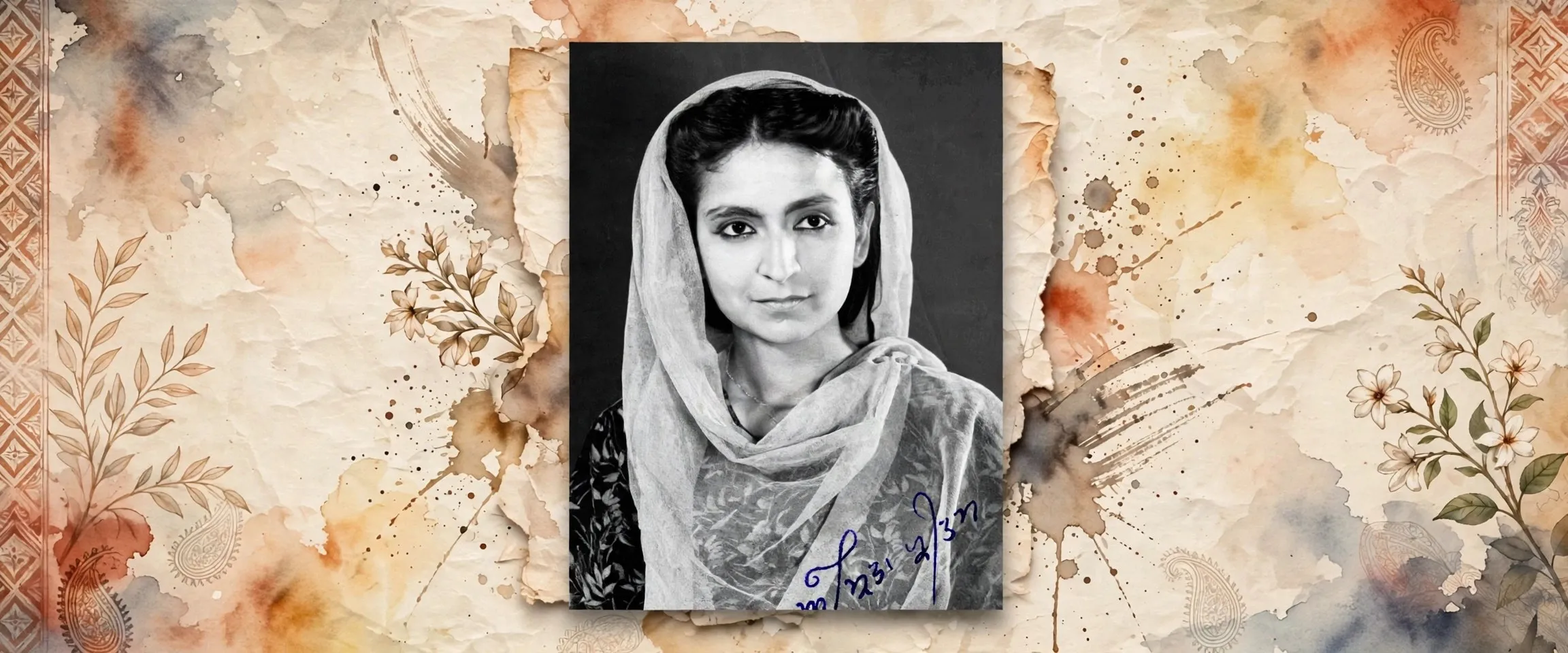
Kore Kagaz (Blank Paper) is a Hindi novel by Amrita Pritam, first published in 1982 in the edition readers catalogue today. After his mother's death, Pankaj discovers that the secrets of his birth were kept from him all his life, and the short novel follows his search for the truth through family, ritual and a horoscope that answers nothing.
Hindi- Punjabi name
- ਕੋਰੇ ਕਾਗਜ਼
- Author
- Amrita Pritam (1919 to 2005)
- Published
- 1982 (edition recorded by Goodreads)
- Language
- Hindi
- Form
- Novel
- Title means
- Blank paper
All 9 facts
- Pages
- 98 (paperback edition listed by Goodreads)
- Central character
- Pankaj
- Author's other novels
- Pinjar (1950); Doctor Dev
About the book
Kore Kagaz, Blank Paper, is a Hindi novel by Amrita Pritam, the Punjabi writer whose name is attached to Pinjar and to the poem Ajj Aakhaan Waris Shah Nu. The edition catalogued by readers on Goodreads is a compact paperback of 98 pages, first published in 1982. It is a short, inward novel: almost everything happens inside one young man's mind, in the days after his mother's death, when the ground of his identity gives way under him.
Amrita Pritam wrote in Punjabi and in Hindi, and Kore Kagaz belongs to her Hindi fiction. It is regularly listed among her notable works, and examination guides still ask who wrote it, a small sign that the book has held its place in the reading memory of North India. Readers on Goodreads rate it about four stars from close to two hundred ratings, and their reviews return to one word: emptiness, the blankness at the centre of a human life.
What is Kore Kagaz about?
The novel follows Pankaj, a young man whose mother has just died. Her death, and her last wish, open a door he had never looked behind: secrets about his own birth, kept from him all his life, begin to surface. A Hindi review of the novel sums up its movement simply: after his mother's death Pankaj learns the hidden truths of his birth, his life cannot stay what it was, and although he tries to avoid questions whose answers bring more unrest than peace, time and the turmoil of his mind force him to ask them. The book is the story of those doubts and dilemmas.
Pankaj's search moves from person to person. He turns first to Rakhi Mausi, his mother's closest friend. During the rituals of his mother's last rites he finds an unsigned love letter on the temple steps and learns it was written by Janaki, the daughter of his uncle Janak. He meets Krishnan Shastri, an astrologer from South India, hoping the stars can answer what the family will not, and the horoscopes of Pankaj and his sister only deepen the confusion. Around him, others know more than they say: the holy man Nidhi Maharaj warns him about his uncle Janak's mind games, and Rakhi Mausi eventually tells him of the ugly tricks of the past, done for money. A chapter by chapter podcast reading of the novel in 2020 followed exactly this chain: the mother's last wish, the letter, the astrologer, the horoscope, the warning.
Themes: the blank page and the search for self
The title is the theme. A kore kagaz is a blank sheet, and Pankaj discovers that the page of his own origin, which he assumed was written and settled, is blank: the facts he lived by were never the facts. Amrita Pritam builds the novel on that reversal, between the life recorded by family, ritual and horoscope and the life actually lived. Fate is tested against truth throughout: the astrologer's chart promises order, yet every answer it gives makes the questions heavier. Grief is the engine of it all. The novel begins at a deathbed and a cremation ground, and its search for a father and a past is really a son's search for the mother he has lost, the one person who could have told him who he was.
The author
Amrita Pritam (1919 to 2005) was born on 31 August 1919 in Gujranwala, now in Pakistan, and died on 31 October 2005 in New Delhi. Over six decades she wrote more than a hundred books of poetry, fiction, essays and memoir in Punjabi and Hindi. In 1956 she became the first woman to win the Sahitya Akademi Award, for her long poem Sunehade, and she later received the Bharatiya Jnanpith for Kagaz Te Canvas, the Padma Shri in 1969 and the Padma Vibhushan in 2004. Her most noted novel remains Pinjar (1950), filmed in 2003, and her autobiography Rasidi Ticket and her novel Doctor Dev are also widely read. Kore Kagaz came late in that long career, and it has the spareness of a writer who no longer needs ornament.
Reception and legacy
Kore Kagaz is not Amrita Pritam's most famous book, and this page does not pretend otherwise. Its place is quieter: a short Hindi novel that readers keep finding, rating and arguing about. One Goodreads reviewer calls it not merely a novel but a living philosophy; another, honestly, finds it overrated, and the argument itself is the sign of a book still being read rather than merely listed. The 2020 podcast reading, which carried the novel episode by episode to listeners during lockdown, shows how it travels now: by voice, in parts, the way its own chapters unfold. For readers who know Amrita Pritam only through Pinjar and the Waris Shah poem, Kore Kagaz is the door into her Hindi fiction and into her most persistent subject, a person asking who they really are.
ਕਿਤਾਬ ਬਾਰੇ
ਕੋਰੇ ਕਾਗਜ਼ ਅੰਮ੍ਰਿਤਾ ਪ੍ਰੀਤਮ ਦਾ ਹਿੰਦੀ ਨਾਵਲ ਹੈ। ਅੰਮ੍ਰਿਤਾ ਪ੍ਰੀਤਮ ਉਹ ਪੰਜਾਬੀ ਲੇਖਿਕਾ ਹੈ ਜਿਸ ਦਾ ਨਾਂ ਪਿੰਜਰ ਅਤੇ ਕਵਿਤਾ ਅੱਜ ਆਖਾਂ ਵਾਰਿਸ ਸ਼ਾਹ ਨੂੰ ਨਾਲ ਜੁੜਿਆ ਹੈ। ਗੁੱਡਰੀਡਜ਼ ਉੱਤੇ ਪਾਠਕਾਂ ਵੱਲੋਂ ਦਰਜ ਅਡੀਸ਼ਨ 98 ਪੰਨਿਆਂ ਦੀ ਪਤਲੀ ਪੇਪਰਬੈਕ ਕਿਤਾਬ ਹੈ, ਜੋ ਪਹਿਲੀ ਵਾਰ 1982 ਵਿੱਚ ਛਪੀ। ਇਹ ਛੋਟਾ ਅਤੇ ਅੰਦਰ ਵੱਲ ਝੁਕਿਆ ਨਾਵਲ ਹੈ: ਲਗਭਗ ਸਭ ਕੁਝ ਇੱਕ ਨੌਜਵਾਨ ਦੇ ਮਨ ਅੰਦਰ ਵਾਪਰਦਾ ਹੈ, ਉਸ ਦੀ ਮਾਂ ਦੀ ਮੌਤ ਤੋਂ ਬਾਅਦ ਦੇ ਦਿਨਾਂ ਵਿੱਚ, ਜਦੋਂ ਉਸ ਦੀ ਪਛਾਣ ਦੀ ਧਰਤੀ ਉਸ ਦੇ ਪੈਰਾਂ ਹੇਠੋਂ ਖਿਸਕ ਜਾਂਦੀ ਹੈ।
ਅੰਮ੍ਰਿਤਾ ਪ੍ਰੀਤਮ ਪੰਜਾਬੀ ਅਤੇ ਹਿੰਦੀ ਦੋਵਾਂ ਵਿੱਚ ਲਿਖਦੀ ਸੀ, ਅਤੇ ਕੋਰੇ ਕਾਗਜ਼ ਉਸ ਦੀ ਹਿੰਦੀ ਗਲਪ ਨਾਲ ਸੰਬੰਧਿਤ ਹੈ। ਇਹ ਨਿਯਮਿਤ ਤੌਰ ਉੱਤੇ ਉਸ ਦੀਆਂ ਪ੍ਰਸਿੱਧ ਰਚਨਾਵਾਂ ਵਿੱਚ ਗਿਣਿਆ ਜਾਂਦਾ ਹੈ, ਅਤੇ ਇਮਤਿਹਾਨ ਗਾਈਡਾਂ ਅੱਜ ਵੀ ਪੁੱਛਦੀਆਂ ਹਨ ਕਿ ਇਹ ਕਿਸ ਨੇ ਲਿਖਿਆ, ਜੋ ਇਸ ਗੱਲ ਦੀ ਛੋਟੀ ਜਿਹੀ ਨਿਸ਼ਾਨੀ ਹੈ ਕਿ ਕਿਤਾਬ ਨੇ ਉੱਤਰੀ ਭਾਰਤ ਦੀ ਪਾਠਕ ਯਾਦ ਵਿੱਚ ਆਪਣੀ ਥਾਂ ਬਣਾਈ ਰੱਖੀ ਹੈ। ਗੁੱਡਰੀਡਜ਼ ਉੱਤੇ ਪਾਠਕ ਇਸ ਨੂੰ ਲਗਭਗ ਦੋ ਸੌ ਰੇਟਿੰਗਾਂ ਵਿੱਚੋਂ ਚਾਰ ਤਾਰੇ ਦਿੰਦੇ ਹਨ, ਅਤੇ ਉਨ੍ਹਾਂ ਦੀਆਂ ਸਮੀਖਿਆਵਾਂ ਇੱਕੋ ਸ਼ਬਦ ਵੱਲ ਪਰਤਦੀਆਂ ਹਨ: ਖਾਲੀਪਨ, ਮਨੁੱਖੀ ਜੀਵਨ ਦੇ ਕੇਂਦਰ ਵਿੱਚ ਪਸਰਿਆ ਸੁੰਨਾਪਨ।
ਕੋਰੇ ਕਾਗਜ਼ ਕਿਸ ਬਾਰੇ ਹੈ?
ਨਾਵਲ ਪੰਕਜ ਦੀ ਕਹਾਣੀ ਹੈ, ਇੱਕ ਨੌਜਵਾਨ ਜਿਸ ਦੀ ਮਾਂ ਅਜੇ ਮਰੀ ਹੈ। ਉਸ ਦੀ ਮੌਤ, ਅਤੇ ਉਸ ਦੀ ਆਖਰੀ ਇੱਛਾ, ਇੱਕ ਅਜਿਹਾ ਦਰਵਾਜ਼ਾ ਖੋਲ੍ਹਦੀ ਹੈ ਜਿਸ ਪਿੱਛੇ ਉਸ ਨੇ ਕਦੇ ਝਾਤ ਨਹੀਂ ਮਾਰੀ ਸੀ: ਉਸ ਦੇ ਆਪਣੇ ਜਨਮ ਬਾਰੇ ਰਾਜ਼, ਜੋ ਸਾਰੀ ਉਮਰ ਉਸ ਤੋਂ ਲੁਕਾਏ ਗਏ ਸਨ, ਸਾਹਮਣੇ ਆਉਣ ਲੱਗਦੇ ਹਨ। ਨਾਵਲ ਦੀ ਇੱਕ ਹਿੰਦੀ ਸਮੀਖਿਆ ਇਸ ਦੀ ਚਾਲ ਨੂੰ ਸਾਦਾ ਦੱਸਦੀ ਹੈ: ਮਾਂ ਦੀ ਮੌਤ ਤੋਂ ਬਾਅਦ ਪੰਕਜ ਨੂੰ ਆਪਣੇ ਜਨਮ ਦੀਆਂ ਲੁਕੀਆਂ ਸਚਾਈਆਂ ਪਤਾ ਲੱਗਦੀਆਂ ਹਨ, ਉਸ ਦਾ ਜੀਵਨ ਪਹਿਲਾਂ ਵਰਗਾ ਨਹੀਂ ਰਹਿ ਸਕਦਾ, ਅਤੇ ਭਾਵੇਂ ਉਹ ਉਨ੍ਹਾਂ ਸਵਾਲਾਂ ਤੋਂ ਬਚਣ ਦੀ ਕੋਸ਼ਿਸ਼ ਕਰਦਾ ਹੈ ਜਿਨ੍ਹਾਂ ਦੇ ਜਵਾਬ ਸ਼ਾਂਤੀ ਤੋਂ ਵੱਧ ਬੇਚੈਨੀ ਦਿੰਦੇ ਹਨ, ਵਕਤ ਅਤੇ ਉਸ ਦੇ ਮਨ ਦੀ ਉਥਲ ਪੁਥਲ ਉਸ ਨੂੰ ਉਹ ਸਵਾਲ ਪੁੱਛਣ ਉੱਤੇ ਮਜਬੂਰ ਕਰ ਦਿੰਦੀ ਹੈ। ਇਹ ਕਿਤਾਬ ਉਨ੍ਹਾਂ ਸ਼ੰਕਿਆਂ ਅਤੇ ਦੁਬਿਧਾਵਾਂ ਦੀ ਕਹਾਣੀ ਹੈ।
ਪੰਕਜ ਦੀ ਖੋਜ ਵਿਅਕਤੀ ਦਰ ਵਿਅਕਤੀ ਅੱਗੇ ਵੱਧਦੀ ਹੈ। ਉਹ ਪਹਿਲਾਂ ਰਾਖੀ ਮੌਸੀ ਵੱਲ ਮੁੜਦਾ ਹੈ, ਜੋ ਉਸ ਦੀ ਮਾਂ ਦੀ ਸਭ ਤੋਂ ਨੇੜਲੀ ਸਹੇਲੀ ਸੀ। ਮਾਂ ਦੇ ਅੰਤਿਮ ਸਸਕਾਰ ਦੀਆਂ ਰਸਮਾਂ ਦੌਰਾਨ ਉਸ ਨੂੰ ਮੰਦਰ ਦੀਆਂ ਪੌੜੀਆਂ ਉੱਤੇ ਇੱਕ ਬਿਨਾਂ ਨਾਂ ਵਾਲਾ ਪ੍ਰੇਮ ਪੱਤਰ ਮਿਲਦਾ ਹੈ ਅਤੇ ਪਤਾ ਲੱਗਦਾ ਹੈ ਕਿ ਉਹ ਉਸ ਦੇ ਚਾਚਾ ਜਨਕ ਦੀ ਬੇਟੀ ਜਾਨਕੀ ਨੇ ਲਿਖਿਆ ਸੀ। ਉਹ ਦੱਖਣੀ ਭਾਰਤ ਦੇ ਜੋਤਸ਼ੀ ਕ੍ਰਿਸ਼ਨਨ ਸ਼ਾਸਤਰੀ ਨੂੰ ਮਿਲਦਾ ਹੈ, ਇਸ ਆਸ ਨਾਲ ਕਿ ਤਾਰੇ ਉਹ ਦੱਸ ਦੇਣ ਜੋ ਪਰਿਵਾਰ ਨਹੀਂ ਦੱਸਦਾ, ਅਤੇ ਪੰਕਜ ਅਤੇ ਉਸ ਦੀ ਭੈਣ ਦੀਆਂ ਜਨਮ ਪੱਤਰੀਆਂ ਉਲਝਣ ਨੂੰ ਹੋਰ ਗਹਿਰਾ ਕਰ ਦਿੰਦੀਆਂ ਹਨ। ਉਸ ਦੇ ਆਲੇ ਦੁਆਲੇ ਦੇ ਲੋਕ ਉਸ ਤੋਂ ਵੱਧ ਜਾਣਦੇ ਹਨ ਜਿੰਨਾ ਦੱਸਦੇ ਹਨ: ਸਾਧੂ ਨਿਧੀ ਮਹਾਰਾਜ ਉਸ ਨੂੰ ਚਾਚਾ ਜਨਕ ਦੀਆਂ ਮਨ ਦੀਆਂ ਖੇਡਾਂ ਤੋਂ ਚੇਤਾਵਨੀ ਦਿੰਦਾ ਹੈ, ਅਤੇ ਰਾਖੀ ਮੌਸੀ ਅਖੀਰ ਉਸ ਨੂੰ ਅਤੀਤ ਦੀਆਂ ਉਨ੍ਹਾਂ ਗੰਦੀਆਂ ਚਾਲਾਂ ਬਾਰੇ ਦੱਸਦੀ ਹੈ ਜੋ ਪੈਸੇ ਲਈ ਖੇਡੀਆਂ ਗਈਆਂ ਸਨ। 2020 ਵਿੱਚ ਨਾਵਲ ਦੀ ਅਧਿਆਇ ਦਰ ਅਧਿਆਇ ਪੋਡਕਾਸਟ ਪਾਠ ਲੜੀ ਨੇ ਠੀਕ ਇਹੋ ਲੜੀ ਫੜੀ: ਮਾਂ ਦੀ ਆਖਰੀ ਇੱਛਾ, ਪੱਤਰ, ਜੋਤਸ਼ੀ, ਜਨਮ ਪੱਤਰੀ, ਚੇਤਾਵਨੀ।
ਵਿਸ਼ੇ: ਕੋਰਾ ਕਾਗਜ਼ ਅਤੇ ਆਪਣੇ ਆਪ ਦੀ ਖੋਜ
ਸਿਰਲੇਖ ਹੀ ਵਿਸ਼ਾ ਹੈ। ਕੋਰਾ ਕਾਗਜ਼ ਇੱਕ ਖਾਲੀ ਪੰਨਾ ਹੁੰਦਾ ਹੈ, ਅਤੇ ਪੰਕਜ ਲੱਭਦਾ ਹੈ ਕਿ ਉਸ ਦੇ ਆਪਣੇ ਮੂਲ ਦਾ ਪੰਨਾ, ਜਿਸ ਨੂੰ ਉਹ ਭਰਿਆ ਅਤੇ ਤੈਅ ਸਮਝਦਾ ਸੀ, ਖਾਲੀ ਹੈ: ਜਿਨ੍ਹਾਂ ਤੱਥਾਂ ਉੱਤੇ ਉਹ ਜੀਵਿਆ ਸੀ, ਉਹ ਤੱਥ ਕਦੇ ਸਨ ਹੀ ਨਹੀਂ। ਅੰਮ੍ਰਿਤਾ ਪ੍ਰੀਤਮ ਨਾਵਲ ਇਸੋ ਉਲਟਫੇਰ ਉੱਤੇ ਉਸਾਰਦੀ ਹੈ, ਪਰਿਵਾਰ, ਰਸਮ ਅਤੇ ਜਨਮ ਪੱਤਰੀ ਵੱਲੋਂ ਦਰਜ ਜੀਵਨ ਅਤੇ ਅਸਲ ਵਿੱਚ ਜੀਵਿਆ ਗਿਆ ਜੀਵਨ ਵਿਚਕਾਰ। ਪੂਰੇ ਨਾਵਲ ਵਿੱਚ ਕਿਸਮਤ ਨੂੰ ਸਚਾਈ ਦੇ ਸਾਹਮਣੇ ਪਰਖਿਆ ਜਾਂਦਾ ਹੈ: ਜੋਤਸ਼ੀ ਦਾ ਚਾਰਟ ਵਿਵਸਥਾ ਦਾ ਵਾਅਦਾ ਕਰਦਾ ਹੈ, ਪਰ ਉਸ ਦਾ ਹਰ ਜਵਾਬ ਸਵਾਲਾਂ ਨੂੰ ਭਾਰੀ ਕਰ ਦਿੰਦਾ ਹੈ। ਸੋਗ ਇਸ ਸਭ ਦੀ ਚਾਲਕ ਸ਼ਕਤੀ ਹੈ। ਨਾਵਲ ਮੌਤ ਦੇ ਬਿਸਤਰੇ ਅਤੇ ਸਸਕਾਰ ਭੂਮੀ ਤੋਂ ਸ਼ੁਰੂ ਹੁੰਦਾ ਹੈ, ਅਤੇ ਪਿਤਾ ਅਤੇ ਅਤੀਤ ਦੀ ਇਸ ਦੀ ਖੋਜ ਅਸਲ ਵਿੱਚ ਇੱਕ ਪੁੱਤਰ ਦੀ ਆਪਣੀ ਗੁਆਚੀ ਮਾਂ ਦੀ ਖੋਜ ਹੈ, ਉਹ ਇੱਕੋ ਇੱਕ ਵਿਅਕਤੀ ਜੋ ਉਸ ਨੂੰ ਦੱਸ ਸਕਦੀ ਸੀ ਕਿ ਉਹ ਹੈ ਕੌਣ।
ਲੇਖਿਕਾ
ਅੰਮ੍ਰਿਤਾ ਪ੍ਰੀਤਮ (1919 ਤੋਂ 2005) ਦਾ ਜਨਮ 31 ਅਗਸਤ 1919 ਨੂੰ ਗੁਜਰਾਂਵਾਲਾ ਵਿੱਚ ਹੋਇਆ, ਜੋ ਹੁਣ ਪਾਕਿਸਤਾਨ ਵਿੱਚ ਹੈ, ਅਤੇ ਦੇਹਾਂਤ 31 ਅਕਤੂਬਰ 2005 ਨੂੰ ਨਵੀਂ ਦਿੱਲੀ ਵਿੱਚ ਹੋਇਆ। ਛੇ ਦਹਾਕਿਆਂ ਤੋਂ ਵੱਧ ਸਮੇਂ ਵਿੱਚ ਉਸ ਨੇ ਪੰਜਾਬੀ ਅਤੇ ਹਿੰਦੀ ਵਿੱਚ ਕਵਿਤਾ, ਗਲਪ, ਲੇਖ ਅਤੇ ਜੀਵਨੀ ਦੀਆਂ ਸੌ ਤੋਂ ਵੱਧ ਕਿਤਾਬਾਂ ਲਿਖੀਆਂ। 1956 ਵਿੱਚ ਉਹ ਸਾਹਿਤ ਅਕਾਦਮੀ ਪੁਰਸਕਾਰ ਜਿੱਤਣ ਵਾਲੀ ਪਹਿਲੀ ਔਰਤ ਬਣੀ, ਆਪਣੀ ਲੰਮੀ ਕਵਿਤਾ ਸੁਨੇਹੜੇ ਲਈ, ਅਤੇ ਬਾਅਦ ਵਿੱਚ ਉਸ ਨੂੰ ਕਾਗਜ਼ ਤੇ ਕੈਨਵਸ ਲਈ ਭਾਰਤੀ ਗਿਆਨਪੀਠ, 1969 ਵਿੱਚ ਪਦਮ ਸ਼੍ਰੀ ਅਤੇ 2004 ਵਿੱਚ ਪਦਮ ਵਿਭੂਸ਼ਣ ਮਿਲਿਆ। ਉਸ ਦਾ ਸਭ ਤੋਂ ਪ੍ਰਸਿੱਧ ਨਾਵਲ ਪਿੰਜਰ (1950) ਰਹਿੰਦਾ ਹੈ, ਜਿਸ ਉੱਤੇ 2003 ਵਿੱਚ ਫਿਲਮ ਬਣੀ, ਅਤੇ ਉਸ ਦੀ ਸਵੈਜੀਵਨੀ ਰਸੀਦੀ ਟਿਕਟ ਅਤੇ ਨਾਵਲ ਡਾਕਟਰ ਦੇਵ ਵੀ ਵਿਆਪਕ ਤੌਰ ਉੱਤੇ ਪੜ੍ਹੇ ਜਾਂਦੇ ਹਨ। ਕੋਰੇ ਕਾਗਜ਼ ਉਸ ਲੰਮੇ ਸਾਹਿਤਕ ਜੀਵਨ ਦੇ ਪਿਛਲੇ ਹਿੱਸੇ ਵਿੱਚ ਆਇਆ, ਅਤੇ ਇਸ ਵਿੱਚ ਉਸ ਲੇਖਿਕਾ ਦੀ ਸੰਜਮ ਹੈ ਜਿਸ ਨੂੰ ਹੁਣ ਸਜਾਵਟ ਦੀ ਲੋੜ ਨਹੀਂ ਰਹੀ।
ਪ੍ਰਤੀਕਿਰਿਆ ਅਤੇ ਵਿਰਾਸਤ
ਕੋਰੇ ਕਾਗਜ਼ ਅੰਮ੍ਰਿਤਾ ਪ੍ਰੀਤਮ ਦੀ ਸਭ ਤੋਂ ਮਸ਼ਹੂਰ ਕਿਤਾਬ ਨਹੀਂ, ਅਤੇ ਇਹ ਸਫਾ ਇਹ ਦਾਅਵਾ ਨਹੀਂ ਕਰਦਾ। ਇਸ ਦੀ ਥਾਂ ਸ਼ਾਂਤ ਹੈ: ਇੱਕ ਛੋਟਾ ਹਿੰਦੀ ਨਾਵਲ ਜਿਸ ਨੂੰ ਪਾਠਕ ਲੱਭਦੇ, ਰੇਟ ਕਰਦੇ ਅਤੇ ਉਸ ਬਾਰੇ ਬਹਿਸ ਕਰਦੇ ਰਹਿੰਦੇ ਹਨ। ਗੁੱਡਰੀਡਜ਼ ਦਾ ਇੱਕ ਸਮੀਖਿਅਕ ਇਸ ਨੂੰ ਸਿਰਫ ਨਾਵਲ ਨਹੀਂ, ਜਿਉਂਦਾ ਦਰਸ਼ਨ ਕਹਿੰਦਾ ਹੈ; ਦੂਜਾ, ਇਮਾਨਦਾਰੀ ਨਾਲ, ਇਸ ਨੂੰ ਹੱਕ ਤੋਂ ਵੱਧ ਸਲਾਹਿਆ ਮੰਨਦਾ ਹੈ, ਅਤੇ ਇਹ ਬਹਿਸ ਆਪ ਇਸ ਗੱਲ ਦੀ ਨਿਸ਼ਾਨੀ ਹੈ ਕਿ ਕਿਤਾਬ ਸਿਰਫ ਸੂਚੀਬੱਧ ਨਹੀਂ, ਪੜ੍ਹੀ ਜਾ ਰਹੀ ਹੈ। 2020 ਦੀ ਪੋਡਕਾਸਟ ਪਾਠ ਲੜੀ, ਜਿਸ ਨੇ ਲੌਕਡਾਉਨ ਦੌਰਾਨ ਨਾਵਲ ਨੂੰ ਐਪੀਸੋਡ ਦਰ ਐਪੀਸੋਡ ਸਰੋਤਿਆਂ ਤੱਕ ਪਹੁੰਚਾਇਆ, ਵਿਖਾਉਂਦੀ ਹੈ ਕਿ ਇਹ ਹੁਣ ਕਿਵੇਂ ਸਫਰ ਕਰਦਾ ਹੈ: ਆਵਾਜ਼ ਰਾਹੀਂ, ਹਿੱਸਿਆਂ ਵਿੱਚ, ਜਿਵੇਂ ਇਸ ਦੇ ਆਪਣੇ ਅਧਿਆਇ ਖੁੱਲ੍ਹਦੇ ਹਨ। ਜਿਹੜੇ ਪਾਠਕ ਅੰਮ੍ਰਿਤਾ ਪ੍ਰੀਤਮ ਨੂੰ ਸਿਰਫ ਪਿੰਜਰ ਅਤੇ ਵਾਰਿਸ ਸ਼ਾਹ ਵਾਲੀ ਕਵਿਤਾ ਰਾਹੀਂ ਜਾਣਦੇ ਹਨ, ਉਨ੍ਹਾਂ ਲਈ ਕੋਰੇ ਕਾਗਜ਼ ਉਸ ਦੀ ਹਿੰਦੀ ਗਲਪ ਦਾ ਦਰਵਾਜ਼ਾ ਹੈ, ਅਤੇ ਉਸ ਦੇ ਸਭ ਤੋਂ ਸਥਾਈ ਵਿਸ਼ੇ ਦਾ ਵੀ: ਇੱਕ ਵਿਅਕਤੀ ਪੁੱਛ ਰਿਹਾ ਹੈ ਕਿ ਉਹ ਅਸਲ ਵਿੱਚ ਹੈ ਕੌਣ।
Editions and translations
- Kore KagazHindi · paperback, 98 pages, 1982Edition
The author

Connected
More to read
Sources (3)
Jugti is free and independent. Reader support keeps the Kosh growing.
Support