
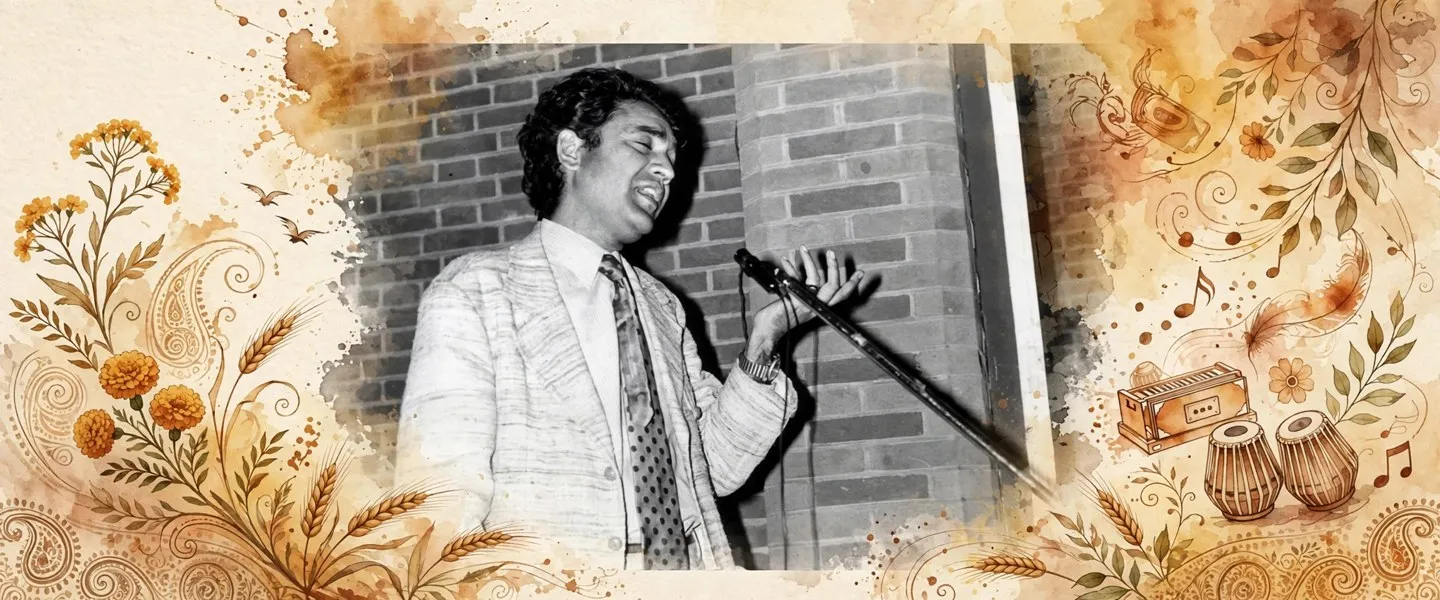
Mainu Vida Karo (Bid Me Farewell) is a 1963 Punjabi poetry collection by Shiv Kumar Batalvi, published by Lahore Book Shop, Ludhiana. Written when the poet was still in his twenties, its songs are filled with symbols of death and the pain of separation, the subjects that made Batalvi the defining voice of birha in modern Punjabi poetry.
Punjabi, Gurmukhi- Punjabi name
- ਮੈਨੂੰ ਵਿਦਾ ਕਰੋ
- Author
- Shiv Kumar Batalvi (1936 to 1973)
- Published
- 1963
- Publisher
- Lahore Book Shop, Ludhiana
- Language
- Punjabi (Gurmukhi)
- Form
- Poetry collection
All 9 facts
- Title means
- Bid Me Farewell
- Position
- Fourth collection, after Aate Diyan Chiriyan (1962) and before Loona (1965)
- Poem discussed by scholars
- Dharmee Babula, a daughter's lament to her father
About the book
Mainu Vida Karo, Bid Me Farewell, is a Punjabi poetry collection by Shiv Kumar Batalvi, published in 1963 by Lahore Book Shop, Ludhiana. It was his fourth book in a run of collections that appeared almost every year at the start of his career: Piran da Paraga in 1960, Lajwanti in 1961, Aate Diyan Chiriyan in 1962 and then this one. Batalvi was still in his twenties, a young poet from Batala whose readings and singing of his own verse were already drawing crowds, and the farewell of the title was not a pose. The study of his life and poetry published in the International Journal of Punjab Studies notes that dying young was a fate he had predicted and romanticised throughout his poetry, long before his death at the age of 36 in 1973.
The collection came two years before Loona (1965), the verse play on the Puran Bhagat legend that made him, in 1967, the youngest recipient of the Sahitya Akademi Award. Mainu Vida Karo belongs to the earlier, song centred phase of his work, before the long dramatic poem: short lyrics and songs, built to be sung as much as read, in which one mood returns in form after form. That mood is stated in the title itself. Vida means a farewell, and the book asks, again and again, to be bid farewell while there is still time.
What is Mainu Vida Karo about?
The International Journal of Punjab Studies study, in its survey of the collections, describes Mainu Vida Karo as another collection of songs full of symbols of death and the pain of separation, expressed in different forms. Among the poems it singles out is Dharmee Babula, the lament of a love torn girl addressed to her father. In the translation printed in the study she begs him to bring back the season when the cotton flower blooms, the season in which she lost her song: separation choked its throat, sorrow ravaged its face, and no tears she pours on the seeds of her dreams can make a flower bloom. Her closing question turns the family's wealth against itself: what use are fertile lands and lakes, she asks, if daughters wilt and swans stay parched?
That one poem shows the method of the whole book. The speaker is rarely the poet in his own person. He lends his voice to a daughter speaking to a father, to lovers at the point of parting, to the dying addressing the living. The study praises exactly this gift, his exceptional talent for interweaving the culture of Punjab into his poems: the cotton flower, the seasons of the village year, the wells and the swans are not decoration but the language in which separation is thought and felt.
Themes: farewell, death and birha
Birha, the pain of separation from the beloved, is the oldest subject in Punjabi poetry, running from the Sufi poets through Waris Shah. Batalvi made it his signature, and later readers would call him its sultan. In Mainu Vida Karo the separation is doubled: the lover parts from the beloved, and the self parts from life. Death is not an event at the end of these songs but a presence inside them, addressed, bargained with and sometimes welcomed. The title's farewell is therefore both a lover's goodbye and a young man's rehearsal of his own ending, which is why the collection reads, in hindsight, like a prophecy he kept making until it came true in 1973.
Yet the book is not only gloom. The same study of his poetry stresses its versatility and its deep roots in Punjabi folk song, and the collections around this one move between sensuous love lyrics, social subjects and songs of sheer melodic pleasure. The farewell songs endure because the melody carries the sorrow: these are poems people sing, at gatherings and on recordings, as much as poems people read in silence.
The author
Shiv Kumar Batalvi (1936 to 1973) was born on 23 July 1936 in Bara Pind Lohtian, in what is now Pakistan, and his family settled in Batala after the Partition of 1947, from which town he took his pen name. His first collection, Piran da Paraga, appeared in 1960 and was an instant success. Loona (1965) brought him the Sahitya Akademi Award in 1967, making him its youngest recipient at the time. He married Aruna in 1967, worked for a time at the State Bank of India in Chandigarh, and died on 6 May 1973 at Kiri Mangial, aged 36. His poems have been sung by Jagjit Singh and Chitra Singh, Nusrat Fateh Ali Khan, Surinder Kaur, Hans Raj Hans and Ghulam Ali, among many others.
Reception and legacy
Mainu Vida Karo holds its place in every bibliography of Batalvi's work, from the International Journal of Punjab Studies list, which records its 1963 Lahore Book Shop publication, to the standard accounts of his career, where it marks the moment the death wish that runs through his poetry was first fully expressed in a book title. His poems were later gathered in his complete poetry, Samuchi Kavita, and the songs have never really left circulation: singers keep recording Batalvi, and each generation of Punjabi listeners meets the farewell songs again. For a reader coming to Batalvi for the first time, this collection is where his central subject is at its purest, before Loona gave it a story and a stage. Start here, and the later fame, and the early grave, both make a different kind of sense.
ਕਿਤਾਬ ਬਾਰੇ
ਮੈਨੂੰ ਵਿਦਾ ਕਰੋ ਸ਼ਿਵ ਕੁਮਾਰ ਬਟਾਲਵੀ ਦਾ ਪੰਜਾਬੀ ਕਾਵਿ ਸੰਗ੍ਰਹਿ ਹੈ, ਜੋ 1963 ਵਿੱਚ ਲਾਹੌਰ ਬੁੱਕ ਸ਼ਾਪ, ਲੁਧਿਆਣਾ ਵੱਲੋਂ ਛਪਿਆ। ਇਹ ਉਸ ਦੀਆਂ ਕਿਤਾਬਾਂ ਦੇ ਉਸ ਸਿਲਸਿਲੇ ਵਿੱਚ ਚੌਥੀ ਕਿਤਾਬ ਸੀ ਜੋ ਉਸ ਦੇ ਸਾਹਿਤਕ ਜੀਵਨ ਦੀ ਸ਼ੁਰੂਆਤ ਵਿੱਚ ਲਗਭਗ ਹਰ ਸਾਲ ਆਈ: 1960 ਵਿੱਚ ਪੀੜਾਂ ਦਾ ਪਰਾਗਾ, 1961 ਵਿੱਚ ਲਾਜਵੰਤੀ, 1962 ਵਿੱਚ ਆਟੇ ਦੀਆਂ ਚਿੜੀਆਂ ਅਤੇ ਫਿਰ ਇਹ। ਬਟਾਲਵੀ ਅਜੇ ਵੀਹਾਂ ਵਿੱਚ ਸੀ, ਬਟਾਲੇ ਦਾ ਇੱਕ ਨੌਜਵਾਨ ਕਵੀ ਜਿਸ ਦੇ ਕਵਿਤਾ ਪਾਠ ਅਤੇ ਆਪਣੀ ਕਵਿਤਾ ਗਾਉਣ ਉੱਤੇ ਪਹਿਲਾਂ ਹੀ ਭੀੜਾਂ ਜੁੜਦੀਆਂ ਸਨ, ਅਤੇ ਸਿਰਲੇਖ ਦੀ ਵਿਦਾਈ ਕੋਈ ਵਖਾਵਾ ਨਹੀਂ ਸੀ। ਇੰਟਰਨੈਸ਼ਨਲ ਜਰਨਲ ਆਫ ਪੰਜਾਬ ਸਟੱਡੀਜ਼ ਵਿੱਚ ਛਪਿਆ ਉਸ ਦੇ ਜੀਵਨ ਅਤੇ ਕਵਿਤਾ ਦਾ ਅਧਿਐਨ ਦਰਜ ਕਰਦਾ ਹੈ ਕਿ ਜਵਾਨੀ ਵਿੱਚ ਮਰਨਾ ਉਹ ਕਿਸਮਤ ਸੀ ਜਿਸ ਦੀ ਉਸ ਨੇ ਆਪਣੀ ਸਾਰੀ ਕਵਿਤਾ ਵਿੱਚ ਭਵਿੱਖਬਾਣੀ ਕੀਤੀ ਅਤੇ ਜਿਸ ਨੂੰ ਉਸ ਨੇ ਰੋਮਾਂਸ ਭਰਿਆ ਰੂਪ ਦਿੱਤਾ, 1973 ਵਿੱਚ 36 ਸਾਲ ਦੀ ਉਮਰ ਵਿੱਚ ਆਪਣੀ ਮੌਤ ਤੋਂ ਬਹੁਤ ਪਹਿਲਾਂ।
ਇਹ ਸੰਗ੍ਰਹਿ ਲੂਣਾ (1965) ਤੋਂ ਦੋ ਸਾਲ ਪਹਿਲਾਂ ਆਇਆ, ਉਹ ਕਾਵਿ ਨਾਟਕ ਜੋ ਪੂਰਨ ਭਗਤ ਦੀ ਕਥਾ ਉੱਤੇ ਹੈ ਅਤੇ ਜਿਸ ਨੇ ਉਸ ਨੂੰ 1967 ਵਿੱਚ ਸਾਹਿਤ ਅਕਾਦਮੀ ਪੁਰਸਕਾਰ ਦਾ ਸਭ ਤੋਂ ਘੱਟ ਉਮਰ ਦਾ ਜੇਤੂ ਬਣਾਇਆ। ਮੈਨੂੰ ਵਿਦਾ ਕਰੋ ਉਸ ਦੀ ਰਚਨਾ ਦੇ ਪਹਿਲੇ, ਗੀਤ ਕੇਂਦਰਿਤ ਪੜਾਅ ਨਾਲ ਸੰਬੰਧਿਤ ਹੈ, ਲੰਮੀ ਨਾਟਕੀ ਕਵਿਤਾ ਤੋਂ ਪਹਿਲਾਂ: ਛੋਟੀਆਂ ਕਵਿਤਾਵਾਂ ਅਤੇ ਗੀਤ, ਜਿੰਨੇ ਪੜ੍ਹਨ ਲਈ ਉਨੇ ਹੀ ਗਾਉਣ ਲਈ ਬਣੇ, ਜਿਨ੍ਹਾਂ ਵਿੱਚ ਇੱਕੋ ਮਨੋਦਸ਼ਾ ਰੂਪ ਦਰ ਰੂਪ ਪਰਤਦੀ ਹੈ। ਉਹ ਮਨੋਦਸ਼ਾ ਸਿਰਲੇਖ ਵਿੱਚ ਹੀ ਕਹੀ ਗਈ ਹੈ। ਵਿਦਾ ਦਾ ਅਰਥ ਹੈ ਵਿਦਾਈ, ਅਤੇ ਕਿਤਾਬ ਵਾਰ ਵਾਰ ਕਹਿੰਦੀ ਹੈ ਕਿ ਜਦੋਂ ਅਜੇ ਵਕਤ ਹੈ, ਮੈਨੂੰ ਵਿਦਾ ਕਰੋ।
ਮੈਨੂੰ ਵਿਦਾ ਕਰੋ ਕਿਸ ਬਾਰੇ ਹੈ?
ਇੰਟਰਨੈਸ਼ਨਲ ਜਰਨਲ ਆਫ ਪੰਜਾਬ ਸਟੱਡੀਜ਼ ਦਾ ਅਧਿਐਨ, ਸੰਗ੍ਰਹਿਆਂ ਦੇ ਆਪਣੇ ਸਰਵੇਖਣ ਵਿੱਚ, ਮੈਨੂੰ ਵਿਦਾ ਕਰੋ ਨੂੰ ਗੀਤਾਂ ਦਾ ਇੱਕ ਹੋਰ ਸੰਗ੍ਰਹਿ ਦੱਸਦਾ ਹੈ ਜੋ ਮੌਤ ਦੇ ਪ੍ਰਤੀਕਾਂ ਅਤੇ ਵਿਛੋੜੇ ਦੇ ਦਰਦ ਨਾਲ ਭਰਿਆ ਹੈ, ਅਤੇ ਕਈ ਰੂਪਾਂ ਵਿੱਚ ਪੇਸ਼ ਹੋਇਆ ਹੈ। ਜਿਨ੍ਹਾਂ ਕਵਿਤਾਵਾਂ ਨੂੰ ਉਹ ਖਾਸ ਤੌਰ ਉੱਤੇ ਚੁਣਦਾ ਹੈ, ਉਨ੍ਹਾਂ ਵਿੱਚ ਧਰਮੀ ਬਾਬੁਲਾ ਹੈ, ਇੱਕ ਪਿਆਰ ਵਿੱਚ ਟੁੱਟੀ ਕੁੜੀ ਦਾ ਆਪਣੇ ਪਿਤਾ ਨੂੰ ਸੰਬੋਧਿਤ ਵਿਰਲਾਪ। ਅਧਿਐਨ ਵਿੱਚ ਛਪੇ ਅਨੁਵਾਦ ਵਿੱਚ ਉਹ ਉਸ ਨੂੰ ਮਿੰਨਤ ਕਰਦੀ ਹੈ ਕਿ ਉਹ ਮੌਸਮ ਮੁੜ ਲਿਆਵੇ ਜਦੋਂ ਕਪਾਹ ਦਾ ਫੁੱਲ ਖਿੜਦਾ ਹੈ, ਉਹ ਮੌਸਮ ਜਿਸ ਵਿੱਚ ਉਸ ਨੇ ਆਪਣਾ ਗੀਤ ਗੁਆਇਆ ਸੀ: ਵਿਛੋੜੇ ਨੇ ਉਸ ਦਾ ਗਲਾ ਘੁੱਟਿਆ, ਦੁੱਖ ਨੇ ਉਸ ਦਾ ਚਿਹਰਾ ਉਜਾੜਿਆ, ਅਤੇ ਆਪਣੇ ਸੁਪਨਿਆਂ ਦੇ ਬੀਜਾਂ ਉੱਤੇ ਉਹ ਜਿੰਨੇ ਵੀ ਹੰਝੂ ਵਹਾਵੇ, ਕੋਈ ਫੁੱਲ ਨਹੀਂ ਖਿੜਦਾ। ਉਸ ਦਾ ਆਖਰੀ ਸਵਾਲ ਪਰਿਵਾਰ ਦੀ ਦੌਲਤ ਨੂੰ ਉਸੇ ਦੇ ਵਿਰੁੱਧ ਮੋੜਦਾ ਹੈ: ਉਹ ਪੁੱਛਦੀ ਹੈ, ਉਪਜਾਊ ਜ਼ਮੀਨਾਂ ਅਤੇ ਝੀਲਾਂ ਦਾ ਕੀ ਫਾਇਦਾ, ਜੇ ਧੀਆਂ ਮੁਰਝਾਉਂਦੀਆਂ ਹਨ ਅਤੇ ਹੰਸ ਪਿਆਸੇ ਰਹਿੰਦੇ ਹਨ?
ਉਹ ਇੱਕੋ ਕਵਿਤਾ ਪੂਰੀ ਕਿਤਾਬ ਦਾ ਢੰਗ ਵਿਖਾਉਂਦੀ ਹੈ। ਬੋਲਣ ਵਾਲਾ ਘੱਟ ਹੀ ਕਵੀ ਆਪਣੇ ਆਪ ਵਿੱਚ ਹੁੰਦਾ ਹੈ। ਉਹ ਆਪਣੀ ਆਵਾਜ਼ ਪਿਤਾ ਨੂੰ ਬੋਲਦੀ ਧੀ ਨੂੰ, ਵਿਛੜਨ ਦੇ ਮੋੜ ਉੱਤੇ ਪ੍ਰੇਮੀਆਂ ਨੂੰ, ਜਿਉਂਦਿਆਂ ਨੂੰ ਸੰਬੋਧਿਤ ਮਰਨ ਵਾਲੇ ਨੂੰ ਦਿੰਦਾ ਹੈ। ਅਧਿਐਨ ਠੀਕ ਇਸੇ ਗੁਣ ਦੀ ਸ਼ਲਾਘਾ ਕਰਦਾ ਹੈ, ਪੰਜਾਬ ਦੇ ਸੱਭਿਆਚਾਰ ਨੂੰ ਆਪਣੀਆਂ ਕਵਿਤਾਵਾਂ ਵਿੱਚ ਬੁਣਨ ਦੀ ਉਸ ਦੀ ਅਸਾਧਾਰਨ ਪ੍ਰਤਿਭਾ: ਕਪਾਹ ਦਾ ਫੁੱਲ, ਪਿੰਡ ਦੇ ਸਾਲ ਦੇ ਮੌਸਮ, ਖੂਹ ਅਤੇ ਹੰਸ ਸਜਾਵਟ ਨਹੀਂ, ਸਗੋਂ ਉਹ ਭਾਸ਼ਾ ਹਨ ਜਿਸ ਵਿੱਚ ਵਿਛੋੜਾ ਸੋਚਿਆ ਅਤੇ ਮਹਿਸੂਸ ਕੀਤਾ ਜਾਂਦਾ ਹੈ।
ਵਿਸ਼ੇ: ਵਿਦਾਈ, ਮੌਤ ਅਤੇ ਬਿਰਹਾ
ਬਿਰਹਾ, ਪ੍ਰੇਮੀ ਤੋਂ ਵਿਛੋੜੇ ਦਾ ਦਰਦ, ਪੰਜਾਬੀ ਕਵਿਤਾ ਦਾ ਸਭ ਤੋਂ ਪੁਰਾਣਾ ਵਿਸ਼ਾ ਹੈ, ਸੂਫੀ ਕਵੀਆਂ ਤੋਂ ਵਾਰਿਸ ਸ਼ਾਹ ਤੱਕ ਚਲਦਾ ਆਇਆ। ਬਟਾਲਵੀ ਨੇ ਇਸ ਨੂੰ ਆਪਣੀ ਪਛਾਣ ਬਣਾਇਆ, ਅਤੇ ਬਾਅਦ ਦੇ ਪਾਠਕ ਉਸ ਨੂੰ ਇਸ ਦਾ ਸੁਲਤਾਨ ਕਹਿਣ ਲੱਗੇ। ਮੈਨੂੰ ਵਿਦਾ ਕਰੋ ਵਿੱਚ ਵਿਛੋੜਾ ਦੁੱਗਣਾ ਹੈ: ਪ੍ਰੇਮੀ ਪ੍ਰੇਮਿਕਾ ਤੋਂ ਵਿਛੜਦਾ ਹੈ, ਅਤੇ ਮਨੁੱਖ ਜੀਵਨ ਤੋਂ ਵਿਛੜਦਾ ਹੈ। ਮੌਤ ਇਨ੍ਹਾਂ ਗੀਤਾਂ ਦੇ ਅੰਤ ਵਿੱਚ ਵਾਪਰਦੀ ਘਟਨਾ ਨਹੀਂ, ਸਗੋਂ ਉਨ੍ਹਾਂ ਅੰਦਰ ਮੌਜੂਦ ਹਾਜ਼ਰੀ ਹੈ, ਜਿਸ ਨੂੰ ਸੰਬੋਧਿਤ ਕੀਤਾ ਜਾਂਦਾ ਹੈ, ਜਿਸ ਨਾਲ ਸੌਦੇਬਾਜ਼ੀ ਹੁੰਦੀ ਹੈ ਅਤੇ ਕਦੇ ਸਵਾਗਤ ਵੀ ਕੀਤਾ ਜਾਂਦਾ ਹੈ। ਇਸ ਲਈ ਸਿਰਲੇਖ ਦੀ ਵਿਦਾਈ ਪ੍ਰੇਮੀ ਦੀ ਅਲਵਿਦਾ ਵੀ ਹੈ ਅਤੇ ਇੱਕ ਨੌਜਵਾਨ ਦਾ ਆਪਣੇ ਅੰਤ ਦਾ ਅਭਿਆਸ ਵੀ, ਜਿਸ ਕਰਕੇ ਇਹ ਸੰਗ੍ਰਹਿ ਮਗਰੋਂ ਵੇਖਿਆਂ ਇੱਕ ਭਵਿੱਖਬਾਣੀ ਵਰਗਾ ਲੱਗਦਾ ਹੈ ਜੋ ਉਹ 1973 ਵਿੱਚ ਸੱਚ ਹੋਣ ਤੱਕ ਕਰਦਾ ਰਿਹਾ।
ਫਿਰ ਵੀ ਕਿਤਾਬ ਸਿਰਫ ਉਦਾਸੀ ਨਹੀਂ। ਉਸ ਦੀ ਕਵਿਤਾ ਦਾ ਉਹੀ ਅਧਿਐਨ ਇਸ ਦੀ ਬਹੁਰੂਪਤਾ ਅਤੇ ਪੰਜਾਬੀ ਲੋਕ ਗੀਤ ਵਿੱਚ ਇਸ ਦੀਆਂ ਡੂੰਘੀਆਂ ਜੜ੍ਹਾਂ ਉੱਤੇ ਜ਼ੋਰ ਦਿੰਦਾ ਹੈ, ਅਤੇ ਇਸ ਦੇ ਆਲੇ ਦੁਆਲੇ ਦੇ ਸੰਗ੍ਰਹਿ ਸੰਵੇਦਨਸ਼ੀਲ ਪਿਆਰ ਗੀਤਾਂ, ਸਮਾਜਿਕ ਵਿਸ਼ਿਆਂ ਅਤੇ ਸ਼ੁੱਧ ਸੰਗੀਤਕ ਅਨੰਦ ਦੇ ਗੀਤਾਂ ਵਿਚਕਾਰ ਘੁੰਮਦੇ ਹਨ। ਵਿਦਾਈ ਵਾਲੇ ਗੀਤ ਇਸ ਲਈ ਟਿਕਦੇ ਹਨ ਕਿਉਂਕਿ ਧੁਨ ਦੁੱਖ ਨੂੰ ਚੁੱਕਦੀ ਹੈ: ਇਹ ਉਹ ਕਵਿਤਾਵਾਂ ਹਨ ਜੋ ਲੋਕ ਗਾਉਂਦੇ ਹਨ, ਮਹਿਫਲਾਂ ਵਿੱਚ ਅਤੇ ਰਿਕਾਰਡਿੰਗਾਂ ਉੱਤੇ, ਜਿੰਨੀਆਂ ਉਹ ਕਵਿਤਾਵਾਂ ਹਨ ਜੋ ਲੋਕ ਚੁੱਪ ਵਿੱਚ ਪੜ੍ਹਦੇ ਹਨ।
ਲੇਖਕ
ਸ਼ਿਵ ਕੁਮਾਰ ਬਟਾਲਵੀ (1936 ਤੋਂ 1973) ਦਾ ਜਨਮ 23 ਜੁਲਾਈ 1936 ਨੂੰ ਬੜਾ ਪਿੰਡ ਲੋਹਟੀਆਂ ਵਿੱਚ ਹੋਇਆ, ਜੋ ਹੁਣ ਪਾਕਿਸਤਾਨ ਵਿੱਚ ਹੈ, ਅਤੇ ਉਸ ਦਾ ਪਰਿਵਾਰ 1947 ਦੀ ਵੰਡ ਤੋਂ ਬਾਅਦ ਬਟਾਲੇ ਆ ਵਸਿਆ, ਜਿਸ ਸ਼ਹਿਰ ਤੋਂ ਉਸ ਨੇ ਆਪਣਾ ਤਖੱਲਸ ਲਿਆ। ਉਸ ਦਾ ਪਹਿਲਾ ਸੰਗ੍ਰਹਿ, ਪੀੜਾਂ ਦਾ ਪਰਾਗਾ, 1960 ਵਿੱਚ ਆਇਆ ਅਤੇ ਤੁਰੰਤ ਸਫਲ ਹੋਇਆ। ਲੂਣਾ (1965) ਨੇ ਉਸ ਨੂੰ 1967 ਵਿੱਚ ਸਾਹਿਤ ਅਕਾਦਮੀ ਪੁਰਸਕਾਰ ਦਿਵਾਇਆ, ਜਿਸ ਨਾਲ ਉਹ ਉਸ ਸਮੇਂ ਇਸ ਦਾ ਸਭ ਤੋਂ ਘੱਟ ਉਮਰ ਦਾ ਜੇਤੂ ਬਣਿਆ। ਉਸ ਨੇ 1967 ਵਿੱਚ ਅਰੁਣਾ ਨਾਲ ਵਿਆਹ ਕੀਤਾ, ਕੁਝ ਸਮਾਂ ਚੰਡੀਗੜ੍ਹ ਵਿੱਚ ਭਾਰਤੀ ਸਟੇਟ ਬੈਂਕ ਵਿੱਚ ਕੰਮ ਕੀਤਾ, ਅਤੇ 6 ਮਈ 1973 ਨੂੰ ਕੀੜੀ ਮੰਗਿਆਲ ਵਿੱਚ 36 ਸਾਲ ਦੀ ਉਮਰ ਵਿੱਚ ਦੇਹਾਂਤ ਹੋ ਗਿਆ। ਉਸ ਦੀਆਂ ਕਵਿਤਾਵਾਂ ਜਗਜੀਤ ਸਿੰਘ ਅਤੇ ਚਿਤਰਾ ਸਿੰਘ, ਨੁਸਰਤ ਫਤਹਿ ਅਲੀ ਖਾਨ, ਸੁਰਿੰਦਰ ਕੌਰ, ਹੰਸ ਰਾਜ ਹੰਸ ਅਤੇ ਗੁਲਾਮ ਅਲੀ ਸਮੇਤ ਕਈ ਗਾਇਕਾਂ ਨੇ ਗਾਈਆਂ ਹਨ।
ਪ੍ਰਤੀਕਿਰਿਆ ਅਤੇ ਵਿਰਾਸਤ
ਮੈਨੂੰ ਵਿਦਾ ਕਰੋ ਬਟਾਲਵੀ ਦੀਆਂ ਰਚਨਾਵਾਂ ਦੀ ਹਰ ਸੂਚੀ ਵਿੱਚ ਆਪਣੀ ਥਾਂ ਰੱਖਦਾ ਹੈ, ਇੰਟਰਨੈਸ਼ਨਲ ਜਰਨਲ ਆਫ ਪੰਜਾਬ ਸਟੱਡੀਜ਼ ਦੀ ਸੂਚੀ ਤੋਂ, ਜੋ ਇਸ ਦਾ 1963 ਵਿੱਚ ਲਾਹੌਰ ਬੁੱਕ ਸ਼ਾਪ ਵੱਲੋਂ ਪ੍ਰਕਾਸ਼ਨ ਦਰਜ ਕਰਦੀ ਹੈ, ਉਸ ਦੇ ਜੀਵਨ ਦੇ ਮਿਆਰੀ ਵਰਣਨਾਂ ਤੱਕ, ਜਿੱਥੇ ਇਹ ਉਸ ਪਲ ਵਜੋਂ ਦਰਜ ਹੈ ਜਦੋਂ ਉਸ ਦੀ ਕਵਿਤਾ ਵਿੱਚ ਚਲਦੀ ਮੌਤ ਦੀ ਇੱਛਾ ਪਹਿਲੀ ਵਾਰ ਕਿਸੇ ਕਿਤਾਬ ਦੇ ਸਿਰਲੇਖ ਵਿੱਚ ਪੂਰੀ ਤਰ੍ਹਾਂ ਪ੍ਰਗਟ ਹੋਈ। ਬਾਅਦ ਵਿੱਚ ਉਸ ਦੀਆਂ ਕਵਿਤਾਵਾਂ ਉਸ ਦੀ ਸਮੁੱਚੀ ਕਵਿਤਾ ਵਿੱਚ ਇਕੱਠੀਆਂ ਕੀਤੀਆਂ ਗਈਆਂ, ਅਤੇ ਇਹ ਗੀਤ ਕਦੇ ਵੀ ਅਸਲ ਵਿੱਚ ਚਲਣ ਤੋਂ ਬਾਹਰ ਨਹੀਂ ਹੋਏ: ਗਾਇਕ ਬਟਾਲਵੀ ਨੂੰ ਰਿਕਾਰਡ ਕਰਦੇ ਰਹਿੰਦੇ ਹਨ, ਅਤੇ ਪੰਜਾਬੀ ਸਰੋਤਿਆਂ ਦੀ ਹਰ ਪੀੜ੍ਹੀ ਵਿਦਾਈ ਵਾਲੇ ਗੀਤਾਂ ਨਾਲ ਮੁੜ ਮਿਲਦੀ ਹੈ। ਜਿਹੜਾ ਪਾਠਕ ਬਟਾਲਵੀ ਕੋਲ ਪਹਿਲੀ ਵਾਰ ਆਉਂਦਾ ਹੈ, ਉਸ ਲਈ ਇਹ ਸੰਗ੍ਰਹਿ ਉਹ ਥਾਂ ਹੈ ਜਿੱਥੇ ਉਸ ਦਾ ਕੇਂਦਰੀ ਵਿਸ਼ਾ ਸਭ ਤੋਂ ਸ਼ੁੱਧ ਰੂਪ ਵਿੱਚ ਹੈ, ਲੂਣਾ ਨੇ ਇਸ ਨੂੰ ਕਹਾਣੀ ਅਤੇ ਮੰਚ ਦੇਣ ਤੋਂ ਪਹਿਲਾਂ। ਇੱਥੋਂ ਸ਼ੁਰੂ ਕਰੋ, ਅਤੇ ਮਗਰੋਂ ਦੀ ਪ੍ਰਸਿੱਧੀ, ਅਤੇ ਜਵਾਨੀ ਦੀ ਕਬਰ, ਦੋਵੇਂ ਇੱਕ ਵੱਖਰੇ ਅਰਥ ਵਿੱਚ ਸਮਝ ਆਉਂਦੇ ਹਨ।
Editions and translations
- Mainu Vida KaroPunjabi · Gurmukhi · Lahore Book Shop, Ludhiana, 1963Edition
The author

Connected
More to read
Sources (3)
Jugti is free and independent. Reader support keeps the Kosh growing.
Support