

Milk and Honey is the first book of the Punjabi Canadian poet Rupi Kaur, written, illustrated and self-published by her in November 2014 and republished by Andrews McMeel in 2015. Its short poems, prose and line drawings move through four chapters, the hurting, the loving, the breaking and the healing, and it became a number one New York Times bestseller, with more than 6 million copies sold by its publisher's count.
English- Punjabi name
- milk and honey
- Author
- Rupi Kaur
- Published
- November 2014, self-published; Andrews McMeel edition October 2015
- Language
- English
- Form
- Poetry, prose and illustrations
- Sections
- The hurting, the loving, the breaking, the healing
All 8 facts
- Sales
- More than 6 million copies (publisher)
- Later editions
- 10th Anniversary Collector's Edition, Andrews McMeel, 2024
About the book
Milk and Honey, styled by its author as milk and honey, is the first book of Rupi Kaur, the Punjabi Canadian poet, artist and performer. Kaur wrote, illustrated and designed it herself while she was a university student, and self-published it in November 2014 after she could not find a publisher. Andrews McMeel Publishing picked it up and republished it in October 2015, and from there it became one of the publishing stories of the decade: a number one New York Times bestseller that, by its publisher's count, has sold more than 6 million copies, described by Andrews McMeel as the highest selling book of poetry of the twenty-first century. A tenth anniversary collector's edition followed in 2024.
What is Milk and Honey about?
Milk and Honey is a collection of short poems, prose pieces and the author's own line drawings about survival: the experience of violence, abuse, love, loss and femininity, and the slow work of healing afterwards. It is organised as a journey in four chapters, the hurting, the loving, the breaking and the healing, and it is meant to be read in that order, from the bitterest moments toward sweetness. Kaur has said the book takes readers through the most bitter moments in life and finds sweetness in them, because sweetness is everywhere if you are willing to look.
The four chapters
The hurting opens the book with pain: abuse, trauma and the wounds carried from childhood and from violent relationships. The loving turns to love at its warmest, for partners, for family and, running underneath, for the self. The breaking is the longest movement, the poems of a relationship ending, of loss and of the anger and emptiness that follow. The healing closes the arc: self acceptance, strength, and women lifting each other rather than competing. Each chapter, in Kaur's own description, serves a different purpose, deals with a different pain and heals a different heartache, and the poems were placed with care over weeks so the book reads as one continuous journey.
The title itself comes from Kaur's own earlier writing. On her official site she explains that a poem she wrote in 2012 used milk and honey as a metaphor for the strength and resilience of Sikh widows who survived the violence of 1984, and that the phrase stayed with her until it named this book. The design is part of the work: Kaur made the cover to look like an extension of the poems, words at the top left and an illustration at the bottom right, in the black and white style readers knew from her poem posts online.
The author
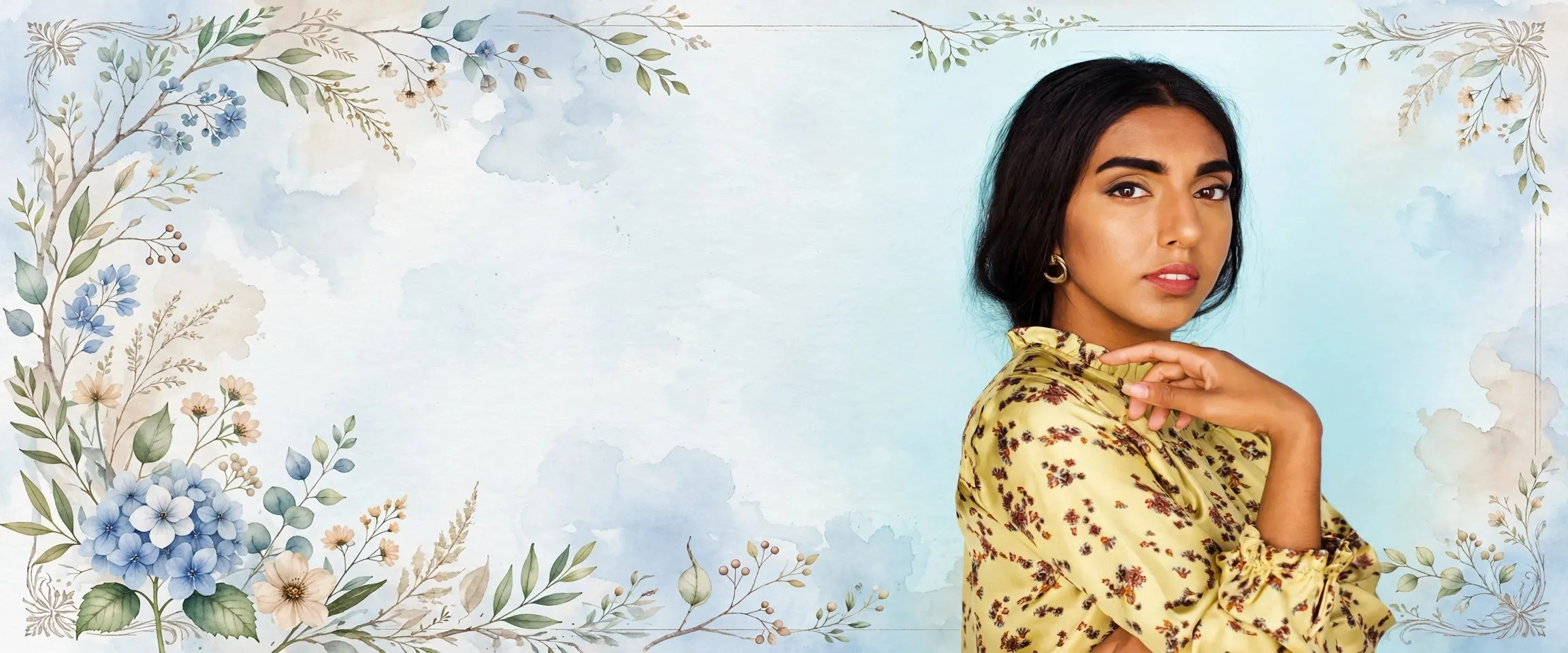
Rupi Kaur was born in Punjab and raised in Canada, and she first built her audience by posting poems and illustrations online while studying at the University of Waterloo. Milk and Honey grew directly out of that audience: a student made book, written, edited and designed by its author, that readers passed hand to hand until a major publisher came to her. Her later collections, the sun and her flowers (2017) and home body (2020), also debuted at number one, and the publisher reports that her first three collections together have sold more than 11 million copies in over 40 languages. She performs her work on stage in sold out world tours and was named writer of the decade by The New Republic.
Reception and legacy
The book's numbers are only half the story. Milk and Honey is widely credited with igniting a worldwide renaissance in poetry reading among young readers, and with defining the short, direct, illustrated style that a generation of online poets followed. Critics have argued about that style ever since, some praising its honesty and reach, others questioning its simplicity, but the argument itself is part of the book's place in literary history: few poetry collections have ever found so many readers who had never bought a poem before. For the Punjabi diaspora it carries an extra weight: one of the best known books in the world by a Punjabi writer is a young woman's account of pain, love and healing, rooted in an image drawn from Sikh women's survival.
Read it if
You are new to poetry and want the book that brought millions of readers back to it; you want a short, direct collection on trauma, love and recovery that can be read in an evening and returned to for years; or you are tracing how Punjabi voices from the diaspora reached a global audience.
ਕਿਤਾਬ ਬਾਰੇ
ਦੁੱਧ ਅਤੇ ਸ਼ਹਿਦ, ਜਿਸ ਨੂੰ ਲੇਖਕਾ ਖ਼ੁਦ ਮਿਲਕ ਐਂਡ ਹਨੀ ਲਿਖਦੀ ਹੈ, ਪੰਜਾਬੀ ਕੈਨੇਡੀਅਨ ਕਵੀ, ਕਲਾਕਾਰ ਅਤੇ ਪੇਸ਼ਕਾਰ ਰੂਪੀ ਕੌਰ ਦੀ ਪਹਿਲੀ ਕਿਤਾਬ ਹੈ। ਕੌਰ ਨੇ ਇਸ ਨੂੰ ਯੂਨੀਵਰਸਿਟੀ ਦੀ ਵਿਦਿਆਰਥਣ ਹੁੰਦਿਆਂ ਖ਼ੁਦ ਲਿਖਿਆ, ਇਸ ਦੀਆਂ ਤਸਵੀਰਾਂ ਬਣਾਈਆਂ ਅਤੇ ਇਸ ਨੂੰ ਖ਼ੁਦ ਡਿਜ਼ਾਈਨ ਕੀਤਾ, ਅਤੇ ਜਦੋਂ ਉਸ ਨੂੰ ਕੋਈ ਪ੍ਰਕਾਸ਼ਕ ਨਾ ਮਿਲਿਆ ਤਾਂ ਨਵੰਬਰ 2014 ਵਿੱਚ ਖ਼ੁਦ ਛਾਪਿਆ। ਐਂਡਰਿਊਜ਼ ਮੈਕਮੀਲ ਪਬਲਿਸ਼ਿੰਗ ਨੇ ਇਸ ਨੂੰ ਅਪਣਾਇਆ ਅਤੇ ਅਕਤੂਬਰ 2015 ਵਿੱਚ ਮੁੜ ਛਾਪਿਆ, ਅਤੇ ਉੱਥੋਂ ਇਹ ਦਹਾਕੇ ਦੀਆਂ ਪ੍ਰਕਾਸ਼ਨ ਕਹਾਣੀਆਂ ਵਿੱਚੋਂ ਇੱਕ ਬਣ ਗਈ: ਨਿਊਯਾਰਕ ਟਾਈਮਜ਼ ਦੀ ਨੰਬਰ ਇੱਕ ਬੈਸਟਸੈਲਰ, ਜਿਸ ਦੀਆਂ ਪ੍ਰਕਾਸ਼ਕ ਦੇ ਹਿਸਾਬ ਨਾਲ 60 ਲੱਖ ਤੋਂ ਵੱਧ ਕਾਪੀਆਂ ਵਿਕ ਚੁੱਕੀਆਂ ਹਨ, ਅਤੇ ਜਿਸ ਨੂੰ ਐਂਡਰਿਊਜ਼ ਮੈਕਮੀਲ ਇੱਕੀਵੀਂ ਸਦੀ ਦੀ ਸਭ ਤੋਂ ਵੱਧ ਵਿਕਣ ਵਾਲੀ ਕਵਿਤਾ ਦੀ ਕਿਤਾਬ ਦੱਸਦਾ ਹੈ। 2024 ਵਿੱਚ ਇਸ ਦਾ ਦਸਵੀਂ ਵਰ੍ਹੇਗੰਢ ਵਾਲਾ ਕੁਲੈਕਟਰ ਸੰਸਕਰਨ ਵੀ ਆਇਆ।
ਦੁੱਧ ਅਤੇ ਸ਼ਹਿਦ ਕਿਸ ਬਾਰੇ ਹੈ?
ਦੁੱਧ ਅਤੇ ਸ਼ਹਿਦ ਛੋਟੀਆਂ ਕਵਿਤਾਵਾਂ, ਗਦ ਟੁਕੜਿਆਂ ਅਤੇ ਲੇਖਕਾ ਦੀਆਂ ਆਪਣੀਆਂ ਲਕੀਰ ਤਸਵੀਰਾਂ ਦਾ ਸੰਗ੍ਰਹਿ ਹੈ, ਜਿਸ ਦਾ ਵਿਸ਼ਾ ਹੈ ਜਿਉਂਦੇ ਰਹਿਣਾ: ਹਿੰਸਾ, ਦੁਰਵਿਹਾਰ, ਪਿਆਰ, ਵਿਛੋੜੇ ਅਤੇ ਔਰਤਪੁਣੇ ਦਾ ਅਨੁਭਵ, ਅਤੇ ਉਸ ਤੋਂ ਬਾਅਦ ਹੌਲੀ ਹੌਲੀ ਠੀਕ ਹੋਣ ਦਾ ਕੰਮ। ਇਹ ਚਾਰ ਅਧਿਆਇਆਂ ਵਿੱਚ ਇੱਕ ਸਫ਼ਰ ਵਾਂਗ ਸਜਿਆ ਹੈ, ਦਰਦ, ਪਿਆਰ, ਟੁੱਟਣਾ ਅਤੇ ਠੀਕ ਹੋਣਾ, ਅਤੇ ਇਸ ਨੂੰ ਉਸੇ ਕ੍ਰਮ ਵਿੱਚ ਪੜ੍ਹਨ ਲਈ ਬਣਾਇਆ ਗਿਆ ਹੈ, ਸਭ ਤੋਂ ਕੌੜੇ ਪਲਾਂ ਤੋਂ ਮਿਠਾਸ ਵੱਲ। ਕੌਰ ਨੇ ਕਿਹਾ ਹੈ ਕਿ ਇਹ ਕਿਤਾਬ ਪਾਠਕਾਂ ਨੂੰ ਜ਼ਿੰਦਗੀ ਦੇ ਸਭ ਤੋਂ ਕੌੜੇ ਪਲਾਂ ਵਿੱਚੋਂ ਲੰਘਾਉਂਦੀ ਹੈ ਅਤੇ ਉਨ੍ਹਾਂ ਵਿੱਚ ਮਿਠਾਸ ਲੱਭਦੀ ਹੈ, ਕਿਉਂਕਿ ਮਿਠਾਸ ਹਰ ਥਾਂ ਹੈ, ਜੇ ਕੋਈ ਵੇਖਣ ਲਈ ਤਿਆਰ ਹੋਵੇ।
ਚਾਰ ਅਧਿਆਇ
ਦਰਦ ਵਾਲਾ ਅਧਿਆਇ ਕਿਤਾਬ ਨੂੰ ਤਕਲੀਫ਼ ਨਾਲ ਖੋਲ੍ਹਦਾ ਹੈ: ਦੁਰਵਿਹਾਰ, ਸਦਮਾ, ਅਤੇ ਬਚਪਨ ਅਤੇ ਹਿੰਸਕ ਰਿਸ਼ਤਿਆਂ ਤੋਂ ਚੁੱਕੇ ਜ਼ਖ਼ਮ। ਪਿਆਰ ਵਾਲਾ ਅਧਿਆਇ ਪਿਆਰ ਦੇ ਸਭ ਤੋਂ ਨਿੱਘੇ ਰੂਪ ਵੱਲ ਮੁੜਦਾ ਹੈ, ਸਾਥੀਆਂ ਲਈ, ਪਰਿਵਾਰ ਲਈ ਅਤੇ, ਉਸ ਦੇ ਹੇਠਾਂ ਵਗਦਾ, ਆਪਣੇ ਆਪ ਲਈ। ਟੁੱਟਣਾ ਸਭ ਤੋਂ ਲੰਮਾ ਹਿੱਸਾ ਹੈ, ਰਿਸ਼ਤੇ ਦੇ ਖ਼ਤਮ ਹੋਣ, ਵਿਛੋੜੇ, ਅਤੇ ਉਸ ਤੋਂ ਬਾਅਦ ਆਉਂਦੇ ਗ਼ੁੱਸੇ ਅਤੇ ਖਾਲੀਪਣ ਦੀਆਂ ਕਵਿਤਾਵਾਂ। ਠੀਕ ਹੋਣਾ ਇਸ ਚਾਪ ਨੂੰ ਬੰਦ ਕਰਦਾ ਹੈ: ਆਪਣੇ ਆਪ ਨੂੰ ਸਵੀਕਾਰਨਾ, ਤਾਕਤ, ਅਤੇ ਔਰਤਾਂ ਦਾ ਇੱਕ ਦੂਜੀ ਨਾਲ ਮੁਕਾਬਲੇ ਦੀ ਥਾਂ ਇੱਕ ਦੂਜੀ ਨੂੰ ਚੁੱਕਣਾ। ਕੌਰ ਦੇ ਆਪਣੇ ਸ਼ਬਦਾਂ ਵਿੱਚ ਹਰ ਅਧਿਆਇ ਇੱਕ ਵੱਖਰਾ ਮਕਸਦ ਪੂਰਾ ਕਰਦਾ ਹੈ, ਇੱਕ ਵੱਖਰੇ ਦਰਦ ਨਾਲ ਨਜਿੱਠਦਾ ਹੈ ਅਤੇ ਇੱਕ ਵੱਖਰੇ ਦਿਲ ਦੇ ਦਰਦ ਨੂੰ ਠੀਕ ਕਰਦਾ ਹੈ, ਅਤੇ ਕਵਿਤਾਵਾਂ ਹਫ਼ਤਿਆਂ ਤੱਕ ਸੋਚ ਕੇ ਰੱਖੀਆਂ ਗਈਆਂ ਤਾਂ ਜੋ ਕਿਤਾਬ ਇੱਕ ਲਗਾਤਾਰ ਸਫ਼ਰ ਵਾਂਗ ਪੜ੍ਹੀ ਜਾਵੇ।
ਸਿਰਲੇਖ ਖ਼ੁਦ ਕੌਰ ਦੀ ਆਪਣੀ ਪਹਿਲੀ ਲਿਖਤ ਤੋਂ ਆਇਆ ਹੈ। ਆਪਣੀ ਅਧਿਕਾਰਤ ਸਾਈਟ ਉੱਤੇ ਉਹ ਦੱਸਦੀ ਹੈ ਕਿ 2012 ਵਿੱਚ ਲਿਖੀ ਇੱਕ ਕਵਿਤਾ ਵਿੱਚ ਉਸ ਨੇ ਦੁੱਧ ਅਤੇ ਸ਼ਹਿਦ ਨੂੰ 1984 ਦੀ ਹਿੰਸਾ ਤੋਂ ਬਚੀਆਂ ਸਿੱਖ ਵਿਧਵਾਵਾਂ ਦੀ ਤਾਕਤ ਅਤੇ ਸਬਰ ਦੇ ਰੂਪਕ ਵਜੋਂ ਵਰਤਿਆ ਸੀ, ਅਤੇ ਉਹ ਸ਼ਬਦ ਜੋੜਾ ਉਸ ਕੋਲ ਰਿਹਾ, ਜਦੋਂ ਤੱਕ ਇਸ ਕਿਤਾਬ ਦਾ ਨਾਂ ਨਾ ਬਣ ਗਿਆ। ਡਿਜ਼ਾਈਨ ਵੀ ਰਚਨਾ ਦਾ ਹਿੱਸਾ ਹੈ: ਕੌਰ ਨੇ ਕਵਰ ਇਸ ਤਰ੍ਹਾਂ ਬਣਾਇਆ ਕਿ ਇਹ ਕਵਿਤਾਵਾਂ ਦਾ ਹੀ ਵਧਾਅ ਲੱਗੇ, ਉੱਤੇ ਖੱਬੇ ਸ਼ਬਦ ਅਤੇ ਹੇਠਾਂ ਸੱਜੇ ਤਸਵੀਰ, ਉਸੇ ਕਾਲੇ ਅਤੇ ਚਿੱਟੇ ਅੰਦਾਜ਼ ਵਿੱਚ ਜੋ ਪਾਠਕ ਉਸ ਦੀਆਂ ਆਨਲਾਈਨ ਕਵਿਤਾ ਪੋਸਟਾਂ ਤੋਂ ਜਾਣਦੇ ਸਨ।
ਲੇਖਕਾ
ਰੂਪੀ ਕੌਰ ਪੰਜਾਬ ਵਿੱਚ ਜਨਮੀ ਅਤੇ ਕੈਨੇਡਾ ਵਿੱਚ ਪਲੀ, ਅਤੇ ਉਸ ਨੇ ਵਾਟਰਲੂ ਯੂਨੀਵਰਸਿਟੀ ਵਿੱਚ ਪੜ੍ਹਦਿਆਂ ਕਵਿਤਾਵਾਂ ਅਤੇ ਤਸਵੀਰਾਂ ਆਨਲਾਈਨ ਪਾ ਕੇ ਪਹਿਲਾਂ ਆਪਣੇ ਪਾਠਕ ਬਣਾਏ। ਦੁੱਧ ਅਤੇ ਸ਼ਹਿਦ ਸਿੱਧਾ ਉਨ੍ਹਾਂ ਪਾਠਕਾਂ ਵਿੱਚੋਂ ਨਿਕਲਿਆ: ਇੱਕ ਵਿਦਿਆਰਥਣ ਦੀ ਬਣਾਈ ਕਿਤਾਬ, ਜੋ ਉਸ ਨੇ ਖ਼ੁਦ ਲਿਖੀ, ਸੋਧੀ ਅਤੇ ਡਿਜ਼ਾਈਨ ਕੀਤੀ, ਜਿਸ ਨੂੰ ਪਾਠਕ ਹੱਥੋਂ ਹੱਥ ਪਹੁੰਚਾਉਂਦੇ ਰਹੇ, ਜਦੋਂ ਤੱਕ ਇੱਕ ਵੱਡਾ ਪ੍ਰਕਾਸ਼ਕ ਖ਼ੁਦ ਉਸ ਕੋਲ ਨਾ ਆ ਗਿਆ। ਉਸ ਦੇ ਬਾਅਦ ਵਾਲੇ ਸੰਗ੍ਰਹਿ, ਦ ਸਨ ਐਂਡ ਹਰ ਫ਼ਲਾਵਰਜ਼ (2017) ਅਤੇ ਹੋਮ ਬਾਡੀ (2020), ਵੀ ਨੰਬਰ ਇੱਕ ਉੱਤੇ ਸ਼ੁਰੂ ਹੋਏ, ਅਤੇ ਪ੍ਰਕਾਸ਼ਕ ਦੱਸਦਾ ਹੈ ਕਿ ਉਸ ਦੇ ਪਹਿਲੇ ਤਿੰਨ ਸੰਗ੍ਰਹਿ ਮਿਲ ਕੇ 40 ਤੋਂ ਵੱਧ ਭਾਸ਼ਾਵਾਂ ਵਿੱਚ ਇੱਕ ਕਰੋੜ ਦਸ ਲੱਖ ਤੋਂ ਵੱਧ ਕਾਪੀਆਂ ਵਿਕ ਚੁੱਕੇ ਹਨ। ਉਹ ਆਪਣੀ ਰਚਨਾ ਸਟੇਜ ਉੱਤੇ ਭਰੇ ਵਿਸ਼ਵ ਦੌਰਿਆਂ ਵਿੱਚ ਪੇਸ਼ ਕਰਦੀ ਹੈ ਅਤੇ ਦ ਨਿਊ ਰਿਪਬਲਿਕ ਨੇ ਉਸ ਨੂੰ ਦਹਾਕੇ ਦੀ ਲੇਖਕਾ ਕਿਹਾ।
ਸਵਾਗਤ ਅਤੇ ਵਿਰਾਸਤ
ਕਿਤਾਬ ਦੇ ਅੰਕੜੇ ਕਹਾਣੀ ਦਾ ਸਿਰਫ਼ ਅੱਧਾ ਹਿੱਸਾ ਹਨ। ਦੁੱਧ ਅਤੇ ਸ਼ਹਿਦ ਨੂੰ ਨੌਜਵਾਨ ਪਾਠਕਾਂ ਵਿੱਚ ਕਵਿਤਾ ਪੜ੍ਹਨ ਦੇ ਵਿਸ਼ਵ ਪੱਧਰੀ ਮੁੜ ਜਨਮ ਦਾ ਸਿਹਰਾ ਦਿੱਤਾ ਜਾਂਦਾ ਹੈ, ਅਤੇ ਉਸ ਛੋਟੀ, ਸਿੱਧੀ, ਤਸਵੀਰਾਂ ਵਾਲੀ ਸ਼ੈਲੀ ਨੂੰ ਤੈਅ ਕਰਨ ਦਾ ਜਿਸ ਦਾ ਪਿੱਛਾ ਆਨਲਾਈਨ ਕਵੀਆਂ ਦੀ ਇੱਕ ਪੀੜ੍ਹੀ ਨੇ ਕੀਤਾ। ਆਲੋਚਕ ਉਸ ਸ਼ੈਲੀ ਬਾਰੇ ਉਦੋਂ ਤੋਂ ਬਹਿਸ ਕਰਦੇ ਆ ਰਹੇ ਹਨ, ਕੁਝ ਇਸ ਦੀ ਇਮਾਨਦਾਰੀ ਅਤੇ ਪਹੁੰਚ ਦੀ ਤਾਰੀਫ਼ ਕਰਦੇ ਹਨ, ਕੁਝ ਇਸ ਦੀ ਸਾਦਗੀ ਉੱਤੇ ਸਵਾਲ ਚੁੱਕਦੇ ਹਨ, ਪਰ ਇਹ ਬਹਿਸ ਖ਼ੁਦ ਕਿਤਾਬ ਦੀ ਸਾਹਿਤਕ ਇਤਿਹਾਸ ਵਿੱਚ ਥਾਂ ਦਾ ਹਿੱਸਾ ਹੈ: ਬਹੁਤ ਘੱਟ ਕਵਿਤਾ ਸੰਗ੍ਰਹਿਆਂ ਨੂੰ ਇੰਨੇ ਪਾਠਕ ਮਿਲੇ ਹਨ ਜਿਨ੍ਹਾਂ ਨੇ ਪਹਿਲਾਂ ਕਦੇ ਕਵਿਤਾ ਖ਼ਰੀਦੀ ਹੀ ਨਹੀਂ ਸੀ। ਪੰਜਾਬੀ ਪਰਵਾਸੀਆਂ ਲਈ ਇਸ ਦਾ ਹੋਰ ਭਾਰ ਹੈ: ਇੱਕ ਪੰਜਾਬੀ ਲੇਖਕ ਦੀਆਂ ਦੁਨੀਆ ਭਰ ਵਿੱਚ ਸਭ ਤੋਂ ਵੱਧ ਜਾਣੀਆਂ ਜਾਂਦੀਆਂ ਕਿਤਾਬਾਂ ਵਿੱਚੋਂ ਇੱਕ ਇੱਕ ਨੌਜਵਾਨ ਔਰਤ ਦਾ ਦਰਦ, ਪਿਆਰ ਅਤੇ ਠੀਕ ਹੋਣ ਦਾ ਬਿਰਤਾਂਤ ਹੈ, ਜਿਸ ਦੀ ਜੜ੍ਹ ਸਿੱਖ ਔਰਤਾਂ ਦੇ ਜਿਉਂਦੇ ਰਹਿਣ ਤੋਂ ਲਈ ਤਸਵੀਰ ਵਿੱਚ ਹੈ।
ਇਹ ਪੜ੍ਹੋ ਜੇ
ਤੁਸੀਂ ਕਵਿਤਾ ਲਈ ਨਵੇਂ ਹੋ ਅਤੇ ਉਹ ਕਿਤਾਬ ਚਾਹੁੰਦੇ ਹੋ ਜੋ ਲੱਖਾਂ ਪਾਠਕਾਂ ਨੂੰ ਇਸ ਵੱਲ ਵਾਪਸ ਲਿਆਈ; ਤੁਸੀਂ ਸਦਮੇ, ਪਿਆਰ ਅਤੇ ਠੀਕ ਹੋਣ ਉੱਤੇ ਇੱਕ ਛੋਟਾ, ਸਿੱਧਾ ਸੰਗ੍ਰਹਿ ਚਾਹੁੰਦੇ ਹੋ ਜੋ ਇੱਕ ਸ਼ਾਮ ਵਿੱਚ ਪੜ੍ਹਿਆ ਜਾਵੇ ਅਤੇ ਸਾਲਾਂ ਤੱਕ ਵਾਰ ਵਾਰ ਖੋਲ੍ਹਿਆ ਜਾਵੇ; ਜਾਂ ਤੁਸੀਂ ਵੇਖ ਰਹੇ ਹੋ ਕਿ ਪਰਵਾਸੀ ਪੰਜਾਬੀ ਆਵਾਜ਼ਾਂ ਵਿਸ਼ਵ ਪਾਠਕਾਂ ਤੱਕ ਕਿਵੇਂ ਪਹੁੰਚੀਆਂ।
Editions and translations
- Milk and HoneyEnglish, original, self-published by the author, November 2014Original
- Milk and HoneyEnglish, Andrews McMeel Publishing, October 2015Edition
- Milk and HoneyEnglish, 10th Anniversary Collector's Edition, Andrews McMeel, 1 October 2024, ISBN 9781524892876Edition
The author
Connected
More to read
Sources (3)
Jugti is free and independent. Reader support keeps the Kosh growing.
Support