
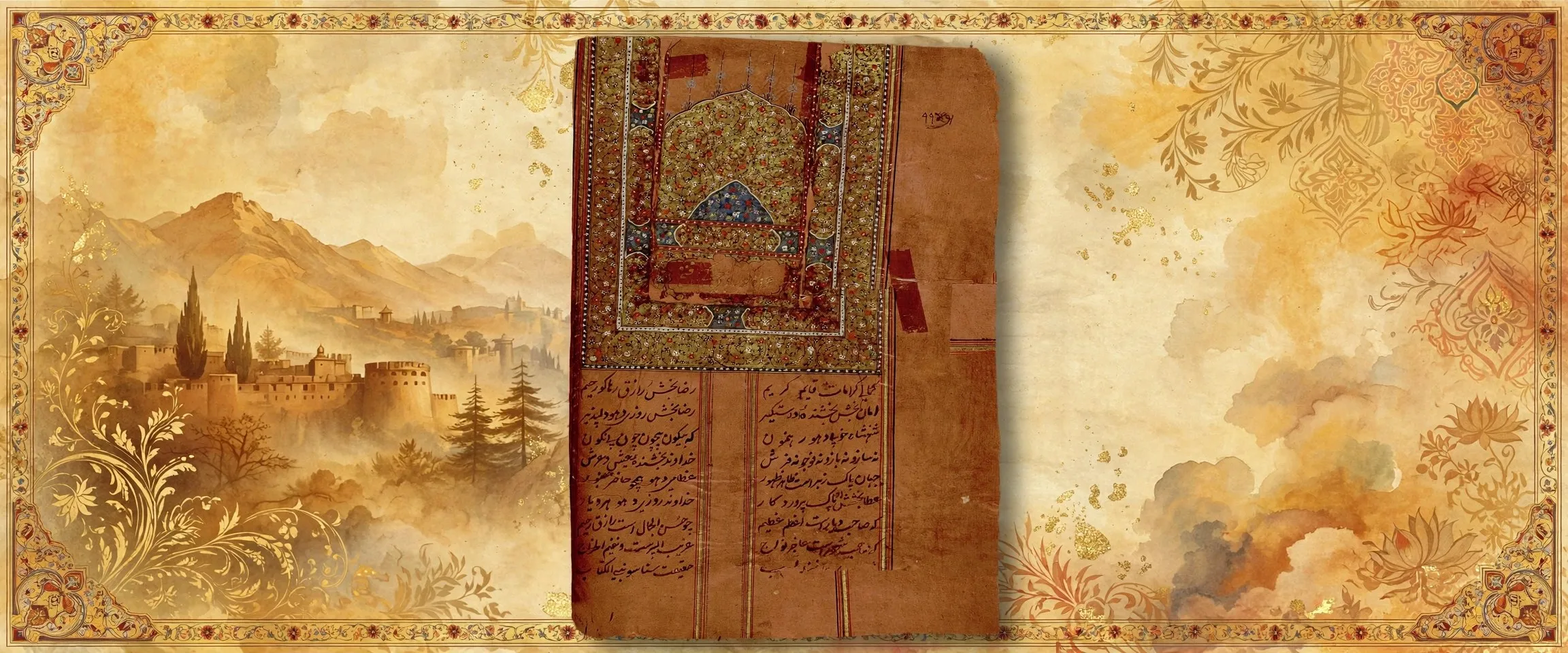
The Zafarnama, meaning Epistle of Victory, is the letter Guru Gobind Singh sent to the Mughal emperor Aurangzeb in 1705, after the Battle of Chamkaur. In 111 verses of Persian poetry, the Guru charges the emperor with breaking his oath on the Quran, tells him the Sikhs won a moral victory despite their losses, and invites him to meet in Punjab. It is read today as one of the great letters of Indian literature and the first of the Hikayats in the Dasam Granth.
with an English translation- Punjabi name
- ਜ਼ਫ਼ਰਨਾਮਾ
- Author
- Guru Gobind Singh
- Written
- 1705
- Language
- Persian
- Verses
- 111
- Written at
- Kangar village, Bathinda district
All 10 facts
- Sent from
- Dina, Moga district
- Delivered to
- Emperor Aurangzeb at Ahmednagar
- Part of
- Dasam Granth (Hikayats)
- English translation
- Navtej Sarna, Penguin, 2011
The Zafarnama, the Epistle of Victory, is the letter Guru Gobind Singh sent to the Mughal emperor Aurangzeb in 1705, after the Battle of Chamkaur. In 111 verses of Persian poetry, the Guru charges the emperor with breaking his oath on the Quran, tells him that the Sikhs won a moral victory despite their losses, and invites him to meet in Punjab. It is one of the great letters of Indian literature, and the first of the Hikayats in the Dasam Granth.
About the book
The Zafarnama takes its name from Persian: zafar means victory, nama means letter or book. It is not a victory letter in the usual sense. Guru Gobind Singh had just lost his fort at Anandpur, his family, his four sons and most of his companions. The victory the letter claims is a moral one: the emperor broke his word, and the Guru kept his faith.
The letter was written in 1705, in Persian verse, in the Perso-Arabic script. Persian was the language of the Mughal court, and the Guru chose it deliberately, so that Aurangzeb would read the rebuke in his own tongue. The version read today is in Gurmukhi script, as it appears in the Dasam Granth, the collection of the Guru's writings. Copies in print today are usually in Gurmukhi, and English translations exist, the best known by Navtej Sarna, published by Penguin in 2011.
Why was the Zafarnama written?
In December 1704 the Guru's fort at Anandpur had been under siege for months. The attackers offered the Sikhs safe passage if they left, swearing the promise on the Quran. Trusting the oath, the Guru evacuated the fort, and the combined Mughal and hill forces attacked the column at once. In the fighting that followed, the Guru's two elder sons, Ajit Singh and Jujhar Singh, died at Chamkaur on 21 and 22 December 1704. His two younger sons were captured with their grandmother and executed at Sirhind.
The Guru had already sent Aurangzeb one short letter, carried from Ghulal by Bhai Daya Singh on 26 December 1704. The emperor replied with sympathy, promising justice and asking the Guru to meet him in the Deccan. Daya Singh carried the reply back across some 900 miles, reaching the Guru at Dina in March 1705. The Guru, still unsatisfied, decided to answer at greater length. That answer is the Zafarnama.
ਜ਼ਫ਼ਰਨਾਮਾ, ਜਿੱਤ ਦੀ ਚਿੱਠੀ, ਉਹ ਪੱਤਰ ਹੈ ਜੋ ਗੁਰੂ ਗੋਬਿੰਦ ਸਿੰਘ ਨੇ 1705 ਵਿੱਚ ਚਮਕੌਰ ਦੀ ਲੜਾਈ ਤੋਂ ਬਾਅਦ ਮੁਗ਼ਲ ਬਾਦਸ਼ਾਹ ਔਰੰਗਜ਼ੇਬ ਨੂੰ ਭੇਜਿਆ ਸੀ। ਫ਼ਾਰਸੀ ਕਵਿਤਾ ਦੇ 111 ਬੰਦਾਂ ਵਿੱਚ ਗੁਰੂ ਜੀ ਬਾਦਸ਼ਾਹ ਉੱਤੇ ਕੁਰਾਨ ਉੱਤੇ ਖਾਧੀ ਸਹੁੰ ਤੋੜਨ ਦਾ ਦੋਸ਼ ਲਾਉਂਦੇ ਹਨ, ਦੱਸਦੇ ਹਨ ਕਿ ਨੁਕਸਾਨ ਦੇ ਬਾਵਜੂਦ ਸਿੱਖਾਂ ਦੀ ਨੈਤਿਕ ਜਿੱਤ ਹੋਈ ਹੈ, ਅਤੇ ਉਸ ਨੂੰ ਪੰਜਾਬ ਵਿੱਚ ਮਿਲਣ ਦਾ ਸੱਦਾ ਦਿੰਦੇ ਹਨ। ਇਹ ਭਾਰਤੀ ਸਾਹਿਤ ਦੀਆਂ ਮਹਾਨ ਚਿੱਠੀਆਂ ਵਿੱਚੋਂ ਇੱਕ ਹੈ, ਅਤੇ ਦਸਮ ਗ੍ਰੰਥ ਦੀਆਂ ਹਿਕਾਇਤਾਂ ਵਿੱਚੋਂ ਪਹਿਲੀ ਹੈ।
ਕਿਤਾਬ ਬਾਰੇ
ਜ਼ਫ਼ਰਨਾਮਾ ਦਾ ਨਾਂ ਫ਼ਾਰਸੀ ਤੋਂ ਆਇਆ ਹੈ: ਜ਼ਫ਼ਰ ਦਾ ਅਰਥ ਹੈ ਜਿੱਤ, ਅਤੇ ਨਾਮਾ ਦਾ ਅਰਥ ਹੈ ਚਿੱਠੀ ਜਾਂ ਕਿਤਾਬ। ਇਹ ਆਮ ਅਰਥਾਂ ਵਿੱਚ ਜਿੱਤ ਦੀ ਚਿੱਠੀ ਨਹੀਂ ਹੈ। ਗੁਰੂ ਗੋਬਿੰਦ ਸਿੰਘ ਨੇ ਹੁਣੇ ਹੁਣੇ ਅਨੰਦਪੁਰ ਦਾ ਕਿਲ੍ਹਾ, ਆਪਣਾ ਪਰਿਵਾਰ, ਆਪਣੇ ਚਾਰੇ ਪੁੱਤਰ ਅਤੇ ਆਪਣੇ ਬਹੁਤੇ ਸਾਥੀ ਗੁਆਏ ਸਨ। ਜਿਸ ਜਿੱਤ ਦਾ ਦਾਅਵਾ ਚਿੱਠੀ ਕਰਦੀ ਹੈ, ਉਹ ਨੈਤਿਕ ਜਿੱਤ ਹੈ: ਬਾਦਸ਼ਾਹ ਨੇ ਆਪਣਾ ਵਚਨ ਤੋੜਿਆ, ਅਤੇ ਗੁਰੂ ਜੀ ਨੇ ਆਪਣਾ ਧਰਮ ਨਿਭਾਇਆ।
ਚਿੱਠੀ 1705 ਵਿੱਚ ਫ਼ਾਰਸੀ ਵਿੱਚ, ਫ਼ਾਰਸੀ-ਅਰਬੀ ਲਿਪੀ ਵਿੱਚ ਲਿਖੀ ਗਈ ਸੀ। ਫ਼ਾਰਸੀ ਮੁਗ਼ਲ ਦਰਬਾਰ ਦੀ ਭਾਸ਼ਾ ਸੀ, ਅਤੇ ਗੁਰੂ ਜੀ ਨੇ ਇਸ ਨੂੰ ਜਾਣ ਬੁੱਝ ਕੇ ਚੁਣਿਆ, ਤਾਂ ਜੋ ਔਰੰਗਜ਼ੇਬ ਝਿੜਕ ਨੂੰ ਆਪਣੀ ਹੀ ਭਾਸ਼ਾ ਵਿੱਚ ਪੜ੍ਹ ਸਕੇ। ਅੱਜ ਪੜ੍ਹਿਆ ਜਾਣ ਵਾਲਾ ਰੂਪ ਗੁਰਮੁਖੀ ਲਿਪੀ ਵਿੱਚ ਹੈ, ਜਿਵੇਂ ਇਹ ਗੁਰੂ ਜੀ ਦੀਆਂ ਰਚਨਾਵਾਂ ਦੇ ਸੰਗ੍ਰਹਿ, ਦਸਮ ਗ੍ਰੰਥ ਵਿੱਚ ਮਿਲਦਾ ਹੈ। ਅੱਜ ਛਪਦੀਆਂ ਕਾਪੀਆਂ ਆਮ ਤੌਰ ਉੱਤੇ ਗੁਰਮੁਖੀ ਵਿੱਚ ਹੁੰਦੀਆਂ ਹਨ, ਅਤੇ ਅੰਗਰੇਜ਼ੀ ਅਨੁਵਾਦ ਵੀ ਮਿਲਦੇ ਹਨ, ਜਿਨ੍ਹਾਂ ਵਿੱਚ ਸਭ ਤੋਂ ਜਾਣਿਆ ਪਛਾਣਿਆ ਨਵਤੇਜ ਸਰਨਾ ਦਾ ਅਨੁਵਾਦ ਹੈ, ਜੋ ਪੈਂਗੁਇਨ ਵੱਲੋਂ 2011 ਵਿੱਚ ਛਪਿਆ ਸੀ।
ਜ਼ਫ਼ਰਨਾਮਾ ਕਿਉਂ ਲਿਖਿਆ ਗਿਆ?
ਦਸੰਬਰ 1704 ਵਿੱਚ ਅਨੰਦਪੁਰ ਦਾ ਗੁਰੂ ਜੀ ਦਾ ਕਿਲ੍ਹਾ ਮਹੀਨਿਆਂ ਤੋਂ ਘੇਰੇ ਵਿੱਚ ਸੀ। ਹਮਲਾਵਰਾਂ ਨੇ ਕੁਰਾਨ ਉੱਤੇ ਸਹੁੰ ਖਾ ਕੇ ਕਿਹਾ ਕਿ ਜੇ ਸਿੱਖ ਕਿਲ੍ਹਾ ਛੱਡ ਦੇਣ ਤਾਂ ਉਨ੍ਹਾਂ ਨੂੰ ਸੁਰੱਖਿਅਤ ਲਾਂਘਾ ਦਿੱਤਾ ਜਾਵੇਗਾ। ਸਹੁੰ ਉੱਤੇ ਭਰੋਸਾ ਕਰ ਕੇ ਗੁਰੂ ਜੀ ਨੇ ਕਿਲ੍ਹਾ ਛੱਡਿਆ, ਅਤੇ ਮੁਗ਼ਲ ਤੇ ਪਹਾੜੀ ਫ਼ੌਜਾਂ ਨੇ ਜਾਂਦੇ ਕਾਫ਼ਲੇ ਉੱਤੇ ਹਮਲਾ ਕਰ ਦਿੱਤਾ। ਉਸ ਤੋਂ ਬਾਅਦ ਦੀ ਲੜਾਈ ਵਿੱਚ ਗੁਰੂ ਜੀ ਦੇ ਦੋ ਵੱਡੇ ਪੁੱਤਰ, ਅਜੀਤ ਸਿੰਘ ਅਤੇ ਜੁਝਾਰ ਸਿੰਘ, 21 ਅਤੇ 22 ਦਸੰਬਰ 1704 ਨੂੰ ਚਮਕੌਰ ਵਿੱਚ ਸ਼ਹੀਦ ਹੋ ਗਏ। ਦੋ ਛੋਟੇ ਪੁੱਤਰ ਦਾਦੀ ਸਮੇਤ ਫੜੇ ਗਏ ਅਤੇ ਸਰਹਿੰਦ ਵਿੱਚ ਸ਼ਹੀਦ ਕਰ ਦਿੱਤੇ ਗਏ।
ਗੁਰੂ ਜੀ ਨੇ ਔਰੰਗਜ਼ੇਬ ਨੂੰ ਪਹਿਲਾਂ ਹੀ ਇੱਕ ਛੋਟੀ ਚਿੱਠੀ ਭੇਜੀ ਸੀ, ਜੋ ਭਾਈ ਦਇਆ ਸਿੰਘ 26 ਦਸੰਬਰ 1704 ਨੂੰ ਘੁਲਾਲ ਤੋਂ ਲੈ ਕੇ ਗਏ ਸਨ। ਬਾਦਸ਼ਾਹ ਨੇ ਹਮਦਰਦੀ ਨਾਲ ਜਵਾਬ ਦਿੱਤਾ, ਇਨਸਾਫ਼ ਦਾ ਵਾਅਦਾ ਕੀਤਾ ਅਤੇ ਗੁਰੂ ਜੀ ਨੂੰ ਦੱਖਣ ਵਿੱਚ ਮਿਲਣ ਲਈ ਕਿਹਾ। ਦਇਆ ਸਿੰਘ ਜਵਾਬ ਲੈ ਕੇ ਲਗਭਗ 900 ਮੀਲ ਦਾ ਸਫ਼ਰ ਕਰ ਕੇ ਮਾਰਚ 1705 ਵਿੱਚ ਦੀਨਾ ਵਿਖੇ ਗੁਰੂ ਜੀ ਕੋਲ ਪਹੁੰਚੇ। ਗੁਰੂ ਜੀ ਅਜੇ ਸੰਤੁਸ਼ਟ ਨਹੀਂ ਸਨ, ਇਸ ਲਈ ਉਨ੍ਹਾਂ ਨੇ ਹੋਰ ਵਿਸਥਾਰ ਨਾਲ ਜਵਾਬ ਦੇਣ ਦਾ ਫ਼ੈਸਲਾ ਕੀਤਾ। ਉਹ ਜਵਾਬ ਹੀ ਜ਼ਫ਼ਰਨਾਮਾ ਹੈ।
What the letter says
The letter has 111 verses. Christopher Shackle, the scholar of Punjabi literature, divides it into five parts: an invocation of God, the loss of Anandpur, the battle of Chamkaur, the address to Aurangzeb, and the conclusion. Thirty-four verses praise God. Twenty-four describe Chamkaur. Fifteen reprove Aurangzeb for breaking the oath sworn on the Quran. Thirty-two deal with the emperor's invitation to meet, and the Guru's refusal to come to him, asking Aurangzeb instead to visit him in Punjab. Six verses even praise the emperor.
Its most quoted verse is the twenty-second: When all other means of redressing a wrong have failed, it is right to take up the sword. The line echoes the Persian poet Saadi, whose Bustan and Gulistan Aurangzeb knew well, and turns the emperor's own favourite reading against him. In verse 59 the Guru invites Aurangzeb to Kangar village near Bathinda and promises him safe passage, saying the whole Brar tribe accepts his command. In verses 78 and 79 he warns the emperor that the Khalsa will not rest until the Mughal Empire is destroyed.
The journey of the letter
The Guru did not trust the Mughal couriers with the letter. He entrusted it to two of the Panj Pyare, Bhai Daya Singh and Bhai Dharam Singh, so that his own men could see the emperor's reaction. They travelled with three other Singhs to Ahmednagar, where Aurangzeb held court, and reached him on 5 January 1707. The emperor, nearly ninety, is said to have trembled as he read it, and to have written back inviting the Guru to meet him, asking his minister to arrange safe passage. The Guru agreed to travel south, but on the way through Rajasthan came the news that Aurangzeb had died, on 3 March 1707. Tradition says the letter hastened his end. Modern historians note that he died of natural causes, an old man already failing, and that the letter's real effect was on his conscience, not his body. A copy of the letter made by Bhai Daya Singh himself still survives, and an illuminated folio from an early copy, digitised by the Panjab Digital Library, is one of the treasures of Sikh manuscript history.
The author
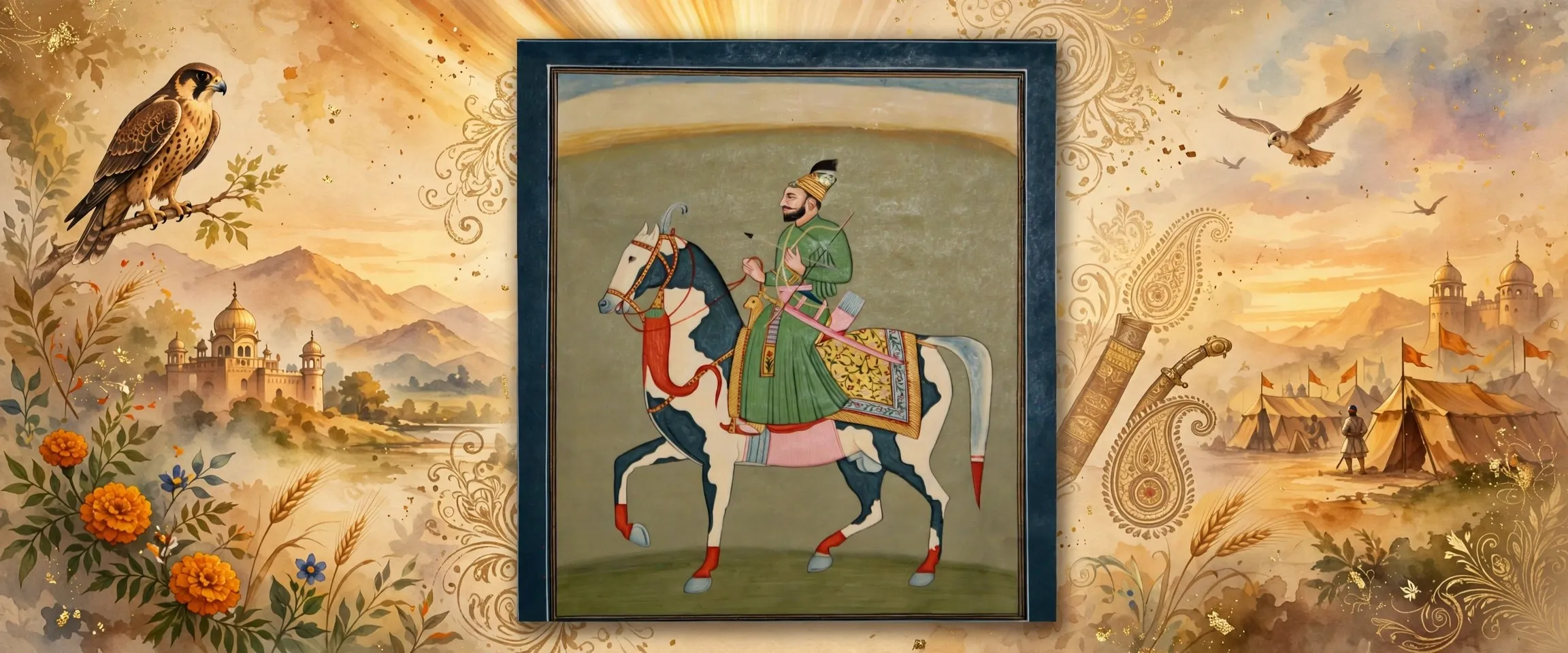
Guru Gobind Singh (1666-1708) was the tenth and last human Sikh Guru. Born Gobind Rai in Patna, he became Guru at nine, founded the Khalsa at Anandpur in 1699, and wrote the poetry collected in the Dasam Granth, of which the Zafarnama is part. The letter shows both sides of him at once: the warrior who had just buried his sons, and the poet who could answer an emperor in the emperor's own language, with courtesy, scripture and steel.
Reception and legacy
The Zafarnama is counted as the first of the Hikayats, the eleven tales and letters that close the Dasam Granth, and it is read in gurdwaras and studied in universities as a classic of Persian literature in India. Its verse on the sword has become the best known statement of the Sikh idea of dharam yudh, war as a last resort, though scholars note that the line reworks Saadi and was later taken up by Singh Sabha writers as a summary of miri-piri.
Scholars disagree about the text itself. Anil Chander Banerjee and Christopher Shackle argue that the letter as we have it is not the original: the Guru's first letter was probably prose, later reworked into poetry on the model of Firdausi's Shahnama. Others hold that the verse form is the Guru's own. The debate does not touch the letter's standing. For Sikhs it remains the moment when a Guru who had lost everything spoke to an emperor as an equal, and claimed a victory no army could give him. Gurdwara Zafarnama at Dina, in Moga district, marks the village where the Guru rested and from where the letter was sent.
ਚਿੱਠੀ ਵਿੱਚ ਕੀ ਲਿਖਿਆ ਹੈ
ਚਿੱਠੀ ਵਿੱਚ 111 ਬੰਦ ਹਨ। ਪੰਜਾਬੀ ਸਾਹਿਤ ਦੇ ਵਿਦਵਾਨ ਕ੍ਰਿਸਟੋਫਰ ਸ਼ੈਕਲ ਨੇ ਇਸ ਨੂੰ ਪੰਜ ਹਿੱਸਿਆਂ ਵਿੱਚ ਵੰਡਿਆ ਹੈ: ਅਕਾਲ ਪੁਰਖ ਦੀ ਉਸਤਤਿ, ਅਨੰਦਪੁਰ ਦਾ ਨੁਕਸਾਨ, ਚਮਕੌਰ ਦੀ ਲੜਾਈ, ਔਰੰਗਜ਼ੇਬ ਨੂੰ ਸੰਬੋਧਨ, ਅਤੇ ਸਿੱਟਾ। ਚੌਂਤੀ ਬੰਦ ਅਕਾਲ ਪੁਰਖ ਦੀ ਉਸਤਤਿ ਵਿੱਚ ਹਨ। ਚੌਵੀ ਬੰਦ ਚਮਕੌਰ ਬਾਰੇ ਹਨ। ਪੰਦਰਾਂ ਬੰਦ ਔਰੰਗਜ਼ੇਬ ਨੂੰ ਕੁਰਾਨ ਉੱਤੇ ਖਾਧੀ ਸਹੁੰ ਤੋੜਨ ਉੱਤੇ ਝਿੜਕਦੇ ਹਨ। ਬੱਤੀ ਬੰਦ ਬਾਦਸ਼ਾਹ ਦੇ ਮਿਲਣ ਦੇ ਸੱਦੇ ਅਤੇ ਗੁਰੂ ਜੀ ਦੇ ਇਨਕਾਰ ਬਾਰੇ ਹਨ, ਜਿਸ ਵਿੱਚ ਗੁਰੂ ਜੀ ਬਾਦਸ਼ਾਹ ਨੂੰ ਪੰਜਾਬ ਆ ਕੇ ਮਿਲਣ ਲਈ ਕਹਿੰਦੇ ਹਨ। ਛੇ ਬੰਦਾਂ ਵਿੱਚ ਬਾਦਸ਼ਾਹ ਦੀ ਸਿਫ਼ਤ ਵੀ ਹੈ।
ਇਸ ਦਾ ਸਭ ਤੋਂ ਵੱਧ ਹਵਾਲਾ ਦਿੱਤਾ ਜਾਣ ਵਾਲਾ ਬੰਦ ਬਾਈਵਾਂ ਹੈ: ਜਦੋਂ ਗ਼ਲਤ ਨੂੰ ਸੁਧਾਰਨ ਦੇ ਸਾਰੇ ਹੋਰ ਉਪਾਅ ਹਾਰ ਜਾਣ, ਤਾਂ ਤਲਵਾਰ ਚੁੱਕਣੀ ਧਰਮ ਹੈ। ਇਹ ਸਤਰ ਫ਼ਾਰਸੀ ਕਵੀ ਸਾਦੀ ਦੀ ਯਾਦ ਦਿਵਾਉਂਦੀ ਹੈ, ਜਿਸ ਦੀ ਬੁਸਤਾਨ ਅਤੇ ਗੁਲਿਸਤਾਨ ਔਰੰਗਜ਼ੇਬ ਚੰਗੀ ਤਰ੍ਹਾਂ ਜਾਣਦਾ ਸੀ, ਅਤੇ ਗੁਰੂ ਜੀ ਨੇ ਬਾਦਸ਼ਾਹ ਦੀ ਆਪਣੀ ਪਸੰਦੀਦਾ ਕਿਤਾਬ ਨੂੰ ਉਸ ਦੇ ਖ਼ਿਲਾਫ਼ ਵਰਤਿਆ। ਉਨਤੀਵੇਂ ਬੰਦ ਵਿੱਚ ਗੁਰੂ ਜੀ ਔਰੰਗਜ਼ੇਬ ਨੂੰ ਬਠਿੰਡੇ ਨੇੜੇ ਕੰਗਰ ਪਿੰਡ ਆਉਣ ਦਾ ਸੱਦਾ ਦਿੰਦੇ ਹਨ ਅਤੇ ਸੁਰੱਖਿਆ ਦਾ ਵਾਅਦਾ ਕਰਦੇ ਹਨ, ਕਿ ਸਾਰੀ ਬਰਾੜ ਕੌਮ ਉਨ੍ਹਾਂ ਦੇ ਹੁਕਮ ਵਿੱਚ ਹੈ। ਅਠੱਤਰਵੇਂ ਅਤੇ ਉਨਾਸੀਵੇਂ ਬੰਦ ਵਿੱਚ ਉਹ ਬਾਦਸ਼ਾਹ ਨੂੰ ਚੇਤਾਵਨੀ ਦਿੰਦੇ ਹਨ ਕਿ ਖ਼ਾਲਸਾ ਉਦੋਂ ਤੱਕ ਅਰਾਮ ਨਹੀਂ ਕਰੇਗਾ, ਜਦੋਂ ਤੱਕ ਮੁਗ਼ਲ ਰਾਜ ਖ਼ਤਮ ਨਹੀਂ ਹੋ ਜਾਂਦਾ।
ਚਿੱਠੀ ਦਾ ਸਫ਼ਰ
ਗੁਰੂ ਜੀ ਨੇ ਚਿੱਠੀ ਮੁਗ਼ਲ ਹਰਕਾਰਿਆਂ ਦੇ ਹਵਾਲੇ ਨਹੀਂ ਕੀਤੀ। ਉਨ੍ਹਾਂ ਨੇ ਇਸ ਨੂੰ ਪੰਜ ਪਿਆਰਿਆਂ ਵਿੱਚੋਂ ਦੋ, ਭਾਈ ਦਇਆ ਸਿੰਘ ਅਤੇ ਭਾਈ ਧਰਮ ਸਿੰਘ ਨੂੰ ਸੌਂਪਿਆ, ਤਾਂ ਜੋ ਉਨ੍ਹਾਂ ਦੇ ਆਪਣੇ ਸਿੱਖ ਬਾਦਸ਼ਾਹ ਦੀ ਪ੍ਰਤੀਕਿਰਿਆ ਵੇਖ ਸਕਣ। ਉਹ ਤਿੰਨ ਹੋਰ ਸਿੰਘਾਂ ਨਾਲ ਅਹਿਮਦਨਗਰ ਗਏ, ਜਿੱਥੇ ਔਰੰਗਜ਼ੇਬ ਦਾ ਦਰਬਾਰ ਸੀ, ਅਤੇ 5 ਜਨਵਰੀ 1707 ਨੂੰ ਉਸ ਤੱਕ ਪਹੁੰਚੇ। ਕਿਹਾ ਜਾਂਦਾ ਹੈ ਕਿ ਲਗਭਗ ਨੱਬੇ ਸਾਲ ਦਾ ਬਾਦਸ਼ਾਹ ਚਿੱਠੀ ਪੜ੍ਹ ਕੇ ਕੰਬ ਗਿਆ, ਅਤੇ ਉਸ ਨੇ ਵਾਪਸ ਲਿਖ ਕੇ ਗੁਰੂ ਜੀ ਨੂੰ ਮਿਲਣ ਦਾ ਸੱਦਾ ਦਿੱਤਾ ਅਤੇ ਆਪਣੇ ਮੰਤਰੀ ਨੂੰ ਸੁਰੱਖਿਅਤ ਲਾਂਘੇ ਦਾ ਪ੍ਰਬੰਧ ਕਰਨ ਲਈ ਕਿਹਾ। ਗੁਰੂ ਜੀ ਦੱਖਣ ਵੱਲ ਤੁਰ ਪਏ, ਪਰ ਰਾਜਸਥਾਨ ਵਿੱਚੋਂ ਲੰਘਦਿਆਂ ਖ਼ਬਰ ਮਿਲੀ ਕਿ ਔਰੰਗਜ਼ੇਬ ਦੀ ਮੌਤ ਹੋ ਗਈ ਹੈ, 3 ਮਾਰਚ 1707 ਨੂੰ। ਪਰੰਪਰਾ ਕਹਿੰਦੀ ਹੈ ਕਿ ਚਿੱਠੀ ਨੇ ਉਸ ਦਾ ਅੰਤ ਨੇੜੇ ਲਿਆ ਦਿੱਤਾ। ਆਧੁਨਿਕ ਇਤਿਹਾਸਕਾਰ ਮੰਨਦੇ ਹਨ ਕਿ ਉਸ ਦੀ ਮੌਤ ਕੁਦਰਤੀ ਸੀ, ਉਹ ਪਹਿਲਾਂ ਹੀ ਬੁੱਢਾ ਅਤੇ ਕਮਜ਼ੋਰ ਸੀ, ਅਤੇ ਚਿੱਠੀ ਦਾ ਅਸਲੀ ਅਸਰ ਉਸ ਦੀ ਜ਼ਮੀਰ ਉੱਤੇ ਹੋਇਆ, ਸਰੀਰ ਉੱਤੇ ਨਹੀਂ। ਭਾਈ ਦਇਆ ਸਿੰਘ ਵੱਲੋਂ ਤਿਆਰ ਕੀਤੀ ਚਿੱਠੀ ਦੀ ਇੱਕ ਕਾਪੀ ਅੱਜ ਵੀ ਮੌਜੂਦ ਹੈ, ਅਤੇ ਪੰਜਾਬ ਡਿਜੀਟਲ ਲਾਇਬ੍ਰੇਰੀ ਵੱਲੋਂ ਸਾਂਭਿਆ ਇੱਕ ਮੁੱਢਲੀ ਕਾਪੀ ਦਾ ਸੁਨਹਿਰੀ ਪੱਤਰਾ ਸਿੱਖ ਹੱਥ-ਲਿਖਤਾਂ ਦੇ ਖ਼ਜ਼ਾਨਿਆਂ ਵਿੱਚੋਂ ਇੱਕ ਹੈ।
ਲੇਖਕ
ਗੁਰੂ ਗੋਬਿੰਦ ਸਿੰਘ (1666-1708) ਦਸਵੇਂ ਅਤੇ ਆਖ਼ਰੀ ਮਨੁੱਖੀ ਸਿੱਖ ਗੁਰੂ ਸਨ। ਪਟਨਾ ਵਿੱਚ ਗੋਬਿੰਦ ਰਾਇ ਦੇ ਰੂਪ ਵਿੱਚ ਜਨਮੇ, ਉਹ ਨੌਂ ਸਾਲ ਦੀ ਉਮਰ ਵਿੱਚ ਗੁਰੂ ਬਣੇ, 1699 ਵਿੱਚ ਅਨੰਦਪੁਰ ਵਿੱਚ ਖ਼ਾਲਸਾ ਸਾਜਿਆ, ਅਤੇ ਦਸਮ ਗ੍ਰੰਥ ਵਿੱਚ ਇਕੱਠੀ ਕਵਿਤਾ ਲਿਖੀ, ਜਿਸ ਦਾ ਜ਼ਫ਼ਰਨਾਮਾ ਹਿੱਸਾ ਹੈ। ਚਿੱਠੀ ਵਿੱਚ ਉਨ੍ਹਾਂ ਦੇ ਦੋਵੇਂ ਪੱਖ ਇੱਕੋ ਵੇਲੇ ਦਿਸਦੇ ਹਨ: ਉਹ ਯੋਧਾ ਜਿਸ ਨੇ ਹੁਣੇ ਹੁਣੇ ਆਪਣੇ ਪੁੱਤਰਾਂ ਨੂੰ ਦਫ਼ਨਾਇਆ ਸੀ, ਅਤੇ ਉਹ ਕਵੀ ਜੋ ਬਾਦਸ਼ਾਹ ਨੂੰ ਉਸ ਦੀ ਆਪਣੀ ਭਾਸ਼ਾ ਵਿੱਚ, ਨਿਮਰਤਾ, ਗ੍ਰੰਥ ਅਤੇ ਤਲਵਾਰ ਨਾਲ ਜਵਾਬ ਦੇ ਸਕਦਾ ਸੀ।
ਸਵਾਗਤ ਅਤੇ ਵਿਰਾਸਤ
ਜ਼ਫ਼ਰਨਾਮਾ ਨੂੰ ਹਿਕਾਇਤਾਂ ਵਿੱਚੋਂ ਪਹਿਲੀ ਗਿਣਿਆ ਜਾਂਦਾ ਹੈ, ਉਹ ਗਿਆਰਾਂ ਕਹਾਣੀਆਂ ਅਤੇ ਚਿੱਠੀਆਂ ਜੋ ਦਸਮ ਗ੍ਰੰਥ ਦੇ ਅੰਤ ਵਿੱਚ ਹਨ, ਅਤੇ ਇਹ ਗੁਰਦੁਆਰਿਆਂ ਵਿੱਚ ਪੜ੍ਹਿਆ ਜਾਂਦਾ ਹੈ ਅਤੇ ਯੂਨੀਵਰਸਿਟੀਆਂ ਵਿੱਚ ਭਾਰਤ ਵਿੱਚ ਫ਼ਾਰਸੀ ਸਾਹਿਤ ਦੇ ਕਲਾਸਿਕ ਵਜੋਂ ਪੜ੍ਹਾਇਆ ਜਾਂਦਾ ਹੈ। ਤਲਵਾਰ ਵਾਲਾ ਇਸ ਦਾ ਬੰਦ ਧਰਮ ਯੁੱਧ, ਆਖ਼ਰੀ ਉਪਾਅ ਵਜੋਂ ਲੜਾਈ, ਦੇ ਸਿੱਖ ਵਿਚਾਰ ਦਾ ਸਭ ਤੋਂ ਜਾਣਿਆ ਪਛਾਣਿਆ ਬਿਆਨ ਬਣ ਗਿਆ ਹੈ, ਹਾਲਾਂਕਿ ਵਿਦਵਾਨ ਦੱਸਦੇ ਹਨ ਕਿ ਇਹ ਸਤਰ ਸਾਦੀ ਤੋਂ ਲਈ ਗਈ ਹੈ ਅਤੇ ਬਾਅਦ ਵਿੱਚ ਸਿੰਘ ਸਭਾ ਦੇ ਲੇਖਕਾਂ ਨੇ ਇਸ ਨੂੰ ਮੀਰੀ-ਪੀਰੀ ਦਾ ਸਾਰ ਬਣਾ ਲਿਆ।
ਵਿਦਵਾਨ ਪਾਠ ਬਾਰੇ ਇੱਕਮਤ ਨਹੀਂ ਹਨ। ਅਨਿਲ ਚੰਦਰ ਬੈਨਰਜੀ ਅਤੇ ਕ੍ਰਿਸਟੋਫਰ ਸ਼ੈਕਲ ਦਾ ਕਹਿਣਾ ਹੈ ਕਿ ਜੋ ਪੱਤਰ ਸਾਡੇ ਕੋਲ ਹੈ, ਉਹ ਅਸਲੀ ਨਹੀਂ ਹੈ: ਗੁਰੂ ਜੀ ਦੀ ਪਹਿਲੀ ਚਿੱਠੀ ਸ਼ਾਇਦ ਵਾਰਤਕ ਵਿੱਚ ਸੀ, ਜਿਸ ਨੂੰ ਬਾਅਦ ਵਿੱਚ ਫ਼ਿਰਦੌਸੀ ਦੇ ਸ਼ਾਹਨਾਮੇ ਦੇ ਨਮੂਨੇ ਉੱਤੇ ਕਵਿਤਾ ਵਿੱਚ ਢਾਲਿਆ ਗਿਆ। ਹੋਰ ਵਿਦਵਾਨ ਮੰਨਦੇ ਹਨ ਕਿ ਕਾਵਿ ਰੂਪ ਗੁਰੂ ਜੀ ਦਾ ਆਪਣਾ ਹੈ। ਇਸ ਬਹਿਸ ਨਾਲ ਚਿੱਠੀ ਦਾ ਦਰਜਾ ਨਹੀਂ ਘਟਦਾ। ਸਿੱਖਾਂ ਲਈ ਇਹ ਉਹ ਪਲ ਹੈ, ਜਦੋਂ ਸਭ ਕੁਝ ਗੁਆ ਚੁੱਕੇ ਗੁਰੂ ਨੇ ਬਾਦਸ਼ਾਹ ਨਾਲ ਬਰਾਬਰ ਬੈਠ ਕੇ ਗੱਲ ਕੀਤੀ ਅਤੇ ਅਜਿਹੀ ਜਿੱਤ ਦਾ ਦਾਅਵਾ ਕੀਤਾ, ਜੋ ਕੋਈ ਫ਼ੌਜ ਨਹੀਂ ਦੇ ਸਕਦੀ ਸੀ। ਮੋਗਾ ਜ਼ਿਲ੍ਹੇ ਦੇ ਦੀਨਾ ਪਿੰਡ ਵਿੱਚ ਗੁਰਦੁਆਰਾ ਜ਼ਫ਼ਰਨਾਮਾ ਉਸ ਥਾਂ ਦੀ ਨਿਸ਼ਾਨੀ ਹੈ, ਜਿੱਥੇ ਗੁਰੂ ਜੀ ਠਹਿਰੇ ਸਨ ਅਤੇ ਜਿੱਥੋਂ ਚਿੱਠੀ ਭੇਜੀ ਗਈ ਸੀ।
The author
Connected
More to read
Jugti is free and independent. Reader support keeps the Kosh growing.
Support