

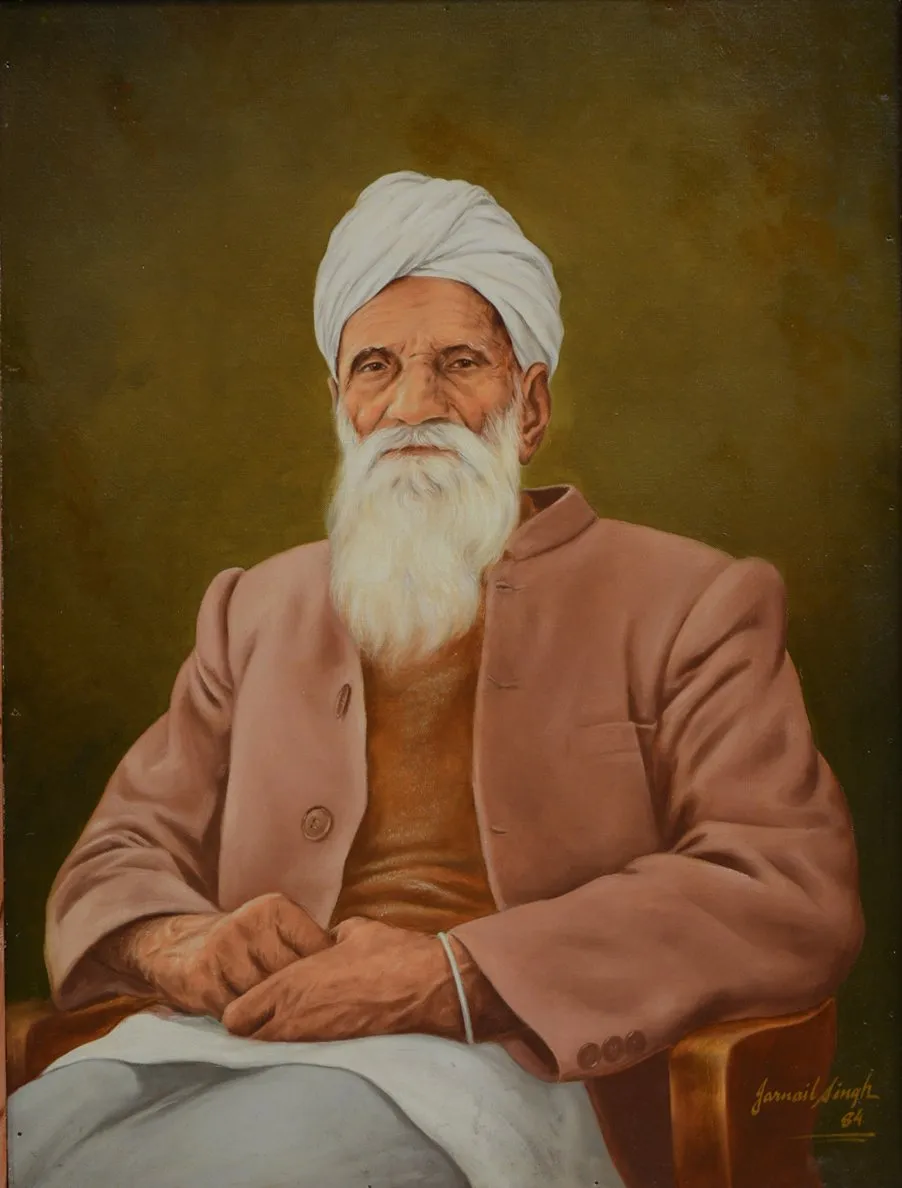
Har Dayal (1884 to 1939) was a Delhi born scholar from a Punjabi family who gave up a Government of India scholarship at Oxford, became the first general secretary of the Ghadar Party in North America in 1913 and edited its newspaper Ghadar. He later lived in Berlin, Sweden and London, wrote books on education, Buddhism and self culture, and died in Philadelphia in 1939.
Life at a glance
- 1884Born Delhi, to a Punjabi family
- 1932Book The Bodhisattva Doctrine in Buddhist Sanskrit Literature
- 1934Book Hints for Self Culture
- 1937Book Twelve Religions and Modern Life
- 1939Died Philadelphia, United States
- Punjabi name
- ਲਾਲਾ ਹਰਦਿਆਲ
- Born
- 14 October 1884, Delhi, to a Punjabi family
- Full name
- Har Dayal Mathur, also known as Lala Har Dayal
- Died
- 4 March 1939, Philadelphia, United States
- Father
- Gauri Dayal Mathur, a reader in the Delhi district court
- Family
- Mathur Kayastha family of Delhi
All 11 facts
- Education
- St Stephen's College, Delhi; Government College, Lahore; St John's College, Oxford; doctorate, University of London
- Party
- Ghadar Party, first general secretary from 1913
- Newspaper
- Ghadar, first issued 1 November 1913 from the Yugantar Ashram, San Francisco
- Books
- Thoughts on Education; The Bodhisattva Doctrine in Buddhist Sanskrit Literature (1932); Hints for Self Culture (1934); Twelve Religions and Modern Life (1937)
- Honour
- Commemorative postage stamp issued by India Post in 1987
Har Dayal (14 October 1884 to 4 March 1939), also known as Lala Har Dayal, was a scholar born in Delhi to a Punjabi family who became a founding leader of the Ghadar Party in North America in 1913, serving as its first general secretary and editing its newspaper Ghadar, which urged Indians abroad to rise against British rule.
Early life in Delhi and a brilliant education
Har Dayal was born on 14 October 1884 in the Cheera Khana area of Delhi, the sixth of seven children of Gauri Dayal Mathur, a reader in the Delhi district court, and his wife. The family was a Mathur Kayastha family, and although Delhi was his birthplace and home, the family's roots and connections were Punjabi, a link he kept throughout his life. His father was a scholar of Persian and Urdu on a modest income, and the boy grew up in a house where books mattered more than money.
He was sent to the Cambridge Mission School in Delhi and passed his examinations young. He took his bachelor's degree at St Stephen's College, Delhi, and then moved to Lahore for postgraduate study at Government College, under the University of the Punjab. Accounts differ on the subjects of his master's degrees: most summaries give Sanskrit, while a detailed scholarly study gives English literature, taken with first position in 1903, followed by a second master's in history. No account disputes the record itself: he was treated as one of the most gifted students of his generation.
Oxford: why did Har Dayal give up his scholarship?
In 1905 Har Dayal won a Government of India state scholarship and entered St John's College, Oxford. The honours kept coming: in 1907 he was named Boden Sanskrit Scholar and won a Casberd Exhibition from his college. The scholarship carried an expectation that he would return to serve the government of India, and a career in the Indian Civil Service lay open to him. At Oxford, though, he fell in with the circle around Shyamaji Krishnavarma and his India House in Highgate, a meeting place for Indians who wanted British rule in India ended, and his views hardened.
In the autumn of 1907 he resigned the state scholarship on ideological grounds, giving up the other awards with it. He was, in effect, refusing to be trained and paid by the very government he had come to oppose. He returned to India in January 1908 and settled for a time in Lahore, where he lived simply, stayed for a while with Lala Lajpat Rai, and wrote for journals such as the Modern Review of Calcutta and The Panjabee of Lahore. Watched by the authorities, he left India again in August 1908 and never saw it again. From Paris in 1909 he edited the journal Bande Mataram.
America: Stanford, the labour movement and a new party
Har Dayal reached the United States in early 1911 and made his way to California. He lectured in philosophy at Stanford University, but his politics moved faster than his academic career: he mixed with socialist and labour circles, served as secretary of the San Francisco branch of the Industrial Workers of the World in 1912 to 1913, and resigned his Stanford post in September 1912 after his advocacy of labour ideas drew pressure. California then held thousands of Punjabi immigrants, most of them Sikhs, working in farms, lumber mills and railways, and many bitter about the racial treatment they met in Canada and the United States and about British rule at home.
Those workers had already begun organising in Oregon. In the spring of 1913, at meetings in Astoria and other Oregon towns, they formed the association that became the Ghadar Party, with its headquarters in San Francisco. Sohan Singh Bhakna was elected president, Pandit Kanshi Ram became treasurer, and Har Dayal, the scholar among labourers, became general secretary and the party's chief voice. The party set itself one aim: the complete ending of British rule in India, and it kept religion out of its politics, treating faith as a private matter.
The Ghadar newspaper and the call to return home
The party's headquarters at 436 Hill Street in San Francisco was named the Yugantar Ashram, and there it set up a printing press. On 1 November 1913 the first issue of its newspaper appeared in Urdu under the name Ghadar, a word meaning revolt. A Punjabi edition in Gurmukhi followed on 9 December 1913, and editions in other languages came after. Har Dayal wrote much of the early paper himself and edited the Urdu edition, while the young Kartar Singh Sarabha ran the printing. Copies travelled free to Indian settlements across the world, and to India itself, carrying a direct message: Indians abroad should return home and fight for freedom. It was this newspaper, more than any meeting, that turned scattered immigrant anger into a single movement, and the party took its popular name from the paper.
Arrest, flight and the war years in Berlin and Sweden
The British authorities pressed the United States to act, and in March 1914 Har Dayal was arrested in San Francisco by US immigration authorities, who sought his deportation as an undesirable alien. Released on bail, he left the country for Switzerland rather than face the hearing, and in January 1915 he moved to Berlin. There he worked with the Berlin Committee, the group of Indian activists in Germany, later known as the Indian Independence Committee, which cooperated with the German government during the First World War on plans to send arms and support to India. In 1916 the committee sent him toward Turkey to help organise a mission aimed at the Suez Canal. He got on badly with German officials, came under suspicion, and by October 1918 he had reached Stockholm in Sweden.
Sweden became his home for most of the next decade. He taught Indian philosophy, at the University of Uppsala according to the detailed scholarly study of his life, and wrote Forty Four Months in Germany and Turkey, published in London in 1920, a personal record of his wartime years that was sharply critical of Germany. His political views were changing: over the following years he drew away from the revolutionary politics of his Ghadar period, a shift that puzzled some old comrades. In Sweden he also met Agda Erikson, whom he later acknowledged as his wife.
Later years in London, his books and his death
Education and writing run through Har Dayal's whole life. His essays on schooling, many first published in the Lahore journal Punjabi and in the Modern Review, were collected as Our Educational Problem in 1922, with an introduction by Lala Lajpat Rai, and his Thoughts on Education gathered his arguments against the colonial education system. In 1927, refused permission to return to India, he settled in London and began a doctorate at the School of Oriental and African Studies on the Bodhisattva doctrine in Buddhist Sanskrit literature. Sources differ on the year the doctorate was awarded, giving 1930 in some accounts and 1932 in others; the thesis itself was published in London in 1932 as The Bodhisattva Doctrine in Buddhist Sanskrit Literature, a large scholarly work that scholars of Buddhism still cite.
From his home in Edgware he ran a small Modern Culture Institute, joined the South Place Ethical Society in 1930, and lectured widely on religion, ethics and self improvement. Hints for Self Culture, published in 1934, set out his programme of physical, intellectual and moral training for young readers, and Twelve Religions and Modern Life followed in 1937. In October 1938 the British government at last granted him permission to return to India. Before he could make the journey, he travelled to the United States on a lecture tour. He died in Philadelphia on 4 March 1939, on the evening of a day on which he had delivered a lecture, closing it, by the accounts that survive, with the words: I am in peace with all.
Why is Har Dayal remembered today?
Har Dayal is remembered first as the mind of the early Ghadar movement: the scholar who gave Punjabi farmers and labourers in North America a party, a headquarters and, above all, a newspaper that spoke to them in their own languages and turned their grievances into a call for a free India. The rising the party hoped for did not succeed, and Har Dayal himself spent only about a year at its head, but the Ghadar name and its memory shaped Punjabi political life for decades, and the party survived in San Francisco until 1947, when it handed its assets to the government of newly independent India. He is remembered second as a writer of unusual range, from Thoughts on Education to a doctoral study of Buddhist doctrine. In 1987 the Department of Posts, Government of India, issued a commemorative stamp in his honour, and Emily C. Brown's 1975 biography, Har Dayal: Hindu Revolutionary and Rationalist, remains the standard scholarly life.
ਹਰ ਦਿਆਲ (14 ਅਕਤੂਬਰ 1884 ਤੋਂ 4 ਮਾਰਚ 1939), ਜਿਨ੍ਹਾਂ ਨੂੰ ਲਾਲਾ ਹਰ ਦਿਆਲ ਵੀ ਕਿਹਾ ਜਾਂਦਾ ਹੈ, ਦਿੱਲੀ ਵਿੱਚ ਇੱਕ ਪੰਜਾਬੀ ਪਰਿਵਾਰ ਵਿੱਚ ਪੈਦਾ ਹੋਏ ਇੱਕ ਵਿਦਵਾਨ ਸਨ, ਜੋ 1913 ਵਿੱਚ ਉੱਤਰੀ ਅਮਰੀਕਾ ਵਿੱਚ ਗ਼ਦਰ ਪਾਰਟੀ ਦੇ ਬਾਨੀ ਆਗੂ ਬਣੇ। ਉਹ ਇਸ ਦੇ ਪਹਿਲੇ ਜਨਰਲ ਸਕੱਤਰ ਸਨ ਅਤੇ ਇਸ ਦੇ ਅਖ਼ਬਾਰ ਗ਼ਦਰ ਦੇ ਸੰਪਾਦਕ ਸਨ, ਜੋ ਵਿਦੇਸ਼ਾਂ ਵਿੱਚ ਰਹਿੰਦੇ ਭਾਰਤੀਆਂ ਨੂੰ ਅੰਗਰੇਜ਼ੀ ਰਾਜ ਵਿਰੁੱਧ ਉੱਠਣ ਦਾ ਸੱਦਾ ਦਿੰਦਾ ਸੀ।
ਦਿੱਲੀ ਵਿੱਚ ਮੁੱਢਲੀ ਜ਼ਿੰਦਗੀ ਅਤੇ ਸ਼ਾਨਦਾਰ ਪੜ੍ਹਾਈ
ਹਰ ਦਿਆਲ ਦਾ ਜਨਮ 14 ਅਕਤੂਬਰ 1884 ਨੂੰ ਦਿੱਲੀ ਦੇ ਚੀਰਾ ਖ਼ਾਨਾ ਇਲਾਕੇ ਵਿੱਚ ਹੋਇਆ। ਉਹ ਗੌਰੀ ਦਿਆਲ ਮਾਥੁਰ ਦੇ ਸੱਤ ਬੱਚਿਆਂ ਵਿੱਚੋਂ ਛੇਵੇਂ ਸਨ, ਜੋ ਦਿੱਲੀ ਦੀ ਜ਼ਿਲ੍ਹਾ ਅਦਾਲਤ ਵਿੱਚ ਰੀਡਰ ਸਨ। ਪਰਿਵਾਰ ਮਾਥੁਰ ਕਾਯਸਥ ਪਰਿਵਾਰ ਸੀ, ਅਤੇ ਭਾਵੇਂ ਦਿੱਲੀ ਹੀ ਉਨ੍ਹਾਂ ਦਾ ਜਨਮ ਸਥਾਨ ਅਤੇ ਘਰ ਸੀ, ਪਰਿਵਾਰ ਦੀਆਂ ਜੜ੍ਹਾਂ ਅਤੇ ਸੰਬੰਧ ਪੰਜਾਬੀ ਸਨ, ਅਤੇ ਇਹ ਸੰਬੰਧ ਉਨ੍ਹਾਂ ਨੇ ਸਾਰੀ ਉਮਰ ਕਾਇਮ ਰੱਖਿਆ। ਉਨ੍ਹਾਂ ਦੇ ਪਿਤਾ ਫ਼ਾਰਸੀ ਅਤੇ ਉਰਦੂ ਦੇ ਵਿਦਵਾਨ ਸਨ ਅਤੇ ਉਨ੍ਹਾਂ ਦੀ ਆਮਦਨ ਸਧਾਰਨ ਸੀ। ਘਰ ਵਿੱਚ ਕਿਤਾਬਾਂ ਨੂੰ ਪੈਸੇ ਨਾਲੋਂ ਵੱਧ ਮਹੱਤਤਾ ਮਿਲਦੀ ਸੀ।
ਉਨ੍ਹਾਂ ਨੇ ਦਿੱਲੀ ਦੇ ਕੈਂਬਰਿਜ ਮਿਸ਼ਨ ਸਕੂਲ ਤੋਂ ਛੋਟੀ ਉਮਰ ਵਿੱਚ ਹੀ ਇਮਤਿਹਾਨ ਪਾਸ ਕਰ ਲਏ। ਉਨ੍ਹਾਂ ਨੇ ਦਿੱਲੀ ਦੇ ਸੇਂਟ ਸਟੀਫ਼ਨ ਕਾਲਜ ਤੋਂ ਗ੍ਰੈਜੂਏਸ਼ਨ ਕੀਤੀ ਅਤੇ ਫਿਰ ਪੰਜਾਬ ਯੂਨੀਵਰਸਿਟੀ ਅਧੀਨ ਗਵਰਨਮੈਂਟ ਕਾਲਜ, ਲਾਹੌਰ ਤੋਂ ਉੱਚ ਪੜ੍ਹਾਈ ਕੀਤੀ। ਉਨ੍ਹਾਂ ਦੀਆਂ ਮਾਸਟਰ ਡਿਗਰੀਆਂ ਦੇ ਵਿਸ਼ਿਆਂ ਬਾਰੇ ਬਿਰਤਾਂਤ ਵੱਖ ਵੱਖ ਹਨ: ਬਹੁਤੇ ਸਾਰਾਂਸ਼ ਸੰਸਕ੍ਰਿਤ ਦੱਸਦੇ ਹਨ, ਜਦੋਂ ਕਿ ਇੱਕ ਵਿਸਥਾਰਤ ਵਿਦਵਤਾਪੂਰਨ ਅਧਿਐਨ ਅੰਗਰੇਜ਼ੀ ਸਾਹਿਤ ਦੱਸਦਾ ਹੈ, ਜੋ 1903 ਵਿੱਚ ਪਹਿਲੇ ਸਥਾਨ ਨਾਲ ਪਾਸ ਕੀਤੀ ਗਈ, ਅਤੇ ਇਸ ਤੋਂ ਬਾਅਦ ਇਤਿਹਾਸ ਵਿੱਚ ਦੂਜੀ ਮਾਸਟਰ ਡਿਗਰੀ। ਪਰ ਇਹ ਗੱਲ ਵਿਵਾਦਤ ਨਹੀਂ ਹੈ ਕਿ ਉਨ੍ਹਾਂ ਨੂੰ ਆਪਣੀ ਪੀੜ੍ਹੀ ਦੇ ਸਭ ਤੋਂ ਲਾਇਕ ਵਿਦਿਆਰਥੀਆਂ ਵਿੱਚੋਂ ਇੱਕ ਮੰਨਿਆ ਜਾਂਦਾ ਸੀ।
ਆਕਸਫ਼ੋਰਡ: ਹਰ ਦਿਆਲ ਨੇ ਆਪਣਾ ਵਜ਼ੀਫ਼ਾ ਕਿਉਂ ਛੱਡਿਆ?
1905 ਵਿੱਚ ਹਰ ਦਿਆਲ ਨੇ ਭਾਰਤ ਸਰਕਾਰ ਦਾ ਸਰਕਾਰੀ ਵਜ਼ੀਫ਼ਾ ਜਿੱਤਿਆ ਅਤੇ ਆਕਸਫ਼ੋਰਡ ਦੇ ਸੇਂਟ ਜੌਨ ਕਾਲਜ ਵਿੱਚ ਦਾਖ਼ਲਾ ਲਿਆ। 1907 ਵਿੱਚ ਉਨ੍ਹਾਂ ਨੂੰ ਬੋਡਨ ਸੰਸਕ੍ਰਿਤ ਸਕਾਲਰ ਘੋਸ਼ਿਤ ਕੀਤਾ ਗਿਆ ਅਤੇ ਕਾਸਬਰਡ ਇਨਾਮ ਮਿਲਿਆ। ਵਜ਼ੀਫ਼ੇ ਨਾਲ ਇਹ ਉਮੀਦ ਜੁੜੀ ਸੀ ਕਿ ਉਹ ਵਾਪਸ ਆ ਕੇ ਭਾਰਤ ਸਰਕਾਰ ਦੀ ਸੇਵਾ ਕਰਨਗੇ, ਅਤੇ ਭਾਰਤੀ ਸਿਵਲ ਸੇਵਾ ਵਿੱਚ ਕਰੀਅਰ ਉਨ੍ਹਾਂ ਅੱਗੇ ਖੁੱਲ੍ਹਾ ਪਿਆ ਸੀ। ਪਰ ਆਕਸਫ਼ੋਰਡ ਵਿੱਚ ਉਹ ਸ਼ਿਆਮਜੀ ਕ੍ਰਿਸ਼ਨਵਰਮਾ ਅਤੇ ਹਾਈਗੇਟ ਵਿੱਚ ਉਨ੍ਹਾਂ ਦੇ ਇੰਡੀਆ ਹਾਊਸ ਦੇ ਚੱਕਰ ਵਿੱਚ ਆ ਗਏ, ਜੋ ਭਾਰਤ ਵਿੱਚ ਅੰਗਰੇਜ਼ੀ ਰਾਜ ਖ਼ਤਮ ਕਰਨਾ ਚਾਹੁੰਦੇ ਭਾਰਤੀਆਂ ਦਾ ਮਿਲਣ ਸਥਾਨ ਸੀ, ਅਤੇ ਉਨ੍ਹਾਂ ਦੇ ਵਿਚਾਰ ਪੱਕੇ ਹੋ ਗਏ।
1907 ਦੀ ਪਤਝੜ ਵਿੱਚ ਉਨ੍ਹਾਂ ਨੇ ਵਿਚਾਰਧਾਰਕ ਆਧਾਰਾਂ ਉੱਤੇ ਸਰਕਾਰੀ ਵਜ਼ੀਫ਼ਾ ਛੱਡ ਦਿੱਤਾ ਅਤੇ ਬਾਕੀ ਇਨਾਮ ਵੀ ਨਾਲ ਹੀ ਛੱਡ ਦਿੱਤੇ। ਅਸਲ ਵਿੱਚ ਉਹ ਉਸੇ ਸਰਕਾਰ ਤੋਂ ਸਿਖਲਾਈ ਅਤੇ ਤਨਖ਼ਾਹ ਲੈਣ ਤੋਂ ਇਨਕਾਰ ਕਰ ਰਹੇ ਸਨ ਜਿਸ ਦਾ ਉਹ ਵਿਰੋਧ ਕਰਨ ਲੱਗੇ ਸਨ। ਉਹ ਜਨਵਰੀ 1908 ਵਿੱਚ ਭਾਰਤ ਵਾਪਸ ਆਏ ਅਤੇ ਕੁਝ ਸਮਾਂ ਲਾਹੌਰ ਵਿੱਚ ਰਹੇ, ਜਿੱਥੇ ਉਹ ਸਾਦਾ ਜੀਵਨ ਜਿਉਂਦੇ ਸਨ, ਸਾਦੇ ਕੱਪੜੇ ਪਹਿਨਦੇ ਸਨ, ਕੁਝ ਸਮਾਂ ਲਾਲਾ ਲਾਜਪਤ ਰਾਏ ਕੋਲ ਠਹਿਰੇ, ਅਤੇ ਕਲਕੱਤੇ ਦੇ ਮਾਡਰਨ ਰਿਵਿਊ ਅਤੇ ਲਾਹੌਰ ਦੇ ਦਾ ਪੰਜਾਬੀ ਵਰਗੇ ਰਸਾਲਿਆਂ ਲਈ ਲਿਖਦੇ ਸਨ। ਅਧਿਕਾਰੀਆਂ ਦੀ ਨਿਗਰਾਨੀ ਹੇਠ ਉਹ ਅਗਸਤ 1908 ਵਿੱਚ ਫਿਰ ਭਾਰਤ ਛੱਡ ਗਏ ਅਤੇ ਫਿਰ ਕਦੇ ਭਾਰਤ ਨਹੀਂ ਦੇਖ ਸਕੇ। 1909 ਵਿੱਚ ਪੈਰਿਸ ਤੋਂ ਉਨ੍ਹਾਂ ਨੇ ਬੰਦੇ ਮਾਤਰਮ ਰਸਾਲੇ ਦਾ ਸੰਪਾਦਨ ਕੀਤਾ।
ਅਮਰੀਕਾ: ਸਟੈਨਫ਼ੋਰਡ, ਮਜ਼ਦੂਰ ਲਹਿਰ ਅਤੇ ਇੱਕ ਨਵੀਂ ਪਾਰਟੀ
ਹਰ ਦਿਆਲ 1911 ਦੇ ਸ਼ੁਰੂ ਵਿੱਚ ਅਮਰੀਕਾ ਪਹੁੰਚੇ ਅਤੇ ਕੈਲੀਫ਼ੋਰਨੀਆ ਚਲੇ ਗਏ। ਉਨ੍ਹਾਂ ਨੇ ਸਟੈਨਫ਼ੋਰਡ ਯੂਨੀਵਰਸਿਟੀ ਵਿੱਚ ਫ਼ਲਸਫ਼ੇ ਉੱਤੇ ਲੈਕਚਰ ਦਿੱਤੇ, ਪਰ ਉਨ੍ਹਾਂ ਦੀ ਸਿਆਸਤ ਉਨ੍ਹਾਂ ਦੇ ਅਕਾਦਮਿਕ ਕਰੀਅਰ ਨਾਲੋਂ ਤੇਜ਼ ਚੱਲੀ: ਉਹ ਸਮਾਜਵਾਦੀ ਅਤੇ ਮਜ਼ਦੂਰ ਚੱਕਰਾਂ ਵਿੱਚ ਰਲ ਗਏ, 1912 ਤੋਂ 1913 ਵਿੱਚ ਇੰਡਸਟਰੀਅਲ ਵਰਕਰਜ਼ ਆਫ਼ ਦਾ ਵਰਲਡ ਦੀ ਸਾਨ ਫ਼ਰਾਂਸਿਸਕੋ ਸ਼ਾਖਾ ਦੇ ਸਕੱਤਰ ਰਹੇ, ਅਤੇ ਮਜ਼ਦੂਰ ਵਿਚਾਰਾਂ ਦੀ ਵਕਾਲਤ ਕਾਰਨ ਦਬਾਅ ਪੈਣ ਉੱਤੇ ਸਤੰਬਰ 1912 ਵਿੱਚ ਸਟੈਨਫ਼ੋਰਡ ਦੀ ਨੌਕਰੀ ਛੱਡ ਦਿੱਤੀ। ਉਸ ਸਮੇਂ ਕੈਲੀਫ਼ੋਰਨੀਆ ਵਿੱਚ ਹਜ਼ਾਰਾਂ ਪੰਜਾਬੀ ਪਰਵਾਸੀ ਸਨ, ਜਿਨ੍ਹਾਂ ਵਿੱਚੋਂ ਬਹੁਤੇ ਸਿੱਖ ਸਨ, ਜੋ ਖੇਤਾਂ, ਲੱਕੜ ਮਿੱਲਾਂ ਅਤੇ ਰੇਲਵੇ ਵਿੱਚ ਕੰਮ ਕਰਦੇ ਸਨ, ਅਤੇ ਬਹੁਤ ਸਾਰੇ ਆਪਣੇ ਨਾਲ ਹੋਏ ਨਸਲੀ ਵਿਤਕਰੇ ਅਤੇ ਘਰ ਵਿੱਚ ਅੰਗਰੇਜ਼ੀ ਰਾਜ ਬਾਰੇ ਕੌੜੇ ਸਨ।
ਉਹ ਮਜ਼ਦੂਰ ਓਰੇਗਨ ਵਿੱਚ ਪਹਿਲਾਂ ਹੀ ਜਥੇਬੰਦ ਹੋਣ ਲੱਗੇ ਸਨ। 1913 ਦੀ ਬਸੰਤ ਵਿੱਚ, ਅਸਟੋਰੀਆ ਅਤੇ ਹੋਰ ਓਰੇਗਨ ਕਸਬਿਆਂ ਦੀਆਂ ਮੀਟਿੰਗਾਂ ਵਿੱਚ, ਉਨ੍ਹਾਂ ਨੇ ਉਹ ਜਥੇਬੰਦੀ ਬਣਾਈ ਜੋ ਗ਼ਦਰ ਪਾਰਟੀ ਬਣੀ, ਜਿਸ ਦਾ ਮੁੱਖ ਦਫ਼ਤਰ ਸਾਨ ਫ਼ਰਾਂਸਿਸਕੋ ਵਿੱਚ ਸੀ। ਸੋਹਣ ਸਿੰਘ ਭਾਖਨਾ ਪ੍ਰਧਾਨ ਚੁਣੇ ਗਏ, ਪੰਡਿਤ ਕਾਂਸ਼ੀ ਰਾਮ ਖ਼ਜ਼ਾਨਚੀ ਬਣੇ, ਅਤੇ ਮਜ਼ਦੂਰਾਂ ਵਿੱਚ ਵਿਦਵਾਨ ਹਰ ਦਿਆਲ ਜਨਰਲ ਸਕੱਤਰ ਅਤੇ ਪਾਰਟੀ ਦੀ ਮੁੱਖ ਆਵਾਜ਼ ਬਣੇ। ਪਾਰਟੀ ਨੇ ਇੱਕੋ ਟੀਚਾ ਰੱਖਿਆ: ਭਾਰਤ ਵਿੱਚ ਅੰਗਰੇਜ਼ੀ ਰਾਜ ਦਾ ਪੂਰਾ ਖ਼ਾਤਮਾ, ਅਤੇ ਧਰਮ ਨੂੰ ਨਿੱਜੀ ਮਾਮਲਾ ਮੰਨ ਕੇ ਸਿਆਸਤ ਤੋਂ ਬਾਹਰ ਰੱਖਿਆ।
ਗ਼ਦਰ ਅਖ਼ਬਾਰ ਅਤੇ ਘਰ ਵਾਪਸੀ ਦਾ ਸੱਦਾ
ਸਾਨ ਫ਼ਰਾਂਸਿਸਕੋ ਵਿੱਚ 436 ਹਿੱਲ ਸਟਰੀਟ ਉੱਤੇ ਪਾਰਟੀ ਦੇ ਮੁੱਖ ਦਫ਼ਤਰ ਦਾ ਨਾਂ ਯੁਗਾਂਤਰ ਆਸ਼ਰਮ ਰੱਖਿਆ ਗਿਆ, ਅਤੇ ਉੱਥੇ ਇੱਕ ਛਾਪਾਖ਼ਾਨਾ ਲਗਾਇਆ ਗਿਆ। 1 ਨਵੰਬਰ 1913 ਨੂੰ ਇਸ ਦੇ ਅਖ਼ਬਾਰ ਦਾ ਪਹਿਲਾ ਅੰਕ ਉਰਦੂ ਵਿੱਚ ਗ਼ਦਰ ਨਾਂ ਹੇਠ ਛਪਿਆ, ਜਿਸ ਦਾ ਅਰਥ ਹੈ ਬਗ਼ਾਵਤ। 9 ਦਸੰਬਰ 1913 ਨੂੰ ਗੁਰਮੁਖੀ ਵਿੱਚ ਪੰਜਾਬੀ ਅੰਕ ਆਇਆ, ਅਤੇ ਇਸ ਤੋਂ ਬਾਅਦ ਹੋਰ ਭਾਸ਼ਾਵਾਂ ਵਿੱਚ ਅੰਕ ਆਏ। ਹਰ ਦਿਆਲ ਨੇ ਮੁੱਢਲਾ ਅਖ਼ਬਾਰ ਬਹੁਤਾ ਆਪ ਲਿਖਿਆ ਅਤੇ ਉਰਦੂ ਅੰਕ ਦਾ ਸੰਪਾਦਨ ਕੀਤਾ, ਜਦੋਂ ਕਿ ਨੌਜਵਾਨ ਕਰਤਾਰ ਸਿੰਘ ਸਰਾਭਾ ਛਪਾਈ ਦਾ ਕੰਮ ਚਲਾਉਂਦੇ ਸਨ। ਕਾਪੀਆਂ ਦੁਨੀਆ ਭਰ ਦੀਆਂ ਭਾਰਤੀ ਬਸਤੀਆਂ ਤੱਕ ਅਤੇ ਖ਼ੁਦ ਭਾਰਤ ਤੱਕ ਵੀ ਮੁਫ਼ਤ ਪਹੁੰਚਦੀਆਂ ਸਨ, ਅਤੇ ਇੱਕ ਸਿੱਧਾ ਸੁਨੇਹਾ ਲੈ ਕੇ ਜਾਂਦੀਆਂ ਸਨ: ਵਿਦੇਸ਼ਾਂ ਵਿੱਚ ਰਹਿੰਦੇ ਭਾਰਤੀਆਂ ਨੂੰ ਘਰ ਵਾਪਸ ਆ ਕੇ ਆਜ਼ਾਦੀ ਲਈ ਲੜਨਾ ਚਾਹੀਦਾ ਹੈ। ਇਹ ਅਖ਼ਬਾਰ ਹੀ ਸੀ, ਕਿਸੇ ਮੀਟਿੰਗ ਨਾਲੋਂ ਵੱਧ, ਜਿਸ ਨੇ ਖਿੰਡੇ ਹੋਏ ਪਰਵਾਸੀ ਗੁੱਸੇ ਨੂੰ ਇੱਕੋ ਲਹਿਰ ਵਿੱਚ ਬਦਲ ਦਿੱਤਾ, ਅਤੇ ਪਾਰਟੀ ਨੂੰ ਇਸ ਦਾ ਲੋਕਪ੍ਰਿਯ ਨਾਂ ਅਖ਼ਬਾਰ ਤੋਂ ਹੀ ਮਿਲਿਆ।
ਗ੍ਰਿਫ਼ਤਾਰੀ, ਫ਼ਰਾਰੀ ਅਤੇ ਬਰਲਿਨ ਅਤੇ ਸਵੀਡਨ ਵਿੱਚ ਜੰਗ ਦੇ ਸਾਲ
ਅੰਗਰੇਜ਼ ਅਧਿਕਾਰੀਆਂ ਨੇ ਅਮਰੀਕਾ ਉੱਤੇ ਕਾਰਵਾਈ ਲਈ ਦਬਾਅ ਪਾਇਆ, ਅਤੇ ਮਾਰਚ 1914 ਵਿੱਚ ਹਰ ਦਿਆਲ ਨੂੰ ਸਾਨ ਫ਼ਰਾਂਸਿਸਕੋ ਵਿੱਚ ਅਮਰੀਕੀ ਇਮੀਗ੍ਰੇਸ਼ਨ ਅਧਿਕਾਰੀਆਂ ਨੇ ਗ੍ਰਿਫ਼ਤਾਰ ਕਰ ਲਿਆ, ਜੋ ਉਨ੍ਹਾਂ ਨੂੰ ਇੱਕ ਅਣਚਾਹੇ ਪਰਦੇਸੀ ਵਜੋਂ ਦੇਸ਼ ਨਿਕਾਲਾ ਦੇਣਾ ਚਾਹੁੰਦੇ ਸਨ। ਜ਼ਮਾਨਤ ਉੱਤੇ ਰਿਹਾਅ ਹੋ ਕੇ ਉਹ ਸੁਣਵਾਈ ਦਾ ਸਾਹਮਣਾ ਕਰਨ ਦੀ ਬਜਾਏ ਸਵਿਟਜ਼ਰਲੈਂਡ ਚਲੇ ਗਏ, ਅਤੇ ਜਨਵਰੀ 1915 ਵਿੱਚ ਬਰਲਿਨ ਚਲੇ ਗਏ। ਉੱਥੇ ਉਨ੍ਹਾਂ ਨੇ ਬਰਲਿਨ ਕਮੇਟੀ ਨਾਲ ਕੰਮ ਕੀਤਾ, ਜੋ ਜਰਮਨੀ ਵਿੱਚ ਭਾਰਤੀ ਕਾਰਕੁਨਾਂ ਦਾ ਸਮੂਹ ਸੀ ਅਤੇ ਬਾਅਦ ਵਿੱਚ ਇੰਡੀਅਨ ਇੰਡੀਪੈਂਡੈਂਸ ਕਮੇਟੀ ਵਜੋਂ ਜਾਣਿਆ ਗਿਆ, ਜਿਸ ਨੇ ਪਹਿਲੀ ਵਿਸ਼ਵ ਜੰਗ ਦੌਰਾਨ ਜਰਮਨ ਸਰਕਾਰ ਨਾਲ ਸਹਿਯੋਗ ਕੀਤਾ। 1916 ਵਿੱਚ ਕਮੇਟੀ ਨੇ ਉਨ੍ਹਾਂ ਨੂੰ ਸੂਏਜ਼ ਨਹਿਰ ਵੱਲ ਨਿਸ਼ਾਨਾ ਬਣਾਏ ਇੱਕ ਮਿਸ਼ਨ ਦੀ ਮਦਦ ਲਈ ਤੁਰਕੀ ਵੱਲ ਭੇਜਿਆ। ਉਨ੍ਹਾਂ ਦੀ ਜਰਮਨ ਅਧਿਕਾਰੀਆਂ ਨਾਲ ਨਹੀਂ ਬਣੀ, ਉਹ ਸ਼ੱਕ ਹੇਠ ਆ ਗਏ, ਅਤੇ ਅਕਤੂਬਰ 1918 ਤੱਕ ਉਹ ਸਵੀਡਨ ਦੇ ਸਟਾਕਹੋਮ ਪਹੁੰਚ ਗਏ।
ਸਵੀਡਨ ਅਗਲੇ ਦਹਾਕੇ ਦੇ ਬਹੁਤੇ ਹਿੱਸੇ ਲਈ ਉਨ੍ਹਾਂ ਦਾ ਘਰ ਬਣ ਗਿਆ। ਉਨ੍ਹਾਂ ਨੇ ਭਾਰਤੀ ਫ਼ਲਸਫ਼ਾ ਪੜ੍ਹਾਇਆ, ਉਨ੍ਹਾਂ ਦੇ ਜੀਵਨ ਦੇ ਵਿਸਥਾਰਤ ਵਿਦਵਤਾਪੂਰਨ ਅਧਿਐਨ ਅਨੁਸਾਰ ਉਪਸਾਲਾ ਯੂਨੀਵਰਸਿਟੀ ਵਿੱਚ, ਅਤੇ ਫ਼ੋਰਟੀ ਫ਼ੋਰ ਮੰਥਸ ਇਨ ਜਰਮਨੀ ਐਂਡ ਟਰਕੀ ਲਿਖੀ, ਜੋ 1920 ਵਿੱਚ ਲੰਡਨ ਤੋਂ ਛਪੀ ਅਤੇ ਜੋ ਉਨ੍ਹਾਂ ਦੇ ਜੰਗ ਦੇ ਸਾਲਾਂ ਦਾ ਨਿੱਜੀ ਰਿਕਾਰਡ ਸੀ ਅਤੇ ਜਰਮਨੀ ਦੀ ਸਖ਼ਤ ਆਲੋਚਨਾ ਕਰਦੀ ਸੀ। ਉਨ੍ਹਾਂ ਦੇ ਸਿਆਸੀ ਵਿਚਾਰ ਬਦਲ ਰਹੇ ਸਨ: ਅਗਲੇ ਸਾਲਾਂ ਵਿੱਚ ਉਹ ਆਪਣੇ ਗ਼ਦਰ ਕਾਲ ਦੀ ਇਨਕਲਾਬੀ ਸਿਆਸਤ ਤੋਂ ਦੂਰ ਹੁੰਦੇ ਗਏ, ਜਿਸ ਤਬਦੀਲੀ ਨੇ ਕੁਝ ਪੁਰਾਣੇ ਸਾਥੀਆਂ ਨੂੰ ਹੈਰਾਨ ਕੀਤਾ। ਸਵੀਡਨ ਵਿੱਚ ਉਨ੍ਹਾਂ ਦੀ ਮੁਲਾਕਾਤ ਅਗਦਾ ਏਰਿਕਸਨ ਨਾਲ ਵੀ ਹੋਈ, ਜਿਨ੍ਹਾਂ ਨੂੰ ਉਨ੍ਹਾਂ ਨੇ ਬਾਅਦ ਵਿੱਚ ਆਪਣੀ ਪਤਨੀ ਵਜੋਂ ਸਵੀਕਾਰ ਕੀਤਾ।
ਲੰਡਨ ਵਿੱਚ ਬਾਅਦ ਦੇ ਸਾਲ, ਕਿਤਾਬਾਂ ਅਤੇ ਮੌਤ
ਪੜ੍ਹਾਈ ਅਤੇ ਲਿਖਤ ਹਰ ਦਿਆਲ ਦੀ ਸਾਰੀ ਜ਼ਿੰਦਗੀ ਵਿੱਚ ਚੱਲਦੀ ਰਹੀ। ਸਕੂਲੀ ਸਿੱਖਿਆ ਉੱਤੇ ਉਨ੍ਹਾਂ ਦੇ ਲੇਖ, ਜਿਨ੍ਹਾਂ ਵਿੱਚੋਂ ਬਹੁਤ ਸਾਰੇ ਪਹਿਲਾਂ ਲਾਹੌਰ ਦੇ ਰਸਾਲੇ ਪੰਜਾਬੀ ਅਤੇ ਮਾਡਰਨ ਰਿਵਿਊ ਵਿੱਚ ਛਪੇ ਸਨ, 1922 ਵਿੱਚ ਆਵਰ ਐਜੂਕੇਸ਼ਨਲ ਪ੍ਰਾਬਲਮ ਵਜੋਂ ਇਕੱਠੇ ਛਪੇ, ਜਿਸ ਦੀ ਭੂਮਿਕਾ ਲਾਲਾ ਲਾਜਪਤ ਰਾਏ ਨੇ ਲਿਖੀ, ਅਤੇ ਉਨ੍ਹਾਂ ਦੀ ਥਾਟਸ ਆਨ ਐਜੂਕੇਸ਼ਨ ਨੇ ਬਸਤੀਵਾਦੀ ਸਿੱਖਿਆ ਪ੍ਰਣਾਲੀ ਵਿਰੁੱਧ ਉਨ੍ਹਾਂ ਦੀਆਂ ਦਲੀਲਾਂ ਇਕੱਠੀਆਂ ਕੀਤੀਆਂ। 1927 ਵਿੱਚ, ਭਾਰਤ ਵਾਪਸ ਆਉਣ ਦੀ ਇਜਾਜ਼ਤ ਨਾ ਮਿਲਣ ਕਰਕੇ, ਉਹ ਲੰਡਨ ਵਿੱਚ ਰਹਿਣ ਲੱਗੇ ਅਤੇ ਸਕੂਲ ਆਫ਼ ਓਰੀਐਂਟਲ ਐਂਡ ਅਫ਼ਰੀਕਨ ਸਟੱਡੀਜ਼ ਵਿੱਚ ਬੋਧੀ ਸੰਸਕ੍ਰਿਤ ਸਾਹਿਤ ਵਿੱਚ ਬੋਧਿਸੱਤਵ ਸਿਧਾਂਤ ਉੱਤੇ ਡਾਕਟਰੇਟ ਸ਼ੁਰੂ ਕੀਤੀ। ਡਾਕਟਰੇਟ ਮਿਲਣ ਦੇ ਸਾਲ ਬਾਰੇ ਸਰੋਤਾਂ ਵਿੱਚ ਫ਼ਰਕ ਹੈ, ਕੁਝ ਬਿਰਤਾਂਤ 1930 ਅਤੇ ਕੁਝ 1932 ਦੱਸਦੇ ਹਨ; ਥੀਸਿਸ ਖ਼ੁਦ 1932 ਵਿੱਚ ਲੰਡਨ ਤੋਂ ਦਾ ਬੋਧਿਸੱਤਵ ਡਾਕਟਰੀਨ ਇਨ ਬੁੱਧਿਸਟ ਸੰਸਕ੍ਰਿਤ ਲਿਟਰੇਚਰ ਵਜੋਂ ਛਪਿਆ, ਜਿਸ ਦਾ ਹਵਾਲਾ ਬੁੱਧ ਧਰਮ ਦੇ ਵਿਦਵਾਨ ਅੱਜ ਵੀ ਦਿੰਦੇ ਹਨ।
ਐਜਵੇਅਰ ਵਿੱਚ ਉਨ੍ਹਾਂ ਨੇ ਇੱਕ ਛੋਟਾ ਮਾਡਰਨ ਕਲਚਰ ਇੰਸਟੀਚਿਊਟ ਚਲਾਇਆ, 1930 ਵਿੱਚ ਸਾਊਥ ਪਲੇਸ ਐਥੀਕਲ ਸੋਸਾਇਟੀ ਵਿੱਚ ਸ਼ਾਮਲ ਹੋਏ, ਅਤੇ ਧਰਮ, ਨੈਤਿਕਤਾ ਅਤੇ ਸਵੈ ਸੁਧਾਰ ਉੱਤੇ ਵਿਆਪਕ ਲੈਕਚਰ ਦਿੱਤੇ। 1934 ਵਿੱਚ ਛਪੀ ਹਿੰਟਸ ਫ਼ਾਰ ਸੈਲਫ਼ ਕਲਚਰ ਨੇ ਨੌਜਵਾਨ ਪਾਠਕਾਂ ਲਈ ਸਰੀਰਕ, ਬੌਧਿਕ ਅਤੇ ਨੈਤਿਕ ਸਿਖਲਾਈ ਦਾ ਉਨ੍ਹਾਂ ਦਾ ਪ੍ਰੋਗਰਾਮ ਪੇਸ਼ ਕੀਤਾ, ਅਤੇ 1937 ਵਿੱਚ ਟਵੈਲਵ ਰਿਲਿਜਨਜ਼ ਐਂਡ ਮਾਡਰਨ ਲਾਈਫ਼ ਆਈ। ਅਕਤੂਬਰ 1938 ਵਿੱਚ ਅੰਗਰੇਜ਼ ਸਰਕਾਰ ਨੇ ਅਖ਼ੀਰ ਉਨ੍ਹਾਂ ਨੂੰ ਭਾਰਤ ਵਾਪਸ ਆਉਣ ਦੀ ਇਜਾਜ਼ਤ ਦੇ ਦਿੱਤੀ। ਉਹ ਯਾਤਰਾ ਕਰਨ ਤੋਂ ਪਹਿਲਾਂ ਉਹ ਲੈਕਚਰ ਦੌਰੇ ਉੱਤੇ ਅਮਰੀਕਾ ਗਏ। ਉਨ੍ਹਾਂ ਦੀ ਮੌਤ 4 ਮਾਰਚ 1939 ਨੂੰ ਫ਼ਿਲਾਡੈਲਫ਼ੀਆ ਵਿੱਚ ਹੋਈ, ਉਸ ਦਿਨ ਦੀ ਸ਼ਾਮ ਨੂੰ ਜਿਸ ਦਿਨ ਉਨ੍ਹਾਂ ਨੇ ਲੈਕਚਰ ਦਿੱਤਾ ਸੀ, ਅਤੇ ਬਚੇ ਹੋਏ ਬਿਰਤਾਂਤਾਂ ਅਨੁਸਾਰ ਉਨ੍ਹਾਂ ਨੇ ਇਸ ਨੂੰ ਇਹਨਾਂ ਸ਼ਬਦਾਂ ਨਾਲ ਸਮਾਪਤ ਕੀਤਾ: ਮੈਂ ਸਭ ਨਾਲ ਸ਼ਾਂਤੀ ਵਿੱਚ ਹਾਂ।
ਅੱਜ ਹਰ ਦਿਆਲ ਨੂੰ ਕਿਉਂ ਯਾਦ ਕੀਤਾ ਜਾਂਦਾ ਹੈ?
ਹਰ ਦਿਆਲ ਨੂੰ ਸਭ ਤੋਂ ਪਹਿਲਾਂ ਮੁੱਢਲੀ ਗ਼ਦਰ ਲਹਿਰ ਦੇ ਦਿਮਾਗ਼ ਵਜੋਂ ਯਾਦ ਕੀਤਾ ਜਾਂਦਾ ਹੈ: ਉਹ ਵਿਦਵਾਨ ਜਿਸ ਨੇ ਉੱਤਰੀ ਅਮਰੀਕਾ ਵਿੱਚ ਪੰਜਾਬੀ ਕਿਸਾਨਾਂ ਅਤੇ ਮਜ਼ਦੂਰਾਂ ਨੂੰ ਇੱਕ ਪਾਰਟੀ ਅਤੇ, ਸਭ ਤੋਂ ਵੱਧ, ਇੱਕ ਅਖ਼ਬਾਰ ਦਿੱਤਾ ਜੋ ਉਨ੍ਹਾਂ ਨਾਲ ਉਨ੍ਹਾਂ ਦੀਆਂ ਆਪਣੀਆਂ ਭਾਸ਼ਾਵਾਂ ਵਿੱਚ ਗੱਲ ਕਰਦਾ ਸੀ ਅਤੇ ਉਨ੍ਹਾਂ ਦੀਆਂ ਤਕਲੀਫ਼ਾਂ ਨੂੰ ਆਜ਼ਾਦ ਭਾਰਤ ਦੇ ਸੱਦੇ ਵਿੱਚ ਬਦਲ ਦਿੰਦਾ ਸੀ। ਜਿਸ ਬਗ਼ਾਵਤ ਦੀ ਪਾਰਟੀ ਨੂੰ ਉਮੀਦ ਸੀ ਉਹ ਸਫ਼ਲ ਨਹੀਂ ਹੋਈ, ਅਤੇ ਹਰ ਦਿਆਲ ਖ਼ੁਦ ਇਸ ਦੇ ਮੋਹਰੀ ਵਜੋਂ ਸਿਰਫ਼ ਲਗਭਗ ਇੱਕ ਸਾਲ ਰਹੇ, ਪਰ ਗ਼ਦਰ ਨਾਂ ਅਤੇ ਇਸ ਦੀ ਯਾਦ ਨੇ ਦਹਾਕਿਆਂ ਤੱਕ ਪੰਜਾਬੀ ਸਿਆਸੀ ਜੀਵਨ ਨੂੰ ਆਕਾਰ ਦਿੱਤਾ, ਅਤੇ ਪਾਰਟੀ 1947 ਤੱਕ ਸਾਨ ਫ਼ਰਾਂਸਿਸਕੋ ਵਿੱਚ ਕਾਇਮ ਰਹੀ, ਜਦੋਂ ਇਸ ਨੇ ਆਪਣੀ ਜਾਇਦਾਦ ਨਵੇਂ ਆਜ਼ਾਦ ਭਾਰਤ ਦੀ ਸਰਕਾਰ ਨੂੰ ਸੌਂਪ ਦਿੱਤੀ। ਉਨ੍ਹਾਂ ਨੂੰ ਦੂਜਾ ਇੱਕ ਅਸਾਧਾਰਨ ਵਿਸ਼ਾਲ ਲੇਖਕ ਵਜੋਂ ਯਾਦ ਕੀਤਾ ਜਾਂਦਾ ਹੈ, ਥਾਟਸ ਆਨ ਐਜੂਕੇਸ਼ਨ ਤੋਂ ਲੈ ਕੇ ਬੋਧੀ ਸਿਧਾਂਤ ਉੱਤੇ ਡਾਕਟਰੇਟ ਅਧਿਐਨ ਤੱਕ। 1987 ਵਿੱਚ ਭਾਰਤ ਸਰਕਾਰ ਦੇ ਡਾਕ ਵਿਭਾਗ ਨੇ ਉਨ੍ਹਾਂ ਦੇ ਸਨਮਾਨ ਵਿੱਚ ਇੱਕ ਯਾਦਗਾਰੀ ਡਾਕ ਟਿਕਟ ਜਾਰੀ ਕੀਤੀ, ਅਤੇ ਐਮਿਲੀ ਸੀ. ਬ੍ਰਾਊਨ ਦੀ 1975 ਦੀ ਜੀਵਨੀ ਹਰ ਦਿਆਲ: ਹਿੰਦੂ ਰੈਵੋਲਿਊਸ਼ਨਰੀ ਐਂਡ ਰੈਸ਼ਨਲਿਸਟ ਅੱਜ ਵੀ ਉਨ੍ਹਾਂ ਦੇ ਜੀਵਨ ਦਾ ਮਿਆਰੀ ਵਿਦਵਤਾਪੂਰਨ ਅਧਿਐਨ ਹੈ।
People


More freedom struggle
See all


Sources (7)
- Encyclopaedia Britannica: Lala Har Dayal
- Wikipedia: Har Dayal
- St John's College, Oxford: Har Dayal, 1884-1939
- Sukhdev S. Sohal: The Salience and Silence of Har Dayal in the Ghadar Movement, Journal of Sikh and Punjab Studies
- UC Berkeley Library, Echoes of Freedom: Ghadar
- Humanist Heritage: Har Dayal (1884-1939)
- GKToday: Har Dayal and Ghadar Movement
Jugti is free and independent. Reader support keeps the Kosh growing.
Support