
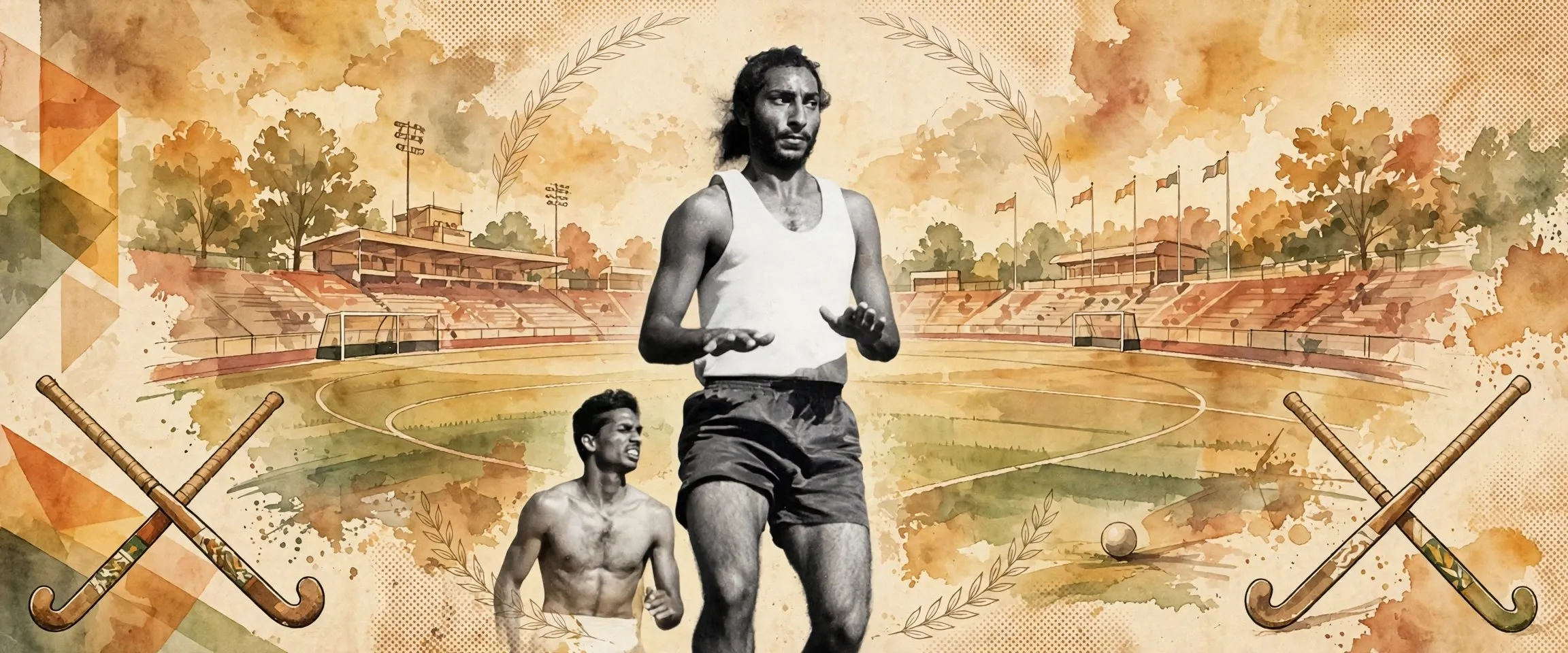
Prithipal Singh (1932-1983) was an Indian field hockey halfback from Nankana Sahib who won Olympic silver in 1960, gold in 1964 and bronze in 1968, scoring 11 of India's 22 goals at Tokyo. Known as the King of the short corner for his feared penalty corner hits, he was the first hockey player to receive the Arjuna Award, in 1961, and later received the Padma Shri. After retiring he worked at Punjab Agricultural University in Ludhiana, where he was shot dead on campus on 20 May 1983, a murder that remains unsolved.
- Punjabi name
- ਪ੍ਰਿਥੀਪਾਲ ਸਿੰਘ
- Born
- 28 January 1932
- Birthplace
- Nankana Sahib (now in Pakistan)
- Died
- 20 May 1983, Ludhiana, Punjab (aged 51)
- Position
- Halfback (defender), penalty corner specialist
- Height
- 1.75 m (5 ft 9 in)
All 13 facts
- Olympic medals
- Silver Rome 1960, Gold Tokyo 1964, Bronze Mexico City 1968
- Asian Games
- Silver Jakarta 1962, Gold Bangkok 1966
- Arjuna Award
- 1961 (first hockey player)
- Padma Shri
- 1967
- Teams
- Punjab Police (1956-1963), Indian Railways Police (1963-1967)
- Education
- MSc Agriculture, Government Agricultural College, Ludhiana (1956)
- Region
- West Punjab
Prithipal Singh (28 January 1932 to 20 May 1983) was an Indian field hockey halfback from Nankana Sahib who won a medal at three successive Olympic Games: silver at Rome in 1960, gold at Tokyo in 1964 and bronze at Mexico City in 1968. A feared penalty corner specialist, he was the first hockey player to receive the Arjuna Award, in 1961, and he later received the Padma Shri in 1967. At Tokyo he scored 11 of India's 22 goals, the tournament in which India beat Pakistan in the final to regain the Olympic title.
Early life and Partition
Prithipal Singh was born on 28 January 1932 in Nankana Sahib, then in British India and now in Pakistan. His father, Sardar Wadhawa Singh Chandi, was a school teacher and an agriculturist. Prithipal spent his childhood in Nankana Sahib and took his early education there.
The Partition of India in 1947 forced the family to leave their home and move to East Punjab. He continued his studies at Government Agricultural College in Ludhiana, where he earned a Master of Science degree in agriculture in 1956. He did well in his studies, winning merit scholarships, and the college gave him its Roll of Honours for his all round record in sport and education.
Hockey came early. He played for the college team from 1950 to 1956 and captained it in his final year. The college game was his first stage, and it shaped the defender he became: strong, disciplined and hard to get past.
From college hockey to Punjab Police
On finishing his degree in 1956, he joined Punjab Police as an inspector in June that year and began playing for the police team and for Punjab. He first came to wider notice at the National Hockey Championship in Bombay in 1957, playing for Punjab as a full back.
His first international cap came on 28 June 1959, against Kenya in Nairobi, on India's tour of East Africa. Later that year he toured Europe with the Indian team, playing at the Munich festival in Germany, where he was judged the best full back in the world.
He was part of the Punjab Police team that won the National Championship in Calcutta in 1959, Hyderabad in 1961 and Trivandrum in 1962, and of the Punjab team that won the national title in Bhopal in 1962.
Why was Prithipal Singh called the King of the short corner?
Prithipal played as a halfback in defence, but his fame came from the penalty corner. He had powerful wrists, sharp reflexes and long, strong arms, and his hits from the top of the circle were among the hardest in world hockey. Commentators called him the King of the short corner, and the New Zealand Evening Post wrote in 1961 that to face the fury of his hit was to risk one's life.
Rome 1960 showed why. In his first Olympics he scored two hat tricks, against Denmark and the Netherlands, finished as the top scorer of the tournament and was judged the best full back. India took silver, losing the final to Pakistan.
The goals kept coming. India won silver at the Asian Games in Jakarta in 1962, and in the Ahmedabad international tournament Prithipal scored the clinching goals in the final against West Germany.
Three Olympics, three medals
In 1963 he resigned from Punjab Police and joined the Indian Railways Police, playing for their team. The Indian Hockey Federation's selectors left him out of the national side that year, and the press protested loudly, asking whether he had suddenly become unwanted after leaving the police. The Railway Police team went on winning national tournaments, and the selectors had to bring him back.
Tokyo 1964 was his finest hour. India regained the Olympic title by beating Pakistan 1-0 in the final, and Prithipal scored 11 of India's 22 goals in the tournament. The radio commentator Melville de Mellow wrote that he was like the Rock of Gibraltar. In the final, his thunderous penalty shot in the second half was stopped on the line by a Pakistani defender, and a team mate scored from the resulting penalty stroke to give India the lead.
Two years later he was part of the Indian team that won gold at the Asian Games in Bangkok in 1966, India's first Asian Games hockey gold. In 1967 he captained India against the visiting German and Dutch teams and led the side to victory at the Madrid hockey festival.
At Mexico City in 1968 he was joint captain with Gurbux Singh, and India took bronze. He finished as the tournament's top scorer once again, and with medals of all three colours he became one of only two hockey players at the Olympics to have won gold, silver and bronze.
Honours and later life
The honours came early and stayed with him. In 1961 he became the first hockey player to receive the Arjuna Award, presented by President Rajendra Prasad. In 1965 the Railways gave him the Railway Minister's Medal as the best railway sportsman. In 1967 President Zakir Husain presented him with the Padma Shri for his contribution to world hockey.
He retired from playing after the Mexico Olympics. For a time he chaired the Indian Hockey Federation's selection committee, and in 1974 he travelled with the Indian team as an observer to the World Cup in Malaysia, where India won the title.
In 1968 he returned to his old college, by then part of the new Punjab Agricultural University in Ludhiana, as director of sports and director of student welfare. He stayed in that work for the rest of his life, running the university's sport and looking after its students.
Death and legacy
On 20 May 1983 Prithipal Singh was shot dead on the campus of Punjab Agricultural University in Ludhiana. He was 51. The murder remains unsolved. Some reports at the time said he was caught in a clash between rival student groups, while others linked the killing to his strict discipline as the man in charge of student welfare. What is certain is that the university lost one of its best known figures in broad daylight on its own campus.
His name has not faded from Punjab hockey. The hockey stadium at Punjab Agricultural University is named the Olympian Prithipal Singh Hockey Stadium, and it still hosts tournaments in his memory. A docudrama film about his life, Prithipal Singh, was released in 2015.
He is remembered as a player who joined the great line of Punjab defenders and gave India its hardest shot from the penalty corner. Three Olympics, three medals and a place among the finest halfbacks the game has seen: that is the record he left behind.
ਪ੍ਰਿਥੀਪਾਲ ਸਿੰਘ (28 ਜਨਵਰੀ 1932 ਤੋਂ 20 ਮਈ 1983) ਨਨਕਾਣਾ ਸਾਹਿਬ ਤੋਂ ਭਾਰਤੀ ਫ਼ੀਲਡ ਹਾਕੀ ਹਾਫ਼ਬੈਕ ਸਨ, ਜਿਨ੍ਹਾਂ ਨੇ ਲਗਾਤਾਰ ਤਿੰਨ ਓਲੰਪਿਕ ਖੇਡਾਂ ਵਿੱਚ ਤਗਮੇ ਜਿੱਤੇ: 1960 ਵਿੱਚ ਰੋਮ ਵਿੱਚ ਚਾਂਦੀ, 1964 ਵਿੱਚ ਟੋਕੀਓ ਵਿੱਚ ਸੋਨਾ ਅਤੇ 1968 ਵਿੱਚ ਮੈਕਸੀਕੋ ਸਿਟੀ ਵਿੱਚ ਕਾਂਸੀ। ਉਹ ਆਪਣੇ ਡਰਾਉਣੇ ਪੈਨਲਟੀ ਕਾਰਨਰ ਲਈ ਮਸ਼ਹੂਰ ਸਨ ਅਤੇ 1961 ਵਿੱਚ ਅਰਜੁਨ ਪੁਰਸਕਾਰ ਪਾਉਣ ਵਾਲੇ ਪਹਿਲੇ ਹਾਕੀ ਖਿਡਾਰੀ ਬਣੇ। ਬਾਅਦ ਵਿੱਚ ਉਨ੍ਹਾਂ ਨੂੰ 1967 ਵਿੱਚ ਪਦਮ ਸ਼੍ਰੀ ਮਿਲਿਆ। ਟੋਕੀਓ ਵਿੱਚ ਉਨ੍ਹਾਂ ਨੇ ਭਾਰਤ ਦੇ 22 ਗੋਲਾਂ ਵਿੱਚੋਂ 11 ਗੋਲ ਕੀਤੇ, ਉਸੇ ਟੂਰਨਾਮੈਂਟ ਵਿੱਚ ਜਿੱਥੇ ਭਾਰਤ ਨੇ ਫ਼ਾਈਨਲ ਵਿੱਚ ਪਾਕਿਸਤਾਨ ਨੂੰ ਹਰਾ ਕੇ ਓਲੰਪਿਕ ਖ਼ਿਤਾਬ ਮੁੜ ਜਿੱਤਿਆ।
ਮੁੱਢਲਾ ਜੀਵਨ ਅਤੇ ਵੰਡ
ਪ੍ਰਿਥੀਪਾਲ ਸਿੰਘ ਦਾ ਜਨਮ 28 ਜਨਵਰੀ 1932 ਨੂੰ ਨਨਕਾਣਾ ਸਾਹਿਬ ਵਿੱਚ ਹੋਇਆ, ਜੋ ਉਸ ਸਮੇਂ ਬਰਤਾਨਵੀ ਭਾਰਤ ਵਿੱਚ ਸੀ ਅਤੇ ਹੁਣ ਪਾਕਿਸਤਾਨ ਵਿੱਚ ਹੈ। ਉਨ੍ਹਾਂ ਦੇ ਪਿਤਾ ਸਰਦਾਰ ਵਧਾਵਾ ਸਿੰਘ ਚੰਡੀ ਸਕੂਲ ਅਧਿਆਪਕ ਅਤੇ ਕਿਸਾਨ ਸਨ। ਪ੍ਰਿਥੀਪਾਲ ਨੇ ਆਪਣਾ ਬਚਪਨ ਨਨਕਾਣਾ ਸਾਹਿਬ ਵਿੱਚ ਹੀ ਬਿਤਾਇਆ ਅਤੇ ਮੁੱਢਲੀ ਪੜ੍ਹਾਈ ਉੱਥੋਂ ਹੀ ਕੀਤੀ।
1947 ਵਿੱਚ ਭਾਰਤ ਦੀ ਵੰਡ ਨੇ ਪਰਿਵਾਰ ਨੂੰ ਆਪਣਾ ਘਰ ਛੱਡ ਕੇ ਪੂਰਬੀ ਪੰਜਾਬ ਆਉਣ ਲਈ ਮਜਬੂਰ ਕਰ ਦਿੱਤਾ। ਉਨ੍ਹਾਂ ਨੇ ਆਪਣੀ ਪੜ੍ਹਾਈ ਲੁਧਿਆਣਾ ਦੇ ਸਰਕਾਰੀ ਖੇਤੀਬਾੜੀ ਕਾਲਜ ਤੋਂ ਜਾਰੀ ਰੱਖੀ, ਜਿੱਥੋਂ 1956 ਵਿੱਚ ਖੇਤੀਬਾੜੀ ਵਿੱਚ ਮਾਸਟਰ ਆਫ਼ ਸਾਇੰਸ ਦੀ ਡਿਗਰੀ ਹਾਸਲ ਕੀਤੀ। ਉਹ ਪੜ੍ਹਾਈ ਵਿੱਚ ਵੀ ਮੋਹਰੀ ਰਹੇ, ਮੈਰਿਟ ਸਕਾਲਰਸ਼ਿਪਾਂ ਜਿੱਤੀਆਂ ਅਤੇ ਕਾਲਜ ਨੇ ਖੇਡਾਂ ਤੇ ਪੜ੍ਹਾਈ ਵਿੱਚ ਉਨ੍ਹਾਂ ਦੇ ਸਰਬਪੱਖੀ ਰਿਕਾਰਡ ਲਈ ਰੋਲ ਆਫ਼ ਆਨਰਜ਼ ਦਿੱਤਾ।
ਹਾਕੀ ਉਨ੍ਹਾਂ ਦੇ ਜੀਵਨ ਵਿੱਚ ਜਲਦੀ ਆਈ। ਉਹ 1950 ਤੋਂ 1956 ਤੱਕ ਕਾਲਜ ਦੀ ਟੀਮ ਲਈ ਖੇਡੇ ਅਤੇ ਆਖ਼ਰੀ ਸਾਲ ਵਿੱਚ ਕਪਤਾਨ ਰਹੇ। ਕਾਲਜ ਦੀ ਖੇਡ ਹੀ ਉਨ੍ਹਾਂ ਦੀ ਪਹਿਲੀ ਮੰਜ਼ਿਲ ਸੀ, ਅਤੇ ਉਸ ਨੇ ਉਨ੍ਹਾਂ ਨੂੰ ਉਹ ਰੱਖਿਅਕ ਬਣਾਇਆ ਜੋ ਮਜ਼ਬੂਤ, ਅਨੁਸ਼ਾਸਤ ਅਤੇ ਪਾਰ ਕਰਨਾ ਔਖਾ ਸੀ।
ਕਾਲਜ ਹਾਕੀ ਤੋਂ ਪੰਜਾਬ ਪੁਲਿਸ ਤੱਕ
1956 ਵਿੱਚ ਡਿਗਰੀ ਪੂਰੀ ਕਰਨ ਤੋਂ ਬਾਅਦ ਉਸੇ ਸਾਲ ਜੂਨ ਵਿੱਚ ਉਹ ਪੰਜਾਬ ਪੁਲਿਸ ਵਿੱਚ ਇੰਸਪੈਕਟਰ ਭਰਤੀ ਹੋ ਗਏ ਅਤੇ ਪੁਲਿਸ ਟੀਮ ਤੇ ਪੰਜਾਬ ਲਈ ਖੇਡਣ ਲੱਗੇ। 1957 ਵਿੱਚ ਬੰਬਈ ਵਿੱਚ ਹੋਈ ਰਾਸ਼ਟਰੀ ਹਾਕੀ ਚੈਂਪੀਅਨਸ਼ਿਪ ਵਿੱਚ ਪੰਜਾਬ ਲਈ ਫੁੱਲ ਬੈਕ ਵਜੋਂ ਖੇਡ ਕੇ ਉਹ ਪਹਿਲੀ ਵਾਰ ਵੱਡੇ ਪੱਧਰ ਉੱਤੇ ਚਰਚਾ ਵਿੱਚ ਆਏ।
ਉਨ੍ਹਾਂ ਦੀ ਪਹਿਲੀ ਅੰਤਰਰਾਸ਼ਟਰੀ ਕੈਪ 28 ਜੂਨ 1959 ਨੂੰ ਪੂਰਬੀ ਅਫ਼ਰੀਕਾ ਦੇ ਦੌਰੇ ਦੌਰਾਨ ਨੈਰੋਬੀ ਵਿੱਚ ਕੀਨੀਆ ਖ਼ਿਲਾਫ਼ ਮਿਲੀ। ਉਸੇ ਸਾਲ ਉਹ ਭਾਰਤੀ ਟੀਮ ਨਾਲ ਯੂਰਪ ਦੇ ਦੌਰੇ ਉੱਤੇ ਗਏ ਅਤੇ ਜਰਮਨੀ ਦੇ ਮਿਊਨਿਖ ਉਤਸਵ ਵਿੱਚ ਖੇਡੇ, ਜਿੱਥੇ ਉਨ੍ਹਾਂ ਨੂੰ ਦੁਨੀਆ ਦਾ ਸਭ ਤੋਂ ਵਧੀਆ ਫੁੱਲ ਬੈਕ ਮੰਨਿਆ ਗਿਆ।
ਉਹ ਪੰਜਾਬ ਪੁਲਿਸ ਟੀਮ ਦਾ ਹਿੱਸਾ ਸਨ ਜਿਸ ਨੇ 1959 ਵਿੱਚ ਕਲਕੱਤਾ, 1961 ਵਿੱਚ ਹੈਦਰਾਬਾਦ ਅਤੇ 1962 ਵਿੱਚ ਤ੍ਰਿਵੇਂਦਰਮ ਵਿੱਚ ਰਾਸ਼ਟਰੀ ਚੈਂਪੀਅਨਸ਼ਿਪ ਜਿੱਤੀ, ਅਤੇ ਉਸ ਪੰਜਾਬ ਟੀਮ ਦਾ ਵੀ ਹਿੱਸਾ ਸਨ ਜਿਸ ਨੇ 1962 ਵਿੱਚ ਭੋਪਾਲ ਵਿੱਚ ਰਾਸ਼ਟਰੀ ਖ਼ਿਤਾਬ ਜਿੱਤਿਆ।
ਪ੍ਰਿਥੀਪਾਲ ਸਿੰਘ ਨੂੰ ਸ਼ਾਰਟ ਕਾਰਨਰ ਦਾ ਬਾਦਸ਼ਾਹ ਕਿਉਂ ਕਿਹਾ ਜਾਂਦਾ ਸੀ?
ਪ੍ਰਿਥੀਪਾਲ ਰੱਖਿਆ ਵਿੱਚ ਹਾਫ਼ਬੈਕ ਵਜੋਂ ਖੇਡਦੇ ਸਨ, ਪਰ ਉਨ੍ਹਾਂ ਦੀ ਮਸ਼ਹੂਰੀ ਪੈਨਲਟੀ ਕਾਰਨਰ ਤੋਂ ਆਈ। ਉਨ੍ਹਾਂ ਦੀਆਂ ਗੁੱਟਾਂ ਤਾਕਤਵਰ ਸਨ, ਪ੍ਰਤਿਕਿਰਿਆ ਤੇਜ਼ ਸੀ ਅਤੇ ਬਾਹਾਂ ਲੰਬੀਆਂ ਤੇ ਮਜ਼ਬੂਤ ਸਨ, ਅਤੇ ਸਰਕਲ ਦੇ ਉੱਪਰੋਂ ਉਨ੍ਹਾਂ ਦੀਆਂ ਹਿੱਟਾਂ ਦੁਨੀਆ ਦੀ ਹਾਕੀ ਵਿੱਚ ਸਭ ਤੋਂ ਤੇਜ਼ ਹਿੱਟਾਂ ਵਿੱਚੋਂ ਸਨ। ਟਿੱਪਣੀਕਾਰ ਉਨ੍ਹਾਂ ਨੂੰ ਸ਼ਾਰਟ ਕਾਰਨਰ ਦਾ ਬਾਦਸ਼ਾਹ ਕਹਿੰਦੇ ਸਨ, ਅਤੇ ਨਿਊਜ਼ੀਲੈਂਡ ਦੇ ਈਵਨਿੰਗ ਪੋਸਟ ਨੇ 1961 ਵਿੱਚ ਲਿਖਿਆ ਕਿ ਉਨ੍ਹਾਂ ਦੀ ਹਿੱਟ ਦਾ ਸਾਹਮਣਾ ਕਰਨਾ ਜਾਨ ਖ਼ਤਰੇ ਵਿੱਚ ਪਾਉਣ ਵਰਗਾ ਸੀ।
ਰੋਮ 1960 ਨੇ ਇਹ ਸਾਬਤ ਕਰ ਦਿੱਤਾ। ਆਪਣੇ ਪਹਿਲੇ ਓਲੰਪਿਕ ਵਿੱਚ ਉਨ੍ਹਾਂ ਨੇ ਡੈਨਮਾਰਕ ਅਤੇ ਨੀਦਰਲੈਂਡ ਖ਼ਿਲਾਫ਼ ਦੋ ਹੈਟ-ਟ੍ਰਿਕਾਂ ਲਗਾਈਆਂ, ਟੂਰਨਾਮੈਂਟ ਦੇ ਸਭ ਤੋਂ ਵੱਧ ਗੋਲ ਕਰਨ ਵਾਲੇ ਖਿਡਾਰੀ ਬਣੇ ਅਤੇ ਸਭ ਤੋਂ ਵਧੀਆ ਫੁੱਲ ਬੈਕ ਚੁਣੇ ਗਏ। ਭਾਰਤ ਨੇ ਚਾਂਦੀ ਜਿੱਤੀ, ਫ਼ਾਈਨਲ ਵਿੱਚ ਪਾਕਿਸਤਾਨ ਤੋਂ ਹਾਰ ਕੇ।
ਗੋਲ ਆਉਂਦੇ ਰਹੇ। ਭਾਰਤ ਨੇ 1962 ਵਿੱਚ ਜਕਾਰਤਾ ਵਿੱਚ ਏਸ਼ਿਆਈ ਖੇਡਾਂ ਵਿੱਚ ਚਾਂਦੀ ਜਿੱਤੀ, ਅਤੇ ਅਹਿਮਦਾਬਾਦ ਅੰਤਰਰਾਸ਼ਟਰੀ ਟੂਰਨਾਮੈਂਟ ਦੇ ਫ਼ਾਈਨਲ ਵਿੱਚ ਪੱਛਮੀ ਜਰਮਨੀ ਖ਼ਿਲਾਫ਼ ਪ੍ਰਿਥੀਪਾਲ ਨੇ ਜੇਤੂ ਗੋਲ ਕੀਤੇ।
ਤਿੰਨ ਓਲੰਪਿਕ, ਤਿੰਨ ਤਗਮੇ
1963 ਵਿੱਚ ਉਨ੍ਹਾਂ ਨੇ ਪੰਜਾਬ ਪੁਲਿਸ ਤੋਂ ਅਸਤੀਫ਼ਾ ਦੇ ਕੇ ਭਾਰਤੀ ਰੇਲਵੇ ਪੁਲਿਸ ਵਿੱਚ ਸ਼ਾਮਲ ਹੋ ਗਏ ਅਤੇ ਉਨ੍ਹਾਂ ਦੀ ਟੀਮ ਲਈ ਖੇਡਣ ਲੱਗੇ। ਭਾਰਤੀ ਹਾਕੀ ਫੈਡਰੇਸ਼ਨ ਦੇ ਚੋਣਕਾਰਾਂ ਨੇ ਉਸ ਸਾਲ ਉਨ੍ਹਾਂ ਨੂੰ ਰਾਸ਼ਟਰੀ ਟੀਮ ਤੋਂ ਬਾਹਰ ਰੱਖਿਆ, ਅਤੇ ਅਖ਼ਬਾਰਾਂ ਨੇ ਜ਼ੋਰਦਾਰ ਵਿਰੋਧ ਕੀਤਾ, ਪੁੱਛਿਆ ਕਿ ਕੀ ਪੁਲਿਸ ਛੱਡਣ ਤੋਂ ਬਾਅਦ ਉਹ ਅਚਾਨਕ ਨਾਕਾਰਾ ਹੋ ਗਏ ਸਨ। ਰੇਲਵੇ ਪੁਲਿਸ ਦੀ ਟੀਮ ਰਾਸ਼ਟਰੀ ਟੂਰਨਾਮੈਂਟ ਜਿੱਤਦੀ ਰਹੀ, ਅਤੇ ਚੋਣਕਾਰਾਂ ਨੂੰ ਉਨ੍ਹਾਂ ਨੂੰ ਵਾਪਸ ਲਿਆਉਣਾ ਪਿਆ।
ਟੋਕੀਓ 1964 ਉਨ੍ਹਾਂ ਦਾ ਸਭ ਤੋਂ ਸ਼ਾਨਦਾਰ ਸਮਾਂ ਸੀ। ਭਾਰਤ ਨੇ ਫ਼ਾਈਨਲ ਵਿੱਚ ਪਾਕਿਸਤਾਨ ਨੂੰ 1-0 ਨਾਲ ਹਰਾ ਕੇ ਓਲੰਪਿਕ ਖ਼ਿਤਾਬ ਮੁੜ ਜਿੱਤਿਆ, ਅਤੇ ਪ੍ਰਿਥੀਪਾਲ ਨੇ ਟੂਰਨਾਮੈਂਟ ਵਿੱਚ ਭਾਰਤ ਦੇ 22 ਗੋਲਾਂ ਵਿੱਚੋਂ 11 ਗੋਲ ਕੀਤੇ। ਰੇਡੀਓ ਟਿੱਪਣੀਕਾਰ ਮੈਲਵਿਲ ਡੀ ਮੈਲੋ ਨੇ ਲਿਖਿਆ ਕਿ ਉਹ ਜਿਬਰਾਲਟਰ ਦੀ ਚੱਟਾਨ ਵਰਗੇ ਸਨ। ਫ਼ਾਈਨਲ ਦੇ ਦੂਜੇ ਅੱਧ ਵਿੱਚ ਉਨ੍ਹਾਂ ਦੀ ਜ਼ੋਰਦਾਰ ਪੈਨਲਟੀ ਸ਼ਾਟ ਨੂੰ ਪਾਕਿਸਤਾਨੀ ਰੱਖਿਅਕ ਨੇ ਲਾਈਨ ਉੱਤੇ ਰੋਕਿਆ, ਅਤੇ ਨਤੀਜੇ ਵਜੋਂ ਮਿਲੇ ਪੈਨਲਟੀ ਸਟ੍ਰੋਕ ਤੋਂ ਇੱਕ ਸਾਥੀ ਖਿਡਾਰੀ ਨੇ ਗੋਲ ਕਰਕੇ ਭਾਰਤ ਨੂੰ ਬੜ੍ਹਤ ਦਿਵਾਈ।
ਦੋ ਸਾਲ ਬਾਅਦ ਉਹ ਉਸ ਭਾਰਤੀ ਟੀਮ ਦਾ ਹਿੱਸਾ ਸਨ ਜਿਸ ਨੇ 1966 ਵਿੱਚ ਬੈਂਕਾਕ ਵਿੱਚ ਏਸ਼ਿਆਈ ਖੇਡਾਂ ਵਿੱਚ ਸੋਨਾ ਜਿੱਤਿਆ, ਭਾਰਤ ਦਾ ਪਹਿਲਾ ਏਸ਼ਿਆਈ ਖੇਡਾਂ ਹਾਕੀ ਸੋਨ ਤਗਮਾ। 1967 ਵਿੱਚ ਉਨ੍ਹਾਂ ਨੇ ਜਰਮਨੀ ਅਤੇ ਨੀਦਰਲੈਂਡ ਦੀਆਂ ਮਹਿਮਾਨ ਟੀਮਾਂ ਖ਼ਿਲਾਫ਼ ਭਾਰਤ ਦੀ ਕਪਤਾਨੀ ਕੀਤੀ ਅਤੇ ਮੈਡਰਿਡ ਹਾਕੀ ਉਤਸਵ ਵਿੱਚ ਟੀਮ ਨੂੰ ਜਿੱਤ ਦਿਵਾਈ।
1968 ਵਿੱਚ ਮੈਕਸੀਕੋ ਸਿਟੀ ਵਿੱਚ ਉਹ ਗੁਰਬਖ਼ਸ਼ ਸਿੰਘ ਨਾਲ ਸਾਂਝੇ ਕਪਤਾਨ ਸਨ, ਅਤੇ ਭਾਰਤ ਨੇ ਕਾਂਸੀ ਜਿੱਤਿਆ। ਉਹ ਇੱਕ ਵਾਰ ਫਿਰ ਟੂਰਨਾਮੈਂਟ ਦੇ ਸਭ ਤੋਂ ਵੱਧ ਗੋਲ ਕਰਨ ਵਾਲੇ ਖਿਡਾਰੀ ਬਣੇ, ਅਤੇ ਤਿੰਨੋਂ ਰੰਗਾਂ ਦੇ ਤਗਮਿਆਂ ਨਾਲ ਉਹ ਓਲੰਪਿਕ ਵਿੱਚ ਸੋਨਾ, ਚਾਂਦੀ ਅਤੇ ਕਾਂਸੀ ਜਿੱਤਣ ਵਾਲੇ ਸਿਰਫ਼ ਦੋ ਹਾਕੀ ਖਿਡਾਰੀਆਂ ਵਿੱਚੋਂ ਇੱਕ ਬਣ ਗਏ।
ਸਨਮਾਨ ਅਤੇ ਬਾਅਦ ਦਾ ਜੀਵਨ
ਸਨਮਾਨ ਜਲਦੀ ਆਏ ਅਤੇ ਉਨ੍ਹਾਂ ਨਾਲ ਹੀ ਰਹੇ। 1961 ਵਿੱਚ ਉਹ ਅਰਜੁਨ ਪੁਰਸਕਾਰ ਪਾਉਣ ਵਾਲੇ ਪਹਿਲੇ ਹਾਕੀ ਖਿਡਾਰੀ ਬਣੇ, ਜੋ ਰਾਸ਼ਟਰਪਤੀ ਰਾਜਿੰਦਰ ਪ੍ਰਸਾਦ ਨੇ ਦਿੱਤਾ। 1965 ਵਿੱਚ ਰੇਲਵੇ ਨੇ ਉਨ੍ਹਾਂ ਨੂੰ ਸਭ ਤੋਂ ਵਧੀਆ ਰੇਲਵੇ ਖਿਡਾਰੀ ਵਜੋਂ ਰੇਲ ਮੰਤਰੀ ਦਾ ਤਗਮਾ ਦਿੱਤਾ। 1967 ਵਿੱਚ ਰਾਸ਼ਟਰਪਤੀ ਜ਼ਾਕਿਰ ਹੁਸੈਨ ਨੇ ਉਨ੍ਹਾਂ ਨੂੰ ਵਿਸ਼ਵ ਹਾਕੀ ਵਿੱਚ ਯੋਗਦਾਨ ਲਈ ਪਦਮ ਸ਼੍ਰੀ ਦਿੱਤਾ।
ਮੈਕਸੀਕੋ ਓਲੰਪਿਕ ਤੋਂ ਬਾਅਦ ਉਨ੍ਹਾਂ ਨੇ ਖੇਡਣਾ ਛੱਡ ਦਿੱਤਾ। ਕੁਝ ਸਮੇਂ ਲਈ ਉਹ ਭਾਰਤੀ ਹਾਕੀ ਫੈਡਰੇਸ਼ਨ ਦੀ ਚੋਣ ਕਮੇਟੀ ਦੇ ਪ੍ਰਧਾਨ ਰਹੇ, ਅਤੇ 1974 ਵਿੱਚ ਉਹ ਭਾਰਤੀ ਟੀਮ ਨਾਲ ਨਿਰੀਖਕ ਵਜੋਂ ਮਲੇਸ਼ੀਆ ਵਿੱਚ ਵਿਸ਼ਵ ਕੱਪ ਵਿੱਚ ਗਏ, ਜਿੱਥੇ ਭਾਰਤ ਨੇ ਖ਼ਿਤਾਬ ਜਿੱਤਿਆ।
1968 ਵਿੱਚ ਉਹ ਆਪਣੇ ਪੁਰਾਣੇ ਕਾਲਜ, ਜੋ ਹੁਣ ਲੁਧਿਆਣਾ ਦੀ ਨਵੀਂ ਪੰਜਾਬ ਖੇਤੀਬਾੜੀ ਯੂਨੀਵਰਸਿਟੀ ਦਾ ਹਿੱਸਾ ਬਣ ਗਿਆ ਸੀ, ਵਿੱਚ ਖੇਡ ਨਿਰਦੇਸ਼ਕ ਅਤੇ ਵਿਦਿਆਰਥੀ ਭਲਾਈ ਨਿਰਦੇਸ਼ਕ ਵਜੋਂ ਵਾਪਸ ਆ ਗਏ। ਉਹ ਆਪਣੀ ਬਾਕੀ ਜ਼ਿੰਦਗੀ ਇਸੇ ਕੰਮ ਵਿੱਚ ਰਹੇ, ਯੂਨੀਵਰਸਿਟੀ ਦੀਆਂ ਖੇਡਾਂ ਚਲਾਉਂਦੇ ਅਤੇ ਵਿਦਿਆਰਥੀਆਂ ਦੀ ਦੇਖਭਾਲ ਕਰਦੇ।
ਮੌਤ ਅਤੇ ਵਿਰਾਸਤ
20 ਮਈ 1983 ਨੂੰ ਪ੍ਰਿਥੀਪਾਲ ਸਿੰਘ ਦੀ ਲੁਧਿਆਣਾ ਦੀ ਪੰਜਾਬ ਖੇਤੀਬਾੜੀ ਯੂਨੀਵਰਸਿਟੀ ਦੇ ਕੈਂਪਸ ਵਿੱਚ ਗੋਲੀ ਮਾਰ ਕੇ ਹੱਤਿਆ ਕਰ ਦਿੱਤੀ ਗਈ। ਉਹ 51 ਸਾਲ ਦੇ ਸਨ। ਇਹ ਕਤਲ ਅੱਜ ਤੱਕ ਅਣਸੁਲਝਿਆ ਹੈ। ਉਸ ਸਮੇਂ ਦੀਆਂ ਕੁਝ ਰਿਪੋਰਟਾਂ ਵਿੱਚ ਕਿਹਾ ਗਿਆ ਕਿ ਉਹ ਵਿਰੋਧੀ ਵਿਦਿਆਰਥੀ ਸਮੂਹਾਂ ਦੀ ਲੜਾਈ ਵਿੱਚ ਫਸ ਗਏ ਸਨ, ਜਦੋਂ ਕਿ ਕੁਝ ਨੇ ਇਸ ਨੂੰ ਵਿਦਿਆਰਥੀ ਭਲਾਈ ਦੇ ਇੰਚਾਰਜ ਵਜੋਂ ਉਨ੍ਹਾਂ ਦੇ ਸਖ਼ਤ ਅਨੁਸ਼ਾਸਨ ਨਾਲ ਜੋੜਿਆ। ਜੋ ਪੱਕਾ ਹੈ, ਉਹ ਇਹ ਹੈ ਕਿ ਯੂਨੀਵਰਸਿਟੀ ਨੇ ਆਪਣੇ ਸਭ ਤੋਂ ਜਾਣੇ-ਪਛਾਣੇ ਵਿਅਕਤੀਆਂ ਵਿੱਚੋਂ ਇੱਕ ਨੂੰ ਦਿਨ-ਦਿਹਾੜੇ ਆਪਣੇ ਹੀ ਕੈਂਪਸ ਵਿੱਚ ਗੁਆ ਦਿੱਤਾ।
ਪੰਜਾਬ ਦੀ ਹਾਕੀ ਵਿੱਚ ਉਨ੍ਹਾਂ ਦਾ ਨਾਂ ਅੱਜ ਵੀ ਜਿਉਂਦਾ ਹੈ। ਪੰਜਾਬ ਖੇਤੀਬਾੜੀ ਯੂਨੀਵਰਸਿਟੀ ਦਾ ਹਾਕੀ ਸਟੇਡੀਅਮ ਓਲੰਪੀਅਨ ਪ੍ਰਿਥੀਪਾਲ ਸਿੰਘ ਹਾਕੀ ਸਟੇਡੀਅਮ ਦੇ ਨਾਂ ਨਾਲ ਜਾਣਿਆ ਜਾਂਦਾ ਹੈ, ਅਤੇ ਉੱਥੇ ਅੱਜ ਵੀ ਉਨ੍ਹਾਂ ਦੀ ਯਾਦ ਵਿੱਚ ਟੂਰਨਾਮੈਂਟ ਹੁੰਦੇ ਹਨ। ਉਨ੍ਹਾਂ ਦੇ ਜੀਵਨ ਉੱਤੇ ਬਣੀ ਡਾਕੂਡਰਾਮਾ ਫ਼ਿਲਮ ਪ੍ਰਿਥੀਪਾਲ ਸਿੰਘ 2015 ਵਿੱਚ ਰਿਲੀਜ਼ ਹੋਈ।
ਉਹ ਪੰਜਾਬ ਦੇ ਮਹਾਨ ਰੱਖਿਅਕਾਂ ਦੀ ਕਤਾਰ ਵਿੱਚ ਸ਼ਾਮਲ ਖਿਡਾਰੀ ਵਜੋਂ ਯਾਦ ਕੀਤੇ ਜਾਂਦੇ ਹਨ, ਜਿਨ੍ਹਾਂ ਨੇ ਭਾਰਤ ਨੂੰ ਪੈਨਲਟੀ ਕਾਰਨਰ ਤੋਂ ਸਭ ਤੋਂ ਤੇਜ਼ ਸ਼ਾਟ ਦਿੱਤਾ। ਤਿੰਨ ਓਲੰਪਿਕ, ਤਿੰਨ ਤਗਮੇ ਅਤੇ ਖੇਡ ਦੇ ਸਭ ਤੋਂ ਵਧੀਆ ਹਾਫ਼ਬੈਕਾਂ ਵਿੱਚ ਥਾਂ: ਇਹੀ ਉਹ ਰਿਕਾਰਡ ਹੈ ਜੋ ਉਹ ਪਿੱਛੇ ਛੱਡ ਗਏ।
People

Places
More sports
See all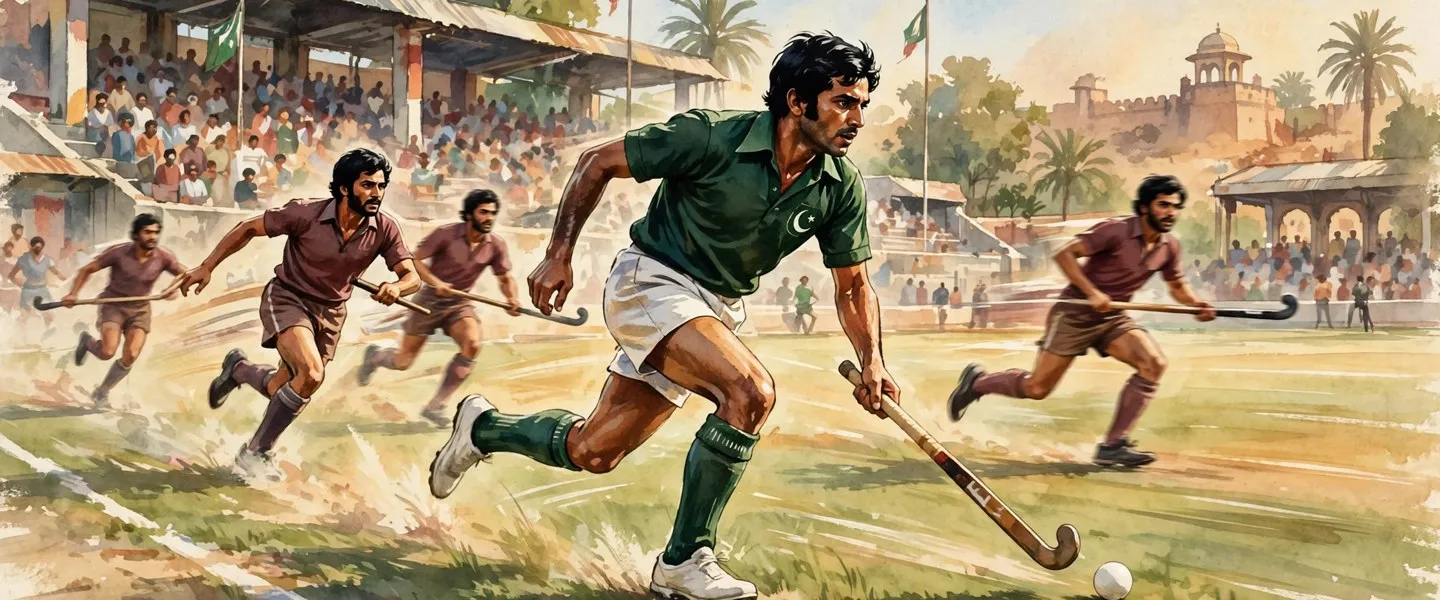

Sources (5)
Jugti is free and independent. Reader support keeps the Kosh growing.
Support