
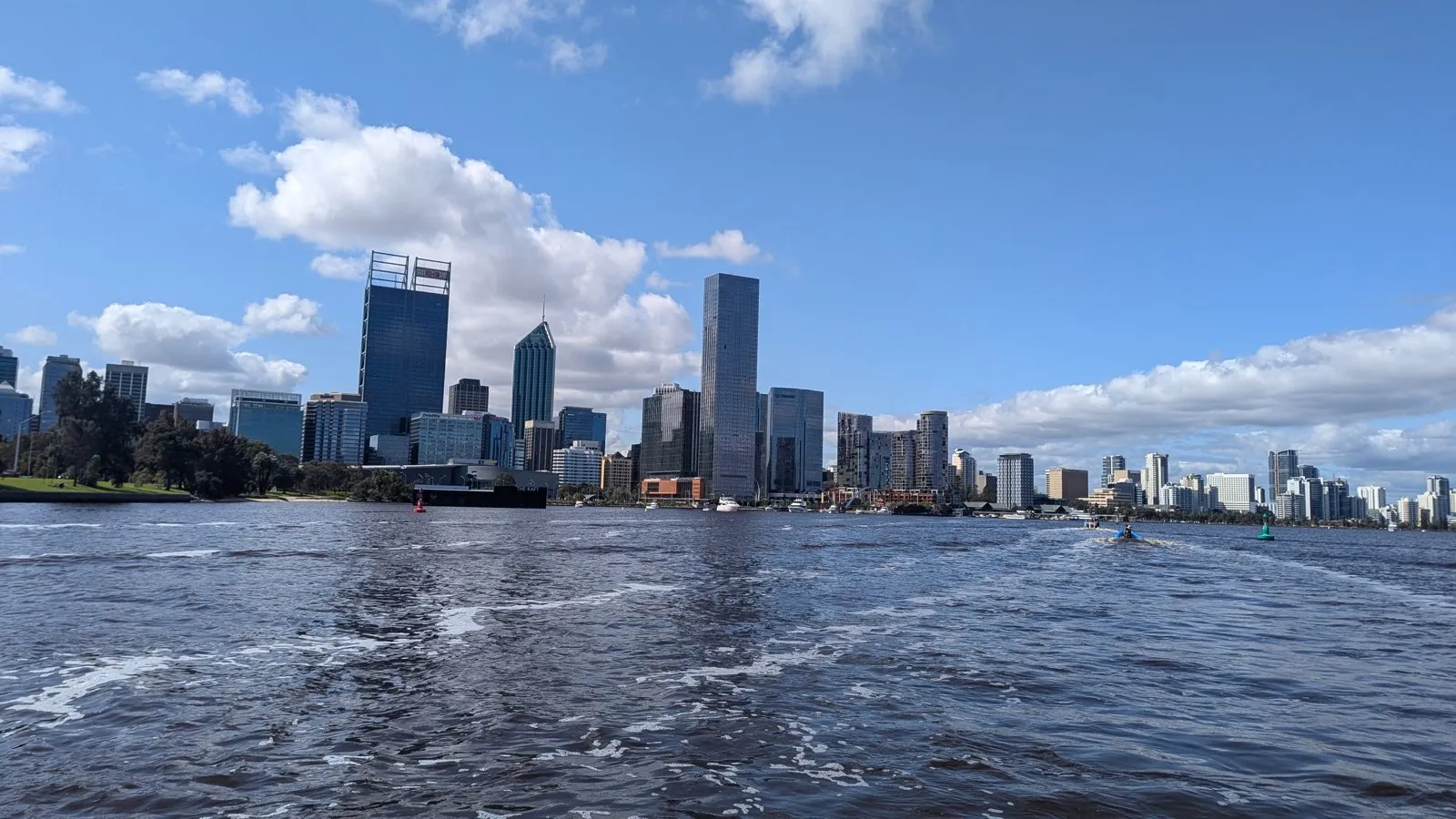
Perth is the capital of Western Australia, Australia, on the Swan River, with 2,116,649 people in Greater Perth in the 2021 census. Punjabis are the west coast's Punjabi centre: 19,947 people used Punjabi at home in Greater Perth in 2021, almost all of Western Australia's Punjabi speakers, centred on Canning Vale and the south east.
- Punjabi name
- ਪਰਥ
- Type
- City
- Country
- Australia
- Region
- Western Australia (Greater Perth)
- Population
- 2,116,649 in Greater Perth (Census 2021)
- Punjabi language
- 19,947 people used Punjabi at home in Greater Perth, 0.9%, the fourth most used language other than English after Mandarin, Italian and Vietnamese (Census 2021); across Western Australia 20,613, 0.8%. In the Perth South East region 10,214 people, 1.9%, the second language other than English
All 10 facts
- Sikh population
- 18,583 across Western Australia, 0.70% (Census 2021); no Greater Perth Sikh total appears in the opened ABS QuickStats top responses. In Canning Vale suburb, Punjabi was used at home by 1,241 people, 3.6%
- India-born
- 58,229 residents of Greater Perth were born in India, 2.8% (Census 2021)
- Known gurdwaras
- Gurdwara Sahib at 280 Shreeve Road, Canning Vale, run by the Sikh Association of Western Australia (founded 1975, temple opened 4 March 2001), with further gurdwaras at Bayswater and Bennett Springs (Sikh Gurdwara Perth)
- Known for
- The Swan River, Kings Park, the port of Fremantle, being the capital of Western Australia and Australia's fourth most populous city, founded in 1829, and the Australian Sikh Heritage Trail at Riverton
History at a glance
Perth is the capital of Western Australia and Australia's fourth most populous city, spread across the Swan Coastal Plain between the Indian Ocean and the Darling Scarp, with 2,116,649 people in Greater Perth in the 2021 census. Its Punjabi community is the west coast centre of Punjabi Australia: 19,947 people used Punjabi at home in Greater Perth in 2021, almost all of Western Australia's Punjabi speakers, anchored by the gurdwara at Canning Vale in the city's south east.
Where is Perth, and why do Punjabis live there?
Perth stands on the Swan River, on the traditional lands of the Whadjuk Noongar people, who know the place as Boorloo. Captain James Stirling founded it on 4 June 1829 as the administrative centre of the Swan River Colony, and it was named after Perth in Scotland. It was proclaimed a city by Queen Victoria in 1856. The metropolitan area runs along the coastal plain from the ocean beaches to the Darling Scarp, with the port of Fremantle at the river mouth and Kings Park, one of the world's largest inner city parks, above the centre. A series of mining booms in Western Australia's regions made Perth the headquarters city for the state's mining industry, and it became Australia's fourth most populous city in 1984.
Sikhs have been part of Western Australia since the 1800s, arriving as cameleers on the expeditions that opened up the interior and later working as hawkers and pedlars across the state. The modern Punjabi community is a product of Perth's long growth as a mining and migration capital: work, study and family drew skilled migrants, students and professionals to a fast growing city with room to settle, most of them in the newer suburbs of the south east and north. A 1999 Western Australian government statement already described Sikh migrants arriving from India, South East Asia, the United Kingdom and Fiji, and working in medicine, engineering, science and teaching. Perth closes the west coast of this series' map of Punjabi places in Australia, after Melbourne, Sydney and Brisbane.
What do the numbers say?
Greater Perth counted 2,116,649 people in the 2021 census, with a median age of 37. Punjabi was used at home by 19,947 of them, 0.9 per cent, the fourth most used language other than English after Mandarin at 49,624, Italian at 23,177 and Vietnamese at 21,699, and ahead of Cantonese at 19,171. Across Western Australia as a whole, 20,613 people used Punjabi at home, so almost every Punjabi speaker in the state lives in Greater Perth. India was one of the city's largest countries of birth, with 58,229 residents, 2.8 per cent of Greater Perth, born in India.
For religion, the census tables opened for this entry publish Greater Perth's largest affiliations only, and Sikhism does not appear among them, so no citywide Sikh total is invented here. Across Western Australia, census based tables counted 18,583 Sikhs in 2021, 0.7 per cent of the state. The regional tables show where the community lives: in the Perth South East region, Punjabi was used at home by 10,214 people, 1.9 per cent, the second most used language other than English after Mandarin, which is more than half of Greater Perth's Punjabi speakers in one region. In the suburb of Canning Vale itself, 1,241 people used Punjabi at home, 3.6 per cent, and 3,018 residents, 8.7 per cent, were born in India.
Canning Vale and the south east
Punjabi Perth is centred on the south east. Around Canning Vale, where the Sikh Association of Western Australia built the state's best known gurdwara, Punjabi families settled in the planned suburbs built from the 1990s onward, close to the temple, its Punjabi school and the shops and services of the Nicholson Road corridor. From there the community spreads through the south eastern suburbs and into the newer estates of the city's north, where later arrivals have bought into Perth's growth corridors. The pattern is the Australian one seen in Melbourne and Sydney: the gurdwara came first as the anchor, and housing, businesses and family networks grew around it.
Gurdwaras, the Sikh Association and the heritage trail
The Gurdwara Sahib at 280 Shreeve Road in Canning Vale is run by the Sikh Association of Western Australia, which was founded in 1975. The state government laid the temple's foundation stone on 14 April 1999, on the 300th anniversary of the founding of the Khalsa, after the community bought a 2.3 hectare block, and the completed temple was opened on 4 March 2001, the culmination of six years of planning. The association's complex was planned from the start as more than a prayer hall, with a community hall and a Punjabi school. The 2015 interpretation plan for the Western Australian Sikh story names three Perth gurdwaras, at Canning Vale, Bayswater and Bennett Springs. At Bennett Springs, Sikh Gurdwara Perth holds weekly Sunday services open to all, runs a Punjabi school teaching Gurmukhi language and Sikh history, and supports new migrants and overseas students with shelter, food, accommodation and work. Perth also holds the Australian Sikh Heritage Trail in Adenia Park at Riverton, opened on 17 April 2018 beside the heritage listed Sikh cremation site on the Canning River, where interpretive signs tell the stories of Sikh farmers, wrestlers, Anzacs, hawkers and entrepreneurs.
Perth is Australia's western capital, the most isolated big city in this series, and its Punjabi community carries a long local history: cameleers and hawkers in the 1800s, a heritage trail on the Canning River, and a census counted heartland in the south east around Canning Vale. For the full map, see Punjabi places in Australia.
ਪਰਥ ਪੱਛਮੀ ਆਸਟਰੇਲੀਆ ਦੀ ਰਾਜਧਾਨੀ ਅਤੇ ਆਸਟਰੇਲੀਆ ਦਾ ਚੌਥਾ ਸਭ ਤੋਂ ਵੱਧ ਆਬਾਦੀ ਵਾਲਾ ਸ਼ਹਿਰ ਹੈ, ਜੋ ਹਿੰਦ ਮਹਾਸਾਗਰ ਅਤੇ ਡਾਰਲਿੰਗ ਸਕਾਰਪ ਵਿਚਕਾਰ ਸਵਾਨ ਤੱਟੀ ਮੈਦਾਨ ਉੱਤੇ ਫੈਲਿਆ ਹੈ, 2021 ਦੀ ਜਨਗਣਨਾ ਵਿੱਚ ਗ੍ਰੇਟਰ ਪਰਥ ਵਿੱਚ 2,116,649 ਲੋਕਾਂ ਨਾਲ। ਇਸ ਦਾ ਪੰਜਾਬੀ ਭਾਈਚਾਰਾ ਪੰਜਾਬੀ ਆਸਟਰੇਲੀਆ ਦਾ ਪੱਛਮੀ ਤੱਟ ਕੇਂਦਰ ਹੈ: 2021 ਵਿੱਚ ਗ੍ਰੇਟਰ ਪਰਥ ਵਿੱਚ 19,947 ਲੋਕਾਂ ਨੇ ਘਰ ਵਿੱਚ ਪੰਜਾਬੀ ਵਰਤੀ, ਪੱਛਮੀ ਆਸਟਰੇਲੀਆ ਦੇ ਲਗਭਗ ਸਾਰੇ ਪੰਜਾਬੀ ਬੋਲਣ ਵਾਲੇ, ਸ਼ਹਿਰ ਦੇ ਦੱਖਣ ਪੂਰਬ ਵਿੱਚ ਕੈਨਿੰਗ ਵੇਲ ਦੇ ਗੁਰਦੁਆਰੇ ਦੇ ਸਹਾਰੇ।
ਪਰਥ ਕਿੱਥੇ ਹੈ, ਅਤੇ ਪੰਜਾਬੀ ਉੱਥੇ ਕਿਉਂ ਰਹਿੰਦੇ ਹਨ?
ਪਰਥ ਸਵਾਨ ਦਰਿਆ ਉੱਤੇ, ਵਾਜੁਕ ਨੂੰਗਰ ਲੋਕਾਂ ਦੀਆਂ ਪਰੰਪਰਾਗਤ ਧਰਤੀਆਂ ਉੱਤੇ ਖੜ੍ਹਾ ਹੈ, ਜੋ ਇਸ ਥਾਂ ਨੂੰ ਬੂਰਲੂ ਕਹਿੰਦੇ ਹਨ। ਕੈਪਟਨ ਜੇਮਜ਼ ਸਟਰਲਿੰਗ ਨੇ 4 ਜੂਨ 1829 ਨੂੰ ਇਸ ਦੀ ਸਥਾਪਨਾ ਸਵਾਨ ਰਿਵਰ ਕਲੋਨੀ ਦੇ ਪ੍ਰਸ਼ਾਸਕੀ ਕੇਂਦਰ ਵਜੋਂ ਕੀਤੀ, ਅਤੇ ਇਸ ਦਾ ਨਾਂ ਸਕਾਟਲੈਂਡ ਦੇ ਪਰਥ ਉੱਤੇ ਪਿਆ। ਇਸ ਨੂੰ 1856 ਵਿੱਚ ਮਹਾਰਾਣੀ ਵਿਕਟੋਰੀਆ ਨੇ ਸ਼ਹਿਰ ਘੋਸ਼ਿਤ ਕੀਤਾ। ਮਹਾਨਗਰ ਖੇਤਰ ਤੱਟੀ ਮੈਦਾਨ ਦੇ ਨਾਲ ਸਮੁੰਦਰੀ ਬੀਚਾਂ ਤੋਂ ਡਾਰਲਿੰਗ ਸਕਾਰਪ ਤੱਕ ਚੱਲਦਾ ਹੈ, ਦਰਿਆ ਦੇ ਮੂੰਹ ਉੱਤੇ ਫਰੀਮੈਂਟਲ ਬੰਦਰਗਾਹ ਅਤੇ ਕੇਂਦਰ ਦੇ ਉੱਪਰ ਕਿੰਗਜ਼ ਪਾਰਕ, ਦੁਨੀਆ ਦੇ ਸਭ ਤੋਂ ਵੱਡੇ ਅੰਦਰੂਨੀ ਸ਼ਹਿਰੀ ਪਾਰਕਾਂ ਵਿੱਚੋਂ ਇੱਕ। ਪੱਛਮੀ ਆਸਟਰੇਲੀਆ ਦੇ ਖੇਤਰਾਂ ਵਿੱਚ ਖਾਨਾਂ ਦੇ ਉਭਾਰਾਂ ਦੀ ਲੜੀ ਨੇ ਪਰਥ ਨੂੰ ਸੂਬੇ ਦੇ ਖਾਨ ਉਦਯੋਗ ਦਾ ਮੁੱਖ ਦਫ਼ਤਰ ਸ਼ਹਿਰ ਬਣਾਇਆ, ਅਤੇ ਇਹ 1984 ਵਿੱਚ ਆਸਟਰੇਲੀਆ ਦਾ ਚੌਥਾ ਸਭ ਤੋਂ ਵੱਧ ਆਬਾਦੀ ਵਾਲਾ ਸ਼ਹਿਰ ਬਣਿਆ।
ਸਿੱਖ 1800ਵਿਆਂ ਤੋਂ ਪੱਛਮੀ ਆਸਟਰੇਲੀਆ ਦਾ ਹਿੱਸਾ ਰਹੇ ਹਨ, ਅੰਦਰੂਨੀ ਇਲਾਕੇ ਖੋਲ੍ਹਣ ਵਾਲੀਆਂ ਮੁਹਿੰਮਾਂ ਉੱਤੇ ਊਠ ਚਾਲਕਾਂ ਵਜੋਂ ਆਏ ਅਤੇ ਬਾਅਦ ਵਿੱਚ ਸਾਰੇ ਸੂਬੇ ਵਿੱਚ ਫੇਰੀ ਵਾਲਿਆਂ ਅਤੇ ਖੋਮਚੇ ਵਾਲਿਆਂ ਵਜੋਂ ਕੰਮ ਕੀਤਾ। ਆਧੁਨਿਕ ਪੰਜਾਬੀ ਭਾਈਚਾਰਾ ਖਾਨਾਂ ਅਤੇ ਪਰਵਾਸ ਦੀ ਰਾਜਧਾਨੀ ਵਜੋਂ ਪਰਥ ਦੇ ਲੰਬੇ ਵਾਧੇ ਦੀ ਪੈਦਾਵਾਰ ਹੈ: ਕੰਮ, ਪੜ੍ਹਾਈ ਅਤੇ ਪਰਿਵਾਰ ਨੇ ਹੁਨਰਮੰਦ ਪਰਵਾਸੀਆਂ, ਵਿਦਿਆਰਥੀਆਂ ਅਤੇ ਪੇਸ਼ੇਵਰਾਂ ਨੂੰ ਇੱਕ ਤੇਜ਼ੀ ਨਾਲ ਵਧਦੇ ਸ਼ਹਿਰ ਵੱਲ ਖਿੱਚਿਆ ਜਿੱਥੇ ਵੱਸਣ ਲਈ ਥਾਂ ਸੀ, ਉਨ੍ਹਾਂ ਵਿੱਚੋਂ ਬਹੁਤੇ ਦੱਖਣ ਪੂਰਬ ਅਤੇ ਉੱਤਰ ਦੇ ਨਵੇਂ ਉਪਨਗਰਾਂ ਵਿੱਚ। ਪੱਛਮੀ ਆਸਟਰੇਲੀਆ ਸਰਕਾਰ ਦੇ 1999 ਦੇ ਇੱਕ ਬਿਆਨ ਨੇ ਪਹਿਲਾਂ ਹੀ ਸਿੱਖ ਪਰਵਾਸੀਆਂ ਨੂੰ ਭਾਰਤ, ਦੱਖਣ ਪੂਰਬੀ ਏਸ਼ੀਆ, ਯੂਨਾਈਟਿਡ ਕਿੰਗਡਮ ਅਤੇ ਫਿਜੀ ਤੋਂ ਆਉਂਦੇ, ਅਤੇ ਦਵਾਈ, ਇੰਜੀਨੀਅਰਿੰਗ, ਵਿਗਿਆਨ ਅਤੇ ਅਧਿਆਪਨ ਵਿੱਚ ਕੰਮ ਕਰਦੇ ਦੱਸਿਆ ਸੀ। ਇਸ ਲੜੀ ਦੇ ਆਸਟਰੇਲੀਆ ਵਿੱਚ ਪੰਜਾਬੀ ਥਾਵਾਂ ਦੇ ਨਕਸ਼ੇ ਵਿੱਚ ਪਰਥ ਪੱਛਮੀ ਤੱਟ ਨੂੰ ਬੰਦ ਕਰਦਾ ਹੈ, ਮੈਲਬਰਨ, ਸਿਡਨੀ ਅਤੇ ਬ੍ਰਿਸਬੇਨ ਤੋਂ ਬਾਅਦ।
ਅੰਕੜੇ ਕੀ ਕਹਿੰਦੇ ਹਨ?
ਗ੍ਰੇਟਰ ਪਰਥ ਨੇ 2021 ਦੀ ਜਨਗਣਨਾ ਵਿੱਚ 2,116,649 ਲੋਕ ਗਿਣੇ, 37 ਸਾਲ ਦੀ ਵਿਚਕਾਰਲੀ ਉਮਰ ਨਾਲ। ਪੰਜਾਬੀ ਉਨ੍ਹਾਂ ਵਿੱਚੋਂ 19,947, 0.9 ਫ਼ੀਸਦੀ, ਲੋਕਾਂ ਦੁਆਰਾ ਘਰ ਵਿੱਚ ਵਰਤੀ ਜਾਂਦੀ ਸੀ, ਅੰਗਰੇਜ਼ੀ ਤੋਂ ਇਲਾਵਾ ਚੌਥੀ ਸਭ ਤੋਂ ਵੱਧ ਵਰਤੀ ਜਾਂਦੀ ਭਾਸ਼ਾ, ਮੈਂਡਰਿਨ 49,624, ਇਤਾਲਵੀ 23,177 ਅਤੇ ਵੀਅਤਨਾਮੀ 21,699 ਤੋਂ ਬਾਅਦ, ਅਤੇ ਕੈਂਟੋਨੀਜ਼ 19,171 ਤੋਂ ਅੱਗੇ। ਸਾਰੇ ਪੱਛਮੀ ਆਸਟਰੇਲੀਆ ਵਿੱਚ, 20,613 ਲੋਕਾਂ ਨੇ ਘਰ ਵਿੱਚ ਪੰਜਾਬੀ ਵਰਤੀ, ਇਸ ਲਈ ਸੂਬੇ ਦਾ ਲਗਭਗ ਹਰ ਪੰਜਾਬੀ ਬੋਲਣ ਵਾਲਾ ਗ੍ਰੇਟਰ ਪਰਥ ਵਿੱਚ ਰਹਿੰਦਾ ਹੈ। ਭਾਰਤ ਸ਼ਹਿਰ ਦੇ ਸਭ ਤੋਂ ਵੱਡੇ ਜਨਮ ਦੇਸ਼ਾਂ ਵਿੱਚੋਂ ਇੱਕ ਸੀ, 58,229 ਵਾਸੀਆਂ, ਗ੍ਰੇਟਰ ਪਰਥ ਦਾ 2.8 ਫ਼ੀਸਦੀ, ਨਾਲ ਜੋ ਭਾਰਤ ਵਿੱਚ ਜਨਮੇ ਸਨ।
ਧਰਮ ਲਈ, ਇਸ ਲੇਖ ਲਈ ਖੋਲ੍ਹੀਆਂ ਗਈਆਂ ਜਨਗਣਨਾ ਸਾਰਣੀਆਂ ਗ੍ਰੇਟਰ ਪਰਥ ਦੀਆਂ ਸਭ ਤੋਂ ਵੱਡੀਆਂ ਮਾਨਤਾਵਾਂ ਹੀ ਪ੍ਰਕਾਸ਼ਿਤ ਕਰਦੀਆਂ ਹਨ, ਅਤੇ ਸਿੱਖ ਧਰਮ ਉਨ੍ਹਾਂ ਵਿੱਚ ਨਹੀਂ ਆਉਂਦਾ, ਇਸ ਲਈ ਇੱਥੇ ਸ਼ਹਿਰ ਭਰ ਦਾ ਕੋਈ ਸਿੱਖ ਅੰਕੜਾ ਘੜਿਆ ਨਹੀਂ ਗਿਆ ਹੈ। ਸਾਰੇ ਪੱਛਮੀ ਆਸਟਰੇਲੀਆ ਵਿੱਚ, ਜਨਗਣਨਾ ਆਧਾਰਿਤ ਸਾਰਣੀਆਂ ਨੇ 2021 ਵਿੱਚ 18,583 ਸਿੱਖ ਗਿਣੇ, ਸੂਬੇ ਦਾ 0.7 ਫ਼ੀਸਦੀ। ਖੇਤਰੀ ਸਾਰਣੀਆਂ ਦੱਸਦੀਆਂ ਹਨ ਕਿ ਭਾਈਚਾਰਾ ਕਿੱਥੇ ਰਹਿੰਦਾ ਹੈ: ਪਰਥ ਦੱਖਣ ਪੂਰਬ ਖੇਤਰ ਵਿੱਚ, 10,214 ਲੋਕਾਂ ਨੇ ਘਰ ਵਿੱਚ ਪੰਜਾਬੀ ਵਰਤੀ, 1.9 ਫ਼ੀਸਦੀ, ਅੰਗਰੇਜ਼ੀ ਤੋਂ ਇਲਾਵਾ ਦੂਜੀ ਸਭ ਤੋਂ ਵੱਧ ਵਰਤੀ ਜਾਂਦੀ ਭਾਸ਼ਾ ਮੈਂਡਰਿਨ ਤੋਂ ਬਾਅਦ, ਜੋ ਗ੍ਰੇਟਰ ਪਰਥ ਦੇ ਪੰਜਾਬੀ ਬੋਲਣ ਵਾਲਿਆਂ ਦਾ ਅੱਧ ਤੋਂ ਵੱਧ ਇੱਕੋ ਖੇਤਰ ਵਿੱਚ ਹੈ। ਕੈਨਿੰਗ ਵੇਲ ਉਪਨਗਰ ਵਿੱਚ ਹੀ, 1,241 ਲੋਕਾਂ ਨੇ ਘਰ ਵਿੱਚ ਪੰਜਾਬੀ ਵਰਤੀ, 3.6 ਫ਼ੀਸਦੀ, ਅਤੇ 3,018 ਵਾਸੀ, 8.7 ਫ਼ੀਸਦੀ, ਭਾਰਤ ਵਿੱਚ ਜਨਮੇ ਸਨ।
ਕੈਨਿੰਗ ਵੇਲ ਅਤੇ ਦੱਖਣ ਪੂਰਬ
ਪੰਜਾਬੀ ਪਰਥ ਦਾ ਕੇਂਦਰ ਦੱਖਣ ਪੂਰਬ ਹੈ। ਕੈਨਿੰਗ ਵੇਲ ਦੇ ਆਲੇ ਦੁਆਲੇ, ਜਿੱਥੇ ਪੱਛਮੀ ਆਸਟਰੇਲੀਆ ਦੀ ਸਿੱਖ ਐਸੋਸੀਏਸ਼ਨ ਨੇ ਸੂਬੇ ਦਾ ਸਭ ਤੋਂ ਜਾਣਿਆ ਜਾਂਦਾ ਗੁਰਦੁਆਰਾ ਬਣਾਇਆ, ਪੰਜਾਬੀ ਪਰਿਵਾਰ 1990ਵਿਆਂ ਤੋਂ ਬਣੇ ਯੋਜਨਾਬੱਧ ਉਪਨਗਰਾਂ ਵਿੱਚ ਵੱਸੇ, ਮੰਦਰ, ਇਸ ਦੇ ਪੰਜਾਬੀ ਸਕੂਲ ਅਤੇ ਨਿਕੋਲਸਨ ਰੋਡ ਗਲਿਆਰੇ ਦੀਆਂ ਦੁਕਾਨਾਂ ਅਤੇ ਸੇਵਾਵਾਂ ਦੇ ਨੇੜੇ। ਉੱਥੋਂ ਭਾਈਚਾਰਾ ਦੱਖਣ ਪੂਰਬੀ ਉਪਨਗਰਾਂ ਵਿੱਚੋਂ ਅਤੇ ਸ਼ਹਿਰ ਦੇ ਉੱਤਰ ਦੀਆਂ ਨਵੀਆਂ ਬਸਤੀਆਂ ਵਿੱਚ ਫੈਲਦਾ ਹੈ, ਜਿੱਥੇ ਬਾਅਦ ਵਿੱਚ ਆਉਣ ਵਾਲਿਆਂ ਨੇ ਪਰਥ ਦੇ ਵਾਧਾ ਗਲਿਆਰਿਆਂ ਵਿੱਚ ਘਰ ਲਏ। ਇਹ ਉਹੀ ਆਸਟਰੇਲੀਆਈ ਨਮੂਨਾ ਹੈ ਜੋ ਮੈਲਬਰਨ ਅਤੇ ਸਿਡਨੀ ਵਿੱਚ ਦਿਸਦਾ ਹੈ: ਗੁਰਦੁਆਰਾ ਪਹਿਲਾਂ ਸਹਾਰਾ ਬਣਿਆ, ਅਤੇ ਰਿਹਾਇਸ਼, ਕਾਰੋਬਾਰ ਅਤੇ ਪਰਿਵਾਰਕ ਜਾਲ ਇਸ ਦੇ ਆਲੇ ਦੁਆਲੇ ਵਧੇ।
ਗੁਰਦੁਆਰੇ, ਸਿੱਖ ਐਸੋਸੀਏਸ਼ਨ ਅਤੇ ਵਿਰਾਸਤ ਟ੍ਰੇਲ
ਕੈਨਿੰਗ ਵੇਲ ਵਿੱਚ 280 ਸ਼੍ਰੀਵ ਰੋਡ ਉੱਤੇ ਗੁਰਦੁਆਰਾ ਸਾਹਿਬ ਪੱਛਮੀ ਆਸਟਰੇਲੀਆ ਦੀ ਸਿੱਖ ਐਸੋਸੀਏਸ਼ਨ ਦੁਆਰਾ ਚਲਾਇਆ ਜਾਂਦਾ ਹੈ, ਜਿਸ ਦੀ ਸਥਾਪਨਾ 1975 ਵਿੱਚ ਹੋਈ ਸੀ। ਸੂਬਾ ਸਰਕਾਰ ਨੇ 14 ਅਪ੍ਰੈਲ 1999 ਨੂੰ, ਖਾਲਸੇ ਦੀ ਸਥਾਪਨਾ ਦੀ 300ਵੀਂ ਵਰ੍ਹੇਗੰਢ ਉੱਤੇ, ਮੰਦਰ ਦੀ ਨੀਂਹ ਰੱਖੀ, ਭਾਈਚਾਰੇ ਵੱਲੋਂ 2.3 ਹੈਕਟੇਅਰ ਦਾ ਟੁਕੜਾ ਖਰੀਦਣ ਤੋਂ ਬਾਅਦ, ਅਤੇ ਮੁਕੰਮਲ ਮੰਦਰ 4 ਮਾਰਚ 2001 ਨੂੰ ਖੁੱਲ੍ਹਿਆ, ਛੇ ਸਾਲਾਂ ਦੀ ਯੋਜਨਾ ਦਾ ਸਿਖਰ। ਐਸੋਸੀਏਸ਼ਨ ਦਾ ਕੰਪਲੈਕਸ ਸ਼ੁਰੂ ਤੋਂ ਹੀ ਇੱਕ ਅਰਦਾਸ ਹਾਲ ਤੋਂ ਵੱਧ ਵਜੋਂ ਯੋਜਨਾਬੱਧ ਸੀ, ਭਾਈਚਾਰਕ ਹਾਲ ਅਤੇ ਪੰਜਾਬੀ ਸਕੂਲ ਨਾਲ। ਪੱਛਮੀ ਆਸਟਰੇਲੀਆਈ ਸਿੱਖ ਕਹਾਣੀ ਲਈ 2015 ਦੀ ਵਿਆਖਿਆ ਯੋਜਨਾ ਪਰਥ ਦੇ ਤਿੰਨ ਗੁਰਦੁਆਰਿਆਂ ਦੇ ਨਾਂ ਲੈਂਦੀ ਹੈ, ਕੈਨਿੰਗ ਵੇਲ, ਬੇਜ਼ਵਾਟਰ ਅਤੇ ਬੈਨੇਟ ਸਪਰਿੰਗਜ਼ ਵਿਖੇ। ਬੈਨੇਟ ਸਪਰਿੰਗਜ਼ ਵਿਖੇ, ਸਿੱਖ ਗੁਰਦੁਆਰਾ ਪਰਥ ਹਰ ਹਫ਼ਤੇ ਐਤਵਾਰ ਦੀਆਂ ਸੇਵਾਵਾਂ ਸਾਰਿਆਂ ਲਈ ਖੁੱਲ੍ਹੀਆਂ ਰੱਖਦਾ ਹੈ, ਗੁਰਮੁਖੀ ਭਾਸ਼ਾ ਅਤੇ ਸਿੱਖ ਇਤਿਹਾਸ ਸਿਖਾਉਂਦਾ ਪੰਜਾਬੀ ਸਕੂਲ ਚਲਾਉਂਦਾ ਹੈ, ਅਤੇ ਨਵੇਂ ਪਰਵਾਸੀਆਂ ਅਤੇ ਵਿਦੇਸ਼ੀ ਵਿਦਿਆਰਥੀਆਂ ਨੂੰ ਰਹਿਣ, ਖਾਣੇ, ਰਿਹਾਇਸ਼ ਅਤੇ ਕੰਮ ਨਾਲ ਸਹਾਰਾ ਦਿੰਦਾ ਹੈ। ਪਰਥ ਕੋਲ ਰਿਵਰਟਨ ਵਿਖੇ ਐਡੇਨੀਆ ਪਾਰਕ ਵਿੱਚ ਆਸਟਰੇਲੀਆਈ ਸਿੱਖ ਵਿਰਾਸਤ ਟ੍ਰੇਲ ਵੀ ਹੈ, ਜੋ 17 ਅਪ੍ਰੈਲ 2018 ਨੂੰ ਕੈਨਿੰਗ ਦਰਿਆ ਉੱਤੇ ਵਿਰਾਸਤ ਸੂਚੀ ਵਿੱਚ ਦਰਜ ਸਿੱਖ ਸਸਕਾਰ ਸਥਾਨ ਦੇ ਕੋਲ ਖੁੱਲ੍ਹੀ, ਜਿੱਥੇ ਵਿਆਖਿਆ ਬੋਰਡ ਸਿੱਖ ਕਿਸਾਨਾਂ, ਪਹਿਲਵਾਨਾਂ, ਐਨਜ਼ੈਕਾਂ, ਫੇਰੀ ਵਾਲਿਆਂ ਅਤੇ ਉੱਦਮੀਆਂ ਦੀਆਂ ਕਹਾਣੀਆਂ ਦੱਸਦੇ ਹਨ।
ਪਰਥ ਆਸਟਰੇਲੀਆ ਦੀ ਪੱਛਮੀ ਰਾਜਧਾਨੀ ਹੈ, ਇਸ ਲੜੀ ਦਾ ਸਭ ਤੋਂ ਵੱਖਰਾ ਵੱਡਾ ਸ਼ਹਿਰ, ਅਤੇ ਇਸ ਦਾ ਪੰਜਾਬੀ ਭਾਈਚਾਰਾ ਇੱਕ ਲੰਬਾ ਸਥਾਨਕ ਇਤਿਹਾਸ ਰੱਖਦਾ ਹੈ: 1800ਵਿਆਂ ਵਿੱਚ ਊਠ ਚਾਲਕ ਅਤੇ ਫੇਰੀ ਵਾਲੇ, ਕੈਨਿੰਗ ਦਰਿਆ ਉੱਤੇ ਇੱਕ ਵਿਰਾਸਤ ਟ੍ਰੇਲ, ਅਤੇ ਕੈਨਿੰਗ ਵੇਲ ਦੇ ਆਲੇ ਦੁਆਲੇ ਦੱਖਣ ਪੂਰਬ ਵਿੱਚ ਜਨਗਣਨਾ ਵਿੱਚ ਗਿਣਿਆ ਦਿਲ। ਪੂਰੇ ਨਕਸ਼ੇ ਲਈ ਆਸਟਰੇਲੀਆ ਵਿੱਚ ਪੰਜਾਬੀ ਥਾਵਾਂ ਵੇਖੋ।
Nearby

Sources (10)
- 2021 Greater Perth, Census All persons QuickStats, Australian Bureau of Statistics (Greater Perth male 1,045,169 and female 1,071,480, total 2,116,649; median age 37; Punjabi used at home 19,947, 0.9%, fourth language other than English after Mandarin 49,624, Italian 23,177 and Vietnamese 21,699, ahead of Cantonese 19,171; Western Australia Punjabi 20,613, 0.8%; India-born 58,229, 2.8%)
- 2021 Perth - South East, Census All persons QuickStats, Australian Bureau of Statistics (Punjabi used at home by 10,214 people, 1.9% of the region, the second most used language other than English after Mandarin; India-born 26,269, 5.0%)
- 2021 Canning Vale, Census All persons QuickStats, Australian Bureau of Statistics (Punjabi used at home by 1,241 people, 3.6% of the suburb, the second most used language other than English after Mandarin; India-born 3,018, 8.7%; Indian ancestry 3,455, 10.0%)
- Sikhism in Australia, Wikipedia, demographics table citing the ABS 2021 Census (Western Australia Sikhs 18,583, 0.70% in 2021; Australia 210,400, 0.83%)
- Perth, Wikipedia (capital of Western Australia and Australia's fourth most populous city, on the Swan Coastal Plain between the Indian Ocean and the Darling Scarp; traditional lands of the Whadjuk Noongar people, Boorloo; founded by Captain James Stirling on 4 June 1829 as the centre of the Swan River Colony, named after Perth in Scotland; proclaimed a city in 1856; fourth most populous city from 1984; Kings Park and Fremantle; coordinates 32 S, 115.9 E)
- Foundation stone laid for Sikh temple in Canning Vale, Western Australian Government media statement, 14 April 1999 (the foundation stone laid on the 300th anniversary of the foundation of the Sikh faith, at the invitation of the Sikh Association of Western Australia, founded in 1975; the community raised funds to purchase a 2.3 hectare block; Sikhs arrived in WA as early as the middle of the 1800s as cameleers and later as hawkers and pedlars; modern migrants from India, South East Asia, the United Kingdom and Fiji, in medicine, engineering, science and teaching)
- Sikh Temple Perth, World Gurudwaras (Gurdwara Sahib at 280 Shreeve Road, off Nicholson Road, Canning Vale WA 6155; opened to all on 4 March 2001 after six years of planning by the Sikh Association of Western Australia; built at a cost of 1.7 million dollars, most of it raised by the 600 Sikh families in Perth)
- Sikh Gurdwara Perth (the Bennett Springs gurdwara's own site: weekly religious services every Sunday open to everyone, a Punjabi School teaching Gurmukhi language and Sikh history, and support for new migrants and overseas students including shelter, food, accommodation and work)
- The Story of Western Australian Sikhs, Interpretation Plan for the Sikh Association of Western Australia, 2015 (audiences near the gurdwaras in Canning Vale, Bennett Springs and Bayswater; the first Sikhs recorded in WA came as cameleers)
- Australian Sikh Heritage Trail, Wikipedia (the trail in Adenia Park, Riverton, beside the heritage listed Sikh cremation site on the Canning River, officially opened on 17 April 2018; interpretive signs organised by themes including Sikh farmers, wrestlers, Anzacs, hawkers and entrepreneurs)
Jugti is free and independent. Reader support keeps the Kosh growing.
Support